



















• About
  • Contact
AutoIgloo
  • News & Trends
    Li Auto Reboots Flagship Mega EV After Deliveries Collapse 63%, Adding Four LiDAR Sensors

    Li Auto Reboots Flagship Mega EV After Deliveries Collapse 63%, Adding Four LiDAR Sensors

    Li Auto’s Vehicle Margin Is Cut in Half as EV Deliveries Fall 11.5%

    Li Auto’s Vehicle Margin Is Cut in Half as EV Deliveries Fall 11.5%

    Toyota Puts 468-Km bZ on Sale in Canada at $45,985 as EV Price Fight Intensifies

    Toyota Cuts China bZ5 EV to About US$16,170 as Sales Sink Nearly 65%

    The EV Charging Habit That Can Annoy Everyone Around You

    China’s Gas-Car Production Falls 59% as EVs Reach 64.3% of Retail Sales

    China Moves to Block Under-Tested Cars as Its EV Makers Push Deeper Into Export Markets

    China Moves to Block Under-Tested Cars as Its EV Makers Push Deeper Into Export Markets

    9 Auto Brands Canadians Are Watching Much More Closely Right Now

    Hyundai Plans 58 New or Refreshed North American Models as USMCA Uncertainty Hangs Over Auto Investment

  • Car Reviews
    18 Things That Can Make a Car Unsafe for Winter Road Trips

    Why Some Drivers Are Avoiding Vehicles With Complex Infotainment Systems

    21 Cars Canadians Are Starting to Regret Buying

    Why Some Drivers Regret Buying Big Wheels and Low-Profile Tires

    17 Vehicles That Are Quietly Getting Crushed by Insurance Costs in Canada

    Why So Many Drivers Are Nervous About Chinese-Made EV Batteries

    20 Used SUVs Canadians Should Think Twice About Buying

    20 Used SUVs Canadians Should Think Twice About Buying

    15 Vehicles That Are Starting to Feel Like a Bad Deal Around May Long Weekend

    15 Vehicles That Are Starting to Feel Like a Bad Deal Around May Long Weekend

    15 Vehicles That Are Starting to Scare Off Canadian Buyers

    15 Vehicles That Are Starting to Scare Off Canadian Buyers

  • Buying Guides
    25 EV Charging Mistakes Canadians Make in March (That Wreck Range)

    Why Some Canadians Are Choosing Hybrids Over Full EVs Again

    22 Signs a Car Has Been in a Serious Crash Even if the Report Looks Clean

    21 Things That Make a Used Car Listing Seem Suspicious

    23 Features That Are Making New Cars Harder (and Pricier) to Repair in Canada

    Why Some Buyers Regret Choosing the Cheapest Trim Level

    18 Things That Can Make a Car Unsafe for Winter Road Trips

    Why Some Drivers Are Avoiding Vehicles With Complex Infotainment Systems

    22 Things Canadians Should Know Before Buying a Diesel Vehicle

    22 Things Canadians Should Know Before Buying a Diesel Vehicle

    15 Ways a Low Monthly Payment Can Fool Canadian Car Buyers

    The Car Buying Mistake That Gives Dealers More Control

  • Comparisons
    25 EV Charging Mistakes Canadians Make in March (That Wreck Range)

    Why Some Canadians Are Choosing Hybrids Over Full EVs Again

    21 Used Car Features That Can Become Expensive Problems Later

    Why Some Canadians Are Choosing Front-Wheel Drive Over All-Wheel Drive

    Canada’s Auto Fight Gets Uglier as BYD Threatens to Sue Trump Administration

    Tesla Vs. BYD: Are Chinese EV’s Actually Better for Canadians?

    17 Vehicles That Are Quietly Getting Crushed by Insurance Costs in Canada

    Why So Many Drivers Are Nervous About Chinese-Made EV Batteries

    20 Used SUVs Canadians Should Think Twice About Buying

    20 Used SUVs Canadians Should Think Twice About Buying

    16 Cars That Are a Nightmare to Repair Because Parts Are Backordered

    23 Cars Canadians Love That Have One Deal-Breaker Flaw

  • EVs & Hybrids
    20 Signs Your Car Battery Is About to Leave You Stranded

    Canadian Auto Jobs Become a Central Fault Line as Ottawa Reveals Why It Rejected U.S. Vehicle Terms

    25 EV Charging Mistakes Canadians Make in March (That Wreck Range)

    Why Some Canadians Are Choosing Hybrids Over Full EVs Again

    The EV Charging Habit That Can Annoy Everyone Around You

    Canada Is Missing an EV-Battery Export Opening as EU Lithium Demand Heads for a 9-to-12-Fold Jump: Report

    16 Used-EV Surprises Canadians Don’t See Coming Until After They Buy

    The EV Charging Habit That Can Annoy Everyone Around You

    17 SUVs That Are Losing Their Appeal Fast in Canada

    GM Canada Says EV Sales Jumped More Than 30% as CUSMA Uncertainty Hangs Over Showrooms

    9 Auto Brands Canadians Are Watching Much More Closely Right Now

    Toyota Canada Says Electrified Vehicles Are Now Nearly 70% of Its Q2 Sales

  • More
    • Pricing & Deals
    • Winter Driving
    • Ownership & Maintenance
No Result
View All Result
AutoIgloo
  • News & Trends
    Li Auto Reboots Flagship Mega EV After Deliveries Collapse 63%, Adding Four LiDAR Sensors

    Li Auto Reboots Flagship Mega EV After Deliveries Collapse 63%, Adding Four LiDAR Sensors

    Li Auto’s Vehicle Margin Is Cut in Half as EV Deliveries Fall 11.5%

    Li Auto’s Vehicle Margin Is Cut in Half as EV Deliveries Fall 11.5%

    Toyota Puts 468-Km bZ on Sale in Canada at $45,985 as EV Price Fight Intensifies

    Toyota Cuts China bZ5 EV to About US$16,170 as Sales Sink Nearly 65%

    The EV Charging Habit That Can Annoy Everyone Around You

    China’s Gas-Car Production Falls 59% as EVs Reach 64.3% of Retail Sales

    China Moves to Block Under-Tested Cars as Its EV Makers Push Deeper Into Export Markets

    China Moves to Block Under-Tested Cars as Its EV Makers Push Deeper Into Export Markets

    9 Auto Brands Canadians Are Watching Much More Closely Right Now

    Hyundai Plans 58 New or Refreshed North American Models as USMCA Uncertainty Hangs Over Auto Investment

  • Car Reviews
    18 Things That Can Make a Car Unsafe for Winter Road Trips

    Why Some Drivers Are Avoiding Vehicles With Complex Infotainment Systems

    21 Cars Canadians Are Starting to Regret Buying

    Why Some Drivers Regret Buying Big Wheels and Low-Profile Tires

    17 Vehicles That Are Quietly Getting Crushed by Insurance Costs in Canada

    Why So Many Drivers Are Nervous About Chinese-Made EV Batteries

    20 Used SUVs Canadians Should Think Twice About Buying

    20 Used SUVs Canadians Should Think Twice About Buying

    15 Vehicles That Are Starting to Feel Like a Bad Deal Around May Long Weekend

    15 Vehicles That Are Starting to Feel Like a Bad Deal Around May Long Weekend

    15 Vehicles That Are Starting to Scare Off Canadian Buyers

    15 Vehicles That Are Starting to Scare Off Canadian Buyers

  • Buying Guides
    25 EV Charging Mistakes Canadians Make in March (That Wreck Range)

    Why Some Canadians Are Choosing Hybrids Over Full EVs Again

    22 Signs a Car Has Been in a Serious Crash Even if the Report Looks Clean

    21 Things That Make a Used Car Listing Seem Suspicious

    23 Features That Are Making New Cars Harder (and Pricier) to Repair in Canada

    Why Some Buyers Regret Choosing the Cheapest Trim Level

    18 Things That Can Make a Car Unsafe for Winter Road Trips

    Why Some Drivers Are Avoiding Vehicles With Complex Infotainment Systems

    22 Things Canadians Should Know Before Buying a Diesel Vehicle

    22 Things Canadians Should Know Before Buying a Diesel Vehicle

    15 Ways a Low Monthly Payment Can Fool Canadian Car Buyers

    The Car Buying Mistake That Gives Dealers More Control

  • Comparisons
    25 EV Charging Mistakes Canadians Make in March (That Wreck Range)

    Why Some Canadians Are Choosing Hybrids Over Full EVs Again

    21 Used Car Features That Can Become Expensive Problems Later

    Why Some Canadians Are Choosing Front-Wheel Drive Over All-Wheel Drive

    Canada’s Auto Fight Gets Uglier as BYD Threatens to Sue Trump Administration

    Tesla Vs. BYD: Are Chinese EV’s Actually Better for Canadians?

    17 Vehicles That Are Quietly Getting Crushed by Insurance Costs in Canada

    Why So Many Drivers Are Nervous About Chinese-Made EV Batteries

    20 Used SUVs Canadians Should Think Twice About Buying

    20 Used SUVs Canadians Should Think Twice About Buying

    16 Cars That Are a Nightmare to Repair Because Parts Are Backordered

    23 Cars Canadians Love That Have One Deal-Breaker Flaw

  • EVs & Hybrids
    20 Signs Your Car Battery Is About to Leave You Stranded

    Canadian Auto Jobs Become a Central Fault Line as Ottawa Reveals Why It Rejected U.S. Vehicle Terms

    25 EV Charging Mistakes Canadians Make in March (That Wreck Range)

    Why Some Canadians Are Choosing Hybrids Over Full EVs Again

    The EV Charging Habit That Can Annoy Everyone Around You

    Canada Is Missing an EV-Battery Export Opening as EU Lithium Demand Heads for a 9-to-12-Fold Jump: Report

    16 Used-EV Surprises Canadians Don’t See Coming Until After They Buy

    The EV Charging Habit That Can Annoy Everyone Around You

    17 SUVs That Are Losing Their Appeal Fast in Canada

    GM Canada Says EV Sales Jumped More Than 30% as CUSMA Uncertainty Hangs Over Showrooms

    9 Auto Brands Canadians Are Watching Much More Closely Right Now

    Toyota Canada Says Electrified Vehicles Are Now Nearly 70% of Its Q2 Sales

  • More
    • Pricing & Deals
    • Winter Driving
    • Ownership & Maintenance
No Result
View All Result
AutoIgloo
No Result
View All Result

Home » News & Trends

5-Minute EV Charging Isn’t Just Overseas — Canada Is Getting a Megawatt Charger

Henry Sheppard by Henry Sheppard
April 24, 2026
Reading Time: 5 mins read
A A
Photo Credit: Shutterstock

Photo Credit: Shutterstock

468
SHARES
1.5k
VIEWS
Share on FacebookShare on Twitter

Canada’s EV charging story is starting to change tone. For years, “gas-station-fast” charging sounded more like a lab demonstration than a near-term reality. Now megawatt-level charging is moving from concept to deployment, and Canada is no longer standing entirely on the sidelines. Quebec’s Electric Circuit is preparing a megawatt-class charger for commercial vehicles, while faster 400-kW public sites are already appearing elsewhere in the country.

That shift matters because it says something bigger than raw speed. It signals a new phase in which charging is becoming more specialized, more powerful and more closely tied to real-world travel patterns. These five sections look at the promise behind five-minute charging, why Canada’s first megawatt step is aimed at trucks, what technical barriers still stand in the way, and why this development still matters for everyday EV adoption.

The Five-Minute Promise Is No Longer Just a Talking Point

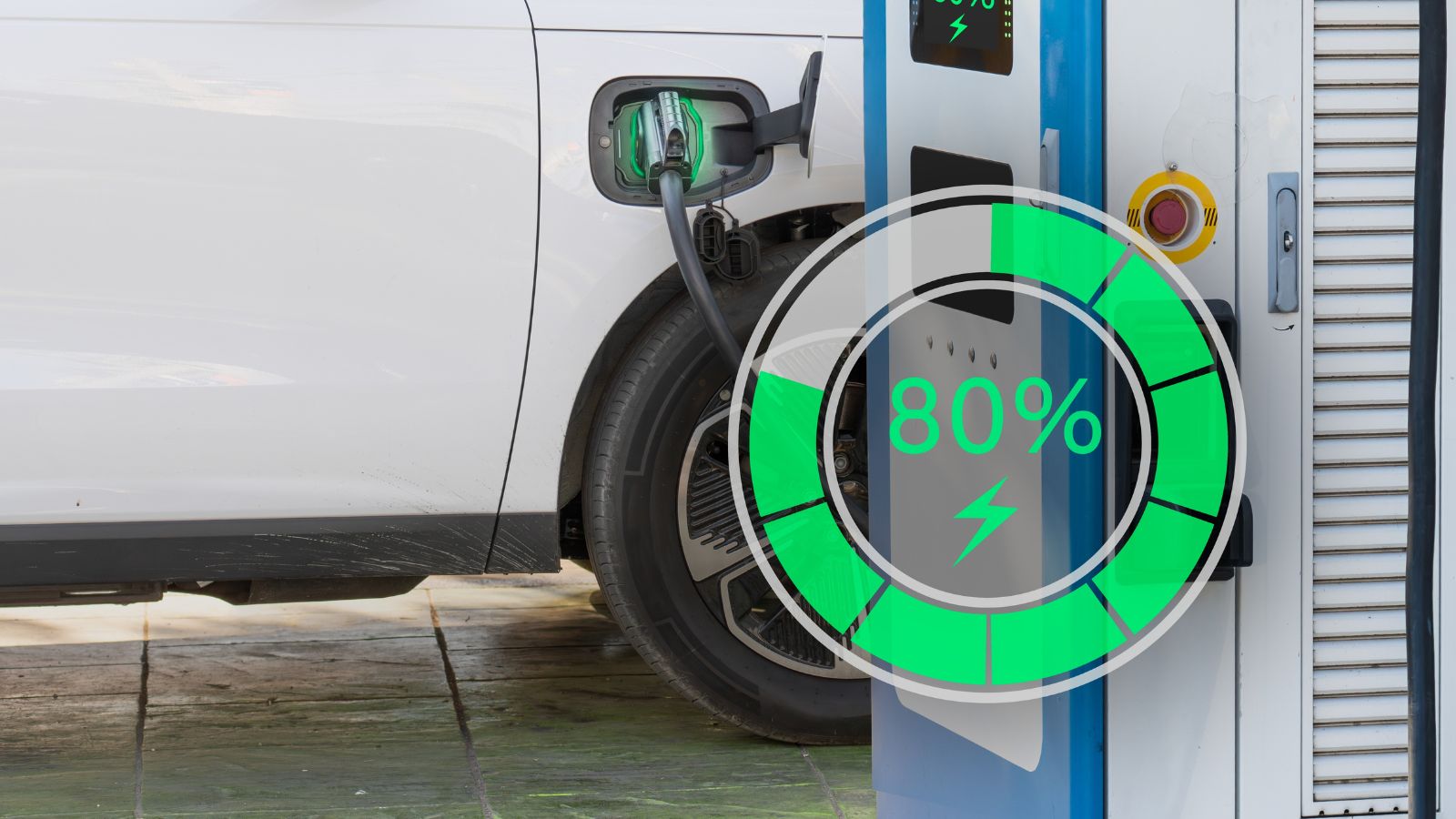
The phrase “five-minute charging” used to sound like classic auto-industry exaggeration. Lately, it has become more concrete. BYD has publicly unveiled a megawatt-capable charging platform that it says can add roughly 400 kilometres of range in five minutes on compatible vehicles. It has also said the same system can move from 10% to 70% state of charge in about five minutes and reach 97% in around nine. Those numbers are attention-grabbing not simply because they are fast, but because they narrow the psychological gap between plugging in and filling a gas tank. For EV skeptics, that matters almost as much as the underlying engineering.

Still, the headline speed does not mean every electric vehicle is about to recharge that quickly. Ultra-fast charging at this level depends on a tightly matched system: battery chemistry, thermal management, high-voltage architecture, charging hardware and software all have to be designed for it. In practice, that means the five-minute benchmark is real in a limited sense, not universal in a mass-market sense. It is best understood as proof of direction. The industry has shown what is possible under the right conditions. The harder question now is how quickly that capability spreads beyond a small group of compatible vehicles and purpose-built charging sites.

Canada’s First Megawatt Step Is Happening In Quebec

Canada’s most important near-term megawatt development is not a flashy coast-to-coast rollout. It is a specific site with a specific purpose. Electric Circuit, Hydro-Québec’s charging network, has said it plans to install a 1.2- to 1.4-megawatt charger at the Service Area de la Porte du Nord on Highway 15 in the Laurentians by summer 2026. The project is aimed at medium- and heavy-duty electric trucks, not family crossovers. That distinction matters because it immediately grounds the story in reality. Canada is getting closer to megawatt charging, but the first serious use case is freight and commercial transport, where downtime carries a direct business cost.

The location itself also tells a useful story. Electric Circuit has already built out the rest stop with a cluster of fast chargers for light-duty vehicles, including a 400-kW unit. In other words, this is not a random moonshot. It is a staged escalation at a site that already functions as a high-power charging hub. That kind of measured rollout feels very Canadian: test a high-demand corridor, collect performance data, solve operational problems, then scale. It may not create the same buzz as a splashy consumer launch, but it is often how important infrastructure actually arrives.

Trucks Are Going First For A Reason

Megawatt charging is being built around heavy-duty vehicles because that is where the technical and economic case is strongest. The Megawatt Charging System, or MCS, was developed specifically for high-power charging in commercial applications, and industry materials describe it as a standard capable of reaching power levels well beyond what today’s passenger-car fast chargers deliver. That makes sense. Large battery packs in trucks take much longer to recharge, and logistics operations are highly sensitive to delay. A truck sitting still is not just inconvenient; it disrupts routes, delivery timing and asset utilization. Ultra-fast charging has a clearer financial payoff in freight than it does in a suburban grocery run.

Canada’s fleet mix also helps explain the order of deployment. Transport Canada’s dashboard shows thousands of medium- and heavy-duty battery-electric vehicles already operating on Canadian roads, even though the segment is still small relative to passenger EVs. At the same time, Electric Circuit has said one of its practical headaches is finding trucks equipped with MCS connectors to test the new equipment. That detail captures the moment perfectly. The charging hardware is advancing, but vehicle availability is still catching up. So the first phase of Canada’s megawatt story is not mass adoption. It is controlled experimentation in a part of the market where the upside is obvious and the operational lessons will be valuable.

A Bigger Plug Does Not Solve The Hardest Problem

It is easy to imagine ultra-fast charging as a simple hardware race, but the real challenge is broader. Canada’s public charging network is still expanding at a meaningful pace, with nearly 39,654 public charging ports at 14,743 locations as of late March 2026, and DC fast charging growing faster than Level 2. That is progress. But megawatt charging is a different class of infrastructure. It raises tougher questions about available grid capacity, site design, power electronics, cooling, redundancy and utility coordination. The industry is learning that the charging pedestal visible to drivers is only the front end of a much more complicated energy project.

That is why seemingly dry developments matter. Ontario utilities have started publishing interactive grid-capacity maps to help charging providers understand where electrical load is available before they sink time and money into site design. Toronto Hydro has also launched a pilot aimed at giving local charging providers direct access to 480-volt power to simplify connections. Those are not headline-grabbing breakthroughs, but they show where the bottlenecks really live. The future of five-minute charging will not be decided only by better connectors or stronger batteries. It will depend on whether utilities, site hosts, regulators and charging companies can make very high-power projects faster and easier to build.

What This Means For Canadian Drivers Right Now

For ordinary Canadian drivers, the immediate takeaway is not that every EV stop is about to become a five-minute stop. It is that the country’s charging ladder is getting taller. Canada already has public sites offering 400-kW charging, including deployments from On The Run, BC Hydro and Mercedes-Benz in British Columbia. BC Hydro has said its new 400-kW units can add about 100 kilometres of range to the average EV in roughly three minutes, while Mercedes’ first Canadian hubs were designed to support both CCS-1 and NACS. Those projects matter because they normalize higher-power charging long before megawatt charging becomes routine for passenger vehicles.

The broader backdrop is equally important. The federal government says it has invested more than $1.2 billion since 2016 to support EV chargers and hydrogen refuelling stations, and Transport Canada’s dashboard shows nearly one million light-duty zero-emission vehicles already operating in Canada as of October 2025. Put those pieces together and the picture becomes clearer. Canada is not yet at the point where a driver can expect a universal five-minute refill anywhere on the map. But it is moving from basic charger expansion into a more ambitious phase: better corridor coverage, higher power, more connector flexibility and, now, the first real megawatt-class deployment. That is a meaningful shift from aspiration to infrastructure.


Recommended.

The Snowbank Mistake That Can Damage Your Car Bumper Fast

The Snowbank Mistake That Can Damage Your Car Bumper Fast

August 19, 2026
17 Dealer Add-Ons That Make Canadians Feel Played at Signing

Canadian Auto Sales Reach 173,000 in July as Dealer Lots Hold Roughly 169,000 Vehicles

August 20, 2026

Trending.

⁠$28 Billion in Canadian Goods Face 50% Trump Tariffs at Midnight as Deal Still Isn’t Final

Canada-U.S. Trade Deal Fell Apart After Washington Left Ontario-Built Ford and GM Trucks Out of Auto Tariff Relief

August 23, 2026
Quebec’s BRP Prepares 2027 Vehicle Reveal Tonight as Canadian Manufacturer Pushes New Can-Am Lineup

Quebec’s BRP Prepares 2027 Vehicle Reveal Tonight as Canadian Manufacturer Pushes New Can-Am Lineup

August 17, 2026
Doug Ford Says U.S. ‘Wasn’t Budging’ on 25% Auto Tariffs as Ontario Puts ‘Every Single Tool’ on the Table

Doug Ford Says U.S. ‘Wasn’t Budging’ on 25% Auto Tariffs as Ontario Puts ‘Every Single Tool’ on the Table

August 23, 2026
Mexico Pushes U.S. to Cut Auto Tariff From 25% to 5%–10% — and Give Canadian Parts More Room

Ottawa’s Chinese-EV Quota Opens Canada to 6.1% Tariffs Instead of the Former 100% Surtax

August 22, 2026
19 Things That Can Make Your Car Insurance Claim Get Denied

Foreign Insurer Can Apply to Enter Canada’s Auto-Insurance Market Starting Today

August 17, 2026
  • About
  • Contact
  • Privacy Policy
  • Disclaimer
  • Editorial Policies
  • Terms and Conditions
A Revir Media Group Website

2026 Autoigloo - © All rights reserved

No Result
View All Result
  • News & Trends
  • Car Reviews
  • Buying Guides
  • Comparisons
  • EVs & Hybrids
  • More
    • Pricing & Deals
    • Winter Driving
    • Ownership & Maintenance

2026 Autoigloo - © All rights reserved

This website uses cookies. By continuing to use this website you are giving consent to cookies being used. Visit our Privacy and Cookie Policy.