


























Small repair bills have a way of turning sinister when they’re attached to aging vehicles and delayed maintenance. That is especially true now, as drivers keep vehicles longer and repair visits become more expensive and more frequent. What looks like a modest sensor, seal, hose, or belt job can quickly spread into damage involving the engine, brakes, exhaust, or transmission. These 14 repairs stand out because they often begin with symptoms that seem minor, familiar, or easy to postpone. Then the secondary damage shows up, and the original bargain fix is long gone.
Oxygen Sensors
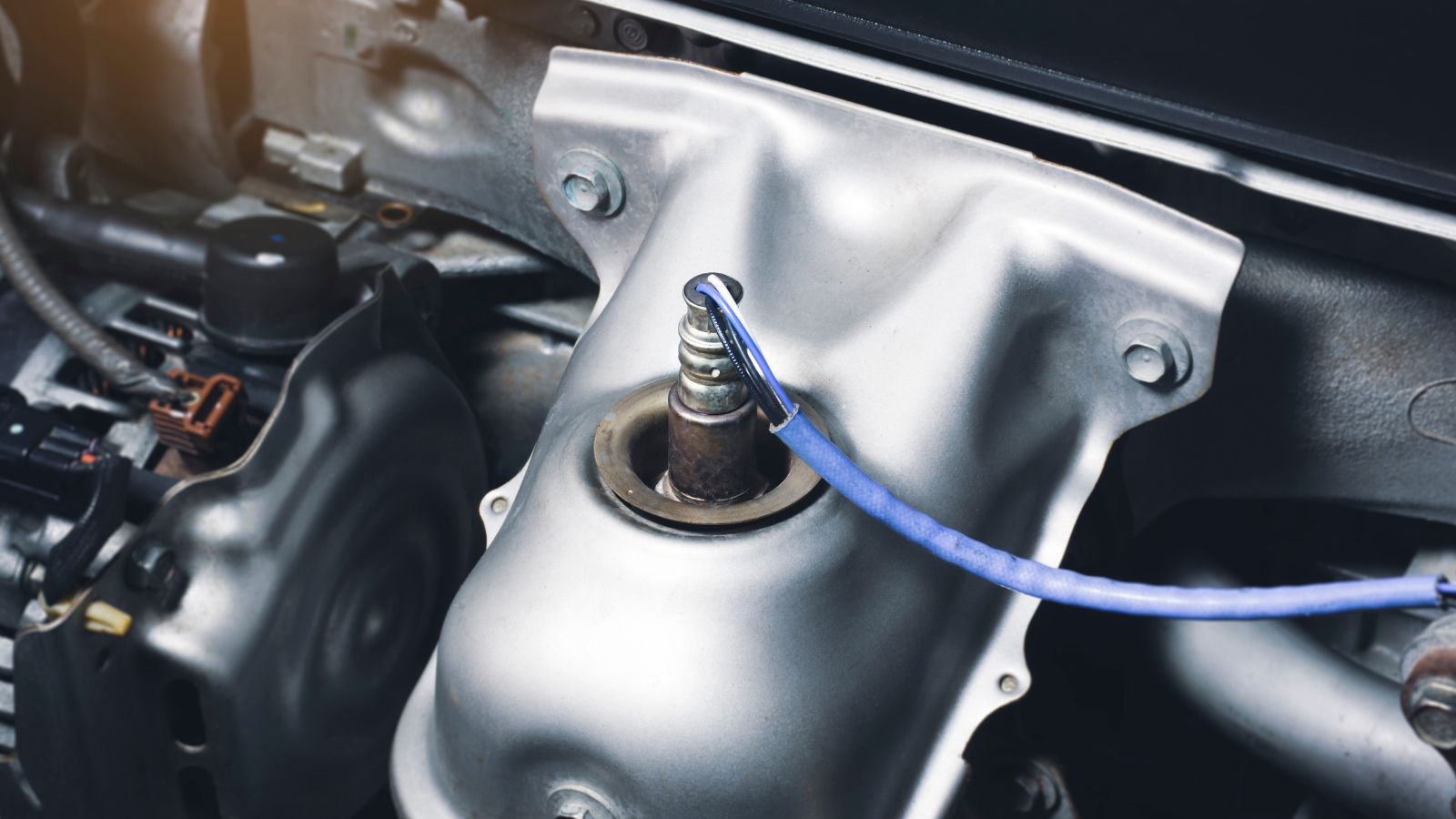
An oxygen sensor often looks like the definition of a manageable repair. The engine still runs, the vehicle may feel mostly normal, and the dashboard light can tempt owners into “watching it for a while.” That is exactly what makes this one dangerous from a budget standpoint. When the sensor stops reporting properly, the engine can run richer or leaner than intended, emissions rise, fuel economy slips, and the catalytic converter may start taking abuse it was never meant to absorb.
That escalation is what makes a cheap sensor job turn ugly. CarMD’s recent check-engine-light data puts oxygen sensor replacement among the most common fixes, with a far lower average cost than catalytic converter replacement. But once the converter is affected, the bill changes fast. A repair that might have been a few hundred dollars suddenly becomes a four-figure emissions-system problem, often with diagnostic time piled on top. What began as a simple warning light can end as a full exhaust aftertreatment headache.
Spark Plugs
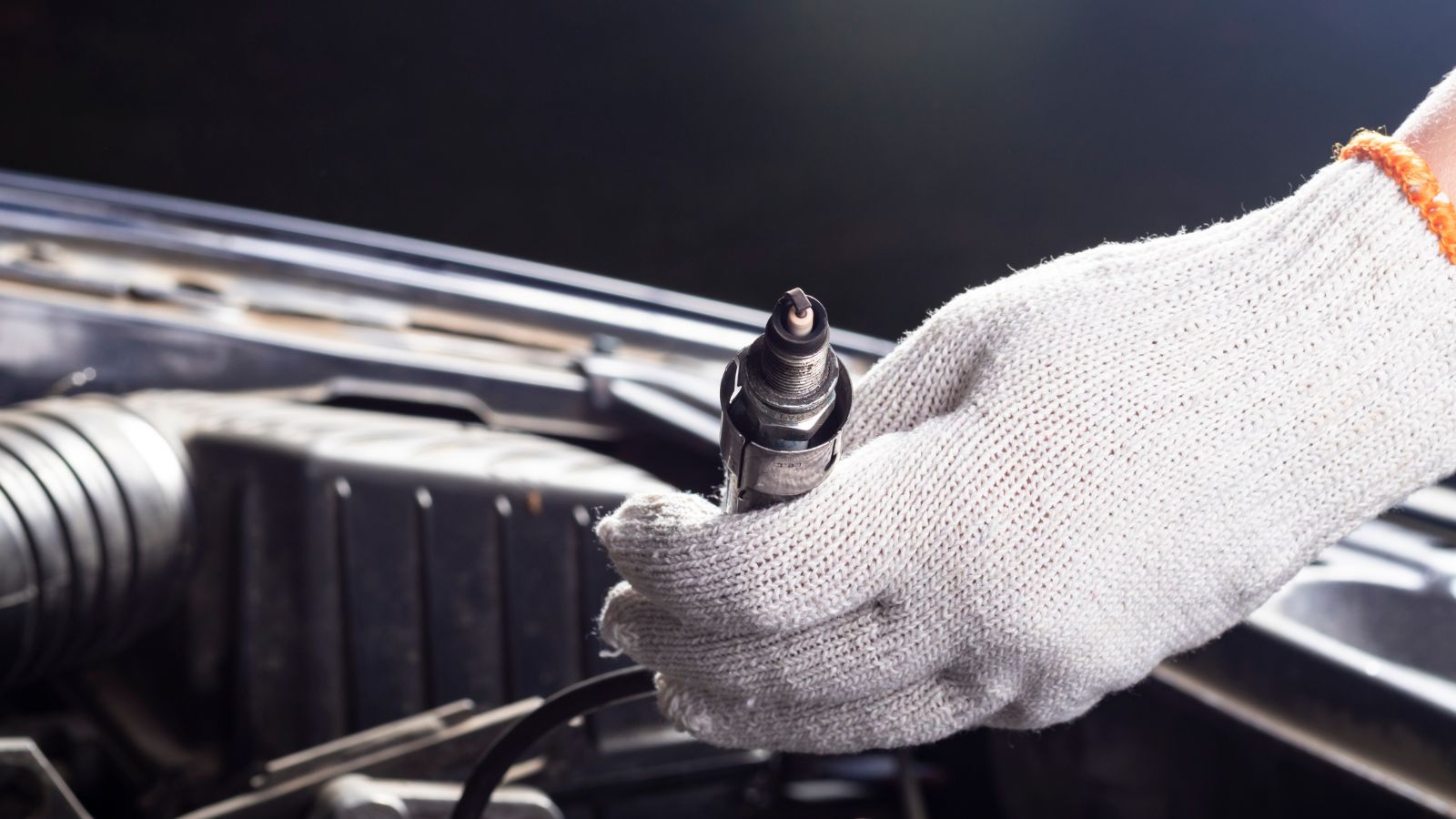
Spark plugs still sound old-school, almost reassuringly basic. In many minds, they belong in the same category as filters and wiper blades: small, predictable, routine. Sometimes they are. But worn plugs can trigger misfires, harder starts, rough idle, and poor combustion long before the car completely breaks down. The danger is not just inconvenience. A persistent misfire dumps unburned fuel into the exhaust stream, and the catalytic converter is usually the component that pays the price.
That is why a skipped tune-up can spiral so quickly. One worn set of plugs may not feel catastrophic, but the knock-on effects can be. Kelley Blue Book notes that a misfiring engine can damage the catalytic converter, and converter replacement is dramatically costlier than a spark-plug job. In Canada, even a basic tune-up starts accumulating labor quickly once diagnostics, coils, or intake access are involved. By the time the driver comes in for a “small stumble,” the shop may be talking about plugs, coils, fuel-trim issues, and an emissions component that has already been overheated.
Brake Pads
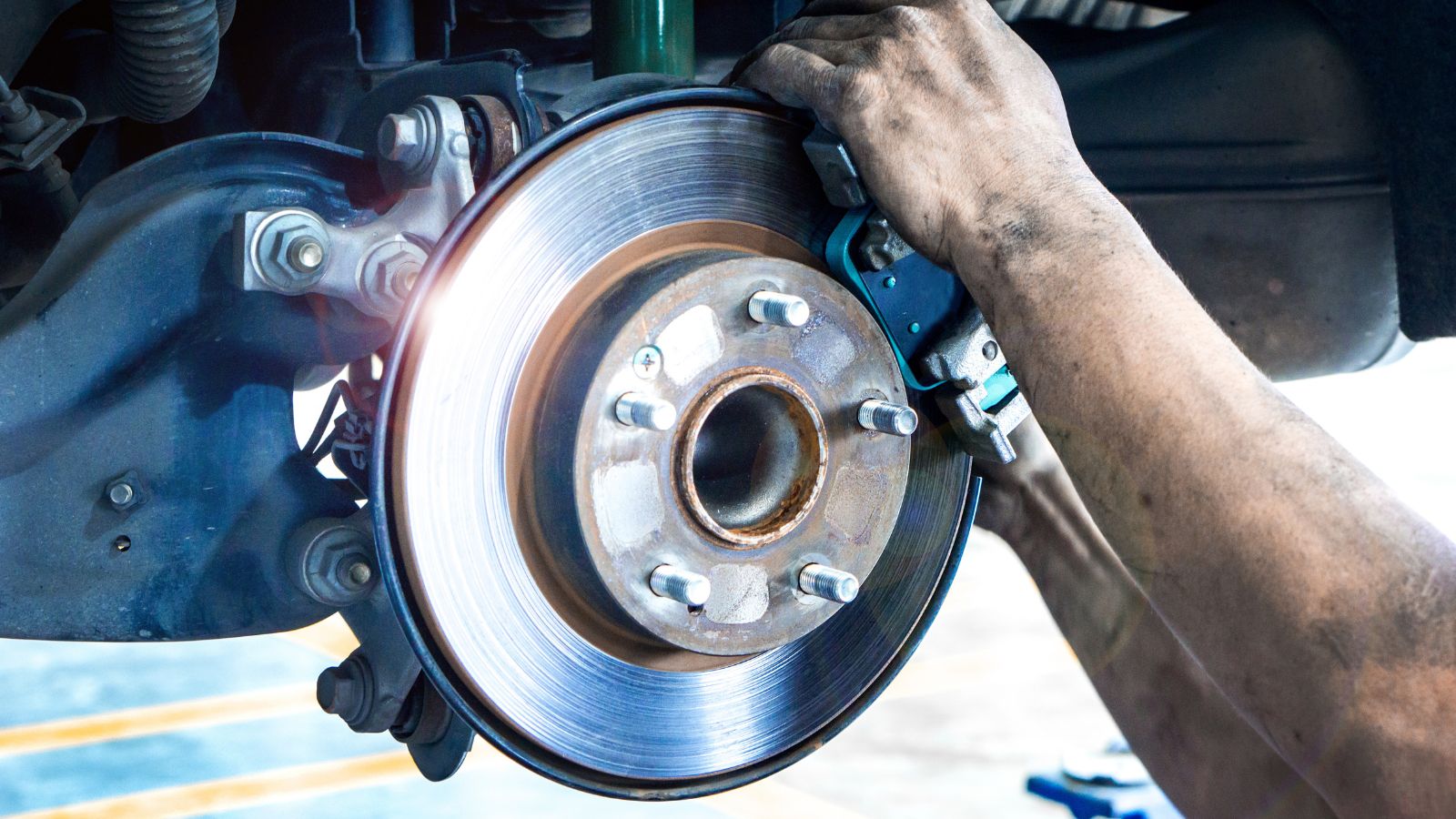
Brake pads are classic procrastination bait because the car usually keeps stopping for a while after the first warning signs appear. Maybe there is a slight squeal. Maybe braking feels a little longer than normal. The vehicle still seems usable, so the repair gets pushed to next month. The problem is that brake pads are one of the clearest examples of a part designed to protect something more expensive. They are meant to wear out before rotors do.
Once that buffer disappears, the bill rises in a hurry. Consumer Reports warns that grinding often means the pads are already overdue and may be damaging the rotors. Car and Driver notes that pads should be replaced at their service limit, which is typically around a tenth of an inch. Wait too long, and the job stops being about pads alone. Now there may be rotors, caliper hardware, fluid service, and extra labor. What should have been straightforward maintenance becomes a full brake-system visit, and that can feel brutal for something that started as a small squeak.
Brake Fluid Leaks
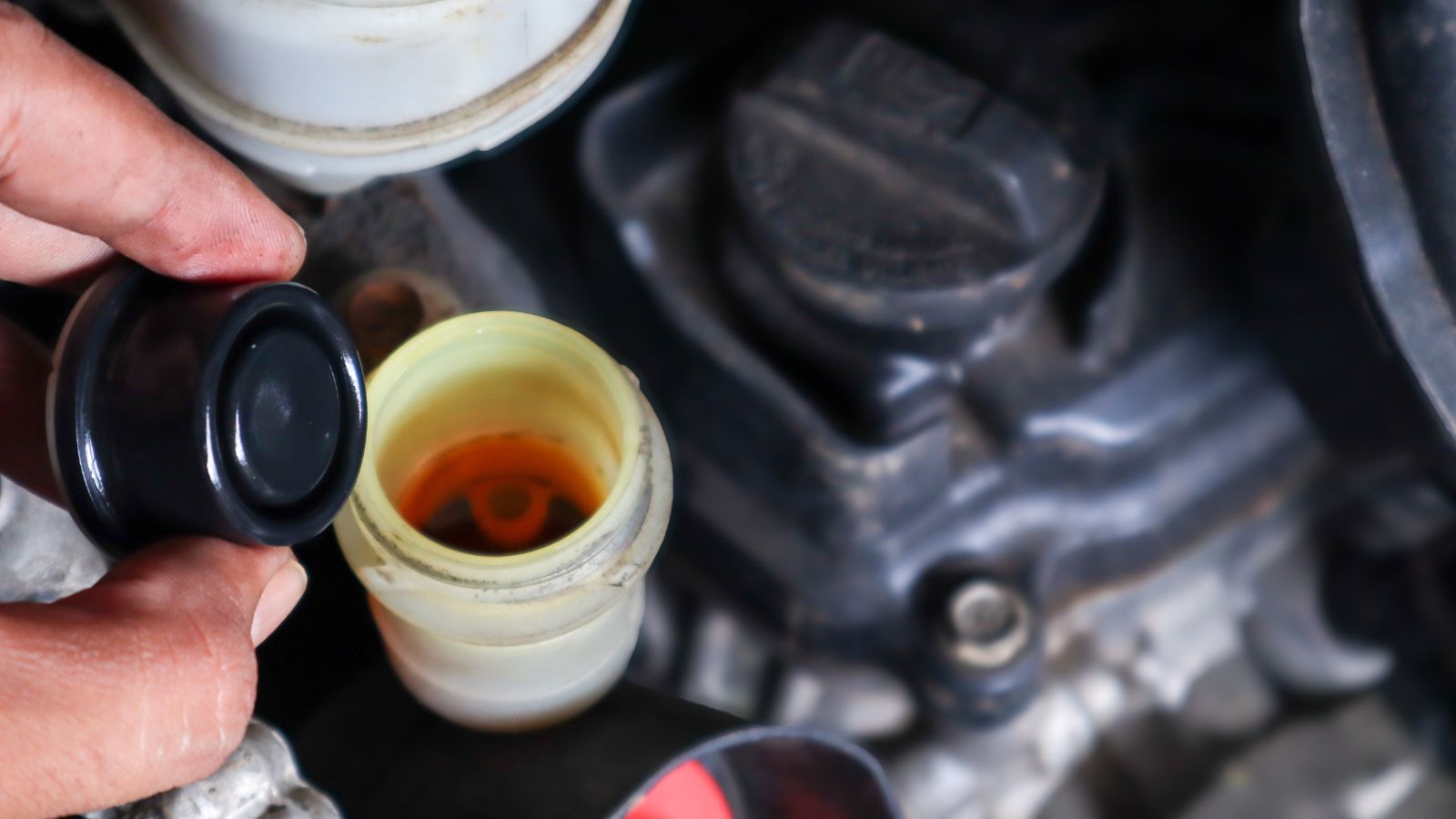
A tiny brake-fluid seep can look harmless at first, especially when it is caught during a routine inspection and the pedal still feels acceptable. That false sense of security is part of the risk. Brake systems depend on sealed hydraulic pressure, so even a minor leak can grow from annoyance to safety issue quickly. Fluid loss can affect braking feel, reduce confidence under hard stops, and create a situation where the repair can no longer be postponed on convenience alone.
There is also a darker path some leaks can take. NHTSA has highlighted multiple cases in which brake-fluid leaks were tied to electrical shorts and underhood fire risk, including a major 2023 consumer alert involving more than 3.3 million Hyundai and Kia vehicles. In other recalls, fluid seepage into pressure switches created excessive heat. That means a repair that sounds as simple as “trace and fix a small leak” can become a safety event with switch damage, harness problems, and towing. The bill may not just grow; the urgency does too.
Coolant Hoses
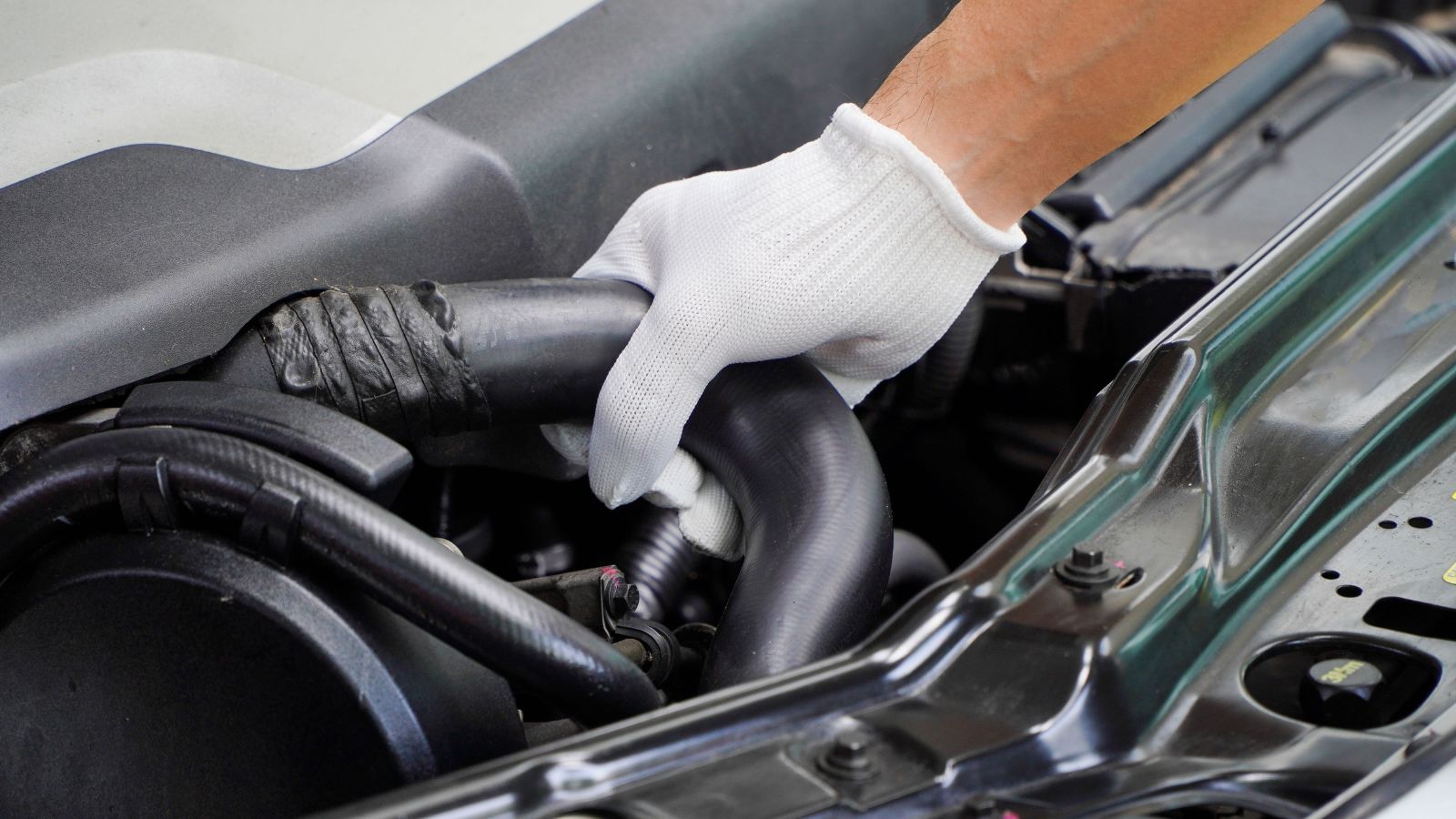
Coolant hoses rarely get the respect they deserve because they are cheap compared with major engine parts. That is exactly why they make this list. A hose that is soft, swollen, cracked, or slightly weeping can still look like something that can wait until the next oil change. Meanwhile, the cooling system is losing pressure, coolant level drops, and the engine’s margin for error starts disappearing. Modern engines do not tolerate overheating well, especially aluminum-heavy designs with tight thermal tolerances.
NHTSA documents repeatedly show the same pattern: loss of coolant leads to overheating, and overheating can lead to engine failure if it is not addressed. That is the scary part of the “just a hose” mentality. A small cooling leak can trigger secondary damage to gaskets, thermostats, water pumps, or the engine itself. What began as a modest rubber-part replacement can turn into a tow, an overheated engine, and a diagnostic session nobody wanted. Few cheap parts have such a direct line to a truly punishing repair bill.
Thermostats
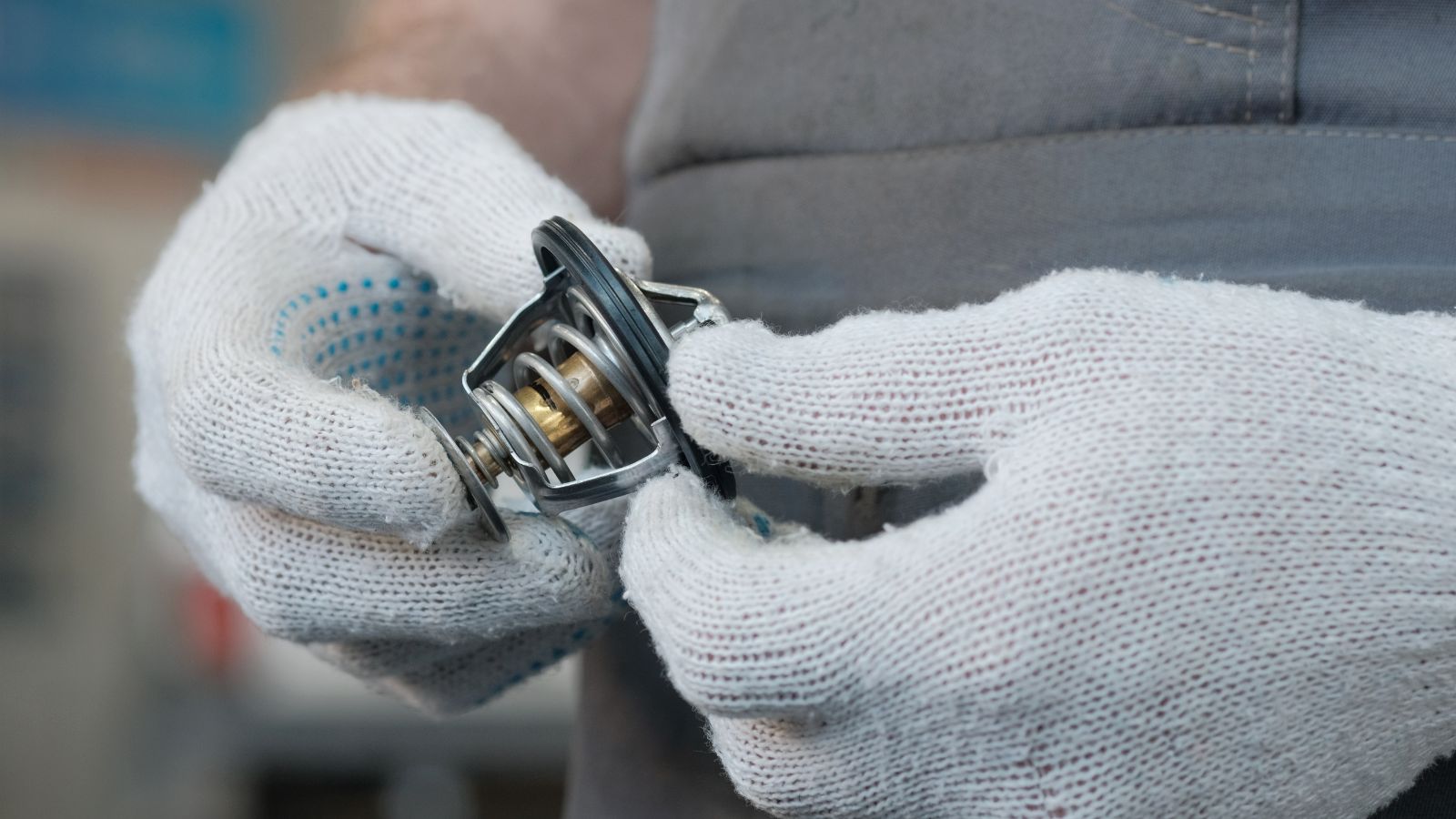
A thermostat is one of those parts most drivers never think about until the car starts acting strange. When it sticks closed, the engine can overheat. When it sticks open, the engine may run too cool, take longer to warm up, hurt fuel economy, and sometimes trigger a check-engine code. Neither symptom sounds dramatic in the beginning, which is why thermostat problems are often misjudged. A lazy gauge movement or weak cabin heat does not feel urgent until it becomes something much more expensive.
Kelley Blue Book notes that a stuck thermostat can cause the engine to overheat or run too cold, and either condition calls for replacement quickly. That “quickly” matters. If the thermostat stays closed and heat builds, the engine can be pushed into a much costlier cooling-system or head-gasket situation. If it stays open, the owner may keep driving while fuel economy worsens and other temperature-related faults emerge. A thermostat itself is not a glamorous repair, but it can quietly set the stage for bills that are far uglier than the part’s tiny size suggests.
Serpentine Belts
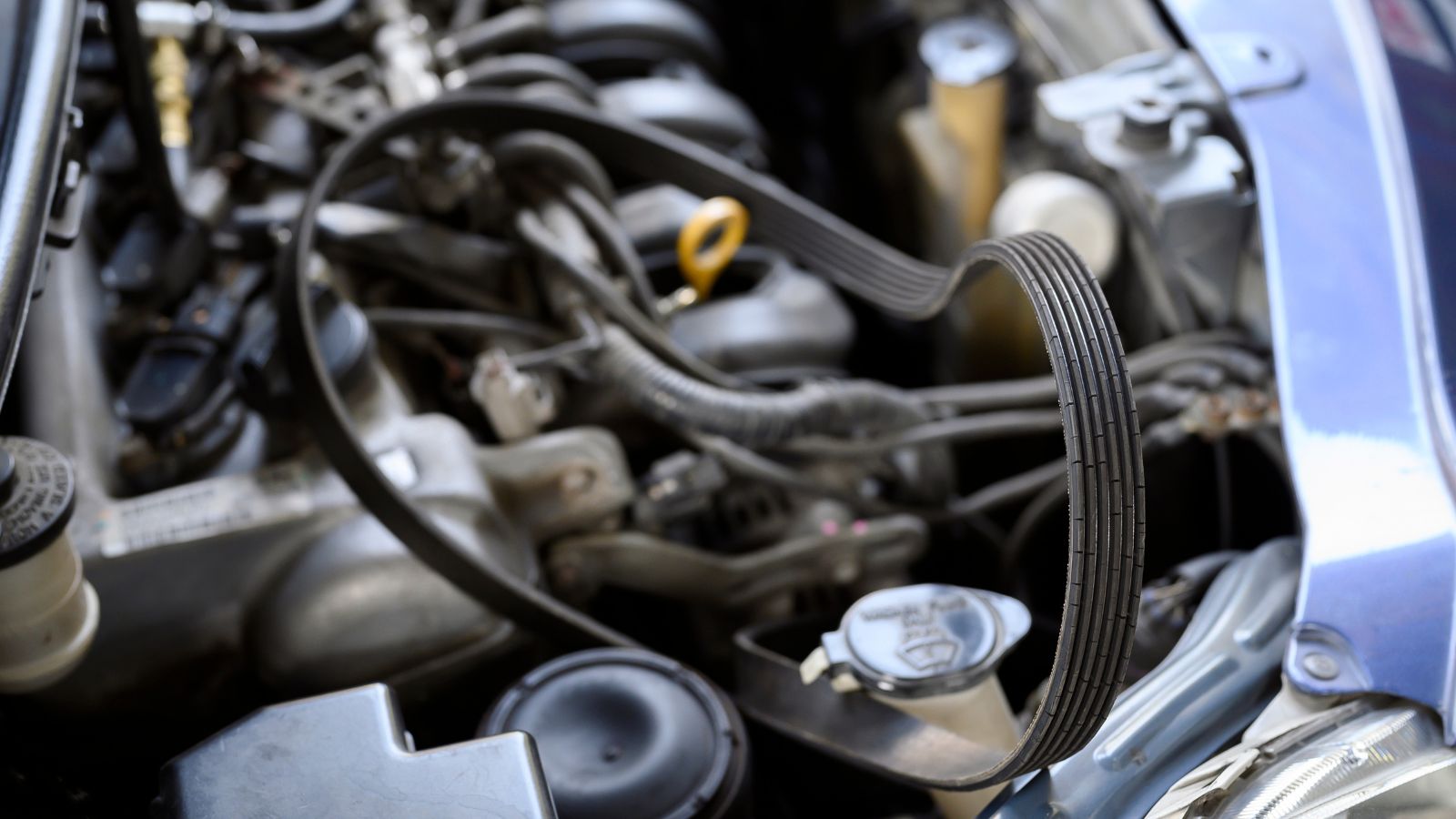
The serpentine belt often announces itself with a chirp, squeal, or visible cracking, which makes it easy to treat as a future problem rather than a present one. That is a mistake because the belt is not cosmetic. On many vehicles it drives critical accessories, and once it slips badly or fails outright, the consequences multiply. Depending on the layout, a single belt problem can affect charging, cooling, steering assist, and air conditioning in one shot.
Consumer Reports has long warned that a broken drive belt can disable the alternator or water pump, leading to battery failure or engine overheating. That chain reaction is what makes a belt so deceptive. The part itself is usually not the painful part of the invoice. The pain comes from what happened after it was ignored: a dead battery, overheated engine, stranded vehicle, or tensioner and pulley damage that gets discovered during repair. A little noise under the hood does not sound expensive. Then the belt lets go, and the entire visit changes character.
12-Volt Batteries
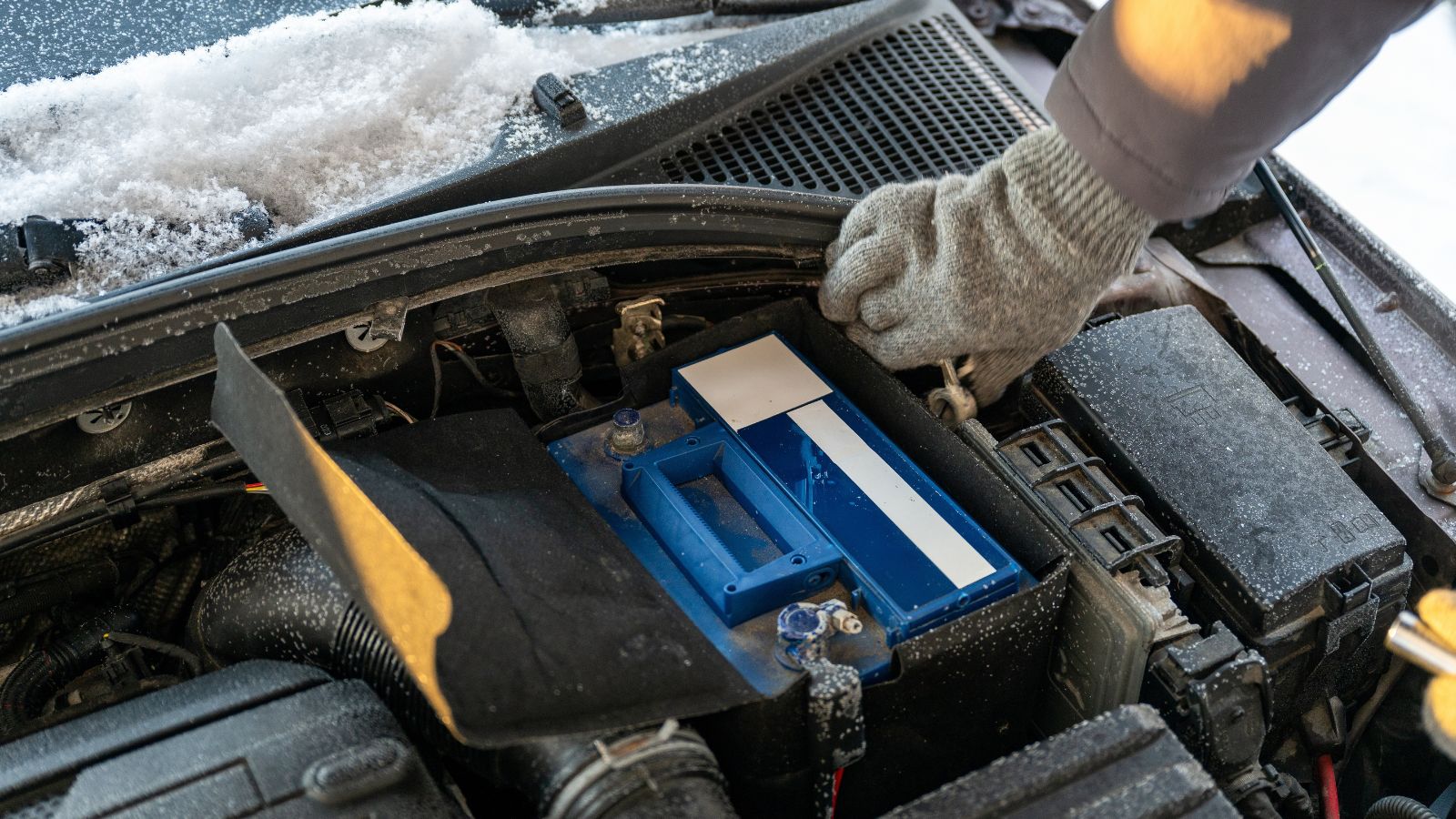
A weak battery seems like one of the most ordinary car problems imaginable. It is so common that many drivers treat the first signs as background noise: a slow crank on a cold morning, dimmer lights, or one random no-start that disappears after a boost. That casual attitude is understandable, but it can backfire. Batteries fail on their own schedule, and when they do, they rarely choose a convenient time or place.
AAA lists dead batteries among the most common roadside emergencies, and Consumer Reports recommends annual load testing once a battery reaches about four years old in colder climates. That advice exists for a reason. A bad battery does not only risk a no-start; it can mask charging-system problems or leave a driver stuck in harsh weather. Once the alternator is strained, terminals are corroded, or towing is involved, the “simple battery job” grows. The part may be ordinary, but the surrounding costs, inconvenience, and diagnostic uncertainty can make it feel far more punishing than expected.
Wheel Alignments
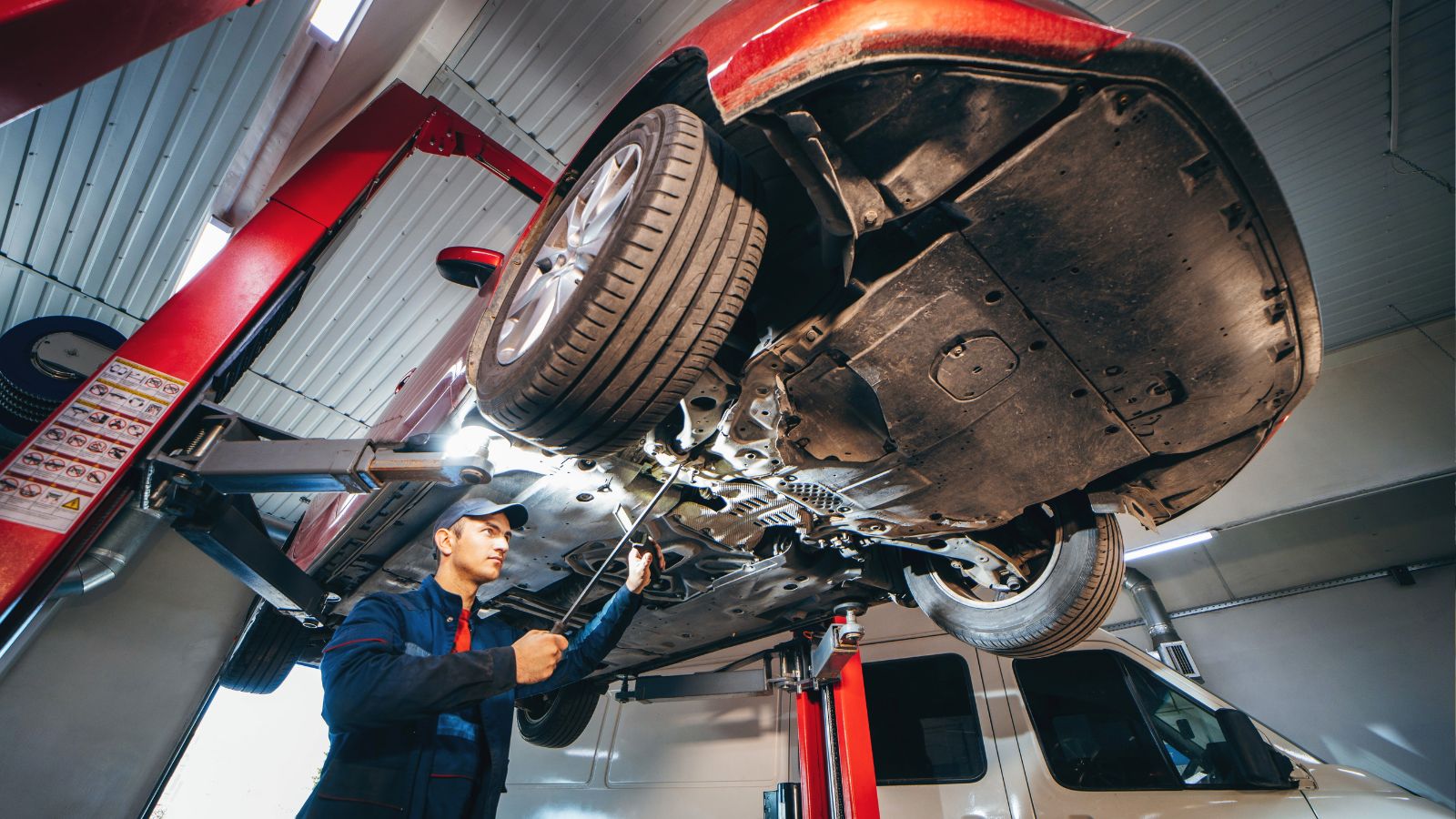
An alignment sounds mild because it often begins with symptoms people learn to live with. The steering wheel is just a little off-center. The car drifts slightly. Tire wear does not look perfect, but it does not look catastrophic either. That is what makes this one sneaky. Alignment issues often develop after pothole hits, curb contact, or worn suspension parts, and the damage is not always obvious until the tires start wearing unevenly and the replacement clock speeds up.
Consumer Reports says uneven tread wear often points to poor alignment or worn suspension components, while the Department of Energy notes that underinflation can reduce fuel economy and properly maintained tires can improve it. Alignment neglect, then, is not just a handling problem. It can quietly drain fuel, shorten tire life, and sometimes reveal underlying suspension wear. On some all-wheel-drive vehicles, badly mismatched tire diameters can create additional drivetrain stress. What felt like a modest alignment fee can suddenly become new tires, suspension work, and a much more expensive conversation than anyone expected.
Wheel Bearings
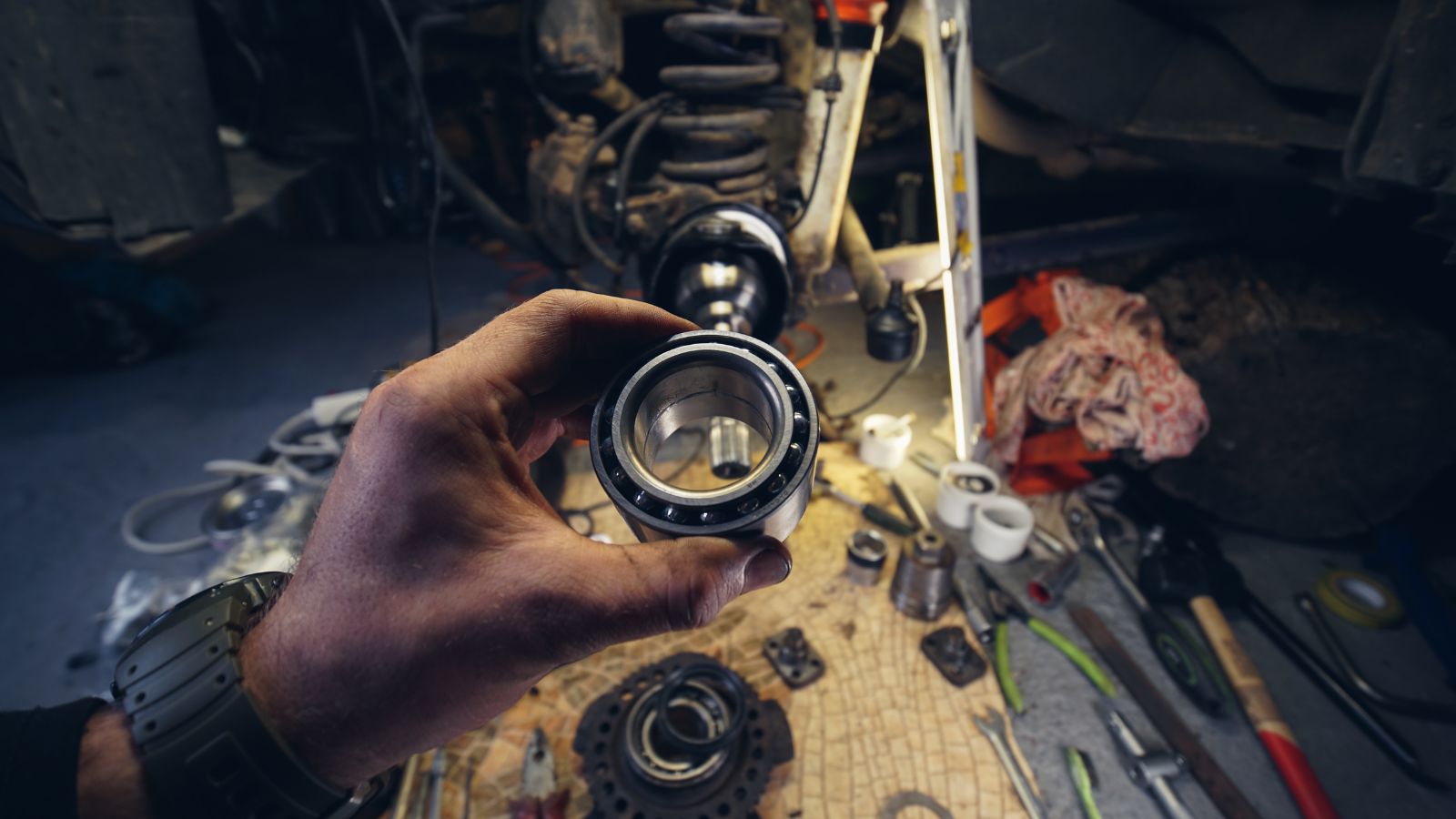
Wheel bearings usually fail with the kind of symptom people talk themselves out of taking seriously. A faint hum at highway speed can be mistaken for tire noise. A growl on turns can sound like rough pavement. The car still moves, so the appointment gets delayed. That delay is where the trouble lives. Bearings do not improve, and once the internal wear starts progressing, the noise often turns into vibration, looseness, and a genuine safety concern.
Kelley Blue Book notes that bad wheel bearings can cause pulling, loose steering, grinding noises, and uneven tire wear, and in the worst cases the wheel can come off while driving. NHTSA recall documents go even further, describing cases where oil loss or poor assembly could lead to bearing seizure or wheel separation. That is why the bill can get brutal. A bearing job caught early may stay relatively contained. Left too long, it can damage the hub, affect ABS function, chew up tires, and turn a manageable repair into a larger front-end or rear-end overhaul.
CV Boots
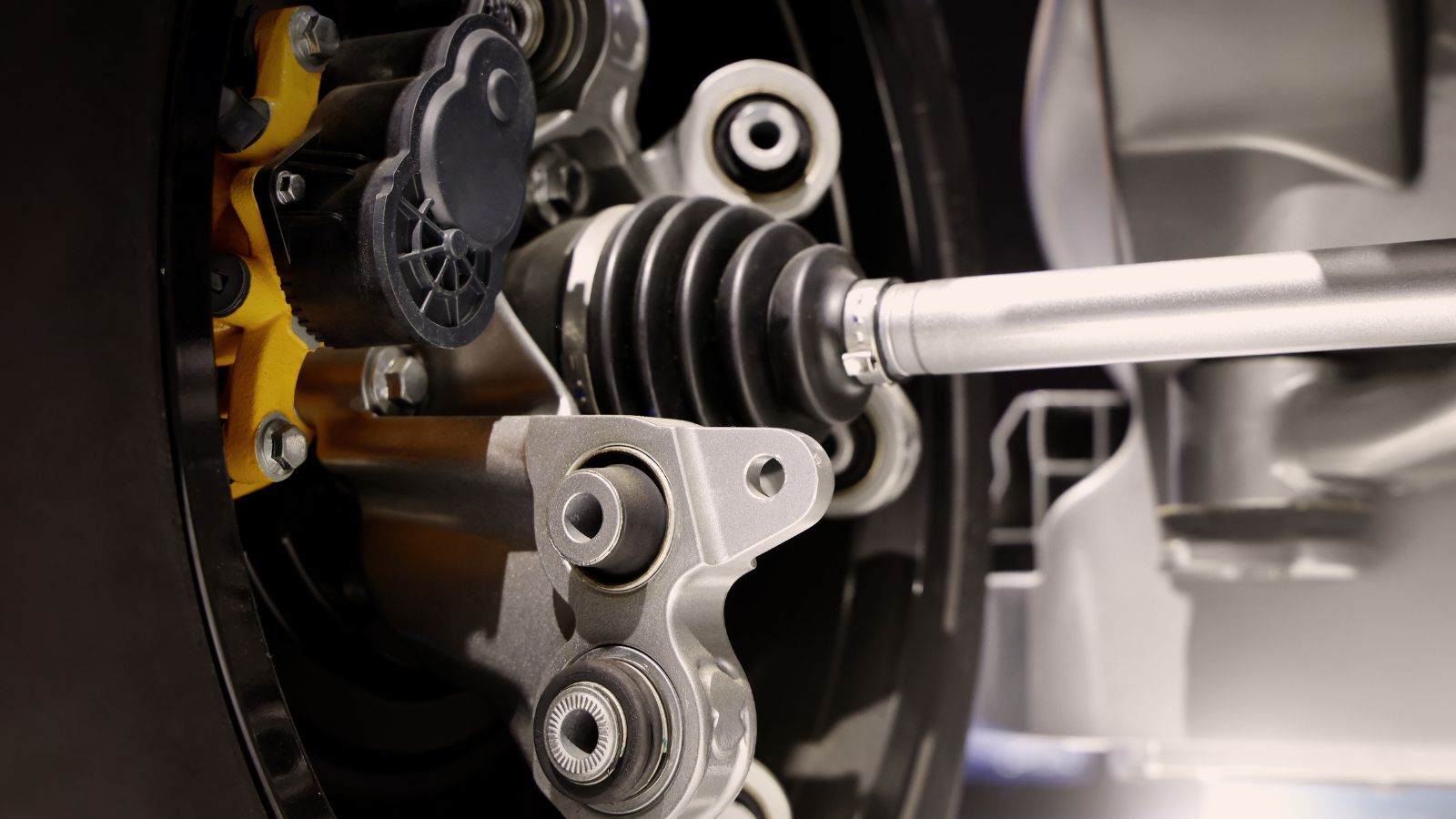
CV boots are about as unglamorous as car parts get, which is why they are often ignored. They are just rubber covers, tucked out of sight, and the first evidence may be a little grease around the axle area. On paper, it sounds minor. In reality, the boot’s job is crucial: it keeps grease in and contamination out of the constant-velocity joint. Once the boot tears, that protection is gone, and the joint begins a countdown toward wear and failure.
Recent NHTSA service information says visible grease slinging, missing clamps, or a torn boot are clear signs that replacement is needed. Consumer Reports is equally blunt when inspecting used cars: if the CV joint boots are split and leaking grease, assume the joints may be bad. That is what turns this repair nasty. Catch the boot early, and the job may stay fairly contained. Ignore it, and now the joint itself may click on turns, vibrate under load, and require axle replacement instead. The expensive part is rarely the torn rubber; it is what the torn rubber exposes.
Oil Leaks and Valve Cover Gaskets
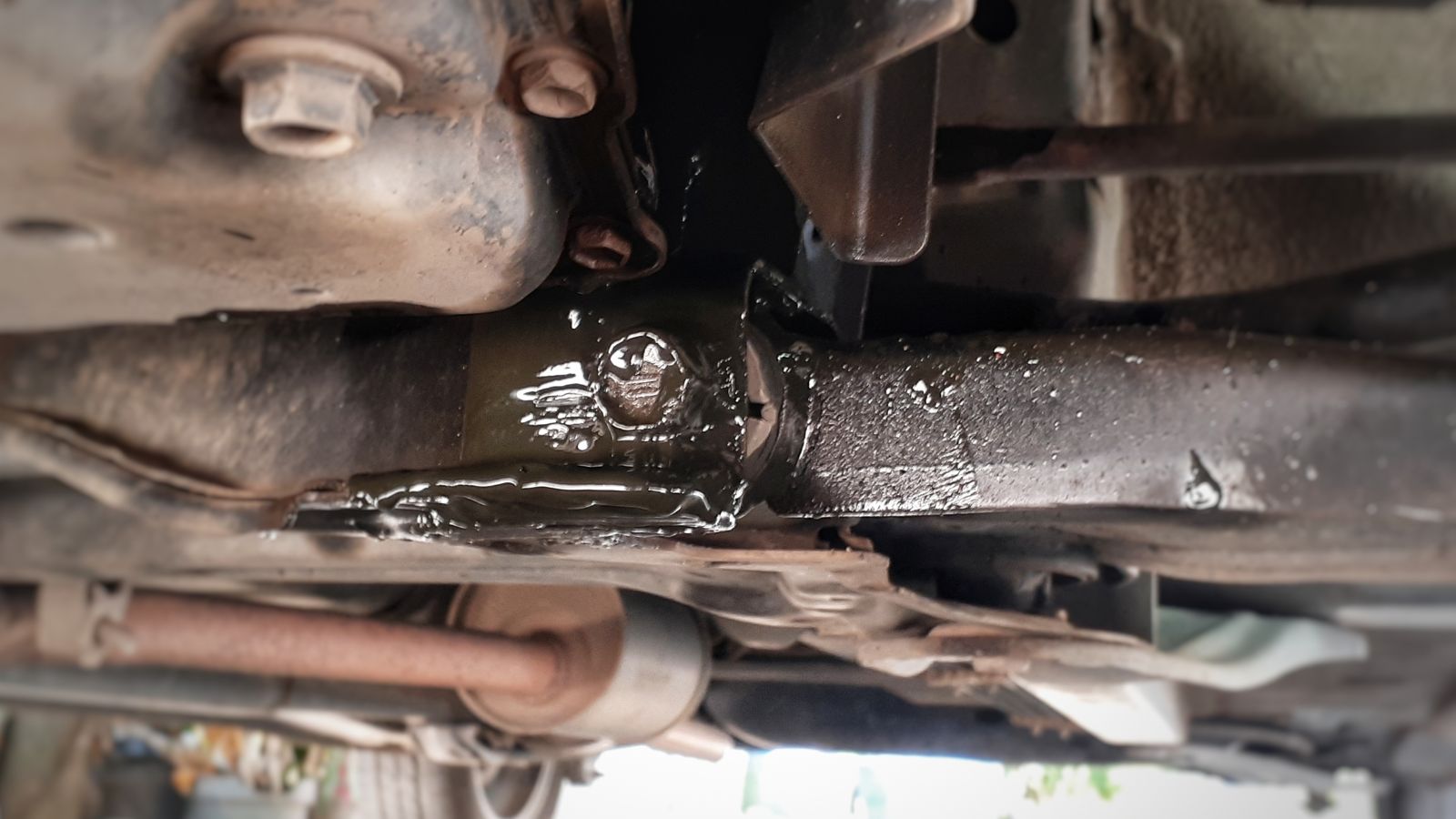
Oil leaks are tricky because not all of them look dramatic right away. A damp valve cover area, a small spot on the driveway, or a faint burnt-oil smell can all feel manageable, especially on an older vehicle. Some owners simply top up and move on. That strategy sometimes works for a while, but it can become expensive fast if the leak worsens, contaminates other components, or starts dripping onto hot exhaust parts.
Consumer Reports has warned that catching an oil leak early may mean spending hundreds, while neglected engine sludge and related damage can lead to engine failure costing as much as $6,000. NHTSA recall filings also show why some leaks are more than messy: oil leaking onto an exhaust manifold can raise fire risk. That is the brutal turn. A basic gasket job sounds small until oil reaches ignition sources, fouls spark-plug wells, or masks deeper sealing issues. Then the repair expands from a minor leak into cleanup, secondary parts, and a much more serious inspection.
Transmission Fluid Seep
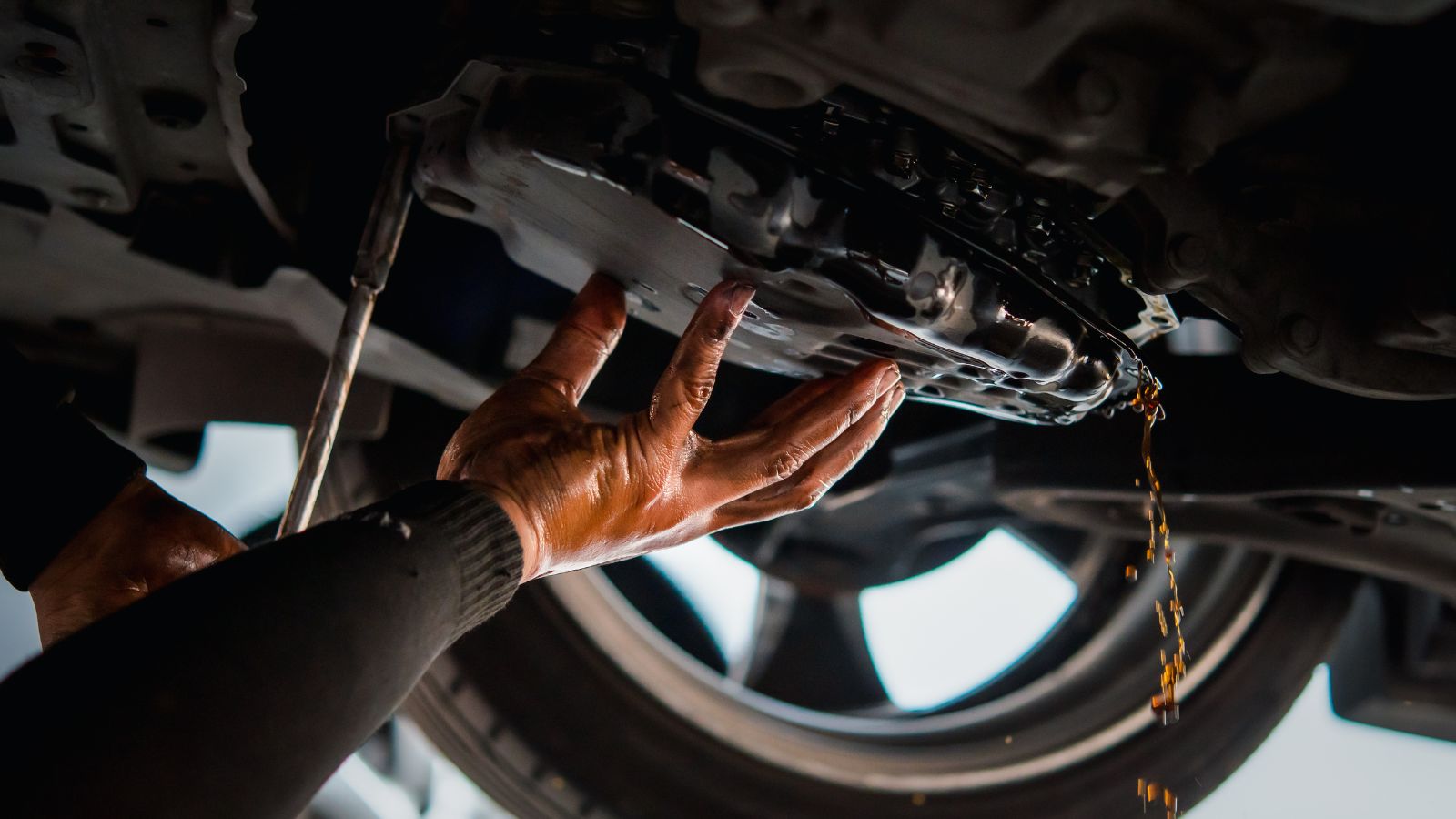
Transmission fluid leaks are among the most dangerous “small” repairs to shrug off because the early symptoms can be subtle. Maybe there is a stain on the driveway. Maybe shifts feel a little rough or hot after highway driving. Since the transmission still engages, it is easy to delay action. But transmissions are brutally sensitive to fluid level and fluid condition. Once the fluid is low, overheated, or burnt, internal wear accelerates in ways that are rarely cheap to reverse.
Kelley Blue Book says dark or burnt-smelling transmission fluid, rough shifting, slipping, and overheating are all warning signs that should not be ignored. NHTSA recall records add a more alarming angle: in some cases, expelled or leaking transmission fluid has contacted hot engine or turbocharger components and created fire risk. That combination explains why the repair can get ugly so quickly. What begins as “fix a small seep” can become a transmission service, a seal job, drivability diagnostics, or far worse. Few fluid leaks offer a clearer example of a modest issue turning expensive in a hurry.
Small Exhaust Leaks
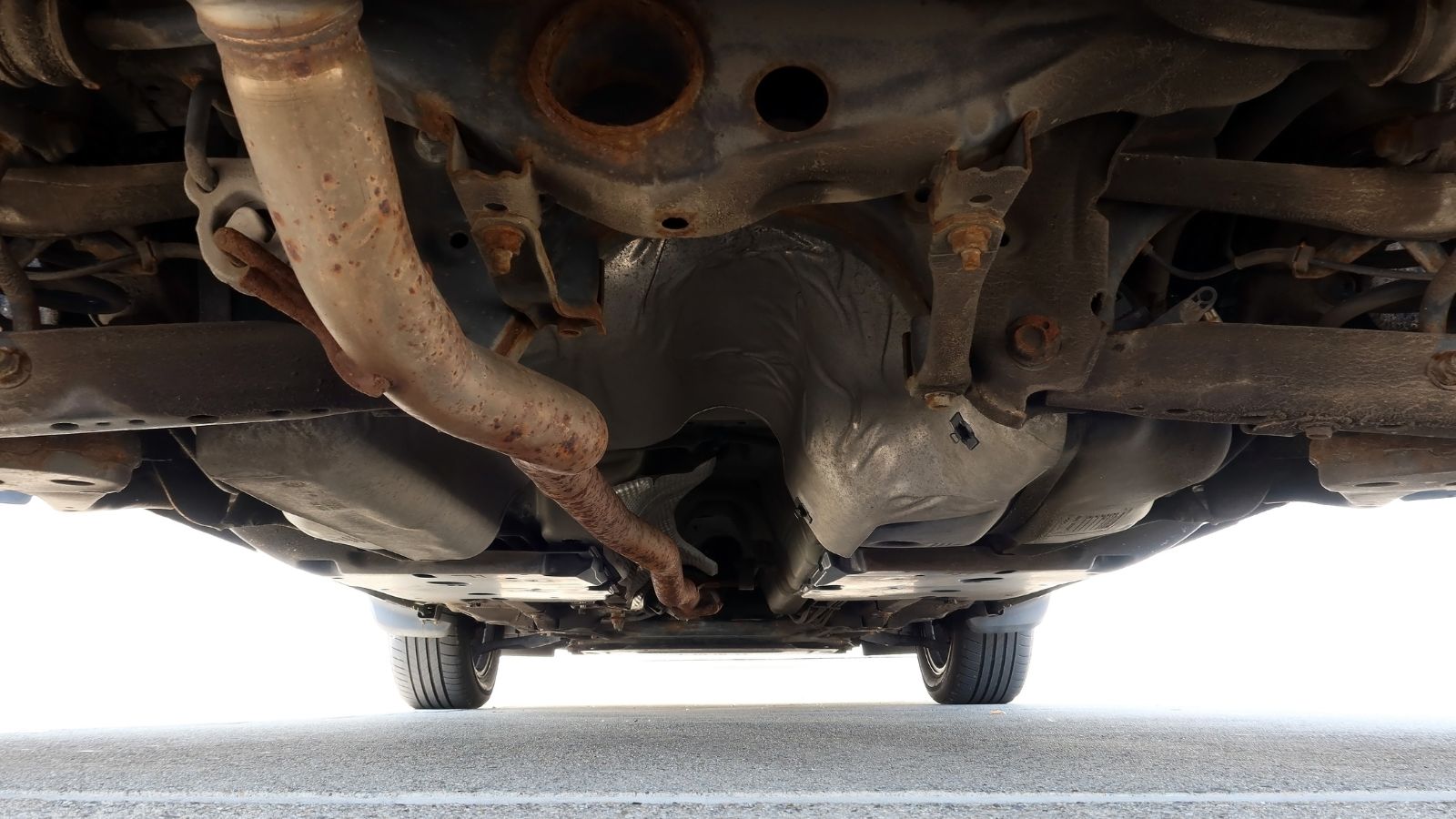
A small exhaust leak often gets dismissed because it starts with noise. Maybe the car sounds a little louder on startup. Maybe there is a faint ticking or rasp that seems more annoying than urgent. That is a risky assumption. Exhaust leaks can alter sensor readings, trigger check-engine lights, affect emissions performance, and in the wrong situation allow fumes to enter the cabin. The line between nuisance and hazard can be thinner than it sounds.
Consumer Reports has covered investigations into Ford Explorer exhaust leaks because of concerns that carbon monoxide could enter the cabin, and CR’s carbon monoxide safety guidance notes that early symptoms include headaches, dizziness, nausea, and lethargy. NHTSA recall materials on exhaust-pipe and flex-pipe issues also describe personal-injury risks from elevated carbon monoxide exposure. That is why the bill can escalate. A cheap weld or flex-pipe repair is one thing; waiting until sensors, manifolds, catalysts, or cabin-sealing concerns are involved is another. A little extra noise can become a much uglier repair than expected.
19 Things Canadians Don’t Realize the CRA Can See About Their Online Income

Earning money online feels simple and informal for many Canadians. Freelancing, selling products, and digital services often start as side projects. The problem appears at tax time. Many people underestimate how much information the CRA can access. Online platforms, banks, and payment processors create detailed records automatically. These records do not disappear once money hits an account. Small gaps in reporting add up quickly.
Here are 19 things Canadians don’t realize the CRA can see about their online income.