




















Third-row seating sounds like a win for families. More seats mean more flexibility, right? Not always. Many SUVs in Canada advertise a third row that barely works in real life. Legroom disappears, headroom feels tight, and access can feel like a workout. Winter gear only makes things worse. Bulky coats and boots need space, but these rows do not offer it. Some models are better suited for kids or very short trips. Others feel like an afterthought. If you plan to carry real passengers, these limitations matter. Here are 17 SUVs with third rows that are basically useless (Canada edition).
Toyota RAV4
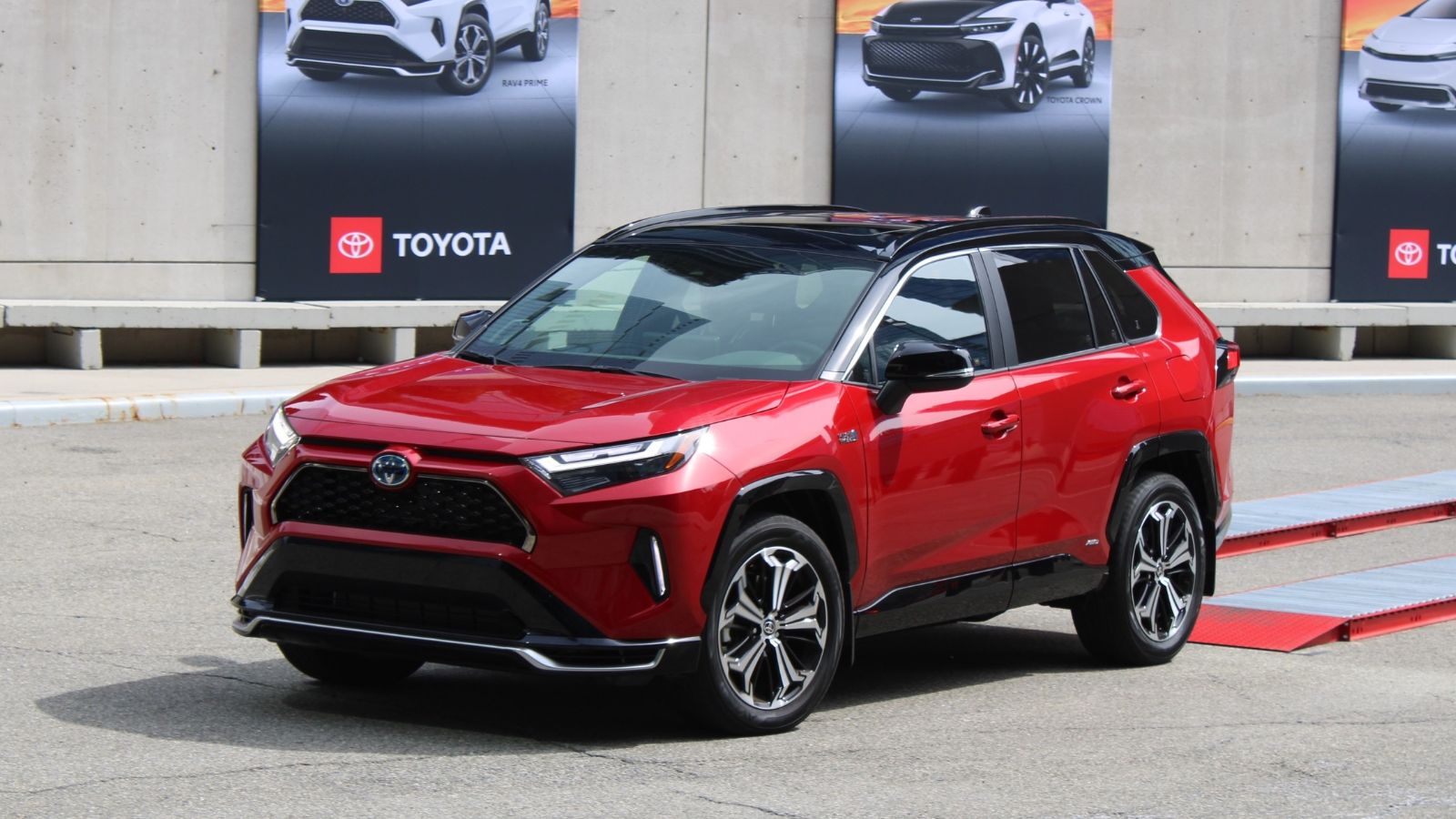
The RAV4 is popular for many reasons. A third row is not one of them. Older versions offered a tiny third row that felt cramped instantly. Legroom was almost nonexistent for adults. Even kids outgrow that space quickly. Getting in required awkward movements. Cargo space also vanished once the row was in use. Winter gear made the experience worse. Thick jackets reduced comfort even more. Toyota dropped the third row for a reason. It simply did not work well. Families expecting flexibility often felt disappointed. This SUV proves that adding seats does not always add value in real use.
Nissan Rogue
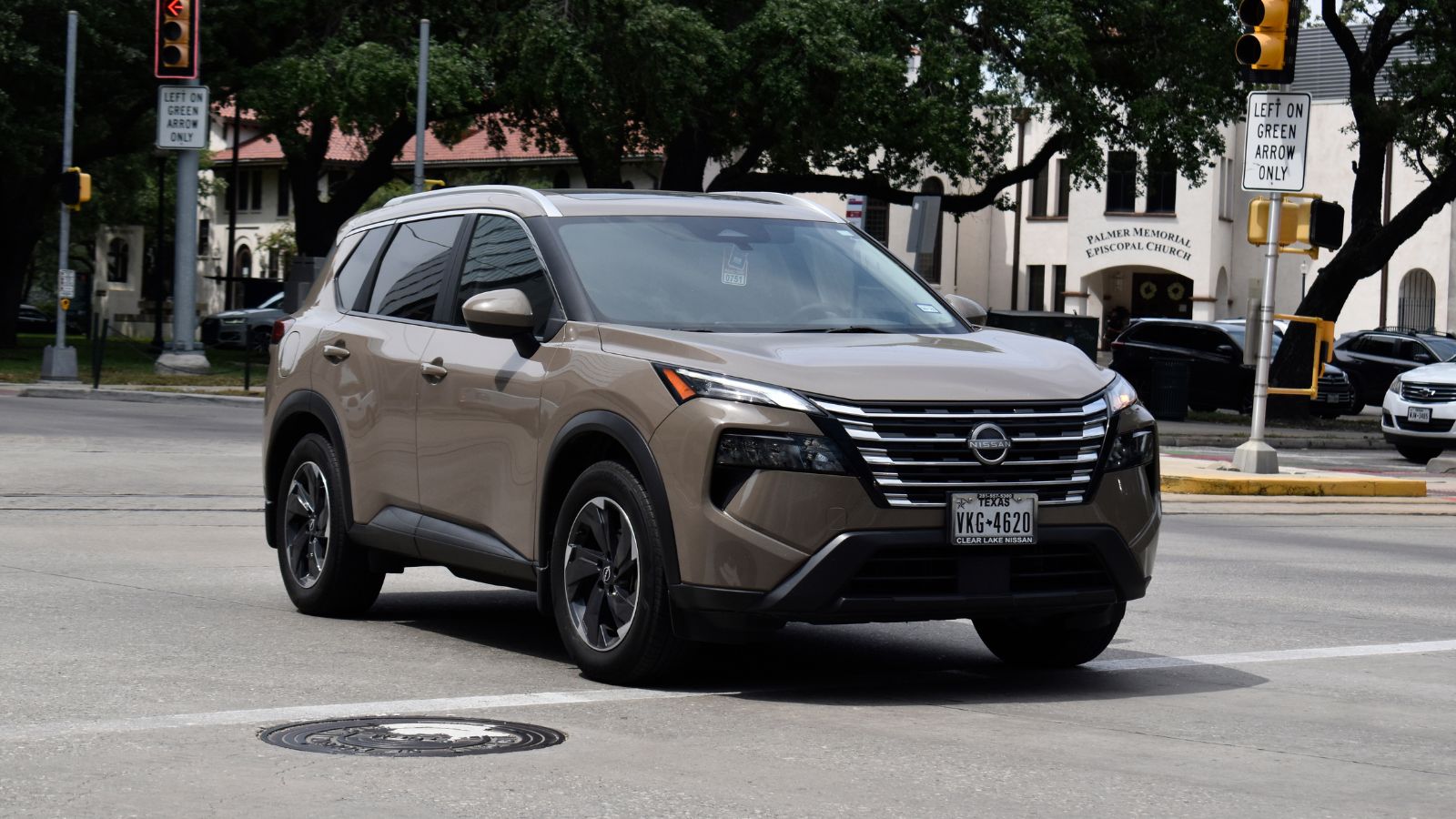
The Rogue once offered an optional third row. It looked useful on paper. In practice, it felt very limited. The seats were low and tight. Adults could not sit comfortably for long. Legroom was especially restrictive. Entry to the back row required folding seats forward. That process was not smooth. Cargo space also suffered badly. With the third row up, storage nearly disappeared. Canadian winters made things worse. Boots and coats took up precious space. Nissan eventually removed the feature. It was not meeting expectations. Buyers expecting family use often found it impractical for daily driving needs.
Mitsubishi Outlander
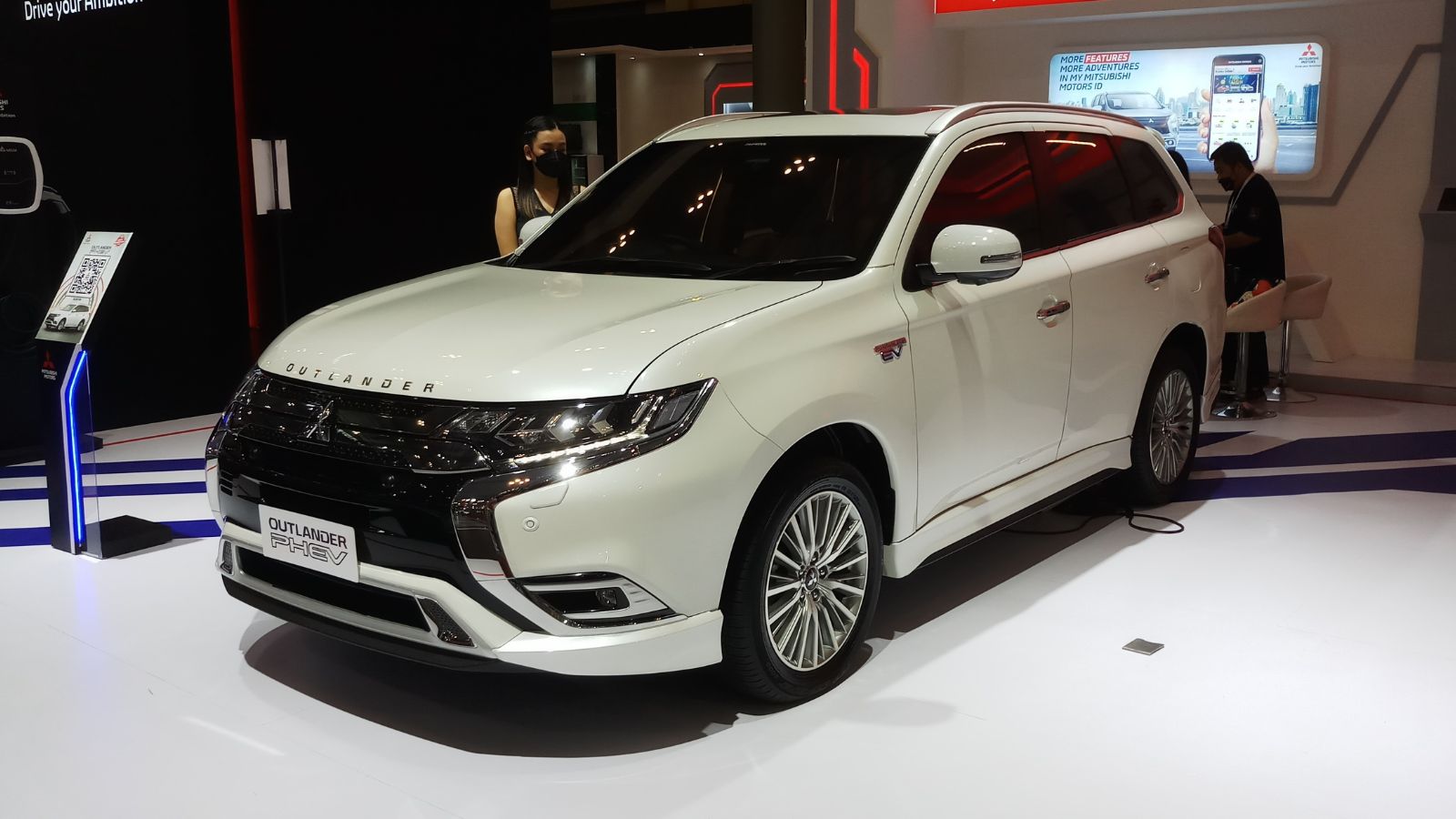
The Outlander still offers a third row. It is one of the smallest in the segment. The space works best for children. Adults will quickly struggle with legroom. Headroom is also limited for taller passengers. The seating position feels low and cramped. Entry requires effort, especially in tight parking spots. Cargo space becomes very small when in use. Long trips are not comfortable for rear passengers. Winter clothing makes things even tighter. The Outlander is affordable and practical otherwise. Still, the third row feels like a compromise. It works in short bursts, not for regular use.
Volkswagen Tiguan
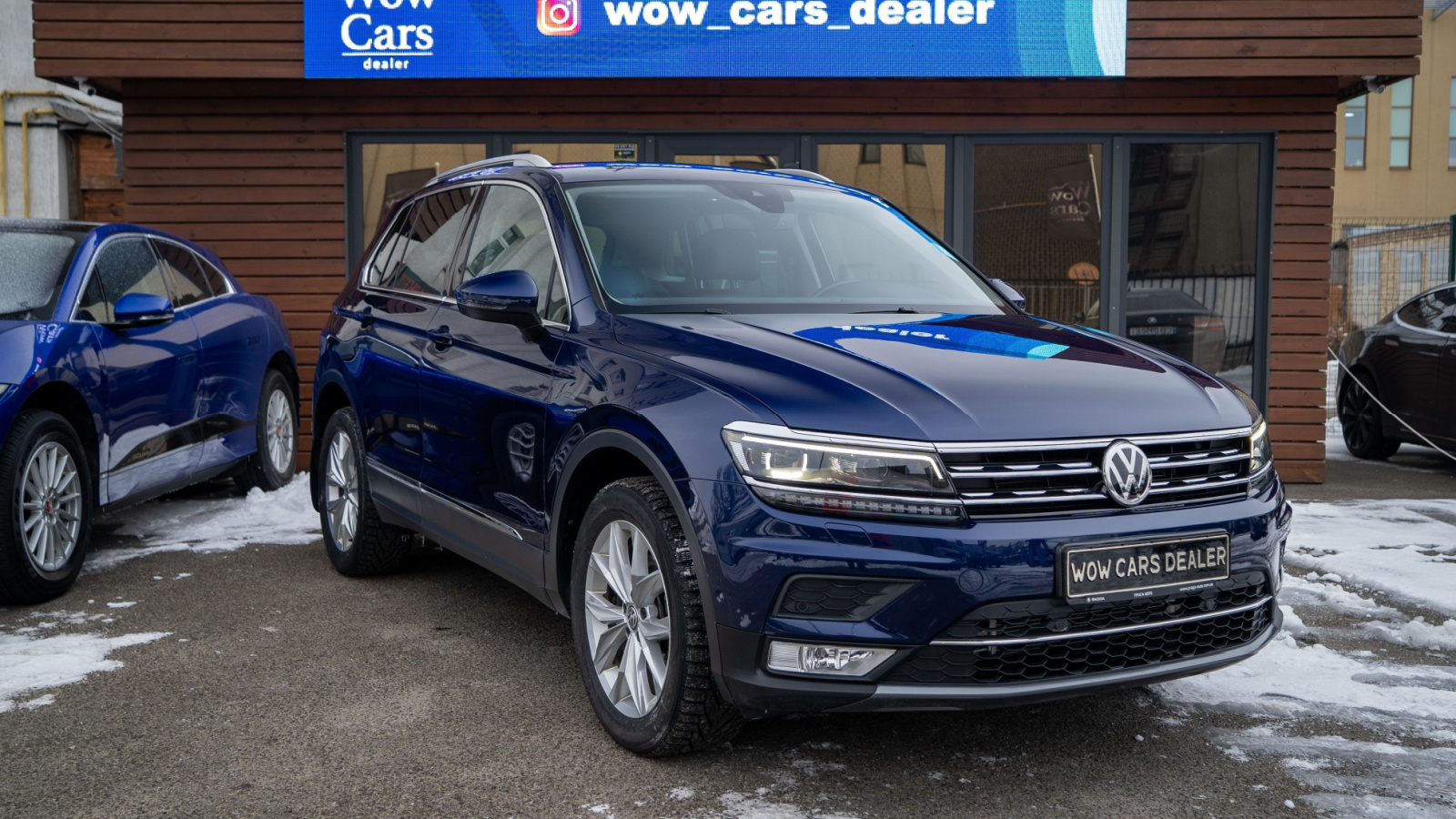
The Tiguan offers a third row in Canada. It sounds appealing for growing families. The reality is less impressive. The third row is tight for adults. Even teenagers may feel cramped on longer drives. Legroom disappears quickly behind the second row. Access requires sliding seats forward. That process can be inconvenient in daily use. Cargo space also shrinks significantly. With all seats up, storage becomes limited. Winter gear adds another challenge. Thick clothing reduces comfort even more. The Tiguan shines in other areas. The third row, however, feels like an occasional feature rather than a true solution.
Kia Sorento
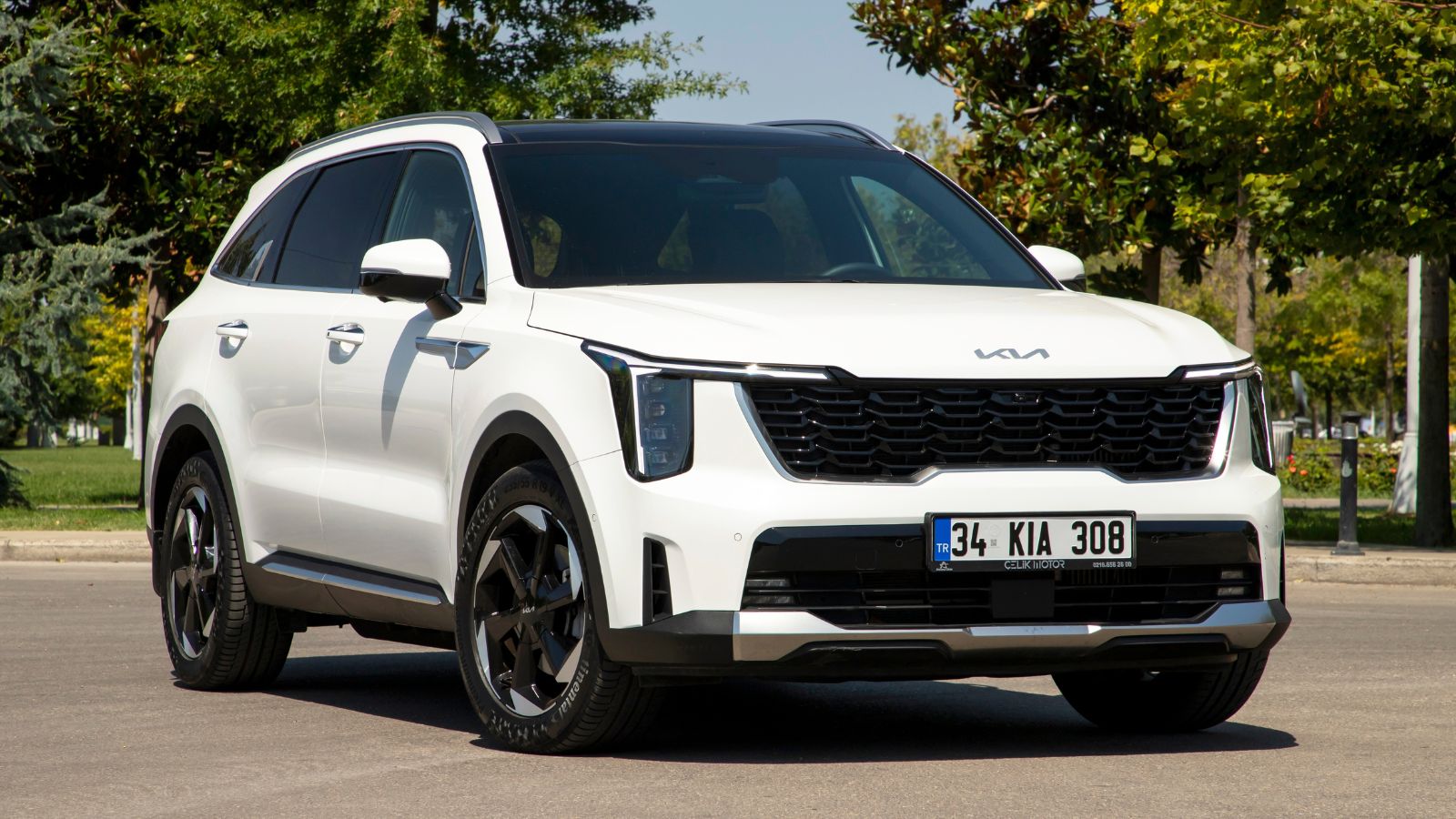
The Sorento offers three rows in a compact footprint. That design creates limitations. The third row is best suited for kids. Adults will find legroom tight. Headroom is also restricted. Entry requires folding the second row forward. That can feel awkward in busy parking areas. Cargo capacity drops when the third row is in use. Groceries or luggage become harder to fit. Winter clothing worsens the experience. Bulky coats reduce available space further. The Sorento drives well and looks sharp. Still, the third row feels like a backup option. It works for short trips, not daily adult use.
Hyundai Santa Fe XL
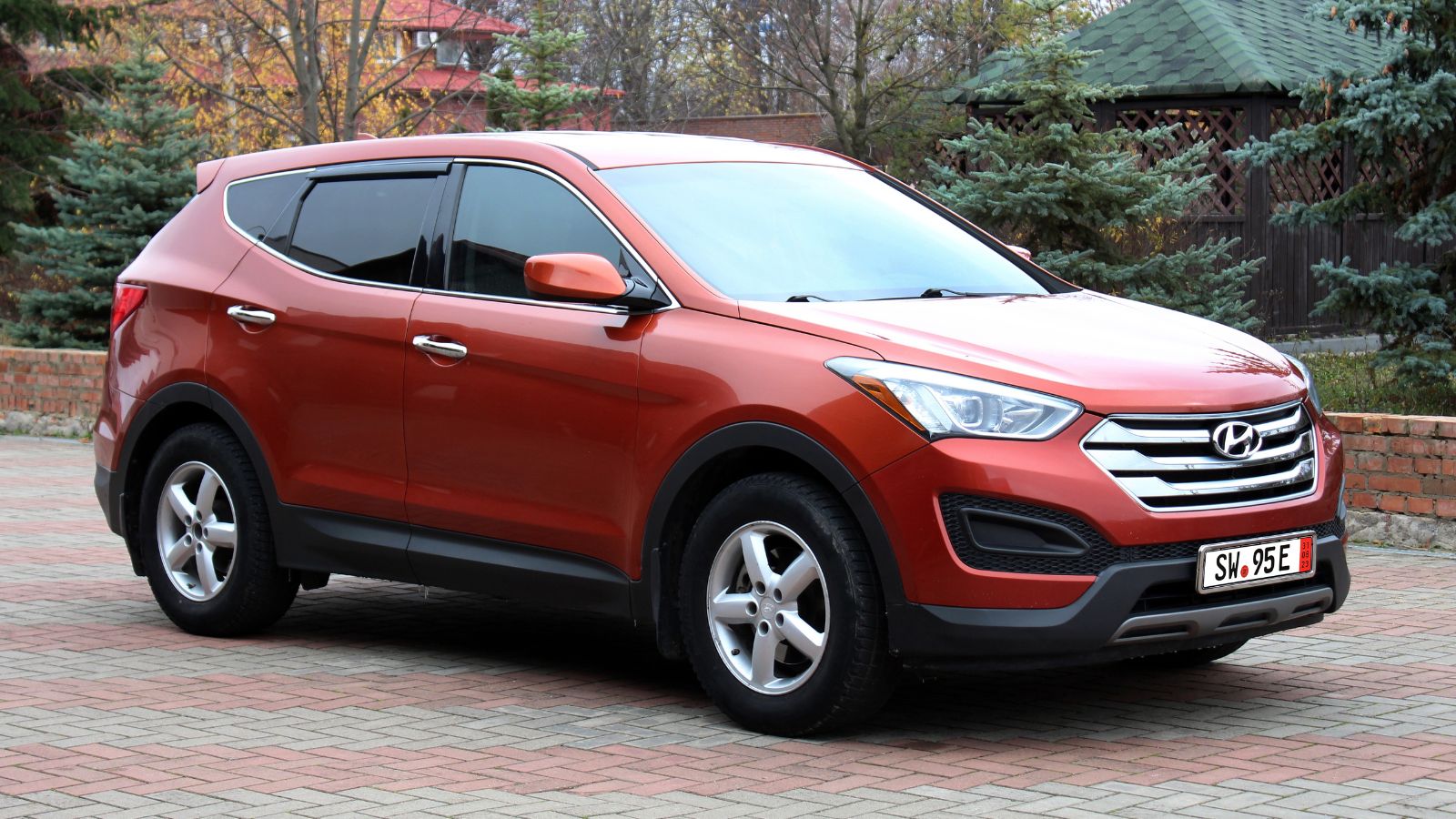
The Santa Fe XL tried to offer extra seating. The third row was never very spacious. Adults found it tight almost immediately. Legroom was limited, especially on longer drives. The seating position felt low and cramped. Access is required to move the second row forward. That process was not very smooth. Cargo space nearly vanished with all seats up. Winter conditions made things worse. Heavy jackets reduced comfort even further. The vehicle worked well for five passengers. Beyond that, it struggled. The third row felt like an afterthought. Families expecting real space often looked elsewhere for better comfort.
Dodge Journey
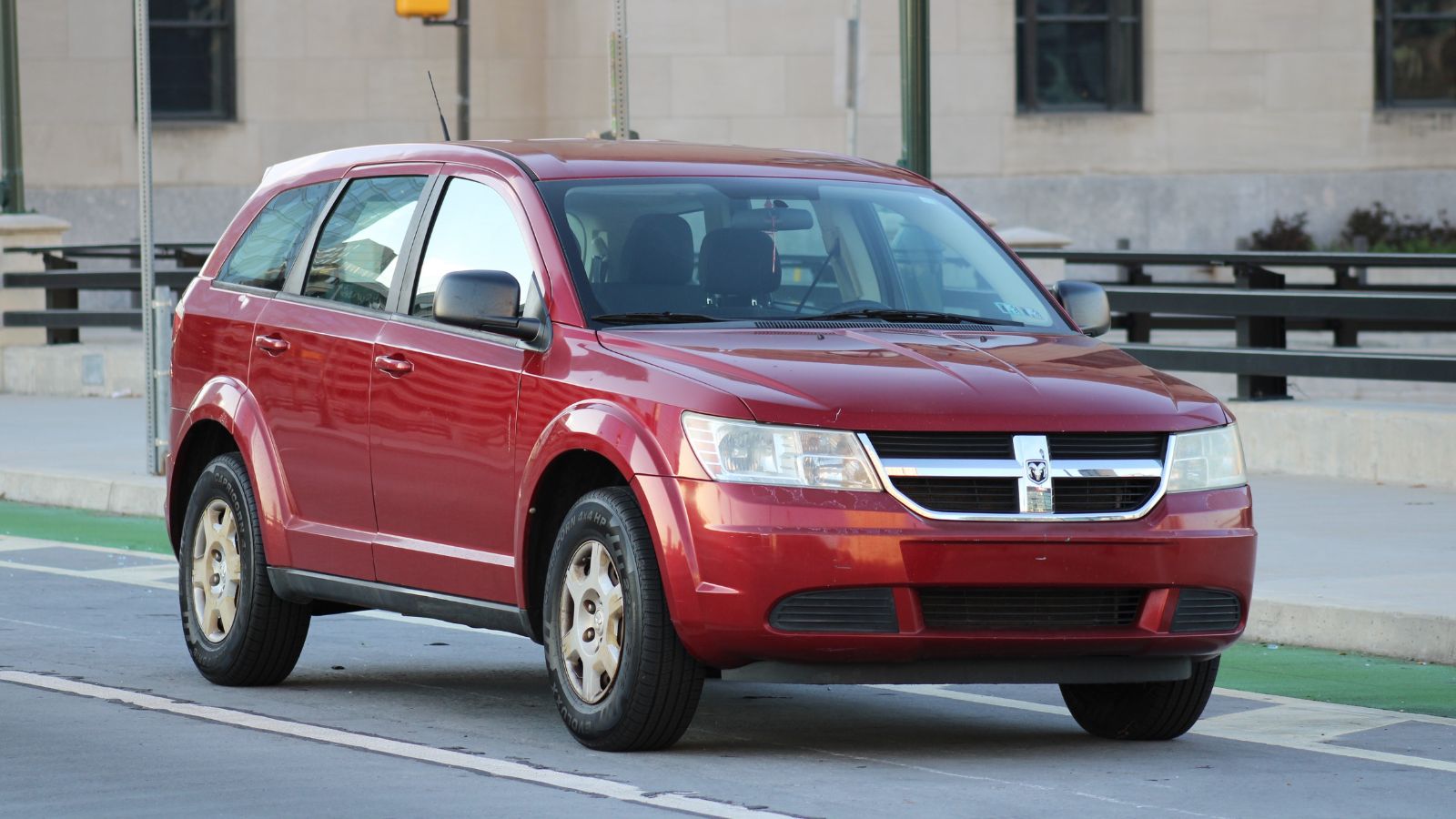
The Journey offered a budget-friendly third row. The space came with trade-offs. Legroom in the back was limited. Adults rarely felt comfortable there. The seats were low and flat. Longer trips became tiring quickly. Access to the third row was not easy. Folding seats required effort. Cargo space also dropped sharply. With all rows in use, storage became tight. Winter gear made the situation worse. Thick boots took up valuable space. The Journey appealed due to the price. Still, the third row did not meet expectations. It worked in emergencies, not as a daily seating solution.
Mazda CX-9
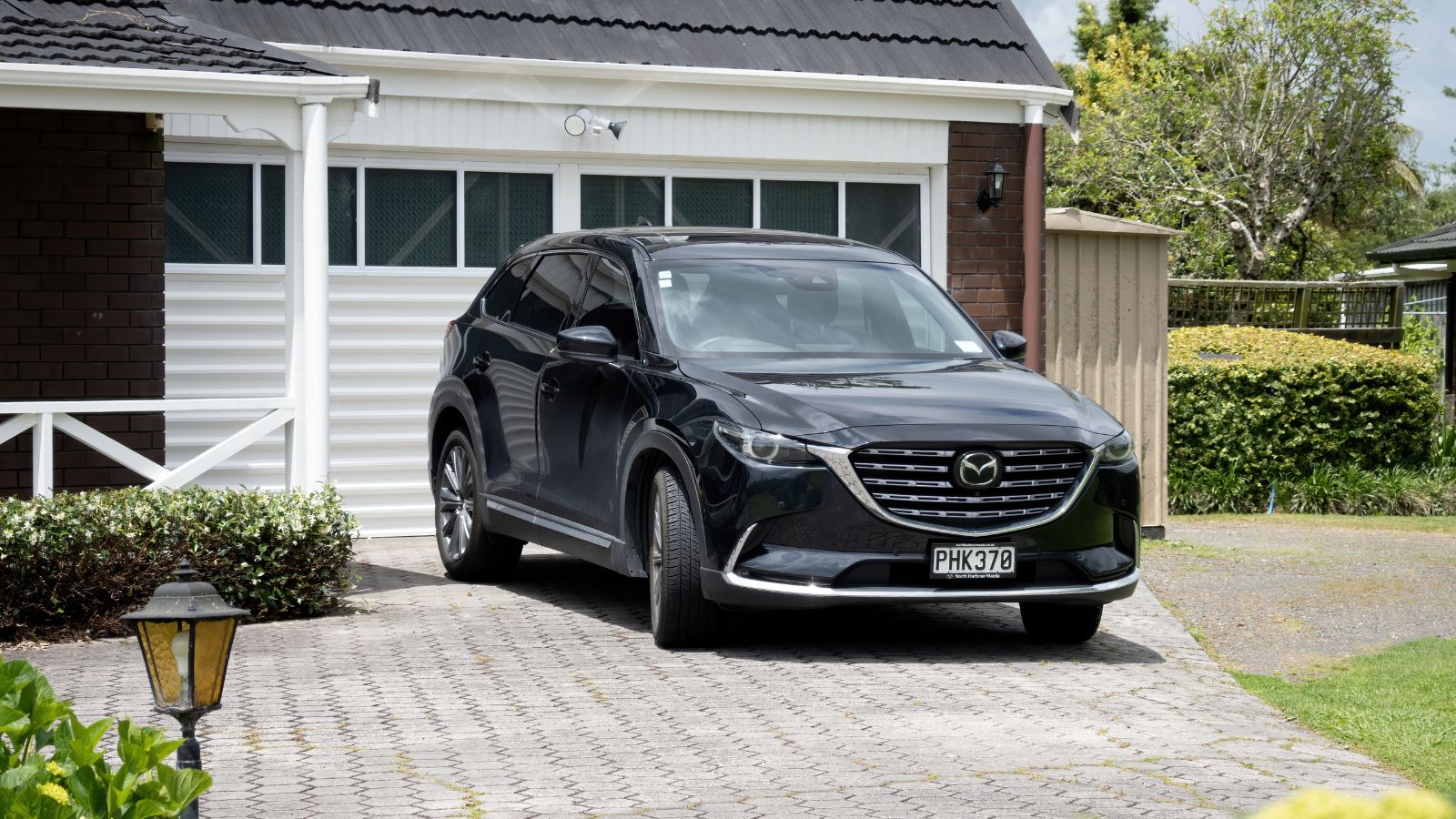
The CX-9 focuses on style and driving feel. The third row reflects that priority. Space in the back is limited. Adults may be fit for short trips only. Legroom feels tight behind taller passengers. Headroom is also restricted. Entry requires sliding the second row forward. That can be inconvenient in daily use. Cargo space shrinks when the third row is raised. Winter clothing adds another challenge. Bulky coats reduce comfort even more. The CX-9 excels in many areas. The third row, however, feels secondary. It works occasionally, not as a main seating option for larger families.
Ford Explorer
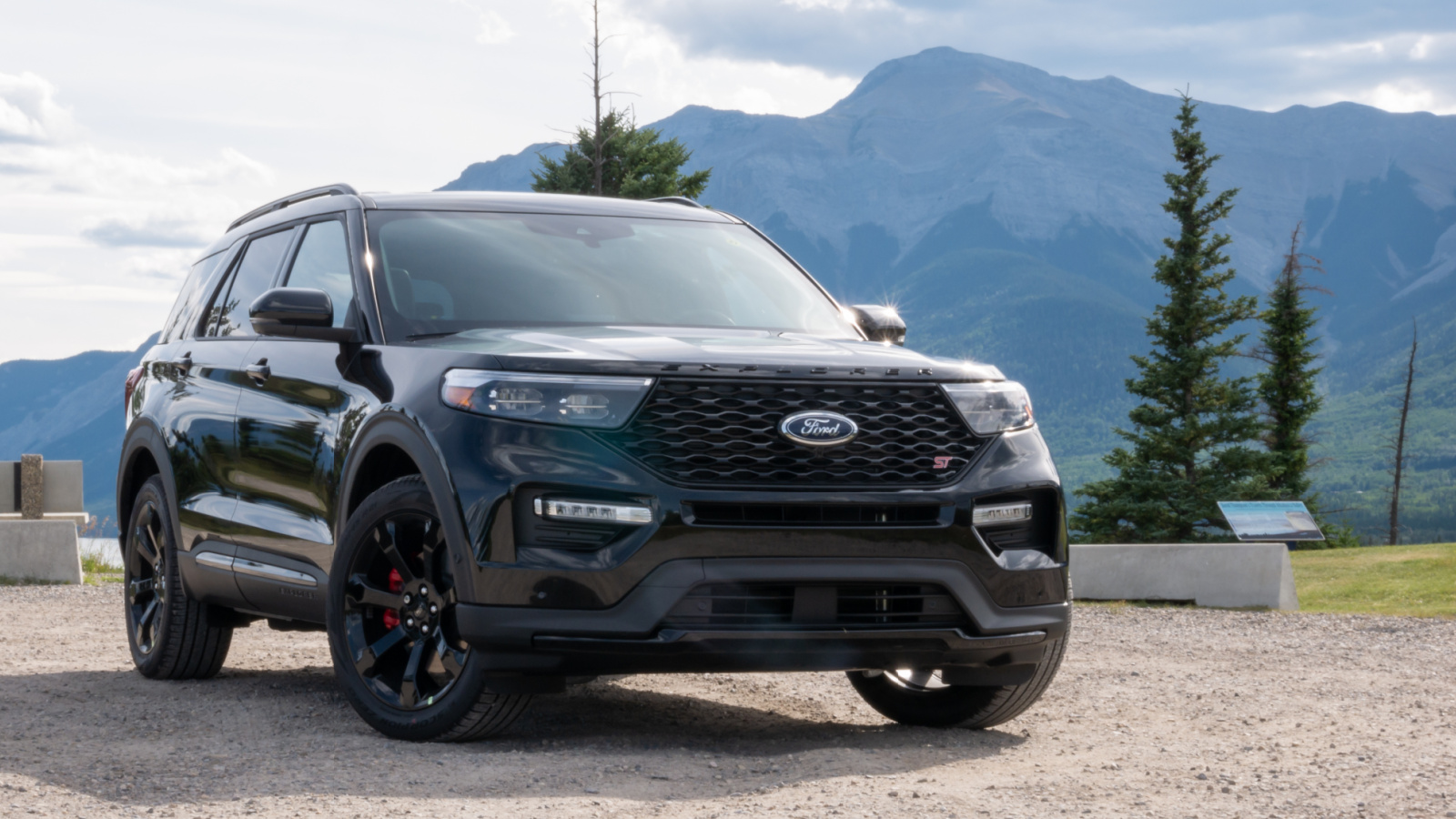
The Explorer offers three rows in a larger body. Expectations are higher because of its size. The third row still has limitations. Legroom is better than that of smaller SUVs, but still tight. Adults may feel cramped on longer drives. The seating position is low. Entry can feel awkward in tight spaces. Cargo space drops with all seats in use. Winter gear adds extra bulk. That reduces comfort further. The Explorer works well for families overall. The third row just does not match its size. It feels more suitable for occasional use rather than daily adult seating needs.
Chevrolet Traverse
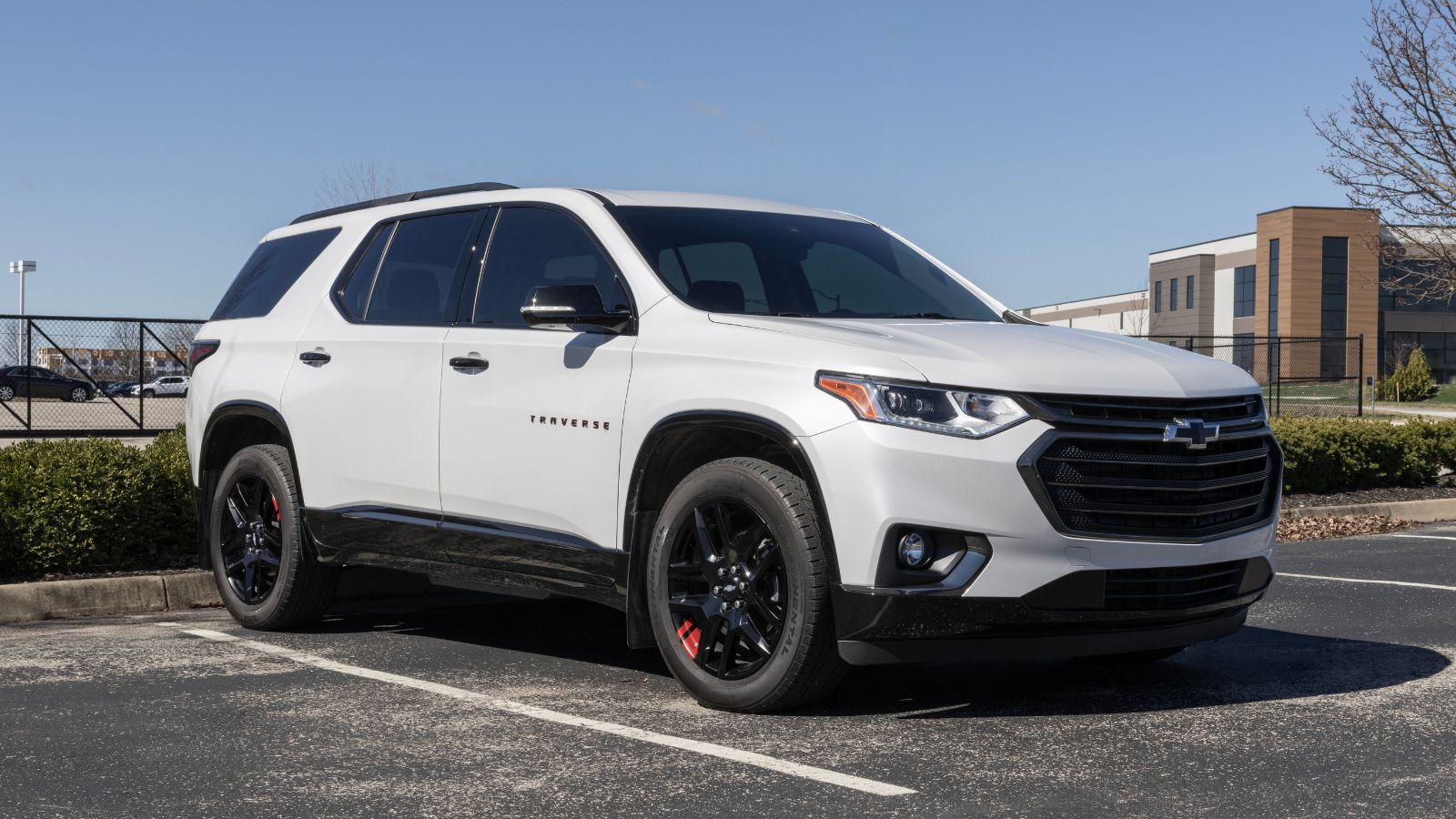
The Traverse is larger than many rivals. It offers a third row that seems promising. Space is better than smaller SUVs, but still not perfect. Taller adults may feel limited on longer trips. Legroom is decent but not generous. The seating position feels lower than expected. Entry is easier than compact models. Still, it requires effort in tight spaces. Cargo space remains usable but reduced. Winter gear can make things tighter. The Traverse works well for families overall. The third row just falls short of expectations. It works for occasional use, not constant adult comfort.
Honda Pilot
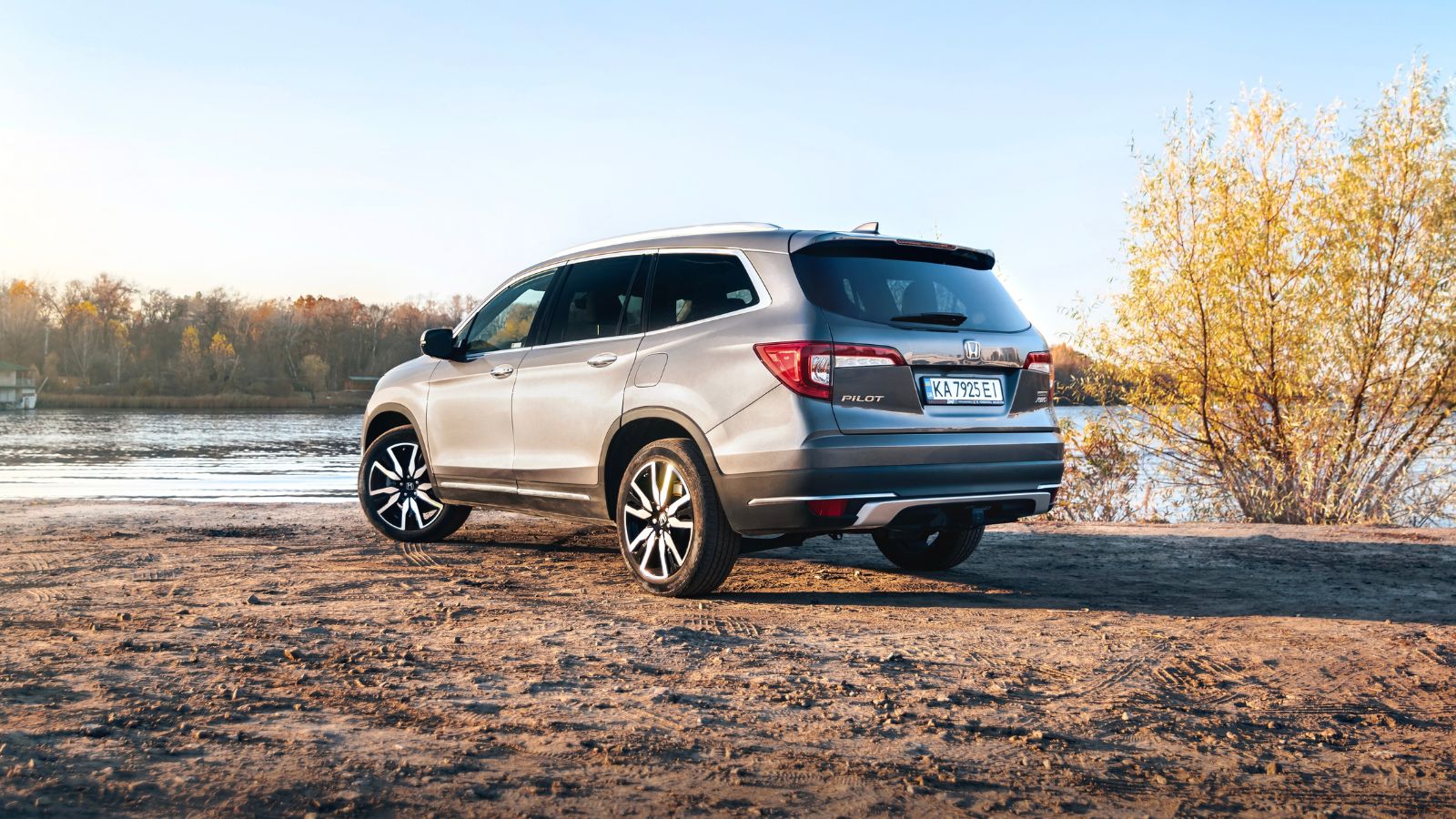
The Pilot is known for practicality. The third row is usable but not ideal. Adults can fit, but comfort is limited. Legroom depends on second-row positioning. Taller passengers may struggle quickly. Headroom is acceptable but not generous. Entry requires folding seats forward. That can feel inconvenient in daily use. Cargo space shrinks when all seats are used. Winter clothing adds extra bulk. That reduces the available room further. The Pilot remains a strong family choice. The third row just does not feel fully comfortable. It works best for kids or short trips, not long drives with adults.
Subaru Ascent
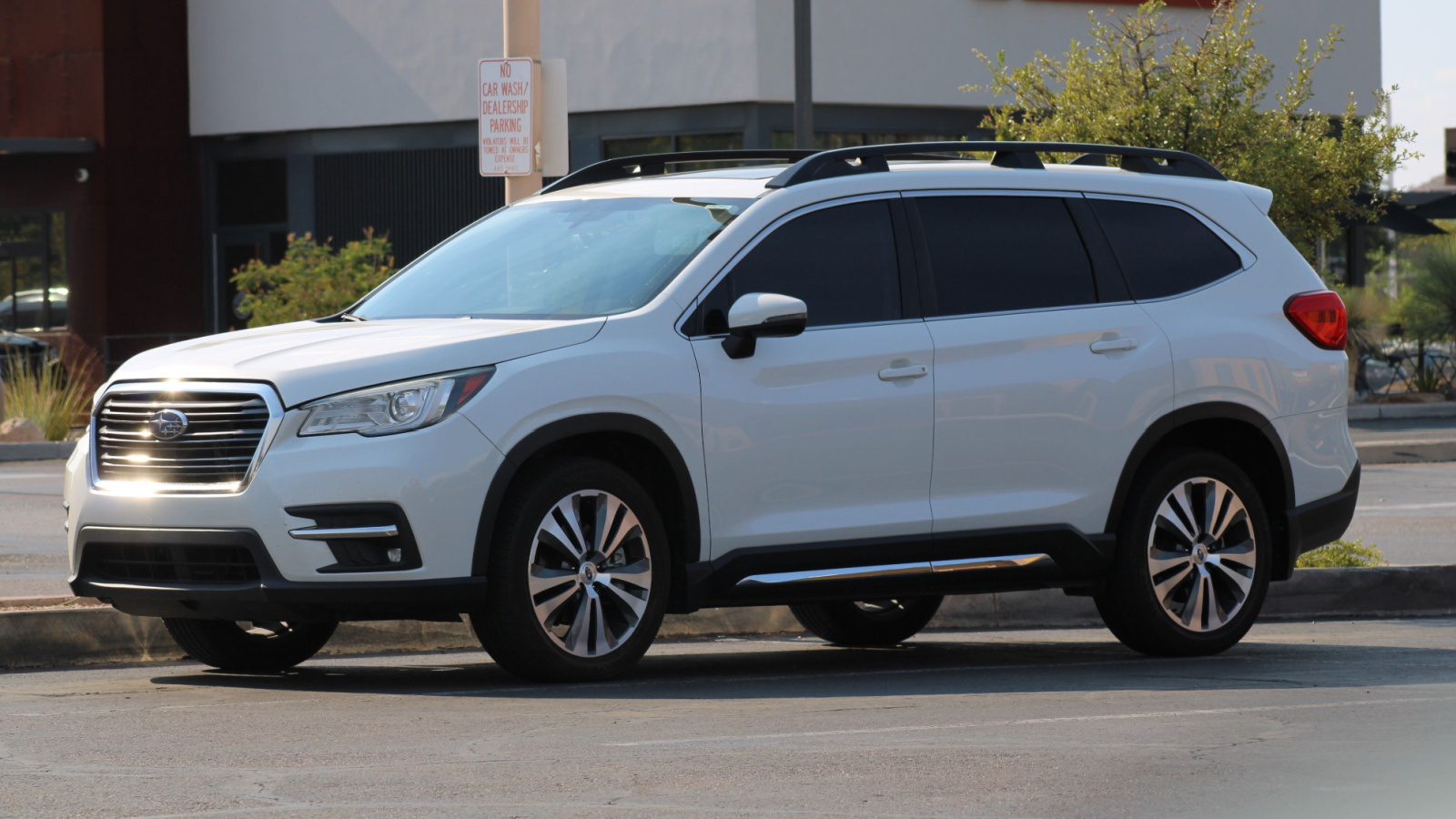
The Ascent offers three rows with standard all-wheel drive. The third row looks practical at first glance. Space is still limited for adults. Legroom feels tight on longer trips. Headroom is decent but not spacious. Entry requires moving the second row forward. That process can be inconvenient in tight areas. Cargo space drops with all seats in use. Winter gear makes things tighter. Thick jackets reduce comfort quickly. The Ascent works well for families overall. The third row just feels average. It works for occasional passengers, not daily adult use over longer distances.
GMC Acadia
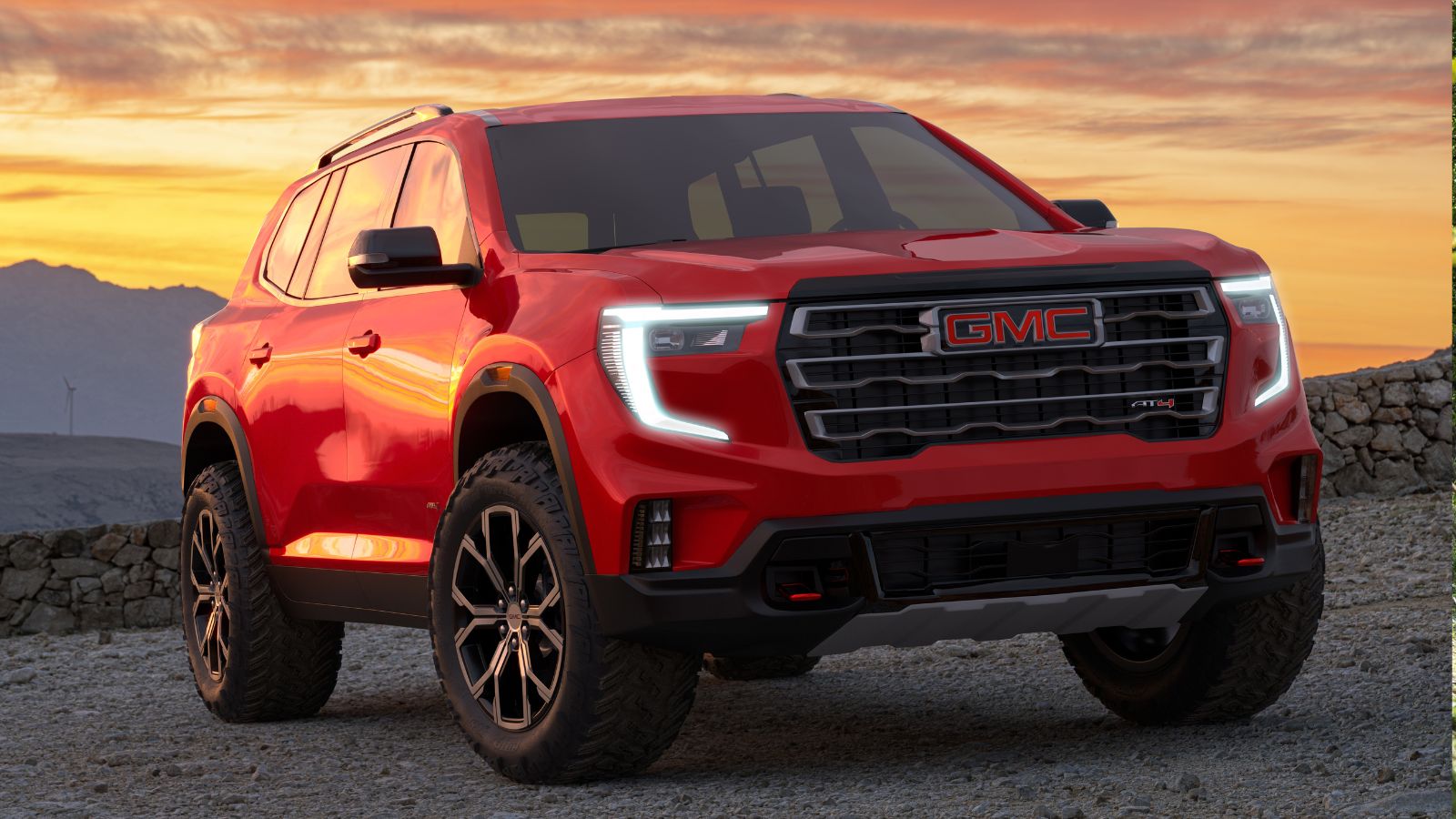
The Acadia downsized in recent years. That change affected the third-row space. The back row is tighter than expected. Adults may feel cramped quickly. Legroom is limited behind taller passengers. Headroom is also restricted. Entry requires folding the second row. That can feel awkward in tight parking spots. Cargo space becomes limited with all seats in use. Winter clothing adds another challenge. Bulky gear reduces comfort further. The Acadia looks sharp and drives well. The third row, however, feels compromised. It works for short trips, not for regular adult seating needs.
Chevrolet Tahoe
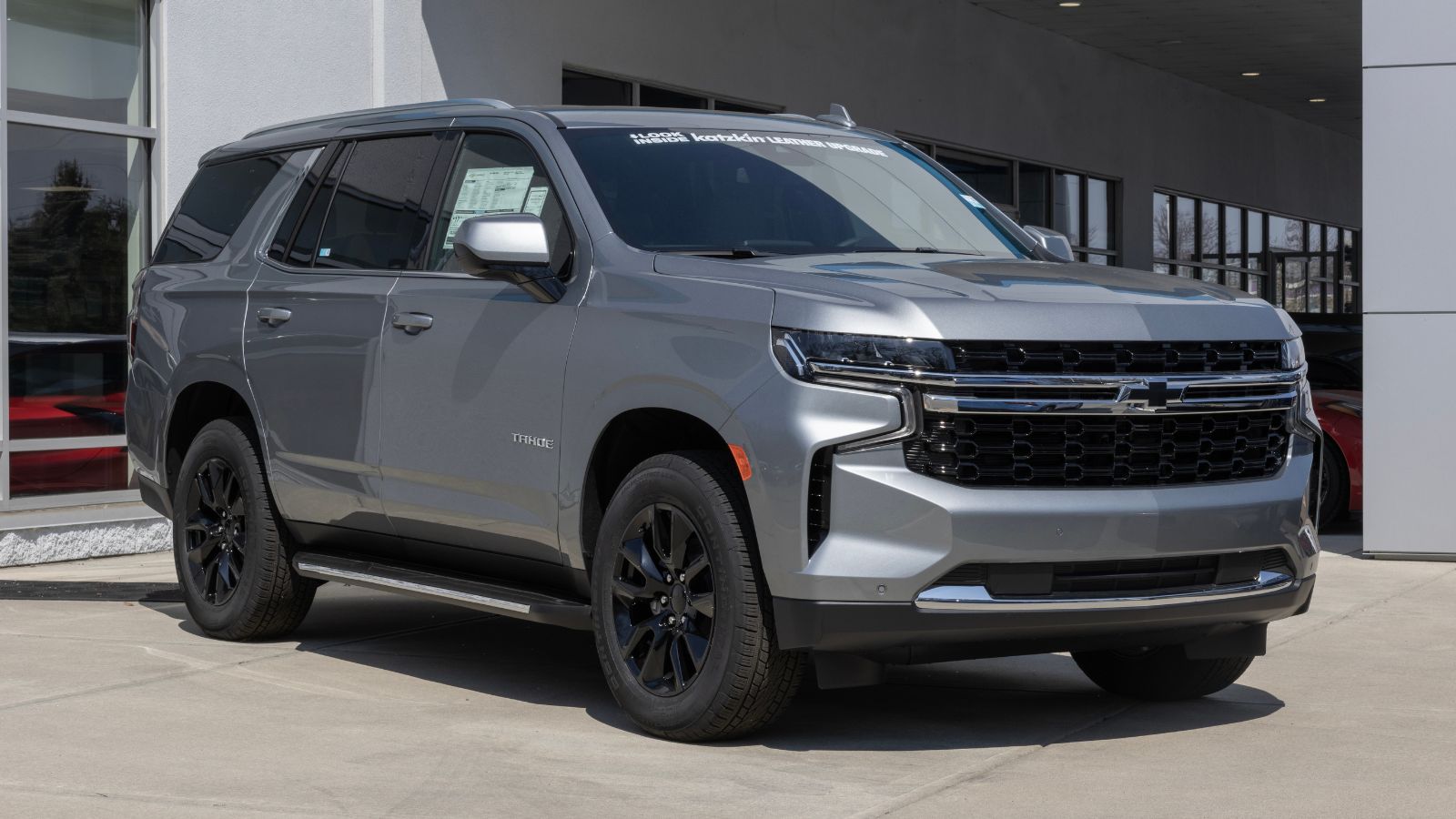
The Tahoe is a large SUV. Expectations for space are very high. The third row is usable but not perfect. Earlier models had limited legroom. Newer versions improved this slightly. Still, adults may feel tired on longer trips. The seating position can feel low. Entry is easier due to size. Cargo space remains decent, though reduced. Winter gear adds bulk to the experience. That reduces comfort slightly. The Tahoe works well overall. The third row just does not feel as spacious as expected. It suits occasional use better than constant adult occupancy.
Ford Expedition
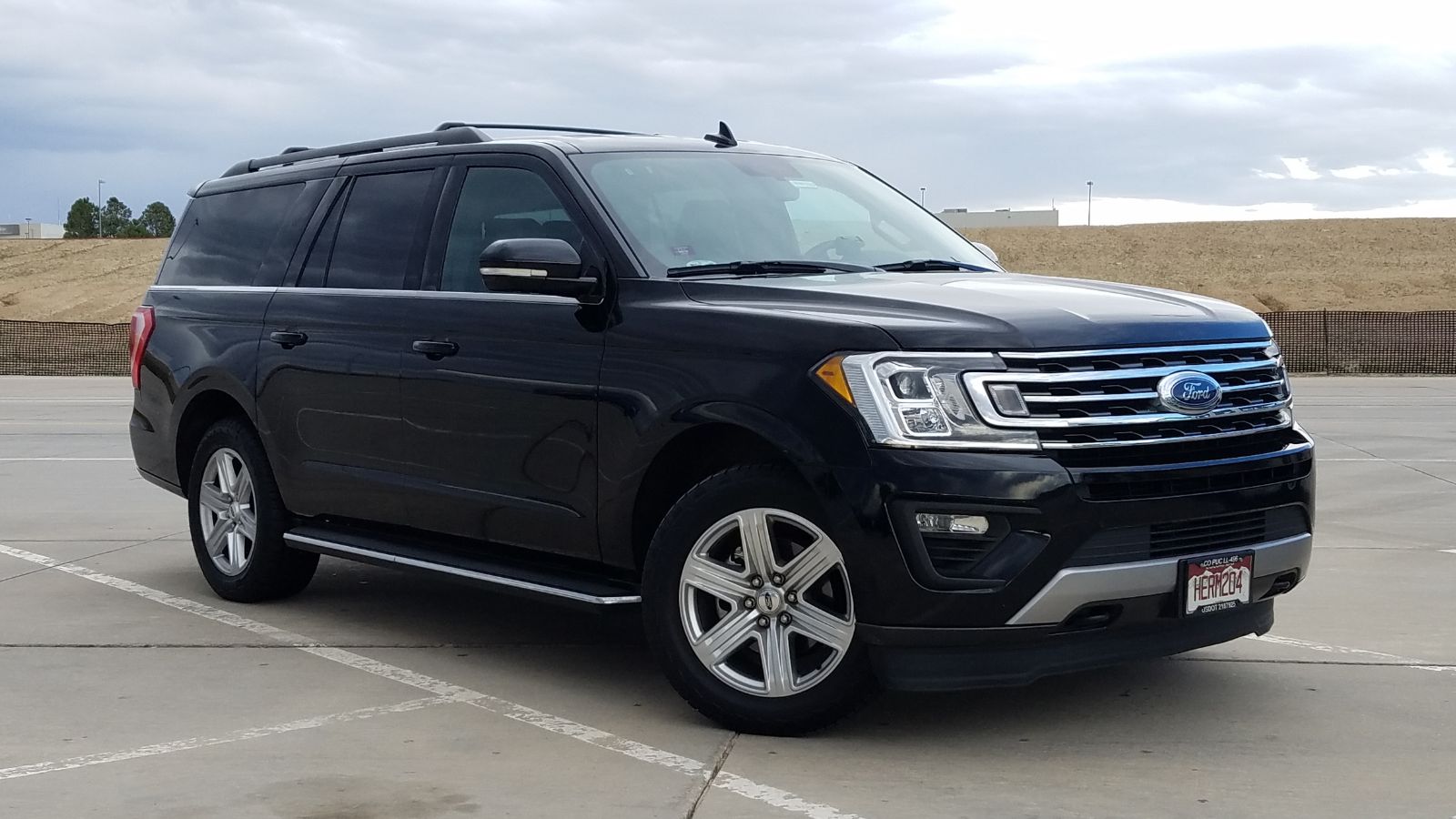
The Expedition offers three rows in a large body. Space is better than many rivals. The third row still has limits. Adults can sit comfortably for short trips. Longer drives reveal tighter legroom. Headroom is acceptable but not generous. Entry is easier due to size. Still, it requires some effort. Cargo space remains usable but reduced. Winter clothing adds extra bulk. That can reduce comfort slightly. The Expedition works well for families overall. The third row just does not match its size fully. It feels better for occasional use rather than daily adult seating.
Jeep Grand Cherokee L
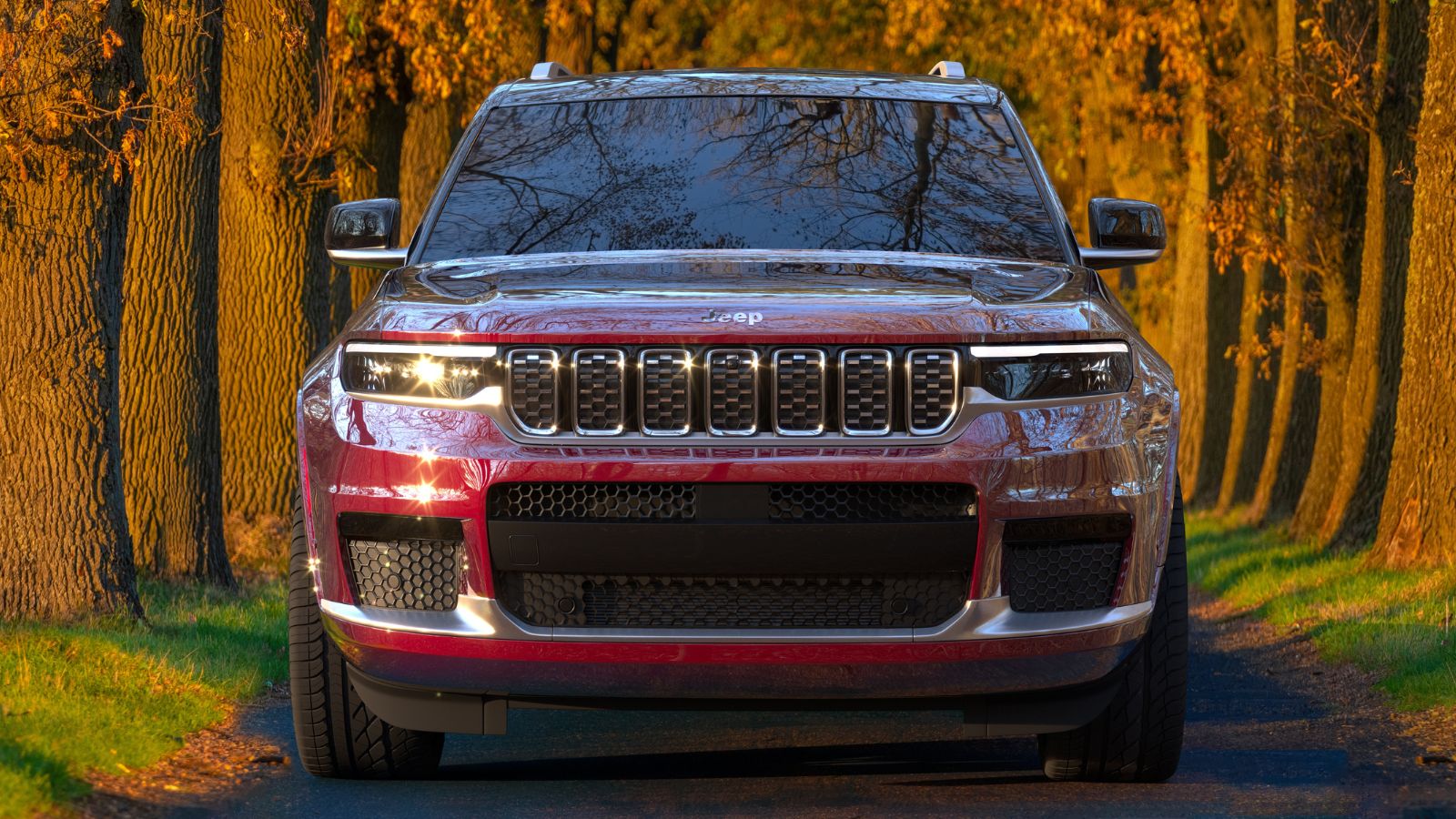
The Grand Cherokee L adds a third row to a known name. The space is better than that of smaller SUVs. It still has limitations. Adults can fit, but not comfortably, for long trips. Legroom feels tight behind taller passengers. Headroom is also limited. Entry requires moving the second row forward. That can be inconvenient in tight spaces. Cargo space drops when all seats are used. Winter gear makes things tighter. The SUV looks premium and drives well. The third row feels secondary. It works for occasional use, not as a primary seating area.
Land Rover Discovery Sport
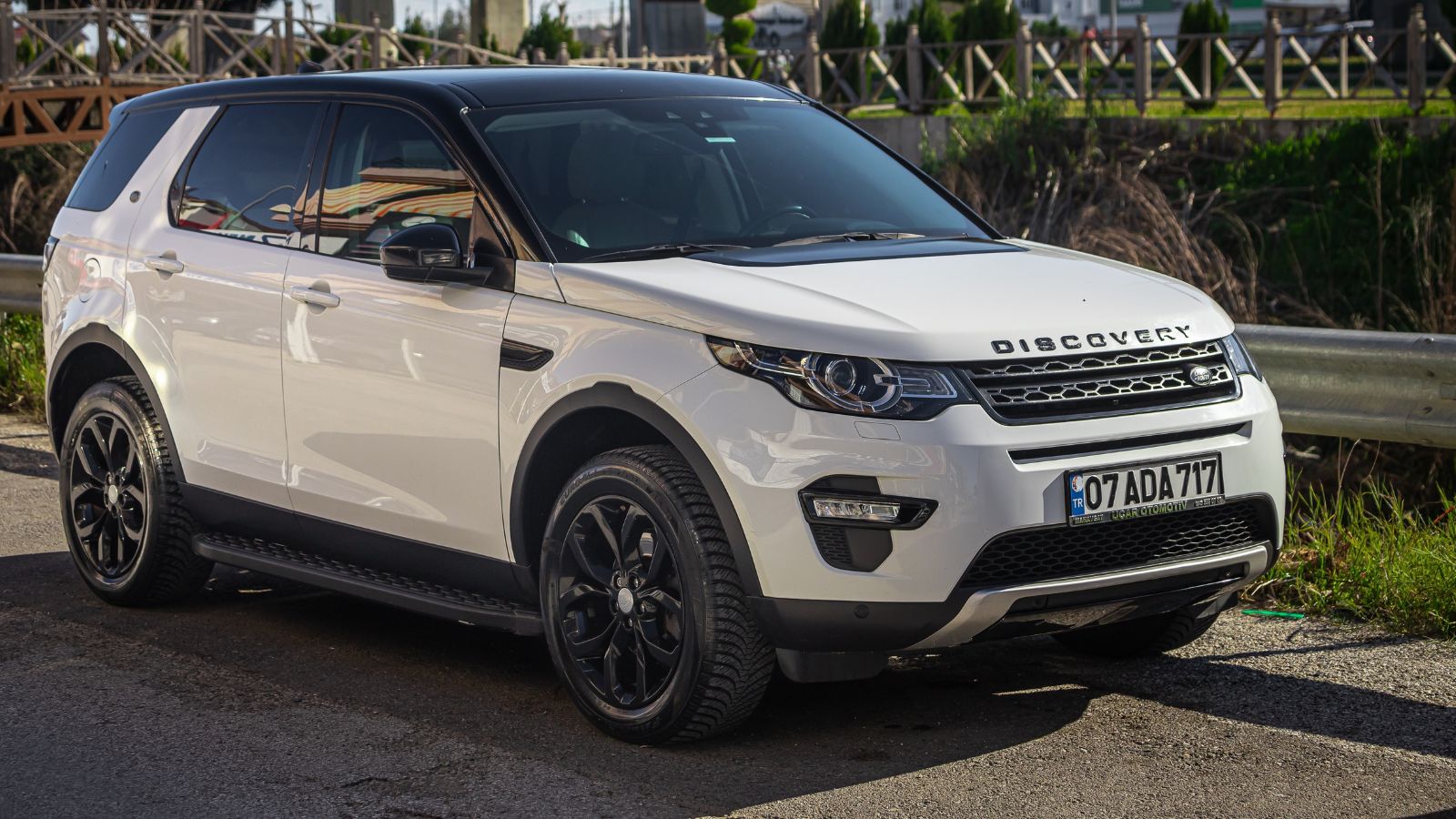
The Discovery Sport offers a third row in a compact luxury package. The space is very limited. Adults will struggle to fit comfortably. Legroom is minimal behind the second row. Headroom is also tight for taller passengers. Entry requires folding seats forward. That process can feel awkward. Cargo space disappears with all seats in use. Winter clothing adds extra difficulty. Bulky jackets reduce comfort quickly. The SUV feels premium in many ways. The third row does not match that experience. It works for small children only. For most buyers, it feels more like a feature than a solution.
22 Things Canadians Do to Their Cars in Spring That Mechanics Hate

Spring brings relief to many Canadian drivers after months of snow, freezing temperatures, and icy roads that put serious strain on vehicles. As temperatures rise across the country, drivers begin washing cars, switching tires, and preparing vehicles for warmer weather and upcoming road trips. However, mechanics across Canada notice the same mistakes every spring when drivers attempt to recover from winter damage. Road salt, potholes, and harsh winter driving conditions often leave vehicles with hidden problems that drivers ignore. Some spring habits even create new mechanical issues that could have been avoided with proper maintenance. Here are 22 things Canadians do to their cars in spring that mechanics hate.