

























Used-car shopping in Canada often looks simple at first: a clean ad, a fair price, a quick test drive, and a seller who says the vehicle has “no issues.” The trouble is that many expensive problems hide in paperwork, history gaps, rushed conversations, and small physical clues that are easy to miss.
Since the title contains no numeric value, this piece covers 12 used-car red flags Canadians often overlook until the repair bill, insurance problem, lien notice, or safety issue arrives. Each one points to a detail that deserves a pause before money changes hands.
A Seller Who Avoids Sharing the VIN Early

A vehicle identification number is more than a string of characters on the dash. It is the key to checking registration history, recalls, branding, liens, theft records, accident claims, and sometimes mileage inconsistencies. When a seller delays sharing the VIN, blurs it in photos, or says it will only be provided “after a deposit,” that hesitation should raise concern. Legitimate sellers may have privacy worries, but a VIN is normally required for meaningful due diligence.
The red flag becomes stronger when the VIN on the dashboard, door sticker, ownership document, and vehicle history report does not match. A buyer looking at a popular truck or SUV in a high-theft market may be especially vulnerable to cloned or altered vehicle identities. A calm seller, clean interior, and fresh detailing can make the transaction feel safe, but the VIN is where the vehicle’s story begins.
A Price That Seems Too Good for the Market

A low price can look like luck, especially when used-car costs have already stretched household budgets. But a vehicle listed well below comparable models may be carrying a problem that the seller would rather move quickly than explain. It could be accident history, an active lien, overdue maintenance, transmission symptoms, an imported background, or a rebuilt status that appears only after deeper checks.
The most convincing underpriced listings often include just enough detail to feel credible: “moving soon,” “need gone this week,” or “priced for quick sale.” Those explanations are not automatically dishonest, but they should not replace comparison shopping. Looking at similar year, trim, mileage, drivetrain, and regional pricing can show whether the deal is unusually low for a reason. A bargain that discourages inspection is rarely a bargain for long.
Missing or Patchy Service Records

Many buyers focus on mileage first, but maintenance history can matter just as much. A 90,000-kilometre vehicle with regular oil changes, brake work, tire rotations, coolant service, and transmission maintenance may be less risky than a lower-mileage vehicle with no paper trail. Missing records do not prove neglect, but they remove the buyer’s ability to confirm how the vehicle was treated.
This red flag often appears in small ways. The seller says a relative did the work, receipts were lost, or the shop “should have it on file.” In winter provinces, service history is especially useful because cold starts, road salt, potholes, and short trips can punish batteries, suspension parts, brakes, and underbodies. A tidy glovebox full of invoices is not glamorous, but it can reveal whether ownership was careful or merely cosmetic.
Fresh Undercoating Hiding Old Rust
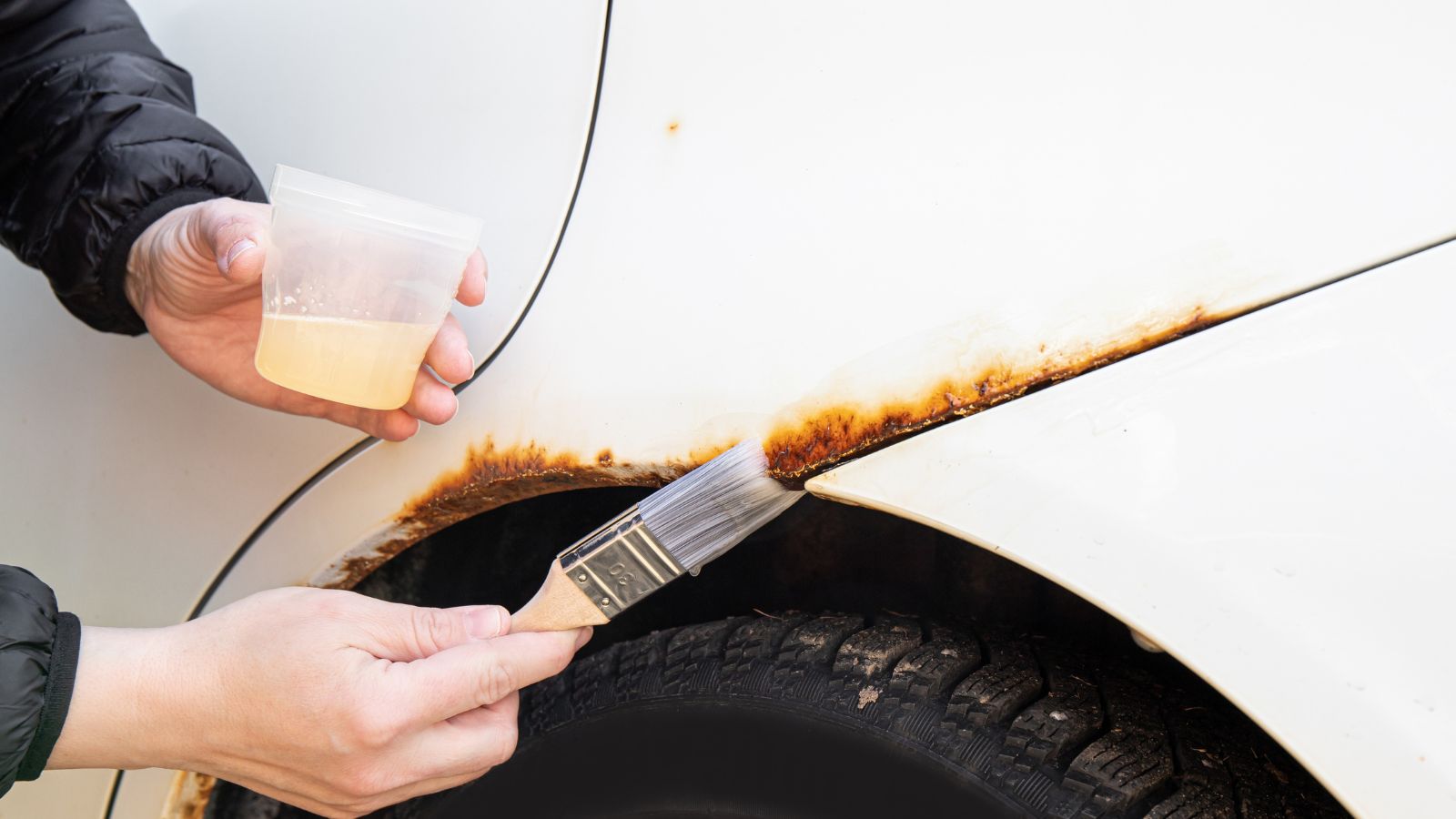
Rust is one of the most Canadian used-car problems because winter road salt can attack the underside long before body panels look terrible. Fresh undercoating may be a positive sign when applied as part of routine protection, but it can also hide corrosion on brake lines, rocker panels, frame sections, subframes, and suspension mounting points. A newly blackened underside on an older vehicle deserves a closer look.
The problem is not just appearance. Severe corrosion can affect safety, repairability, resale value, and whether a vehicle passes inspection. A shopper may notice glossy undercoating, clean wheel wells, and a recently detailed engine bay, then assume the vehicle was well cared for. A mechanic with a lift can see what driveway inspections usually miss: flaking metal, patched areas, soft structural points, and components that may soon become expensive.
Accident Repairs That Look Almost Right
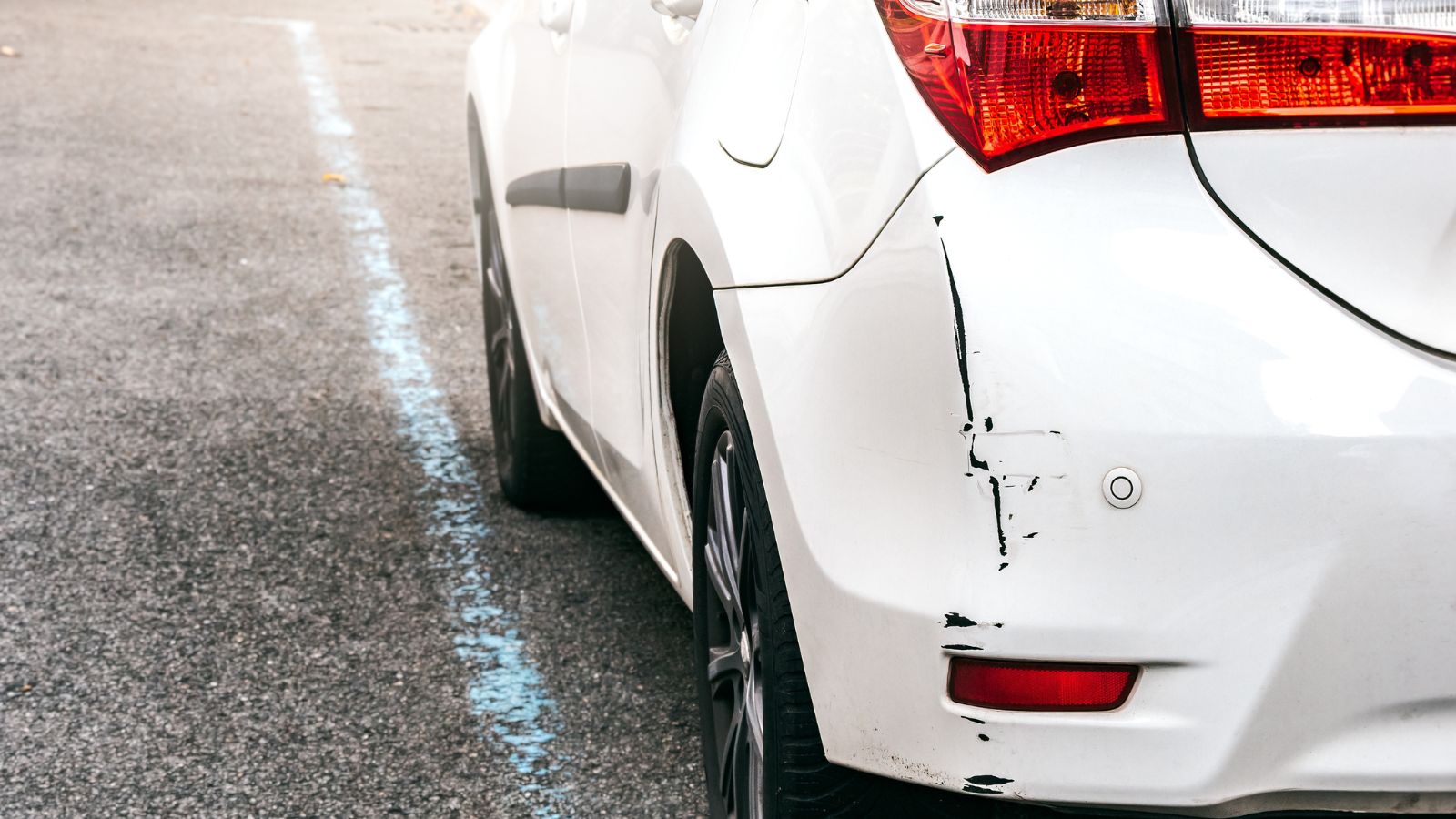
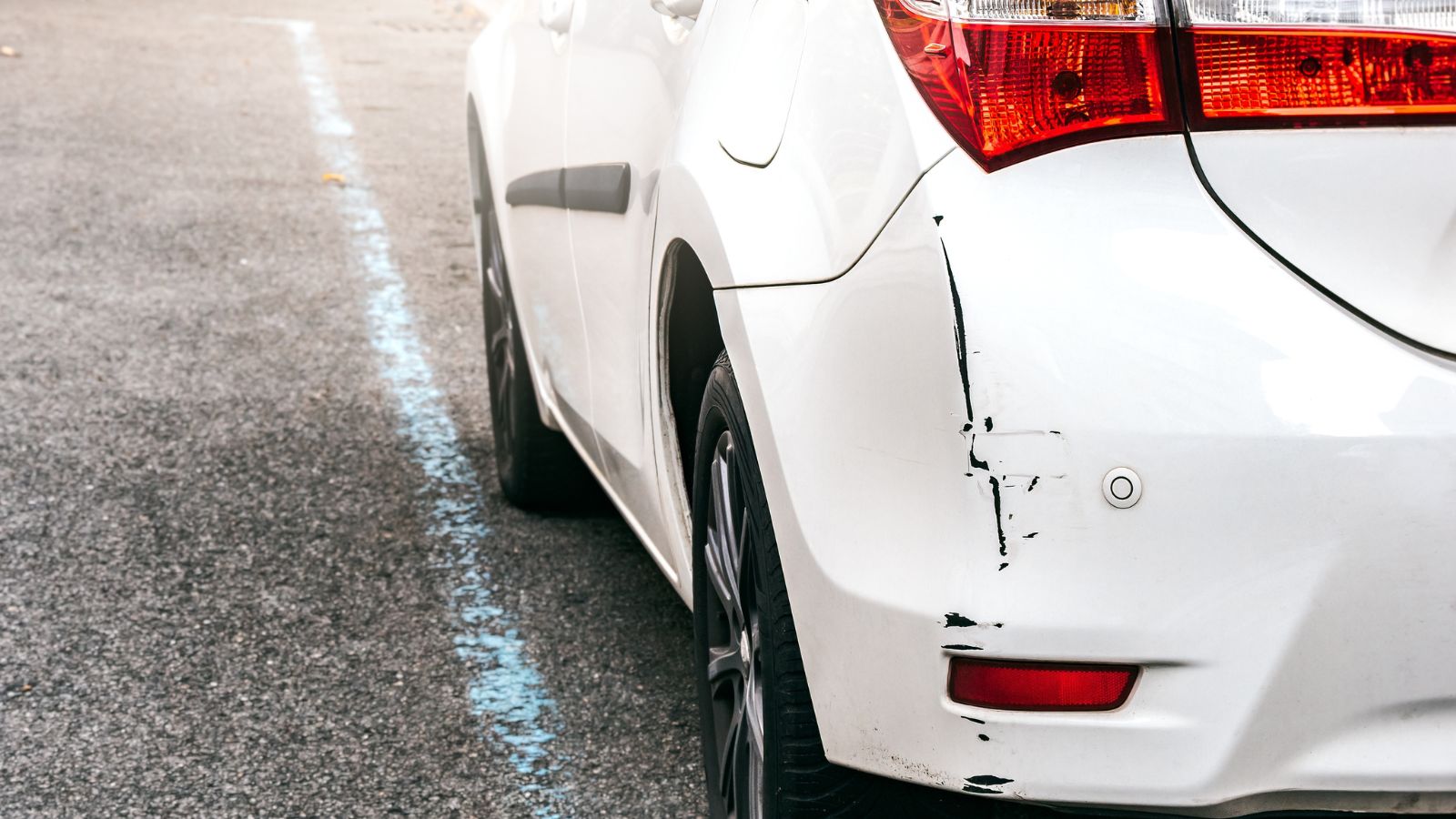
Not every accident makes a used car a bad purchase. The issue is undisclosed or poorly repaired damage. Uneven panel gaps, mismatched paint, overspray around rubber seals, cloudy headlamps on only one side, new bolts on old panels, and doors that close differently can all suggest previous body work. The vehicle may still drive well during a short test, but structural or electronic issues can surface later.
Modern vehicles rely on sensors, airbags, cameras, radar units, crumple zones, and precise wheel alignment. A cosmetic repair that looked acceptable several years ago may not mean advanced safety systems were recalibrated correctly. Buyers should compare the vehicle history report with the physical inspection. If the report says “minor damage” but the car shows heavy paintwork across several panels, the gap between paper and reality becomes the real red flag.
Odometer Readings That Do Not Fit the Story
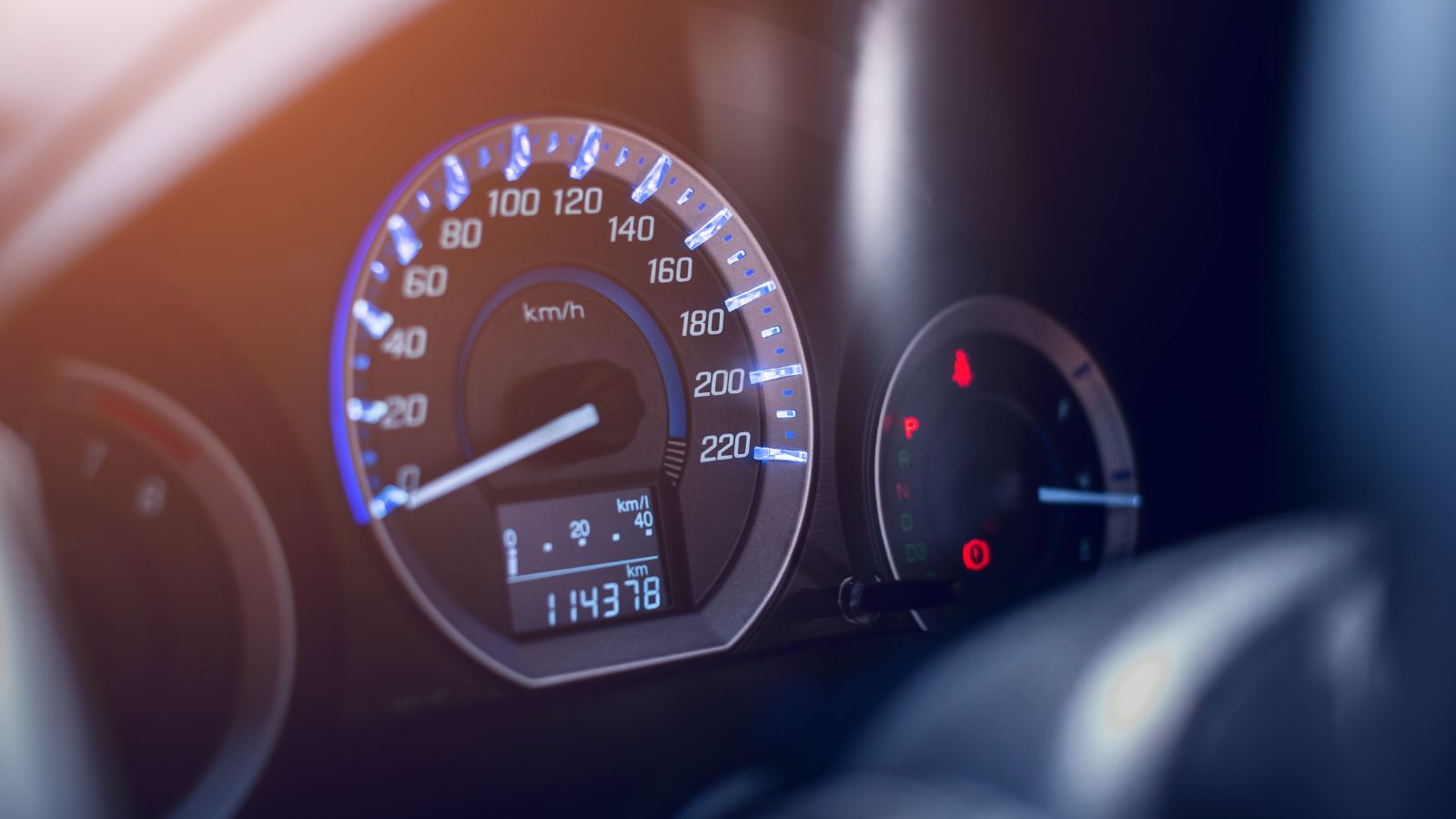
Mileage should make sense across the entire vehicle, not just on the instrument cluster. Wear on the driver’s seat bolster, steering wheel, pedals, door handles, cargo area, tires, and suspension should broadly match the odometer. A low-mileage vehicle with a heavily worn interior is not automatically fraudulent, but it needs an explanation that holds up against service records and history reports.
Odometer concerns can also appear through timeline gaps. A vehicle may show 62,000 kilometres today, but older service entries, inspection records, or history-report data may suggest unusual jumps, long missing periods, or inconsistent readings. Digital odometers can still be misrepresented through module swaps, import paperwork issues, or incomplete records. When the kilometres feel too low for the condition, the safest assumption is that the story needs more evidence.
A Lien That Has Not Been Cleared

A lien is one of the most expensive paperwork problems a used-car buyer can miss. If money is still owed on the vehicle, the lender may have a legal interest in it even after a private buyer pays the seller. That means the buyer can end up with a vehicle that cannot be cleanly transferred or may become subject to collection action if the debt is not resolved.
The danger is that the car itself can look perfect. A lien does not create engine noise, warning lights, or rust bubbles. It sits in records that must be searched through the appropriate provincial or territorial systems, vehicle history products, or personal property registry tools. A seller saying “the loan will be paid off after the sale” is not enough. The payoff process should be documented before the transaction closes.
Pressure to Skip an Independent Inspection

A seller who refuses an independent inspection is often asking the buyer to trust a stranger over a trained technician. Some sellers use urgency: another buyer is coming, the price is only valid today, or the vehicle is “already safetied.” A safety certificate or inspection slip may confirm certain roadworthiness items at a moment in time, but it does not guarantee long-term mechanical health.
Independent inspections are especially valuable for higher-mileage vehicles, luxury models, hybrids, EVs, diesels, all-wheel-drive SUVs, and anything with expensive electronic systems. A short test drive may not reveal oil leaks, stored diagnostic codes, weak cooling components, hidden collision damage, worn suspension parts, or battery-health concerns. When a seller resists a reasonable inspection request, the problem may not be the inspection fee. It may be what the inspection will find.
Recent Warning Lights That Were “Just Cleared”
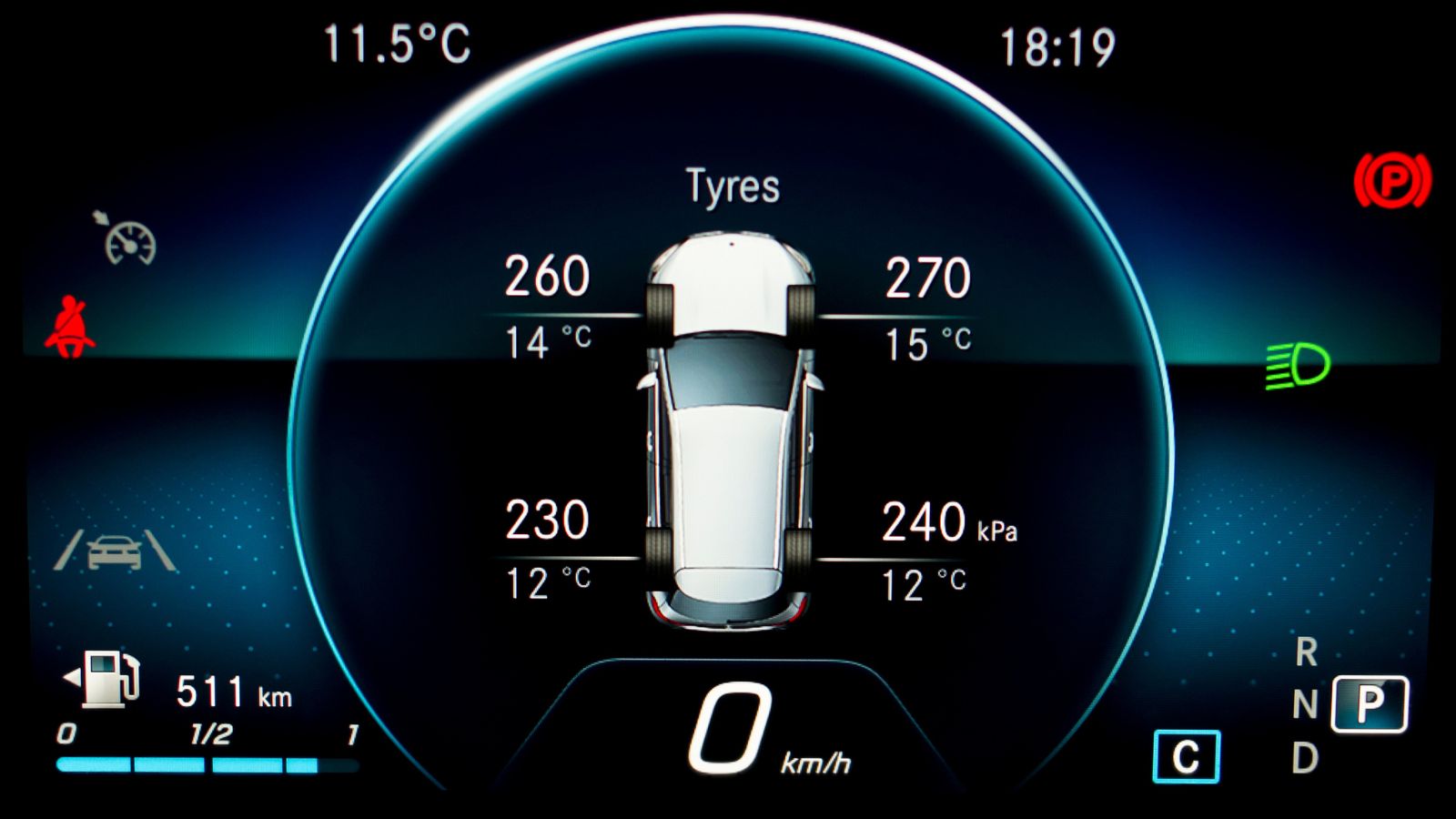
A dashboard with no warning lights can feel reassuring, but stored diagnostic codes may still tell a different story. Some sellers clear check-engine, airbag, ABS, traction-control, or emissions codes shortly before a viewing. If the issue needs several drive cycles to return, the buyer may not see the warning during a brief neighbourhood test drive.
The red flag is stronger when the seller claims the battery was “recently disconnected” or the light was “nothing serious” without repair records. Modern vehicles can store pending codes, freeze-frame data, readiness monitor status, and electronic clues that a basic visual inspection will miss. A pre-purchase scan is not perfect, but it can reveal whether the car is truly clean or just temporarily quiet.
Imported, Rebuilt, or Branded Status Downplayed as “No Big Deal”

Vehicle branding can affect safety, insurance, financing, resale value, and repair expectations. A car that has been rebuilt after severe damage may legally return to the road if it meets inspection requirements, but it is not the same risk profile as a clean-title vehicle. Similarly, imported vehicles can carry history gaps if records from another province, territory, or country are incomplete.
Some sellers minimize the issue by saying the branding was “only paperwork,” the damage was “nothing major,” or the car has “passed inspection.” Passing an inspection may mean the vehicle met a standard at that time; it does not erase previous structural, flood, fire, theft-recovery, or major collision history. The key question is not whether the vehicle can be driven today. It is whether its past has been priced, disclosed, and understood.
Signs of Flood or Water Damage
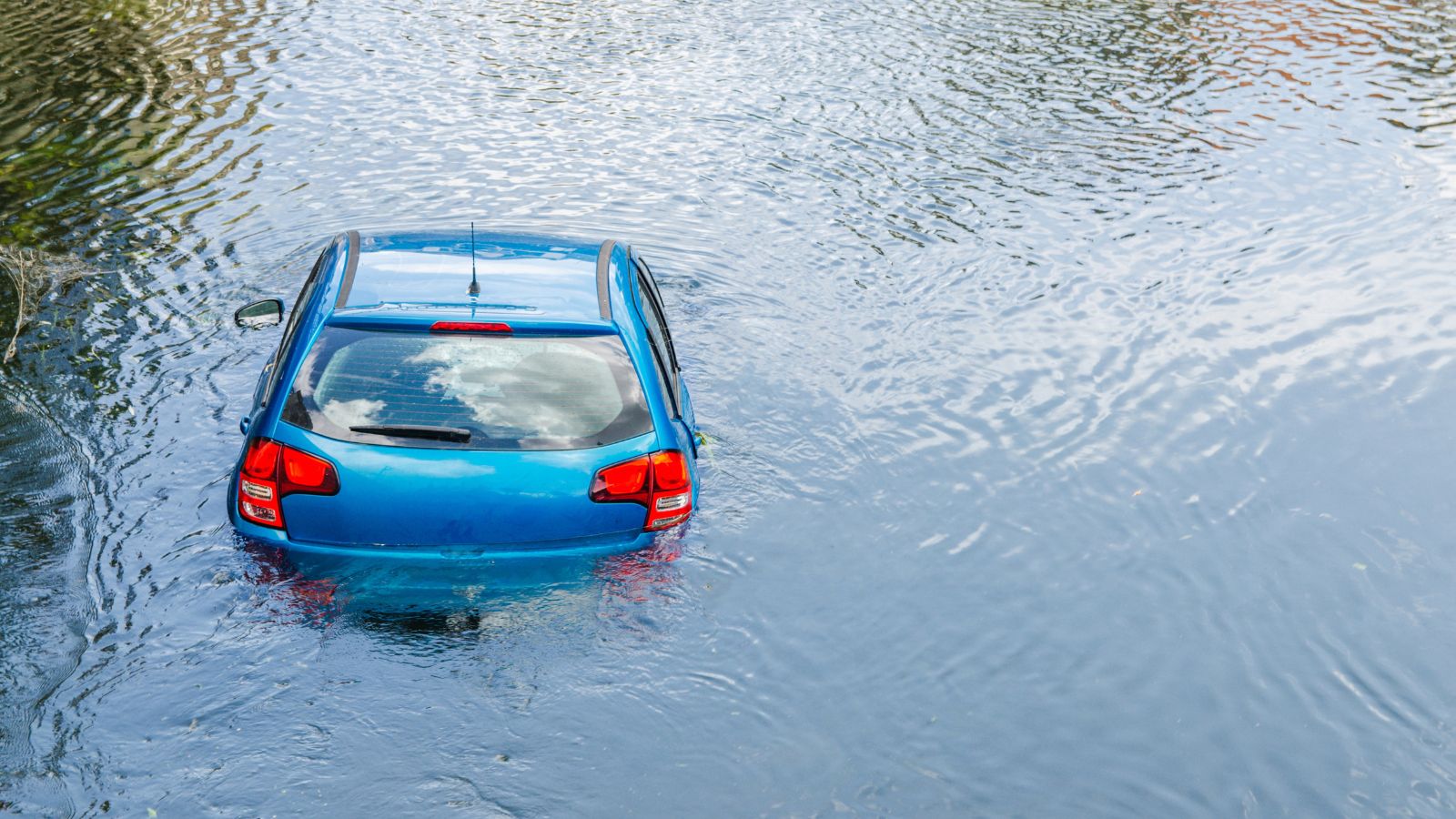
Flood damage can be difficult to spot because the vehicle may be cleaned, deodorized, and repaired before resale. Warning signs include musty odours, foggy lights, moisture under carpets, rust on seat rails, silt in hidden crevices, malfunctioning electronics, stained upholstery, and brittle or corroded connectors. In Canada, water-damaged vehicles can become especially risky once freezing temperatures stress already-compromised wiring and modules.
The most concerning flood vehicles are the ones that look surprisingly fresh inside. New floor mats, heavy fragrance, recently shampooed carpets, or a trunk that smells cleaner than the cabin can all deserve scrutiny. Water can damage airbags, braking electronics, infotainment systems, power seats, sensors, and wiring harnesses. A low price on a recently transported vehicle after a flood season elsewhere should never be judged on appearance alone.
A Test Drive That Avoids Real Conditions

A careful seller should allow a reasonable test drive route that includes cold start behaviour, city traffic, braking, turns, acceleration, reverse, parking manoeuvres, and highway speeds where legal and practical. A route that stays under 50 km/h can hide transmission shifts, wheel-bearing noise, alignment pull, vibration, overheating, adaptive cruise issues, or highway-speed steering problems. Short drives are convenient for sellers and risky for buyers.
This red flag often appears as politeness rather than pressure. The seller may say the vehicle is low on fuel, the plates are not available, traffic is bad, or insurance is complicated. Some limits are understandable, but the buyer still needs enough driving time to evaluate the car properly. A vehicle that only feels good around the block has not yet proven it can handle Canadian commuting, weather, and distance.
Paperwork That Does Not Match the Seller’s Story
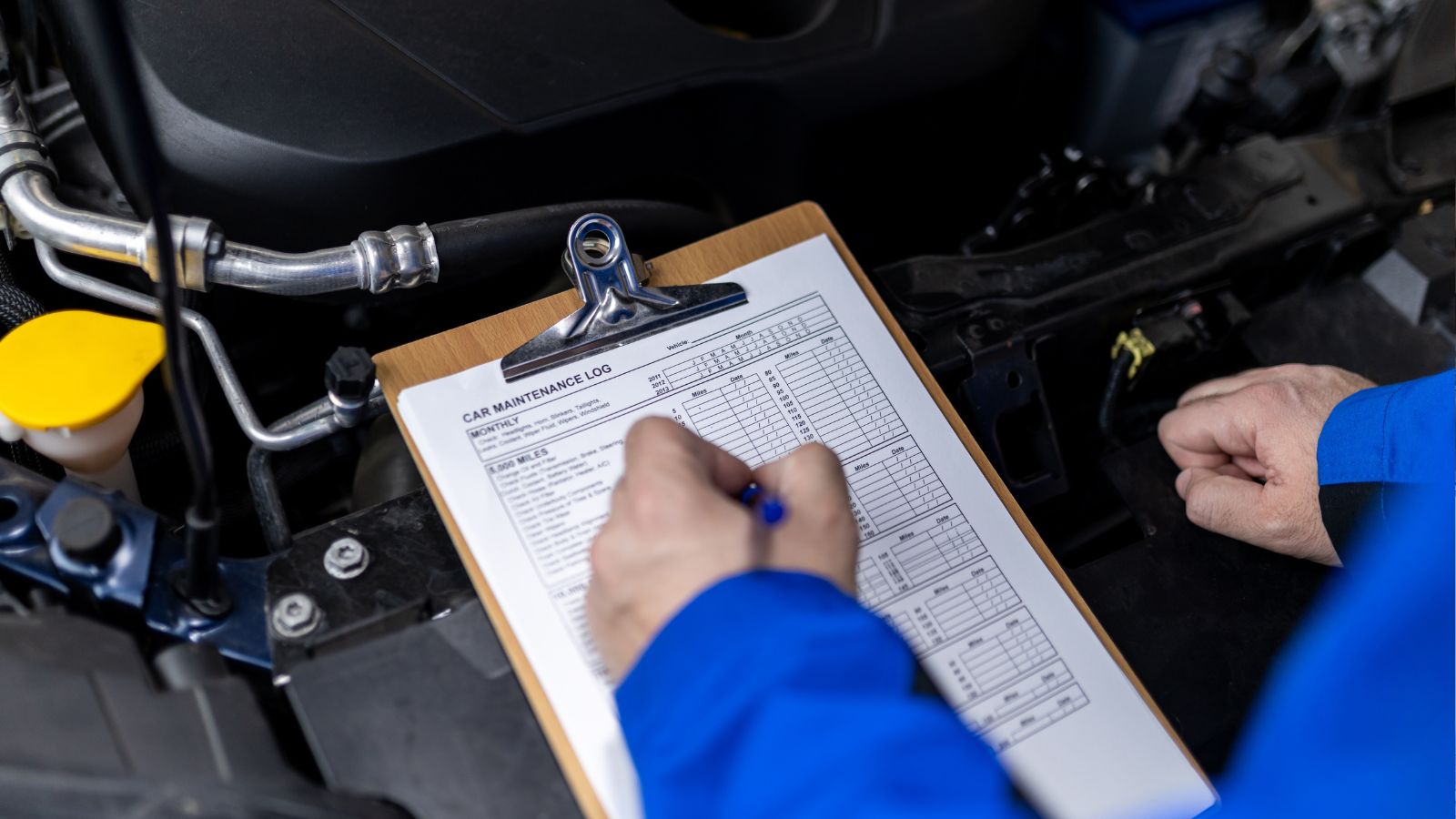
The final red flag is often the most basic: names, dates, addresses, vehicle descriptions, ownership documents, bills of sale, inspection papers, and history reports that do not line up. A seller may say the car belongs to a cousin, the registration is elsewhere, the ownership will be provided after payment, or the paperwork is “basically ready.” Those explanations can create risk in a private sale.
Canadian provinces and territories have their own transfer requirements, but the principle is consistent: the person selling the vehicle should be able to prove they have the right to sell it, and the paperwork should match the car being purchased. A rushed meeting in a parking lot, incomplete bill of sale, missing identification, or mismatched ownership details can point to curbing, title problems, unpaid debts, or stolen-vehicle risk.
22 Things Canadians Do to Their Cars in Spring That Mechanics Hate
Spring brings relief to many Canadian drivers after months of snow, freezing temperatures, and icy roads that put serious strain on vehicles. As temperatures rise across the country, drivers begin washing cars, switching tires, and preparing vehicles for warmer weather and upcoming road trips. However, mechanics across Canada notice the same mistakes every spring when drivers attempt to recover from winter damage. Road salt, potholes, and harsh winter driving conditions often leave vehicles with hidden problems that drivers ignore. Some spring habits even create new mechanical issues that could have been avoided with proper maintenance. Here are 22 things Canadians do to their cars in spring that mechanics hate.