




















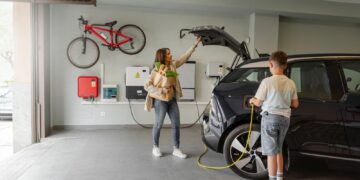

Electric vehicles are still gaining ground globally, but the buying mood has become more complicated. For many households, the promise of silent driving, lower fuel costs, and cleaner technology remains appealing, yet everyday ownership has exposed practical trade-offs that do not fit every commute, budget, home, or climate. Hybrids have stepped back into the spotlight because they offer a familiar middle ground: lower fuel use without full dependence on chargers.
This piece examines 12 reasons drivers are rethinking pure EV ownership and giving hybrids another look. The shift is not a rejection of electrification as much as a sign that many buyers want flexibility, predictable costs, and fewer lifestyle adjustments while the charging network, vehicle prices, and resale market continue to evolve.
Charging Still Feels Too Unpredictable
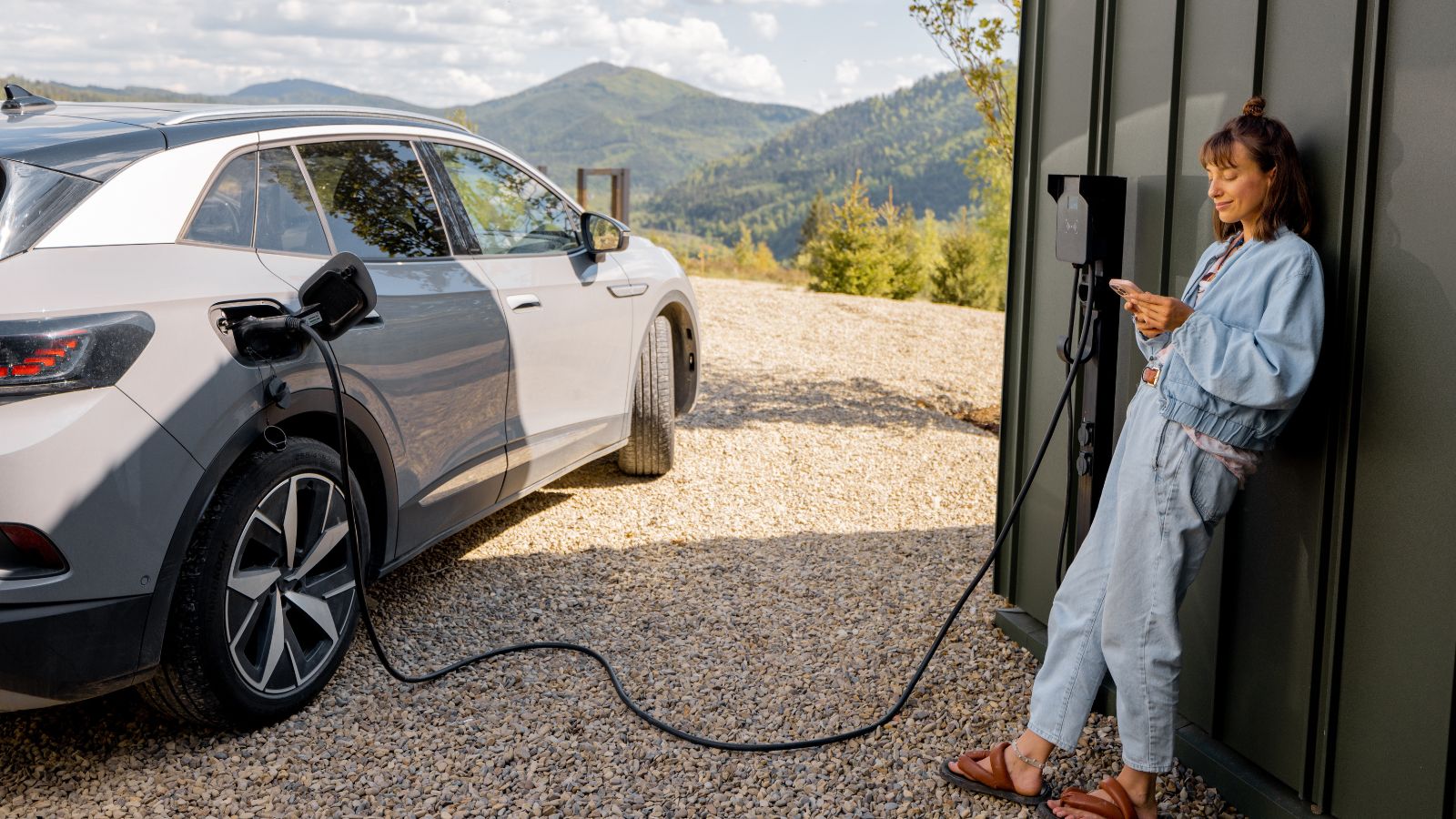
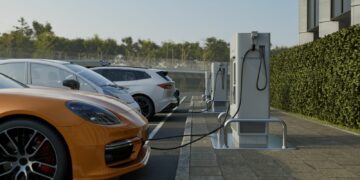
For drivers with a garage, a dedicated outlet, and a regular commuting pattern, EV ownership can be remarkably convenient. The trouble begins when those conditions disappear. Apartment dwellers, renters, condo owners, and people who park on the street often have to rely on public chargers, workplace charging, or awkward charging arrangements that turn a simple errand into a planning exercise.
Hybrids avoid that pressure because they do not require a plug to deliver better fuel economy. A driver can refuel in minutes at a familiar gas station while still using less fuel than a conventional vehicle. That everyday simplicity matters, especially for households that cannot guarantee access to overnight charging. Even when public charging is improving, the mental load of locating, waiting for, and trusting a charger can make a hybrid feel like the easier long-term choice.
Range Anxiety Has Become Time Anxiety
Early EV hesitation often focused on whether a vehicle could travel far enough on a charge. Newer EVs have made major progress, with many models offering ranges that comfortably cover daily driving. Yet for many owners, the bigger issue is not only distance. It is time: how long charging takes, whether a charger is available, and whether a road trip will include an unexpected wait.
That is where hybrids gain emotional appeal. They remove the question of whether a charging stop will fit into a busy day. A parent running late, a commuter facing a detour, or a traveller crossing a remote route does not have to recalculate the trip around charging access. The hybrid’s gasoline backup may seem old-fashioned, but it turns uncertainty into routine. For many drivers, that predictability is worth more than the novelty of going fully electric.
Purchase Prices Still Make Buyers Pause
EV prices have come down in some segments, and used EVs can now look surprisingly affordable. Still, many shoppers compare monthly payments before they compare lifetime savings. If the sticker price, financing rate, insurance premium, or home-charger installation pushes the deal beyond comfort, the lower fuel cost may not be enough to close the sale.
Hybrids often enter the conversation as a more approachable upgrade. They usually cost more than a comparable gasoline-only model, but the price jump can feel less dramatic than moving into a fully electric vehicle. A shopper who wants better fuel economy without stretching into a larger loan may see a hybrid as the safer compromise. That matters in a market where vehicle affordability has become a serious concern and where many families are already managing higher payments, insurance costs, and household bills.
Incentive Changes Have Changed the Math
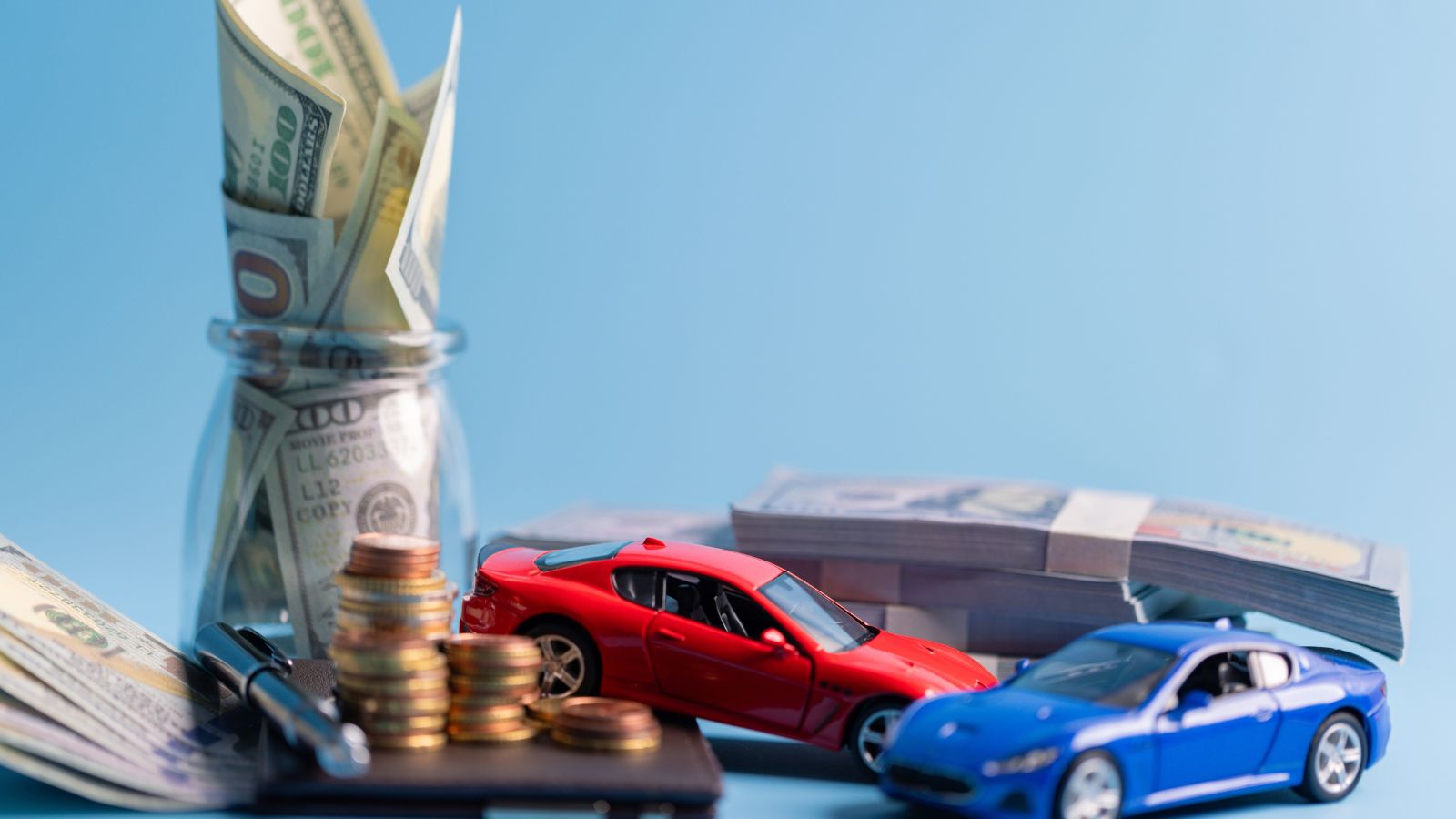
Government incentives helped make many EV purchases feel financially reasonable. When rebates, tax credits, or provincial programs shrink, pause, or expire, the calculation can change quickly. Buyers who were ready to accept higher upfront prices because incentives narrowed the gap may reconsider when that support disappears or becomes harder to access.
Hybrids benefit from this uncertainty because they are less dependent on policy timing. A conventional hybrid may not qualify for the same incentives as a zero-emission vehicle, but it also may not rely on them to seem practical. That creates a steadier buying proposition. Drivers who dislike chasing deadlines, eligibility rules, vehicle caps, or sudden program changes may decide that a hybrid’s value is easier to understand. The result is a quieter but powerful shift: fewer shoppers comparing ideals, more shoppers comparing after-tax monthly reality.
Resale Values Have Made Some Owners Nervous

EV depreciation has become one of the most discussed ownership concerns. Some used EV prices have fallen as supply grows, technology improves, incentives change, and buyers become more selective about battery range and charging speed. For a first owner, that can feel unsettling if a vehicle loses value faster than expected.
Hybrids often look safer because their resale story is more familiar. Many buyers understand Toyota, Honda, Lexus, and other long-running hybrid systems, and the used market has years of experience pricing them. A family trading in after four or five years may prefer a vehicle with demand that feels easier to predict. EVs can still be excellent used buys, especially when depreciation works in the second buyer’s favour, but the first buyer may see that same price drop as a risk. Hybrids offer a less dramatic ownership curve.
Reliability Perceptions Favour Hybrids
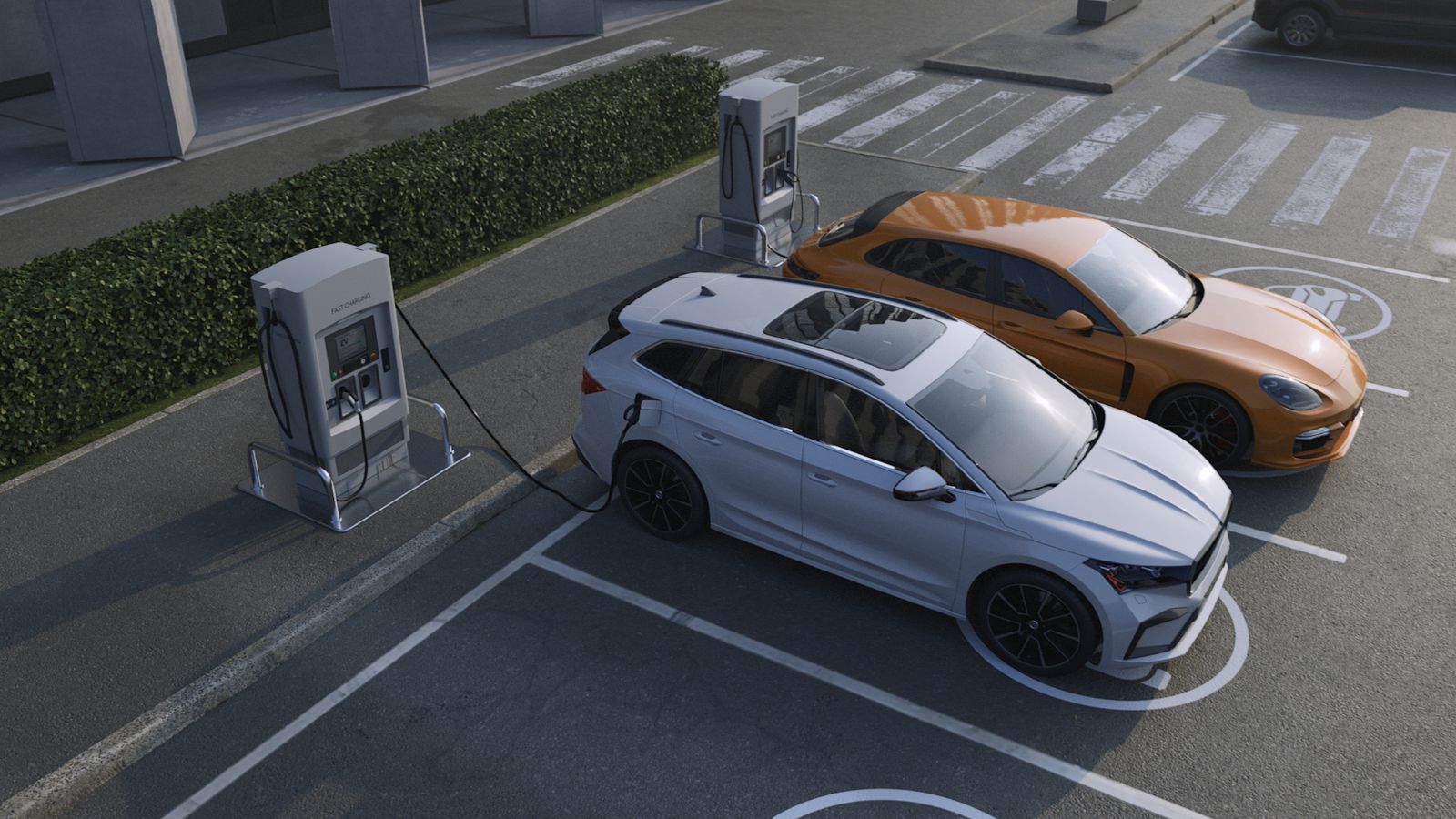
Hybrids no longer feel experimental. After more than two decades of mainstream use, many shoppers associate them with dependable commuter cars, taxi fleets, and long-lasting family vehicles. That reputation gives hybrids an advantage, especially when buyers are nervous about newer EV platforms, software glitches, charging hardware, and unfamiliar repair procedures.
Pure EVs have fewer moving parts in some areas, but they also depend heavily on electronics, high-voltage systems, thermal management, and software. Early issues in newer models can shape public perception even when EV technology improves. A hybrid feels less risky to a cautious buyer because it blends known gasoline technology with proven electric assistance. The irony is that hybrids are mechanically complex, but the best-known models have built trust over many years. For buyers who value predictability over novelty, that history carries weight.
Cold Weather Remains a Practical Concern
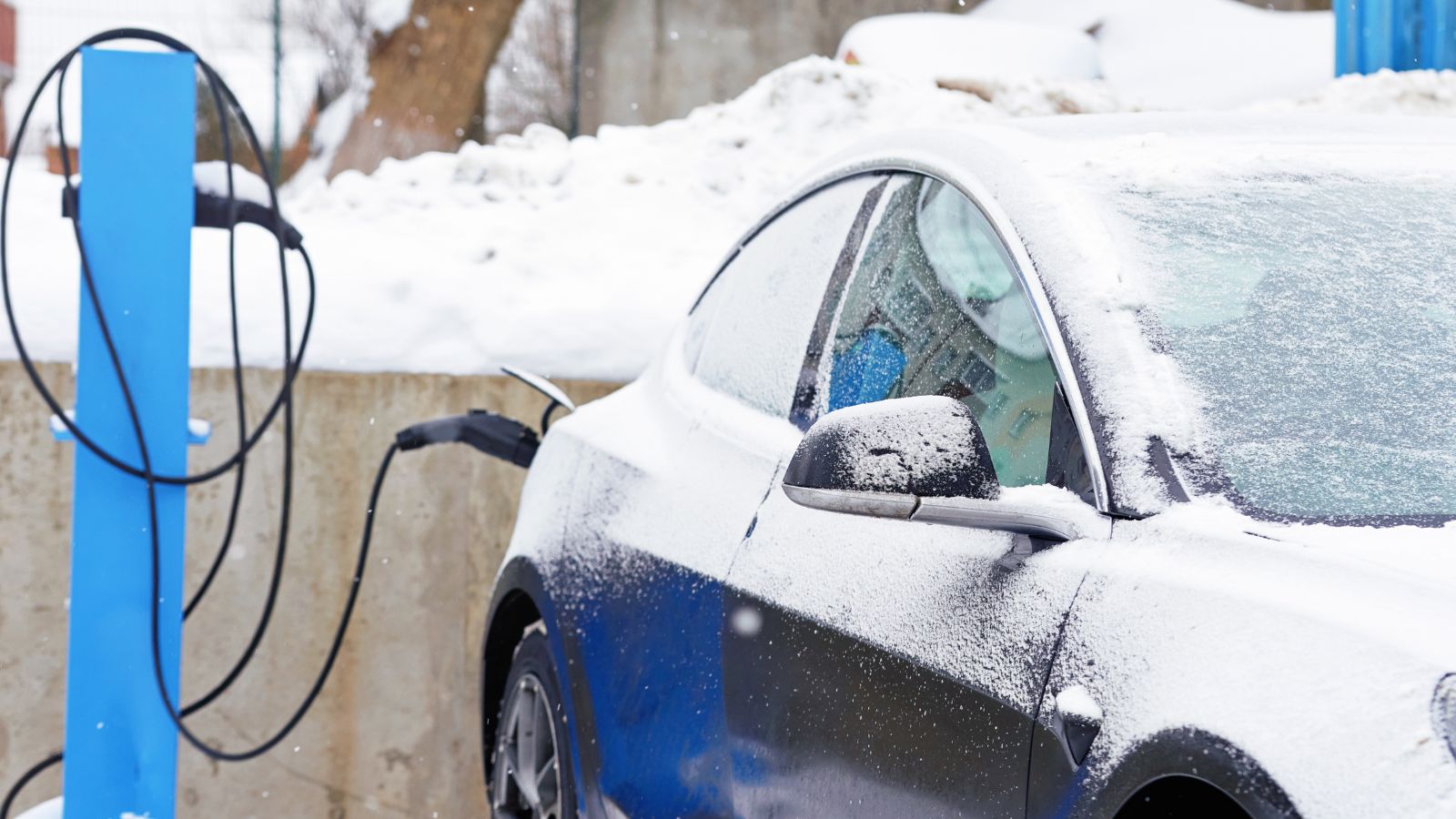
EVs can work well in winter, but cold weather changes the ownership experience. Battery performance, cabin heating, tire choice, road conditions, and charging speed can all affect range. In colder regions, drivers may see a meaningful drop from the advertised number, especially during highway driving or short trips where the cabin must warm repeatedly.
Hybrids are not immune to winter efficiency losses, but they usually feel less disruptive. The gasoline engine provides familiar backup, and refuelling does not slow down when temperatures drop. For drivers in Canada, northern U.S. states, or rural areas with long winter commutes, that difference can influence buying decisions. It is not only about whether an EV can handle winter. Many can. It is about whether the driver wants to manage another variable during snowstorms, school runs, and dark morning commutes.
Public Charging Has Improved, But Trust Takes Longer
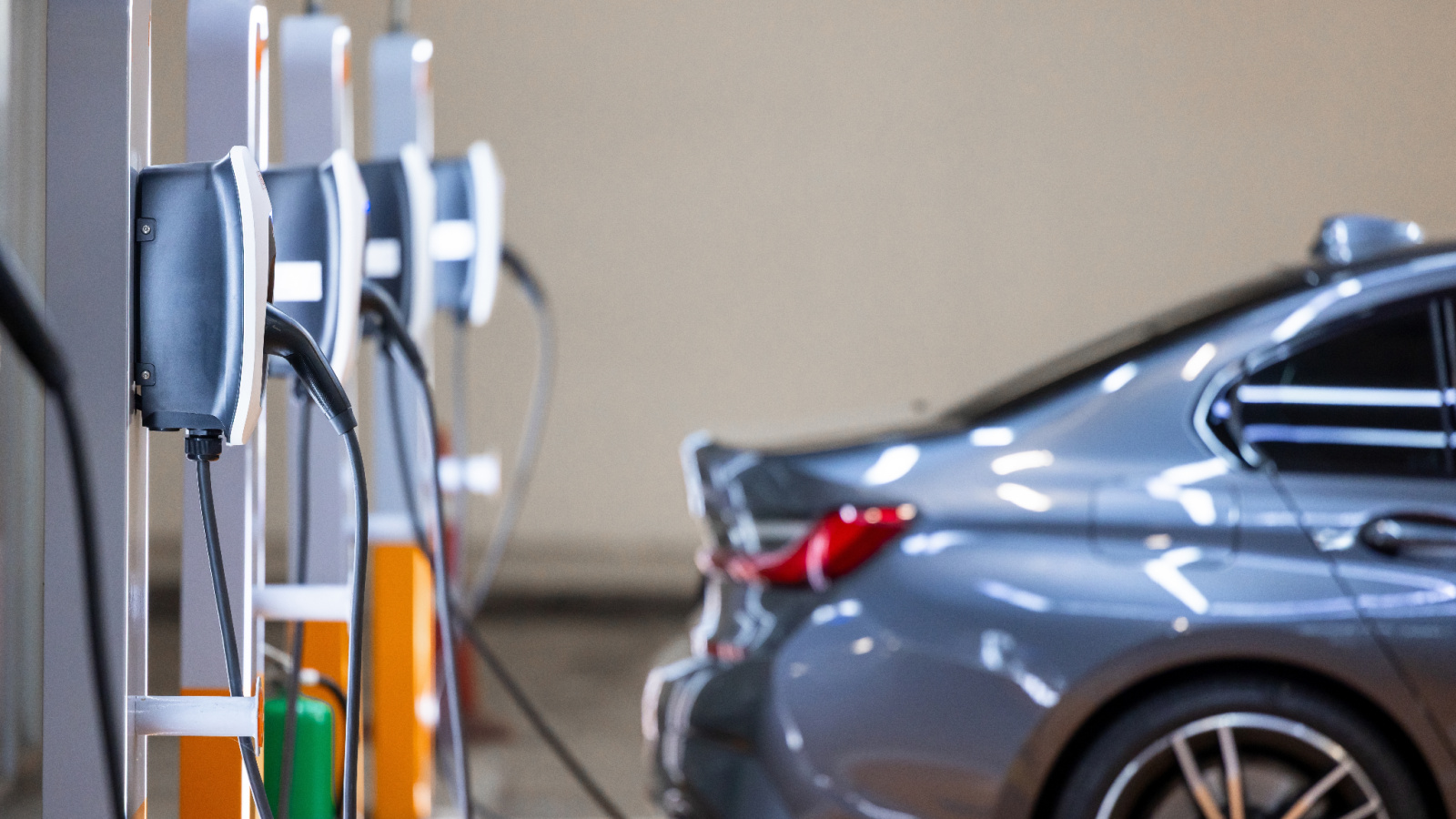
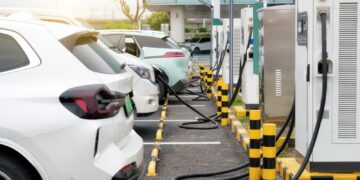
More chargers are being installed, and many networks are becoming easier to use. However, consumer trust does not improve at the same pace as infrastructure. A driver who has encountered a broken charger, confusing payment screen, blocked parking space, or long queue may remember that experience far longer than any national statistic showing progress.
Hybrids sidestep the trust problem. They do not require a driver to bet the trip on a public charging station working properly. This is especially important for people who travel outside dense urban corridors or who cannot build extra time into their schedule. Even EV owners who mostly charge at home may hesitate before taking longer trips if they are unsure about public charging. A hybrid keeps the fuel-saving benefit while preserving the old habit of stopping anywhere for gas, which feels reassuring in unpredictable conditions.
Automakers Are Rebalancing Their Lineups
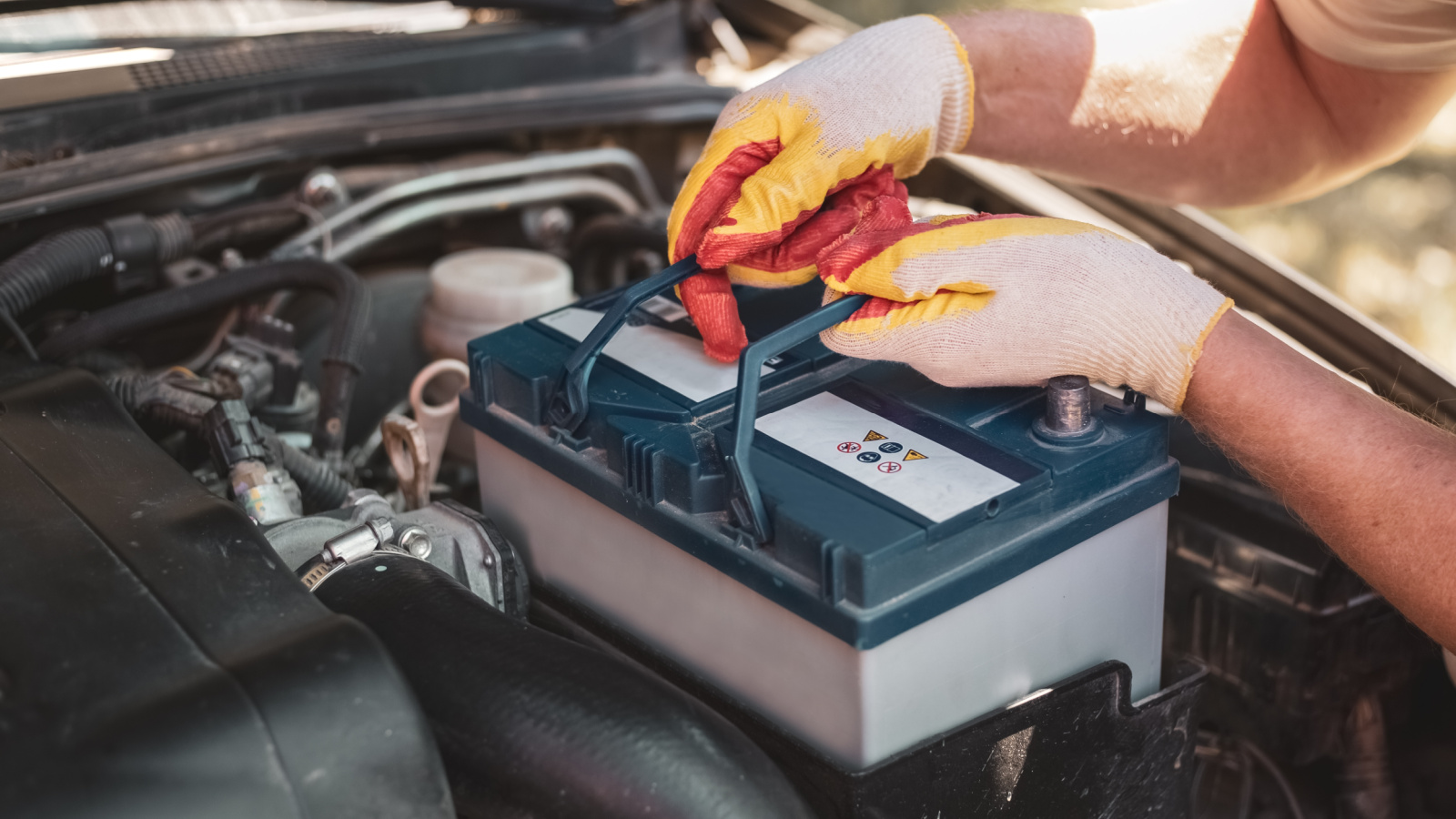
The market has sent automakers a clear message: electrification is growing, but not every buyer is ready for a battery-only vehicle. Several manufacturers have adjusted EV production plans, expanded hybrid offerings, or promoted hybrid versions of popular SUVs, trucks, and family vehicles. That sends a signal to consumers that hybrids are not a temporary compromise but a mainstream product strategy.
This matters because availability shapes preference. If a shopper walks into a dealership and finds hybrid versions of familiar models with reasonable delivery times, the decision becomes easier. By contrast, some EVs may carry higher prices, narrower body-style choices, or concerns about future incentives and charging needs. Automakers are responding to what buyers are actually purchasing, not just what policy targets once suggested they might buy. Hybrids are benefiting from that practical reset.
Hybrids Fit One-Car Households Better
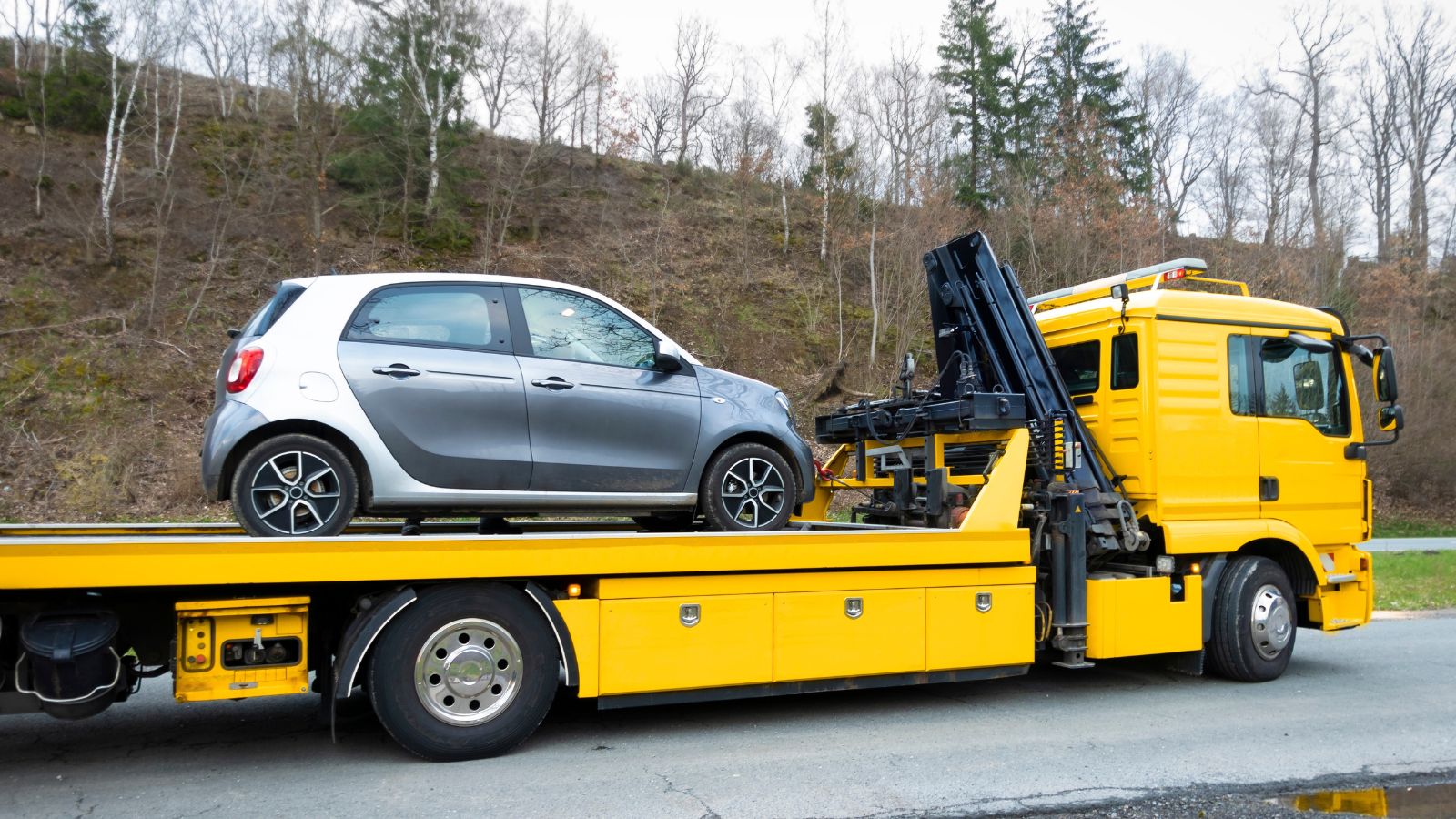
A fully electric vehicle can be ideal in a two-car household where another vehicle handles long trips, towing, remote travel, or emergency flexibility. The calculation changes for households with only one vehicle. When one car must handle commuting, errands, vacations, bad weather, family emergencies, and unexpected detours, buyers often place a premium on versatility.
That is why hybrids can feel like the safer one-car solution. They improve fuel economy in daily use but still behave like a conventional vehicle when life gets messy. A family can visit relatives, take a spontaneous road trip, or drive through areas with limited charging infrastructure without researching stations first. EV ownership can absolutely work for one-car households with the right charging setup and driving patterns. Still, many buyers prefer the comfort of a vehicle that requires fewer lifestyle adjustments.
Insurance and Repair Costs Are Getting More Attention

As EVs have become more common, buyers have started looking beyond fuel savings. Insurance premiums, collision repairs, specialized parts, battery pack concerns, and qualified technician availability can all influence the real cost of ownership. Even when an EV is cheaper to fuel and maintain in routine use, a higher insurance quote or expensive repair scenario can make shoppers hesitate.
Hybrids are not cheap to repair in every case, but they often feel more familiar to insurers, repair shops, and used-car buyers. Many hybrid systems have been on the road long enough for parts availability and technician knowledge to become more established. A driver comparing two vehicles may not choose the one with the lowest theoretical energy cost. They may choose the one with fewer unknowns. In that contest, hybrids often look less intimidating.
Environmental Goals Meet Everyday Convenience
Many drivers still want to reduce emissions and fuel consumption. The move toward hybrids does not necessarily mean abandoning environmental priorities. Instead, it often reflects a belief that a realistic improvement today is better than a perfect solution that does not fit someone’s life. A hybrid can cut fuel use without requiring home charging, route planning, or a major change in driving behaviour.
That pragmatic appeal is powerful. A commuter who cannot charge at home may use a hybrid efficiently every day, while an EV without reliable charging could become frustrating or underused. Policy discussions often treat vehicle choices as a straight line from gasoline to electric, but real households make decisions around parking, weather, money, work schedules, and family needs. Hybrids thrive in that messy middle because they help drivers feel they are moving forward without giving up convenience.
EVs Are Not Finished — The Market Is Getting More Selective
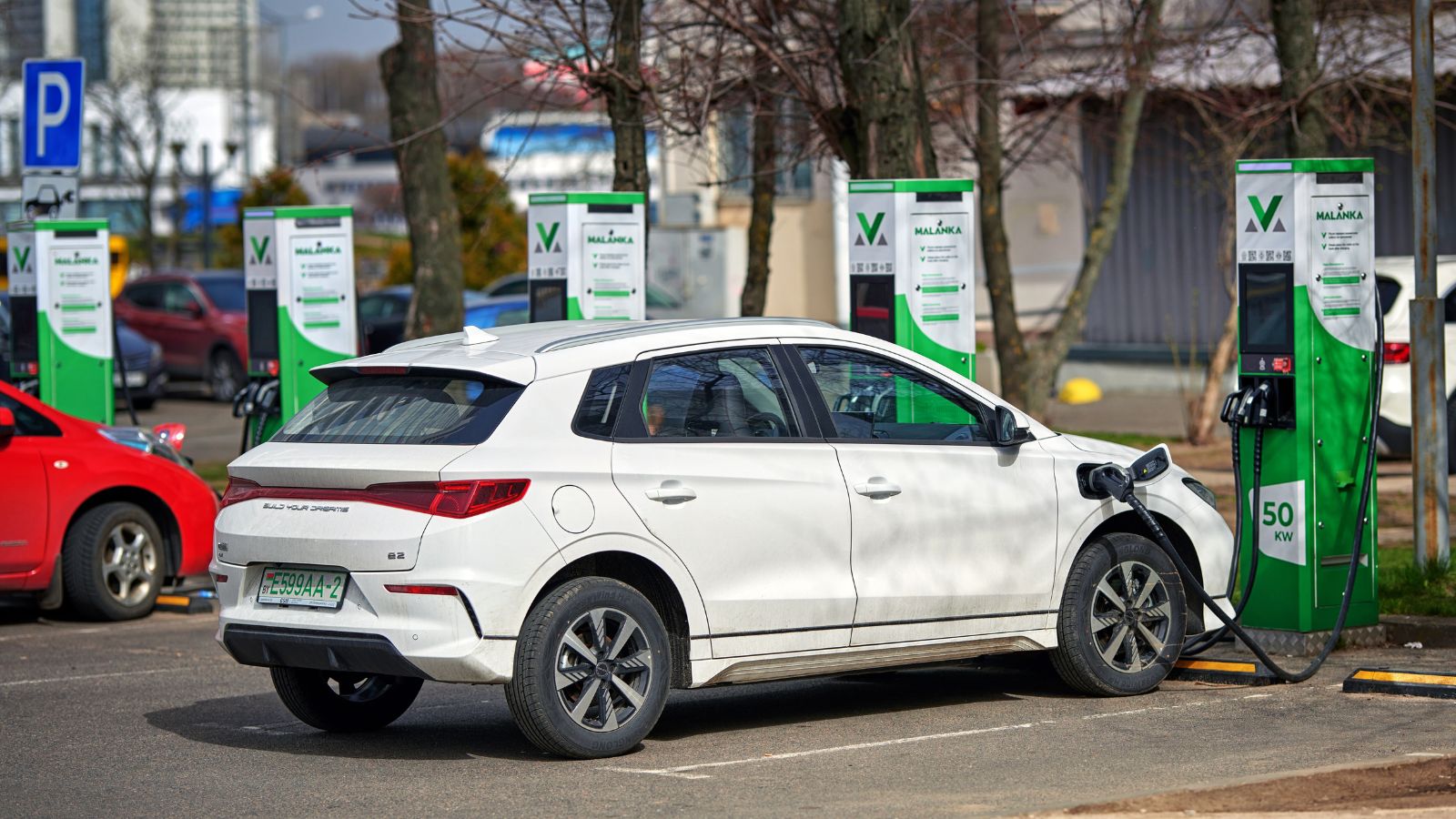
The renewed interest in hybrids should not be mistaken for the end of EV growth. Globally, electric car sales remain substantial, and many EV owners report high satisfaction when charging access, vehicle range, and purchase price align with their needs. The shift is more about selectivity: buyers are learning that an EV is not automatically the best fit for every household.
Hybrids are winning attention because they answer the doubts that remain most personal: What happens on a long trip? What if a charger is broken? What will the car be worth later? What if winter cuts range? These questions do not make EVs a failure. They show that the market is maturing. Drivers are no longer buying electrified vehicles only for the idea of the future. They are choosing the version of that future that fits their daily life.
22 Things Canadians Do to Their Cars in Spring That Mechanics Hate

Spring brings relief to many Canadian drivers after months of snow, freezing temperatures, and icy roads that put serious strain on vehicles. As temperatures rise across the country, drivers begin washing cars, switching tires, and preparing vehicles for warmer weather and upcoming road trips. However, mechanics across Canada notice the same mistakes every spring when drivers attempt to recover from winter damage. Road salt, potholes, and harsh winter driving conditions often leave vehicles with hidden problems that drivers ignore. Some spring habits even create new mechanical issues that could have been avoided with proper maintenance. Here are 22 things Canadians do to their cars in spring that mechanics hate.