


























A vehicle can look perfect in photographs, score well in reviews, and still feel wrong within the first few kilometres. That mismatch often appears only after the paperwork is signed, when an awkward seat, obstructed sightline, harsh ride, intrusive warning system, or hesitant transmission becomes part of everyday life. Specifications describe dimensions and equipment, but they cannot show how a particular driver’s body, routes, passengers, and habits interact with the machine.
These 12 reasons explain why some buyers regret skipping the test drive, from comfort and visibility problems to technology frustrations and hidden mechanical warning signs. Together, they show why even a brief, well-planned drive can reveal practical drawbacks that online research, showroom inspection, and a promising price may fail to expose.
A Seat That Feels Fine for Five Minutes

Seat comfort is highly personal, which is why a showroom sit cannot fully predict an hour-long commute. Cushion firmness, lumbar support, thigh support, head-restraint position, pedal spacing, and steering-wheel reach can combine well for one body and poorly for another. A driver may initially admire the cabin, then discover that the seat edge presses behind the knees or the wheel cannot come close enough without crowding the pedals.
Research supports the value of extended exposure. In one real-world study, 21 participants drove a 195-kilometre route using three different seat designs while researchers tracked posture and perceived discomfort across city, highway, country, and mountain roads. Comfort changed with both seat design and road conditions. That helps explain why a short loop around a dealership can be misleading. A proper drive should include enough time to adjust the seat, settle into a natural posture, and notice whether pressure or fatigue begins building.
Blind Spots That Photographs Cannot Show

Visibility problems are easy to miss in photos because they depend on the driver’s eye position. Thick pillars, high door lines, small windows, and long hoods can hide pedestrians, cyclists, curbs, or nearby vehicles. Cameras and blind-spot monitors help, but they do not make direct sightlines irrelevant, especially when lenses are dirty, weather is poor, or systems reach their operating limits.
The Insurance Institute for Highway Safety reported that a large driver-side blind zone blocking more than 30 percent of a critical scanning area was associated with a 70 percent higher risk of a left-turn pedestrian crash than a small blind zone. That makes a test drive more than a comfort exercise. Sitting at the seat height, checking mirrors, turning through intersections, reversing, and looking over both shoulders can expose obstructions. Buyers who skip those checks may later feel tense during lane changes or discover that parking requires camera dependence.
The Ride Changes When the Road Gets Rough

Ride quality is rarely captured by a specification sheet. Suspension tuning, wheel size, tire sidewall height, seat design, vehicle weight, and road surface all influence cabin movement. A car that feels composed on a smooth dealer route may thump over broken pavement, bounce on undulating roads, or send sharp impacts through low-profile tires. The difference becomes clearer on familiar routes. The effect compounds over long commutes.
Vehicle-comfort research treats vibration as central, while ISO 2631 methods are commonly used to evaluate human exposure to whole-body vibration. Studies show road type and seat construction can change perceived discomfort during prolonged driving. A useful test includes expansion joints, patched asphalt, speed humps, and a faster stretch of road rather than one polished block. Skipping that variety can leave an owner regretting attractive oversized wheels or sporty suspension tuning every time the vehicle meets a pothole, rough bridge joint, or badly maintained street.
Acceleration Can Feel Different From the Numbers
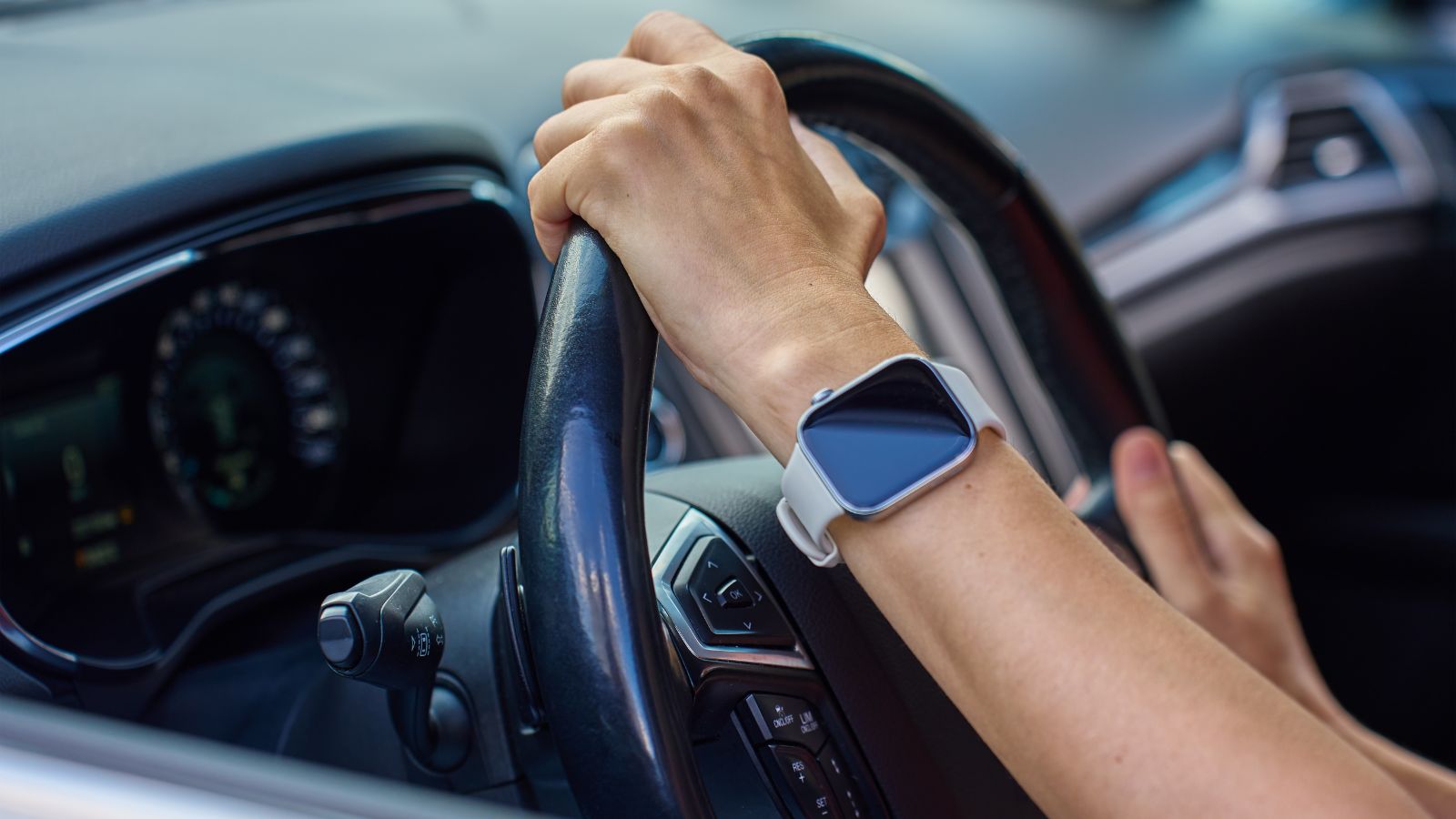
Acceleration figures can suggest performance, but they do not describe how a vehicle responds in traffic. Some powertrains hesitate before moving, surge after a pause, hold engine speed noisily, or shift abruptly at low speeds. Turbocharged engines, continuously variable transmissions, dual-clutch gearboxes, hybrids, and electric vehicles can each deliver power differently. A buyer may like the output yet dislike the response from a stop or during passing.
AAA’s used-car guidance recommends checking whether acceleration is smooth and whether the transmission hesitates or jerks between gears. A drive should include gentle starts, a stronger merge, rolling acceleration, stop-and-go traffic, and a hill when available. Consider a driver leaving a side street: a delay that seemed minor during research can feel stressful when a gap is closing. Skipping the drive means accepting unknown throttle calibration and shift logic, two characteristics that influence every trip but rarely appear in brochures or online listings.
Steering and Brakes May Never Feel Natural

Steering and brakes strongly shape confidence. One vehicle may feel light and effortless; another may feel heavy, nervous, vague, or overly sensitive around centre. Brake pedals also vary in travel and response. A showroom inspection cannot reveal whether the car tracks straight, whether the wheel vibrates at speed, or whether the pedal feels progressive during a stop.
AAA notes that pulling to one side can point to tire damage, low pressure, brake trouble, or poor wheel alignment, while vibration may signal wheel or tire problems. During a test drive, a buyer can loosen steering pressure on a safe, level road, make several controlled stops, and listen for squealing, grinding, or clunks. Even a new vehicle deserves this check because calibration preferences differ. On a used car, the same sensations may indicate repair costs. Skipping the drive can turn an appealing purchase into a vehicle that never feels settled or trustworthy.
Cabin Noise Becomes Obvious at Speed
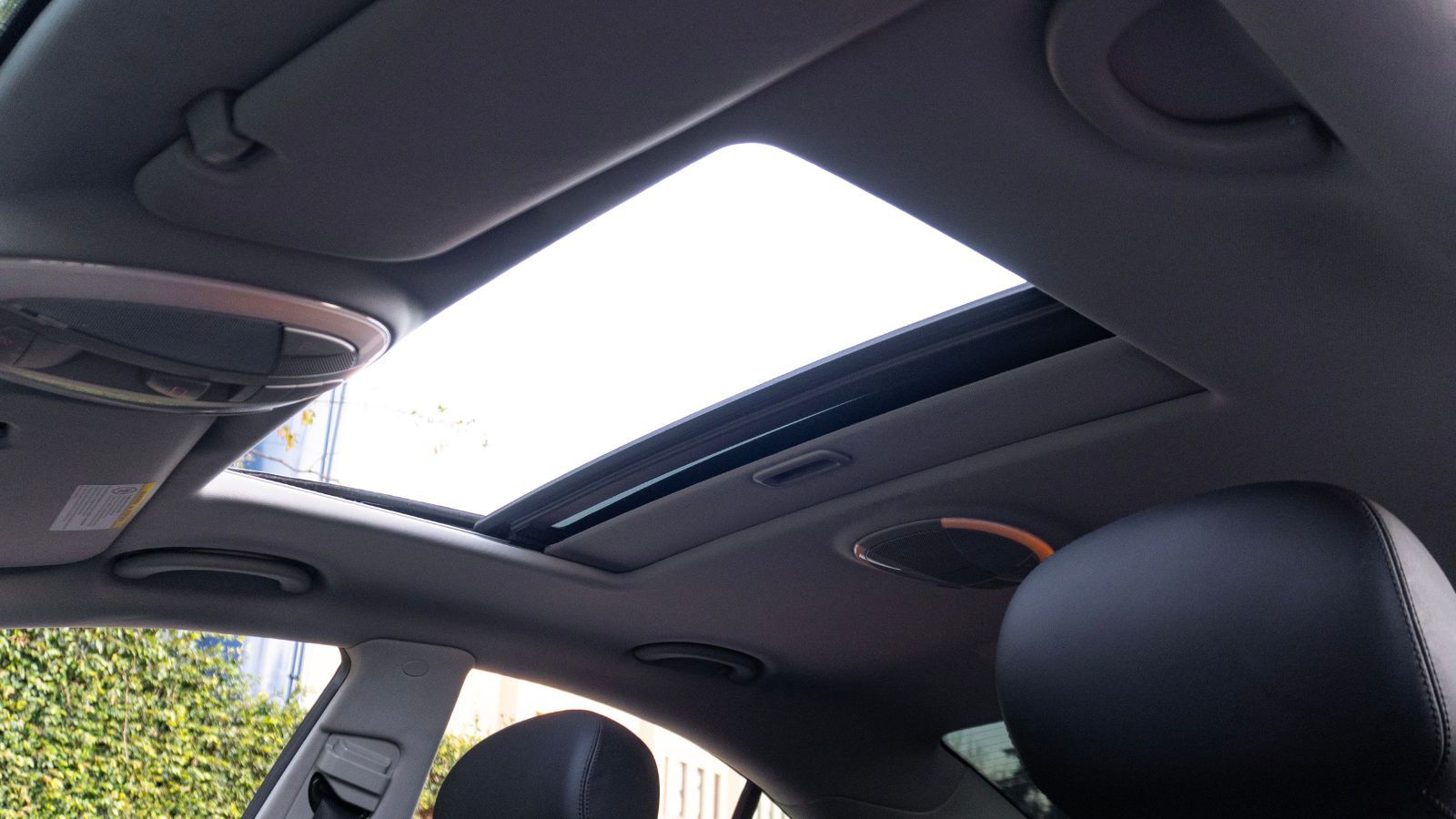
Cabin noise changes with speed. Tire roar, wind around mirrors, engine drone, electric-motor whine, and suspension impacts may be almost absent in a showroom yet dominate a motorway drive. Noise also affects conversation, music volume, and the sense of refinement. A vehicle can therefore feel luxurious while parked and surprisingly tiring once coarse pavement and crosswinds enter the picture.
Automotive testers measure interior sound under several conditions because one reading cannot describe the whole cabin. Car and Driver, for example, records noise at idle, at a 70-mph cruise, and during full-throttle acceleration, using both decibels and perceived-loudness measurements. Buyers do not need laboratory equipment to notice those contrasts. Turning the audio off, driving at realistic commuting speed, and listening from both smooth and rough surfaces can reveal persistent frequencies. Skipping that step may mean years of raising voices, increasing stereo volume, or dreading highway trips in an otherwise attractive car.
Safety Technology Can Become Irritating
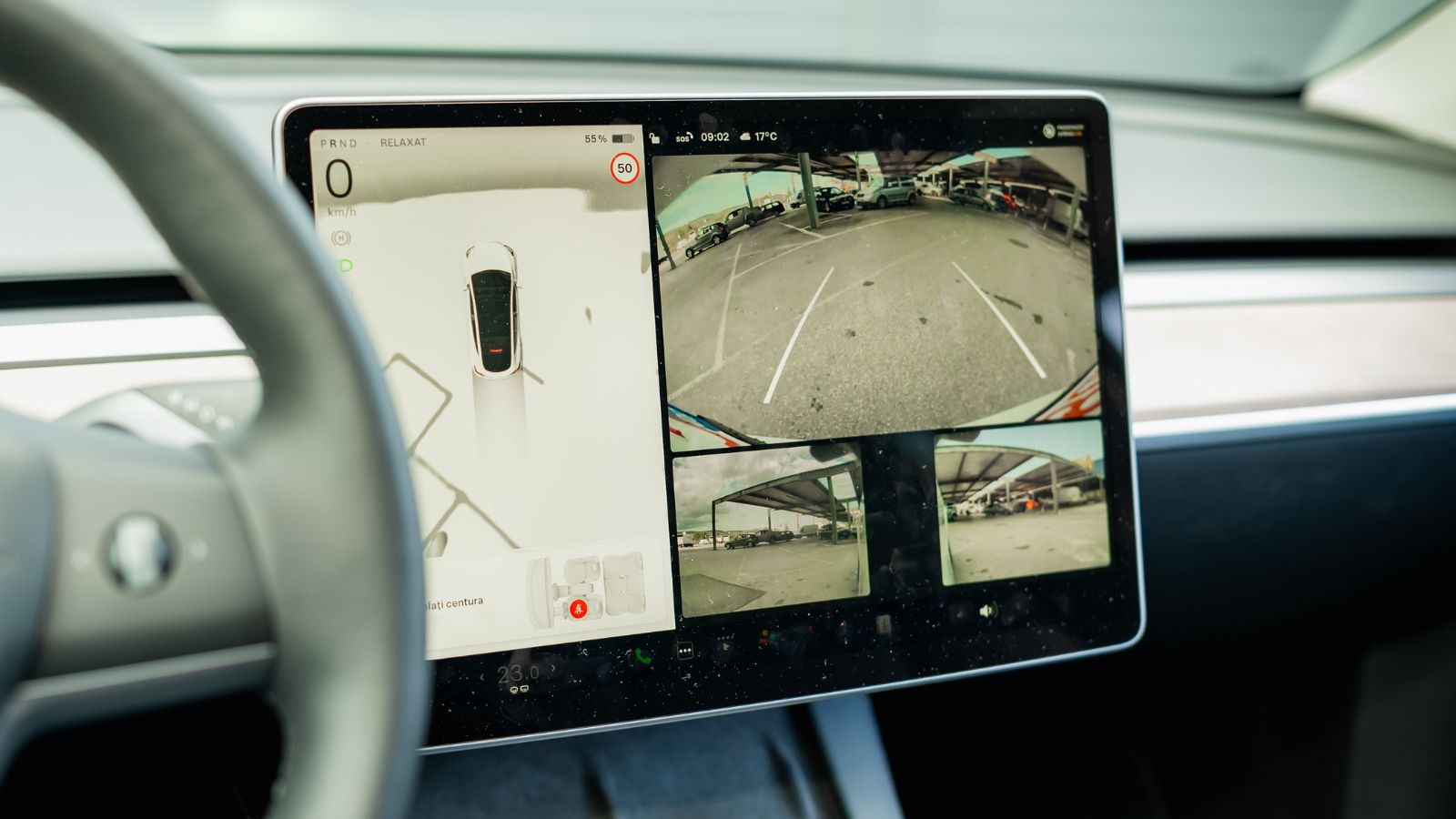
Advanced driver-assistance systems can be valuable, yet behave differently. Lane-centering may tug gently in one model and intervene firmly in another. Blind-spot alerts can vary in timing, volume, and display location, while adaptive cruise control may brake earlier or leave a larger gap than expected. Reading a feature list confirms that technology exists; it does not show whether its behaviour feels reassuring, distracting, or irritating.
AAA advises buyers to request an in-vehicle demonstration and test drive so they can understand how driver-assistance features engage on roads and limitations. That matters because owners interact with these systems on every commute. A warning chime that seems harmless in a video may become grating in dense traffic, and an assertive steering correction may surprise someone on a narrow road. Testing the settings, alerts, and intervention levels before purchase helps distinguish useful assistance from technology an owner may disable after bringing the vehicle home.
The Touchscreen May Complicate Simple Tasks

Infotainment frustration appears during simple tasks, not during a polished sales demonstration. A screen may look impressive yet bury climate controls in menus, respond slowly, reject voice commands, or require several taps to change audio settings. Small icons, glare, weak haptic feedback, and wireless-phone connection problems can make adjustments harder than expected. Physical controls also differ in placement and feel when used without looking down.
The AAA Foundation for Traffic Safety examined common infotainment tasks in 30 model-year 2017 vehicles, including calling, texting, radio tuning, and navigation entry, because such tasks impose visual and cognitive demands. The issue remains relevant as screens and integrated functions expand. During a drive, buyers should pair a phone, set a destination, adjust temperature, change audio, and locate controls while parked and moving safely. Skipping those trials can leave an owner wrestling daily with an interface that looked modern in photographs but conflicts with habits.
Passengers and Cargo May Not Fit Properly
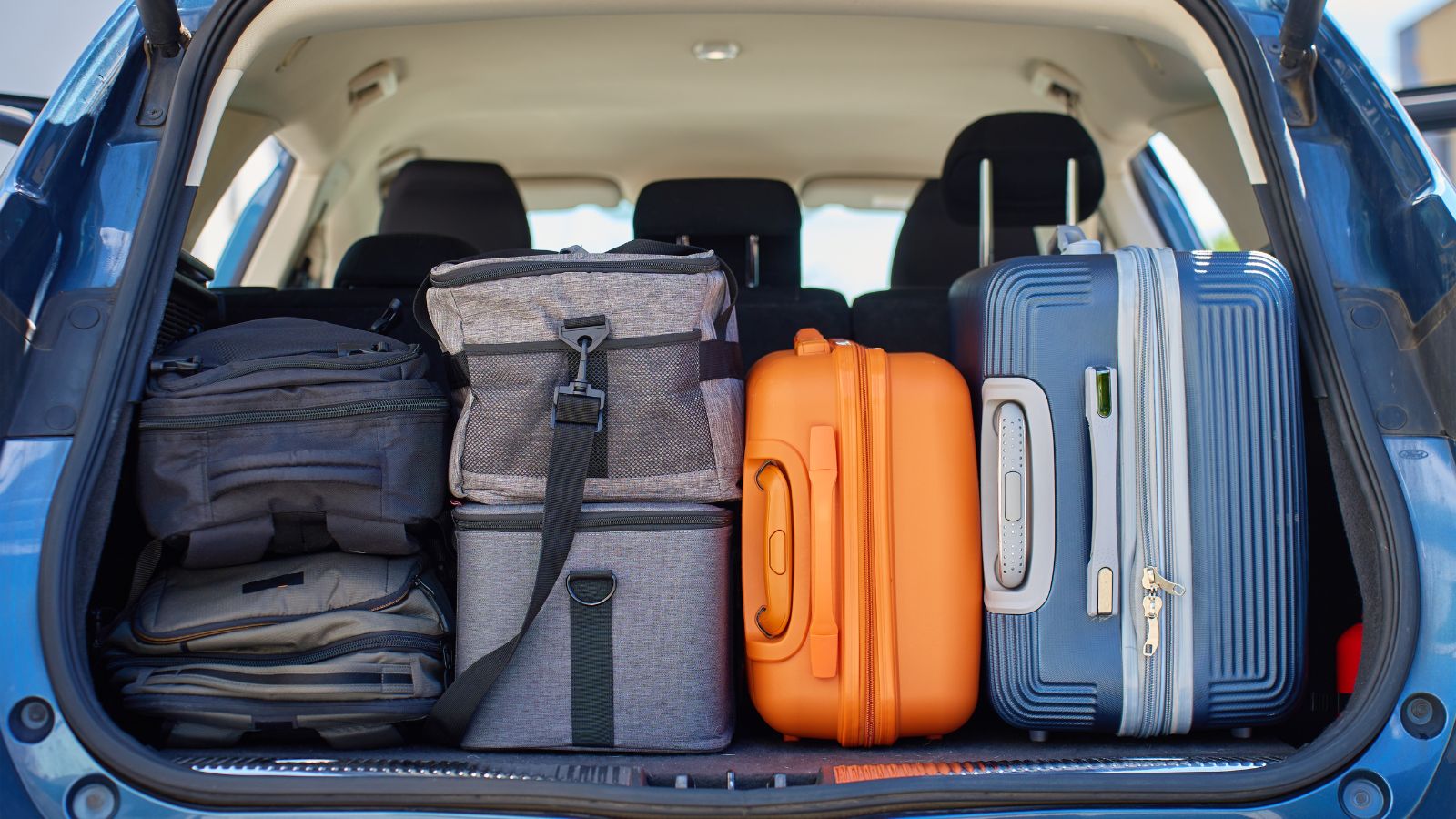
Seating and cargo figures do not guarantee that real belongings will fit as expected. Rear doors may open narrowly, a roofline may force adults to duck, wheel wells can reduce cargo width, and a sloping hatch can crowd bulky items. Families face a complication: a rear-facing child seat may require the front passenger seat to move farther forward than expected, changing comfort for both rows.
NHTSA advises caregivers to study both the child-seat and vehicle manuals because anchor locations and installation procedures matter. It also says an installed seat should not move more than one inch side to side or front to back at the belt path. Bringing the child seat, stroller, mobility aid, work equipment, or luggage to a test fitting can expose conflicts that litre-based cargo claims miss. Skipping that check may produce an SUV that looks spacious outside but cannot handle the household’s regular passengers and gear.
Parking Can Be Harder Than Expected
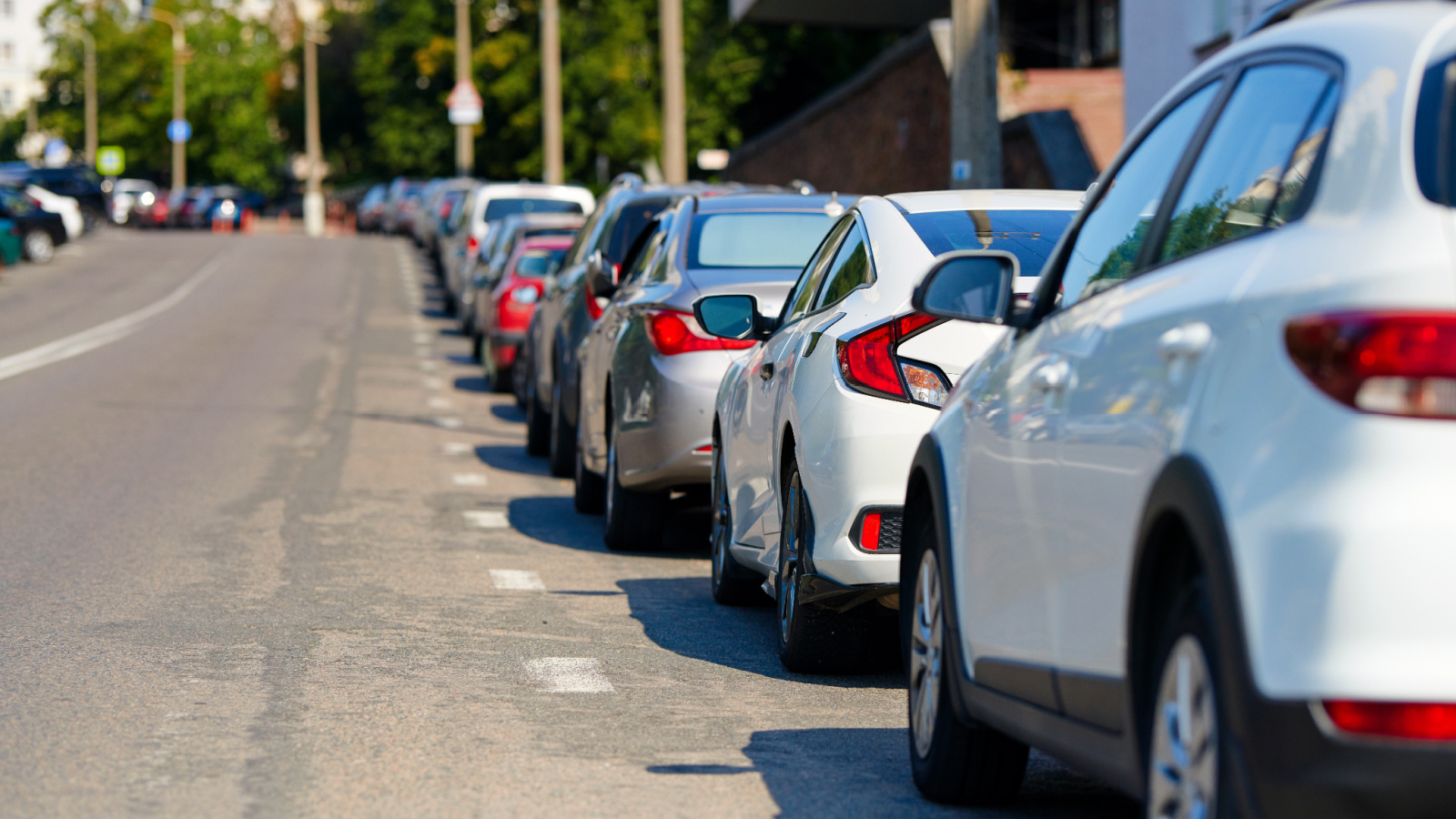
Maneuverability is easy to underestimate when a vehicle is displayed in an open showroom or photographed on an empty road. Length matters, while steering angle, turning circle, hood visibility, mirror shape, camera quality, and body width determine how manageable the car feels in tight spaces. A large vehicle can be surprisingly easy to place, while a smaller one may need repeated corrections during a turn.
Consumer Reports measures turning circles because the result translates directly into parking and low-speed maneuverability. Its test-drive guidance recommends trying parallel parking and a K-turn rather than staying on the main route. Those exercises reveal how much road the vehicle needs, whether curbs disappear from view, and how steering responds near full lock. An owner who skips them may later discover that a home garage, school pickup lane, or crowded parking structure turns every trip into a multi-point operation, despite dimensions on the specification sheet.
Regenerative Braking May Feel Unfamiliar
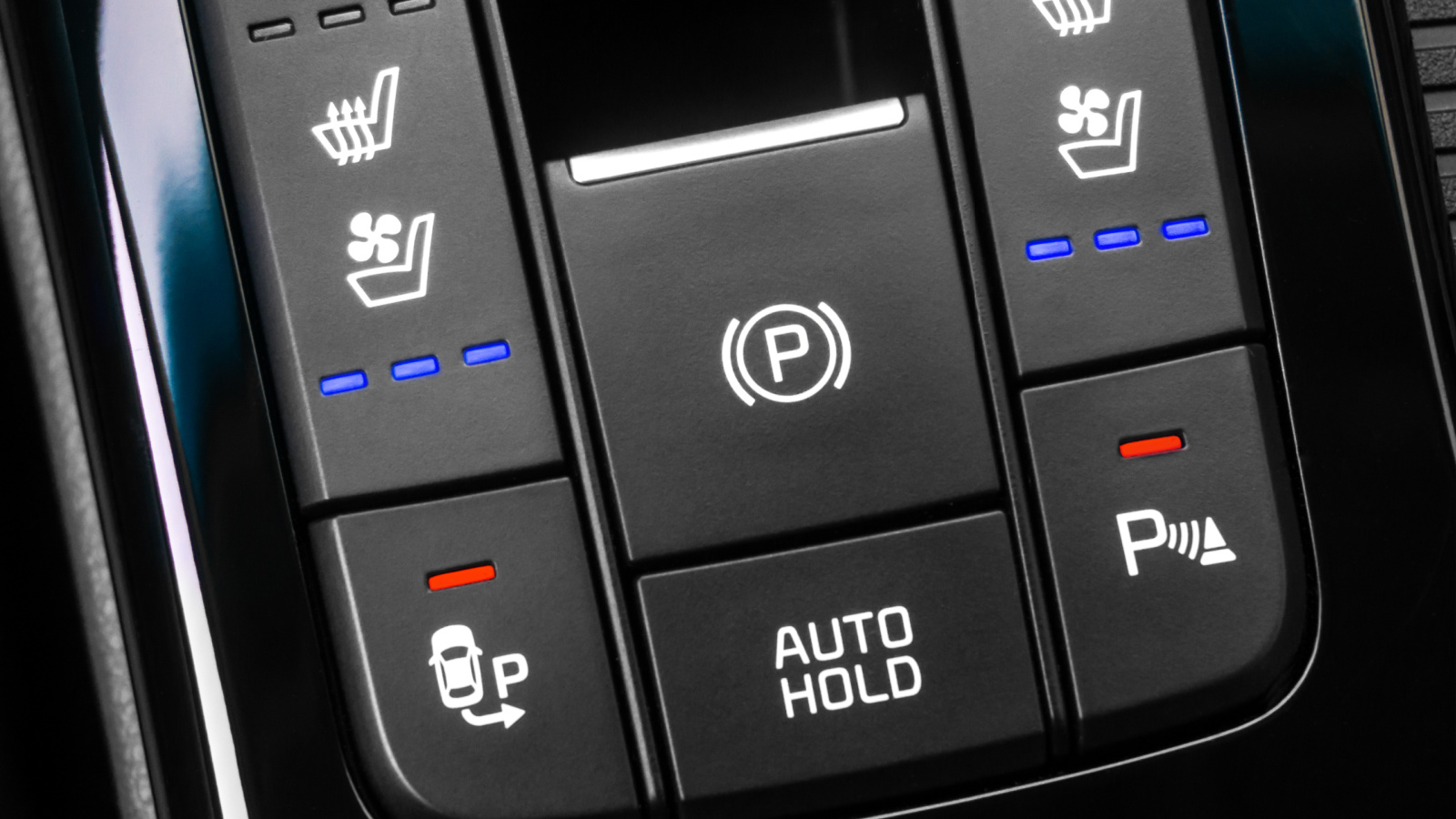
Electrified vehicles can introduce driving sensations that are unfamiliar to buyers coming from gasoline models. Regenerative braking may slow the car noticeably when the accelerator is released, while blended brake systems combine motor regeneration with friction brakes. Some vehicles allow several regeneration levels; others provide a strong one-pedal mode. These differences affect smoothness, stopping judgment, passenger comfort, and how quickly a driver adapts.
The U.S. Department of Energy explains that regenerative braking recovers energy normally lost during deceleration by using the electric motor as a generator and storing energy in the battery. The efficiency benefit matters, but the feel varies by model and setting. A test drive should include gentle lifting, normal stops, downhill sections, and low-speed creeping to reveal how predictably the vehicle responds. Without that experience, a buyer may take home an efficient car yet dislike its deceleration, brake transition, or inability to preserve a setting between trips.
Used-Car Problems May Stay Hidden
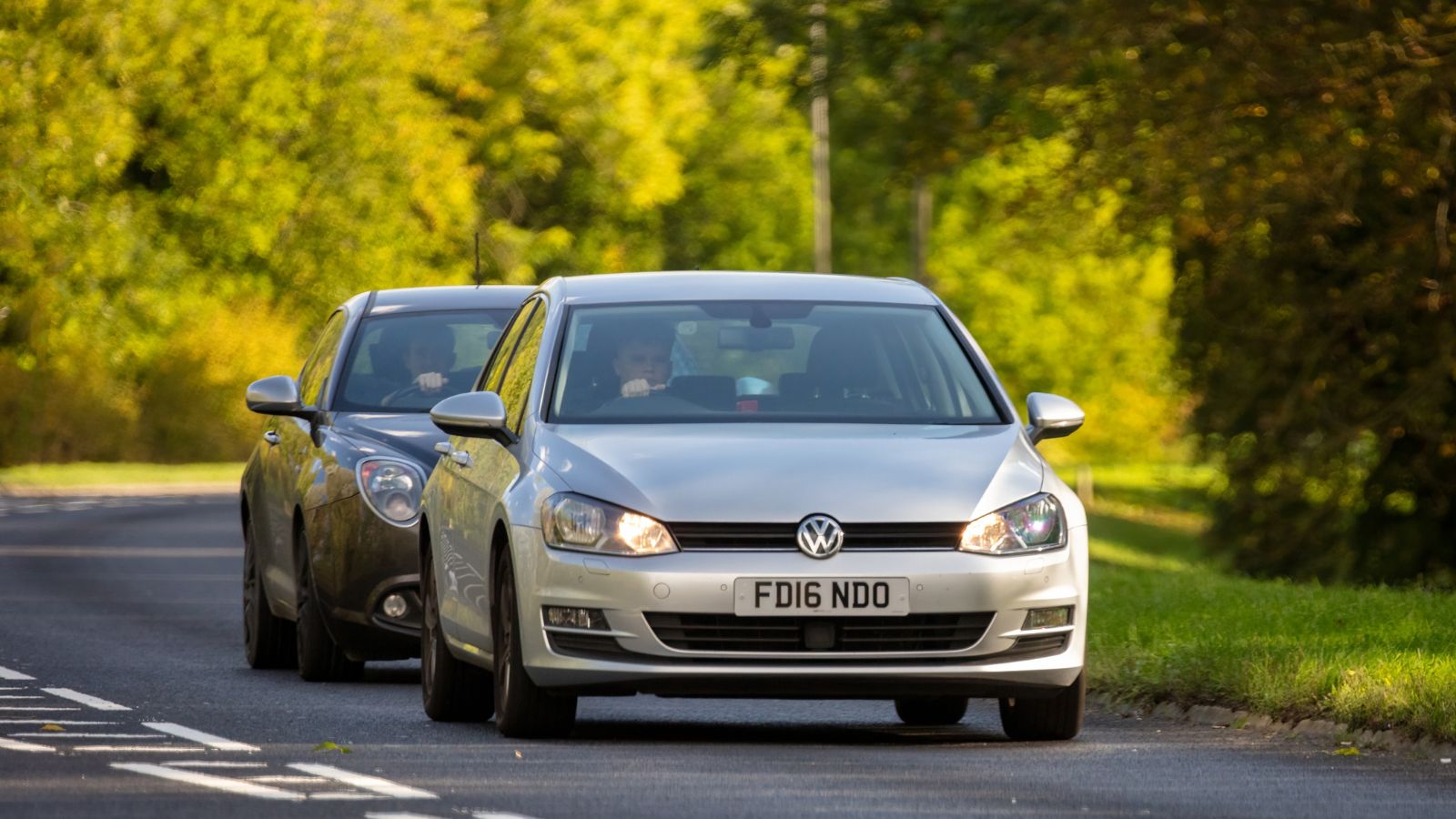
For used-car buyers, skipping the drive can hide problems that photos, reports, and a clean cabin will not reveal. A cold engine may rattle, a transmission may slip only under load, worn suspension components may clunk over bumps, and warped brake rotors may produce vibration during stopping. Even smells matter: burning oil, coolant, damp carpeting, or overheated brakes can point toward problems requiring investigation.
The Federal Trade Commission warns that a vehicle history report is not a substitute for an independent inspection because mechanical problems are typically absent from those reports. FTC guidance also recommends driving a used car under varied conditions, including hills, highways, and stop-and-go traffic. The best approach combines both steps: the buyer experiences the car, then a qualified mechanic examines it independently. Skipping the drive removes an important screening layer and can turn a seemingly good deal into repairs, arguments, and regret shortly after the purchase.
22 Things Canadians Do to Their Cars in Spring That Mechanics Hate

Spring brings relief to many Canadian drivers after months of snow, freezing temperatures, and icy roads that put serious strain on vehicles. As temperatures rise across the country, drivers begin washing cars, switching tires, and preparing vehicles for warmer weather and upcoming road trips. However, mechanics across Canada notice the same mistakes every spring when drivers attempt to recover from winter damage. Road salt, potholes, and harsh winter driving conditions often leave vehicles with hidden problems that drivers ignore. Some spring habits even create new mechanical issues that could have been avoided with proper maintenance. Here are 22 things Canadians do to their cars in spring that mechanics hate.