





















A vehicle does not need to look suspicious to attract a second glance from law enforcement. Sometimes the reason is as ordinary as a burned-out brake light, an unreadable licence plate, or cargo that appears ready to fall onto the roadway. Other times, unusual driving behaviour or highly visible modifications may prompt an officer to observe the vehicle more carefully.
These 15 factors commonly attract attention because they can indicate an equipment problem, a traffic violation, or an immediate safety risk. None automatically proves that a driver has done anything criminal, and the legal grounds for a stop depend on the jurisdiction and the specific circumstances. Still, understanding what officers can readily see may help motorists correct small problems before they become expensive or dangerous ones.
Expired or Missing Registration Indicators
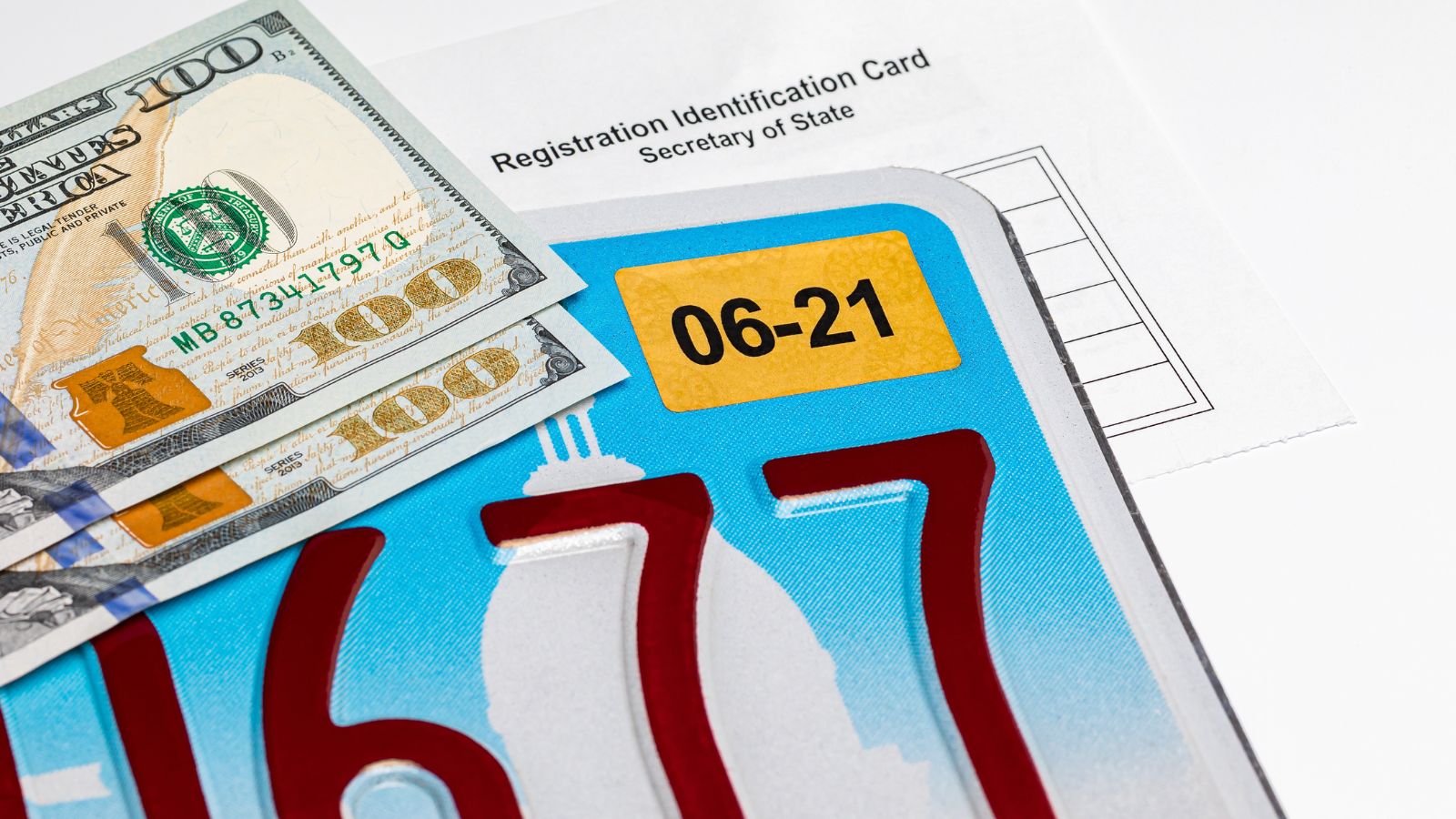
An expired registration sticker is one of the simplest details for a patrol officer to notice while travelling behind a vehicle. Registration systems vary considerably, but many jurisdictions require current plates, tabs, decals, or electronic records showing that the vehicle is legally registered. A missing plate may be even more conspicuous, particularly in places requiring both front and rear plates. The situation can prompt an officer to read the plate, check its status, or observe the vehicle for another violation.
An expired indicator does not always lead immediately to a traffic stop. Some jurisdictions limit stops based solely on recently expired registration, while others permit more direct enforcement. The vehicle may also have a valid temporary permit that is difficult to see from a distance. Nevertheless, a driver who has forgotten a renewal can appear no different from someone operating an unregistered vehicle. A routine administrative oversight may therefore create attention that could have been avoided with timely renewal and proper display.
An Obscured or Difficult-to-Read Plate
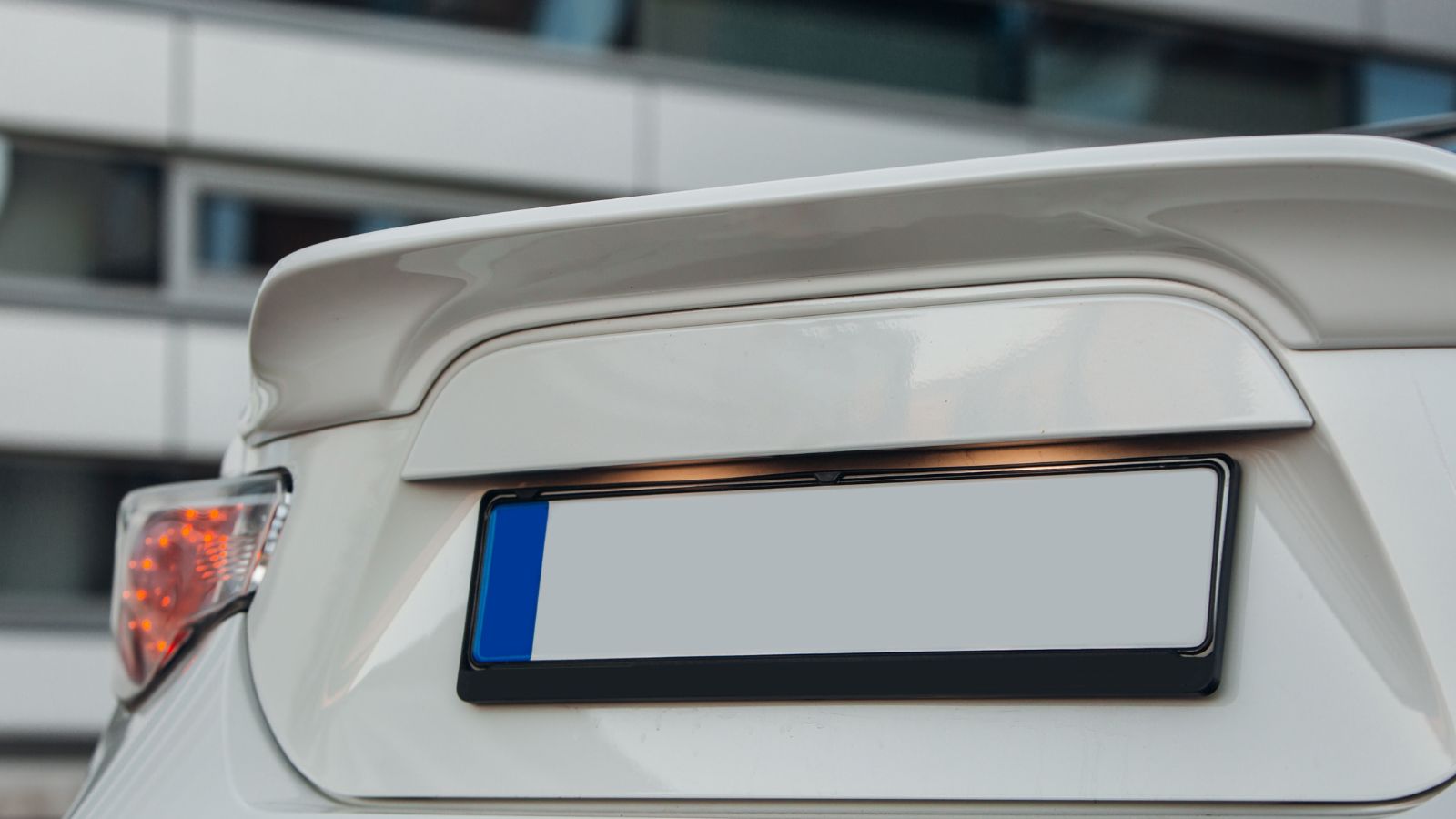
A licence plate is meant to identify a vehicle quickly, which is why dirt, snow, tinted covers, decorative frames, bicycle racks, and trailer equipment can become problems when they block its characters. Even a clear plastic cover may produce glare under headlights or enforcement cameras. California law, for example, requires plates to remain clearly visible and legible and prohibits devices that interfere with recognition by law-enforcement or tolling equipment.
Intent is not always the deciding issue. A driver may have installed an oversized frame because it looked attractive, without realizing that it covered the state name or registration sticker. Another motorist may finish a snowy trip with the rear plate completely coated in road grime. From behind, however, an officer sees an identification plate that cannot be read normally. Cleaning the plate, checking its mounting angle, and ensuring that accessories do not overlap it are small maintenance steps that can prevent unnecessary scrutiny.
A Plate That Does Not Match the Vehicle Record
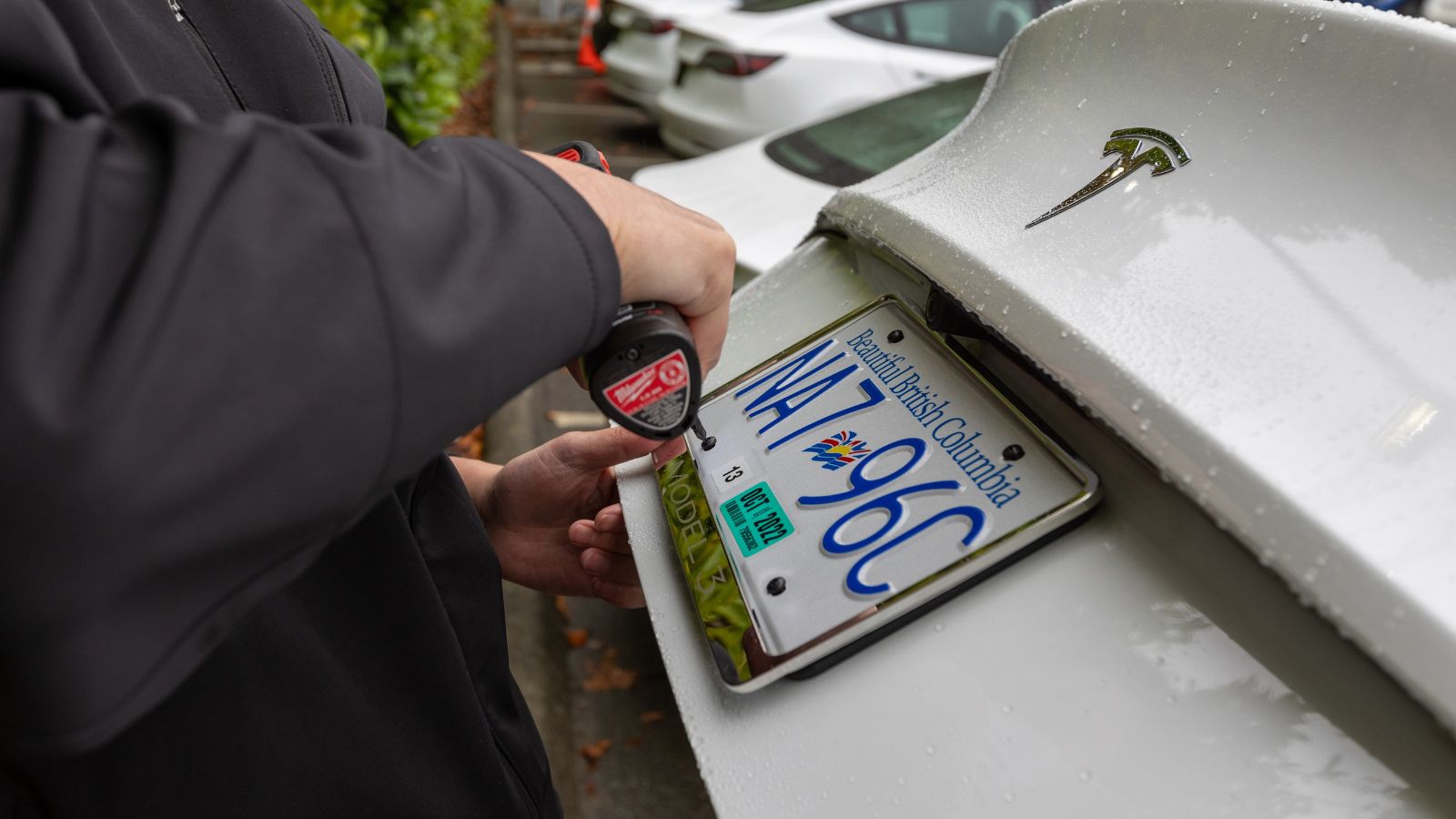
Police vehicles and roadside systems may use automatic licence plate readers to compare observed plates with databases containing information about stolen vehicles, wanted vehicles, or plates associated with investigations. An alert can naturally cause officers to examine a car more closely. A plate registered to a sedan but displayed on an SUV, for example, may suggest a clerical mistake, an improperly transferred plate, or possible vehicle theft.
Technology is not infallible. The U.S. Department of Justice has acknowledged that plate-reading systems can misread characters or incorrectly identify a vehicle as stolen. Officers therefore generally need to confirm an alert rather than treating the computer result as conclusive. Legitimate motorists can reduce complications by completing plate transfers correctly, reporting stolen plates promptly, and checking registration documents after buying or selling a vehicle. A simple paperwork error involving one letter or vehicle identification number can otherwise turn an ordinary drive into a much longer roadside conversation.
Burned-Out or Improper Vehicle Lights
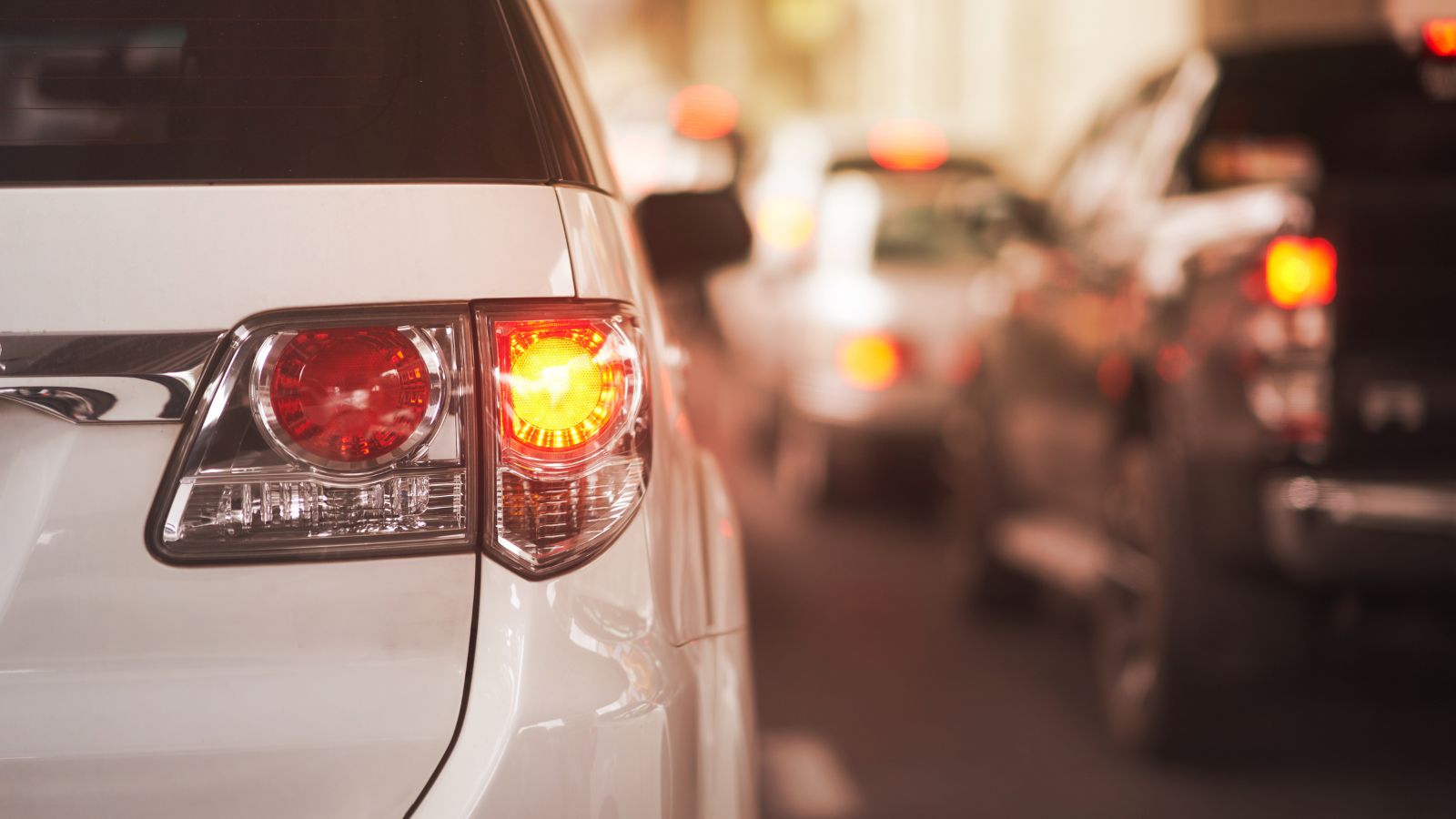
A failed headlamp, brake lamp, taillight, or turn signal is especially noticeable after dark. Vehicle lighting is standardized because every lamp communicates something important: the car’s width, direction, presence, or intention to stop. Federal standards govern lighting installed when vehicles are manufactured, while state and provincial rules usually require drivers to keep that equipment operational. Safety inspections commonly include headlamps, stop lamps, turn signals, plate lights, and hazard lights.
Drivers do not always know that a rear bulb has failed. A brake light can burn out during a trip without causing any warning inside an older vehicle. That explains the familiar situation in which an officer informs a genuinely surprised motorist about the problem. Improper aftermarket lighting can also stand out, particularly when bulbs use unusual colours, flash when they should remain steady, or produce glare. A brief monthly lighting check with another person—or a reflection from a garage door—can reveal defects before police or other road users notice them.
Window Tint That Appears Excessively Dark
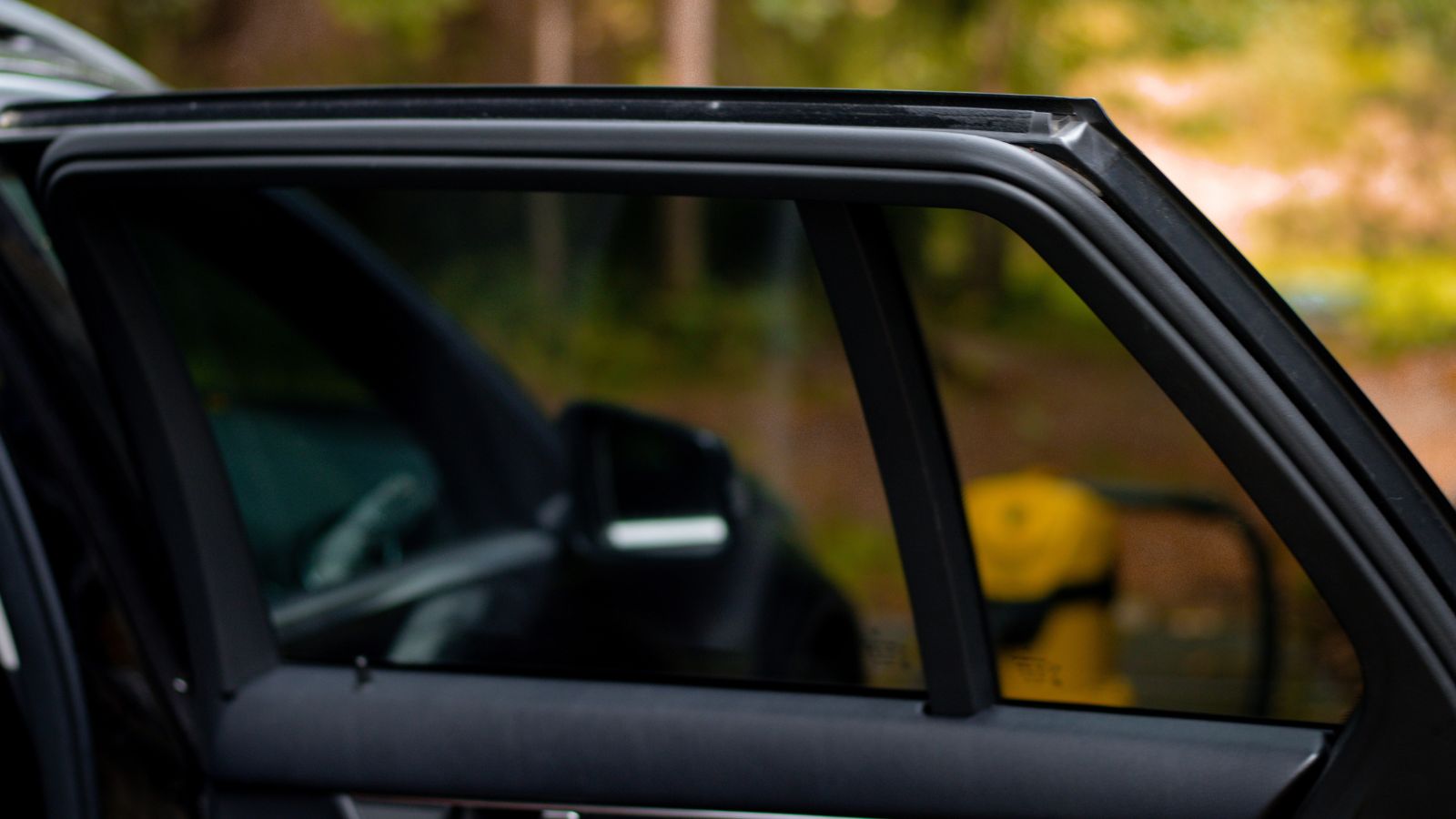
Dark tint can attract attention because officers may be unable to see the driver, passengers, seat-belt use, or movements inside the vehicle. Tint laws differ sharply by location and vehicle type. New York, for example, generally requires the windshield and front side windows to allow at least 70 percent of outside light through, subject to particular exemptions. Other jurisdictions use different percentages, measurement methods, or rules for rear windows.
Factory privacy glass and aftermarket film are not necessarily treated the same way. Tint can also become darker than expected when film is added to glass that already contains factory shading. A used-car buyer may therefore inherit a violation without realizing it. During an inspection or roadside encounter, authorities may use a light-transmission meter rather than relying entirely on appearance. Drivers with legitimate medical exemptions usually need the prescribed documentation. Keeping that paperwork accessible and verifying the total measured tint level can prevent a stylish modification from becoming a recurring enforcement issue.
Excessively Loud or Unusual Exhaust Noise
A car that can be heard long before it arrives is likely to receive more attention than surrounding traffic. Loud exhaust noise may result from an intentional modification, but it can also indicate a rusted muffler, a broken pipe, a missing catalytic converter, or another mechanical failure. California’s vehicle code, as one example, requires an adequate muffler that is properly maintained and prohibits exhaust cutouts, bypasses, and similar devices.
Noise alone is not the only concern. Visible smoke, fumes entering the passenger compartment, or components hanging beneath the vehicle may suggest a broader safety or emissions problem. Consider an older commuter car that suddenly develops a deep rumble after striking road debris. The owner may view it as an inconvenience to address next payday, while a patrol officer hears a possible equipment violation from several lanes away. Prompt inspection is worthwhile because exhaust defects can worsen rapidly, reduce emissions performance, create fire hazards, and expose occupants to dangerous gases.
A Cracked or Obstructed Windshield
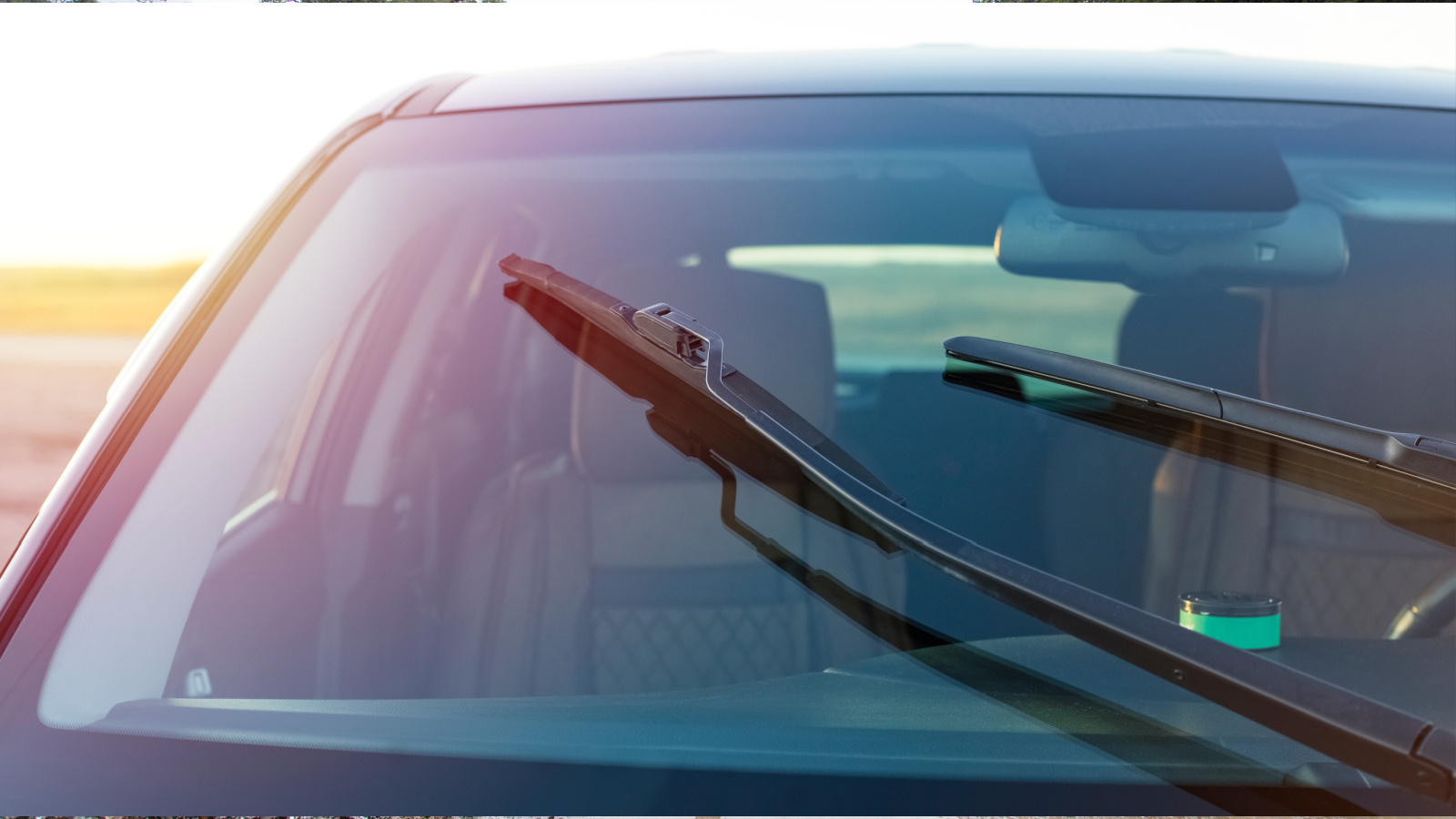
Small windshield chips are common, but a long crack through the driver’s viewing area can make a vehicle conspicuous. Inspection standards frequently examine windshield condition, approved safety glass, wipers, and anything that blocks the driver’s view. New York’s inspection rules, for instance, do not allow a crack measuring 11 inches or longer when any portion lies within the area cleared by the windshield wipers.
Objects can cause similar concerns even when the glass itself is intact. Large phone mounts, dangling decorations, opaque windshield banners, accumulated snow, or papers stacked across the dashboard may reduce visibility. A driver may become accustomed to looking around an obstruction, but an officer approaching from another angle sees a windshield that appears unsafe. Cracks can also spread suddenly when temperatures change or the body flexes over rough pavement. Repairing a chip early usually costs less than replacing the entire windshield and removes a highly visible reason for closer observation.
Tires, Wheels, or Suspension That Look Unsafe
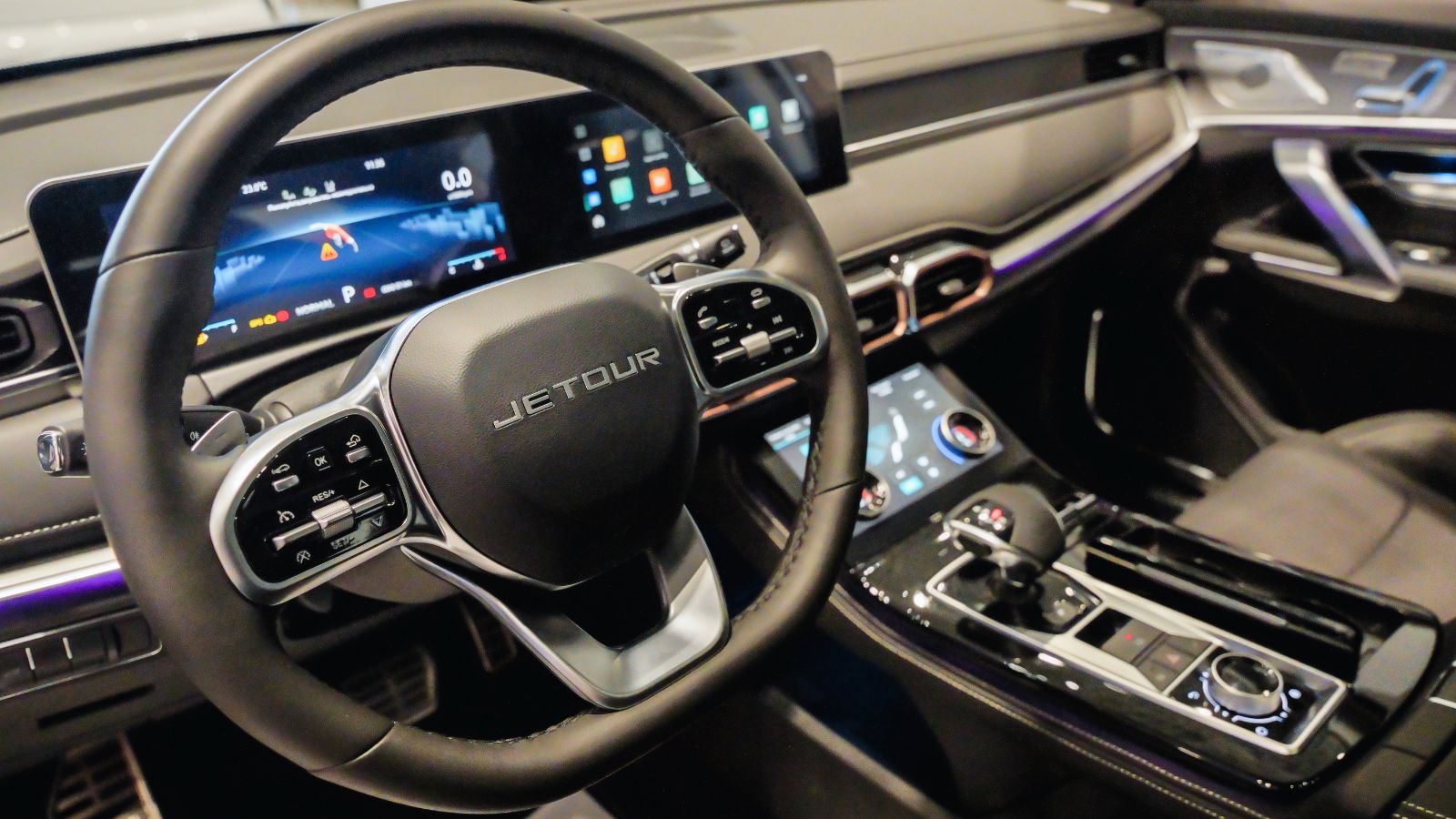
Extreme wheel angles, exposed tire cords, badly worn tread, missing wheel fasteners, or a vehicle leaning noticeably to one side can signal an immediate mechanical risk. Government inspection programs commonly evaluate tires, steering, suspension, wheel fasteners, chassis components, and the vehicle frame. New York inspection guidance, for example, identifies bulges, exposed cords, substantial cuts, and tread below the prescribed minimum as unsafe tire conditions.
Not every modified suspension is illegal, and a professionally built off-road vehicle may comply fully with local rules. Attention increases when modifications appear unstable or interfere with normal control. Oversized tires may rub bodywork, protrude beyond protective fenders, or alter steering geometry. A collapsed spring may make one corner sit several inches lower than the others. These conditions are visible before an officer knows anything about the driver. Regular tire rotation, alignment checks, and professional inspection after suspension modifications can prevent a distinctive appearance from becoming evidence of a genuine safety defect.
Loose, Dragging, or Heavily Damaged Bodywork
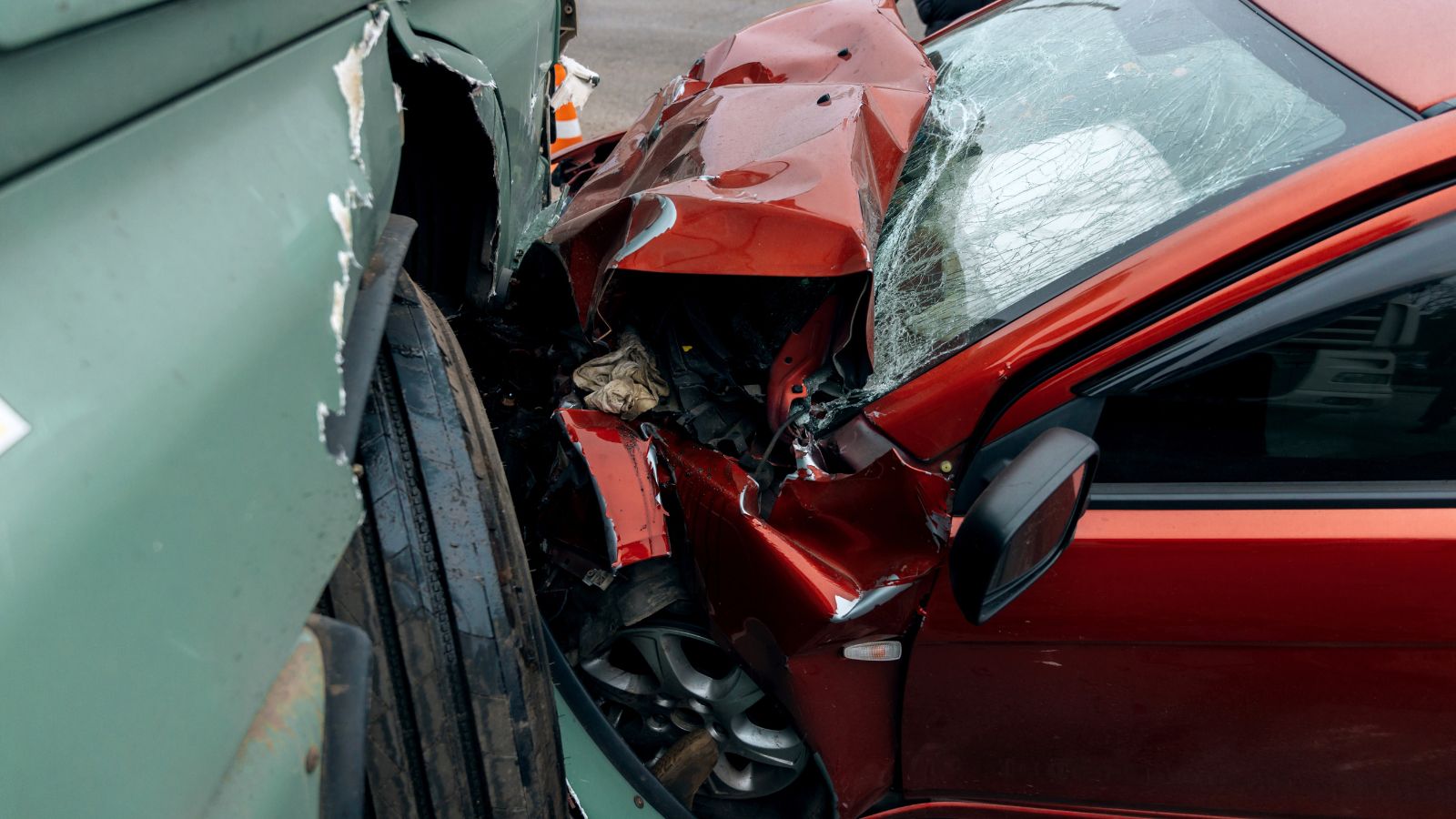
Collision damage is not automatically unlawful, but parts that are loose, sharp, dragging, or obstructing lights can create a roadway hazard. A bumper hanging from one bracket may detach at highway speed. A crushed fender can cut into a tire, while a damaged trunk lid may block the rear plate. Vehicle inspection programs examine body components, bumpers, chassis condition, lighting, and other equipment because apparently cosmetic damage can affect much more than appearance.
Temporary repairs are particularly noticeable. Tape holding a lamp assembly in place or rope securing a hood may suggest that the vehicle has not been restored to safe operating condition. Imagine a driver making a cautious trip home after a minor collision; the reduced speed is responsible, but a patrol officer may still need to determine whether the vehicle can remain on the road. After a crash, checking wheel clearance, lamps, mirrors, glass, fluid leaks, and attachment points is more important than judging damage only from the driver’s seat.
Cargo That Is Unsecured or Protruding Dangerously
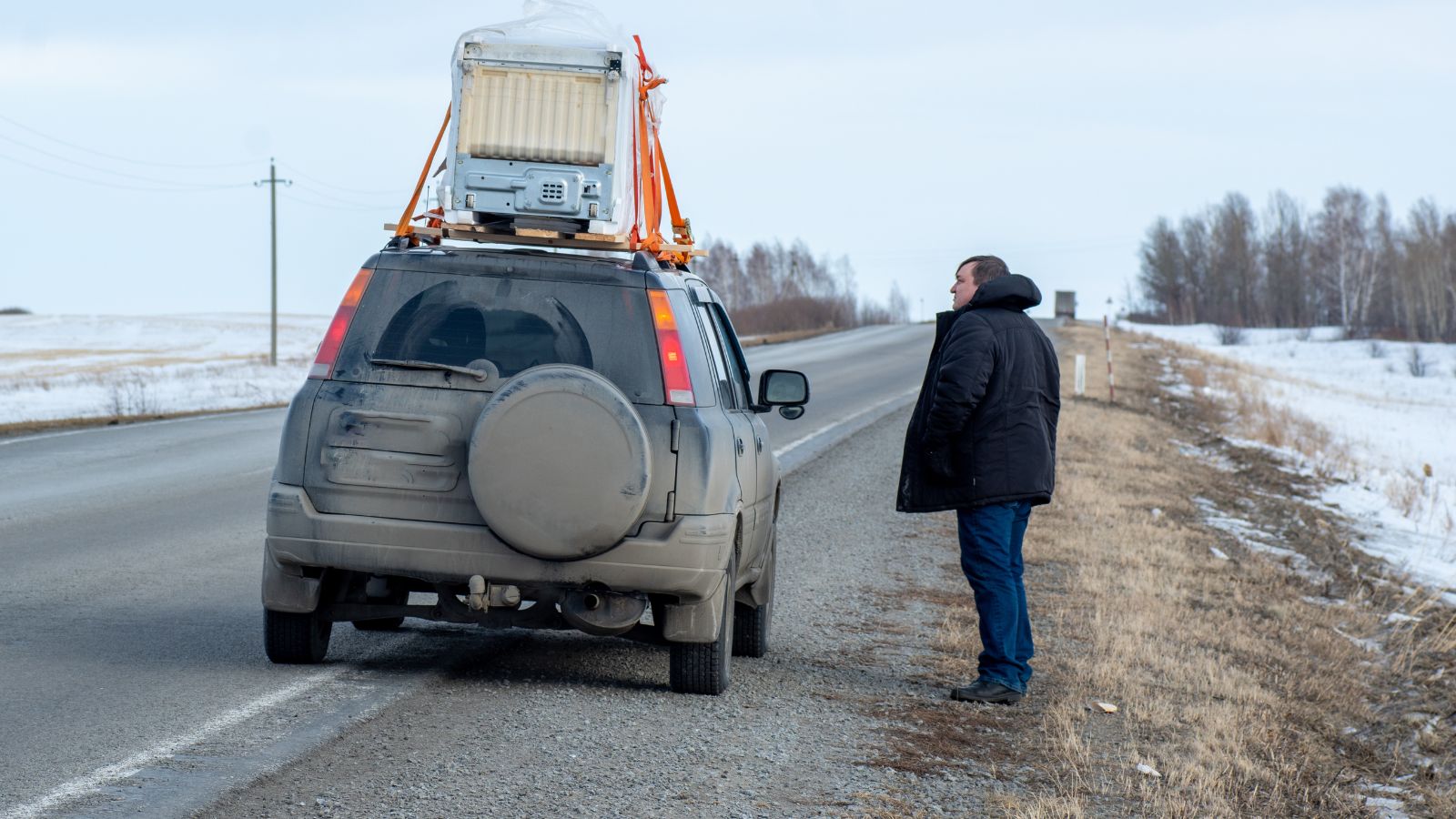
Mattresses tied with light string, loose construction debris, overloaded roof racks, and furniture extending far beyond a pickup bed can quickly catch an officer’s eye. Cargo that shifts or falls may force other drivers to swerve, cause a collision, or become a dangerous projectile. Securement rules vary by load and vehicle type, but the basic expectation is that transported property must remain safely contained during braking, turning, and travel over rough pavement.
Real incidents show how quickly an ordinary load can become a traffic hazard. In 2025, the California Highway Patrol reported responding after thousands of chopsticks spilled across lanes of Interstate 580. The cargo itself was harmless in a restaurant, yet scattered across a freeway it required an emergency response. Drivers should use straps rated for the load, secure items in more than one direction, and stop after a few kilometres to check for movement. Warning flags or lights may also be required when objects extend beyond the vehicle.
Emergency-Style Lights or Sirens

Red-and-blue flashing lights immediately distinguish emergency vehicles from ordinary traffic, which is precisely why unauthorized equipment receives attention. Rules differ, but many jurisdictions reserve specific colours and flashing patterns for police, fire, ambulance, school, highway-maintenance, or authorized towing vehicles. Washington regulations, for example, prohibit blue lights on ordinary vehicles and restrict red emergency lighting to defined authorized uses.
Problems can arise with inexpensive light bars, grille lights, windshield flashers, sirens, and smartphone-controlled accessories marketed for car shows or private property. Even when the owner does not intend to impersonate an officer, operating such equipment on a public road can confuse other drivers. A motorist who sees flashing blue lights may pull over suddenly or enter an intersection believing an emergency vehicle is approaching. Decorative lighting should therefore be checked against local rules before installation. Equipment intended solely for off-road or exhibition use should remain disconnected or covered whenever required on public streets.
Weaving or Failing to Maintain a Lane

Driving behaviour often attracts more attention than the vehicle’s appearance. Repeatedly touching lane lines, drifting onto the shoulder, weaving through traffic, making unusually wide turns, or nearly striking another object can suggest distraction, fatigue, impairment, or poor vehicle control. NHTSA’s visual-detection material identifies 24 driving cues associated with possible impaired driving, including weaving, straddling lane lines, drifting, swerving, and stopping without an apparent reason.
A single correction does not necessarily indicate wrongdoing. Strong wind, potholes, confusing construction markings, or avoiding debris may explain a brief movement. Repetition is what tends to make the conduct conspicuous. A tired driver might drift, jerk the wheel back, slow dramatically, and then repeat the pattern a minute later. From a patrol car, that sequence presents a safety concern regardless of its cause. Rest breaks, distraction-free driving, clear windows, and timely repairs to steering or alignment problems can help motorists maintain predictable lane position.
Speeding or Aggressive Acceleration
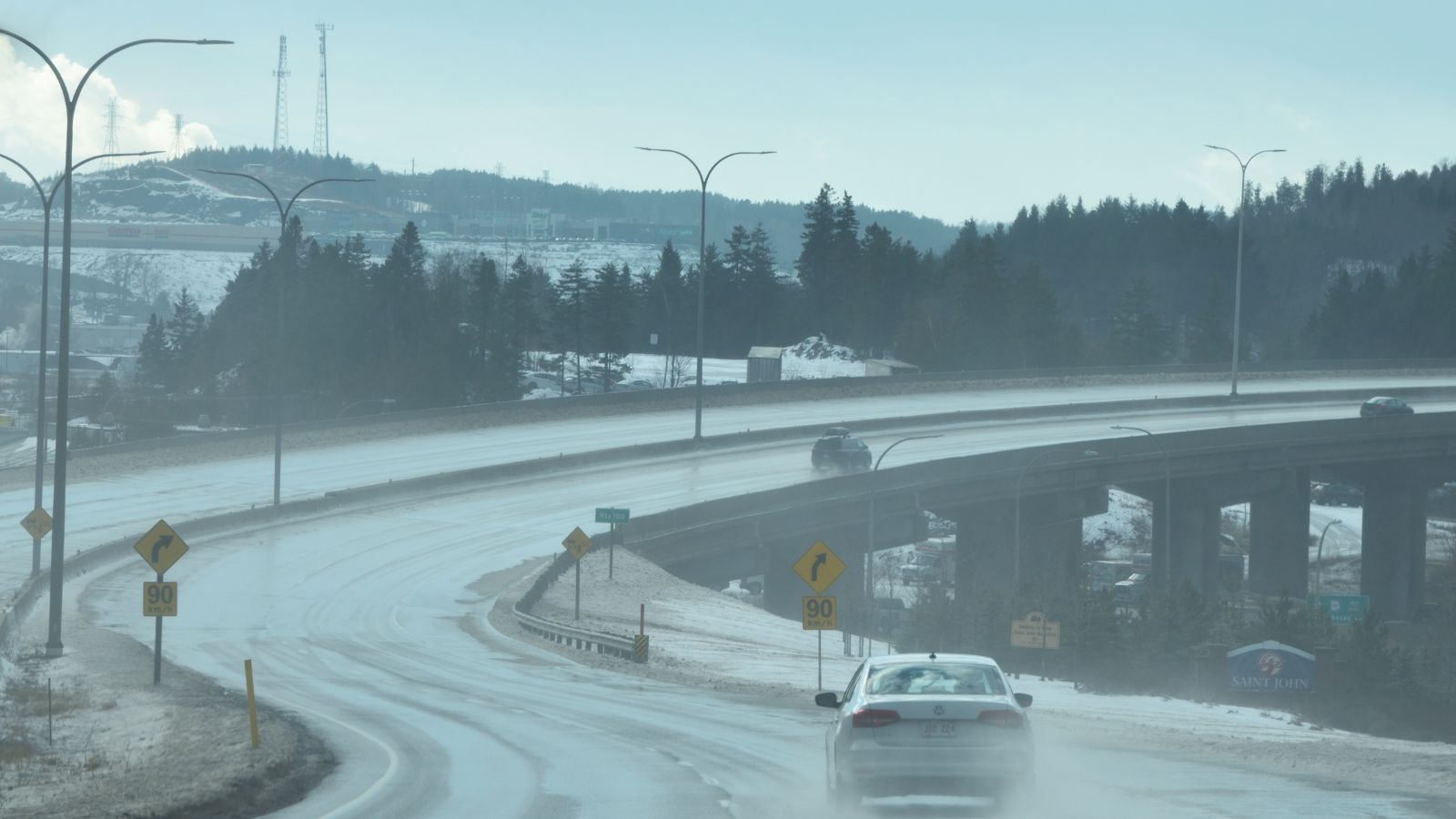
A vehicle travelling noticeably faster than surrounding traffic is easy to identify, even before radar or other speed-measuring equipment is used. Abrupt acceleration, rapid lane changes, tailgating, racing another car, or braking hard after spotting a patrol vehicle can create an additional impression of aggressive driving. Speed limits also apply when roads appear empty, and drivers may still be travelling too fast for rain, darkness, construction, or limited visibility.
The safety consequences are substantial. NHTSA reported that 11,288 people died in speeding-related U.S. traffic crashes in 2024, representing 29 percent of all traffic fatalities. Greater speed reduces the time available to recognize a danger and increases the distance required to stop. A driver rushing to make up five lost minutes may barely notice the rising speedometer, while an officer parked near an interchange sees the car rapidly closing on every vehicle ahead. Cruise control and earlier departure times can reduce this highly visible form of risk-taking.
Ignoring Signals, Signs, or Turn Requirements
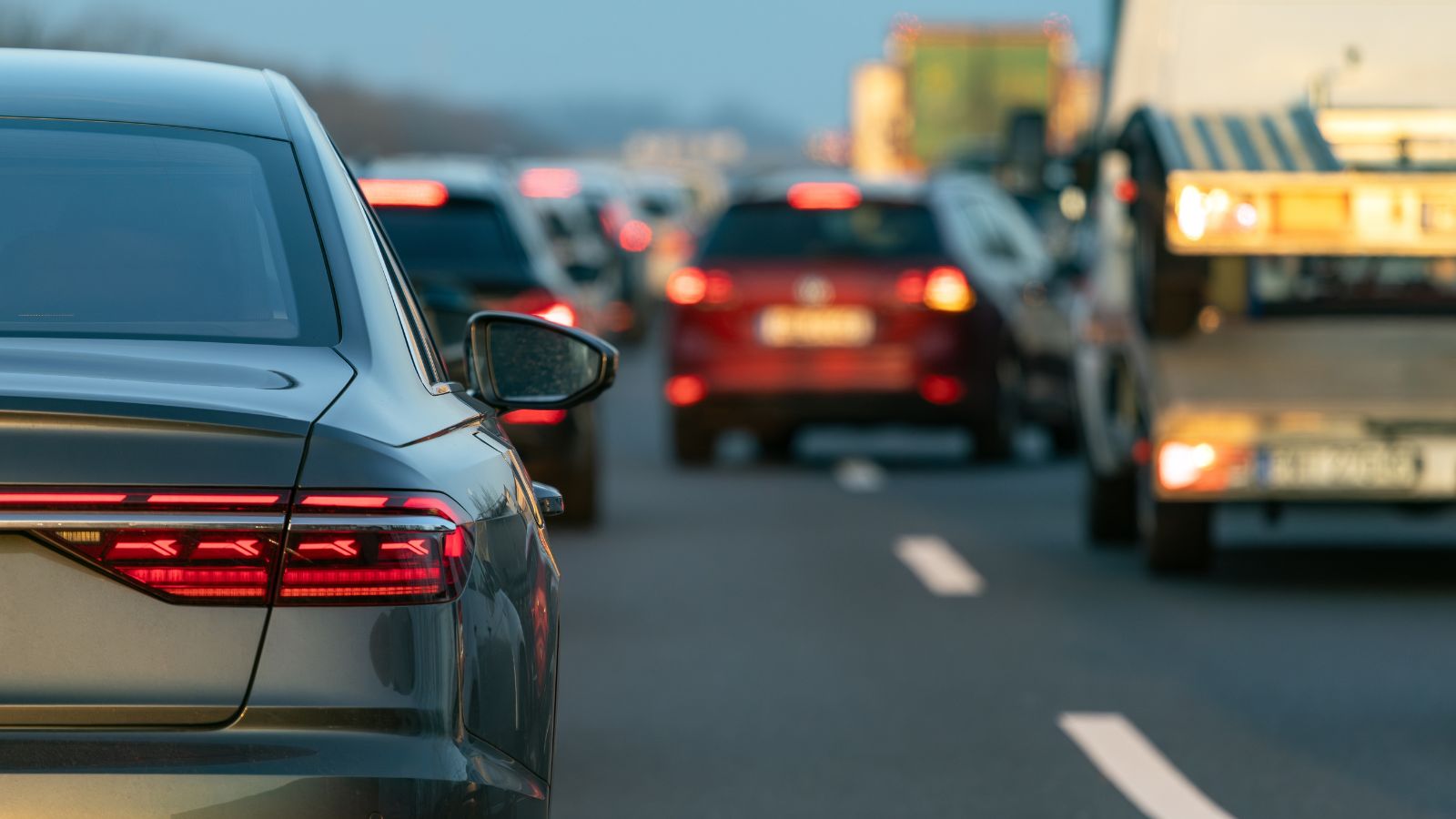
Rolling through a stop sign, entering after a light turns red, changing lanes without signalling, or making a prohibited turn gives an officer a direct reason to observe the vehicle. These actions are often highly visible because police position themselves where recurring violations occur. Intersections near schools, construction zones, busy crosswalks, and complicated highway entrances may receive especially close attention because one careless movement can affect several road users.
Turn-signal requirements illustrate why local knowledge matters. New York directs drivers to signal a turn or lane change at least 100 feet—about 30 metres—before the movement, while other jurisdictions use different distances or wording. A driver who signals only while the steering wheel is already turning has provided little warning to anyone nearby. Complete stops, early signals, correct lane selection, and attention to temporary signs make a vehicle’s movement easier to predict. Predictable driving tends to blend into traffic; sudden or technically improper movements do the opposite.
Visible Seat-Belt or Child-Restraint Problems
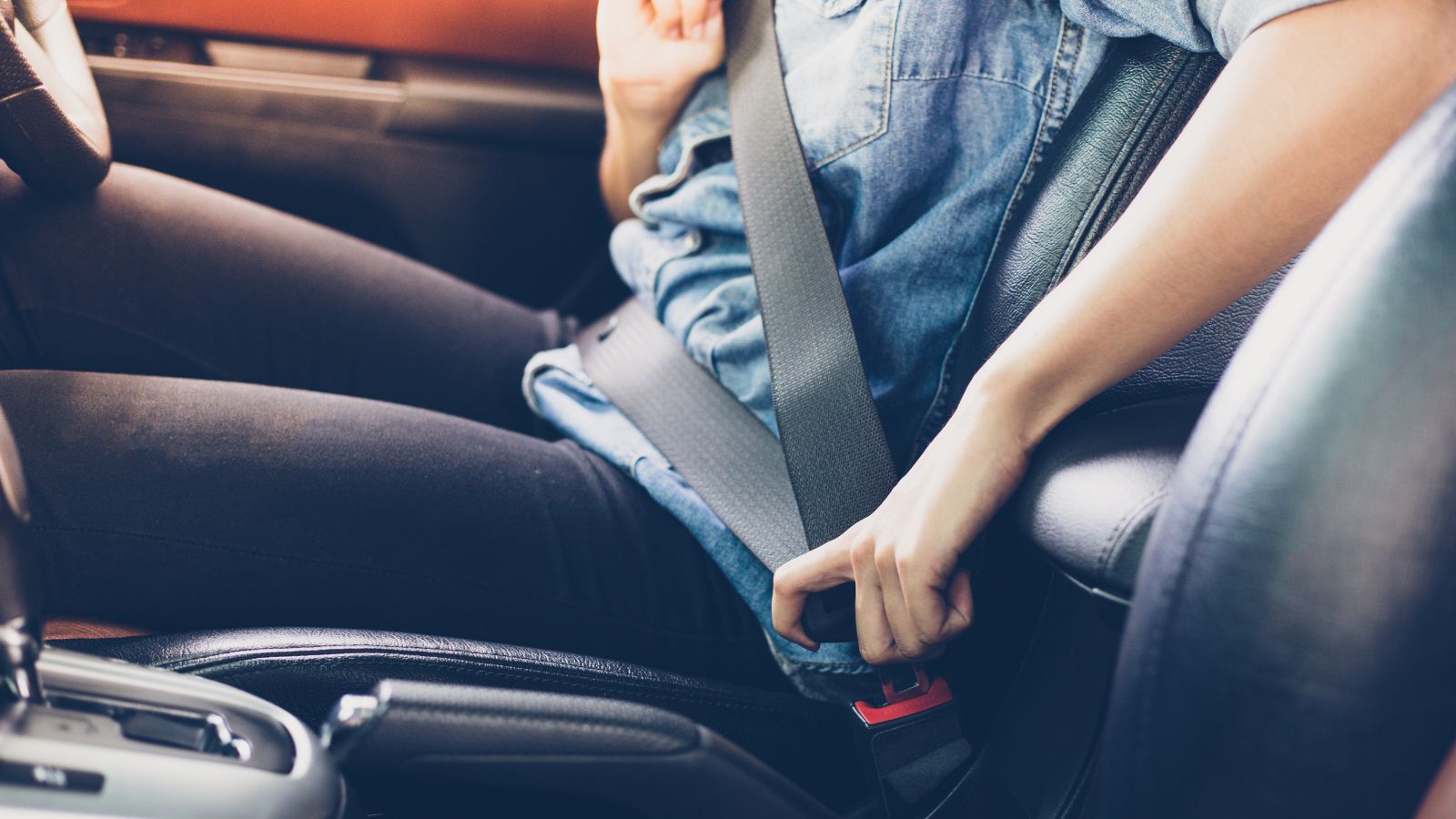
An unbelted driver or front-seat passenger may be plainly visible through the windshield, especially in daylight. Depending on local law, that observation may support enforcement directly or may become an additional violation after a stop for another reason. An improperly restrained child can generate even greater concern because child-passenger laws commonly specify restraint types based on age, height, weight, or seating position.
Seat-belt use is widespread but not universal. NHTSA estimated a national U.S. seat-belt use rate of 91.3 percent in 2025 and reported that 9,758 passenger-vehicle occupants killed in crashes during 2024 were unrestrained. Child seats also require more than simply placing the child inside; loose harnesses, unsuitable booster use, and incorrect installation can reduce protection. A hurried parent may believe a short neighbourhood trip presents little risk, but crashes do not reserve themselves for long journeys. Buckling every occupant before moving removes a visible violation while addressing one of the most preventable sources of serious injury.
22 Things Canadians Do to Their Cars in Spring That Mechanics Hate
Spring brings relief to many Canadian drivers after months of snow, freezing temperatures, and icy roads that put serious strain on vehicles. As temperatures rise across the country, drivers begin washing cars, switching tires, and preparing vehicles for warmer weather and upcoming road trips. However, mechanics across Canada notice the same mistakes every spring when drivers attempt to recover from winter damage. Road salt, potholes, and harsh winter driving conditions often leave vehicles with hidden problems that drivers ignore. Some spring habits even create new mechanical issues that could have been avoided with proper maintenance. Here are 22 things Canadians do to their cars in spring that mechanics hate.