


























Canadian winters test cars in ways brochures never mention. Temperatures drop far below freezing. Roads turn icy, slushy, and unpredictable. Even vehicles known for reliability can struggle when cold starts, traction loss, and frozen components come into play. Drivers often assume reliability equals winter readiness, but that is not always true. Some popular models show clear weaknesses once snow piles up and temperatures stay low for weeks. This list highlights those surprising cases. Here are 20 “reliable” cars that struggle the most in Canadian winters.
Toyota Corolla
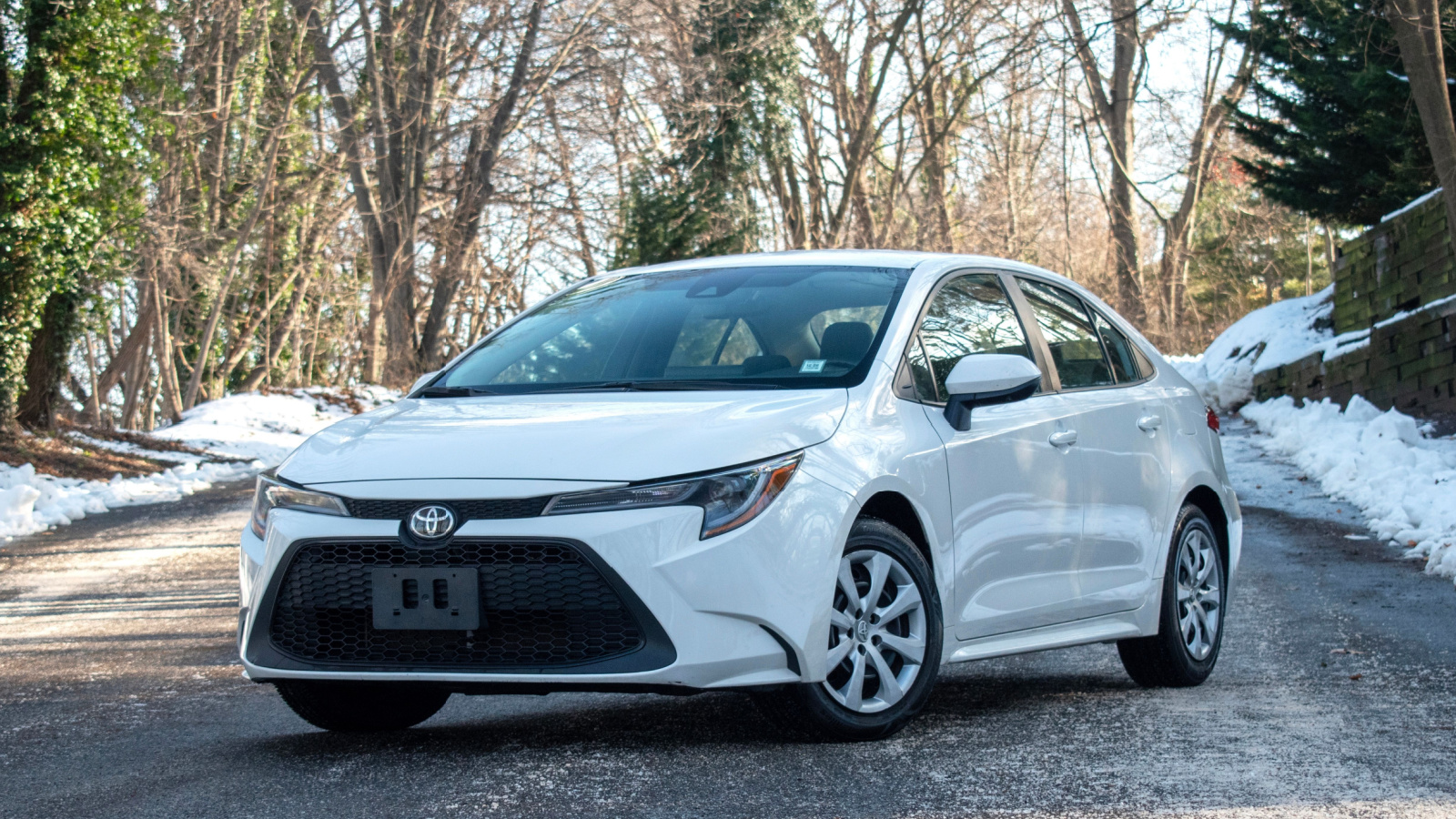
The Toyota Corolla has a strong reputation for dependability. That does not mean it loves winter driving. Its low ground clearance makes deep snow a real problem. The front-wheel-drive system works well in light snow but struggles on ice. Acceleration feels slow when traction is limited. Steel wheels with winter tires help, but do not fix everything. Cabin heating can also take time in extreme cold. Drivers in northern regions often notice longer warm-up periods. It remains reliable, but not confidence-inspiring. Winter driving exposes its limitations more than most expect.
Honda Civic
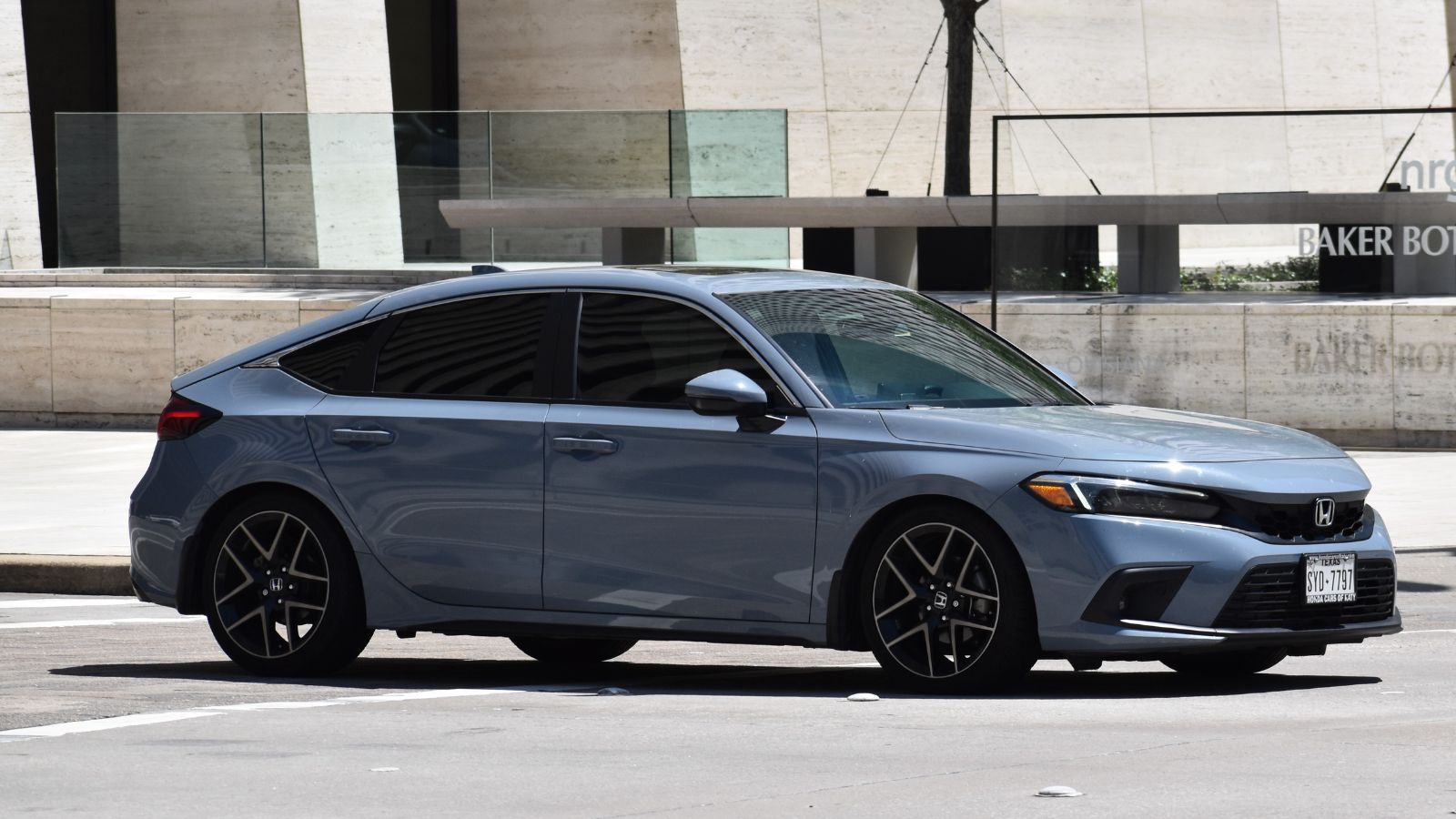
The Honda Civic is a favorite for daily driving. Winter conditions quickly show their weak points. The low ride height causes issues in heavy snowfall. Snow buildup under the car affects stability. Traction control works hard, yet wheel spin still happens. Cold weather can also impact battery performance. Remote areas highlight their slower cabin heating. It handles light snow well with proper tires. However, icy intersections feel less predictable. Reliability stays strong, but winter comfort and grip are not its strengths. Many owners notice a clear difference during harsh conditions.
Mazda3
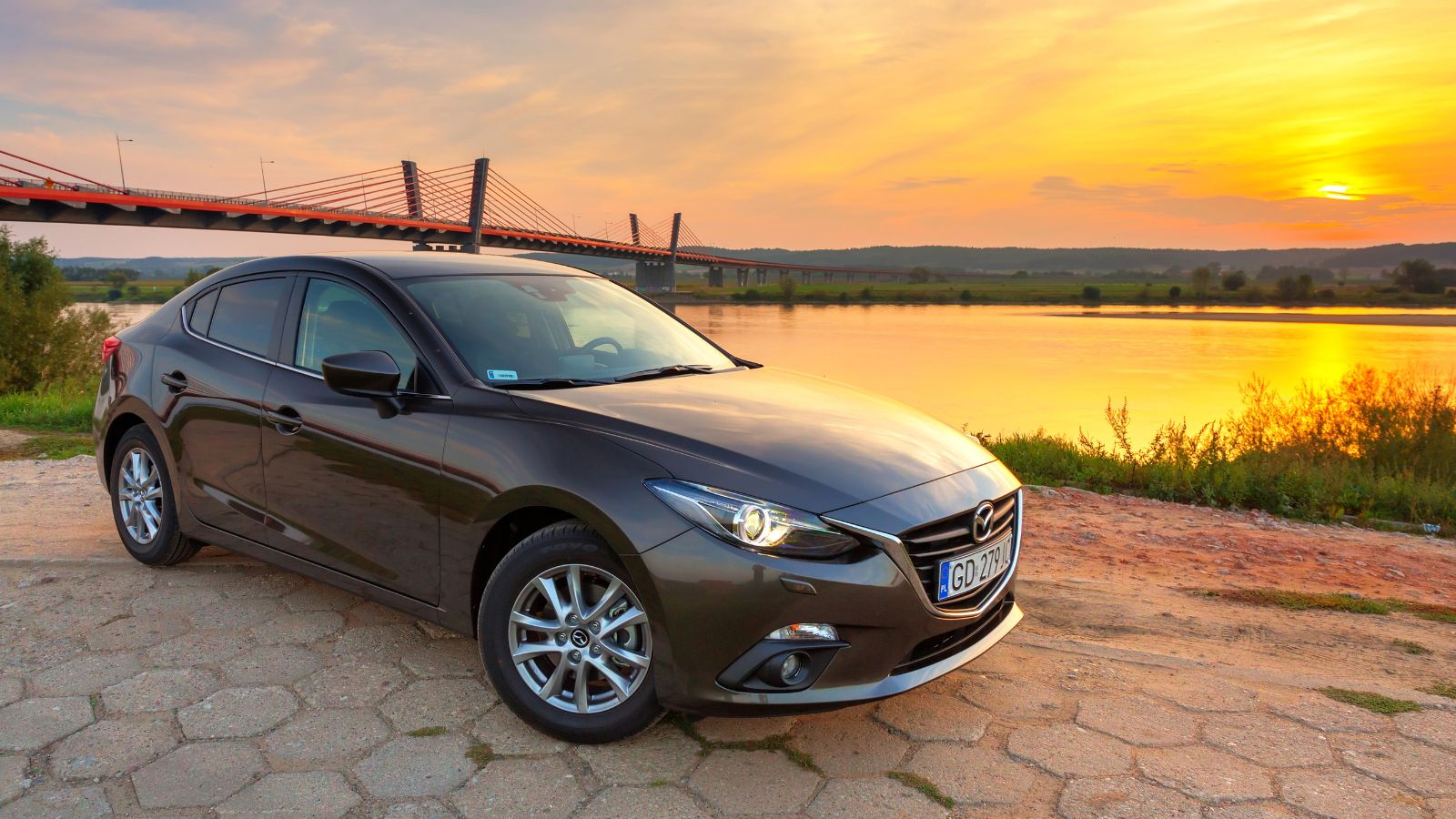
The Mazda3 offers a sporty driving feel. That same tuning works against it in winter. Stiffer suspension reduces comfort on icy roads. The front-wheel-drive version lacks strong grip in deep snow. All-wheel-drive models improve things, but still feel low to the ground. Snow buildup under the bumper becomes common. Steering remains sharp, though sometimes too sensitive on slippery surfaces. Cold starts are usually fine, but battery strain can appear. Heating performance is average in extreme cold. It remains dependable, yet winter driving requires extra caution compared to rivals.
Hyundai Elantra
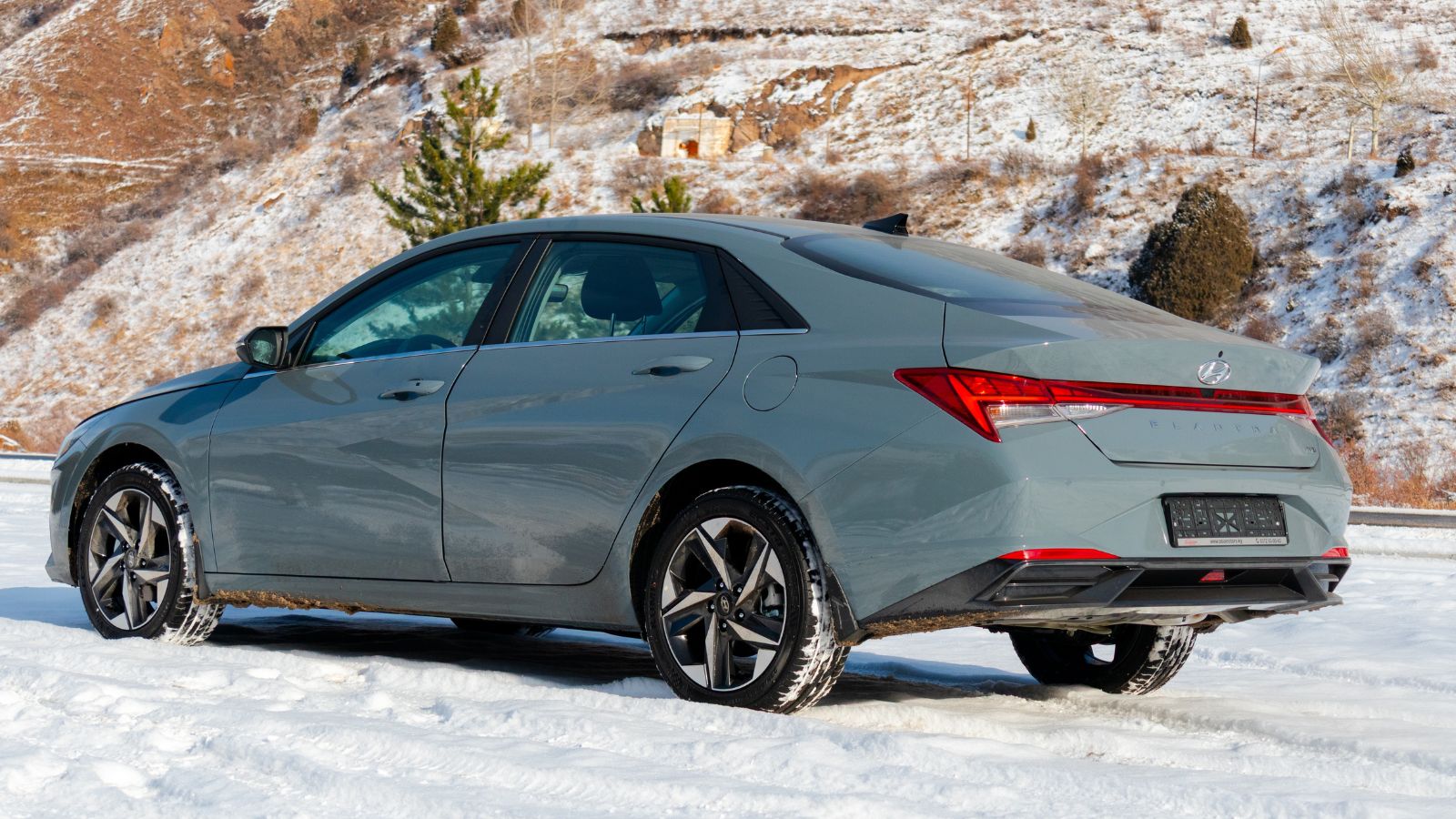
The Hyundai Elantra is affordable and efficient. Winter driving reveals a few trade-offs. The lightweight design affects traction on icy roads. Strong winds combined with snow reduce stability. Front-wheel drive manages basic conditions, but deeper snow causes hesitation. The cabin heater works, but it takes time in freezing temperatures. Drivers often report reduced steering confidence on slick surfaces. Snow tires improve control, though not dramatically. It remains reliable for daily use. However, Canadian winters highlight its limits, especially in rural or poorly cleared areas where conditions stay harsh.
Nissan Sentra
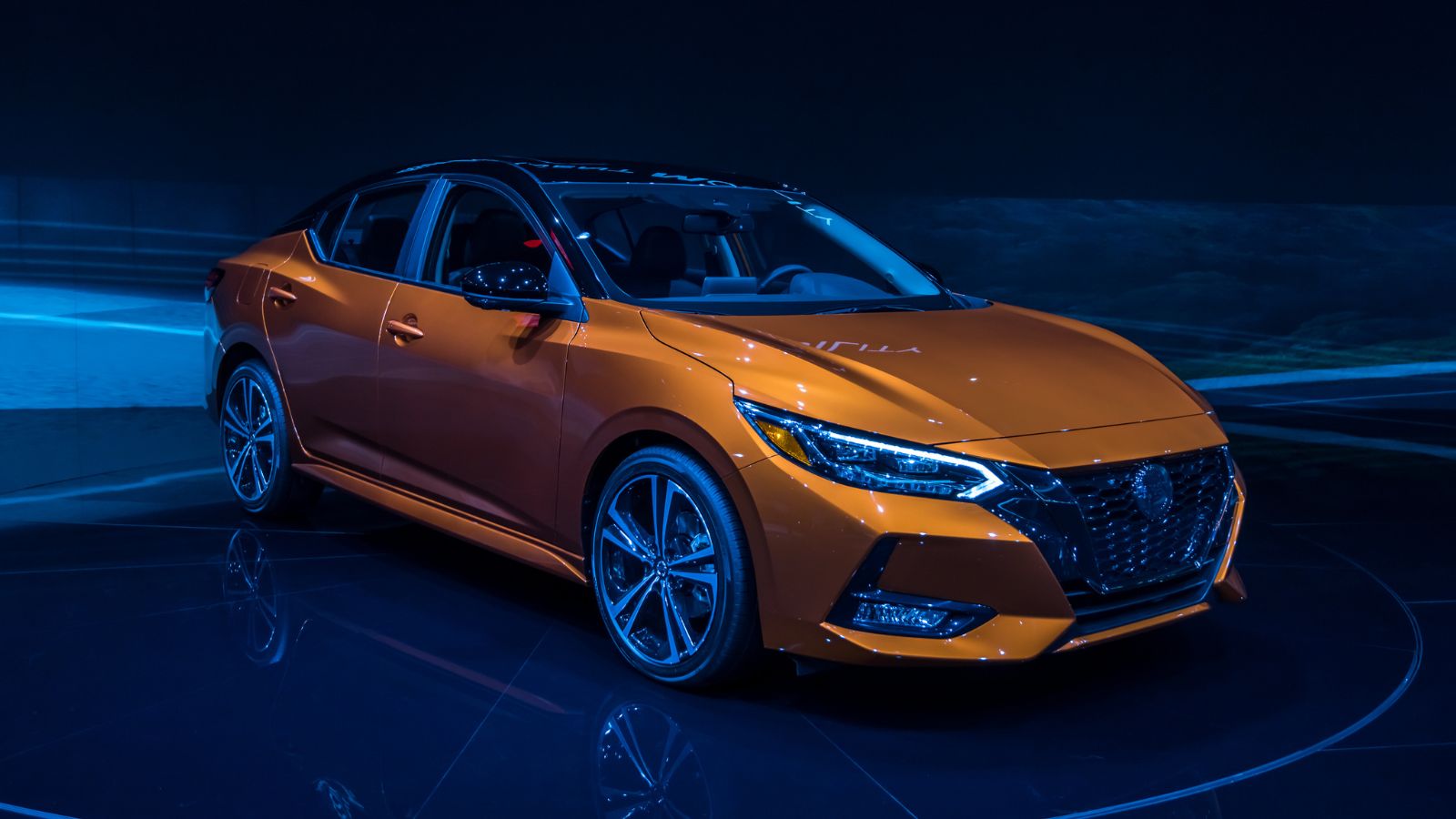
The Nissan Sentra performs well in normal conditions. Winter driving tells a different story. The continuously variable transmission reacts slowly on icy roads. Acceleration can feel delayed, which affects confidence. Low ground clearance creates issues in snow-covered streets. Stability control helps, but cannot fully compensate. Cold weather may also impact battery strength over time. Cabin warmth builds slowly during extreme temperatures. It handles light snow with proper tires. Still, deeper winter conditions expose its weaknesses. Owners often notice reduced control compared to some competitors in the same class.
Kia Forte
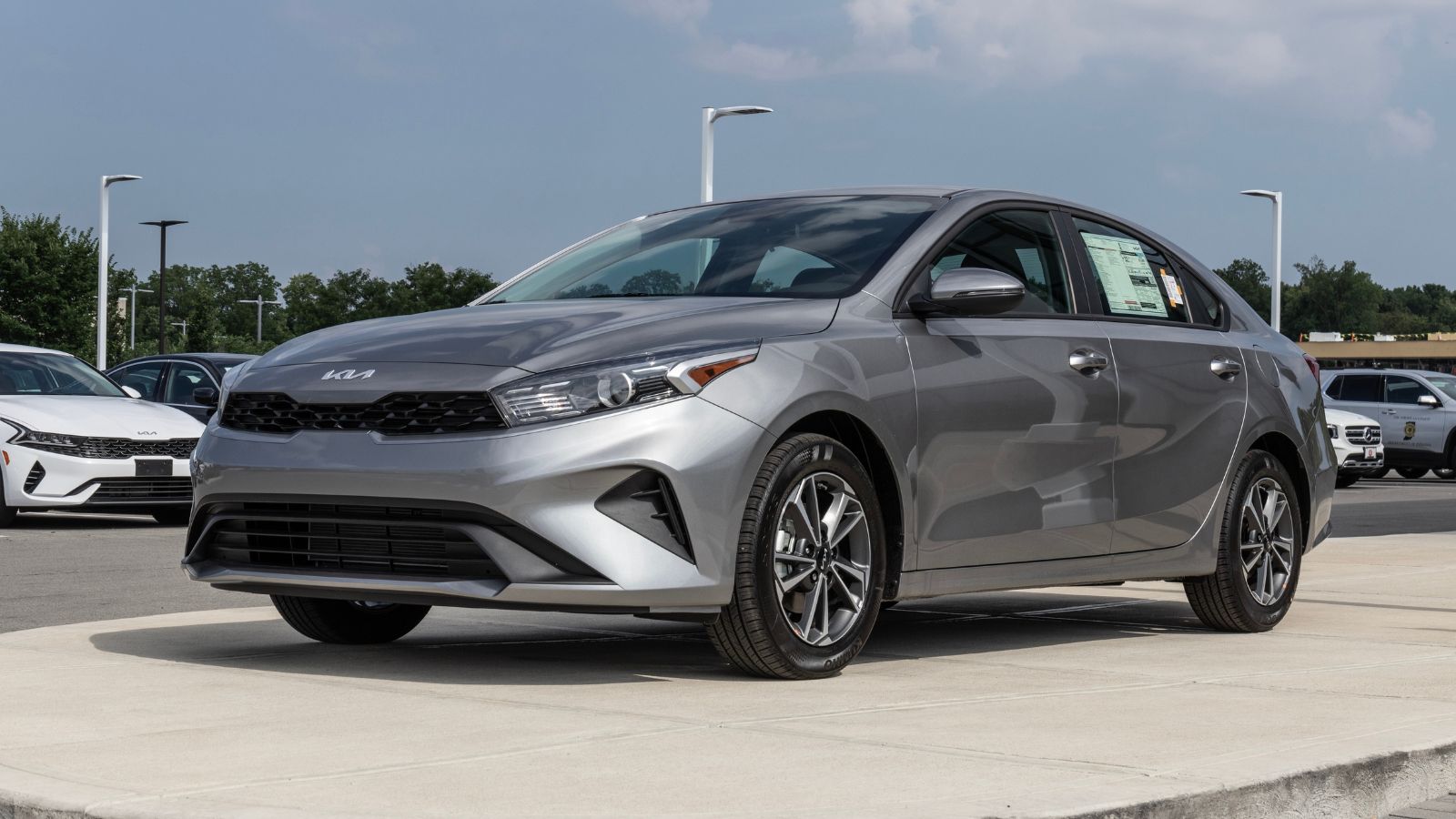
The Kia Forte offers good value and features. Winter conditions reduce its appeal. Traction is limited on icy roads, especially during quick acceleration. The car feels light in strong winds with blowing snow. Heating performance is decent, but not fast in very cold weather. Ground clearance remains a concern in heavy snowfall. Drivers often feel less secure on unplowed roads. Winter tires help, though not enough for extreme conditions. Reliability stays intact, but winter confidence drops. It works best in urban areas where roads are cleared quickly after snowfall.
Volkswagen Jetta
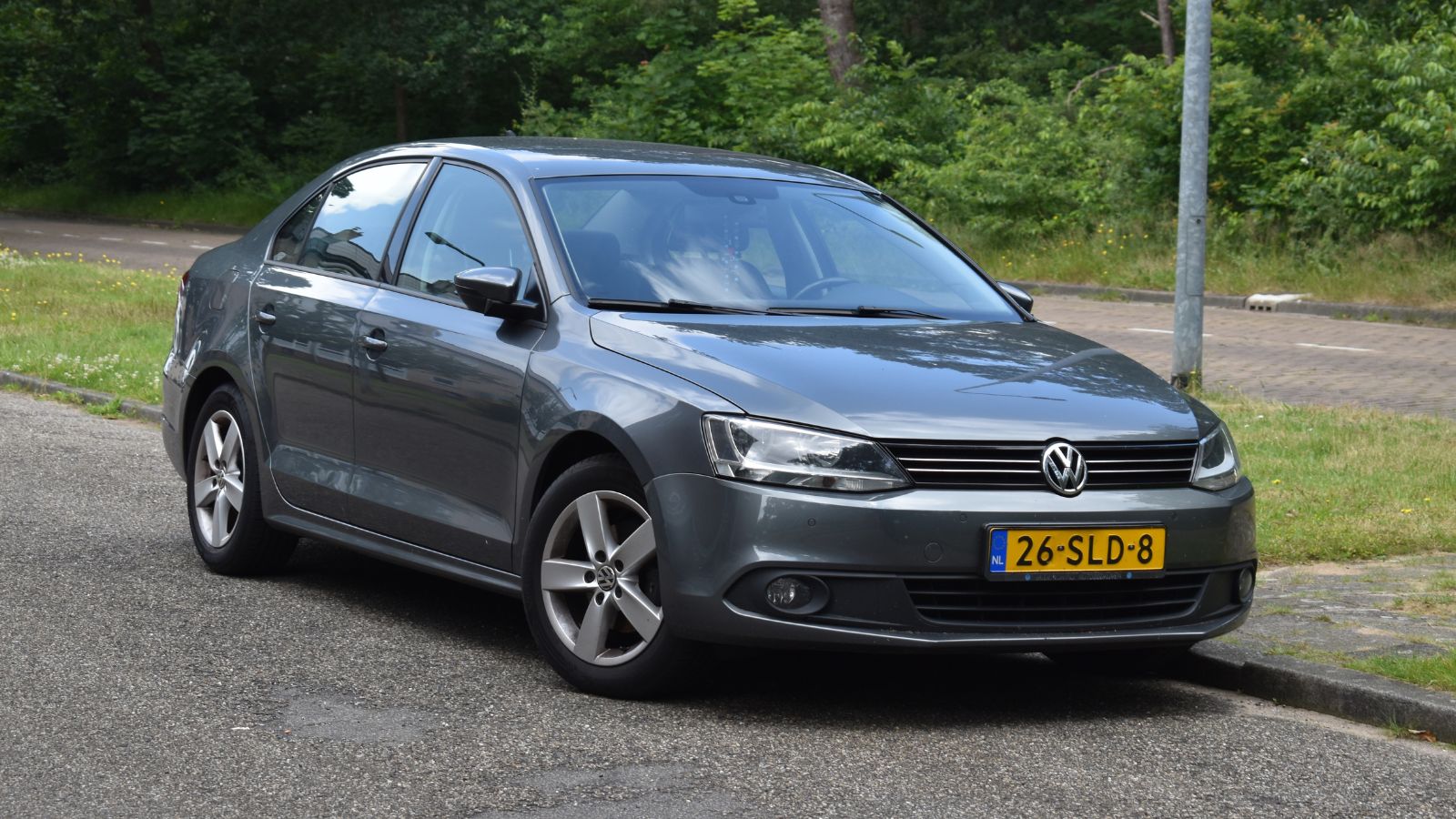
The Volkswagen Jetta handles well on dry pavement. Winter introduces new challenges. Its suspension tuning feels firm on uneven icy roads. Front-wheel drive handles basic snow but struggles in deeper snow. Cold starts can feel slower in extreme temperatures. The heater works, yet takes time to warm the cabin fully. Drivers often report reduced traction on steep, icy inclines. Ground clearance limits movement through thick snow. It remains dependable overall. However, Canadian winters reveal that it is not designed for harsh snow-covered environments or rural driving conditions.
Chevrolet Malibu
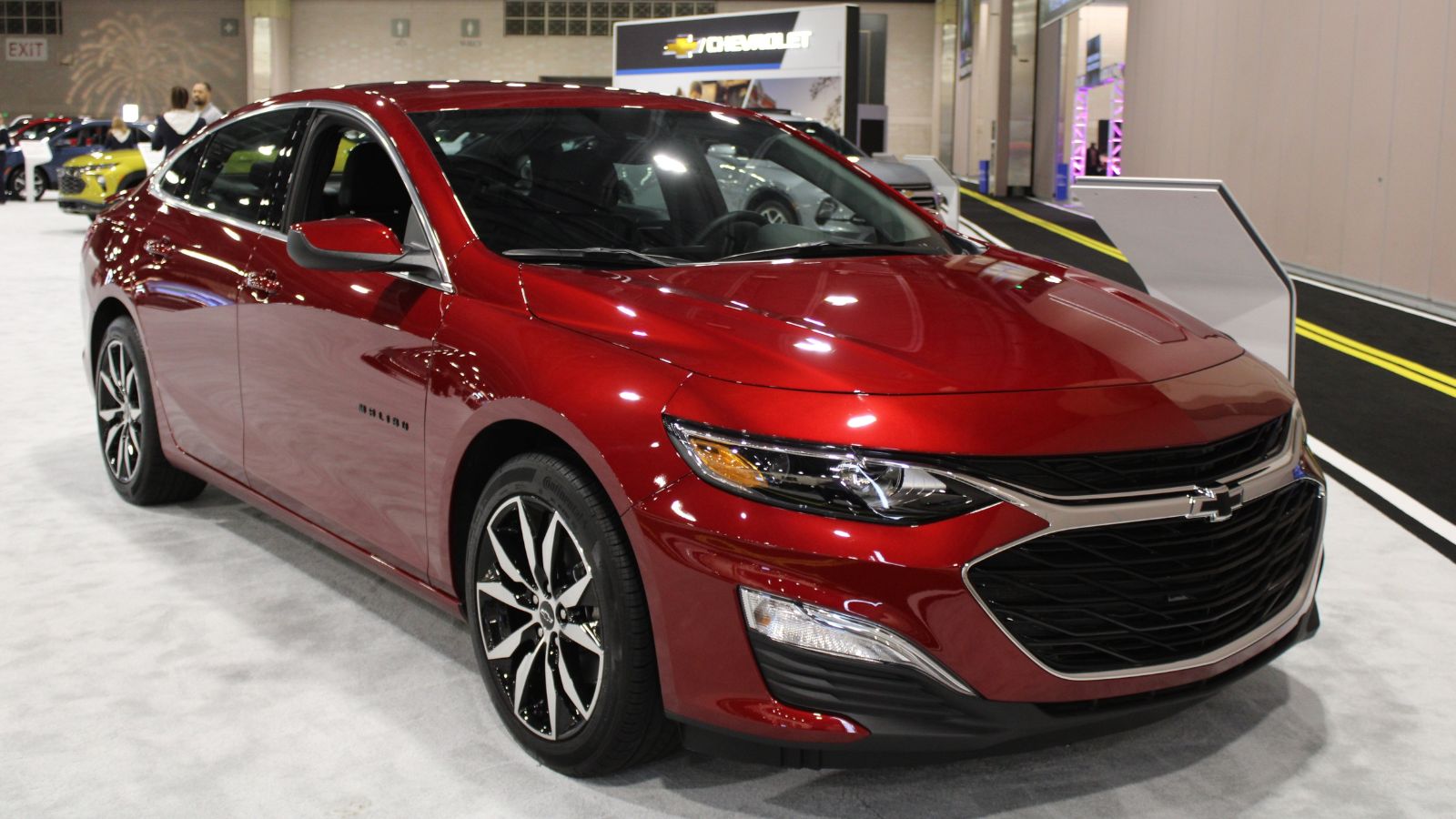
The Chevrolet Malibu is comfortable for highway driving. Winter conditions affect its performance. The longer body reduces maneuverability on icy roads. Front-wheel drive handles light snow, but struggles in deeper sections. Cold weather can impact battery and electrical systems. The heater provides warmth, though not quickly, in extreme cold. Drivers often notice wheel slip during acceleration. Ground clearance remains average, limiting snow capability. It performs best on cleared roads. Reliability remains steady, but winter handling feels less secure compared to some competitors with better traction systems.
Ford Fusion
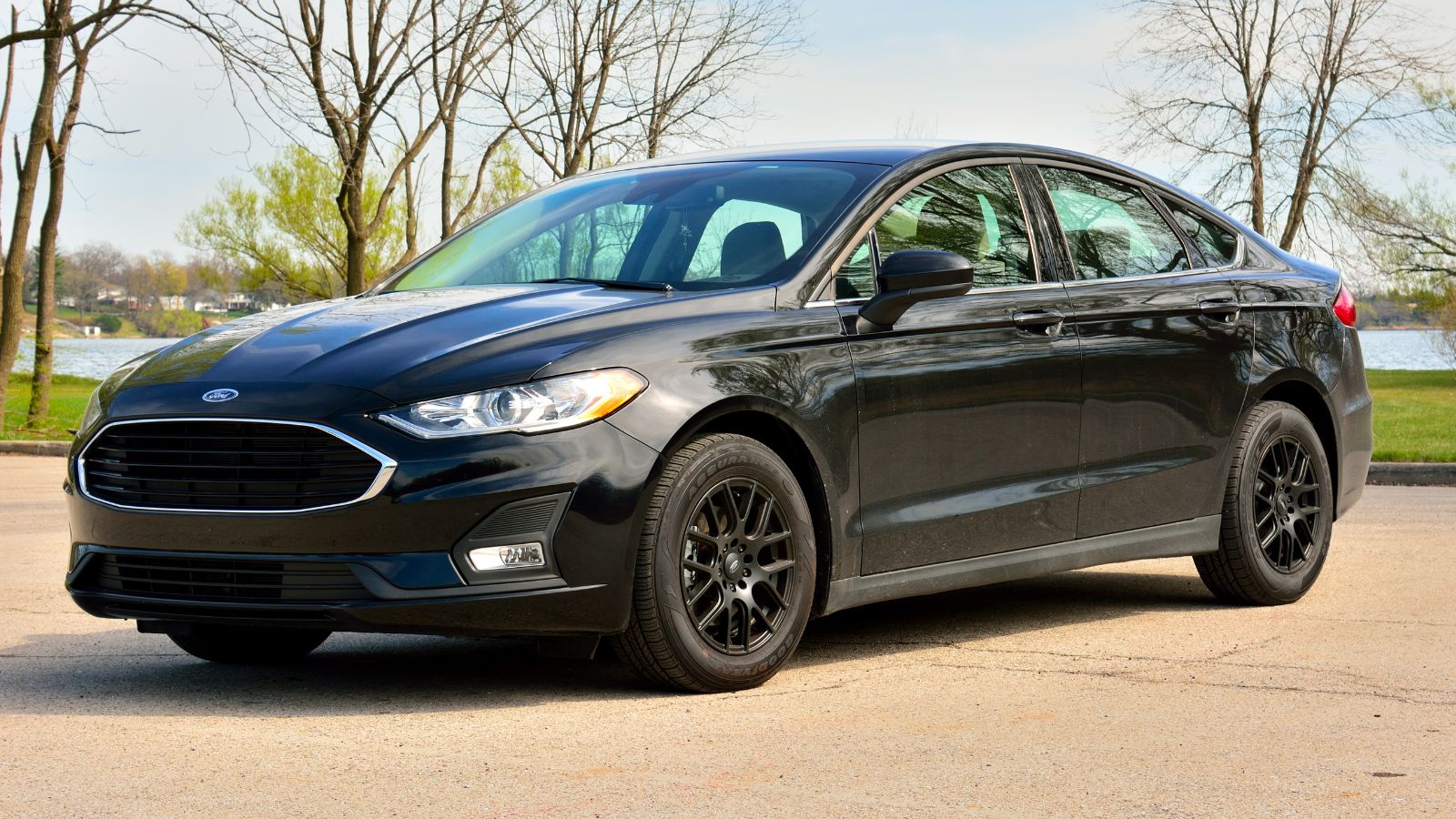
The Ford Fusion offers a smooth ride in most conditions. Winter driving reduces its strengths. Front-wheel-drive versions lack grip on icy surfaces. All-wheel-drive models perform better, but still feel heavy in snow. Cold temperatures affect battery efficiency over time. Cabin heating takes longer during severe cold spells. Steering feels stable, yet less responsive on slick roads. Ground clearance is not ideal for deep snow. It handles city driving fine with winter tires. However, harsher Canadian winters reveal limitations that many drivers do not expect at first.
Subaru BRZ
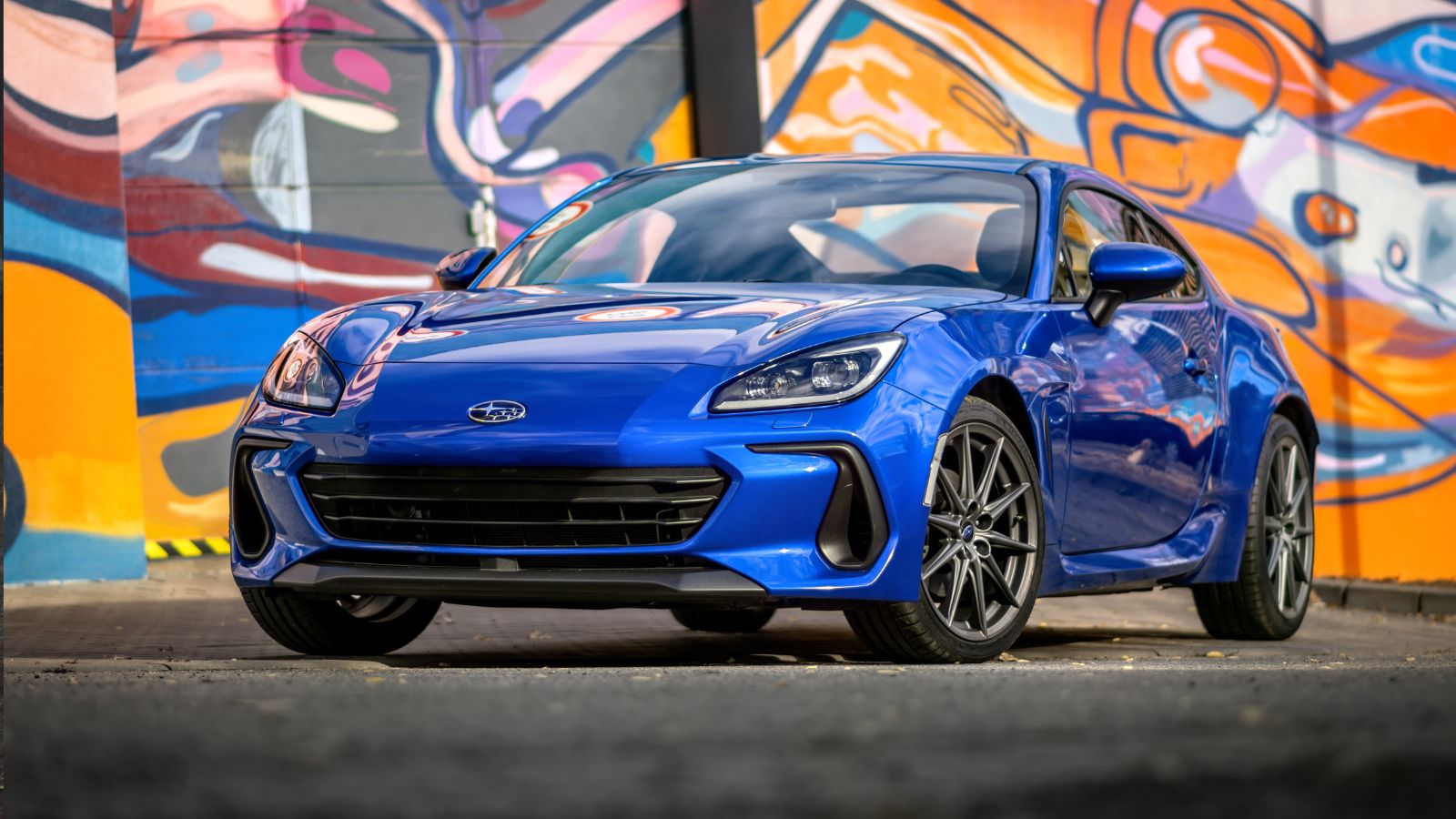
The Subaru BRZ is known for fun driving dynamics. Winter conditions challenge its design. Rear-wheel drive reduces traction on snow and ice. Low ground clearance makes snow buildup unavoidable. The car struggles on unplowed roads. Even with winter tires, grip remains limited. Cold starts are generally fine, but battery strain can occur. Heating works, though slowly, in extreme cold. Drivers must be cautious in slippery conditions. It remains reliable, but clearly not suited for Canadian winters. Performance focus outweighs winter practicality in almost every situation.
Toyota Prius
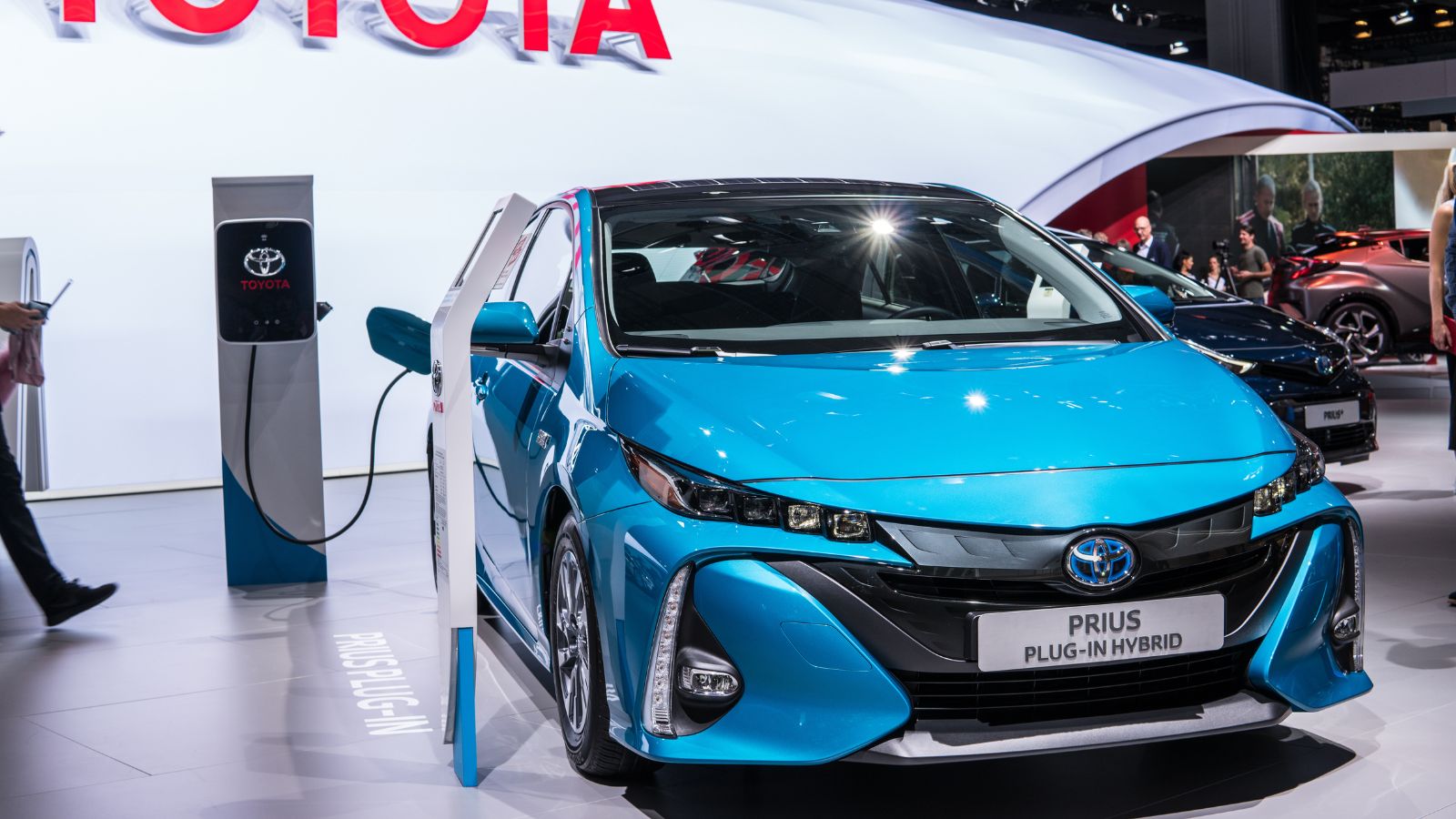
The Toyota Prius excels in fuel efficiency. Winter conditions reduce its effectiveness. Cold weather impacts hybrid battery performance. Fuel economy drops significantly in freezing temperatures. Traction remains limited due to front-wheel drive. Low ground clearance creates issues in deep snow. Cabin heating takes longer as the engine runs less often. Drivers may notice reduced responsiveness on icy roads. Winter tires help improve grip slightly. Reliability stays strong overall. However, Canadian winters highlight compromises that many buyers do not expect from such a popular and trusted model.
Honda Accord
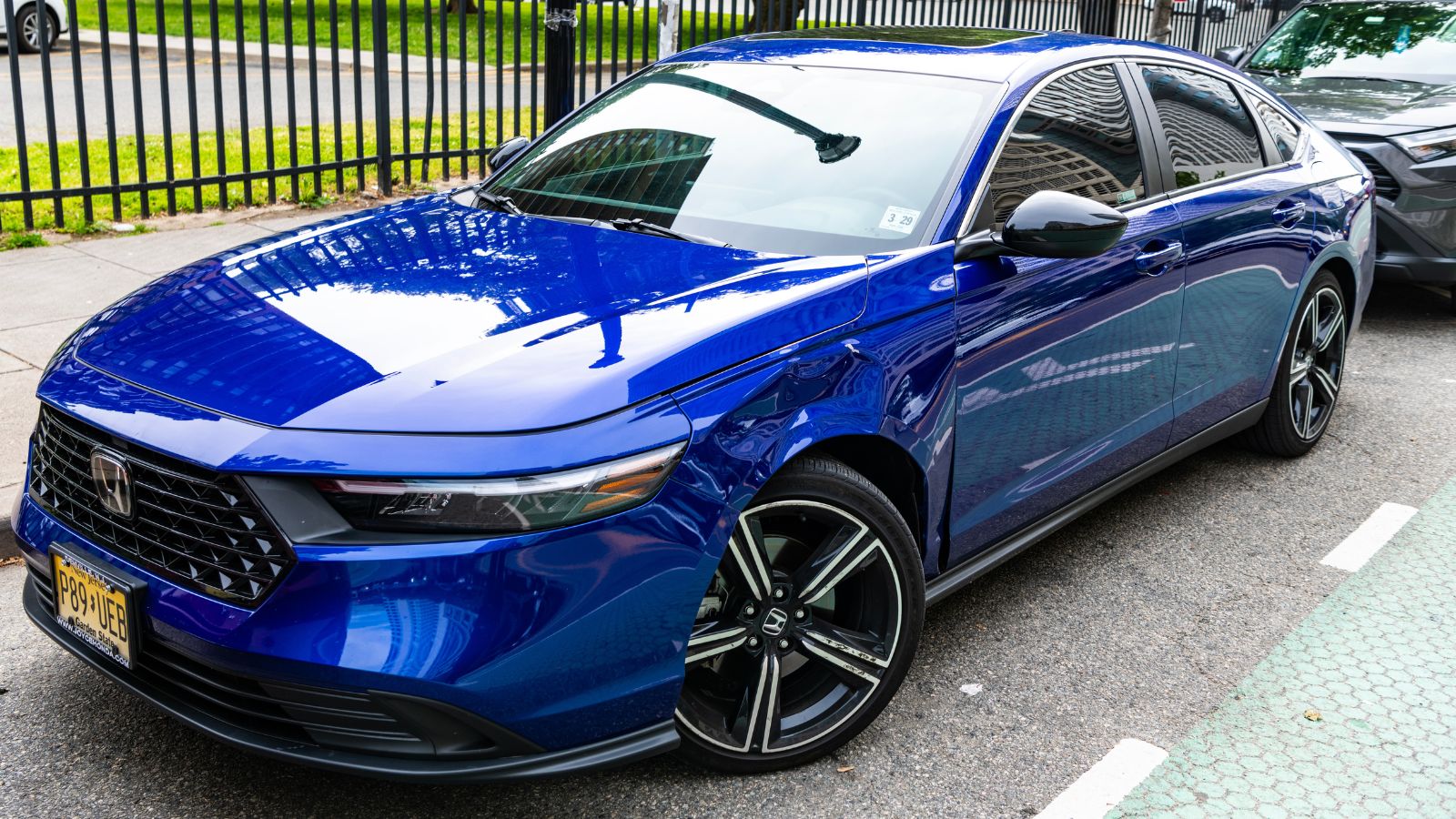
The Honda Accord offers comfort and reliability. Winter driving brings noticeable drawbacks. The larger size affects handling on icy roads. Front-wheel drive manages light snow, but struggles on steep inclines. Cold temperatures impact battery and engine efficiency. Cabin heating works, though it takes time in harsh conditions. Ground clearance is not ideal for deep snow. Drivers often report reduced traction during acceleration. It remains dependable for commuting. However, severe winter conditions reveal limitations that can affect confidence, especially outside well-maintained urban roads.
Nissan Altima
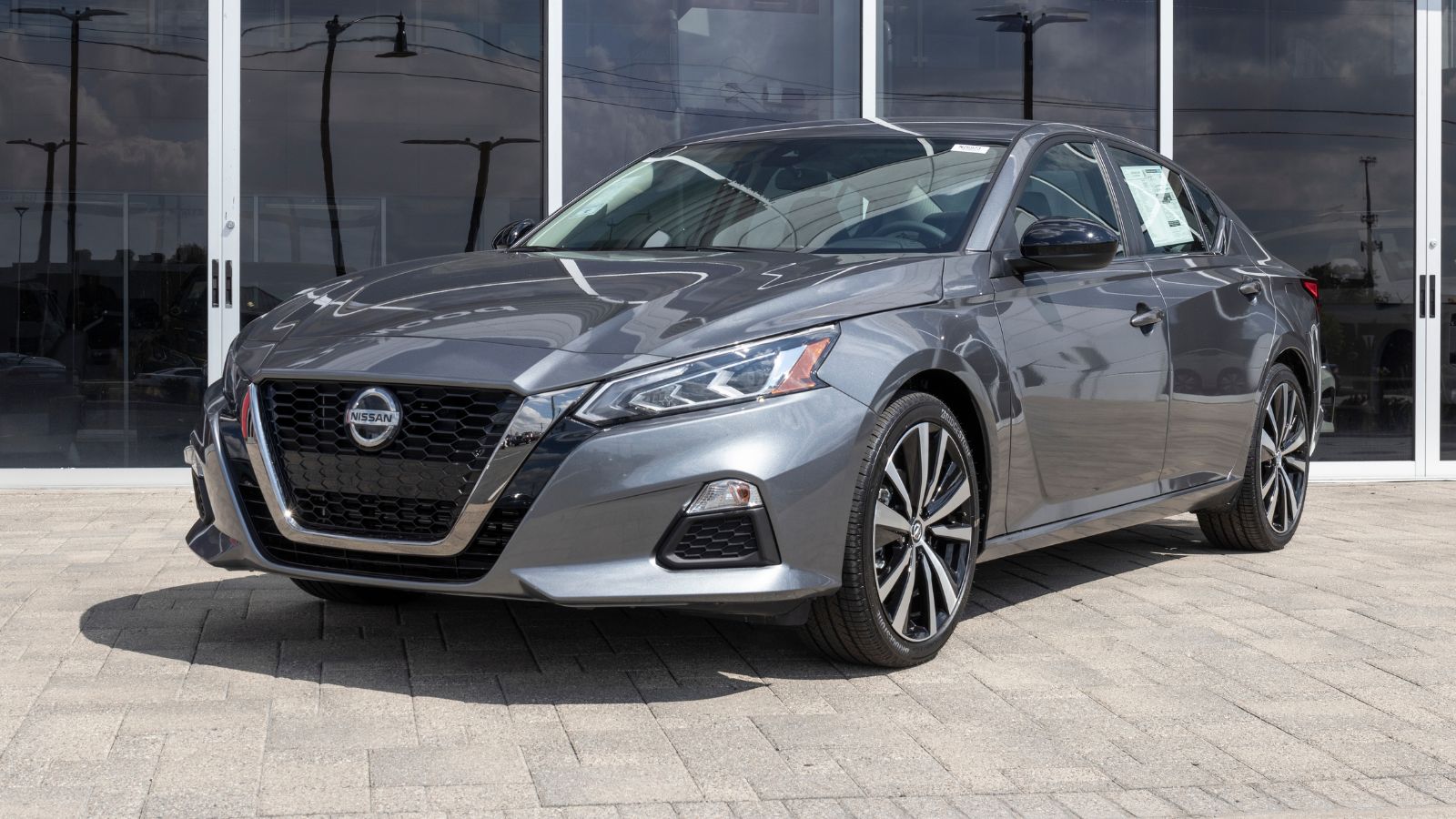
The Nissan Altima includes available all-wheel drive. That helps, but does not solve everything. Ground clearance still limits snow performance. The CVT transmission can feel unresponsive on icy roads. Cold weather may affect battery and starting reliability. Heating performance is average in extreme temperatures. Drivers often notice hesitation when accelerating on snow. All-wheel drive improves grip, but not dramatically. It performs best on cleared highways. Reliability remains intact, yet Canadian winters expose its limits in deeper snow and less predictable driving environments.
Kia K5
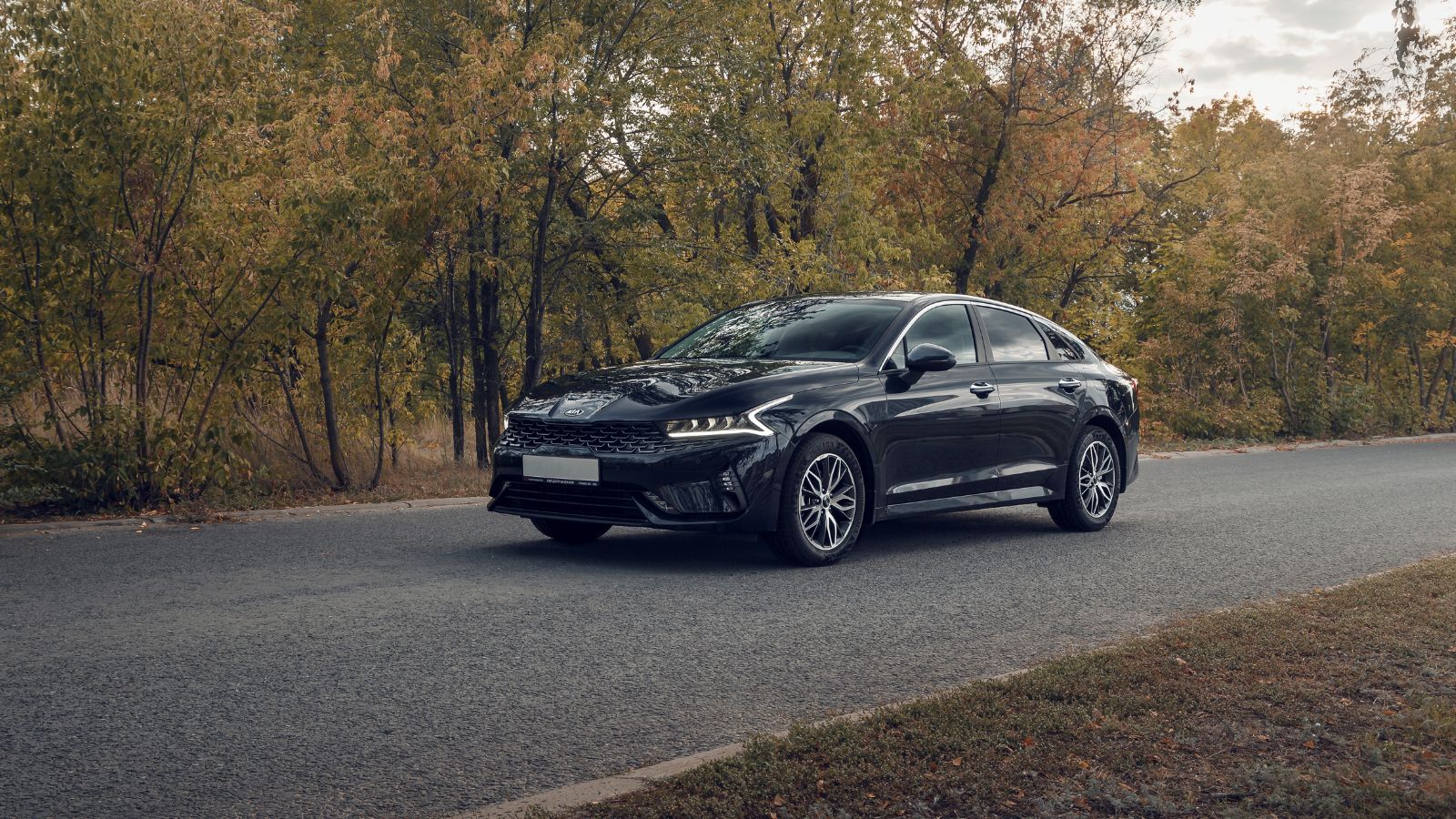
The Kia K5 stands out with modern styling. Winter driving reduces its appeal. Front-wheel-drive versions struggle with traction on ice. All-wheel-drive models perform better, but still feel low. Ground clearance limits movement through deep snow. Cold starts remain consistent, though battery stress appears over time. Cabin heating works, but slowly in extreme cold. Drivers often feel reduced confidence on slippery roads. Winter tires help improve control. It remains reliable for daily use. Still, harsh Canadian winters highlight its limitations more than expected.
Hyundai Sonata
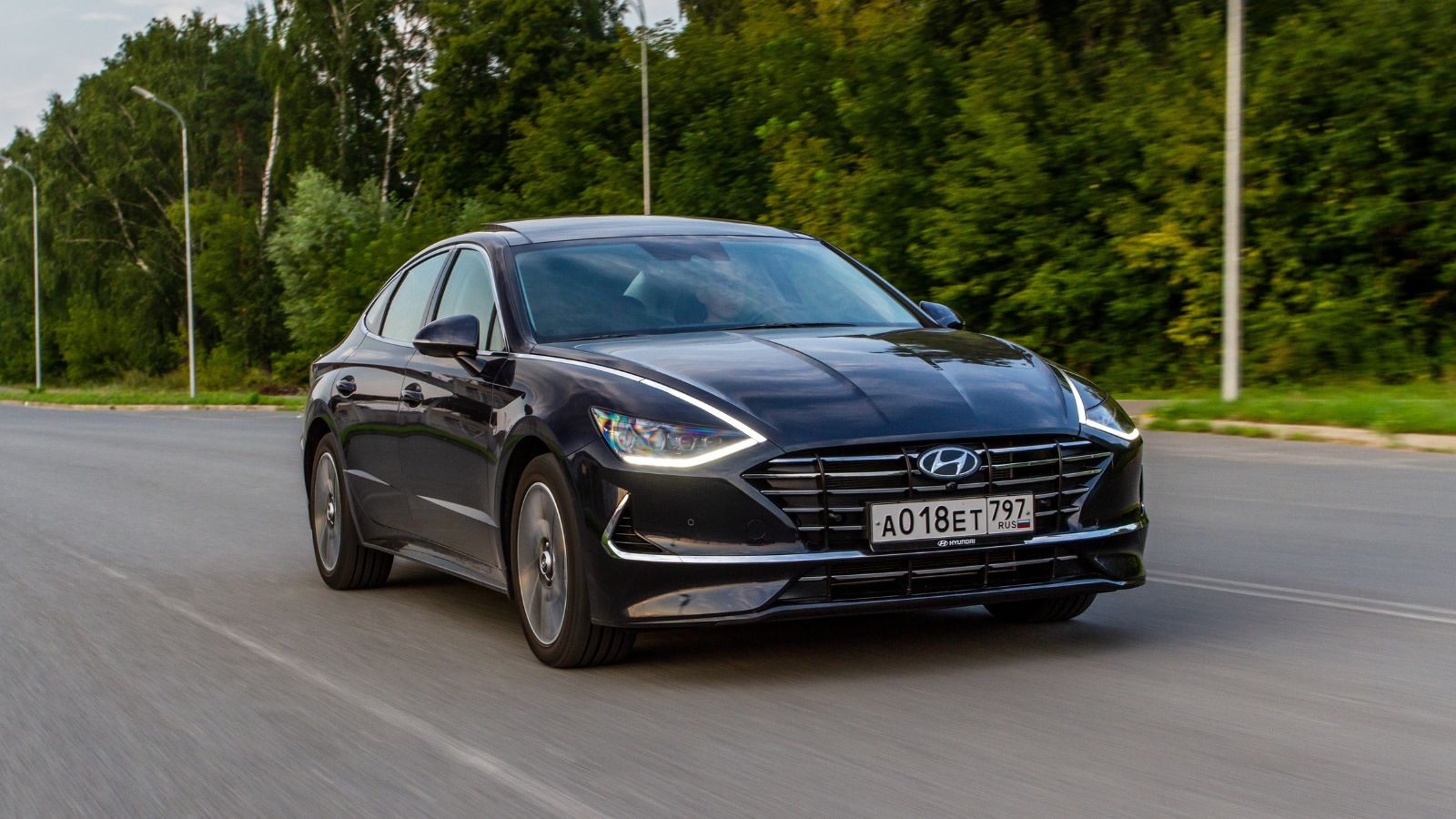
The Hyundai Sonata offers comfort and efficiency. Winter conditions highlight its weaknesses. The low ride height causes problems in heavy snow. Traction is limited during icy acceleration. Front-wheel drive works best in mild conditions. Cold temperatures can impact battery life. Cabin heating takes time to fully warm the interior. Drivers often report less stability in strong winter winds. It performs well on cleared roads. However, deeper snow and icy surfaces reveal clear limitations. Reliability remains strong, but winter capability feels below expectations for many drivers.
Chevrolet Spark
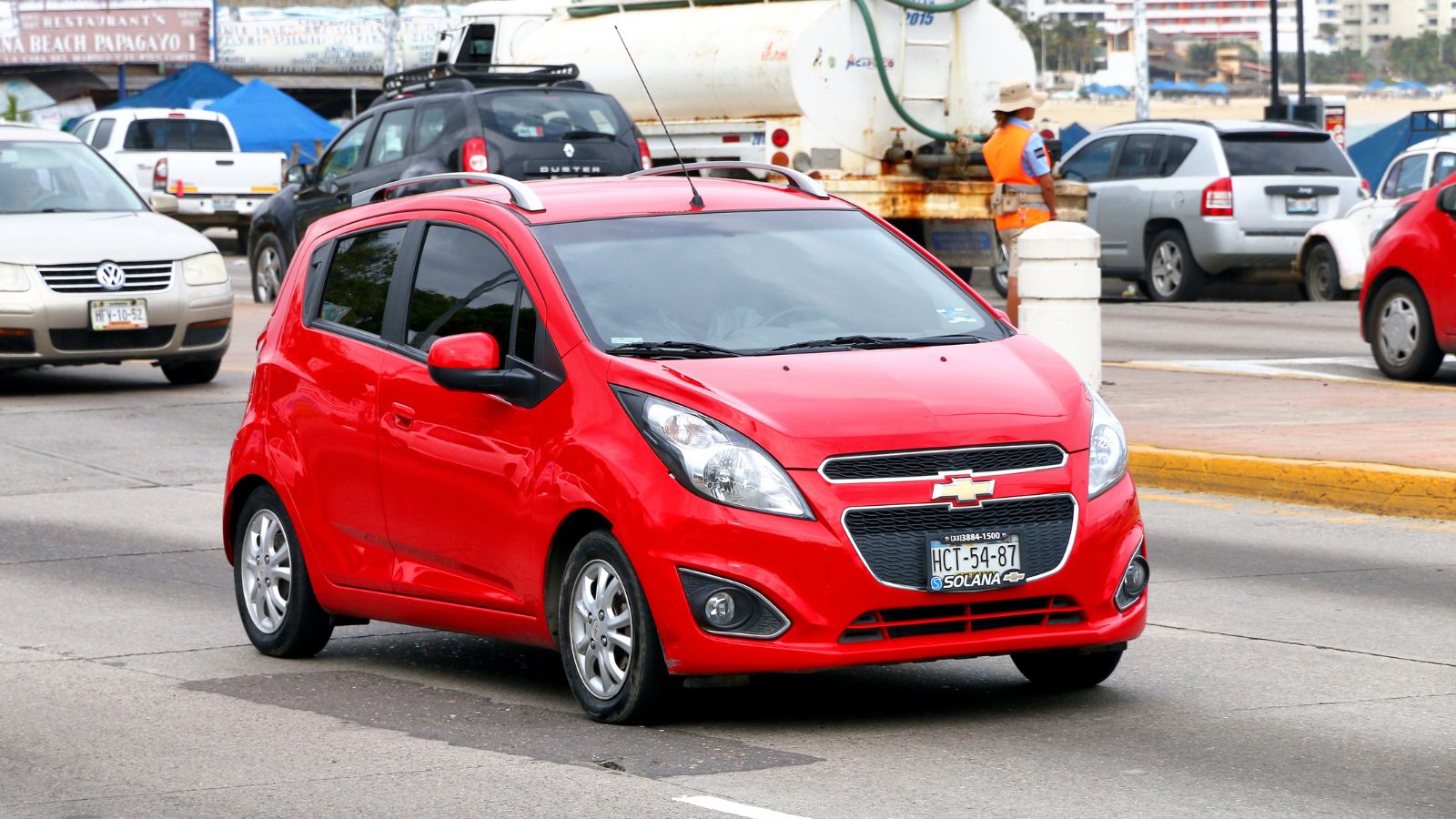
The Chevrolet Spark is small and easy to drive. Winter conditions challenge its design. The lightweight build reduces traction on icy roads. Strong winds and snow affect stability. Ground clearance is very limited in deep snow. Cold starts can strain the small battery. Cabin heating takes longer due to engine size. Drivers often feel less control on slippery surfaces. Winter tires help, but only to a point. It remains reliable for city use. However, Canadian winters expose their limits quickly, especially outside urban environments.
Mitsubishi Mirage
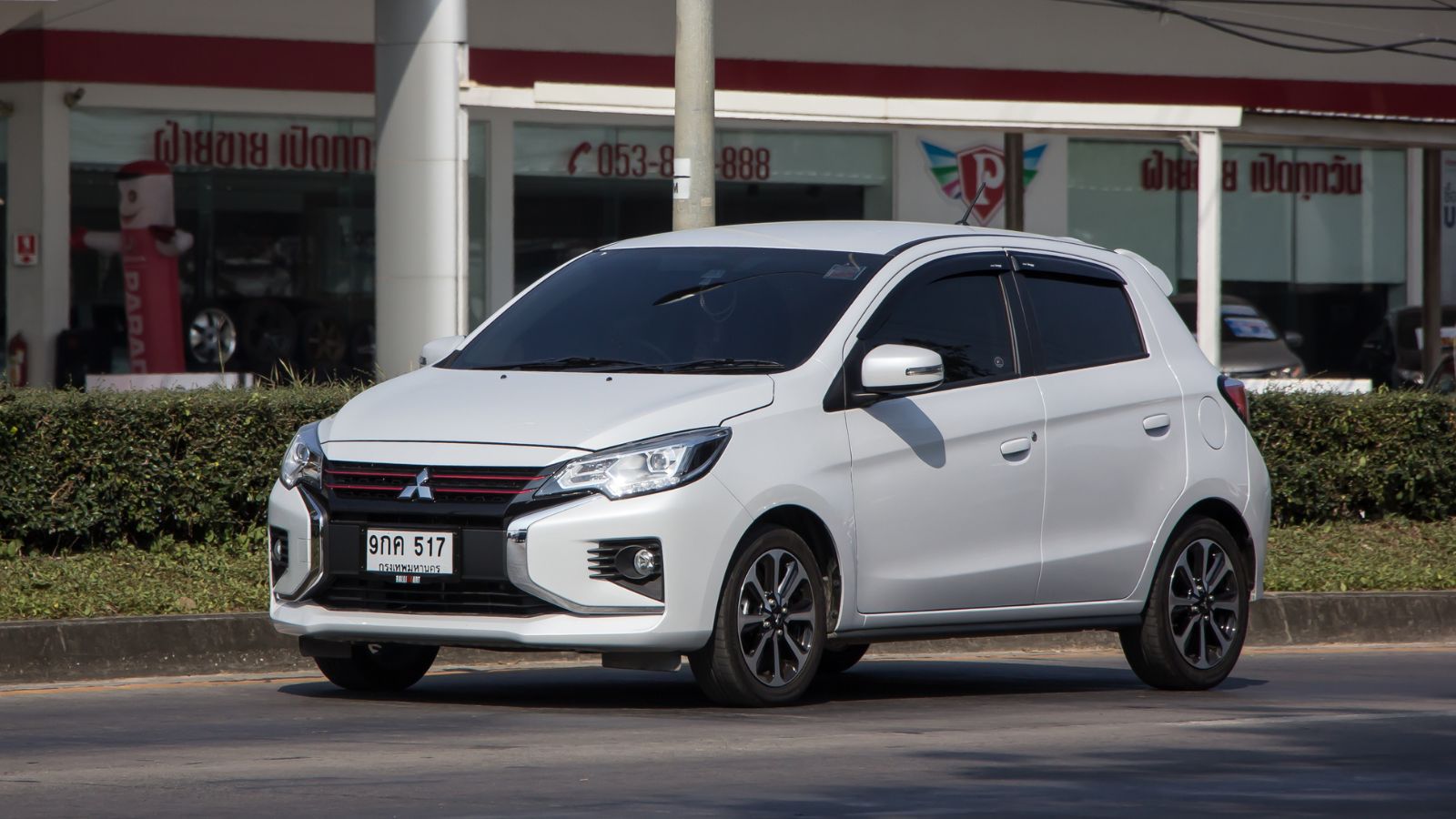
The Mitsubishi Mirage focuses on affordability. Winter driving reveals several compromises. The small engine struggles in cold conditions. Acceleration feels weak on icy roads. Lightweight construction reduces traction significantly. Ground clearance limits snow capability. Cabin heating is slow in freezing temperatures. Drivers often report reduced stability in strong winds. Winter tires improve grip slightly. It remains reliable for short commutes. However, harsh Canadian winters highlight its limitations. Many drivers find it less confidence-inspiring when conditions become more severe.
BMW 3 Series (RWD Models)
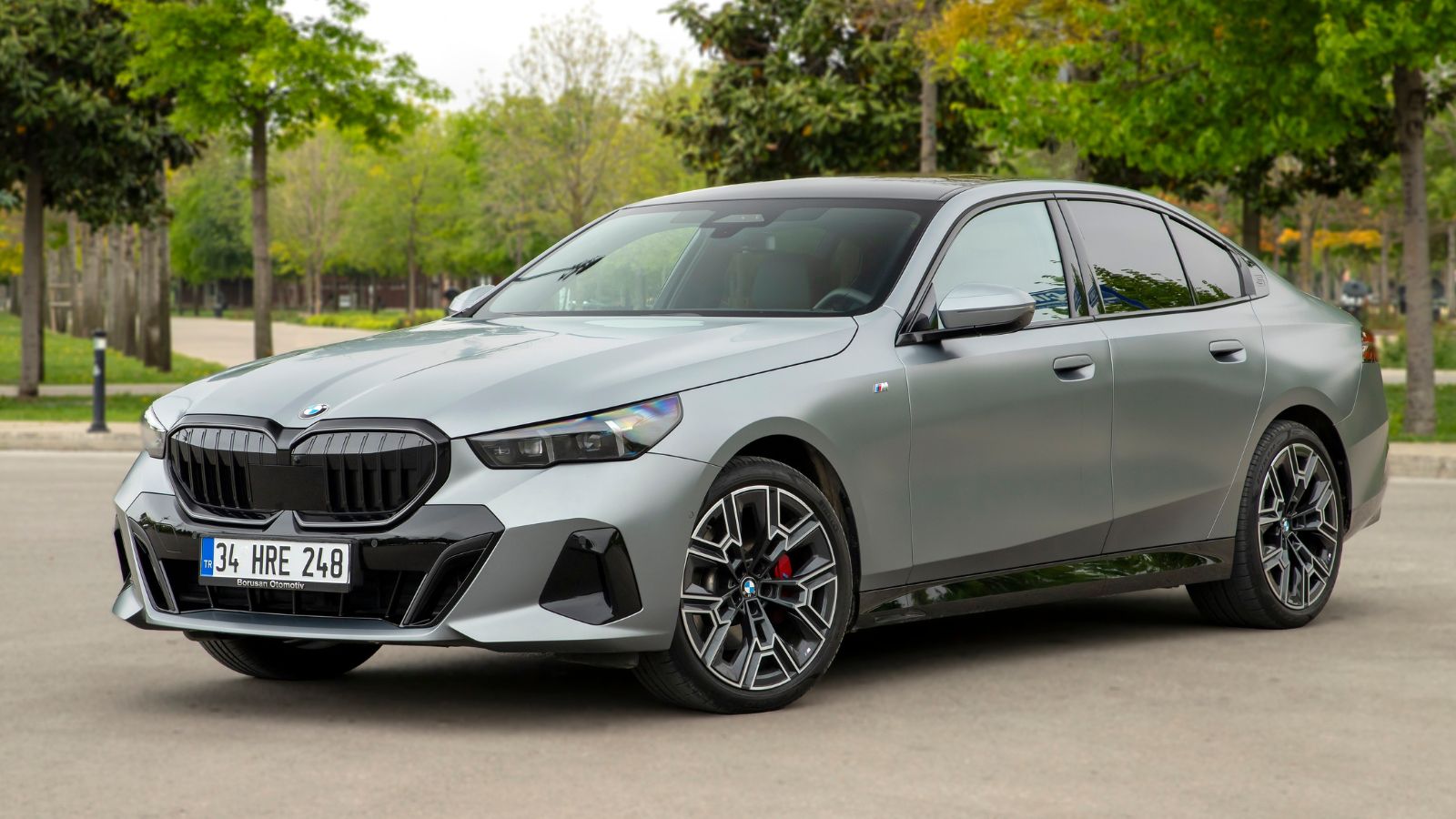
The BMW 3 Series delivers strong performance. Rear-wheel-drive versions struggle in winter. Traction becomes a major concern on snow and ice. Low ground clearance limits movement through deep snow. Cold temperatures can affect batteries and electronics. Cabin heating is effective, but takes time in extreme cold. Drivers often experience wheel spin during acceleration. Winter tires help, though not enough for harsh conditions. It remains reliable when maintained well. However, Canadian winters highlight its limitations compared to all-wheel-drive alternatives.
Mercedes-Benz C-Class (RWD Models)
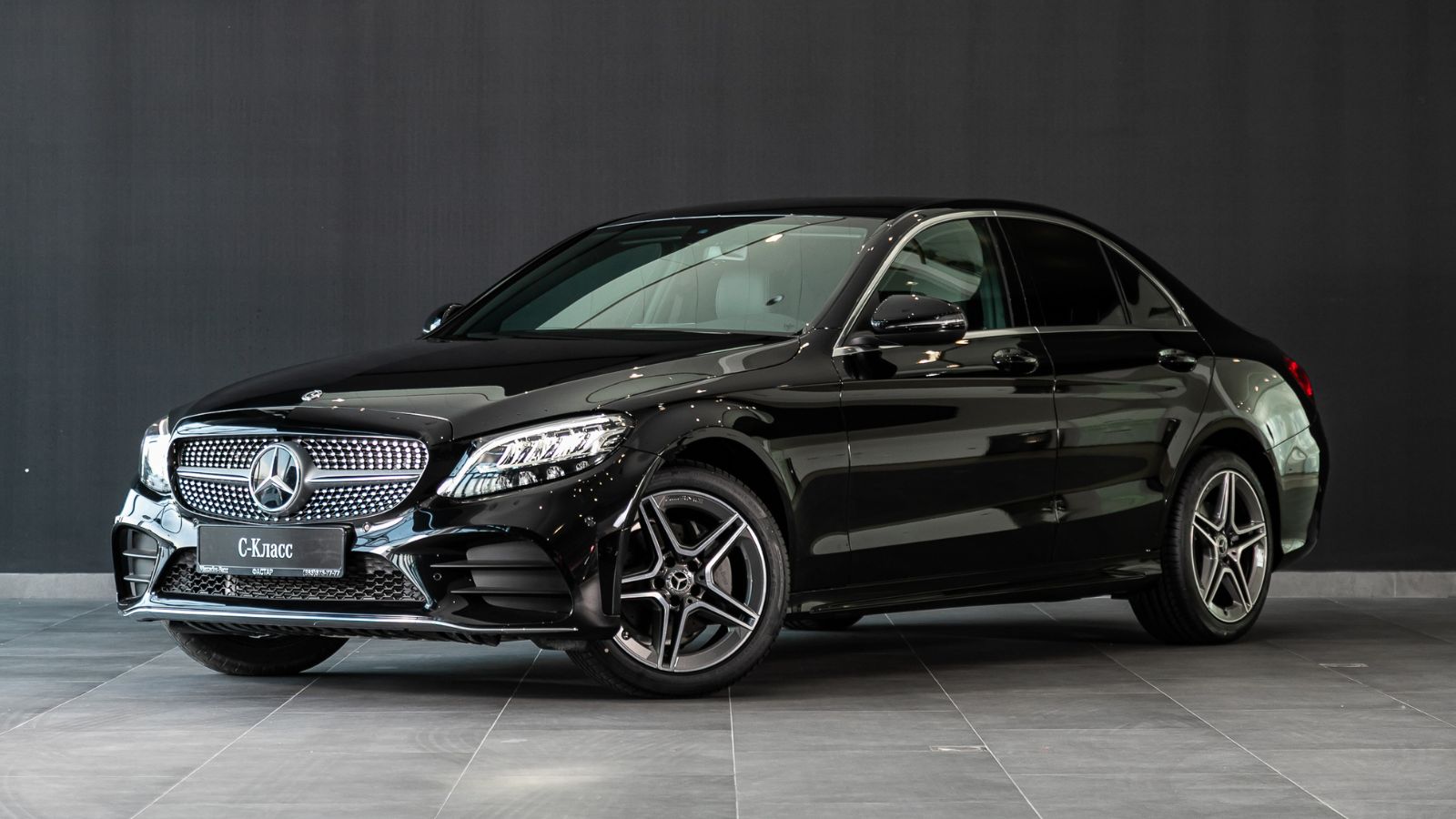
The Mercedes-Benz C-Class offers comfort and refinement. Rear-wheel-drive versions struggle in winter conditions. Traction is limited on icy roads. Low ride height creates issues in deeper snow. Cold weather can affect battery and electronic systems. Cabin heating works well, but takes time in extreme cold. Drivers often notice reduced confidence on slippery surfaces. Winter tires improve control, but do not eliminate challenges. It remains reliable overall. However, Canadian winters expose its limits, especially compared to models with better traction systems.
Mini Cooper
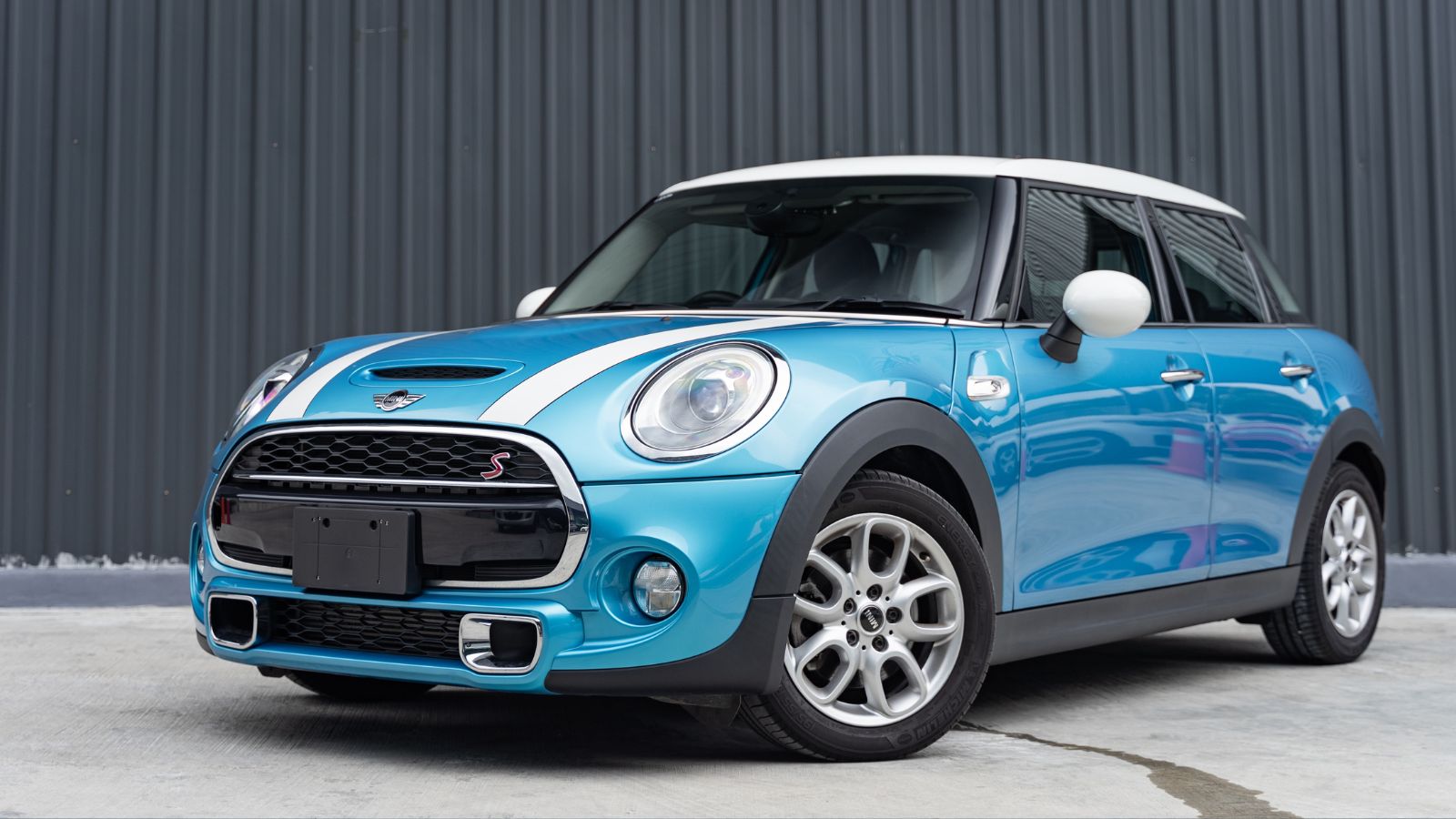
The Mini Cooper is fun and compact. Winter conditions reduce its practicality. Short wheelbase affects stability on icy roads. Ground clearance is limited in deep snow. Front-wheel drive handles light snow but struggles in heavier conditions. Cold starts can strain the battery. Cabin heating is decent, though slower in extreme cold. Drivers often feel less control on slippery surfaces. Winter tires help improve grip. It remains reliable for city use. However, harsh Canadian winters highlight its limitations, especially on poorly maintained roads.
22 Things Canadians Do to Their Cars in Spring That Mechanics Hate

Spring brings relief to many Canadian drivers after months of snow, freezing temperatures, and icy roads that put serious strain on vehicles. As temperatures rise across the country, drivers begin washing cars, switching tires, and preparing vehicles for warmer weather and upcoming road trips. However, mechanics across Canada notice the same mistakes every spring when drivers attempt to recover from winter damage. Road salt, potholes, and harsh winter driving conditions often leave vehicles with hidden problems that drivers ignore. Some spring habits even create new mechanical issues that could have been avoided with proper maintenance. Here are 22 things Canadians do to their cars in spring that mechanics hate.