


























Canada’s EV conversation is no longer centred only on expensive halo vehicles or early-adopter curiosity. The shift is happening in the heart of the market, where familiar nameplates, improved charging access, and longer real-world-friendly range are starting to make gasoline alternatives work harder for the same sale. With zero-emission vehicle share in Canada rebounding in late 2025 and Natural Resources Canada noting that the average Canadian motorist drives about 50 kilometres a day, the practical case has become harder to dismiss.
These 11 EVs stand out because they do not just look modern on a spec sheet. They are arriving with the kind of range, packaging, comfort, and brand familiarity that matter in daily Canadian life. Some target compact crossover buyers, some challenge family SUVs, and a few aim directly at premium gas models that once felt untouchable.
Chevrolet Equinox EV
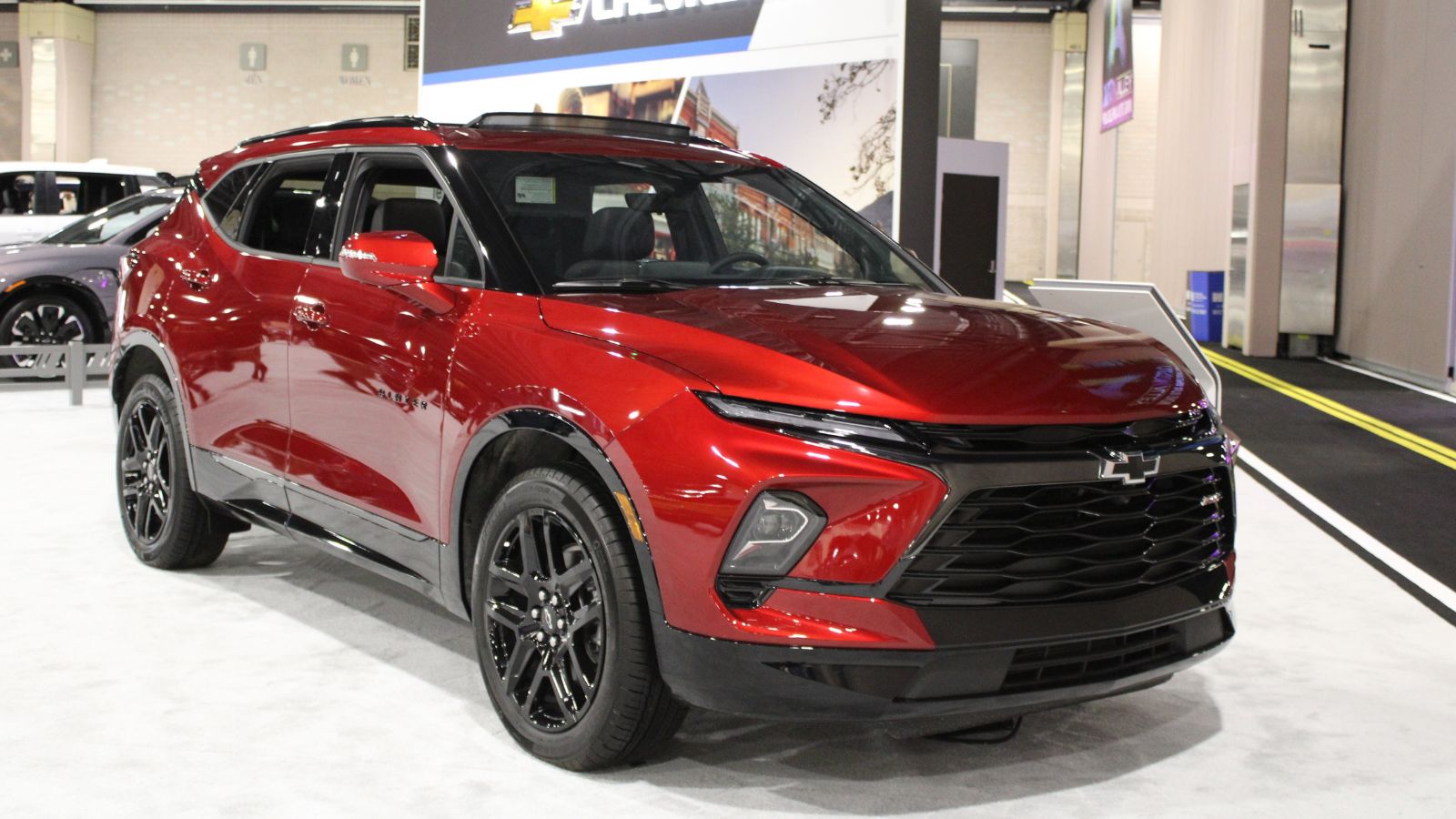
The Chevrolet Equinox EV matters because it goes after one of the most crowded and important parts of the Canadian market: the mainstream compact crossover. Chevrolet gives it up to 513 kilometres of estimated range in front-wheel-drive form, plus features that no longer feel stripped-down or experimental, including a standard 17.7-inch centre touchscreen and up to 1,500 pounds of towing capacity. That matters in a segment where buyers tend to compare practical details first and emotional design cues second.
What makes the Equinox EV pressure gas models is not one dramatic headline. It is the way the entire package feels normal in the best sense of the word. It is a compact family SUV from a name Canadians already know, yet it brings the kind of range once reserved for more expensive EVs. When an electric crossover starts looking like the straightforward choice instead of the compromise choice, gasoline rivals lose the advantage of familiarity. That is often how market pressure begins: quietly, then all at once.
Honda Prologue
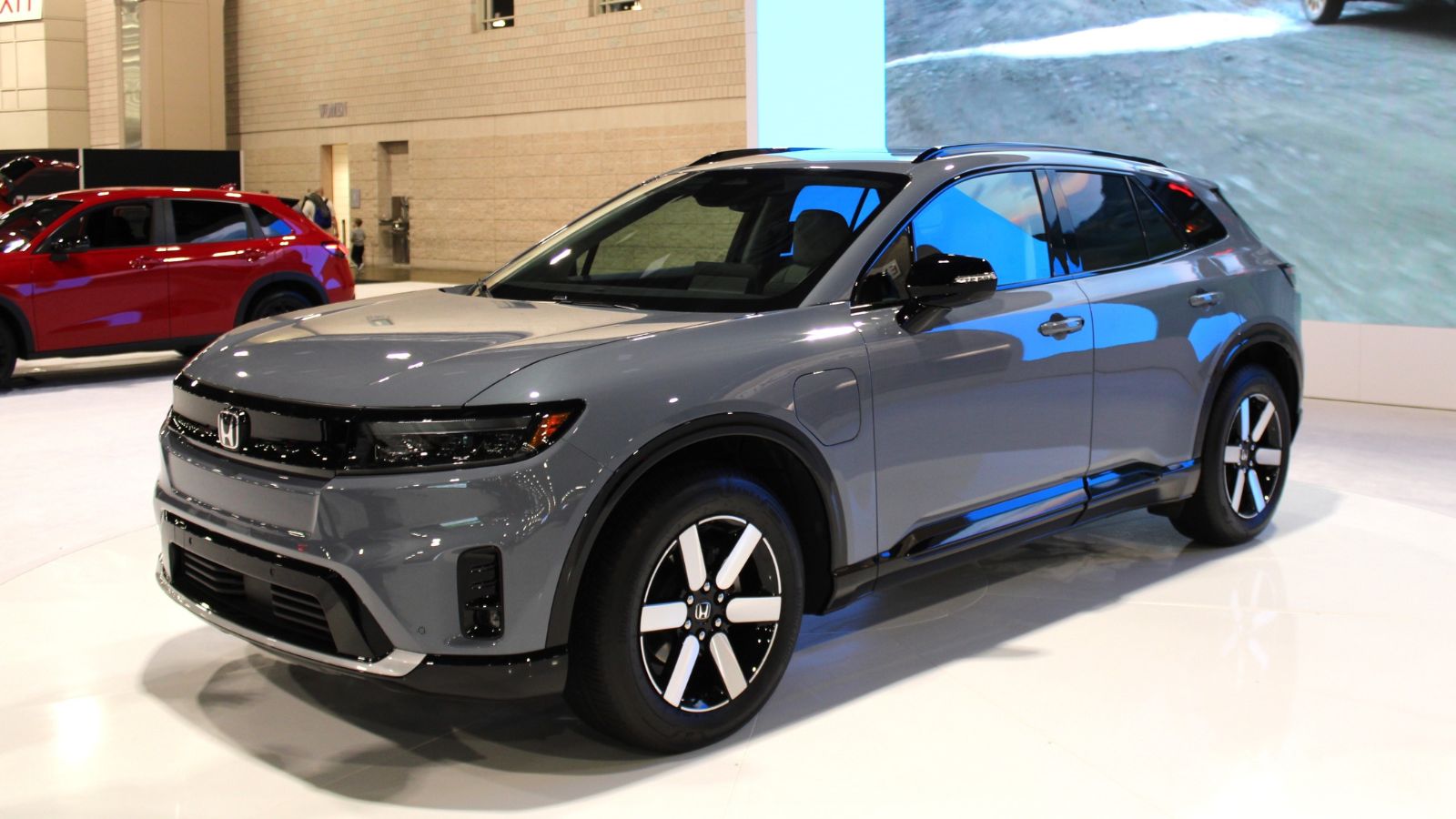
Honda’s Prologue carries unusual weight because the badge still means something powerful in Canadian driveways. For 2026, Honda lists the Prologue EX at $63,131, and the model family reaches up to 473 kilometres of range while delivering 300 horsepower and 355 lb-ft of torque. In Canada, the Prologue is being sold through select dealers in British Columbia, Ontario, and Quebec, which shows Honda is still being measured in its rollout even as it sharpens the product itself.
That combination makes the Prologue more disruptive than it first appears. A lot of buyers who are hesitant about switching powertrains become less nervous when the vehicle itself feels recognizably Honda: clean design, approachable controls, and a midsize SUV shape that does not scream experiment. It also helps that the Prologue’s gains for 2025 and 2026 were not cosmetic; the range and output improved. For many shoppers, that means the electric option now feels less like a leap and more like the natural next version of the dependable family SUV they already wanted.
Hyundai IONIQ 5
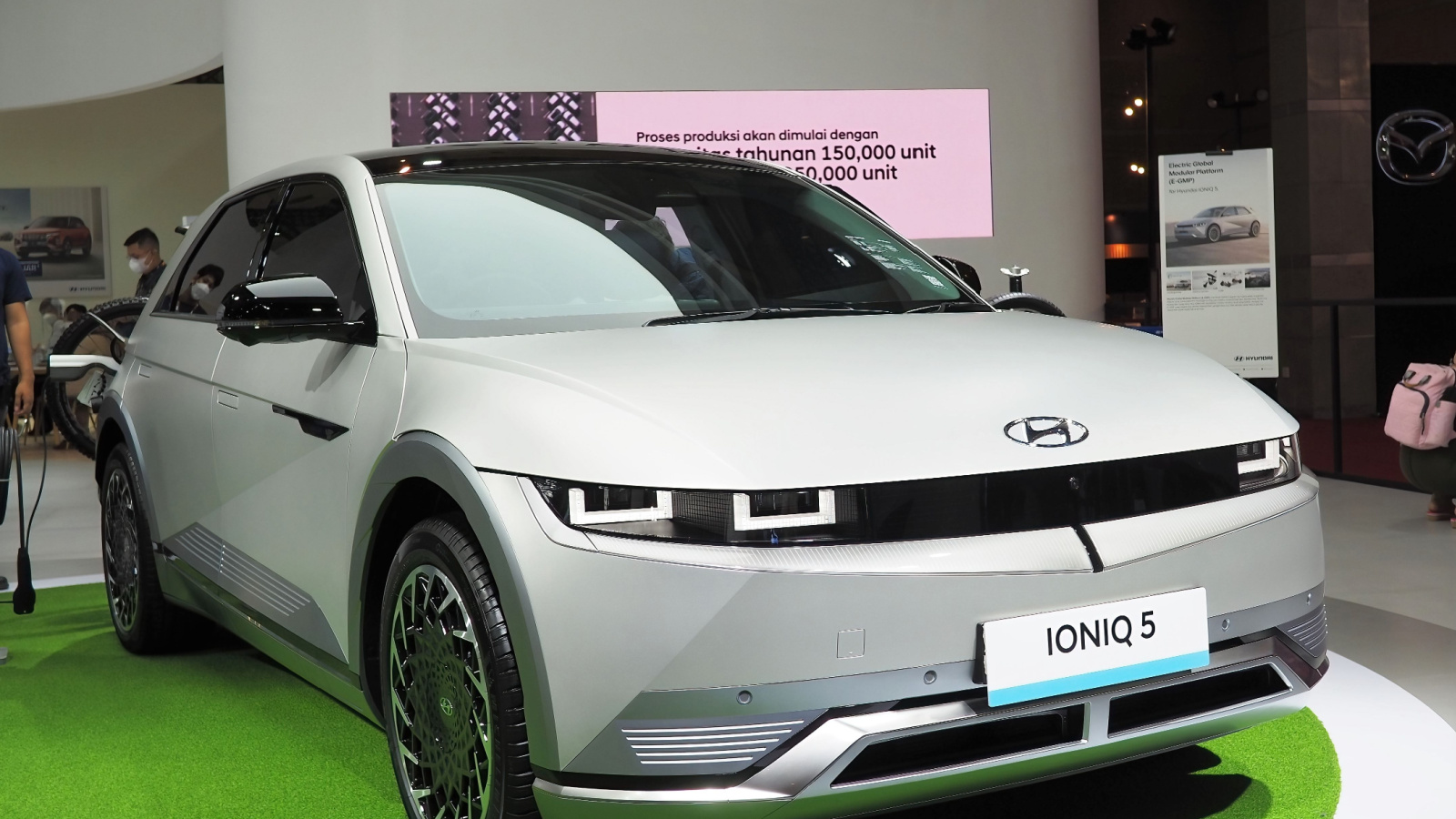
The Hyundai IONIQ 5 still looks like a concept car that somehow made it to the dealer lot, but its real pressure point is substance. Hyundai Canada lists the 2026 IONIQ 5 from $55,499 MSRP, with up to 504 kilometres of range on the Preferred Long Range trim. For Canadian-market 2026 EVs, Hyundai also moved to the North American Charging Standard, and the product card notes the IONIQ 5 includes a NACS charge port along with AC and DC CCS adapters.
That matters because the IONIQ 5 is not just stylish; it is easier to imagine living with. The shape is compact enough for urban use, yet the long wheelbase and flat-floor feel give it a roomier, almost lounge-like personality inside. In practice, it puts pressure on gas crossovers by making the electric choice feel more advanced without demanding a lifestyle sacrifice. It has range that covers daily Canadian driving with room to spare, charging access that addresses a major barrier, and a design that still turns heads. Gas rivals often feel more ordinary beside it, and ordinary is a dangerous place to be.
Kia EV6
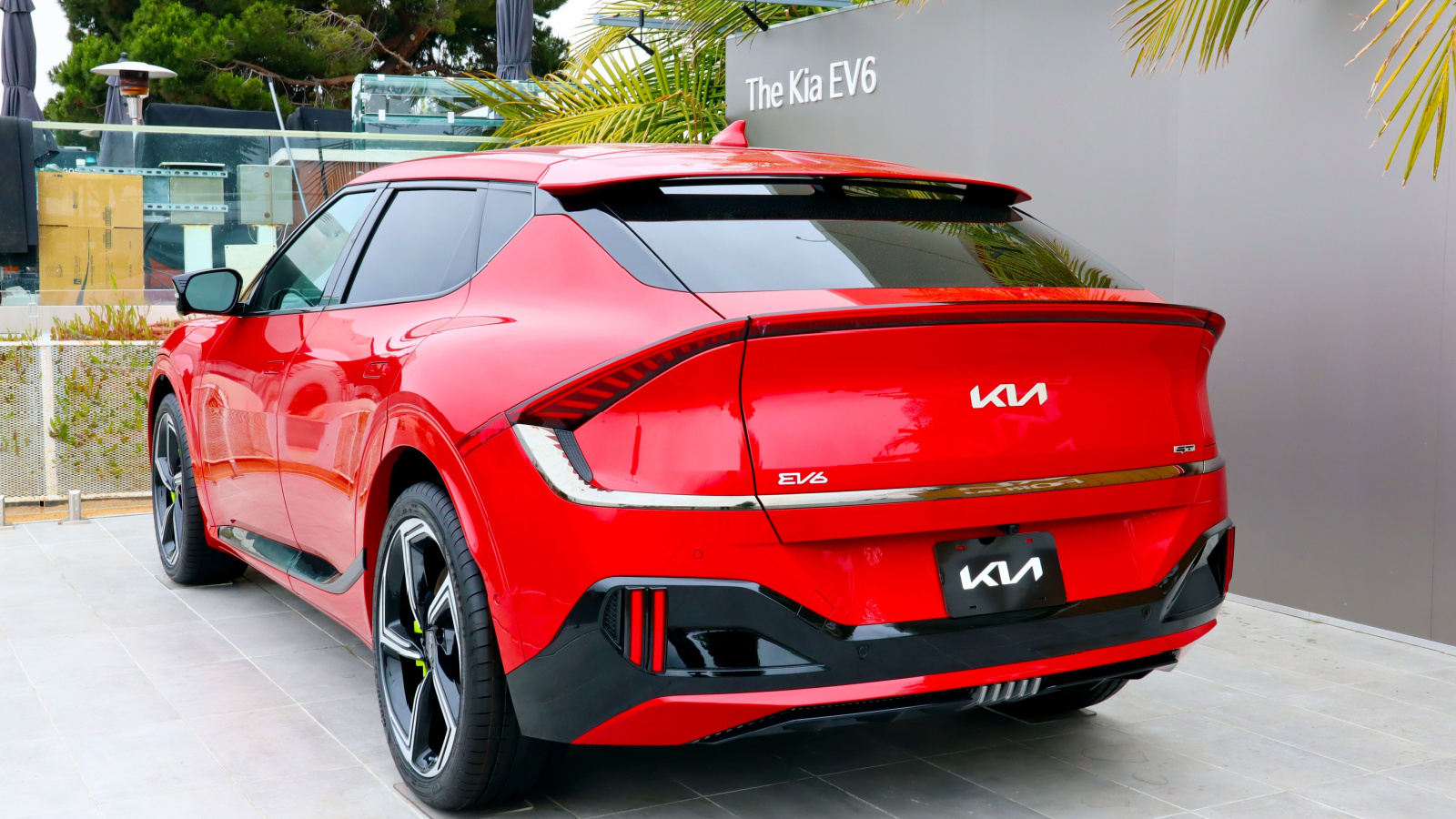
The Kia EV6 has aged unusually well because it was ahead of the curve when it arrived, and it still does not feel behind. Kia Canada continues to position it as a high-tech electric crossover with up to 513 kilometres of range and available all-wheel drive. Canadian Kia materials have also highlighted its 800-volt charging architecture, including the ability to add approximately 349 kilometres of range in as little as 18 minutes on a compatible DC fast charger, while the GT version has been marketed with 576 horsepower and a 0-100 km/h time of 3.5 seconds.
That breadth is what makes the EV6 such an effective gas-model disruptor. It can appeal to someone who simply wants a sleek commuter with strong range, but it can also lure buyers who used to assume excitement required a turbocharged gas engine. The EV6 feels like a reminder that performance, design, and efficiency no longer have to live in separate categories. In Canada, where buyers often want one vehicle to do everything reasonably well, that kind of dual personality is powerful. It chips away at the old argument that EVs are either sensible or fun, but never both.
Volkswagen ID.4
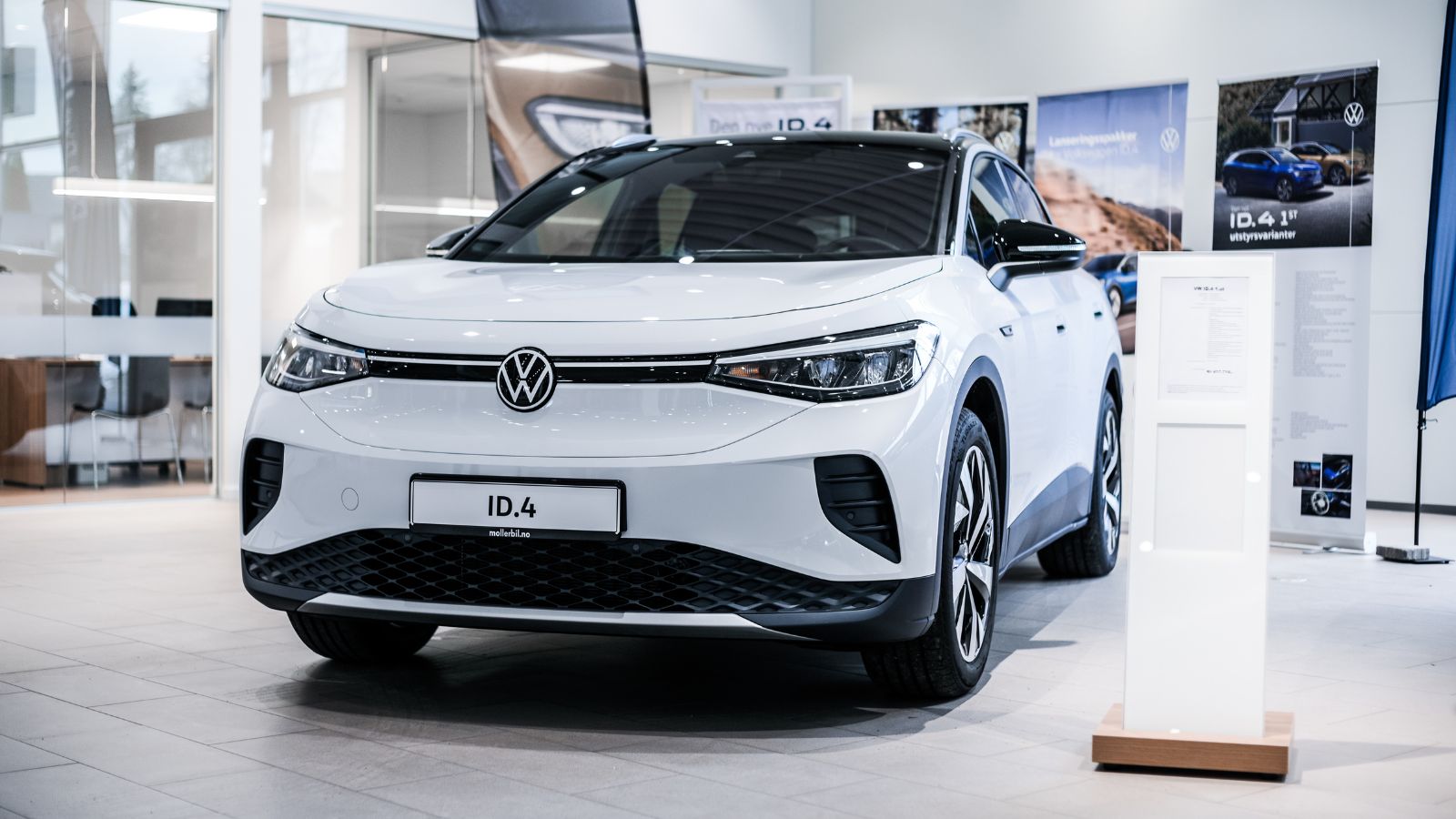
The Volkswagen ID.4 may be one of the most important quiet movers in this group because it does not rely on flashy theatrics. Volkswagen Canada gives the 2025 ID.4 up to 468 kilometres of range, an 82 kWh battery, and as much as 335 horsepower in all-wheel-drive form. It also carries a 5-star overall safety rating in Volkswagen Canada’s current market materials, which matters in the family-oriented compact SUV space where trust is earned through consistency more than spectacle.
That makes the ID.4 a serious threat to gasoline crossovers built around comfort and familiarity. It has the kind of upright shape, tidy road manners, and generally unfussy character that many Canadian buyers still prefer. The difference is that it now packages those traits in an electric format with enough range to feel usable rather than aspirational. For someone cross-shopping a traditional small SUV, the ID.4 can feel less like a technology statement and more like a mature, everyday tool. Once an EV starts winning on calmness and ease instead of novelty alone, gas models have to answer tougher questions.
Chevrolet Blazer EV
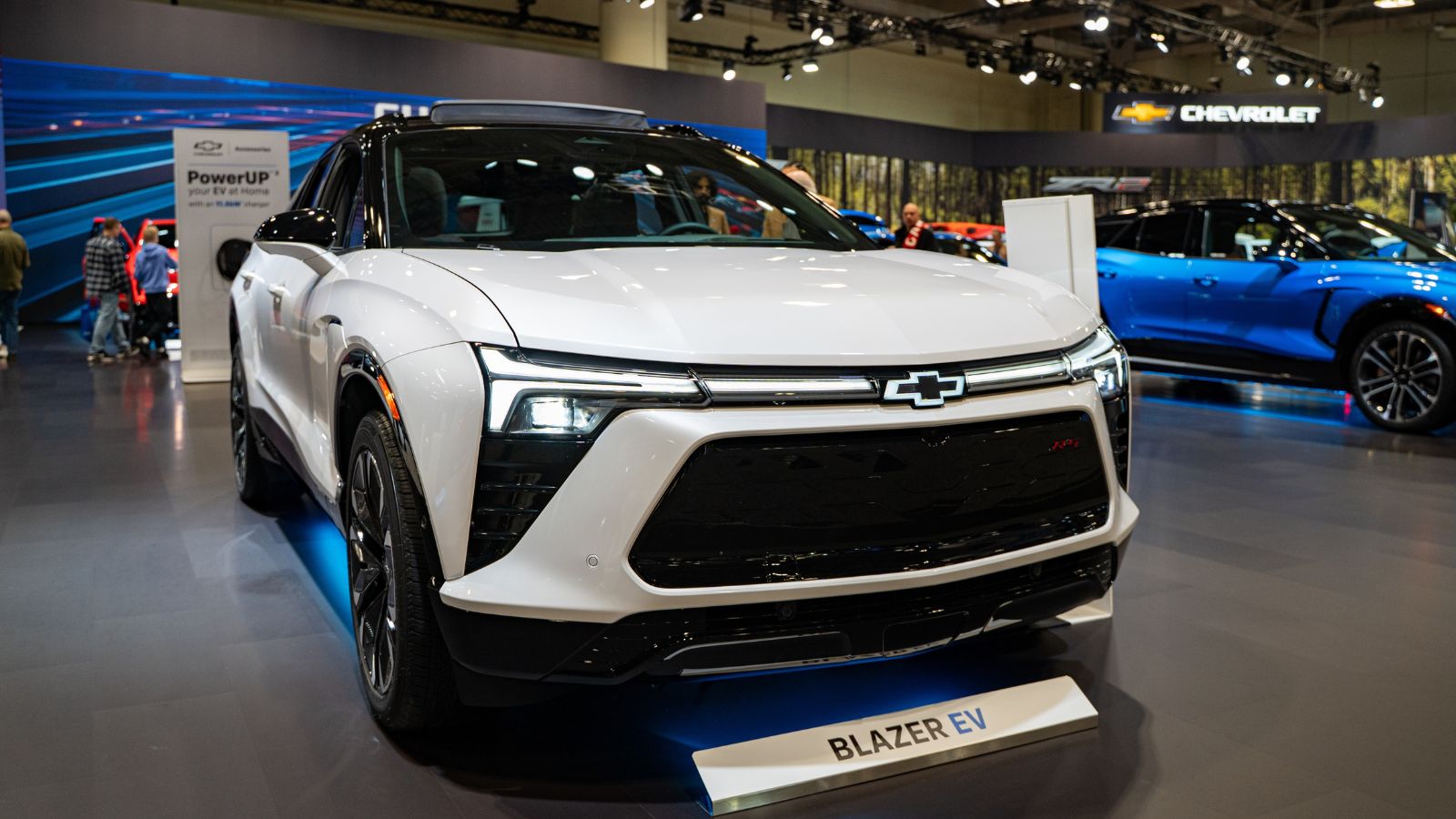
The Blazer EV plays a different role than the Equinox EV, and that is exactly why it matters. Chevrolet lists the 2026 Blazer EV from $58,399 in Canada, while the RS with front-wheel drive offers up to 502 kilometres of estimated range. It leans harder into design and presence too, with large wheels, bolder styling, and a more assertive stance than the average midsize crossover. This is not the humble, penny-pinching side of electrification. It is the style-first side.
That is where pressure on gas models becomes especially interesting. For years, buyers who wanted visual drama in a midsize SUV usually accepted higher fuel bills as part of the deal. The Blazer EV changes the tone by offering the image and size people associate with premium-looking gas utilities, but with an electric powertrain and a range figure that sounds genuinely road-trip capable. It widens the appeal of EVs beyond pure efficiency shoppers. When design-conscious buyers start seeing electric as the cooler option instead of the more sensible one, that can pull attention away from gas rivals faster than expected.
Nissan ARIYA
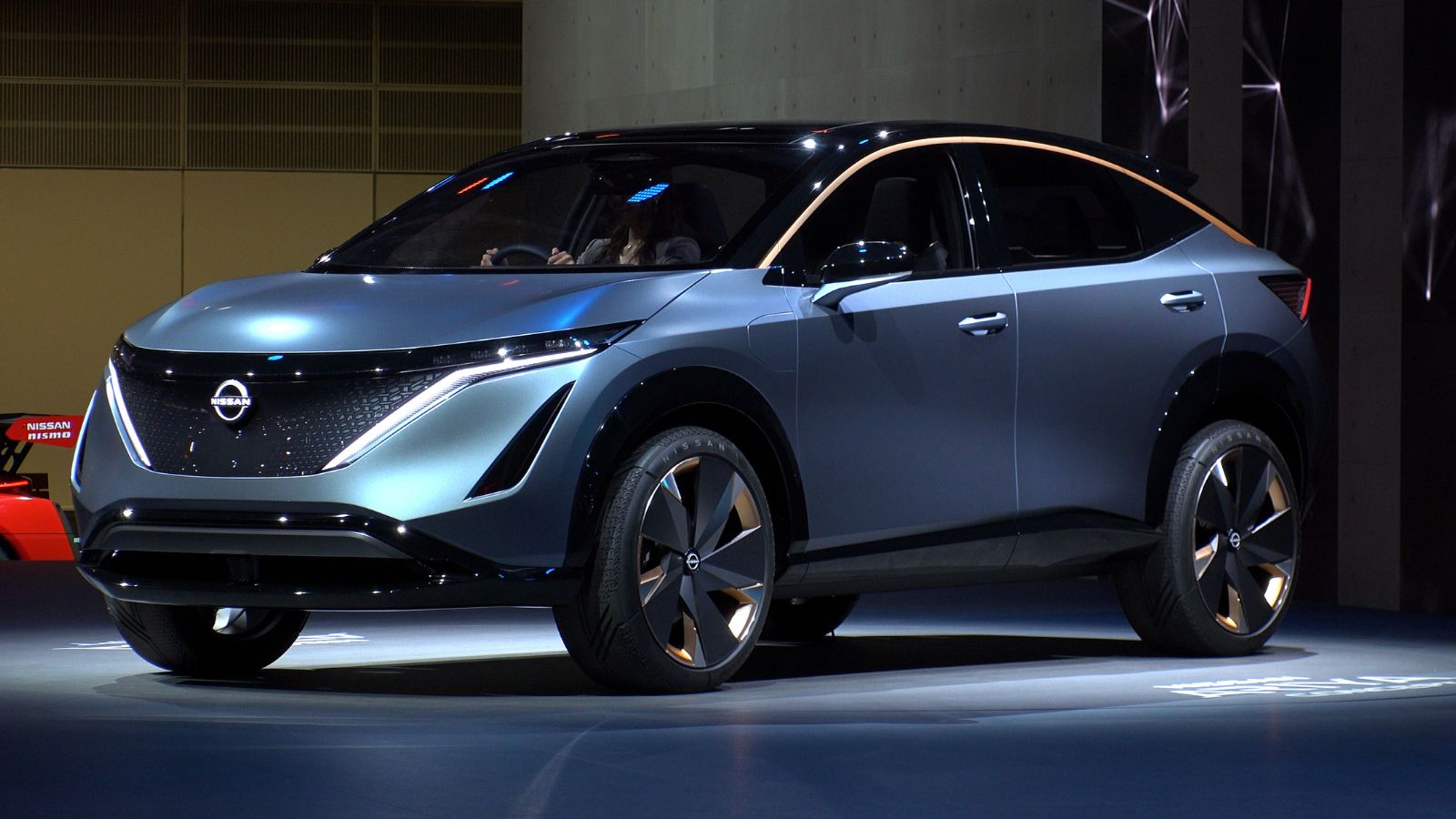
The Nissan ARIYA has not dominated the headlines, but it is one of the more strategically complete EVs on sale in Canada. Nissan’s build-and-price tool shows the 2026 ARIYA starting at $52,898, and the company lists up to 465 kilometres of range depending on trim. Nissan also says DC fast charging can get the battery to 80 percent in as little as 40 minutes, while ARIYA drivers can access more than 25,000 in-network public chargers across Canada, including compatible Tesla Superchargers, through the Nissan Energy Charge Network.
That combination makes the ARIYA more formidable than its quieter profile suggests. The styling is restrained, the cabin design leans serene rather than futuristic, and the whole vehicle seems engineered to reduce friction for buyers who do not want a dramatic learning curve. In a lot of cases, that is exactly who starts moving the market. Not the loudest enthusiast, but the buyer who simply realizes the electric version now looks easier to live with than expected. When a vehicle lowers anxiety on both range and charging while keeping the ownership experience calm, gas models lose another one of their old protective advantages.
Subaru Solterra
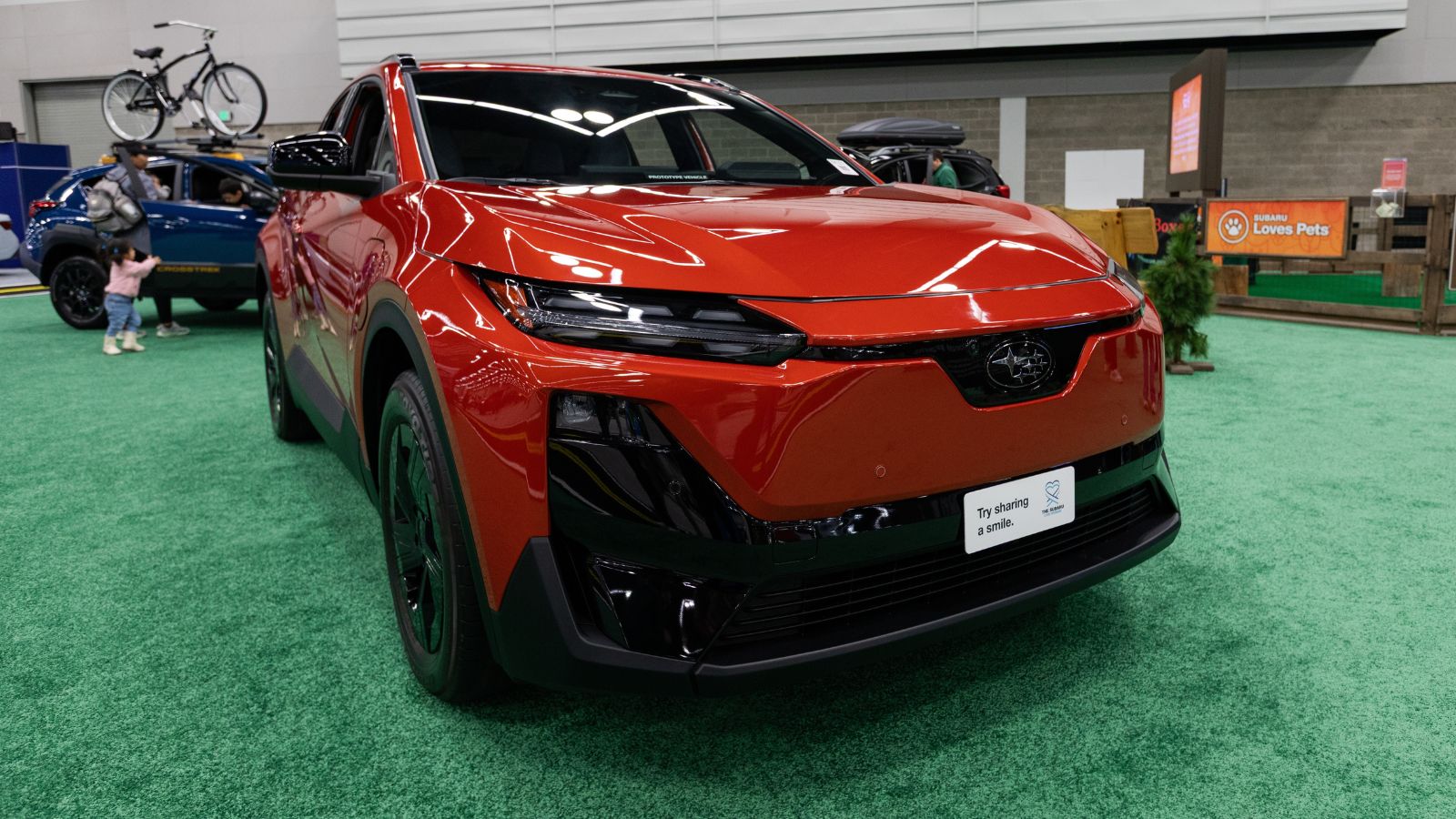
For Canadian buyers who care about weather, confidence, and all-season usability, the Subaru Solterra carries a very specific kind of credibility. Subaru Canada now lists the 2026 Solterra at $55,285 with freight and fees included, and says it offers about 446 kilometres of range, 338 horsepower, and 10-to-80 percent DC fast charging in roughly 30 minutes under ideal conditions. Subaru also says the new NACS setup gives owners access to more than 15,000 Tesla Superchargers across North America.
That matters because Subaru customers have traditionally been among the least likely to sacrifice winter confidence for efficiency trends. The Solterra starts to challenge that resistance directly. It does not just ask shoppers to like the idea of an EV; it tries to reassure them that the vehicle still fits Canadian priorities such as traction, cold-weather usability, and practical charging access. For someone who once assumed an Outback or Forester was automatically the safer long-term bet, the Solterra now makes the decision less obvious. In a country where snow and distance still shape buying psychology, that is a meaningful shift.
Toyota bZ
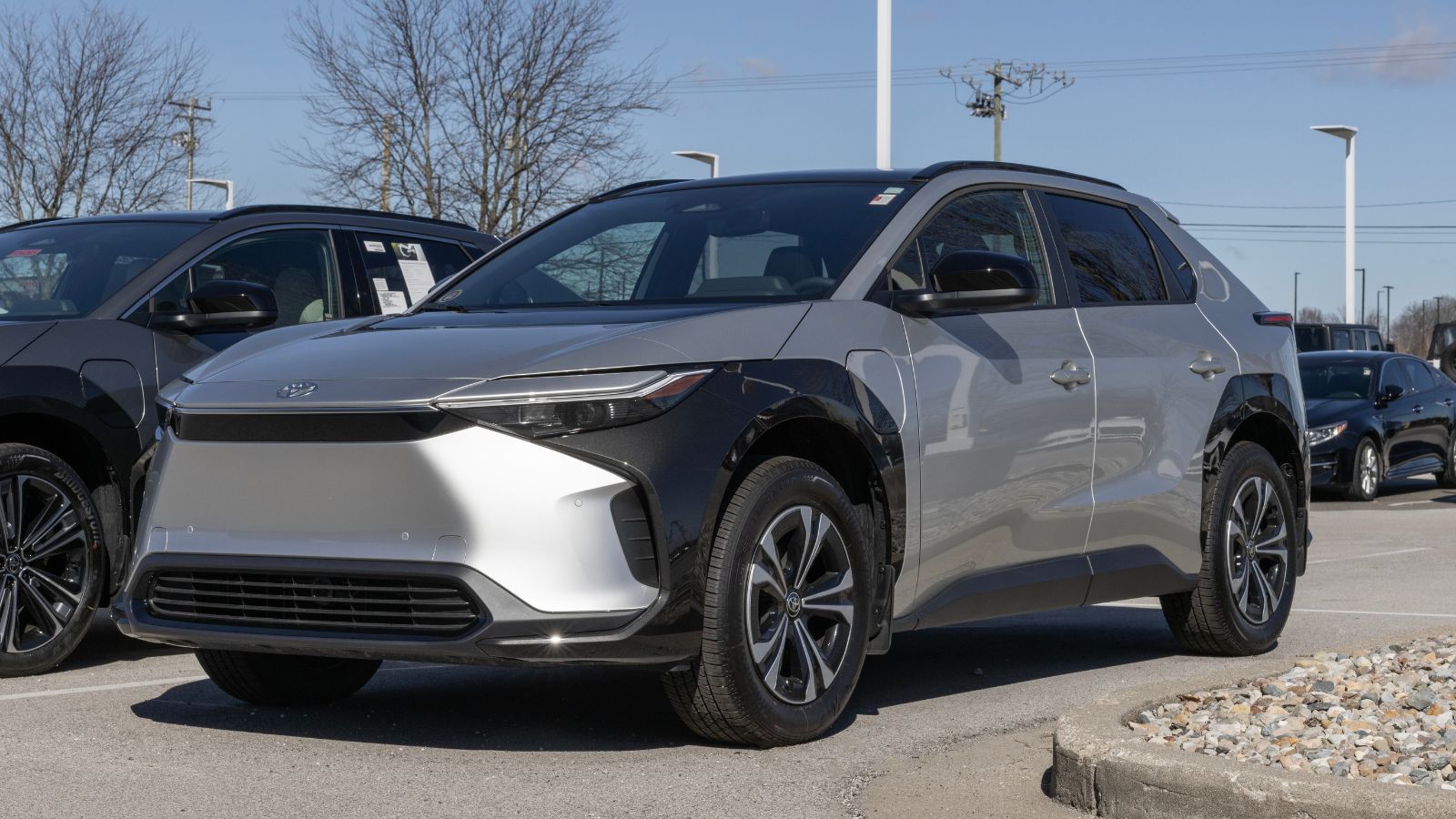
Toyota’s electric effort becomes a lot more serious when the product starts looking like a genuine volume play instead of a cautious experiment. For 2026, Toyota priced the bZ at $45,990 for the XLE FWD, $53,390 for the XLE AWD, and $61,690 for the Limited AWD in Canada. Toyota also says the updated model brings more power, increased range, easier charging, and up to 468 kilometres of NRCan-estimated range for the XLE AWD on 18-inch wheels.
The bigger story here is trust. Toyota has spent decades building a reputation for calm, low-drama ownership, and that reputation still influences shoppers more than many enthusiasts admit. When a Toyota EV starts landing in a price band that looks familiar and comes with materially improved range and charging, it puts real pressure on gas crossovers that previously benefitted from Toyota’s own hybrid dominance. The bZ may not be the loudest electric entrant, but it could be one of the most consequential. Once cautious shoppers believe Toyota itself is ready, the rest of the segment feels the ripple.
Volvo EX30
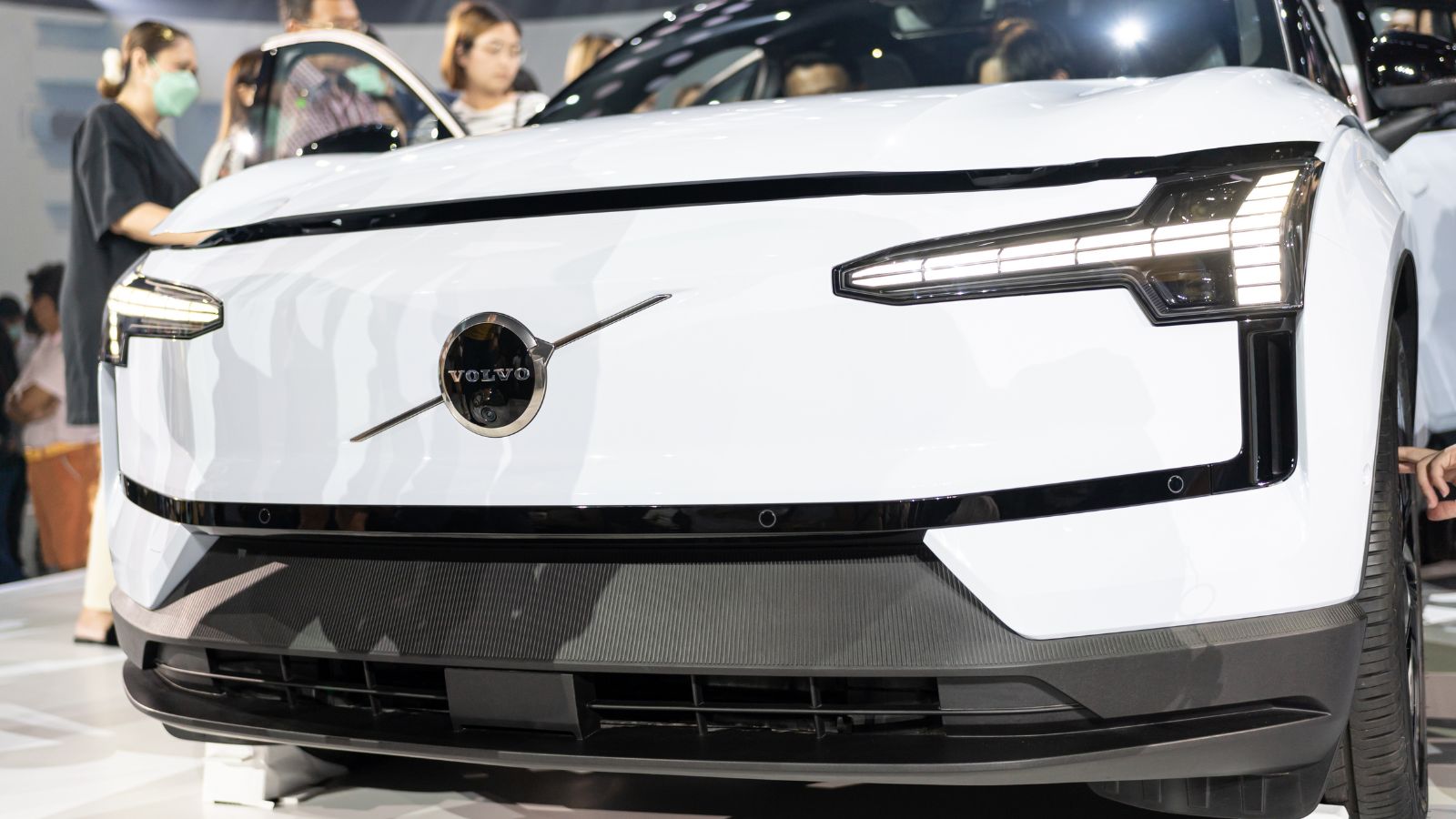
The Volvo EX30 is small enough to feel urban, but its numbers are anything but timid. Volvo Canada lists the EX30 with up to 420 kilometres of NRCan-estimated range in Single Motor Extended Range form, while the Twin Motor Performance version makes 422 horsepower, 400 lb-ft of torque, and can sprint from 0 to 100 km/h in 3.6 seconds. Volvo also gives it a 12.3-inch centre display and standard wireless Apple CarPlay, which reinforces that the EX30 is meant to feel modern, not entry-level.
That matters because premium compact gas crossovers have long depended on a simple formula: just enough performance, just enough status, and a cabin that feels expensive. The EX30 challenges all three at once. It is compact, but it does not feel apologetic; it feels concentrated. In city use especially, that gives it a different kind of appeal from larger gas rivals that consume more fuel without necessarily feeling more special. It also brings genuine speed into a size class where buyers often settle for merely adequate acceleration. For many urban Canadian households, that is a compelling new equation.
Kia EV9
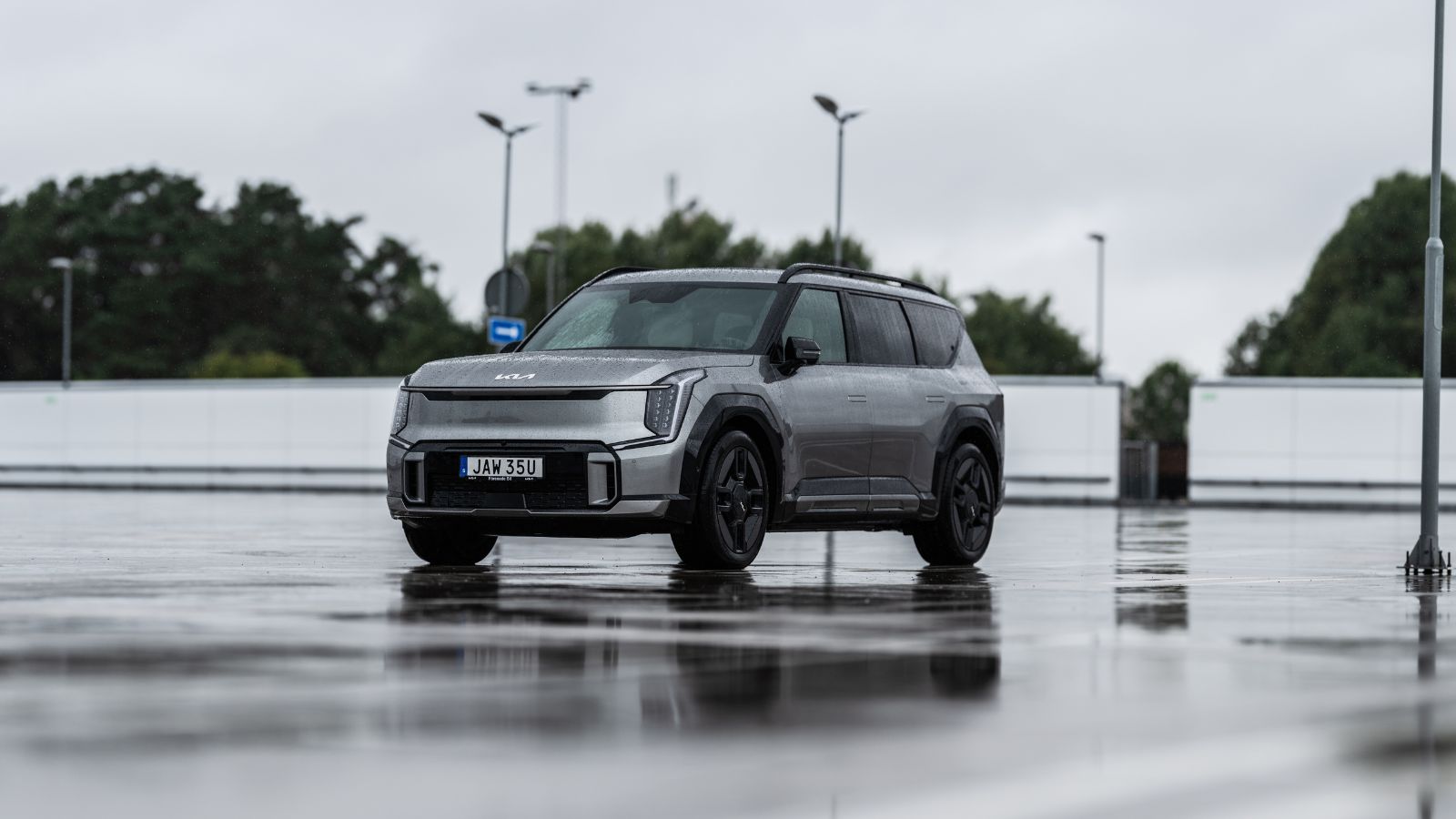
The Kia EV9 may be the clearest signal yet that EVs are coming for traditional family-SUV territory, not just compact commuter duty. Kia Canada markets the 2026 EV9 as a three-row electric large SUV with up to 491 kilometres of range. In Canadian Kia materials, the EV9 has also been promoted with 800-volt fast charging capable of taking the battery from 10 to 80 percent in as little as 24 minutes. That is a significant claim in a category where size usually brings heavy compromises.
What makes the EV9 so important is that it attacks one of the final emotional strongholds of gasoline power: the belief that big family vehicles need engines, tanks, and frequent fuel stops to feel usable. The EV9 reframes that assumption with real seating space, standout design, and charging speed that sounds less intimidating than many shoppers expect. In effect, it turns the three-row SUV into an EV conversation rather than a gas one. That does not mean gas family haulers disappear overnight, but it does mean the automatic answer is no longer automatic.
Why This Shift Looks Small Until It Doesn’t
The pressure these EVs put on gas models does not come from one single statistic or one blockbuster launch. It comes from overlap. More overlap in price bands, more overlap in size and usability, more overlap in brand trust, and more overlap in the places Canadians actually drive. When enough EVs stop feeling like niche alternatives and start feeling like the obvious modern version of a familiar vehicle, the market changes from underneath.
That is what these 11 models reveal. Some are affordable enough to challenge mainstream crossovers. Some make a case through design, and others through winter-friendly confidence, charging access, or family practicality. Taken together, they show that the Canadian EV market is not waiting for one perfect breakthrough vehicle. It is maturing through accumulation. Every new model that removes one more excuse for staying with gas adds weight to the next one. Eventually, pressure that seemed quiet becomes impossible for the market to ignore.
22 Things Canadians Do to Their Cars in Spring That Mechanics Hate

Spring brings relief to many Canadian drivers after months of snow, freezing temperatures, and icy roads that put serious strain on vehicles. As temperatures rise across the country, drivers begin washing cars, switching tires, and preparing vehicles for warmer weather and upcoming road trips. However, mechanics across Canada notice the same mistakes every spring when drivers attempt to recover from winter damage. Road salt, potholes, and harsh winter driving conditions often leave vehicles with hidden problems that drivers ignore. Some spring habits even create new mechanical issues that could have been avoided with proper maintenance. Here are 22 things Canadians do to their cars in spring that mechanics hate.