



















Cold weather exposes every weakness in an electric vehicle. Range drops, charging slows, and cabins take longer to warm up. Yet, some EVs handle winter far better than expected. Strong thermal management, efficient heat pumps, and smart battery preconditioning make a real difference. Drivers in colder regions have started noticing which models hold up without constant compromises. These vehicles manage comfort, range, and usability even when temperatures fall well below freezing. If winter driving matters to you, these models deserve attention. Here are 18 EVs that are surprisingly good in the cold (and why).
Tesla Model Y
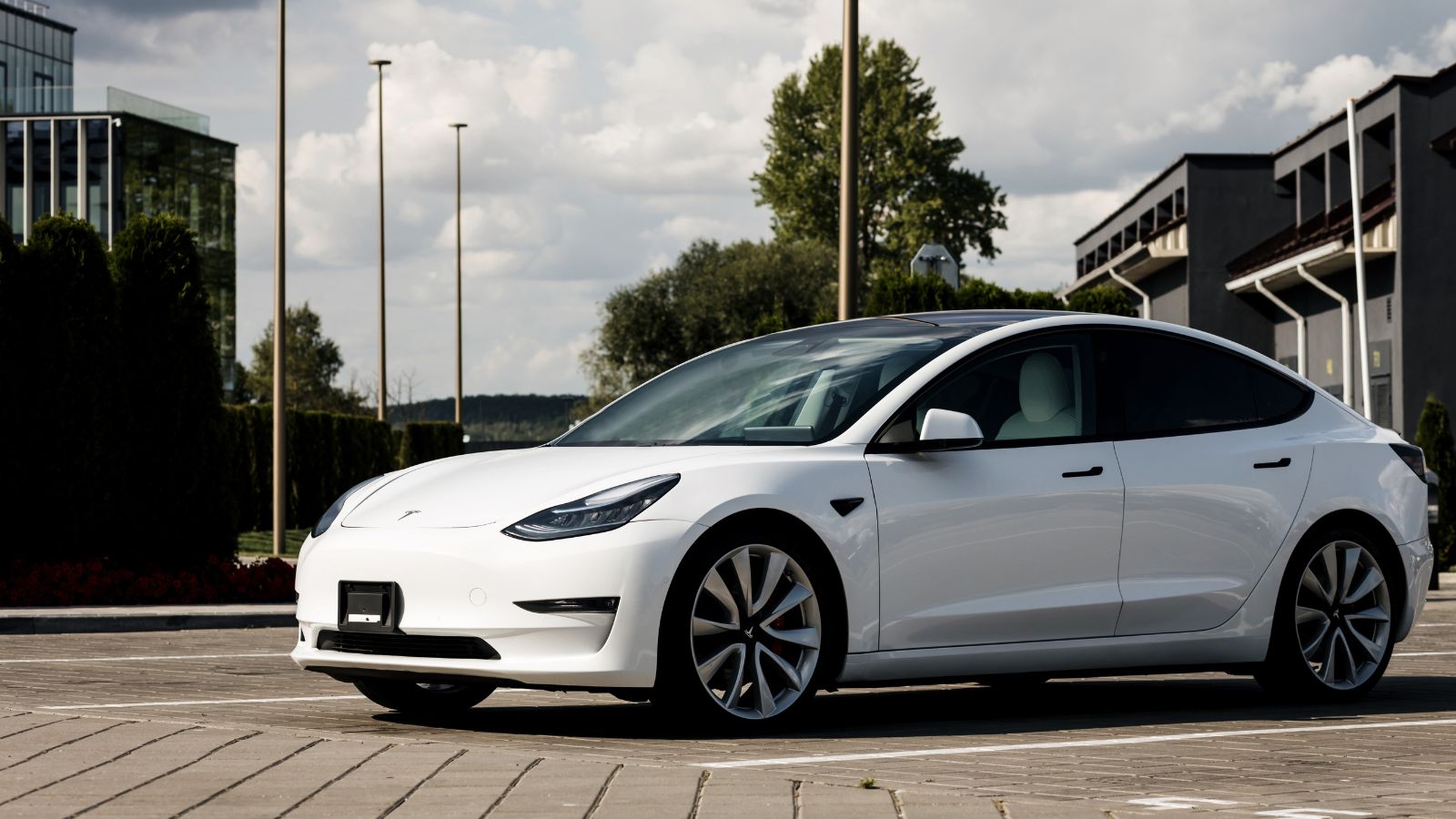
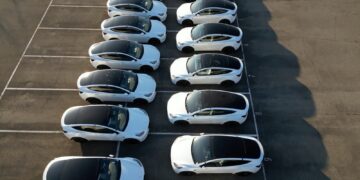
The Tesla Model Y handles winter with surprising consistency. Its heat pump system improves cabin warmth without draining too much energy. Battery preconditioning activates before fast charging, which helps maintain reasonable charging speeds. Owners often report predictable range loss rather than sharp drops. All Wheel Drive versions offer steady traction on icy roads. The vehicle also warms the cabin quickly through the mobile app. Regenerative braking adapts well to slippery conditions. Cold weather still impacts range, but the system manages losses efficiently. This balance makes the Model Y feel usable even during harsh winters.
Hyundai Ioniq 5
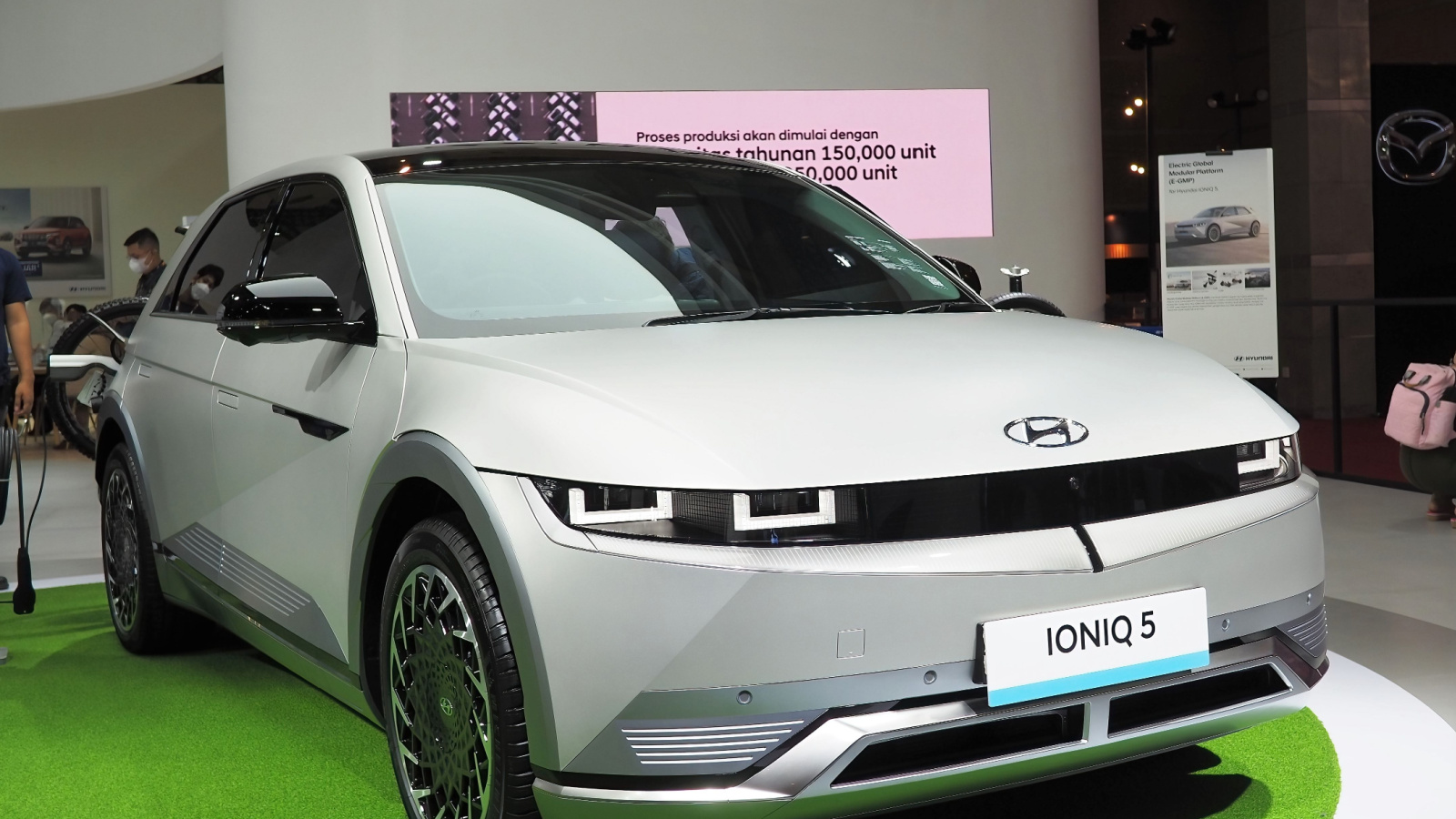
The Ioniq 5 performs well thanks to its advanced thermal management system. A heat pump comes standard in many markets, helping preserve battery range. Fast charging remains relatively strong, even in colder temperatures. The car also allows manual battery preconditioning before charging stops. Interior heating is quick and evenly distributed. Heated seats and a steering wheel reduce reliance on cabin heating. Its flat battery design helps maintain consistent temperature control. Drivers often find range losses manageable compared to older EVs. The Ioniq 5 combines comfort and efficiency in a way that suits winter driving conditions.
Kia EV6
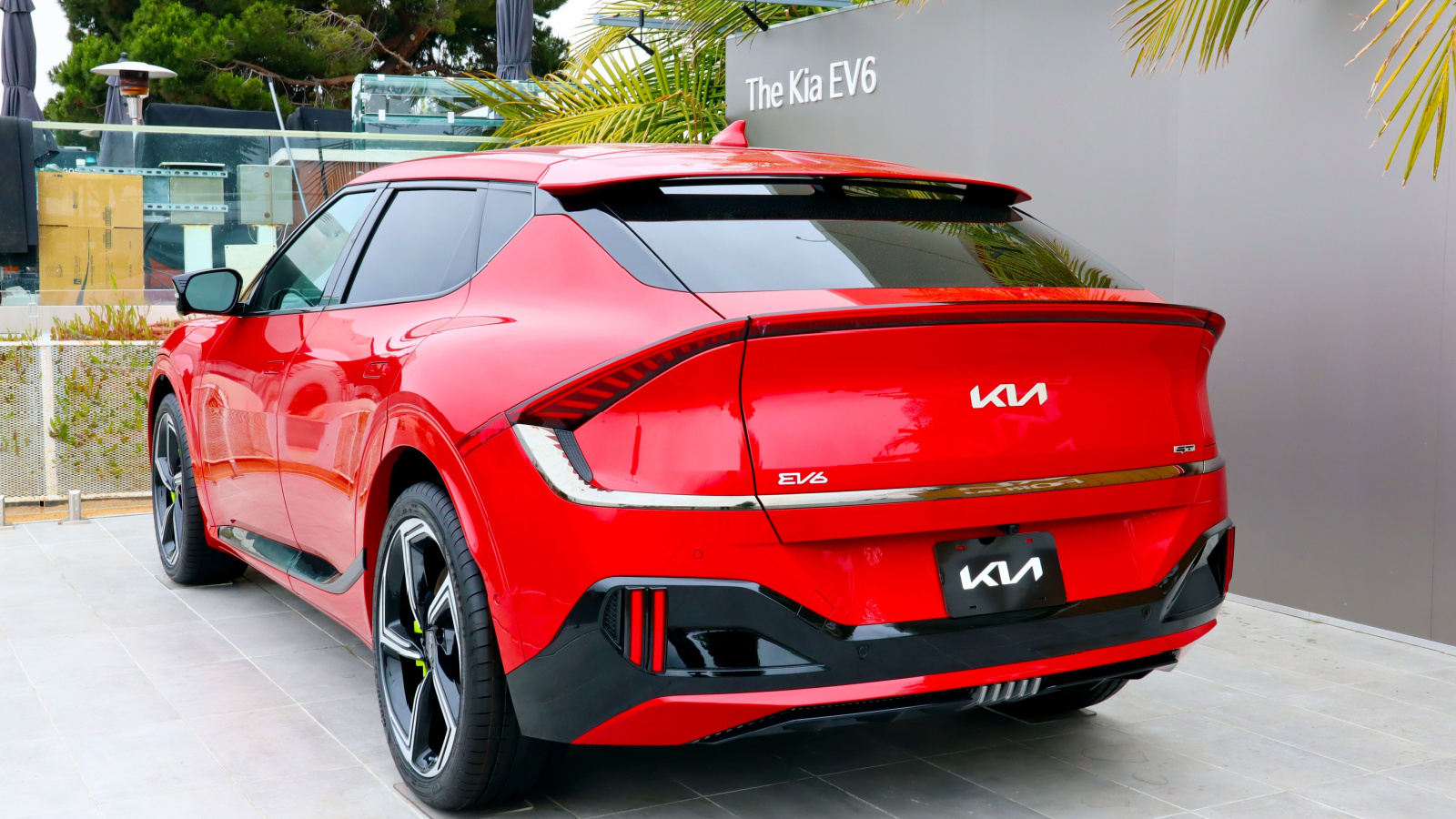
The Kia EV6 shares much of its cold-weather capability with the Ioniq 5. It includes a heat pump and battery conditioning system. Charging speeds remain usable when temperatures drop. The vehicle warms up quickly, which improves daily usability. Heated features help reduce energy consumption from climate control. Range loss is noticeable but not extreme. The EV6 also handles slippery roads well with its balanced weight distribution. Owners appreciate its predictable behavior in winter conditions. It avoids sudden drops in performance, which builds confidence. This consistency makes it a strong choice for colder climates.
Ford Mustang Mach-E
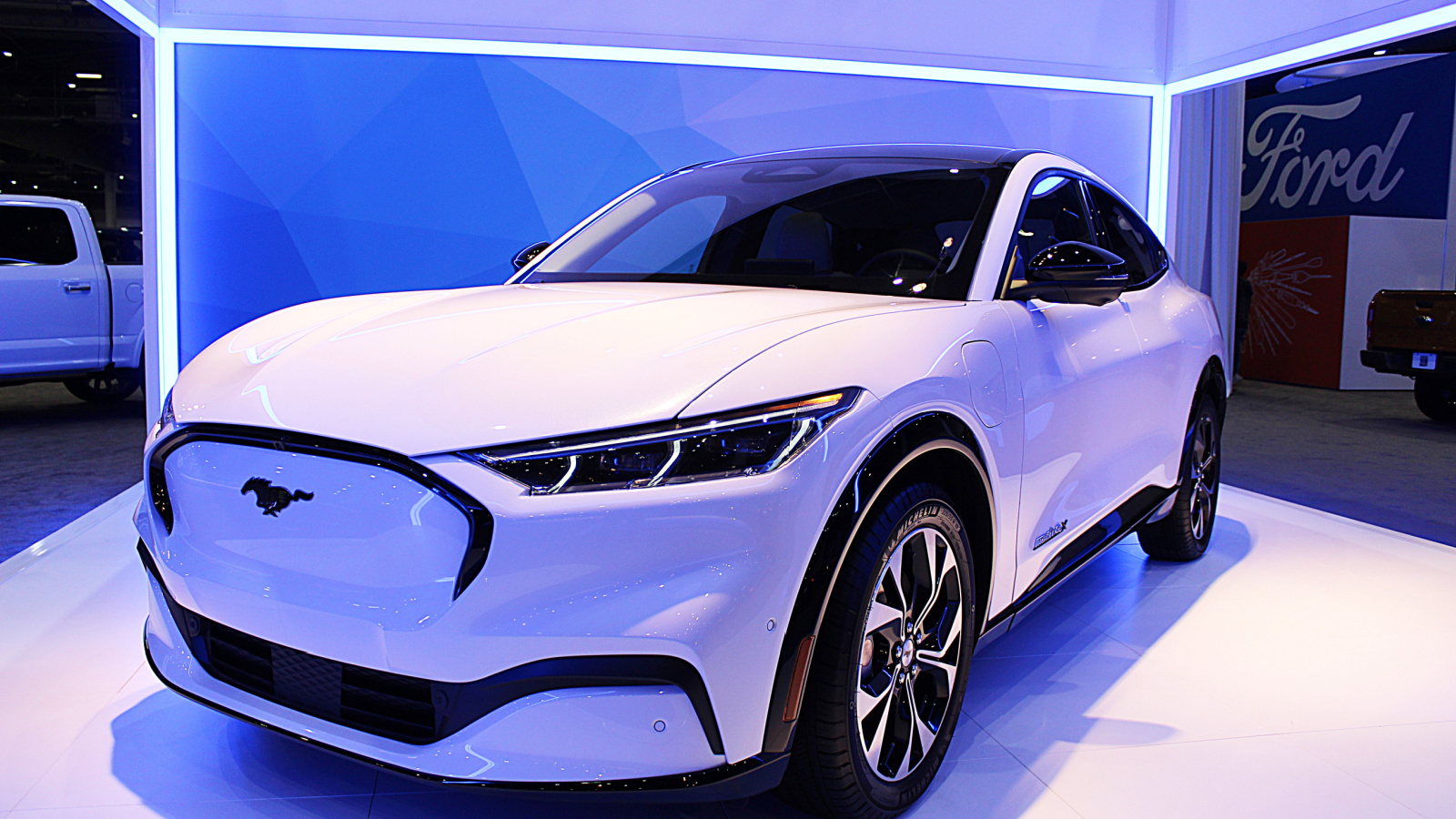
The Mustang Mach-E has improved its cold-weather performance through software updates. Newer models include battery preconditioning for better charging results. Cabin heating works quickly, especially with heated seats and a steering wheel. Range loss exists, but feels controlled rather than severe. All Wheel Drive variants provide steady grip on snow-covered roads. The vehicle also maintains stable regenerative braking behavior. Charging speeds still drop in extreme cold, but not as sharply as before. Ford has refined its system over time. That effort shows in real-world winter use, where the Mach-E feels dependable.
Volkswagen ID.4
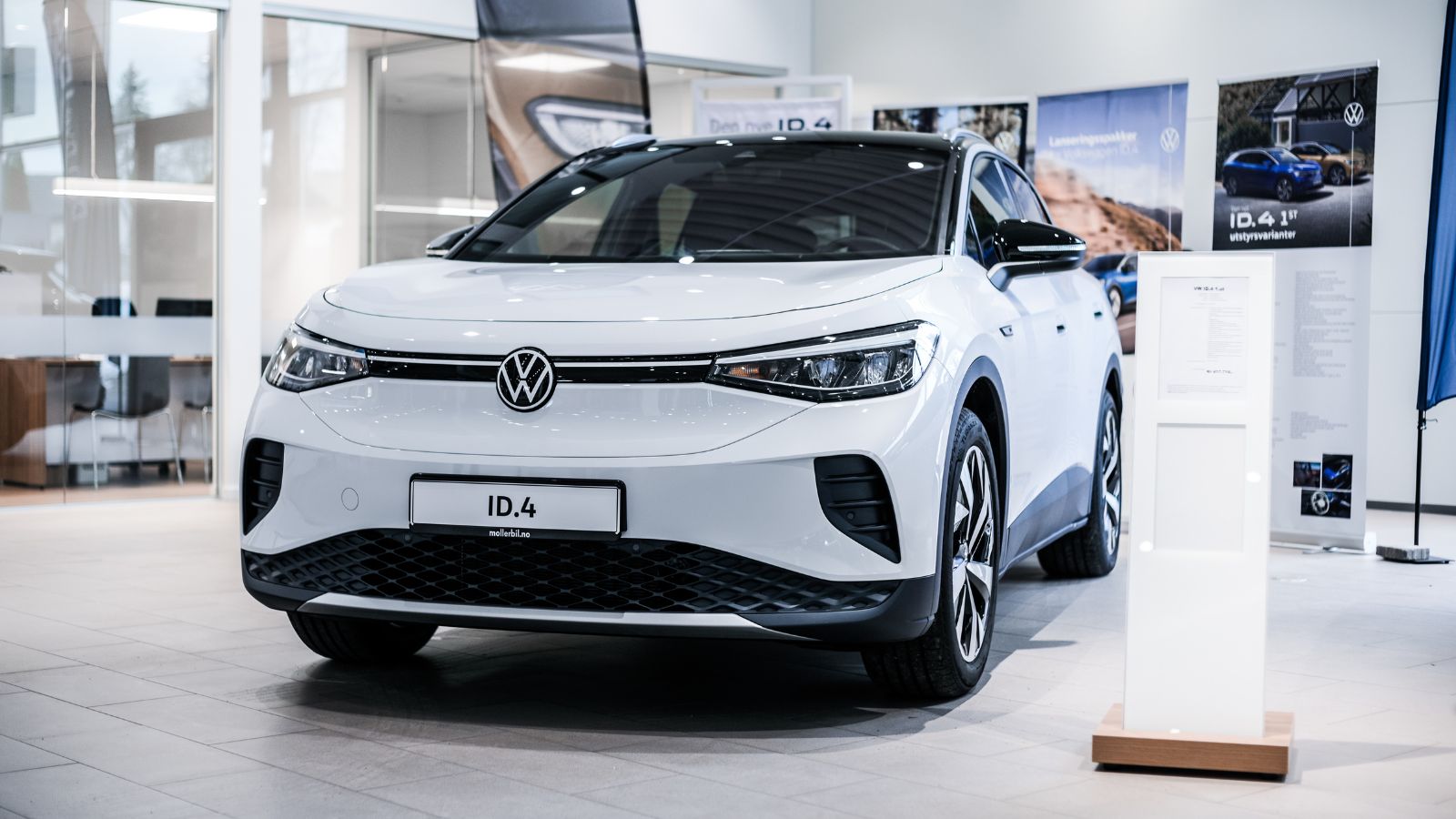
The Volkswagen ID.4 delivers steady winter performance without drawing much attention. It includes a heat pump in some configurations, which helps preserve range. Cabin heating is efficient and comfortable. Range reduction happens, but it stays predictable across different conditions. The ID.4 also handles snow well due to its balanced chassis. Regenerative braking adjusts smoothly in colder weather. Charging performance can slow, though preconditioning helps. Owners often describe it as easy to live with during winter. It does not excel in one area but avoids major weaknesses, which matters in cold climates.
Tesla Model 3
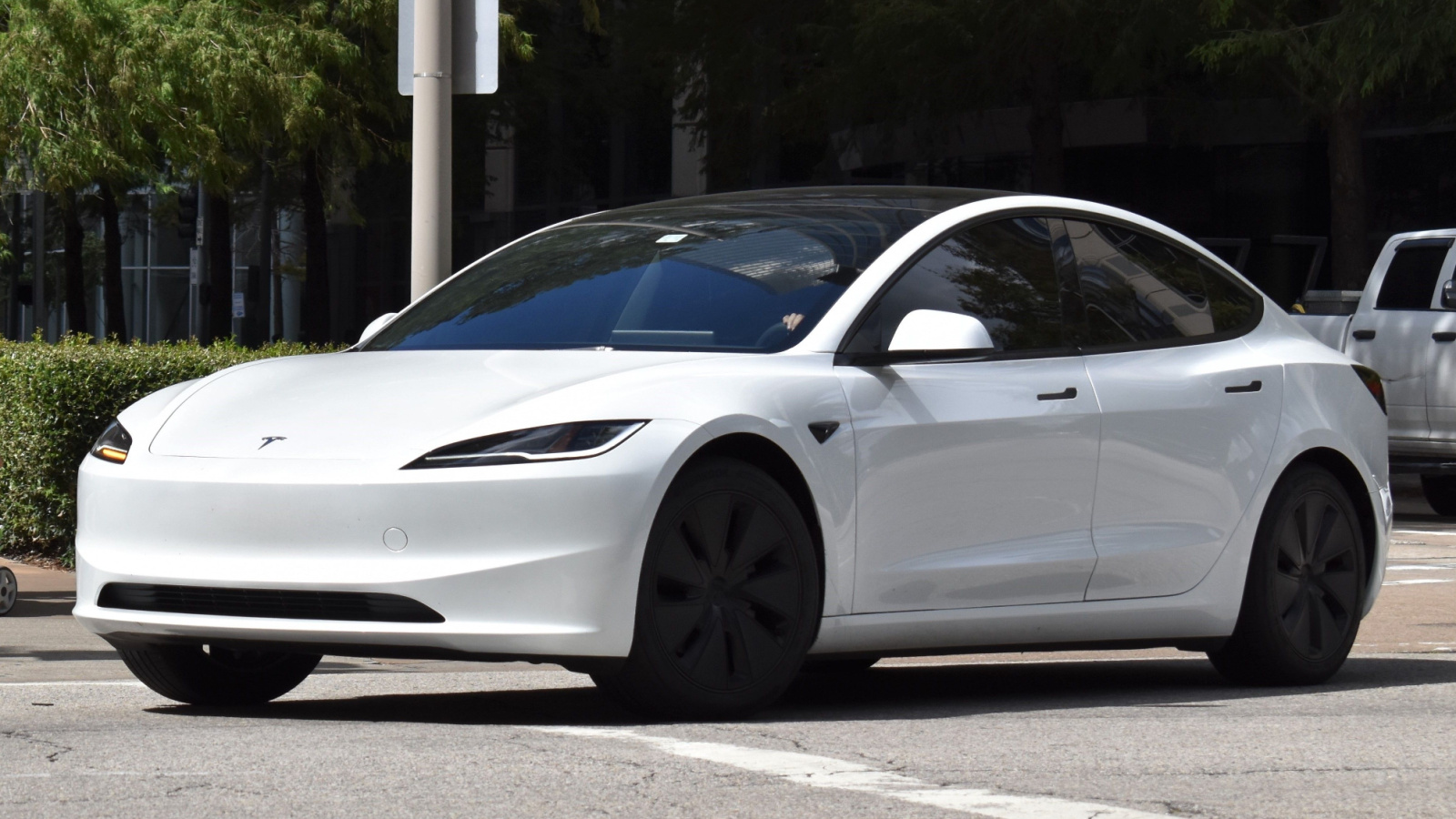
The Tesla Model 3 benefits from similar cold-weather tech as the Model Y. Its heat pump improves energy efficiency during heating. Battery preconditioning supports faster charging in winter. The cabin warms up quickly, especially through remote activation. Range loss is noticeable but manageable for most drivers. Rear Wheel Drive models require careful driving on ice. All Wheel Drive versions offer better traction. The system maintains stable performance across varying temperatures. Many drivers report consistent winter usability. It may not feel perfect, but it avoids major disruptions, which keeps it practical in colder regions.
Polestar 2
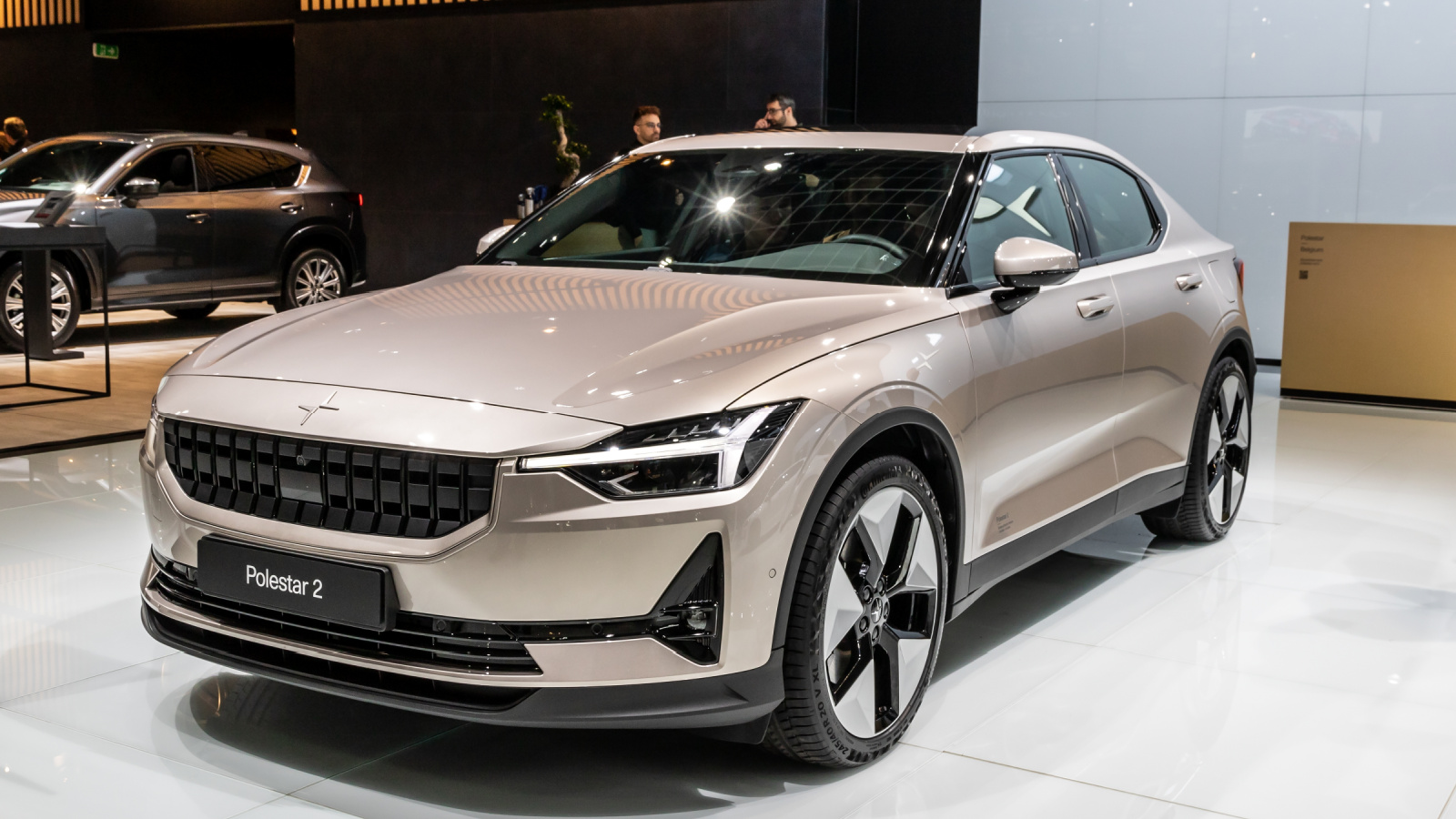
The Polestar 2 handles winter with a focus on control and stability. Its heat pump improves efficiency when temperatures drop. Cabin heating works quickly and evenly. The vehicle maintains solid traction thanks to its weight distribution. Range loss is present but remains predictable. Charging speeds can slow, though preconditioning helps. The user interface also provides clear battery and temperature data. Drivers appreciate the straightforward feedback. The Polestar 2 does not surprise you in winter. Instead, it behaves consistently, reducing stress during cold-weather driving.
Audi Q4 e-tron
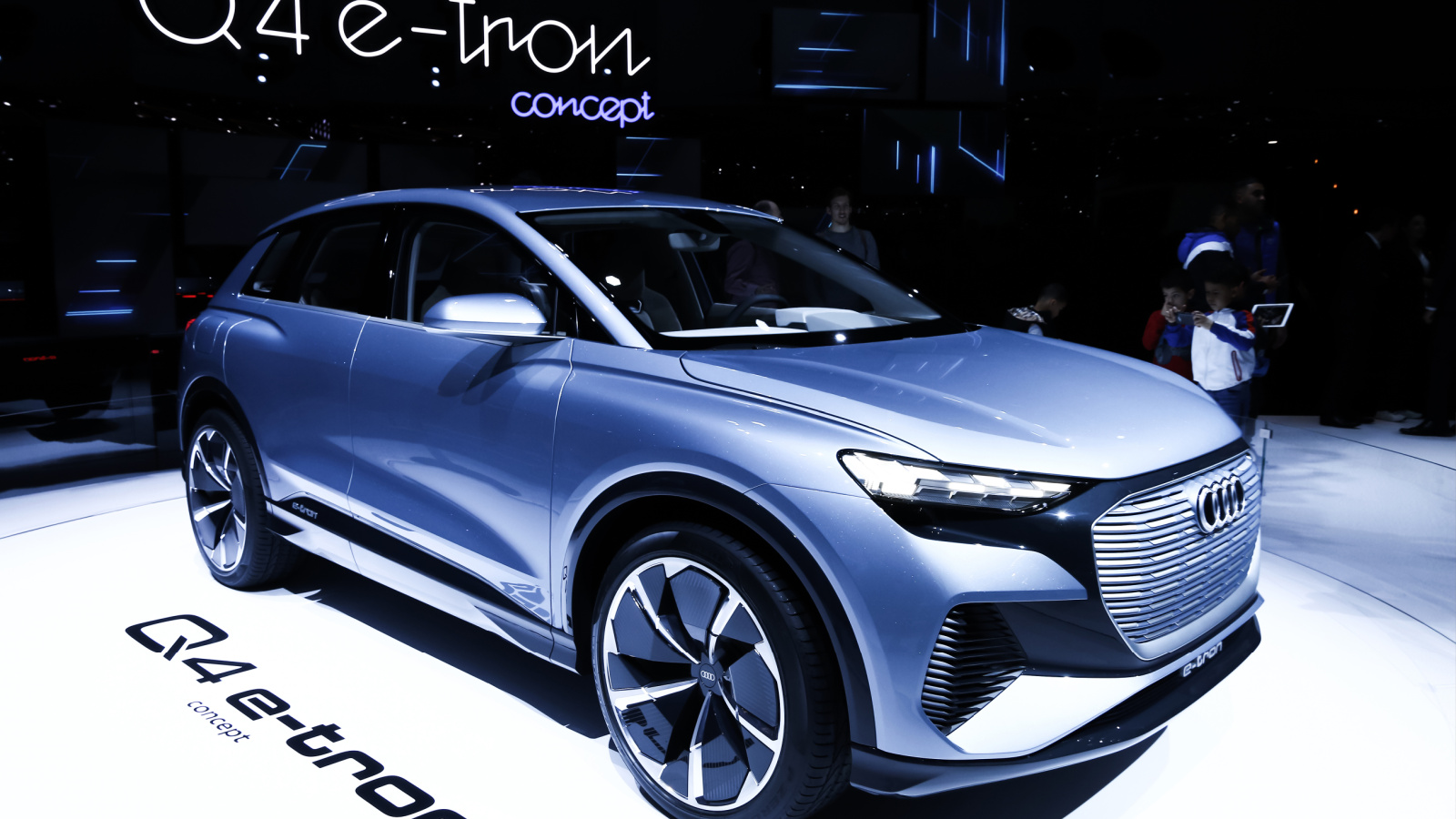
The Audi Q4 e-tron focuses on comfort during cold weather. Its cabin heats quickly and feels well insulated. Heated seats and a steering wheel reduce reliance on air heating. Range loss occurs but stays within expected limits. Audi’s thermal system helps maintain battery performance. Charging speeds drop in extreme cold but remain usable. Quattro versions provide stable traction on slippery surfaces. The driving experience feels calm and predictable. This makes it easier to handle winter commutes. The Q4 e-tron does not push boundaries, but it performs reliably where it matters.
BMW i4
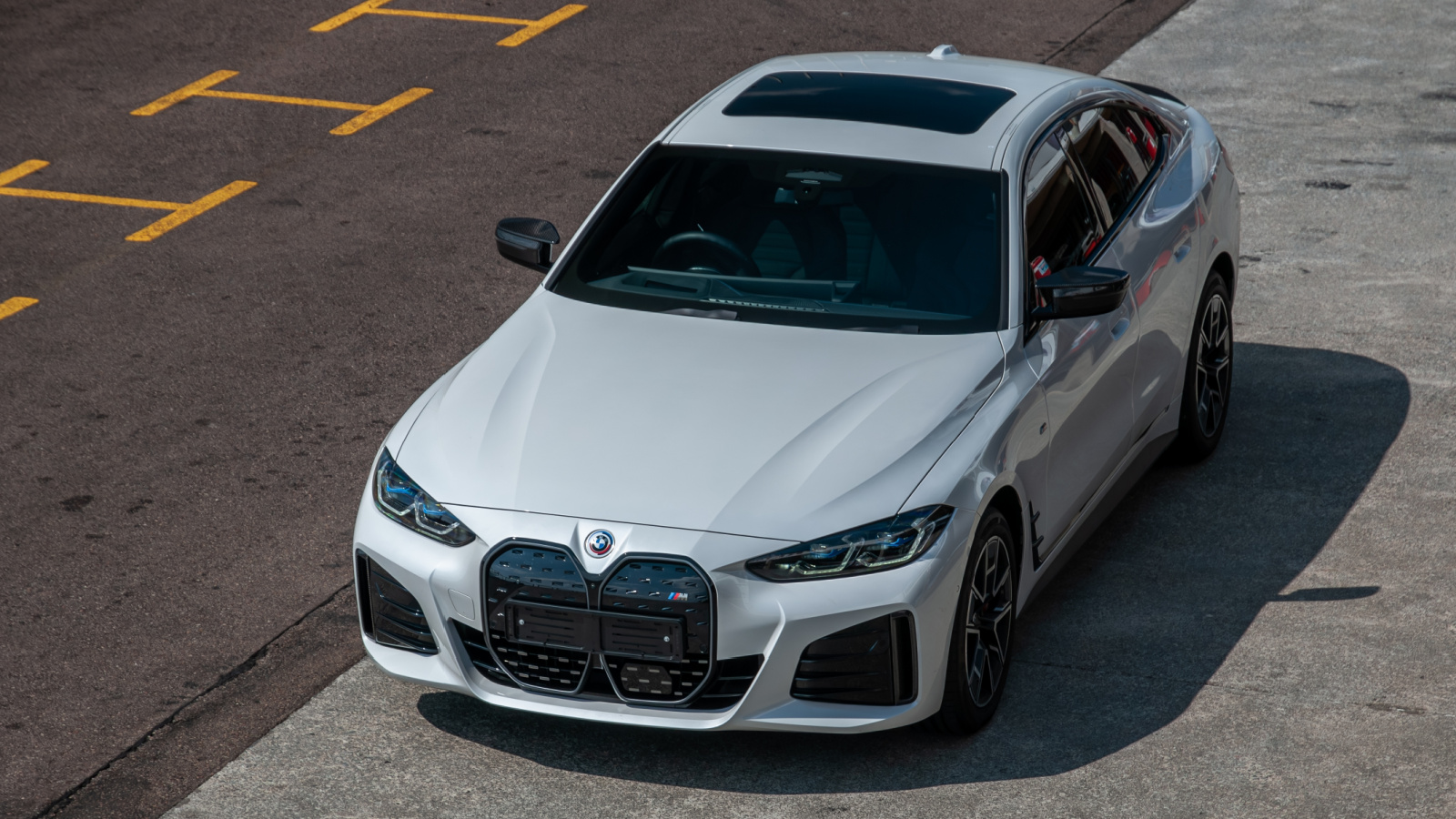
The BMW i4 blends strong winter usability with familiar driving dynamics. Its heat pump system improves efficiency during heating. The cabin warms quickly, especially with seat heating activated. Range drops are noticeable but remain within reasonable limits. The vehicle also manages battery temperature effectively. Rear Wheel Drive versions need caution on ice. The All Wheel Drive variant improves traction significantly. Charging performance slows in cold weather but remains predictable. Drivers often find it easy to adapt. The i4 keeps its core strengths intact, even when temperatures fall sharply.
Volvo XC40 Recharge
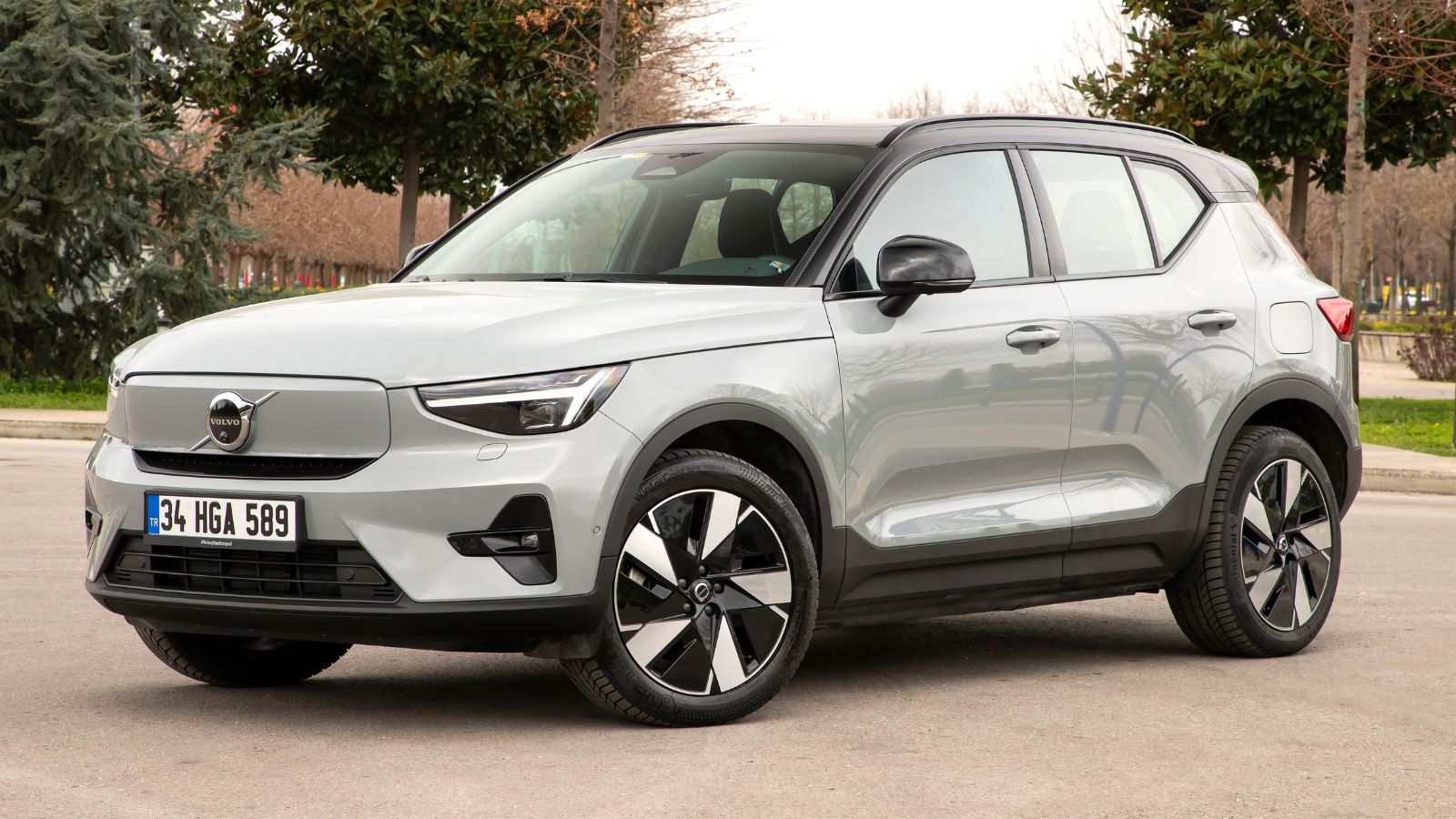
The XC40 Recharge handles winter with a strong focus on safety. Its All Wheel Drive system provides reliable grip. Cabin heating is fast and effective. Heated features help reduce energy usage from climate control. Range loss exists, but does not feel extreme. Volvo’s system manages battery temperature carefully. Charging speeds drop, but remain usable with planning. The vehicle feels stable on snow-covered roads. Drivers appreciate its predictable behavior. It does not aim for maximum efficiency, but it balances comfort and control well during colder months.
Nissan Ariya
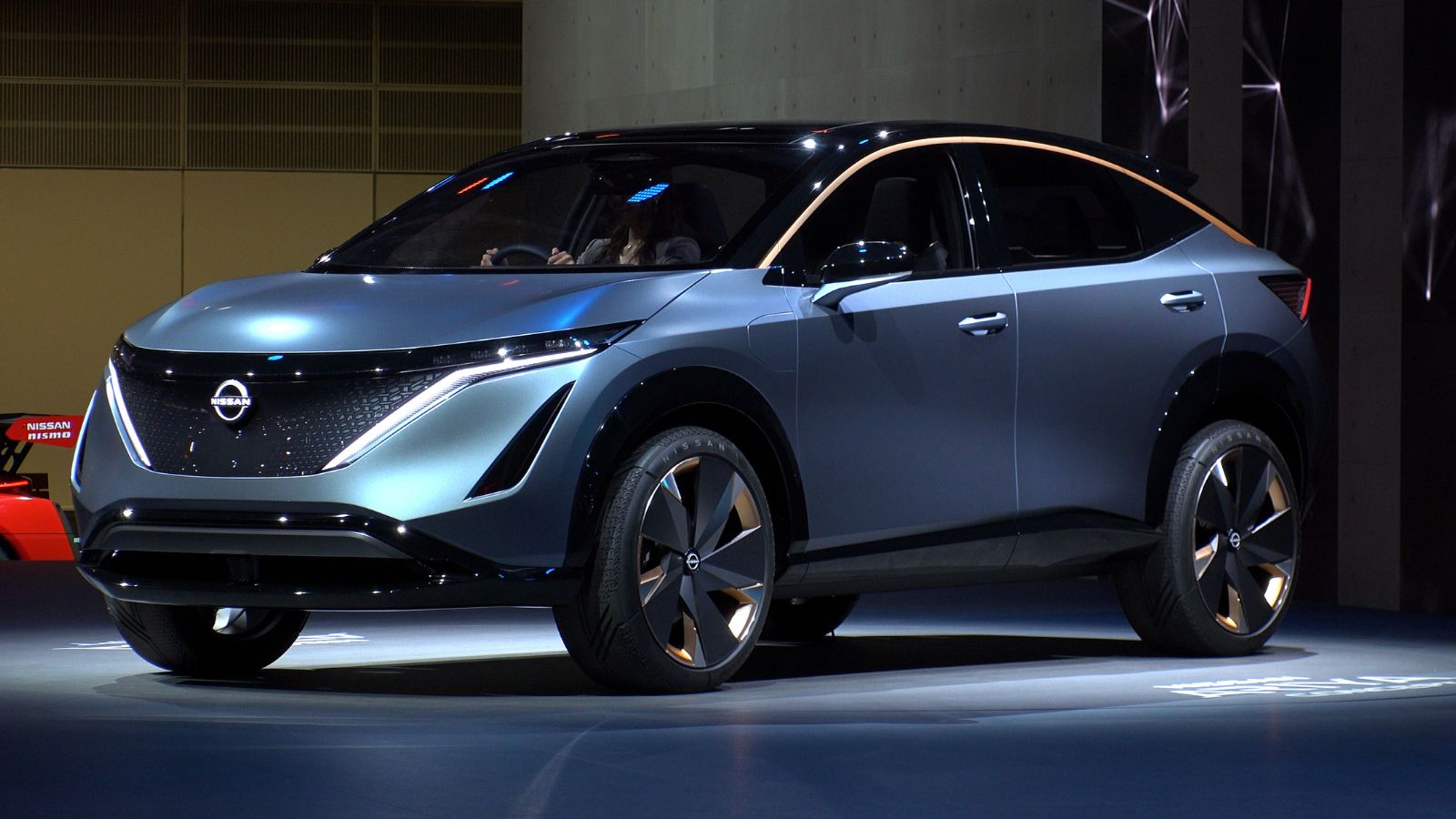
The Nissan Ariya shows solid cold-weather performance with thoughtful design. Its heat pump helps maintain battery efficiency. Cabin heating works quickly without excessive energy use. Range loss remains moderate compared to older EVs. The vehicle offers smooth traction on slippery surfaces. Battery conditioning supports better charging results. Interior comfort stays high even in freezing conditions. Drivers often note how quiet and composed it feels. The Ariya avoids sudden changes in performance. This steady behavior makes it easier to trust during winter driving.
Chevrolet Bolt EUV
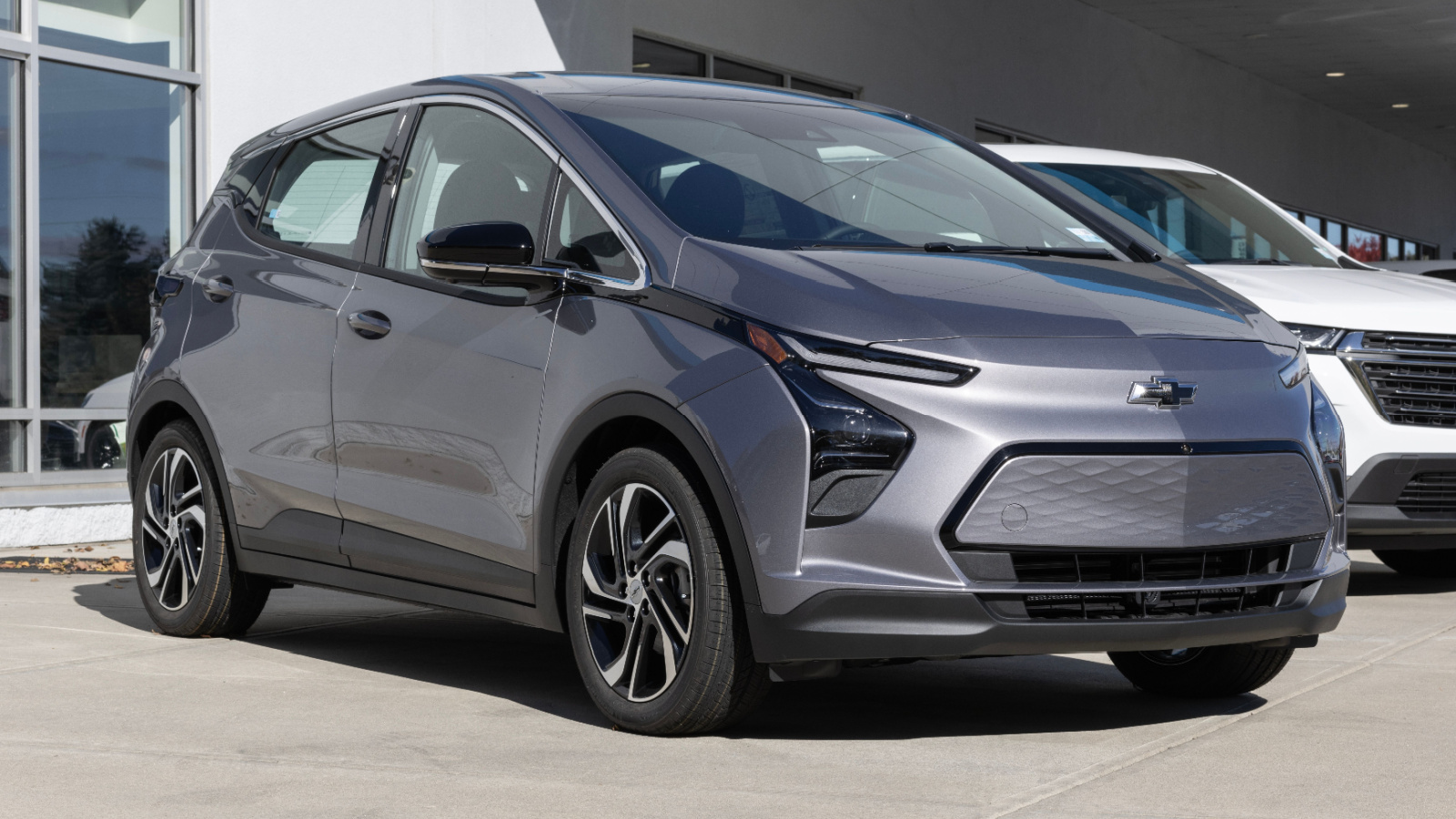
The Bolt EUV lacks a heat pump but still performs reasonably in winter. Its smaller battery warms up quickly, which helps efficiency. Cabin heating relies more on resistance systems, which use extra energy. Range loss is noticeable but manageable for shorter trips. Heated seats help reduce reliance on full cabin heating. Charging speeds are slower, especially in cold weather. Despite this, the vehicle remains practical for daily use. Drivers often adapt their habits easily. It does not excel, but it stays usable, which keeps it relevant in colder climates.
Hyundai Kona Electric
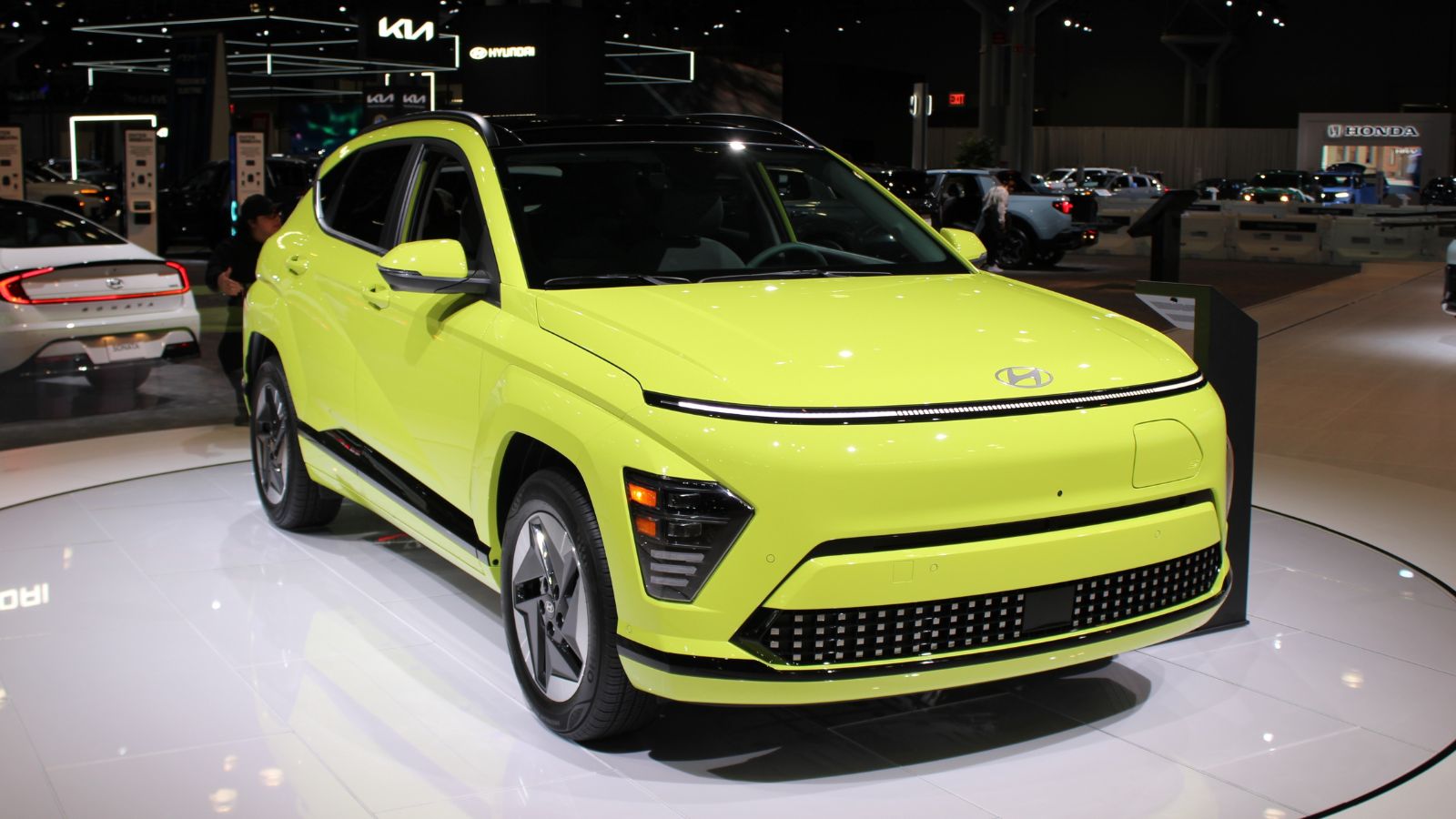
The Kona Electric performs well due to its efficient design. Some versions include a heat pump, which helps in winter. Cabin heating works quickly and feels consistent. Range loss is present but not extreme. The vehicle’s smaller size helps retain heat better. Charging slows in colder temperatures but remains usable. Drivers appreciate its simple and predictable behavior. It does not offer flashy features, but it handles winter reliably. This balance makes it a practical choice for colder regions.
Mercedes-Benz EQB
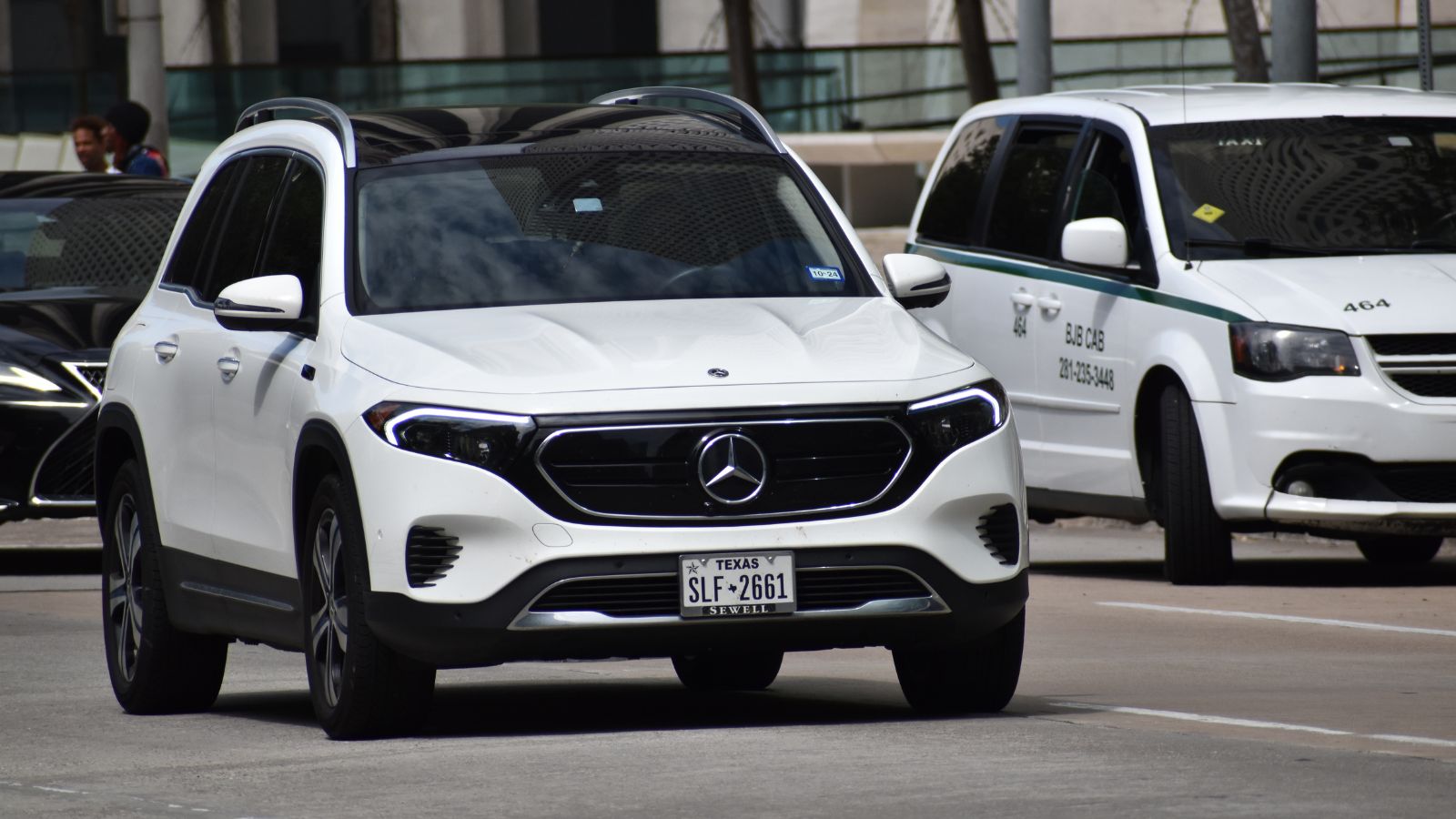
The EQB focuses on comfort and stability during winter driving. Its cabin heats quickly and feels well insulated. Heated seats reduce the need for strong air heating. Range drops but stays within expected limits. Mercedes includes solid battery management systems. Charging slows in cold weather but remains consistent. The vehicle also provides good traction on snow-covered roads. Drivers often describe it as calm and predictable. It may not lead to efficiency, but it delivers steady winter performance.
Tesla Model X
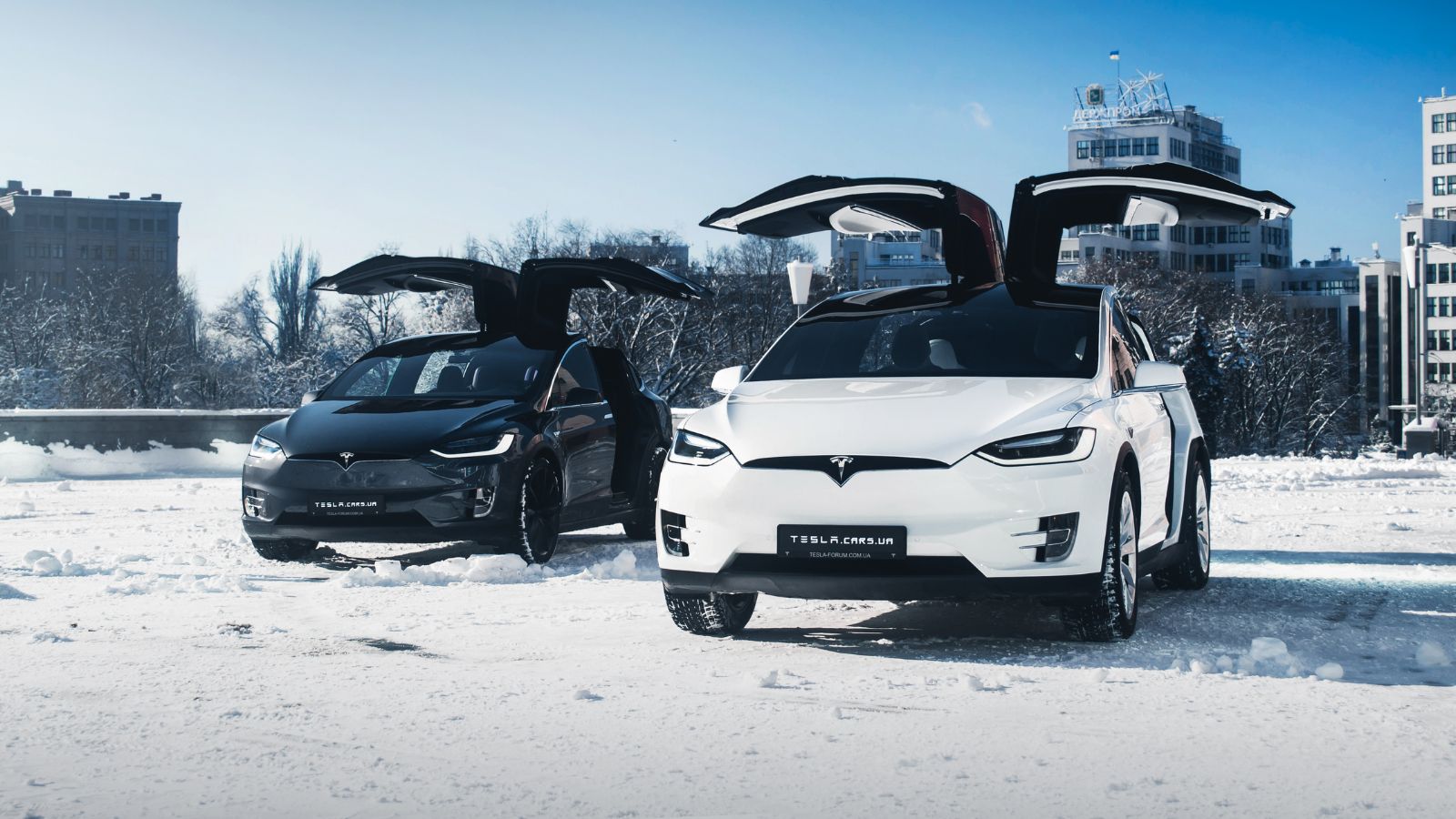
The Model X handles cold weather with strong system integration. Its heat pump improves efficiency during heating. Battery preconditioning supports better charging speeds. Cabin heating is quick, even in a large interior space. Range loss occurs, but feels controlled. All Wheel Drive provides solid traction on snow. The vehicle adapts regenerative braking for slippery roads. Drivers often rely on remote preheating before trips. This reduces cold-related discomfort. The Model X balances size and performance well, even in harsh winter conditions.
Kia Niro EV
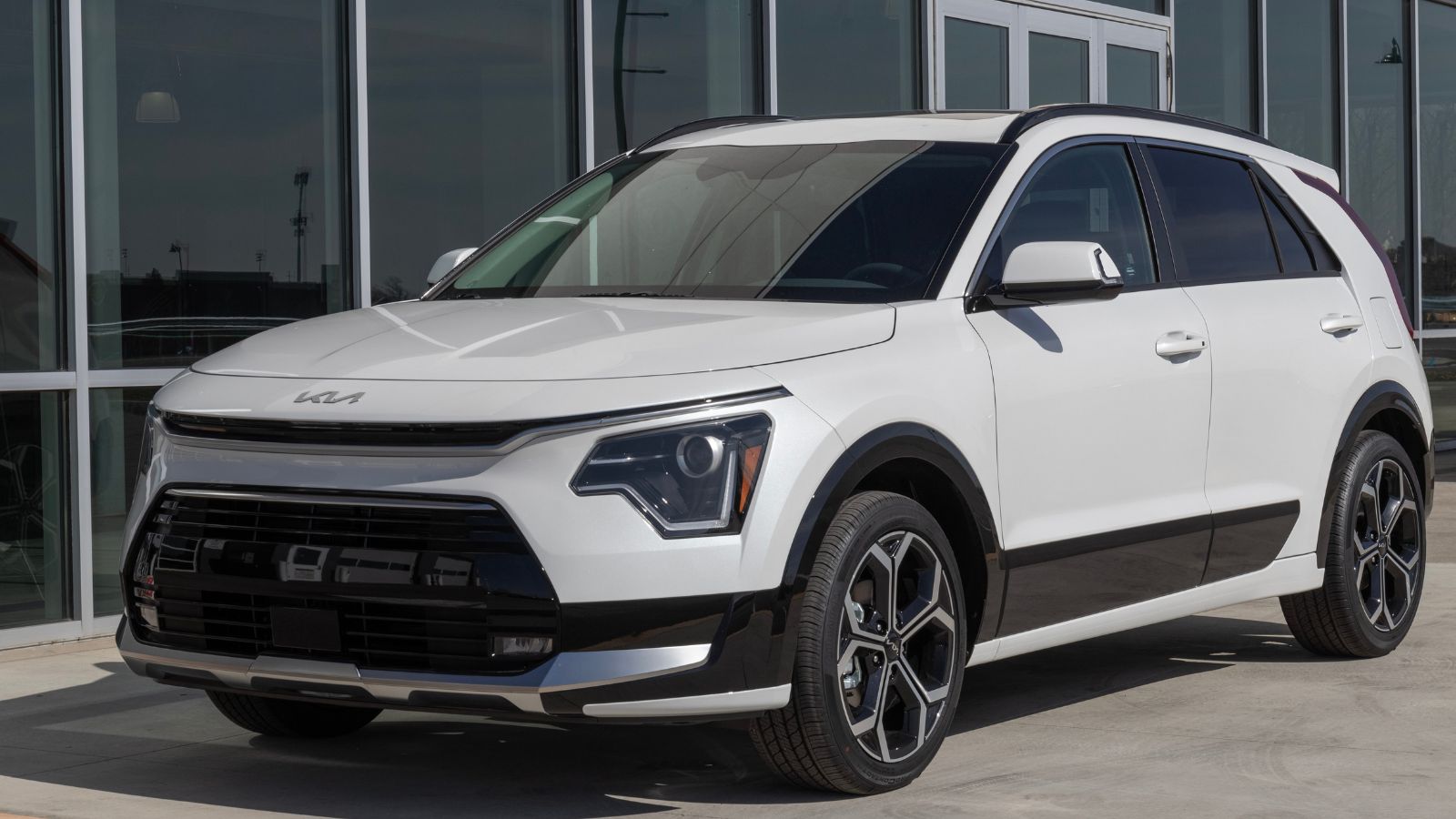
The Niro EV performs steadily in winter conditions. Some models include a heat pump for better efficiency. Cabin heating is effective and easy to control. Range loss remains moderate for most drivers. The vehicle handles cold starts without major issues. Charging speeds slow in winter but stay predictable. Heated features help reduce energy use. Drivers often find it simple to manage daily commutes. It does not stand out in one area, but it avoids major weaknesses. That reliability makes it useful in colder climates.
Rivian R1T
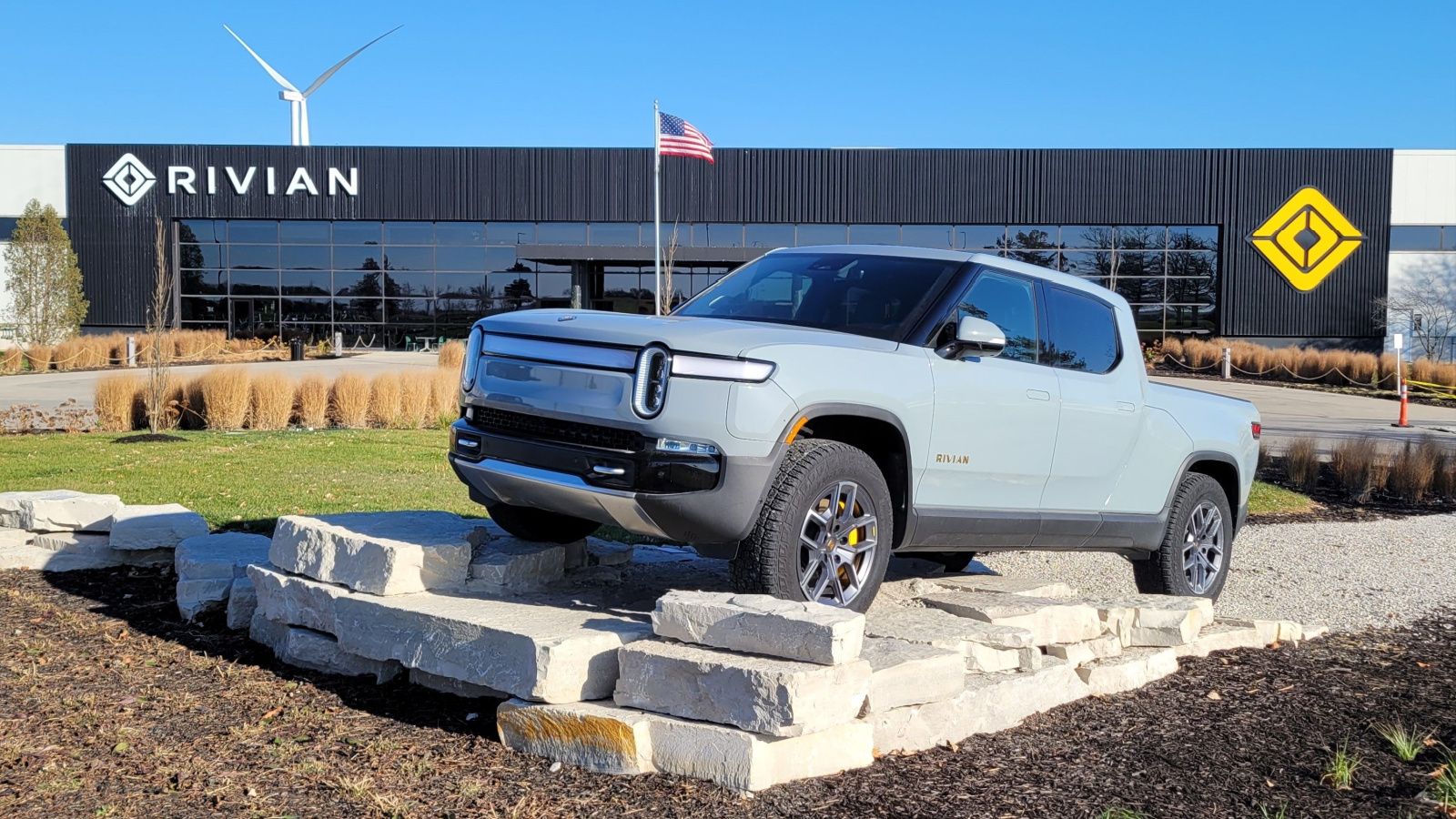
The Rivian R1T handles winter with a strong engineering focus. Its large battery includes advanced thermal management. Cabin heating works quickly, even in extreme cold. Range loss is noticeable due to size and weight. The vehicle maintains strong traction on snow and ice. Charging speeds are slow but remain usable with planning. Heated features support comfort without heavy energy use. Drivers often praise its off-road winter capability. It feels stable and capable in harsh conditions. This makes it stand out among electric trucks.
Ford F-150 Lightning
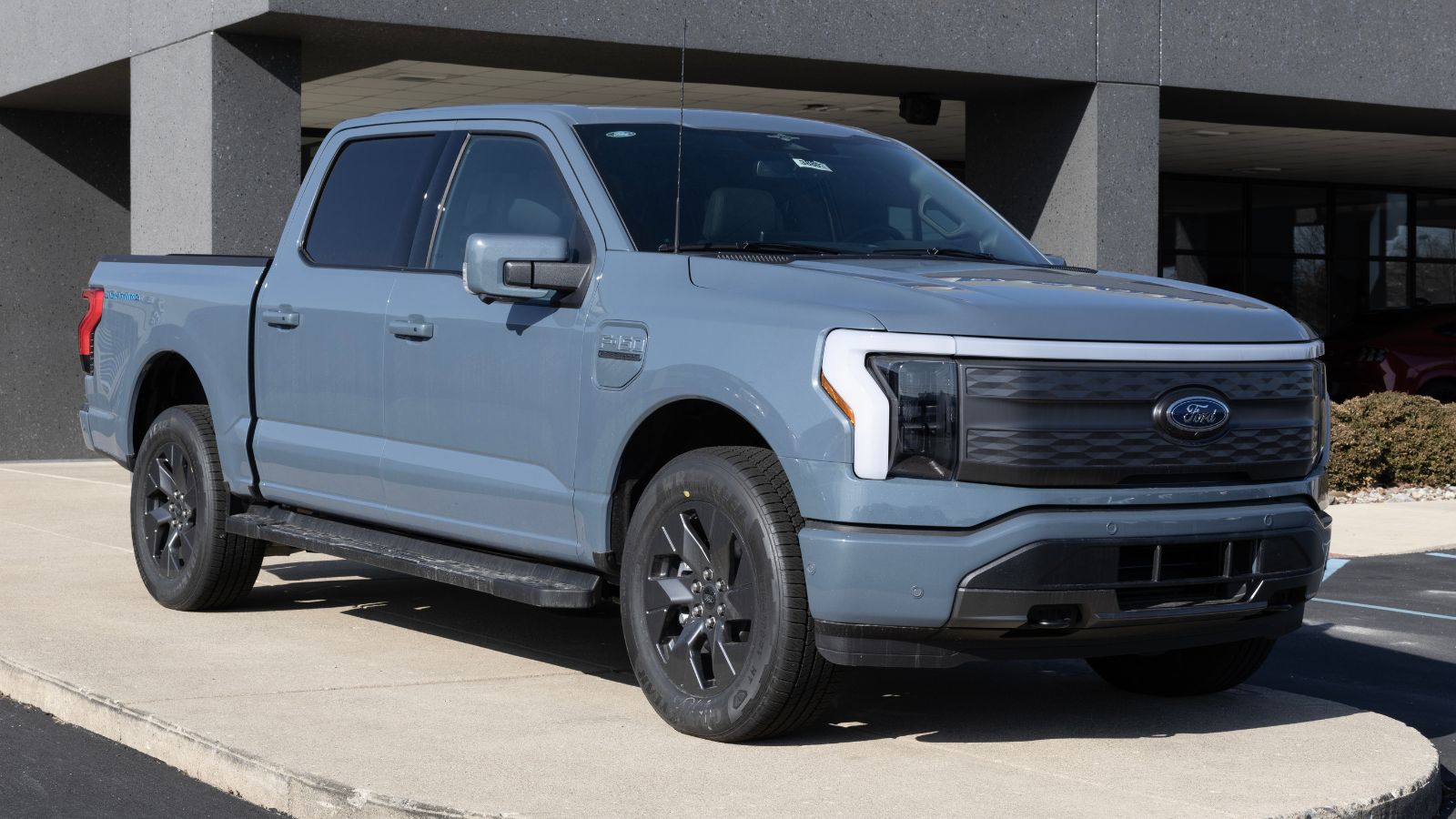
The F-150 Lightning manages cold weather better than expected for its size. Its battery system includes thermal control features. Cabin heating works efficiently, even in a large interior. Range loss is noticeable but remains predictable. The truck maintains strong traction on slippery roads. Charging speeds drop, but stay usable with planning. Heated seats reduce reliance on cabin heating. Owners often adapt quickly to winter driving habits. The Lightning balances practicality and performance, making it a solid option for colder environments.
22 Things Canadians Do to Their Cars in Spring That Mechanics Hate

Spring brings relief to many Canadian drivers after months of snow, freezing temperatures, and icy roads that put serious strain on vehicles. As temperatures rise across the country, drivers begin washing cars, switching tires, and preparing vehicles for warmer weather and upcoming road trips. However, mechanics across Canada notice the same mistakes every spring when drivers attempt to recover from winter damage. Road salt, potholes, and harsh winter driving conditions often leave vehicles with hidden problems that drivers ignore. Some spring habits even create new mechanical issues that could have been avoided with proper maintenance. Here are 22 things Canadians do to their cars in spring that mechanics hate.