
























Canadian SUV shoppers have spent years hearing that utility vehicles are safer bets than sedans when it comes time to trade in. That belief still holds for some Toyota, Lexus, Subaru, and select hybrid models, but the market has become more selective. Higher interest rates, changing EV incentives, improved inventory, expensive repairs, and shifting fuel costs are exposing weak spots in nameplates that once felt nearly depreciation-proof.
These 15 SUVs looked like smart value plays to many Canadians, yet recent resale data, residual-value rankings, and used-market trends suggest they are not holding value as confidently as expected.
Tesla Model Y
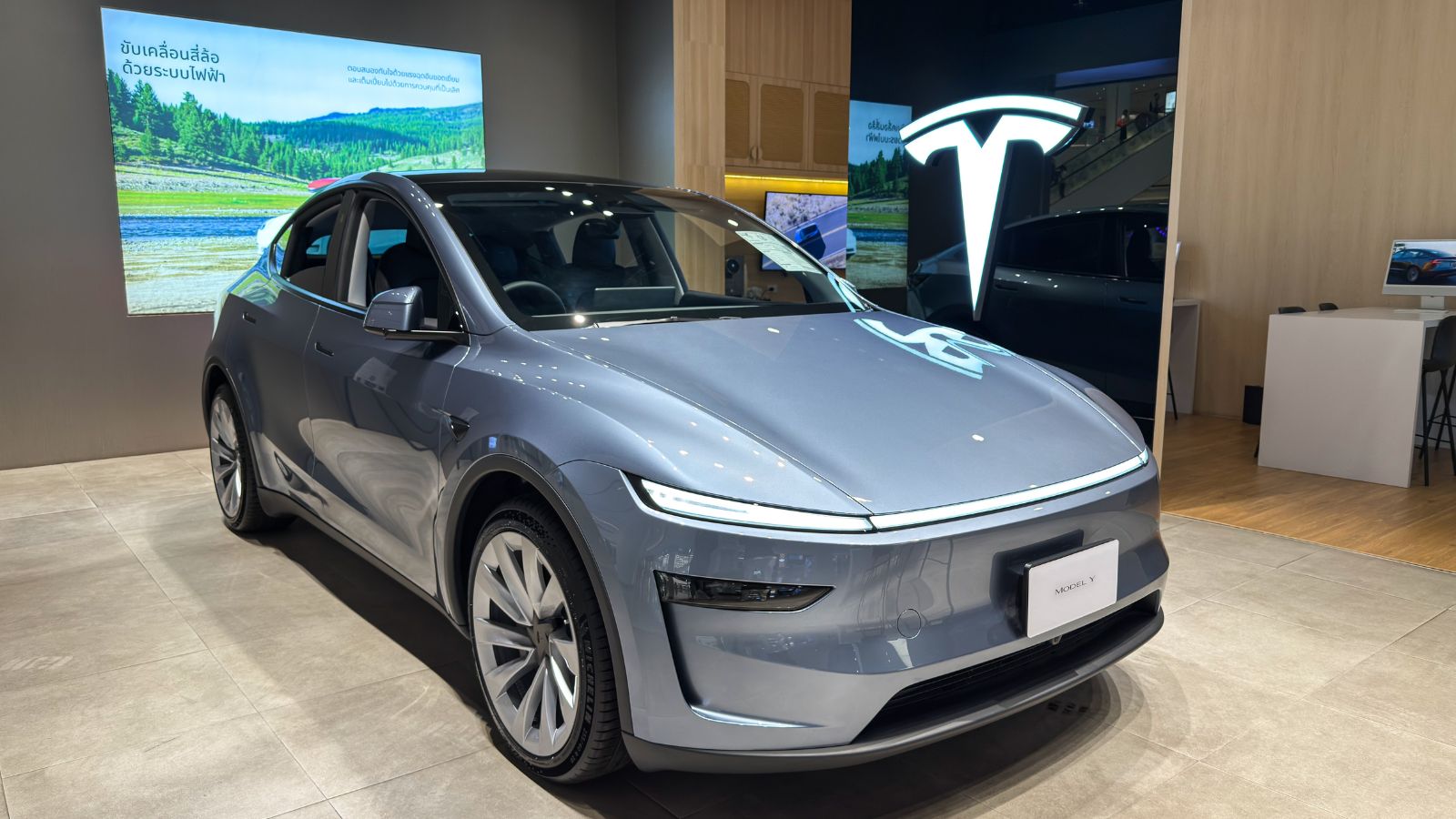
The Tesla Model Y became a default answer for Canadian buyers who wanted an electric SUV with strong brand recognition, over-the-air updates, and lower fuel costs. For a while, demand was so hot that used prices seemed unusually resilient. That changed as more EV inventory reached the market, Tesla adjusted pricing repeatedly, and shoppers became more cautious about battery range, charging access, and long-term ownership costs.
The issue is not that the Model Y suddenly became undesirable. It is that resale expectations were built during an abnormal period. Broader depreciation studies show EVs losing value faster than trucks and hybrids over five years, and recent reporting has singled out the Model Y among EVs facing steep value declines. For Canadian owners who bought near peak pricing, especially before incentives and pricing changes shifted, the trade-in number can feel much colder than the brand’s popularity suggested.
Ford Mustang Mach-E
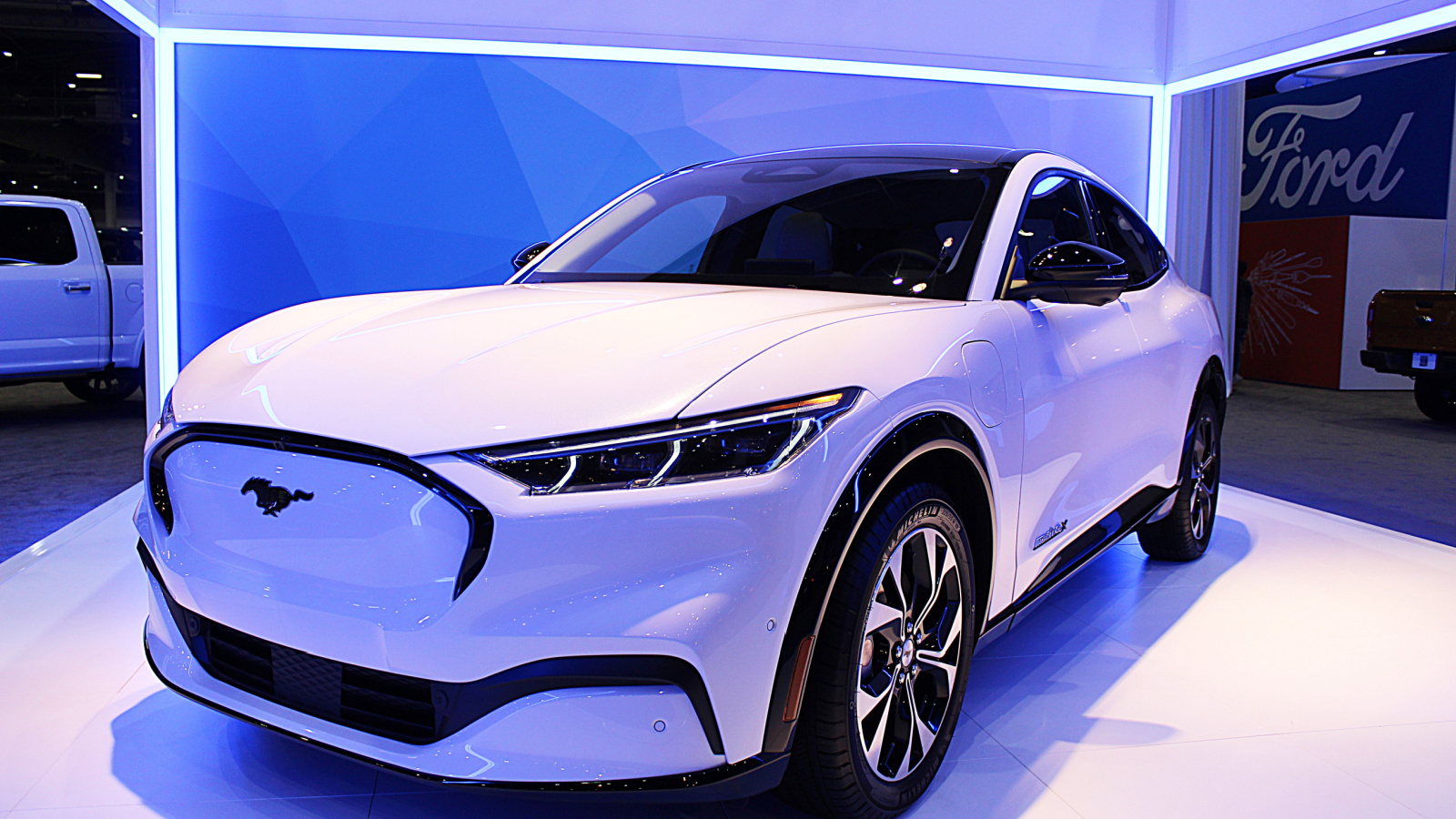
The Mustang Mach-E arrived with genuine buzz: a familiar badge, quick acceleration, practical crossover proportions, and enough range to make EV ownership feel possible for more households. Many Canadians assumed that combination would protect resale values. Instead, the Mach-E has been caught in the broader EV reset, where used buyers are demanding bigger discounts for battery uncertainty, fast-changing technology, and charging limitations outside major corridors.
Depreciation data has placed the Mach-E among the fastest-depreciating five-year-old vehicles in recent analysis, with EVs especially exposed as supply grows and new models become more competitive. That matters because an EV’s used value is not only about mileage. Buyers also compare charging speed, battery chemistry, software support, and new-vehicle incentives. A Mach-E that looked fresh at launch can be judged harshly beside newer EVs with better range claims, sharper pricing, or more established charging confidence.
Volkswagen ID.4
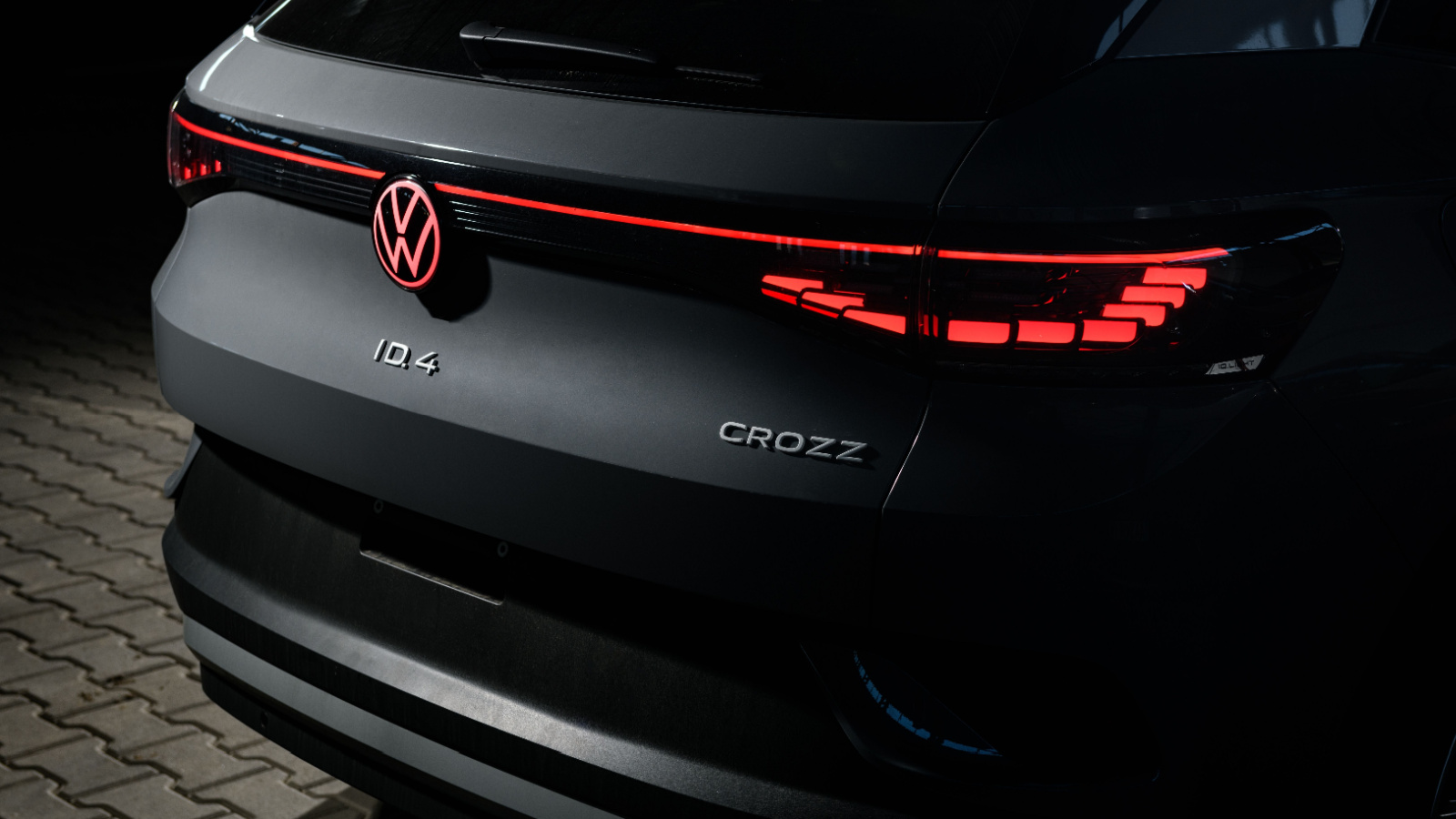
The Volkswagen ID.4 seemed like a sensible EV choice for Canadians who wanted something more conventional than a Tesla. It had SUV practicality, a mainstream badge, and a quieter, less flashy personality. That combination looked like it should age well. Yet the ID.4 has faced the same depreciation headwinds affecting many electric crossovers, with used buyers becoming more price-sensitive as range, charging speed, and software expectations rise quickly.
Recent depreciation analysis has ranked the ID.4 among the fastest value losers after five years. For Canadian shoppers, the story is especially tricky because EV confidence can vary sharply by province, home-charging access, winter range expectations, and public charging reliability. A buyer in suburban British Columbia may view it differently from someone in rural Ontario or the Prairies. That uneven demand makes resale less predictable than the practical shape and Volkswagen badge once implied.
Tesla Model X
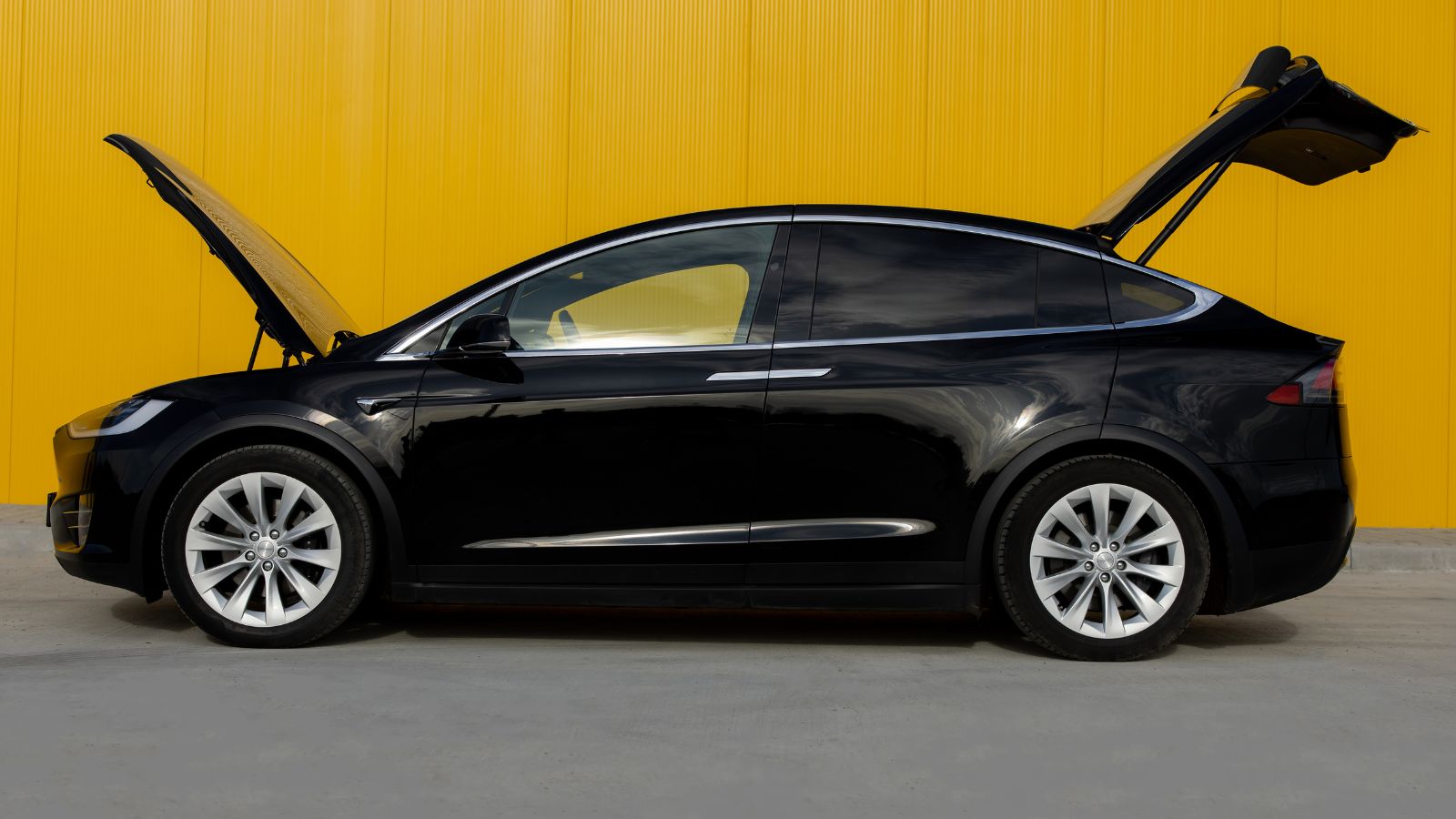
The Model X carried an image that few SUVs could match: premium EV status, dramatic falcon-wing doors, powerful acceleration, and Tesla’s early lead in electric technology. Many owners expected scarcity and brand cachet to support values. Instead, high original prices have become a liability in the used market, where buyers often expect luxury EVs to be heavily discounted once newer battery, interface, and driver-assistance expectations arrive.
Depreciation studies have placed the Model X among the fastest-depreciating vehicles over five years, and that fits a broader pattern: expensive EVs can lose value quickly when technology moves faster than traditional luxury cycles. Canadian resale can also be complicated by winter range concerns, costly out-of-warranty repairs, and a smaller pool of used buyers comfortable spending premium money on an older electric SUV. The Model X still turns heads, but attention does not always translate into retained value.
Infiniti QX60
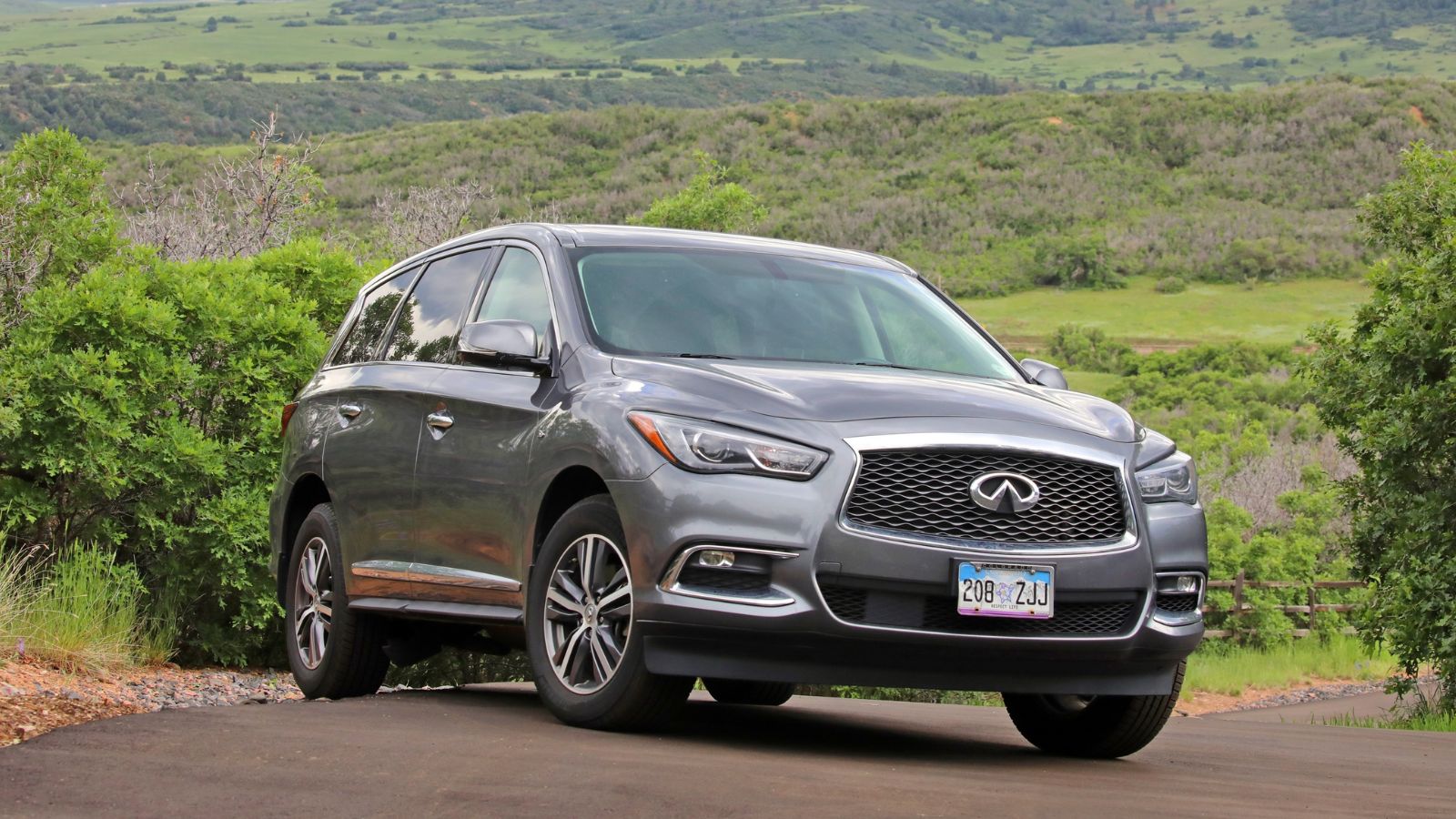
The Infiniti QX60 has long appealed to families wanting three rows, a luxury badge, and pricing that could undercut German rivals. That made it feel like a clever used or new purchase in Canada, especially for buyers who wanted comfort without full-size SUV bulk. The problem is that near-luxury family SUVs often face a crowded resale field: Acura, Lexus, Audi, Volvo, Hyundai, Kia, and Toyota all compete for the same practical-premium buyer.
Recent five-year depreciation analysis has listed the QX60 among the fastest-depreciating models. That does not mean it lacks comfort or usefulness; it means used shoppers often discount it harder than expected. Infiniti’s brand strength in Canada is not as dominant as Lexus, and buyers comparing three-row SUVs often prioritize reliability reputation, hybrid availability, fuel economy, and dealer network familiarity. The result is a vehicle that can feel upscale in the driveway but less powerful at appraisal time.
Infiniti QX80
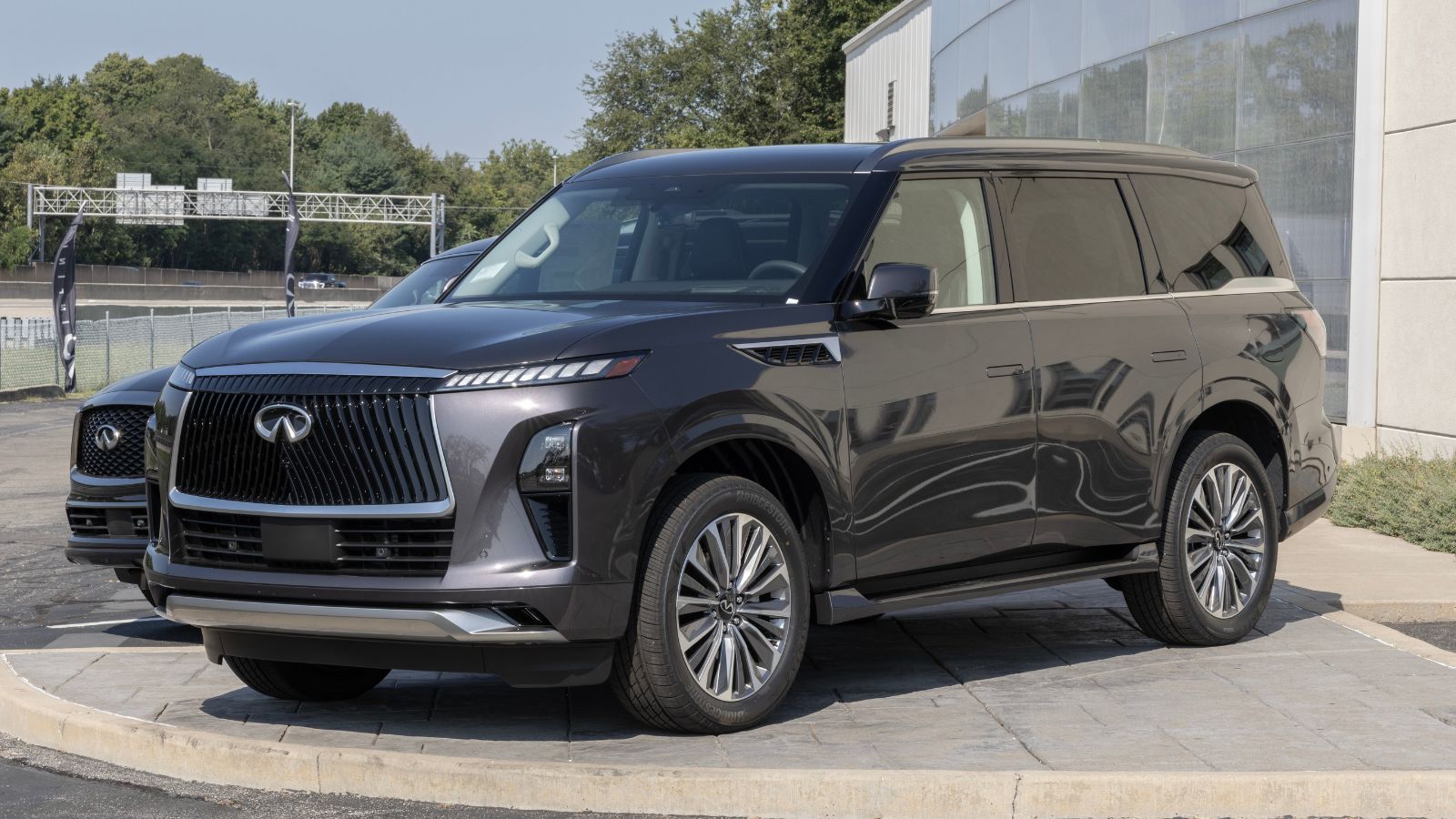
The Infiniti QX80 once looked like a strong value play because it delivered huge space, V8 power, towing ability, and luxury presence for less than some full-size premium rivals. Canadians who wanted a big family hauler or cottage vehicle could see it as a durable, high-status SUV. Yet full-size luxury SUVs are among the hardest vehicles to protect from depreciation because their original prices are high and their second-hand running costs are intimidating.
Recent depreciation rankings have placed the QX80 near the worst end of the market, with full-size luxury SUVs and EVs standing out for heavy value loss. Fuel consumption, tire costs, brake costs, insurance, and the sheer price of repairs can shrink the pool of used buyers. A vehicle that felt imposing and premium when new can become a negotiation target after several years, especially when families start comparing it with newer mainstream three-row SUVs that offer better fuel economy and modern safety tech.
Land Rover Range Rover
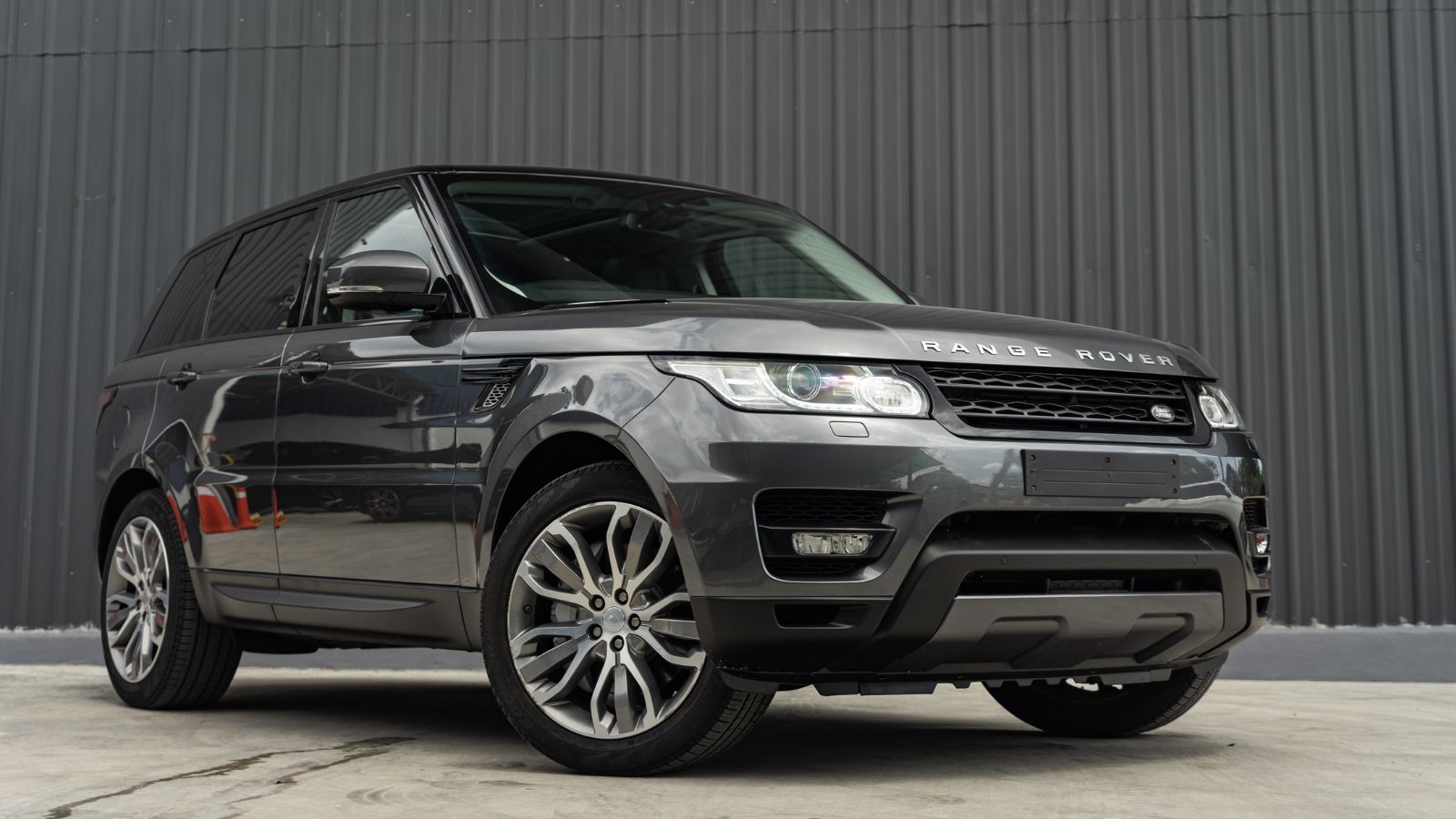
The Range Rover has always carried one of the strongest luxury SUV images in Canada. It signals wealth, winter confidence, and country-road elegance in a way few vehicles can match. That image can make buyers assume resale will be strong. The reality is more complicated. Luxury reputation can support desirability, but it does not erase the impact of high original pricing, expensive repairs, and cautious used buyers.
Recent five-year depreciation analysis has placed the Range Rover among the fastest-depreciating vehicles. That is not surprising when a used buyer is weighing air suspension, electronics, powertrain complexity, and out-of-warranty repair costs. In Canadian conditions, winter tires, potholes, salt exposure, and long-distance service access can add to the anxiety. A Range Rover may still be aspirational, but aspiration alone does not guarantee a strong trade-in. Many shoppers want the image only after the first owner absorbs the steepest drop.
Audi Q7
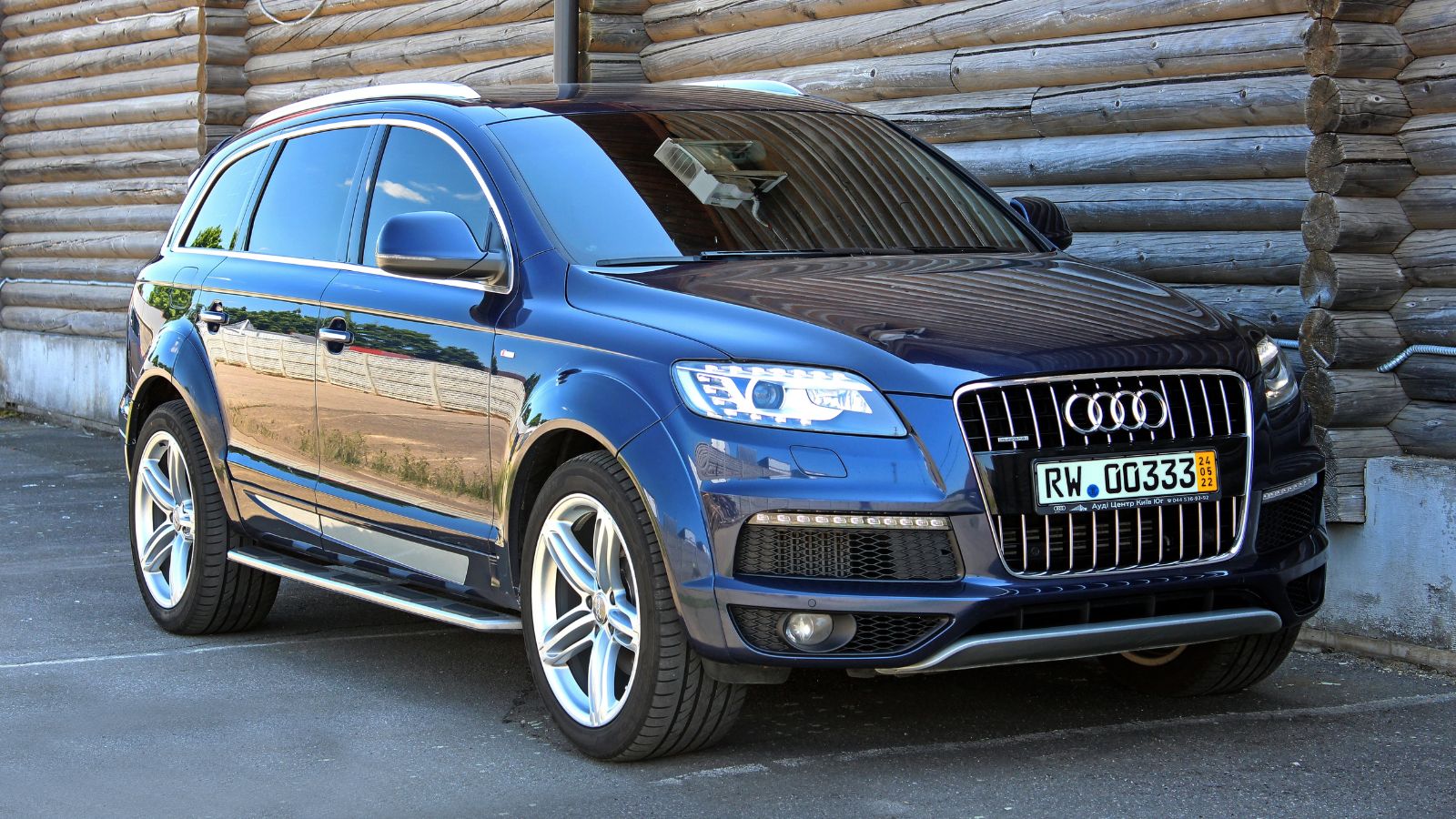
The Audi Q7 has long been a polished choice for Canadian families who want three rows without moving into a truck-like SUV. Its cabin quality, all-wheel-drive reputation, and understated design create the impression of lasting value. But premium three-row SUVs face a tough resale equation. They are expensive new, costly to maintain, and often compared against newer models with fresher screens, driver-assistance features, and hybrid options.
Recent reporting on depreciation has highlighted the Q7 among luxury SUVs suffering heavy five-year value loss. The issue is not that the Q7 lacks merit; it is that used buyers become more demanding as vehicles age. A family shopping used may admire the badge but worry about air suspension, electronics, tires, brakes, and repair bills once warranty coverage fades. In a Canadian market where Toyota and Lexus dominate residual-value recognition, German luxury SUVs often need meaningful discounts to move quickly.
BMW X5
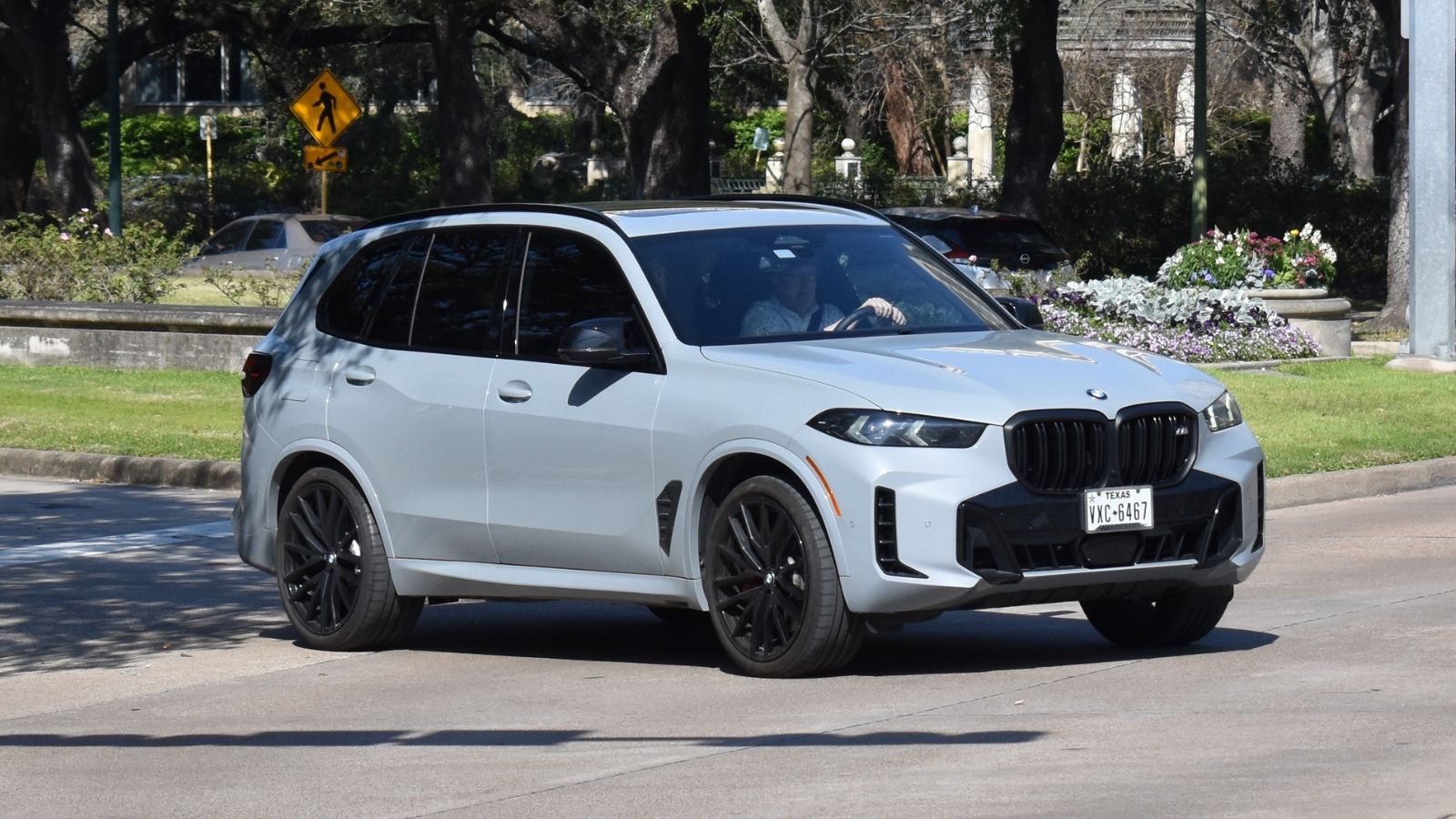
The BMW X5 has a strong Canadian following because it blends performance, prestige, and year-round practicality. Many buyers see it as the luxury SUV sweet spot: not too large, not too small, and more engaging than many rivals. That desirability helps demand, but it does not fully protect resale. Luxury midsize SUVs can depreciate sharply because their original prices climb quickly once options, packages, and larger engines are added.
Current depreciation estimates show the X5 losing more than half its value over five years, with some estimates putting the decline notably above the average for all SUVs. A lightly used X5 can be attractive precisely because the first owner absorbed so much depreciation. That is useful for second-hand shoppers but painful for buyers who purchased new expecting the badge to act like financial armour. In resale terms, performance and prestige help, but repair anxiety and option-heavy pricing often win the argument.
Mercedes-Benz GLE
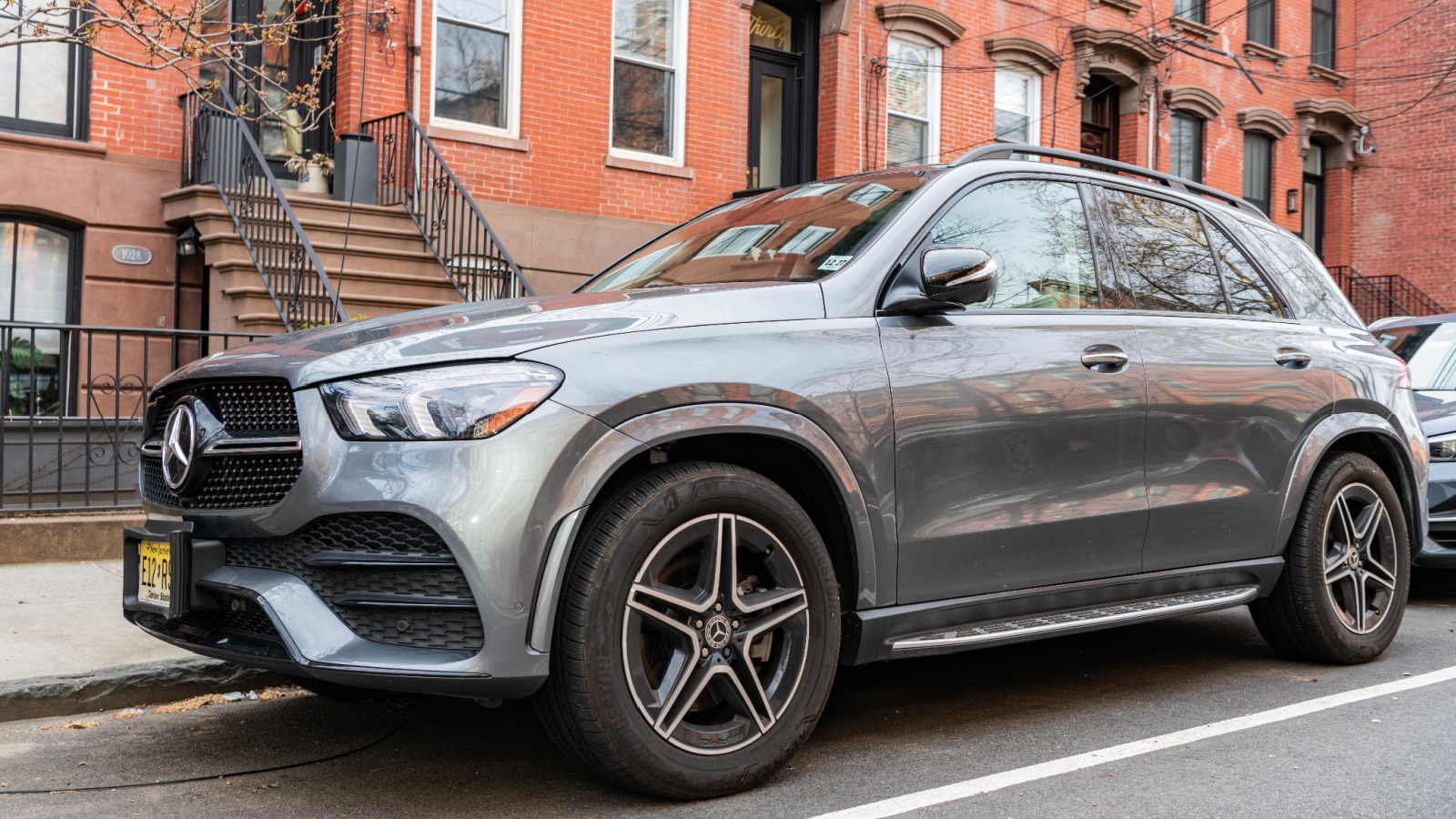
The Mercedes-Benz GLE looks like the kind of SUV that should hold value: a premium badge, comfortable cabin, strong safety image, and broad appeal among luxury families. In Canada, the three-pointed star still carries weight. Yet the GLE faces the same pressure as many premium SUVs. Buyers love luxury when it is new, but they often demand discounts once maintenance costs, complex suspension systems, electronics, and warranty timelines enter the conversation.
Depreciation estimates show the GLE losing close to half its value over five years, with hybrid variants also facing notable declines. That is not unusual for the category, but it can surprise owners who assumed Mercedes desirability would do more of the work. Used shoppers often compare a GLE with a Lexus RX, Acura MDX, BMW X5, Volvo XC90, or even a high-trim Toyota Grand Highlander. When reliability perception and ownership costs become central, the badge may not defend resale as strongly as expected.
Volvo XC90
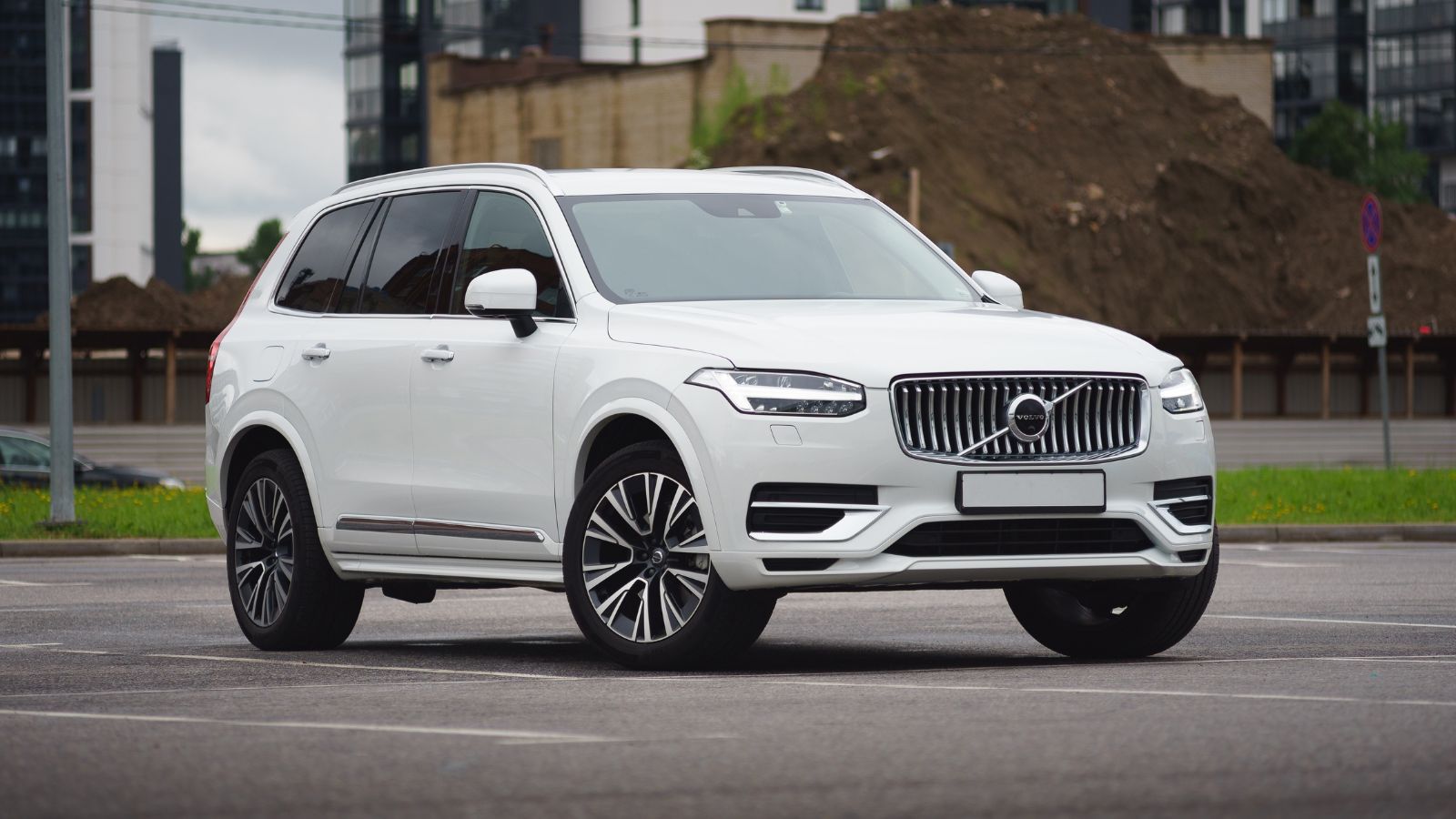
The Volvo XC90 has a reputation built on safety, restraint, and family-friendly design. For Canadians who dislike flashy luxury SUVs, it has often felt like a tasteful long-term choice. Its three-row layout, calm cabin, and available electrified powertrains make it easy to understand why owners expected solid resale. However, the used market often separates emotional appeal from financial reality, especially once expensive luxury components age.
Depreciation estimates show the XC90 losing more than half its value over five years, roughly in line with the luxury large SUV category. That can be disappointing for buyers who associated Volvo’s safety reputation with stronger retained value. Used shoppers may still admire the XC90, but they also weigh software issues, plug-in hybrid complexity, warranty status, and the cost of premium parts. In Canada, where family SUV buyers often compare against Toyota, Lexus, Honda, and Acura, the XC90 can need a sharper price to close the deal.
Volkswagen Atlas
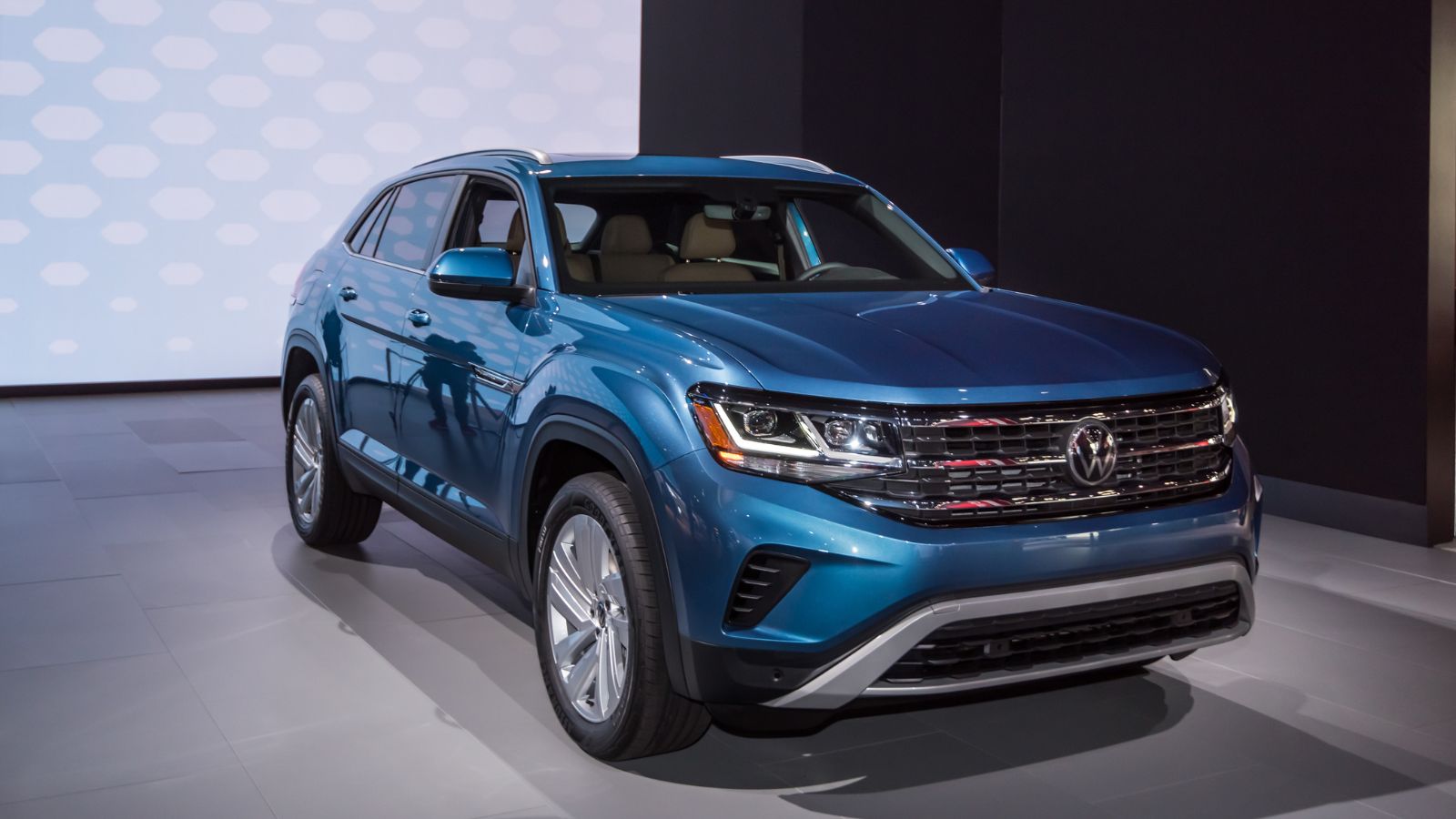
The Volkswagen Atlas was designed almost exactly for North American families: big cabin, usable third row, straightforward controls, and a less bulky feel than some truck-based SUVs. Many Canadian households saw it as a practical alternative to minivans and pricier three-row crossovers. The resale challenge is that practicality alone is not enough when the segment is crowded with Highlander, Pilot, Telluride, Palisade, Traverse, and Grand Highlander shoppers.
Depreciation estimates show the Atlas losing around half its value over five years, slightly worse than the typical midsize SUV benchmark in the same data. That gap may not sound dramatic, but on a family vehicle with higher trims and all-wheel drive, it can mean thousands of dollars at trade-in. The Atlas can still be a strong used buy because the space is generous. For the original owner, though, the same discount that attracts second-hand families is the depreciation hit showing up on the appraisal sheet.
Jeep Grand Cherokee
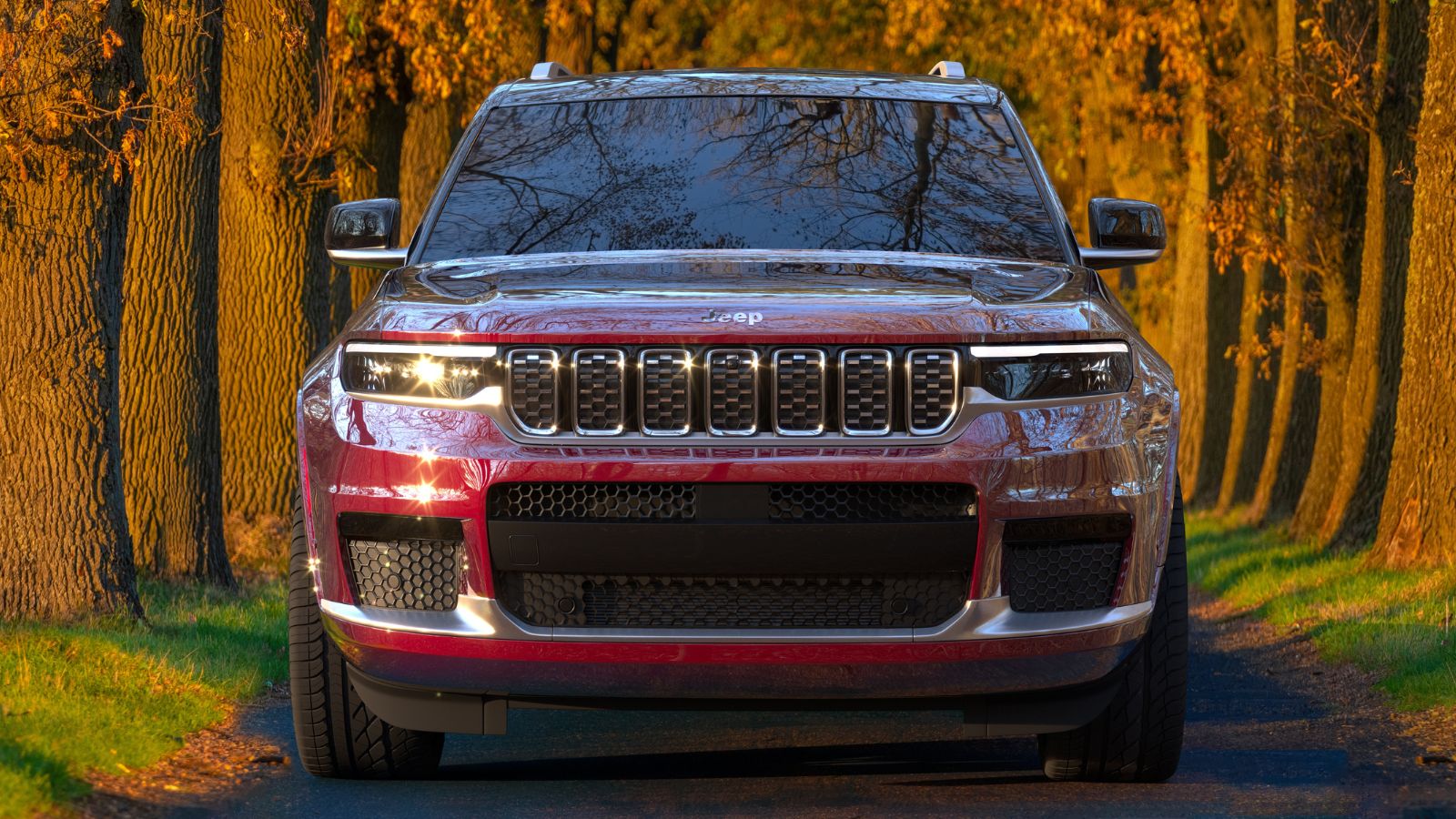
The Jeep Grand Cherokee has a powerful brand story in Canada: rugged image, winter confidence, towing ability, and enough luxury on higher trims to compete beyond the mainstream. Many buyers assume Jeep heritage supports resale. Some Jeep models do perform well, but the Grand Cherokee’s value picture is more mixed, especially as pricing has climbed and competition has become more refined.
Depreciation estimates show the gas Grand Cherokee losing about half its value over five years, while plug-in hybrid versions can face even steeper estimated depreciation compared with hybrid midsize SUV averages. That is a crucial distinction for buyers who assumed electrification would automatically protect value. Used shoppers may like the capability but still worry about reliability, fuel economy, complex 4xe components, and high trim pricing. The result is an SUV with strong emotional appeal but less consistent resale strength than its badge confidence suggests.
Chevrolet Traverse
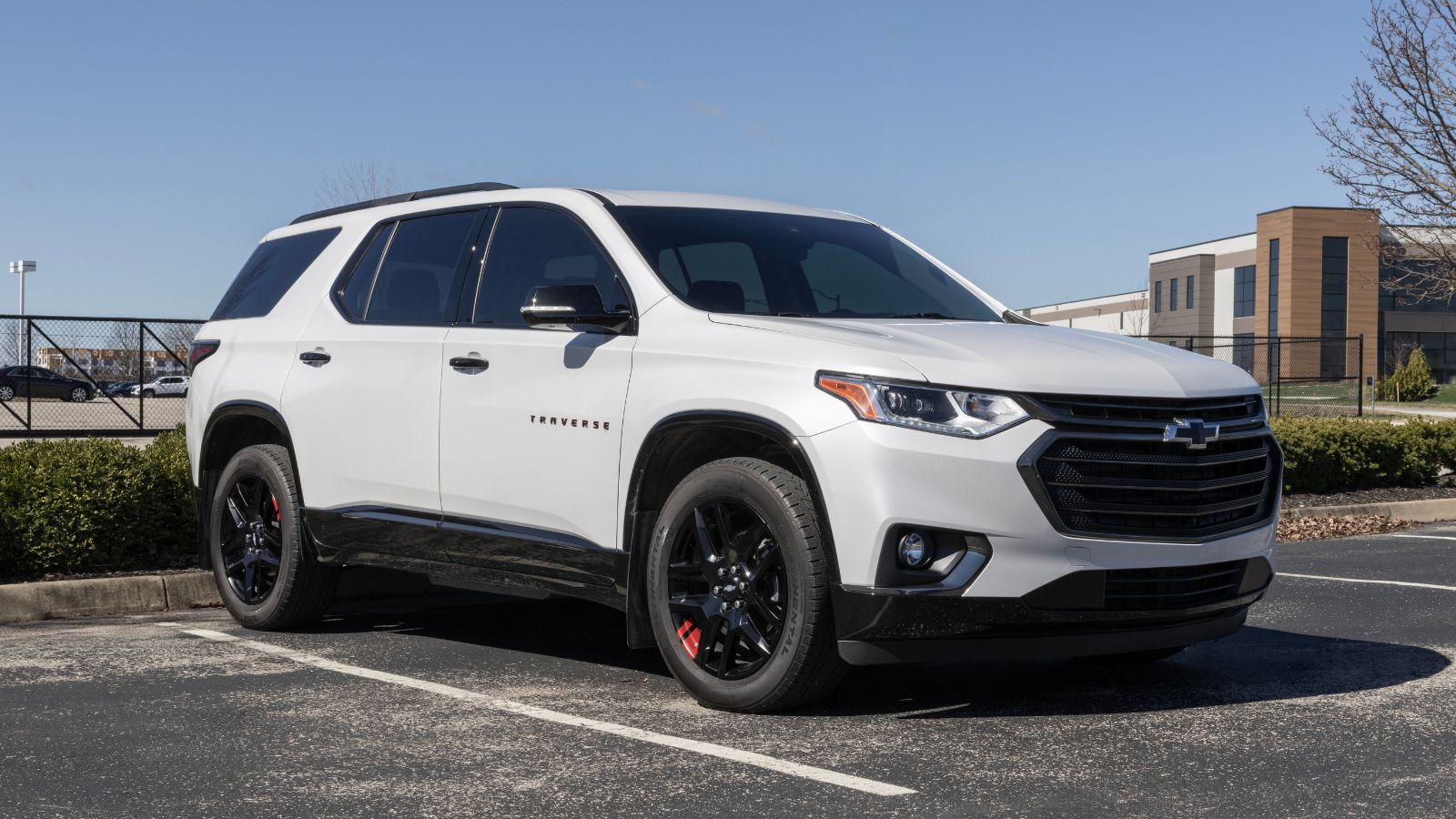
The Chevrolet Traverse has often looked like a sensible Canadian family SUV because it offers real three-row space without moving into full-size pricing. It is comfortable on highways, useful for hockey bags and road trips, and familiar to buyers who want domestic-brand service access. Yet mainstream three-row SUVs can depreciate when they rely heavily on size rather than scarcity, especially once new generations arrive and used inventory becomes easier to compare.
Depreciation estimates show the Traverse losing nearly half its value over five years, slightly worse than the midsize SUV category benchmark in the same dataset. That matters because families shopping used are often value-driven. They may cross-shop a Traverse against a Pilot, Highlander, Telluride, Palisade, or minivan and push hard on price. A Traverse can be a practical purchase, but practicality is not the same as scarcity. When there are plenty of alternatives, resale values can soften faster than owners expect.
Kia Sorento
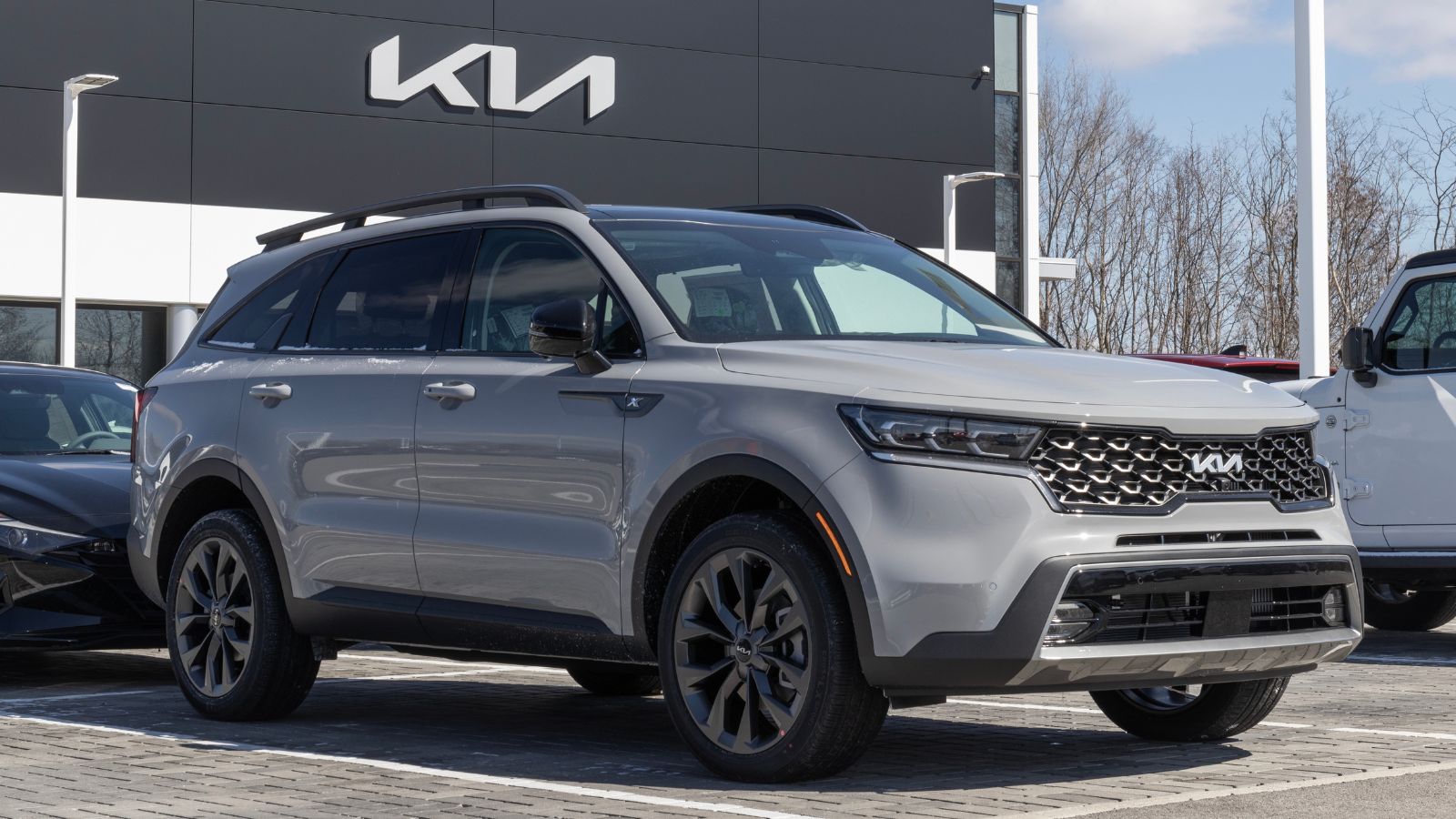
The Kia Sorento has been a popular choice for Canadians who want flexible seating, modern styling, strong equipment levels, and a lower entry price than many three-row competitors. It also benefits from Kia’s improved reputation and broad warranty appeal. That makes many buyers expect better resale than older Kia models delivered. The surprise is that a well-equipped Sorento can still lose value faster than shoppers assume.
Depreciation estimates show the Sorento losing close to half its value over five years in one major dataset, while another cost-of-ownership source estimates an even larger decline. The Sorento PHEV performs better in Canadian Black Book’s residual-value awards, but that does not automatically lift every Sorento version. Gas trims, heavily optioned models, and earlier used examples can face more pressure. For Canadian owners, the lesson is trim-specific: the right Sorento may hold up, while the wrong one can become a discount-driven used SUV.
22 Things Canadians Do to Their Cars in Spring That Mechanics Hate

Spring brings relief to many Canadian drivers after months of snow, freezing temperatures, and icy roads that put serious strain on vehicles. As temperatures rise across the country, drivers begin washing cars, switching tires, and preparing vehicles for warmer weather and upcoming road trips. However, mechanics across Canada notice the same mistakes every spring when drivers attempt to recover from winter damage. Road salt, potholes, and harsh winter driving conditions often leave vehicles with hidden problems that drivers ignore. Some spring habits even create new mechanical issues that could have been avoided with proper maintenance. Here are 22 things Canadians do to their cars in spring that mechanics hate.