


























Canadian vehicle financing is becoming less forgiving. Prices have cooled in some corners of the market, but loan balances, insurance pressure, depreciation risk, repair costs, and volatile resale values still make certain models feel more expensive after the paperwork is signed. In 2026, the riskiest choices are not always “bad” vehicles; many are popular, capable, or even desirable. The concern is whether the payment still makes sense once incentives fade, theft risk affects premiums, EV values shift, fuel prices move, or luxury repairs arrive. These 15 vehicles stand out as models Canadians could regret financing if the purchase depends on stretched terms, optimistic resale assumptions, or a monthly payment that leaves little room for real ownership costs.
Jeep Grand Cherokee 4xe
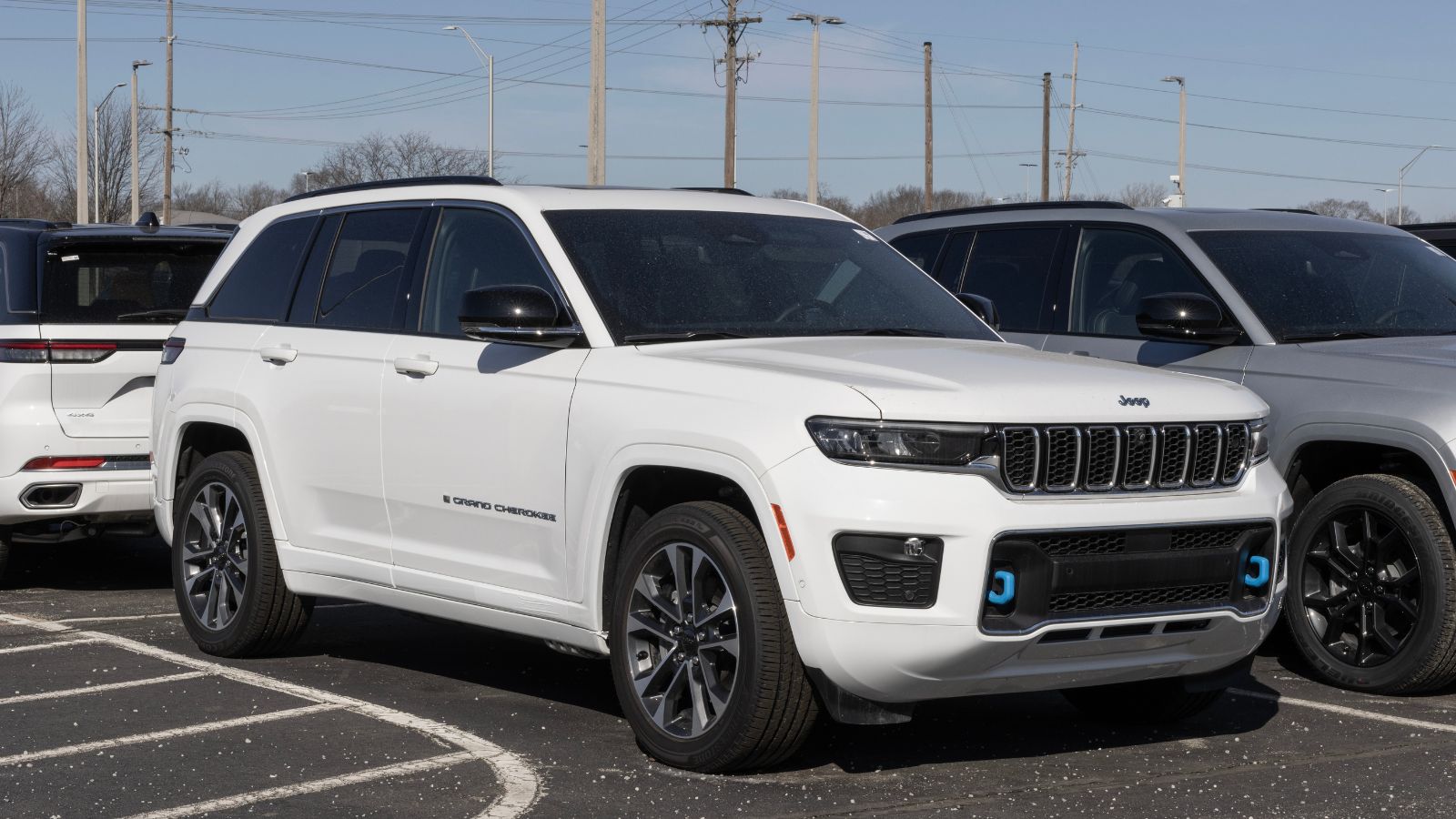
The Jeep Grand Cherokee 4xe can look like the best of both worlds: a premium SUV badge, plug-in hybrid capability, available electric commuting, and enough family practicality to justify a serious payment. That appeal is exactly what can make financing it risky. Plug-in hybrids often cost more upfront than comparable gas models, and buyers who do not charge consistently may not capture the fuel savings they expected. A household that parks outdoors, lacks reliable charging, or takes mostly highway trips may end up paying for technology it barely uses.
The bigger concern is resale uncertainty. Electrified vehicles are moving through a fast-changing market, where incentives, battery confidence, charging access, and newer technology can reshape demand quickly. A long loan on a high-priced plug-in SUV can become uncomfortable if used values soften faster than expected. Add Jeep’s premium repair costs and the reality that luxury-leaning SUVs can be expensive to insure, and the monthly payment may only be the opening act.
Ram 1500
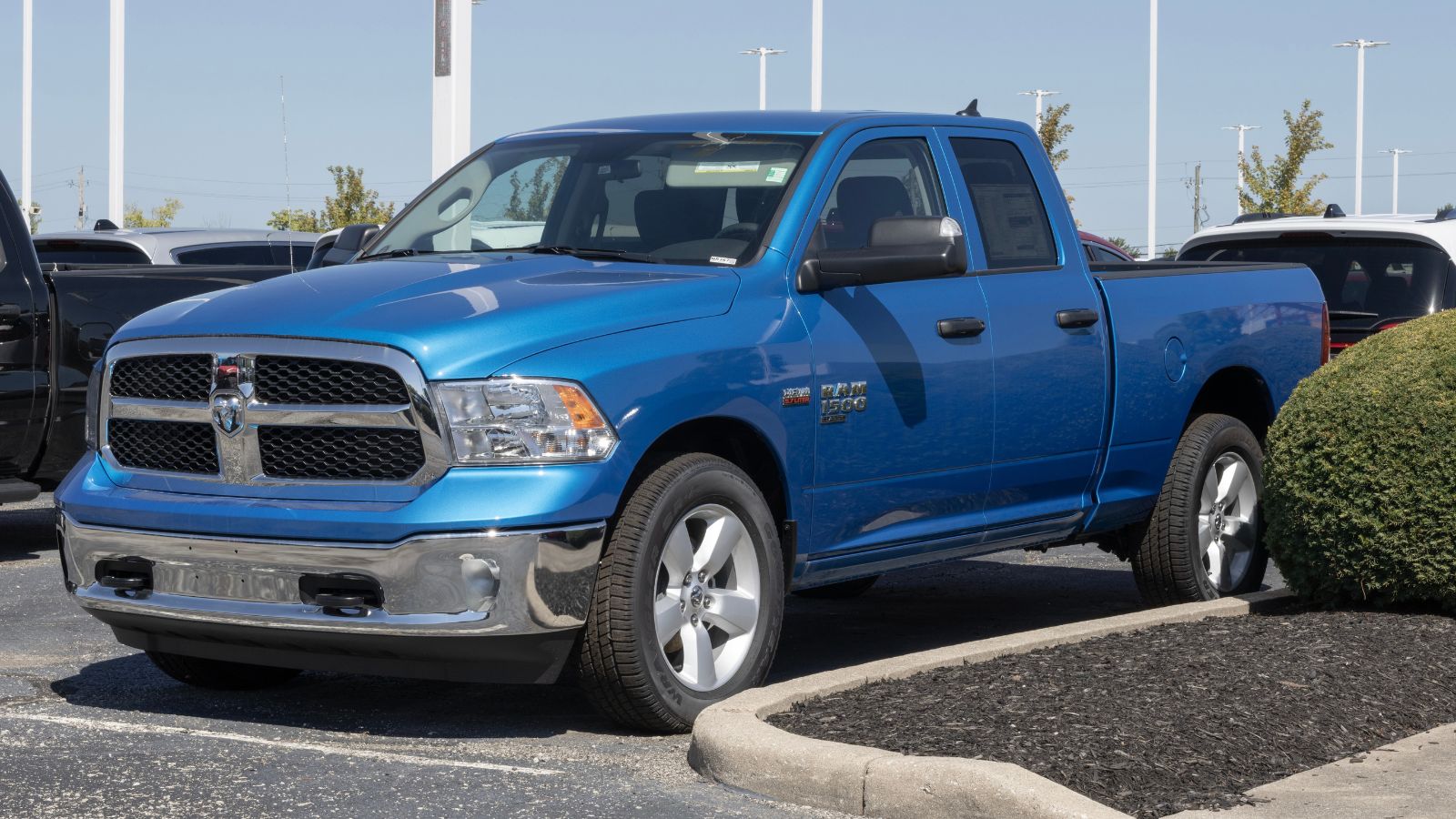
The Ram 1500 remains one of Canada’s most familiar full-size pickups, and for many owners it feels like a practical tool rather than a luxury purchase. The problem is that modern trucks have moved far beyond simple workhorses. High-trim Rams can carry luxury-style prices, large wheels, advanced infotainment, driver-assistance hardware, and repair bills that do not feel very basic. A buyer who finances one for commuting, light hauling, and weekend projects may discover that the truck’s real-life costs are heavier than expected.
Fuel is another wild card. Even with newer powertrains and improved efficiency, a full-size pickup still tends to cost more to run than a compact SUV or midsize car. Insurance and theft exposure can also add pressure, especially since full-size pickups appear frequently in Canadian theft data. A seven- or eight-year loan may make the payment look manageable, but it can also keep the owner paying long after the truck has absorbed heavy depreciation, tire wear, brake work, and fuel-price surprises.
Ford F-150 Lightning
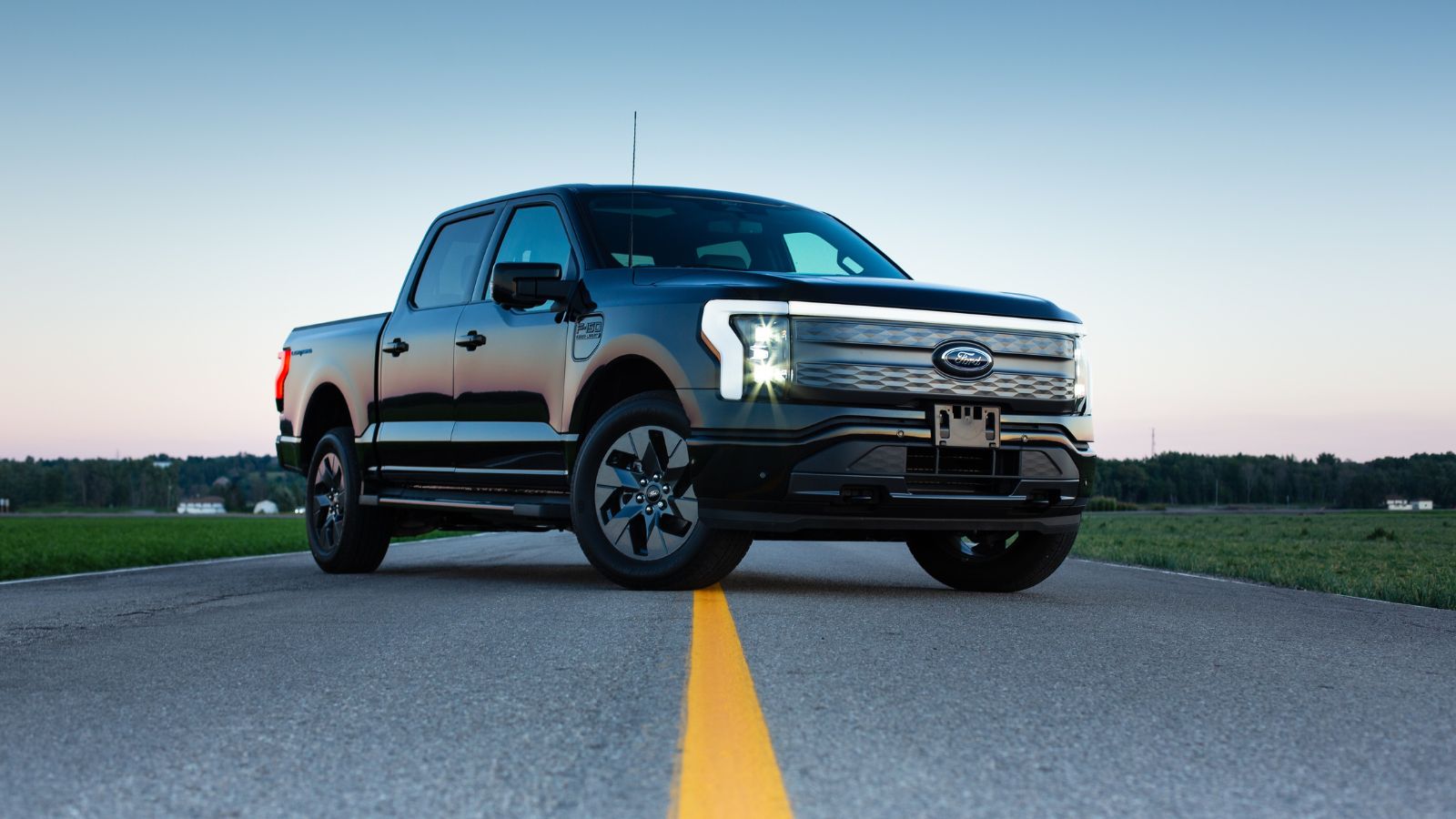
The Ford F-150 Lightning is impressive on paper: instant torque, pickup practicality, home-backup possibilities, and no gasoline stops. For Canadians who tow, drive long distances, or face harsh winter conditions, financing one can require a very honest look at usage. Electric pickups are heavy, expensive, and sensitive to range expectations. Towing, cold weather, highway speed, and payload can reduce range, which may turn a confident test drive into a more complicated ownership routine.
Depreciation is the larger financing risk. Battery-electric vehicles have seen sharp value swings as prices, incentives, battery technology, and consumer confidence change. A buyer who finances a Lightning near the top of the market could feel trapped if newer EV trucks arrive with better range, faster charging, or lower prices. The truck may still be excellent for the right household, but the payment needs to survive more than the showroom excitement. It must also survive winter range loss, charger planning, resale uncertainty, and higher-cost EV collision repairs.
Tesla Model Y
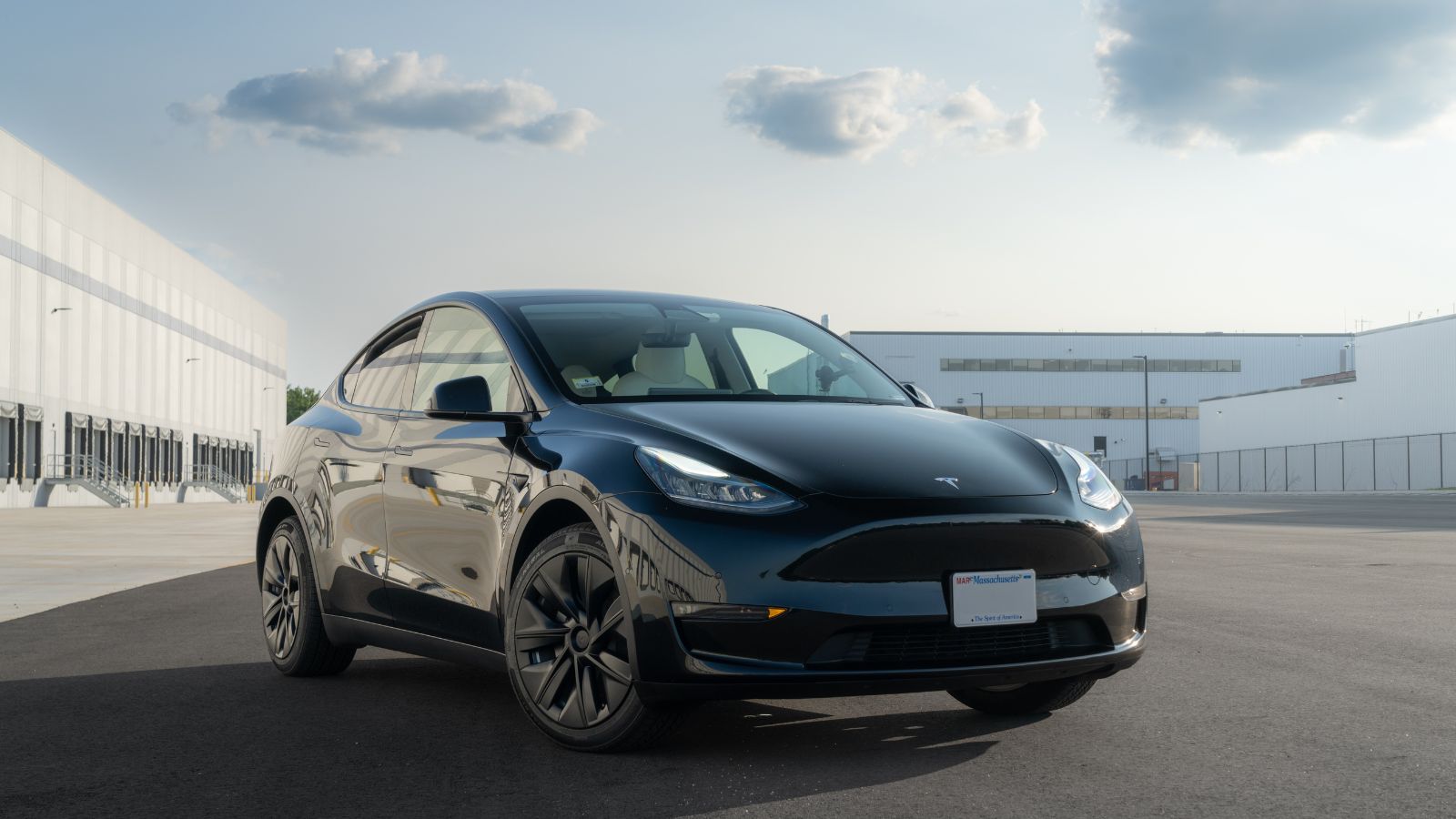
The Tesla Model Y has become one of the most recognized EVs in Canada, helped by strong acceleration, access to Tesla’s charging ecosystem, and a minimalist cabin that makes older vehicles feel dated. The financing risk comes from how quickly the EV market changes. Tesla has repeatedly used pricing adjustments in global markets, and when new-vehicle prices move, used values can react quickly. That matters for anyone borrowing heavily and assuming strong resale value later.
The Model Y also carries a different ownership profile than many gas SUVs. Tires can wear faster because of vehicle weight and torque, insurance can be sensitive to repair costs, and body repairs may involve specialized procedures. For commuters with home charging, it can still make sense. But buyers stretching into a long loan because fuel savings “will cover it” may be disappointed if insurance, tire replacement, depreciation, and changing incentives eat into the math. EV savings are real only when the full ownership equation works.
Volkswagen ID.4
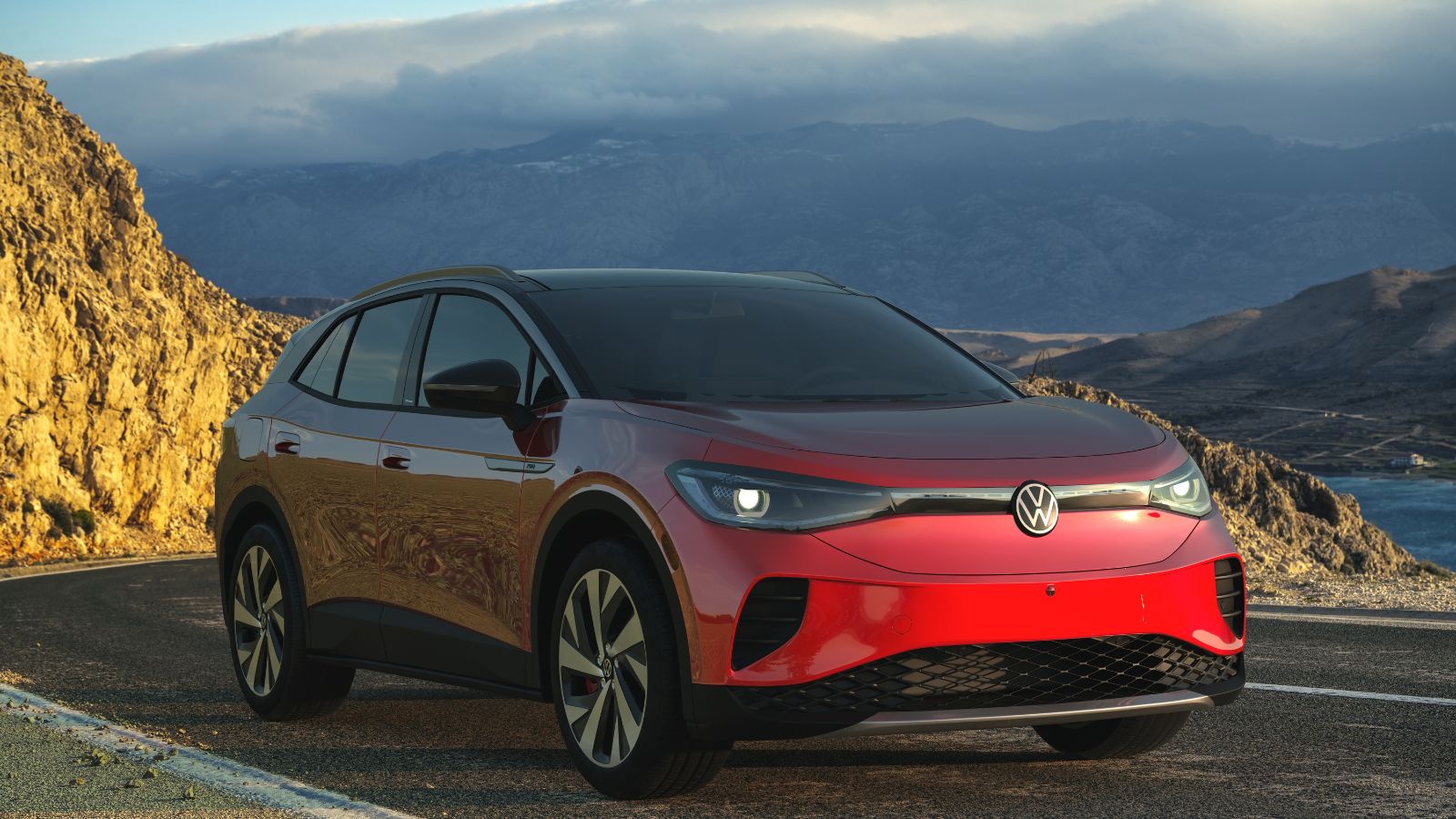
The Volkswagen ID.4 appeals to Canadians who want an EV that feels more like a conventional compact SUV than a tech experiment. It offers practical space, quiet driving, and a familiar brand. The financing concern is that the compact EV segment has become crowded quickly. Newer models keep arriving with longer range, faster charging, sharper software, and aggressive pricing. That can make a financed ID.4 feel older before the loan is even halfway done.
Software confidence and recall history also matter with EVs because buyers are not just financing wheels and seats; they are financing a rolling technology platform. When an electric vehicle’s value depends heavily on battery perception, charging speed, and digital usability, small frustrations can become resale headwinds. The ID.4 may be a reasonable buy at the right discount, but a full-price finance deal in 2026 could feel exposed if incentives shift, used EV supply rises, or competing crossovers undercut it.
Dodge Hornet
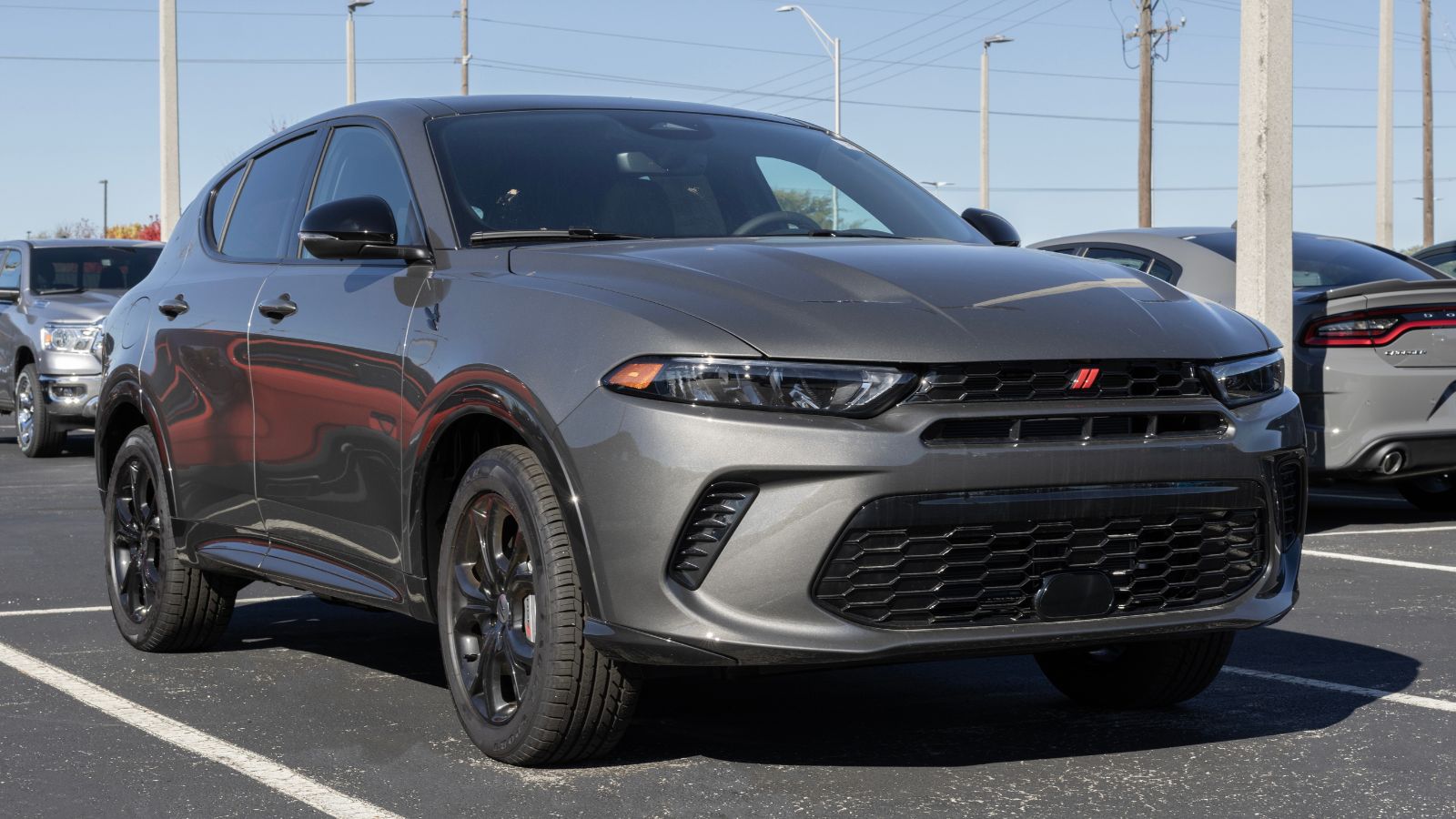
The Dodge Hornet is a compact crossover with performance attitude, especially in plug-in hybrid form, and that makes it stand out in a crowded segment. The challenge is that standing out does not always translate into strong resale confidence. Newer nameplates can be harder for lenders, insurers, and used buyers to value because there is less long-term history. A buyer financing one over many years may be betting on demand that has not fully proven itself yet.
It also sits in an awkward place financially. Shoppers comparing compact SUVs often prioritize low payments, reliability confidence, cargo space, and fuel economy. A sportier, higher-priced compact crossover can be appealing on a test drive but less persuasive when insurance, premium features, and depreciation enter the picture. If transaction prices remain high or incentives are needed to move inventory, early buyers may feel exposed. The Hornet is not necessarily a poor vehicle, but it may be a risky one to finance without a strong discount.
Jeep Wrangler
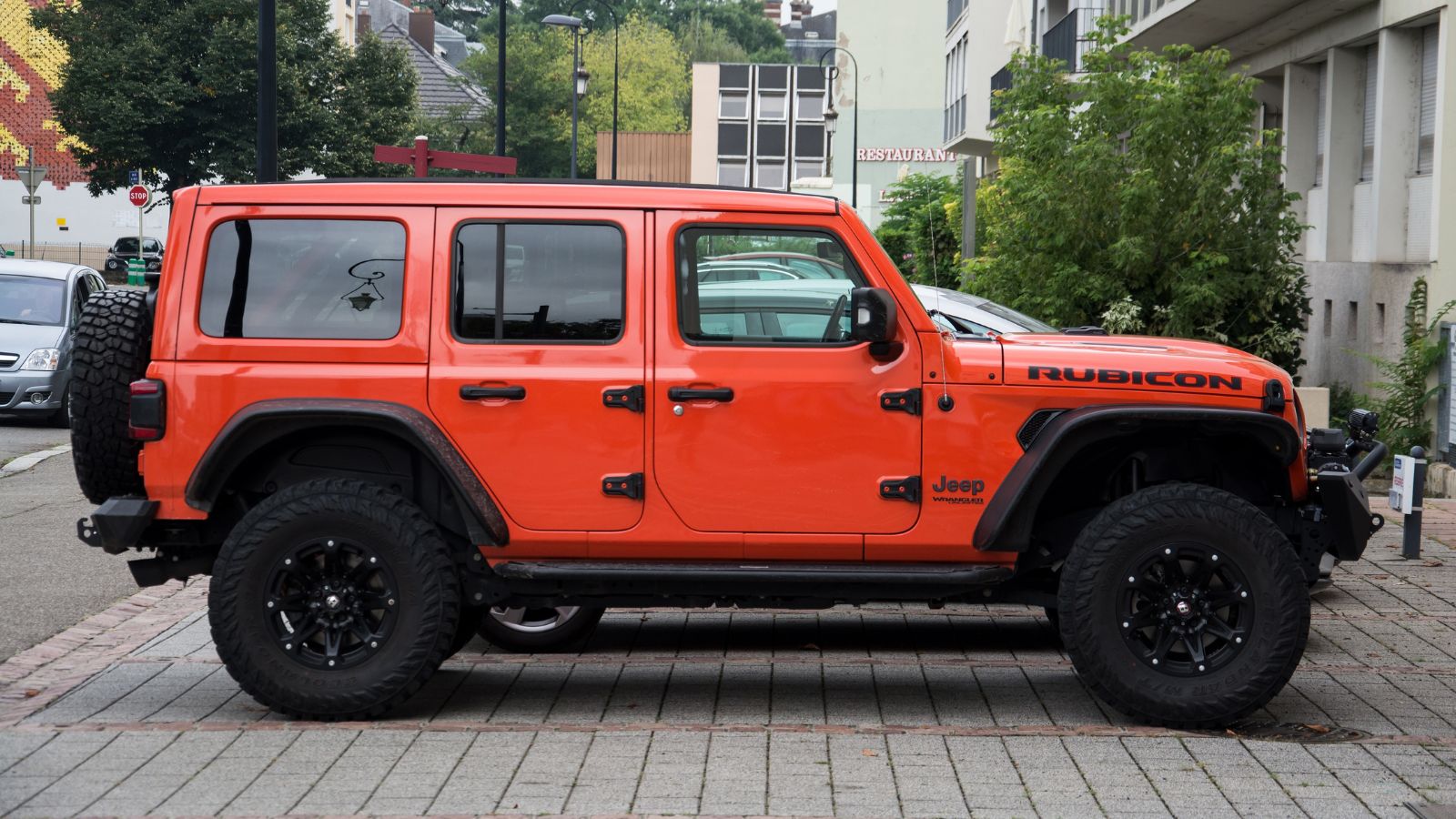
The Jeep Wrangler has one of the strongest identities in the market. It is rugged, recognizable, customizable, and unusually good at making buyers feel like they are purchasing a lifestyle rather than transportation. That emotional pull can be dangerous in a finance office. Wranglers can hold value better than many vehicles, but that does not erase the cost of buying one at a high price, especially with popular trims, larger tires, removable roof options, and off-road packages.
Daily life can also change the equation. A Wrangler may be fun in July and less charming during a long commute, with wind noise, fuel consumption, tire costs, and ride comfort that differ from a conventional SUV. Owners who modify them can add even more cost while sometimes narrowing resale appeal. Financing a Wrangler makes the most sense when the buyer truly uses its capability. As a fashion purchase with a stretched payment, it can become an expensive reminder that character is not the same as affordability.
Lexus RX
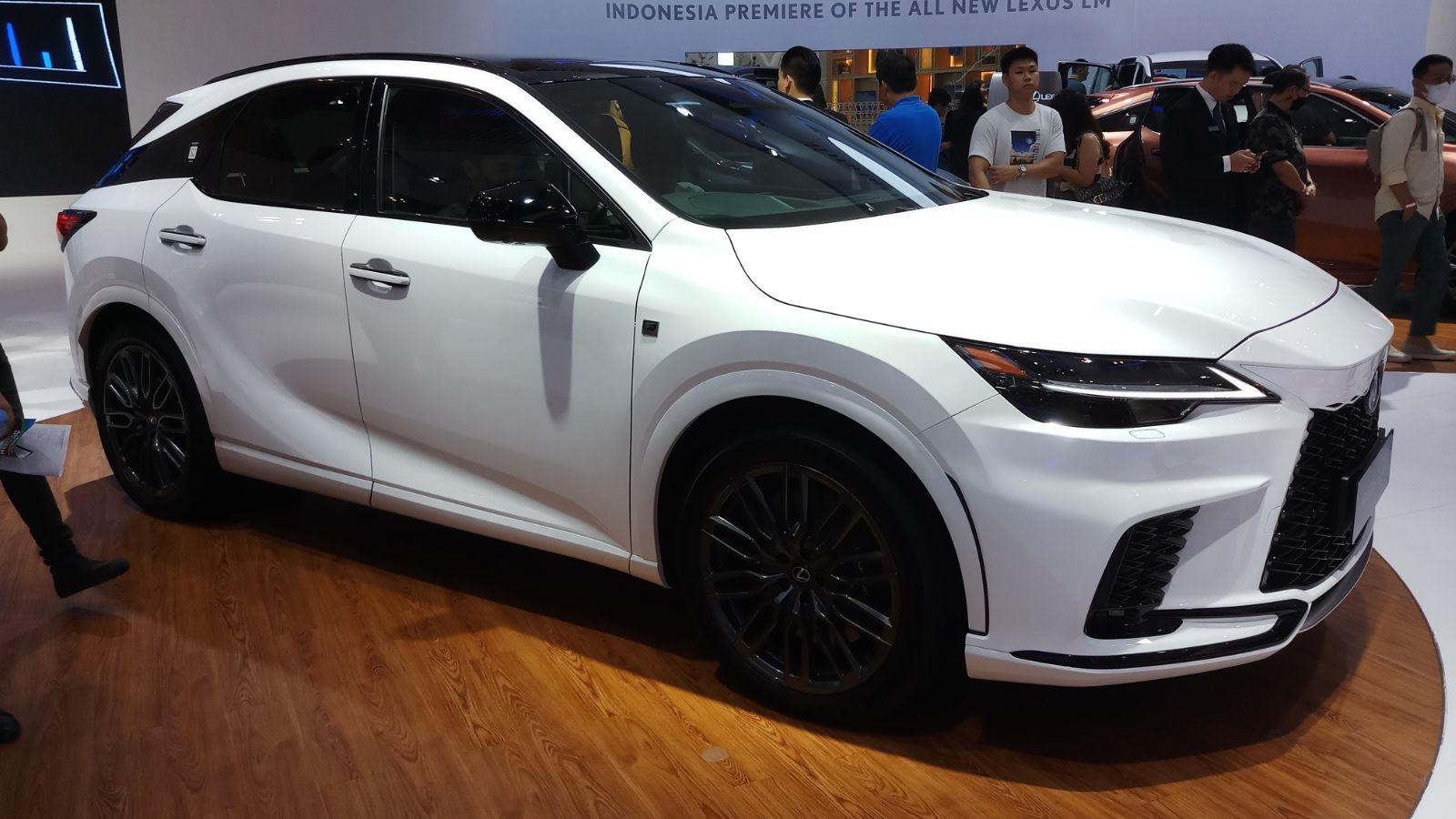
The Lexus RX is often viewed as a safe, sensible premium SUV because Lexus has a strong reputation for reliability and resale strength. That reputation can make buyers more comfortable financing one at a high price. The risk in Canada is not only the payment; it is the broader ownership environment around desirable luxury SUVs. Popular premium crossovers can carry higher insurance pressure when theft rates, parts costs, and repair complexity are factored into premiums.
The RX has also appeared prominently in Canadian theft data, which matters because theft exposure can influence the total cost of ownership even when the vehicle itself is dependable. A buyer may budget confidently for a luxury SUV payment and still be surprised by insurance quotes, anti-theft device requirements, or parking concerns in higher-risk regions. The RX may remain a strong vehicle, but financing one without checking insurance first can turn a “smart luxury” decision into a much tighter monthly commitment.
Honda CR-V
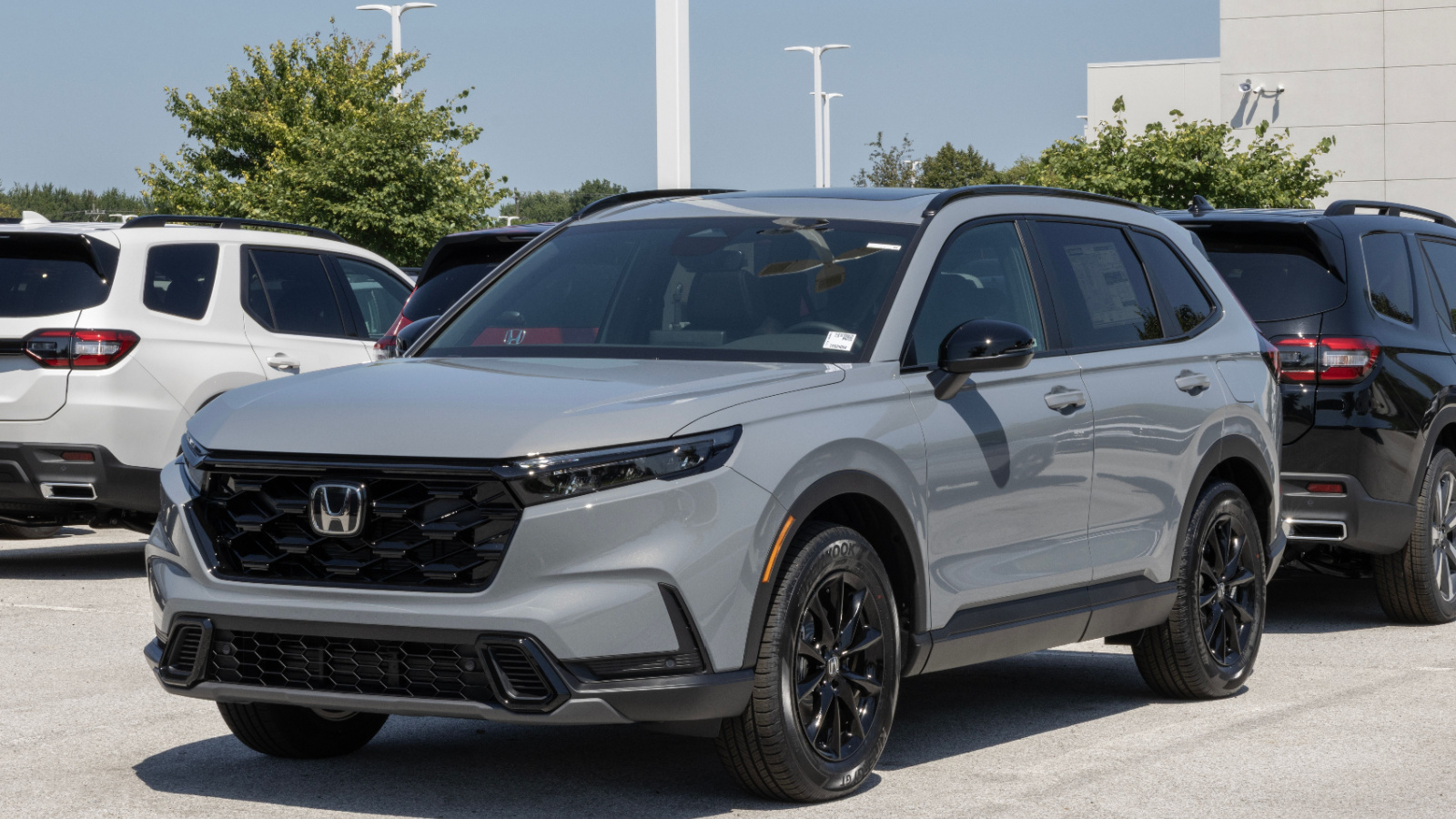
The Honda CR-V has long been a default choice for Canadian families, commuters, and small households that want space without moving into a larger SUV. Its popularity is part of the problem. High demand can keep transaction prices firm, and buyers may justify a bigger loan because the CR-V feels dependable and easy to resell. That logic is not wrong, but it can hide the fact that paying too much for a sensible vehicle is still paying too much.
Theft exposure adds another layer. The CR-V has ranked at or near the top of national theft lists in recent years, and that can affect insurance costs depending on province, location, model year, and coverage. A financed CR-V may still be easy to live with, but the ownership budget should include more than fuel and maintenance. Insurance, wait times for repairs, winter tires, and high used prices can make a mainstream SUV feel surprisingly expensive when the loan is stretched.
Toyota Highlander
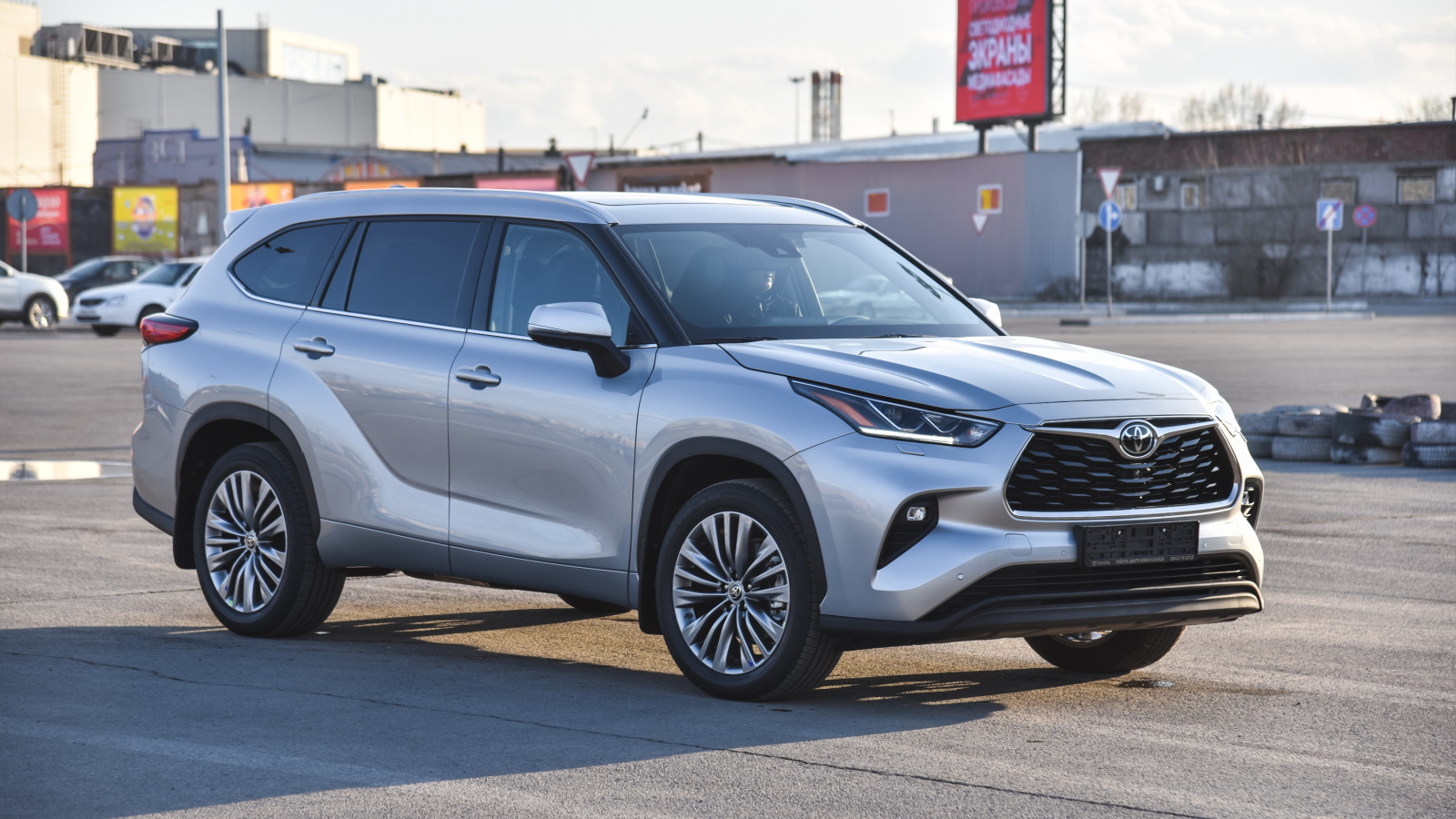
The Toyota Highlander is one of those vehicles that rarely feels irresponsible at first glance. It has family space, a trusted badge, available hybrid efficiency, and strong reputation value. That makes it easy for buyers to accept a larger payment, especially when comparing it with minivans or luxury SUVs. The danger is that high-demand Toyota models can command firm prices, and the “it will hold its value” argument can become a way to ignore affordability.
The Highlander has also appeared in Canadian theft rankings, which can complicate insurance planning. For families already juggling mortgage renewals, childcare, food inflation, and fuel costs, a three-row SUV payment can feel different after six months than it did on delivery day. The vehicle itself may be excellent, but financing one at a premium price requires caution. Strong resale value helps most when the purchase price is disciplined. It does not fully protect buyers who overpay, roll in negative equity, or choose a term that runs too long.
Land Rover Range Rover Sport
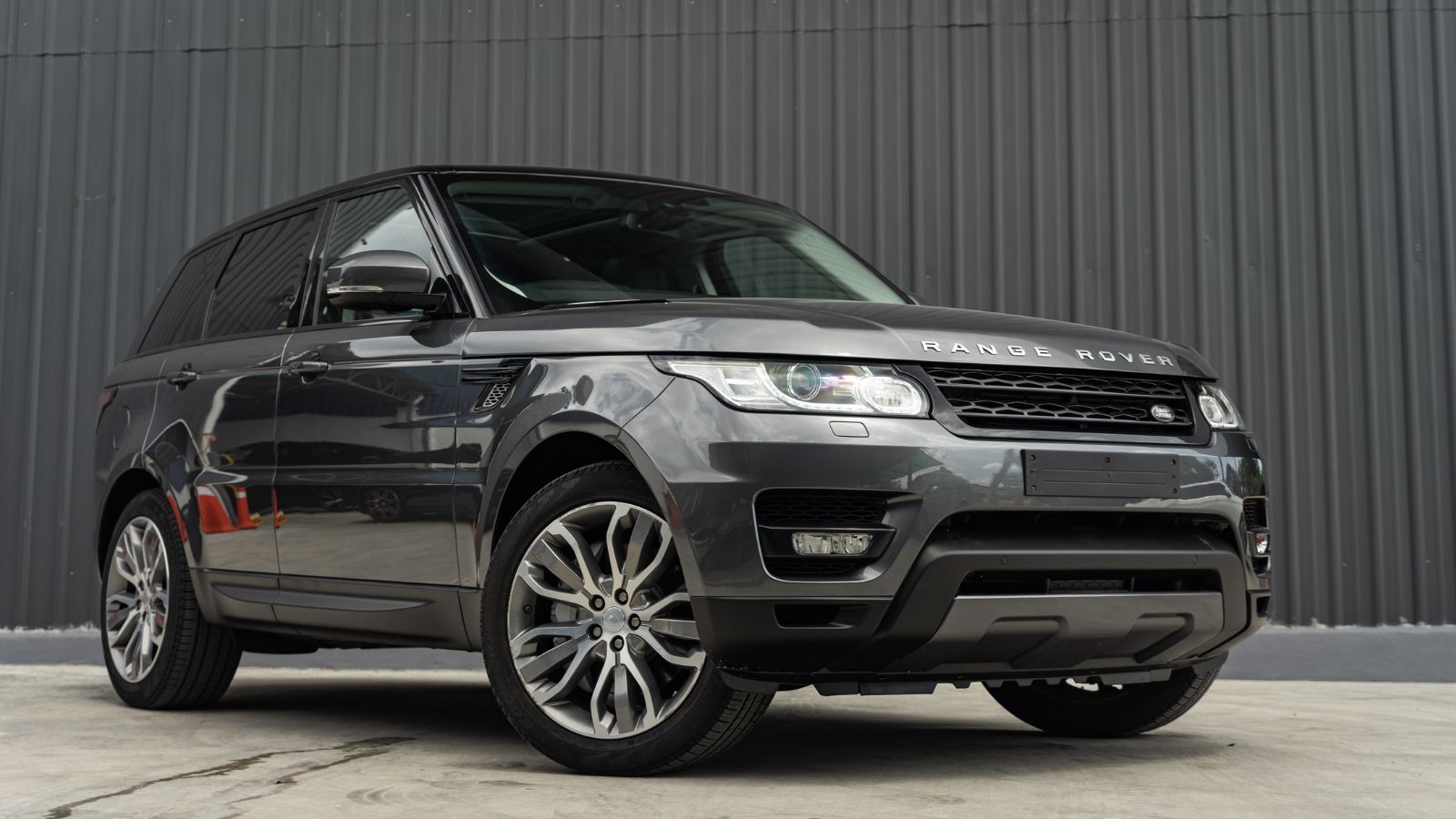
The Range Rover Sport has status, comfort, capability, and a presence few SUVs can match. It also represents one of the clearest examples of a vehicle that can punish optimistic financing. Luxury SUVs usually bring higher purchase prices, expensive tires, premium parts, specialized repairs, and insurance quotes that can surprise buyers coming from mainstream brands. A lower monthly payment created by a long term may hide a very expensive ownership structure.
Depreciation can be severe in the luxury segment, especially when buyers move from new to nearly new examples and discover how quickly large premium SUVs can lose value. Theft exposure is another concern in parts of Canada, where some luxury SUVs are attractive targets. The Range Rover Sport may be deeply satisfying for buyers with large cash cushions, but financing one close to the edge is risky. One major repair, insurance jump, or resale disappointment can make the deal feel financially heavy.
Nissan Ariya
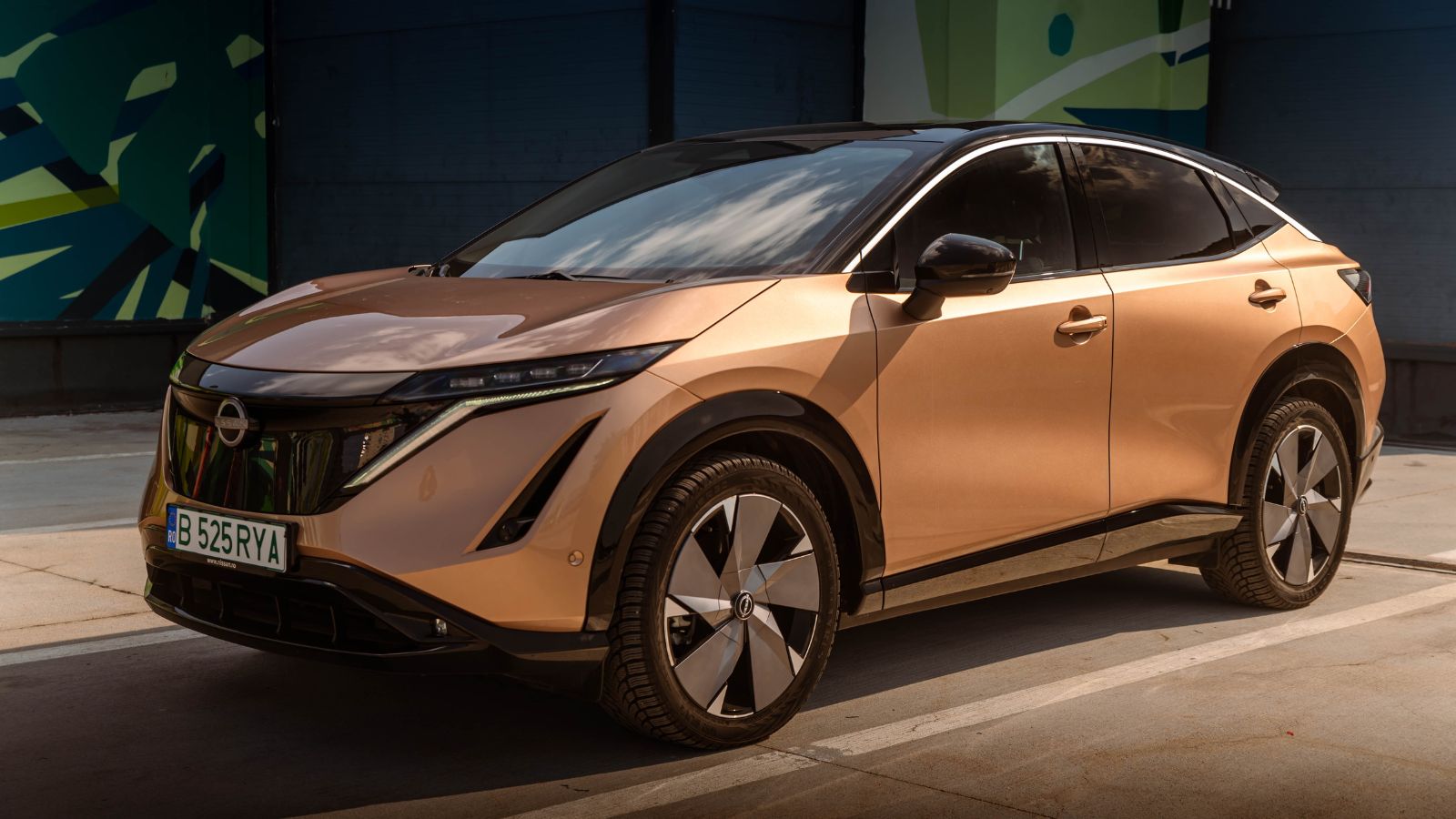
The Nissan Ariya offers a polished EV experience, comfortable cabin, and a calmer personality than some flashier electric crossovers. Yet it entered a segment where pricing, charging speed, range expectations, and brand perception are changing quickly. Financing an Ariya in 2026 can be risky if the deal depends heavily on projected fuel savings or assumes used EV values will remain firm. The EV market has not settled into predictable depreciation patterns the way mature gas segments have.
Ariya buyers also face a comparison problem. Shoppers may cross-shop it against Tesla, Hyundai, Kia, Volkswagen, Ford, and Chevrolet EVs, many of which compete aggressively on price, range, charging, or software. If incentives shift or rival models discount heavily, the financed Ariya can feel expensive on the used market. It may suit drivers with home charging and predictable routines, but the financing should be conservative. EV comfort does not automatically equal strong residual value.
Chevrolet Silverado / GMC Sierra 1500
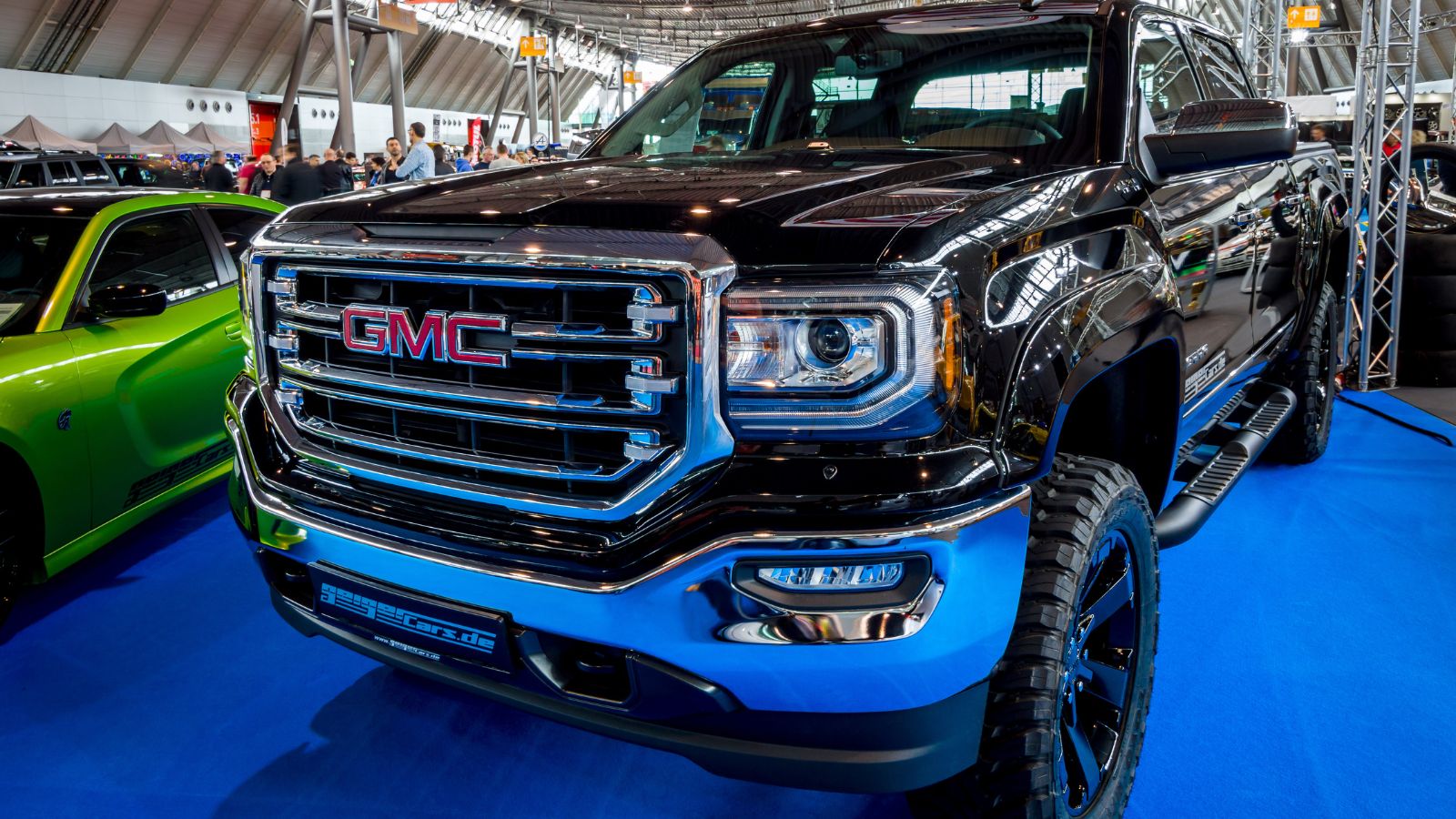
The Chevrolet Silverado and GMC Sierra 1500 are deeply familiar Canadian pickups, used for work, towing, rural life, and family duty. The financing risk comes from how expensive full-size trucks have become. Crew cabs, four-wheel drive, luxury trims, diesel options, towing packages, and technology bundles can push prices far beyond what many buyers expect from a pickup. A long loan can make the payment digestible while quietly increasing total interest and depreciation exposure.
These trucks also appear in theft data, and insurance can vary meaningfully by region and configuration. Running costs are not small either: fuel, large tires, brake wear, and repair costs can stack up quickly. For buyers who genuinely need a full-size truck, the cost may be justified. For those buying one mainly because it feels safer, more capable, or more prestigious than an SUV, the financing can age poorly. Capability is valuable, but unused capability is expensive debt.
Jeep Wagoneer / Grand Wagoneer
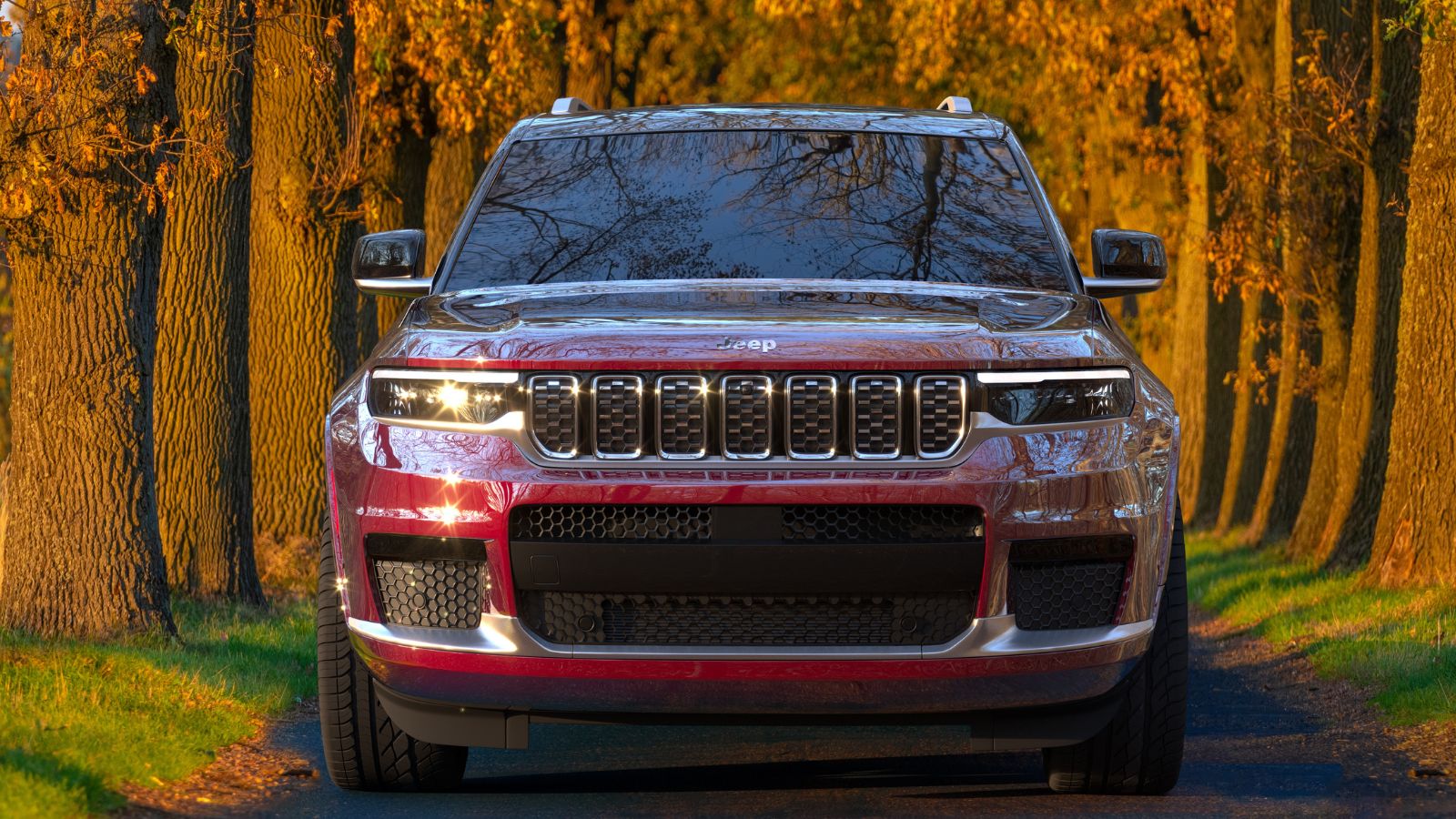
The Jeep Wagoneer and Grand Wagoneer aim at large families who want space, towing ability, and luxury without moving to a traditional premium badge. They deliver presence and comfort, but they are large, thirsty, expensive vehicles to finance and maintain. The upfront price is only one part of the story. Large SUV tires, fuel costs, brake wear, insurance, and depreciation can all be substantial, especially if the vehicle is used mostly for commuting or school runs.
The Grand Wagoneer is particularly vulnerable to expectation shock. It competes with luxury SUVs, but buyers may still approach it with mainstream Jeep assumptions. A heavily financed example can become difficult to trade if the market cools or fuel prices rise. Large three-row SUVs often make sense for specific families and towing needs, but they are rarely casual purchases. In 2026, financing one without a large down payment or a clear long-term use case could create regret quickly.
Chevrolet Blazer EV
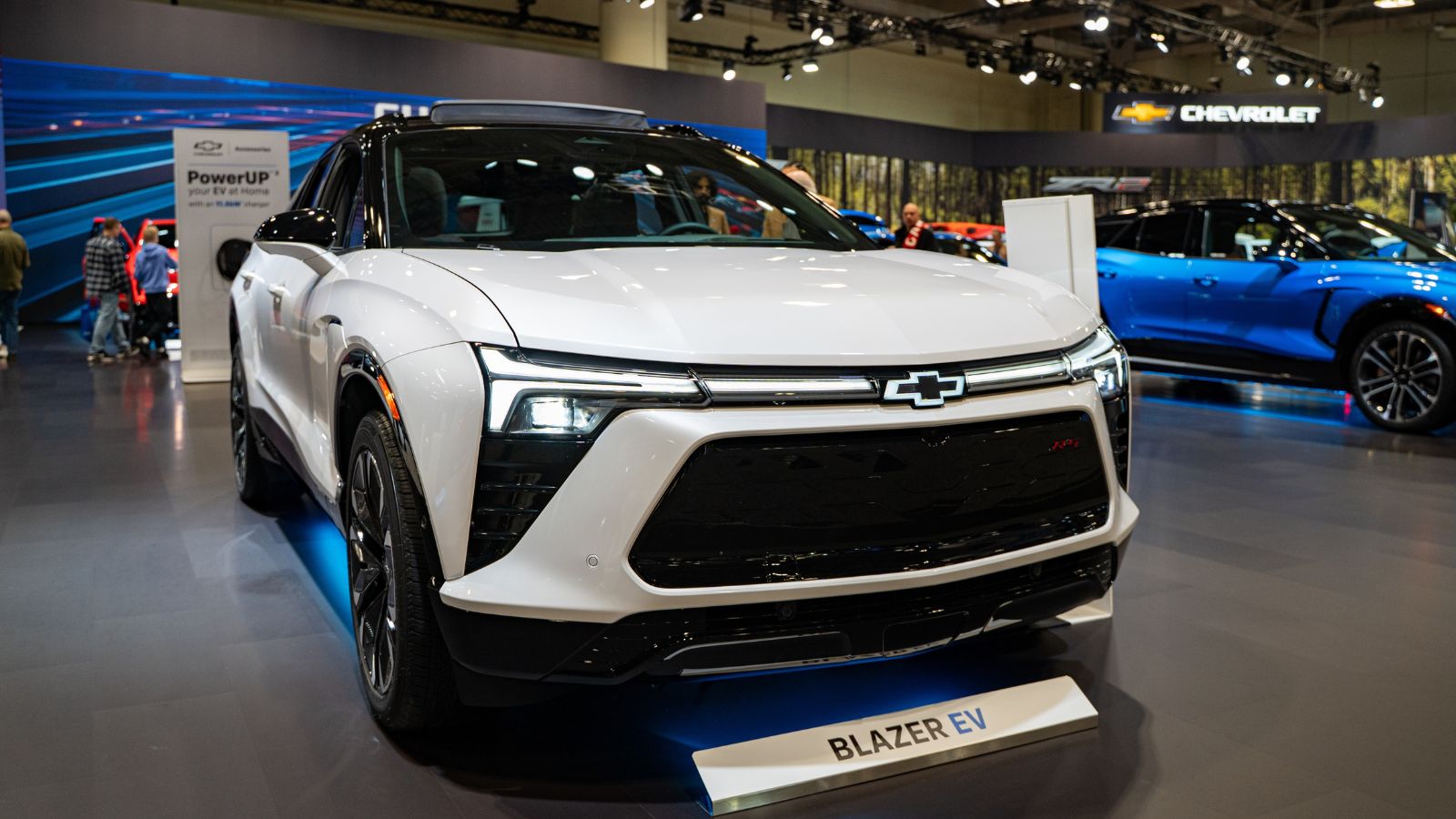
The Chevrolet Blazer EV brings familiar SUV branding into the electric market, which helps make the transition feel less intimidating. It has style, space, and mainstream-dealer appeal. The financing concern is timing. New EV models often arrive with high expectations, then face software updates, production adjustments, incentive changes, and rapid competition. Buyers who finance early can be exposed if later versions improve, discounts appear, or used values adjust downward.
The Blazer EV also competes in a crowded field where shoppers compare range, charging access, brand confidence, price, and reliability perception. That makes resale harder to predict than with a long-established gas crossover. A buyer with home charging and a strong purchase discount may do well, but stretching for a high-trim Blazer EV based on gasoline savings alone is risky. The EV transition is real, but it is uneven. Financing needs to account for that unevenness before the first payment is due.
22 Things Canadians Do to Their Cars in Spring That Mechanics Hate

Spring brings relief to many Canadian drivers after months of snow, freezing temperatures, and icy roads that put serious strain on vehicles. As temperatures rise across the country, drivers begin washing cars, switching tires, and preparing vehicles for warmer weather and upcoming road trips. However, mechanics across Canada notice the same mistakes every spring when drivers attempt to recover from winter damage. Road salt, potholes, and harsh winter driving conditions often leave vehicles with hidden problems that drivers ignore. Some spring habits even create new mechanical issues that could have been avoided with proper maintenance. Here are 22 things Canadians do to their cars in spring that mechanics hate.