

























Car buying in Canada often feels straightforward until the bill of sale starts filling up with tiny line items that seem too routine to question. Some are legitimate government charges, some are dealer-created profit centres, and some sit in the gray area of “optional” products presented with the tone of a requirement. That is where many shoppers lose track of what they actually agreed to.
The real issue is not that every fee is fake. It is that too many are poorly explained, bundled into monthly payments, or introduced so late in the process that pushing back feels awkward. These 18 charges show where Canadians most often give ground without fully realizing it, and why the finance office can change the cost of a deal far more than the sticker price suggests.
Documentation Fees That Sound Like Routine Paperwork

Few charges feel more harmless than a documentation fee. It sounds like a simple administrative cost for preparing the file, printing forms, and moving the deal along. That is exactly why it works so well. By the time a buyer sees it, the car has already been test-driven, numbers have been discussed, and the emotional commitment is largely made. A few hundred dollars labeled “doc fee” or “admin fee” can seem too minor to fight, even though it may have little connection to any actual paperwork burden. In Ontario, OMVIC’s all-in pricing rules say administration fees must already be built into an advertised dealer price, not quietly tacked on later.
The practical problem is that a documentation fee is often treated as normal simply because it is common. Dealers know shoppers compare vehicle prices first and line items second. So the fee becomes a way to preserve margin after the headline number has done its job. In Alberta, AMVIC makes the same point: administration fees belong in the all-in advertised price for licensed sellers. Once a buyer is in the finance office, though, the fee can be reframed as standard process rather than a negotiable charge. That shift in tone is what keeps people agreeing to it.
Freight Charges That Reappear After the Price Seems Settled

Freight is one of the most misunderstood charges on a vehicle purchase because buyers often assume it is a manufacturer cost that simply has to be there. Sometimes it is already part of the legitimate all-in price. The trouble starts when freight resurfaces after a vehicle has already been advertised at a specific number. In provinces with all-in pricing rules for dealer ads, freight is not supposed to pop up as a surprise extra. Ontario’s regulator explicitly lists freight as a fee that must be included in the advertised price, and Alberta’s regulator does the same for AMVIC-licensed sellers.
What makes freight so effective is that it sounds non-negotiable. Transporting a vehicle clearly costs money, so the charge carries an air of inevitability. But consumers often miss the more important question: was it already supposed to be included in the quoted price? The answer matters more than whether freight exists in the abstract. Dealers can use that confusion to make a price look lower in the early conversation, then reintroduce freight when the buyer is already mentally financing the vehicle. It is not the label alone that costs money; it is the timing. Once a shopper is attached to the deal, a familiar-sounding shipping charge is rarely where the argument begins.
Pre-Delivery Inspection Fees That Feel Technical Enough to Accept

Pre-delivery inspection, often shortened to PDI or PDE, is another charge that survives because it sounds like something only the dealership understands. Buyers hear that the vehicle must be inspected, prepared, and checked before handover, and most assume the fee must be mandatory. On a new vehicle, that explanation feels plausible. On a used one, it can sound like evidence the dealer is being careful. But in Ontario and Alberta, PDI is specifically named as a charge that belongs in an all-in advertised dealer price rather than as a late surprise on top of it.
The phrase also benefits from technical vagueness. Most buyers are not mechanics, and few want to argue over what it takes to prepare a car for delivery. That hesitation is exactly what helps the fee stick. Once the salesperson says the vehicle has been “through service” or “gone through inspection,” pushing back can feel like questioning the safety of the purchase itself. In reality, the issue is not whether a dealership inspects a car. The issue is whether the cost was already built into the price that brought the customer in. That distinction gets lost easily, especially when the charge is folded into a monthly payment and presented as just one more standard dealership line.
Regulator or Levy Recovery Fees That Look Official on the Contract

One of the easiest ways to make a fee feel untouchable is to give it an official-sounding name. In Ontario, some dealers pass through OMVIC’s transaction fee on the bill of sale. OMVIC says the dealer transaction fee is $22 per vehicle as of September 1, 2025, and a dealer may choose to pass it on. The detail many buyers miss is that optional pass-through does not automatically make the charge sacred, and if it is referenced as an OMVIC fee it has to be shown properly. In Alberta, AMVIC similarly notes that businesses can pass along the AMVIC levy, but they cannot present it as a mandatory government fee.
That distinction matters because the language can do more work than the amount. A buyer who would challenge a vague “dealer services fee” may not challenge a “regulatory fee” or “levy recovery.” The numbers are usually small, which makes them psychologically effective. Few people want to risk derailing a big purchase over $10 or $22, especially when the charge appears connected to consumer protection. But small official-looking fees also train buyers to accept everything else on the page. Once one line item is treated as fixed and unquestionable, the rest of the contract tends to inherit that momentum.
The Air Conditioning Excise Tax Few Buyers Recognize

The air conditioning excise tax is one of those line items that sounds invented until it is not. Under Canada’s Excise Tax Act, there is a $100 excise tax on automotive air conditioners, including units installed in vehicles at the time of sale or importation. OMVIC lists “air tax” among government levies that must be included in Ontario dealer advertising, and AMVIC says Alberta businesses that pass it through must make clear it is a recovery of the levy. Yet buyers still react to it as if it is a mysterious dealership surcharge, largely because almost no one expects a separate air-conditioner tax on a modern car purchase.
That confusion helps this fee travel quietly through contracts. It is real, but because it is rarely explained well, consumers can end up treating it the same way they treat less legitimate dealer-created charges. In some deals it is buried inside a broader admin total; in others it appears as a separate line that buyers are too tired to question. The irony is that a genuine government charge can be used to normalize a page full of less defensible extras. Once the contract includes one obscure but lawful levy, everything around it starts to look equally untouchable, even when it is not.
Green Levy Charges That Catch Buyers by Surprise
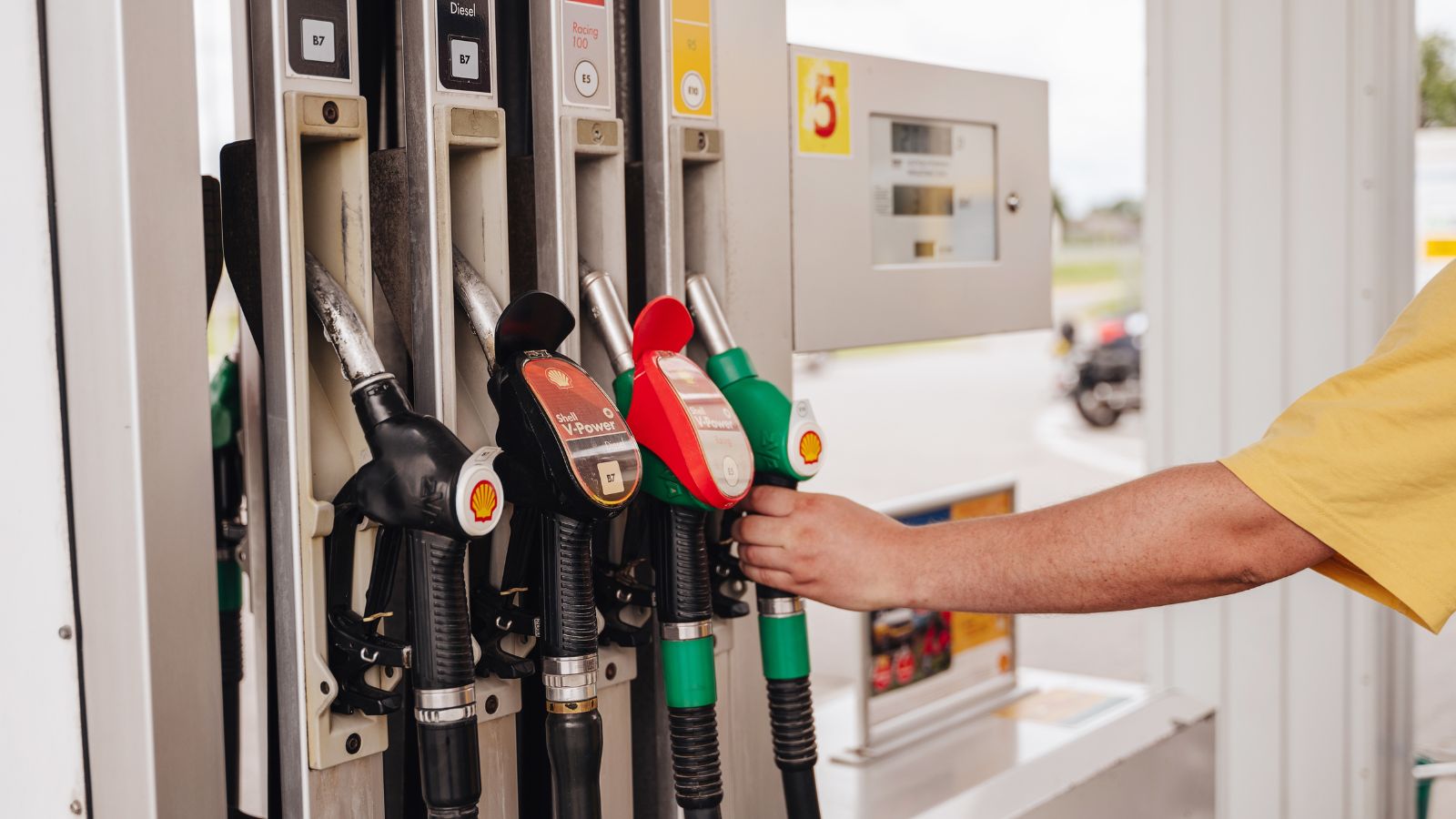
Canada still imposes an excise tax on certain fuel-inefficient passenger vehicles, and the rates are not trivial. Under the Excise Tax Act, the levy ranges from $1,000 to $4,000 depending on the weighted fuel-consumption rating. It applies to certain automobiles, including some SUVs and vans. OMVIC includes green levies among the government charges that must be folded into an advertised dealer price in Ontario. That means the surprise is often not the existence of the charge itself, but the moment a buyer first notices it.
Large SUVs and performance vehicles create the perfect conditions for this fee to be overlooked. Buyers focusing on horsepower, towing, trim levels, or monthly payments are not always studying federal excise tables. When the levy appears, it can feel like an unavoidable technicality rather than a meaningful addition to the transaction. That is especially true when the buyer has already justified a bigger vehicle on practical grounds and is now reluctant to reopen the financial conversation. Because the charge is government-imposed, it also carries less social friction than dealer-created add-ons. People may resent it, but they usually accept it immediately, and acceptance is exactly what makes the dealership closing process easier.
Luxury Tax Line Items That Seem Relevant Only to Other People

The federal luxury tax still catches buyers who assume it is only a concern for exotic cars. Canada’s luxury tax on subject vehicles applies when the taxable amount exceeds $100,000, and the amount is calculated as the lesser of 10% of the full taxable amount or 20% of the amount above the threshold. The rule came into effect on September 1, 2022. What many shoppers miss is that the threshold can be crossed more easily than expected once other duties and excise taxes are counted. On a heavily optioned pickup, SUV, or premium EV, the label “luxury” may not match the buyer’s self-image, but the tax can still apply.
That mismatch is why the fee lands with so little resistance. Consumers tend to think in categories, not thresholds. A family vehicle configured with towing packages, larger wheels, and premium technology does not feel extravagant in the showroom, even when the final taxable amount enters luxury-tax territory. Once the buyer has spent weeks searching for the right trim, walking away over a late-stage tax becomes unlikely. Dealers are not inventing this charge, but they do benefit from how late it often becomes emotionally real. By the time the word “luxury” appears on paper, the vehicle has usually already been mentally justified as practical.
VIN Etching and Theft-Deterrent Packages
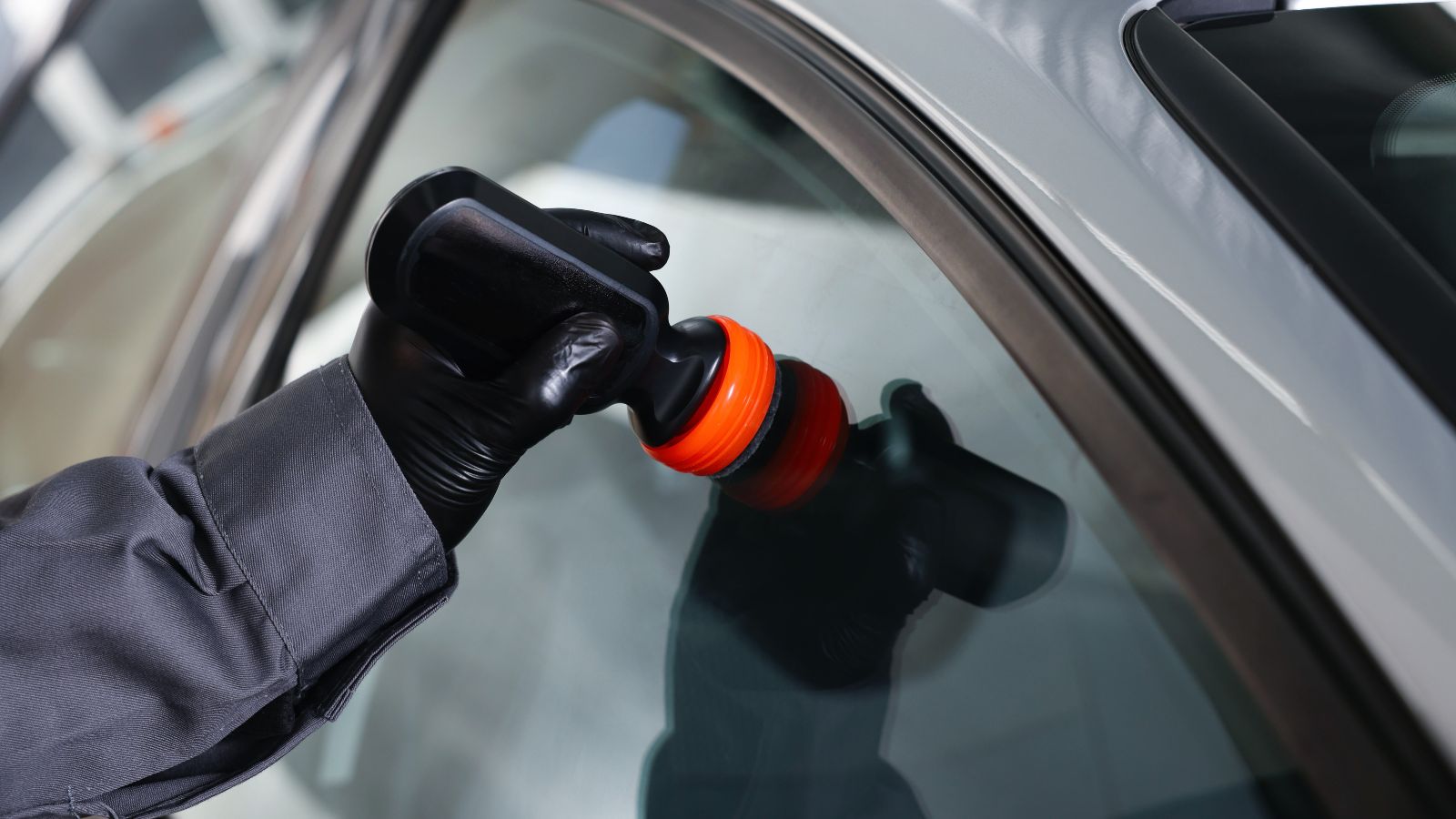
VIN etching and anti-theft packages survive because they sit at the intersection of fear and plausibility. With vehicle theft a persistent concern in parts of Canada, especially for commonly targeted SUVs and trucks, a security package can sound prudent even when it was never requested. OMVIC specifically lists security or theft-deterrent products such as etching among pre-installed items that must be included in an advertised price if the dealer intends to charge for them. TD’s car-buying guidance also groups added security features among common dealership add-ons. That makes them real products, but not automatically necessary products.
The problem is how often these packages are framed as already attached to the vehicle, turning a choice into a fait accompli. Buyers hear that the car has been etched, tagged, or enrolled in a theft-recovery program, and the conversation shifts from “Do you want this?” to “How should this be financed?” That is a huge psychological move. Once a theft-related product is linked to peace of mind, objecting can feel reckless. Yet the actual value depends on the vehicle, local theft patterns, insurance treatment, and the terms of the package. Many buyers agree simply because the product arrives too late in the process to evaluate properly and too early to undo without starting over elsewhere.
Nitrogen Tire Packages That Sound More Scientific Than Valuable
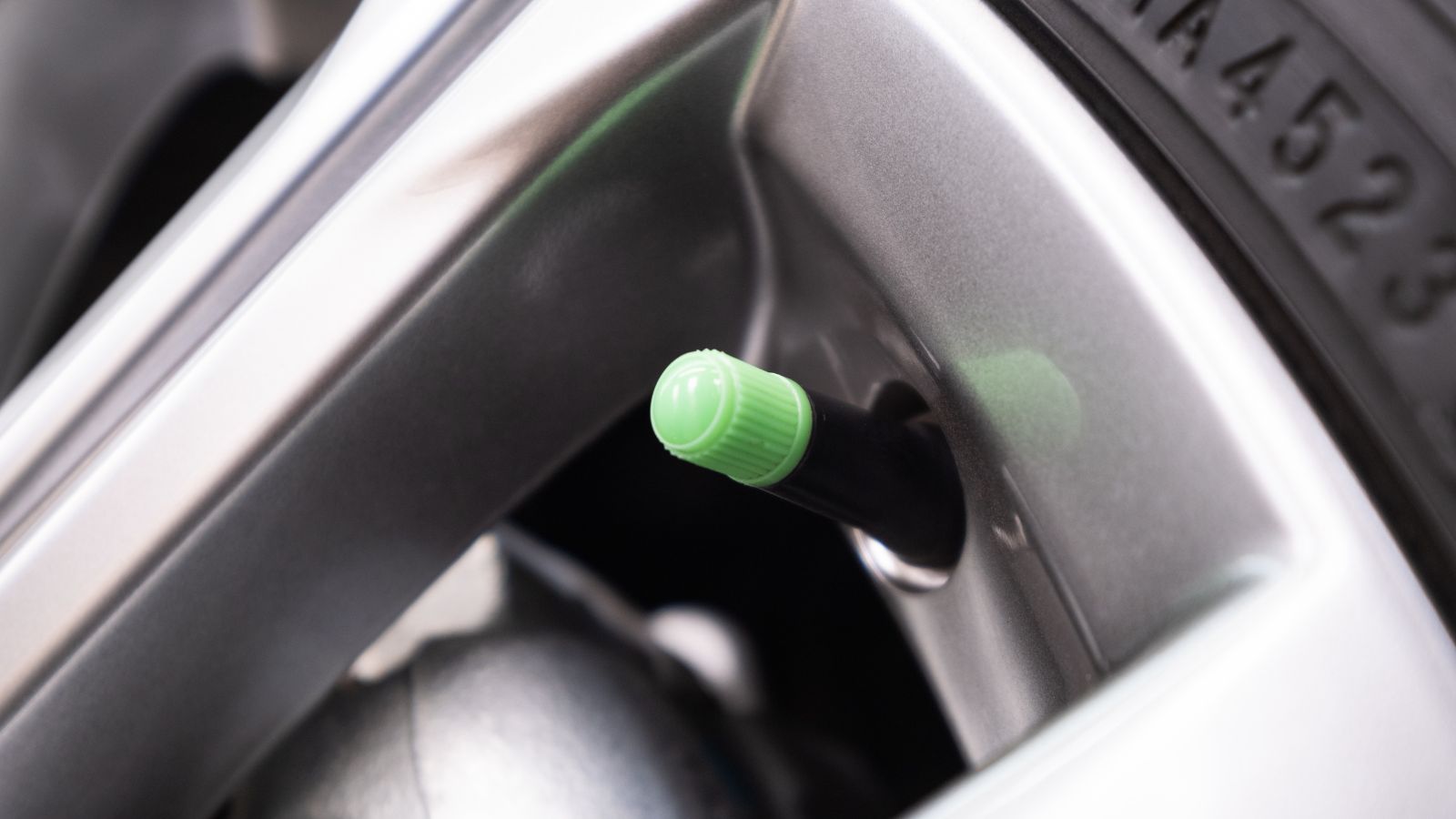
Nitrogen-filled tires are a classic example of a dealer add-on that benefits from sounding specialized. OMVIC and AMVIC both mention nitrogen or tire-protection packages as pre-installed items that cannot be added on top of an advertised all-in dealer price if the dealer intends to charge for them. The sales pitch is usually polished: more stable tire pressure, better performance, less moisture, improved fuel economy. To a busy buyer in the final paperwork stage, it can sound like a small premium for a smarter version of something the vehicle already needs.
That framing is powerful because the cost is often low enough to avoid a full confrontation and technical enough to discourage debate. Even skeptical buyers may think, “Maybe it helps a little.” That is often all the package needs. The bigger issue is that the buyer may never have asked for it in the first place. Once nitrogen is bundled with tire protection, road-hazard coverage, or other small perks, it becomes harder to isolate and reject. Dealers know the finance office is where minor scientific-sounding improvements sell best. The contract turns a basic maintenance item into a premium feature, and many Canadians agree simply because the downside of arguing feels larger than the dollars involved.
Wheel Locks and Accessory Bundles Presented as Already Installed

Wheel locks, splash guards, floor mats, oil-change packages, and other accessories are not always bad buys. The problem begins when they are rolled into an “assurance package” or mandatory accessory bundle after the shopper believed the price was already set. The APA documented a case in Alberta where a dealer tried to require an assurance package with wheel locks and lifetime oil changes, adding more than $5,000 to the advertised pre-tax price. AMVIC’s guidance is clear that consumers should not be forced to agree to extra fees, equipment, or services they do not want, and market-adjustment fees cannot simply be added on top of an all-in advertised price.
This tactic works because the accessories are tangible. Unlike an abstract admin fee, buyers can see wheel locks or mats and may hesitate to challenge something that appears physically attached to the vehicle. The dealer can then present the bundle as sunk cost: it has already been installed, so someone has to pay. That is where many consumers fold. The accessories themselves may be worth something, but that does not make the pricing fair or the consent meaningful. Bundling also makes comparison shopping harder. Two vehicles that looked equally priced online can quickly diverge once one comes with a non-optional accessory package dressed up as standard dealership practice.
Extended Warranties That Ride the Fear of Future Repair Bills

Extended warranties are among the most profitable products in the dealership office for a reason: they are sold at the exact moment buyers are most aware of how expensive modern cars can be. The Automobile Protection Association says 30% to 60% of the warranty price may go to repairs, while 25% to 50% can go to dealer commission and 10% to 20% to the warranty company’s administration and profit. APA also says new-car dealers typically mark up manufacturer warranties by 25% to 30%, while third-party warranties can be marked up 50% to 100% or more. Those numbers explain why the pitch is so persistent.
The emotional logic is easy to understand. A buyer who has just committed tens of thousands of dollars is highly vulnerable to the phrase “one major repair could cost more than this plan.” Sometimes that is true. Sometimes it is not. OMVIC treats extended warranties as optional add-ons, and TD lists them among common dealership extras. Yet many buyers hear the product in the tone of a recommendation from an expert rather than an upsell from a profit centre. The sales office also benefits from timing: once a monthly payment has already been normalized, adding a few more dollars a month can make a large warranty markup feel painless, even when it meaningfully increases the total cost.
Finance Placement Fees Hidden Inside the Loan Conversation

A finance placement fee can be especially slippery because it appears inside a part of the deal many buyers already find confusing. In British Columbia, the Vehicle Sales Authority warned that some dealers were placing “finance arrangement” or “finance placement” fees on bills of sale even though the bank or finance company might not have such a fee. The VSA says these are brokerage fees under provincial consumer law, must be disclosed, and must be included in the annual percentage rate calculation. Improperly applied or misrepresented finance placement fees may have to be returned to the consumer.
What makes these charges effective is that buyers often assume any fee tied to financing must come from the lender. That assumption shields the dealer from scrutiny. By the time someone is discussing approval, term length, and monthly payment, few want to stop the process to interrogate a separate brokerage-style charge. The finance office also tends to speak in lender language, which makes dealer-created charges feel institutional rather than negotiable. Once the buyer believes the bank is responsible, resistance drops sharply. That is why disclosure matters so much. A fee for arranging financing can materially change the real borrowing cost, but many Canadians never fully recognize that because it arrives wearing the costume of bank procedure.
Loan Insurance That Is Optional but Often Sold Like Protection No One Should Refuse

Loan insurance or payment protection is not the same thing as auto insurance, and that confusion alone helps it sell. The Financial Consumer Agency of Canada states that insurance on a loan or credit product is optional, and federally regulated financial institutions must obtain express consent before providing it. They also must enter into a separate agreement and disclose the charges and cancellation terms. Despite that, the product is often presented in a way that makes it feel like a sensible default: if illness, disability, job loss, or death interrupts income, the coverage may help with the loan. That pitch can be powerful in a dealership office where buyers are already emotionally stretched.
The catch is not that the product never has value. It is that many consumers accept it without pausing to compare cost, exclusions, waiting periods, or overlapping coverage they may already have through work benefits or existing insurance. Because it is folded into financing, the expense may feel smaller than it is. A buyer does not see a single painful lump sum; they see a slightly higher monthly payment. That is how optional products turn into quietly accepted costs. Once protection is tied to responsibility, declining can feel reckless. Dealers and lenders understand that psychology well, which is why loan insurance is so often agreed to quickly and reviewed carefully only much later.
GAP Coverage That Shows Up When the Buyer Is Most Concerned About Loss

GAP coverage, or guaranteed auto protection, sounds compelling because it addresses a real risk: owing more on a vehicle than the insurer would pay if it were stolen or declared a total loss. TD describes GAP insurance as covering the difference between the cash value of the vehicle and the balance owing on the financing amount, and dealer-sold GAP is a well-established add-on in Canadian auto finance. That makes it easier to sell, especially on long-term loans where negative equity can linger. The product is not imaginary. The question is whether it belongs in every deal the way it is often presented.
Many buyers agree because GAP is discussed at exactly the moment they are picturing worst-case scenarios. A total loss on a newly financed vehicle feels disastrous, and the finance office is designed to make that possibility vivid. But optional coverage can start sounding mandatory once it is wrapped in phrases like “protecting the bank,” “protecting your approval,” or “protecting your investment.” In many cases, the smarter move is to examine depreciation, down payment size, loan term, and existing insurance options before buying the product on the spot. Instead, Canadians often agree in the room because the downside is immediate and emotional, while the cost is softened into the monthly payment and rarely challenged.
Rustproofing Packages That Sell Better Than They Are Compared

Rustproofing is one of the oldest dealership add-ons in the book, and it remains effective because it appeals to a distinctly Canadian anxiety. Salt, slush, and harsh winters make corrosion feel inevitable, especially for buyers who plan to keep a vehicle for years. TD includes rust protection within dealership paint and fabric protection offerings, while OMVIC lists rustproofing as an optional add-on that must be separately chosen rather than disguised as part of the mandatory price. The product itself can be useful in some circumstances. The issue is that many buyers never compare it against the vehicle’s factory corrosion warranty, independent rustproofing options, or the actual ownership timeline they expect.
The emotional trigger is simple: nobody wants to ruin a major purchase through neglect. That makes rustproofing easy to position as prudent maintenance rather than high-margin upsell. But dealership versions can be expensive, and their value depends on what is covered, for how long, and under what conditions. Buyers often do not study those details because the vehicle purchase has already consumed their attention. In the finance office, rustproofing is presented less as a product to evaluate and more as a responsible checkbox. Once that happens, many Canadians stop asking whether they need the package and start asking only whether it can be wrapped into the payment.
Paint and Fabric Protection That Turns Cosmetic Anxiety Into Profit

Paint and fabric protection usually enters the deal through a mix of fear and aspiration. Buyers are told the coating will defend against spills, fading, bird droppings, road grime, salt, and daily wear. On a new vehicle, that language is potent because the car still looks perfect. TD specifically lists paint and fabric protection among common dealership add-ons, while J.D. Power’s protection-product lineup includes surface protection as a recognized F&I product category. In other words, this is a mainstream dealership upsell, not a fringe tactic. That mainstream status is part of the reason so many consumers stop questioning it.
The problem is that cosmetic add-ons are often priced as if every buyer is preserving a museum piece. In reality, the value depends on driving habits, parking conditions, ownership length, and whether cheaper aftermarket alternatives exist. A buyer in the closing office rarely has the time or emotional energy to investigate those alternatives properly. What the dealership sells is not just a coating. It sells the promise of keeping the new-car feeling intact. That promise lands at a vulnerable moment, right after the buyer has spent heavily and wants to protect the appearance of the purchase. Many agree because saying no feels like risking preventable damage, even when the product may be overpriced for the benefit delivered.
Key Replacement Plans That Sound Small Until the Math Is Done
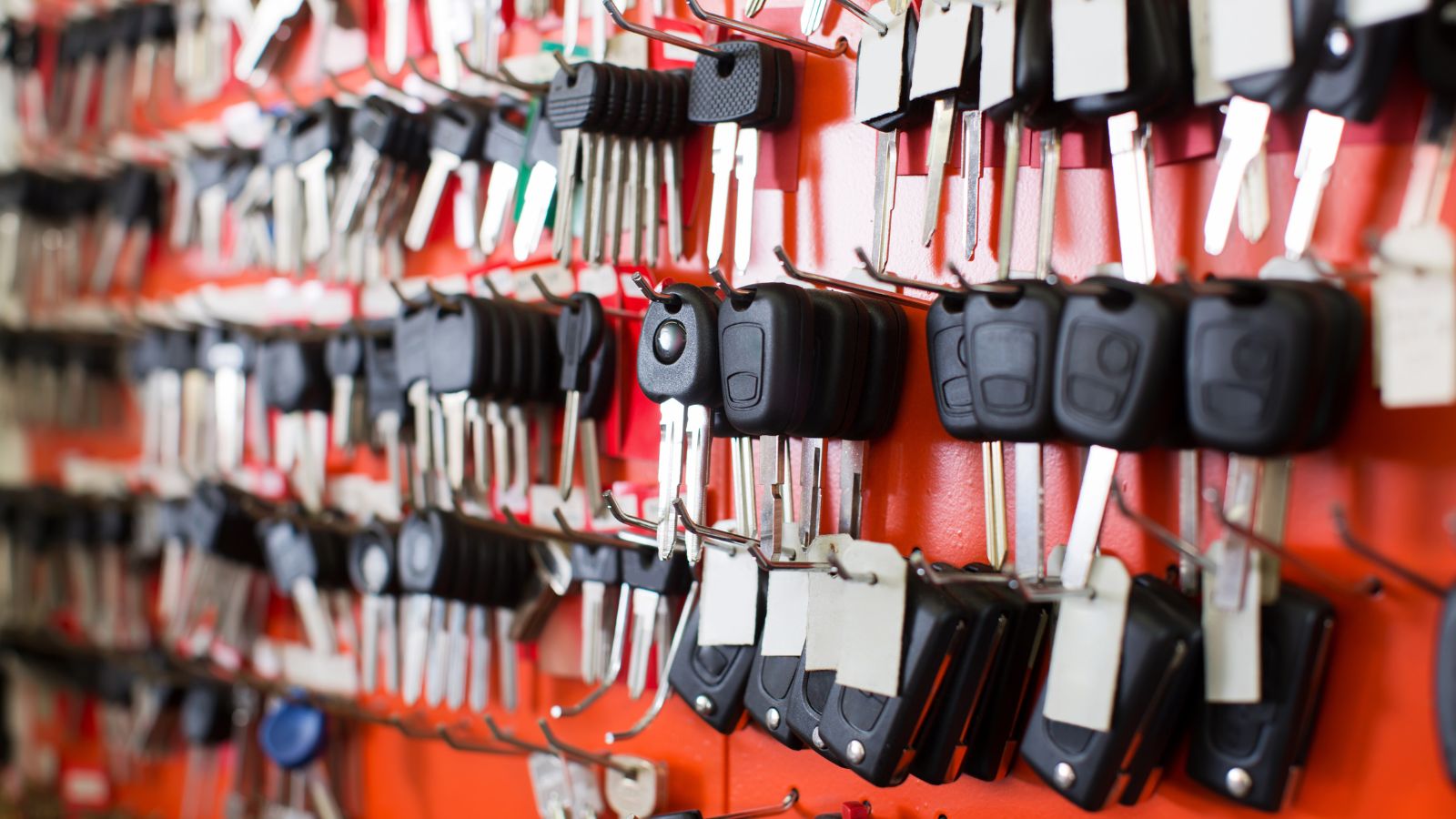
Key replacement protection is a perfect finance-office product because it preys on a common annoyance with modern prices attached. Smart keys and fobs can cost hundreds of dollars to replace and program. CAA North & East Ontario warns that damaging key fobs can cost hundreds to replace and program, and J.D. Power includes key replacement among common dealership protection add-ons. That combination makes the product easy to pitch: everyone can imagine losing a fob, and everyone knows modern keys are not cheap. Once the idea is planted, the fee can seem like a small hedge against an expensive inconvenience.
The trouble is that the product is often sold without real context. Buyers may already have roadside assistance, home insurance riders, or bank card benefits that reduce the need for a separate plan. CAA roadside programs, for example, include limited locksmith support in some memberships. But those comparisons rarely happen in the dealership office. Instead, the plan is framed as modest monthly peace of mind. That framing is effective because the risk is relatable and the purchase amount is low enough to feel harmless. Over time, though, small protection products accumulate. One key plan by itself may not break a budget, but in a dealer office stacked with similar add-ons, it becomes part of a much more expensive pattern.
Tire Recycling or Environmental Fees That Blend Into the Sale
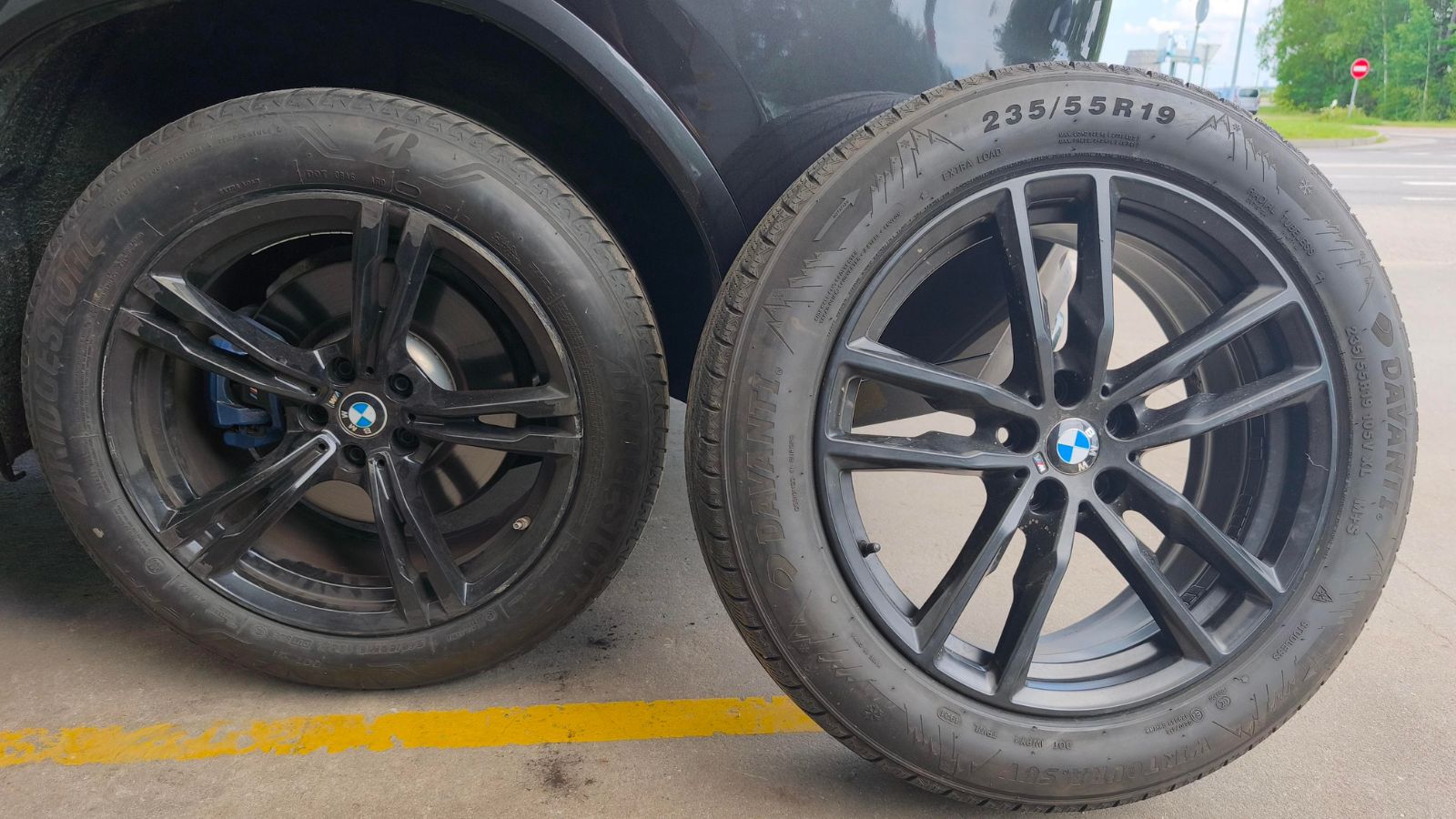
Tire recycling fees are real, but that does not mean buyers notice them clearly. Provincial stewardship programs charge environmental or recycling fees on new tires, including tires sold on vehicles in some cases. Alberta Recycling Management Authority lists a $5.00 environmental fee for passenger and light-truck tires, while Revenu Québec’s specific duty on many new road-vehicle tires is $4.50 per tire for smaller diameters and $6.00 for larger ones as of July 1, 2023. These are not invented dealer charges. They are pass-through costs tied to environmental programs. Still, they are easy to miss because they are small, fragmented, and rarely explained in plain language.
That makes them unusually useful inside a dealership contract. Because they are legitimate, they can make the whole pricing sheet feel more official and less negotiable. A buyer who sees a few modest environmental line items may become less likely to challenge less defensible charges nearby. The psychological effect is disproportionate to the dollar amount. Tire fees also exploit inattention because consumers are typically focused on the vehicle itself, not the tires already mounted on it. By the time the charge appears, it feels like a technicality rather than a choice. Canadians generally accept it immediately, which is reasonable for a lawful levy but also useful cover for a contract that may contain far more expensive extras.
“The Price Is Final Once Signed” Pressure That Keeps All the Other Fees in Place

The last fee is not really a single line item. It is the pressure created by the contract itself. In Ontario, OMVIC states there is no cooling-off period or general right to cancel a motor vehicle purchase or lease once the contract is signed, unless specific legal conditions are met. That matters because every questionable charge becomes harder to unwind after the signature is on the page. Dealers know this, which is why the finance-office process often accelerates near the end. Buyers are tired, the keys feel close, and the social pressure to keep moving is high. At that stage, even an unnecessary fee can survive simply because challenging it risks slowing everything down.
This is where all the other charges work together. A documentation fee, a protection package, and a loan product might each seem manageable on their own. Together, they reshape the deal. Yet because the purchase feels essentially complete, buyers often stop evaluating and start consenting. The binding nature of the contract is what gives small late-stage charges their real power. Once people believe the hard part is over, they become much less likely to reopen the negotiation over a few hundred dollars here or there. In practice, that is how thousands can be agreed to without much resistance: not through one shocking fee, but through a string of normal-sounding ones accepted under end-of-deal pressure.
22 Things Canadians Do to Their Cars in Spring That Mechanics Hate
Spring brings relief to many Canadian drivers after months of snow, freezing temperatures, and icy roads that put serious strain on vehicles. As temperatures rise across the country, drivers begin washing cars, switching tires, and preparing vehicles for warmer weather and upcoming road trips. However, mechanics across Canada notice the same mistakes every spring when drivers attempt to recover from winter damage. Road salt, potholes, and harsh winter driving conditions often leave vehicles with hidden problems that drivers ignore. Some spring habits even create new mechanical issues that could have been avoided with proper maintenance. Here are 22 things Canadians do to their cars in spring that mechanics hate.