

























Fogged glass can turn a routine drive into a squinting, slow-moving guessing game. The simple cause is usually condensation: moisture in the air collecting on glass that is colder than the air around it. That basic physics plays out differently in winter, rain, summer humidity, crowded cabins, and vehicles with weak airflow. This breakdown covers 12 practical factors behind stubborn foggy windows, from recirculation settings and damp floor mats to blocked filters and hidden leaks. Understanding where the moisture is coming from — and how the climate system removes it — explains why one button or one wet umbrella can change visibility so quickly.
Moisture Meets Cold Glass

Fogging starts with a basic exchange between temperature and humidity. Air inside a vehicle always carries some water vapour, even when the cabin feels dry. When that air touches glass cold enough to bring the surrounding air to its dew point, the vapour turns into tiny liquid droplets. Those droplets scatter light, which is why a windshield can go from clear to milky in seconds.
A useful example comes from ordinary indoor-condensation science: at 20°C and 80% relative humidity, the dew point is about 17°C. If vehicle glass drops near that level, moisture can collect quickly. That is why a windshield may fog during a cold morning commute even after the heater has started working. The glass remains cold longer than the cabin air, so the moisture reaches the window before the window warms up.
Passengers Add More Moisture Than Most Drivers Realize

Every person in a vehicle is also a small moisture source. Breath carries water vapour, and body heat warms the air around the occupants. In a compact cabin with closed windows, that moisture has fewer places to escape. A quick school drop-off, a full rideshare trip, or a family drive after skating practice can raise cabin humidity faster than expected.
Building-science research estimates that an adult at rest can release roughly 30 to 70 grams of water vapour per hour through respiration and transpiration combined. In a house, that moisture spreads through a large volume of air. In a vehicle, the cabin is much smaller, so the effect is concentrated. Four passengers talking, breathing, and sitting in wet winter clothing can create perfect conditions for interior fog, especially before the defroster has moved enough dry air across the glass.
Winter Makes the Inside Surface the Problem
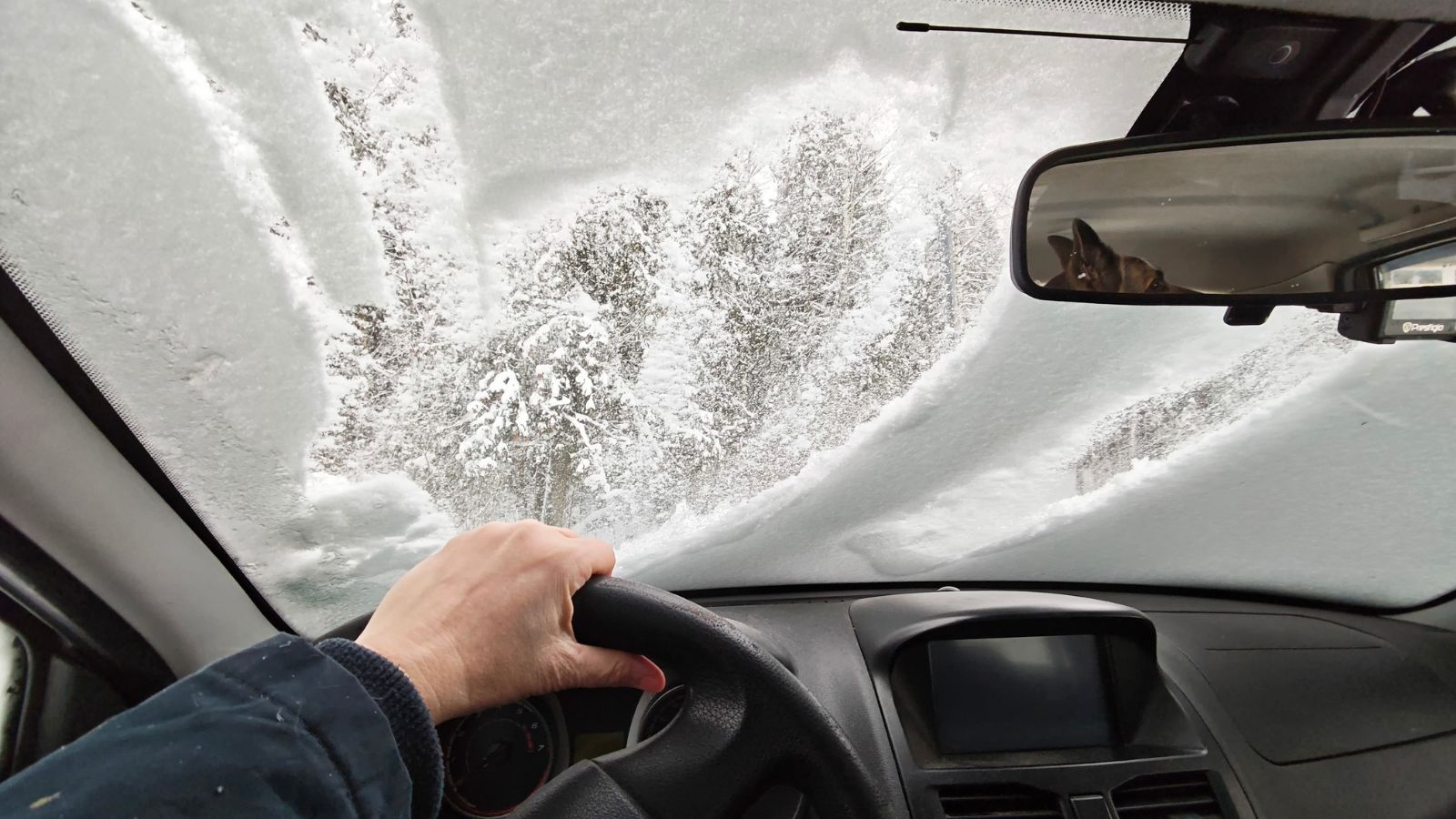
Cold weather usually puts the condensation on the inside of the glass. The cabin warms up as the heater runs, but the windshield and side windows stay chilled by outside air. When warm, moist cabin air reaches those cold surfaces, the moisture condenses. It is the same reason visible breath appears outdoors on a freezing day, only the droplets are forming on glass instead of in open air.
This is why fog often gets worse just after the heater is turned on. Warm air can hold more moisture, and if the windshield is still cold, that moisture has an easy landing place. The common driveway scene is familiar: the engine starts, the fan blows, and the windshield briefly looks worse before it clears. The solution is not heat alone; it is warm, dry airflow aimed at the glass long enough to raise the glass temperature and carry moisture away.
Summer Humidity Can Fog the Outside Instead

Foggy windows are not only a winter problem. In hot, humid weather, the air outside the vehicle may hold a large amount of moisture while the air conditioning chills the windshield. When humid outdoor air touches the cold outer surface of the glass, condensation can form outside. This often surprises drivers because wiping the inside of the windshield does nothing.
The easiest clue is whether the wipers clear the fog. If a sweep of the blades briefly restores visibility, the condensation is probably on the outside. It is especially common during muggy rainstorms, coastal drives, or summer mornings when dew points are high. In that case, blasting very cold air at the windshield can make the glass even colder. Raising the cabin temperature slightly, redirecting vents, or easing off maximum cooling can help the glass stay above the outdoor dew point.
Recirculation Can Trap the Damp Air

Recirculation is useful when cooling a hot cabin quickly or keeping outside odours away. The problem is that it reuses interior air. If that air is already humid from passengers, wet mats, coffee cups, or damp clothing, recirculation keeps feeding the same moisture back through the cabin. In cold weather, that can turn the vehicle into a fog machine.
Many modern vehicles are designed to avoid this during defrosting. Some climate systems automatically switch to fresh-air mode when the windshield defroster is selected, and some prevent recirculation during maximum defrost. That design choice says a lot: clearing fog is not only about blowing harder. It is about replacing humid cabin air with drier outside air, then conditioning it so it can absorb moisture from the glass rather than adding more.
Air Conditioning Helps Even When the Heat Is On
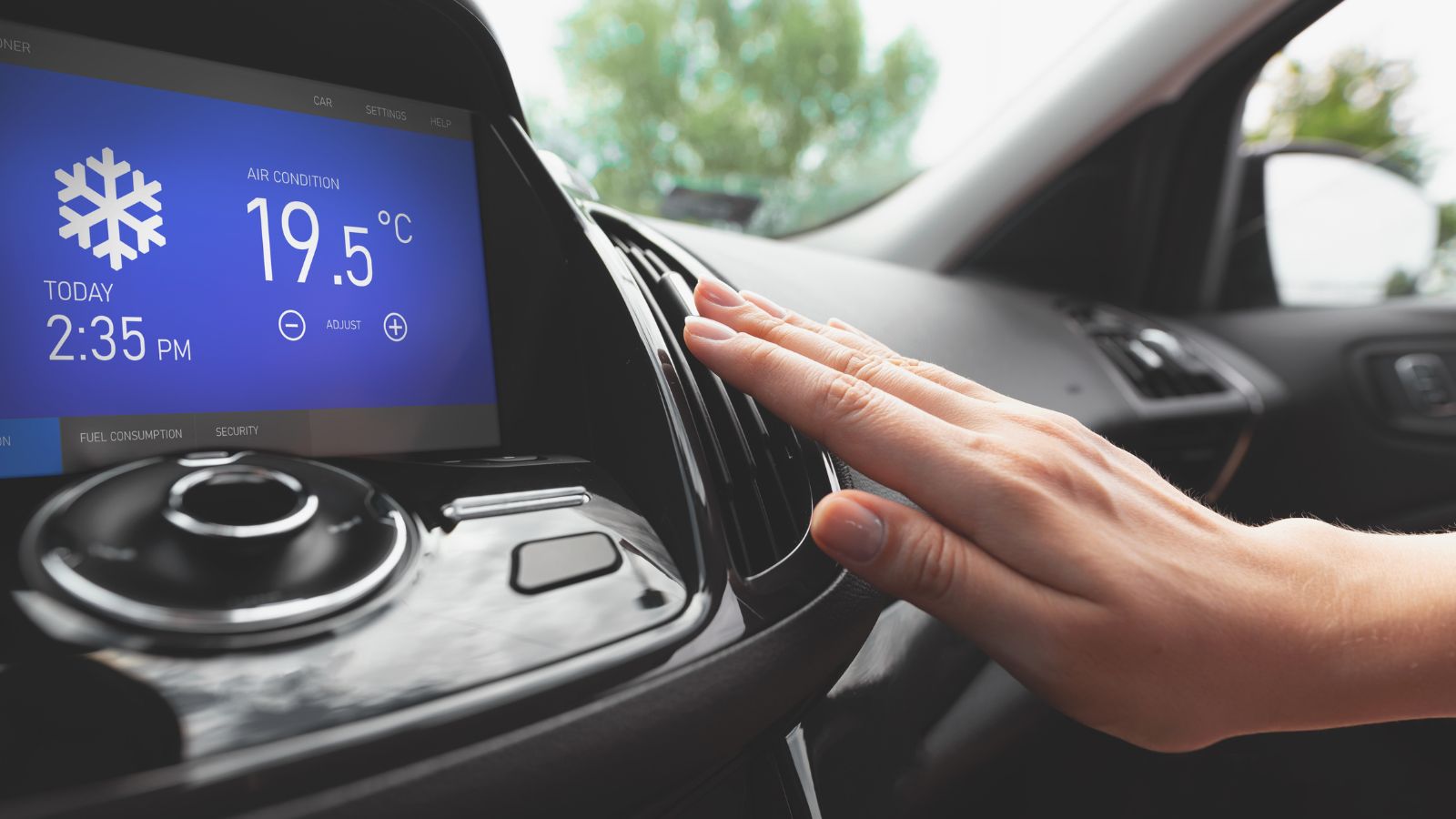
The air conditioning button can feel counterintuitive on a cold morning, but it is one of the most effective defogging tools. An A/C system removes moisture as air passes over cold components inside the HVAC system. After that air is reheated and sent toward the windshield, it can absorb moisture from the glass more effectively than warm, humid air alone.
That is why many vehicles automatically turn on A/C when defrost is selected. The system is not trying to make the cabin cold; it is using the A/C as a dehumidifier. A driver who turns off A/C during defrost may notice the windshield taking longer to clear or fogging again shortly afterward. The best combination is often fresh air, A/C, heat, and strong airflow directed at the windshield and side-window vents.
Wet Mats, Coats, and Umbrellas Keep Feeding the Fog
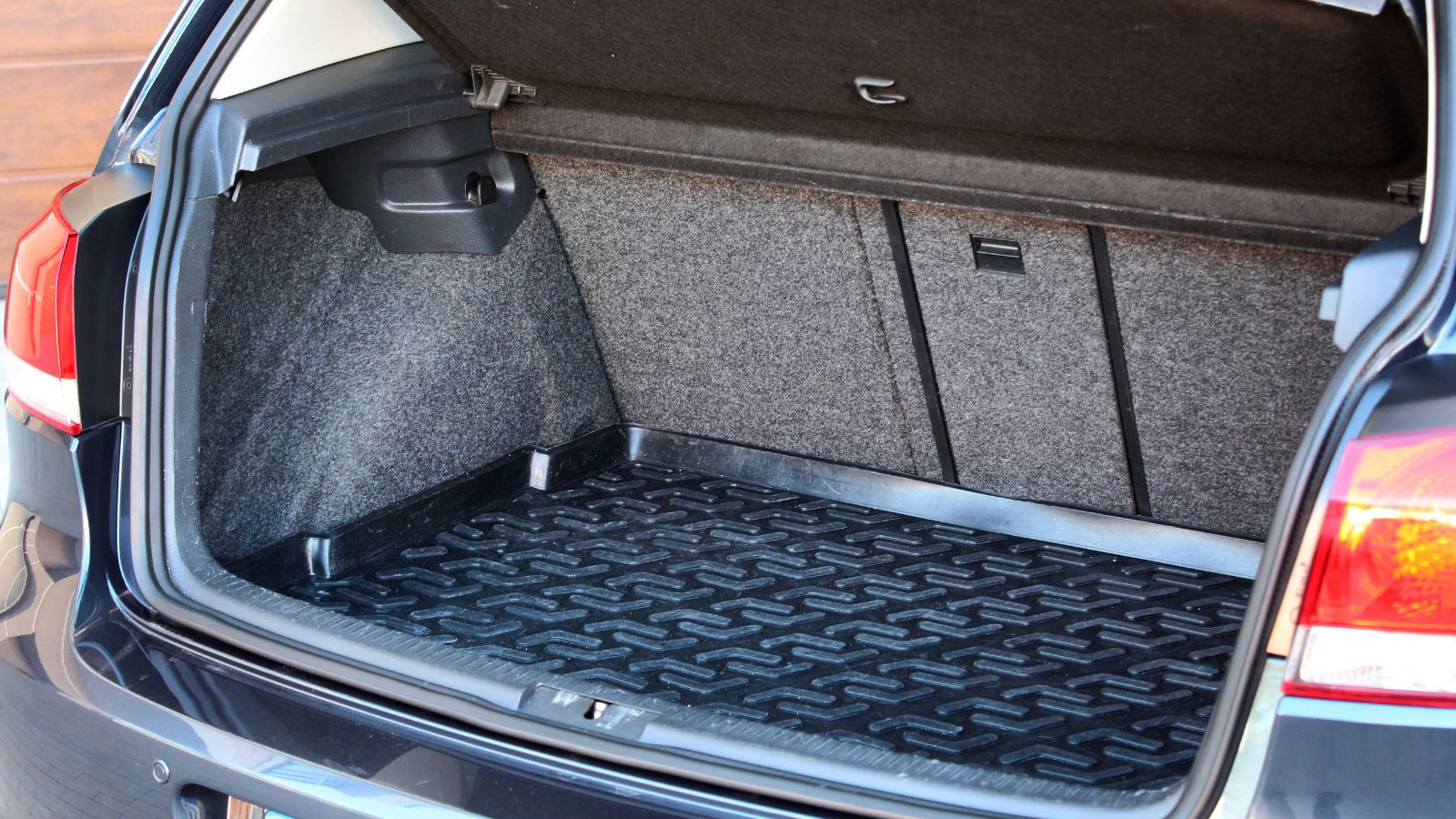
Sometimes the moisture source is not the weather but what has been left in the vehicle. Wet floor mats, snowy boots, damp coats, umbrellas, sports gear, towels, and even open drink containers can quietly raise cabin humidity. Rubber mats help contain slush, but if the water sits there for days, it still evaporates into the cabin air.
A familiar winter example is the vehicle that fogs every morning even when parked in the same place. The cause may be a soaked mat under the driver’s feet or a damp cargo liner after carrying hockey gear. Removing wet items, drying mats indoors, and airing out the cabin can make a noticeable difference. Moisture absorbers can help, but they are not a substitute for getting rid of the source. A dry cabin gives the defroster far less work to do.
A Dirty Cabin Filter Can Slow the Defroster
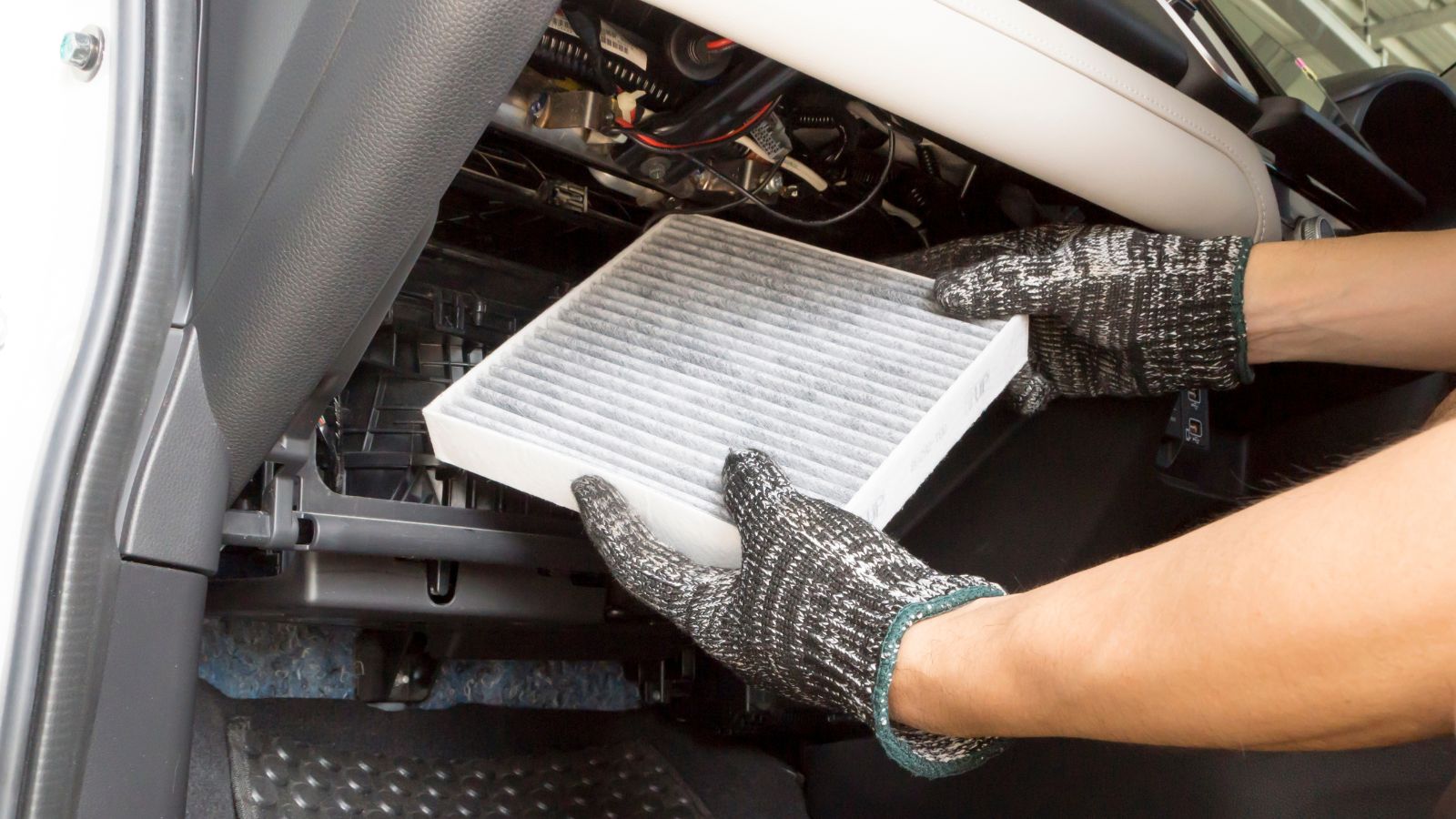
The defroster needs airflow to work. If the cabin air filter is clogged with dust, leaves, pollen, or road debris, less air reaches the windshield vents. The heater may still feel warm at the dashboard, but the weak stream at the glass may not be enough to clear condensation quickly. In winter, that delay can feel much longer during a rushed morning departure.
Cabin filters are often forgotten because they are hidden behind a glove box or under a cowl panel. Some service guidance suggests replacement around every 12,000 to 15,000 miles, though the right interval depends on the vehicle and driving conditions. A dusty rural commute, heavy wildfire smoke season, or city traffic can load a filter sooner. When fog clears slowly despite correct settings, checking the filter is a simple and relatively low-cost starting point.
Hidden Leaks Can Make Fog Come Back Every Day

Persistent fogging may point to water entering the vehicle. Door seals, windshield seals, sunroof drains, trunk seals, and cowl drains can all allow moisture into carpets or insulation. The surface of the carpet may feel dry, while the padding underneath stays soaked. That hidden moisture evaporates slowly and keeps the cabin humid long after the rain has stopped.
A blocked A/C evaporator drain can cause a similar problem. Air conditioning normally removes moisture and drains it outside the vehicle, which is why water may drip under a parked car after the A/C has been running. If that drain blocks, moisture can collect inside instead. A musty smell, damp passenger footwell, or repeated fogging after rain deserves attention. Drying the windows without fixing the leak only treats the symptom.
Dirty Interior Glass Makes Fog More Noticeable

Clean glass does not stop condensation physics, but it can make fogging less stubborn. Dust, oily residue, smoke film, vaping residue, fingerprints, and off-gassing from interior plastics can leave a thin layer on the inside of the windshield. Moisture clings to that film unevenly, creating streaks and glare that feel worse at night or under oncoming headlights.
This is why wiping the windshield with a sleeve often makes the view worse. It smears the film and leaves moisture trails. A proper interior glass cleaning with a dedicated automotive glass cleaner and clean microfiber towels can improve clarity before fog even appears. The difference is most obvious in low winter sun, when a lightly fogged but dirty windshield can flare into a bright, hazy sheet across the driver’s view.
A Coolant Leak Can Look Like Ordinary Fog
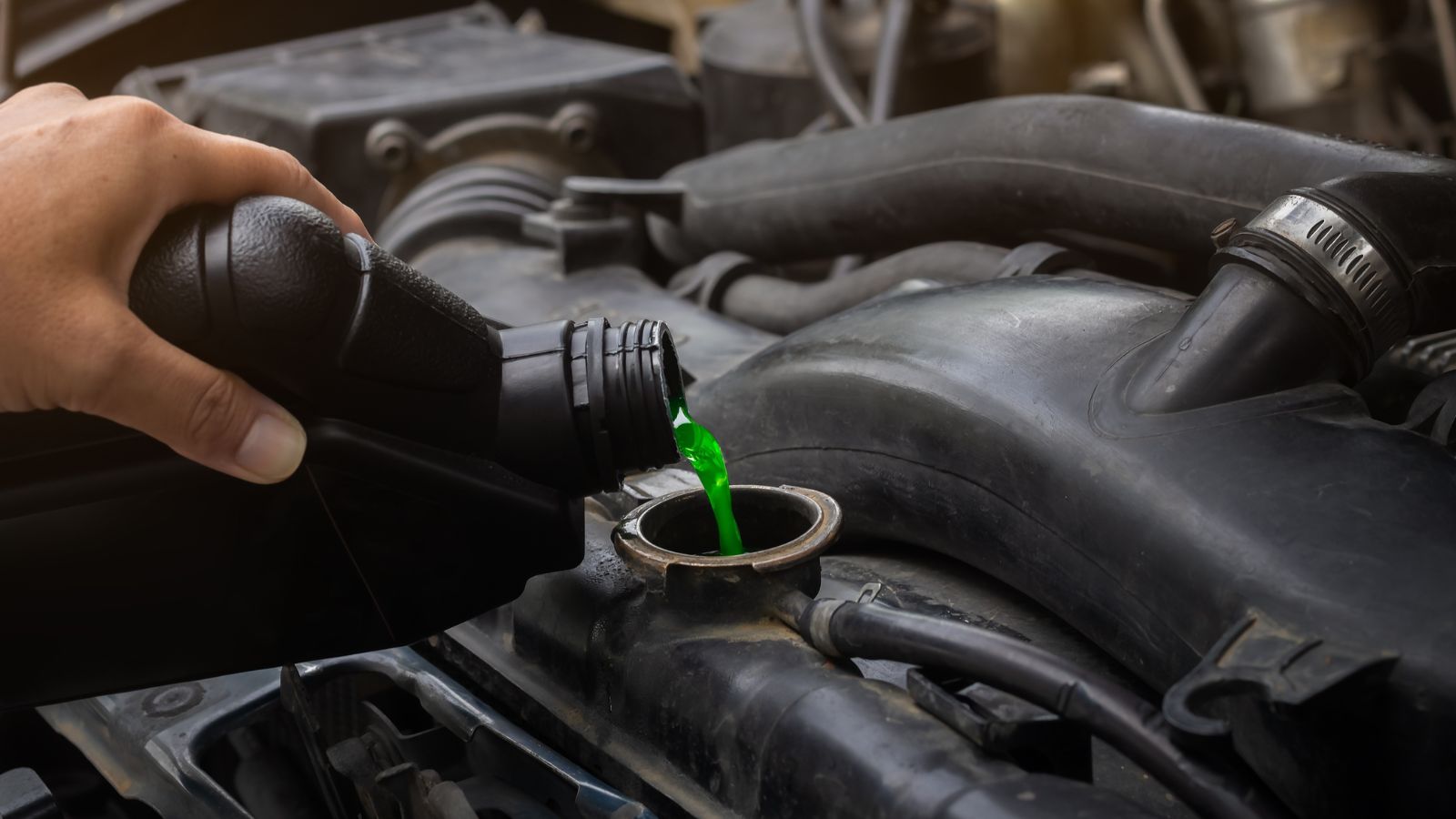
Most fogging is simple moisture, but a heater-core leak is a more serious possibility. The heater core carries hot engine coolant and helps warm the cabin air. If it leaks inside the HVAC housing or behind the dashboard, vapour or residue can reach the windshield and create a greasy haze that returns after cleaning. A sweet smell, falling coolant level, or damp carpet near the front footwell are warning signs.
This kind of fogging should not be treated as a normal seasonal nuisance. Coolant residue can be difficult to wipe away, and a low coolant level can lead to engine overheating or poor heater performance. A vehicle that fogs heavily while giving off a sweet odour needs inspection. The key difference is persistence: ordinary condensation usually responds to dry airflow, while coolant-related haze often keeps returning until the leak is repaired.
The Fastest Fix Balances Heat, Dryness, and Airflow
The best defogging method manages three things at once: warm the glass, dry the air, and move enough air across the surface. That usually means selecting defrost, turning the fan up, using fresh air rather than recirculation, keeping A/C active, and setting the temperature warm. Rear defrosters and mirror heaters help on equipped vehicles by warming glass directly.
Modern auto-defog systems show the same logic. When humidity is detected, some systems automatically turn on A/C, select outside air, direct airflow to the windshield, and increase fan speed. The driver’s version of that strategy is simple: remove moisture sources, keep airflow strong, and avoid trapping damp cabin air. Clear windows are not just a comfort issue. Visibility is a safety requirement, and a vehicle should not move until the windshield and side windows provide a clear view.
22 Things Canadians Do to Their Cars in Spring That Mechanics Hate

Spring brings relief to many Canadian drivers after months of snow, freezing temperatures, and icy roads that put serious strain on vehicles. As temperatures rise across the country, drivers begin washing cars, switching tires, and preparing vehicles for warmer weather and upcoming road trips. However, mechanics across Canada notice the same mistakes every spring when drivers attempt to recover from winter damage. Road salt, potholes, and harsh winter driving conditions often leave vehicles with hidden problems that drivers ignore. Some spring habits even create new mechanical issues that could have been avoided with proper maintenance. Here are 22 things Canadians do to their cars in spring that mechanics hate.