


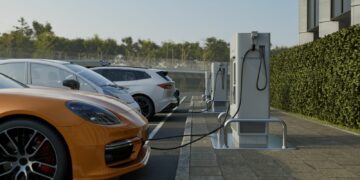





















Public EV charging depends on an unwritten agreement: drivers take the energy they reasonably need, then make room for the next vehicle. Trouble begins when someone treats the charging bay as a private parking space and remains connected—or simply remains parked—long after the useful part of the session has ended. The delay may look harmless from inside a restaurant or shopping centre, but it can leave another driver watching the minutes disappear with a nearly empty battery. These 12 ways the habit creates frustration reveal why charging courtesy involves more than plugging in. Charging speed, queue position, accessibility, cable placement, notifications, and even the choice of stall can determine whether a busy station operates smoothly or becomes a source of avoidable conflict.
Remaining Parked After Charging Has Finished
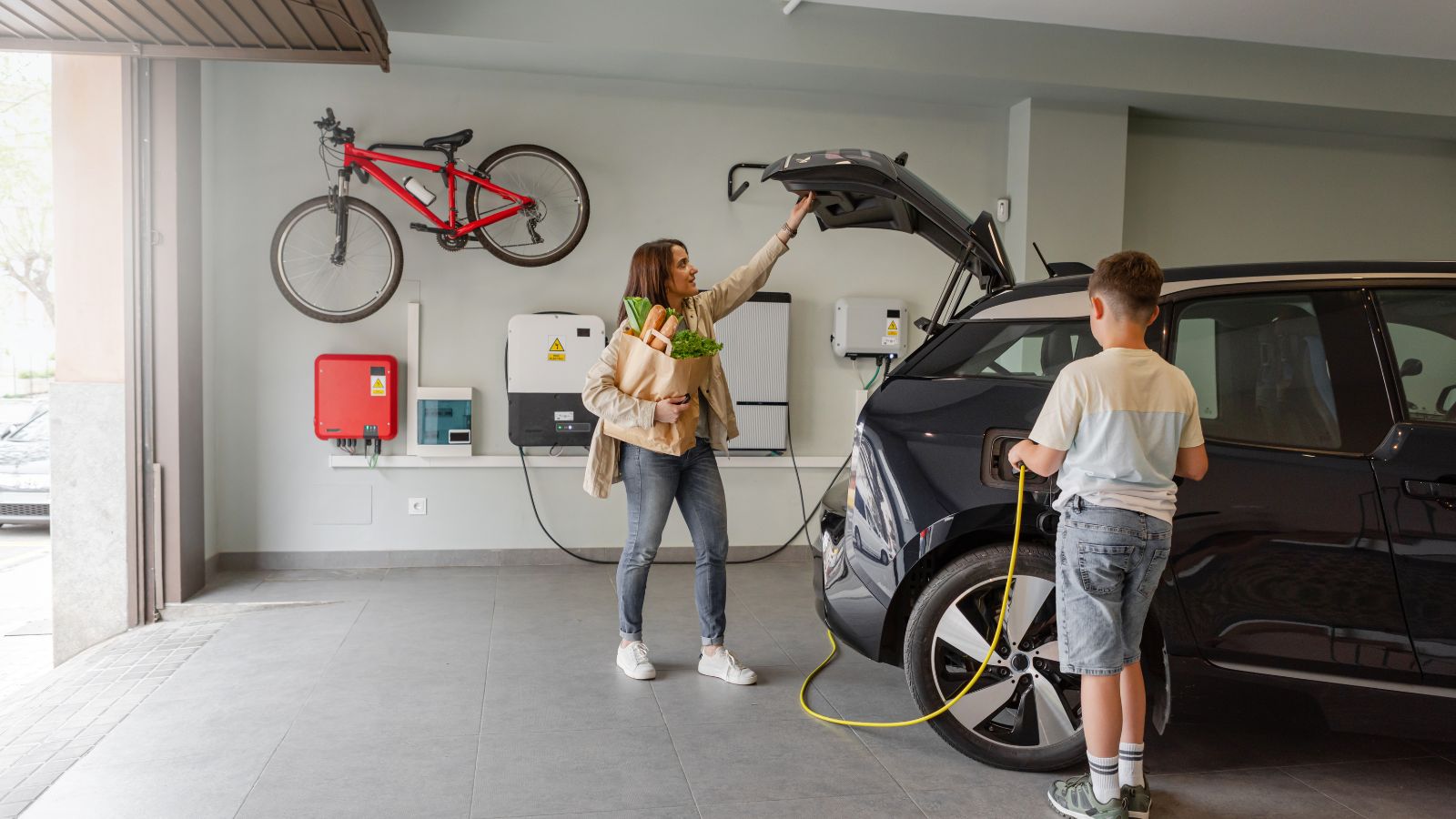
The most aggravating charging habit is also the simplest: leaving a vehicle in the bay after it has stopped drawing power. A charger occupied by a completed session may appear unavailable in an app, while an arriving driver finds a car that is gaining no additional range. This is especially disruptive at locations with only one or two working connectors. Someone may have planned a quick grocery stop, but a 30-minute charge can quietly become an hour of charger obstruction when lunch, shopping, or an appointment runs long.
Charging networks increasingly use idle or congestion fees because polite reminders alone do not always change behaviour. Some systems notify drivers shortly before fees begin, while site owners may establish their own grace periods and prices. The principle is straightforward: payment for electricity does not create an unlimited right to the parking space. Once charging is complete, the useful service has ended. Moving promptly can turn one connector into several successful sessions over the course of an afternoon.
Chasing 100 Percent at a Busy Fast Charger
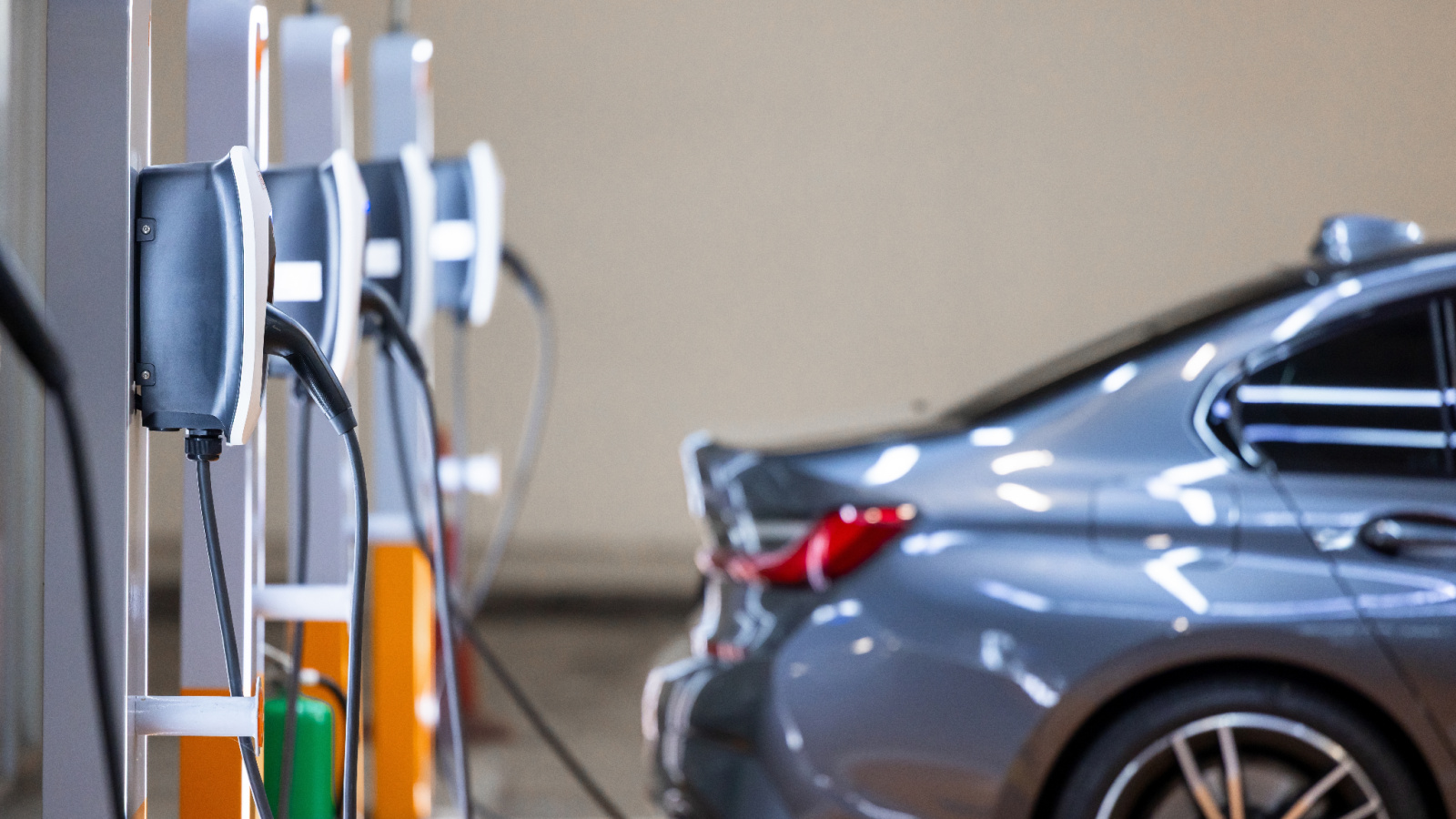
A battery percentage display encourages drivers to think of 100 percent as the natural finishing point. At a busy DC fast charger, however, the final portion can be the least efficient use of everyone’s time. Most EVs reduce charging power as the battery approaches a high state of charge. A vehicle that accepted energy rapidly at 20 or 40 percent may slow sharply around 80 percent as its battery-management system protects the cells from excessive heat and stress.
That slowdown can make the last 10 or 20 percent take disproportionately long. Meanwhile, another driver may need only a brief session to reach the next stop. Several networks and manufacturers therefore describe roughly 80 percent as a practical fast-charging target unless additional range is genuinely necessary. A family crossing a remote highway may have good reason to continue. Someone five kilometres from home usually does not. Courtesy is not about obeying an inflexible percentage; it is about recognizing when marginal range is creating a substantial delay for people waiting nearby.
Ignoring Charging Notifications
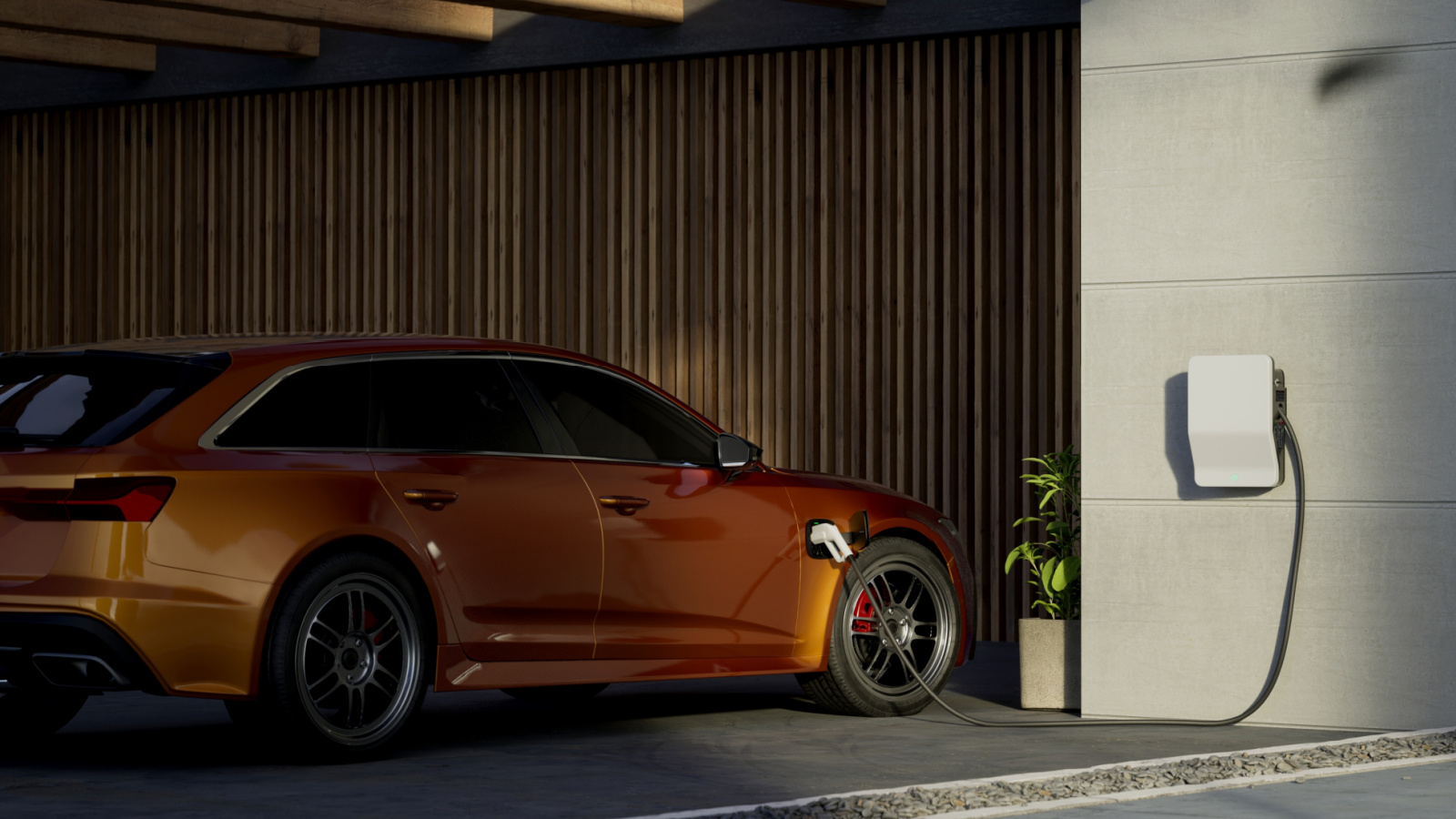
Public charging works far better when drivers remain reachable. Network and vehicle apps can report charging progress, estimate completion time, announce interruptions, and warn that a session has ended. Muting those notifications or leaving a phone without connectivity removes the very information needed to return at the right moment. The vehicle may finish earlier than expected because it arrived warmer, accepted more power, or required less energy than the driver initially assumed.
A familiar scene follows: the charger sends a completion alert, the car sits untouched, and a queue develops while its owner remains in a cinema or distant store. Nobody expects a driver to stand beside the connector throughout the session. The reasonable expectation is that the session will be monitored and the vehicle can be moved without a lengthy delay. Setting a phone alarm provides a useful backup when an app is unreliable. Ten minutes of preparation can prevent an hour of uncertainty for everyone watching an apparently abandoned vehicle occupy the only available plug.
Treating the Charging Bay as Preferred Parking
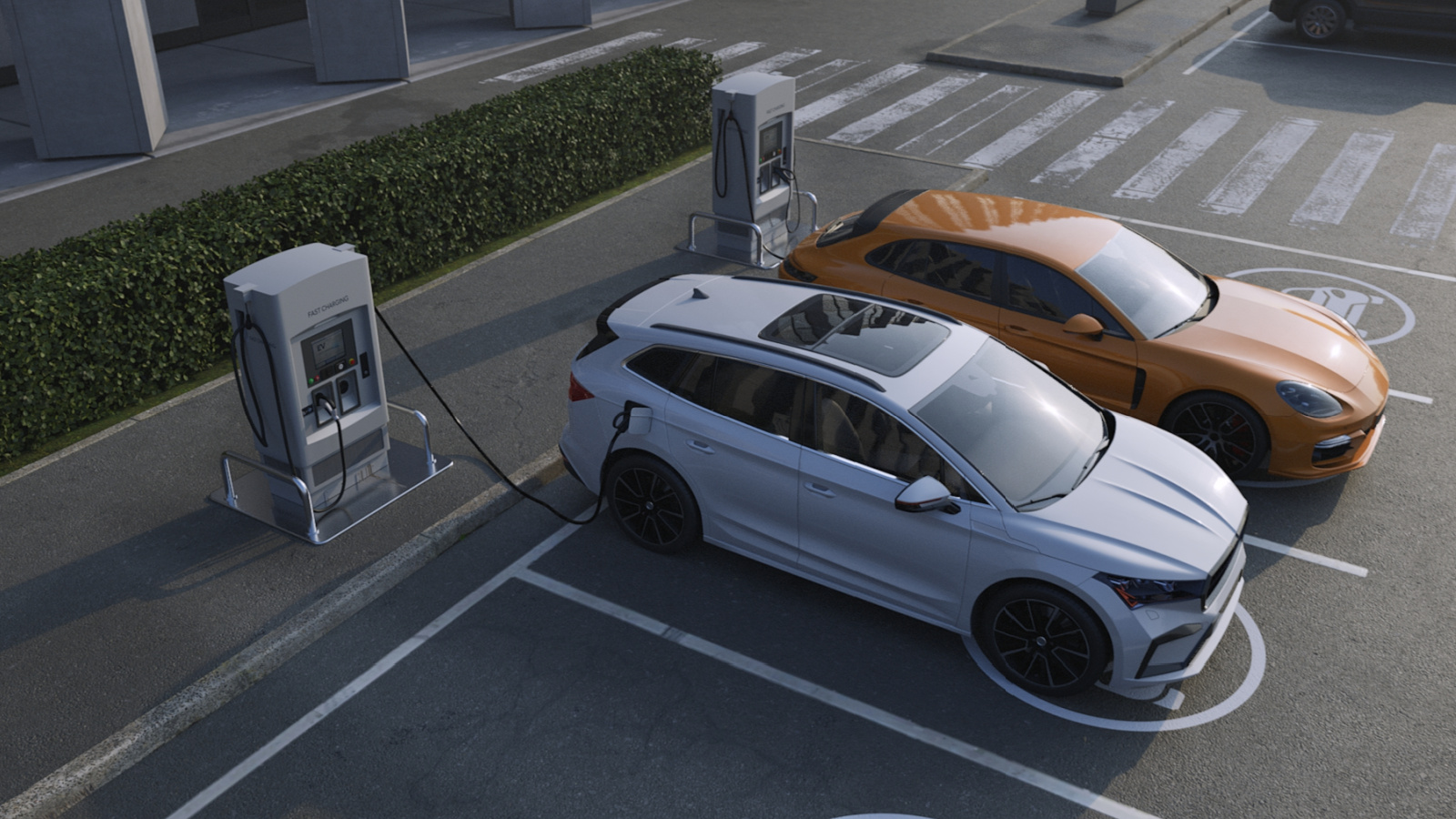
An EV charging space is not automatically an EV parking space. A battery-powered vehicle can obstruct a charger just as effectively as a petrol-powered one when it occupies the bay without plugging in. The temptation is understandable: charging stalls are sometimes close to building entrances, well lit, or wider than neighbouring spaces. Yet those conveniences exist because charging equipment must be accessible and cables must reach vehicle inlets, not because EV ownership includes premium parking privileges.
Blocked chargers are a measurable part of unsuccessful public-charging visits. Drivers may arrive with enough energy to reach the station but not enough to continue comfortably, only to find a non-charging vehicle in the bay. That inconvenience is more serious than losing an ordinary parking space because the stranded driver cannot simply use another empty stall. Signs stating “EV charging only” should be read literally. Even a five-minute stop can prevent a legitimate session, particularly when the vehicle’s owner disappears into a large building and cannot be located.
Ignoring Posted Time Limits
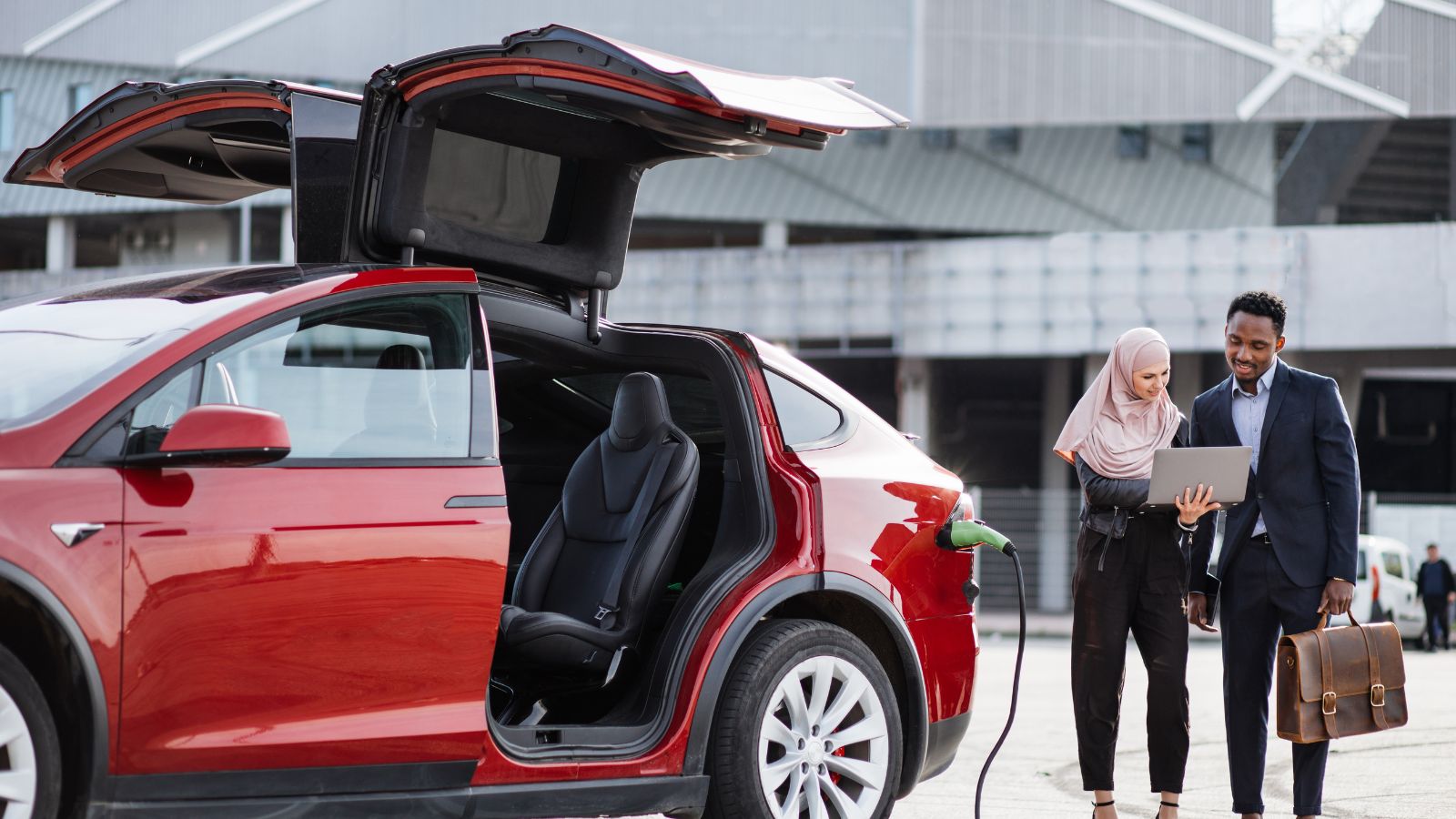
Not every charging location follows the same rules. A highway fast charger may be designed for short sessions, while a hotel may expect vehicles to remain connected overnight. Workplace and municipal chargers often establish specific limits so a small number of connectors can serve many people during the day. Ignoring those signs creates resentment because other drivers have organized their schedules around a system that only works when participants respect the stated rotation.
Some employers use four-hour limits, waiting lists, reservation systems, or escalating fees. Government-operated sites have also introduced per-minute penalties after a defined occupancy period. These measures demonstrate that charger turnover is an operational requirement rather than a matter of personal preference. A worker who plugs in at 8 a.m. and leaves the car until 5 p.m. may prevent several colleagues from charging, even if the battery finished before lunch. Calendar reminders, shared workplace chats, or scheduled vehicle swaps can make limited infrastructure function much more effectively without requiring an expensive charger for every employee.
Unplugging Another Vehicle Without Permission
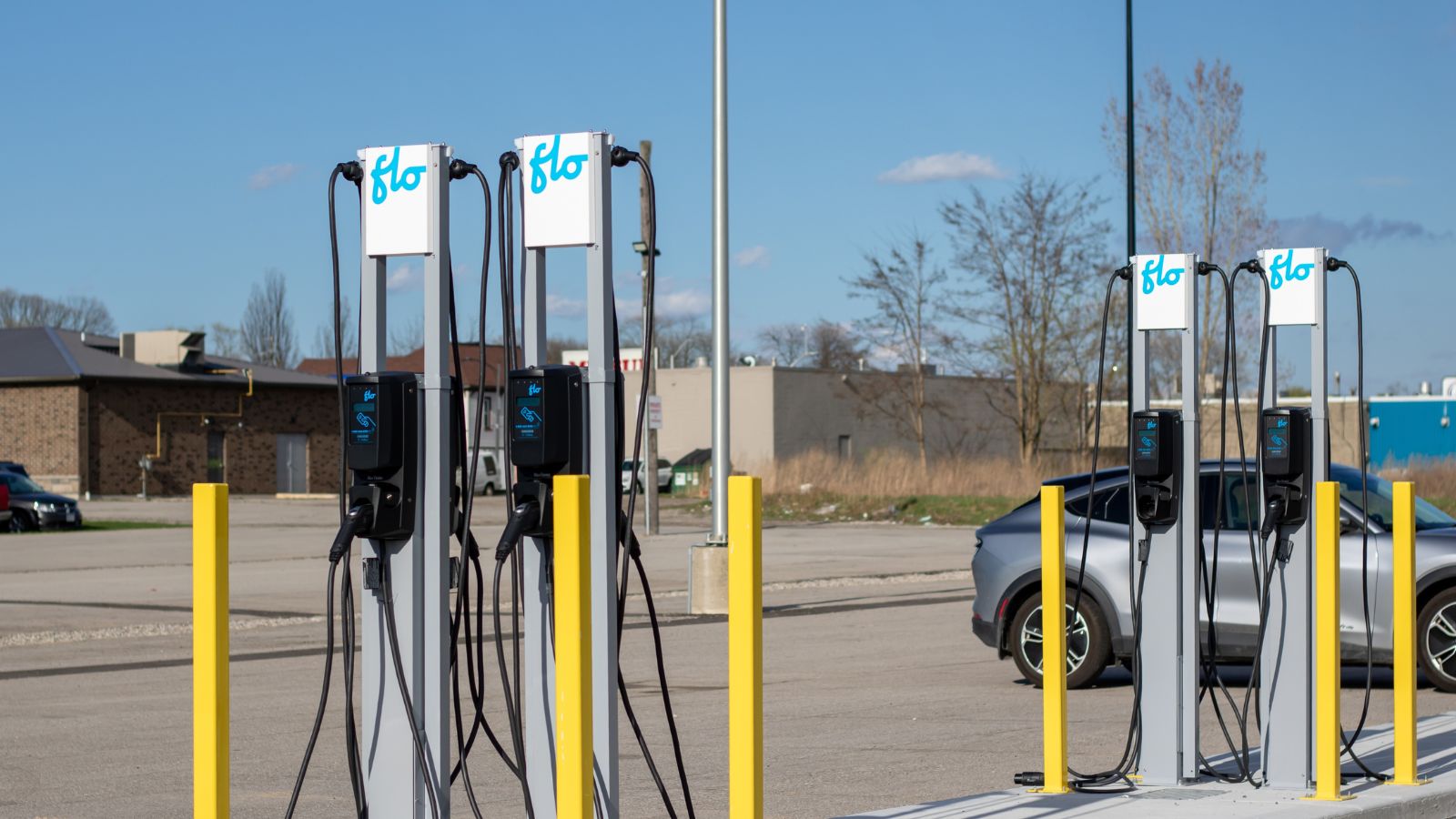
Frustration with an overstaying driver does not automatically make unplugging the vehicle acceptable. Removing another car’s connector may stop an active session, trigger alarms, interrupt scheduled charging, or force the owner to pay another connection fee. Some vehicles also lock the cable to the charge port, meaning an attempt to remove it could damage the connector or charging mechanism. The situation can escalate quickly when the returning driver sees a stranger handling the car.
Permission changes the equation. Drivers sometimes leave a dashboard note stating when the vehicle may be unplugged, provide a phone number, or use a charging card that communicates their preference. Without a clear signal, the safer approach is to contact the charging-network operator, follow the site’s stated procedure, or wait for the driver. Even when the display shows 100 percent, the cable and vehicle remain someone else’s property. Charging etiquette cannot be improved by replacing one inconsiderate act with another that creates a new dispute.
Cutting the Charging Queue
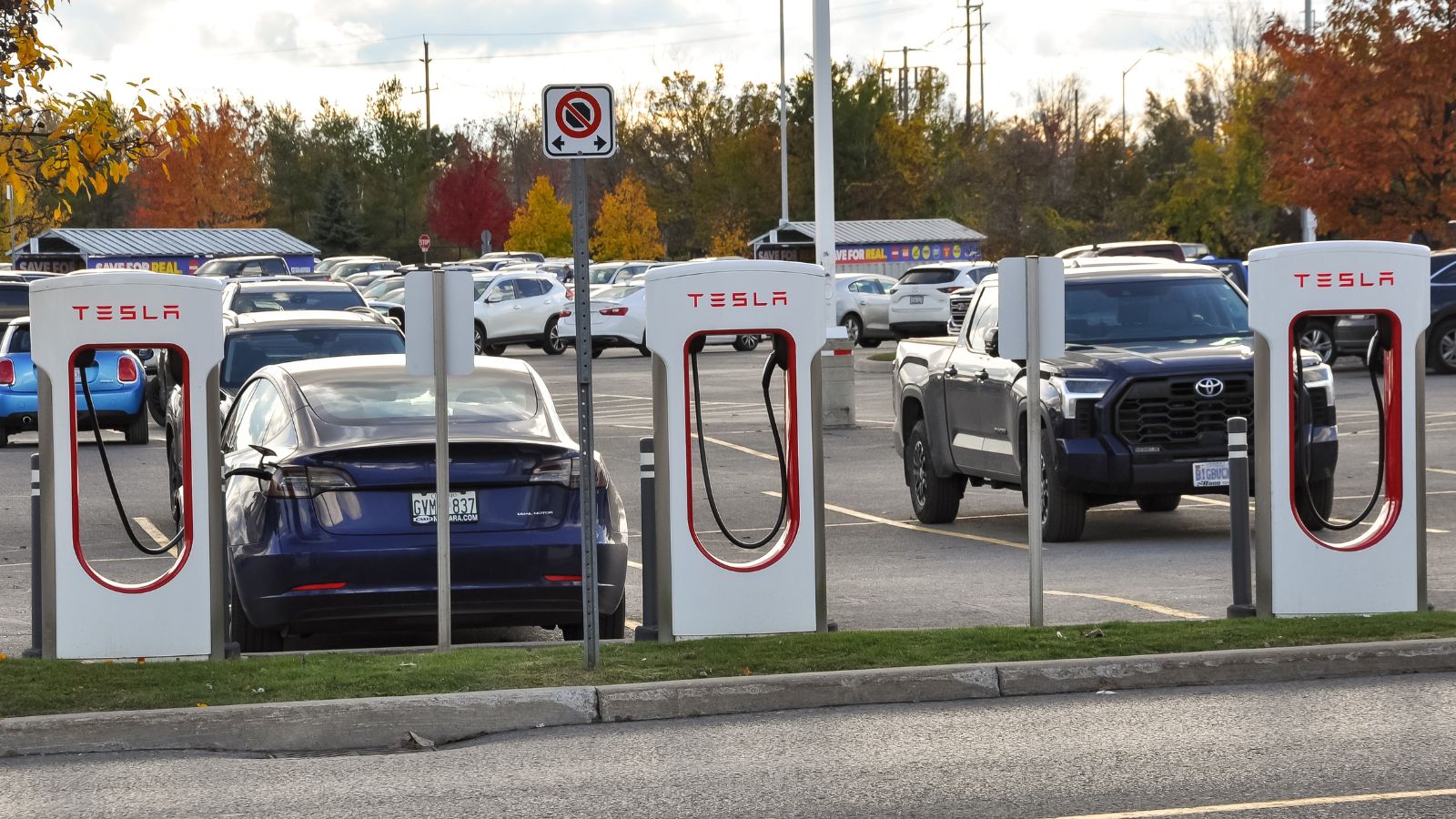
Charging queues are less obvious than petrol-station lines. Vehicles may wait in nearby spaces, drivers may join an electronic list, and someone could be sitting inside a car that appears unrelated to the chargers. Pulling directly into a newly vacant bay without checking can therefore amount to queue jumping, even when no physical line is visible. The resulting argument often begins with both drivers sincerely believing they were next.
Some charging apps now manage waiting lists by notifying the next driver and temporarily holding the connector. They may also allow someone who cannot move immediately to “snooze,” letting another person charge without losing the original place entirely. These systems only work when drivers leave the list after changing plans and accept a space only when they can move promptly. At stations without digital queues, a brief conversation usually solves the uncertainty. Asking who is waiting costs less than two minutes. Taking the charger first and debating the rules afterward can sour the atmosphere for an entire group of delayed travellers.
Using the Most Powerful Stall Without Needing It
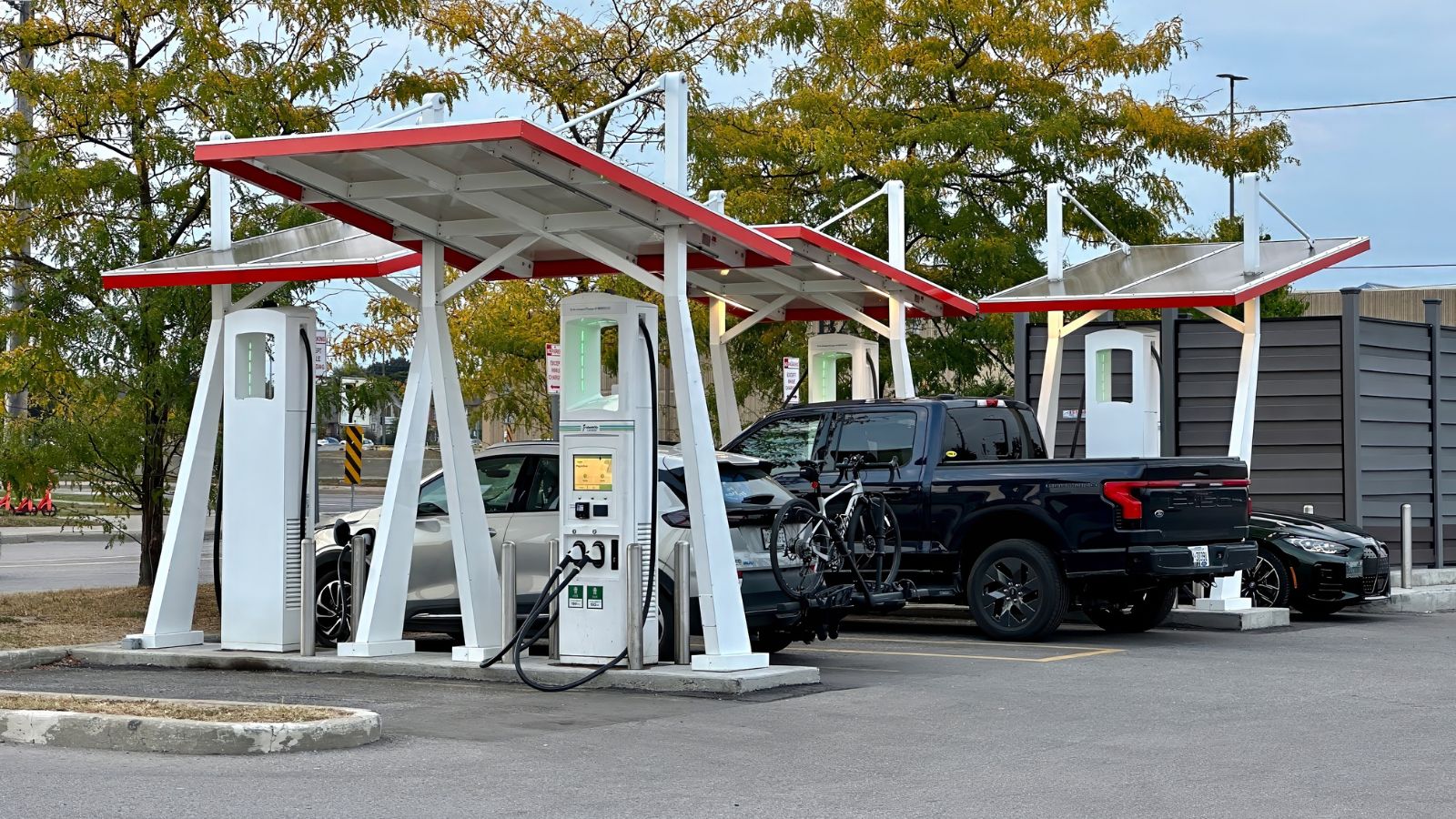
Not every EV can accept the maximum output advertised on a charger. A vehicle limited to 100 kilowatts will not suddenly charge at 350 kilowatts because it is connected to the most powerful stall. The car and its battery-management system determine how much power can be accepted at any moment. Temperature, state of charge, battery design, and preconditioning can reduce the real rate even further.
When several charger ratings are available, using an ultra-high-power stall unnecessarily can slow down another vehicle capable of taking much greater power. Imagine a 100-kilowatt car occupying the only 350-kilowatt connector while a compatible long-range EV is forced onto a 150-kilowatt unit. Both vehicles can charge, but the overall queue moves more slowly. Drivers do not need an engineering lesson before every session; they only need a basic understanding of their vehicle’s peak charging capability. Choosing the lowest available stall that comfortably meets that capability preserves faster equipment for vehicles that can genuinely benefit from it.
Occupying an Accessible Charging Space Unnecessarily
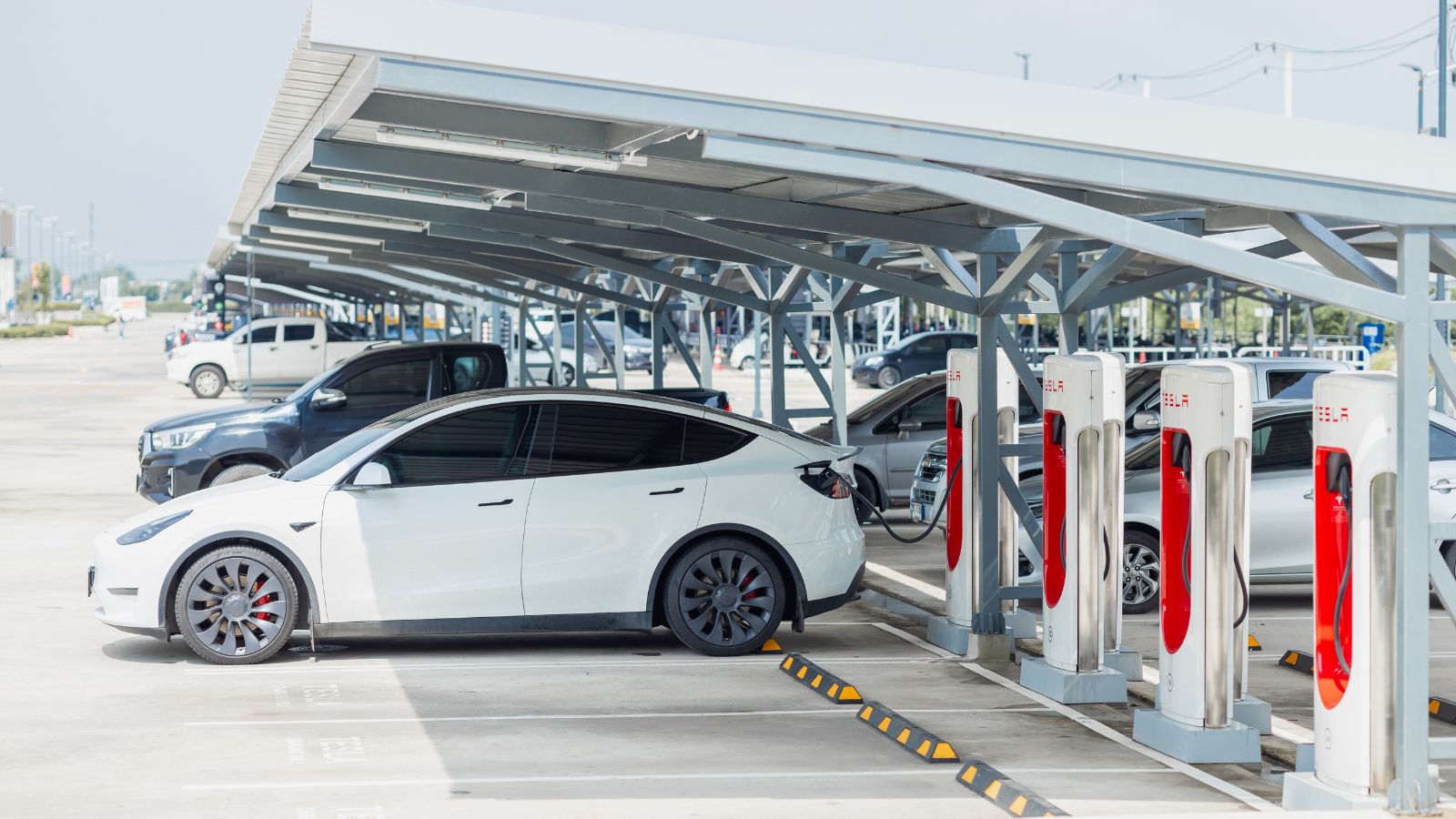
Accessible charging spaces are designed around more than the painted symbol on the pavement. They may include a wider vehicle area, an adjacent access aisle, level surfaces, reachable controls, and enough space for a wheelchair user to move around the car and handle a heavy connector. A vehicle parked over the access aisle can make the charger unusable even when the charging plug itself remains physically available.
Design recommendations call for substantially more manoeuvring room than a standard parking bay, including an access aisle that can extend the full length of the vehicle. This space is especially important because charging ports appear in different locations—front, rear, or either side—and users may need to travel around the vehicle to connect. Drivers who do not require the accessible layout should select another working stall whenever possible. Where local rules allow broader use, the considerate approach is still to leave the accessible unit free until other appropriate connectors are occupied.
Parking in a Way That Blocks Other Connectors
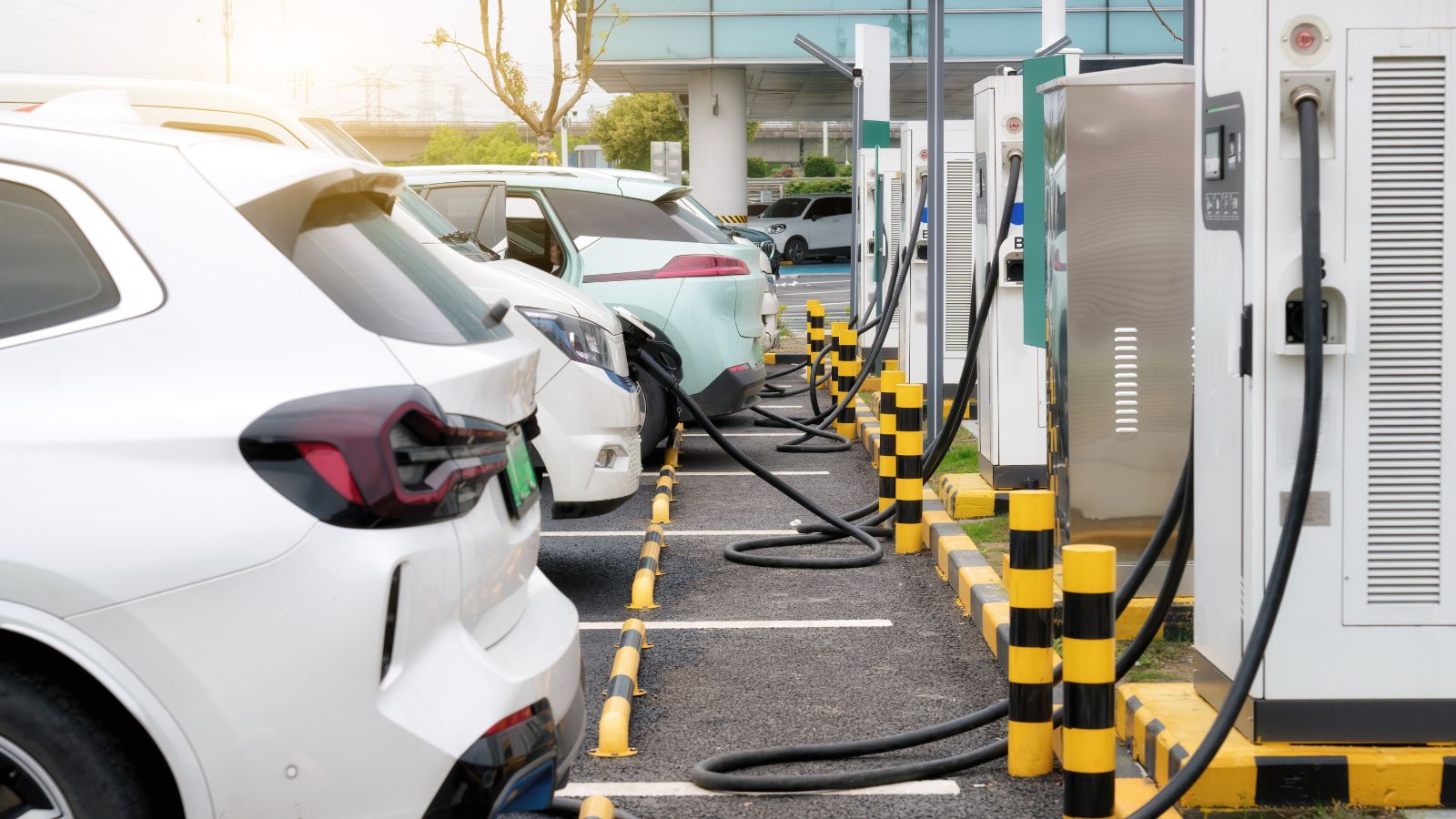
A vehicle can be plugged in correctly and still cause problems through careless positioning. Parking across the dividing line, stopping too far from the charger, or angling the vehicle to accommodate an awkward charge-port location may obstruct the neighbouring stall. Large electric pickups and SUVs make this particularly noticeable, but even compact cars can render a second connector unreachable when they are positioned without regard for the cable path.
Cable reach is already a documented weakness at some charging locations. In one evaluation of hundreds of public fast-charging connectors, a portion could not reach the test vehicle’s inlet. Poor parking makes that limitation worse. Drivers should examine the charger layout before settling into the bay, especially when the inlet is on the opposite side from the cable. Backing in, pulling forward, or selecting another stall may preserve access for the next vehicle. A few adjustments behind the wheel can determine whether the station serves one car or two at the same time.
Leaving the Cable Where It Can Be Damaged
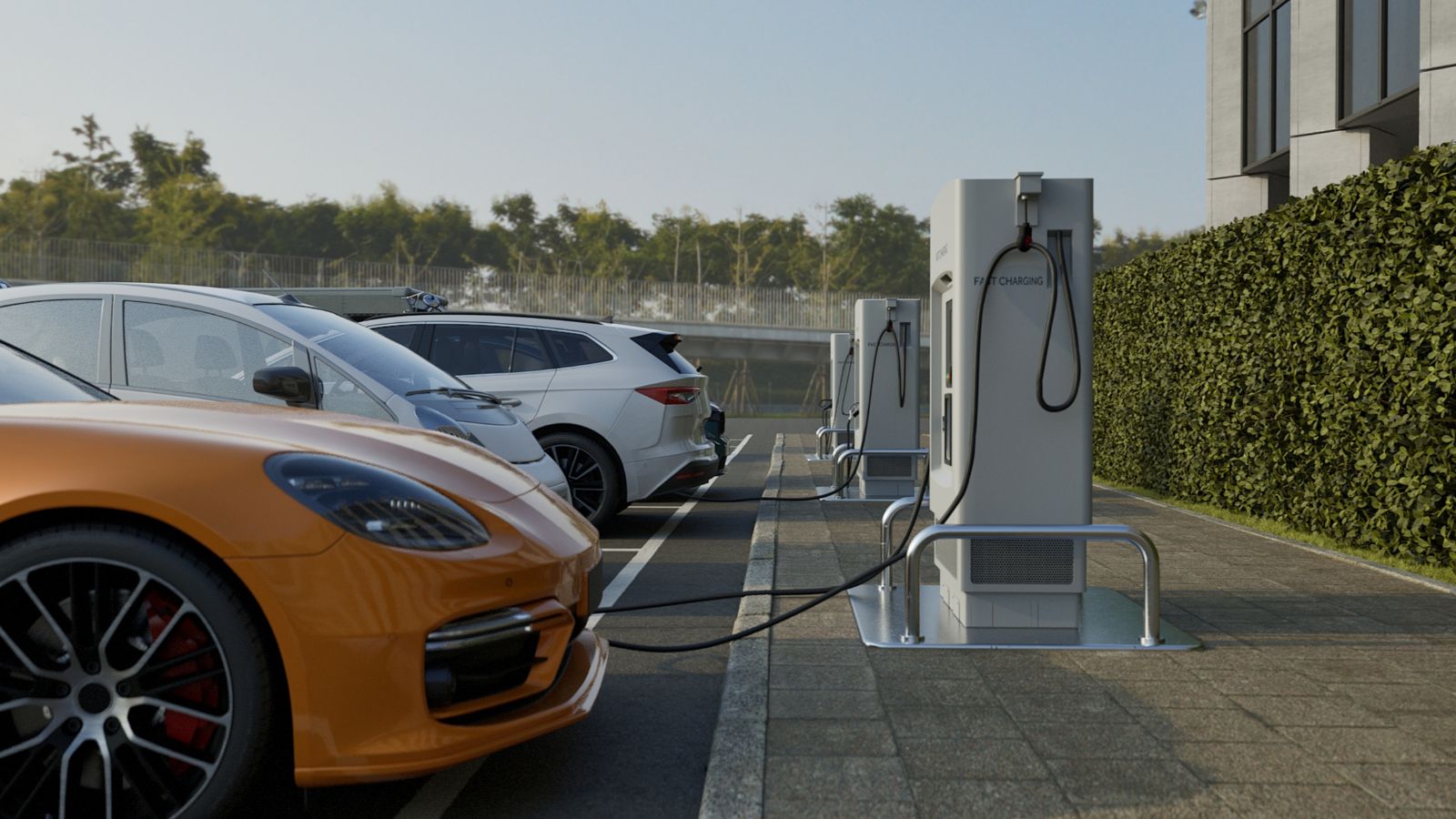
The session is not finished until the connector and cable are returned properly. Dropping a heavy plug on the pavement, leaving the cable stretched across a walkway, or allowing it to lie where another vehicle can drive over it creates both a safety issue and a maintenance problem. Damaged connectors are among the equipment failures that can prevent future charging sessions, turning one careless departure into days of inconvenience for other drivers.
Charging-safety guidance recommends inspecting cables before use and storing them correctly afterward. Many stations provide holsters, hooks, or retracting systems specifically to keep equipment off the ground. These features only help when drivers use them. During rain, snow, or darkness, a loose black cable can also become difficult for pedestrians to see. Returning the connector takes seconds and signals that the stall is ready for the next user. It is the charging equivalent of replacing a fuel nozzle rather than abandoning it beside the pump.
Walking Away From a Broken Charger Without Reporting It
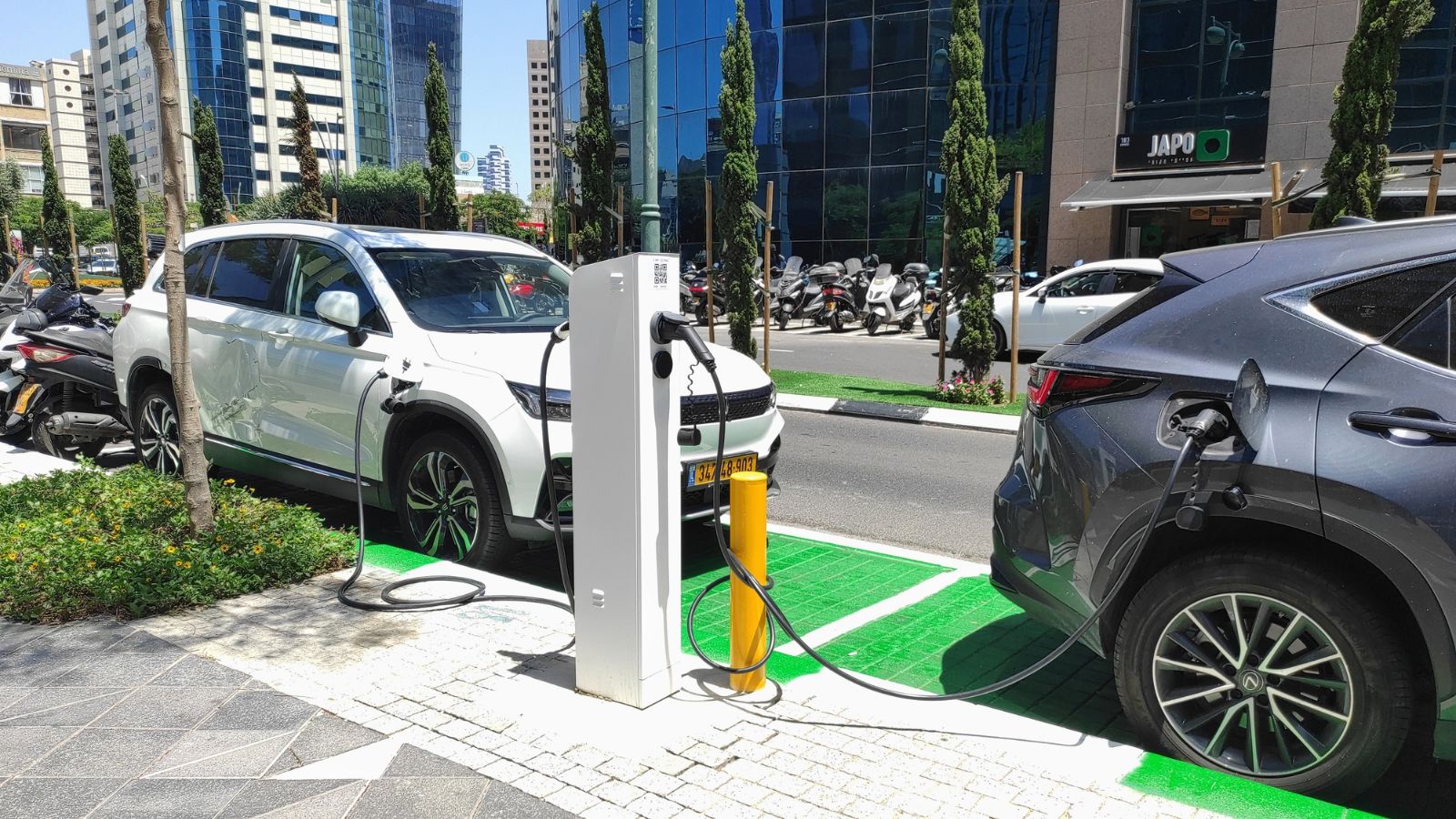
A failed charging attempt is frustrating, particularly after several unsuccessful taps, app restarts, or connector changes. The easiest reaction is to move to another stall and continue the journey. Unfortunately, the next driver may repeat the entire process because the network still shows the charger as available. When equipment already has reliability problems, unreported failures multiply the amount of time wasted by the public.
Recent driver research has found that unsuccessful charging visits remain common, with out-of-service equipment among the leading causes. Networks increasingly allow drivers to report problems through their apps, attach photographs, identify the affected connector, and describe what happened. Some reports automatically alert the station owner or technical-support team. Useful details include a damaged cable, blank screen, failed payment reader, unusual error message, or charger that starts but delivers no power. Reporting does not guarantee an immediate repair, but it can update station information and begin the maintenance process before more drivers arrive.
22 Things Canadians Do to Their Cars in Spring That Mechanics Hate

Spring brings relief to many Canadian drivers after months of snow, freezing temperatures, and icy roads that put serious strain on vehicles. As temperatures rise across the country, drivers begin washing cars, switching tires, and preparing vehicles for warmer weather and upcoming road trips. However, mechanics across Canada notice the same mistakes every spring when drivers attempt to recover from winter damage. Road salt, potholes, and harsh winter driving conditions often leave vehicles with hidden problems that drivers ignore. Some spring habits even create new mechanical issues that could have been avoided with proper maintenance. Here are 22 things Canadians do to their cars in spring that mechanics hate.