

























Canada’s used-vehicle market still leans heavily toward utility vehicles, and that helps explain why certain nameplates keep drawing outsized attention. SUVs now account for roughly 62% of used sales on Clutch’s Canadian marketplace, while Canadian Black Book says mid- and full-size crossovers were among the few segments showing positive value trends in the latest spring market data. In other words, shoppers are not just browsing casually. They are comparing hard, watching prices, and waiting for the right deal.
These 18 used SUVs stand out because they combine the things Canadian buyers tend to care about most: resale strength, winter confidence, proven reliability, family usefulness, and a reputation that keeps them near the top of shopping lists. Some are practical no-brainers, some are premium upgrades, and a few are lifestyle buys that still make financial sense when chosen carefully.
Toyota RAV4
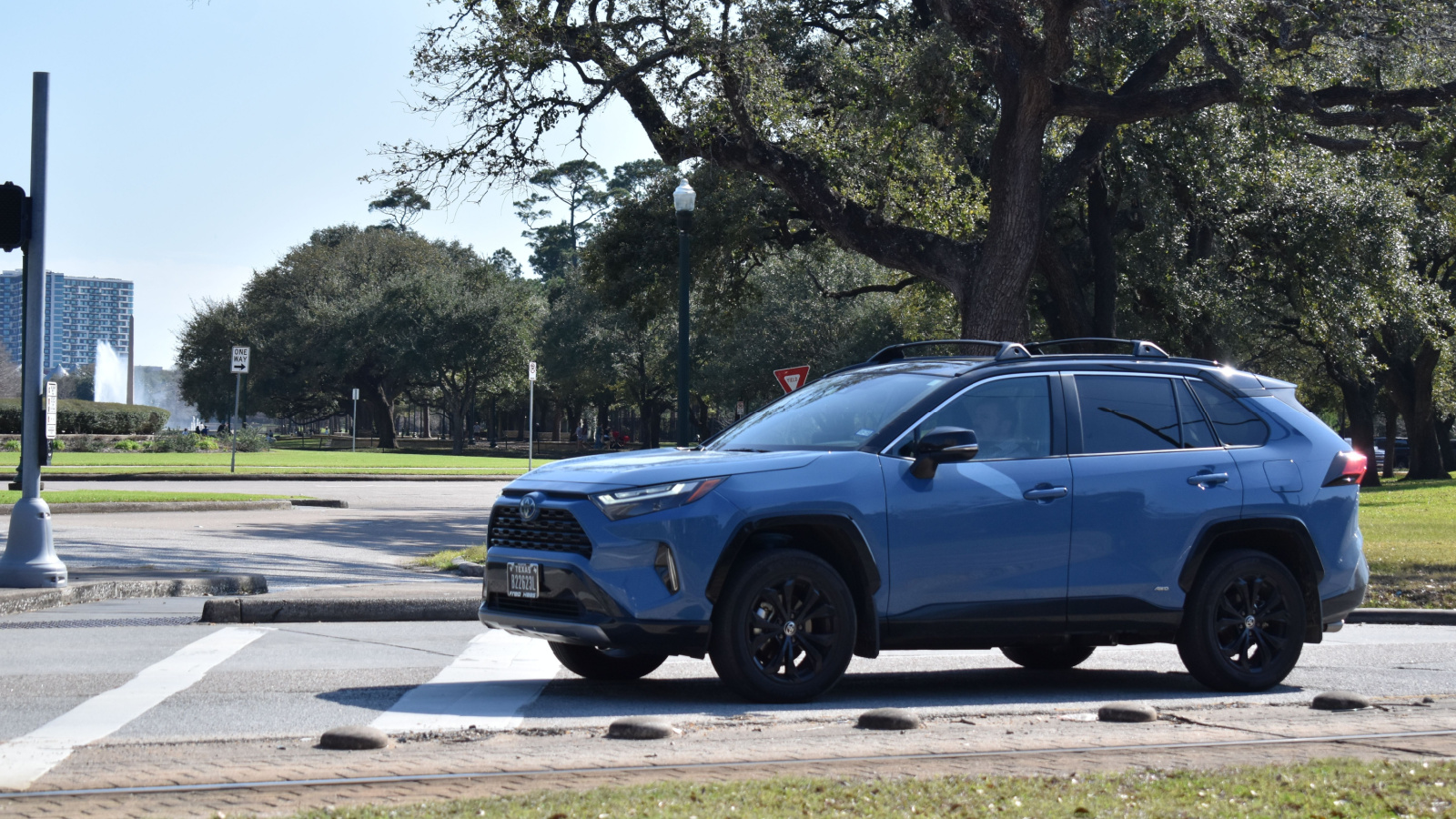
Few used SUVs feel as easy to justify in Canada as the Toyota RAV4. It sits right at the center of the market: not too big, not too expensive, and familiar to nearly every household. That matters when buyers are trying to minimize regret. The RAV4 has the kind of reputation that makes people pause on a listing and think twice before letting it go. It is also helped by the fact that it remains one of the country’s defining SUV nameplates, so there is always a strong reference point for pricing, trims, and expected ownership costs.
What makes the RAV4 especially watchable right now is how well it bridges practicality and value retention. Hybrid interest has strengthened its case even more, and used shoppers know they are not looking at a model that typically falls out of favour quickly. In many cases, a well-kept RAV4 is not the cheapest option on the lot, but that is exactly the point. Canadians often watch it because it tends to stay desirable even after the first owner is long gone.
Honda CR-V
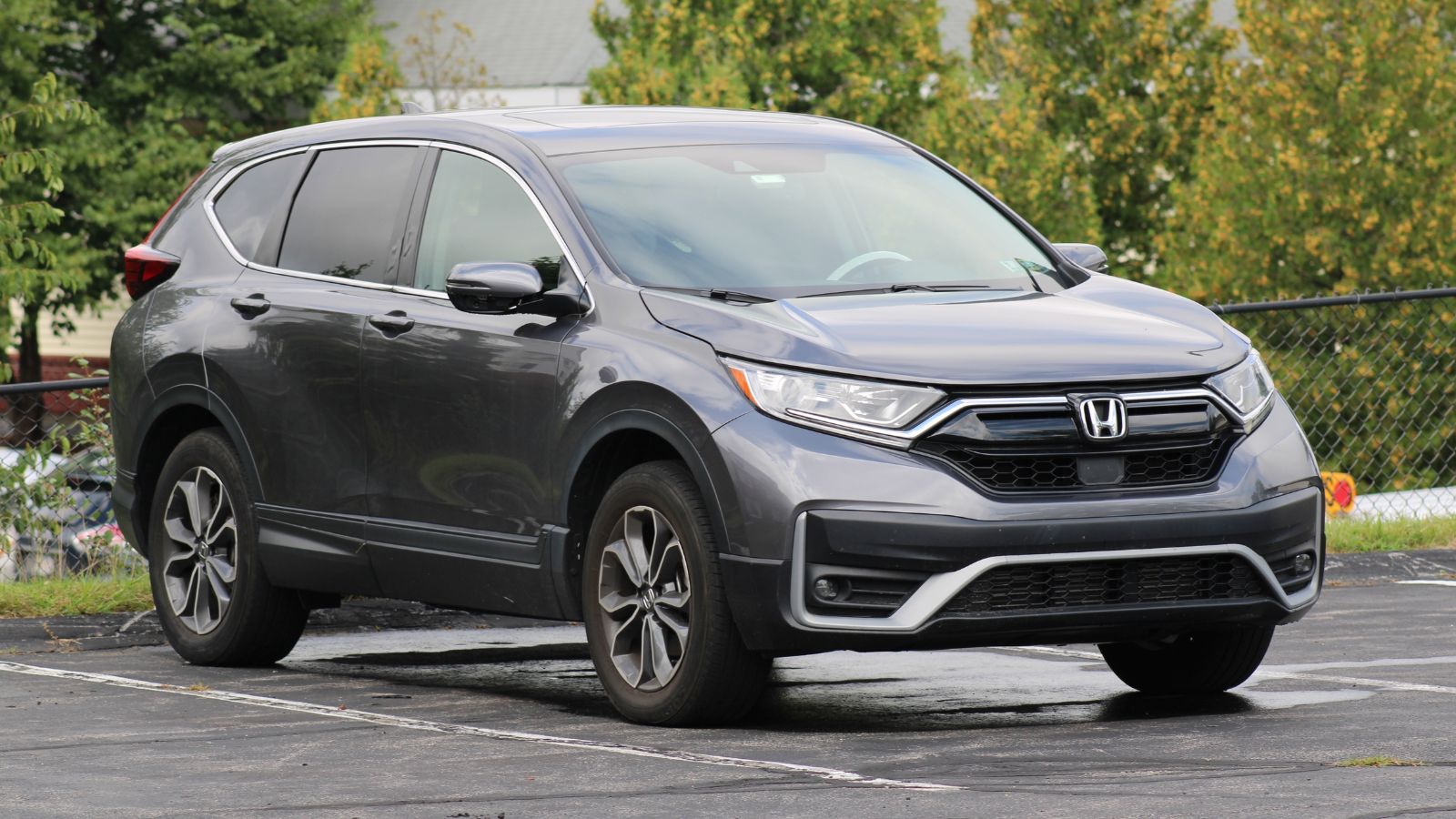
The Honda CR-V remains one of those used SUVs that rarely needs a dramatic pitch. Its appeal is built on consistency. It offers the kind of everyday usefulness that families, commuters, and downsizers all understand immediately: easy visibility, sensible cabin space, strong fuel economy, and a reputation for being simple to live with. In Canada, that matters more than flashy styling. The CR-V is often the SUV people check when they want something that feels safe, known, and unlikely to punish them later with surprise costs or disappointing resale.
That steady appeal has kept it squarely in the spotlight. When a used CR-V hits the market with clean history, reasonable mileage, and a good trim, it tends to attract real attention because buyers know what it is. It also performs well in third-party value and reliability rankings, which reinforces the sense that it is not just popular by habit. For Canadians watching the market closely, the CR-V remains one of the clearest examples of a used SUV that still makes sense at a wide range of budgets.
Subaru Crosstrek
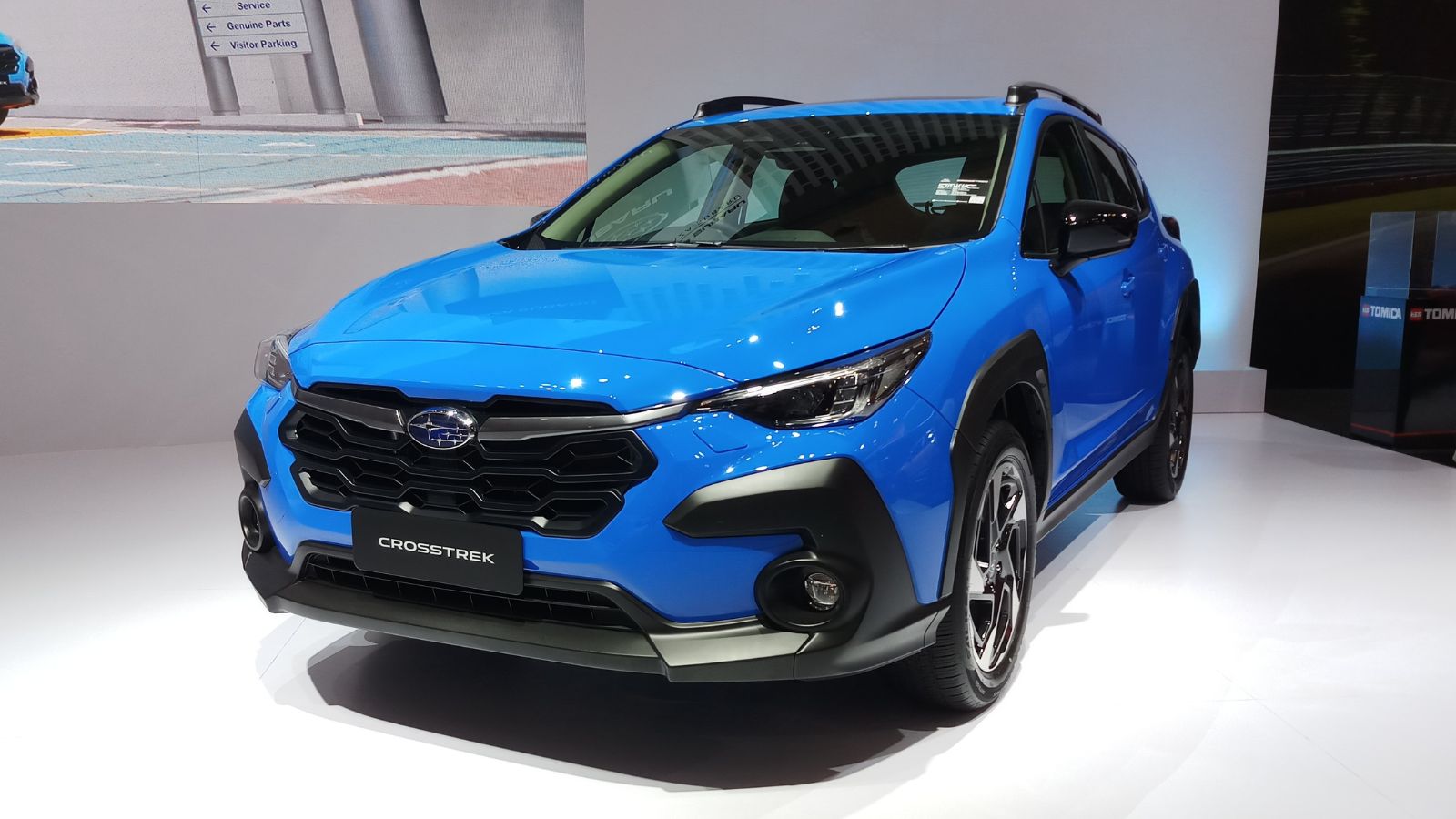
The Subaru Crosstrek occupies a sweet spot that a lot of Canadian buyers quietly love. It is small enough for urban parking and daily commuting, yet it still feels ready for snow, cottage weekends, and rougher roads. That mix gives it broader appeal than many entry-level crossovers. Instead of feeling like a compromise, the Crosstrek often feels like a deliberate lifestyle choice. Used buyers who want standard all-wheel drive without jumping into a much bigger SUV tend to circle back to it again and again.
Its current appeal is not just emotional. The Crosstrek continues to earn strong praise from evaluators who look at value, reliability, and long-term ownership logic, and it has built a habit of winning Canadian recognition in its segment. That makes it the kind of used SUV that attracts both first-time buyers and people deliberately downsizing from something larger. In a market where practical AWD still carries real weight, the Crosstrek keeps standing out as one of the most closely watched compact utility options available.
Subaru Forester
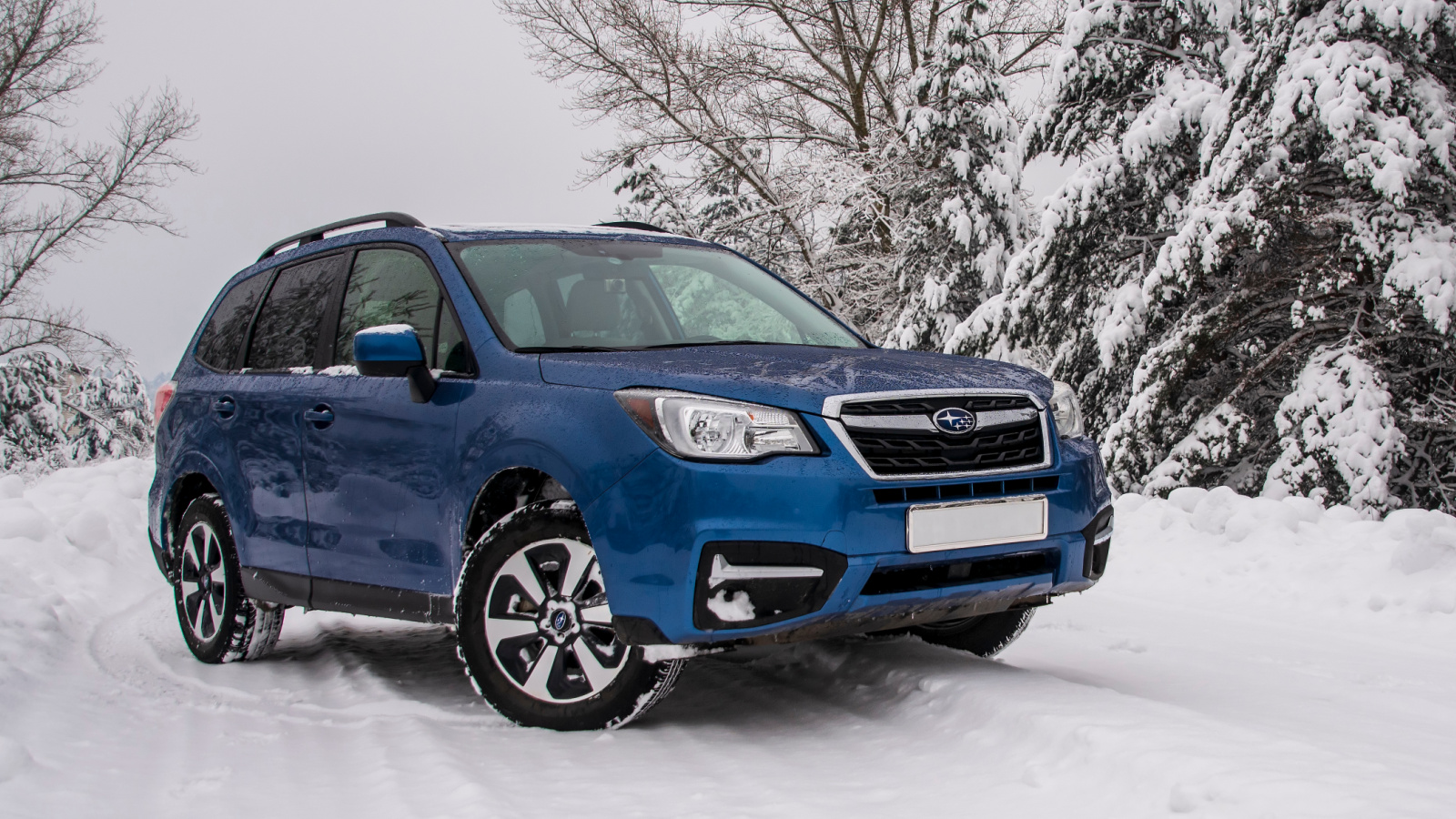
The Subaru Forester has long appealed to buyers who care less about image and more about usefulness. Its shape is boxier than many rivals, but that is exactly why people keep coming back to it. The visibility is a major strength, the cabin tends to feel airy, and the upright layout makes daily life easier for families, dog owners, and anyone who regularly loads up strollers, hockey bags, or weekend gear. In Canadian winters, that straightforward confidence often matters more than a more dramatic design.
Used Foresters are being watched closely because they still line up well with what practical shoppers want right now. They score well in broad used-SUV comparisons, and the model’s long-running connection to standard all-wheel drive keeps it relevant in snowbelt markets. It is also a vehicle that tends to attract loyal owners, which gives clean examples a little extra appeal when they surface. The Forester is rarely the loudest choice in the segment, but it remains one of the smartest ones to keep on the radar.
Hyundai Tucson
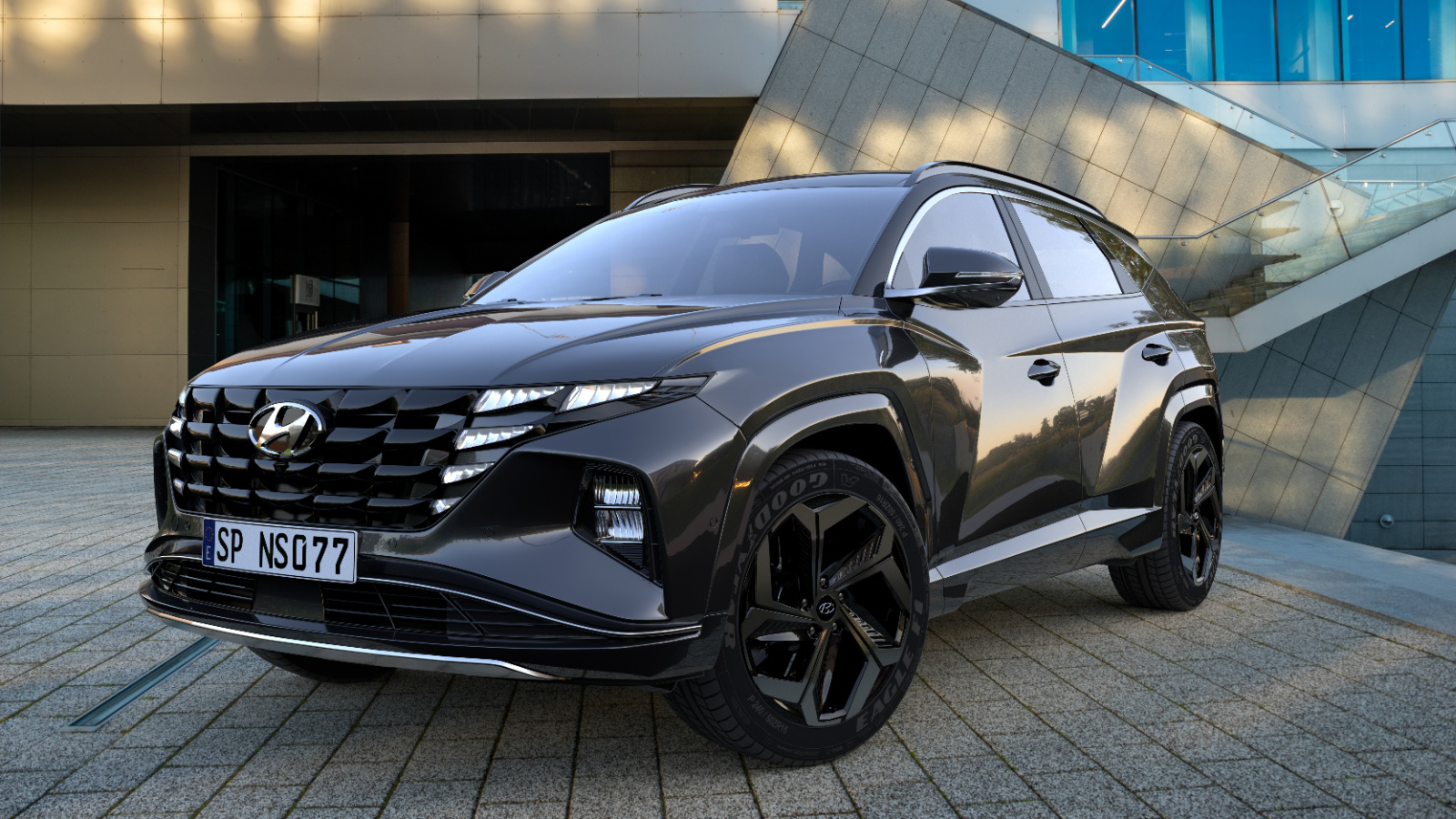
The Hyundai Tucson has become one of the more interesting used-SUV stories in Canada because it no longer feels like a second-tier fallback. Recent generations brought sharper styling, a more upscale cabin feel, and a stronger overall value proposition, which helped move it from “budget alternative” to genuine first-choice material for many shoppers. That change matters in the used market, where buyers often want something that still feels current. A Tucson that is only a few years old can look and feel newer than its price might suggest.
It is also benefiting from real momentum. The Tucson has posted strong Canadian sales results and continues to show up well in third-party rankings for family usefulness, space, and overall value. That combination makes it especially watchable for buyers who want a practical SUV but do not want to overpay for the usual Japanese shortlist. In many cases, the Tucson becomes the model people watch while waiting to see whether the right trim, mileage, and price line up more attractively than a comparable CR-V or RAV4.
Mazda CX-5
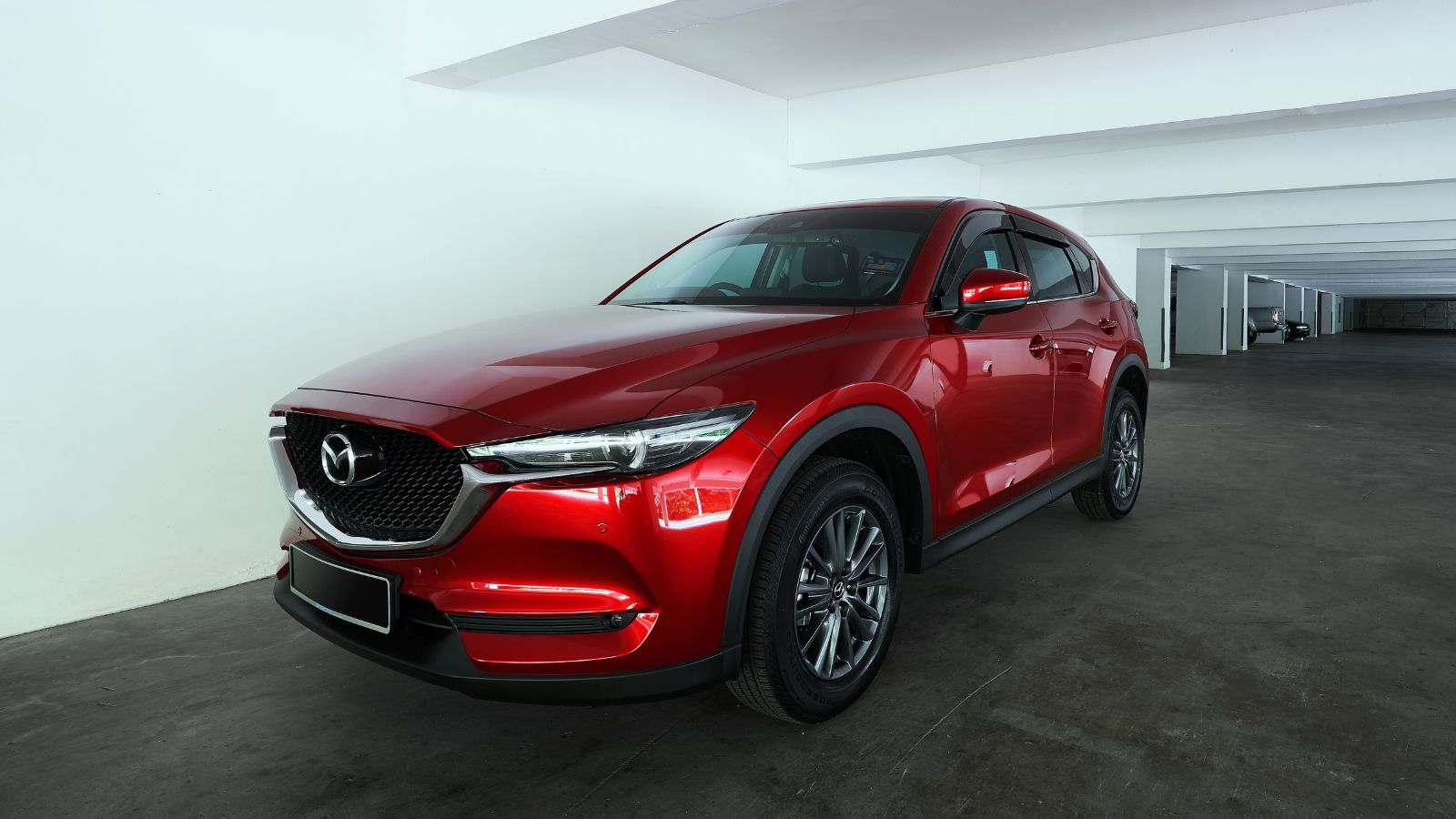
The Mazda CX-5 has a very specific appeal in the used market: it feels a little richer and a little more polished than many direct rivals without usually jumping into full luxury money. That has made it a favourite among buyers who still care about driving feel and interior atmosphere. The steering, cabin design, and overall road manners give it a more premium impression than its mainstream badge might suggest. For Canadians stepping out of a sedan and into an SUV, the CX-5 often feels like a more natural transition.
That premium-leaning personality is backed by respectable reliability and strong standing in used-SUV rankings. It also remains visible on major Canadian marketplaces, which keeps it in the comparison mix. Used shoppers tend to watch the CX-5 closely because it can deliver a near-luxury feel without the higher insurance, maintenance anxiety, or badge-tax that often comes with a German crossover. It is the kind of SUV that wins people over on a test drive, then keeps their attention when they start comparing long-term value.
Kia Sportage
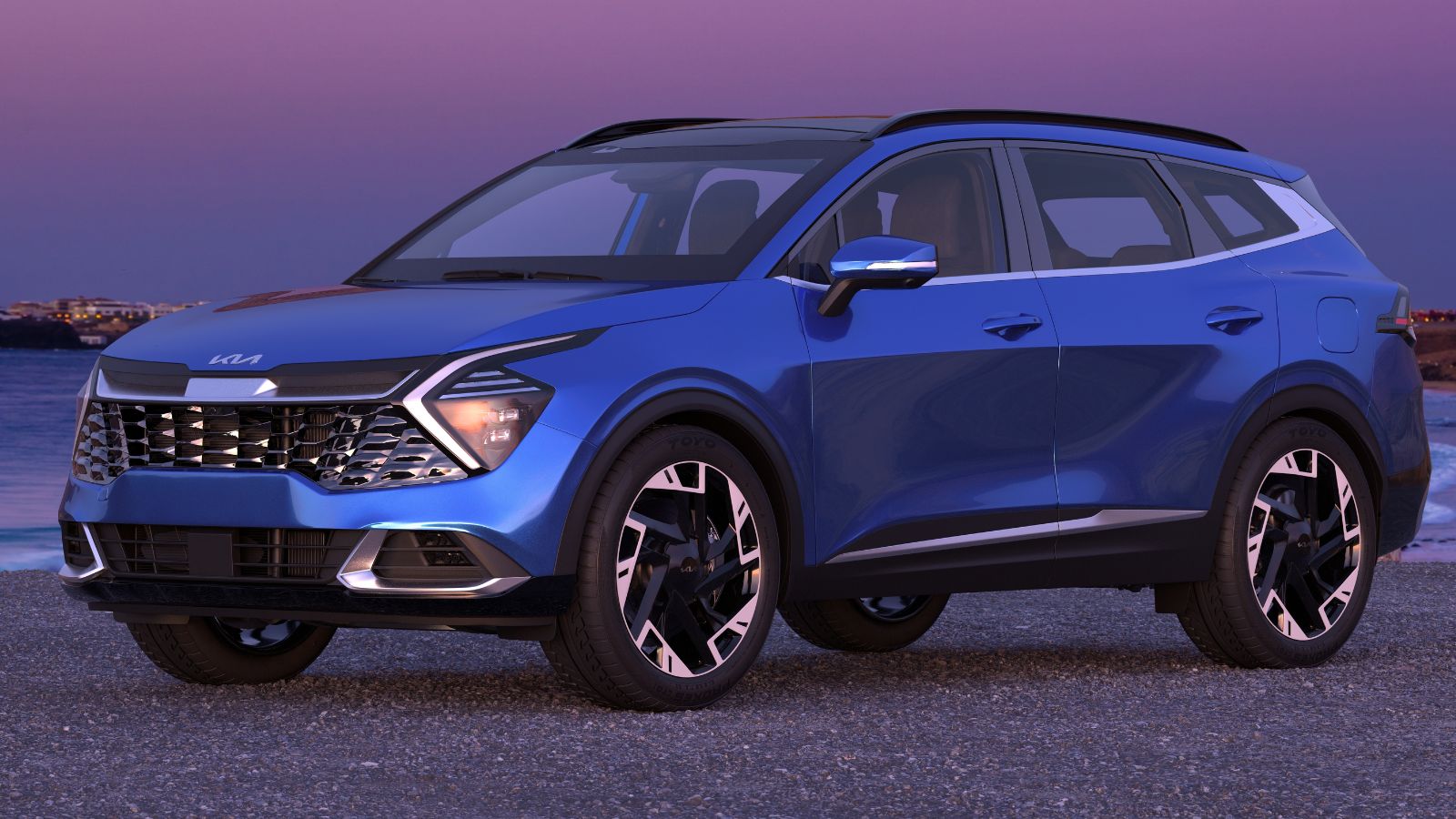
The Kia Sportage has become much harder to ignore in Canada. Earlier generations sometimes felt like sensible value buys more than emotional choices, but newer versions have brought bolder styling and a stronger sense of personality. That shift matters in the used market, where shoppers often want something that still feels modern even after a few years on the road. A used Sportage can now appeal not only on price, but also on design, equipment, and the feeling that it does not disappear into the background.
The numbers help its case, too. Canadian sales have risen sharply over the last few years, which means more buyers have become familiar with the nameplate and more used inventory will continue to circulate. It also shows up respectably in third-party rankings for used compact SUVs, which gives it credibility beyond styling alone. Canadians watching closely are often looking at the Sportage because it can undercut some of the usual segment stars while still offering a cabin, feature set, and ownership proposition that feels current rather than compromised.
Ford Escape
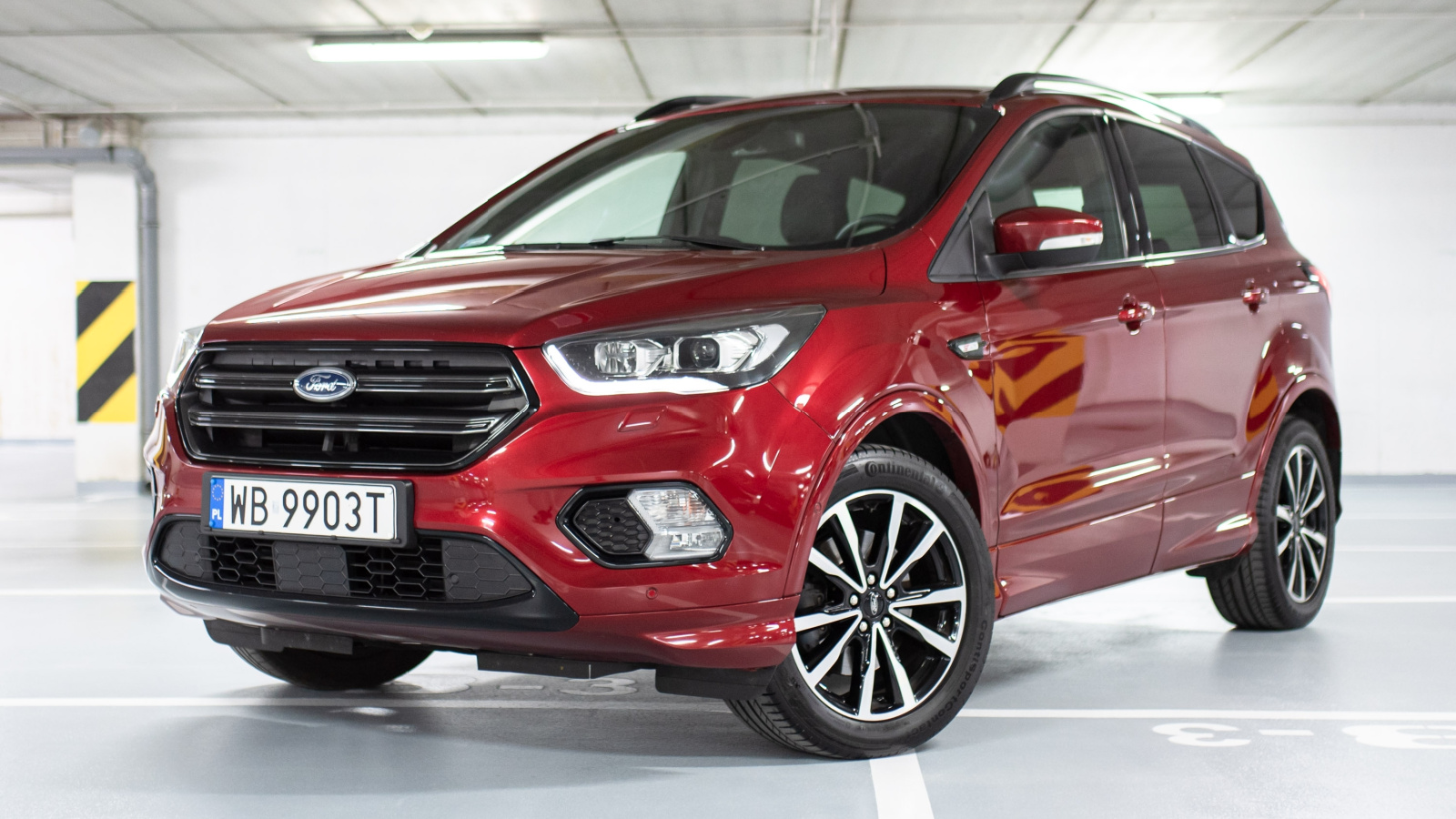
The Ford Escape remains one of the more watched used SUVs in Canada because it sits at the intersection of familiarity and availability. There are a lot of them, buyers know the name, and parts and service access tend to feel less intimidating than with something more niche. For many shoppers, especially in Ontario, that practical comfort matters. The Escape is also a model that often shows up in a wide spread of trims and powertrains, which gives buyers more flexibility when trying to match budget, fuel economy, and preferred features.
Its visibility on Canadian shopping platforms helps keep it top of mind. Even when it is not the segment darling, it remains one of the names people keep checking because a well-priced Escape can still look like a strong all-around deal. It also places better than some might expect in current used-SUV reliability comparisons. That makes it a vehicle many Canadians watch patiently rather than impulsively buy, especially if they are hoping to find an all-wheel-drive version with reasonable mileage and a cleaner ownership history.
Chevrolet Equinox
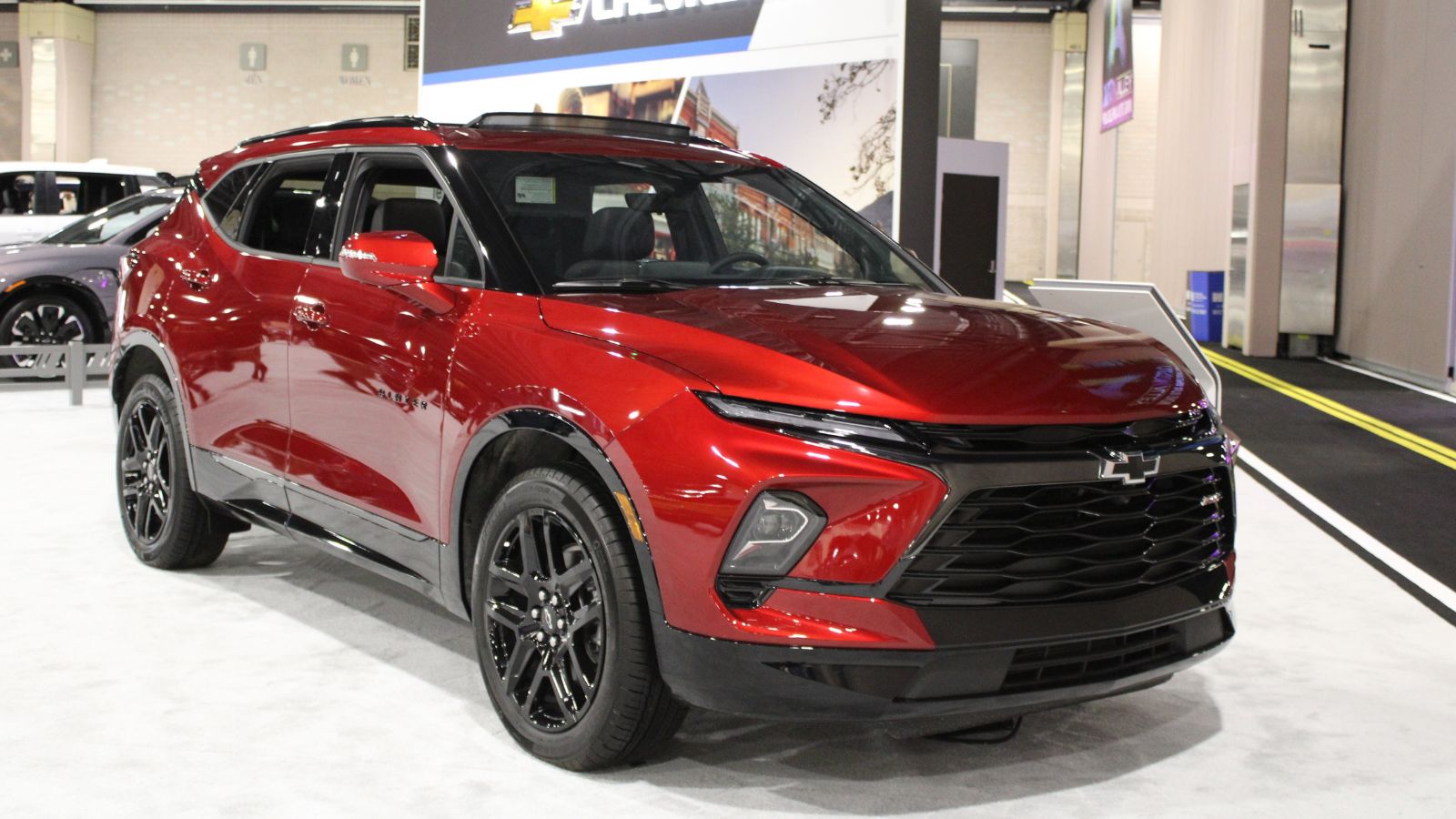
The Chevrolet Equinox has become more relevant in the used market than some buyers realize. Its straightforward packaging, familiar controls, and broad dealer footprint give it a practical advantage, especially for people who want something easy to service and easy to understand. Not every used-SUV buyer is chasing the most exciting option. Many are simply looking for a comfortable daily driver that will handle commuting, family errands, and winter weather without creating friction. In that role, the Equinox keeps earning another look.
Its recent Canadian sales strength gives it more legitimacy, too. A model that is selling in serious numbers tends to stay visible, and visibility often feeds used-market confidence. Add in respectable iSeeCars rankings among used compact SUVs, and the Equinox starts to look less like a backup plan and more like a deliberate value play. It is especially watchable for shoppers who want to stay in the compact-SUV category but do not want to pay top-tier prices for the best-known Japanese badges.
Volkswagen Tiguan
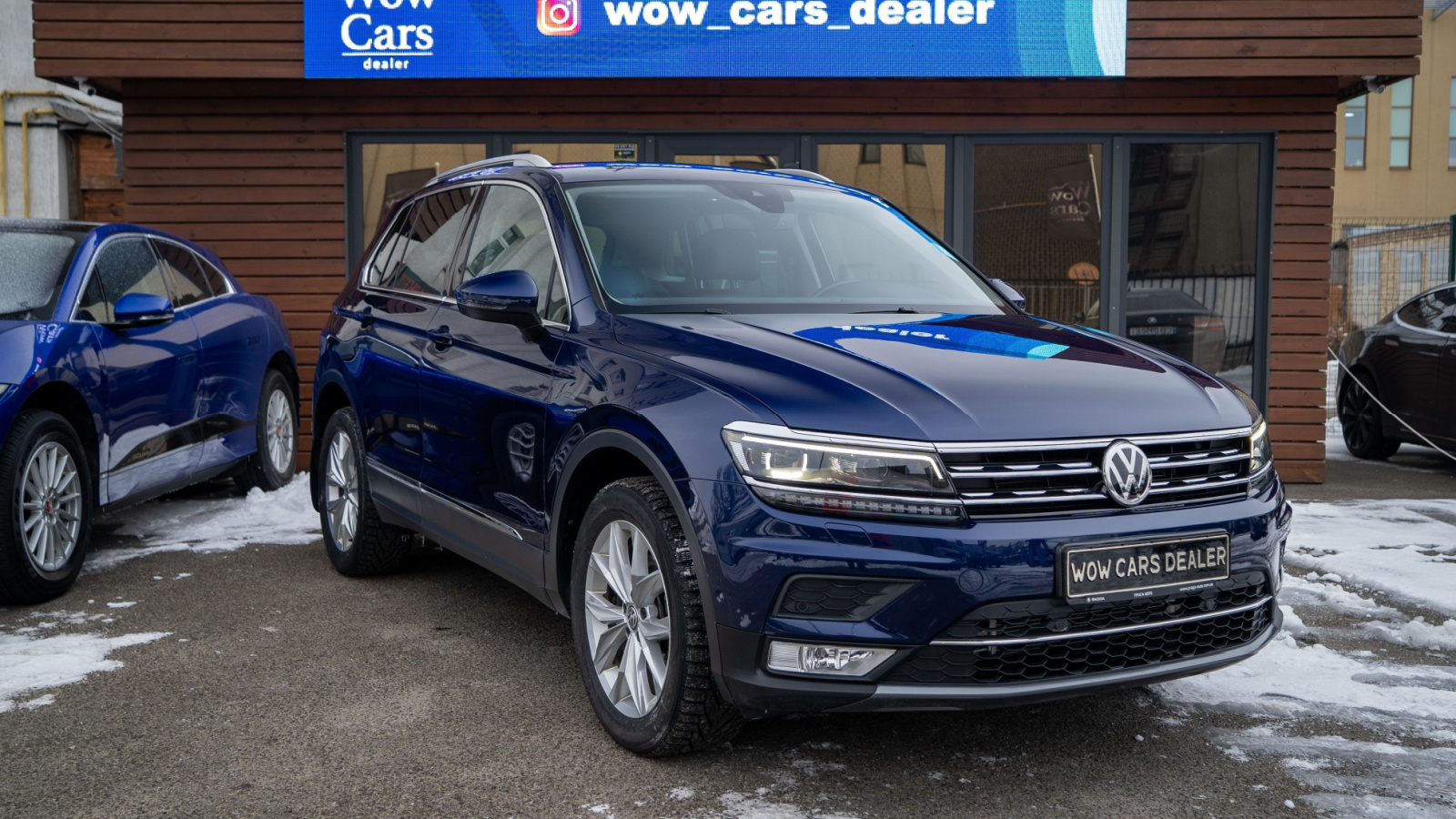
The Volkswagen Tiguan often attracts buyers who want something a little more European in feel without stepping into full luxury territory. It tends to offer a more restrained design language, a cabin that feels neatly organized, and a road character that some drivers find more settled than several mainstream rivals. For Canadians who want a family-friendly SUV but still care about the way a vehicle feels from behind the wheel, the Tiguan keeps coming up in cross-shopping conversations.
Its Canadian sales growth shows that interest has not faded, and it also earns mention in newer value-focused rankings, particularly when three-row flexibility is part of the conversation. That combination makes the Tiguan especially watchable in the used market. It is not always the first SUV people think of, but it is often the one they revisit after realizing they want something a little different from the usual Japanese compact choices. A clean Tiguan can quickly become the smarter-feeling alternative when the price is right.
Toyota Highlander
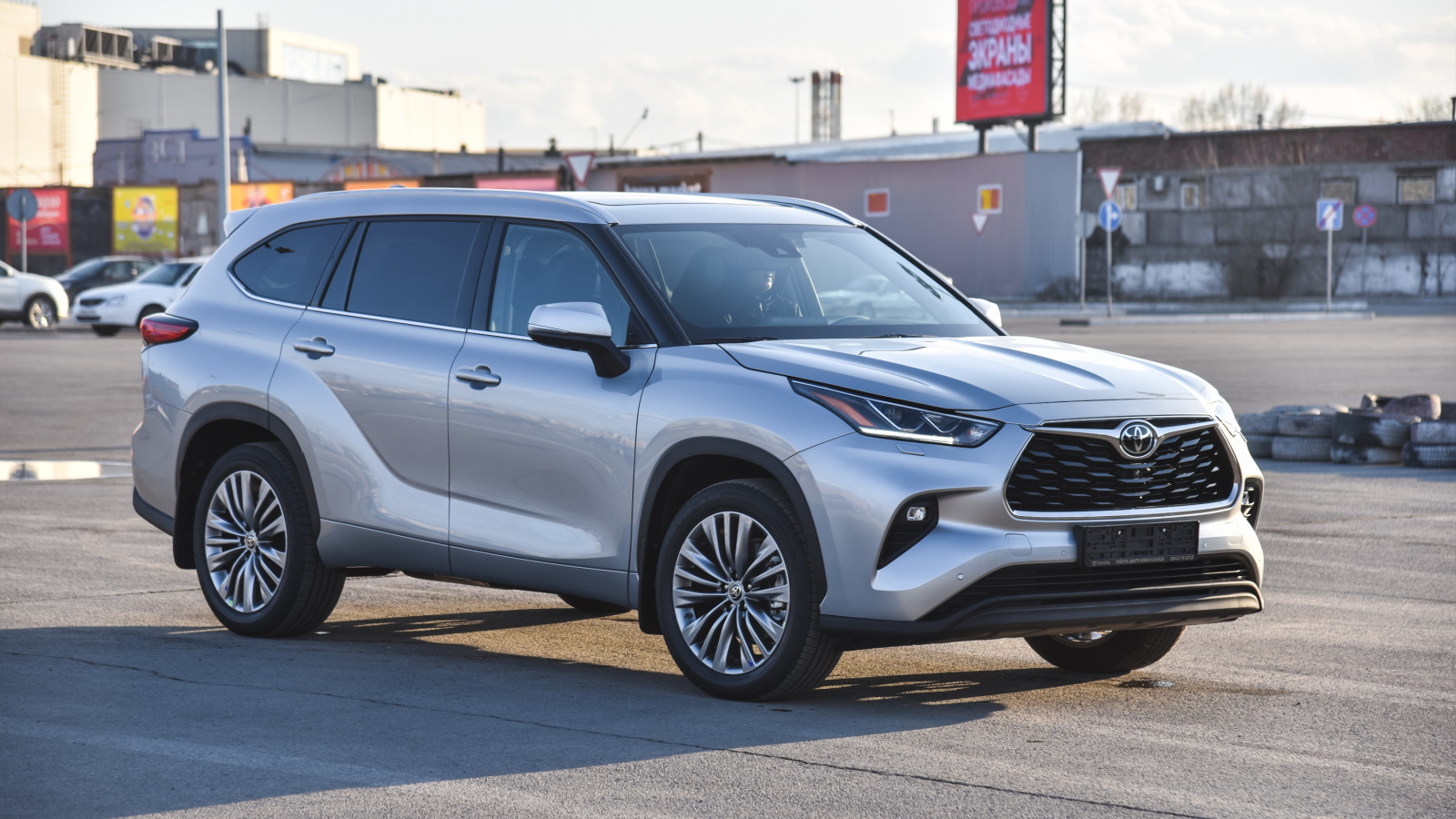
The Toyota Highlander is one of the safest bets in the used three-row SUV market because it rarely needs to prove itself from scratch. Canadian families already know what it stands for: practicality, manageable size, predictable ownership, and broad resale confidence. It fits the needs of buyers who need real family space but do not want to jump all the way to a full-size truck-based SUV. In daily use, that balance matters. The Highlander is often large enough to solve family life without becoming a burden in city traffic or parking lots.
That practicality is reinforced by strong third-party rankings for used three-row SUVs and continued recognition for retained value in Canada. It also benefits from Toyota’s broader brand strength in resale and long-term ownership perception. For that reason, used Highlanders are often watched with unusual intensity. Buyers may hesitate on many three-row SUVs, but the Highlander tends to move differently because it feels like the dependable middle ground. It is not the cheapest family hauler, but it is often one of the easiest to rationalize.
Honda Pilot
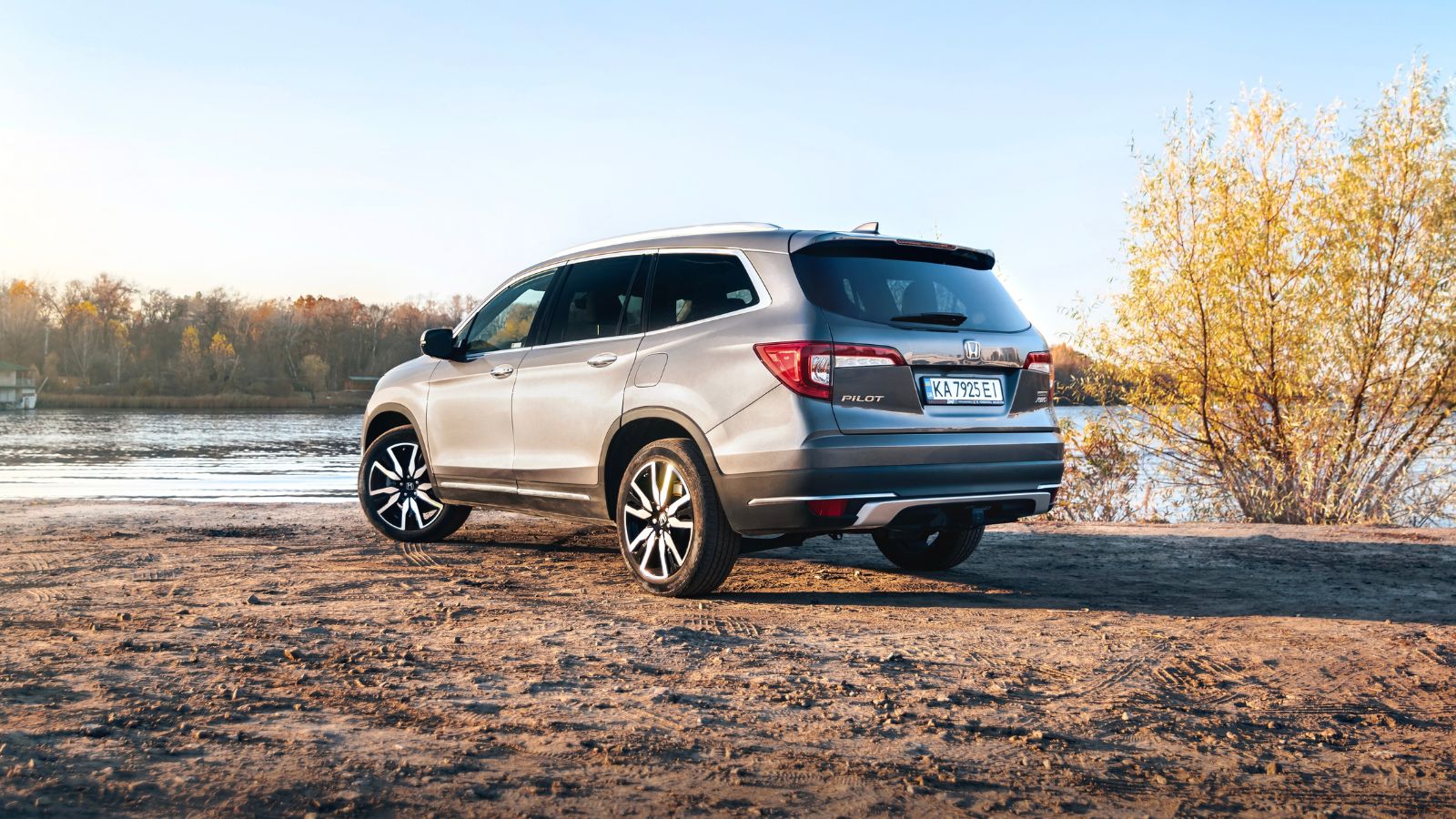
The Honda Pilot has quietly built one of the stronger used-market cases among larger family SUVs. It is roomy, straightforward, and less flashy than some rivals, which can actually work in its favour. Many buyers in this category are not trying to impress anyone. They are trying to fit children, strollers, hockey bags, and maybe grandparents without stepping into minivan territory. The Pilot answers that brief well, and that is part of why it continues to hold attention even when newer rivals generate more immediate buzz.
Its reliability standing helps, and the model also shows solid recent Canadian sales. That combination matters because it signals both current relevance and strong used-market confidence. Buyers often watch Pilot listings closely because it is one of the few three-row SUVs that can feel genuinely family-first without seeming bargain-basement or overcomplicated. In a market where more parents are weighing long-term costs just as carefully as features, the Pilot remains one of the more trustworthy names to keep near the top of the shortlist.
Mazda CX-9
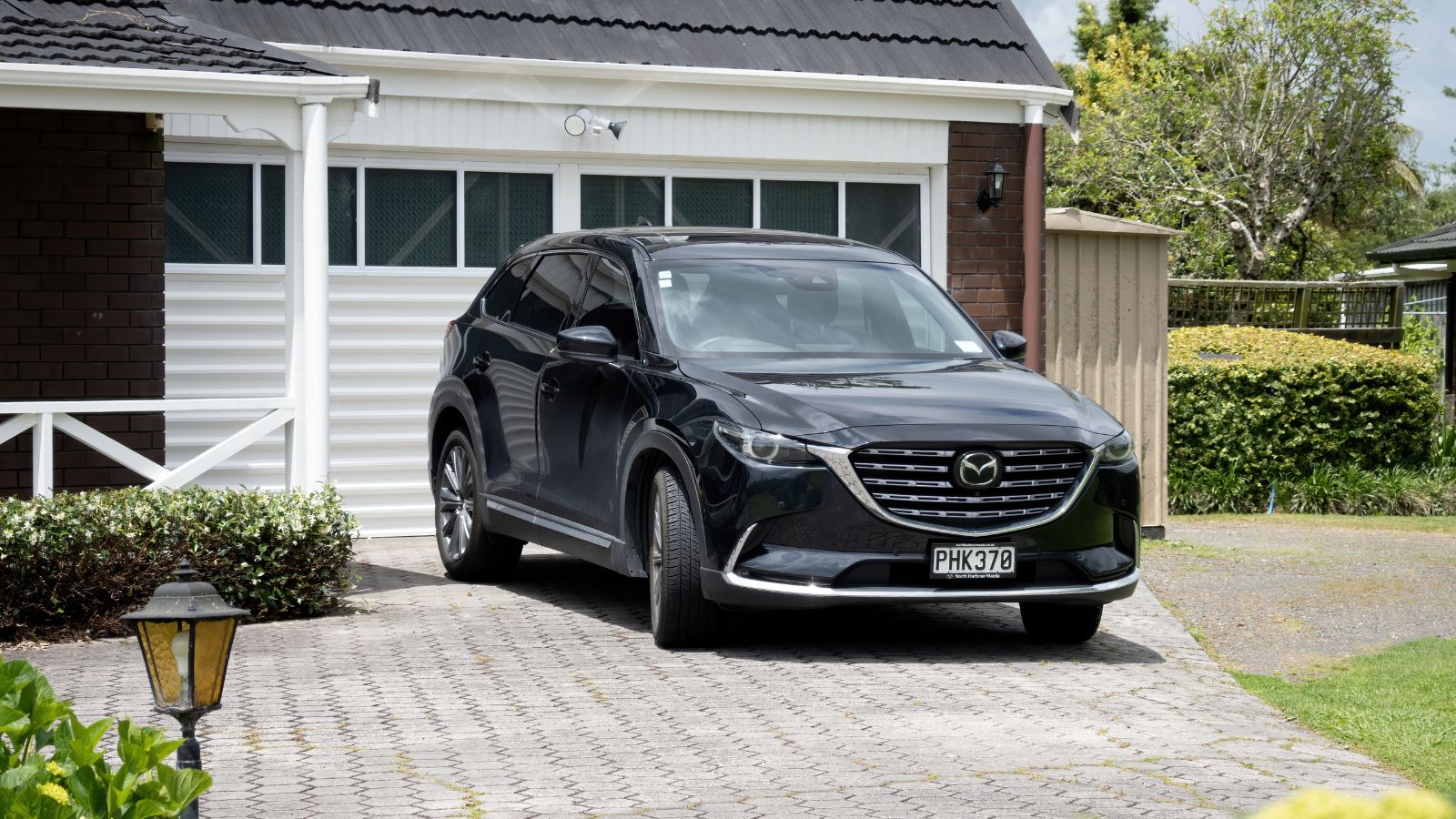
The Mazda CX-9 appeals to a very specific used-SUV shopper: someone who needs three rows but still wants the vehicle to feel composed and a little upscale. That is not a small audience. Plenty of families want space without giving up design, cabin ambience, and driving feel entirely. The CX-9 has long occupied that lane well. It does not shout for attention, but it often leaves a stronger impression in person than it does on paper, especially when compared with rivals that prioritize sheer utility over refinement.
That makes it especially interesting as a used buy. Current reliability comparisons still place it competitively among affordable three-row SUVs, and pricing for older examples can be surprisingly approachable. In many households, the CX-9 becomes the model that wins after a few test drives rather than from pure spreadsheet analysis. Canadians watching it closely are often hoping to find that sweet spot where the vehicle still feels premium, the mileage is still reasonable, and the price undercuts a newer but less polished mainstream alternative.
Hyundai Santa Fe
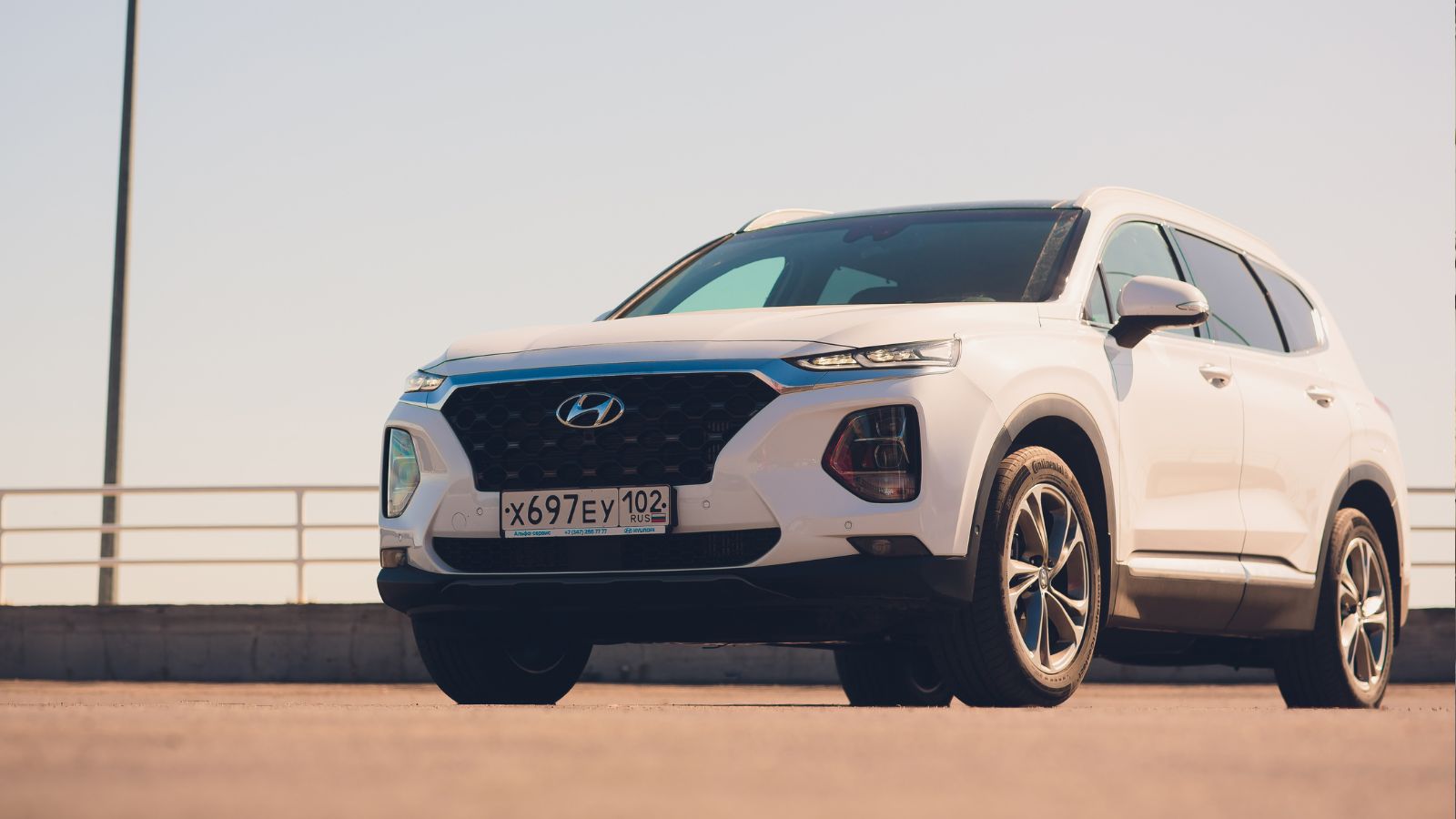
The Hyundai Santa Fe has been gaining attention because it increasingly looks like a smart bridge between compact practicality and full family-hauler capability. Depending on the generation, it can appeal to buyers who want either a roomy two-row setup or a more family-oriented configuration without immediately paying Highlander money. That flexibility keeps it relevant. It also helps that Hyundai has pushed the Santa Fe further upmarket in perceived design and interior quality, which makes late-model used examples feel more substantial than older buyers might expect.
Its standing in current used-SUV rankings is a big part of why Canadians are watching it carefully. It shows up well in both best-used and reliability-focused comparisons for three-row-capable SUVs, which gives it stronger credibility than simple price shopping alone. The Santa Fe is often the kind of vehicle people consider after they realize the obvious choices are either too expensive or too common. When the right used example appears, it can look like a value-conscious move that still feels modern and family-ready.
Toyota 4Runner
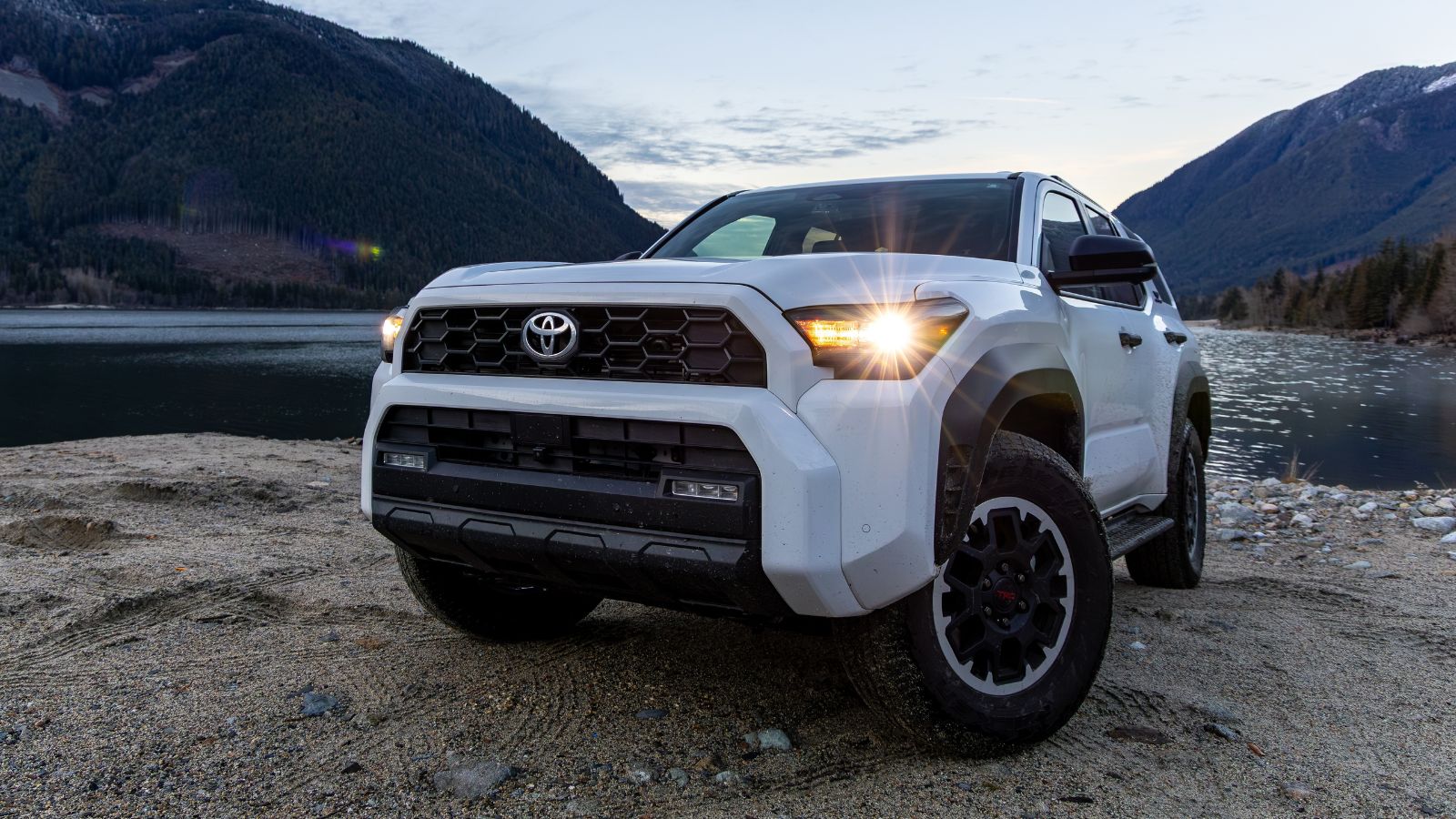
The Toyota 4Runner is not watched for the same reasons as a CR-V or Tucson. It is watched because it occupies a different category in people’s minds: durable, old-school, and unusually likely to keep its following for years. That makes it more than just transportation. The 4Runner has a loyal audience that values proven toughness, strong resale, and the sense that it will still make sense long after trendier crossovers have been replaced twice. In Canada, that rugged-image factor still has real pull.
The data backs up a surprising amount of the legend. It performs exceptionally well in long-life and reliability studies, and Canadian Black Book has recognized its residual-value strength in the mainstream mid/full-size SUV category. That is why used 4Runners can feel expensive even when they are far from new. Buyers are not simply paying for age and mileage; they are paying for the belief that the vehicle still has years of useful life left. For the right shopper, that makes it one of the market’s most closely tracked used SUVs.
Lexus RX
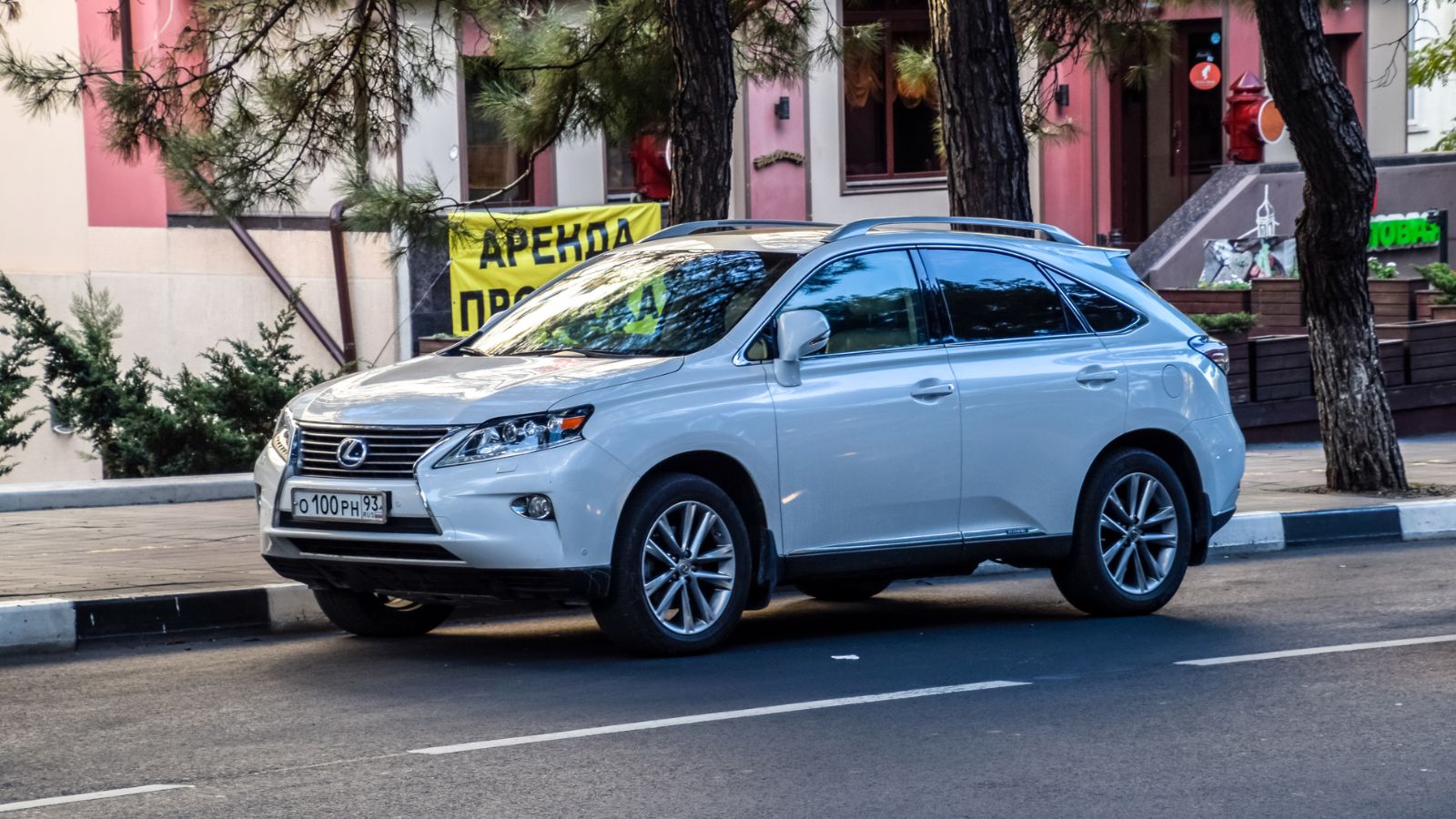
The Lexus RX remains one of the easiest premium used-SUV recommendations in the market because it balances comfort, reputation, and long-term confidence unusually well. It does not try too hard to be sporty or extreme. Instead, it leans into quiet competence, comfort, and a sense of ownership stability that many premium rivals struggle to match. For Canadian buyers who want to move upmarket without inviting as much uncertainty, the RX continues to look like a very safe luxury step.
It also benefits from impressive third-party durability and reliability results. Hybrid variants in particular score strongly, and the RX nameplate shows up in long-life studies more often than many shoppers might expect. That matters because the used luxury market can make buyers nervous. The RX calms that fear more effectively than most. People watch it closely because it offers the premium badge, the elevated cabin feel, and the refined day-to-day experience, but with a reputation that makes the long-term ownership story feel much less intimidating.
BMW X3
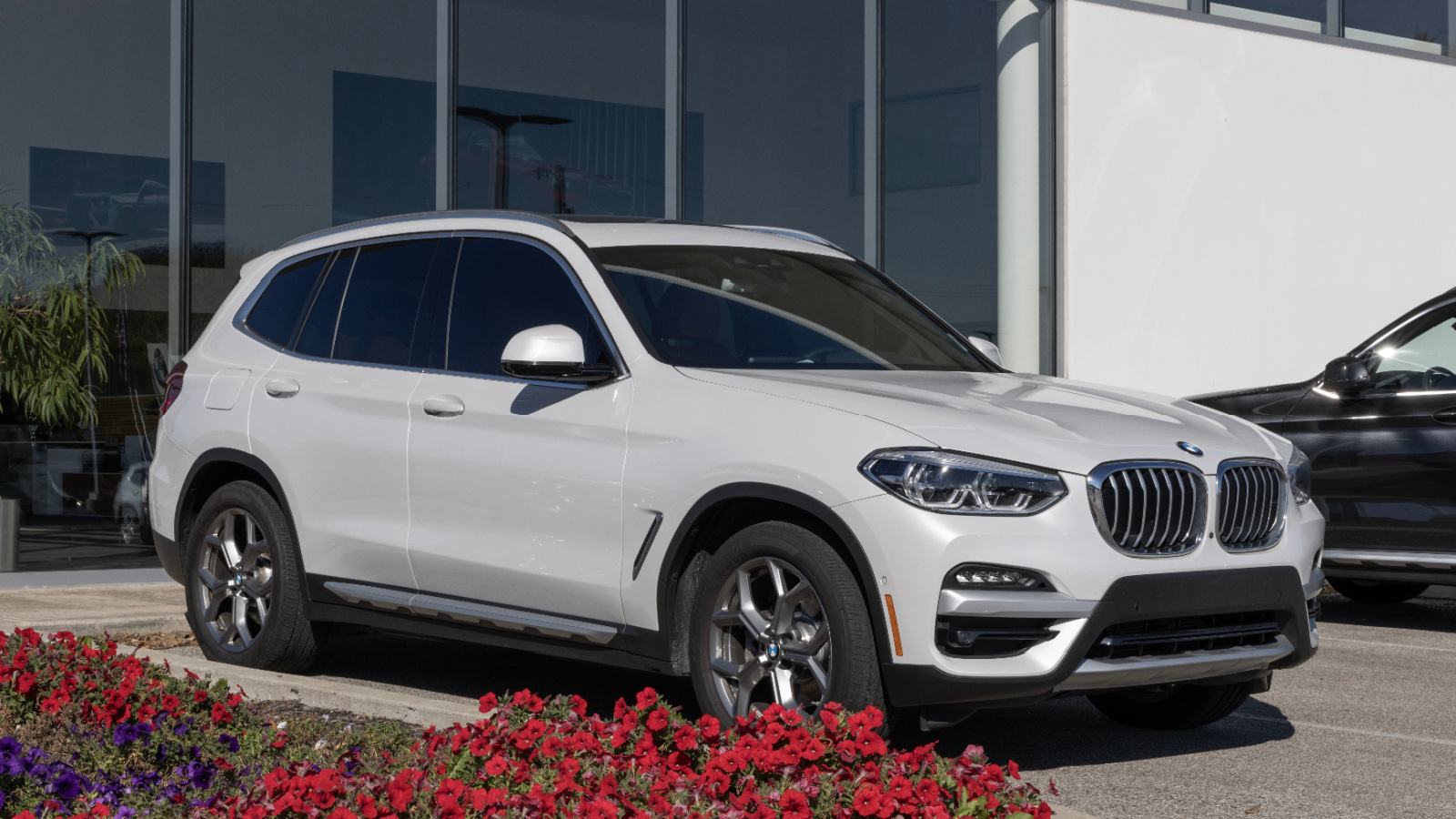
The BMW X3 is one of the few compact luxury SUVs that regularly attracts both badge-conscious buyers and practical cross-shoppers. That is a strong position to be in. It offers the kind of premium cabin, road feel, and all-weather capability that makes it feel like a meaningful upgrade from mainstream compact SUVs, yet it is still useful enough to play daily-driver duty without drama. In Canada, where luxury buyers often still want all-wheel-drive confidence and winter usability, that combination keeps the X3 highly visible.
It also helps that the X3 continues to earn Canadian recognition and remains one of BMW’s key crossover success stories here. That gives used buyers more confidence that they are choosing an established winner rather than a niche luxury experiment. People watch the X3 closely because the right used example can deliver a genuinely upscale experience without climbing into the price territory of larger luxury SUVs. It is a model that often stays on the shortlist because it manages to feel aspirational and practical at the same time.
Porsche Macan
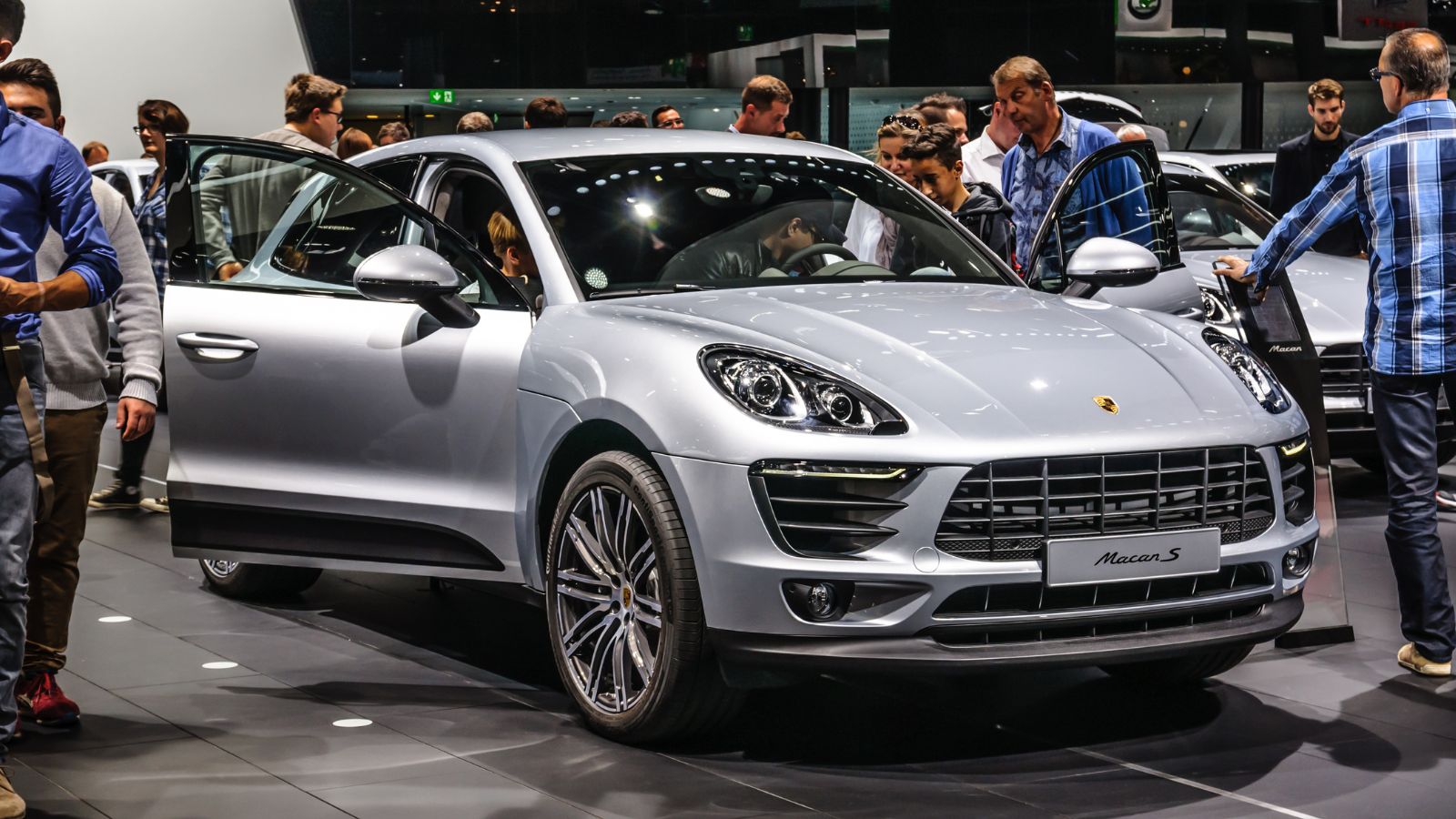
The Porsche Macan is one of the most closely watched premium used SUVs because it offers something many crossovers only promise: real driver appeal. Even years after launch, the Macan still carries a reputation for being one of the rare SUVs that genuinely feels engineered around the “sport” part of sport utility. That keeps demand healthy among buyers who want a utility shape without giving up handling, composure, and a stronger emotional connection to the vehicle. In used form, it becomes a more reachable entry point into that experience.
It also continues to receive meaningful recognition for resale strength and segment excellence in Canada. That matters because premium used buyers are often balancing heart and head. The Macan gives them a reason to indulge a little, while still pointing to evidence that the market continues to value it. It is not the roomiest option in its class, and that actually sharpens its identity. Canadians watch the Macan closely because it is not trying to be everything. It is trying to be distinctly Porsche, and that still carries weight.
22 Things Canadians Do to Their Cars in Spring That Mechanics Hate

Spring brings relief to many Canadian drivers after months of snow, freezing temperatures, and icy roads that put serious strain on vehicles. As temperatures rise across the country, drivers begin washing cars, switching tires, and preparing vehicles for warmer weather and upcoming road trips. However, mechanics across Canada notice the same mistakes every spring when drivers attempt to recover from winter damage. Road salt, potholes, and harsh winter driving conditions often leave vehicles with hidden problems that drivers ignore. Some spring habits even create new mechanical issues that could have been avoided with proper maintenance. Here are 22 things Canadians do to their cars in spring that mechanics hate.