


























Car ownership in Canada has become a more expensive proposition, yet demand has not disappeared. Passenger vehicle prices rose in 2025, financing remained a real pressure point for many households, and the broader market grew much more slowly than it did a year earlier. Even so, some nameplates kept showing up in driveways, dealer lots, and wait lists because they still line up with what Canadians tend to value most: durability, usefulness, winter confidence, fuel savings, and resale strength.
These 20 vehicles stand out for exactly that reason. Some are dominant national best-sellers, others are category leaders or breakout performers, but all of them kept attracting buyers even as costs climbed. Together, they reveal what the Canadian market still rewards when budgets get tighter and shoppers become more selective.
Ford F-Series
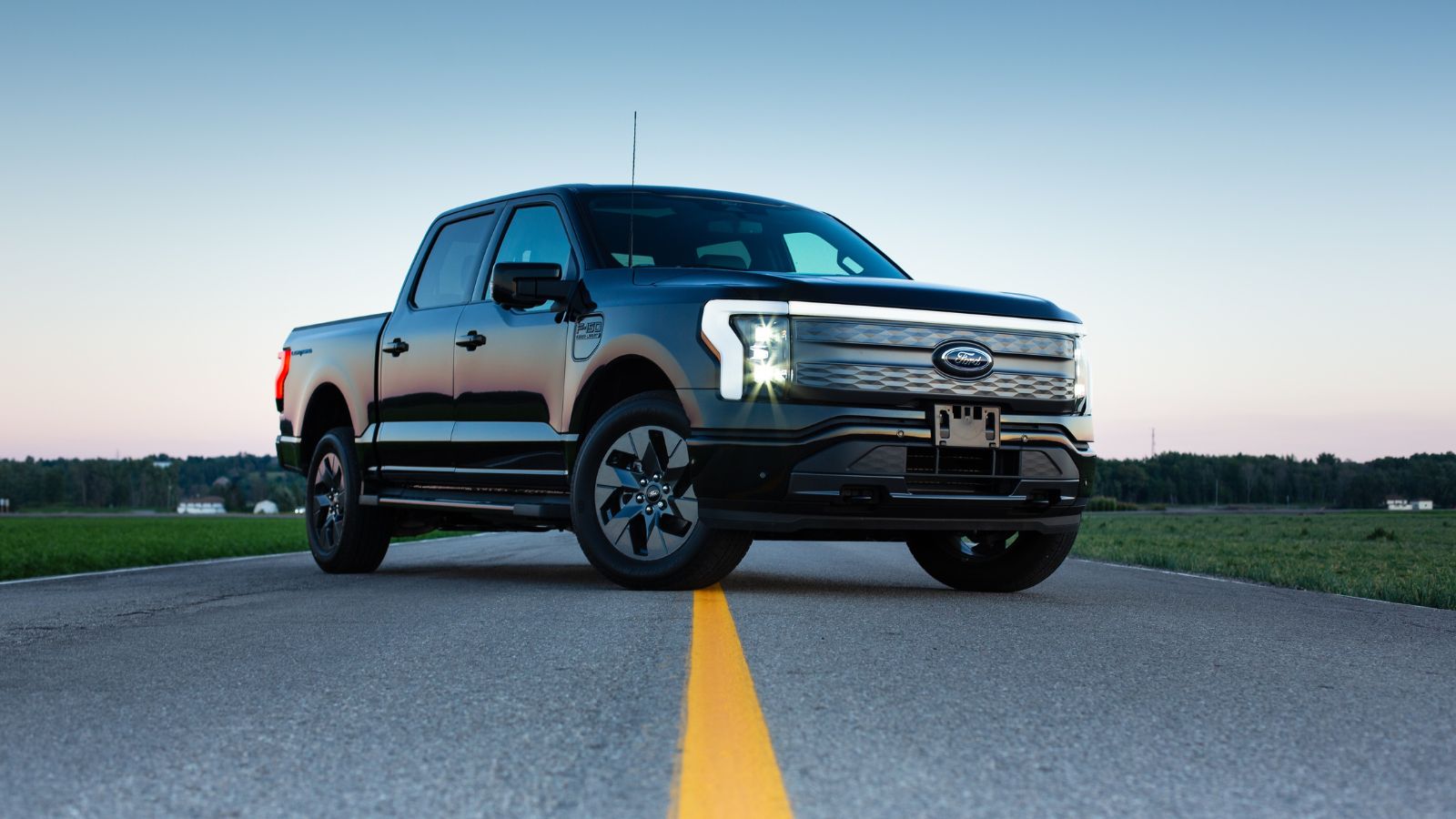
The Ford F-Series remains the clearest example of Canadians sticking with what works, even when the numbers on the contract get heavier. In 2025, Ford sold 138,470 F-Series trucks in Canada, and the lineup again finished as the country’s top-selling vehicle. That kind of volume says something important: for many buyers, this is not a discretionary purchase as much as it is a business tool, a tow rig, a family hauler, or all three at once.
What keeps the F-Series moving is the way it spans wildly different lives. A contractor in Alberta, a farmer in Saskatchewan, and a family in rural Ontario can all land on the same basic nameplate for different reasons. Ford also benefits from decades of habit and trust. When replacement time comes, many owners are not looking to experiment. They are looking for another truck that feels familiar, can handle winter, and has already proven it can earn its keep.
Toyota RAV4
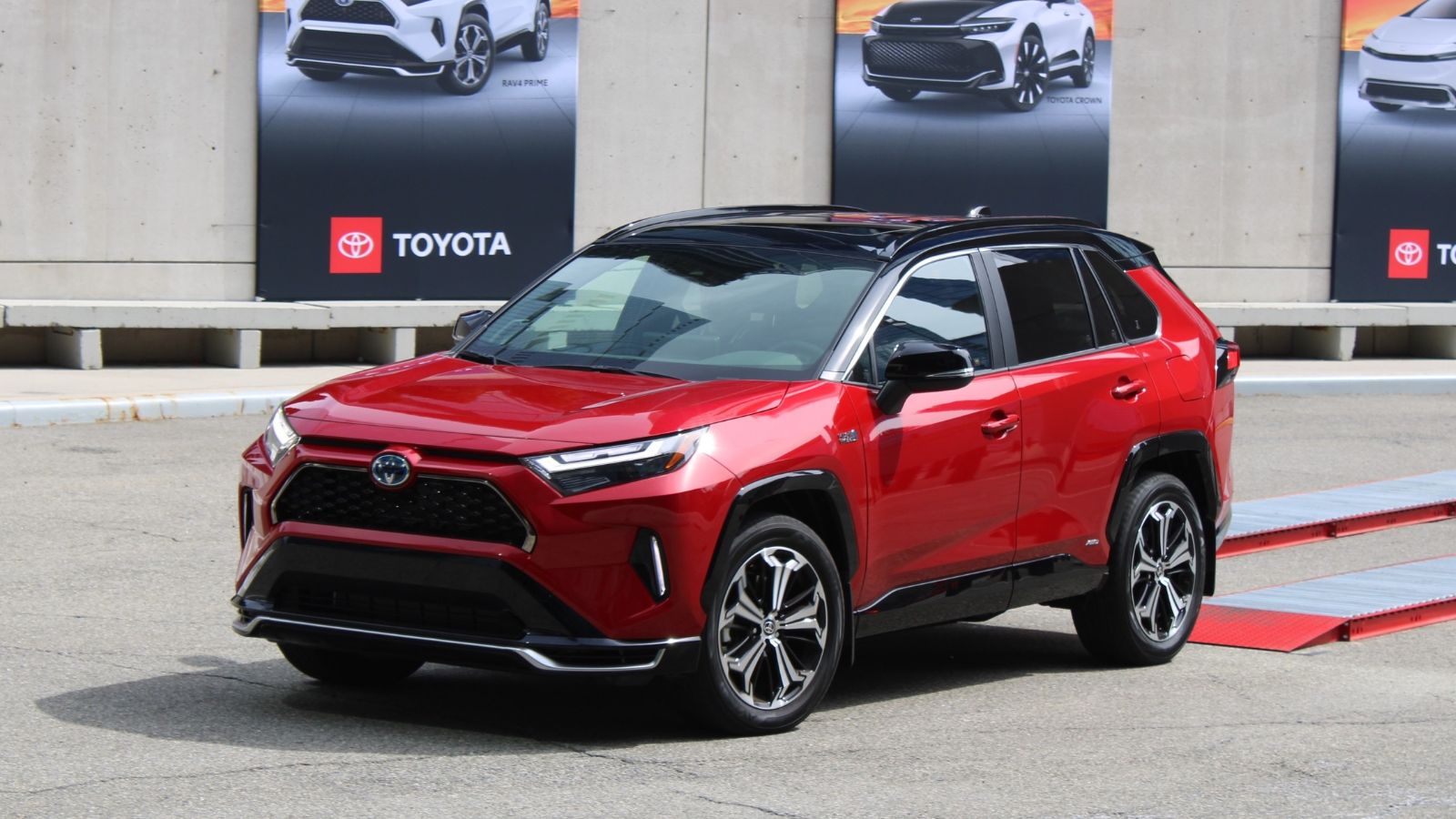
The Toyota RAV4 continues to hold a uniquely powerful position in Canada because it manages to feel practical without feeling stripped down. Toyota sold 75,573 RAV4s in Canada in 2025, making it the country’s best-selling passenger vehicle outside the pickup category once again. That is a huge statement in a market crowded with compact SUVs, especially when buyers are more cost-conscious than they were a few years ago.
Part of the RAV4’s staying power is that it hits multiple priorities at once. It is roomy enough for young families, easy enough to park for urban commuters, and available in hybrid and plug-in hybrid forms for shoppers trying to soften fuel bills. There is also a Canadian story attached to it, since the RAV4 is built here. For many buyers, that adds another layer of comfort. It is simply one of those rare vehicles that feels like the safe choice without feeling like a compromise.
GMC Sierra
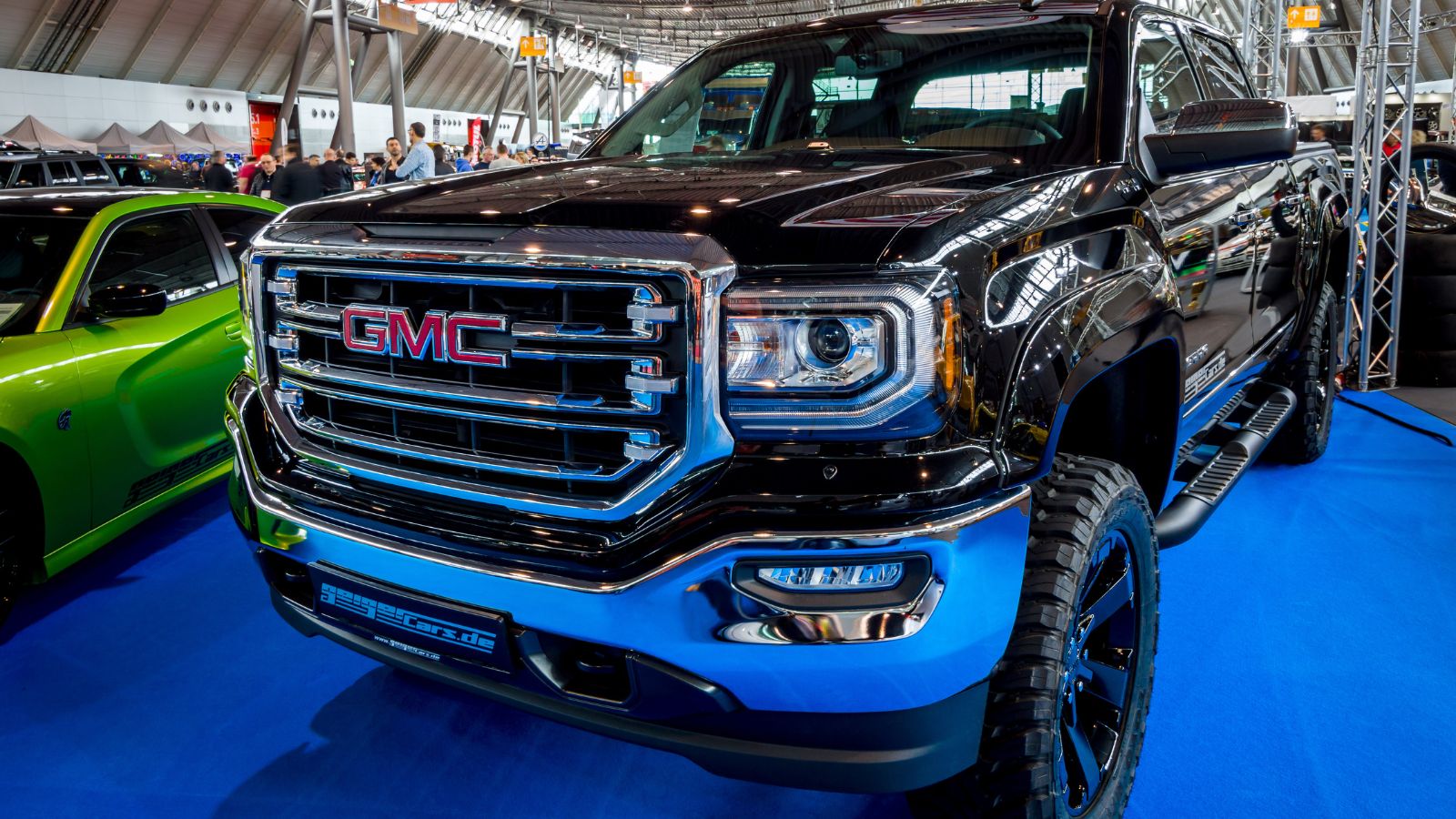
The GMC Sierra has become the truck for Canadians who still want full-size capability but also want a bit more polish. With 59,962 sales in 2025, it ranked among the country’s very top-selling vehicles, and GMC itself posted the best sales year in its Canadian history. That blend of strong demand and brand momentum helps explain why the Sierra keeps turning up even as truck prices remain high.
What makes the Sierra interesting is that it often appeals to buyers who could have chosen an F-150 or Silverado but wanted something that felt slightly more premium. In many parts of Canada, especially in truck-heavy regions, it carries a quiet status value. It still works hard, still tows, still handles winter duty, but it also presents well in a driveway or office parking lot. For buyers who want utility without sacrificing comfort or image, the Sierra continues to land in a very attractive middle ground.
Honda CR-V
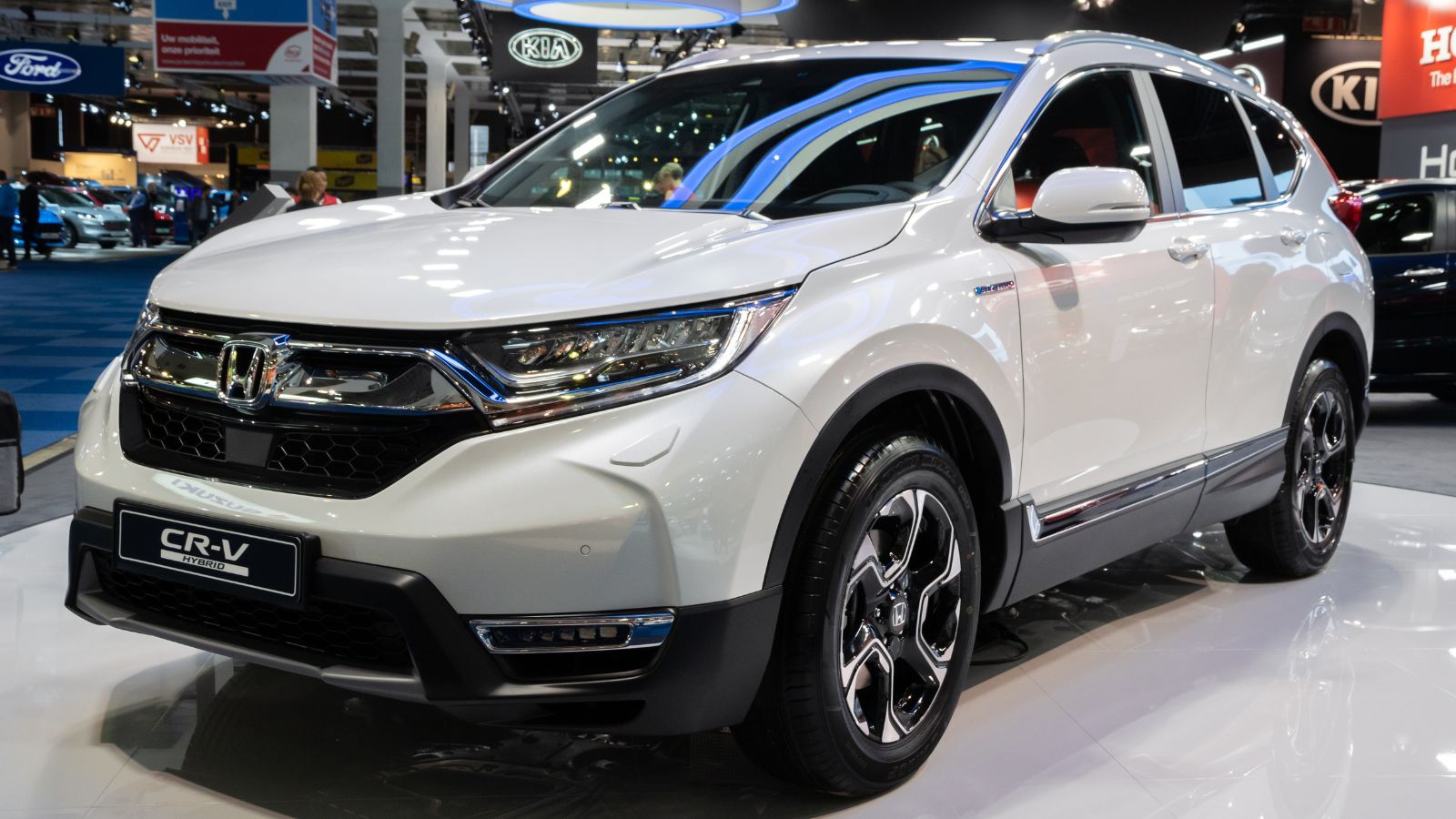
The Honda CR-V has become one of the most dependable answers to a difficult buying question: what still feels worth paying for? Honda sold 55,987 CR-Vs in Canada in 2025, and 35,325 of those were hybrids, which made the CR-V Hybrid the country’s most popular hybrid vehicle. In a market where fuel and financing costs both matter, that is not a small achievement.
The CR-V succeeds because it rarely tries too hard. It does not rely on flashy design or oversized claims. Instead, it gives buyers the things that matter on a Tuesday in February: usable space, easy visibility, a sensible driving position, and a reputation for low-drama ownership. A young family moving up from a compact car can see the appeal immediately. So can an older couple downsizing from something larger. That wide relevance is hard to replicate, and it explains why the CR-V remains one of the safest bets in the market.
Chevrolet Silverado
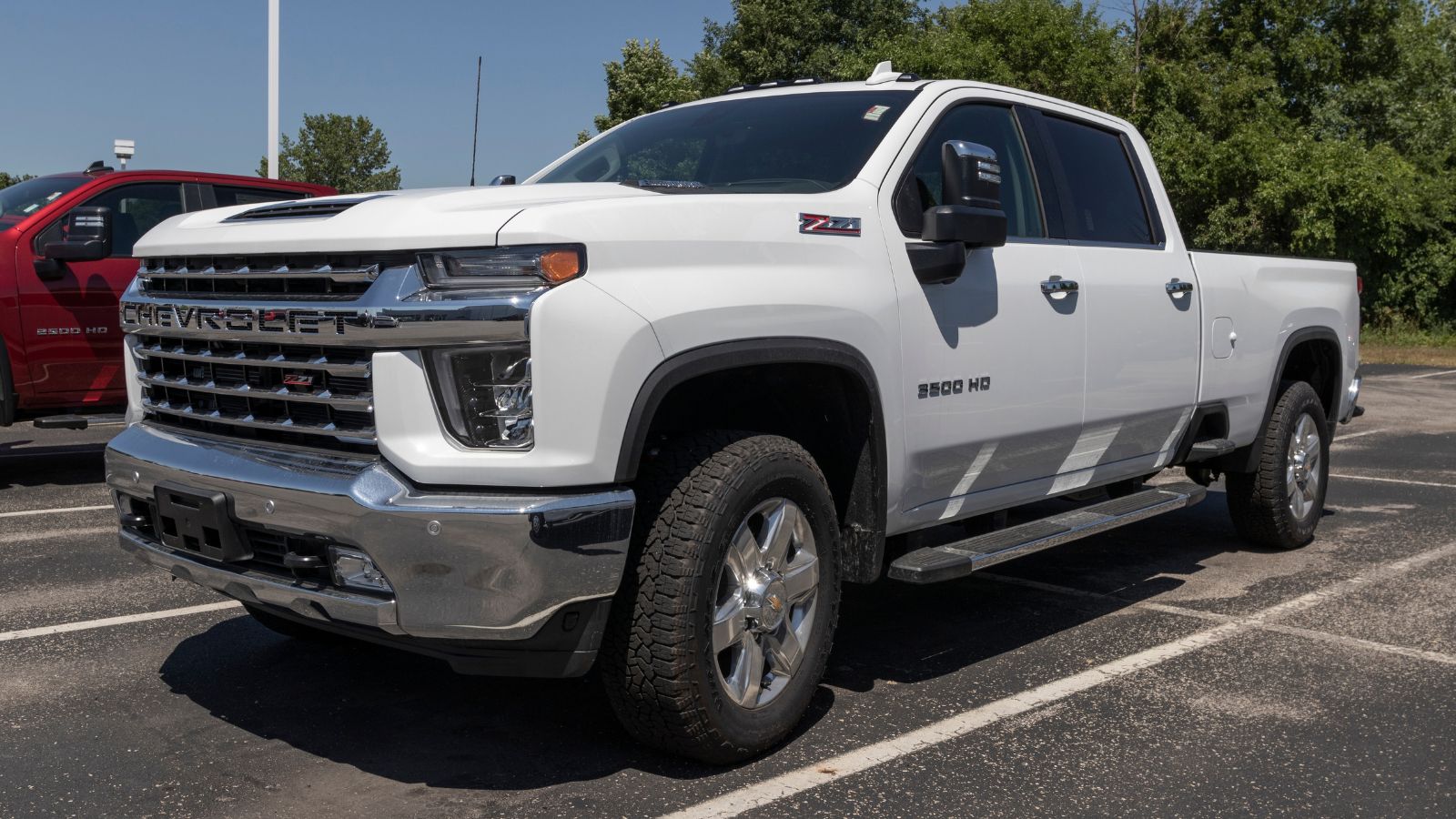
The Chevrolet Silverado continues to prove that Canadians will still spend real money on a truck when the truck clearly answers a real need. Chevrolet sold 54,068 Silverados in Canada in 2025, and GM said its full-size pickup duo of Silverado and Sierra led the industry again. Even with higher ownership costs, this remains one of the country’s defining work-and-lifestyle vehicles.
The Silverado’s appeal is broad in a very Canadian way. It can be a fleet purchase, a cottage-country tow vehicle, a construction-site staple, or a weekend toy hauler. That flexibility matters because buyers are often trying to justify one vehicle doing the work of two. The Silverado has also benefited from strong brand familiarity and a deep dealer footprint. For a lot of shoppers, especially outside major downtown cores, that still counts. When replacement time comes, convenience, capability, and confidence in parts and service can matter as much as sticker shock.
Ram 1500/Heavy Duty
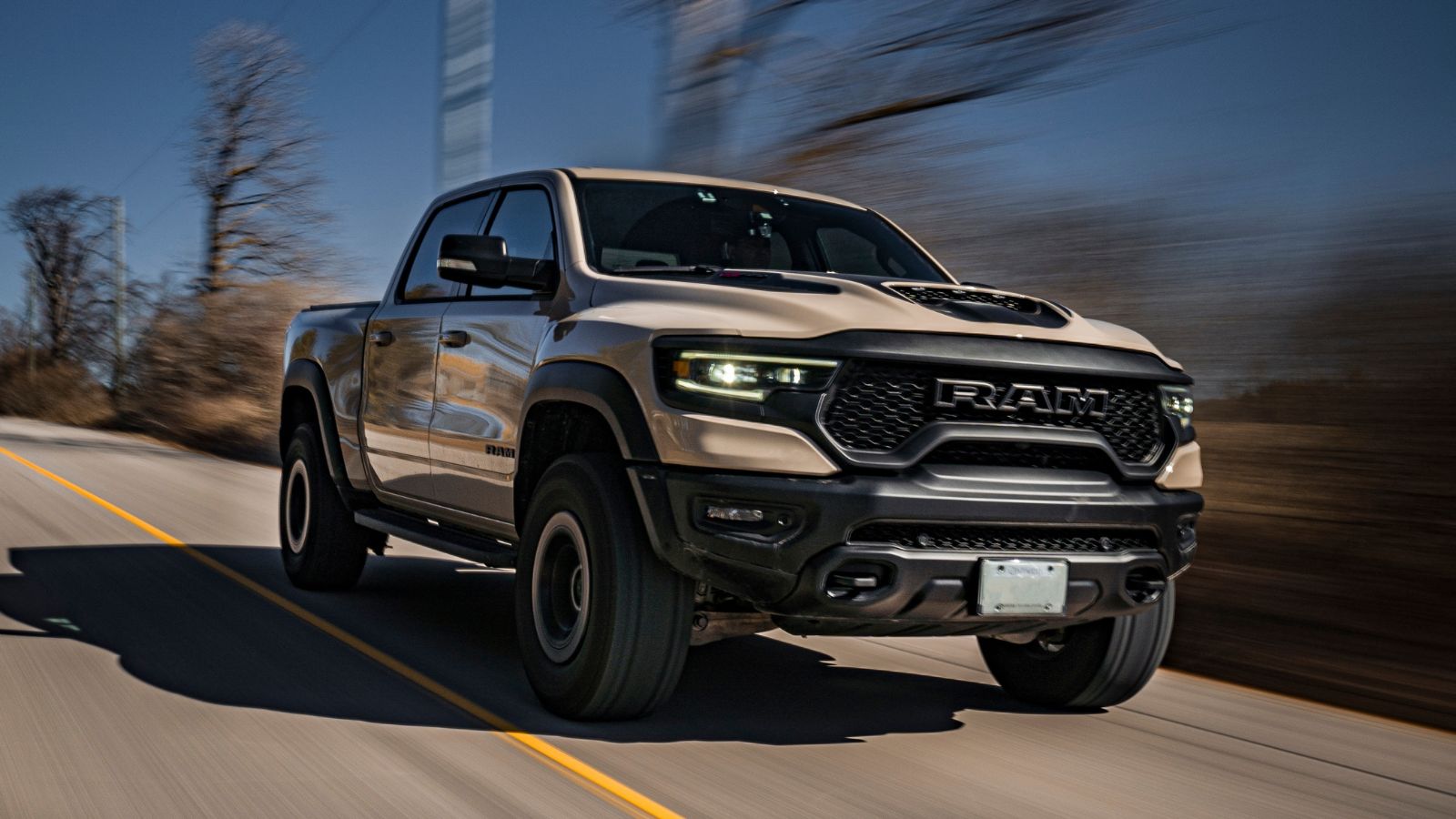
The Ram pickup family shows that strong loyalty can survive even when sales soften. Ram sold 42,759 pickups in Canada in 2025, down sharply from the year before, but it still finished among the country’s top-selling vehicles. That says a lot about the depth of its customer base. Even under pressure, enough buyers kept coming back to keep it firmly in the national conversation.
Ram’s staying power comes from a blend of comfort and truck credibility. For years, it has built a reputation for delivering a smoother ride and a more upscale cabin than many people expect from a full-size pickup. That matters when the truck is also the everyday commuter or family vehicle. In many households, the logic goes like this: if the monthly cost is already substantial, the truck had better feel good every single day. Ram continues to win that argument with a lot of Canadians, especially those who want capability without giving up comfort.
Hyundai Tucson
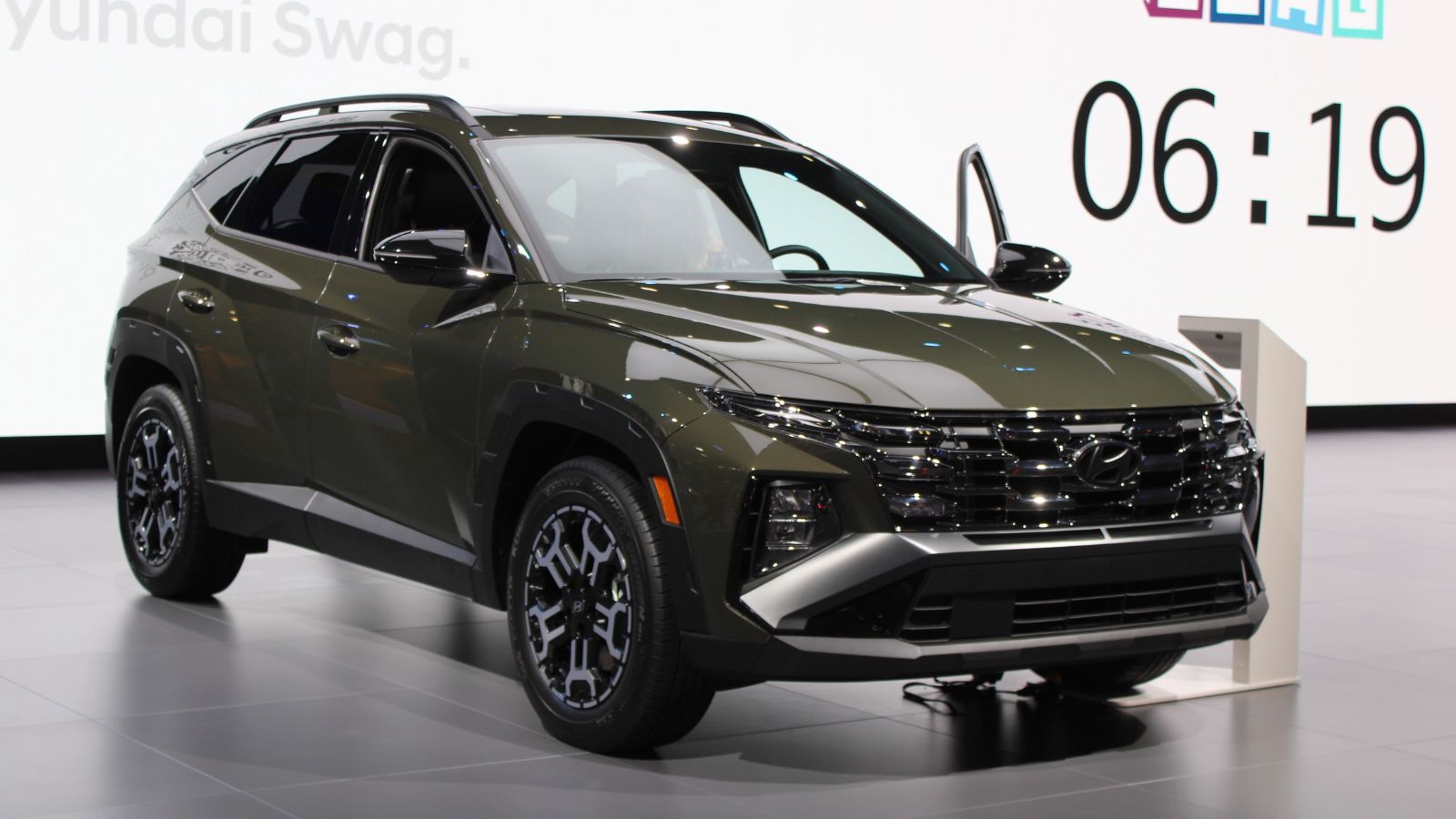
The Hyundai Tucson had one of the strongest years of any mainstream vehicle in Canada. Hyundai sold 41,840 Tucsons in 2025, a 40.2 percent jump from 2024, and the model remained Hyundai Canada’s top seller. That kind of growth is especially notable in a market where affordability is top of mind, because it suggests buyers are not just noticing the Tucson, they are actively choosing it over familiar rivals.
One reason is breadth. The Tucson gives Canadians multiple ways in, from conventional gas versions to hybrid and plug-in hybrid options. That matters when different households are trying to solve different cost problems. Some want lower monthly payments, others want lower fuel bills, and some want both. Hyundai has also kept the Tucson feeling modern, which helps it stand out in a packed segment. It is easy to imagine why it works so well: it looks current, feels family-ready, and offers enough variety that shoppers do not have to leave the lineup to find their version of sensible.
Nissan Rogue
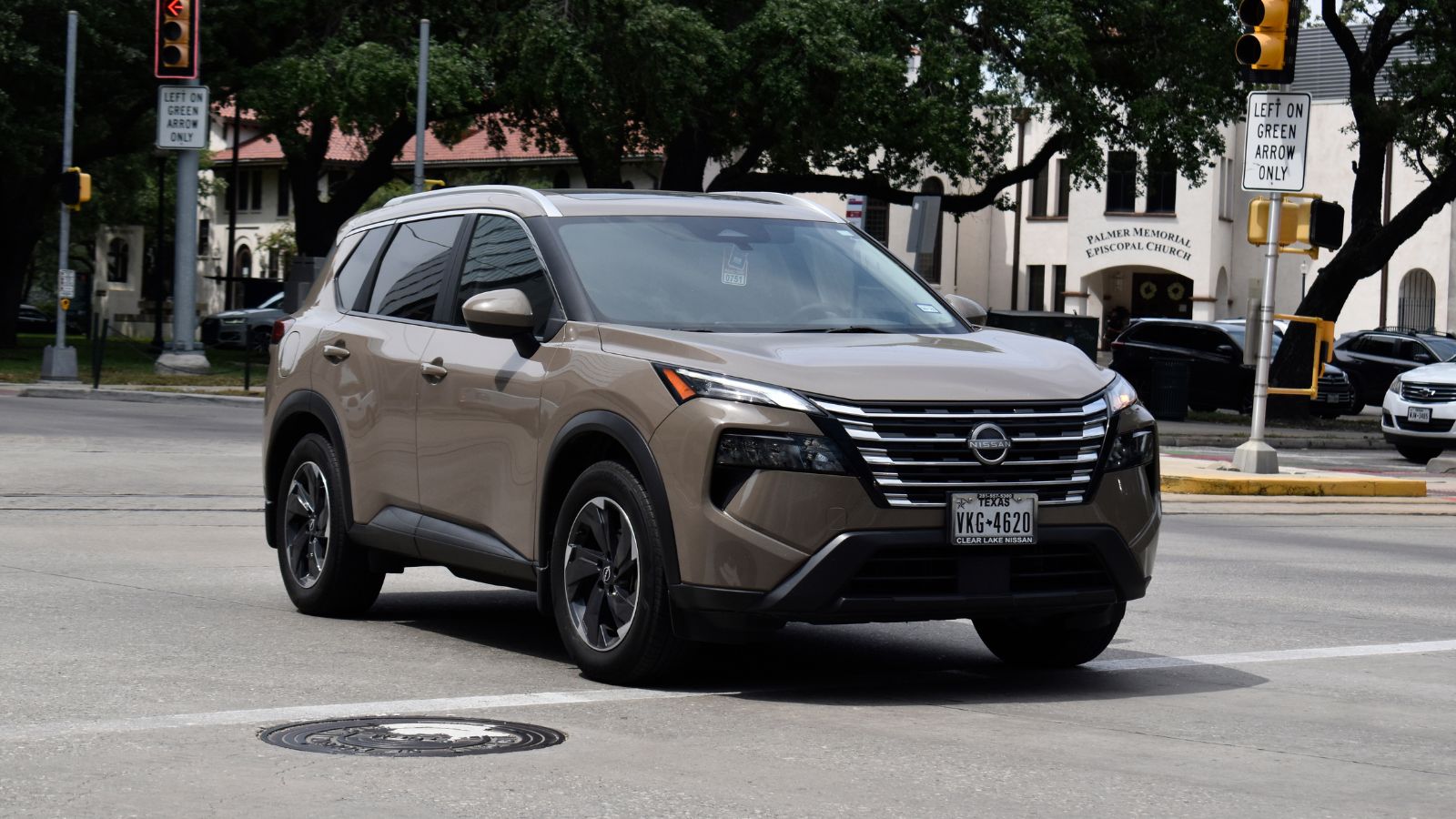
The Nissan Rogue quietly keeps doing one of the hardest jobs in the market: staying relevant in the compact SUV segment without constant hype. It posted 36,034 sales in Canada in 2025, up 10.1 percent from the year before, and Nissan also reported strong quarterly Rogue numbers during the year. That kind of steady climb suggests the Rogue is connecting with buyers who want familiarity, space, and value without drama.
The Rogue’s formula is easy to understand. It is roomy enough for daily family duty, not so large that it feels cumbersome in the city, and well equipped enough that buyers do not feel forced into luxury territory just to get modern features. That balance still matters in Canada, where many households need one vehicle to cover commuting, road trips, grocery runs, and winter weather. The Rogue is not always the loudest choice in the segment, but that may actually help it. It feels like a practical decision made after serious comparison, and that usually ages well.
Ford Escape
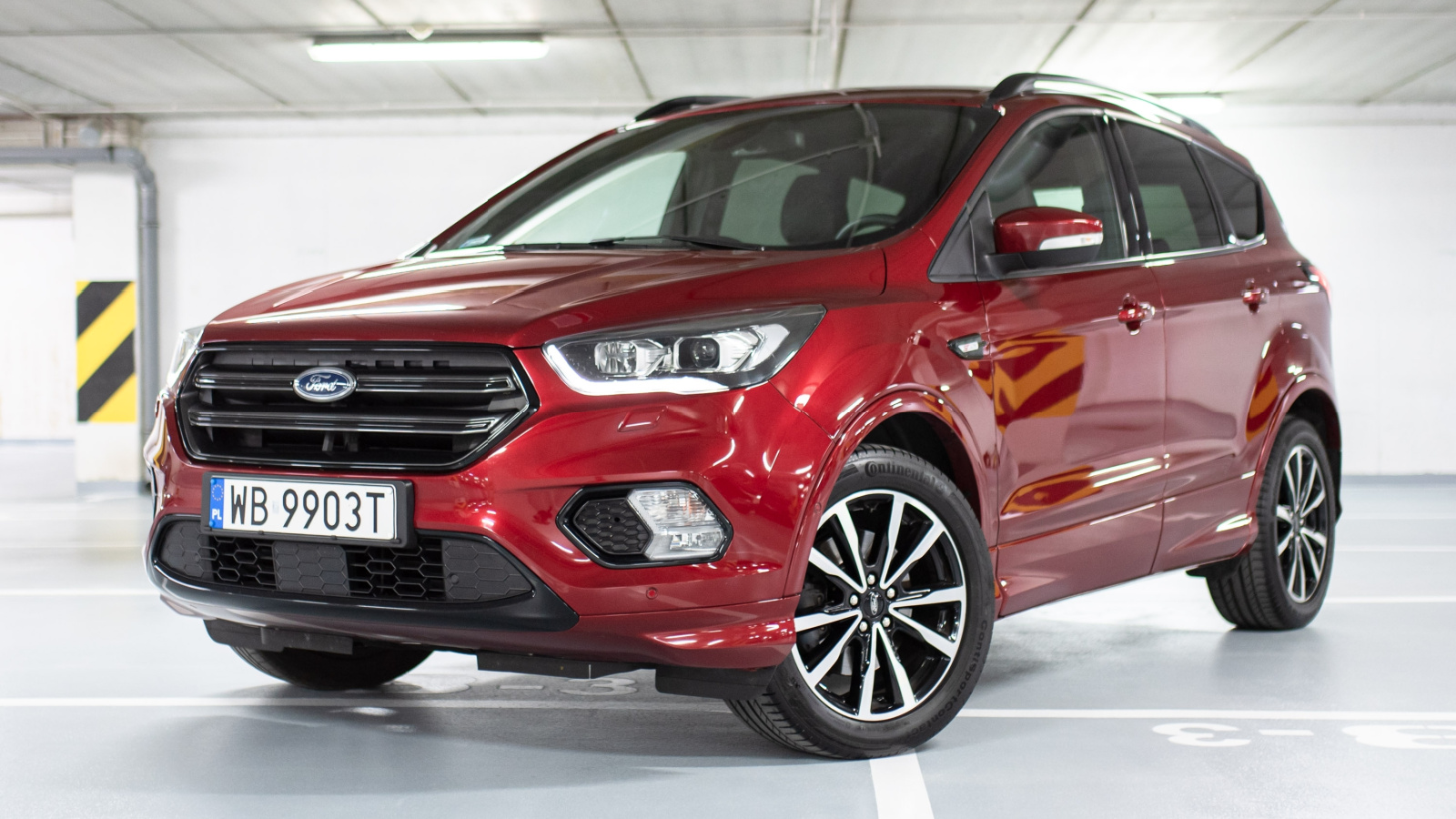
The Ford Escape has managed to stay in the mix because it still speaks directly to mainstream Canadian needs. It recorded 32,956 sales in Canada in 2025, up 6.2 percent from 2024, and midyear data showed especially strong momentum. For a vehicle that competes in one of the country’s busiest segments, that is a meaningful sign of resilience.
The Escape works because it does not ask buyers to learn a new category or embrace a new lifestyle. It simply offers a familiar compact SUV shape with sensible packaging and a wide audience. For some households, it is the next step after a sedan. For others, it is the downsized alternative to a larger SUV that has become too expensive to justify. Ford’s broad retail presence also helps keep it visible. When budgets are tight, shoppers often lean toward brands and products they already understand. The Escape benefits from that instinct, especially among buyers who want a straightforward family crossover with recognizable badge value.
Subaru Crosstrek
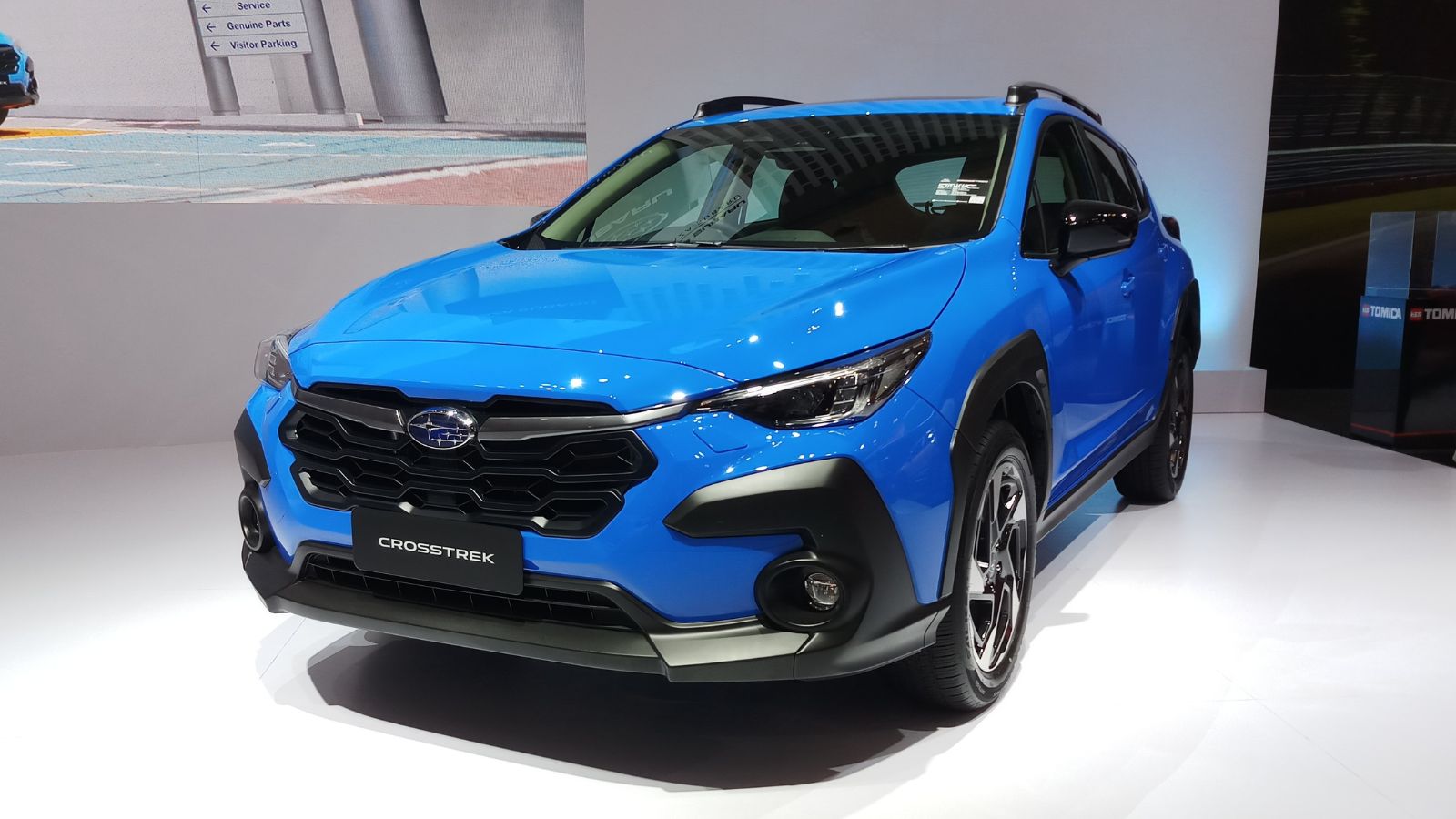
The Subaru Crosstrek continues to punch above its size because it feels unusually well matched to real Canadian conditions. It sold 32,534 units in 2025, up 14.9 percent from 2024, and Subaru repeatedly described it as a Canadian favourite while posting record monthly results for the model during the year. That kind of consistency is hard to fake. It reflects a vehicle that fits how a lot of people actually live.
The Crosstrek’s appeal is not complicated. It is compact enough for city life, but it carries the kind of all-weather, all-road image that resonates in a country where snow, gravel, slush, and long drives are ordinary parts of ownership. A buyer in Guelph, Kelowna, or Moncton can all see the point. It also feels slightly more adventurous than many small crossovers without becoming expensive or intimidating. That balance helps explain why it keeps finding buyers who want something practical, but not bland, and capable, but not oversized.
Honda Civic
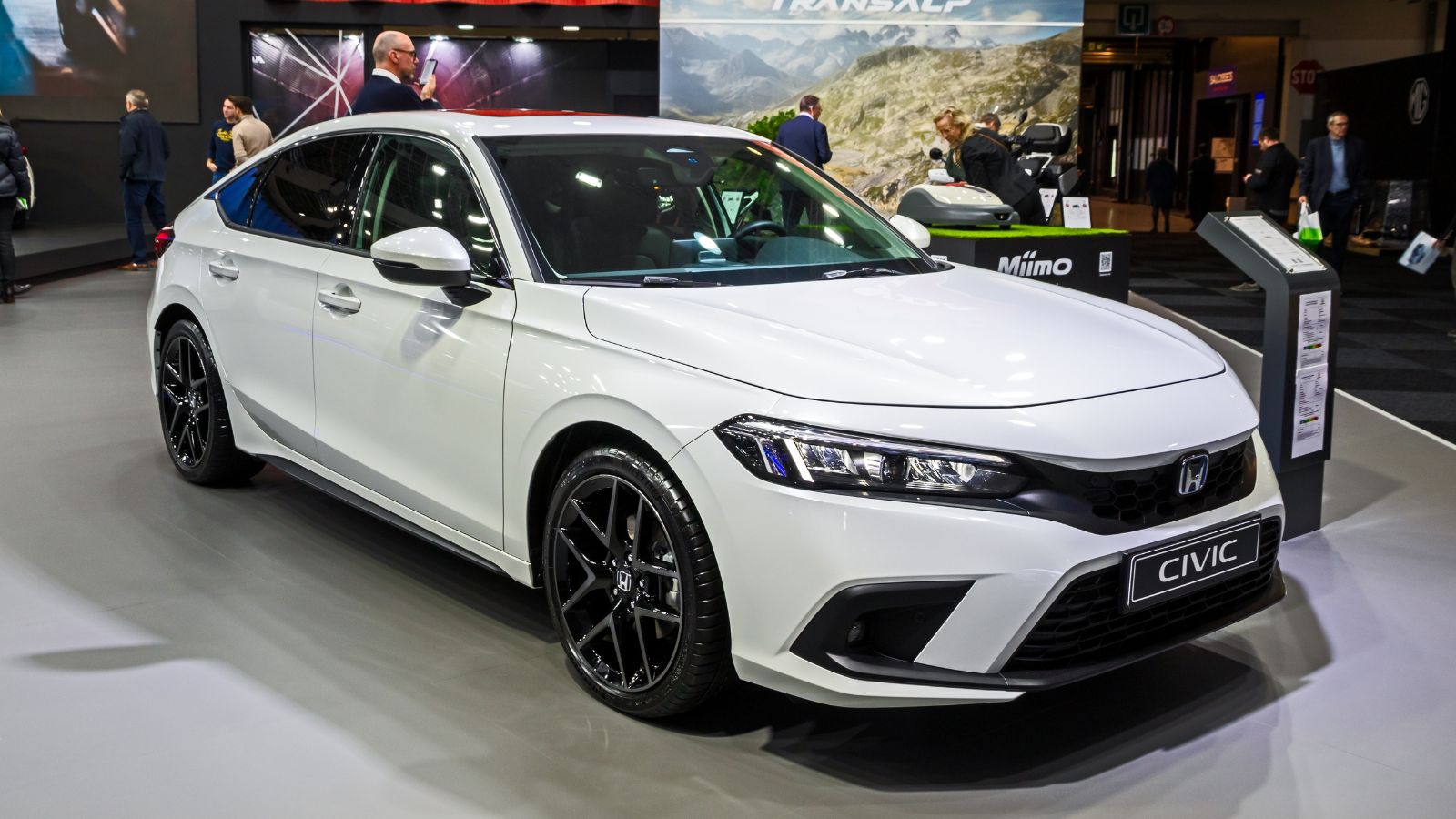
The Honda Civic remains the exception that proves the rule in Canada. Even as SUVs, pickups, and minivans accounted for the overwhelming majority of new-vehicle sales in 2025, Honda still sold 31,054 Civics and kept its long-running title as the country’s best-selling passenger car. That staying power is remarkable at a time when many shoppers have migrated upward into crossovers.
What keeps the Civic alive is that it still offers a very clear economic argument. It is efficient, proven, easy to live with, and familiar across generations. A first-time buyer, a commuter, and a downsizer can all land on the Civic for different reasons and still feel smart about it. There is also something cultural about it in Canada. The Civic has spent so long as a default answer that it has become part of the market’s memory. When budgets tighten, products with that kind of trust often become even more appealing, not less.
Mazda CX-5
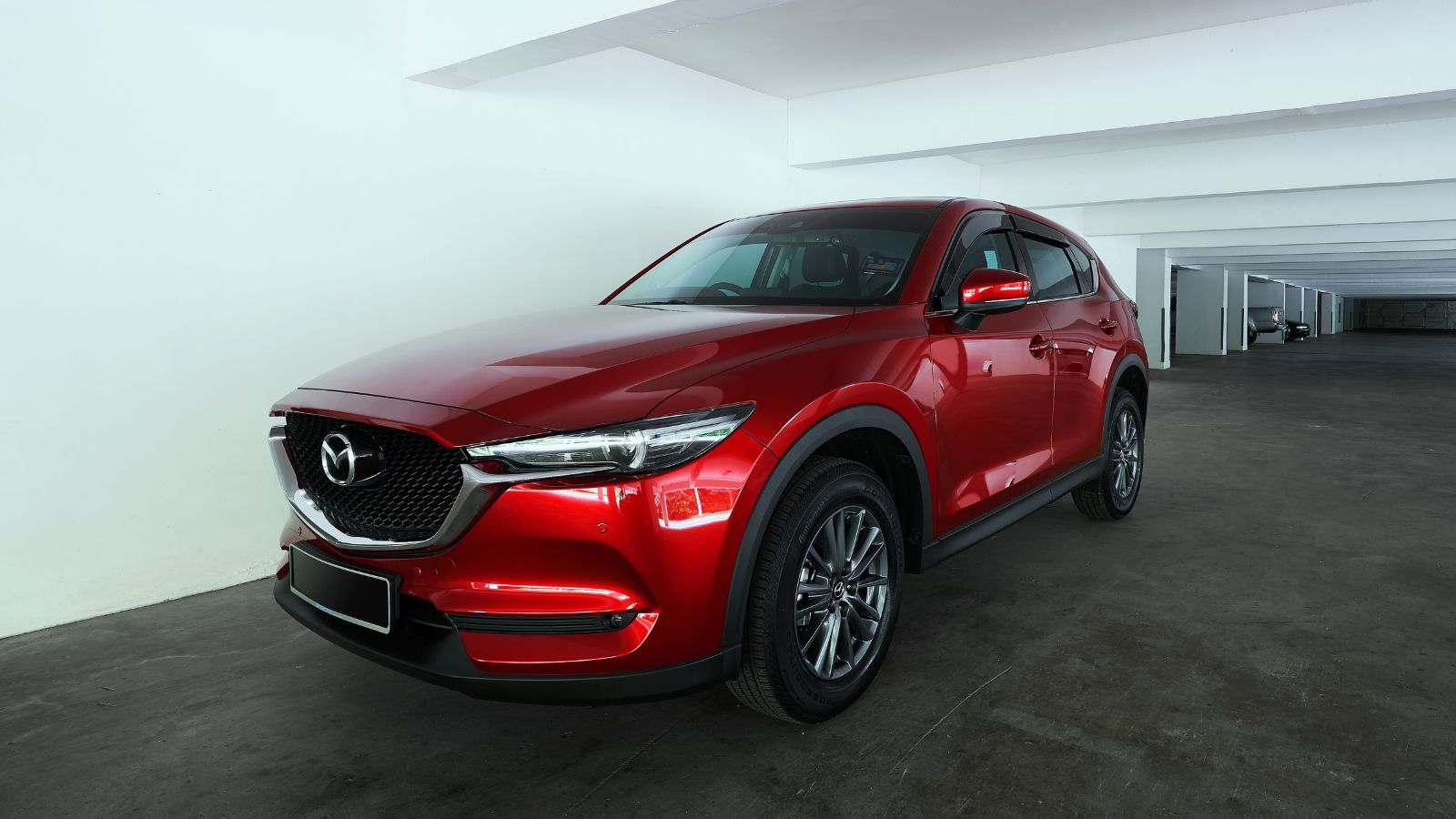
The Mazda CX-5 has built a strong following by offering something many mainstream crossovers do not: a slightly more upscale feel without a luxury-brand price tag. Mazda sold 28,288 CX-5s in Canada in 2025, up 14.8 percent from the year before, and the model set its best annual sales figure ever. That is a major result for a vehicle that competes in a brutally crowded part of the market.
The CX-5 tends to attract buyers who still care about how a vehicle feels, not just what it costs. That matters more than it may sound. When a family is about to take on years of payments, the desire for a cabin that feels quieter, richer, or more thoughtfully finished becomes easier to justify. The CX-5 benefits from that mindset. It looks polished, drives with a bit more composure than many rivals, and still delivers the practicality Canadians expect. It is often the vehicle people choose when they want sensible transportation without settling for something forgettable.
Toyota Corolla
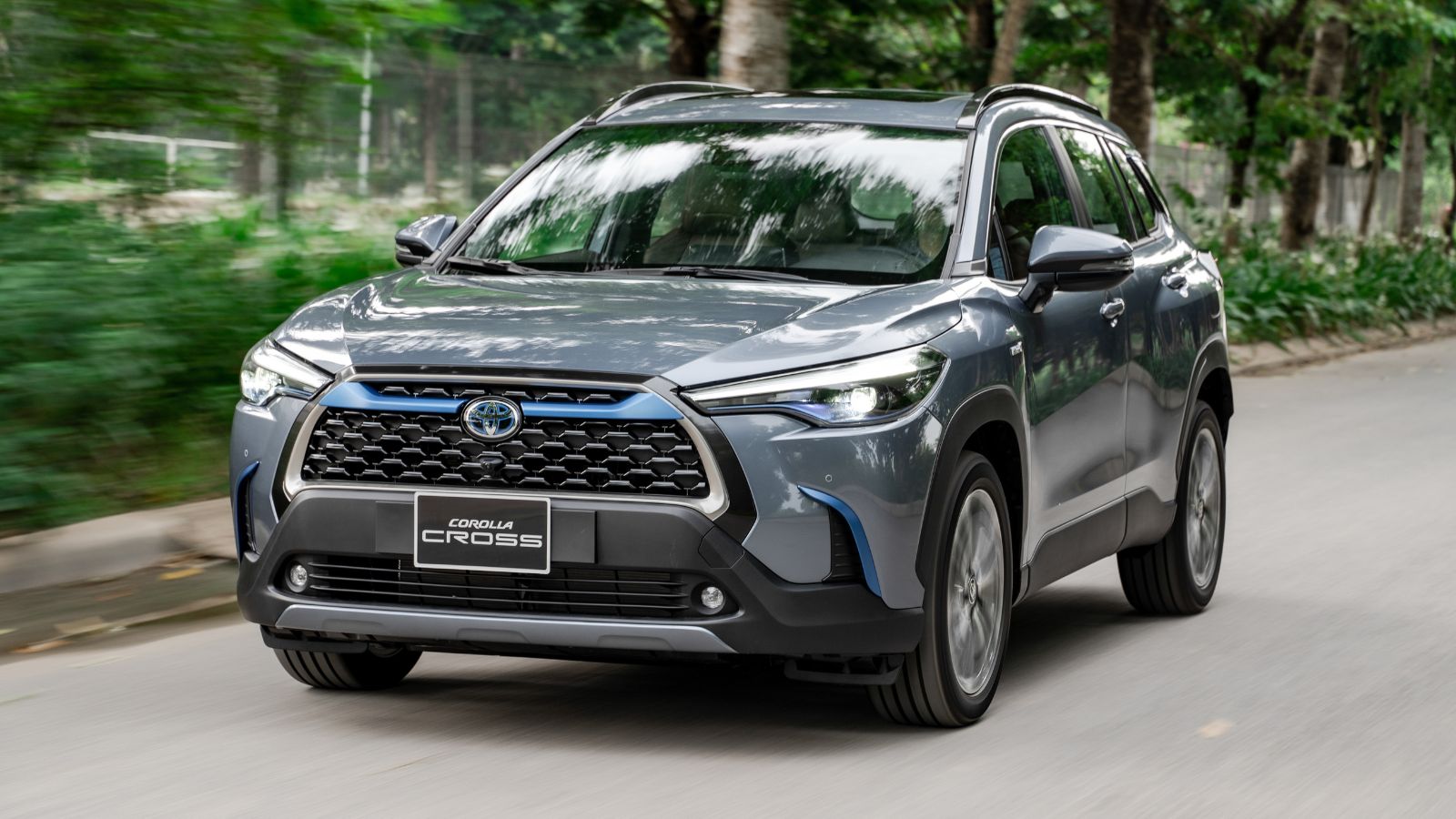
The Toyota Corolla keeps selling because it still represents one of the clearest definitions of automotive common sense. Canadian sales reached 25,105 units in 2025, which kept the Corolla among the country’s major passenger-car players, and Toyota also reported record demand for the Corolla Hybrid. In a market where people are watching fuel and ownership costs more closely, that combination is powerful.
The Corolla remains attractive because it promises very little drama. That is not an insult. For many buyers, it is the point. The car is known for reliability, predictability, and manageable running costs, and those qualities become even more valuable when economic uncertainty rises. It is easy to picture the household logic behind it: skip the bigger payment, skip the bigger fuel bill, and buy something with a reputation for simply doing its job. The Corolla does not need to win every comparison on excitement. It only needs to keep winning on trust, and that is exactly what it continues to do.
Hyundai Elantra
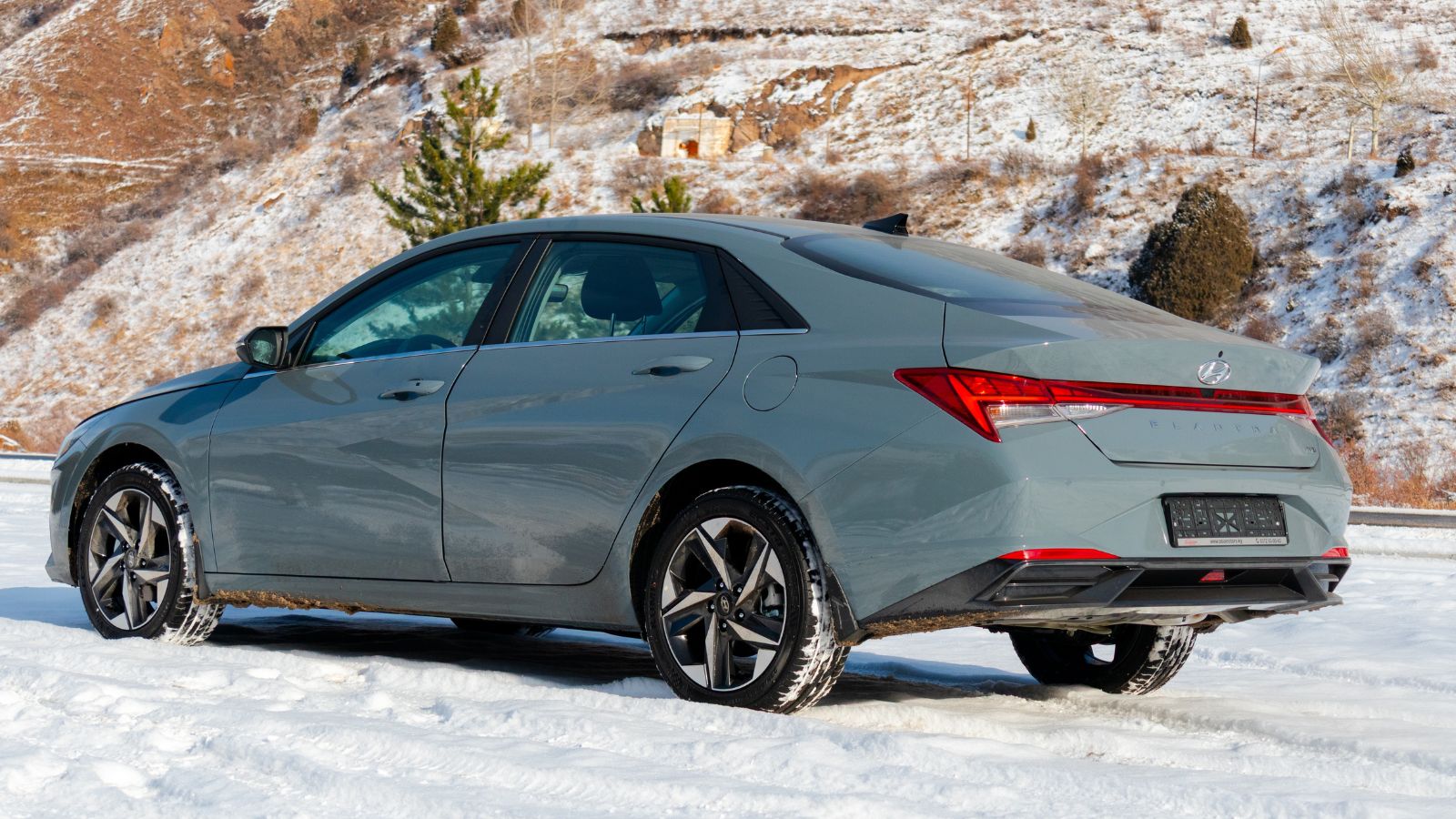
The Hyundai Elantra remains one of the strongest examples of value-oriented demand holding firm. Canadian sales climbed to 24,248 units in 2025, up from 20,427 the year before. That is a significant jump for a compact car at a time when the broader market still leans heavily toward utilities. It suggests plenty of Canadians are still willing to choose a sedan when the value equation makes sense.
The Elantra’s appeal is straightforward. It offers a modern look, competitive equipment, and a price point that can still feel more approachable than many similarly sized SUVs. That matters for younger buyers, cost-conscious commuters, and households trying to avoid overbuying in a high-cost market. Hyundai has also kept the Elantra relevant by emphasizing efficiency, including strong hybrid positioning. In practical terms, it becomes the kind of car that feels financially disciplined without feeling bare-bones. When shoppers want to trim spending without feeling like they have stepped backward, the Elantra makes a strong case for itself.
Chevrolet Trax
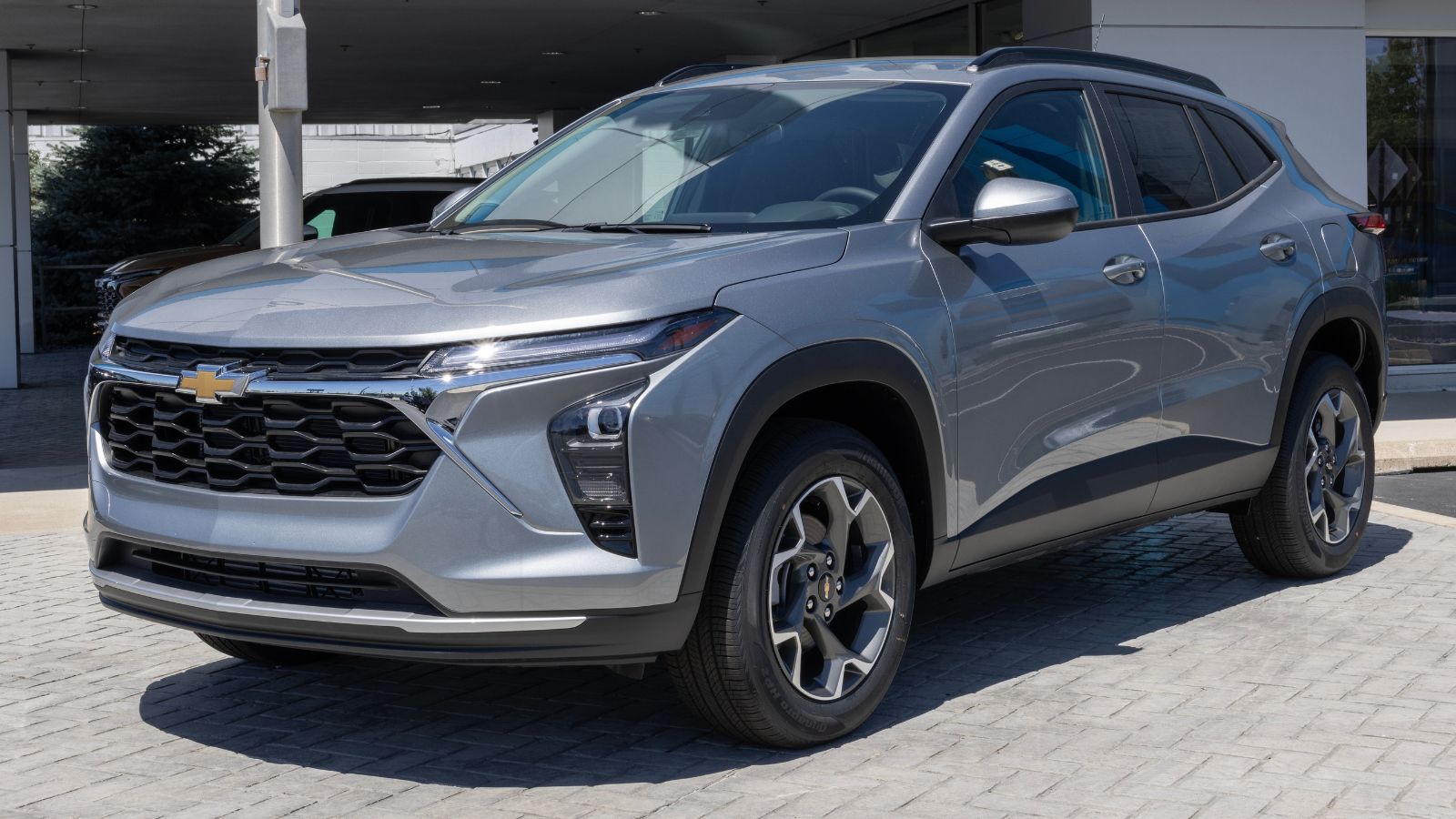
The Chevrolet Trax has become one of the clearest proof points that Canadians still respond to visible value. It posted 22,280 sales in Canada in 2025, and GM said the Trax led small SUV sales in the country while growing 34.4 percent year over year. That is exactly the sort of performance expected from a vehicle that lands in the sweet spot between crossover practicality and a more manageable entry price.
The Trax works because it feels like a smart trade-up for people who do not want a used vehicle, a tiny hatchback, or an oversized payment. It offers the ride height and cargo flexibility many shoppers now expect, but without carrying the same price burden as larger SUVs. That makes it particularly appealing to first-time buyers and young households. There is also a visual factor here: the newer Trax looks more substantial than its price suggests. In an era of careful spending, a vehicle that feels like more than it costs usually has an advantage.
Kia Sportage
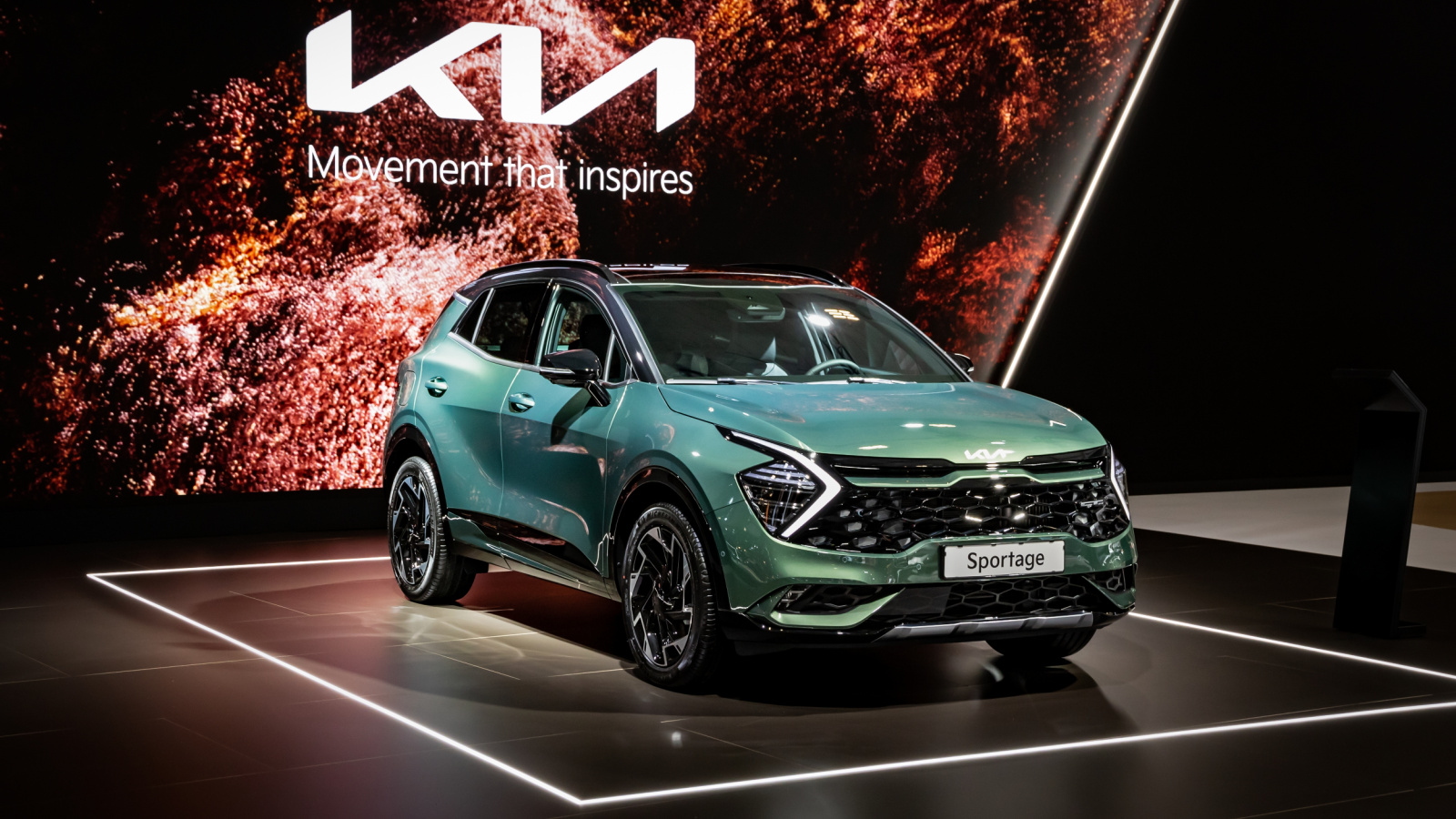
The Kia Sportage has become one of the strongest growth stories in Canada because it sits at the intersection of practicality and choice. Kia sold 23,906 Sportages in 2025, a best-ever result for the model in Canada. That helps explain why the Sportage keeps popping up in shopping lists even as households grow more cautious. It is one of those vehicles that rarely feels out of step with current demand.
A big part of that appeal comes from lineup flexibility. Gas, hybrid, and plug-in hybrid versions give buyers room to match the vehicle to their budget and driving habits. That is increasingly important because “affordability” no longer means the same thing for every family. One buyer may want the cheapest monthly payment, while another wants to spend less at the pump over time. The Sportage offers both kinds of logic. Add in contemporary styling and a roomy cabin, and it becomes easy to see why Canadians have kept choosing it in record numbers.
Kia Seltos
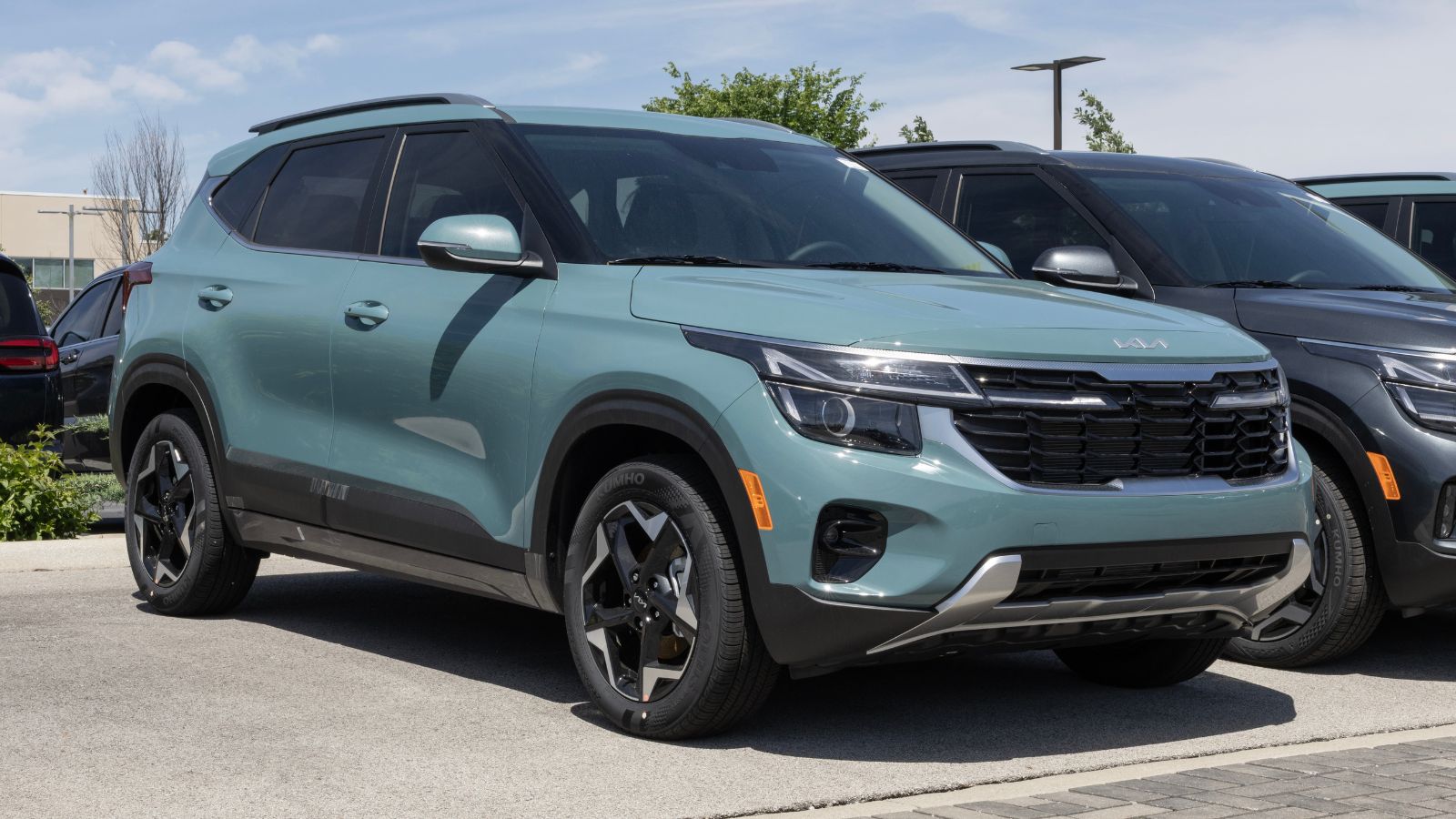
The Kia Seltos keeps finding buyers because it delivers what many people actually need from a small SUV, not just what marketing says they should want. Kia sold 21,276 Seltos models in Canada in 2025, another best-ever result for the nameplate. That is impressive in a segment packed with alternatives, and it shows how much demand still exists for smaller utilities that feel practical, modern, and financially reachable.
The Seltos has a right-sized quality that works well in Canada. It is easier to park and easier to fit into a budget than many larger SUVs, but it still feels like a proper crossover instead of a compromise. For buyers navigating urban traffic, suburban family life, and winter weather, that matters. There is also an emotional edge here: the Seltos tends to look and feel more substantial than some entry-level rivals. When shoppers are trying to be careful with money, that sense of getting something slightly bigger or better than expected can be the deciding factor.
Mazda CX-30
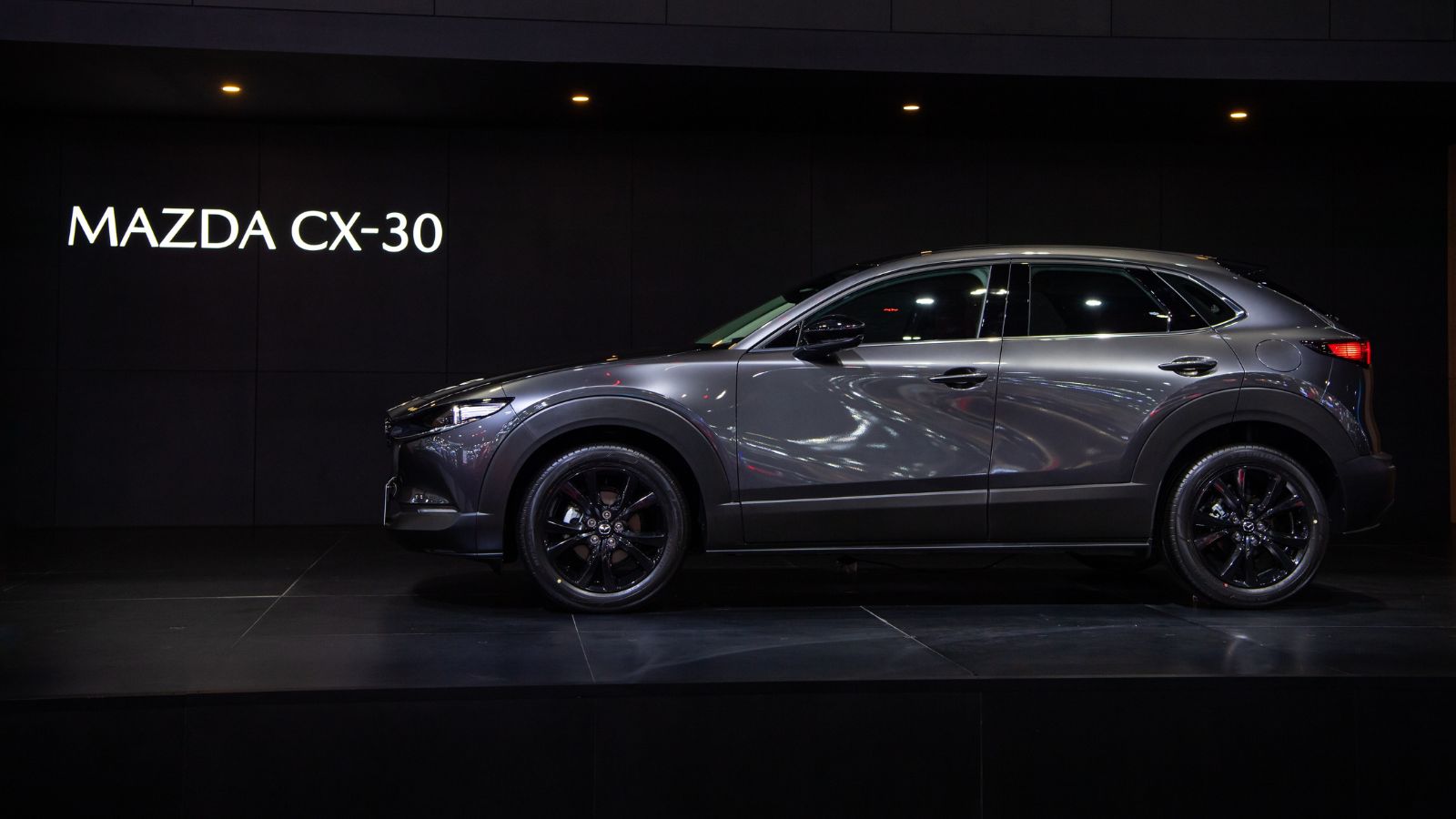
The Mazda CX-30 has become the kind of vehicle that benefits when buyers get more selective. Canadian sales reached 16,521 units in 2025, a new high for the model and a 15.9 percent increase from 2024. That rise suggests the CX-30 is winning with shoppers who want a small crossover, but do not want it to feel cheap or anonymous. In a crowded segment, that is a meaningful distinction.
The CX-30 often appeals to people who might once have bought a compact hatchback or small sedan but now want the seating position and style of a crossover. What makes it work is that it still feels a little more refined than many value-first rivals. That can matter when buyers plan to live with the vehicle for years. A better-looking interior, a quieter ride, or a more premium impression becomes part of the long-term value story. The CX-30 fits that mindset well, and its record year in Canada shows that plenty of shoppers agree.
Nissan Kicks / Kicks Play
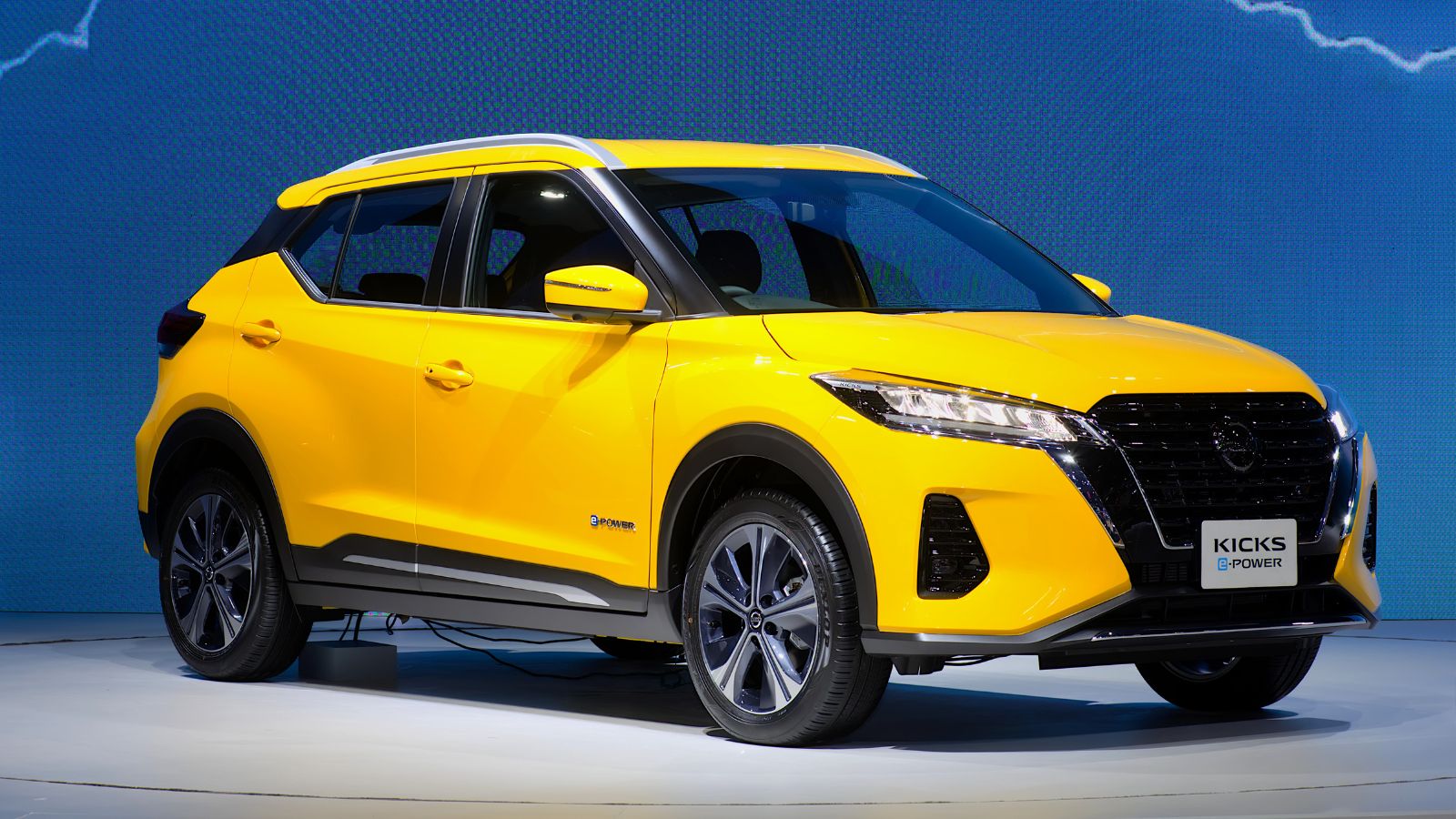
The Nissan Kicks story in Canada is unusually revealing because it shows how much demand still exists for straightforward affordability. Nissan’s redesigned Kicks and the carryover Kicks Play together sold more than 40,000 units in Canada in 2025, which would have placed the combined nameplate among the country’s most popular vehicles. Nissan also reported a 6,615-unit best quarter ever for the all-new Kicks in Q3, while Kicks Play opened the year with 4,983 first-quarter sales.
That two-model strategy helps explain the success. Buyers effectively got two answers to the same question. The newer Kicks brought more substance and available AWD, while the Kicks Play held the line for shoppers who cared most about price, simplicity, and fuel economy. That is a clever fit for a high-cost market. Instead of forcing everyone into the same version, Nissan created room for different budgets under one familiar badge. Canadians responded in large numbers, which says plenty about what value looks like in 2025 and early 2026.
Toyota Corolla Cross
The Toyota Corolla Cross has gained traction because it offers an appealing compromise for buyers who cannot quite decide between a compact car and a larger SUV. Toyota said the Corolla Cross posted an annual sales record in Canada in 2025, with sales up 15.5 percent year over year. That makes sense in today’s market, where many households want crossover utility but still need to keep both purchase and operating costs under control.
The Corolla Cross benefits from carrying a familiar name into a hotter category. The Corolla badge still signals reliability and value, while the crossover body style adds the ride height and flexibility Canadians increasingly prefer. For some buyers, it is the logical answer when a RAV4 feels like more vehicle and more money than necessary. It also fits the broader Toyota story, where electrified vehicles continue to drive major demand. In other words, the Corolla Cross lands in a very current sweet spot: practical, recognizable, and sized for restraint.
22 Things Canadians Do to Their Cars in Spring That Mechanics Hate

Spring brings relief to many Canadian drivers after months of snow, freezing temperatures, and icy roads that put serious strain on vehicles. As temperatures rise across the country, drivers begin washing cars, switching tires, and preparing vehicles for warmer weather and upcoming road trips. However, mechanics across Canada notice the same mistakes every spring when drivers attempt to recover from winter damage. Road salt, potholes, and harsh winter driving conditions often leave vehicles with hidden problems that drivers ignore. Some spring habits even create new mechanical issues that could have been avoided with proper maintenance. Here are 22 things Canadians do to their cars in spring that mechanics hate.