


























Car leasing often looks neat on the surface: a lower monthly payment, a newer vehicle, and the sense that major repair headaches may stay farther away. In Canada, though, the real cost of a lease is rarely captured by the payment that first grabs attention. Taxes, kilometre limits, insurance rules, buyout math, and end-of-term charges can turn an apparently manageable deal into something that feels much heavier over time.
These 17 points explain why car leasing in Canada can seem more affordable at first glance than it does once the details start adding up. Some are built into the structure of leasing itself, while others show up only after the contract is signed. Together, they help explain why the cheaper-looking option can still leave drivers feeling as though they paid more than expected.
The Monthly Payment Can Hide the Real Drive-Off Cost
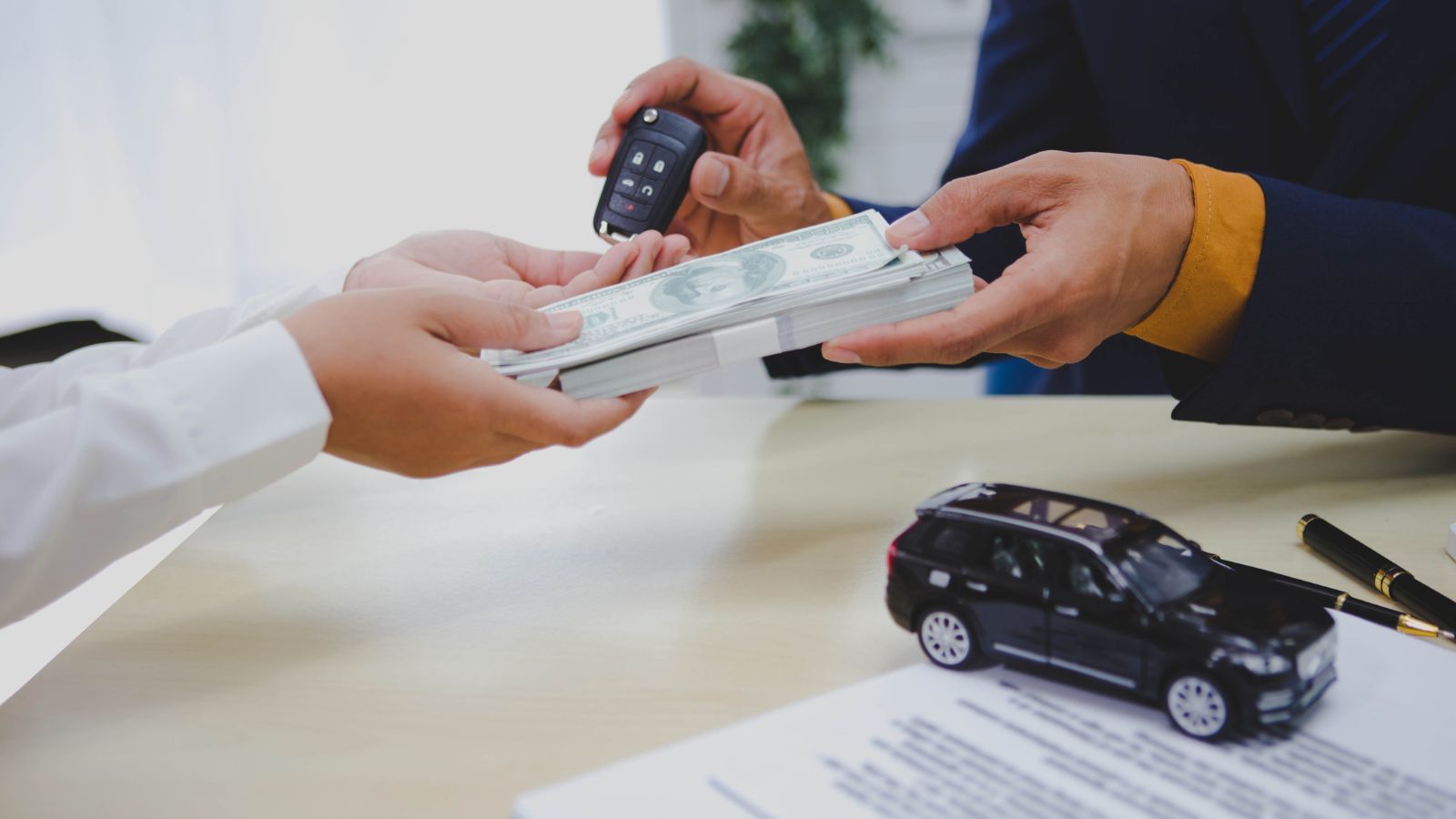
A lease payment can look attractively low because it is not the full story. Before the first regular payment even starts, there may be a down payment, a security deposit, freight charges, pre-delivery inspection costs, administrative fees, licensing, and taxes. Government consumer guidance in Canada specifically warns that lease pricing can include freight, PDI, and administrative charges, while provincial advertising rules such as Ontario’s all-in pricing regime still allow HST and licensing to sit outside an advertised dealer price. That means the number in the ad and the number needed to leave with the vehicle can feel like two different realities.
This is where many drivers get their first unpleasant surprise. A payment that looked comfortably inside the household budget can quickly turn into a larger upfront commitment once the paperwork is finalized. Even when each individual charge is disclosed, the combined effect is psychological as much as financial: the lease seemed inexpensive until the full stack of costs appeared on one page. That gap between headline affordability and actual cash required is one of the biggest reasons leasing feels pricier than expected.
Taxes Are Paid on Lease Payments, and They Keep Showing Up
One reason leasing can feel deceptively affordable is that taxes are spread out rather than paid all at once, but they are still very real. In Canada, GST, HST, or provincial sales taxes apply to lease payments according to where the vehicle is registered or supplied. Québec offers a clean illustration of how quickly the math changes: a monthly lease payment of $145.83 on a road-vehicle example becomes $167.67 after adding GST and QST. The pre-tax number looks manageable; the taxed number is what actually leaves the bank account.
That recurring tax burden matters because it keeps attaching itself to every monthly payment for as long as the driver keeps leasing. Federal consumer guidance also notes that while lessees pay tax only on lease payments, long-run savings are often overstated, especially if someone replaces one lease with another. The tax becomes part of the rhythm of permanent car payments. What looked like a modest monthly obligation can end up feeling much more expensive simply because the advertised figure was never the final figure in the first place.
Long Terms Make Payments Look Better While Total Cost Creeps Higher
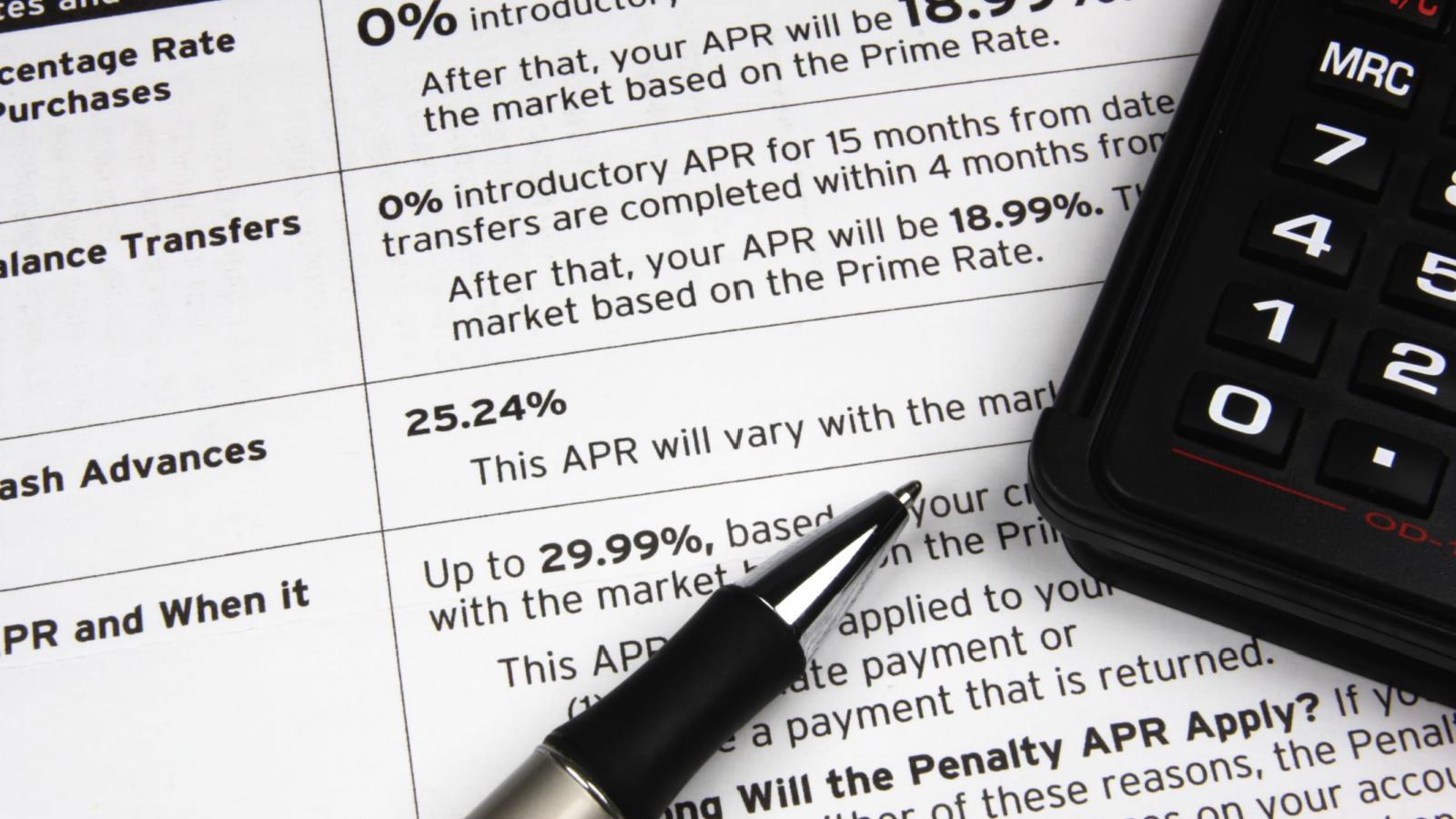
A longer lease can make a vehicle seem far more affordable than it really is. Stretching payments over more months lowers the visible monthly cost, and that is often the number shoppers fixate on first. But Canadian consumer guidance warns that spreading loan or lease payments over a longer period may reduce the monthly amount while increasing the total paid because financing costs accumulate over time. In other words, the deal feels lighter month to month precisely because it lasts longer.
That trade-off is easy to underestimate when browsing offers. A 48-month arrangement can seem dramatically easier to handle than a shorter term, yet the lower payment may come with years of ongoing obligation and more total outlay. The structure also increases the odds that life changes mid-contract, whether that means a new commute, a job loss, or a growing family. The lower payment creates the impression of control, but the longer commitment can become the source of the extra cost. Leasing often feels more expensive later because the initial affordability was partly achieved by hiding the expense in time.
Low-Kilometre Leases Look Cheap for a Reason
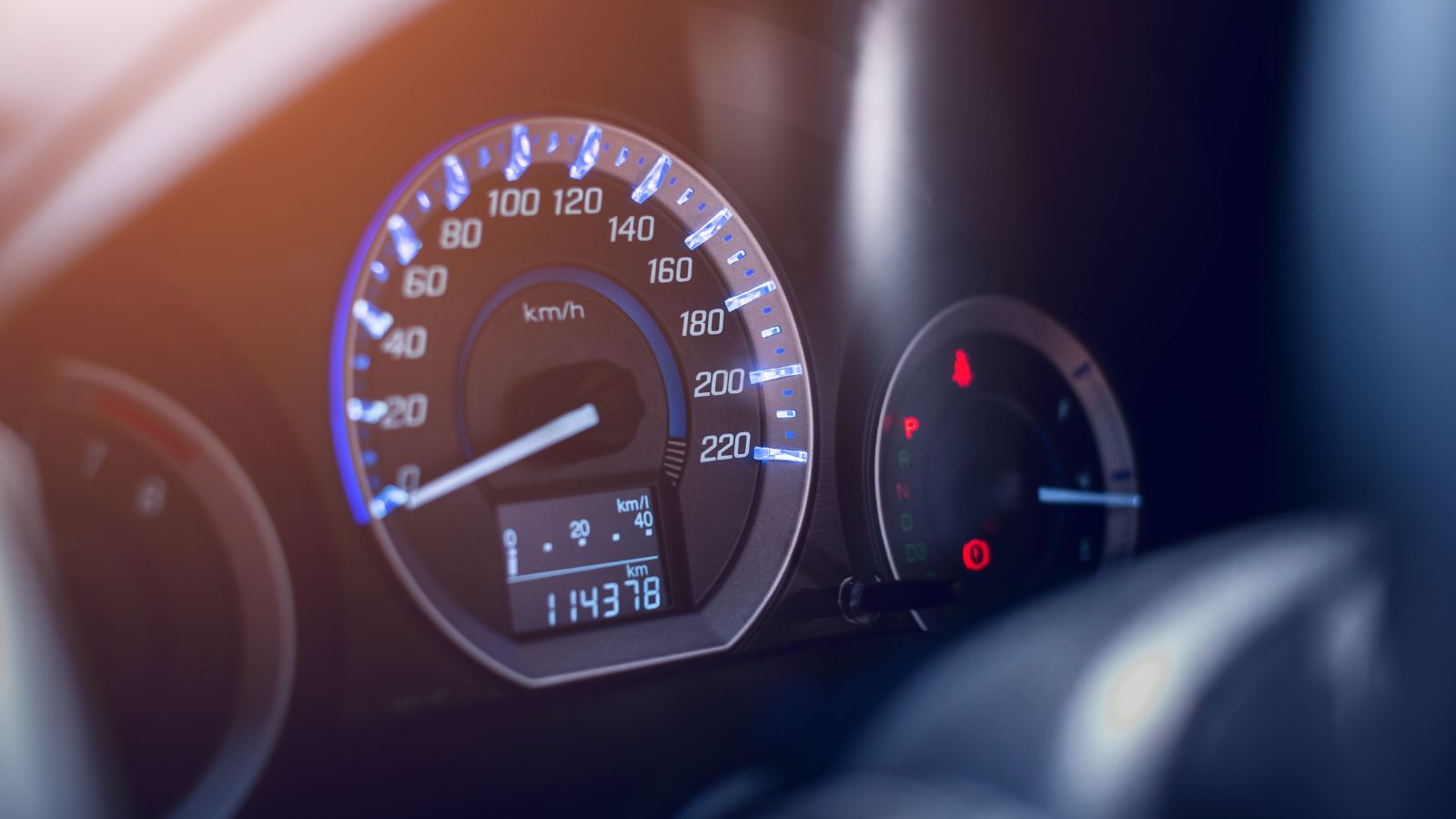
Some of the most eye-catching lease offers are built around low annual kilometre allowances. That can make the monthly payment look unusually competitive, but the discount is tied directly to a restriction many drivers underestimate. Federal consumer guidance notes that low-kilometre leases may carry lower monthly payments, and that excess kilometre penalties usually cost more at lease-end than buying additional kilometres upfront. The cheap payment, then, is often a reward for promising not to drive very much.
That sounds harmless until real life intrudes. A move, a longer commute, weekend travel, or simply a busier year can turn a low-kilometre lease into a constant source of anxiety. Drivers start managing their use of the vehicle to protect the contract rather than using the vehicle naturally. Once the allowance is exceeded, the payment that once seemed clever can suddenly look misleading. It was cheaper because it assumed less use, not because the vehicle itself cost less. That distinction matters, and many lessees only feel it clearly when the odometer becomes part of the monthly budget conversation.
Residual Value Can Make a Payment Look Better Than the Car Really Costs

Lease payments are heavily influenced by residual value, which is the vehicle’s estimated worth at the end of the term. The higher that projected end value, the less depreciation the lessee appears to be paying for during the contract, and the lower the monthly payment can look. Canadian government consumer guidance explicitly tells shoppers to understand a leased vehicle’s residual value because it can become an important cost at lease-end. Canadian Black Book’s business is built around residual forecasting for exactly this reason: residual assumptions shape real-world lease economics.
The problem is that residual value works quietly in the background. A vehicle can seem like an excellent lease deal not because it is inexpensive overall, but because the contract assumes a strong resale value years down the road. That can make one model look much cheaper than another even when the sticker price difference is not dramatic. If the driver wants to buy the vehicle at the end, that supposedly “cheap” lease can suddenly come with a sizable buyout amount. The monthly payment looked friendly because part of the cost was postponed, not erased.
Lease Interest Charges Are Often Higher Than People Expect

Many shoppers assume leasing is financially gentler simply because the monthly payment is lower. But lower payments do not automatically mean cheaper financing. Federal consumer guidance in Canada plainly states that monthly lease payments are lower than financing payments, while interest charges are usually higher on a lease. That is one of the least intuitive parts of the entire arrangement: a deal can feel lighter every month while still carrying financing terms that are not especially favourable.
This matters because shoppers naturally compare what they can see first. A lower lease payment beside a higher finance payment can make leasing feel like the clearly smarter option, even when the underlying borrowing cost is less attractive. The structure hides the sting. It is also why two leases with similar-looking monthly payments can be very different in total cost once rate, term, taxes, and fees are added up. People often discover too late that the payment was lower because they were paying for less ownership, not necessarily because they were paying under better financial terms.
Down Payments and Trade-Ins Can Disguise the True Monthly Cost

Putting money down on a lease can make the monthly payment look far more attractive, but that does not mean the vehicle became cheaper. It means part of the cost was paid upfront. Canadian government guidance notes that monthly payment size depends on term length and the down payment amount, and that the contract should clearly itemize down payment, trade-in value, taxes, and other key costs. That sounds basic, yet it is exactly how many lease deals become visually persuasive: the payment is trimmed first, and the bigger cash contribution gets mentally separated from the actual cost of using the vehicle.
The result is a familiar trap. A driver compares two offers and sees one payment as comfortably lower, even though that offer required more money at signing or leaned heavily on a trade-in credit. In practical terms, the lower monthly bill may just mean the customer prepaid part of the lease. It can still be a valid choice, but it stops being a bargain once all cash outlay is viewed together. Leasing feels more expensive than it looked when people realize the deal was helped along by money they had already parted with on day one.
Dealer Fees and Add-Ons Can Inflate the Contract Fast

Even before taxes enter the picture, fee creep can quietly expand the cost of a lease. Consumer guidance from the Government of Canada says buyers and lessees should ensure the agreement itemizes freight, pre-delivery inspection, the cost of options, and add-ons such as rust protection or upholstery treatment. Ontario’s OMVIC also stresses that dealer-advertised prices must include all fees and charges the dealer intends to collect, except HST and licensing. In practice, though, many shoppers still arrive at the paperwork stage with only a rough idea of how much extras will change the total.
This is where the lease starts to feel more expensive than it looked in the showroom or online. Add-ons may be presented as sensible protections, convenience items, or small monthly adjustments rather than meaningful price increases. Yet several “small” additions rolled into a multi-year contract can materially raise the cost of using the vehicle. Because the base payment remains the focal point, the effect of those extras is easy to underestimate. The lease has not necessarily become unfair, but it has become more expensive than the clean, headline version most people first imagined.
Excess Kilometre Charges Punish Busy Years
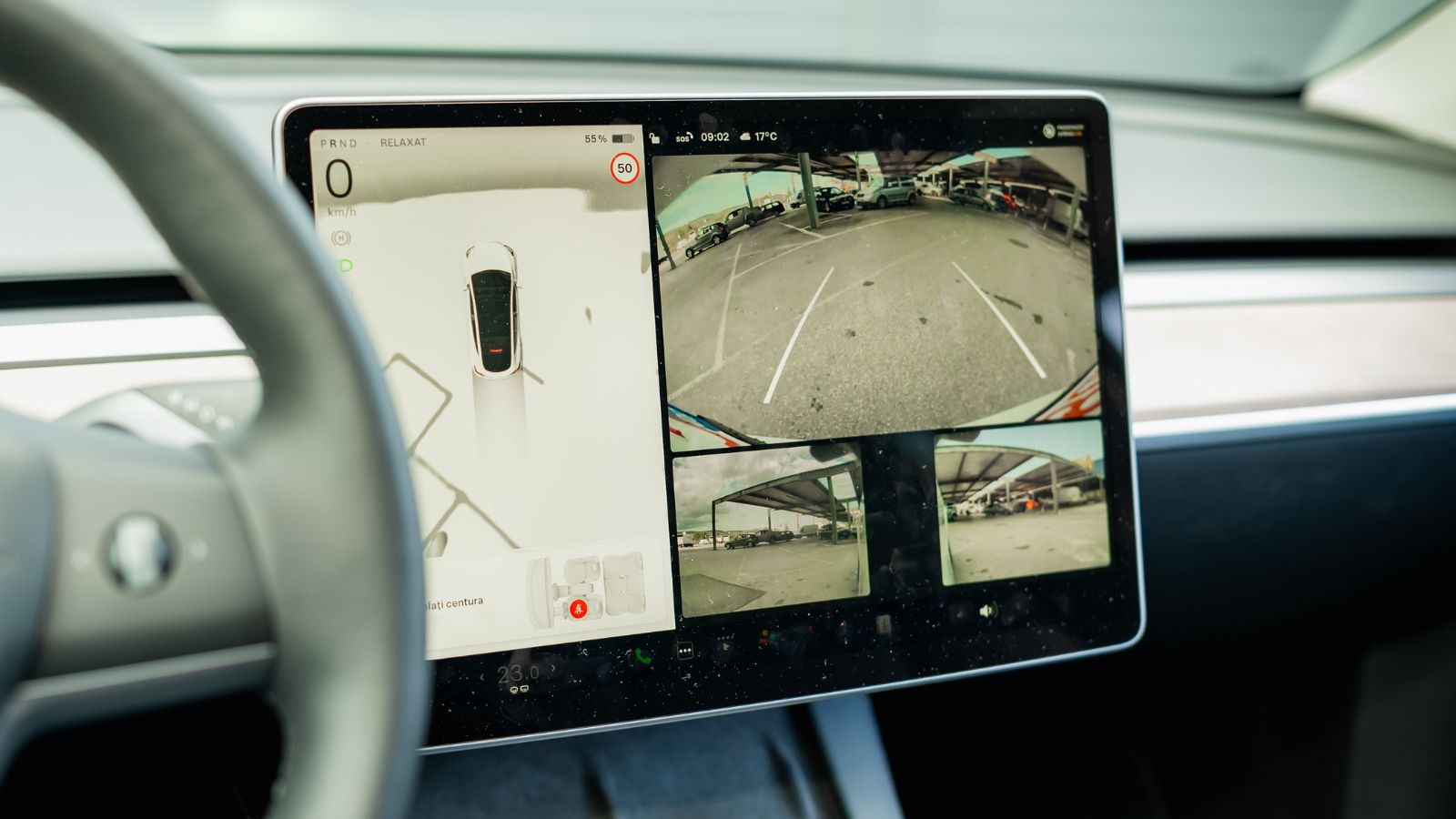
Kilometre caps are not just theoretical lease fine print; they are one of the most common ways a manageable lease becomes an irritatingly expensive one. Federal consumer guidance states that leases usually come with a fixed kilometre allowance and that it is often cheaper to prepay expected extra kilometres than to pay the penalty at the end. That tells shoppers two things at once: the penalty is real, and it is usually expensive enough that planning ahead matters.
The trouble is that mileage is one of the hardest household expenses to predict over several years. A new job, a change in childcare routines, more family visits, or even a few extra road trips can push annual driving well above what seemed realistic when the contract was signed. By the end of the lease, the driver is not simply paying for more use; the driver is paying at a penalty rate for having guessed wrong. That makes the lease feel more expensive in a very personal way. The vehicle did the same job, but life got busier, and the contract turned that extra mobility into an extra bill.
Unused Kilometres Usually Earn Nothing Back
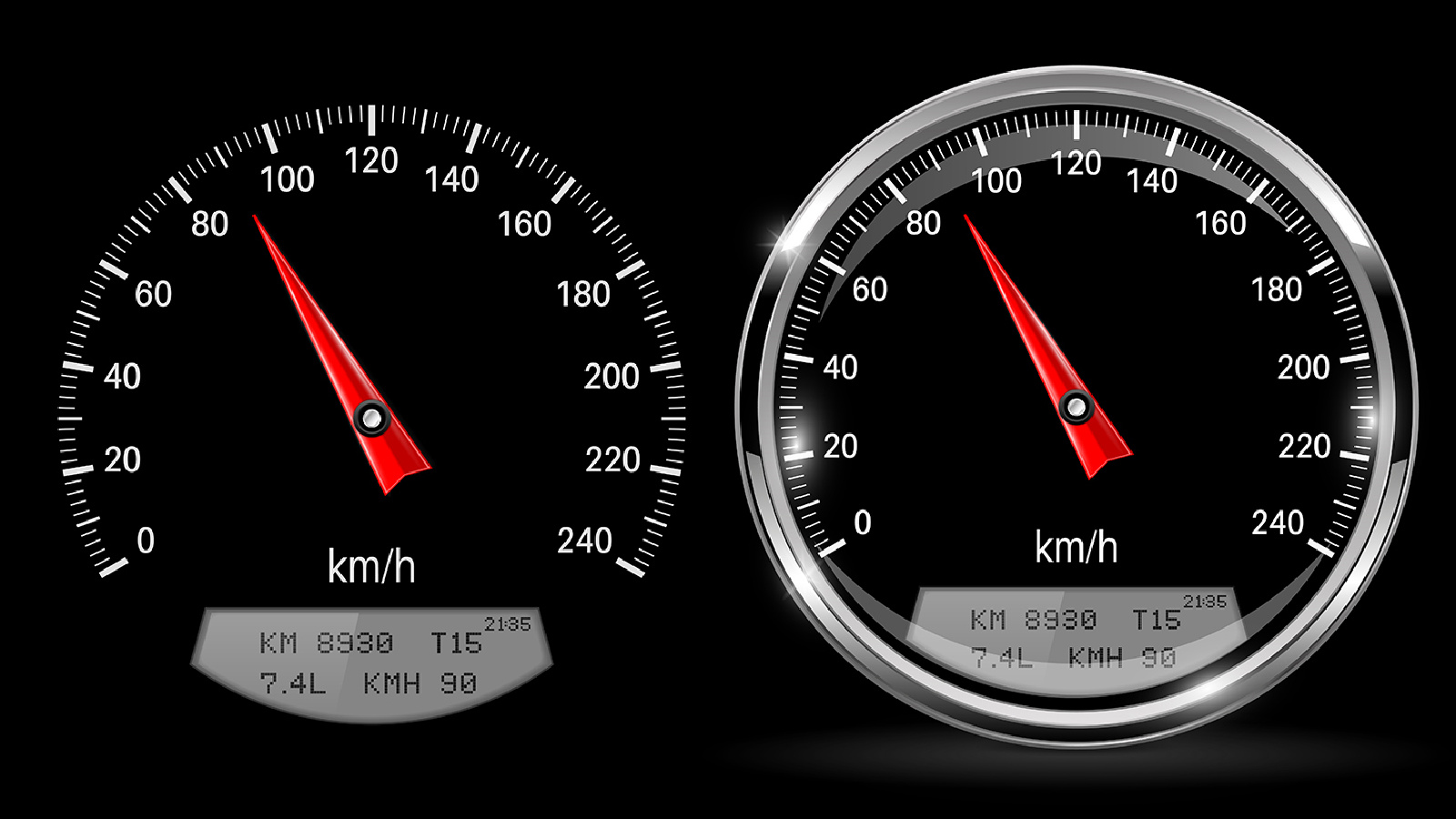
Leases can be frustrating at both extremes of vehicle use. Driving too much triggers charges, but driving less than expected usually does not create a refund. Federal consumer guidance in Canada is unusually direct on this point: there is generally no credit for unused kilometres, and unless the driver buys the vehicle at the end, there is usually no benefit to returning it under the allowance set in the agreement. That means the risk is one-sided. The lessor is protected if the customer drives too much, but the customer rarely benefits for driving much less.
This asymmetry helps explain why leasing can feel pricier than it first appears. The contract monetizes overuse but not restraint. A person who deliberately limits weekend trips or keeps a second household vehicle in heavier rotation may end the lease feeling disciplined rather than rewarded. The lower advertised payment no longer seems like a win if it was partly built around a usage allowance that turned out to be much higher than needed. In that sense, even careful driving can feel expensive under a lease because part of what was paid for was never really used.
Wear-and-Tear Rules Are Stricter Than Many Drivers Realize
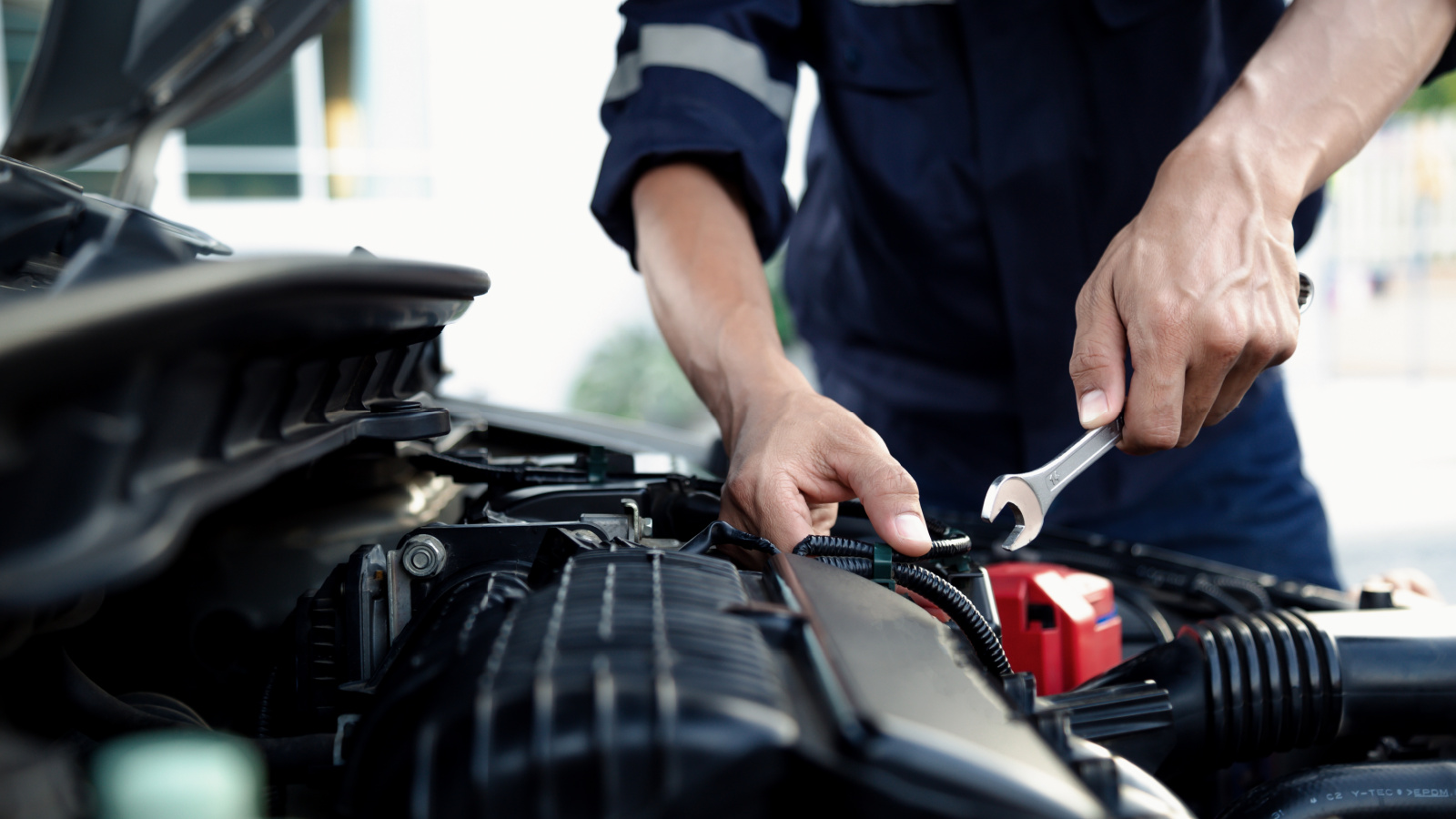
A leased vehicle is not judged only by whether it runs properly when returned. It is judged against a repair standard set out in the contract. Government consumer guidance says lease agreements include that standard and that it covers both wear and tear and accident damage. It also advises drivers to photograph cosmetic damage and get estimates before returning the vehicle in case they need to dispute repair charges. That advice exists for a reason: end-of-lease condition disputes are common enough to require preparation.
For ordinary drivers, the emotional sting is that wear-and-tear charges often feel subjective. The car may have been used carefully, parked responsibly, and maintained on schedule, yet small cosmetic issues can still turn into real money at turn-in. A lessor may replace entire interior or trim pieces where a driver assumed a small repair would do. Those standards can make a lease feel more expensive not because the monthly payment changed, but because the vehicle’s ordinary life left traces that the contract priced more harshly than the driver expected. The car looked “fine,” but the lease standard may define fine more narrowly.
Insurance Requirements Can Be More Expensive on a Lease
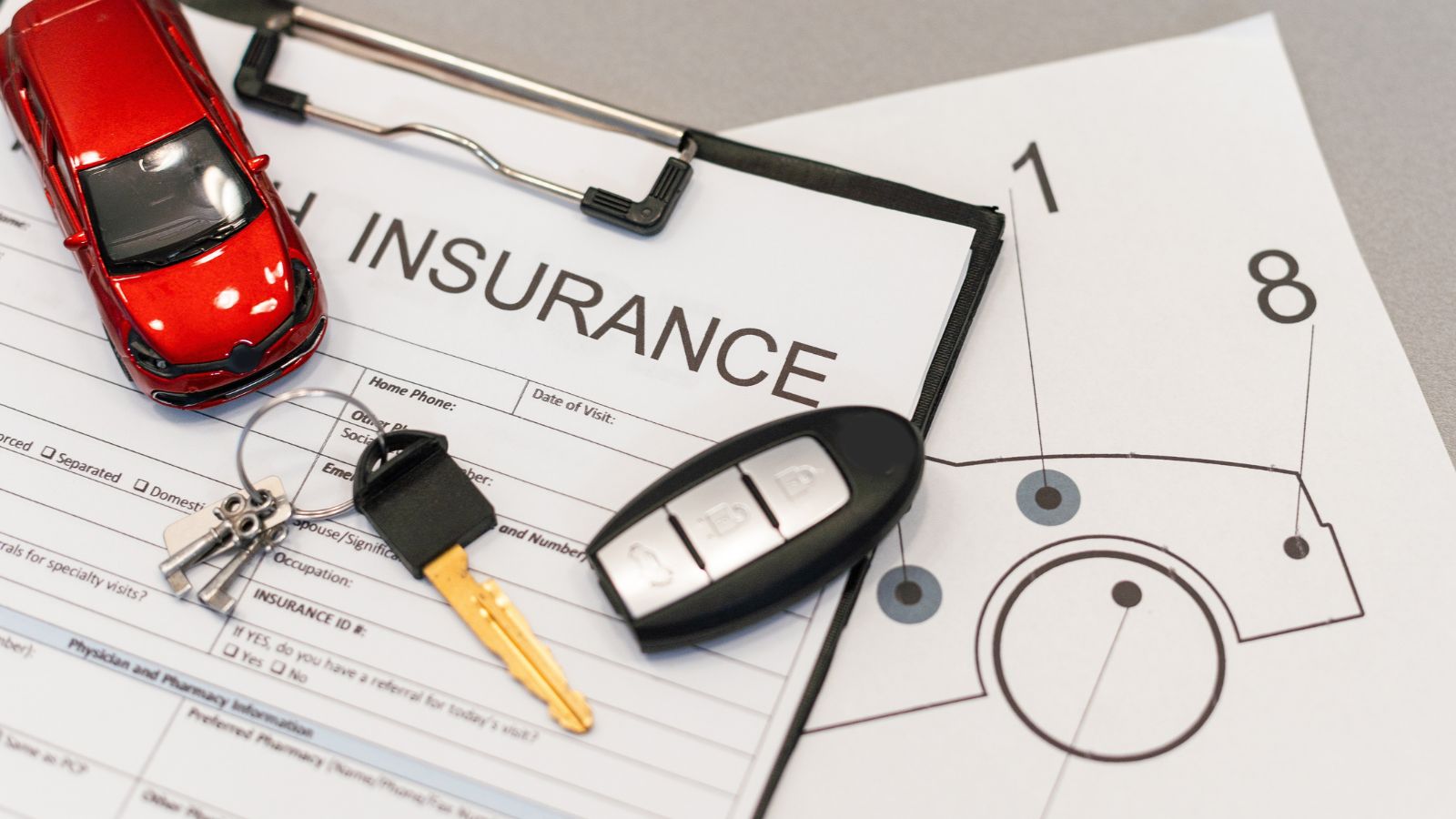
Leasing does not remove the need for insurance, and in many cases it increases the amount of coverage a driver is expected to carry. The Insurance Bureau of Canada notes that if a car is leased or financed, collision coverage is likely mandatory. Major manufacturer finance arms in Canada often state even more specific requirements, including minimum third-party liability limits and both collision and comprehensive coverage with capped deductibles. That can make a leased vehicle more expensive to insure than a driver first assumed when focusing only on the monthly lease payment.
This matters because insurance is not usually framed as part of the lease bargain, even though it is part of the cost of complying with the lease. A driver who owned an older vehicle outright might have chosen leaner physical-damage coverage, but a leased vehicle usually does not leave that flexibility on the table. Add in the reality that newer vehicles often cost more to repair, and the insurance portion of the budget can climb faster than expected. The lease looked affordable in isolation. In real household math, it arrived attached to coverage requirements that may push the total transportation bill noticeably higher.
Early Termination Is Where “Flexible” Starts to Feel Very Rigid
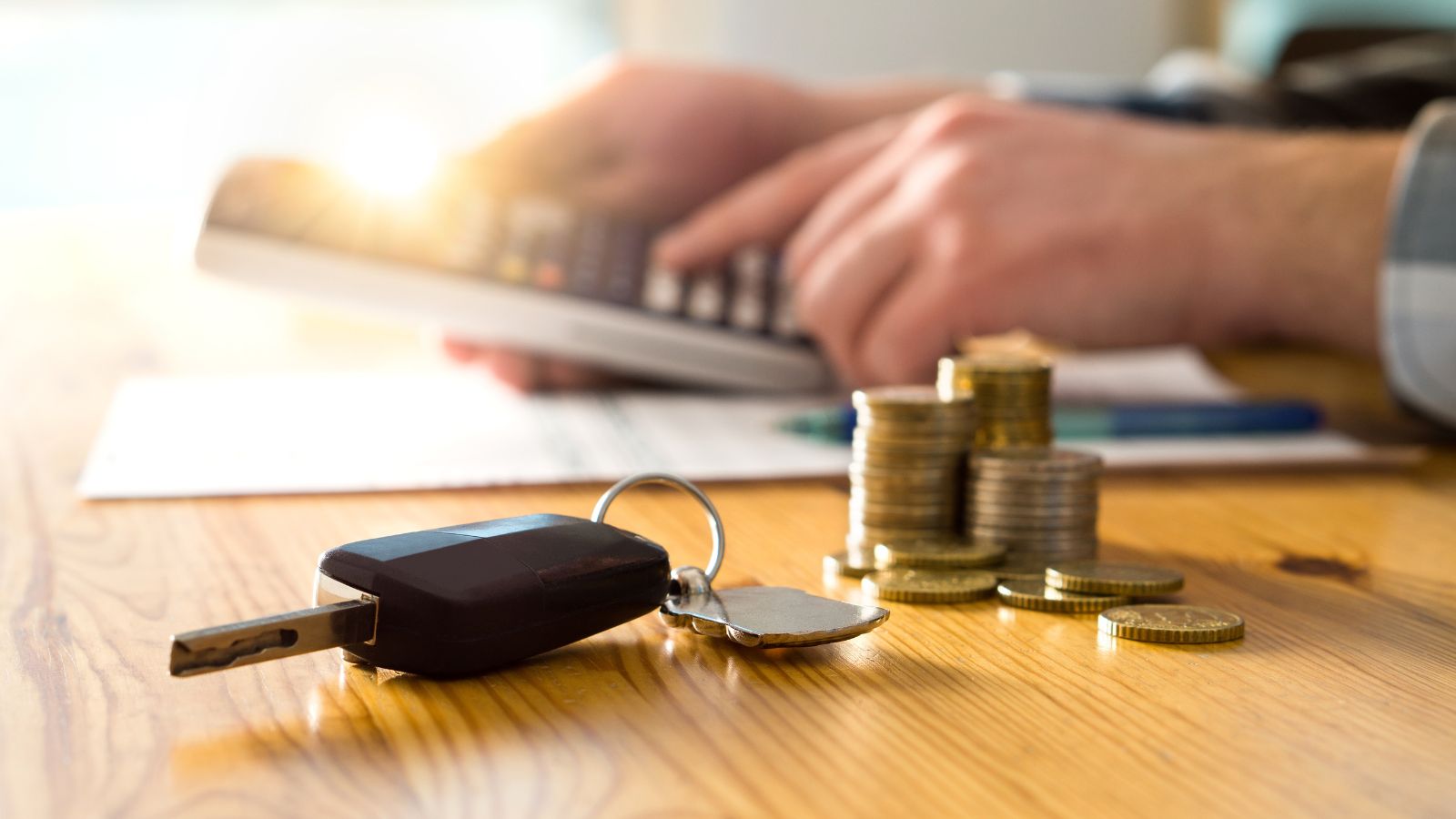
Leasing is sometimes marketed with an aura of flexibility because the term is shorter than ownership. In reality, getting out early can be expensive and difficult. Government consumer guidance says breaking a lease is usually hard and usually means paying penalties. That short sentence captures a long list of real-life problems: a contract signed during stable times can suddenly feel heavy after a job change, a move, a divorce, or a new baby. The lower monthly payment stops feeling like freedom when the driver needs an exit.
This is one of the sharpest ways a lease can become more expensive than it looked. The deal was designed around staying the full term, and once that assumption fails, costs often appear that were never central to the original sales pitch. Drivers who expected an easier transition may learn that the contract is structured more like a commitment than a convenience. A lower payment can make a lease feel low-risk at the start, but the penalty for leaving early reminds people that the arrangement was never as light as it looked. It was simply easier to enter than to unwind.
Lease Transfers Are Not Always Simple or Cheap

When a lease stops fitting someone’s life, a transfer can sound like the obvious solution. Yet Canadian consumer guidance says the leasing company’s permission is needed to transfer the lease to another individual. That means a transfer is not purely a private arrangement between two drivers. The lessor still controls the process, and the terms can include administrative steps, approval standards, and additional charges. A transfer may solve the problem, but it is rarely as effortless as people imagine when they first hear that lease takeovers exist.
That added friction matters because lease transfers are often treated as the escape hatch that makes leasing seem safer. In practice, the driver may still need to find a qualified replacement, manage timing, and pay fees or incentives to make the transfer happen. The existence of a transfer option can make a lease look more flexible at signing than it feels in the moment it is actually needed. What seemed like a built-in backup plan can end up carrying enough hassle and cost to reinforce the same basic lesson: the cheap-looking lease was only cheap while life stayed exactly on script.
End-of-Lease Charges Can Arrive All at Once

The end of a lease is often portrayed as a clean handoff: return the keys, settle up, move on. In reality, several costs can cluster at exactly the moment when a driver expects simplicity. Government guidance points to penalties tied to kilometres and condition, while industry explainers commonly note that disposition charges may also apply when a vehicle is returned rather than bought out. Even without a dramatic surprise, the end of a lease can involve inspections, damage assessments, excess-kilometre calculations, and administrative fees landing in a short window.
That timing is part of why leasing can feel so much more expensive than it first appeared. The financial pain is concentrated. Costs that were theoretically present all along become immediate and visible at once, often just as the driver is considering the next vehicle. A person may be simultaneously paying end-of-lease charges, shopping for another car, arranging insurance changes, and deciding whether to buy out the current vehicle. The low payment that once felt reassuring fades in memory when the contract ends with a stack of closeout costs instead of a simple goodbye.
Incentives Can Make a Lease Look Better Than It Really Is
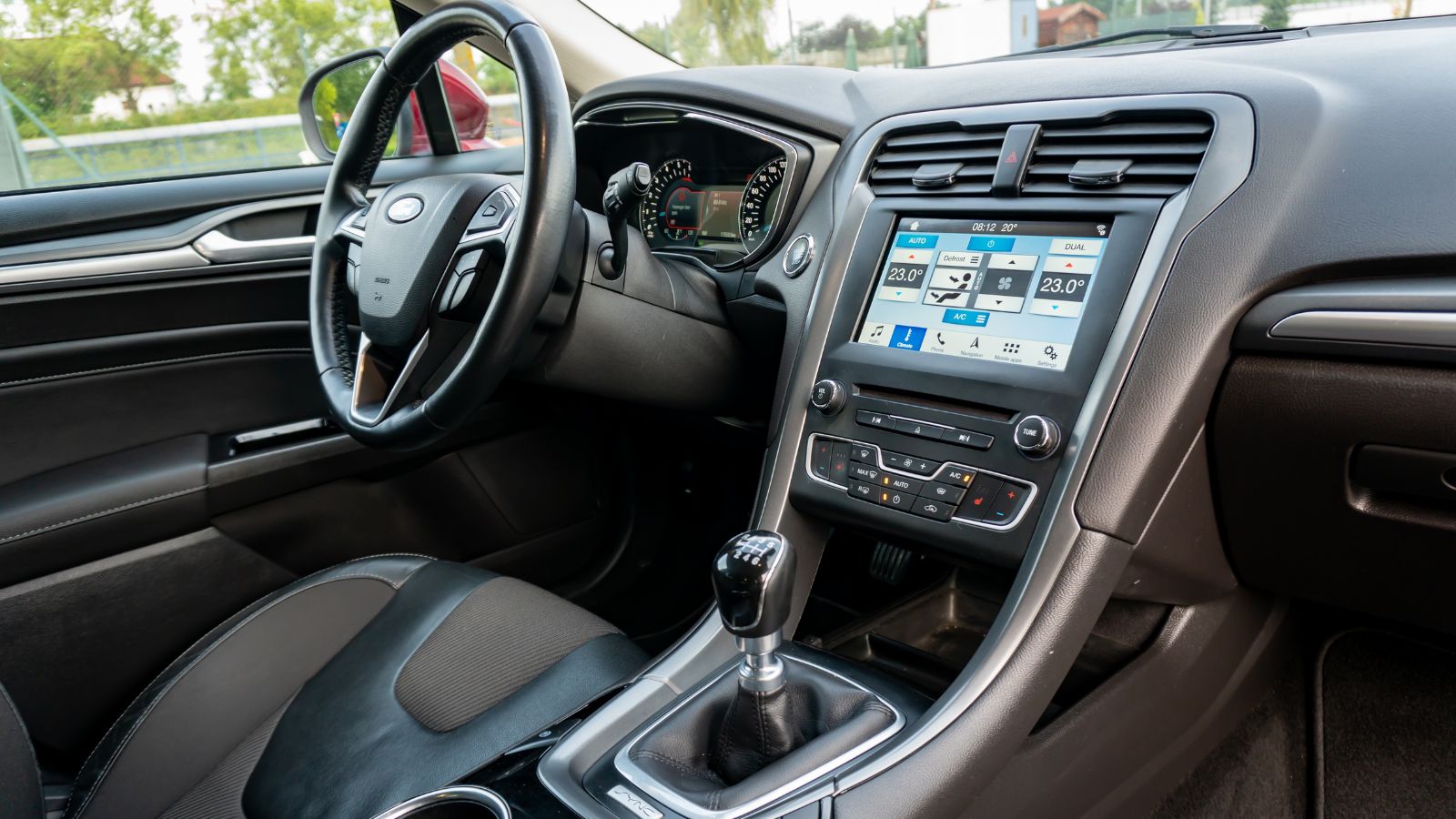
Manufacturer promotions and government incentives can make lease offers look dramatically better, but they do not always reduce costs in the straightforward way shoppers assume. Federal EV incentive rules in Canada now clearly state that lease incentives are prorated by term. Under the current program structure, a 48-month lease gets the full incentive, while a 24-month lease gets only half. Québec’s EV support has also shifted over time, reinforcing how incentive programs can change by year, province, and vehicle type. A lease may look fantastic in an ad largely because the incentive assumptions are doing a lot of work.
The problem is not that incentives are misleading by definition. It is that they can make a payment feel permanently affordable when the favourable math is temporary, conditional, or tied to a very specific term. Shoppers may also compare a subsidized lease payment against a non-subsidized alternative and conclude that leasing is inherently cheaper. Sometimes it is not the lease structure creating the bargain at all; it is the incentive framework around one specific model, one specific province, or one specific contract length. Once those conditions change, the “cheap” lease can suddenly look ordinary.
Buying Out the Vehicle Can Trigger Another Round of Taxes and Fees

Many drivers enter a lease assuming they can simply buy the vehicle later if it turns out to be a good fit. That can be true, but the math is often less friendly than expected. Government consumer guidance warns that making a profit by buying out a lease and reselling the vehicle is generally unlikely because taxes and fees apply when the leased vehicle is purchased. The same guidance also notes that double sales taxation can become an issue if the vehicle is then resold, and that some lessors will not allow the original lessee to assign the purchase option to avoid that problem.
This matters because a lease can feel like a low-risk “try it first” path to ownership. Then the buyout number arrives, along with taxes, possible handling charges, and the realization that the low monthly payment was never building equity. Even if the driver still wants the car, the transition from leasing to owning may require a much larger cash commitment than anticipated. The vehicle may be familiar and comfortable by that point, which makes the added cost feel especially frustrating. The lease looked inexpensive while it was temporary; becoming permanent is where the postponed expense often becomes obvious.
Leasing Keeps Many Drivers in a Permanent Payment Cycle
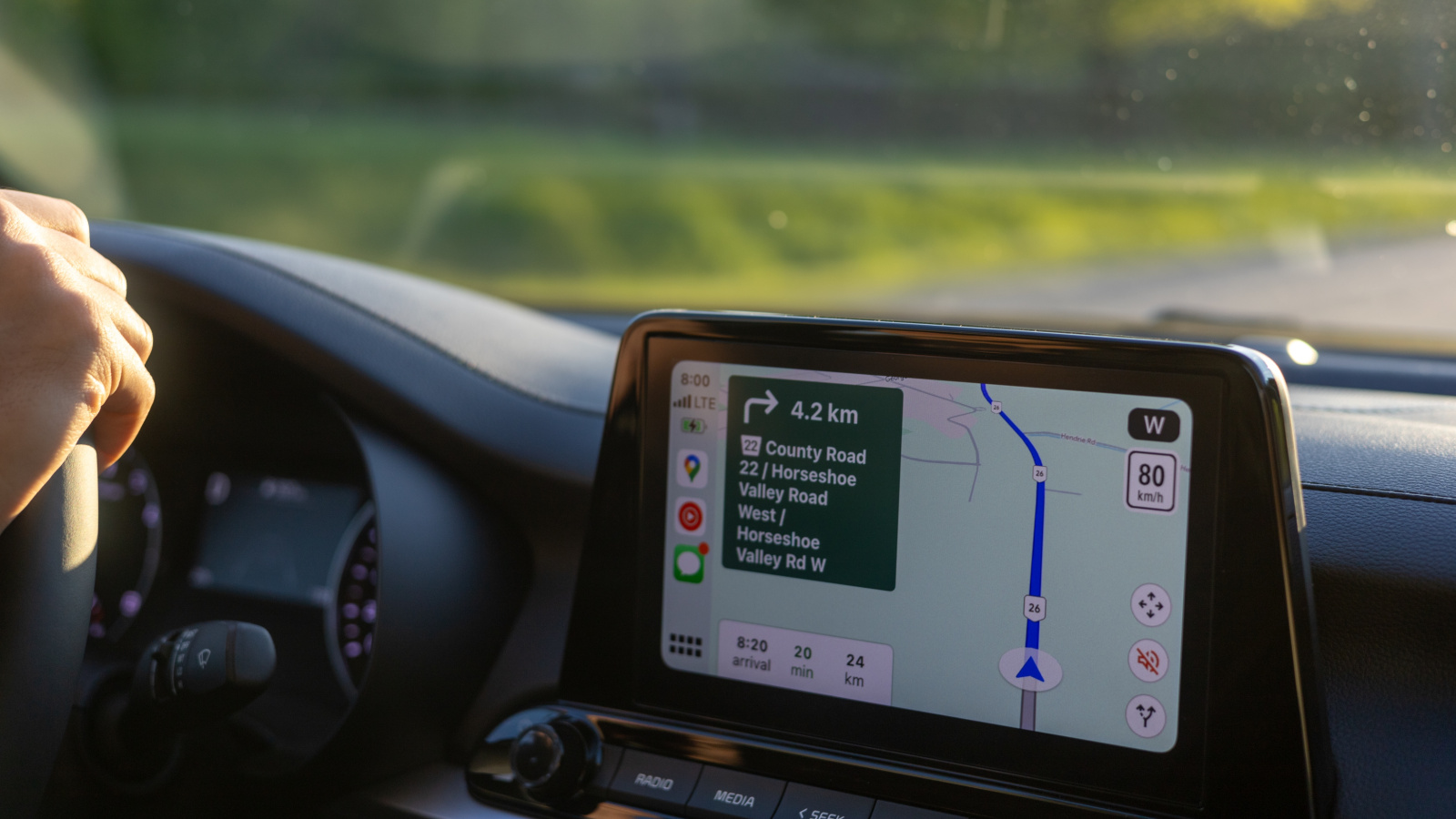
The final reason leasing feels more expensive than it looks is also the broadest one: it often never really ends. Federal consumer guidance says monthly lease payments are lower than finance payments, but it also reminds shoppers that they never own the vehicle. The same government source notes that average car ownership in Canada is about eight years, roughly the equivalent of two lease terms. That is an important benchmark because it captures the long-range difference between paying to use a vehicle and paying toward eventually owning one.
Over enough years, the lower payment can start to lose its emotional advantage. A driver who leases again and again may enjoy newer vehicles, but the budget never reaches the point where the payment disappears. Someone who buys and keeps a car long enough may eventually have repair bills, but may also have months or years with no car payment at all. Leasing can still be the right choice for some households, yet it often feels more expensive in hindsight because the savings were front-loaded and the obligations were recurring. What looked cheaper month to month can cost more in the way it shapes the entire ownership cycle.
22 Things Canadians Do to Their Cars in Spring That Mechanics Hate

Spring brings relief to many Canadian drivers after months of snow, freezing temperatures, and icy roads that put serious strain on vehicles. As temperatures rise across the country, drivers begin washing cars, switching tires, and preparing vehicles for warmer weather and upcoming road trips. However, mechanics across Canada notice the same mistakes every spring when drivers attempt to recover from winter damage. Road salt, potholes, and harsh winter driving conditions often leave vehicles with hidden problems that drivers ignore. Some spring habits even create new mechanical issues that could have been avoided with proper maintenance. Here are 22 things Canadians do to their cars in spring that mechanics hate.