


























Fuel economy can slip quietly, even when the engine starts normally, no dashboard light appears, and the vehicle still feels fine on the road. A tank that used to last all week may suddenly need filling sooner, leaving many drivers wondering whether something expensive is hiding under the hood. Often, the cause is not a dramatic failure but a mix of ordinary conditions, habits, temperature changes, and small maintenance issues that slowly add up. These 12 common reasons explain why a car can burn more fuel even when nothing seems obviously broken.
Tire Pressure Drifts Down Without Looking Obvious
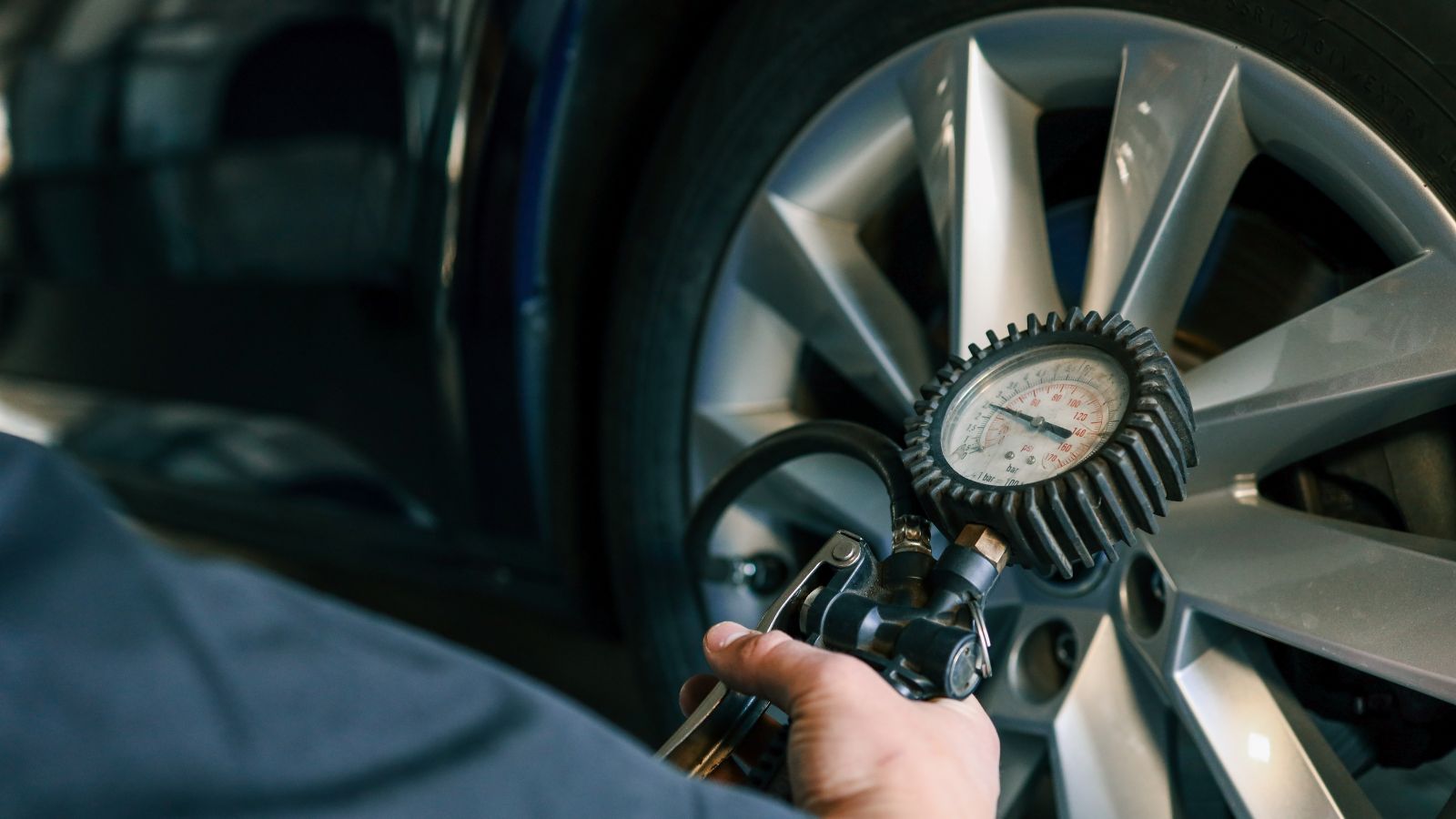
A tire does not have to look flat to cost fuel. Underinflated tires create more rolling resistance, which means the engine has to work harder just to keep the vehicle moving. Many drivers only notice pressure when the dashboard warning light appears, but that system usually waits until the tire is significantly low. A slow seasonal pressure drop can reduce efficiency long before the car feels unsafe.
This is especially common when temperatures fall overnight. Cold air lowers tire pressure, and the difference may show up first as worse mileage rather than poor handling. A commuter who checks pressure only before long trips may spend weeks driving on tires that are merely “a little low.” The car still feels normal, but every stoplight launch and highway cruise requires more energy than it should.
Short Trips Keep the Engine From Reaching Its Best Temperature

A car is most efficient after the engine, transmission, fluids, and exhaust system have warmed up. Short errands interrupt that process. A five-minute drive to school, a quick stop for coffee, and another short hop to the grocery store can use more fuel than one longer route covering the same distance. Nothing is malfunctioning; the vehicle is simply spending too much time in its least efficient operating window.
This explains why mileage often falls when routines change. A driver who once had a steady 30-minute commute may notice worse fuel economy after switching to many short local trips. The engine may run richer during warm-up, fluids are thicker at first, and the cabin heater or defroster may be working hardest before the vehicle ever reaches peak efficiency. The fuel gauge notices before the driver does.
Cold Weather Makes a Healthy Car Work Harder
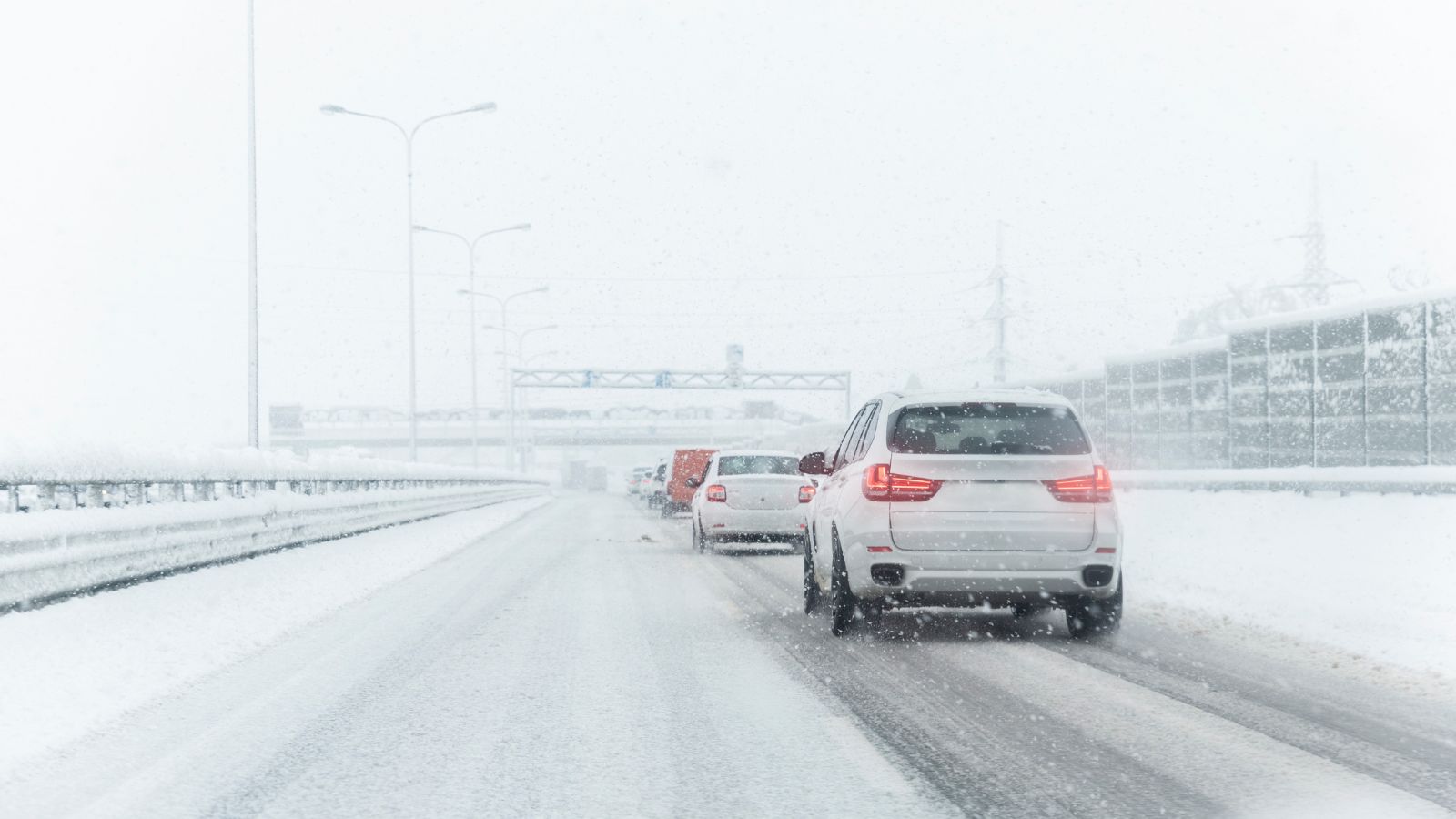
Winter can make a mechanically sound vehicle look inefficient. Cold engine oil and transmission fluid increase internal friction. Dense cold air increases aerodynamic drag, particularly at highway speeds. Tire pressure drops, batteries work harder, and winter gasoline blends may contain slightly less energy per gallon. None of those factors require a broken part to reduce mileage.
The effect can be surprisingly large. In city driving, a conventional gasoline car can lose a noticeable share of its mileage in cold weather, and short winter trips make the drop even sharper. Heated seats, defrosters, blower fans, and longer warm-up periods add to the load. A car that seems perfectly fine in January may simply be fighting physics, weather, and driver comfort demands all at once.
Highway Speed Creeps Higher Than Before
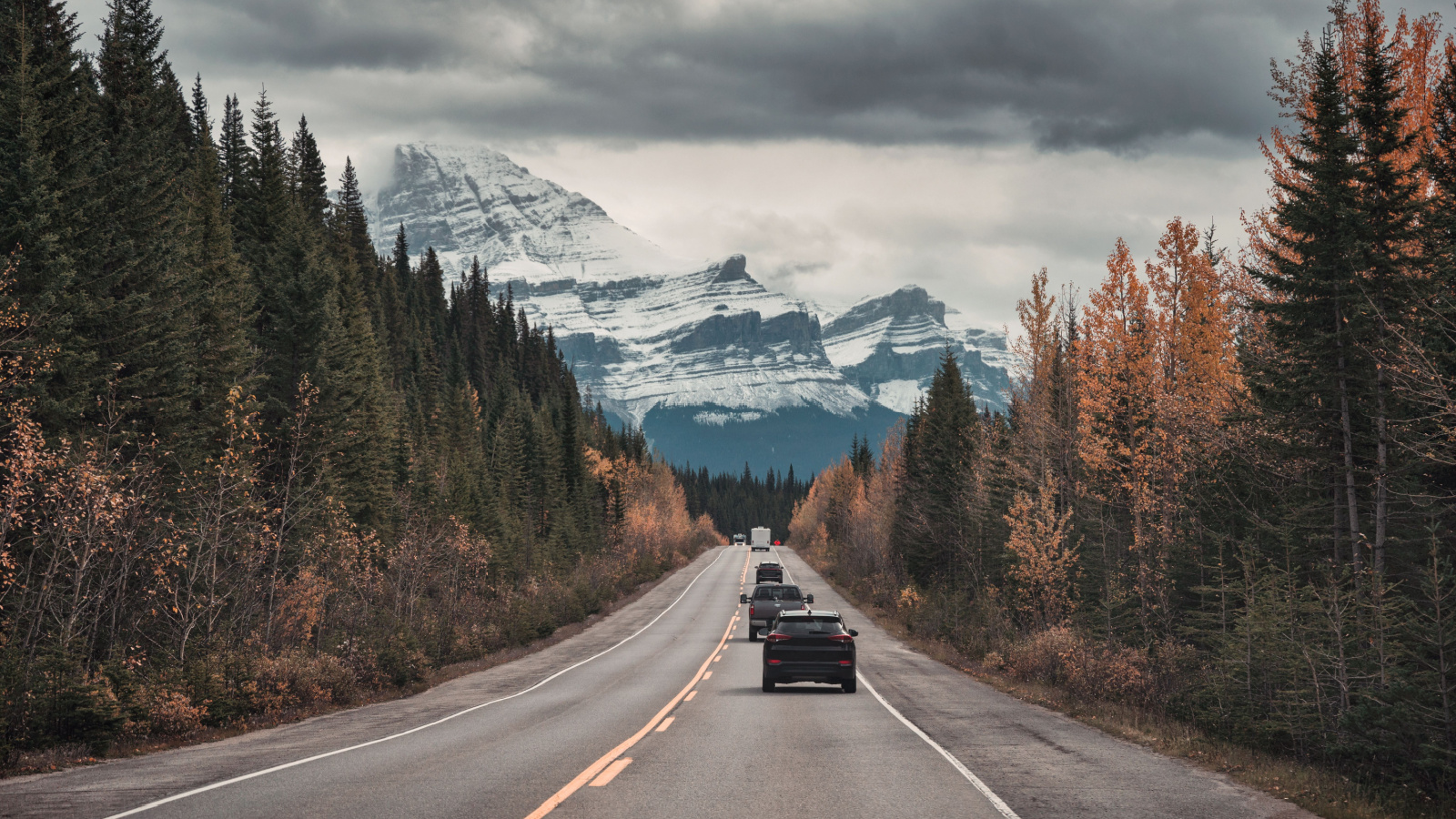
Fuel economy often worsens when highway habits change by only a small amount. The faster a vehicle travels, the more energy it uses to push air out of the way. Above moderate highway speeds, aerodynamic drag rises quickly. A driver who used to cruise at 100 km/h but now flows with traffic at 115 or 120 km/h may see fewer kilometres from each tank without noticing any change in the car itself.
This can happen gradually. A new job route, wider highway, lighter traffic, or more confidence in a quiet modern cabin can make higher speeds feel effortless. The engine may not sound strained, especially in newer vehicles with refined transmissions, but fuel use still climbs. The speedometer tells part of the story; the fuel receipt tells the rest.
Acceleration and Braking Become More Aggressive

Fuel economy is not only about average speed. The way a vehicle gets up to speed matters. Hard acceleration demands a burst of fuel, while late braking throws away momentum that fuel already created. In stop-and-go traffic, these small surges can repeat dozens of times in a single drive. The vehicle may feel responsive and healthy, yet it is using fuel in a less efficient pattern.
A familiar example is the driver who rushes between red lights, brakes hard, then accelerates sharply again. The trip may not be much faster, but the fuel penalty can be significant. Modern fuel-economy displays often reveal this instantly: the number plunges during aggressive takeoffs and recovers when speed steadies. Nothing is broken; the driving style has simply become more expensive.
Idling Quietly Turns Fuel Into Zero Distance
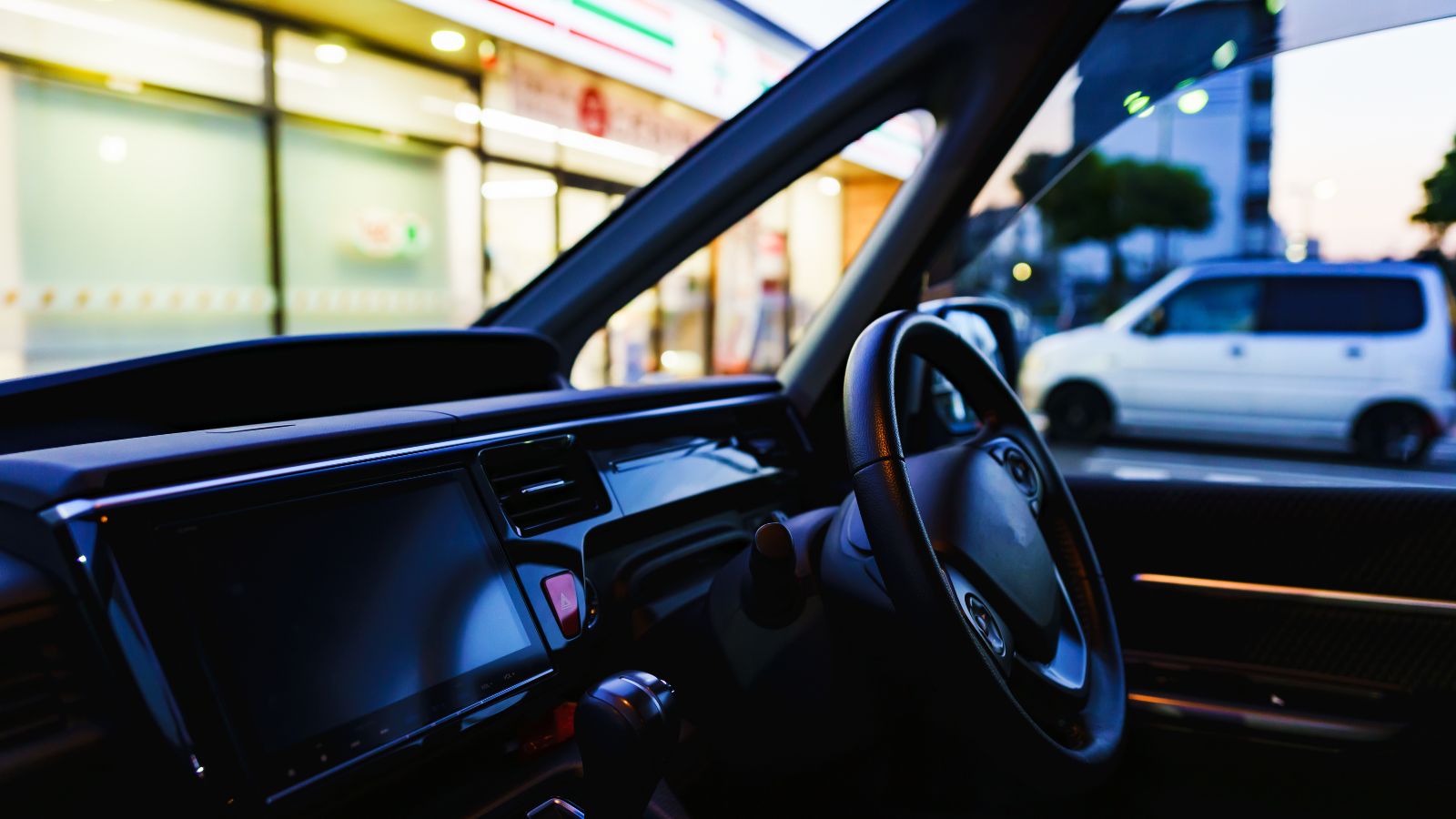
Idling is easy to overlook because the car is not moving, but the engine is still burning fuel. Waiting outside a school, warming the cabin before leaving, sitting in a drive-through, or leaving the engine running during a phone call all reduce real-world fuel economy. Since idling covers no distance, it produces the harshest possible result: fuel consumed with no kilometres added.
Remote starters can make this worse. A few minutes of idling on cold mornings may feel harmless, but repeated daily use adds up quickly over a tank. The engine may also warm faster when driven gently than when left sitting. For many drivers, the first sign is not smoke, noise, or rough running; it is simply a lower trip-computer average after a week of waiting with the engine on.
Roof Racks and Cargo Boxes Change the Shape of the Car
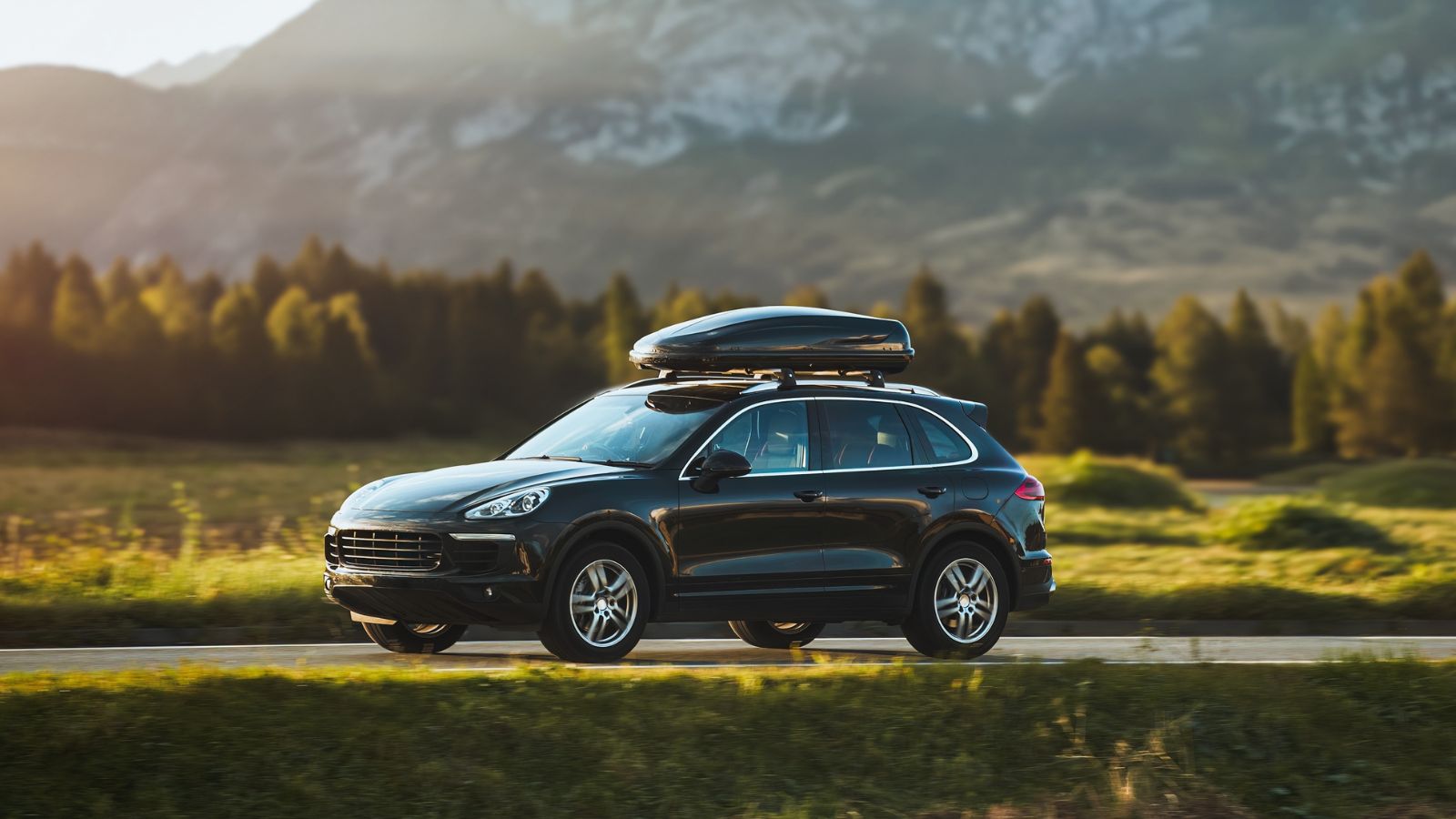
Aerodynamics matter more than many drivers expect. A roof rack, ski carrier, cargo box, or bike mount can increase wind resistance even when it is empty. The vehicle still drives normally, and the accessory may look harmless, but the engine must push a less slippery shape through the air. At highway speeds, that penalty becomes much more noticeable.
This is why summer road trips and winter ski weekends can distort fuel-economy expectations. A compact crossover with a roof box may feel unchanged around town, then drink more fuel during a long highway run. Rear-mounted carriers generally create less drag than large roof boxes, but any external attachment can affect efficiency. Once the trip ends, leaving the rack installed can keep the fuel penalty going for weeks.
Extra Weight Stays in the Vehicle
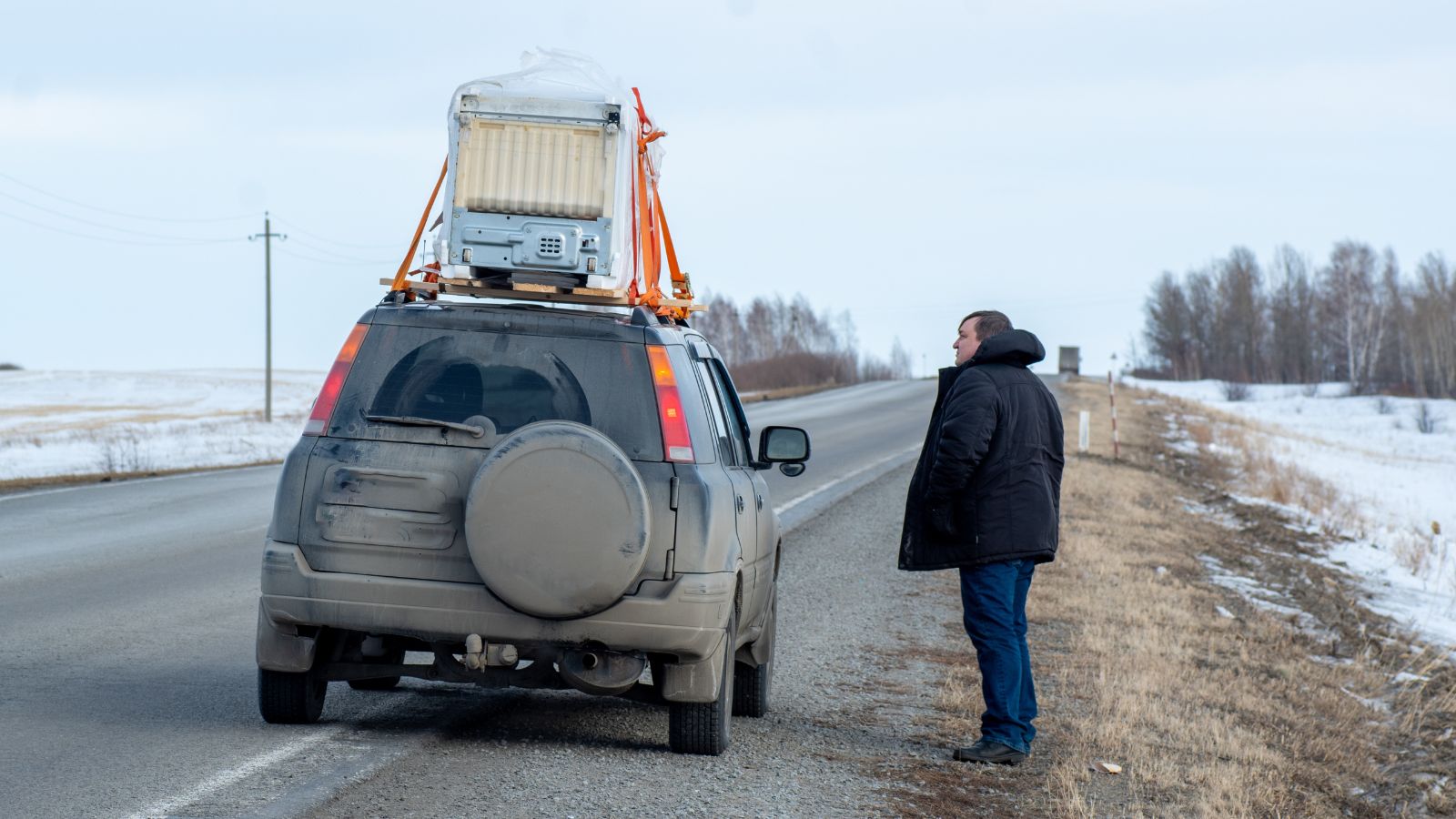
Many cars slowly become rolling storage rooms. Sports gear, tools, bottled water, emergency supplies, strollers, folding chairs, and bags of forgotten donations can sit in the trunk for months. Each item may be small, but together they add mass the vehicle must accelerate, stop, and accelerate again. The effect is strongest in city driving, where repeated starts magnify the cost of extra weight.
This does not mean drivers should remove legitimate safety supplies or winter essentials. The issue is unused weight that stays onboard through habit. A small sedan carrying heavy tools every day can lose efficiency even though the engine is perfectly healthy. Cleaning out the cargo area may not feel like vehicle maintenance, but it can restore some of the efficiency that quietly disappeared.
Air Conditioning, Defrosters, and Accessories Add Load
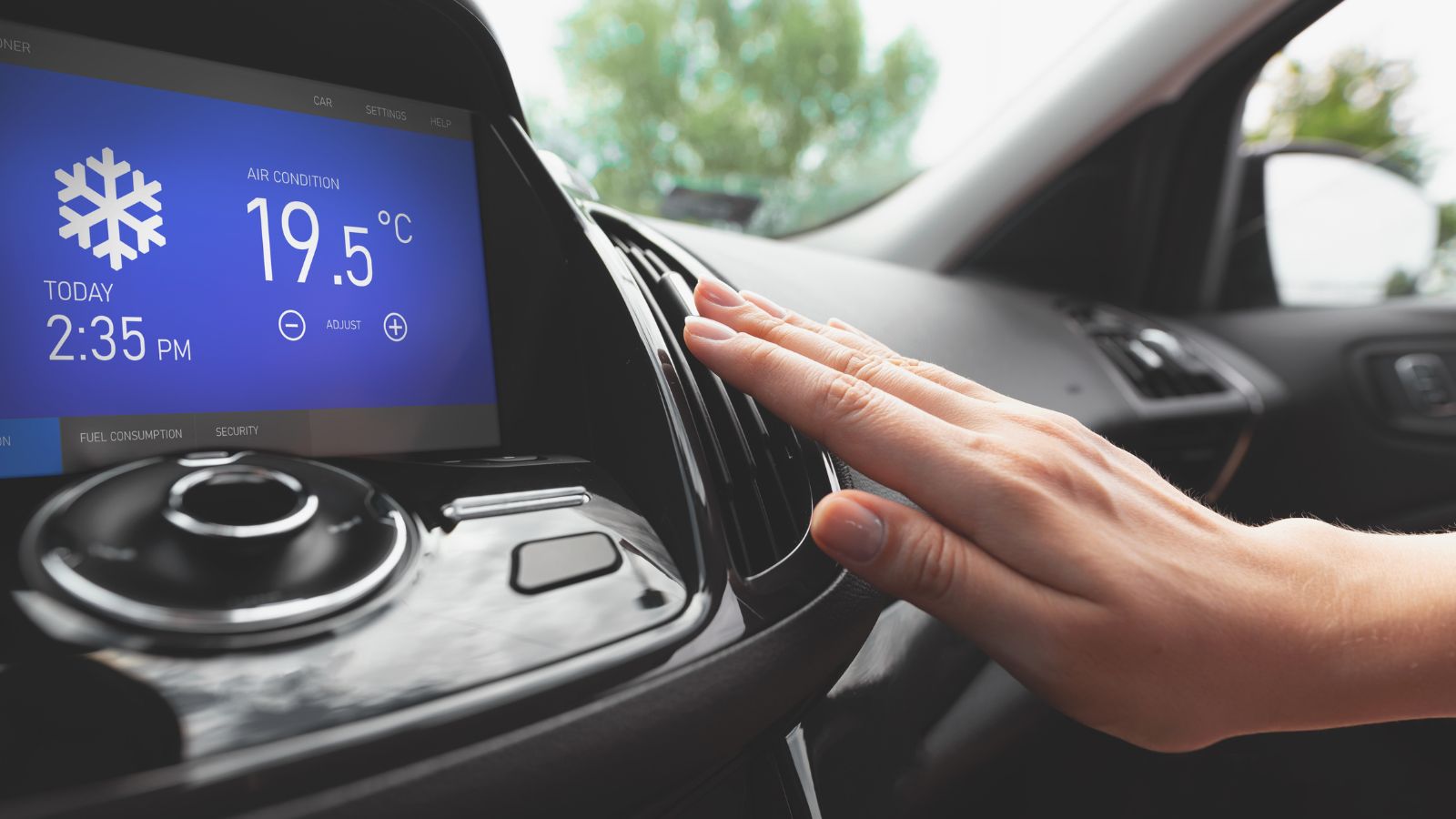
Comfort features use energy. Air conditioning places extra load on the engine in gasoline vehicles, while defrosters, heated mirrors, blower fans, seat heaters, and other accessories increase electrical demand. The alternator must supply that power, and the engine ultimately pays for it. The car may seem normal because all these systems are working exactly as designed.
The impact varies with weather and trip length. On a very hot day, air conditioning works hardest just after start-up, especially if the cabin has been baking in the sun. On a cold morning, defrosters and fan speed may stay high for much of a short trip. A driver who compares mild spring fuel economy with midsummer or midwinter numbers may blame the car when climate control is doing much of the damage.
Tire Choice and Rolling Resistance Can Change After Replacement
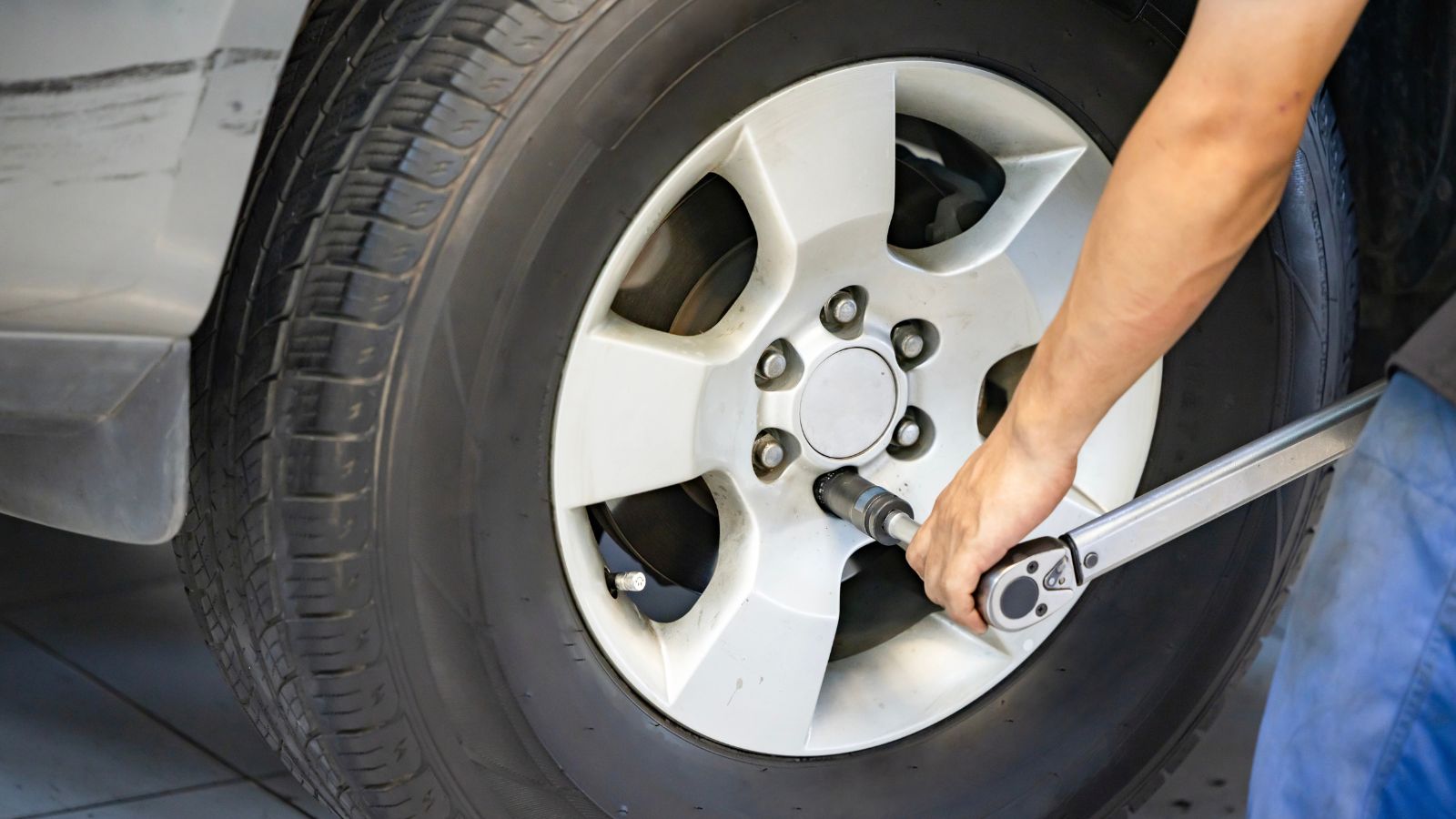
Fuel economy can drop after new tires are installed, even when the old tires were worn out and the replacements are high quality. Tires differ in tread pattern, compound, width, weight, and rolling resistance. A grippier tire may improve braking or wet-weather confidence but require more energy to roll. The change can be subtle enough that the car feels better while using slightly more fuel.
This is especially common when drivers replace original-equipment low-rolling-resistance tires with a different style. Larger wheels or wider tires can add weight and contact patch, while aggressive all-terrain tread can raise rolling resistance on pavement. The replacement may be perfectly safe and appropriate for the climate, but it can change the fuel-economy baseline. Not every mileage loss points to an engine problem.
Fuel Blends Can Slightly Change Energy Per Tank
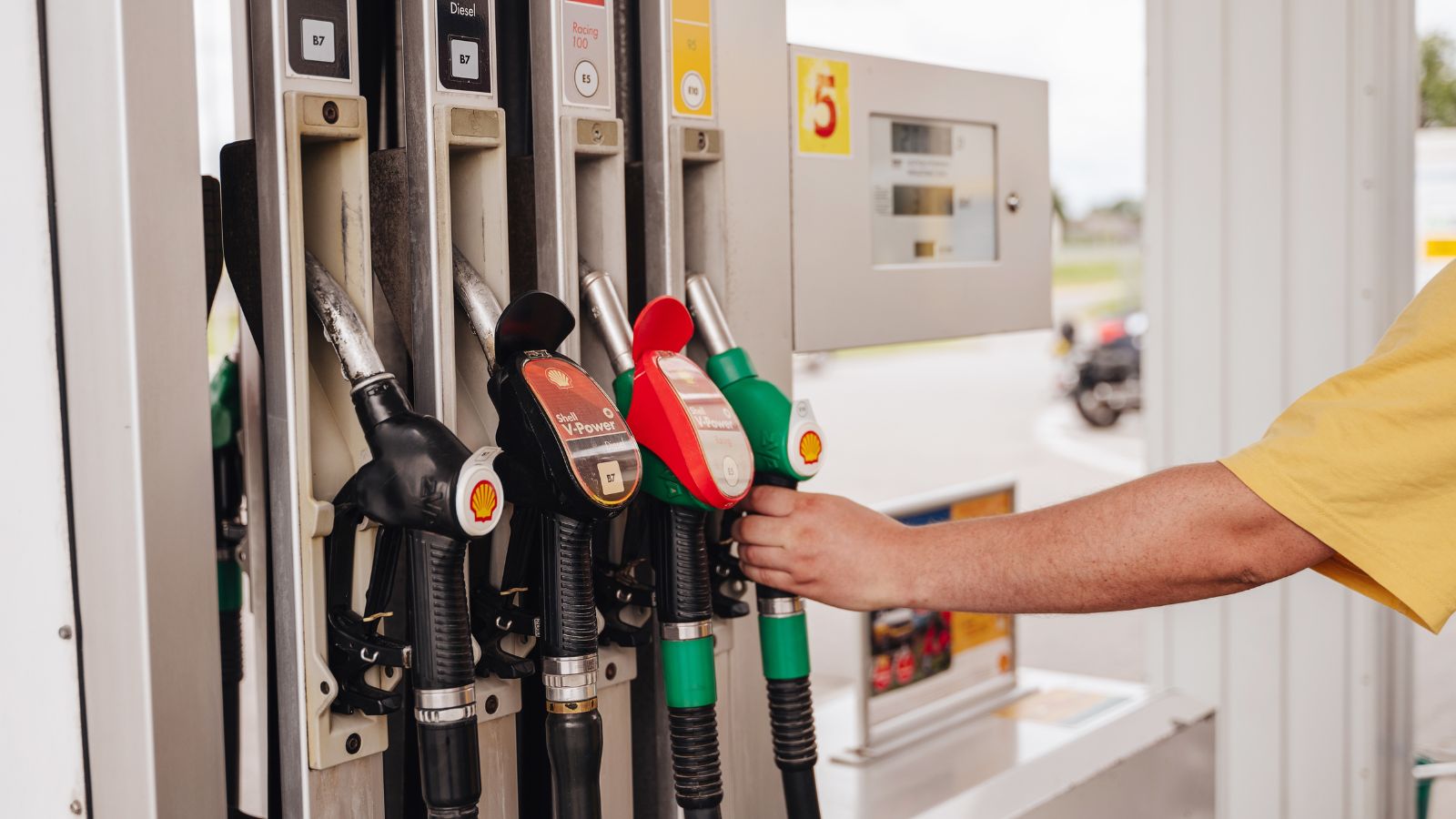
Fuel economy is partly about how much usable energy is in each litre or gallon. Gasoline blends vary by season and region, and ethanol-blended fuels contain less energy per gallon than pure gasoline. A vehicle may run normally on the recommended fuel while travelling a little less far on each tank if the blend has lower energy content.
This can confuse drivers because the change often appears after switching stations, seasons, or fuel grades. The car does not need to knock, hesitate, or trigger a warning light for fuel energy differences to show up in mileage. The effect is usually modest compared with aggressive driving or low tire pressure, but when combined with cold weather, short trips, and idling, it can make the decline feel larger.
Subtle Maintenance Wear Builds Before It Looks Serious
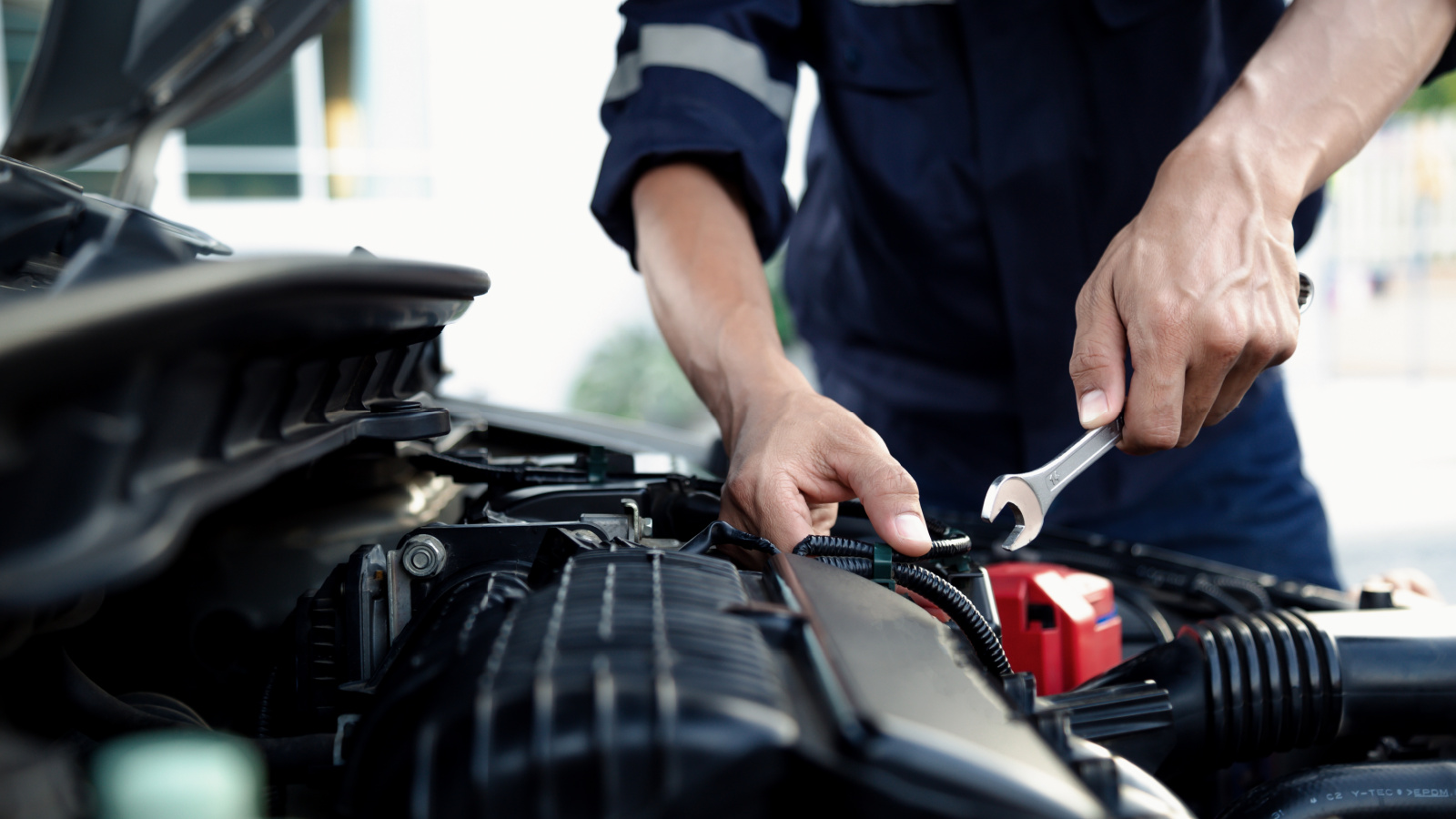
Some fuel-economy losses come from parts that are not completely failed but are no longer at their best. Worn spark plugs, dragging brakes, old fluids, low transmission fluid, sagging belts, or sensor issues can reduce efficiency while the car still starts, accelerates, and sounds normal. A dashboard light may not appear until the problem becomes more obvious or crosses a diagnostic threshold.
This is why routine maintenance matters even when nothing feels urgent. Using the manufacturer’s recommended motor oil grade can affect efficiency, and keeping up with inspections can catch small issues before they become expensive. A driver may first notice that the fuel economy display has slipped, not that the engine is misfiring or the brakes are hot. The vehicle is still functioning, but it is working harder than it should.
22 Things Canadians Do to Their Cars in Spring That Mechanics Hate

Spring brings relief to many Canadian drivers after months of snow, freezing temperatures, and icy roads that put serious strain on vehicles. As temperatures rise across the country, drivers begin washing cars, switching tires, and preparing vehicles for warmer weather and upcoming road trips. However, mechanics across Canada notice the same mistakes every spring when drivers attempt to recover from winter damage. Road salt, potholes, and harsh winter driving conditions often leave vehicles with hidden problems that drivers ignore. Some spring habits even create new mechanical issues that could have been avoided with proper maintenance. Here are 22 things Canadians do to their cars in spring that mechanics hate.