
























The Canadian car market is already shifting faster than most buyers expected. Electric vehicles are getting cheaper every year. Battery costs keep falling. Governments keep pushing incentives. Now imagine a wave of aggressively priced Chinese EVs landing in showrooms. That could squeeze prices across entire segments. Used values would feel it first. Owners who financed at peak prices could take a hit. Gas models and older EVs may struggle most. Here are 18 vehicles that will plummet in resale value if Chinese EVs flood the market.
Tesla Model 3
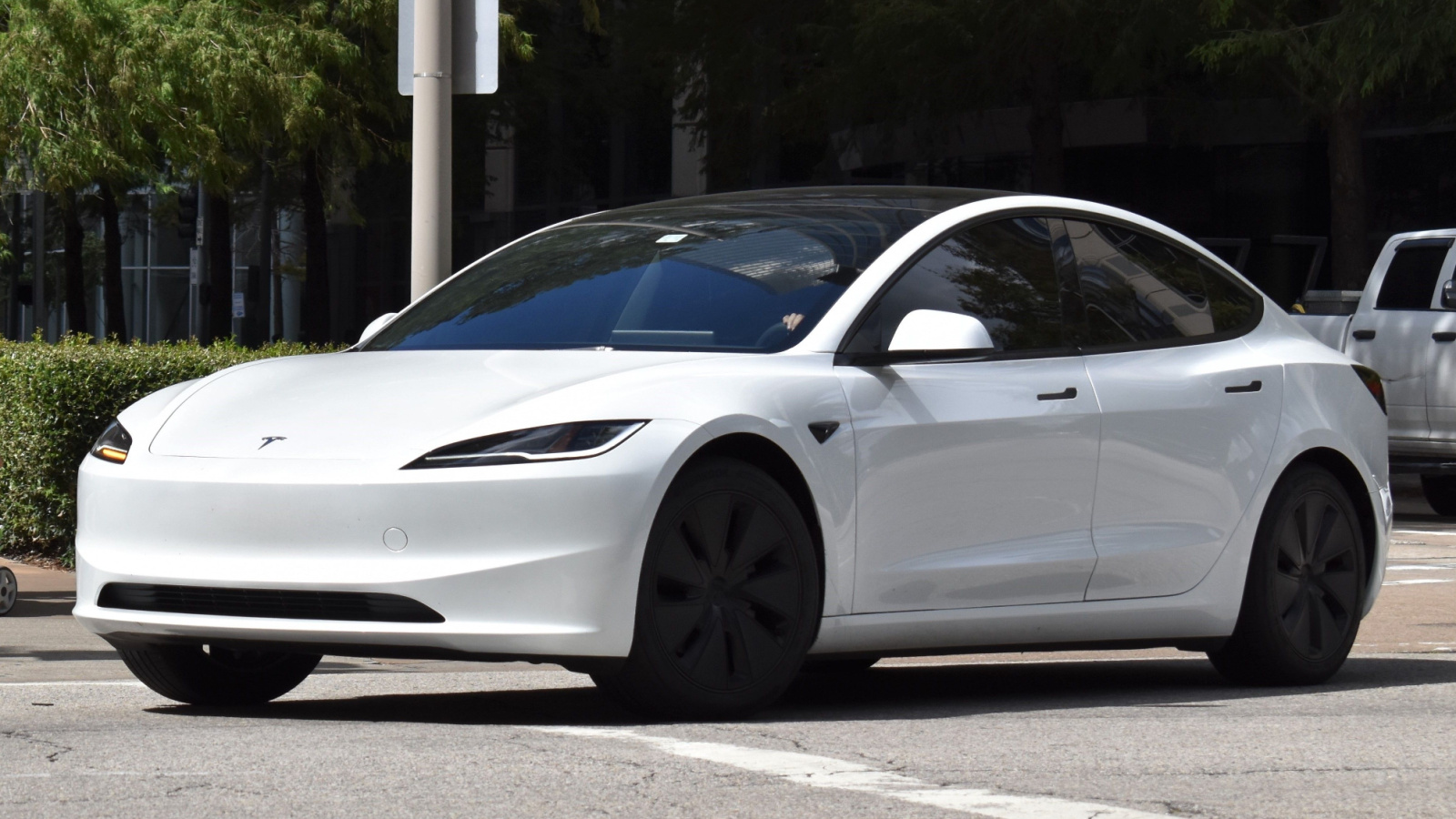
The Model 3 once dominated affordable EV conversations. It still sells well in Canada. However, its resale value depends heavily on brand strength and software appeal. If cheaper imports offer a similar range and tech, price pressure builds quickly. Buyers who just want an electric sedan may chase the lowest payment. Used Model 3 prices have already shown volatility. Another wave of competition could push them lower. Owners who paid during tight supply years may feel squeezed. When supply rises, and new prices fall, used listings follow the same direction without much resistance.
Tesla Model Y
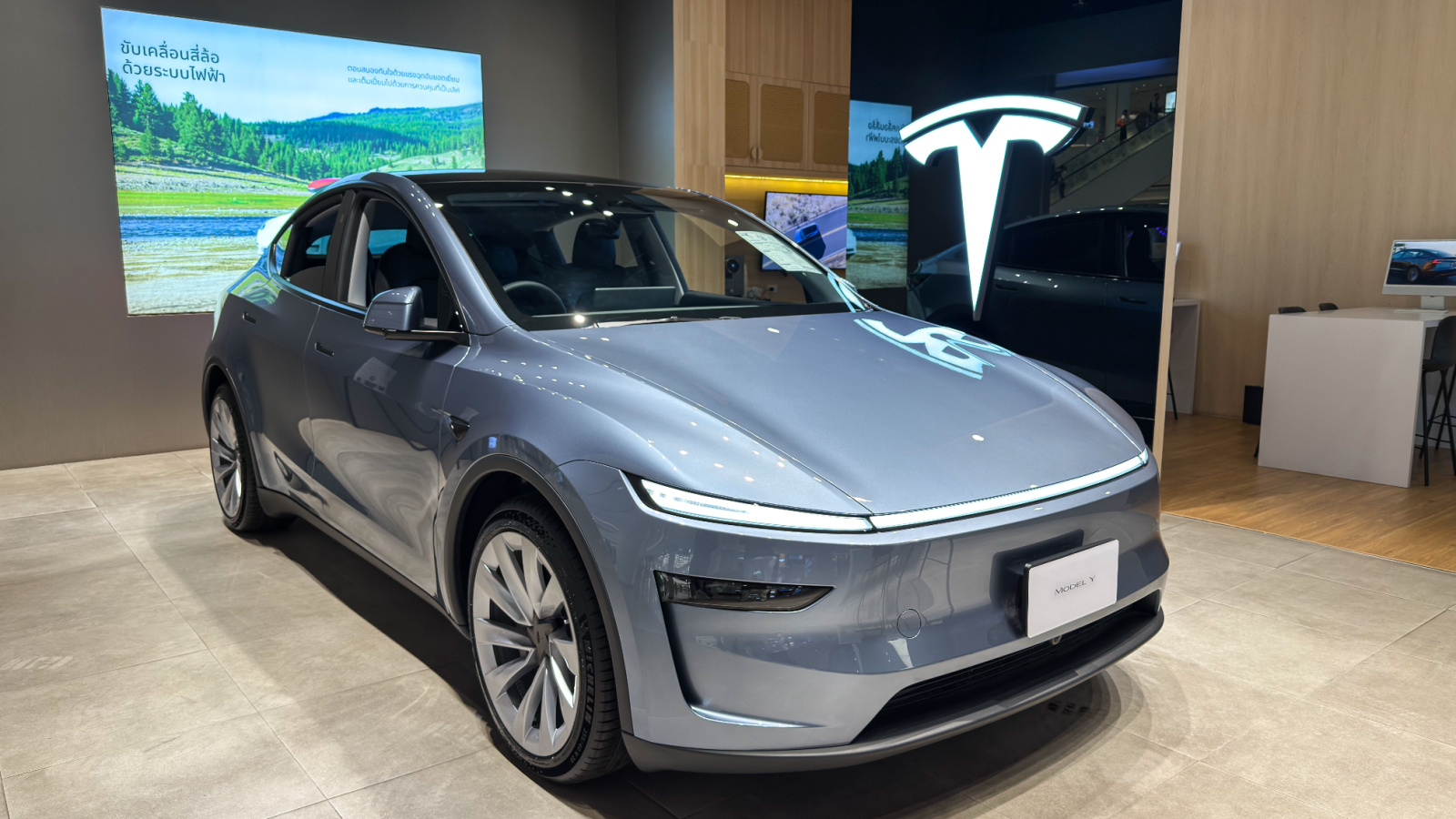
The Model Y is one of Canada’s top-selling EVs. It blends crossover space with a decent range. That popularity also creates risk. Large volumes mean more used units on the market. If affordable Chinese electric crossovers appear with similar specs, buyers may hesitate. A lower-priced new alternative changes expectations overnight. Used Model Y sellers then compete against cheaper new inventory. That narrows their margin. Financing incentives on new imports would add pressure. High demand once protected resale values. Oversupply combined with price cuts could quickly erode that advantage.
Ford Mustang Mach-E
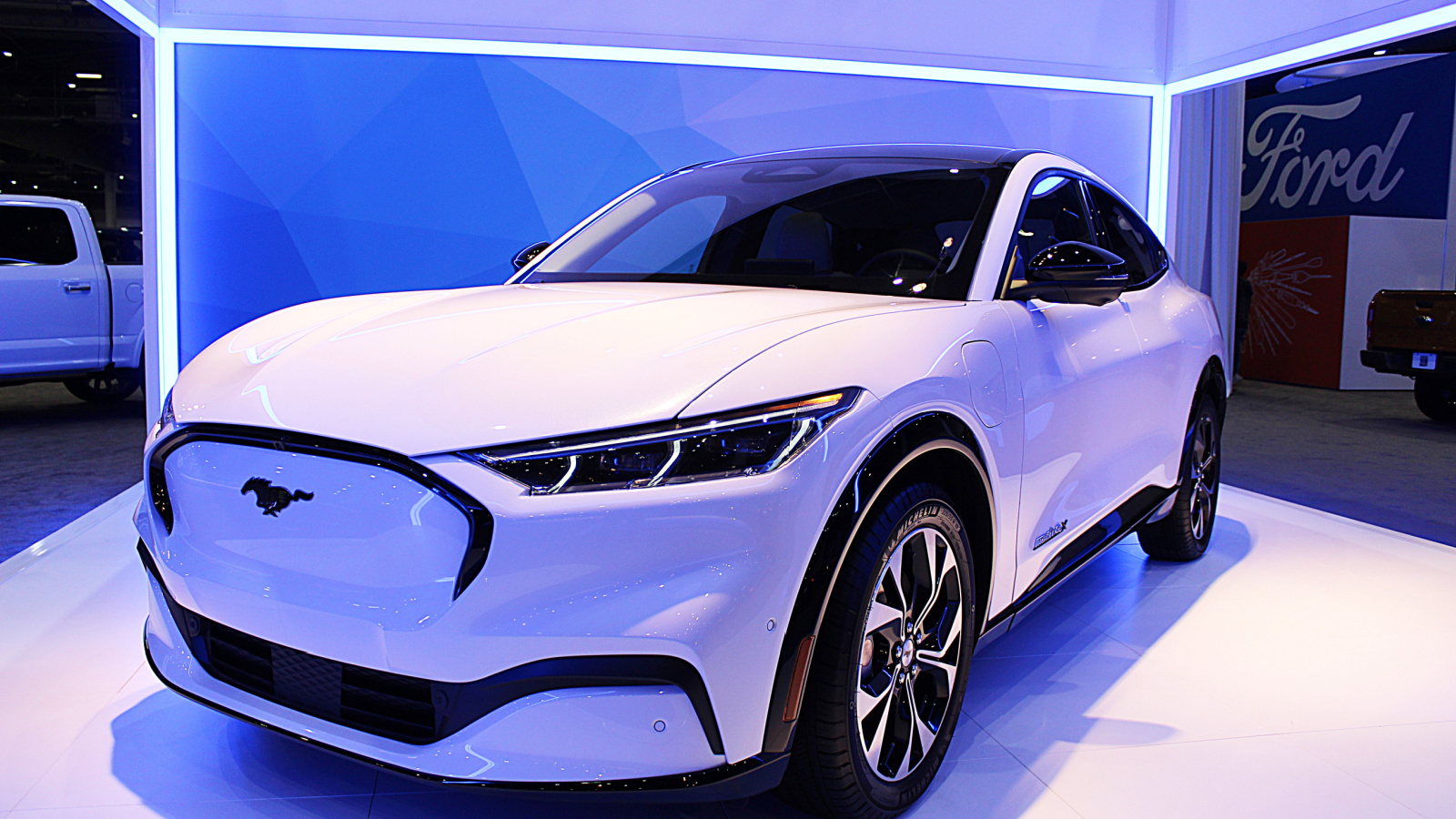
The Mach-E entered the market with strong branding and solid performance. Pricing has already shifted several times. That signals sensitivity to competition. If lower-priced imports offer a comparable range and interior tech, shoppers may pivot. The Mach-E carries higher MSRP trims that depend on perceived premium value. Once cheaper options look similar on paper, resale weakens. Early adopters often take the biggest hit. Dealers discount new stock to stay competitive. Used listings then follow those adjustments. Crossovers face heavy competition. Extra supply rarely helps second owners.
Chevrolet Bolt EUV
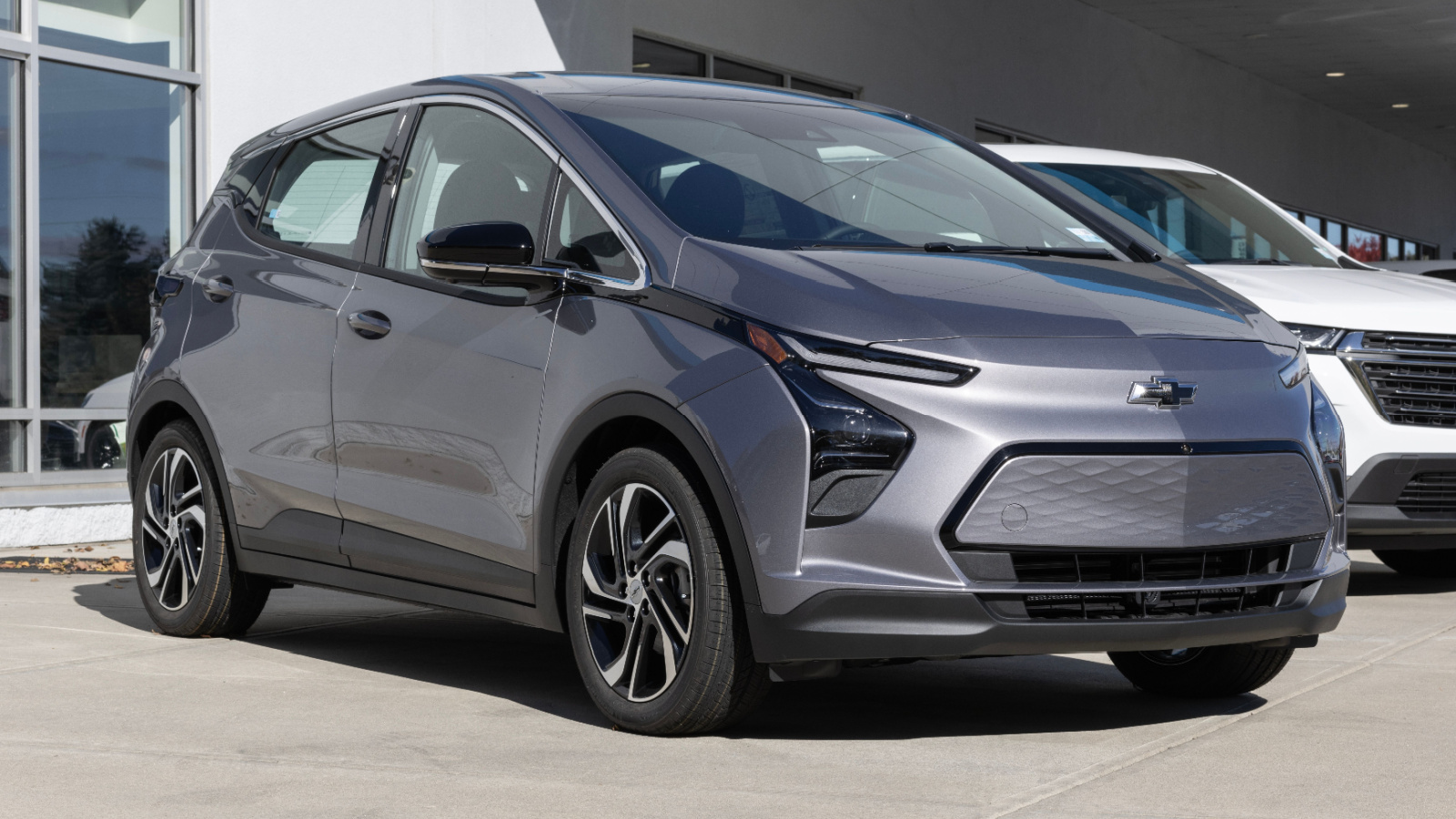
The Bolt EUV built a following among value seekers. It proved that affordable EV ownership was possible. However, its appeal relies on being inexpensive. If even cheaper options arrive with updated interiors and longer warranties, interest may shift. Used buyers are price sensitive in this bracket. They look at the total cost first. When new inventory drops in price, older units feel outdated quickly. The Bolt EUV also lacks some advanced driver features found in newer models. That gap matters more when alternatives cost the same or less.
Nissan Leaf
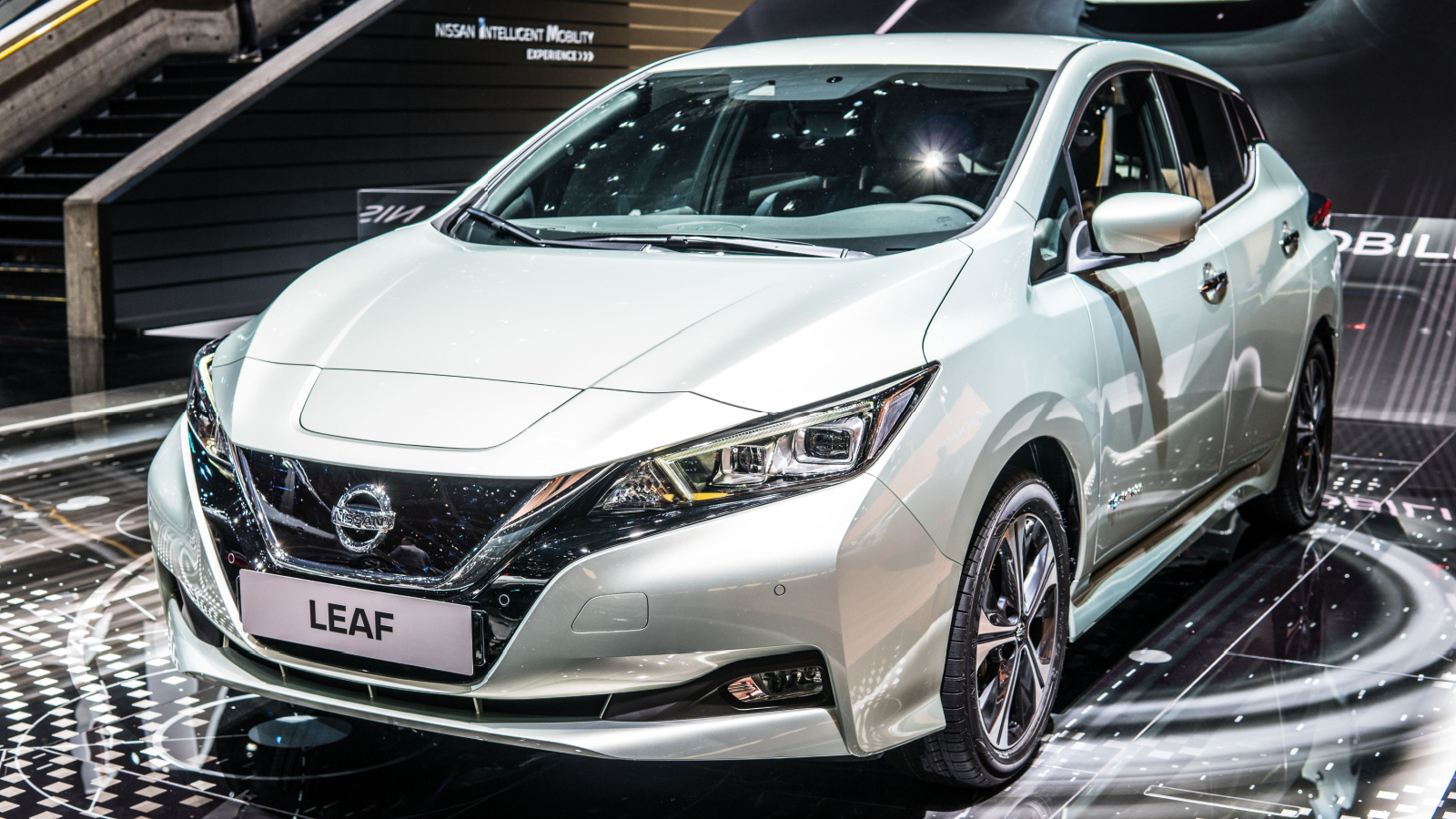
The Leaf is one of the oldest mainstream EV nameplates. Early versions already suffer steep depreciation. Limited range and older battery technology hurt resale. If budget-friendly imports offer modern battery chemistry and faster charging, the comparison becomes harsh. Buyers researching used EVs will notice differences quickly. Lower new prices reset market expectations. Sellers of older Leafs must discount to compete. That drives values down further. The Leaf’s reputation for affordability once helped. When affordability improves elsewhere, its edge fades quickly in used marketplaces.
Volkswagen ID.4
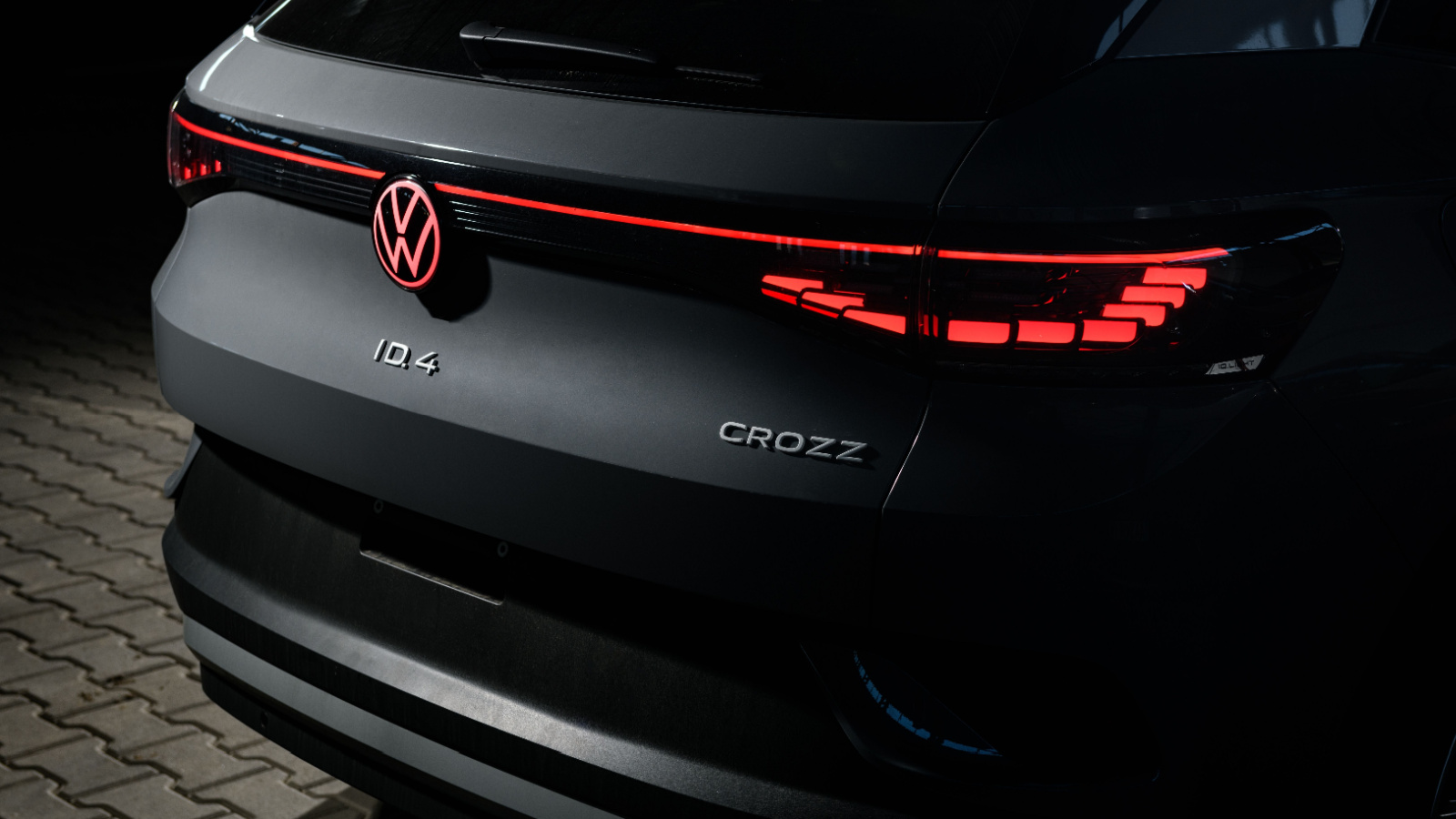
The ID.4 competes in the crowded compact crossover space. It balances space, range, and familiar branding. Still, it is not the cheapest option. If imports match its size and driving range at a lower entry price, pressure builds. Volkswagen relies on perceived build quality. That only goes so far when budgets tighten. Dealers may adjust new pricing to stay relevant. Those adjustments ripple into resale listings. Used ID.4 owners could face softer demand. In competitive segments, even small price differences influence buyer decisions heavily.
Kia EV6
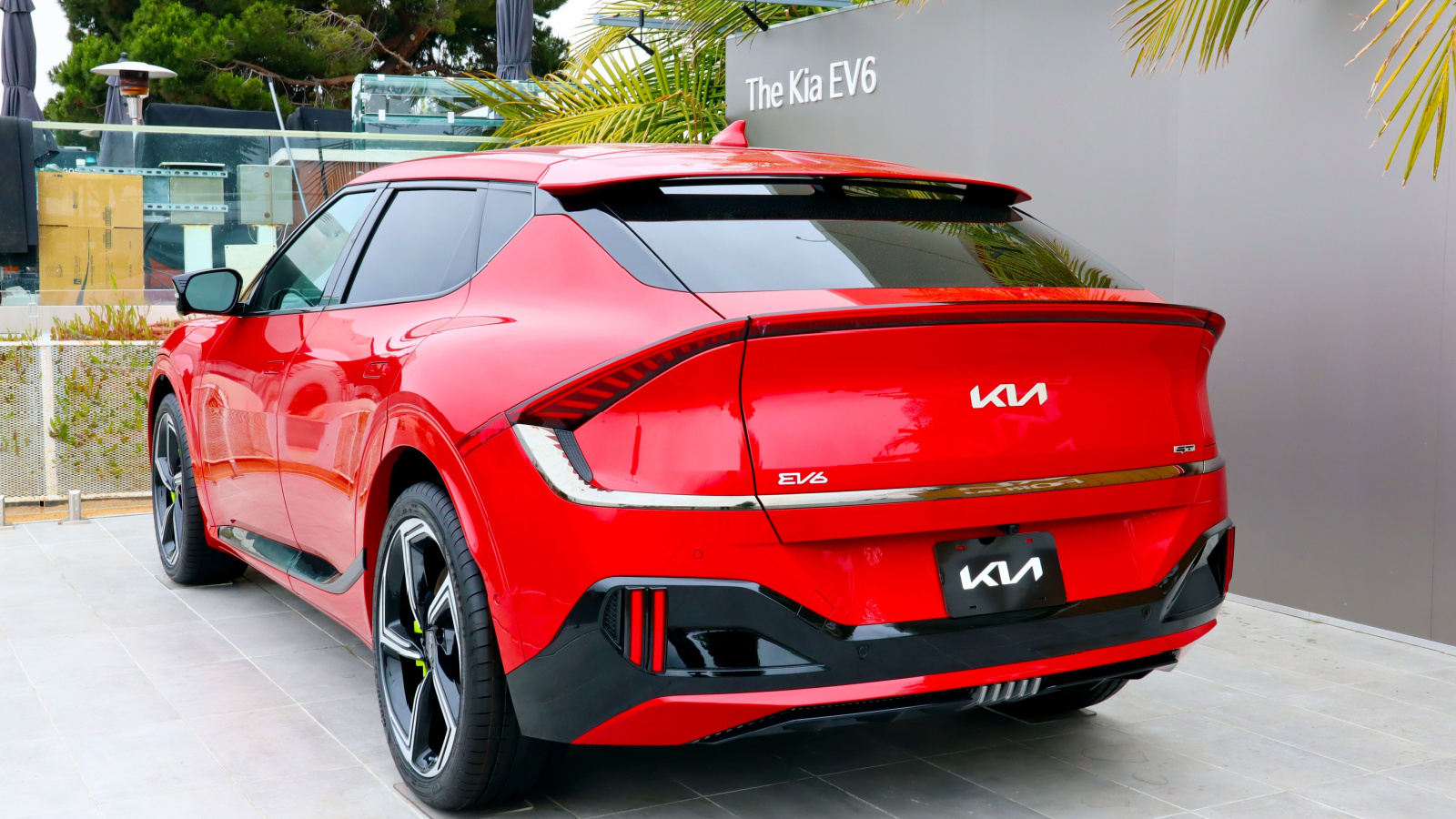
The EV6 stands out with bold styling and strong performance trims. That design premium adds cost. If lower-priced imports offer a similar range without flashy styling, many buyers may not mind. Practical shoppers often prioritize value over looks. High-performance EV6 variants command higher MSRPs. Those trims feel pressure first during price compression. Used buyers compare horsepower and range per dollar. If new alternatives win that math, resale weakens. Styling trends also shift quickly. When newer designs arrive cheaper, yesterday’s statement car depreciates faster.
Toyota bZ4X
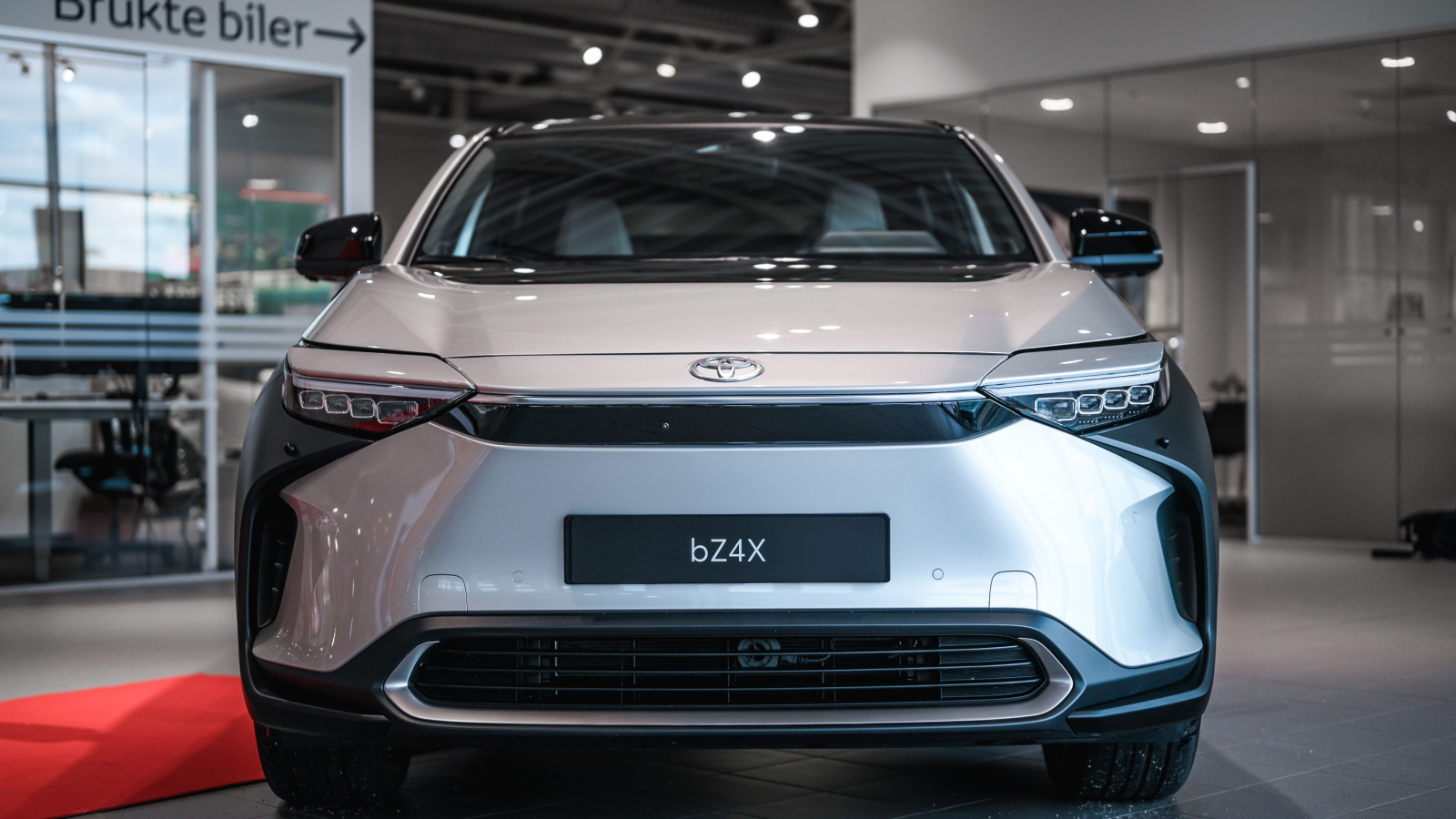
Toyota’s electric crossover entered cautiously. It leans on brand trust rather than standout range. That makes it vulnerable if aggressive competitors appear. Buyers who once chose Toyota for reliability may reconsider if price gaps widen. Electric vehicles reduce some traditional reliability differences. When batteries and motors look similar across brands, pricing matters more. Used bZ4X values rely on stable demand. A surge of lower-cost options would dilute that demand. Brand loyalty can soften depreciation, but it cannot completely resist major price disruption.
Subaru Solterra
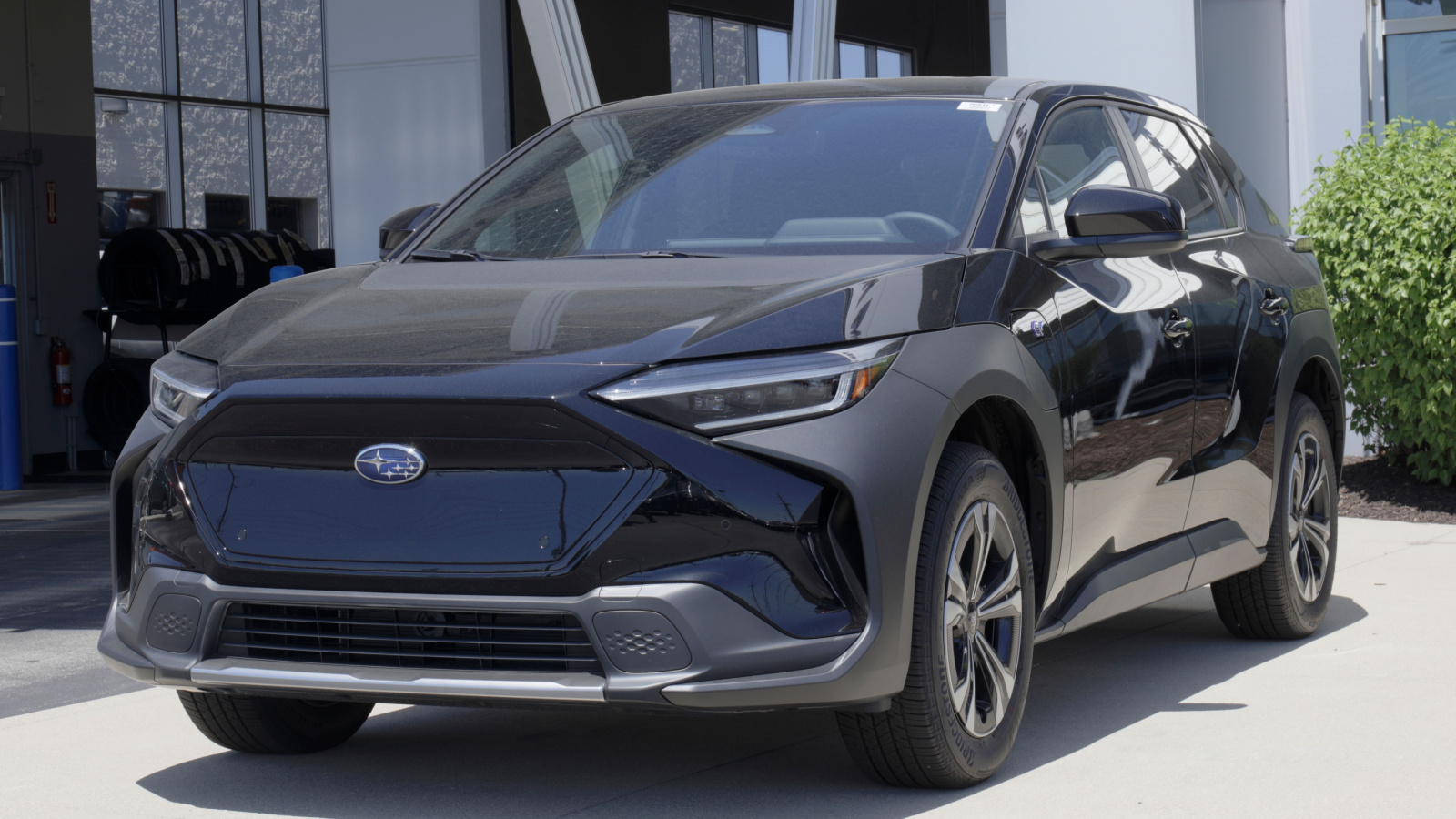
The Solterra shares components with the Toyota bZ4X. It appeals to loyal Subaru buyers. However, it does not dominate in range or charging speed. If new imports enter with better specs at lower prices, resale could suffer. Subaru’s outdoors image carries weight in Canada. Yet EV shoppers often focus on numbers. Range per dollar remains a key factor. Used Solterra listings may face stiff comparison shopping. When alternatives look stronger on paper and cheaper, resale value tends to slide steadily.
BMW i4
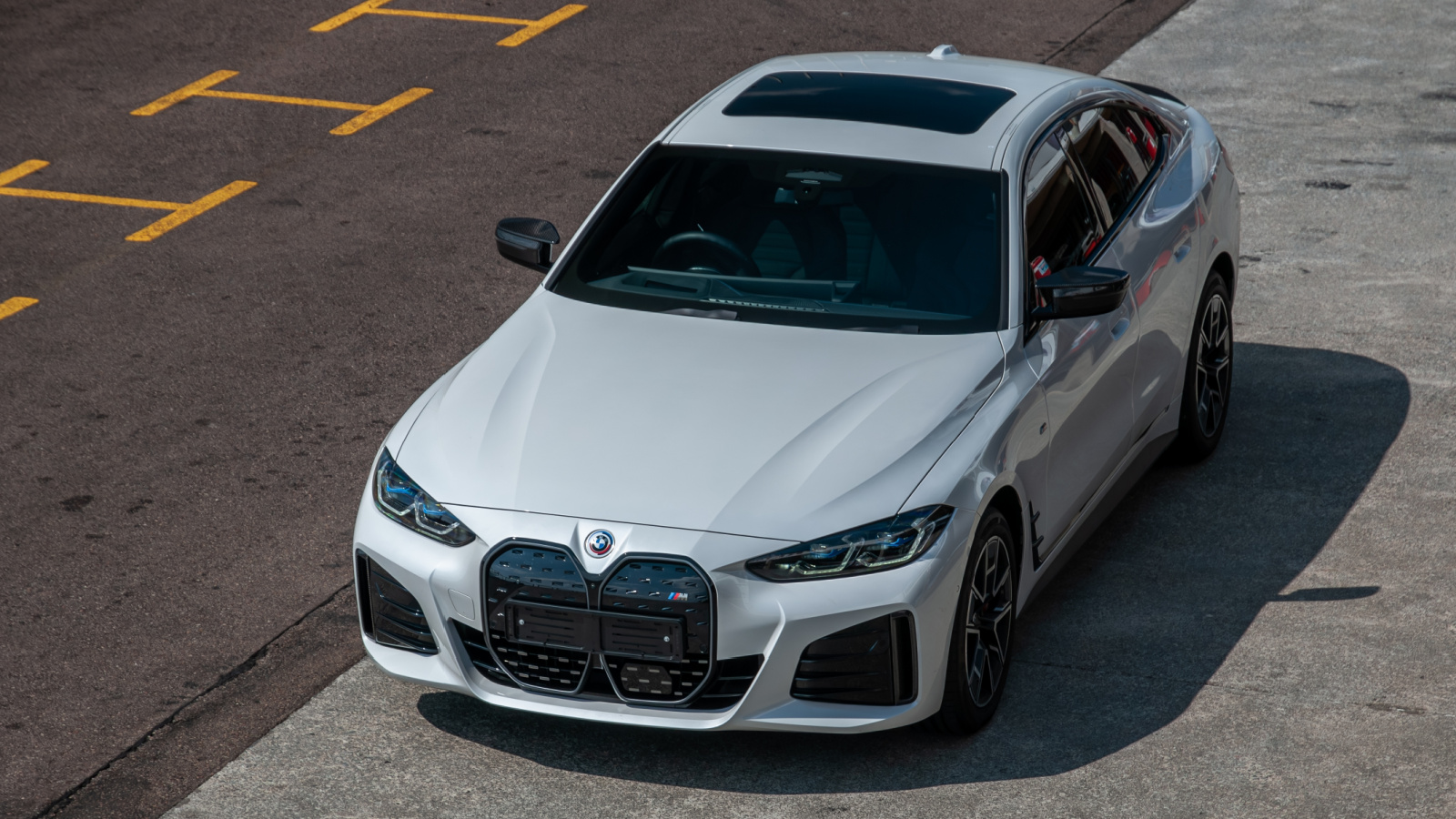
The i4 sits in the premium electric sedan category. Luxury vehicles often depreciate faster than mainstream models. That risk increases during price competition. If affordable imports close the tech gap, some buyers may rethink paying extra for a badge. The i4 depends on driving feel and brand image. Those strengths matter less in strict value comparisons. Used luxury EVs already see price swings. Additional supply from cheaper brands could widen those swings. Premium segments are rarely immune to broader market shifts.
Audi Q4 e-tron
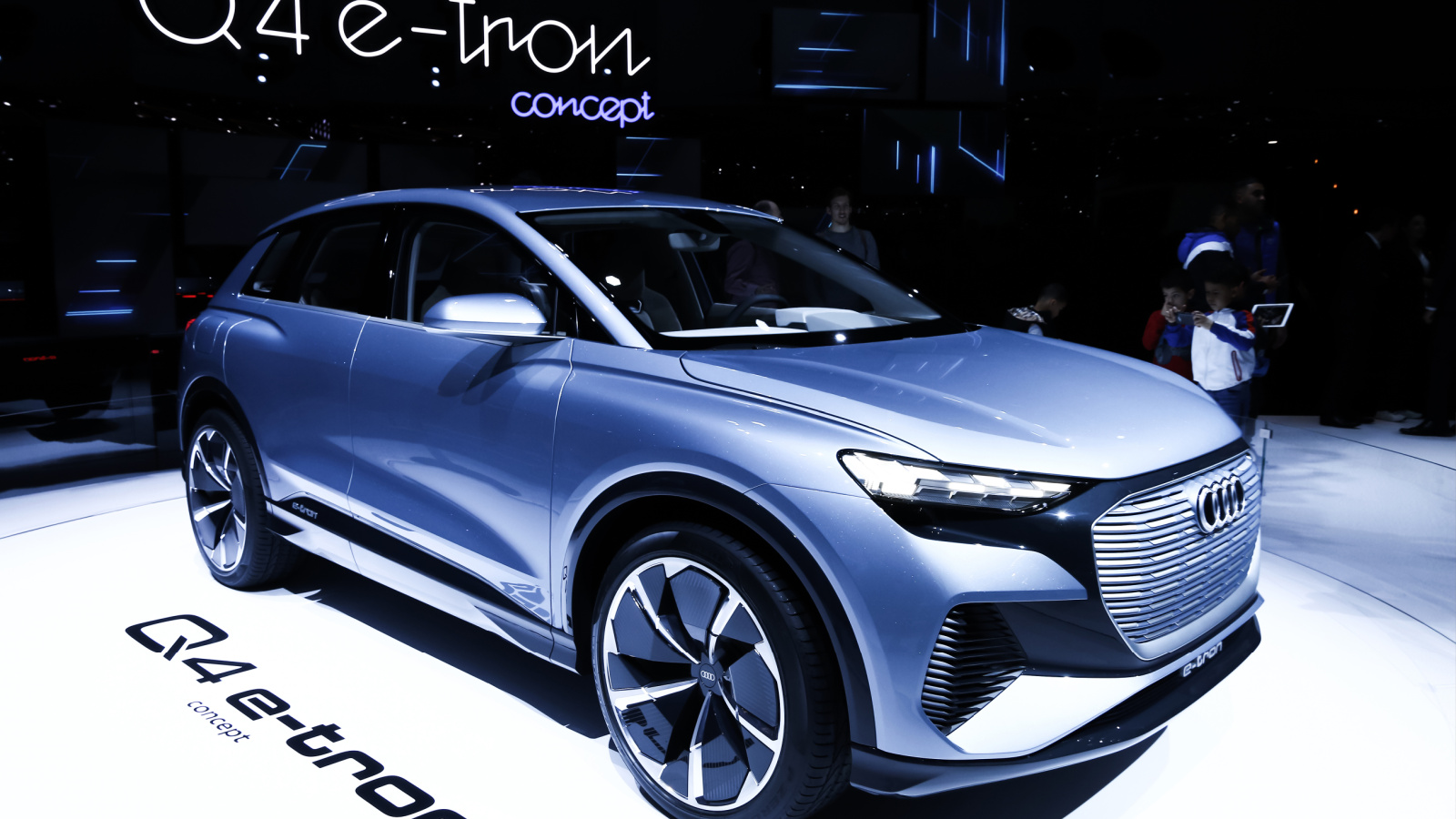
Audi’s compact electric SUV competes on refinement and interior quality. It carries a premium price tag. Should lower-cost crossovers offer similar range and infotainment, resale pressure grows. Many buyers cross-shop within tight budgets. When a new vehicle undercuts the Q4 significantly, perception changes. Used examples must drop to remain attractive. Luxury EVs also depend on incentives and lease programs. If those shrink while cheaper options expand, second-hand values soften quickly.
Mercedes-Benz EQB
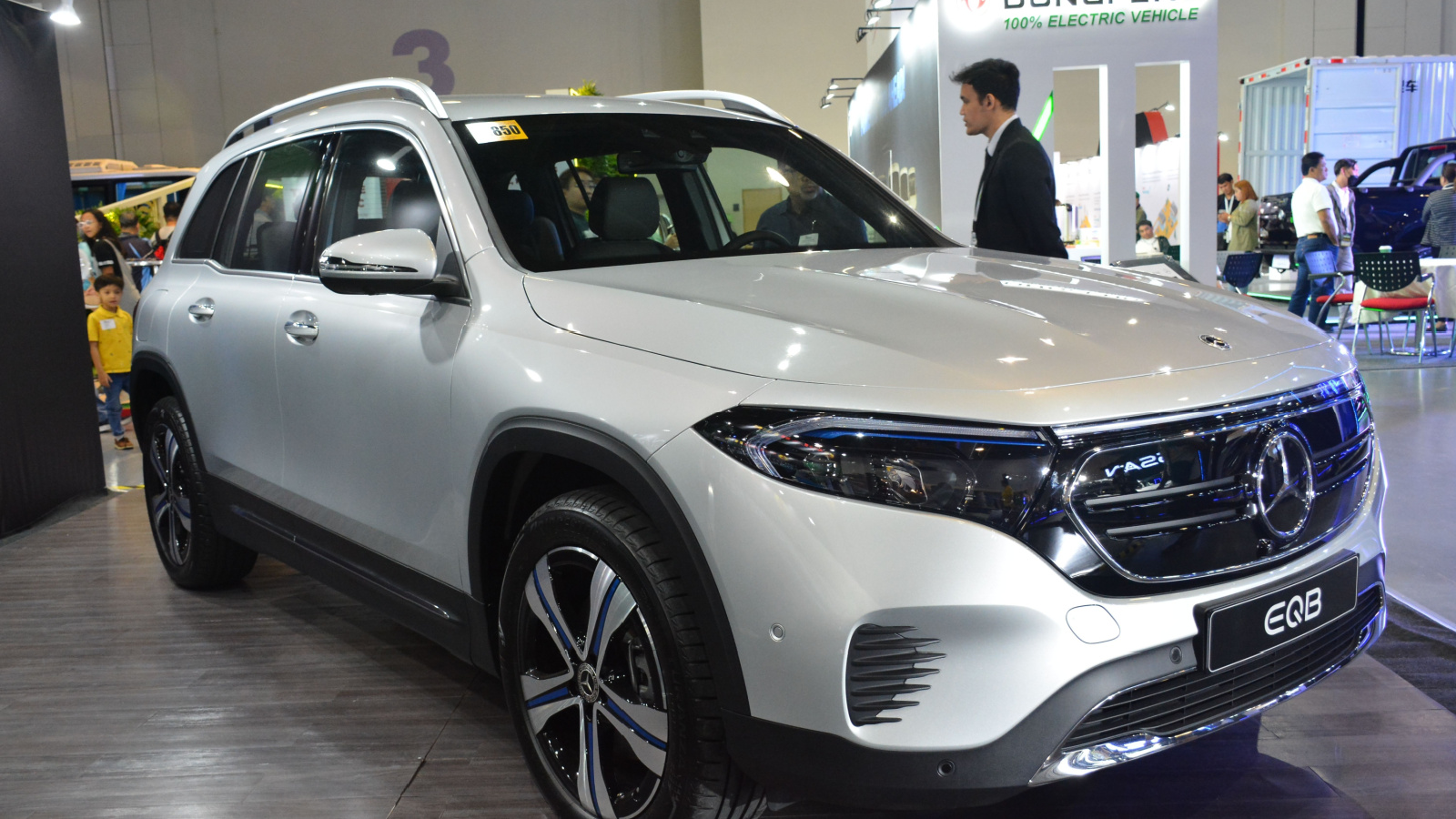
The EQB offers three-row flexibility in a compact package. Its price reflects the badge. If less expensive imports deliver similar space and electric range, cost-conscious families may pivot. Luxury brand loyalty helps, but family budgets are strict. Used EQB units could compete directly against new affordable models. That scenario rarely favors resale strength. Depreciation accelerates when buyers compare payments side by side. The more practical the segment, the more sensitive it becomes to price competition.
Chevrolet Silverado EV
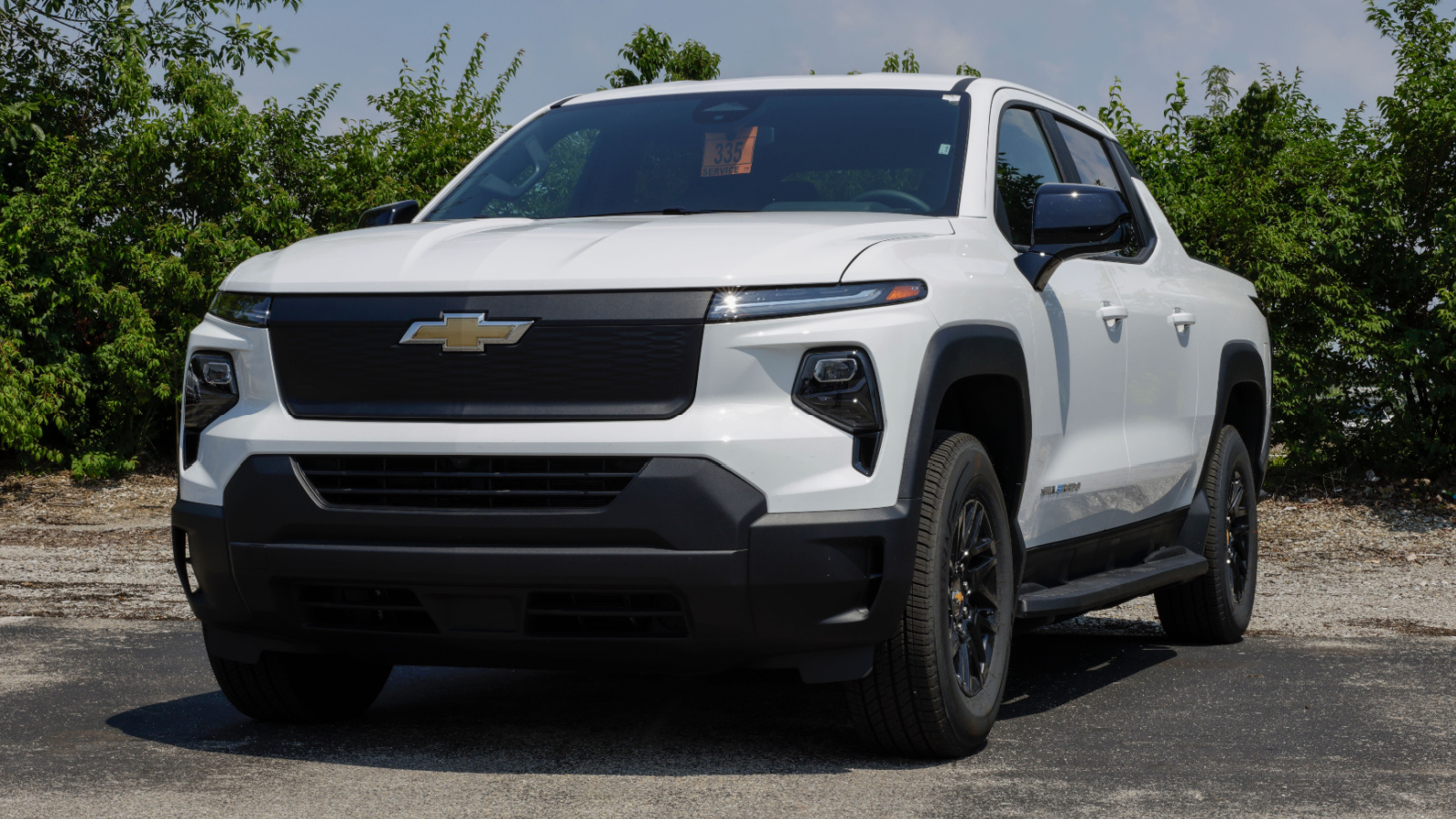
Electric trucks remain expensive. Early buyers paid premiums for capability and novelty. If lower-priced imports challenge that space, resale risk increases. Truck buyers often focus on towing, range, and price. When similar specs appear cheaper, used listings struggle. Large vehicles also carry higher absolute depreciation amounts. Even modest percentage drops translate to big dollar losses. Electric truck markets are still young. Rapid expansion from abroad could reset expectations and reduce used values quickly.
Ford F-150 Lightning
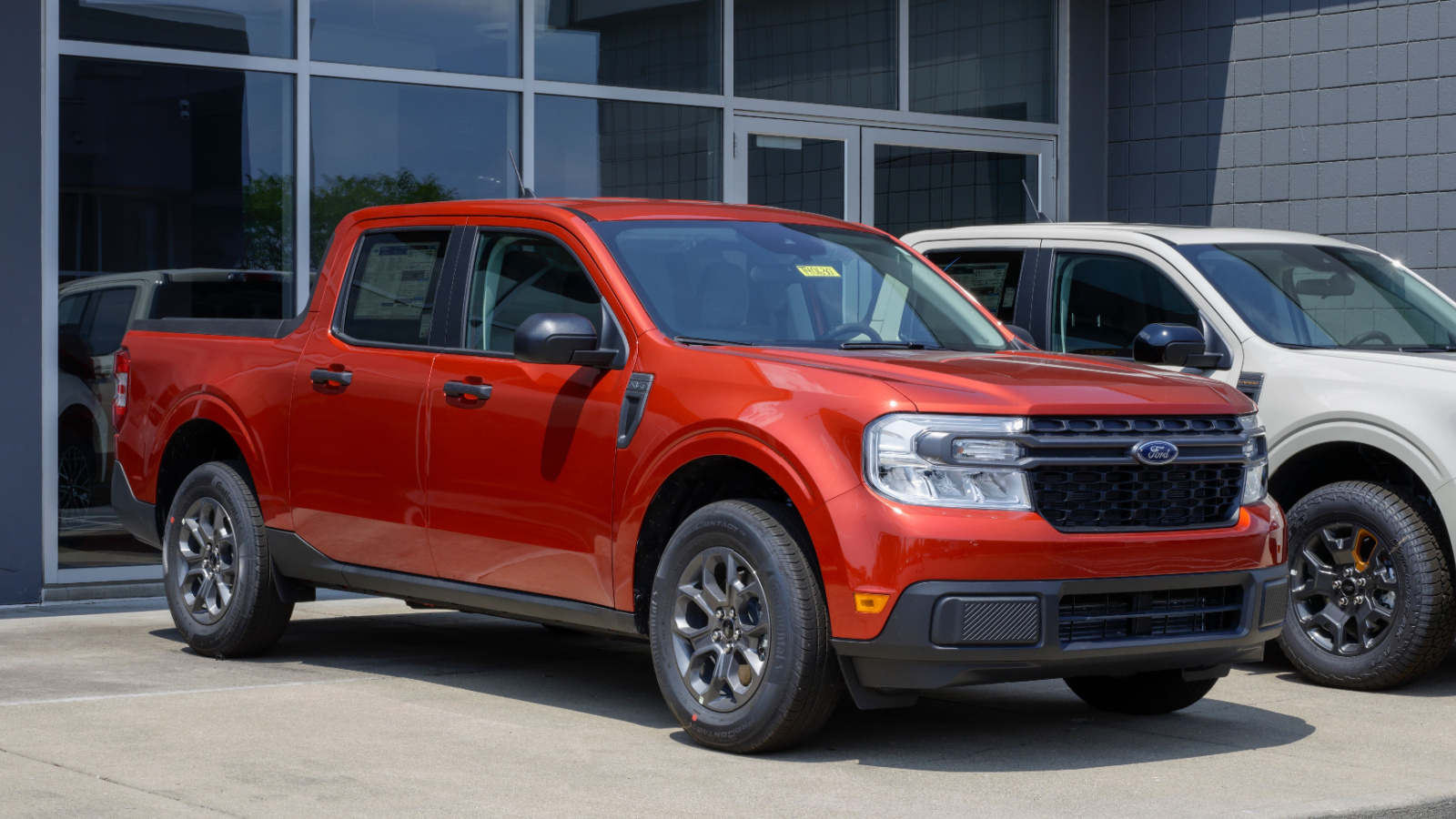
The F-150 Lightning benefits from strong brand loyalty. It also carries a high purchase price. If aggressive competition lowers entry costs for electric trucks, resale may weaken. Many buyers finance these trucks. Negative equity becomes a concern when prices shift downward. Used Lightning listings could sit longer if cheaper new options emerge. Extended inventory times usually mean price reductions. Brand strength helps, but market math often wins during major supply increases.
Rivian R1T
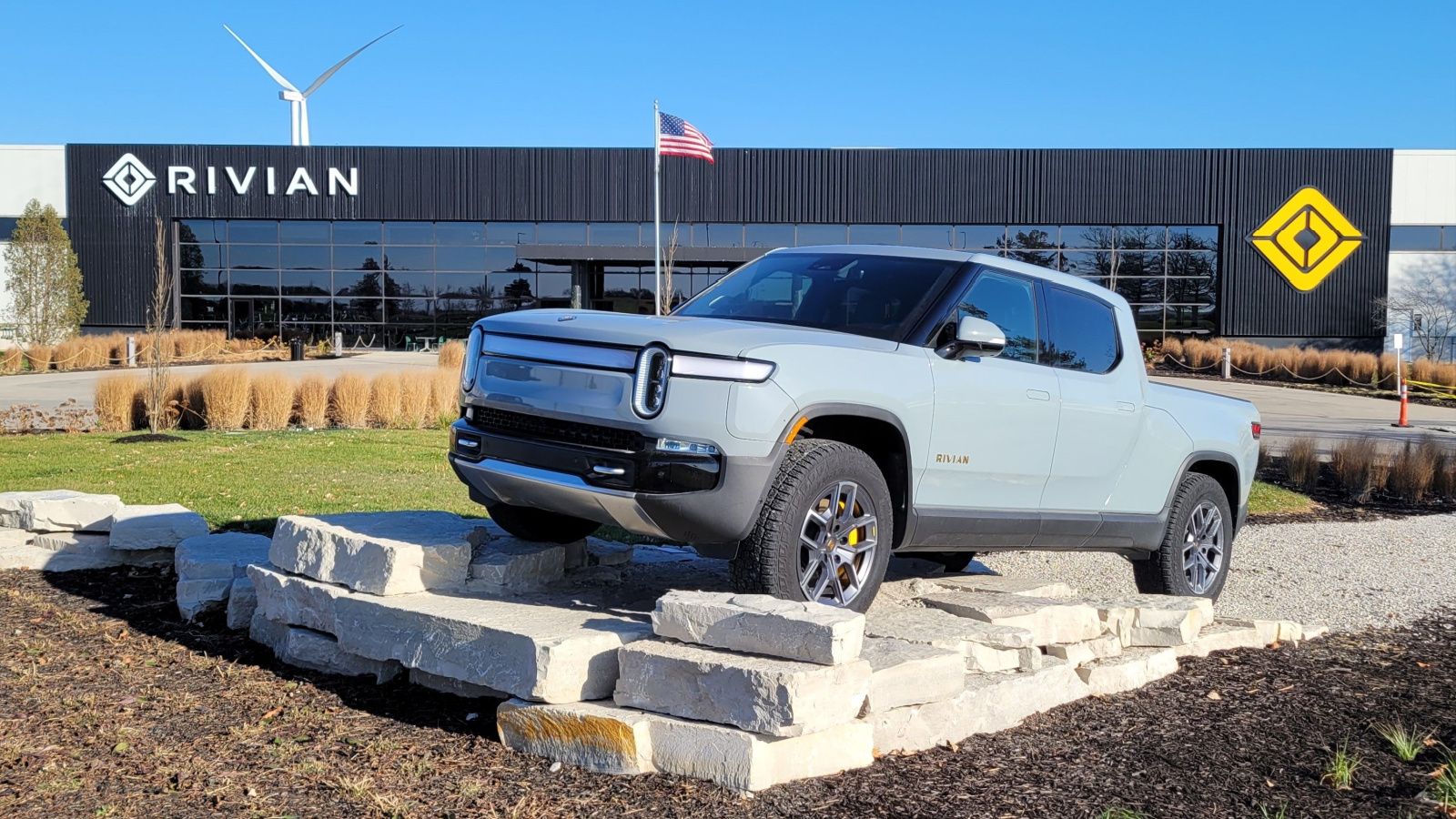
The R1T targets adventure-focused buyers. It offers strong performance and premium pricing. Niche vehicles can see sharp resale swings. If imports provide a similar range and rugged styling at a lower cost, exclusivity fades. Early adopters paid for uniqueness. Mass market competition reduces that advantage. Used R1T prices depend on the limited supply and strong demand. Increased alternatives could chip away at both. Smaller brands also face perception risks during market shifts. Buyers may prioritize affordability over novelty.
Polestar 2
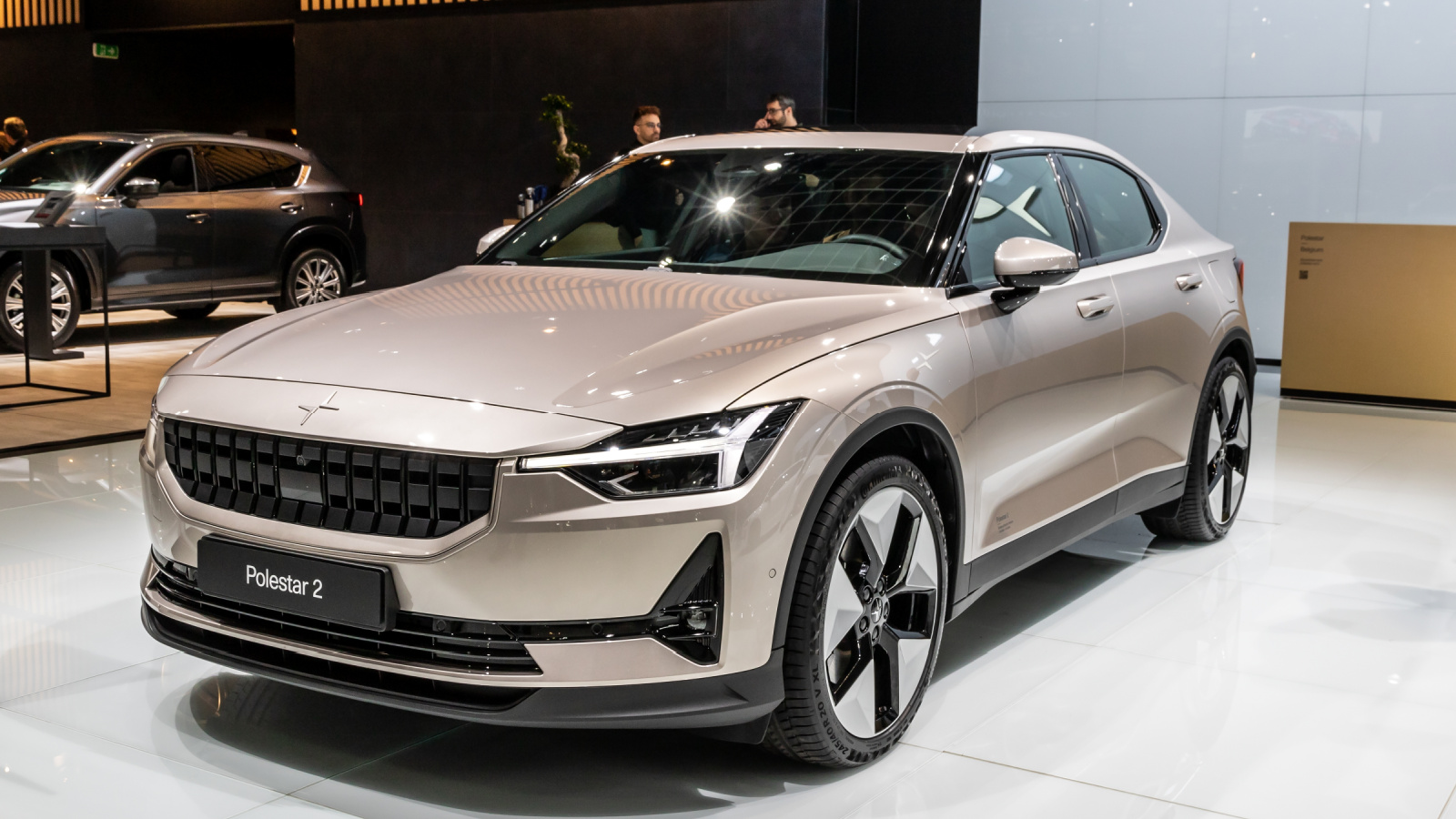
The Polestar 2 appeals to design-minded drivers. It sits between mainstream and luxury segments. That middle ground can be unstable. If cheaper imports offer equal technology and range, buyers may choose the lower price. Brand awareness also remains limited compared to larger automakers. Used Polestar 2 listings rely on informed shoppers. Wider EV choice could dilute that pool. When competition grows and pricing tightens, mid-tier EVs often feel the squeeze first.