






















• About
  • Contact
AutoIgloo
  • News & Trends
    9 Auto Brands Canadians Are Watching Much More Closely Right Now

    Ford and Unifor Reach Tentative Deal for 5,150 Canadian Workers as Tariff-Era Auto Layoffs Mount

    20 Signs Your Car Battery Is About to Leave You Stranded

    Trump Tariffs Cut Canadian Auto Output by 64,000 Vehicles While U.S. Plants Add 44,000

    17 Vehicles That Are Quietly Getting Crushed by Insurance Costs in Canada

    Why More Drivers Are Questioning Expensive Vehicle Subscription Features

    17 Cars That Could Make Summer Road Trips Feel a Lot More Expensive in Canada

    20 Things That Can Make a New Car Lose Value Almost Overnight

    27 Things Canadian Drivers Should Do Before Pothole Season Destroys Their Suspension

    15 Signs Your Vehicle Is Becoming Too Expensive to Keep

    19 Things to Photograph Immediately After a Car Accident

    19 Things to Photograph Immediately After a Car Accident

  • Car Reviews
    21 Cars Canadians Are Starting to Regret Buying

    Why Some Drivers Regret Buying Big Wheels and Low-Profile Tires

    17 Vehicles That Are Quietly Getting Crushed by Insurance Costs in Canada

    Why So Many Drivers Are Nervous About Chinese-Made EV Batteries

    20 Used SUVs Canadians Should Think Twice About Buying

    20 Used SUVs Canadians Should Think Twice About Buying

    15 Vehicles That Are Starting to Feel Like a Bad Deal Around May Long Weekend

    15 Vehicles That Are Starting to Feel Like a Bad Deal Around May Long Weekend

    15 Vehicles That Are Starting to Scare Off Canadian Buyers

    15 Vehicles That Are Starting to Scare Off Canadian Buyers

    25 Vehicles That Make the Most Sense for Canadian Families in 2026

    16 Vehicles That Suddenly Look Smart for a Canadian Summer Road Trip

  • Buying Guides
    15 “Hidden Fees” Canadians Keep Paying at Dealerships in 2026

    The Used Car Documents Canadians Should Never Buy Without

    19 Things That Can Make Your Car Insurance Claim Get Denied

    Why Your Car Payment Is Only the Beginning of the Real Cost

    23 Features That Are Making New Cars Harder (and Pricier) to Repair in Canada

    21 Used Car Features That Can Become Expensive Problems Later

    17 Car Scams Canadians Should Watch for Before Sending a Deposit

    Why Car Dealership Trade-In Offers Can Change After You Arrive

    19 Things That Can Make Your Car Insurance Claim Get Denied

    20 Questions to Ask Before Letting a Car Dealership Run Your Credit

    20 Signs a Used Car Was Abused Before It Hit the Lot

    22 Signs a Car Has Been in a Serious Crash Even if the Report Looks Clean

  • Comparisons
    Canada’s Auto Fight Gets Uglier as BYD Threatens to Sue Trump Administration

    Tesla Vs. BYD: Are Chinese EV’s Actually Better for Canadians?

    17 Vehicles That Are Quietly Getting Crushed by Insurance Costs in Canada

    Why So Many Drivers Are Nervous About Chinese-Made EV Batteries

    20 Used SUVs Canadians Should Think Twice About Buying

    20 Used SUVs Canadians Should Think Twice About Buying

    16 Cars That Are a Nightmare to Repair Because Parts Are Backordered

    23 Cars Canadians Love That Have One Deal-Breaker Flaw

    21 Vehicles Insurance Companies Are Quietly Flagging as “High Risk” in Canada (2026 Update)

    19 Vehicles Canadians Regret Leasing (And the Ones They Don’t)

    Why the Next Wave of Chinese EVs Could Force Canada’s Biggest Price War Yet

    Why the Next Wave of Chinese EVs Could Force Canada’s Biggest Price War Yet

  • EVs & Hybrids
    17 SUVs That Are Losing Their Appeal Fast in Canada

    GM Canada Says EV Sales Jumped More Than 30% as CUSMA Uncertainty Hangs Over Showrooms

    9 Auto Brands Canadians Are Watching Much More Closely Right Now

    Toyota Canada Says Electrified Vehicles Are Now Nearly 70% of Its Q2 Sales

    25 EV Charging Mistakes Canadians Make in March (That Wreck Range)

    Ottawa Orders New Study on Whether Canada’s EV Grid Can Handle the Next Wave of Chargers

    23 Features That Are Making New Cars Harder (and Pricier) to Repair in Canada

    Why the Cheapest EVs May Not Be the Best Deal After Three Winters

    Canada’s Auto Fight Gets Uglier as BYD Threatens to Sue Trump Administration

    Tesla Vs. BYD: Are Chinese EV’s Actually Better for Canadians?

    15 Cars That Are Becoming Harder to Resell in Canada

    Used EV prices jump as affordable vehicles disappear

  • More
    • Pricing & Deals
    • Winter Driving
    • Ownership & Maintenance
No Result
View All Result
AutoIgloo
  • News & Trends
    9 Auto Brands Canadians Are Watching Much More Closely Right Now

    Ford and Unifor Reach Tentative Deal for 5,150 Canadian Workers as Tariff-Era Auto Layoffs Mount

    20 Signs Your Car Battery Is About to Leave You Stranded

    Trump Tariffs Cut Canadian Auto Output by 64,000 Vehicles While U.S. Plants Add 44,000

    17 Vehicles That Are Quietly Getting Crushed by Insurance Costs in Canada

    Why More Drivers Are Questioning Expensive Vehicle Subscription Features

    17 Cars That Could Make Summer Road Trips Feel a Lot More Expensive in Canada

    20 Things That Can Make a New Car Lose Value Almost Overnight

    27 Things Canadian Drivers Should Do Before Pothole Season Destroys Their Suspension

    15 Signs Your Vehicle Is Becoming Too Expensive to Keep

    19 Things to Photograph Immediately After a Car Accident

    19 Things to Photograph Immediately After a Car Accident

  • Car Reviews
    21 Cars Canadians Are Starting to Regret Buying

    Why Some Drivers Regret Buying Big Wheels and Low-Profile Tires

    17 Vehicles That Are Quietly Getting Crushed by Insurance Costs in Canada

    Why So Many Drivers Are Nervous About Chinese-Made EV Batteries

    20 Used SUVs Canadians Should Think Twice About Buying

    20 Used SUVs Canadians Should Think Twice About Buying

    15 Vehicles That Are Starting to Feel Like a Bad Deal Around May Long Weekend

    15 Vehicles That Are Starting to Feel Like a Bad Deal Around May Long Weekend

    15 Vehicles That Are Starting to Scare Off Canadian Buyers

    15 Vehicles That Are Starting to Scare Off Canadian Buyers

    25 Vehicles That Make the Most Sense for Canadian Families in 2026

    16 Vehicles That Suddenly Look Smart for a Canadian Summer Road Trip

  • Buying Guides
    15 “Hidden Fees” Canadians Keep Paying at Dealerships in 2026

    The Used Car Documents Canadians Should Never Buy Without

    19 Things That Can Make Your Car Insurance Claim Get Denied

    Why Your Car Payment Is Only the Beginning of the Real Cost

    23 Features That Are Making New Cars Harder (and Pricier) to Repair in Canada

    21 Used Car Features That Can Become Expensive Problems Later

    17 Car Scams Canadians Should Watch for Before Sending a Deposit

    Why Car Dealership Trade-In Offers Can Change After You Arrive

    19 Things That Can Make Your Car Insurance Claim Get Denied

    20 Questions to Ask Before Letting a Car Dealership Run Your Credit

    20 Signs a Used Car Was Abused Before It Hit the Lot

    22 Signs a Car Has Been in a Serious Crash Even if the Report Looks Clean

  • Comparisons
    Canada’s Auto Fight Gets Uglier as BYD Threatens to Sue Trump Administration

    Tesla Vs. BYD: Are Chinese EV’s Actually Better for Canadians?

    17 Vehicles That Are Quietly Getting Crushed by Insurance Costs in Canada

    Why So Many Drivers Are Nervous About Chinese-Made EV Batteries

    20 Used SUVs Canadians Should Think Twice About Buying

    20 Used SUVs Canadians Should Think Twice About Buying

    16 Cars That Are a Nightmare to Repair Because Parts Are Backordered

    23 Cars Canadians Love That Have One Deal-Breaker Flaw

    21 Vehicles Insurance Companies Are Quietly Flagging as “High Risk” in Canada (2026 Update)

    19 Vehicles Canadians Regret Leasing (And the Ones They Don’t)

    Why the Next Wave of Chinese EVs Could Force Canada’s Biggest Price War Yet

    Why the Next Wave of Chinese EVs Could Force Canada’s Biggest Price War Yet

  • EVs & Hybrids
    17 SUVs That Are Losing Their Appeal Fast in Canada

    GM Canada Says EV Sales Jumped More Than 30% as CUSMA Uncertainty Hangs Over Showrooms

    9 Auto Brands Canadians Are Watching Much More Closely Right Now

    Toyota Canada Says Electrified Vehicles Are Now Nearly 70% of Its Q2 Sales

    25 EV Charging Mistakes Canadians Make in March (That Wreck Range)

    Ottawa Orders New Study on Whether Canada’s EV Grid Can Handle the Next Wave of Chargers

    23 Features That Are Making New Cars Harder (and Pricier) to Repair in Canada

    Why the Cheapest EVs May Not Be the Best Deal After Three Winters

    Canada’s Auto Fight Gets Uglier as BYD Threatens to Sue Trump Administration

    Tesla Vs. BYD: Are Chinese EV’s Actually Better for Canadians?

    15 Cars That Are Becoming Harder to Resell in Canada

    Used EV prices jump as affordable vehicles disappear

  • More
    • Pricing & Deals
    • Winter Driving
    • Ownership & Maintenance
No Result
View All Result
AutoIgloo
No Result
View All Result

Home » Winter Driving (Canada)

16 Tire Swap Mistakes Canadians Make in March (That Ruin Tires Fast)

Nate Brewer by Nate Brewer
March 24, 2026
Reading Time: 6 mins read
A A
Photo Credit: Shutterstock

Photo Credit: Shutterstock

465
SHARES
1.5k
VIEWS
Share on FacebookShare on Twitter

March is when many Canadian drivers finally feel winter losing its grip. Snowbanks shrink, roads clear, and the temptation to swap winter tires early grows strong. Tire shops get busy, and many drivers try quick driveway changes instead. Small mistakes during this swap can quietly damage tires. Some cause uneven wear, poor traction, or vibrations later in spring. Others shorten tire life by thousands of kilometres. Most problems start with timing, storage habits, or installation shortcuts. Here are 16 tire-swapping mistakes Canadians make in March (that can ruin tires fast).

Swapping Tires Too Early
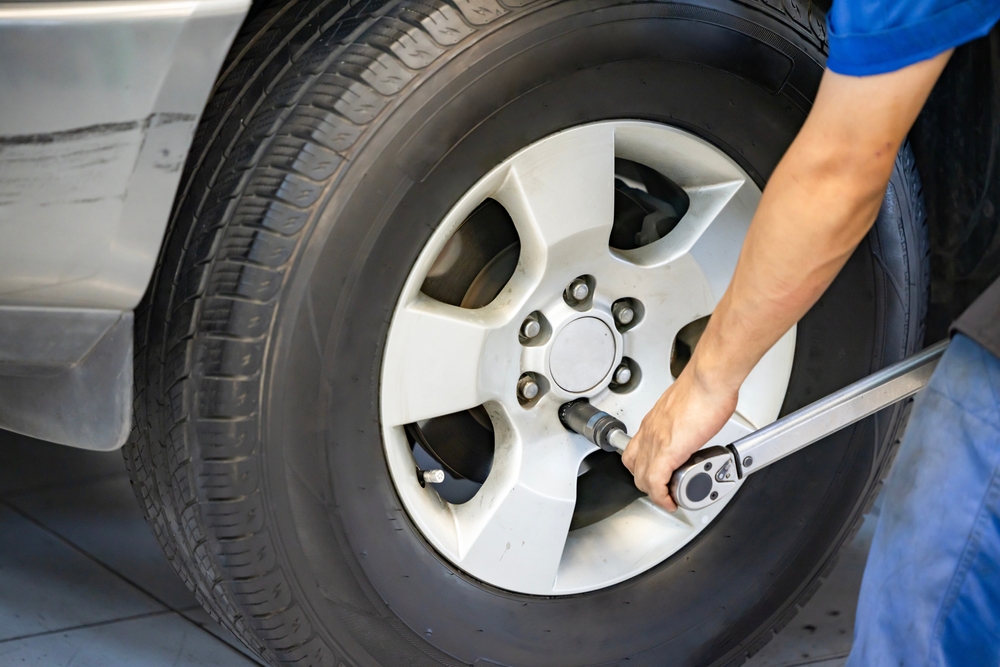
Image Credit: Shutterstock

Many Canadians change tires during the first warm week in March. The problem is that winter often returns suddenly. Temperatures can drop below seven degrees again overnight. Winter tires work best in cold weather and lose grip if removed early. Installing summer or all-season tires too soon reduces traction during late-season snowstorms. Cold pavement also hardens non-winter tire rubber. That leads to slipping during early morning drives. March weather shifts quickly across Canada. Waiting for consistent temperatures above seven degrees protects tire performance. Drivers who rush the swap often regret it after the next snowfall arrives.

Ignoring Tire Pressure After the Swap
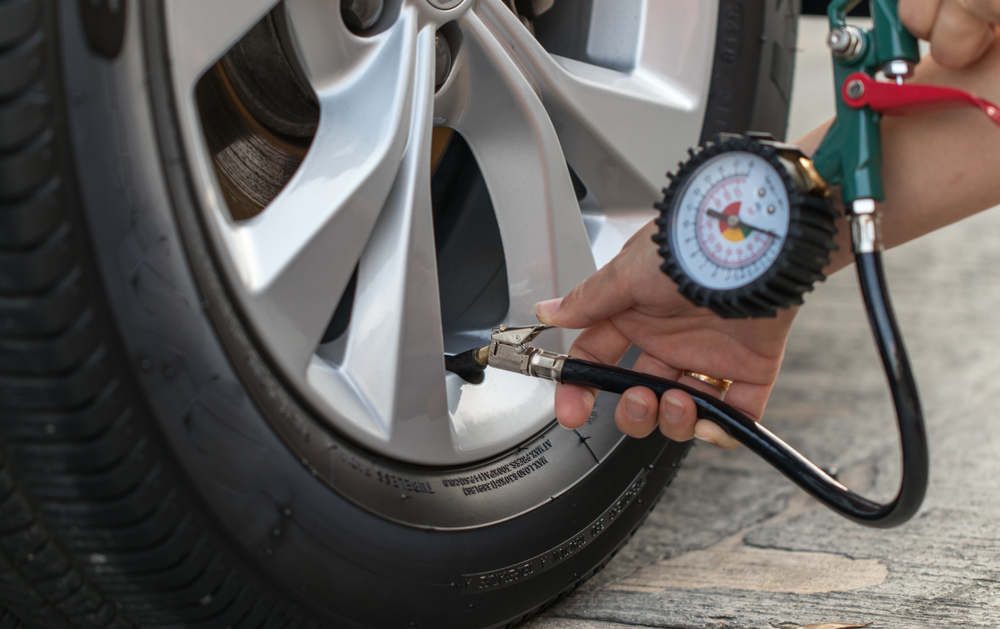
Image Credit: Shutterstock

Temperature changes affect tire pressure more than many drivers realize. Air contracts during cold nights and expands during warmer afternoons. March weather swings can be dramatic across Canada. Many drivers install their tires but forget to check the pressure afterward. Tires that sit all winter often lose several PSI. Driving on low pressure causes sidewalls to flex more than designed. That increases heat and accelerates wear. Overinflated tires create the opposite problem. The center of the tread wears faster. Checking pressure immediately after installation keeps wear even. It also helps the vehicle maintain stable handling during unpredictable spring weather.

Not Rotating Tires During the Swap
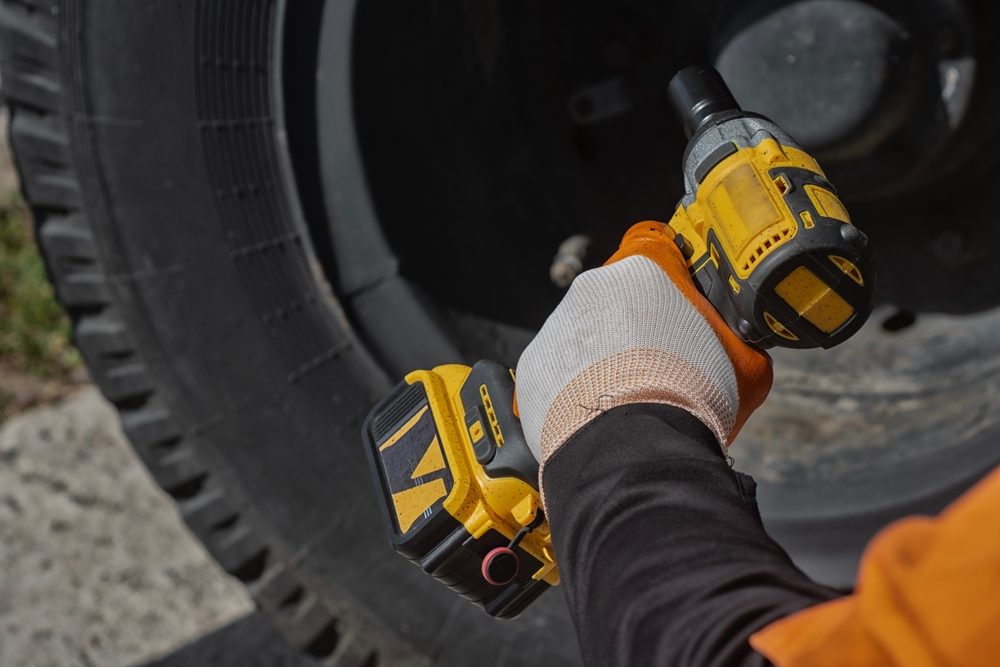
Image Credit: Shutterstock

March tire swaps offer the perfect moment for rotation. Many drivers miss this simple opportunity. Front tires usually wear faster because they handle steering and most braking forces. Leaving tires in the same position each season creates uneven wear patterns. Eventually, one pair becomes far more worn than the others. That shortens tire lifespan and reduces grip in wet spring conditions. Rotating tires during installation spreads wear evenly across all four tires. It improves balance and extends tread life. Skipping rotation might save ten minutes now. It can cost drivers hundreds of dollars sooner than expected.

Mixing Different Tire Types
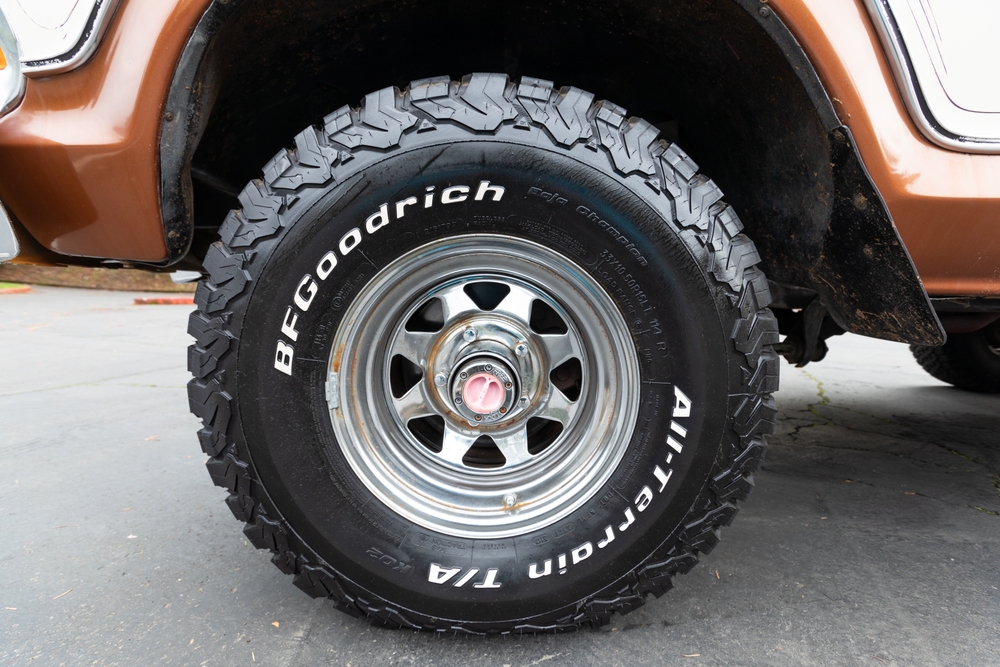
Image Credit: Shutterstock

Some drivers install whatever tires they have available. That might mean winter tires up front and all-seasons in the rear. Others combine different brands or tread patterns. Mixing tires may seem harmless, but it affects vehicle balance. Different tires grip the road differently. This becomes dangerous on wet spring pavement. During braking or cornering, uneven traction can cause instability. Modern vehicles rely on predictable tire performance for safety systems to work properly. Installing matching tires on all four wheels keeps handling consistent. Mixing tire types might save money temporarily. It can create risky driving conditions throughout the spring.

Skipping Wheel Alignment Checks
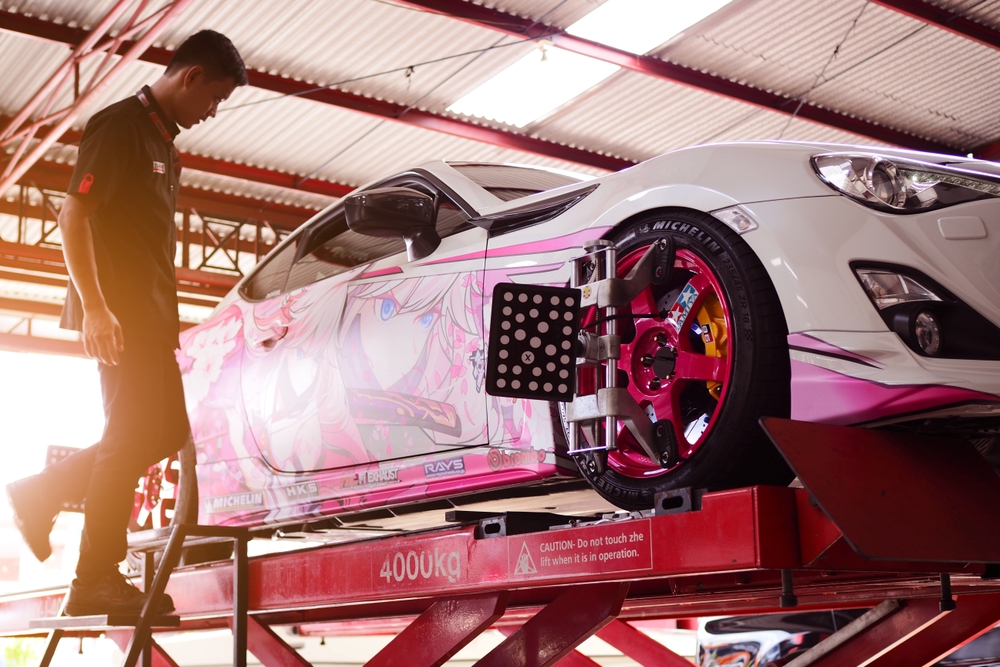
Image Credit: Shutterstock

Potholes are common after Canadian winters. Snowplows and freezing temperatures damage road surfaces everywhere. Hitting potholes can knock wheels out of alignment without obvious signs. Many drivers swap tires but ignore alignment completely. Misaligned wheels drag tires sideways across the pavement. This causes uneven tread wear quickly. One side of the tire may wear down much faster than the other. Drivers sometimes blame poor tire quality instead. A quick alignment check during the March swap prevents this damage. Proper alignment also improves fuel efficiency and steering control. Ignoring it often ruins new tires faster than expected.

Using the Wrong Torque on Lug Nuts
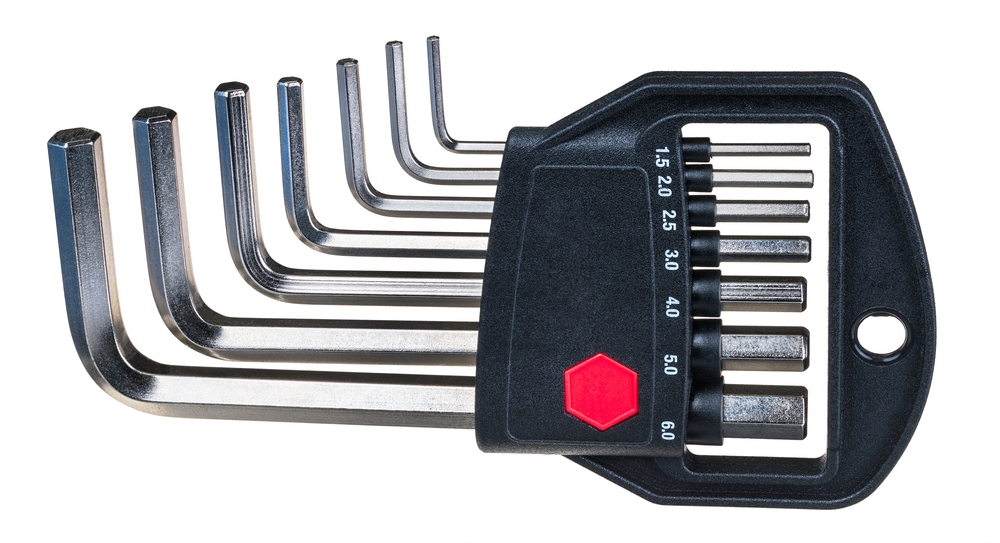
Image Credit: Shutterstock

Tire swaps often happen quickly in driveways or parking lots. Drivers tighten lug nuts by feel instead of using a torque wrench. That guesswork causes problems. Lug nuts tightened too loosely may loosen during driving. Over-tightened nuts can stretch wheel studs. Both situations create safety risks and expensive repairs. Each vehicle has a recommended torque specification. Following that number protects the wheel assembly. Tire shops always use calibrated torque tools for this reason. Drivers who handle swaps themselves should do the same. Proper torque keeps wheels secure and prevents hidden damage during everyday driving.

Forgetting to Clean the Wheel Hub
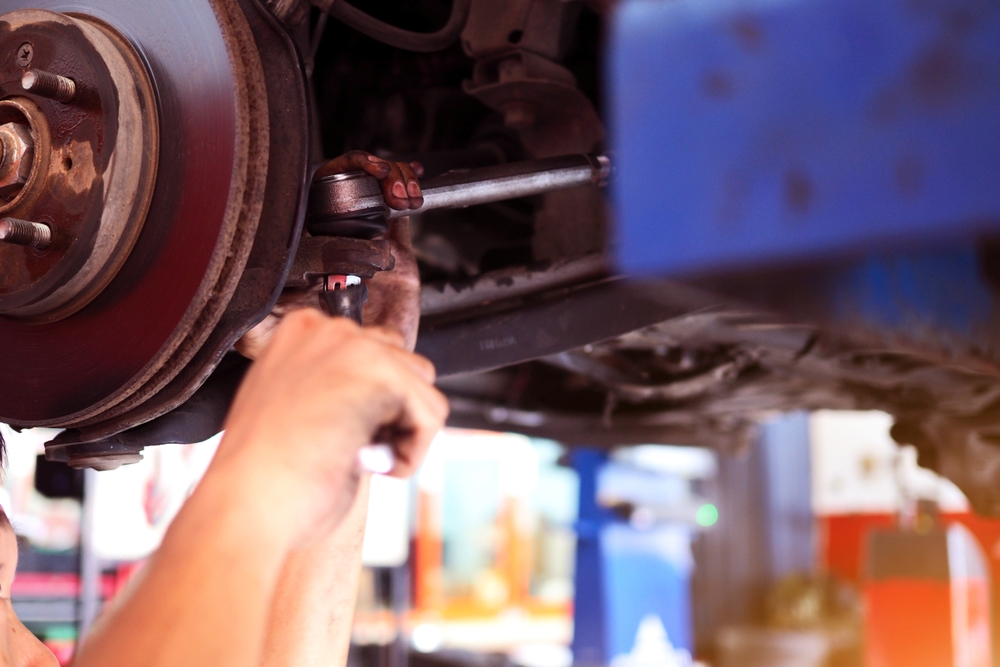
Image Credit: Shutterstock

Road salt builds up heavily during Canadian winters. It collects around the wheel hub and mounting surface. Many drivers install their spring tires without cleaning this area. Dirt and corrosion create uneven contact between the wheel and hub. That slight gap can cause vibrations while driving. Some drivers mistake it for a tire imbalance. Over time, the uneven pressure also stresses wheel bolts. A simple brush or cloth removes debris quickly. Cleaning the hub before installing tires keeps the wheel seated properly. It also prevents rust from locking wheels onto the hub later.

Improper Tire Storage After Removal
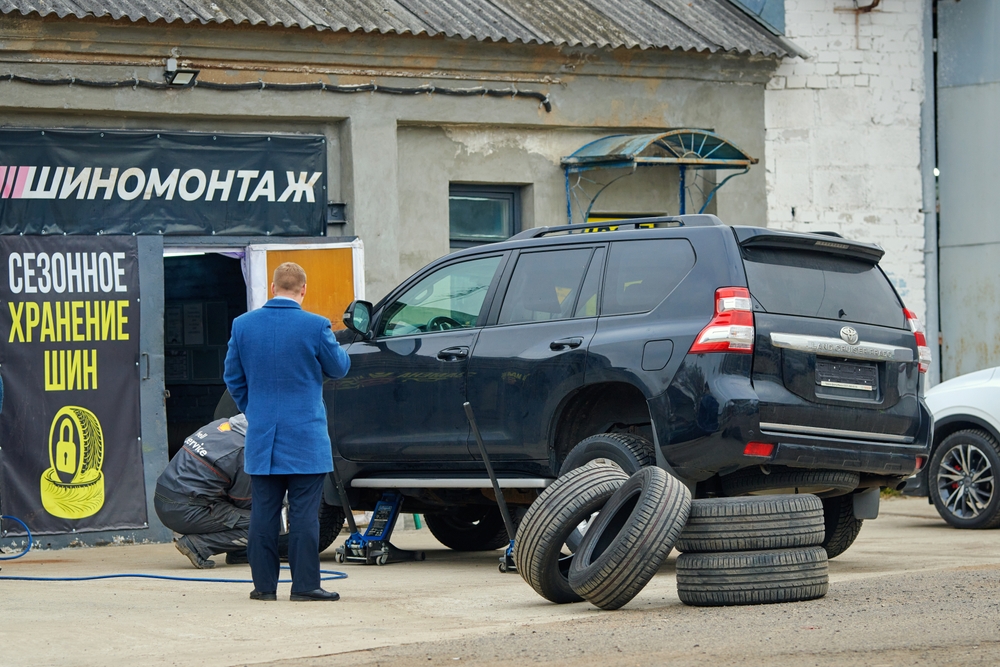
Image Credit: Shutterstock

Winter tires removed in March often sit in garages or sheds for months. Many drivers stack them carelessly or leave them exposed. Heat, sunlight, and moisture slowly degrade tire rubber. Tires stored near heaters or windows age faster. Some drivers leave them outside under tarps. Moisture trapped inside encourages mold and cracking. Tires last longer when stored in cool, dry, dark spaces. Storing them vertically also reduces pressure on the sidewalls. Proper storage protects the investment drivers made in winter tires. Careless storage shortens tire lifespan before the next winter even begins.

Not Inspecting Tires Before Installation

Image Credit: Shutterstock

Drivers often focus on tread depth only. That leaves other problems unnoticed. Tires stored all winter can develop small cracks or bulges. Rodents sometimes chew rubber edges in garages. Small punctures may also appear from previous seasons. Installing damaged tires leads to slow air leaks or sudden failures later. March tire swaps should always include a careful visual inspection. Checking sidewalls and tread surfaces takes only minutes. Spotting damage early prevents roadside breakdowns later in spring. Ignoring inspection during installation allows small issues to grow into larger safety concerns.

Ignoring Tire Age
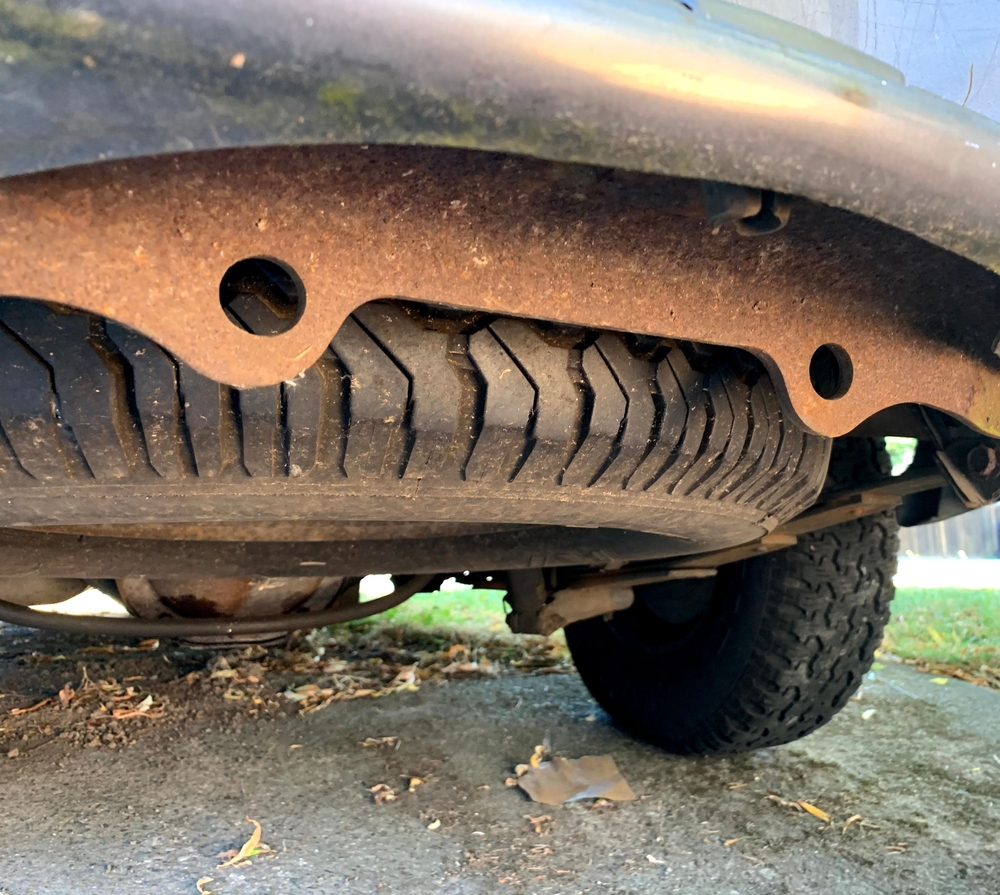
Image Credit: Shutterstock

Tires wear down through driving, but they also age naturally. Rubber compounds slowly harden over time. Many drivers install tires each spring without checking the manufacturing date. Tires older than six years begin losing flexibility. That reduces grip on wet pavement and increases stopping distances. Even tires with good tread may perform poorly when old. The manufacturing date appears on the tire sidewall. Checking that code during a tire swap is simple. Replacing aged tires protects traction and safety. Ignoring tire age often leads to unexpected performance problems during rainy spring drives.

Driving Aggressively Right After Installation

Image Credit: Shutterstock

Newly installed tires need a short adjustment period. Many drivers forget this and drive aggressively immediately. Hard acceleration and sudden braking can stress fresh installations. Tires that sat unused all winter also develop slightly stiff surfaces. Driving moderately for the first hundred kilometers allows the rubber to settle. It also confirms that the installation was done correctly. Vibrations or unusual noises may appear early. Catching these signs quickly prevents bigger issues later. Gradual driving during the first days protects the tires and helps drivers notice problems before damage spreads.

Forgetting to Reset Tire Pressure Monitoring Systems
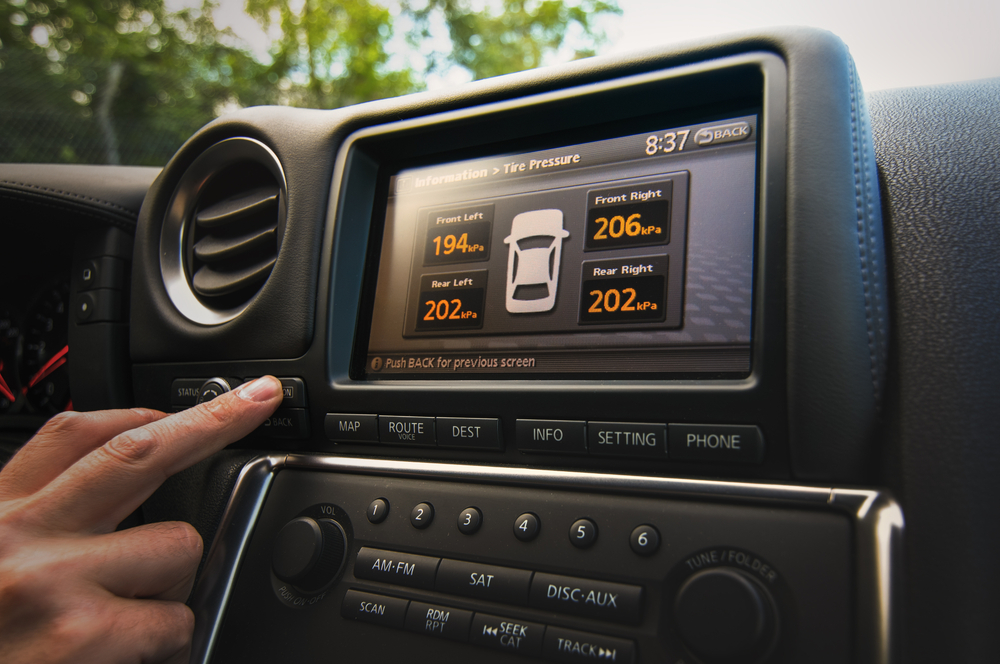
Image Credit: Shutterstock

Many modern vehicles use tire pressure monitoring systems. These systems rely on sensors in each wheel. Swapping tires can confuse the system temporarily. Drivers sometimes ignore warning lights after installation. That mistake hides real pressure problems later. Resetting the monitoring system allows it to read new tire positions correctly. Most vehicles include a reset option in the dashboard menu. Some require a short driving sequence. Following this step restores accurate alerts. Drivers who ignore it might miss important warnings about low pressure. Functional sensors protect tires from gradual damage during everyday driving.

Installing Worn Winter Tires Again Next Season
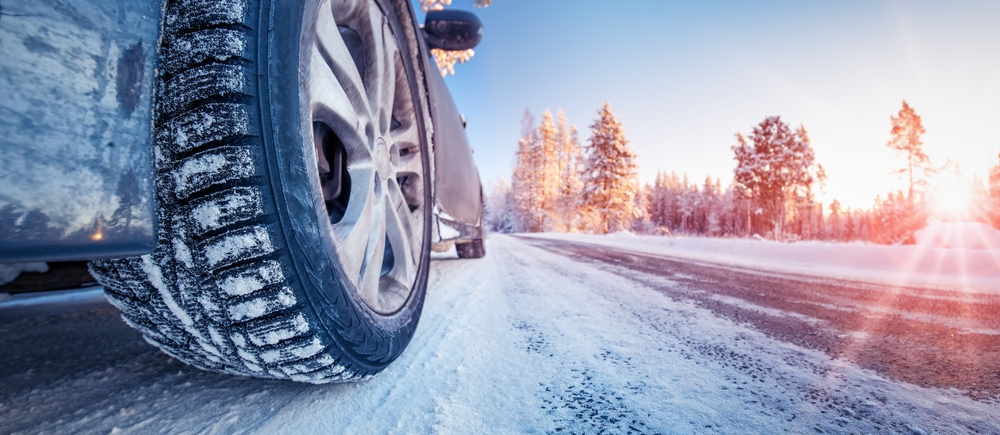
Image Credit: Shutterstock

Some drivers swap tires without tracking tread wear. Winter tires removed in March may already be near the legal limit. If stored without inspection, they return next winter in poor condition. Winter tires require deeper tread to grip snow effectively. Worn winter tires perform little better than summer tires in snow. Drivers sometimes discover the problem only during the first storm. Checking tread depth before storage helps avoid this surprise. Tires near the limit should be replaced before next winter. Planning early prevents last-minute purchases when tire demand spikes.

Using Impact Guns Without Final Torque Checks
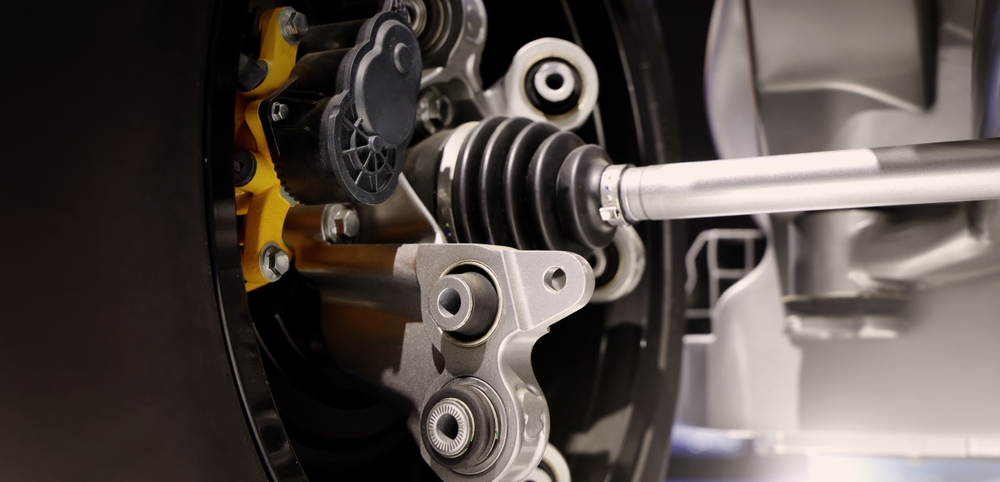
Image Credit: Shutterstock

Impact guns make tire swaps faster. Many shops and drivers rely on them during busy seasons. The problem appears when final torque checks are skipped. Impact tools tighten nuts unevenly if used carelessly. This uneven force stresses the wheel and studs. Professionals usually finish with a torque wrench afterward. Drivers who swap tires at home often forget this step. Lug nuts may end up too tight or unevenly tightened. That can cause warped brake rotors over time. Proper torque verification after impact tools prevents long-term mechanical problems.

Ignoring Balance Issues During the Swap
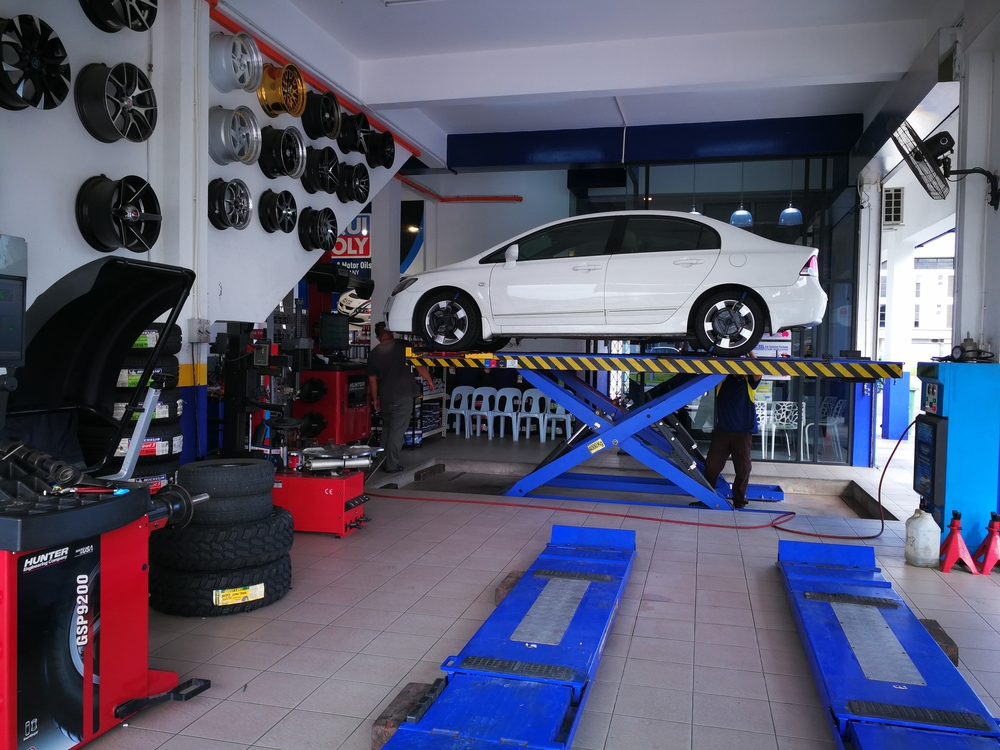
Image Credit: Shutterstock

Wheel balance matters for smooth driving. Tires are removed and stored all winter, and sometimes lose balance slightly. Weights can fall off during storage or cleaning. Drivers often reinstall tires without checking this detail. Unbalanced tires create steering vibrations at highway speeds. Over time, the shaking wears down suspension parts. Tire tread also wears unevenly under constant vibration. Balancing tires during installation keeps the rotation smooth. It improves comfort and extends tire life. Ignoring balance might seem harmless initially. The vibration usually becomes obvious during the first long highway drive.

Assuming All-Season Tires Work Like Summer Tires
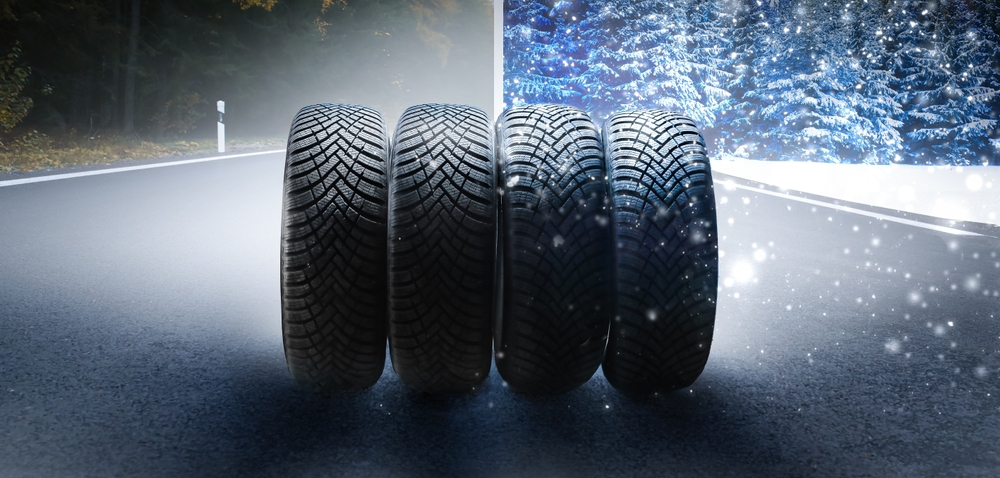
Image Credit: Shutterstock

Many Canadians switch from winter tires to all-season tires in March. Some drivers assume all seasons behave like summer tires immediately. That assumption can cause surprises. All-season rubber still prefers moderate temperatures. Cold mornings, common in early spring, reduce traction slightly. Drivers who push speed or corner aggressively may notice reduced grip. Wet roads also test tire performance heavily in March. Driving cautiously during early spring helps tires perform better. Understanding the limits of all-season tires prevents unnecessary wear. It also keeps drivers safer during unpredictable spring weather.


Recommended.

Got a Car in Ontario? These 16 Insurance Changes Could Blindside Drivers

Got a Car in Ontario? These 16 Insurance Changes Could Blindside Drivers

April 16, 2026
17 Things You Should Remove From Your Car Before a Break-In

The Car Key Habit That Could Make Vehicle Theft Easier

July 2, 2026

Trending.

9 Auto Brands Canadians Are Watching Much More Closely Right Now

Toyota Canada Says Electrified Vehicles Are Now Nearly 70% of Its Q2 Sales

July 7, 2026
16 Used SUVs That Suddenly Don’t Look Like Smart Buys in Canada

Toyota Adds U.S. RAV4 Production as Demand Overwhelms Dealers

June 29, 2026
9 Auto Brands Canadians Are Watching Much More Closely Right Now

Unifor Opens Auto Talks With Ford as 5,000 Canadian Workers Face Tariff Pressure

June 22, 2026
16 Cars That Could Be Hit Hardest by Canada’s New Price Pressures

20 Cars Canadians Love Buying but Hate Owning Long Term

June 24, 2026
9 Auto Brands Canadians Are Watching Much More Closely Right Now

Toyota Says Electrified Vehicles Now Make Up 64% of Its Canadian Sales

June 18, 2026
  • About
  • Contact
  • Privacy Policy
  • Disclaimer
  • Editorial Policies
  • Terms and Conditions
A Revir Media Group Website

2026 Autoigloo - © All rights reserved

No Result
View All Result
  • News & Trends
  • Car Reviews
  • Buying Guides
  • Comparisons
  • EVs & Hybrids
  • More
    • Pricing & Deals
    • Winter Driving
    • Ownership & Maintenance

2026 Autoigloo - © All rights reserved

This website uses cookies. By continuing to use this website you are giving consent to cookies being used. Visit our Privacy and Cookie Policy.


