
























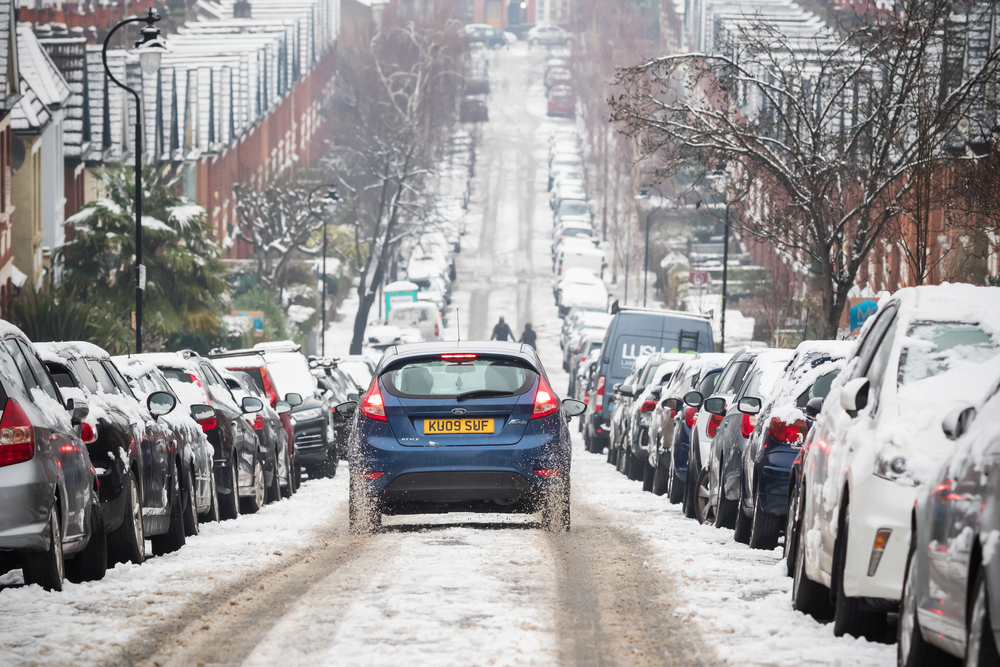
Vehicle reviews often focus on comfort, tech, and performance during ideal conditions. Canadian drivers rarely experience those perfect conditions for long. Long winters, rough pavement, freezing temperatures, and salt-covered roads reveal weaknesses that many reviews barely mention. Some vehicles struggle with traction, fragile components, or poor cold-weather reliability. Others simply feel uncomfortable or impractical once snow and potholes come into play. These issues may not ruin the vehicle entirely, but they change the ownership experience in Canada. Before choosing a vehicle, it helps to understand how real roads affect everyday driving. Here are 15 vehicles that struggle on Canadian roads more than reviews admit.
Tesla Model 3
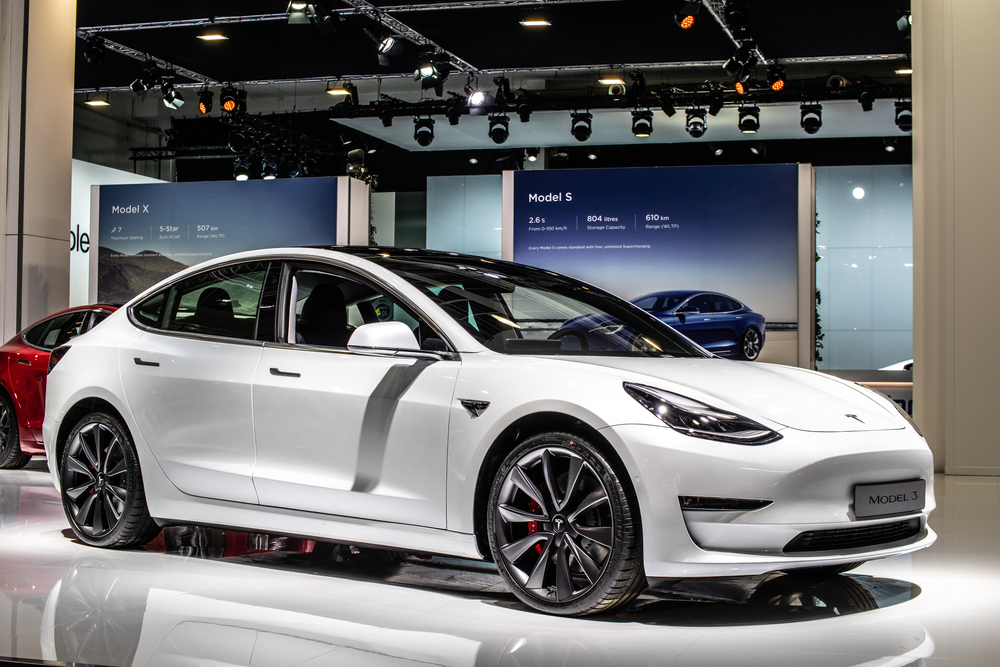
The Tesla Model 3 delivers quick acceleration and impressive technology. Winter conditions expose several limitations. Cold temperatures reduce battery efficiency and driving range. Owners often report losing 30 percent of range during harsh winters. Charging also slows down significantly in freezing weather. The low ride height causes problems on snowy streets. Ice buildup can block door handles or sensors. Regenerative braking sometimes behaves differently on slippery roads. Some drivers find traction control overly aggressive on icy surfaces. These problems do not ruin the car entirely. However, Canadian winters reveal compromises that many reviews rarely emphasize.
Toyota Prius
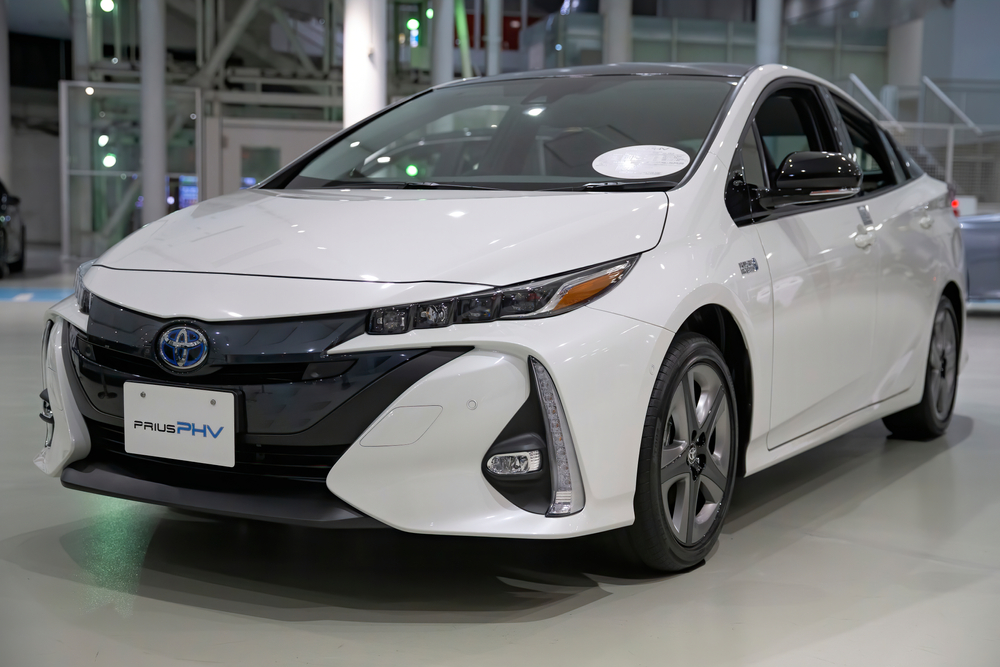
The Toyota Prius is famous for efficiency and reliability. Canadian road conditions expose a few challenges. Ground clearance remains fairly low for deep snow. Drivers often struggle when streets remain unplowed after storms. Traction can also feel limited during icy conditions. Many older Prius models are only Front Wheel Drive. Winter tires help, but they do not solve everything. The hybrid battery also performs less efficiently in cold weather. Fuel economy drops noticeably during long winters. Owners still appreciate the Prius overall. Still, Canadian roads reveal weaknesses rarely mentioned in glowing reviews.
Jeep Wrangler
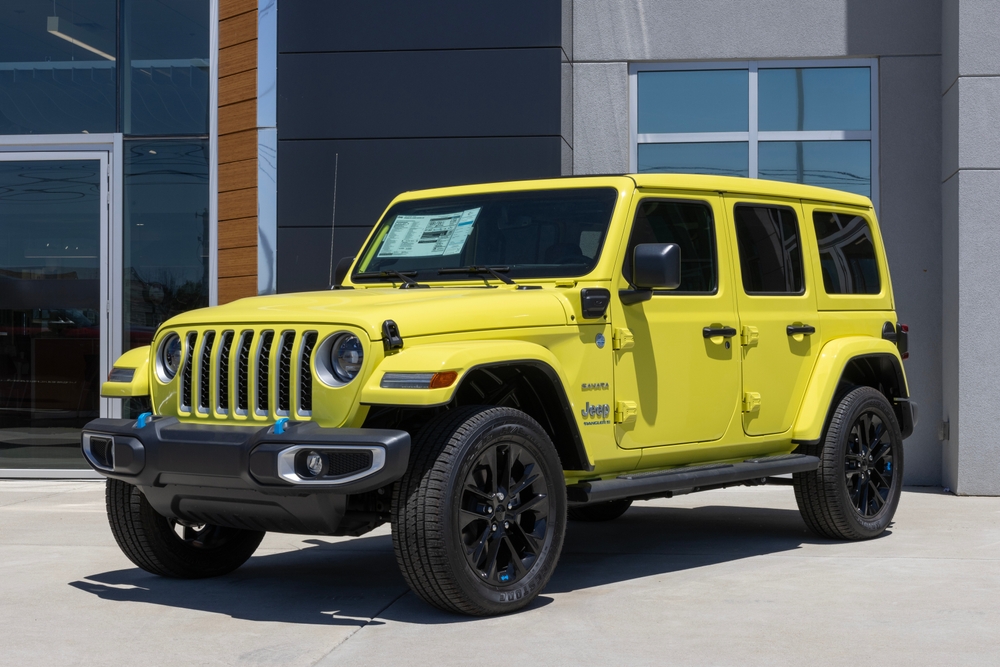
The Jeep Wrangler carries a reputation as an off-road legend. Snowy Canadian highways reveal a different side of the vehicle. Short wheelbase versions feel unsettled at higher speeds. Strong crosswinds also easily push the Wrangler around. Steering can feel vague compared with modern SUVs. Winter highway driving sometimes becomes tiring. The cabin also struggles to stay warm quickly in extreme cold. Road noise remains loud during long trips. Fuel consumption climbs sharply during winter driving. The Wrangler still excels off pavement. Daily Canadian commuting often exposes compromises that many reviews overlook.
Chevrolet Camaro
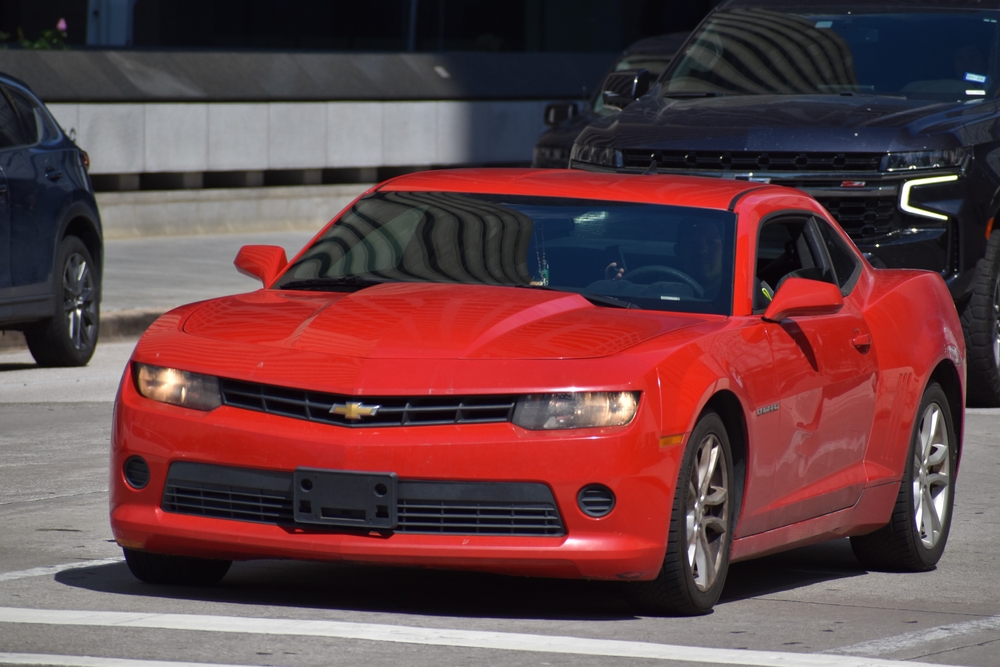
The Chevrolet Camaro offers sharp styling and strong performance. Canadian roads expose several practical limitations. Rear visibility remains very restricted in everyday driving. Thick roof pillars make blind spots worse. Winter driving also feels difficult due to Rear-Wheel-Drive layouts. Traction disappears quickly on snowy roads without proper tires. Ground clearance also remains fairly low. Deep snow can easily trap the front bumper. Entering or exiting the low cabin becomes frustrating during icy weather. Performance remains exciting in dry conditions. Canadian winters reveal a less enjoyable daily driving experience.
Nissan Leaf
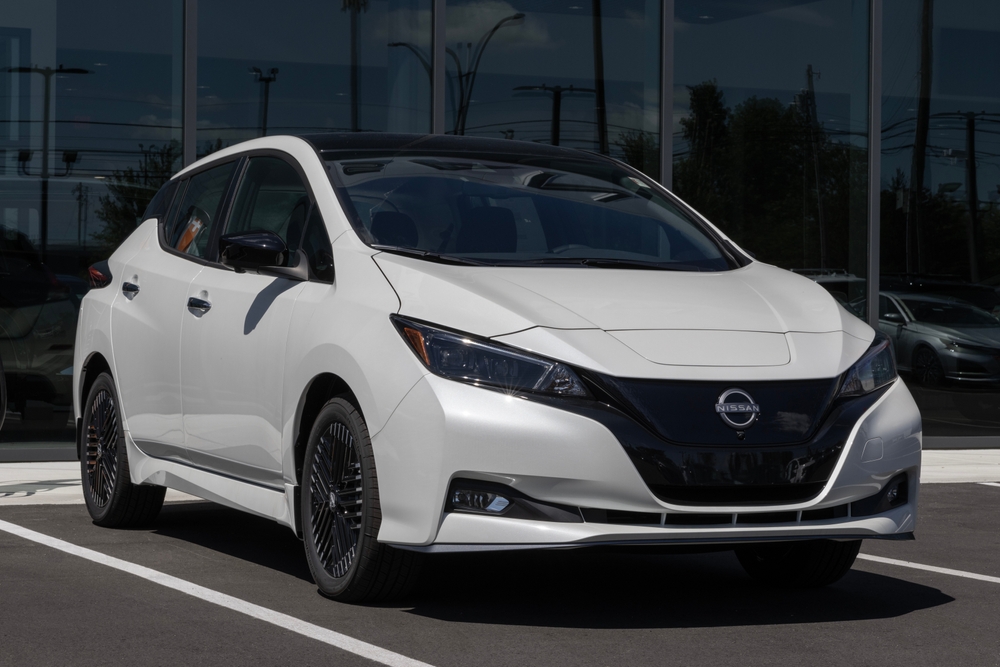
The Nissan Leaf remains one of the most affordable electric vehicles available. Canadian winters expose its biggest weakness. Battery range drops sharply during freezing temperatures. Some drivers report losing nearly half their driving range. Cabin heating also drains battery power quickly. Older Leaf models lack active battery temperature management. Long winter charging sessions, therefore, become common. Snow buildup around charging ports can also create small frustrations. Traction control works well, but range anxiety grows during storms. The Leaf still works well for short city trips. Canadian winters make longer drives more stressful.
Mazda MX-5 Miata
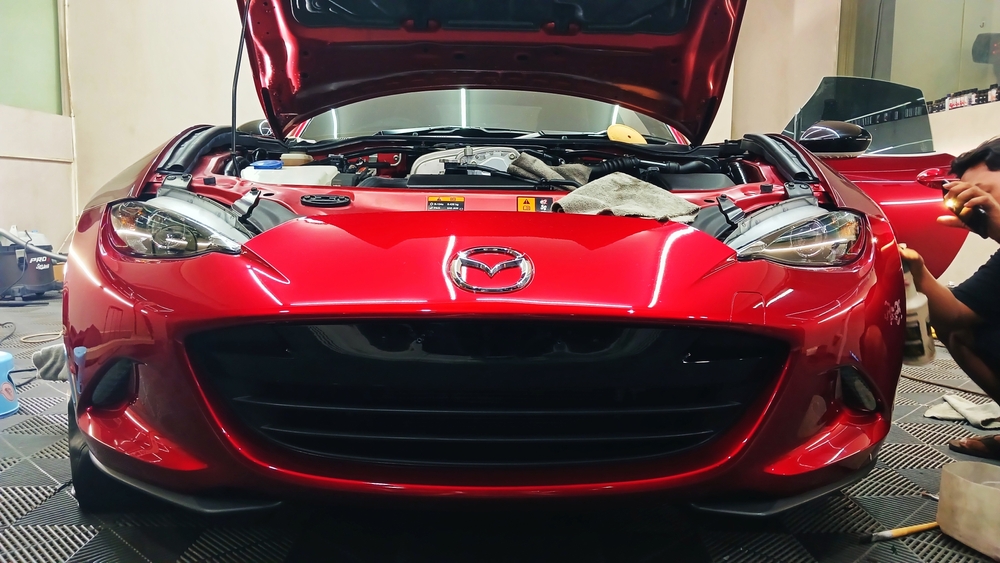
The Mazda MX-5 Miata delivers one of the most engaging driving experiences available. Canadian road conditions limit its usefulness. Ground clearance remains extremely low for snowy streets. Even moderate snow can cause problems quickly. Rear Wheel Drive also complicates winter traction. Drivers must rely heavily on winter tires. Cabin space feels tight when wearing bulky winter clothing. The small trunk barely fits basic gear. Cold weather also makes the soft top less convenient. Heating performance improves in newer models. Still, the Miata works better as a seasonal car than a year-round Canadian vehicle.
Ford Mustang
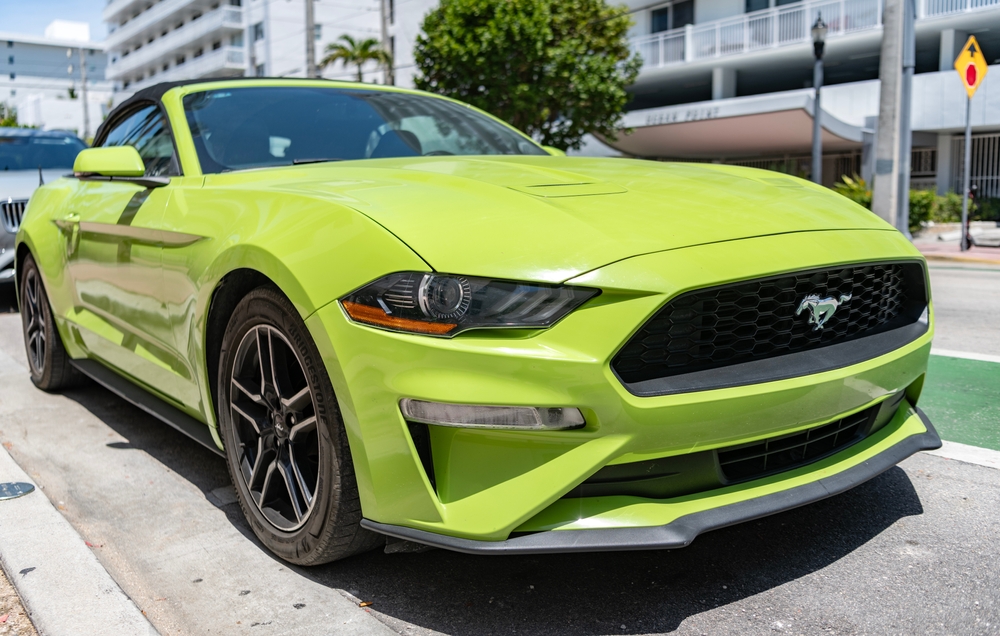
The Ford Mustang remains one of the most recognizable sports cars on the road. Canadian winters reveal familiar challenges. Rear Wheel Drive makes traction difficult during snowstorms. Even experienced drivers must be careful on icy roads. Wide performance tires also reduce winter grip. Some models include drive modes for slippery conditions. Those features help, but cannot overcome physics. Ground clearance also remains fairly limited. Snow buildup under the front bumper becomes common. Visibility during storms can feel restricted as well. The Mustang remains fun in warmer months. Winter driving demands patience and caution.
BMW 3 Series
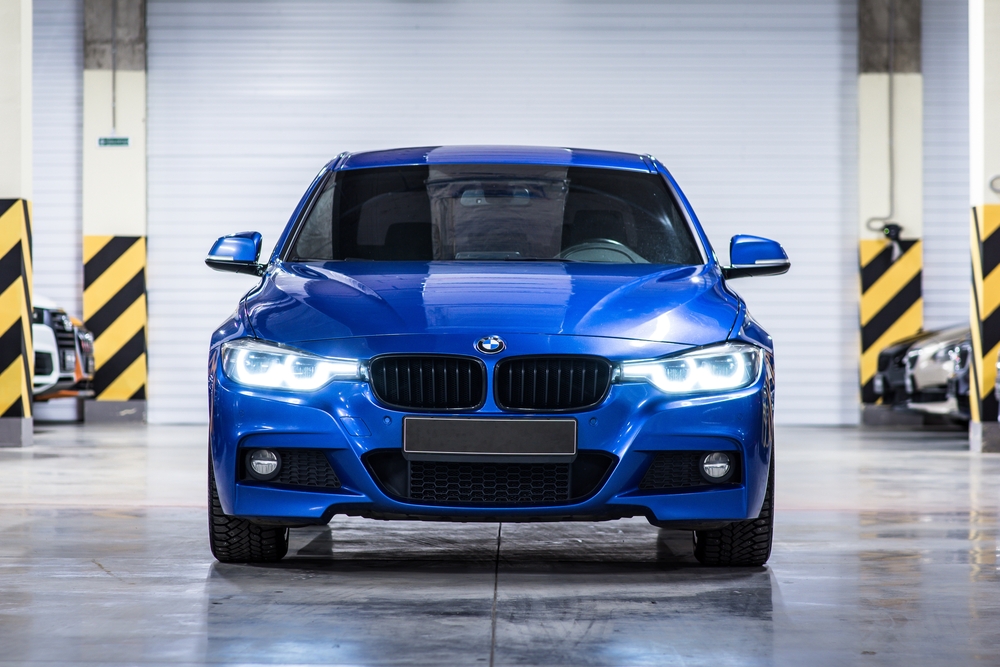
The BMW 3 Series earns praise for balanced handling and comfort. Canadian conditions expose a few weaknesses. Some trims rely on Rear Wheel Drive instead of All Wheel Drive. Winter traction suffers without proper tires. Low-profile performance tires also struggle on icy pavement. Suspension components sometimes feel stiff on rough winter roads. Potholes can cause wheel damage more easily. Repair costs remain higher than average. Heated features improve comfort, but cannot solve everything. Owners still enjoy driving the 3 Series. Canadian winters simply demand more preparation than many buyers expect.
Subaru BRZ
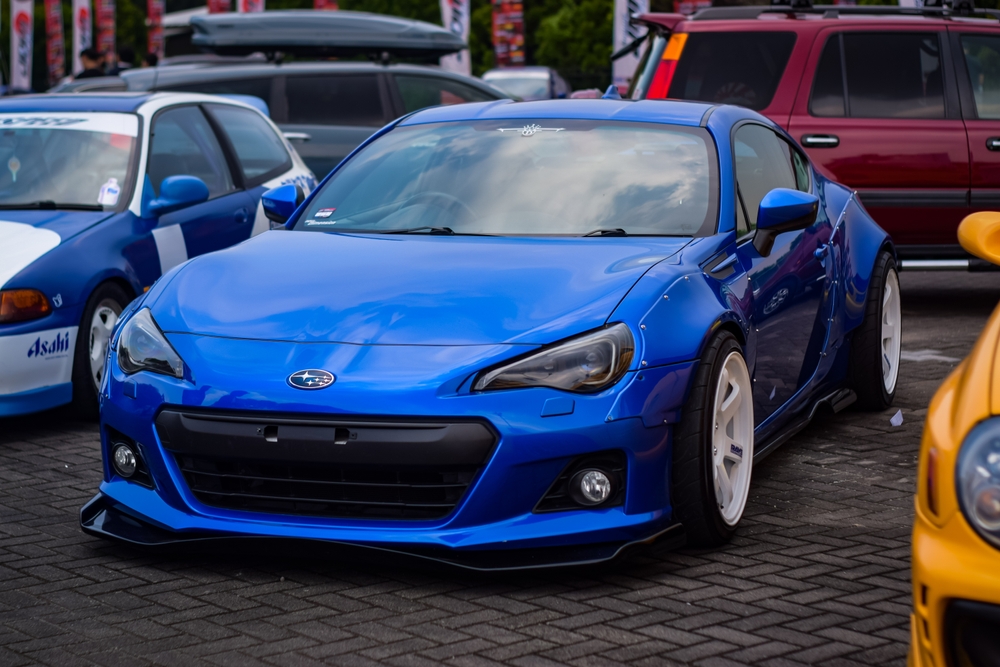
The Subaru BRZ focuses on lightweight handling and Rear Wheel Drive balance. Canadian winters challenge that formula. The car sits very close to the ground. Snow easily collects under the front bumper. Rear Wheel Drive also limits traction on icy streets. Drivers must rely heavily on winter tires and careful throttle control. Stability systems help, but cannot change physics. Interior heating works well, yet the cabin remains small for winter gear. Visibility can also suffer during storms. The BRZ excels on dry roads. Winter conditions reveal their limited practicality.
Mini Cooper
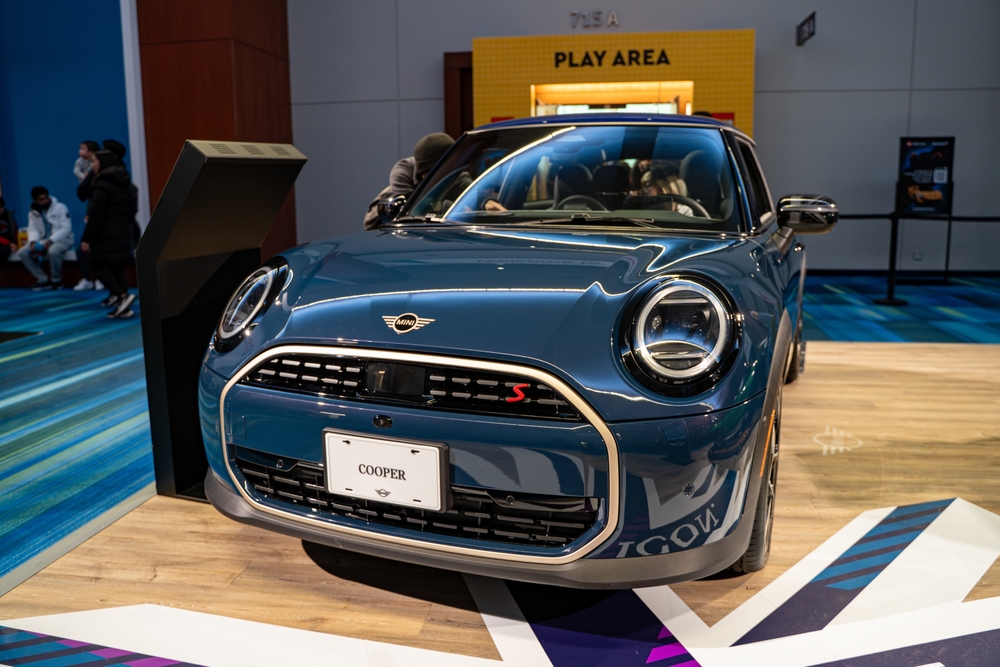
The Mini Cooper stands out for nimble handling and compact size. Canadian roads reveal several everyday annoyances. Small wheels and firm suspension struggle with potholes. Rough pavement feels harsher inside the cabin. Ground clearance also remains limited during snowy months. Deep snow can trap the vehicle quickly. Interior space becomes tight when wearing winter clothing. The cargo room also remains very limited. Heating systems work well, but the insulation feels thin. Road noise grows louder during highway driving. The Mini Cooper remains fun in cities. Canadian winters reduce some of that charm.
Volkswagen Golf GTI
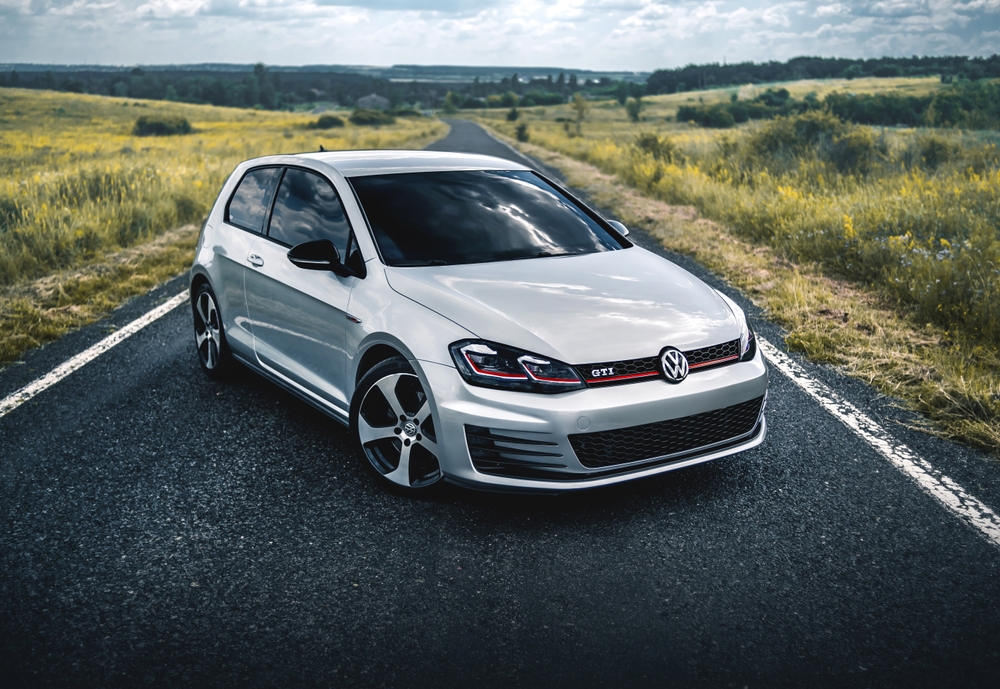
The Volkswagen Golf GTI blends performance and practicality well. Canadian conditions expose several small weaknesses. Performance tires reduce grip on icy pavement. Many owners switch to winter tires immediately. Ground clearance also remains fairly modest. Heavy snow can slow the car quickly. The sporty suspension struggles with potholes. Rough roads feel sharper inside the cabin. Salt exposure sometimes accelerates brake wear. Heated seats help during cold commutes. Overall reliability remains good. Canadian winters simply highlight compromises that sporty hatchbacks often carry.
Honda Civic
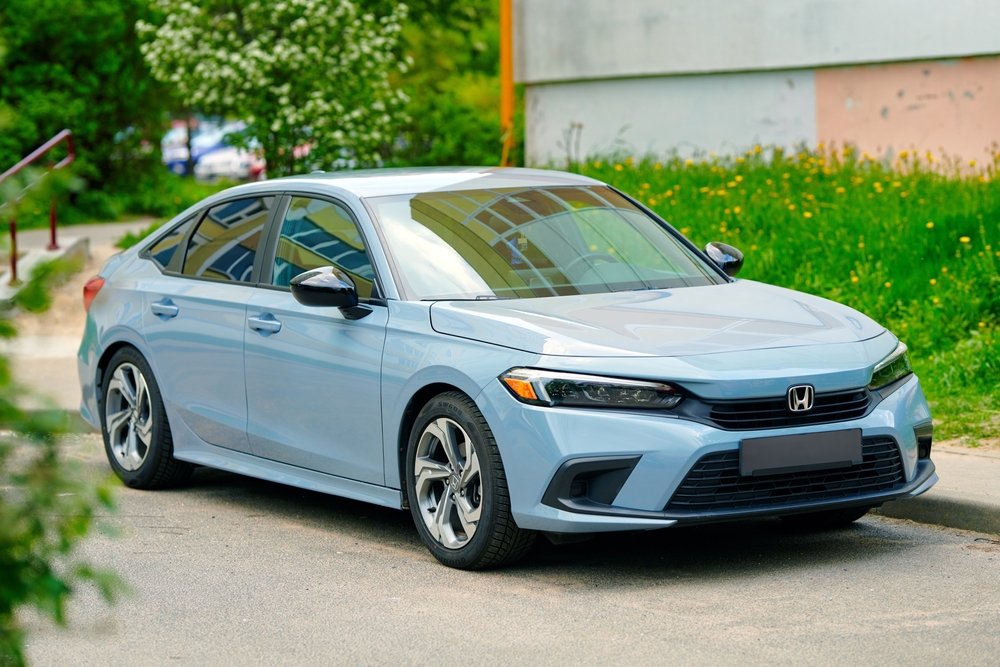
The Honda Civic remains one of Canada’s best-selling vehicles. Winter conditions still reveal a few challenges. Lower trims rely only on Front Wheel Drive. Traction can feel limited during heavy snowstorms. Ground clearance also remains modest. Snow buildup under the car becomes common in rural areas. Cabin heating takes time during extreme cold. Road salt can accelerate corrosion if owners neglect cleaning. Potholes sometimes damage low-profile wheels on sport trims. Reliability remains strong overall. Canadian winters simply remind drivers that compact cars have limitations.
Mercedes-Benz CLA
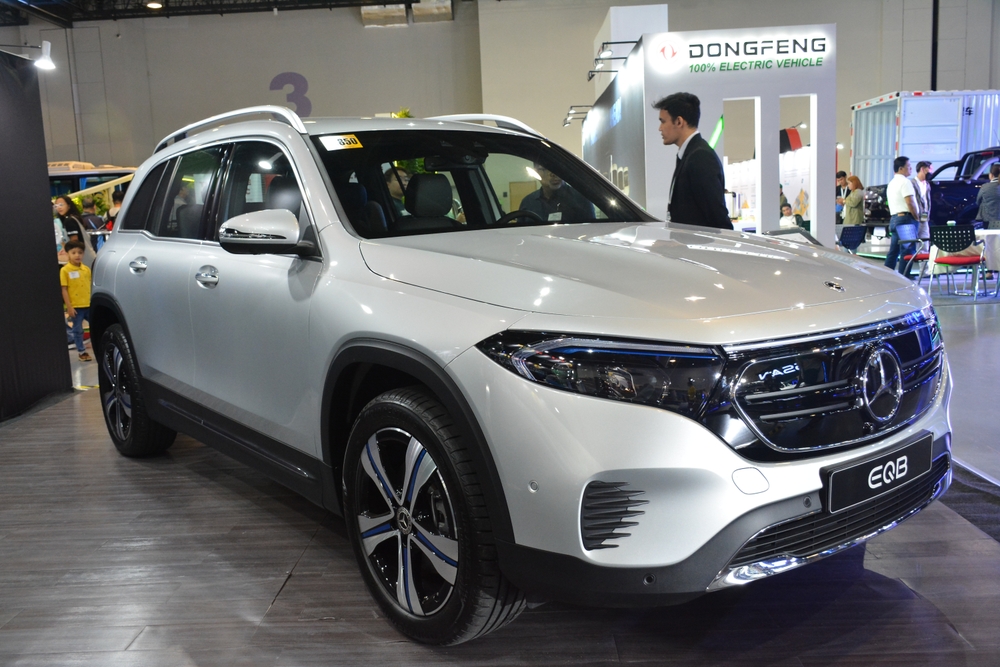
The Mercedes-Benz CLA focuses heavily on sleek styling and luxury appeal. Canadian roads expose several practical issues. The low roofline limits outward visibility. Snow buildup also affects sensors and cameras easily. Ground clearance remains limited for winter driving. Sport suspension feels harsh on rough pavement. Repair costs also remain expensive when damage occurs. Cold temperatures can affect battery performance in some models. Interior space feels tighter than many luxury sedans. Heated features improve comfort during winter commutes. Canadian conditions still highlight compromises behind the stylish design.
Chevrolet Spark
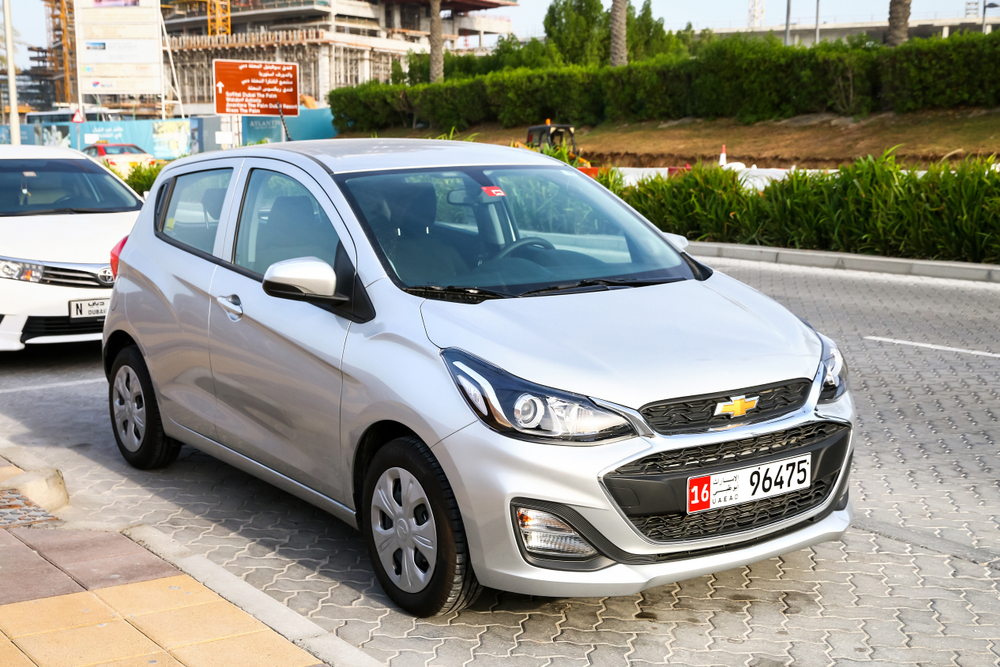
The Chevrolet Spark offers one of the lowest purchase prices in the market. Canadian conditions highlight the limits of such a small car. The short wheelbase makes highway stability weaker during strong winds. Snowy roads also challenge the tiny tires. Ground clearance remains very low. Deep snow can stop the car quickly. Engine power feels limited when climbing slippery hills. Interior insulation remains fairly thin during winter. Heating systems work hard to keep the cabin warm. Fuel economy stays good throughout the year. Canadian winters simply reveal the Spark’s small-car compromises.