
























Canada’s electric vehicle market is about to look very different. New federal rebate rules, shifting provincial incentives, and tighter fuel economy targets are pushing automakers to send more EV inventory north. At the same time, battery costs are easing, and more entry models are landing below key price caps. That mix means Canadians will likely see certain electric vehicles everywhere in 2026. When supply jumps and demand shifts, prices do not stay still. Some models could hold value. Others may face discounting. Here are 20 EVs Canadians will suddenly see everywhere in 2026 (and what it means for prices).
Tesla Model Y
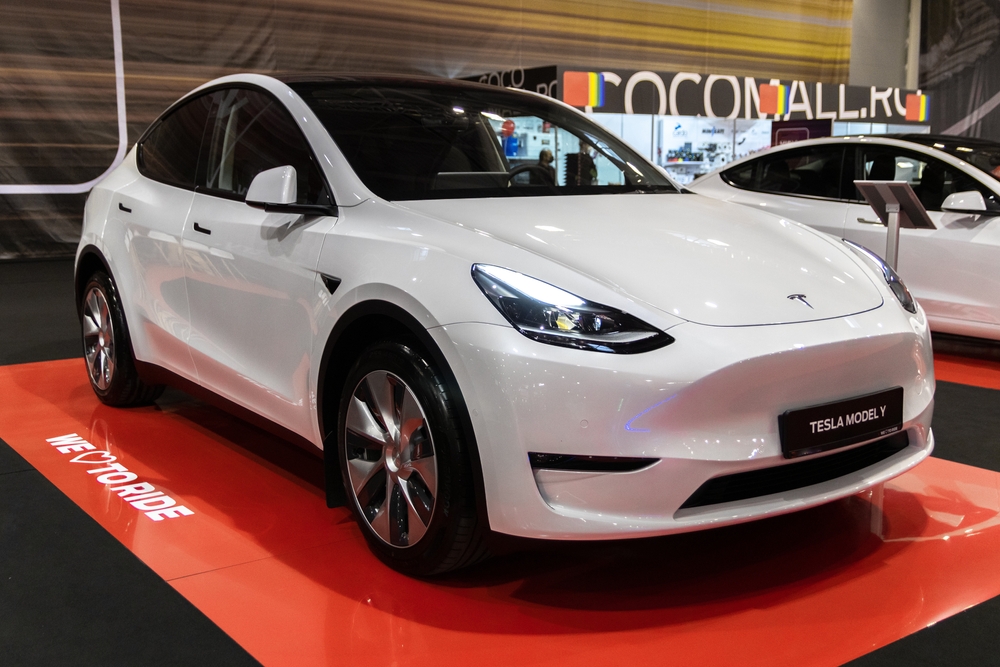
The Tesla Model Y has already led global EV sales, and Canada is no exception. In 2026, improved supply chains and local inventory should reduce wait times—more units on lots usually calm pricing. Buyers may see fewer sudden markups. At the same time, used listings will expand quickly. That can pressure resale values within two years. Insurance costs may also adjust as repair data grows. If rebates apply to certain trims, demand could spike again. The Model Y may become the default family EV, which could normalize pricing across compact electric SUVs.
Hyundai Ioniq 5
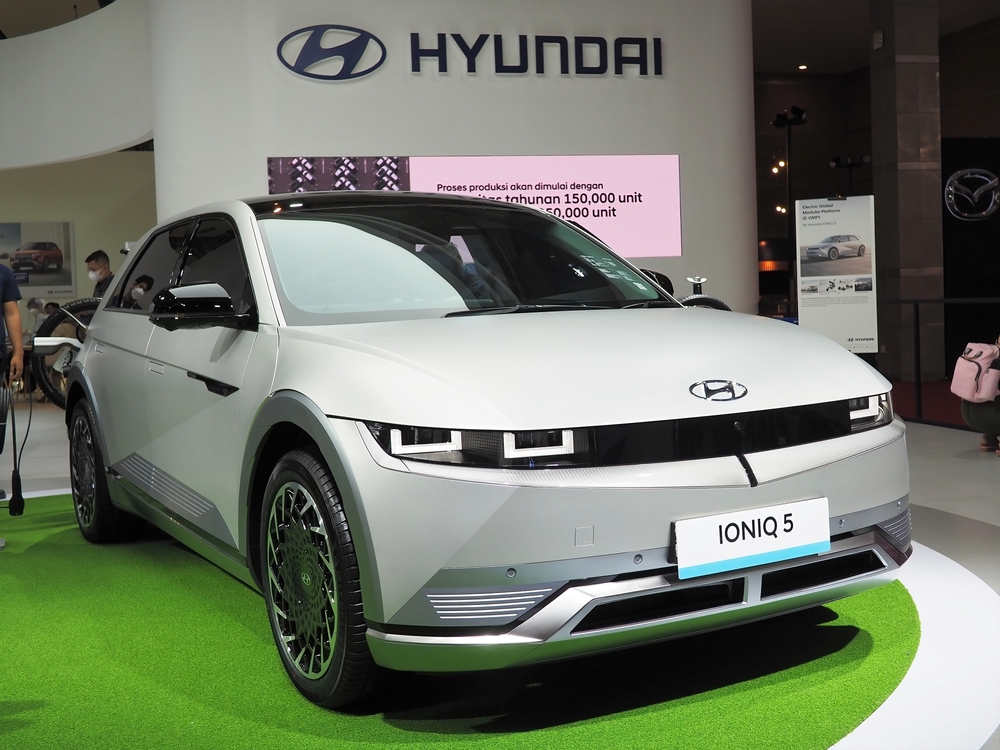
The Hyundai Ioniq 5 blends sharp styling with practical range. Canadian buyers like its winter performance and fast charging speeds. In 2026, expanded production for North America could boost availability. Higher supply often leads to more negotiation room at dealerships. Early buyers paid premiums during shortages. That may fade as inventories grow. Used examples could soften in value once newer trims arrive. If incentives target mid-priced EVs, the Ioniq 5 may qualify in some provinces. That would increase visibility on roads. Strong competition could keep pricing steady rather than inflated.
Ford Mustang Mach-E
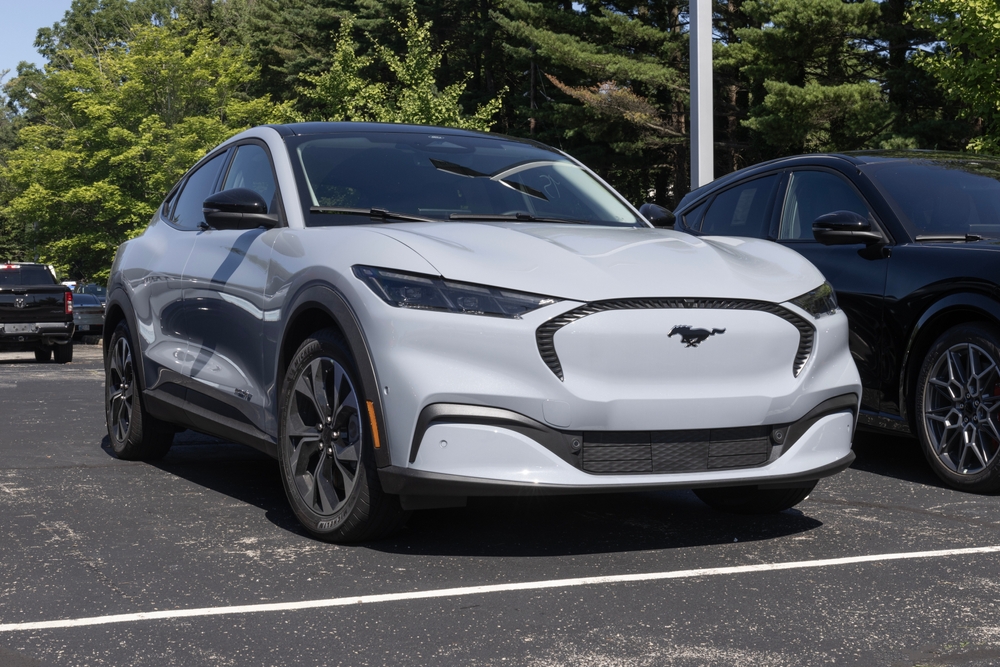
The Ford Mustang Mach-E sits in a crowded crossover segment. Ford has been adjusting production to meet demand swings. In 2026, more stable output may mean more consistent pricing. Canadians could see promotional financing return. Greater supply tends to reduce dealer add-ons. Resale values may cool as fleet and rental units enter the market. Performance trims might hold value better than base versions. Battery warranty coverage will remain a selling point. As charging networks expand, range anxiety concerns should shrink. That broader acceptance could spread sales across trims.
Chevrolet Equinox EV
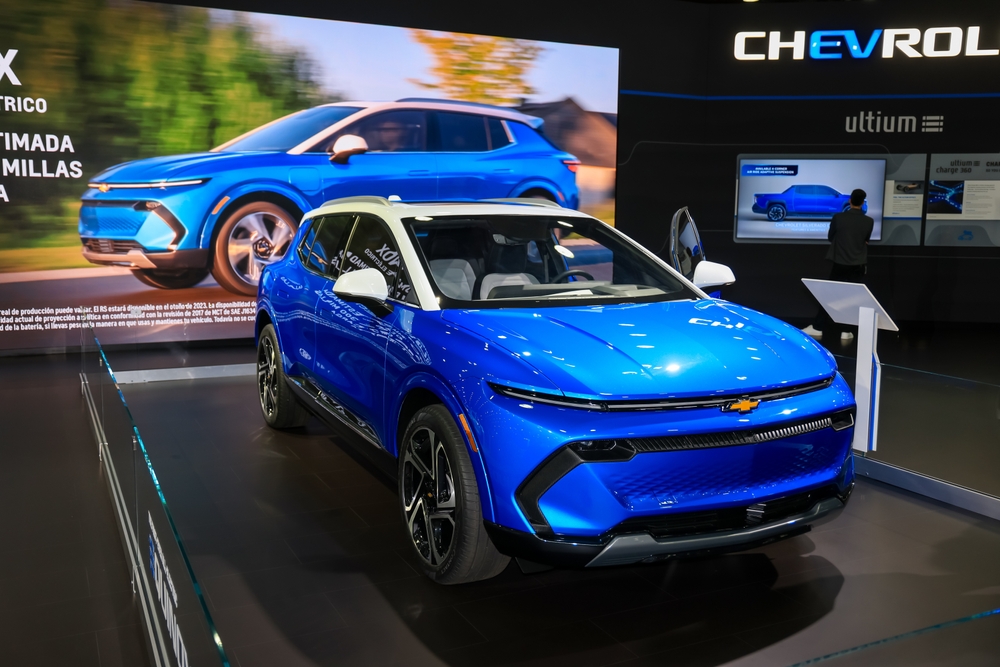
The Chevrolet Equinox EV targets mainstream buyers with a lower entry price. If federal rebates remain tied to MSRP caps, this model fits well. Large-scale production could make it a common sight in the suburbs. When a model reaches that level, discounts often appear within a year. Used prices may drop faster than premium brands. Buyers may benefit from competitive financing offers. Insurance costs could stay moderate due to shared parts. As fleets adopt it, resale supply may grow quickly. That usually keeps long-term pricing realistic rather than inflated.
Volkswagen ID.4
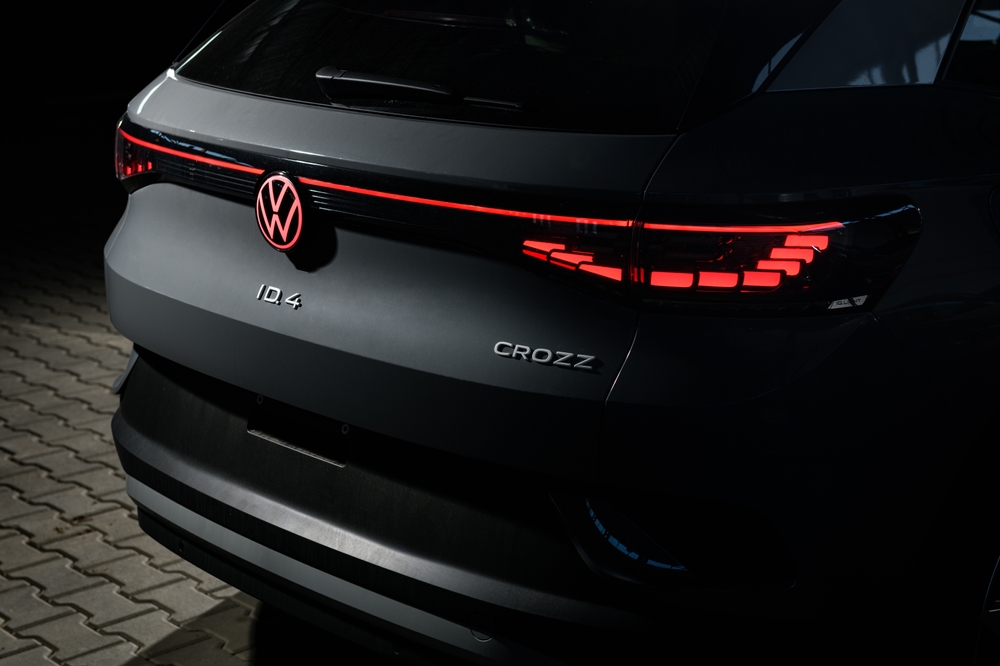
The Volkswagen ID.4 has built steady traction in Canada. Local assembly for North America improves delivery timelines. In 2026, wider trim availability may draw more buyers. As more units circulate, dealerships may compete harder on price. Early scarcity once supported stronger resale values. That support may weaken with a higher supply. Software updates and battery revisions could separate early models from newer ones. Buyers may compare ranges closely. If incentives shift toward affordable crossovers, the ID.4 stands to benefit. Price stability will depend on how quickly inventory expands.
Nissan Ariya
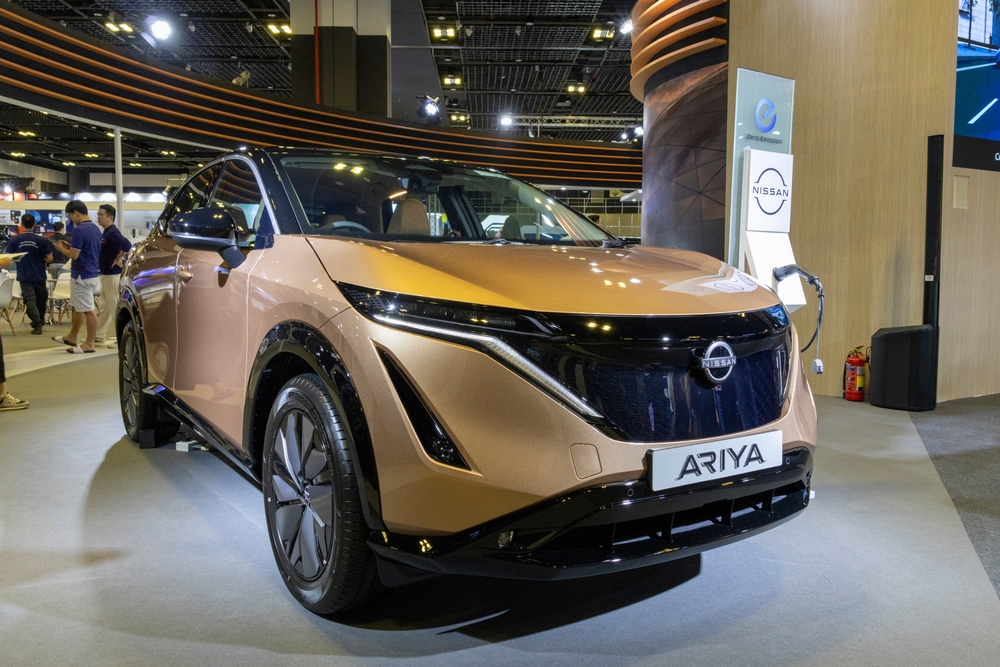
The Nissan Ariya enters 2026 with more recognition than at launch. Its range and interior comfort appeal to commuters. Increased marketing could lift sales volumes across provinces. Higher supply often leads to stronger year-end discounts. Residual values may soften as leasing becomes common. That can benefit second owners seeking deals. Charging speeds lag some rivals, which may affect demand. If Nissan adjusts pricing to stay under rebate thresholds, sales could jump. More units on roads usually normalize servicing costs. That helps long-term ownership expenses remain predictable.
Kia EV6
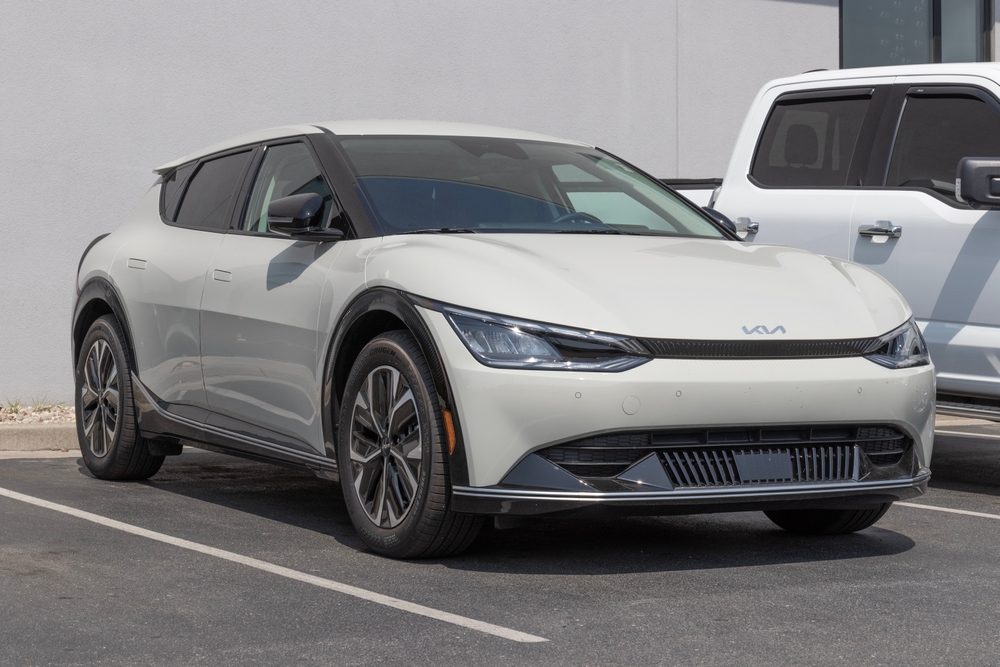
The Kia EV6 shares technology with the Ioniq 5 but targets a sportier crowd. In 2026, expanded distribution may widen its reach beyond major cities. As supply rises, price gaps between trims could narrow. Dealers may rely less on add-on packages. Used inventory may increase quickly due to short leases. That often leads to softer resale values. Performance GT models could hold a stronger demand. Charging speed remains a selling point. If competition intensifies in this segment, promotional pricing may become common during slower sales months.
Toyota bZ4X
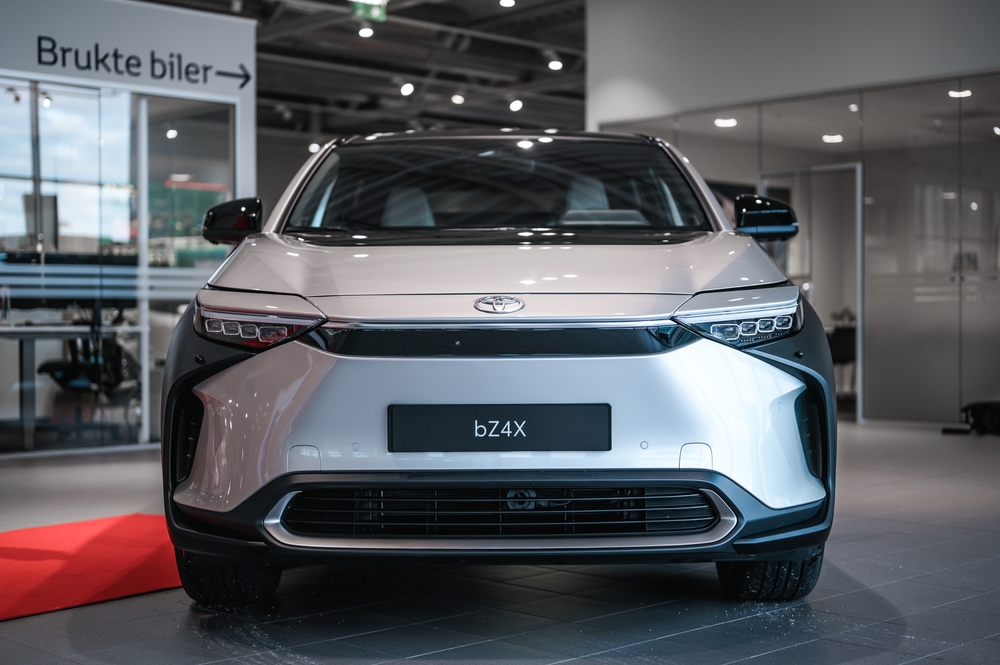
The Toyota bZ4X carries strong brand trust. Early pricing missteps limited its impact. In 2026, adjusted pricing could improve competitiveness. Higher production volumes may also steady the supply. When Toyota ramps up output, models tend to appear everywhere. That visibility can drive mainstream adoption. Resale values may benefit from brand loyalty. Still, growing supply may cap upside. If Toyota refines battery performance for cold weather, demand could rise in northern provinces. Incentive eligibility will shape final transaction prices. Buyers may see more consistent pricing across dealerships nationwide.
Subaru Solterra
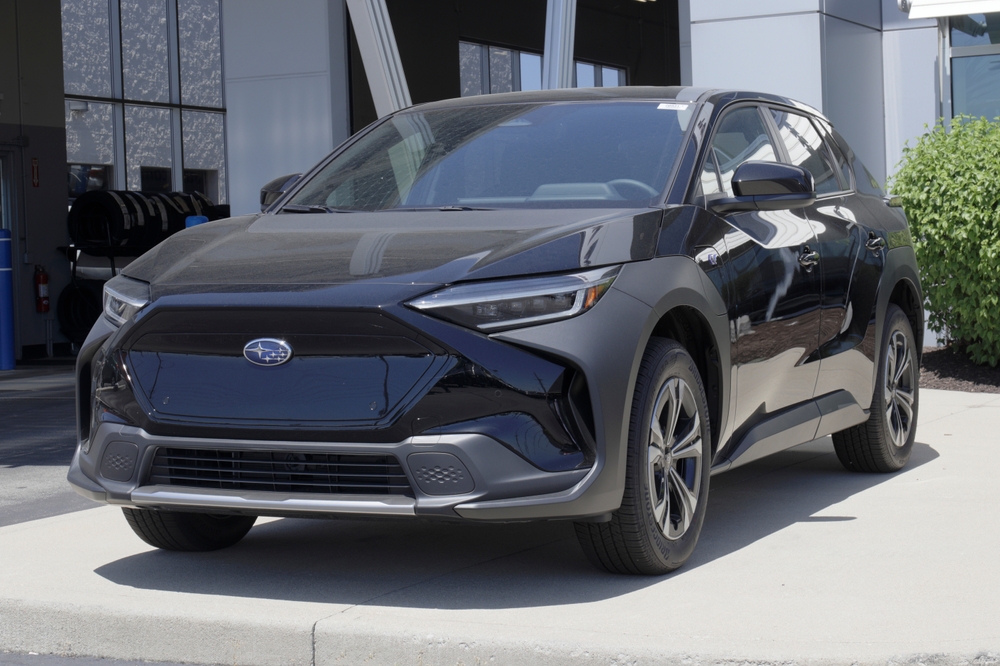
The Subaru Solterra shares its platform with the bZ4X. It appeals to loyal Subaru drivers who want electric power. In 2026, increased awareness could lift sales beyond early adopters. Greater inventory may reduce price volatility. All Wheel Drive capability fits Canadian winters well. That demand could protect resale values somewhat. Still, rising competition in compact EV SUVs may pressure pricing. If incentives remain stable, entry trims could attract practical buyers. Lease deals may grow more common. A broader market often tempers long-term value spikes.
Hyundai Kona Electric
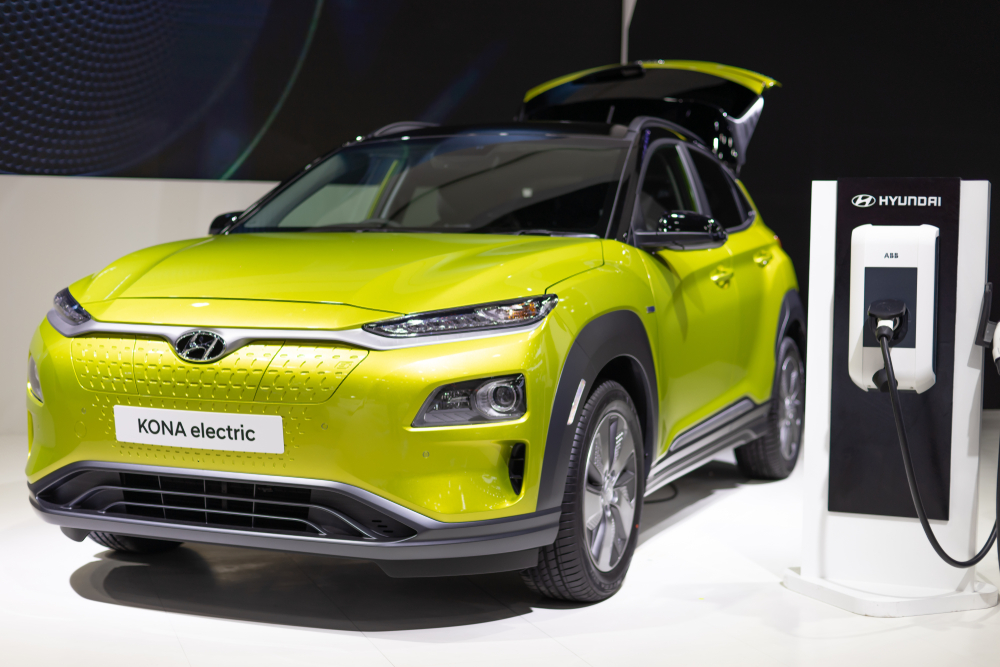
The Hyundai Kona Electric returns with updated styling and range. Its smaller footprint suits urban drivers. In 2026, expanded stock could make it common in city cores. Higher availability often leads to moderate discounts. Used values may decline as more compact EVs arrive. Affordable pricing could attract first-time EV buyers. Insurance may stay manageable due to lower repair complexity. If rebates target lower-priced EVs, the Kona could benefit strongly. That volume growth may compress margins but widen access. More competition may keep transaction prices grounded.
Chevrolet Blazer EV
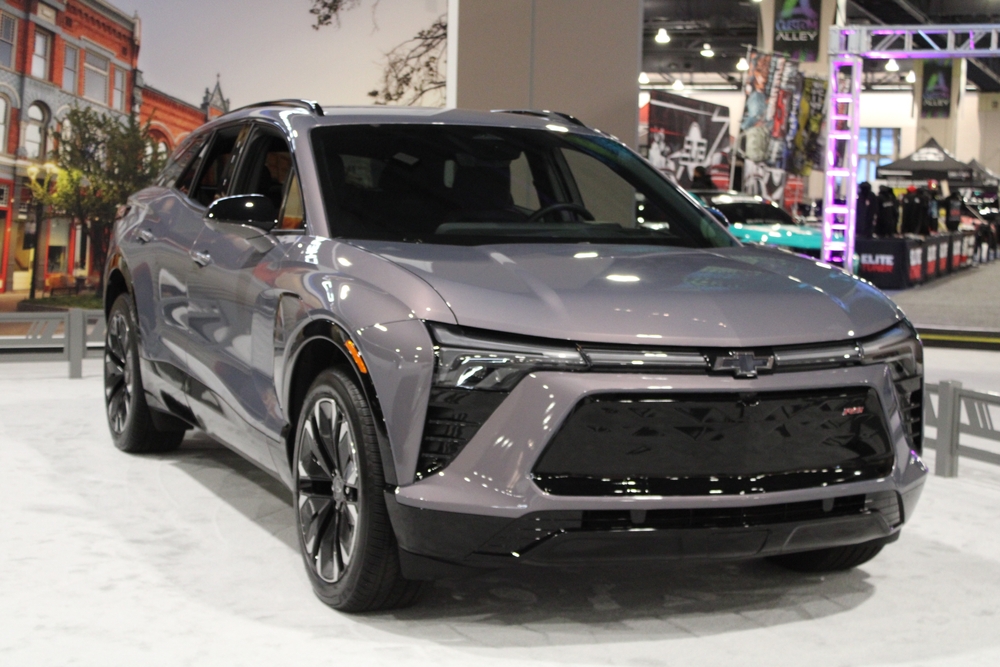
The Chevrolet Blazer EV sits above the Equinox in size and price. As production stabilizes, it may appear frequently on dealer lots. Increased supply could ease early pricing swings. Performance trims may remain premium priced. Base models could see incentives during slower quarters. Resale values may depend on battery performance data over time. Fleet adoption could influence the used market supply. If charging infrastructure keeps improving, larger electric SUVs may gain traction. That added demand could balance higher availability and keep pricing from sliding too quickly.
Ford F-150 Lightning
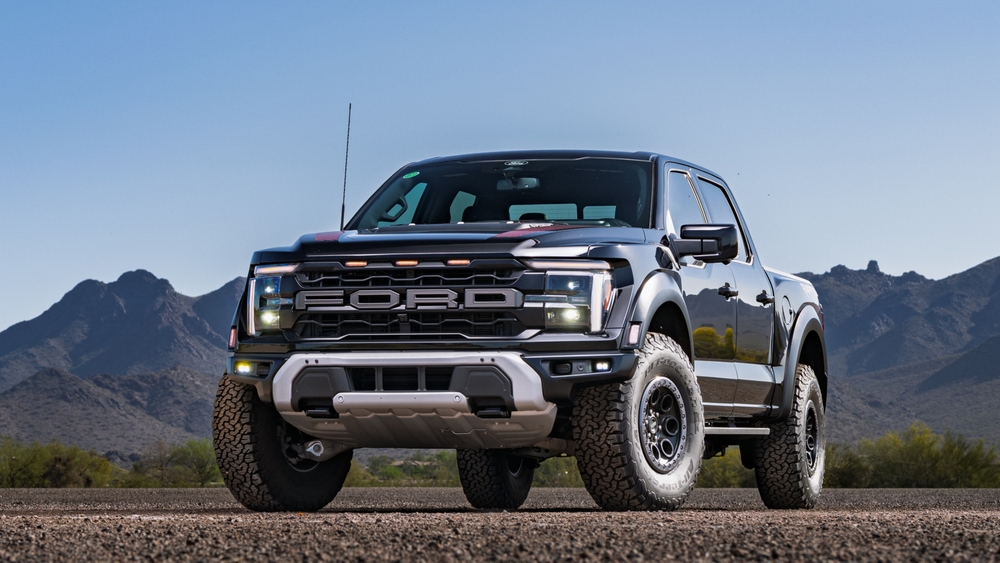
The Ford F-150 Lightning draws attention in truck-heavy provinces. In 2026, production increases may narrow the gap between orders and delivery. A greater supply usually cools inflated pricing. Early adopters often paid above MSRP. That trend may fade. Used listings could grow as commercial buyers rotate fleets. Towing range limitations may affect resale demand. Incentives tied to business use may boost purchases. If battery costs fall, Ford may adjust pricing downward. Widespread visibility could normalize electric trucks, but price competition may intensify among rivals.
Rivian R1S
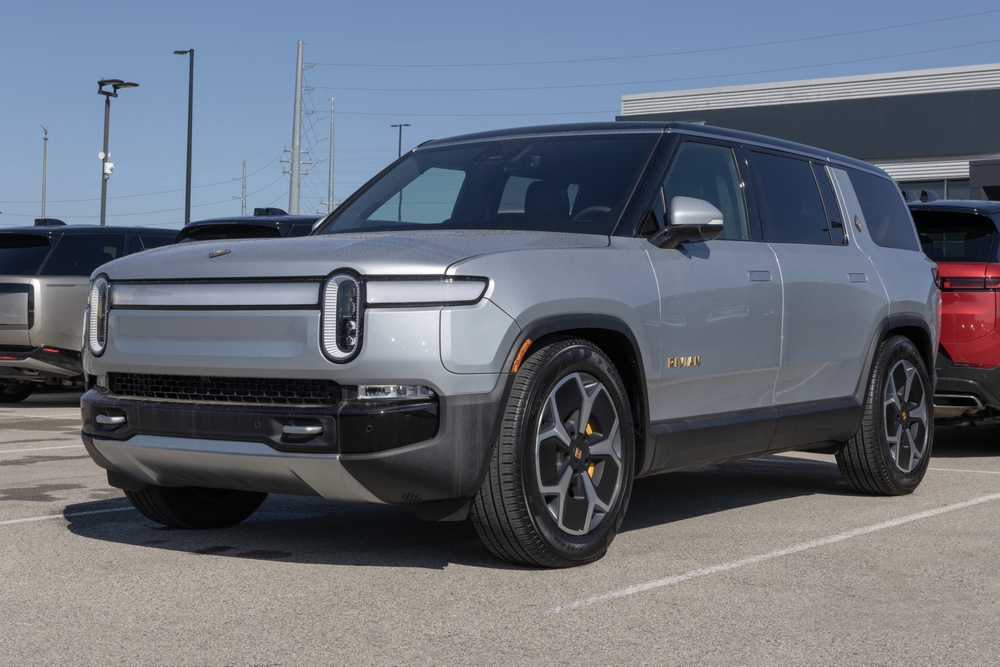
The Rivian R1S targets higher-income buyers seeking adventure features. In 2026, expanded Canadian deliveries could increase road presence. Limited production once supported strong resale values. Higher output may temper that effect. Pricing will likely remain premium. Still, used listings could rise as early owners trade up. Charging infrastructure access may shape demand in remote areas. Brand reputation for performance may support pricing stability. However, broader competition in electric SUVs may pressure transaction prices. Availability will determine whether it remains niche or becomes mainstream.
Tesla Model 3
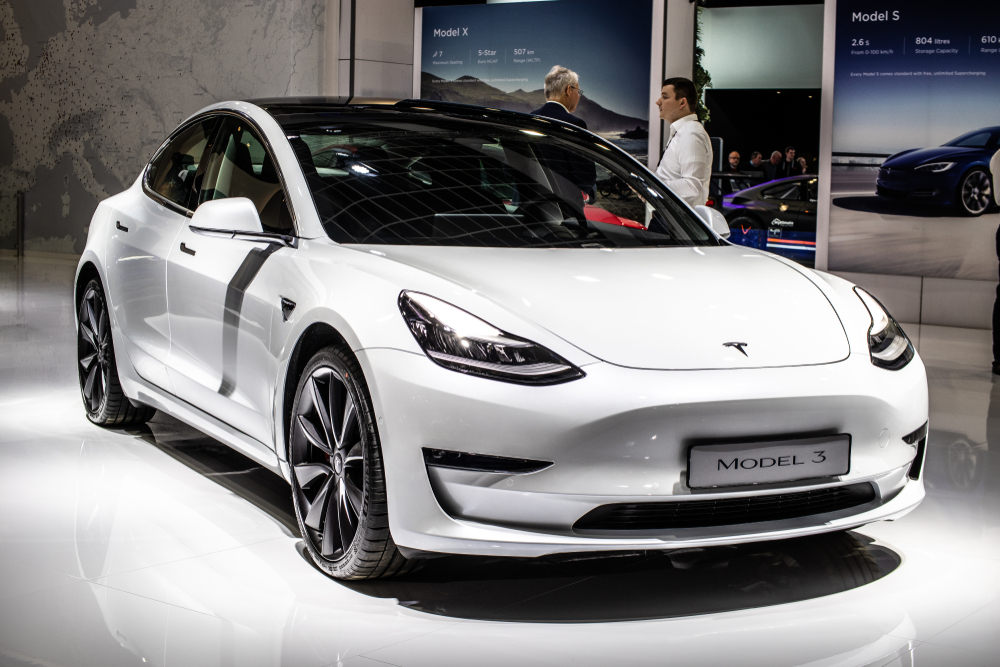
The Tesla Model 3 continues to anchor the compact electric sedan market. Refresh updates may spark renewed interest in 2026. Greater supply often means more consistent pricing. Fewer sudden price cuts could stabilize resale expectations. Used inventory will likely expand quickly. That can lower older model values. Fleet and ride share adoption may increase visibility in cities. If incentives apply to certain trims, demand could climb again. Competition from new sedans may cap price growth. Broader availability could make the Model 3 a common commuter choice.
Polestar 2
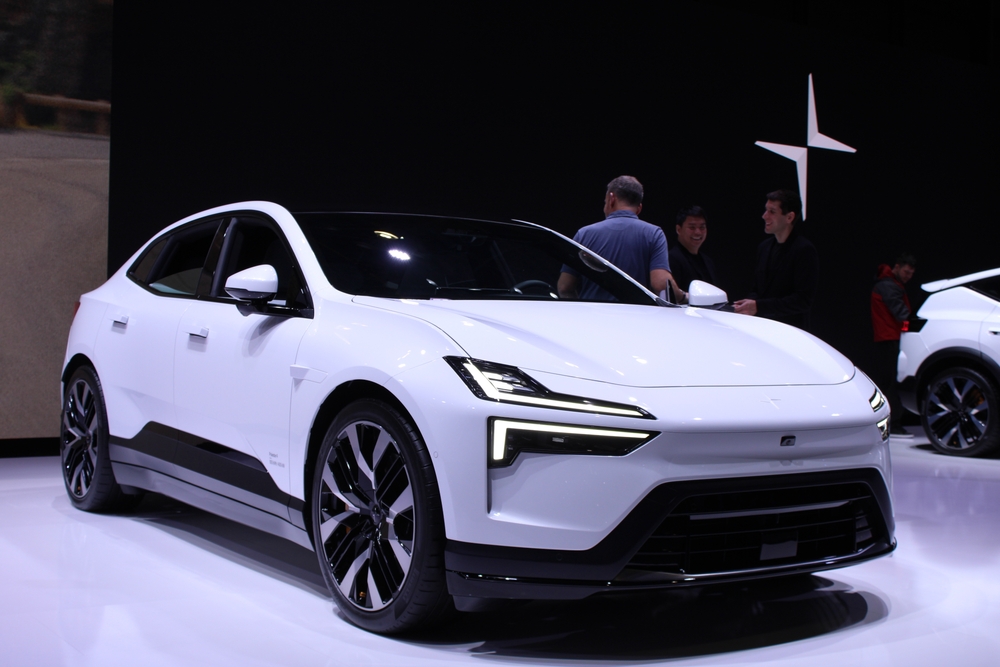
The Polestar 2 appeals to buyers seeking a European feel. In 2026, stronger distribution networks may lift sales in Canada. Higher visibility could reduce exclusivity. That often softens resale premiums. Competitive lease offers may attract new drivers. As supply rises, pricing may become more predictable. Battery range updates could affect used values. If incentives shift toward locally assembled models, demand may fluctuate. Insurance costs may reflect repair complexity. Broader awareness could stabilize pricing, but increased competition in this segment may limit upward movement.
BMW i4
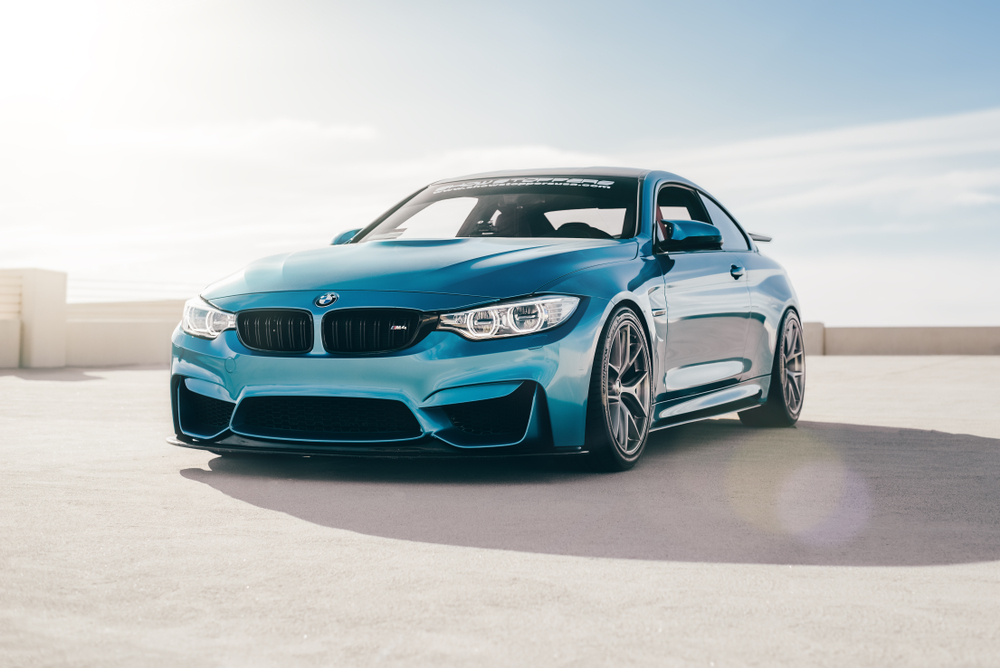
The BMW i4 blends electric range with familiar sport sedan dynamics. In 2026, growing interest in electric luxury sedans may lift sales. Expanded inventory could reduce wait times. Higher supply often narrows dealer markups. Residual values may hold due to brand reputation. Still, more units in circulation may limit upside appreciation. Charging access remains important for urban buyers. Incentive eligibility may vary by trim. As more luxury EV options arrive, price competition could intensify. That may keep transaction prices competitive without dramatic drops.
Mercedes-Benz EQB
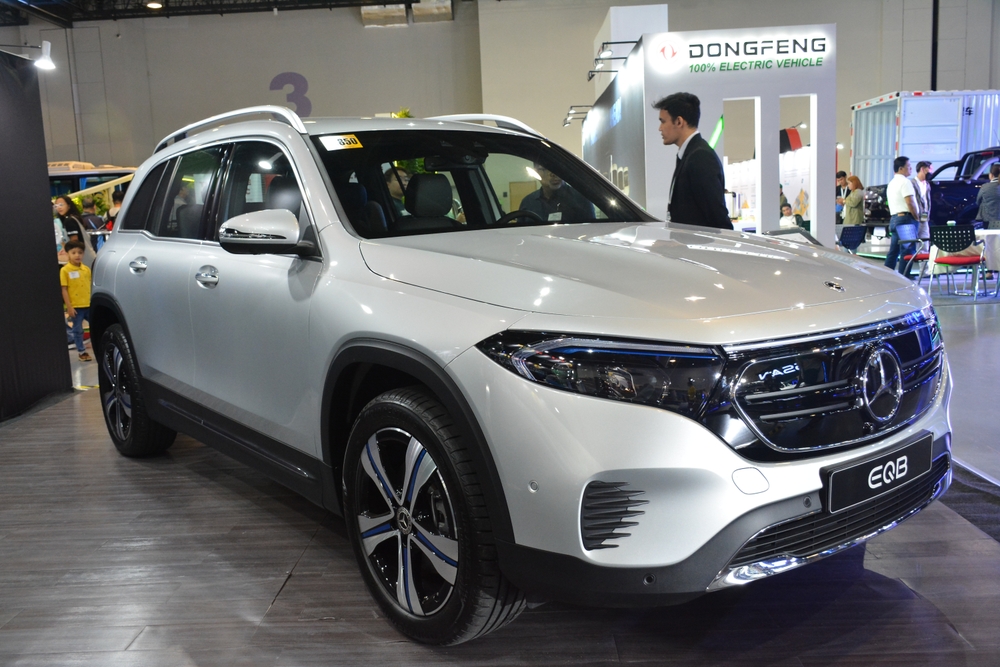
The Mercedes-Benz EQB offers three-row flexibility in a compact format. In 2026, improved production stability could increase availability. Greater supply may reduce pricing swings. Luxury buyers often compare incentives closely. If rebates apply, sales could rise quickly. Resale values may depend on battery durability reports. Leasing could dominate this segment, adding used supply later. Brand strength may support moderate value retention. Still, more electric luxury SUVs entering Canada may pressure pricing. Broader adoption could help normalize costs relative to early-launch periods.
Volvo EX30
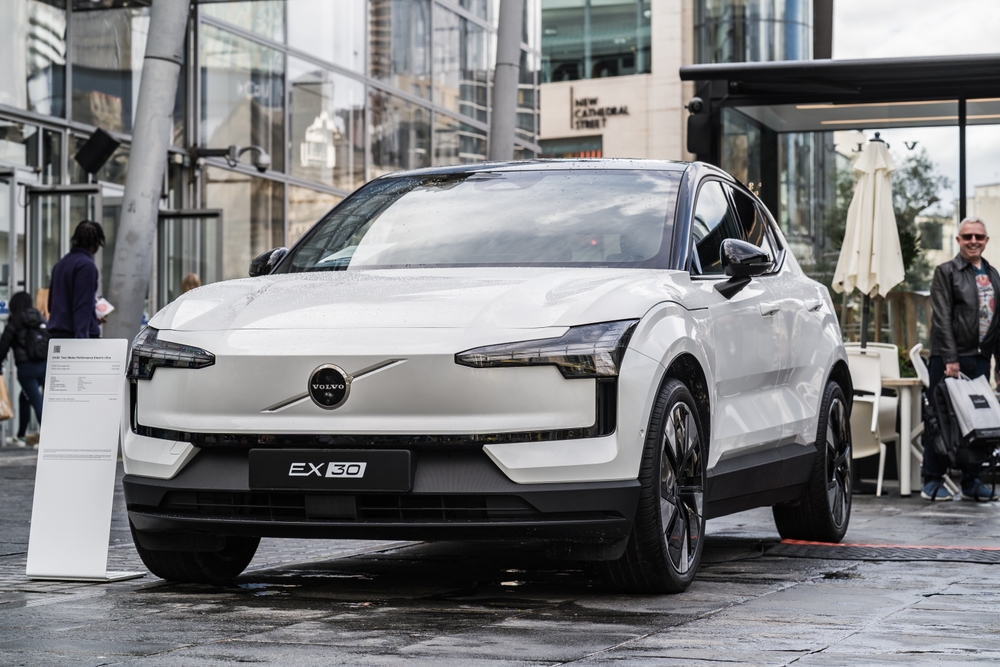
The Volvo EX30 targets affordability within a premium brand. Its lower entry price could attract urban Canadians. In 2026, strong demand may initially tighten supply. If production scales up, pricing could settle. A smaller battery size may influence resale expectations. Incentive eligibility could make it highly competitive. As more compact EVs launch, competition may intensify. Insurance costs could remain moderate due to size. Increased visibility in cities may drive broader adoption. Over time, a larger supply typically tempers resale premiums in entry luxury segments.
Kia Niro EV
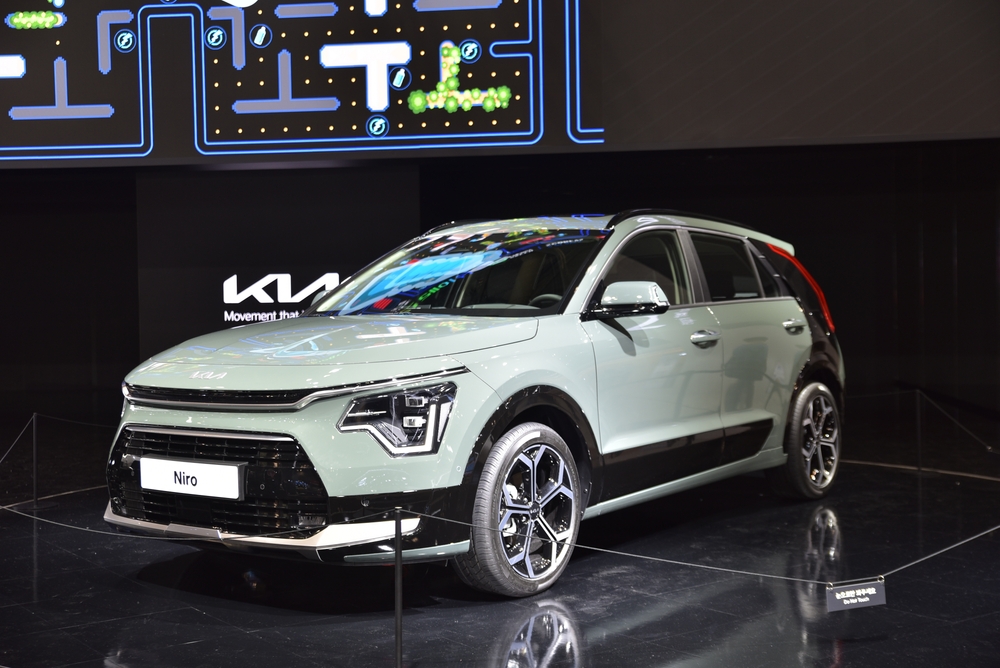
The Kia Niro EV continues to appeal to practical buyers. In 2026, stable production may expand dealer inventory. Higher supply usually reduces pricing volatility. Buyers may find better financing offers. Used values could soften as newer rivals appear. Reasonable range and interior space support steady demand. Incentives may influence final pricing strongly. If fleets adopt it widely, resale supply may rise. That often keeps long-term prices realistic. Broader adoption could make it a common suburban choice without dramatic price spikes.
Honda Prologue
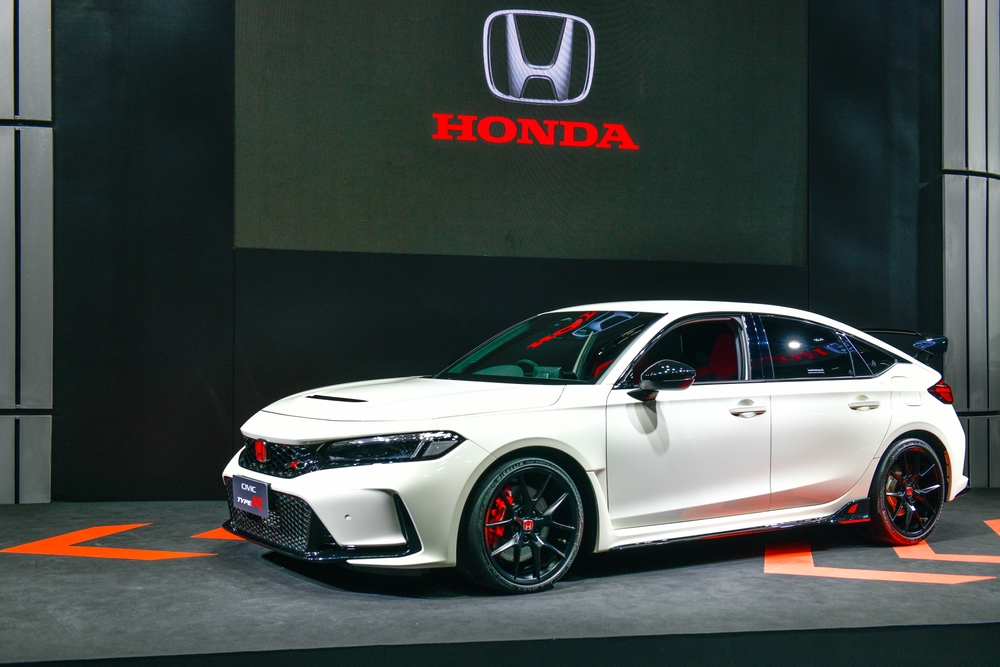
The Honda Prologue represents Honda’s stronger push into electric vehicles. Brand loyalty may drive quick adoption in Canada. In 2026, shared platforms may help maintain a steady supply. Greater availability often limits extreme pricing swings. Early demand could support firm transaction prices. Over time, used listings may increase as leases mature. Incentive eligibility will shape final purchase costs. As charging networks expand, mainstream buyers may feel more confident. That broader demand could balance supply growth and keep prices relatively stable.