Smart buys often look obvious from a distance: strong resale value, rugged styling, electric efficiency, prestige badges, family-friendly packaging, or impressive horsepower for the money. Real life has a way of testing those assumptions through insurance bills, charging access, repair complexity, depreciation, fuel use, recalls, and daily comfort.
These 16 vehicles can still make sense for the right household, commute, budget, or climate. The problem is that each one carries a practical catch that may not show up during a test drive. The showroom version of value is simple; the driveway version includes every bill, compromise, and inconvenience that arrives after the paperwork is signed.
Jeep Wrangler
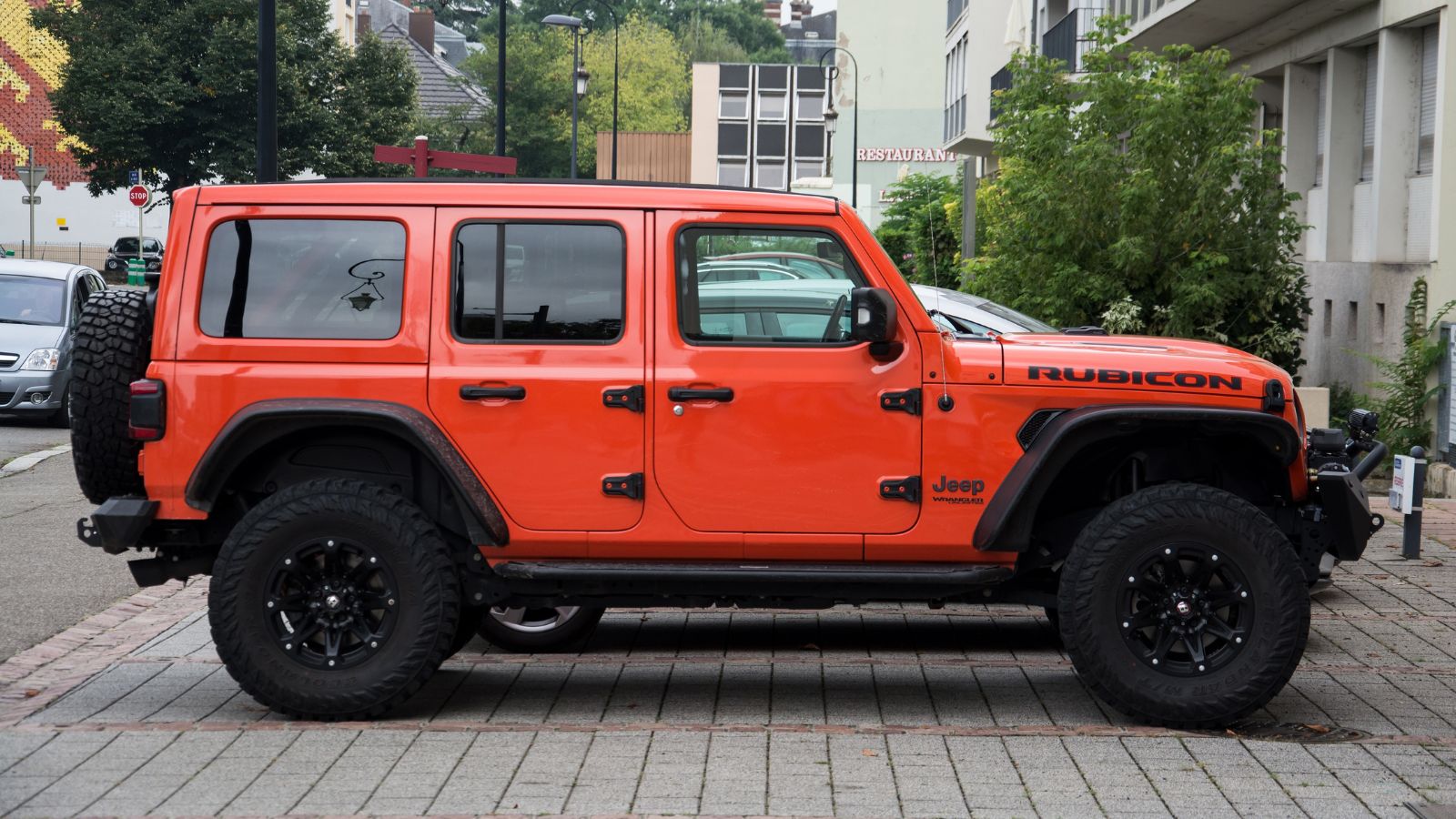
The Jeep Wrangler feels like an easy yes because it delivers something most SUVs only pretend to offer: genuine off-road ability, removable body panels, and a personality that turns a routine errand into a small adventure. It also tends to hold cultural appeal better than many crossovers. For buyers who picture trailheads, beach roads, and weekend escapes, the Wrangler can seem like a smart way to buy capability and character in one package.
Real life is less romantic. The same traits that make the Wrangler charming can make it tiring as a commuter: wind noise, firm ride quality, modest fuel economy, and packaging compromises. Recent Wrangler 4xe recalls have also reminded shoppers that adding plug-in hybrid complexity does not automatically make a rugged SUV cheaper or simpler to own. It can still be a great lifestyle vehicle, but the value equation changes when most miles happen in traffic.
Ford Bronco
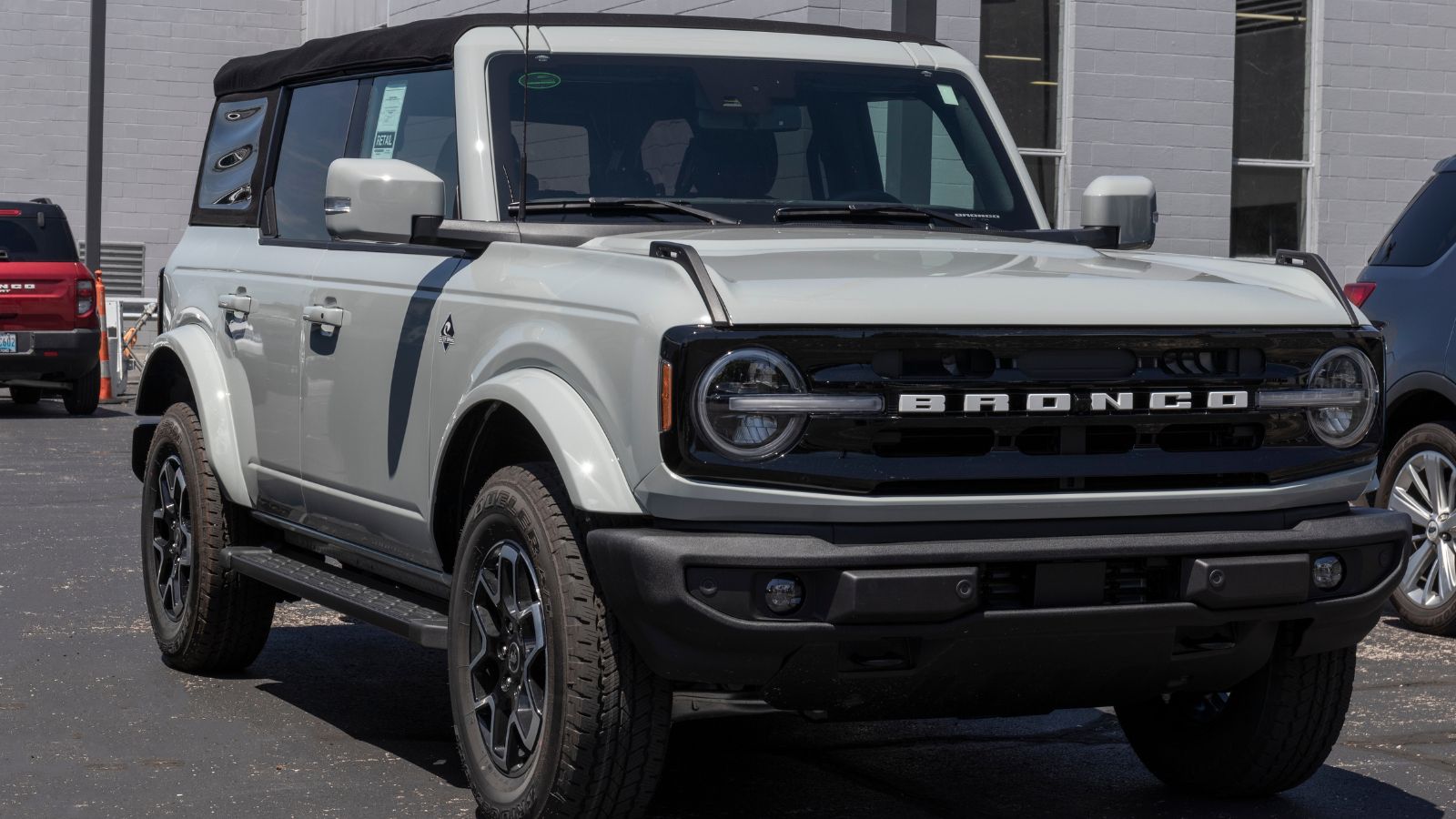
The Ford Bronco looks like a modern correction to years of bland SUVs. It has retro styling, legitimate off-road hardware, removable doors and roof panels, and trim levels that make buyers feel as if they are choosing an adventure package rather than a transportation appliance. Compared with some luxury off-roaders, it can appear refreshingly attainable, especially when buyers focus on the base engine and useful four-wheel-drive system.
The real-life issue is that the Bronco’s fun comes with familiar off-road tradeoffs. EPA ratings for many 2025 Bronco configurations sit in the high teens to around 20 mpg combined, and aggressive tire packages can make it louder and thirstier. Maintenance, insurance, fuel, and accessories can also push ownership costs higher than the original “reasonable adventure SUV” pitch suggests. It is easy to buy the dream and then spend weekday mornings managing the compromise.
Nissan Leaf
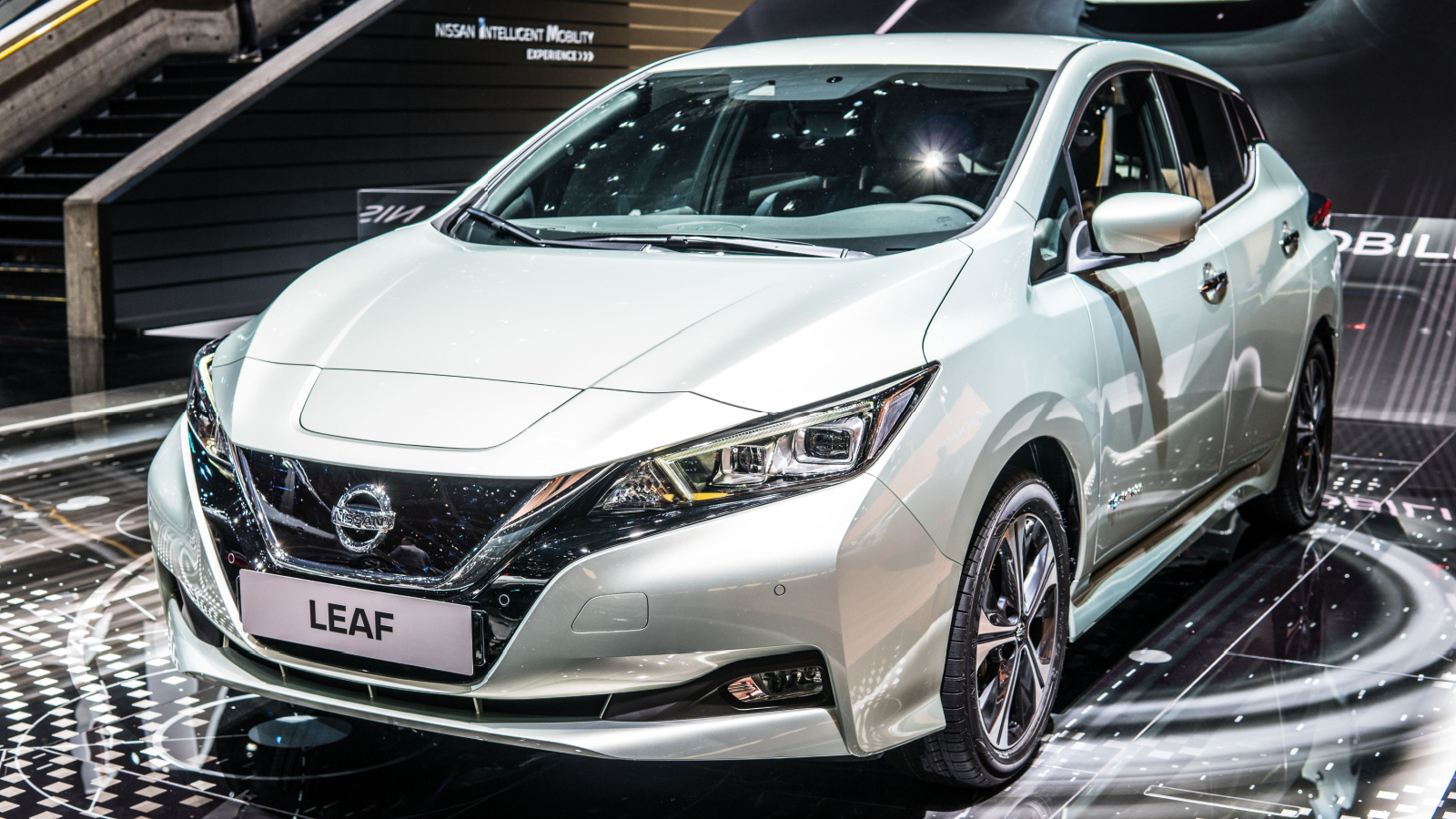
The Nissan Leaf can look like one of the smartest used EV purchases around. Prices are often low, the driving experience is quiet, and the car’s simple hatchback shape works well for commuting, groceries, school runs, and city errands. For someone with home charging and predictable short-distance use, a Leaf can still be a rational way to avoid gasoline without paying premium EV prices.
The catch is that the Leaf’s bargain status exists for reasons. Earlier and current Leaf models have shorter driving ranges than many newer EVs, and the 2025 Leaf still used CHAdeMO quick charging in a market shifting toward CCS and NACS. Depreciation data also shows the Leaf losing value rapidly compared with many other vehicles. A cheap purchase price can hide a narrow use case: it is best as a local car, not a flexible road-trip machine.
Tesla Model X
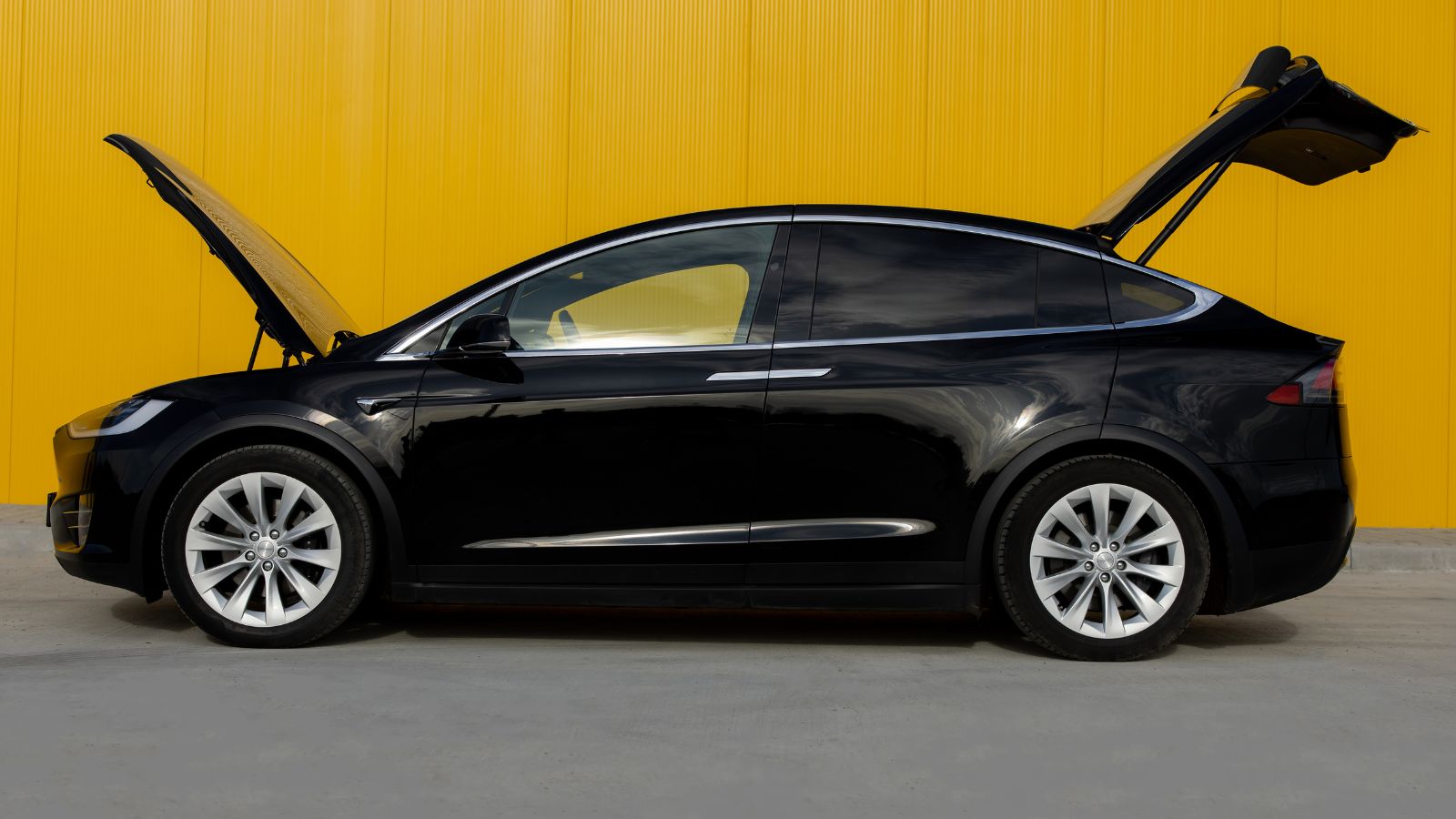
The Tesla Model X feels like a smart buy when judged by technology, acceleration, charging-network access, and family utility. Few three-row vehicles combine EV performance, dramatic doors, over-the-air updates, and the public image of cutting-edge transportation. Used examples can look especially tempting because depreciation brings them far below their original luxury-level prices.
That depreciation is also the warning sign. The Model X is a complex, expensive vehicle, and the savings at purchase can be offset by insurance costs, tire wear, body repair complexity, and out-of-warranty anxiety. Its falcon-wing doors may be memorable, but they are not the same as simple sliding doors in a crowded parking lot. The Model X can be brilliant for the right owner, but it is not a low-risk bargain just because the used price has fallen.
Rivian R1T
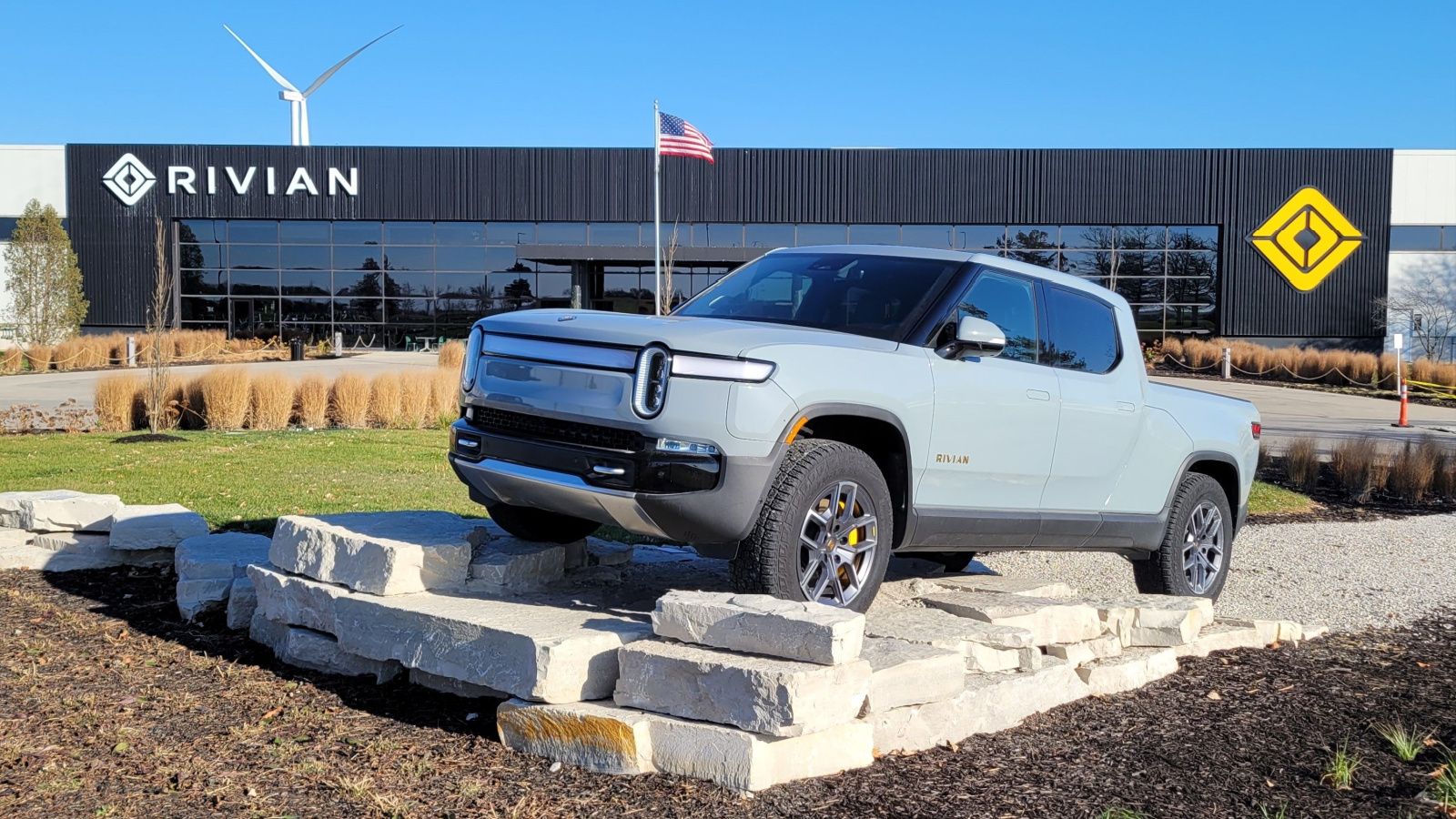
The Rivian R1T has a rare kind of appeal: it feels fresh, fast, outdoorsy, and genuinely different from traditional pickups. It offers strong acceleration, clever storage, premium interior design, and real off-road credibility. For buyers who want an electric truck that feels more like an adventure product than a worksite tool, the R1T can look like the future arriving early.
Real life can make early adoption feel less heroic. Rivian is still a young automaker compared with established truck brands, and recall activity, service access, software issues, and repair logistics matter when a vehicle is used as daily transportation. EV truck towing also reduces range, which can turn a camping or hauling trip into a charging-planning exercise. The R1T is impressive, but its best features work best for owners who accept startup-brand inconvenience.
Ford F-150 Lightning
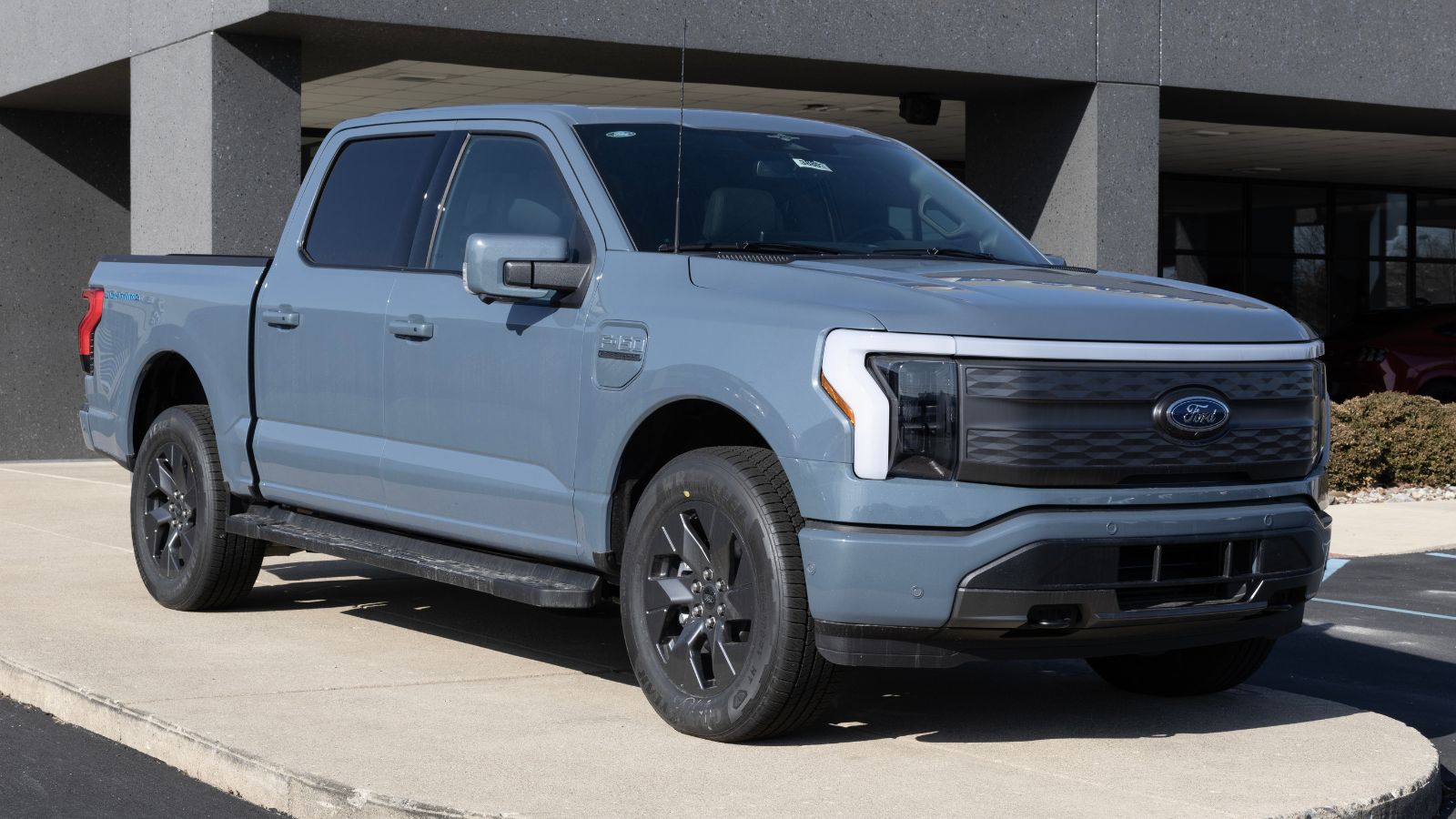
The Ford F-150 Lightning sounds almost unbeatable on paper: America’s familiar pickup nameplate, electric torque, home-power capability, a front trunk, and lower fueling costs for local driving. For homeowners, contractors, or commuters who can charge at home, it can feel like a clever way to modernize truck ownership without leaving the F-150 world behind.
The problem appears when electric-truck life meets pickup-truck expectations. Towing can cut range substantially, charging with a trailer can be awkward, and resale values for early electric pickups have been under pressure. Edmunds ownership estimates for the 2025 Lightning show depreciation as one of the largest five-year cost categories. Used buyers may benefit, but new buyers need to be honest about towing, winter range, charger access, and how long they plan to keep it.
Jeep Grand Cherokee 4xe
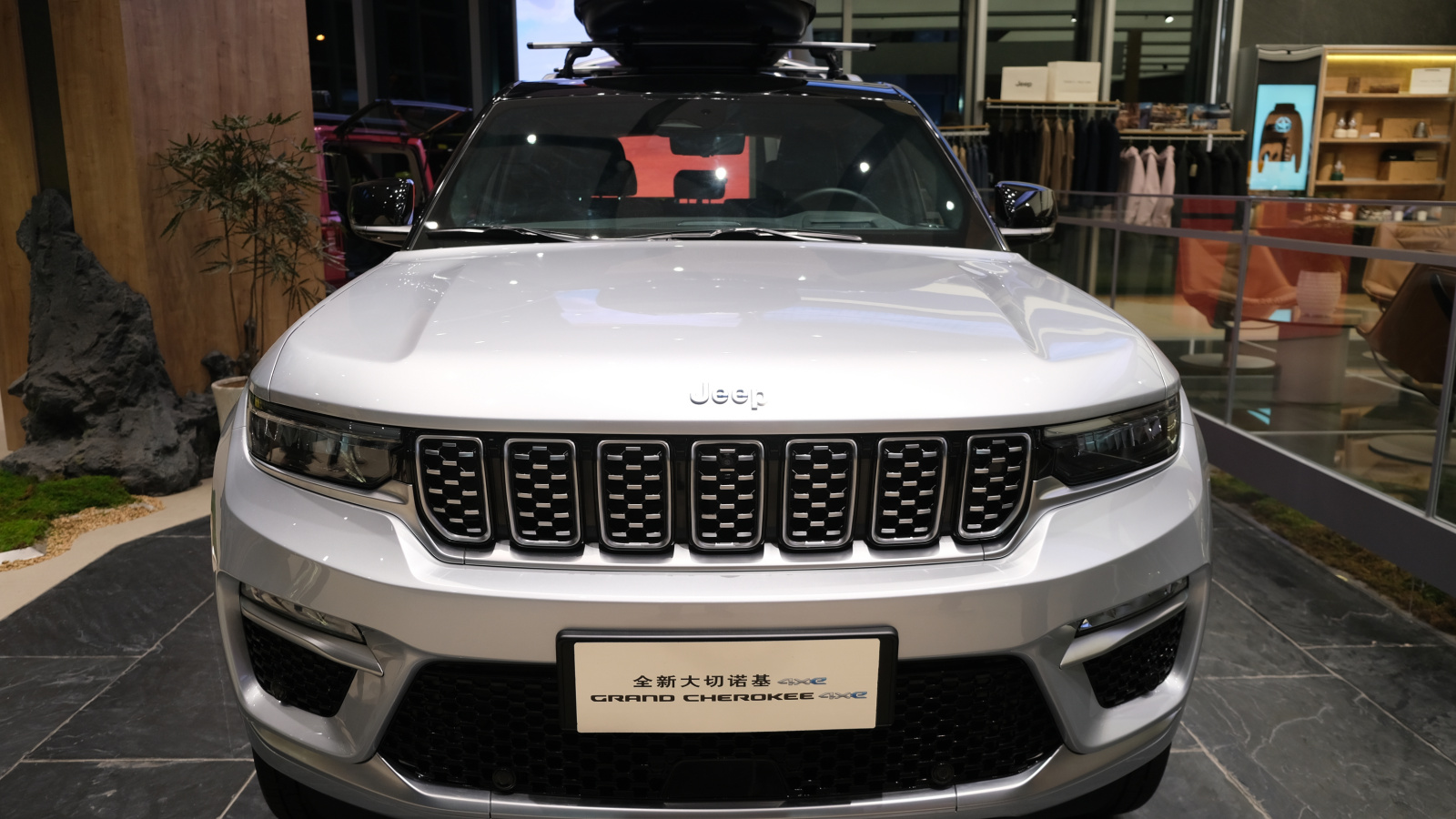
The Jeep Grand Cherokee 4xe seems like a sensible compromise: Jeep image, premium cabin, electric-only driving for short trips, and gasoline backup for longer travel. It appears to answer a common objection to full EVs by offering both plug-in efficiency and long-distance flexibility. For families who want an upscale SUV without going fully electric, the pitch is persuasive.
The complication is that plug-in hybrids can bring two systems’ worth of complexity. Recent NHTSA-related recall coverage for Jeep 4xe models has included fire-risk warnings and instructions to park outside and avoid charging affected vehicles until repairs are available. That kind of disruption directly undermines the convenience argument. The Grand Cherokee 4xe may still suit some owners, but it requires more faith in charging habits, warranty coverage, and recall management than the brochure suggests.
Chrysler Pacifica Plug-In Hybrid
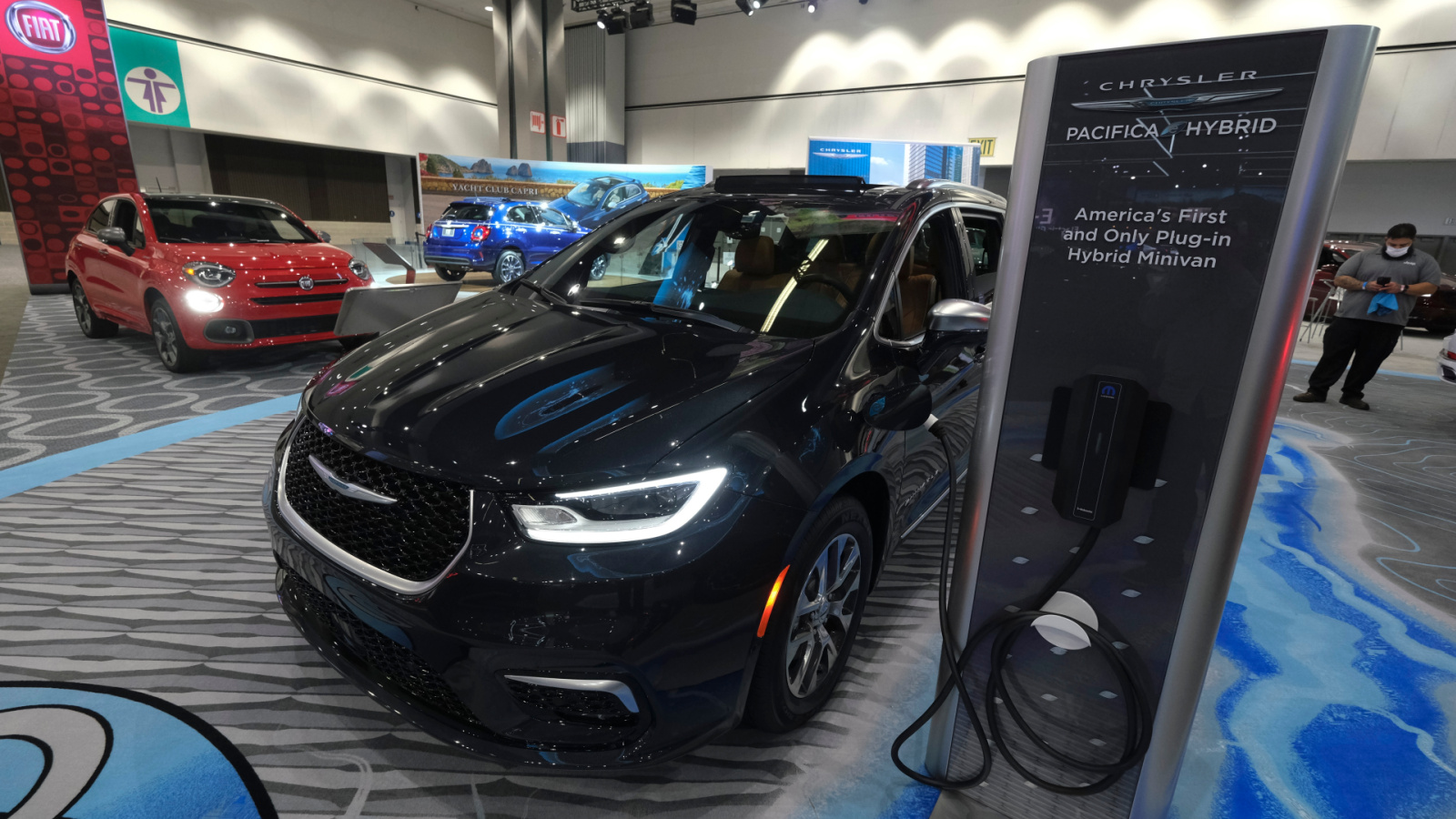
The Chrysler Pacifica Plug-In Hybrid can look like one of the most practical family vehicles sold in North America. It has sliding doors, real cargo space, usable passenger room, and the ability to handle many daily trips on electric power before using gasoline for longer drives. In a market crowded with expensive SUVs, a plug-in minivan can seem like the thinking person’s family hauler.
Real life can be less tidy. Minivans are bought to reduce stress, not create service appointments, and the Pacifica Hybrid has had reliability and recall concerns that matter to households depending on one vehicle for school, work, errands, and road trips. It also lacks the all-wheel-drive option available on gas Pacifica models, which can be a deciding factor in snow-belt regions. Its concept is excellent; execution and ownership confidence are the harder questions.
Land Rover Range Rover
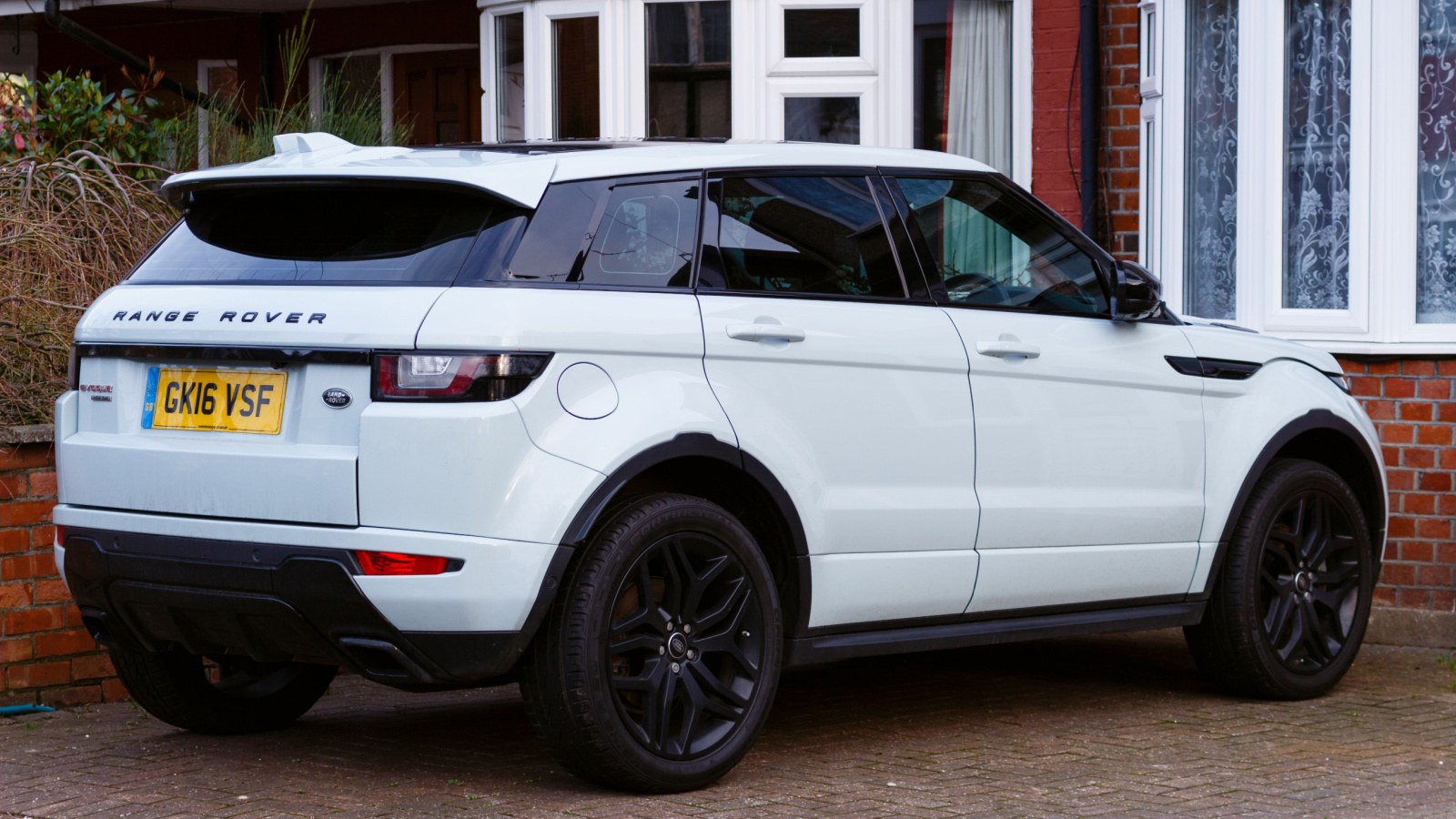
A used Range Rover can feel like a loophole in the luxury market. For much less than its original price, it offers a commanding driving position, first-class cabin materials, serious off-road engineering, and the kind of presence that cheaper SUVs rarely match. It can make a buyer feel as though depreciation has done them a favor.
Depreciation is not charity; it is the market pricing risk. Range Rovers are known for high maintenance and repair exposure, and long-term ownership estimates place the brand among the more expensive to keep on the road. Fuel economy for gasoline versions is also modest for such a costly vehicle. The Range Rover experience can be wonderful when everything works, but the smart-buy illusion fades quickly when air suspension, electronics, tires, brakes, or dealer labor enter the budget.
Maserati Ghibli
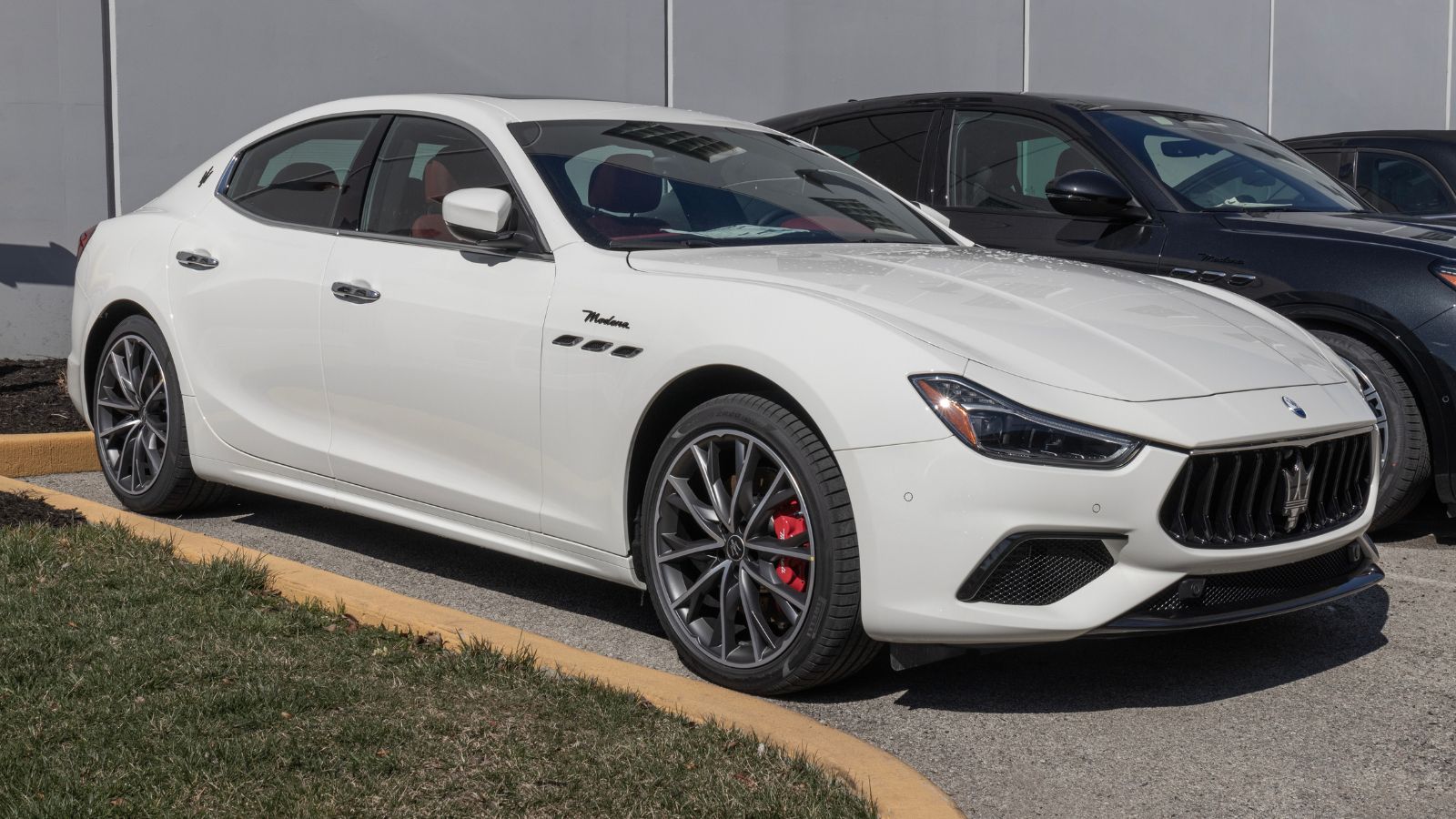
The Maserati Ghibli has an obvious emotional advantage over ordinary luxury sedans. It carries an Italian badge, distinctive styling, and a soundtrack that makes many German rivals feel clinical. On the used market, prices can fall far enough that it appears to offer exotic-brand glamour for the cost of a mainstream luxury car.
That tempting price is the clue. The Ghibli has been repeatedly cited in depreciation studies as one of the fastest-value-losing luxury sedans, with five-year losses around the mid-60-percent range in some analyses. Maintenance, parts availability, insurance, and resale uncertainty can all make ownership feel less glamorous than the first start-up sound. A cheap used Maserati is rarely cheap because sellers forgot what it is. It is cheap because the next owner inherits the expensive part of the story.
Mercedes-Benz G-Class
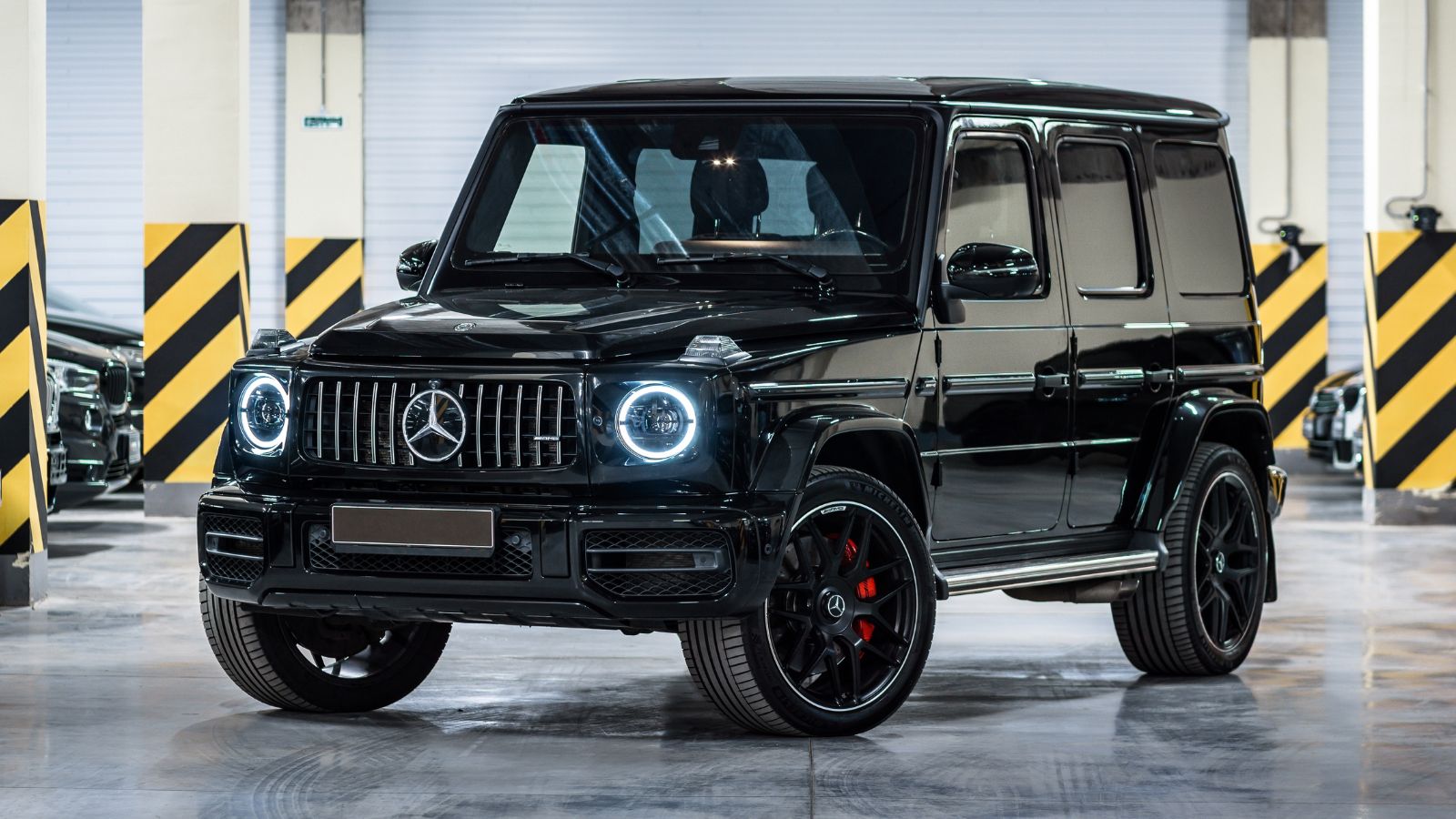
The Mercedes-Benz G-Class can look financially safer than many six-figure luxury SUVs because demand is strong and the design has become a status symbol. It is also genuinely capable off-road, beautifully built in many respects, and instantly recognizable. For some buyers, the G-Wagen feels less like a depreciating vehicle and more like a rolling luxury asset.
Real life pushes back through fuel, insurance, tires, service, and sheer size. The 2025 G-Class remains inefficient compared with ordinary luxury SUVs, and maintenance estimates for the model are high. Its upright shape, heavy feel, and expensive components mean the everyday cost of looking iconic is not subtle. Even when resale values hold better than expected, the owner still has to fund the privilege of driving a very expensive, very specialized machine.
BMW 7 Series
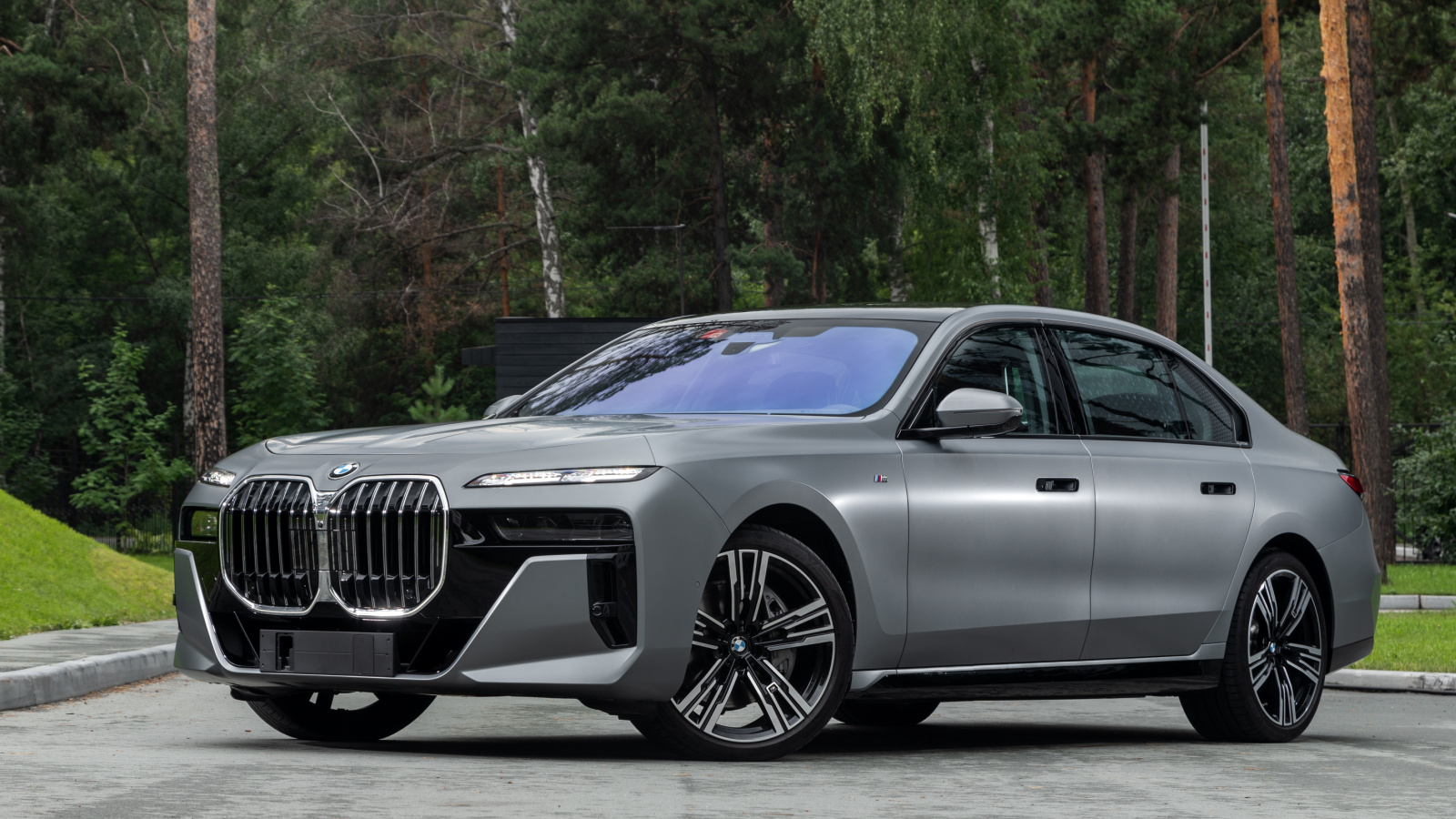
A pre-owned BMW 7 Series can feel like one of the best luxury bargains in the market. The original owner absorbs a huge portion of the depreciation, while the second owner gets a quiet cabin, advanced technology, serious power, and limousine-level comfort. For buyers comparing features per dollar, the used 7 Series can look almost irrationally attractive.
The problem is that flagship luxury sedans depreciate for structural reasons. They are expensive to repair, packed with complex electronics, and often costly to insure after warranty protection fades. Depreciation studies have placed the 7 Series among the fastest-losing vehicles by value over five years. A used example may be affordable to buy, but it still expects to be maintained like the expensive executive sedan it was when new.
Volkswagen ID.4
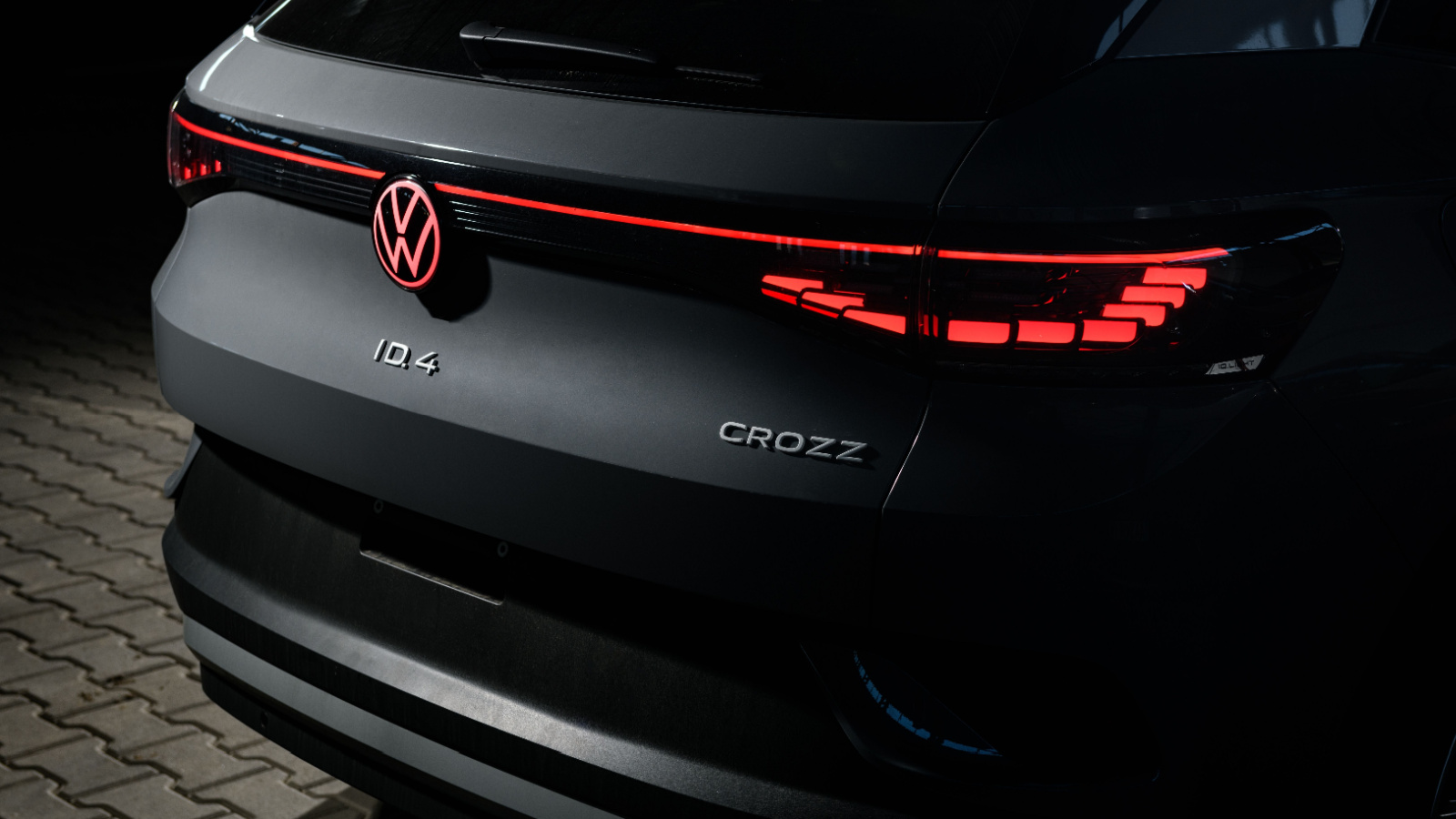
The Volkswagen ID.4 seems like a sensible EV for people who do not want a spaceship. It has familiar crossover proportions, available all-wheel drive, a comfortable cabin, and a brand name that feels mainstream rather than experimental. Used prices can make it look like an especially practical way into electric driving.
The issue is that mainstream EVs have been moving targets. Rapid changes in charging standards, battery pricing, incentives, and software expectations can make a three-year-old EV feel older than its mileage suggests. Recent ID.4 depreciation rankings and battery-related recalls show how quickly the ownership picture can shift. It may be a good fit with home charging and warranty coverage, but the smart buy depends heavily on price, recall status, software updates, and local service support.
Mini Cooper
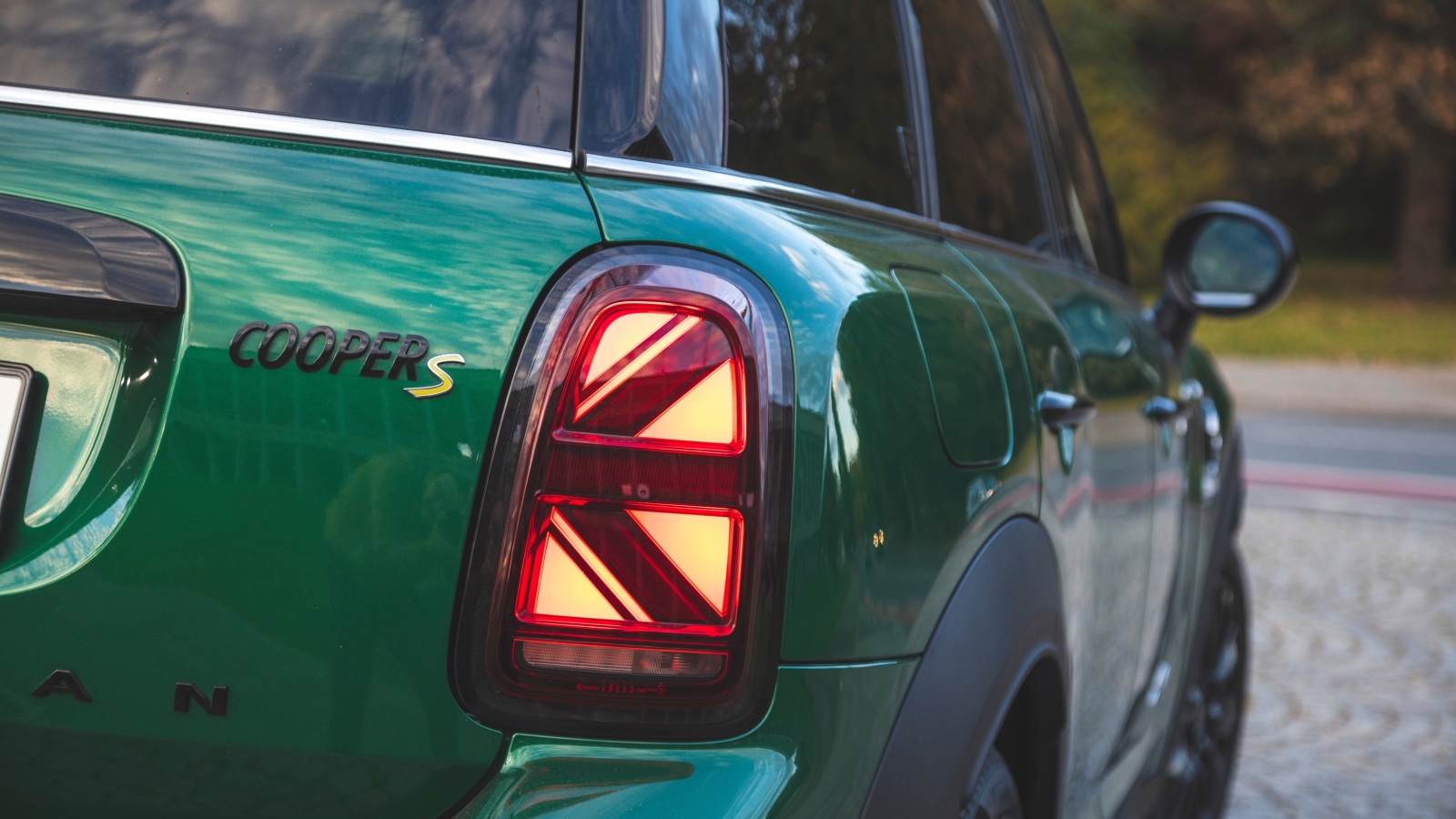
The Mini Cooper feels like a smart buy because it makes small-car ownership feel special. It is stylish, easy to park, enjoyable on tight roads, and more premium inside than many economy hatchbacks. For city dwellers or drivers who value personality over cargo space, a Mini can seem like a practical indulgence rather than an impractical toy.
The real-life complication is that premium small cars still bring premium-service expectations. Even when newer Mini models score better for reliability than older stereotypes suggest, repair and maintenance costs can remain higher than those of basic subcompacts. Space is also limited, ride quality can be firm, and tire or wheel damage is more likely on rough urban streets. The Mini works best when bought for charm with eyes open, not as the cheapest possible transportation.
Subaru WRX
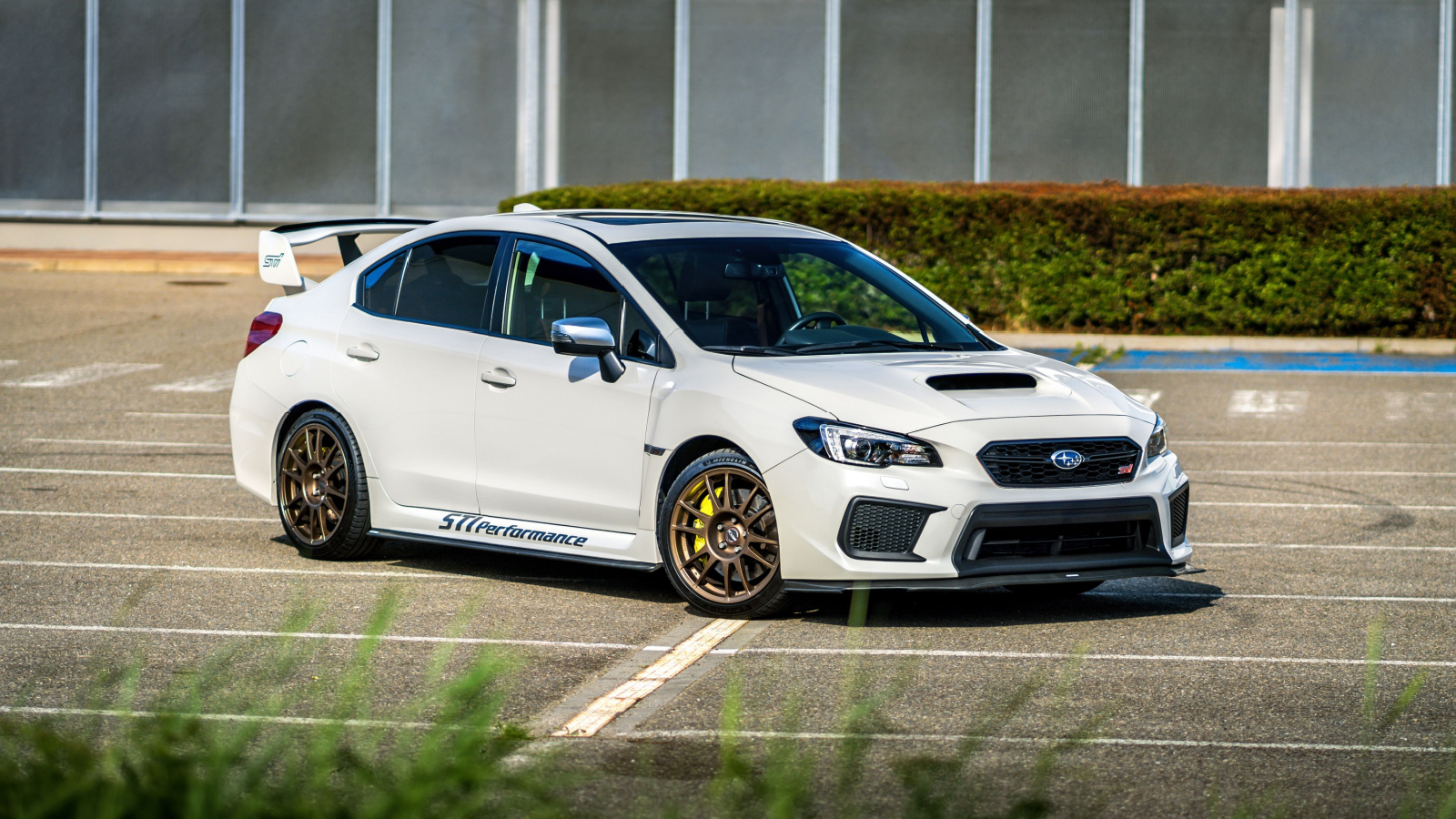
The Subaru WRX can seem like a rare rational enthusiast car. It has all-wheel drive, a manual transmission option, turbocharged power, four doors, and year-round usability. For drivers in snowy regions, it promises fun without fully surrendering practicality. Compared with luxury performance cars, it looks like a bargain.
Daily ownership is where the WRX asks for commitment. Fuel costs are not economy-car low, insurance can be higher than expected, and performance tires, brakes, clutch wear, and enthusiast-driven used examples can complicate the budget. Edmunds and other ownership-cost estimates show fuel, insurance, maintenance, and depreciation stacking up meaningfully over five years. The WRX is practical for a performance car, but that phrase still matters: it is not the same as owning a Corolla with a hood scoop.
Toyota Tacoma
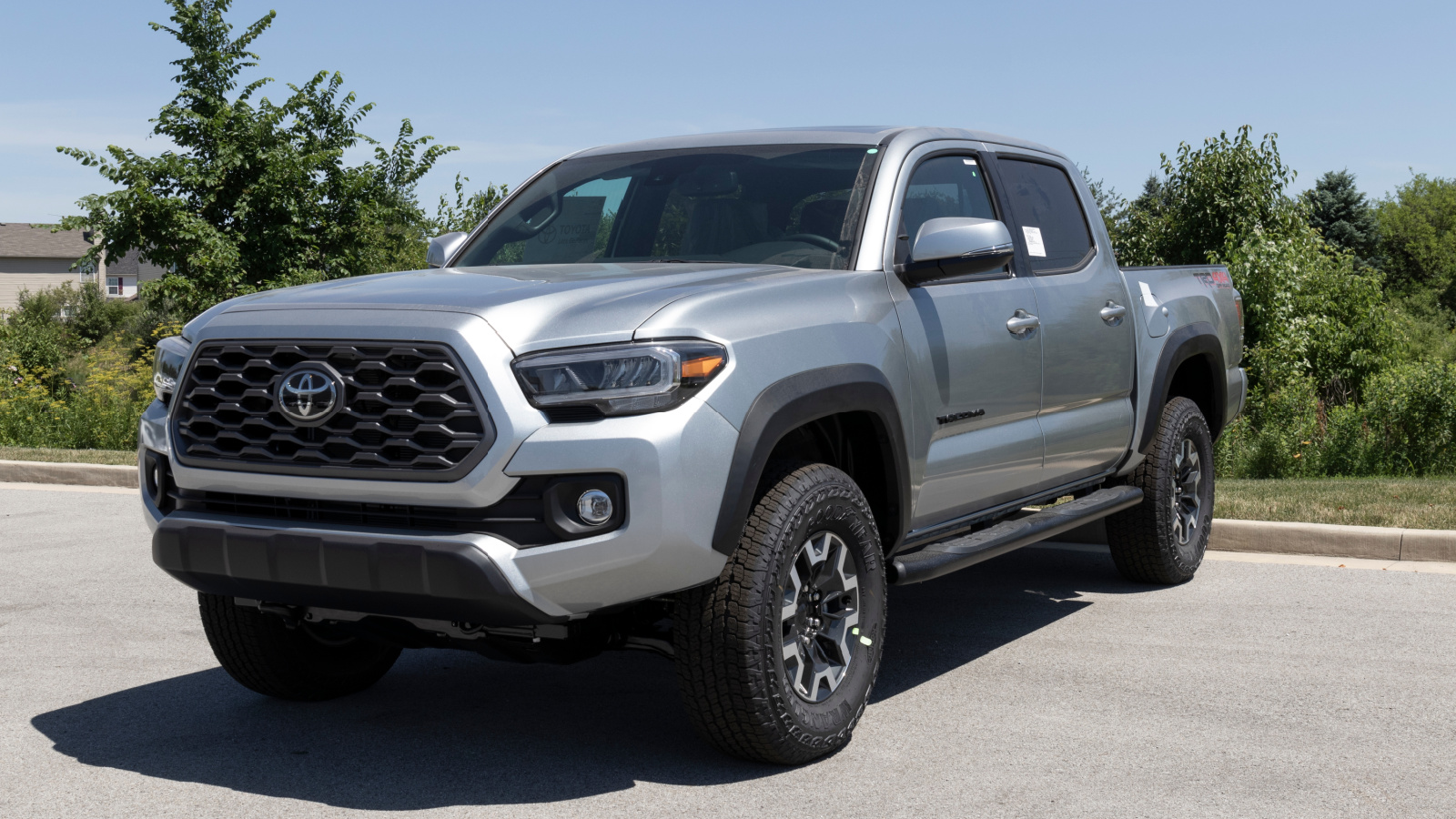
The Toyota Tacoma looks like one of the safest buys in the truck world because it has a long reputation for durability and resale strength. Many shoppers assume that buying a Tacoma is almost a financial strategy: drive it for years, use it hard, and sell it for a surprisingly strong price. That reputation is not imaginary, and it has helped the Tacoma become a default midsize-truck recommendation.
The catch is comfort and cost relative to what the truck actually does every day. Tacomas can be expensive to buy, fuel economy is not especially low, and the ride can feel truck-like in a way crossover drivers may not enjoy. Newer redesigns also introduce more complexity than older, simpler models. The Tacoma may still be one of the smarter trucks, but it is not automatically the smartest vehicle for commuters who rarely tow, haul, or leave pavement.
Audi A8
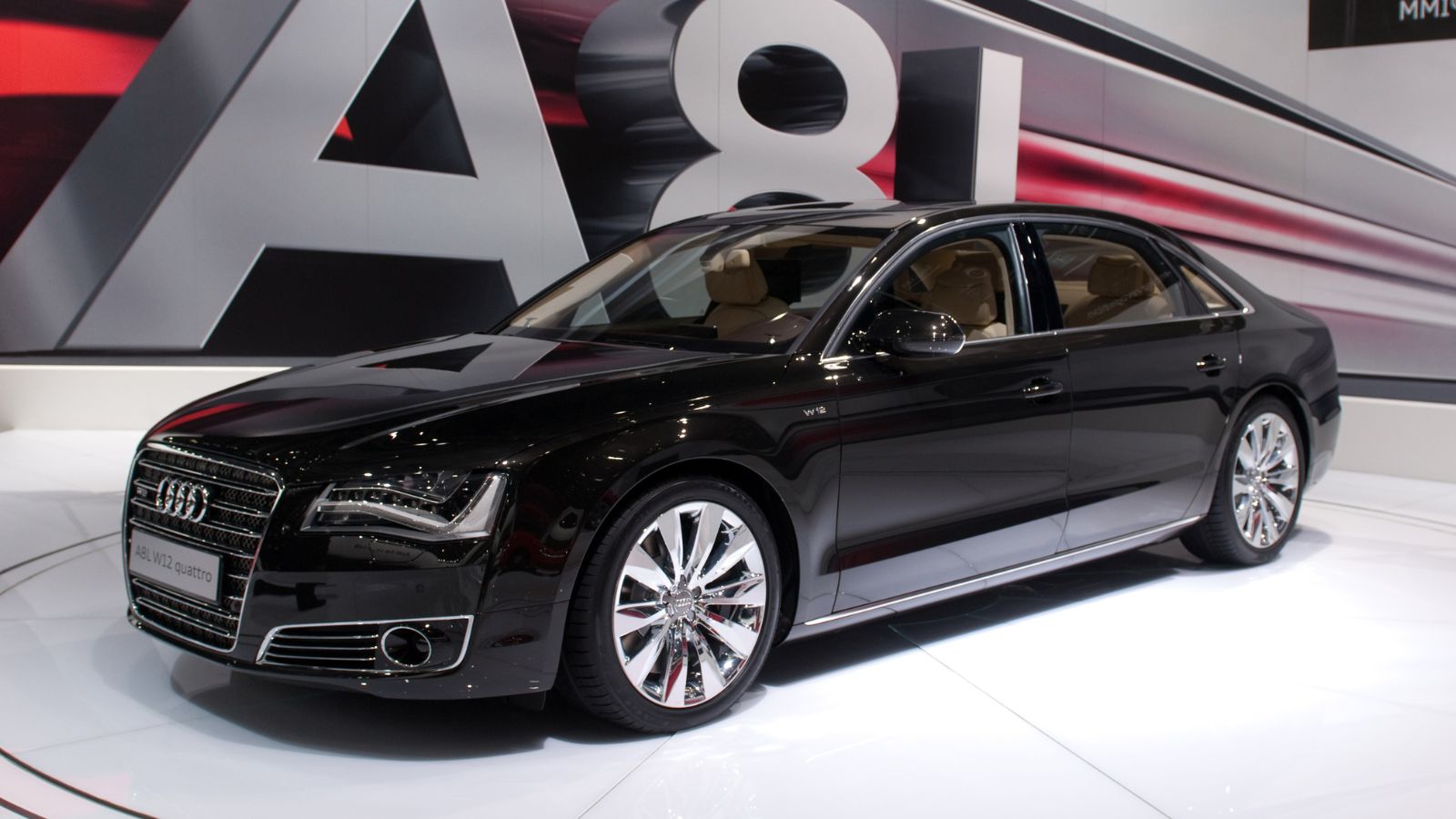
A used Audi A8 can look like a quiet masterpiece of depreciation. It offers executive comfort, advanced technology, elegant design, strong performance, and a cabin built for long-distance calm. Because large luxury sedans lose value quickly, shoppers can find examples priced like far less sophisticated vehicles.
That low used price is often the market warning buyers about future bills. Flagship sedans are packed with costly systems: air suspension, advanced lighting, luxury electronics, complex drivetrains, and expensive trim. Depreciation studies frequently place large German luxury sedans among the hardest-hit segments. An A8 may feel like a brilliant deal during the test drive, but ownership can become expensive when aging technology, dealer labor, and resale uncertainty arrive together.
22 Things Canadians Do to Their Cars in Spring That Mechanics Hate

Spring brings relief to many Canadian drivers after months of snow, freezing temperatures, and icy roads that put serious strain on vehicles. As temperatures rise across the country, drivers begin washing cars, switching tires, and preparing vehicles for warmer weather and upcoming road trips. However, mechanics across Canada notice the same mistakes every spring when drivers attempt to recover from winter damage. Road salt, potholes, and harsh winter driving conditions often leave vehicles with hidden problems that drivers ignore. Some spring habits even create new mechanical issues that could have been avoided with proper maintenance. Here are 22 things Canadians do to their cars in spring that mechanics hate.