


























Sticker prices never tell the full story. In Canada, regret usually starts later: after the winter range falls well short of the headline number, after a theft wave turns a popular SUV into a stress point, or after resale values tumble faster than expected. Some of the vehicles below are still desirable, capable, or even genuinely enjoyable. The problem is that ownership reality can shift faster than buyer expectations.
This list looks at 21 vehicles that are increasingly easy for Canadians to second-guess. In some cases, the issue is recall history. In others, it is depreciation, insurance anxiety, or the simple realization that a great test drive does not always translate into a great three-year ownership experience. These are the models where excitement, practicality, or brand appeal can give way to second thoughts.
1. Jeep Grand Cherokee 4xe
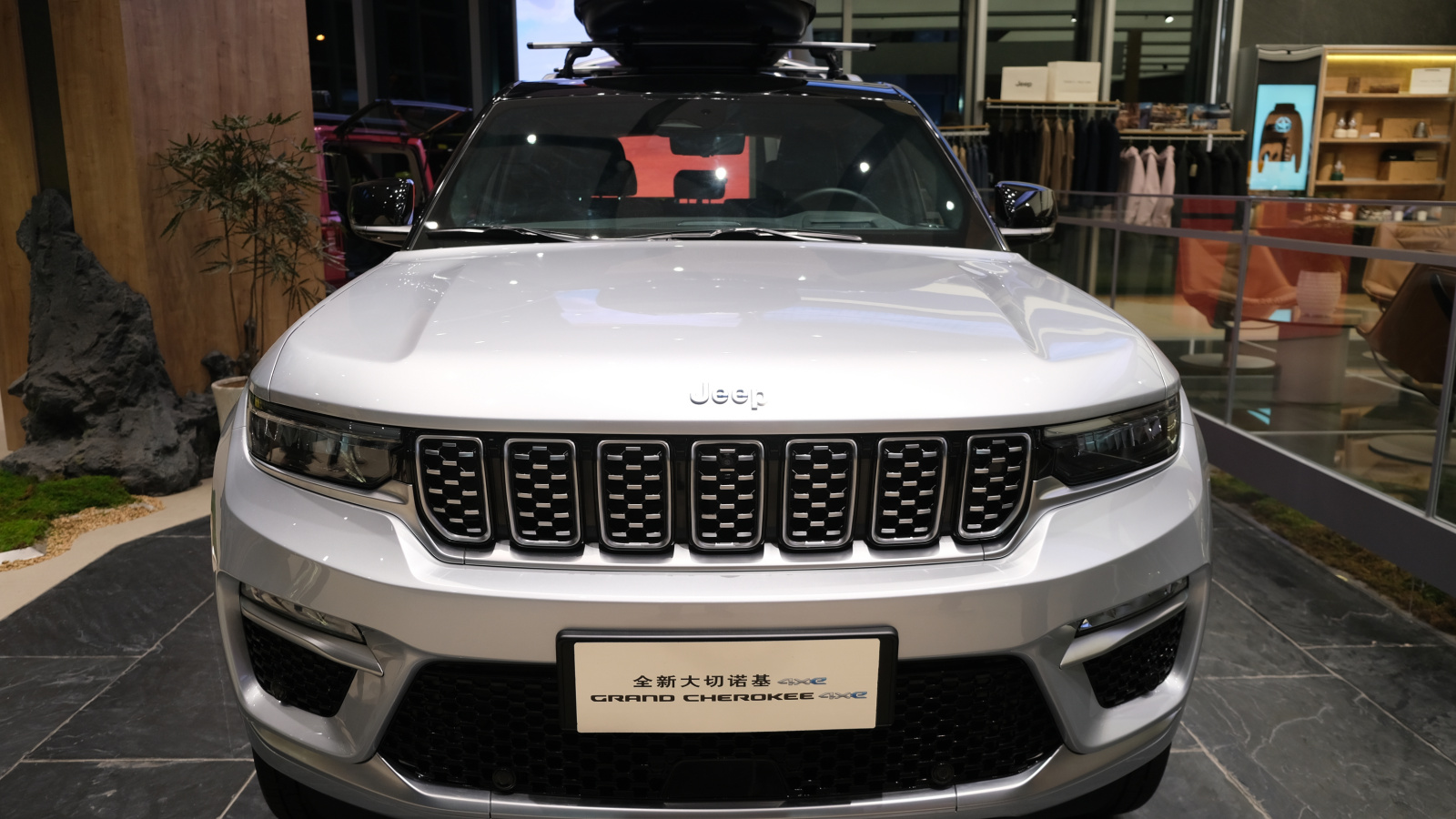
The Grand Cherokee 4xe looks like a smart Canadian formula on paper. It promises Jeep image, plug-in efficiency, and enough comfort to justify its price. That combination is exactly why some buyers jumped in early. The regret tends to begin when a vehicle sold as a premium electrified SUV starts feeling more like a complicated risk-management exercise. When a family vehicle also becomes a vehicle owners are told not to charge and to park away from structures until recall work is completed, confidence takes a hit fast.
That matters because the Grand Cherokee nameplate is already common enough to live under the usual Canadian ownership pressures of theft awareness and high replacement cost. In a market where buyers want fewer surprises, not more, a plug-in SUV with a fire-related recall history becomes much harder to defend emotionally. For many owners, the issue is not that the 4xe is unusable. It is that the entire point of paying extra for the electrified version was peace of mind and modern convenience, and both can feel diminished once recall language gets serious.
2. Jeep Wrangler 4xe
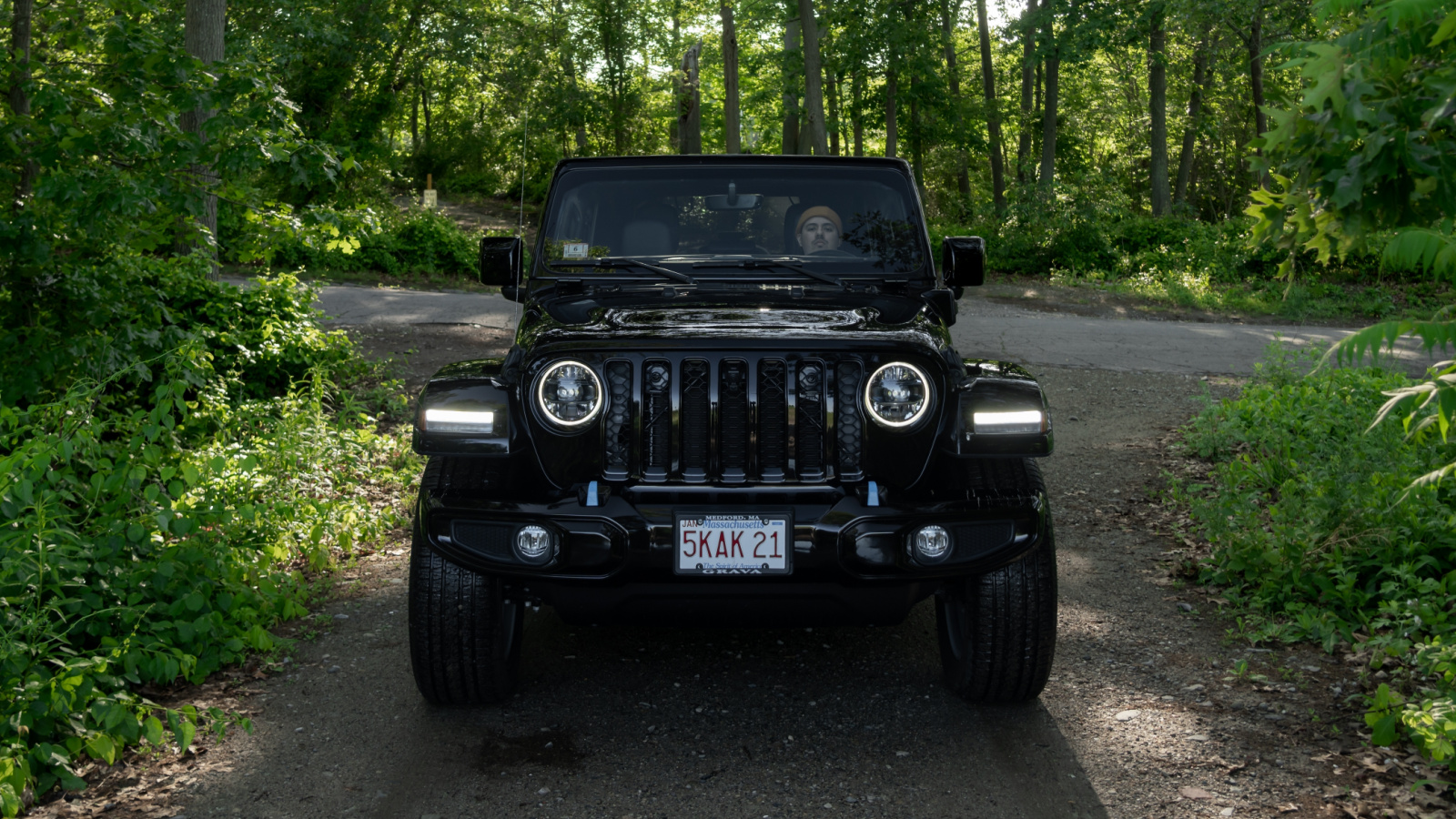
The Wrangler 4xe was pitched as a clever compromise: iconic Jeep styling, genuine off-road credibility, and enough electric driving to make daily use cheaper and quieter. For a lot of Canadians, that sounded like the best possible version of a Wrangler. The problem is that the Wrangler already asks owners to accept tradeoffs in comfort, refinement, and daily-driver polish. Once recall headaches enter the picture, the ownership bargain gets much tougher to justify, especially for buyers who wanted a fun lifestyle SUV rather than a hobby.
That tension grows when a vehicle becomes both highly visible and highly vulnerable. The Wrangler has also shown up prominently on Ontario theft lists, which means some owners are not just thinking about charging habits or software fixes. They are also thinking about where they park, whether extra anti-theft devices are worth it, and whether the vehicle feels too exposed for the price. A Wrangler 4xe can still be a blast on the right weekend, but regret often starts on a Monday morning when the buyer realizes the dream vehicle may be asking for more compromises than expected.
3. Nissan Rogue
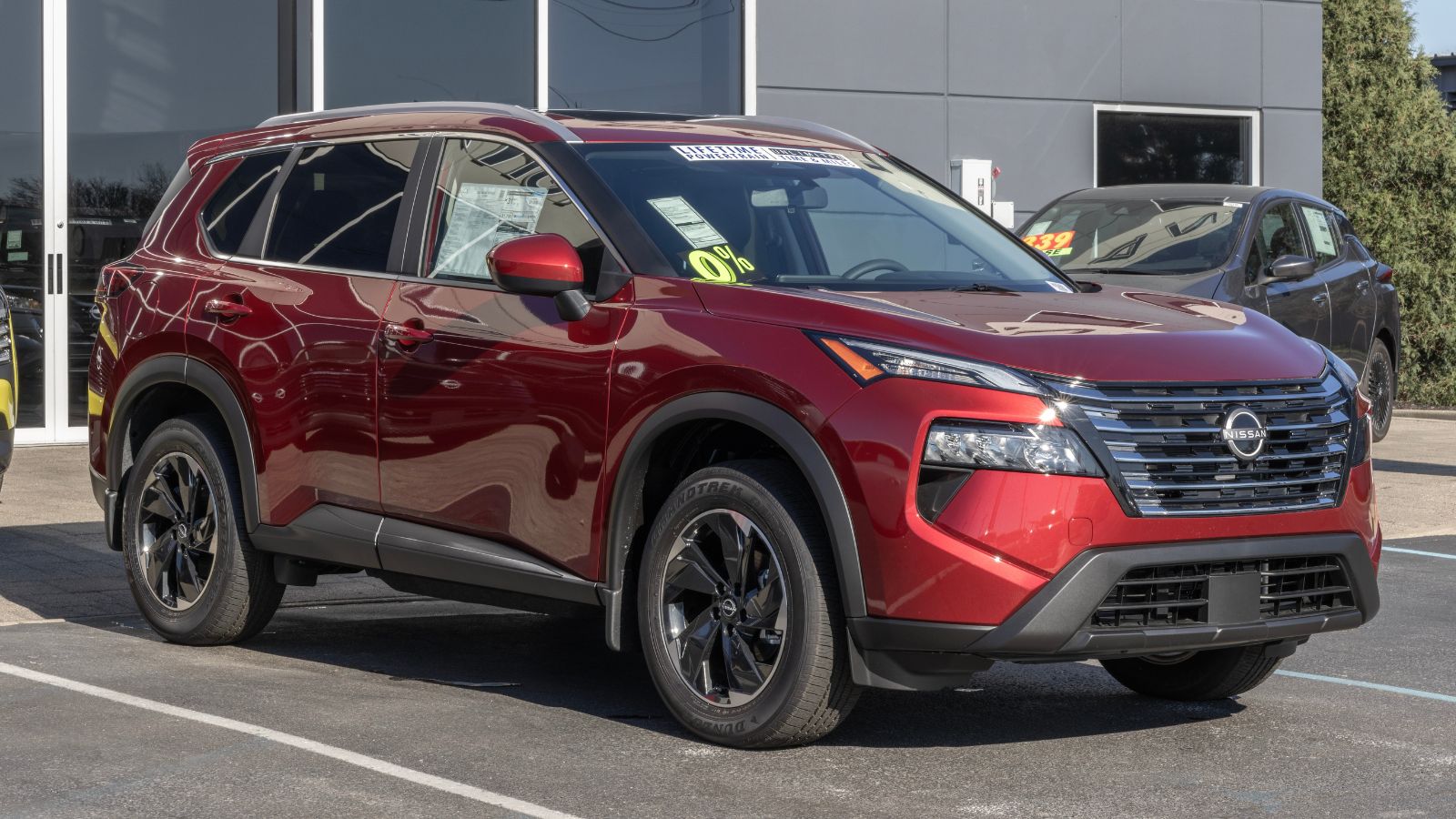
The Rogue has long been one of the default crossover choices for Canadian families because it hits the usual checklist well. It is the right size, easy to live with, and widely available on the used market. That is exactly why bad news lands harder here than it does on a niche model. When Transport Canada closes an investigation by pointing to a recall for engine failure resulting in loss of propulsion on certain 2021-2024 Rogues with the 1.5-litre VC-Turbo engine, the model’s reputation takes a real hit.
This is the kind of vehicle people buy to reduce risk, not introduce it. Earlier Rogue issues involving an electrical short and fire risk on older model years only deepen the sense that some buyers may not have gotten the low-drama ownership experience they expected. A family crossover is supposed to disappear into daily life in a good way. Instead, the Rogue can leave buyers wondering whether they should have chosen something less ambitious mechanically and more boring in the best possible sense. That does not make every Rogue a bad buy. It makes it a vehicle where regret can grow quickly once long-term trust starts to fade.
4. Hyundai Kona Electric
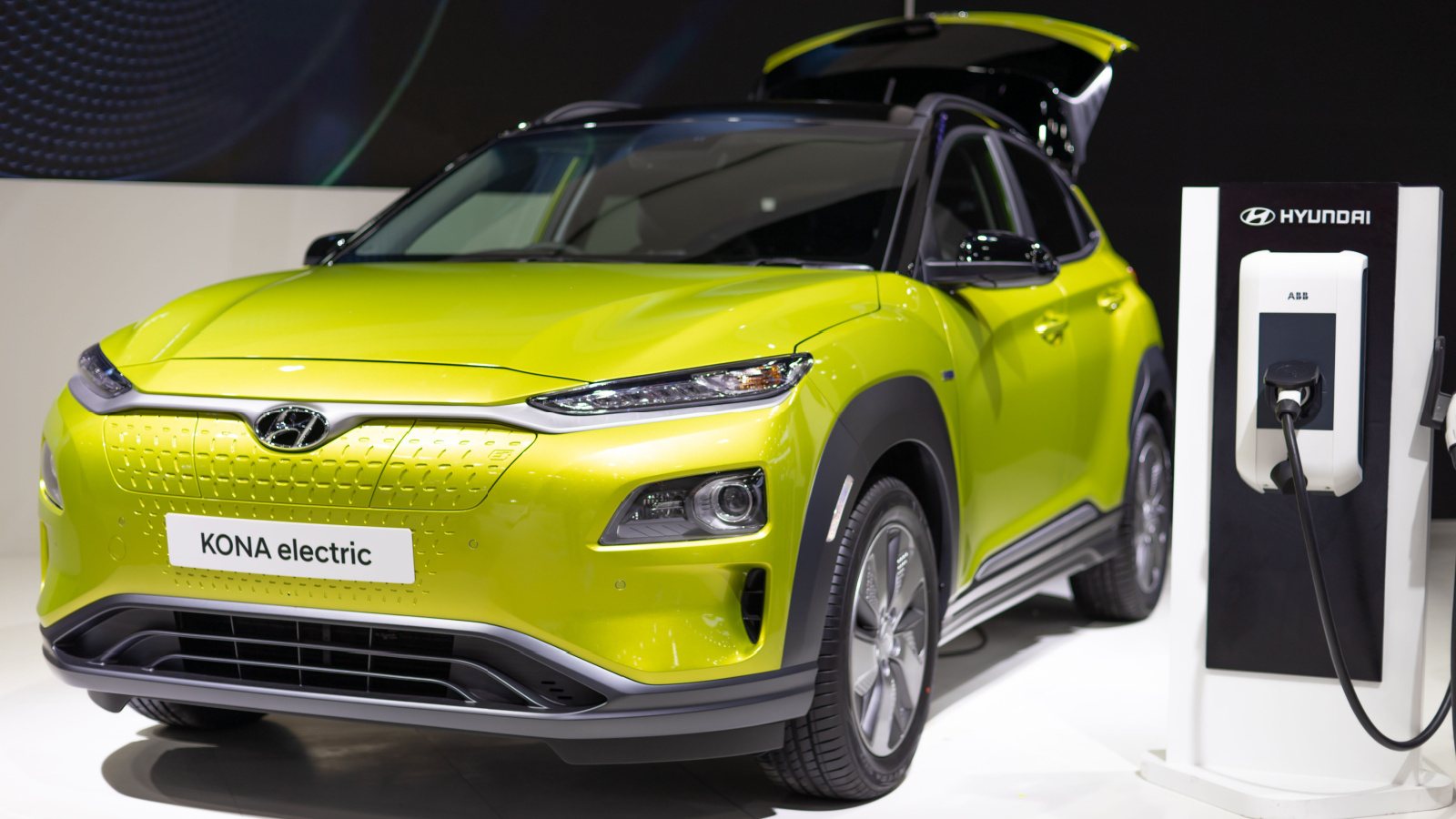
The Kona Electric still makes a lot of sense in theory. It is compact enough for city life, efficient enough to make running costs attractive, and officially rated at up to 420 kilometres of range in Canada in the current generation. For many buyers, it looks like a practical gateway into EV ownership without moving into luxury pricing. The reason some owners start second-guessing it is that early battery-related recall history never fully disappears from the model’s story. Once a buyer learns that certain vehicles were recalled because the high-voltage battery could short circuit while parked, charging, or driving, the emotional equation changes.
The other challenge is value retention. iSeeCars estimates the Kona Electric loses about 56 percent of its value after five years, which is noticeably steeper than the typical SUV. That means even buyers who enjoyed the savings on energy can still feel punished on the back end. In a colder country where EV adoption still involves extra learning and planning, a vehicle can be efficient and still create remorse if it combines recall baggage with heavier-than-expected depreciation. The Kona Electric is a classic example of a good concept that some original buyers may wish they had entered later, after the early turbulence had settled.
5. Chevrolet Bolt EUV
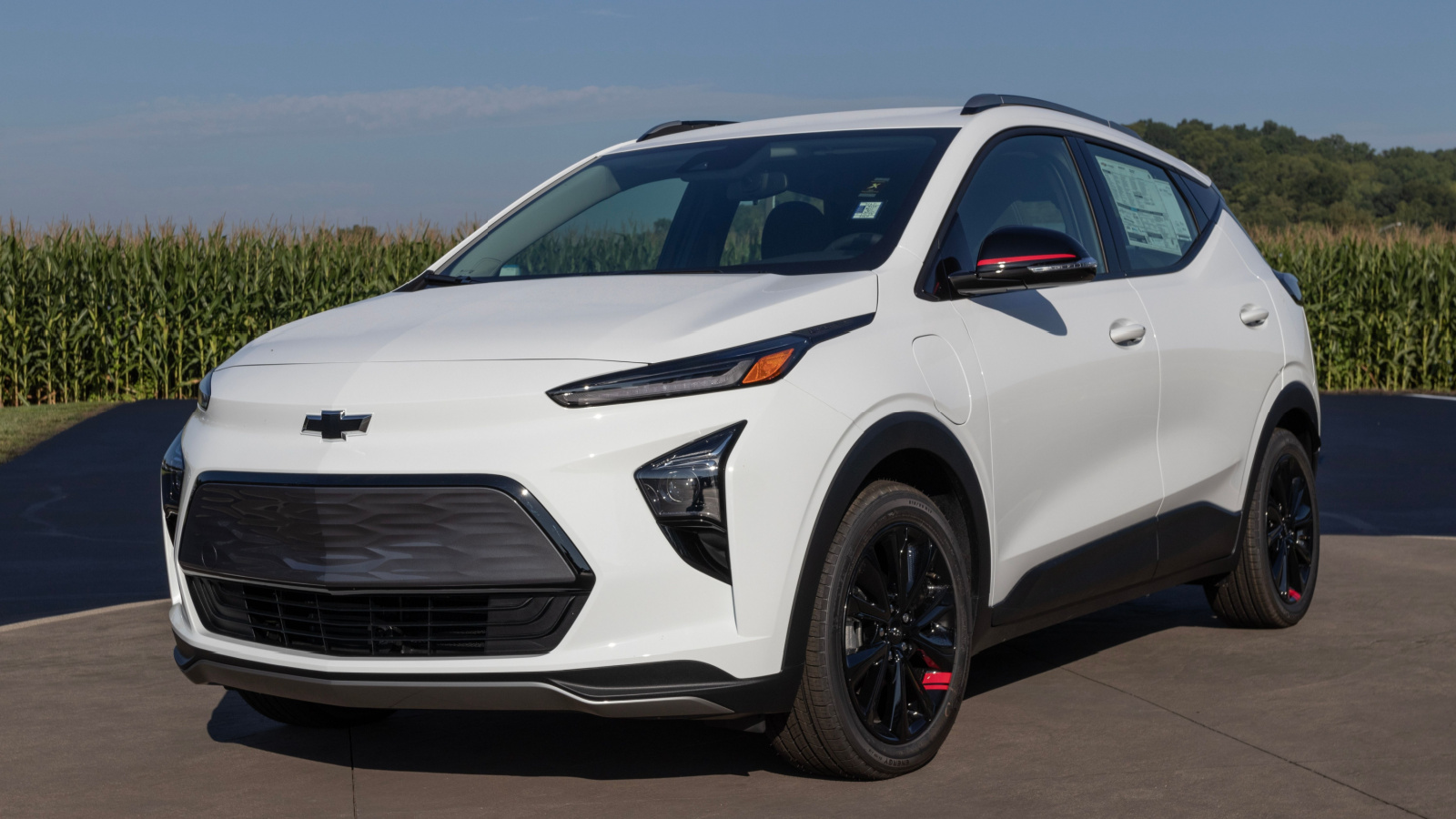
The Bolt EUV has one of the strangest reputations in the Canadian market. On one hand, it is easy to like. It is compact, straightforward, and often looks like a rational alternative to far more expensive EVs. On the other hand, the Bolt family’s battery-fire history became so central to the ownership conversation that it changed how people talk about the car. GM said the recall covered Bolt EVs and Bolt EUVs because rare battery-cell manufacturing defects could create fire risk, and later Transport Canada flagged that some previously repaired vehicles needed another correction because batteries could overheat above 90 percent charge.
That kind of history can overshadow a vehicle for years, even when many examples are perfectly fine. The Bolt EUV also suffers from harsh resale math, with iSeeCars putting five-year depreciation at roughly 62.8 percent. That is the kind of number that makes an original buyer feel like the vehicle’s affordability arrived too late, after they had already absorbed the biggest hit. Used buyers may see the Bolt EUV as a bargain, but that is precisely why some first owners feel regret. They paid to be early, then watched the market reprice the car more aggressively than they expected.
6. Volkswagen ID.4
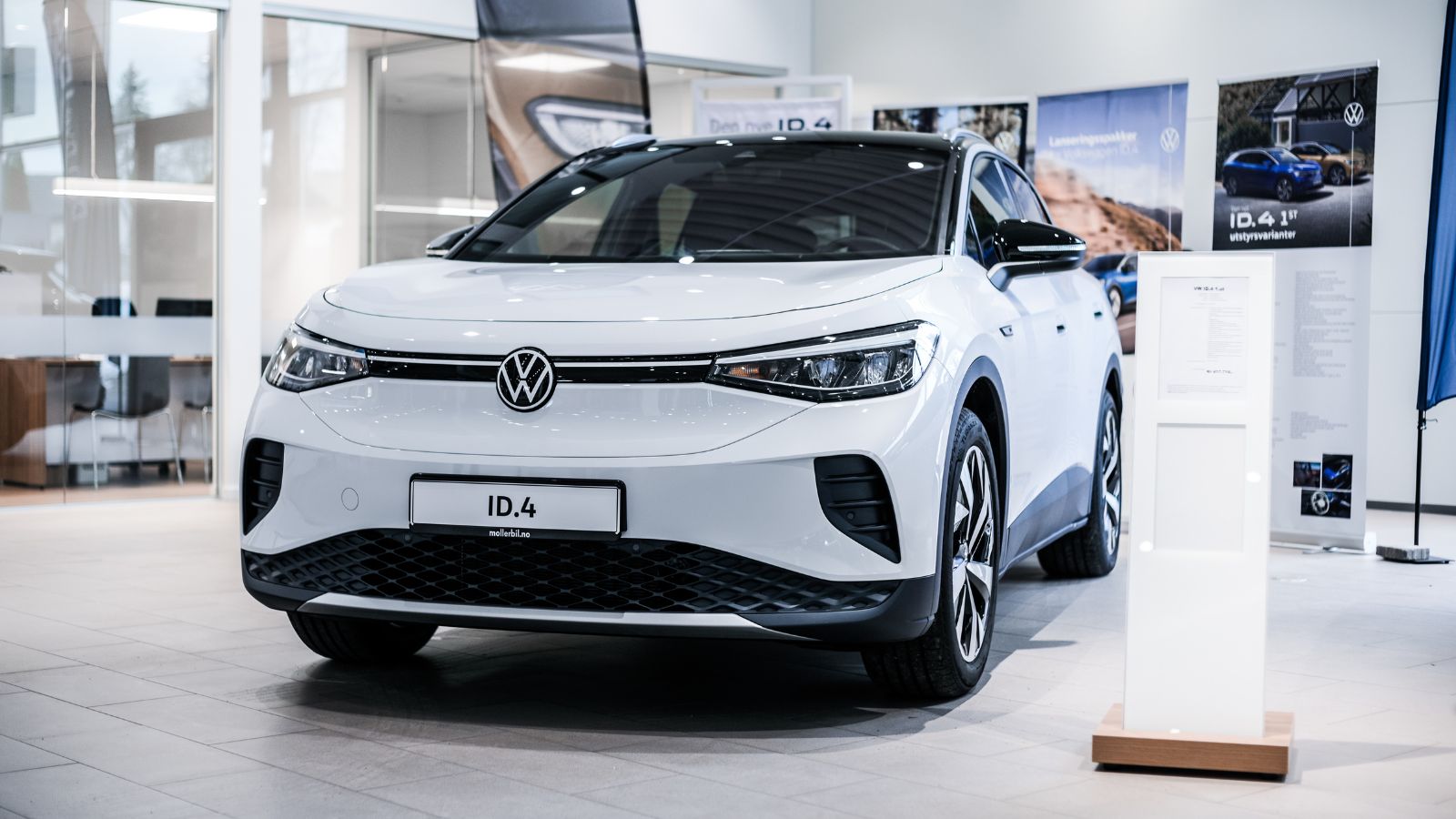
The ID.4 was supposed to be the reassuring EV for mainstream shoppers: familiar shape, sensible design, and enough brand recognition to make the jump to electric feel less intimidating. In Canada, though, mainstream EVs get judged in winter, not in brochures. CAA’s 2025 winter testing found the ID.4 delivered 338 kilometres versus an official 468-kilometre rating in one published result, a reminder that range loss in real cold weather can materially change how owners plan longer drives.
Compounding that, Volkswagen issued a Transport Canada recall in January 2026 tied to battery modules that may not have been manufactured properly and could overheat. Even without a major incident, that kind of wording is enough to make owners rethink whether they bought into the right stage of the EV learning curve. Financially, the picture is also rough. iSeeCars places ID.4 depreciation at roughly 62 percent after five years, which is far worse than the average SUV. When a practical EV starts combining winter compromise, battery headlines, and weak resale, the ownership story stops feeling practical at all. That is where regret tends to begin.
7. Tesla Model 3
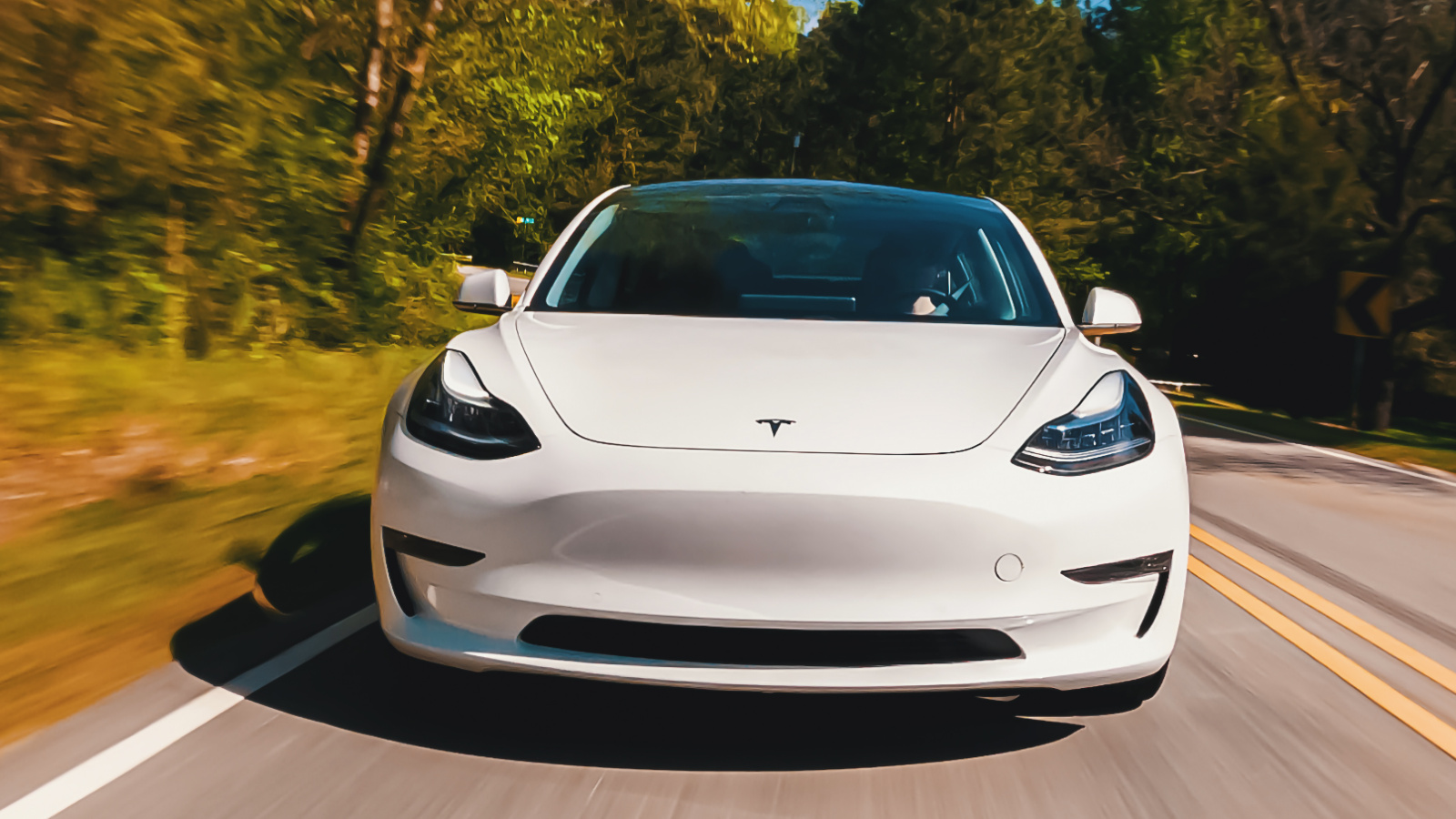
The Model 3 is still one of the most important EVs sold in Canada, and it is easy to understand why. It has strong charging access, sharp acceleration, and in cold-weather testing it actually performed better than several rivals. In CAA’s winter EV test, the Model 3 traveled 410 kilometres versus a 584-kilometre official range and added more than 200 kilometres in a 15-minute charging session, making it one of the strongest performers in that group. That is the good news, and it matters, because the Model 3 is not a weak EV in Canadian winter terms.
The regret conversation comes more from ownership economics than winter usability. iSeeCars estimates five-year depreciation at 54.5 percent, which is still heavy by broader market standards, and Consumer Reports ranked Tesla last among used-car brands in its 2025 long-term reliability study. For some buyers, that is the uncomfortable truth of the Model 3. It can still be one of the most compelling EVs to drive and charge, while also being the kind of car that makes an owner uneasy about long-term durability and resale. Regret does not always come from a car failing at everything. Sometimes it comes from a car being very good in the ways that first sell it, but weaker in the ways that matter once the payment cycle stretches on.
8. Tesla Model S
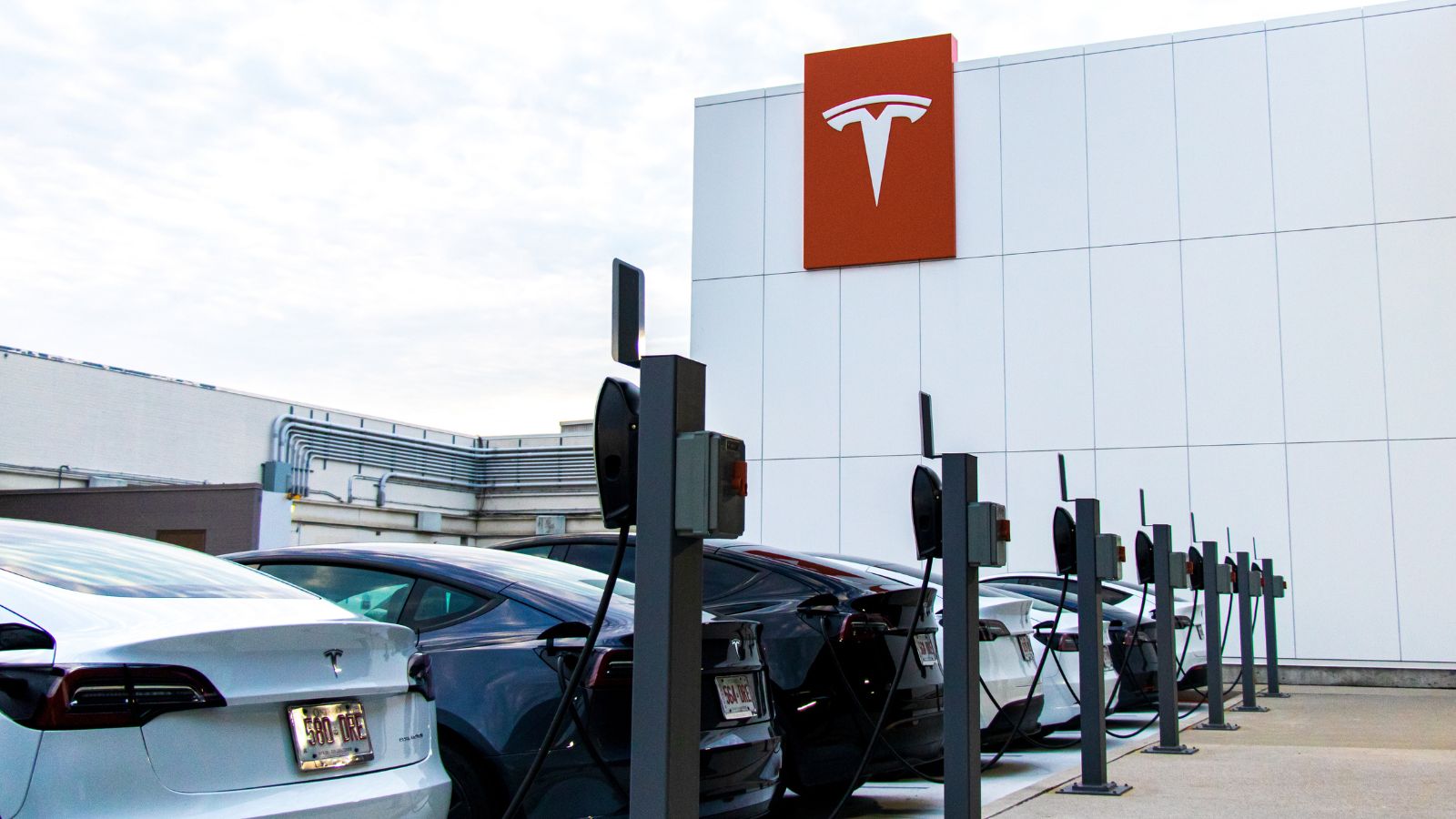
The Model S still carries prestige. It remains quick, sleek, and culturally important in a way very few EVs can match. But prestige gets expensive when a vehicle ages in a market that moves this fast. iSeeCars estimates that a new Model S loses 62.1 percent of its value after five years, which is a punishing number for a car that entered the market as a premium tech flagship. That kind of depreciation hurts more than on a lower-priced vehicle because the dollar loss is so much larger, and buyers do feel that when trade-in time arrives.
The other part of the regret equation is expectation. A buyer stretching into a Model S is not looking for ordinary-car ownership. They are paying for something that is supposed to feel ahead of the curve. When the resale curve bends this sharply, the emotional letdown is bigger than the spreadsheet alone suggests. Consumer Reports’ used-car brand ranking also leaves Tesla at the bottom, which adds another layer of doubt for anyone thinking beyond the honeymoon phase. The Model S can still feel futuristic in the driveway, but some owners begin to regret it when they realize that fast-aging tech, high initial cost, and weak long-term value retention are a rough combination.
9. Tesla Model X
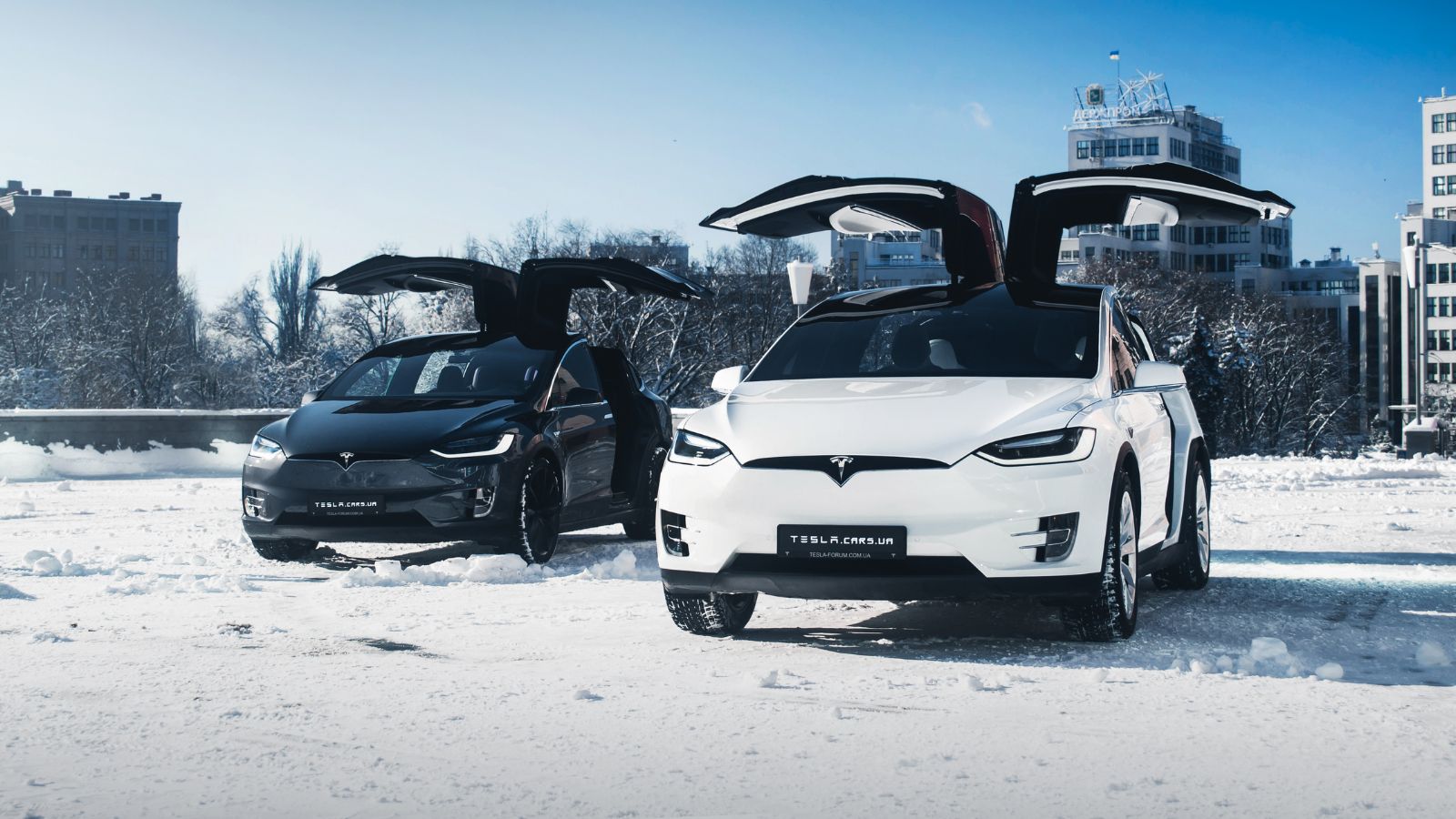
The Model X has always been a dramatic purchase. Falcon-wing doors, huge glass, instant power, and family-hauler practicality make it feel like a luxury statement with real utility. That same drama is what makes regret hit hard. The Model X starts expensive and, according to iSeeCars, loses about 61.1 percent of its value after five years. That means owners are not just dealing with premium-car depreciation. They are dealing with premium-EV depreciation, which can make the dollar loss feel shocking even for affluent buyers.
There is also the issue of complexity. Vehicles that sell themselves on novelty tend to age less gracefully once the market normalizes their features. What once felt like a showpiece can later feel like an expensive used luxury SUV in a crowded EV market. Consumer Reports’ 2025 used-brand ranking placing Tesla last does not automatically condemn every Model X, but it does reinforce the sense that this is not the kind of purchase many people can shrug off if ownership gets even slightly annoying. The Model X still appeals to buyers who want something distinctive. Regret creeps in when distinctiveness starts looking less like a strength and more like something the second owner gets to enjoy at a much lower price.
10. Ford Mustang Mach-E
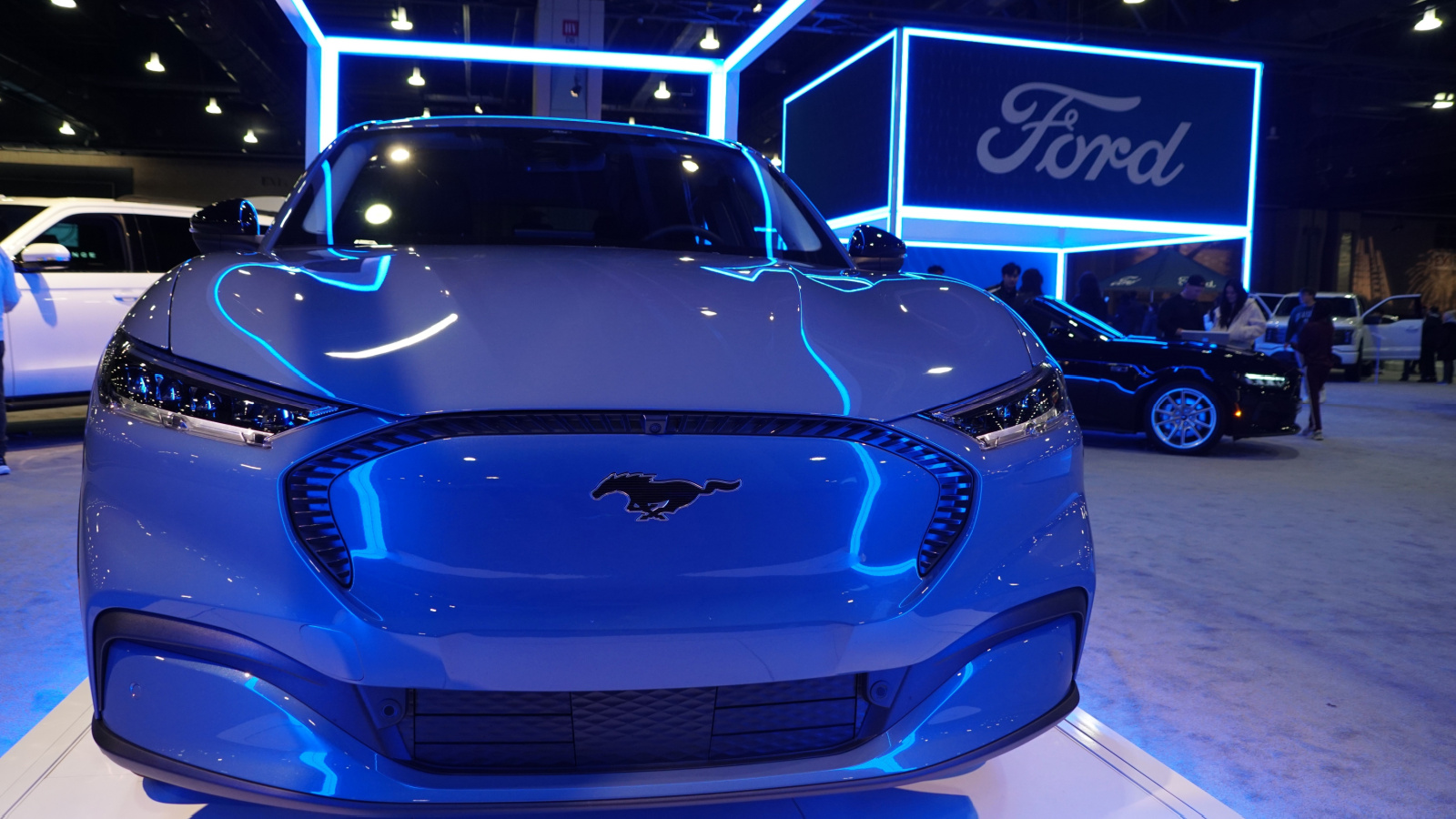
The Mach-E arrived with exactly the kind of pitch that works in Canada: familiar brand name, crossover practicality, and enough style to make switching to electric feel exciting rather than dutiful. It is still one of the better-looking mainstream EVs on the road. But the ownership story is not as neat as the styling. In CAA’s winter test, the Mach-E covered 334 kilometres against an official 483-kilometre figure, a 31 percent gap that is not catastrophic but is still meaningful in a country where winter highway driving is a normal part of life.
Then there is the value story. iSeeCars estimates the Mach-E loses 60.9 percent of its value after five years, which is far worse than the typical SUV and makes it one of the more punishing mainstream EVs to buy new. That is where buyer remorse often lives. The Mach-E is not hard to admire. It is easy to admire. The trouble is that admiration does not stop winter from trimming range or the used market from trimming price. For owners who entered with a premium payment and emotionally bought the idea of a long-term keeper, that combination can be surprisingly deflating.
11. Ford F-150 Lightning
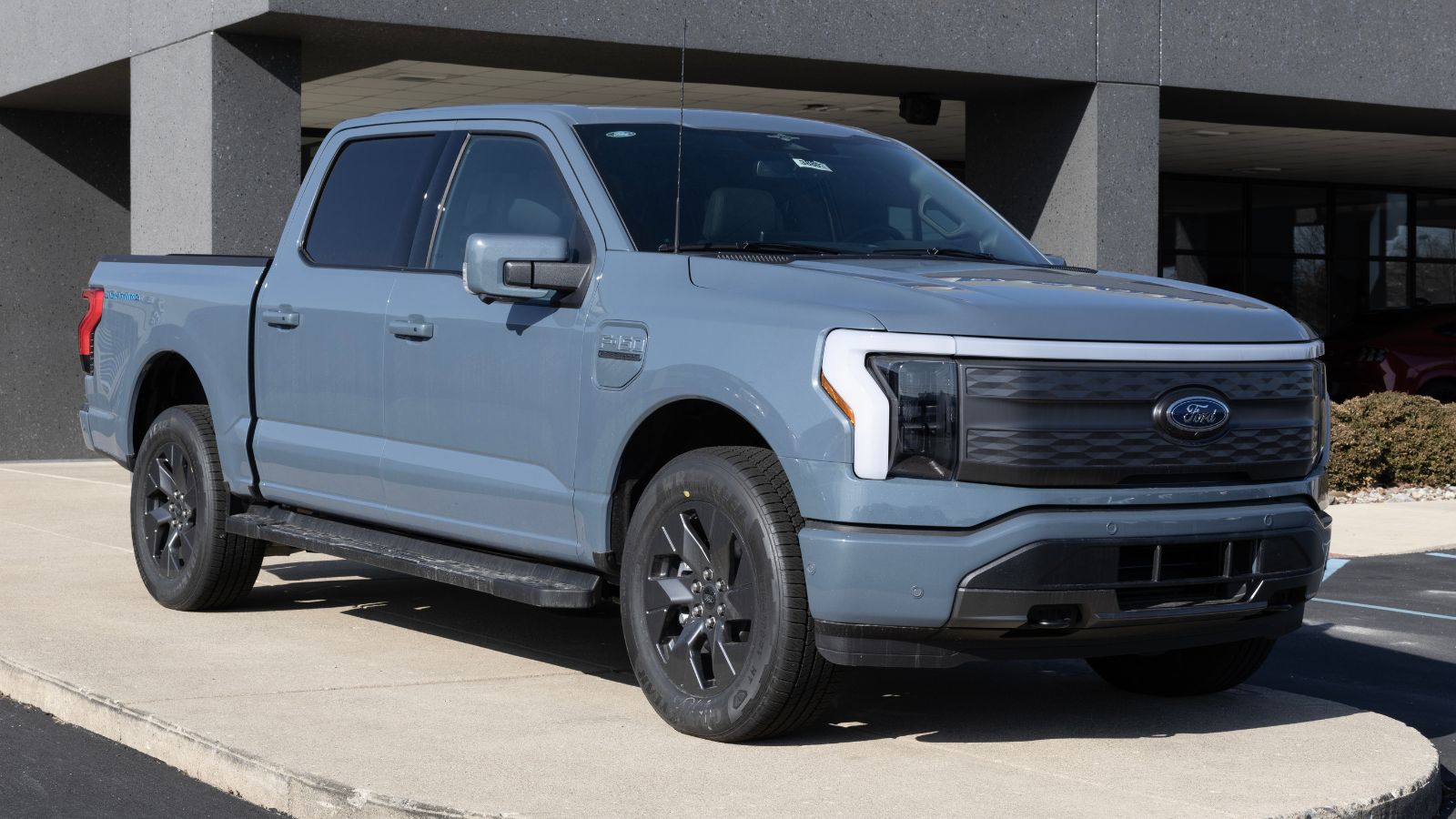
The F-150 Lightning may be the clearest example of a vehicle that can impress and still trigger regret. It is genuinely clever, wildly quick for a pickup, and more useful in daily life than skeptics sometimes assume. But trucks in Canada are judged by worst-case scenarios, not best-case commutes. CAA’s winter testing found the Lightning delivered 296 kilometres versus an official 515-kilometre figure in one published result, a 35 percent drop. That is the kind of number that changes how a buyer thinks about cottage runs, job-site detours, and cold-weather towing.
Interestingly, the Lightning’s resale story is not disastrous inside its small niche. iSeeCars says it retains 47.6 percent of value after five years, which is actually the best among electric full-size trucks in its data. That nuance matters because the regret here is less about catastrophic depreciation than about capability expectations. People do not buy F-150s to think small. They buy them to avoid limitation. Once winter range, charging logistics, and payload realities start shrinking the truck’s mental comfort zone, some owners feel they bought the wrong version of an otherwise beloved nameplate. That makes the Lightning easier to admire from afar than to justify for every Canadian use case.
12. Chrysler Pacifica Hybrid
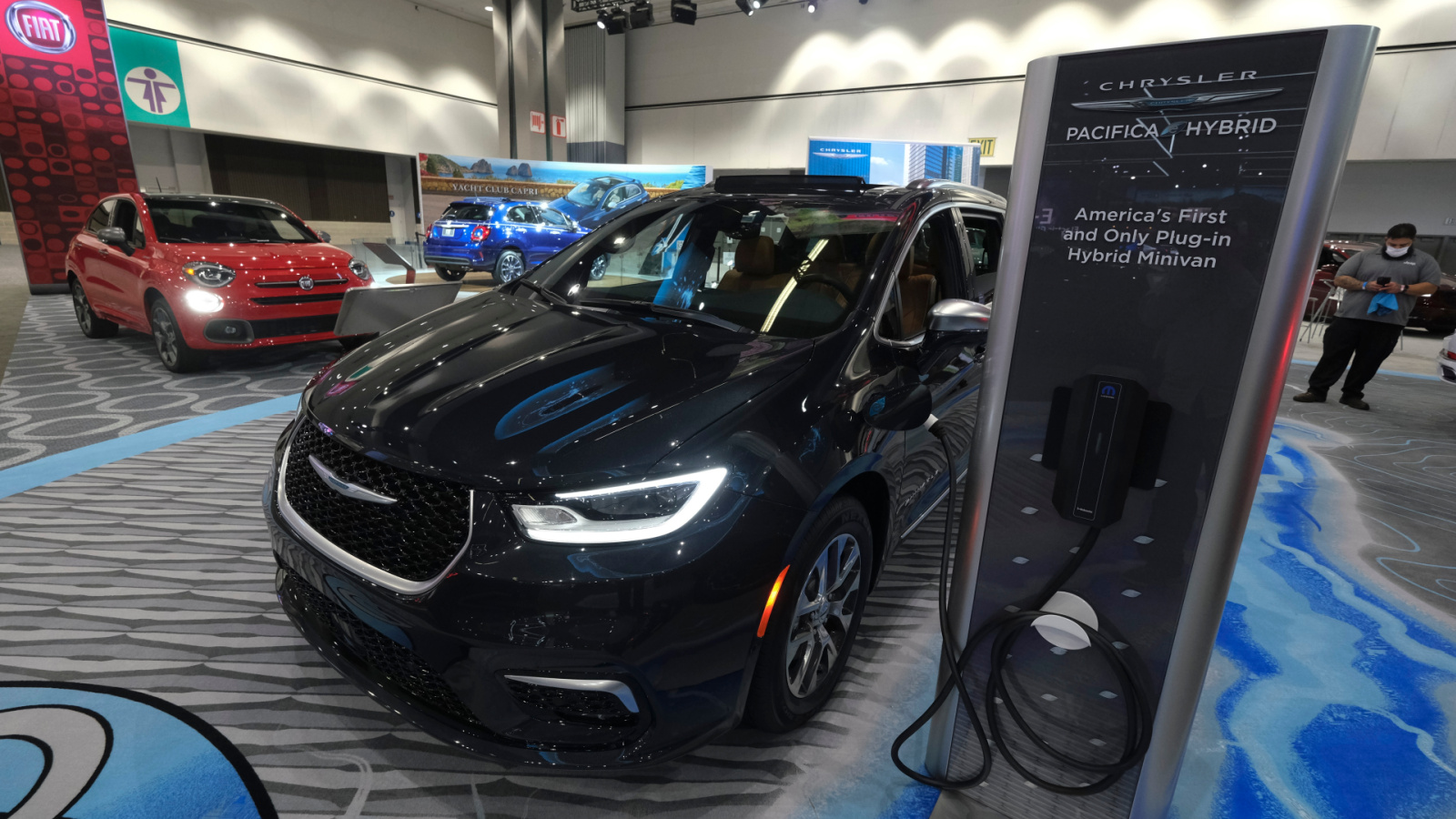
On paper, the Pacifica Hybrid sounds like one of the smartest family purchases available. It offers the space minivan buyers actually need, plus plug-in capability that can meaningfully reduce fuel use on short trips. For school runs and city errands, that can be a genuinely compelling formula. The problem is that family vehicles operate on trust more than almost any other segment. When Consumer Reports wrote in 2024 that Chrysler was recalling nearly 20,000 Pacifica plug-in hybrids because they could catch fire while parked, even with the ignition off, that trust story took a serious hit.
The confidence problem did not end there. In late 2025, Transport Canada also posted a recall affecting certain Pacifica PHEV models for potential engine manufacturing issues that could lead to engine failure and increase fire risk. A family minivan does not need to be exciting, but it absolutely needs to feel dependable and boring in the best way. Once the ownership narrative starts revolving around charging, parking location, battery fire language, and powertrain concerns, the Pacifica Hybrid becomes much easier to regret. It still solves real practical problems. The issue is that many buyers expected it to simplify family life, not add another layer of caution to it.
13. Jaguar I-Pace
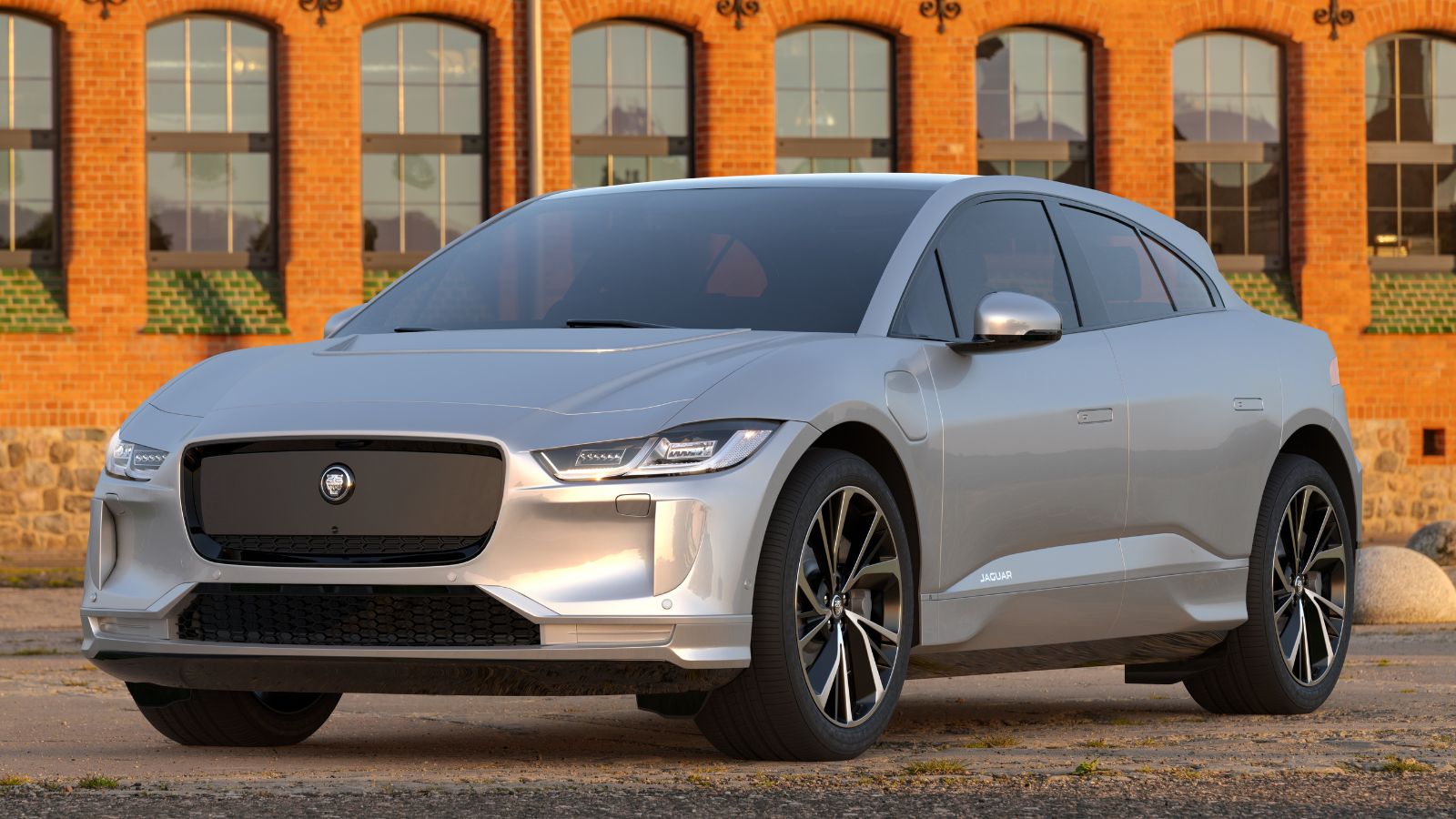
The I-Pace was one of the most beautiful early EVs and, in many ways, one of the boldest. It gave buyers something Tesla did not: a recognizable luxury badge with real design flair and a genuinely special road presence. That is exactly why the financial reality feels so brutal. iSeeCars puts five-year depreciation for the I-Pace at roughly 71.9 percent, which is an extraordinary collapse in value and one of the steepest losses attached to any modern EV. Few buyers expect a luxury car to hold value like a Toyota, but this is a different category of pain.
That number changes the emotional meaning of the purchase. Instead of feeling like a sophisticated early-adopter move, the I-Pace can start to feel like an expensive lesson in timing. Buyers who loved the way it looked and drove may still find themselves regretting how little the market rewarded that loyalty later on. This is not a case where the vehicle has to be objectively bad to become regrettable. Sometimes the car can still be lovely and the regret can still be real, because the ownership loss is large enough to overpower the positive memories attached to it.
14. Maserati Levante
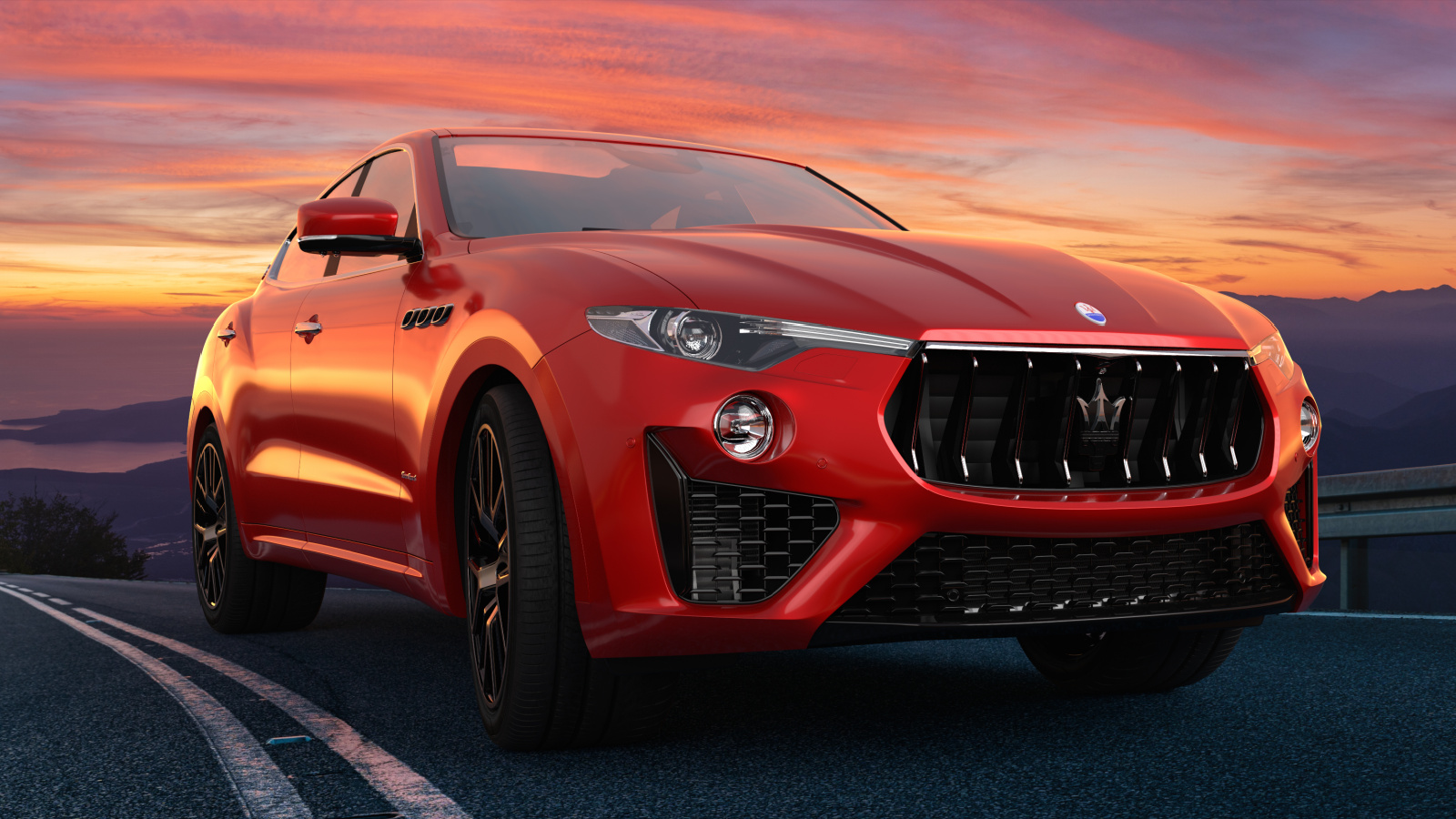
The Levante is one of those vehicles that often sells on emotion before logic gets a fair chance. It sounds exotic, looks expensive, and gives buyers something rarer than the usual German luxury SUV. For a certain kind of owner, that uniqueness is the whole point. The problem comes later, when the market prices the vehicle more like a used luxury liability than a prized status object. iSeeCars estimates the Levante loses about 63.4 percent of its value after five years, and a five-year-old example averages roughly the mid-$30,000 range in its data.
That collapse is what sparks regret. A buyer may have told themselves the Levante was worth it because it stood out, but resale tends to punish vehicles that are expensive to enter and narrower in used-market appeal. A Maserati SUV sounds glamorous when new. It feels very different when the depreciation curve reveals how limited the second-hand buyer pool really is. The Levante can still delight the right person, but it also has the classic profile of a car people love briefly and then struggle to defend financially. In a high-rate, more cautious consumer environment, that kind of mismatch becomes even harder to ignore.
15. Alfa Romeo Giulia
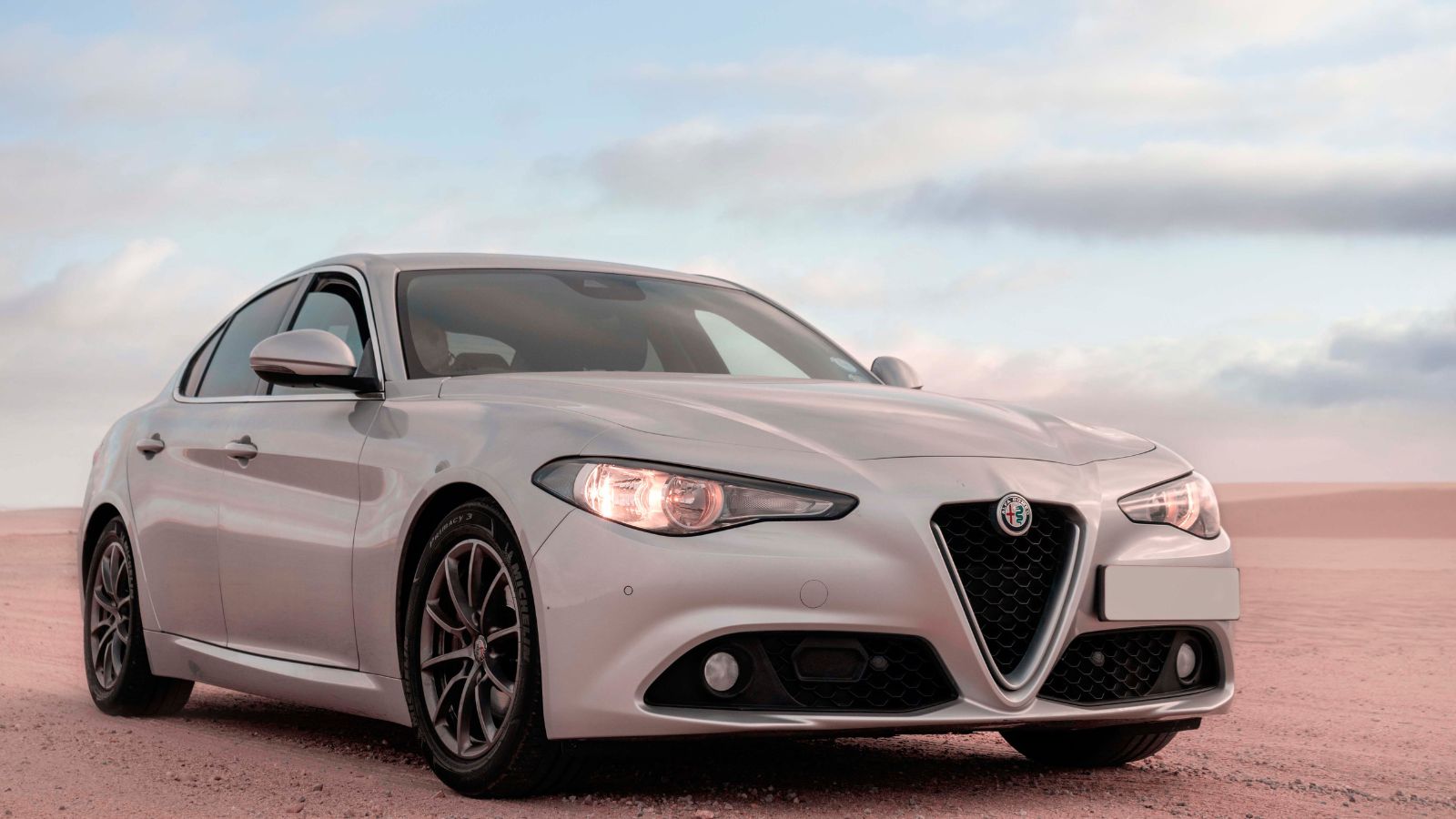
The Giulia has always been easy for enthusiasts to love. It looks right, feels more alive than many rivals, and brings genuine character to a segment that can otherwise feel predictable. That is precisely why regret around the Giulia tends to be quiet at first. Owners often like the car itself. What they start doubting is the ownership equation around it. iSeeCars estimates five-year depreciation at roughly 51.4 percent for the Giulia, and other iSeeCars comparisons put similar recent model years in the mid-50-percent loss range. Either way, the resale picture is not flattering.
That means the Giulia often turns into a car people recommend only with an asterisk. It is the kind of sedan that makes more sense used, after someone else takes the hardest financial hit. For an original buyer, that can feel frustrating because the car’s emotional strengths are real. The steering, the shape, and the sense of occasion all make it feel more special than the average luxury compact sedan. But a special driving experience does not always translate into a special ownership outcome. The regret usually arrives when the owner realizes that passion got the better end of the deal than prudence did.
16. Land Rover Range Rover Sport
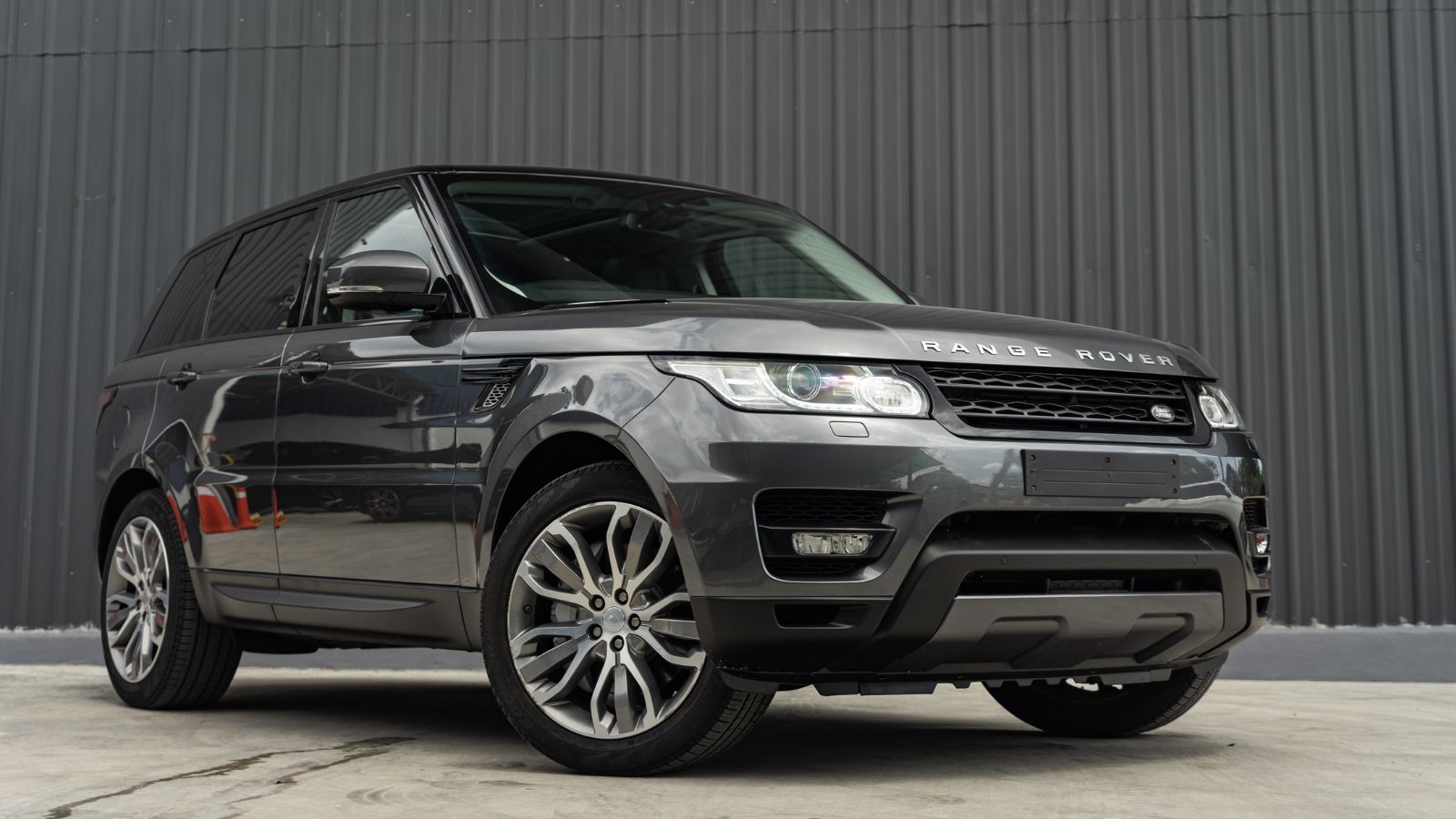
The Range Rover Sport sells a very specific dream. It promises status, luxury, and enough visual authority to make almost any driveway feel more upscale. That dream can survive a lot, but it struggles when the ownership narrative turns practical. Transport Canada said in 2025 that certain Range Rover Sport vehicles were linked to an investigation involving front suspension knuckles that could fail and cause a loss of control, with recalls issued in response. That is the kind of issue that lands heavily on a vehicle bought for confidence and prestige.
Then the financial side shows up. iSeeCars data indicates the Range Rover Sport retains just 41.8 percent of its value after five years, implying depreciation of about 58.2 percent. That is a severe haircut for a luxury SUV with a high entry price. In Ontario, Land Rover and Range Rover models have also remained visible on stolen-vehicle lists, which only adds to the stress profile around ownership. The Range Rover Sport can still look like success, but some owners come to feel it is the most expensive kind of success: the kind that keeps asking for extra patience, extra money, and extra attention long after the original thrill of buying it has faded.
17. Honda CR-V
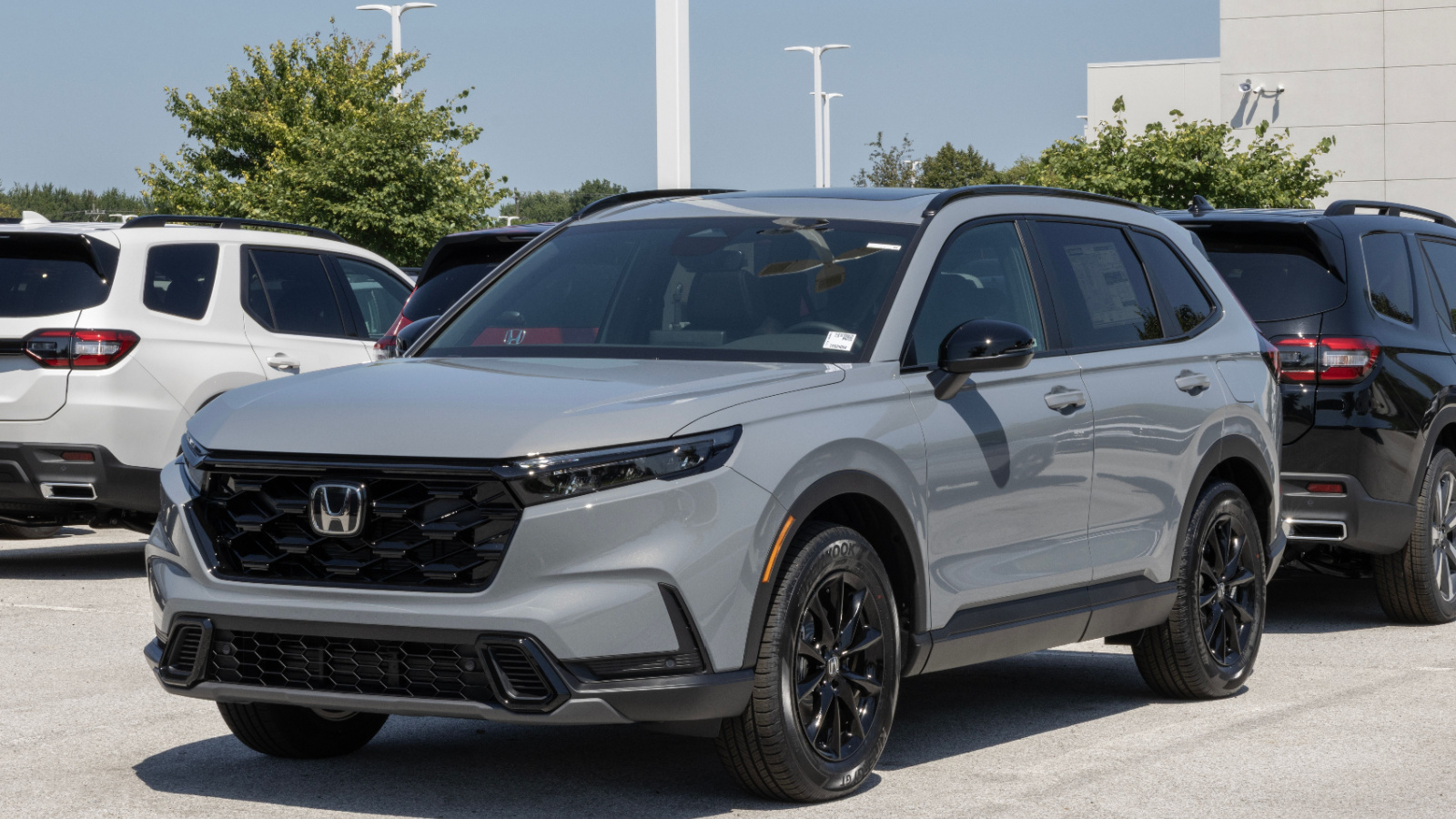
The CR-V is an interesting kind of regret vehicle because it is not regrettable in the usual sense. It is practical, broadly respected, and strong on resale. iSeeCars says a new CR-V loses only about 28.9 percent of its value after five years, which is excellent for a mainstream SUV. In fact, that desirability is part of the problem. Equité’s 2024 national theft data listed the 2016-2021 CR-V among Canada’s most stolen vehicles, with 4,117 thefts and a 1.7 percent theft rate in the version of the data shown online.
That means the CR-V can become a victim of its own success. Buyers choose it because it is sensible, but that same popularity makes it more attractive to thieves and more likely to create security anxiety. Regret here is rarely about the way the vehicle drives. It is about ownership mood. A car that is supposed to reduce friction starts prompting questions about tags, driveway habits, trackers, and whether it is worth the attention it attracts. The CR-V remains one of the smartest vehicles in its class. That does not stop some Canadians from regretting the stress that can come with owning one in the wrong area at the wrong time.
18. Lexus RX
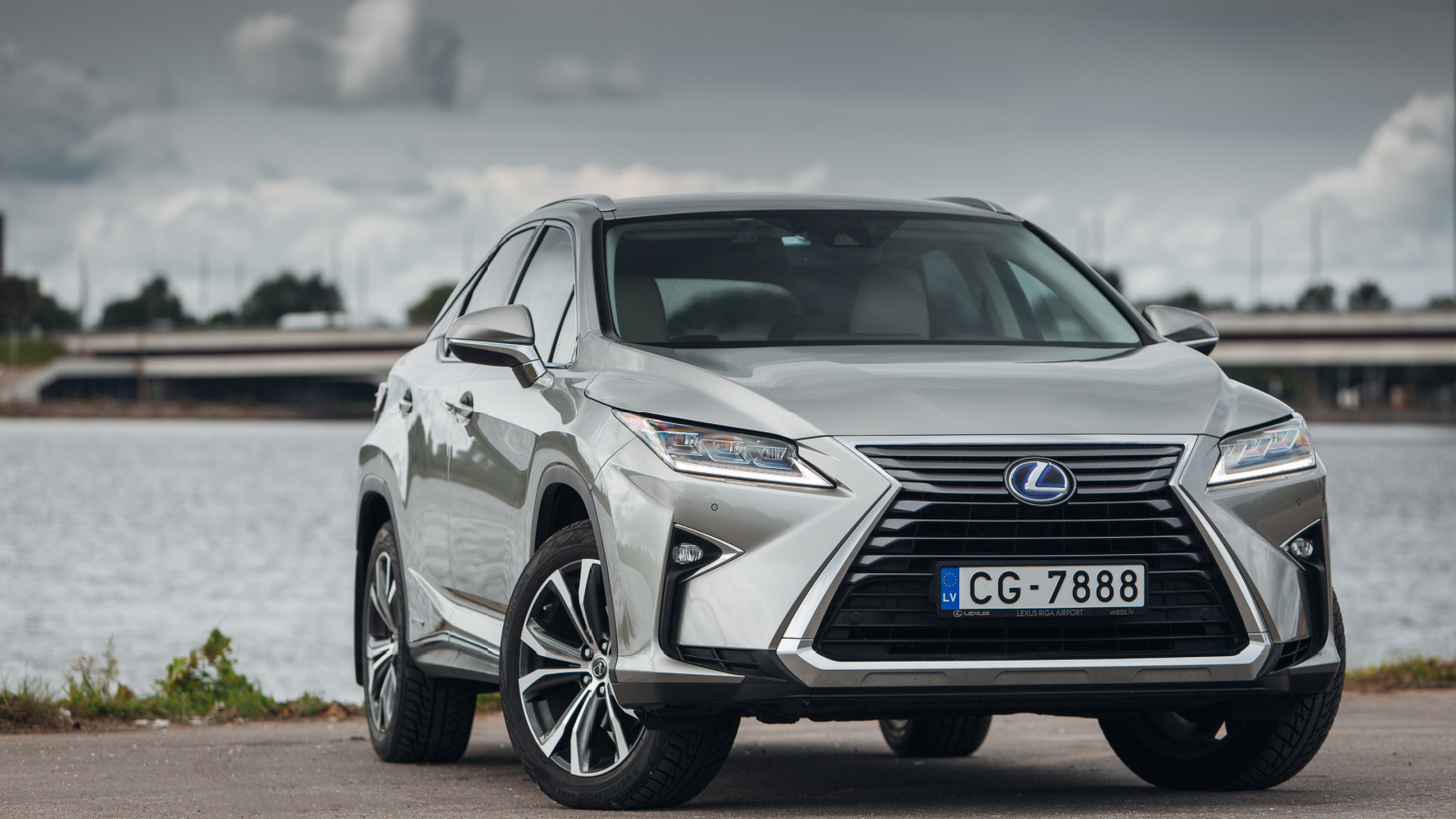
The Lexus RX is another vehicle that proves regret is not always about quality. It remains one of the strongest luxury SUV formulas on the market, combining comfort, reputation, and impressive value retention. iSeeCars says the RX 350 retains about 67 percent of its value after five years, which is outstanding in the luxury midsize SUV category. Normally, those are exactly the ingredients that produce satisfaction rather than remorse. But theft risk can flip the script. Equité’s online national list showed the 2016-2021 Lexus RX series with 2,202 thefts and a 6.4 percent theft rate, an unusually high figure.
That kind of number changes how the RX feels to own. A vehicle bought for serenity can start to feel oddly exposed, especially in regions where organized auto theft has been a persistent concern. Owners may still love the seat comfort, the quietness, and the long-term durability reputation. What they may not love is feeling like the SUV’s desirability works for everyone except them. The RX is one of the clearest examples of a great vehicle that can still become regrettable under Canadian conditions. It is not failing as a product. It is suffering from being exactly the kind of product the wrong people also want.
19. Toyota Highlander
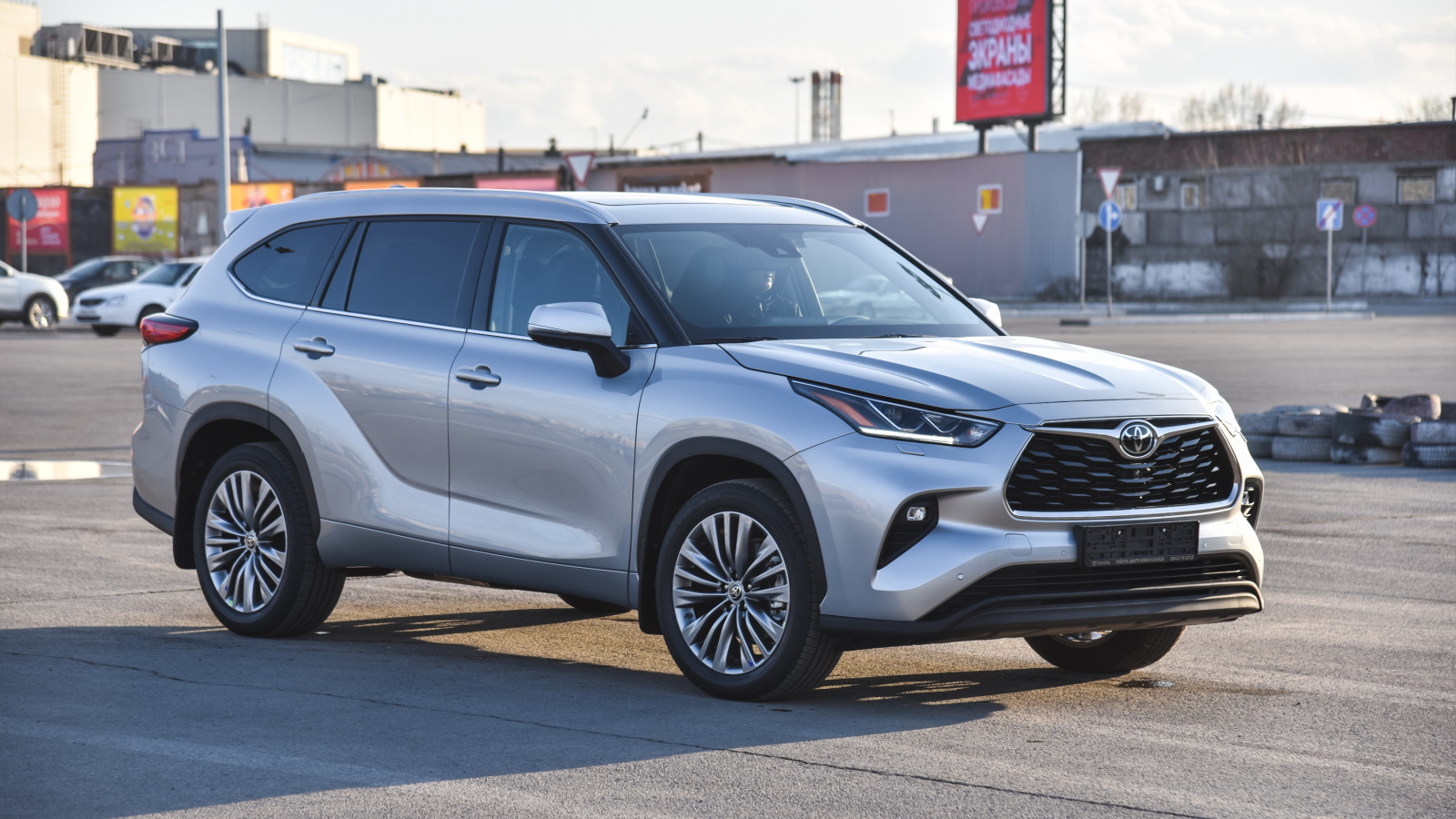
The Highlander has long been one of the safest family bets in the market, and that reputation is not imaginary. It holds value well, with iSeeCars putting five-year depreciation at about 36.3 percent, much better than the average midsize SUV. For buyers who wanted space without stepping into a full-size truck-based SUV, it has been a rational choice for years. That is what makes regret around the Highlander so frustrating. It is not usually the vehicle itself that disappoints. It is the ownership environment around it.
Equité’s national stolen-vehicle data showed the 2013-2019 Highlander series with 748 thefts and a 1.2 percent theft rate in the online list. That may not sound as extreme as some other models, but it is enough to matter when the vehicle in question is supposed to be a low-stress family appliance. Once a three-row Toyota starts requiring more vigilance than expected, some owners begin to feel that the peace-of-mind premium they paid is not delivering as cleanly as they hoped. The Highlander remains a sensible purchase. The regret comes when buyers realize that sensible and carefree are no longer the same thing.
20. Ram 1500
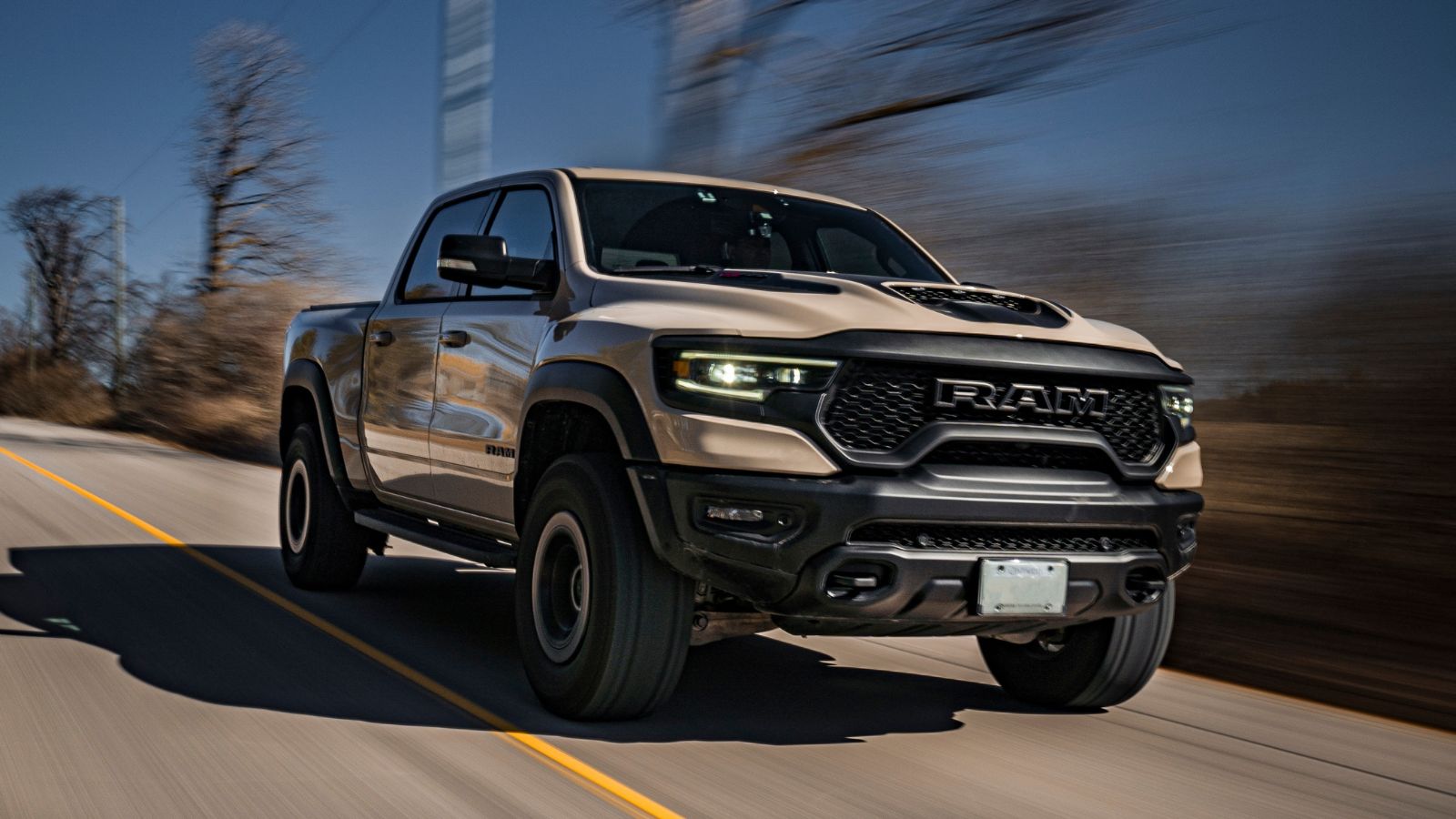
The Ram 1500 is easy to understand as a purchase. It rides better than many people expect, looks substantial, and still carries a strong full-size pickup identity that resonates with buyers across Canada. It also holds value reasonably well, with iSeeCars putting five-year retained value at about 62.2 percent. None of that sounds like obvious regret territory. But full-size truck ownership is shaped by more than resale. Consumer Reports ranked Ram among the least reliable used-car brands in late 2025, and Ontario theft data published by insurance-focused outlets showed the Ram 1500 near the top of the province’s most-stolen list.
That combination is what can sour the ownership experience. A truck buyer may be willing to accept thirst, size, and expensive tires, but less willing to accept brand-level reliability concerns plus elevated theft exposure. Regret here often looks less dramatic than with a collapsing EV. It shows up as a slow realization that the vehicle is demanding more background worry than expected. The Ram 1500 can still be the right truck for a lot of people. It is just also the kind of truck where the ownership story may feel heavier than the polished showroom version suggested.
21. Ford F-150
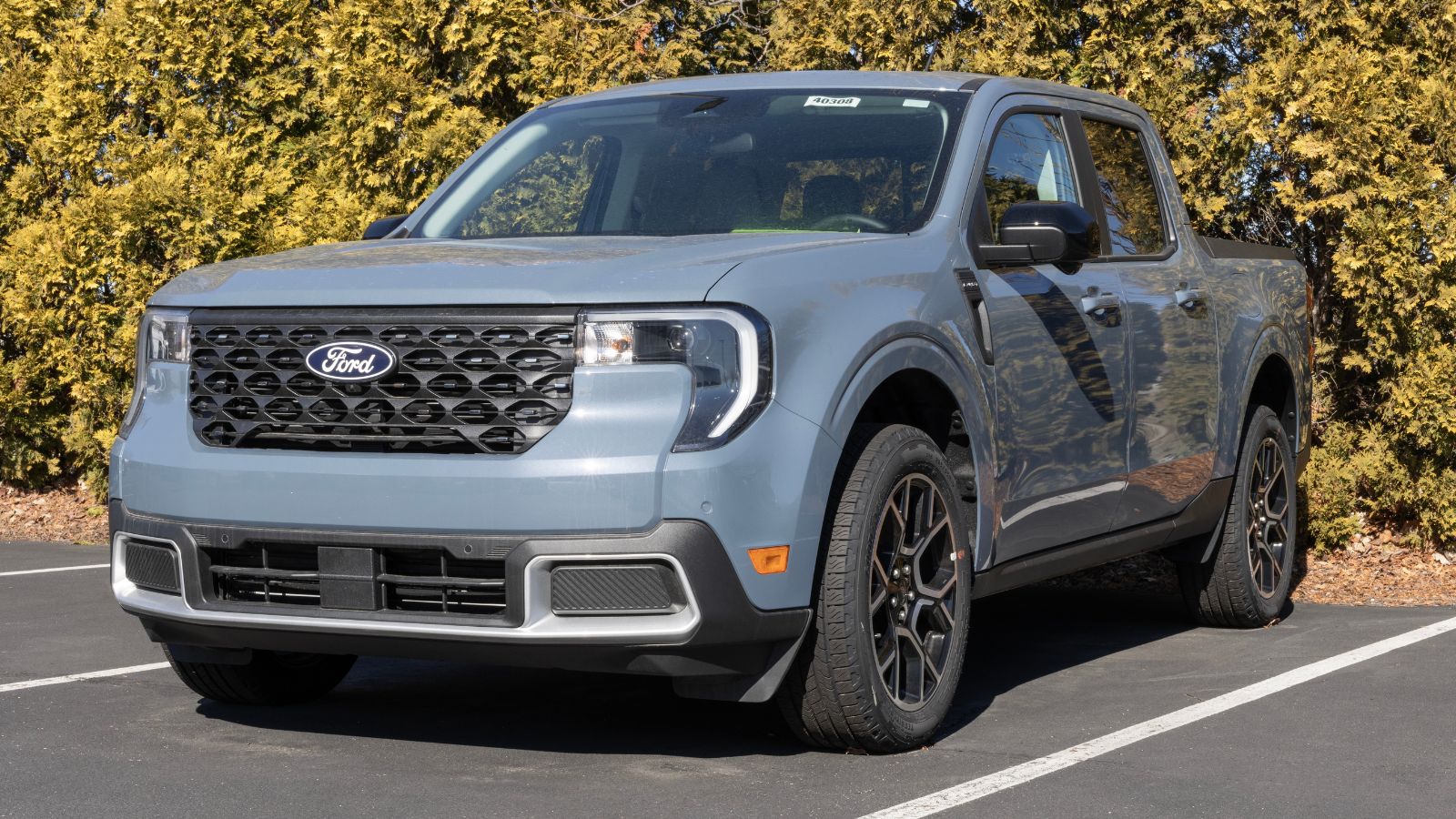
The F-150 remains the default truck for a reason. It is deeply familiar to Canadians, retains value better than most mainstream vehicles, and continues to feel like the safe choice in a segment built around loyalty. iSeeCars estimates five-year depreciation at about 37.9 percent, which is strong for a full-size pickup. Yet popularity has its own cost. Equité’s national stolen-vehicle data showed the 2015-2020 F-150 series with 1,182 thefts in the online list, and Ontario-specific reporting has also kept the truck near the top of regional theft rankings.
That is what makes the F-150 a quietly growing regret buy for some people. The truck itself often does exactly what is expected. The problem is that the ownership context is getting harder. A vehicle can be capable, proven, and financially solid on paper while still becoming stressful in real life if it is visible to thieves and expensive to replace. The F-150 is not an example of a truck that suddenly became bad. It is an example of a truck that became harder to own without extra thought. For buyers who wanted effortless practicality, that is enough to plant the seed of regret.
22 Things Canadians Do to Their Cars in Spring That Mechanics Hate

Spring brings relief to many Canadian drivers after months of snow, freezing temperatures, and icy roads that put serious strain on vehicles. As temperatures rise across the country, drivers begin washing cars, switching tires, and preparing vehicles for warmer weather and upcoming road trips. However, mechanics across Canada notice the same mistakes every spring when drivers attempt to recover from winter damage. Road salt, potholes, and harsh winter driving conditions often leave vehicles with hidden problems that drivers ignore. Some spring habits even create new mechanical issues that could have been avoided with proper maintenance. Here are 22 things Canadians do to their cars in spring that mechanics hate.