























Canadian commutes have a way of looking ordinary until the receipts start stacking up. A few extra kilometres, a pricier parking spot, a fare increase, a cold-weather fuel hit, or a longer drive after moving farther from work can quietly reshape a household budget. Across Canada, transportation remains one of the largest spending categories for many households, and commuting often turns that broad cost into a daily drain.
Here are 23 things that can make Canadian commutes more expensive than people realize, from obvious costs like fuel and insurance to less visible ones like vehicle wear, lost time, winter preparation, and the price of getting to transit before the trip even begins.
Fuel Prices That Refuse to Stay Predictable
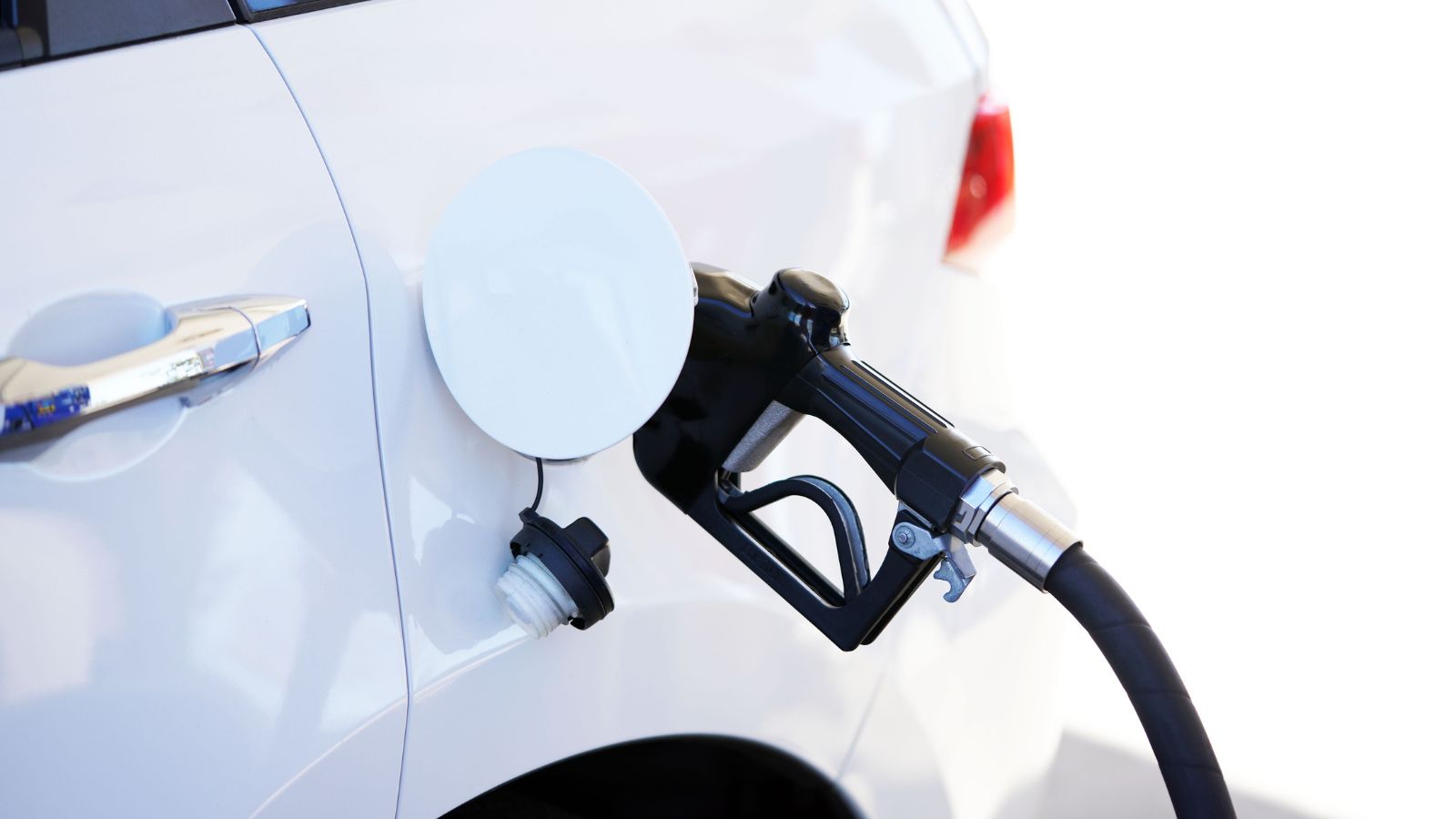
Gasoline is the commute cost most drivers notice first, but its unpredictability is what makes it so hard to budget around. A worker driving from a suburb into Calgary, Ottawa, Halifax, or the Greater Toronto Area may plan around a normal weekly fill-up, only to find that global oil shocks, refinery issues, taxes, seasonal blends, or regional supply problems have changed the math within days.
That volatility matters because commuting is not optional in the same way a weekend road trip is. When gasoline jumps, the same route to work immediately costs more. A long-distance commuter driving 60 to 90 kilometres a day may feel even a modest per-litre increase faster than someone who only uses a vehicle for errands. Over a month, the difference can become the price of a utility bill, a grocery run, or a transit pass.
Longer Commutes After Moving Farther From Work
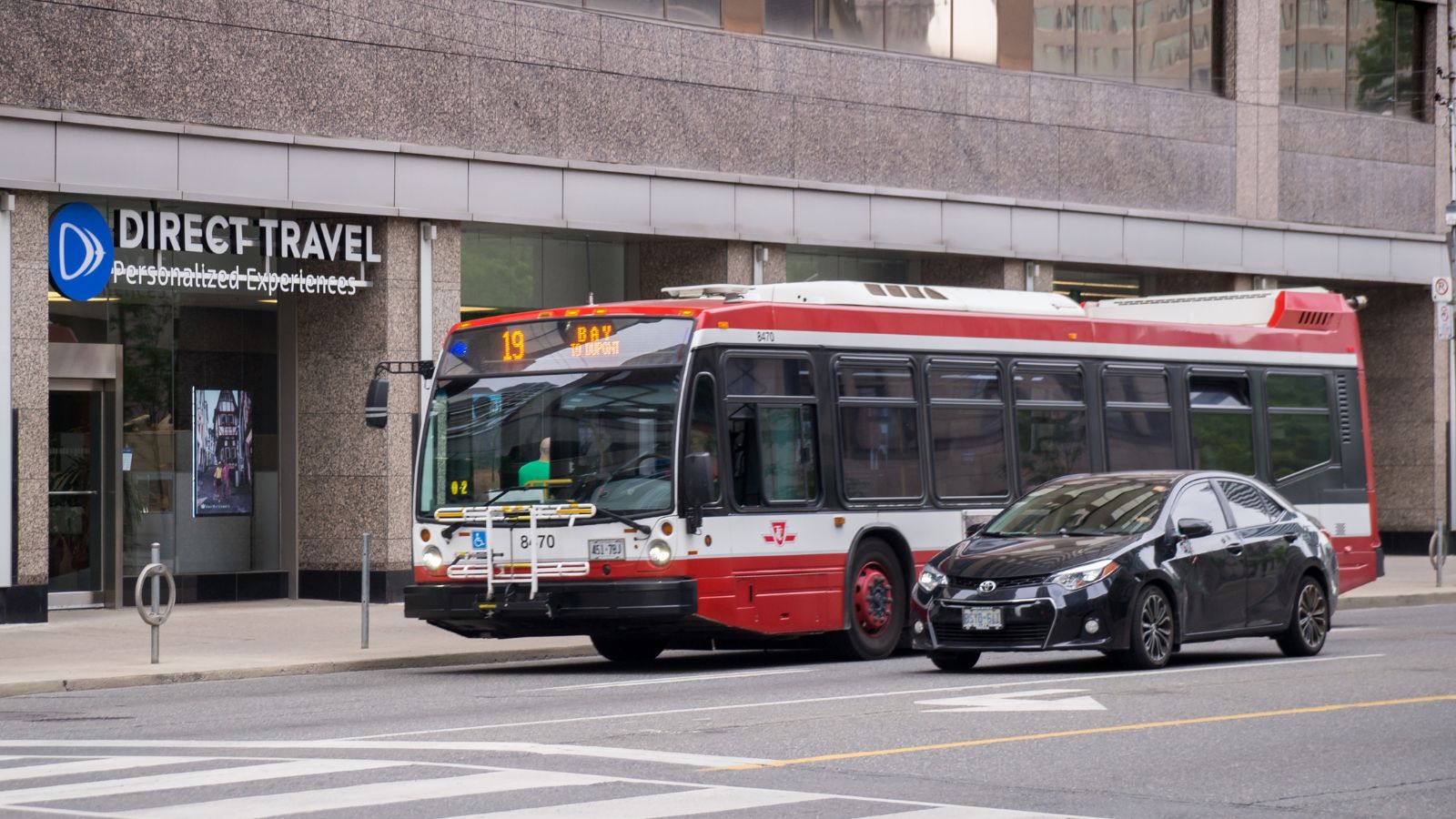
Many Canadians move farther from major job centres to find more affordable housing, but the savings can shrink once daily travel is included. A lower rent or mortgage payment outside Toronto, Vancouver, Montréal, or Ottawa can look attractive on paper, especially for families needing more space. The commute, however, may add fuel, parking, tolls, insurance mileage, and extra vehicle maintenance.
The hidden cost is that distance repeats itself. A 35-kilometre commute is not just 35 kilometres; it is often 70 kilometres a day, five days a week, through traffic, weather, and construction delays. Over a year, that can mean thousands of additional kilometres placed on a vehicle. What started as a housing decision becomes a transportation expense, and the household budget ends up absorbing both.
Parking That Turns Into a Second Monthly Bill
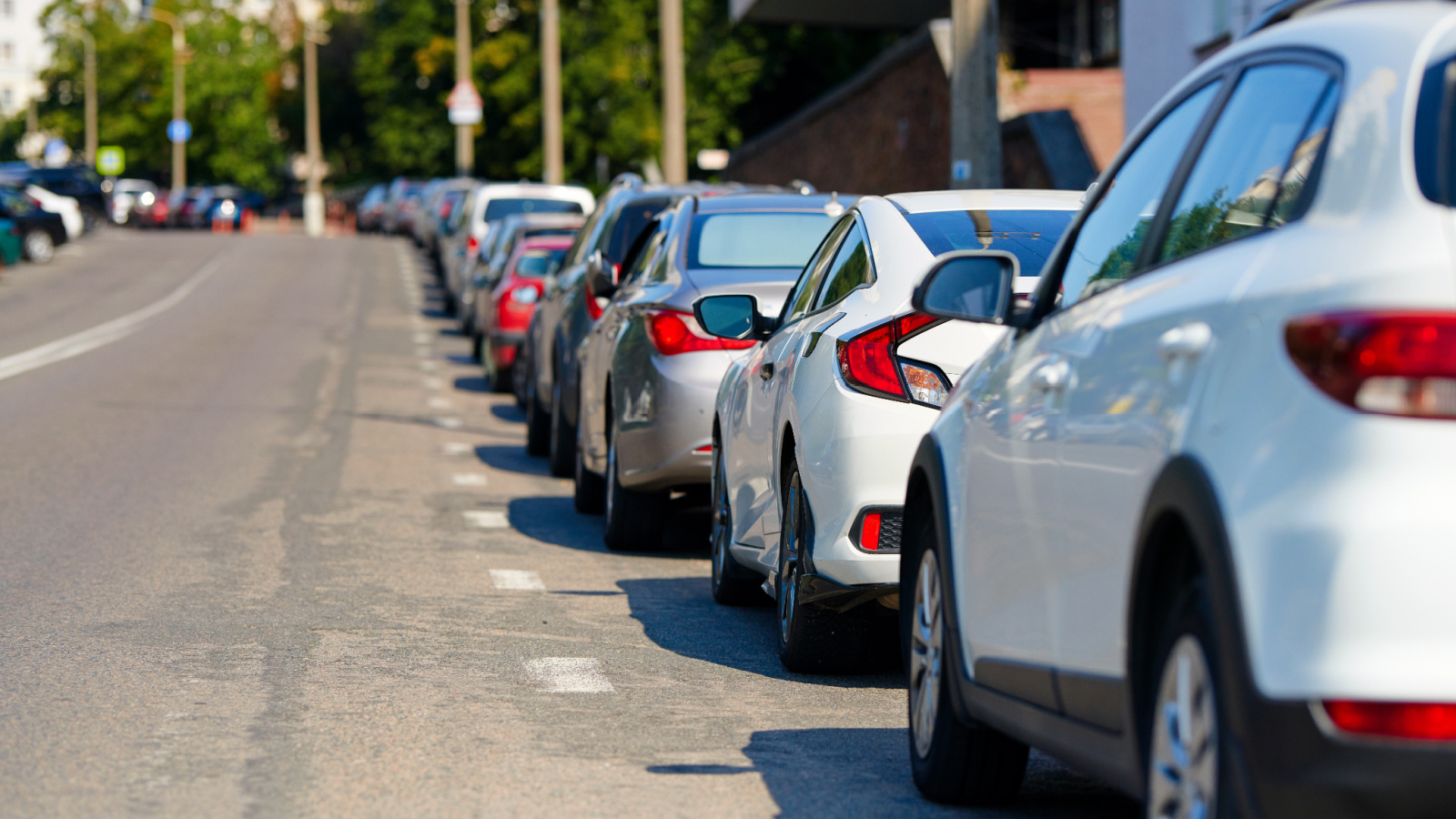
Parking can be one of the least glamorous commute expenses, but in dense Canadian downtowns it can feel almost like a second subscription. Daily lots near office towers, hospitals, universities, and entertainment districts often charge enough that occasional commuting becomes expensive quickly. For workers who must be on-site several days a week, monthly parking can become a major fixed cost.
Even commuters who take transit may not escape parking fees completely. Some park-and-ride systems offer free spaces on a first-come basis, while reserved spaces cost extra. The expense becomes more frustrating when it is paid for convenience rather than luxury: arriving early enough to find a free spot, avoiding a long walk in winter, or guaranteeing a place before a train leaves. That small certainty can carry a very real price.
Transit Passes That Keep Creeping Up
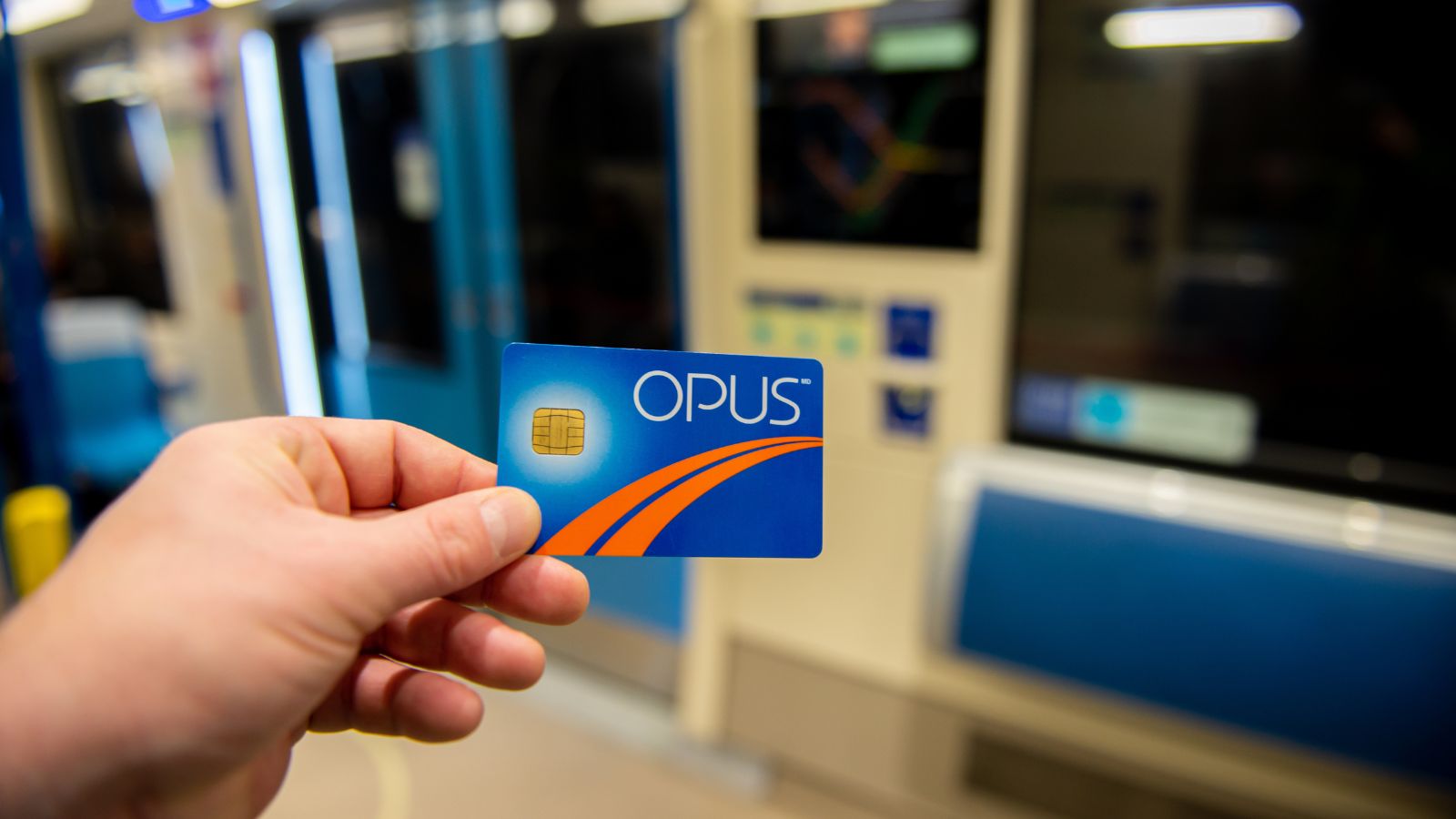
Public transit is often cheaper than driving, especially in big cities, but it is not free from inflation. Monthly passes, multi-zone fares, regional trains, airport add-ons, and fare increases can make commuting by bus, subway, light rail, or commuter rail more expensive than expected. The more complicated the fare zone, the easier it is to underestimate the real monthly cost.
For example, a commuter crossing multiple zones in Metro Vancouver or the Montréal region can pay much more than someone travelling only within the central zone. A person who transfers between local transit and regional rail may face another layer of fares. Transit still saves many households from car ownership costs, but the price gap can narrow when the commute involves longer distances, multiple systems, and five-day-a-week travel.
The Cost of Getting to Transit First
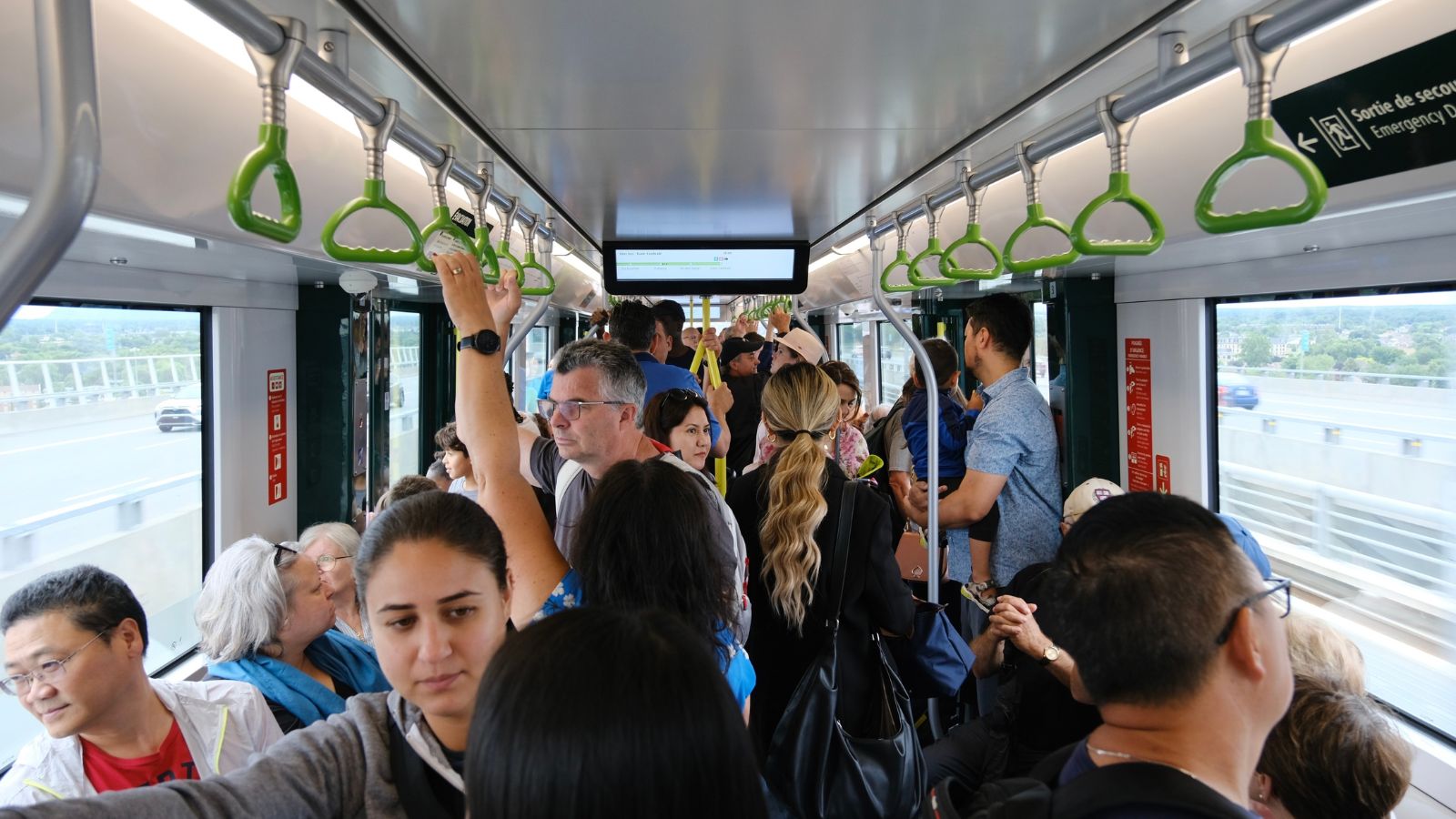
A transit commute often begins before the bus or train arrives. Many Canadians must drive, bike, use a ride-hail service, or take a feeder bus just to reach a station. That first kilometre or last kilometre can create expenses that do not appear when someone only looks at the price of a transit pass.
A commuter in a suburb might pay for station parking, fuel for the short drive, a bicycle lock and winter gear, or a local bus fare before connecting to a regional train. Families may also need a second vehicle because the nearest station is not walkable. These access costs are easy to dismiss individually, but they can turn a supposedly low-cost transit routine into a layered transportation bill.
Insurance Premiums Affected by Commute Distance
Auto insurance is not just about the car; it is also about how and where the vehicle is used. Drivers who commute long distances, travel daily in dense traffic, or park in higher-risk areas can face different premium calculations than someone who drives occasionally. Mileage matters because more time on the road generally means more exposure to collisions and claims.
For a commuter, this can make a job location more expensive without changing the vehicle at all. A move from remote work to daily office work may increase annual kilometres. A new job across the region may change the declared commute distance. A driver may only notice the cost at renewal, when the premium reflects a routine that has quietly become riskier and more expensive from an insurer’s perspective.
Maintenance That Arrives Sooner Than Expected
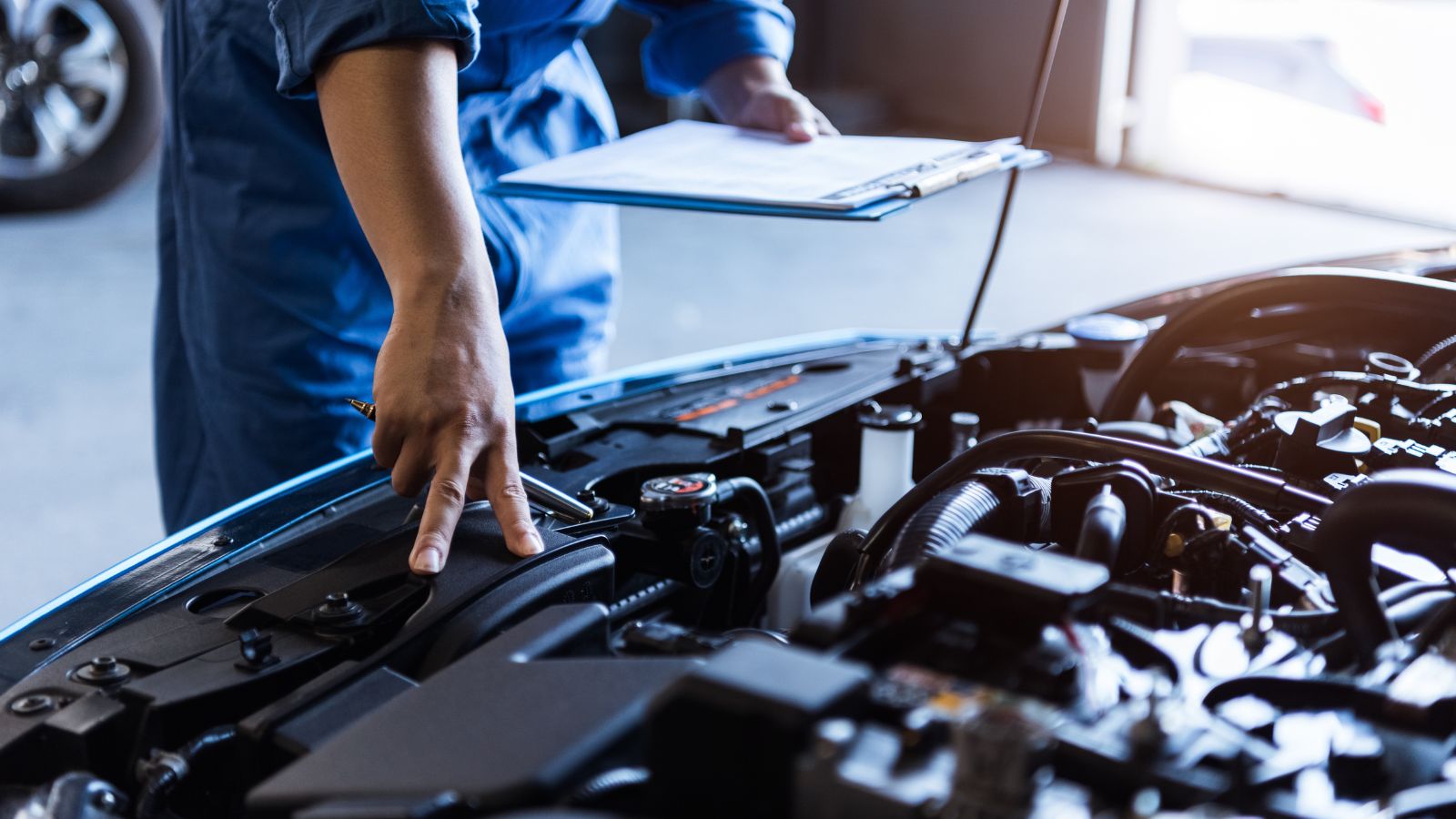
Commuting wears out vehicles in a slow, predictable way that still catches people off guard. Oil changes, brake service, alignments, air filters, fluids, belts, and inspections arrive faster when kilometres accumulate quickly. Stop-and-go traffic can be especially hard on brakes, while rough pavement and potholes punish suspension parts.
A worker driving across Winnipeg after freeze-thaw cycles, or through Montréal’s construction-heavy road network, may find that maintenance costs do not feel occasional. They become part of the commute. The issue is not one dramatic repair; it is the rhythm of small services arriving sooner than planned. A car that seemed affordable at purchase can become costly when daily driving compresses years of wear into a shorter period.
Tires That Wear Down Before Their Time
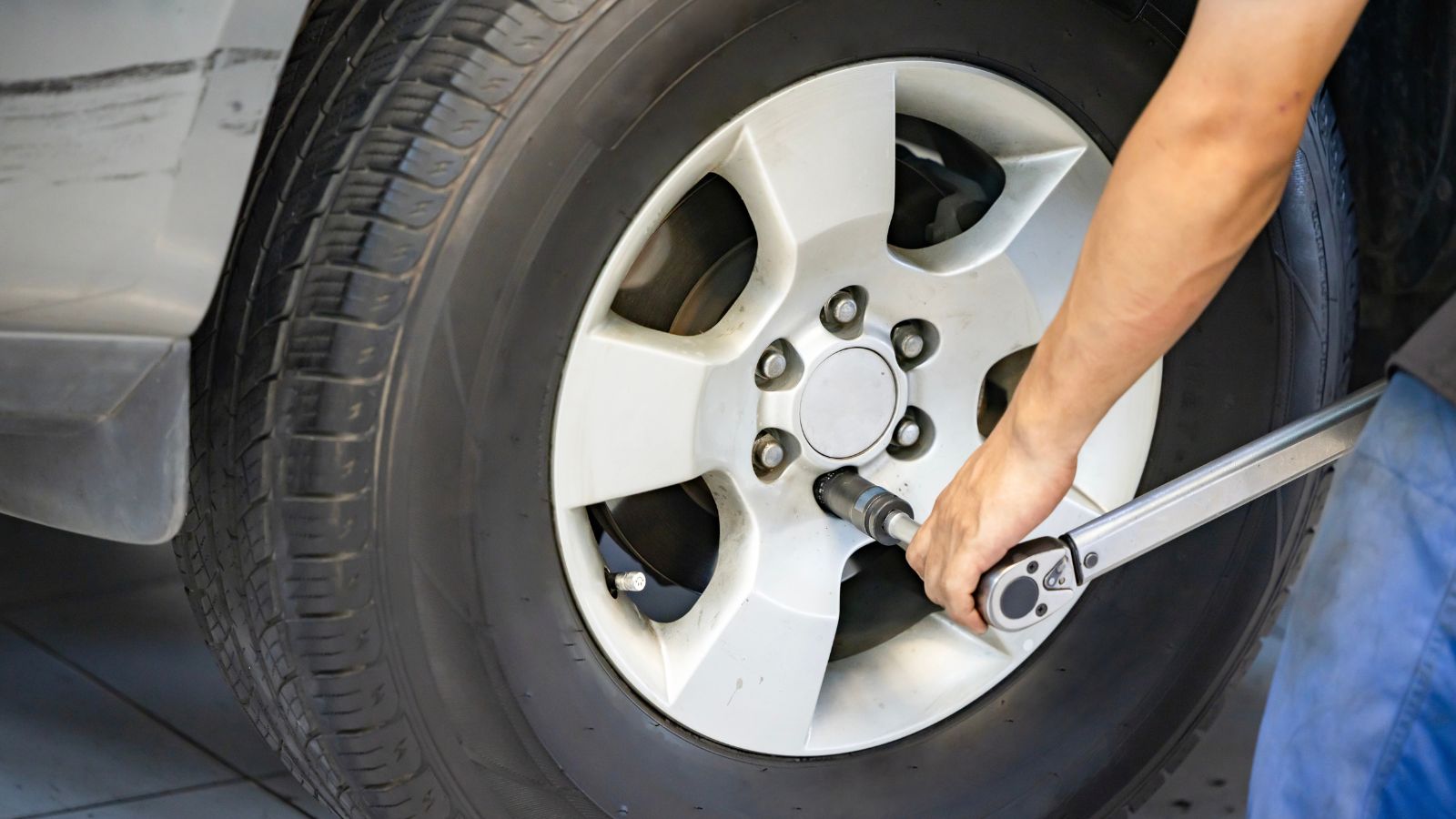
Tires are one of the clearest examples of commuting turning into a hidden cost. A set of quality tires is already expensive, and Canadian drivers often need both all-season or summer tires and winter tires. Long commutes increase tread wear, while poor alignment, underinflation, potholes, and aggressive driving can shorten tire life even more.
The seasonal swap adds another bill if the driver does not have space, tools, or time to do it at home. Storage fees can add to the expense, especially in condos or apartments where tire storage is limited. For commuters covering long distances, tires are not just a safety item; they are a recurring cost tied directly to the distance between home and work.
Winter Driving Preparation
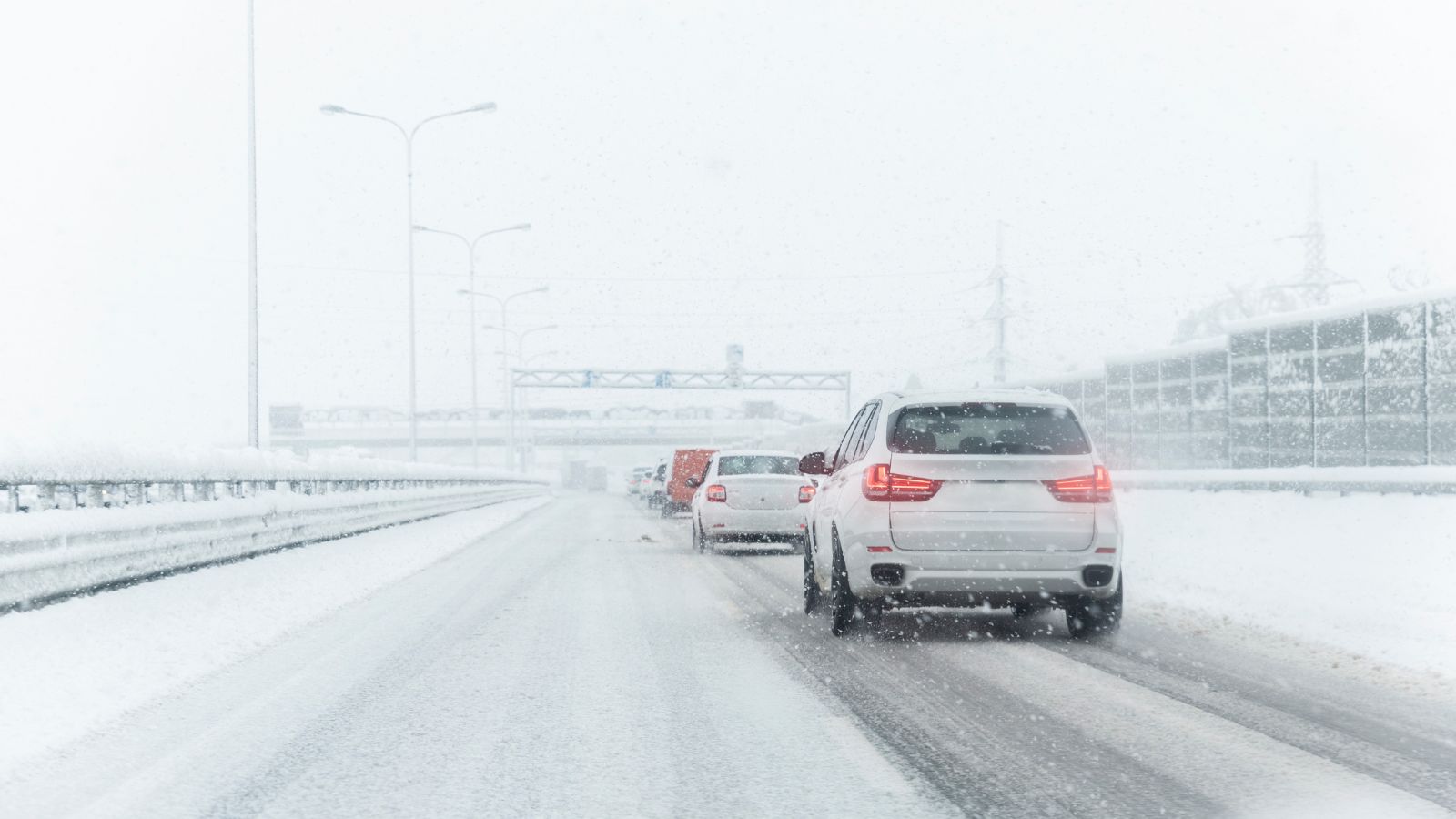
Canadian winter commuting carries its own budget category, even when the vehicle is already paid for. Winter tires, wiper blades, washer fluid, battery checks, snow brushes, emergency kits, rust protection, and occasional towing all become more relevant when a person must drive through snow, slush, ice, and deep cold.
The cost is partly financial and partly practical. A driver who leaves before sunrise may need extra time to clear snow and defrost windows. Cold starts can be harder on batteries, and poor tires can increase collision risk. Skipping winter preparation may save money briefly, but a single slide into a curb, dead battery, or missed workday can cost far more than the preventive items that seemed optional in October.
Cold Weather Fuel Penalties
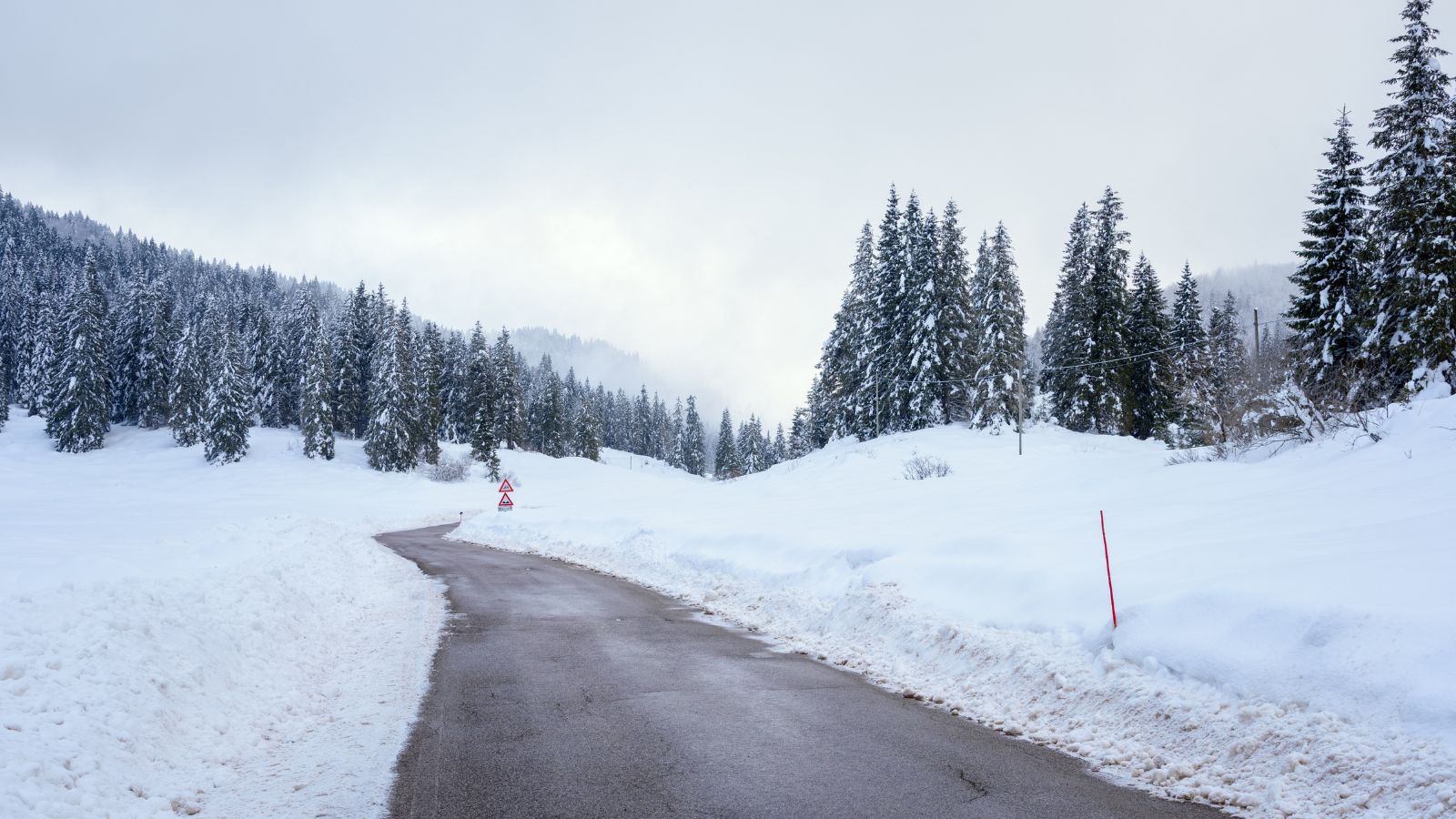
Cold weather does not just make commuting uncomfortable; it can also reduce fuel efficiency. Engines take longer to reach efficient operating temperature, winter tires can increase rolling resistance, roads may be snow-covered or slushy, and drivers often use defrosters, heated seats, and remote starters. Short urban commutes can be especially inefficient because the vehicle spends much of the trip warming up.
That means the same commute can cost more in January than in September, even if the route and fuel price are unchanged. Drivers may also idle longer in winter, adding fuel use before the trip begins. For households already stretching a transportation budget, the seasonal fuel penalty can make winter commuting feel like a quiet surcharge.
Toll Roads and Paid Express Routes
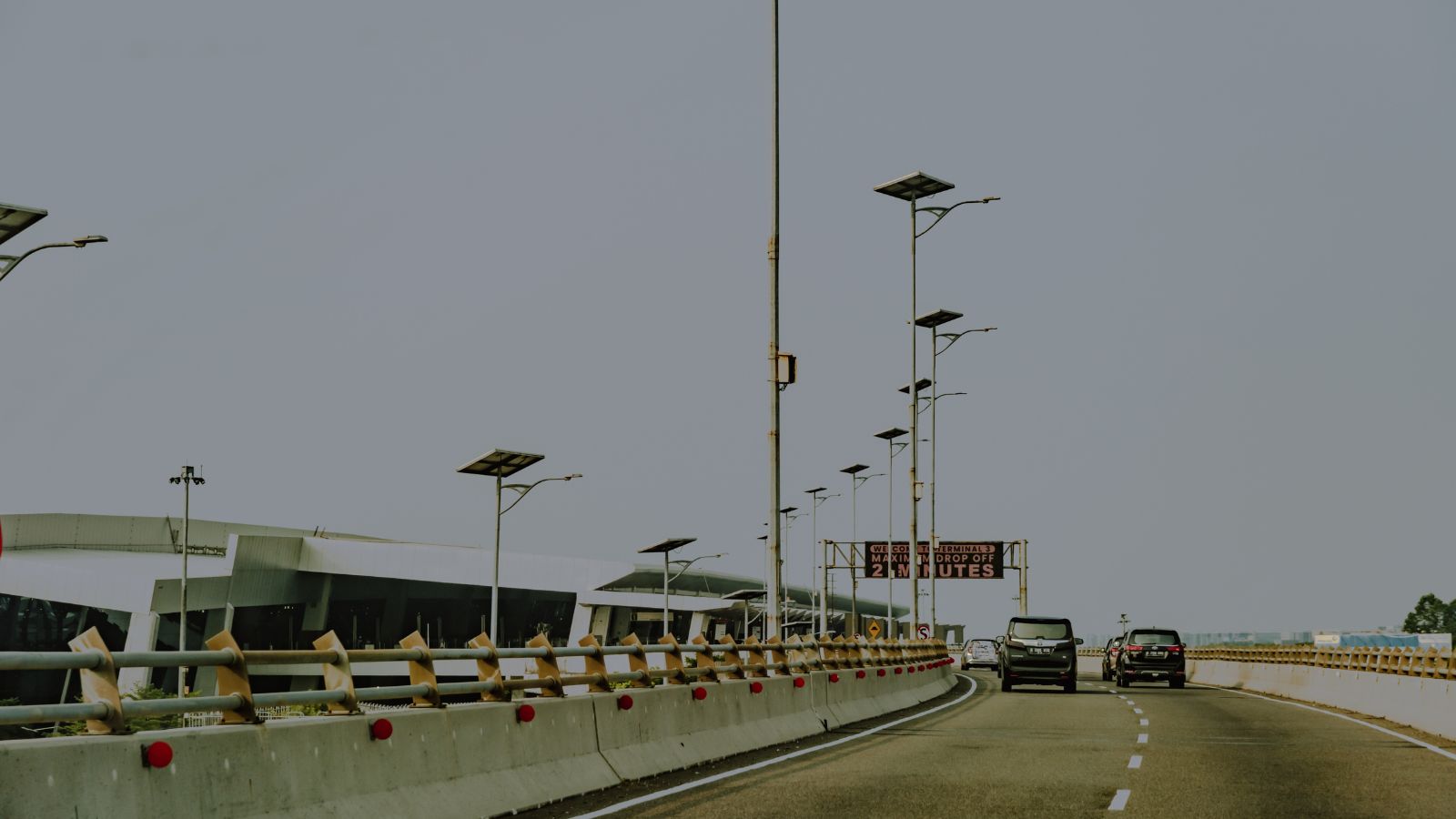
Tolls can make sense when they save time, but they also create a premium commute. In parts of Ontario, paid express routes can turn a stressful drive into a faster one, especially when congestion on free highways is severe. The tradeoff is that the faster route may come with per-kilometre charges, account fees, camera charges, or transponder costs.
For occasional use, the toll may feel reasonable. For daily commuting, it can become a major monthly expense. The emotional trap is that the toll road often buys back time during the worst hours of the day. Once a driver becomes used to avoiding gridlock, returning to the free route can feel like losing both time and patience, even if the cheaper option still exists.
Depreciation From Daily Kilometres
Depreciation is one of the easiest commute costs to ignore because it does not arrive as a monthly bill. Every commute adds kilometres, and higher mileage usually lowers resale value. A vehicle that might have looked lightly used after five years can become high-mileage if it has been driven long distances to work every weekday.
This matters most when it is time to sell, trade in, or return a leased vehicle. A commuter may discover that the car’s value has dropped faster than expected, not because it was abused, but because it did exactly what it was bought to do. Depreciation turns the odometer into a financial record of every trip to the office.
Lease Kilometre Limits
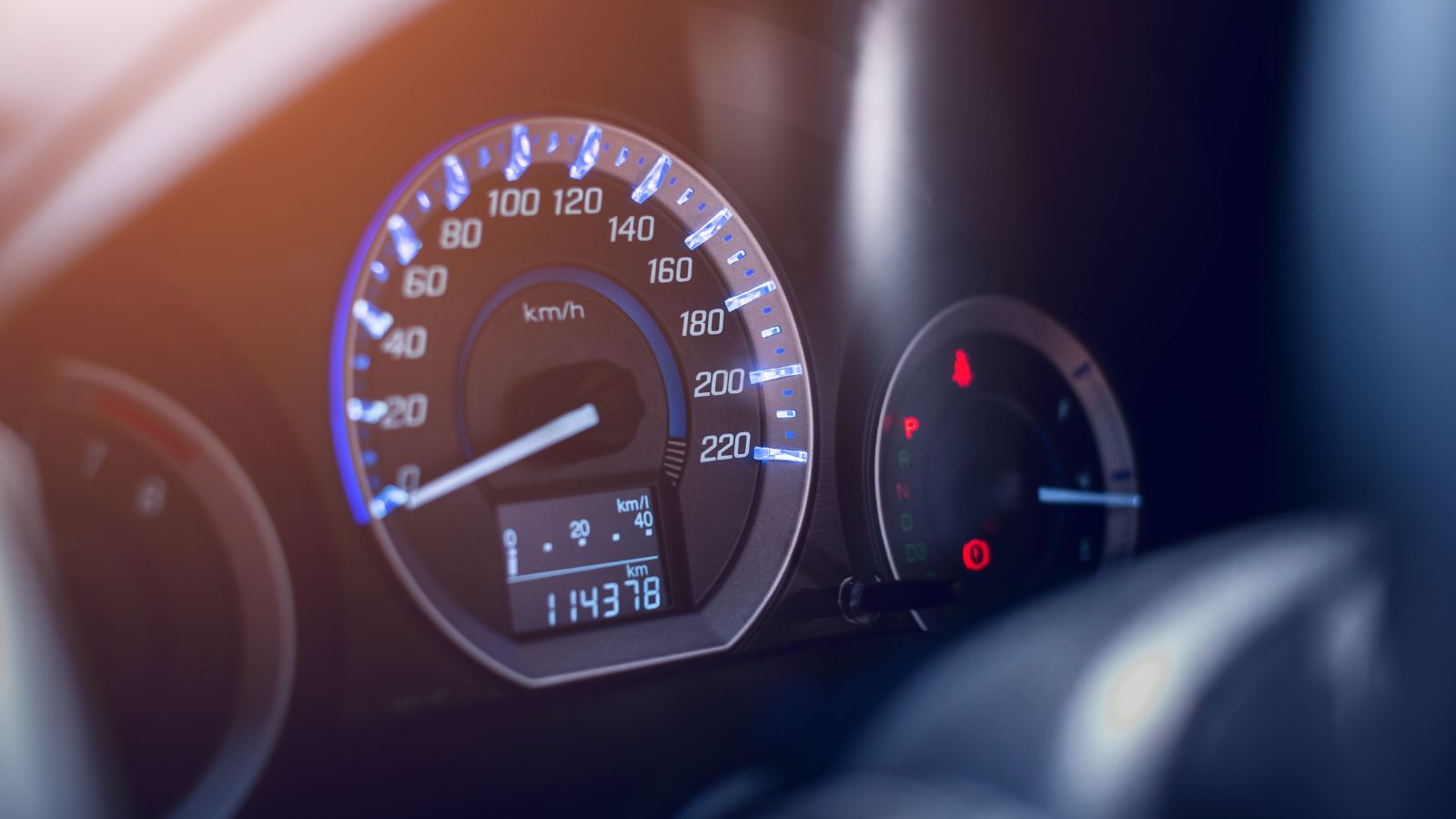
Leasing can look attractive because payments may be lower than financing, but commuting can expose the fine print. Many leases include annual kilometre limits, and going over those limits can trigger excess kilometre charges at the end of the term. A short commute may fit comfortably; a job change or return-to-office schedule can change that quickly.
The risk is that the driver may not notice the problem until the odometer is already ahead of schedule. A few extra office days, weekend errands, and family obligations can push a leased vehicle past its allowance. For Canadians with unpredictable work arrangements, a lease that seemed affordable can become expensive simply because the commute became more frequent than expected.
Childcare Timing and Late Pickup Fees

Commutes do not happen in isolation, especially for parents. Traffic delays, transit disruptions, snowstorms, and missed connections can create costs at daycare or after-school care. Some childcare providers charge late pickup fees, while others have strict closing times that force parents to build in extra travel buffers.
A parent who leaves work at 5 p.m. may not be paying only for gas or transit. They may also be paying for the uncertainty between the office and the daycare door. Even when no late fee is charged, families may need more paid care hours because the commute makes a shorter childcare day impossible. The cost of time becomes a household expense, not just a scheduling inconvenience.
Lost Time That Reduces Earning Power

Time spent commuting can reduce earning power in subtle ways. A long commute may limit overtime availability, make side work harder, reduce time for professional courses, or make it difficult to accept shifts with awkward start times. The commute may not show up as a deduction on a pay stub, but it can shape what income opportunities are realistic.
This is especially true for workers in health care, trades, retail, logistics, and service jobs where schedules are fixed and lateness has consequences. A person who spends two hours a day travelling may have less flexibility to pick up extra hours or pursue training. Over time, the commute can cost more than transportation; it can narrow the room for advancement.
Vehicle Financing Costs Tied to Commuting Needs

Some commuters buy more vehicle than they otherwise would because the commute demands it. A small older car might be fine for short errands, but a long highway commute in winter may push someone toward all-wheel drive, newer safety features, better fuel economy, or a more reliable model. Those choices can raise payments, interest charges, insurance, and repair costs.
The vehicle becomes part of the job infrastructure. A worker may need it to reach a warehouse outside transit range, a construction site, a hospital shift, or a suburban office park. In those cases, the commute influences the purchase decision before the first drive to work even happens. The cost is baked into financing from day one.
Roadside Emergencies and Towing
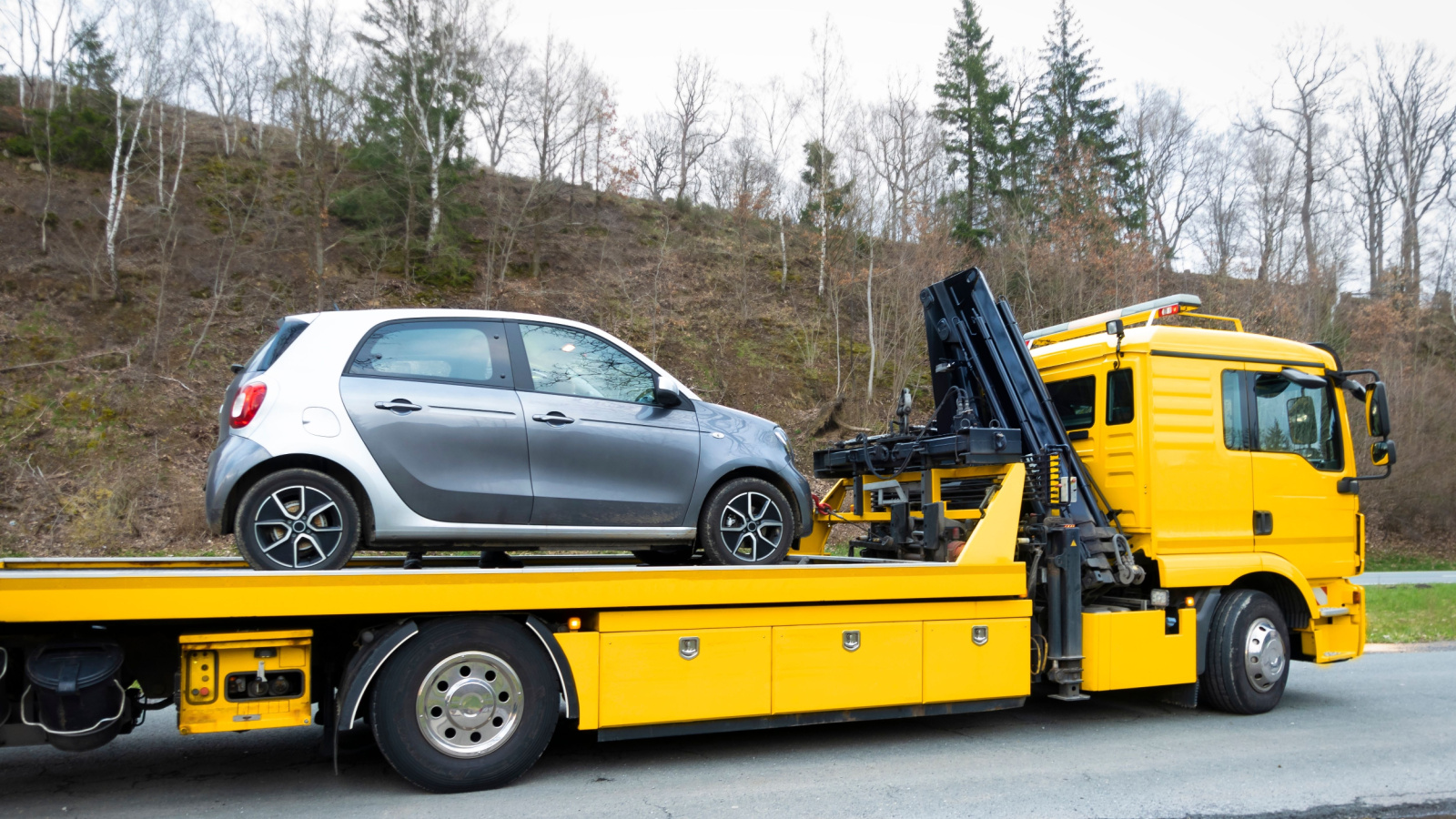
Commuting increases exposure to breakdowns. A flat tire on a rural highway, a dead battery in a park-and-ride lot, or a mechanical issue during rush hour can trigger towing, roadside assistance, taxi rides, missed wages, or emergency repairs. These incidents may be rare, but they are more likely when a vehicle is used every day.
The expense often comes at the worst possible time. A commuter may need the car repaired immediately because skipping work is not an option. That urgency can reduce the ability to shop around for quotes or wait for a cheaper appointment. The daily need to commute turns a mechanical problem into a time-sensitive financial problem.
Traffic Congestion That Burns Fuel and Patience
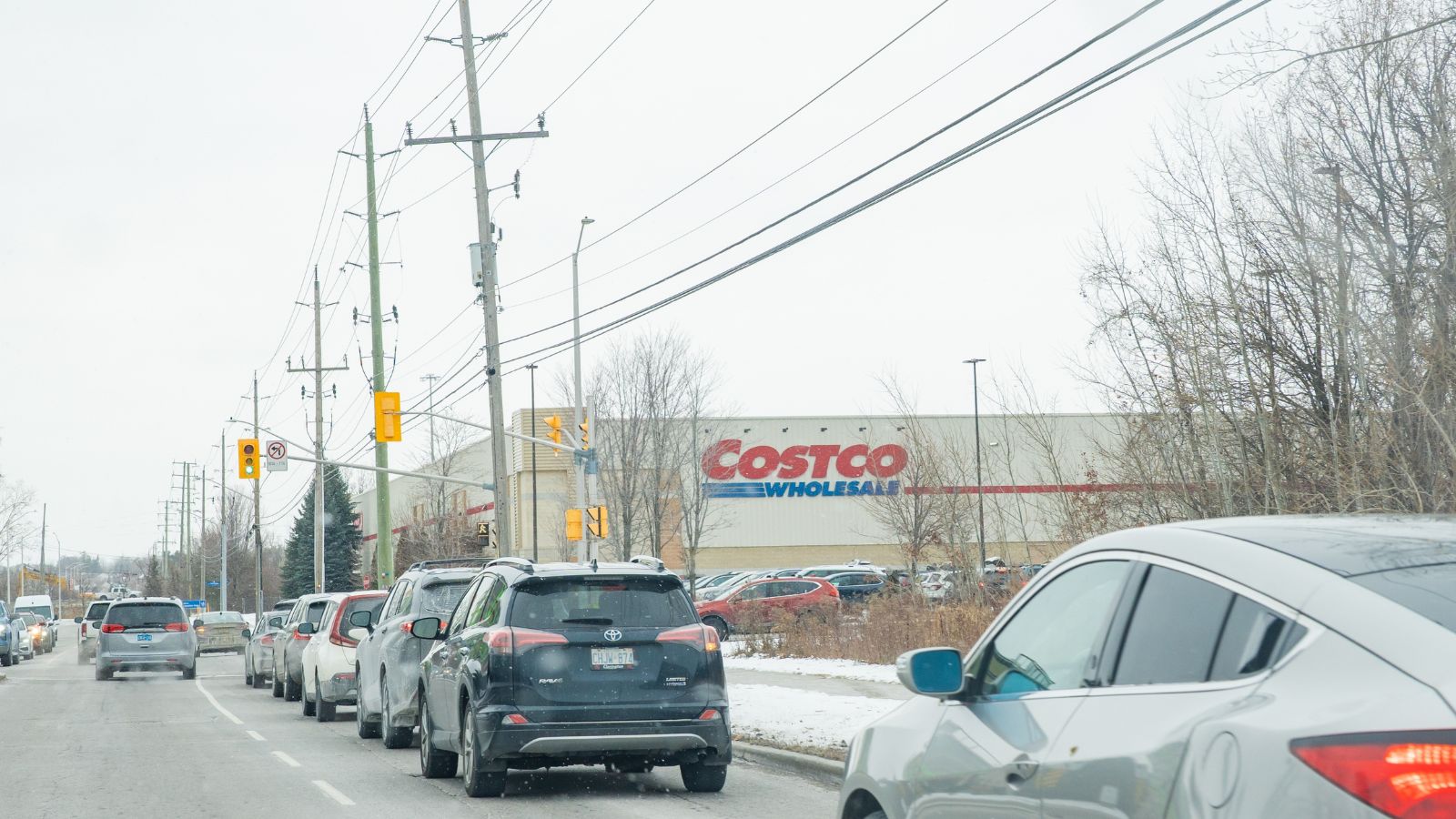
Congestion makes commuting more expensive because vehicles use fuel while moving slowly, stopping repeatedly, and idling. A route that looks short on a map can become costly if it regularly turns into a 45-minute crawl. The expense is not just fuel; stop-and-go driving can also increase brake wear and driver fatigue.
Canadian cities with growing suburbs and busy highway corridors often make distance less important than time. A 15-kilometre commute through bottlenecks may feel worse than a longer but smoother route. Congestion also encourages paid alternatives, such as toll roads, reserved parking, or earlier childcare drop-offs. In that way, traffic creates both direct and indirect costs.
Transit Delays That Force Backup Spending
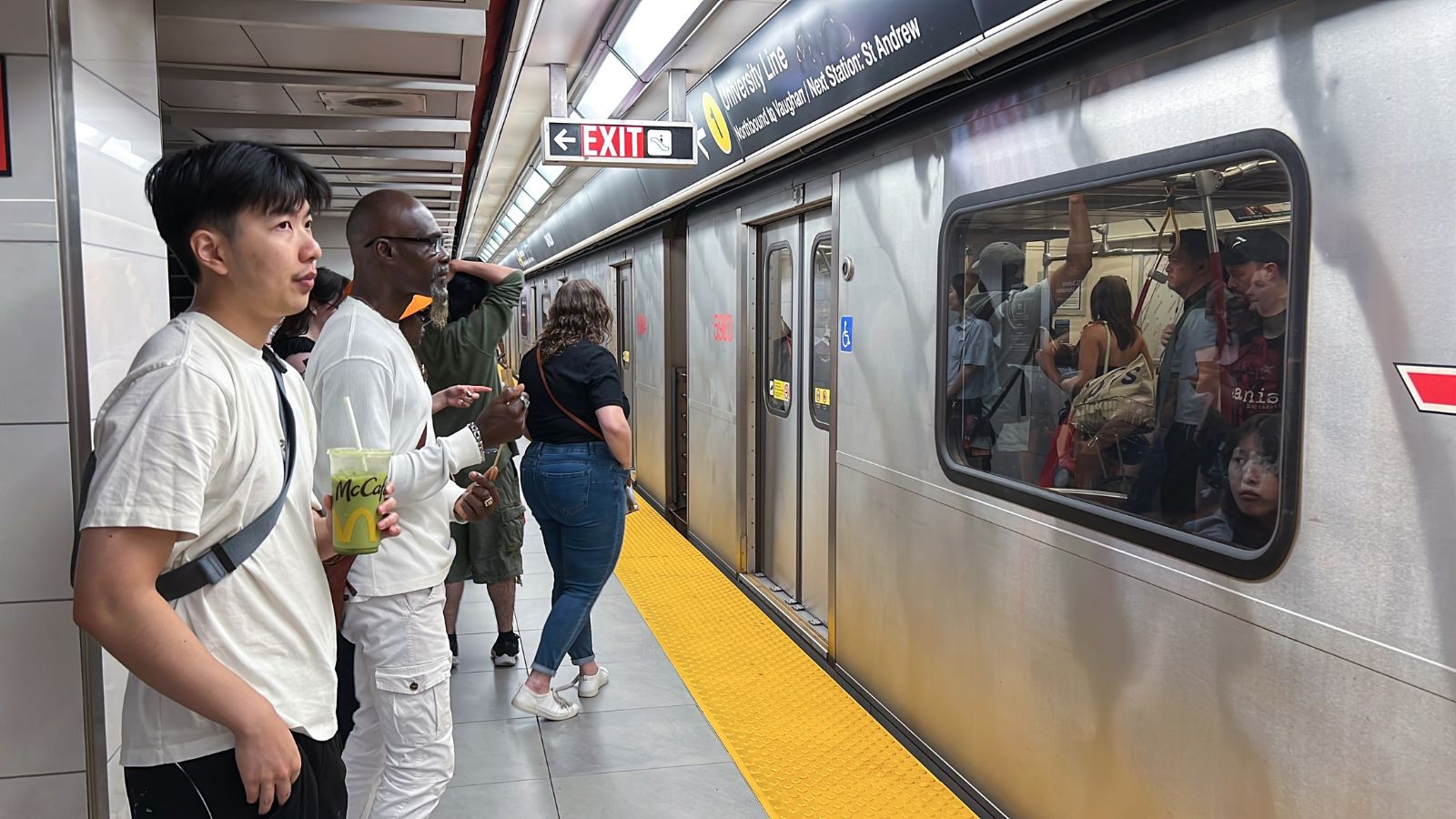
Transit delays can create expenses even for people who do not own a car. A missed connection may require a ride-hail trip, taxi, car-share booking, or emergency pickup from a family member. Workers paid hourly may lose wages if they arrive late, and some workplaces have strict attendance policies.
The hidden cost is that many transit users still need a financial backup plan. Someone commuting by bus in winter may carry extra fare, maintain a car-share membership, or occasionally pay for a faster ride to avoid missing a shift. Even reliable transit systems have disruptions, and commuters often pay for that uncertainty one urgent trip at a time.
Work Clothes, Footwear, and Weather Gear
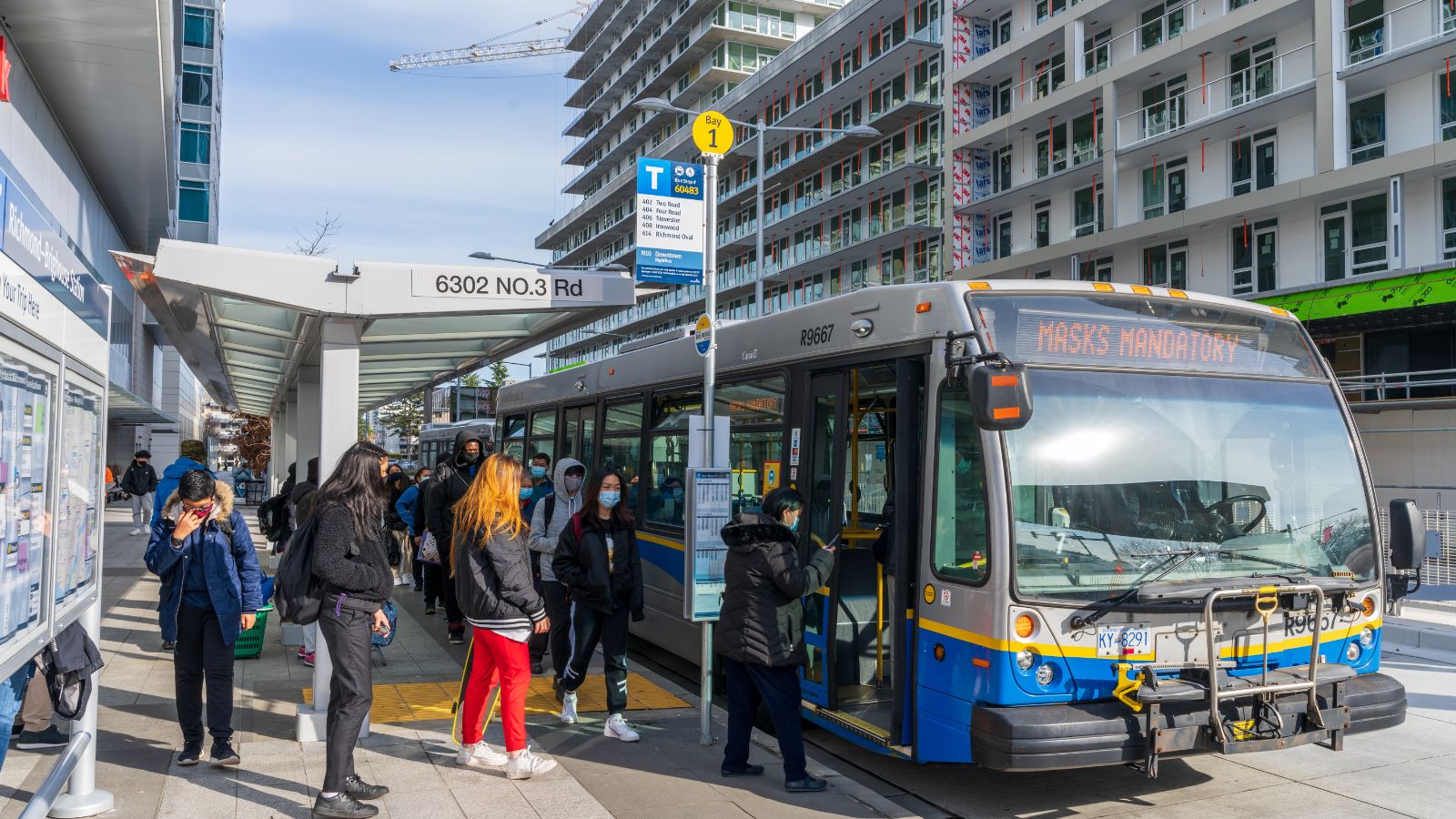
Commuting can quietly increase clothing costs. People who walk to transit may need waterproof boots, insulated coats, gloves, umbrellas, backpacks, reflective gear, or office shoes kept at work. Cyclists may need helmets, lights, rain pants, panniers, and maintenance supplies. These are practical purchases, but they are still part of the commute.
The cost becomes clear during Canadian shoulder seasons, when slush, rain, wind, and sudden temperature swings can ruin cheap gear quickly. A commuter who arrives soaked or cold may eventually pay for better equipment. For office workers, there can also be the extra burden of keeping professional clothing clean and presentable after a messy trip.
Food and Coffee Bought Because the Commute Is Long

Long commutes often change eating habits. A person leaving home early may buy coffee at the station, breakfast near the office, or dinner on the way home after a delayed train. These small purchases rarely feel like transportation costs, but they are often triggered by the commute itself.
A $4 coffee and a $9 breakfast a few times a week can become a noticeable monthly expense. The same applies to drive-thru stops during highway commutes or convenience-store snacks after a late shift. When travel time eats into meal prep time, spending shifts from the kitchen to the route. The commute does not just move people; it changes the way the day is organized.
Higher Repair Costs for Modern Vehicles
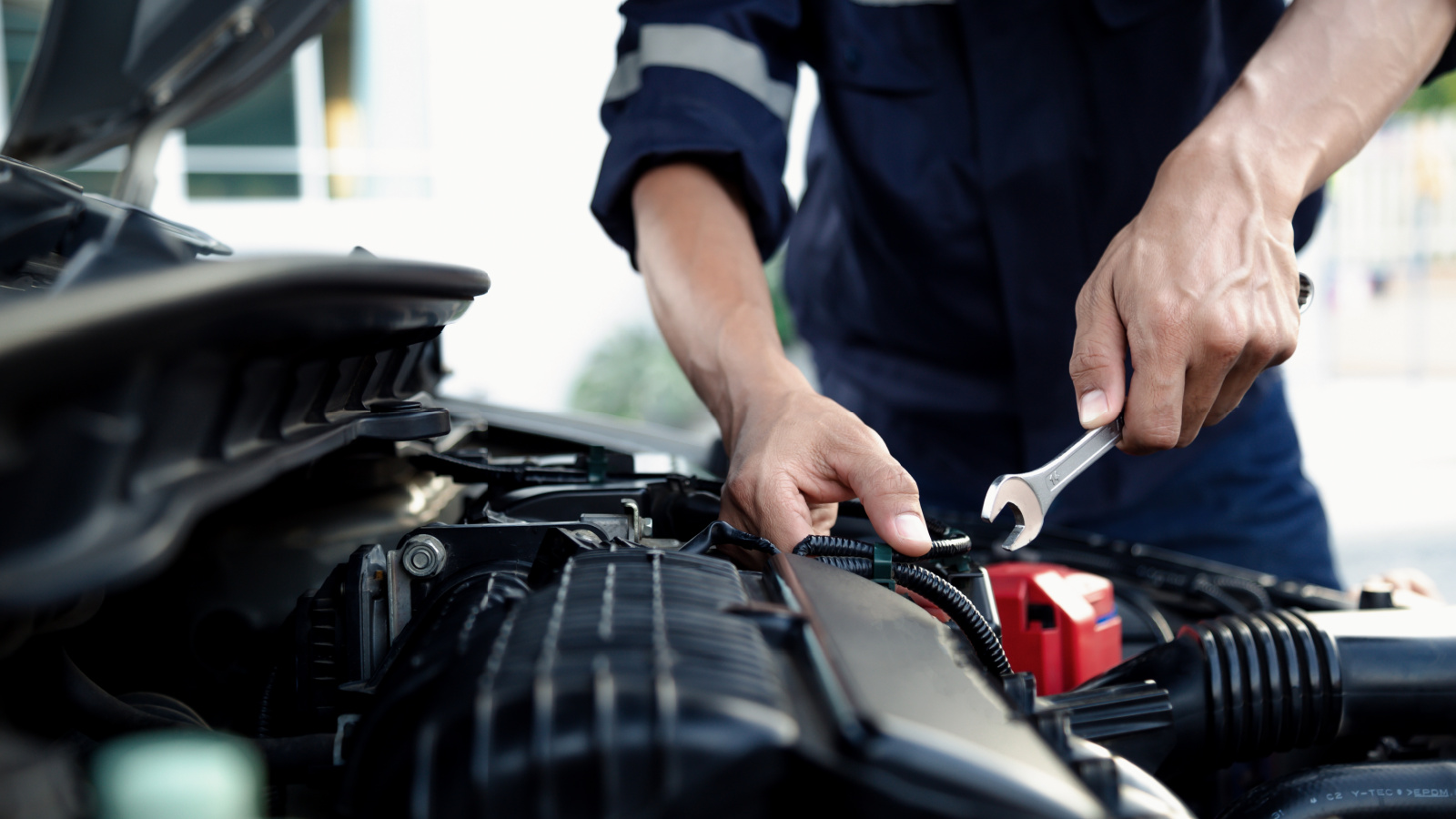
Modern vehicles are safer and more efficient in many ways, but repairs can be expensive. Sensors, cameras, advanced driver-assistance systems, turbocharged engines, hybrid components, and specialized parts can raise repair bills after even minor damage. A bumper scrape from a tight parking garage or a cracked windshield may cost more than expected.
Commuters face more daily exposure to these risks. Crowded lots, gravel trucks, winter debris, potholes, and highway driving all create opportunities for small damage. The more advanced the vehicle, the more likely a simple-looking repair may require calibration or specialized labour. For people who commute every day, modern convenience can come with modern repair pricing.
Auto Theft and Security Costs
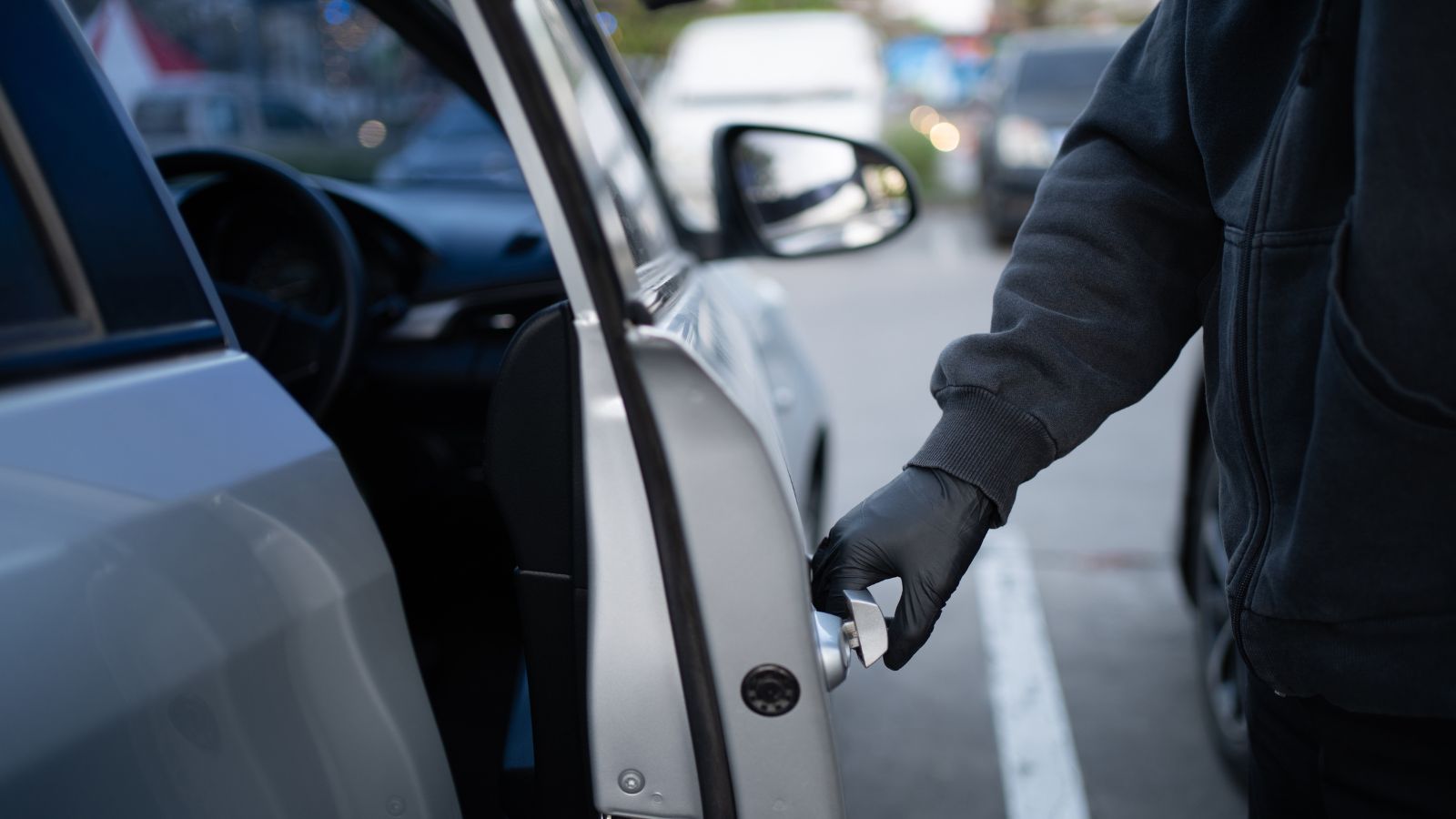
Vehicle theft has become a serious concern in several Canadian regions, and commuting can affect exposure. Vehicles left all day at transit lots, office garages, hospital lots, or industrial areas may need added security measures. Steering-wheel locks, tracking devices, immobilizers, secure parking, and comprehensive insurance coverage all add cost.
Even when a vehicle is never stolen, the fear of theft can influence spending. A driver may pay for a safer parking facility, avoid certain lots, or install anti-theft equipment recommended by an insurer. For commuters with commonly targeted models, security becomes part of the monthly calculation. The commute determines not only where the vehicle goes, but how vulnerable it may be while parked.
22 Things Canadians Do to Their Cars in Spring That Mechanics Hate
Spring brings relief to many Canadian drivers after months of snow, freezing temperatures, and icy roads that put serious strain on vehicles. As temperatures rise across the country, drivers begin washing cars, switching tires, and preparing vehicles for warmer weather and upcoming road trips. However, mechanics across Canada notice the same mistakes every spring when drivers attempt to recover from winter damage. Road salt, potholes, and harsh winter driving conditions often leave vehicles with hidden problems that drivers ignore. Some spring habits even create new mechanical issues that could have been avoided with proper maintenance. Here are 22 things Canadians do to their cars in spring that mechanics hate.