
























A quick stop at a plaza, hospital, condo building, school, or grocery store can still end with a ticket when drivers treat parking lots as rule-free zones. In Canada, many parking-lot penalties come from municipal bylaws, private-property rules, fire-route restrictions, accessible-parking regulations, and posted conditions that apply even when the space feels informal.
This covers 12 parking lot mistakes that continue to catch Canadian drivers off guard. Some involve obvious risks, such as blocking emergency access, while others are surprisingly ordinary: stopping beside a store entrance, parking over a painted line, leaving a vehicle in a visitor space too long, or assuming a private lot ticket can be ignored. The common thread is simple: parking lots may feel low-speed and low-stakes, but the rules can still be enforceable.
Treating a Private Lot Like Public Free Parking
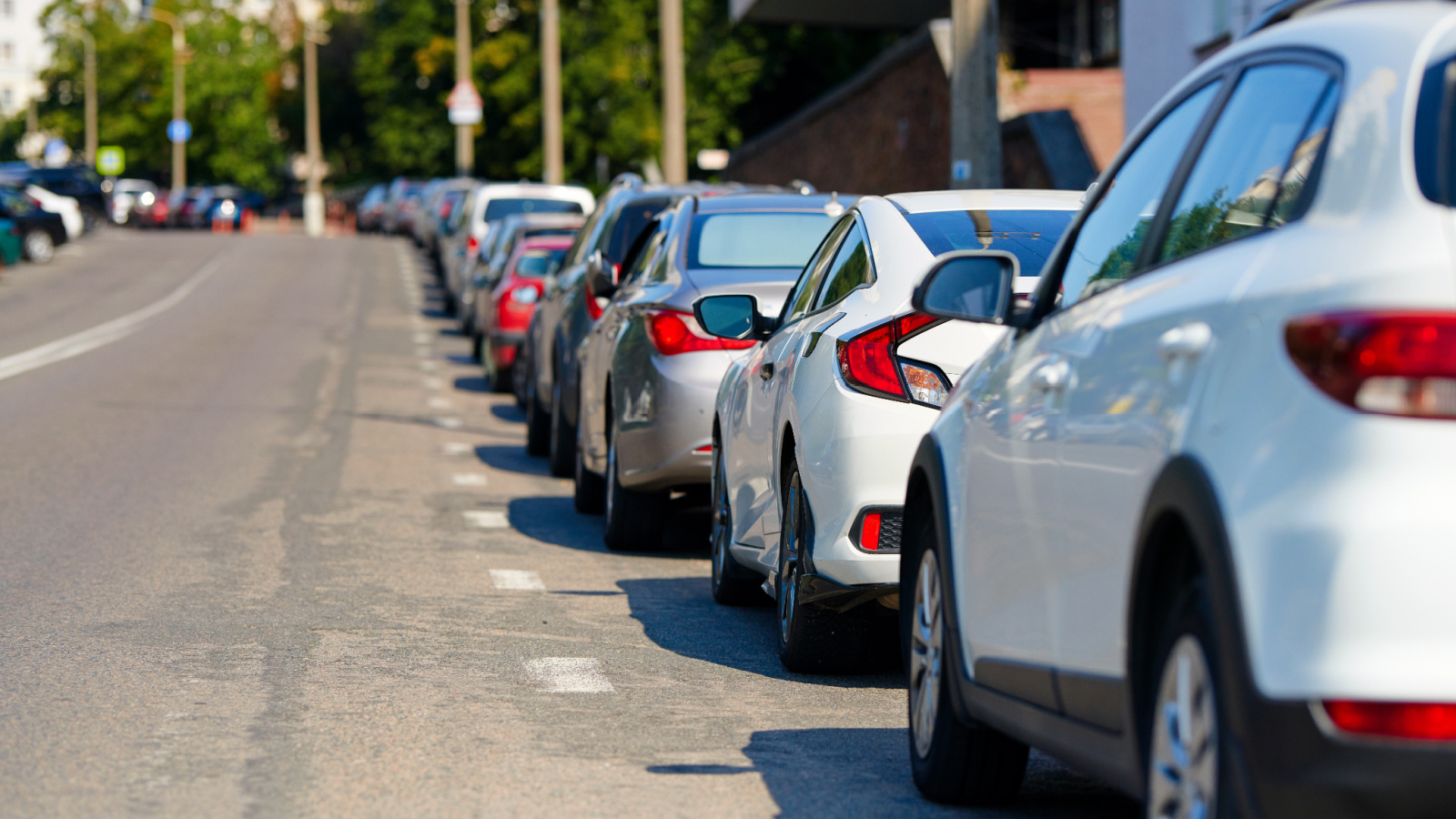
One of the easiest mistakes is assuming an open-looking plaza lot is available to anyone. In many Canadian cities, private-property parking rules are enforceable when a driver leaves a vehicle without the owner’s consent. That can include a commuter using a grocery store lot before taking transit, a downtown worker parking behind a business, or a driver leaving a car in a mall lot after walking somewhere else.
The confusing part is that the pavement often looks public. There may be no gate, no attendant, and plenty of empty spaces. Still, posted signs can limit parking to customers, tenants, visitors, or paid users. In some cities, private parking enforcement agencies need municipal licensing, while property owners may still manage their own lots. A driver who thinks “I’ll only be gone an hour” may return to a municipal notice, a private invoice, or a towing bill.
Ignoring Fire Route Signs Near Store Entrances
Fire routes are among the most ticket-prone areas in parking lots because they are built for emergency access, not convenience. Drivers often stop there for what feels like a harmless reason: picking up a prescription, waiting for someone with groceries, or running inside while the vehicle stays running. The problem is that “stopping” can still be treated differently from legal parking, and many bylaws restrict both stopping and parking in signed fire routes.
A typical fire route runs close to entrances, schools, apartment buildings, shopping plazas, and medical offices. Those are exactly the places where drivers are tempted to pull over for a minute. But emergency crews need the space clear without delay. Municipalities such as Brampton and Ottawa describe fire routes as access points for emergency services, and vehicles in those areas can face fines or towing. A quick errand can become an expensive lesson.
Using an Accessible Space Without the Right Permit
Accessible parking spaces are not courtesy spaces for short stops, heavy bags, bad weather, or “just a minute” errands. They are reserved for vehicles displaying a valid accessible parking permit, and municipalities can issue significant penalties when a vehicle is parked there without proper authorization. The fine can be higher than many ordinary parking tickets because the violation affects access for people who rely on extra space and proximity.
Another overlooked mistake is parking partly in the striped access aisle next to an accessible stall. Those painted areas are not spare room for mirrors, tires, carts, or motorcycle parking. They allow wheelchair ramps, mobility devices, and safer transfers beside the vehicle. Some municipal rules specifically prohibit obstructing the access aisle even when the vehicle itself has a valid permit. The driver may think the car is “mostly” in the right spot, but enforcement can focus on whether the accessible space is usable.
Misusing Someone Else’s Accessible Parking Permit

A permit hanging from the mirror does not automatically make the parking legal. Accessible parking permits are generally tied to the person who needs the accommodation, not simply to the vehicle. A common problem occurs when a family member borrows a permit holder’s car or leaves the permit displayed after dropping the person off. The space may look properly authorized from a distance, but the use can still be questioned.
This is where many drivers get caught by habit rather than intent. A permit may remain on the visor after a medical appointment, or a caregiver may forget that the permit is only valid when the eligible person is actually being transported. Ontario’s accessible parking information directs suspected misuse questions to municipalities, which reflects how much local enforcement matters. Because disabilities are not always visible, enforcement must be careful, but permit misuse can still attract penalties and public complaints.
Parking Over the Painted Lines
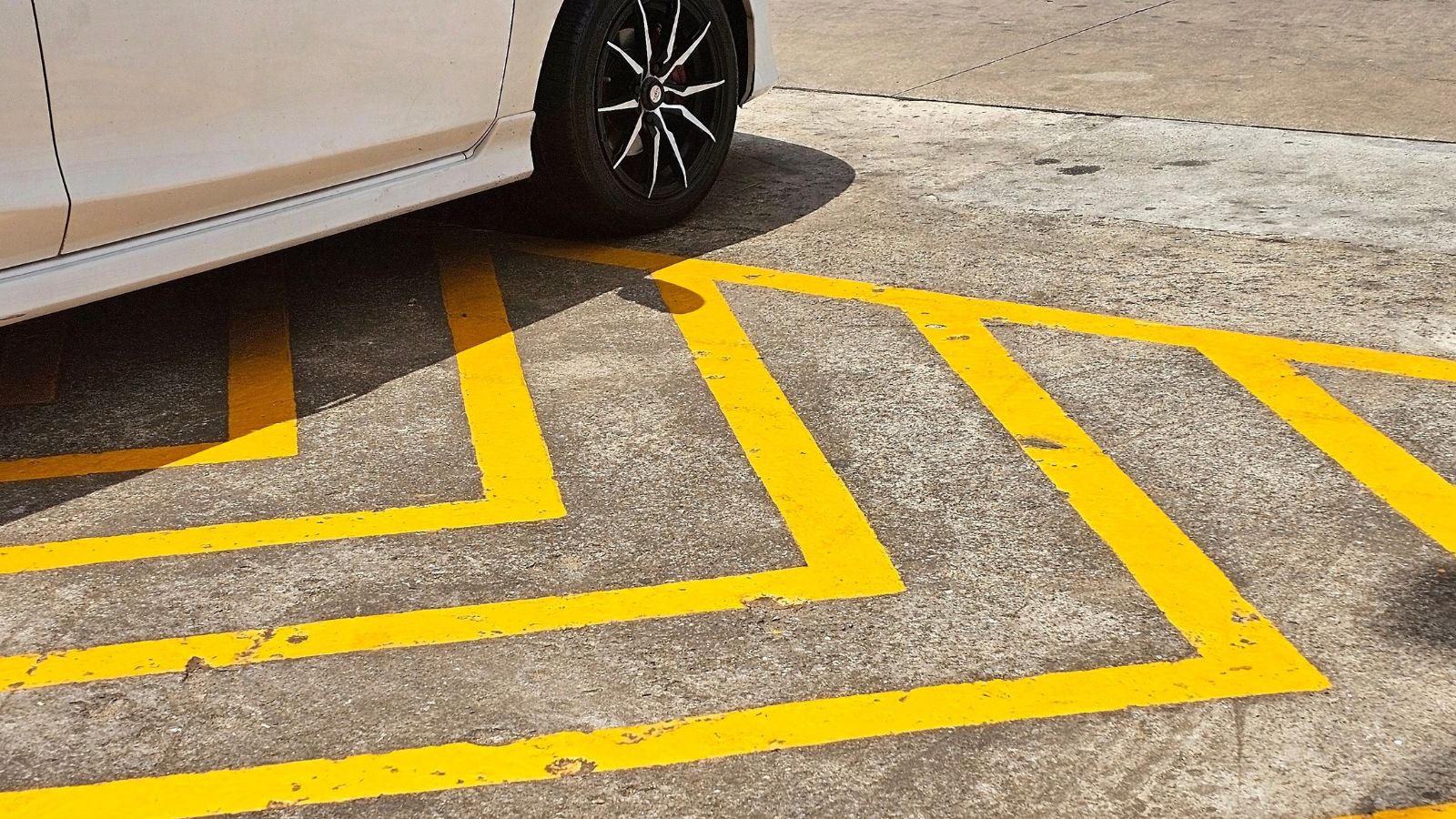
Many drivers think a slightly crooked park is rude, not ticket-worthy. In tightly managed lots, however, painted lines matter because they define the actual parking space. A vehicle that straddles two spaces, blocks part of an aisle, extends into a travel lane, or crowds an accessible access aisle may be treated as improperly parked. The risk grows in condo lots, hospital lots, airports, campuses, and paid facilities where patrols are frequent.
This mistake often happens with larger SUVs, pickups, work vans, and vehicles with bike racks or trailer hitches. A driver may centre the front tires but leave the rear end hanging into the lane, creating problems for snow-clearing equipment, delivery vehicles, or pedestrians. In winter, the lines may be hidden by slush, but signs and curb markings can still matter. When the space is narrow, it is safer to re-park than assume enforcement will ignore a “close enough” attempt.
Leaving the Car in a Pickup or Loading Zone
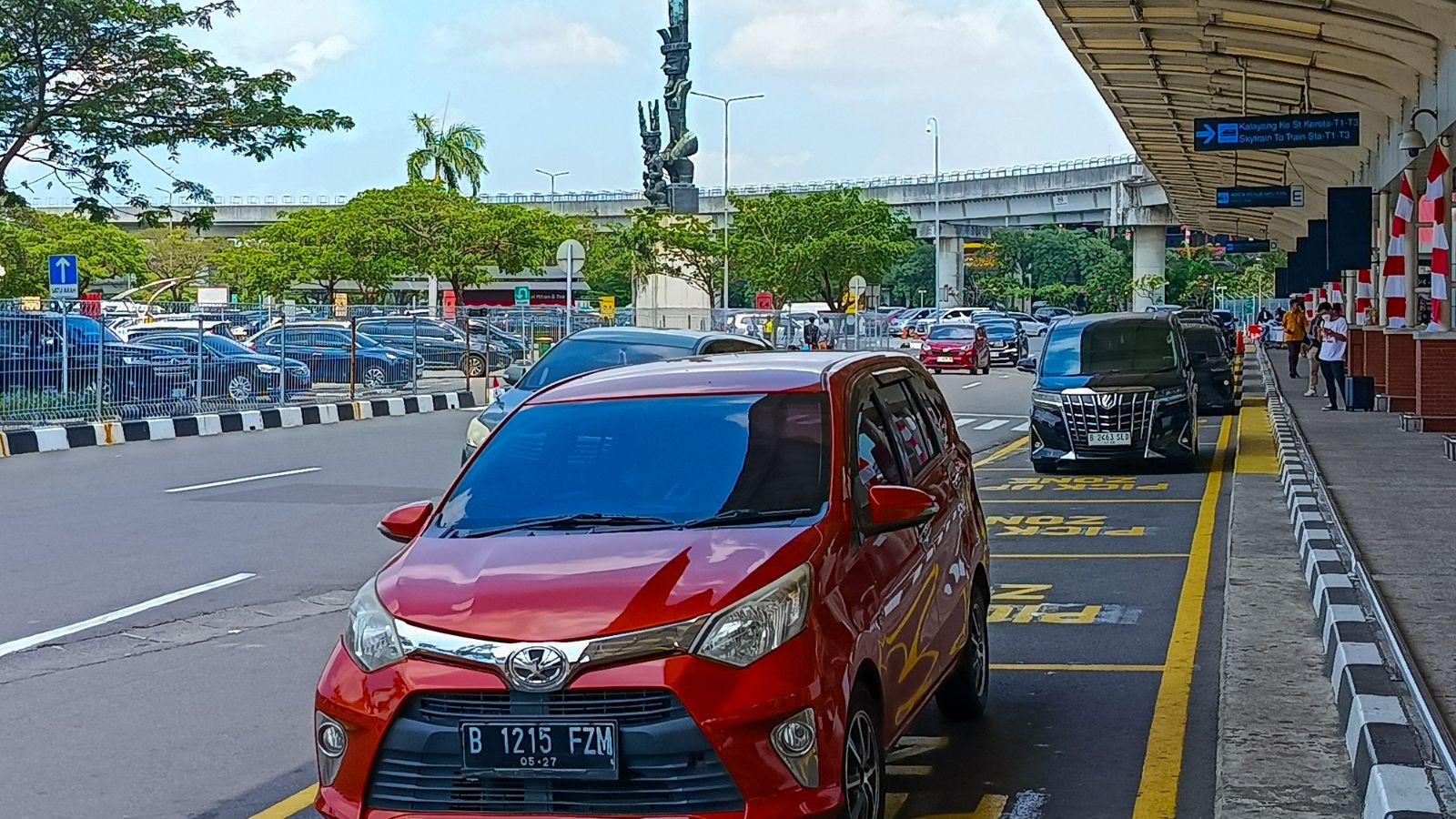
Pickup zones, loading areas, courier spots, and short-stay spaces are often treated as unofficial waiting areas. That is risky because those zones usually exist for a specific purpose and may have short time limits or vehicle-type restrictions. A restaurant pickup stall may be meant for active pickup only, while a building loading bay may be reserved for deliveries, moving trucks, or commercial vehicles.
The mistake becomes more common at apartment towers, shopping centres, hospitals, and schools, where the most convenient curb is often marked for quick turnover. A driver waiting in the car may believe they are not “parked,” but many local rules distinguish between stopping, standing, and parking. If the posted sign says no stopping or loading only, remaining in the vehicle may not help. A two-minute delay while someone finishes paying can be long enough for a ticket in a busy monitored lot.
Letting Paid Parking Expire by a Few Minutes
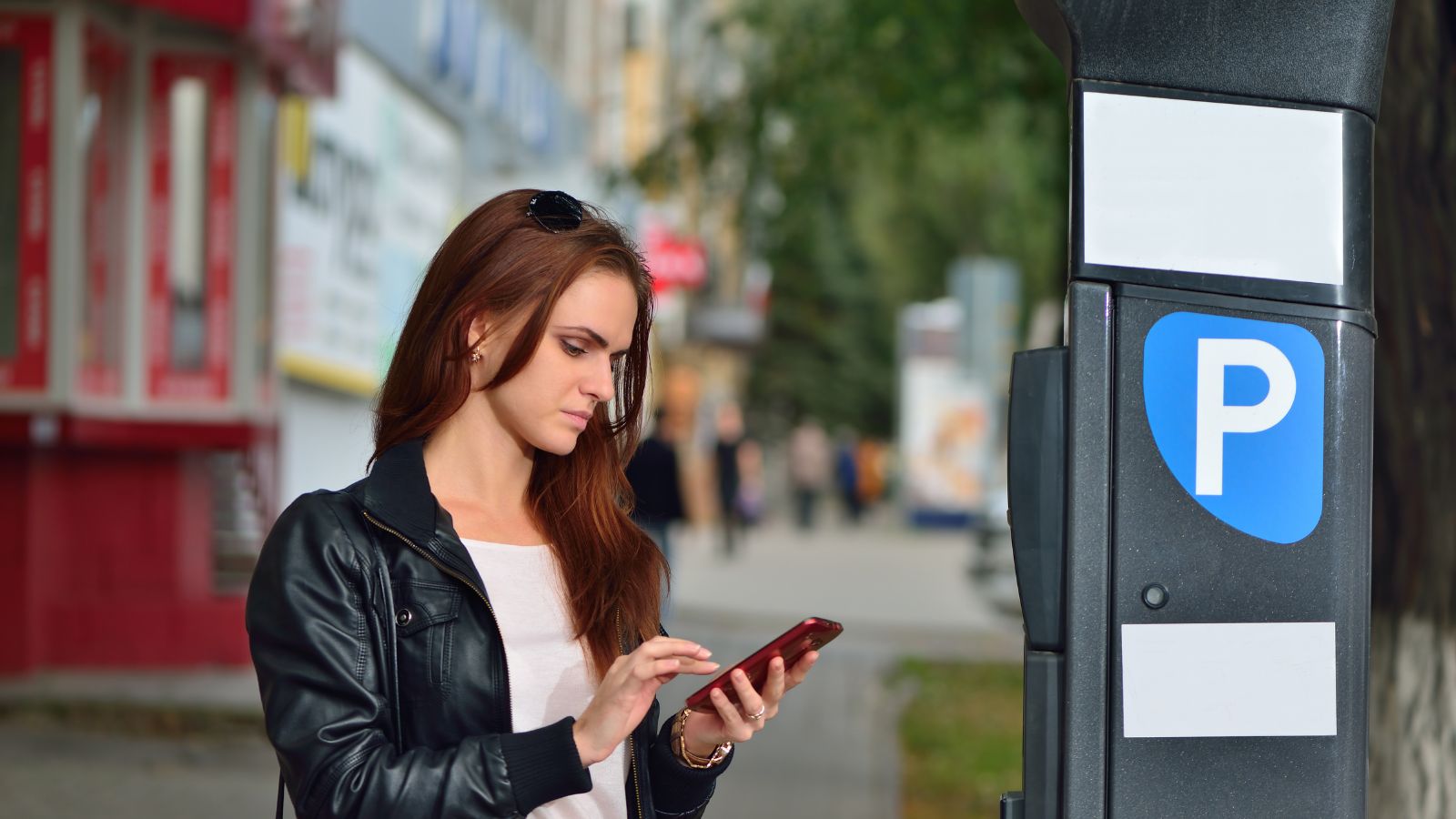
Digital parking apps have made payment easier, but they have also created new ways to get ticketed. A driver may choose the wrong licence plate, select the wrong zone, forget to extend the session, or assume a grace period exists when it does not. In a surface lot, the vehicle may be checked by licence-plate recognition instead of by a dashboard receipt, so a small app error can look like non-payment.
The human side is familiar: a medical appointment runs late, a lunch meeting stretches, or a phone battery dies before the session can be extended. Paid lots at hospitals, universities, transit stations, and downtown offices often enforce time closely because turnover is part of the business model. Even where a dispute process exists, screenshots and receipts matter. The safest habit is to confirm the plate, zone, expiry time, and payment confirmation before walking away.
Assuming Visitor Parking Has No Time Limit

Visitor spaces feel more relaxed than paid lots, but many condo, apartment, townhouse, and office lots have strict rules. Some require registration at a kiosk, with security, or through an online system. Others limit the number of overnight stays per month or restrict the same vehicle from repeated use. A guest who parks regularly without registering can be treated as unauthorized even if they are genuinely visiting someone.
This creates tension in residential buildings because the driver may not see a meter or payment machine. The rule may be posted near the entrance, inside the lobby, or included in the building’s visitor-parking instructions. A common example is a weekend guest who arrives late, forgets to register, and wakes up to a ticket. Another is a tenant using visitor parking as a second personal space. The lot may look private and quiet, but enforcement can still be active.
Blocking Sidewalks, Walkways, Ramps, or Crosswalks

Parking lots often mix vehicles and pedestrians in a messy way, especially near store doors and accessible entrances. A car that noses over a sidewalk, blocks a curb ramp, or stops across a marked walkway can create a real accessibility and safety problem. The vehicle may still be mostly inside a stall, but the blocked pedestrian path can be enough to draw enforcement or complaints.
This mistake is easy to miss when drivers focus only on other cars. At grocery stores, for example, a long vehicle can overhang the curb and force pedestrians into the travel lane. At schools or medical buildings, blocking a ramp can prevent someone using a wheelchair, walker, stroller, or mobility scooter from moving safely. Pedestrian-right-of-way rules vary by province and setting, but the practical expectation is consistent: marked crossings and accessible paths should remain clear.
Stopping in No-Stopping Areas While Someone “Runs In”
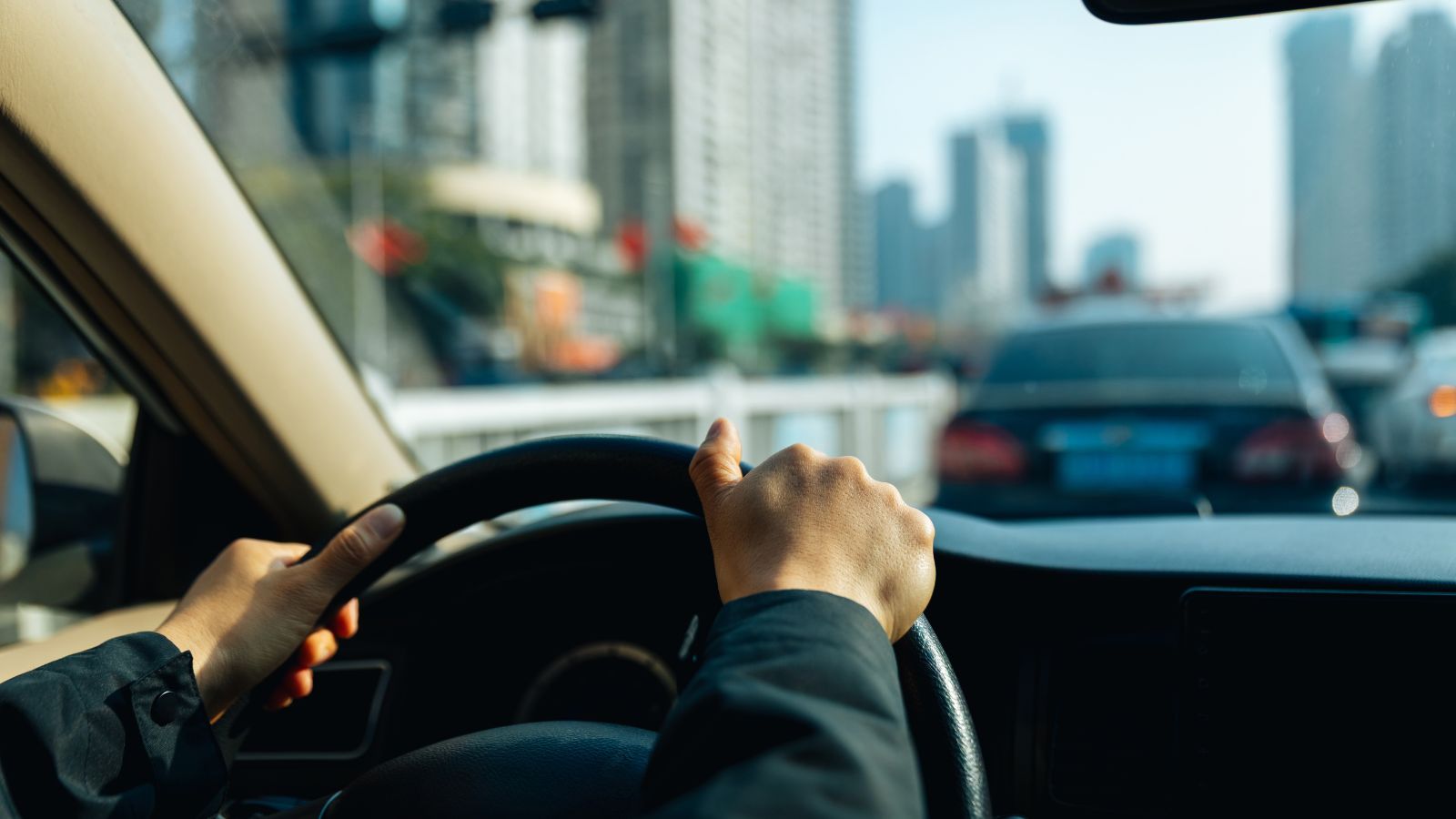
Canadian drivers often treat no-stopping areas as acceptable if the driver stays behind the wheel. That assumption can fail in parking lots, especially near schools, hospitals, transit facilities, airports, and busy retail entrances. A no-stopping sign usually means the vehicle should not pause there except where a legal exception applies. Waiting with hazard lights on does not turn the space into a legal pickup point.
The habit is understandable. People want to help an elderly relative reach the door, avoid circling a crowded lot, or make a quick parcel pickup. But no-stopping zones are often placed where stopped vehicles create congestion, block sightlines, or interfere with emergency access. Enforcement officers do not need the vehicle to be empty to see the problem. In busy lots, the safest move is to use signed pickup areas, legal short-term stalls, or a proper drop-off lane.
Parking in EV Charging Spaces Without Charging
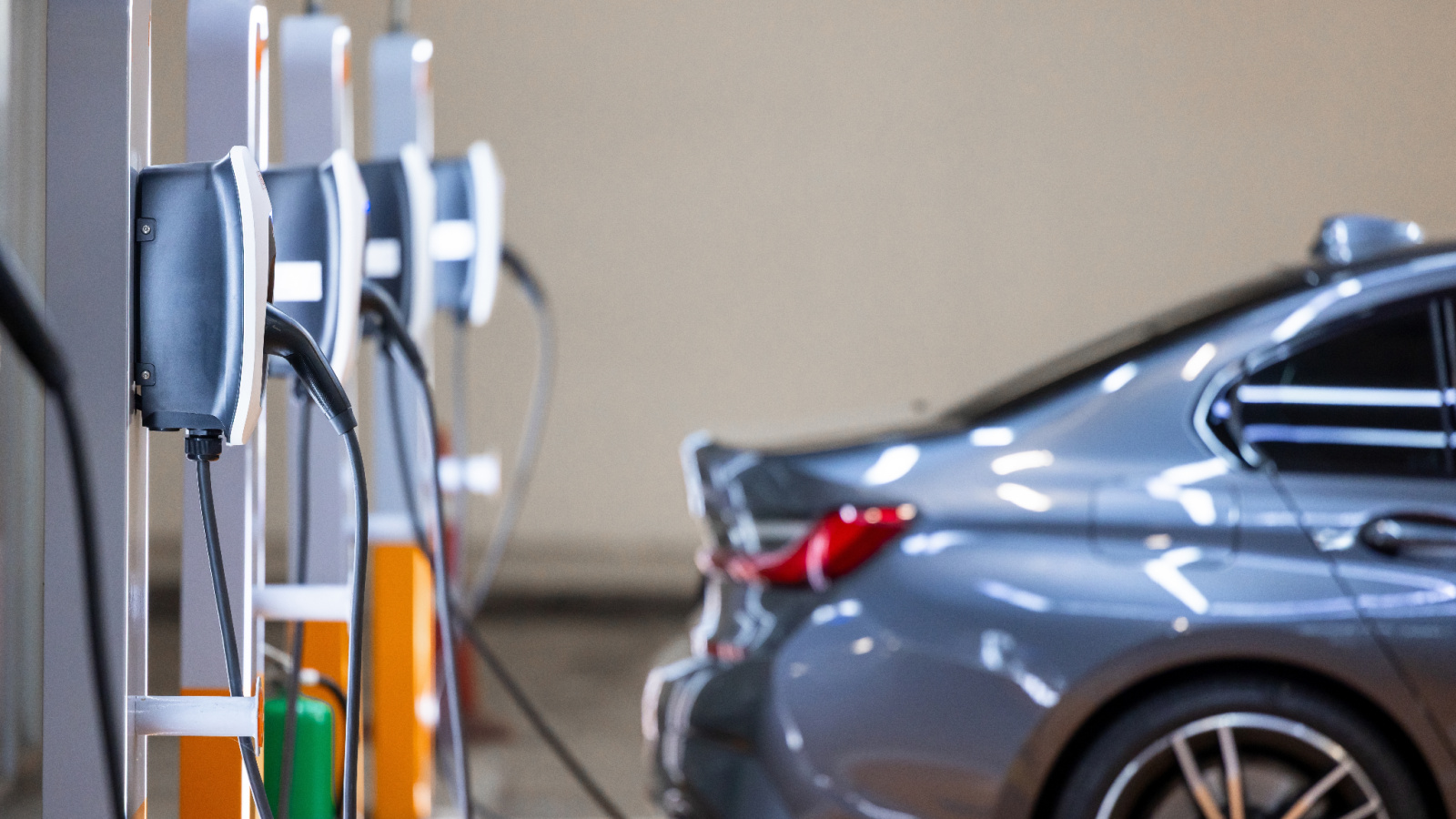
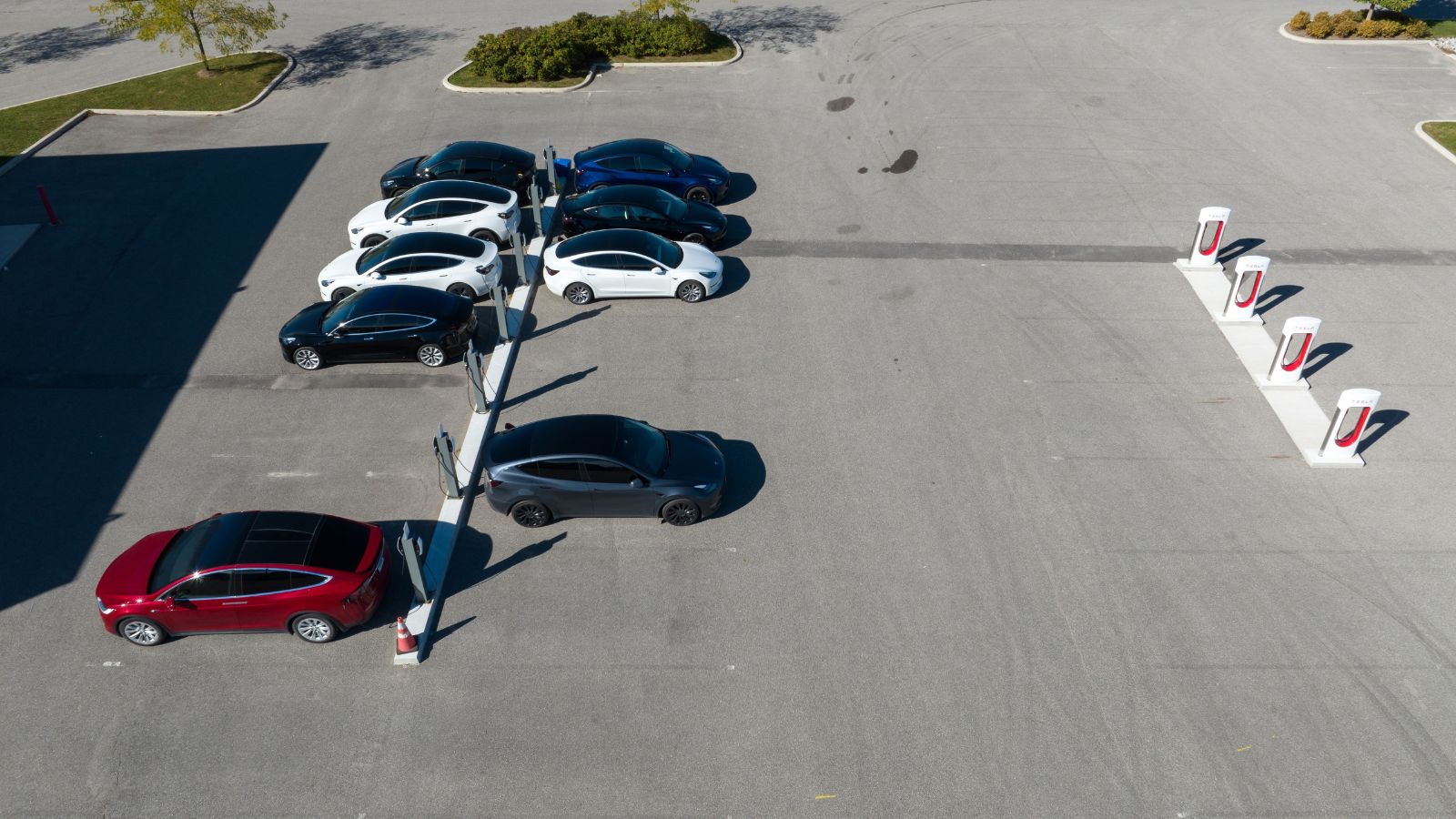
EV charging stalls are increasingly common in Canadian parking lots, and the rules can be more specific than many drivers realize. Some spaces are reserved for electric vehicles only. Others require the vehicle to be actively connected to the charger. A gas vehicle parked there is an obvious problem, but an EV that is not plugged in, or one that stays long after charging ends, can also frustrate access and may violate posted conditions.
This mistake is becoming more visible as grocery stores, malls, offices, and municipal lots add chargers. In Vancouver, public guidance has noted that some EV charging areas restrict parking to electric vehicles connected to the charging station, while regular meter or parking restrictions may still apply. That means charging does not automatically cancel payment rules or time limits. The stall is not a premium waiting spot; it is infrastructure meant to turn over.
Ignoring Winter, Snow-Clearing, and Maintenance Restrictions
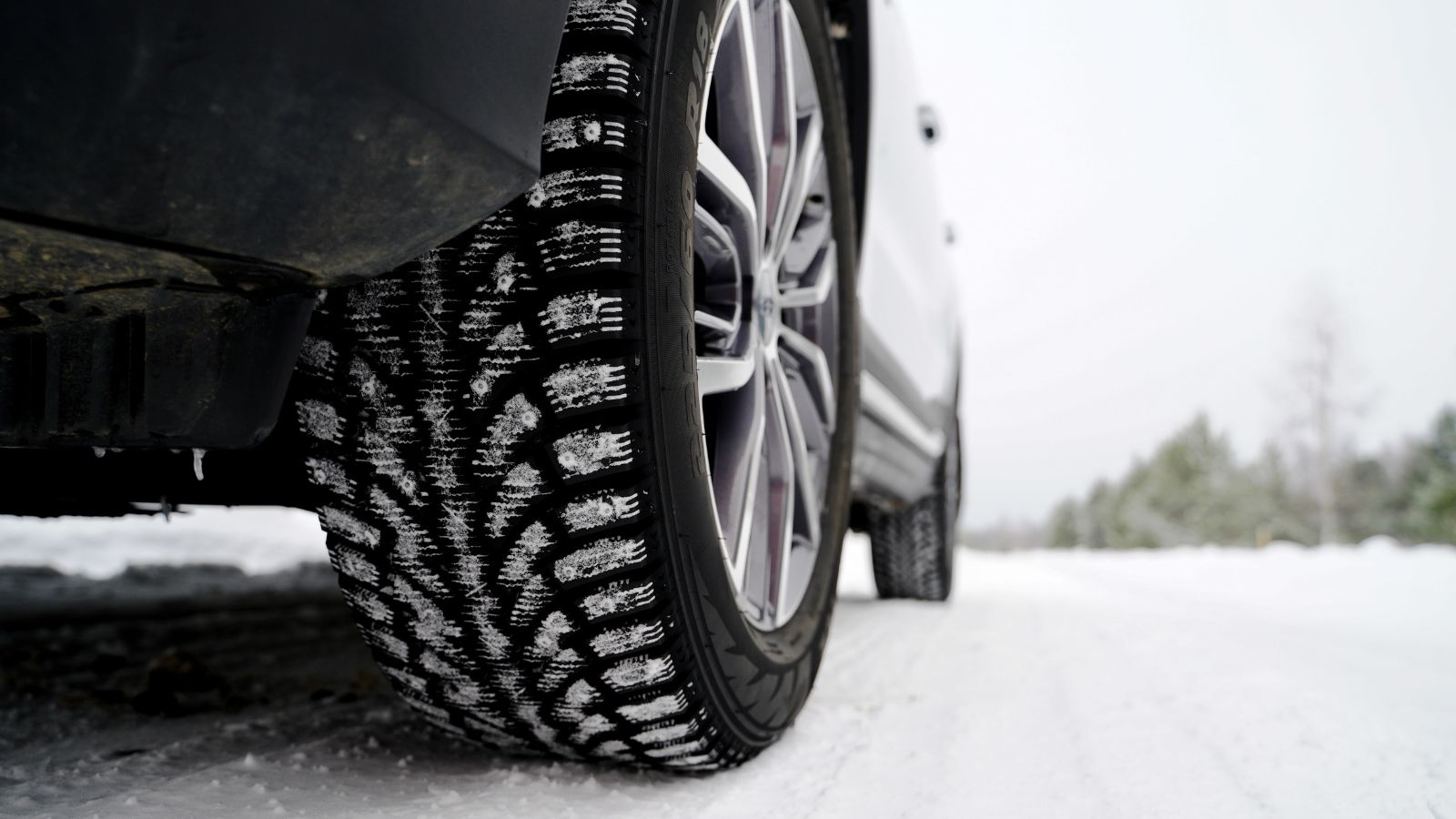
In Canadian parking lots, winter can change the rules even when the pavement looks familiar. Snow-clearing signs, temporary maintenance notices, overnight restrictions, and blocked-off areas may apply during storms or after heavy accumulation. Drivers sometimes assume these warnings are flexible because the lot is private or because no plow is visible yet. But a vehicle left in the wrong area can delay clearing, create hazards, or be towed.
The problem is especially common at apartment buildings, campuses, hospitals, shopping centres, and commuter lots. A resident may park in the usual space overnight, only to find a temporary notice posted for snow removal. A commuter may leave a car during a storm and return to a ticket because the lot needed to be cleared for safety. In winter, drivers need to look beyond the painted lines and check entrances, pay machines, building notices, and temporary signs.
22 Things Canadians Do to Their Cars in Spring That Mechanics Hate
Spring brings relief to many Canadian drivers after months of snow, freezing temperatures, and icy roads that put serious strain on vehicles. As temperatures rise across the country, drivers begin washing cars, switching tires, and preparing vehicles for warmer weather and upcoming road trips. However, mechanics across Canada notice the same mistakes every spring when drivers attempt to recover from winter damage. Road salt, potholes, and harsh winter driving conditions often leave vehicles with hidden problems that drivers ignore. Some spring habits even create new mechanical issues that could have been avoided with proper maintenance. Here are 22 things Canadians do to their cars in spring that mechanics hate.