
























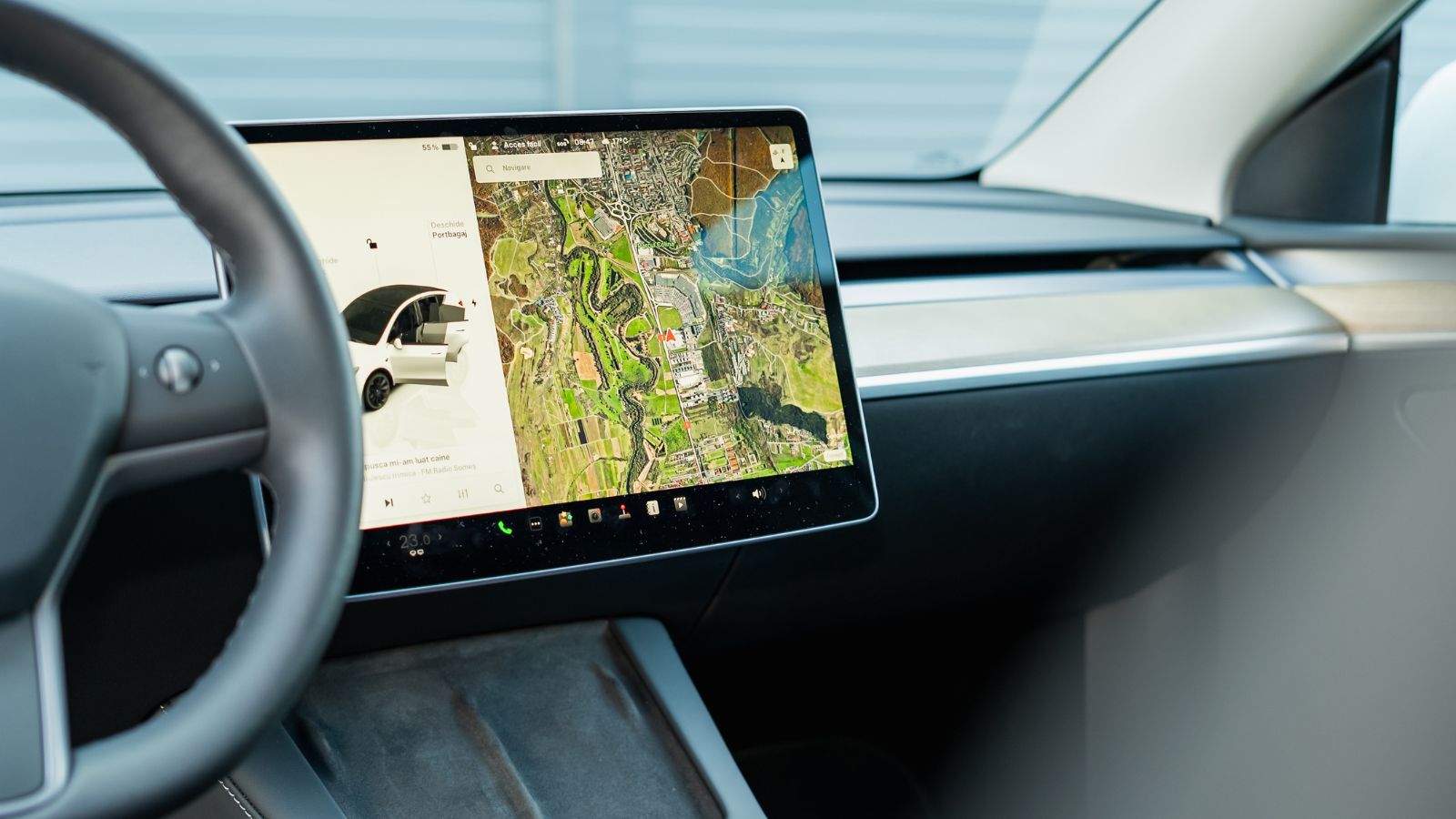
Modern cars can feel less like machines and more like rolling smartphones, packed with giant screens, driver assists, app controls, cameras, sensors, wireless updates, and subscription-ready features. On the lot, that technology often looks impressive. In daily ownership, it can create a quieter problem: the more a vehicle depends on software and electronics, the more fragile, expensive, distracting, and privacy-heavy it may become.
There are 12 key problems that can hide behind a tech-loaded car, from repair bills and reliability issues to data collection, driver overconfidence, and features that may age faster than the vehicle itself.
Touchscreens Can Turn Simple Controls Into Distractions
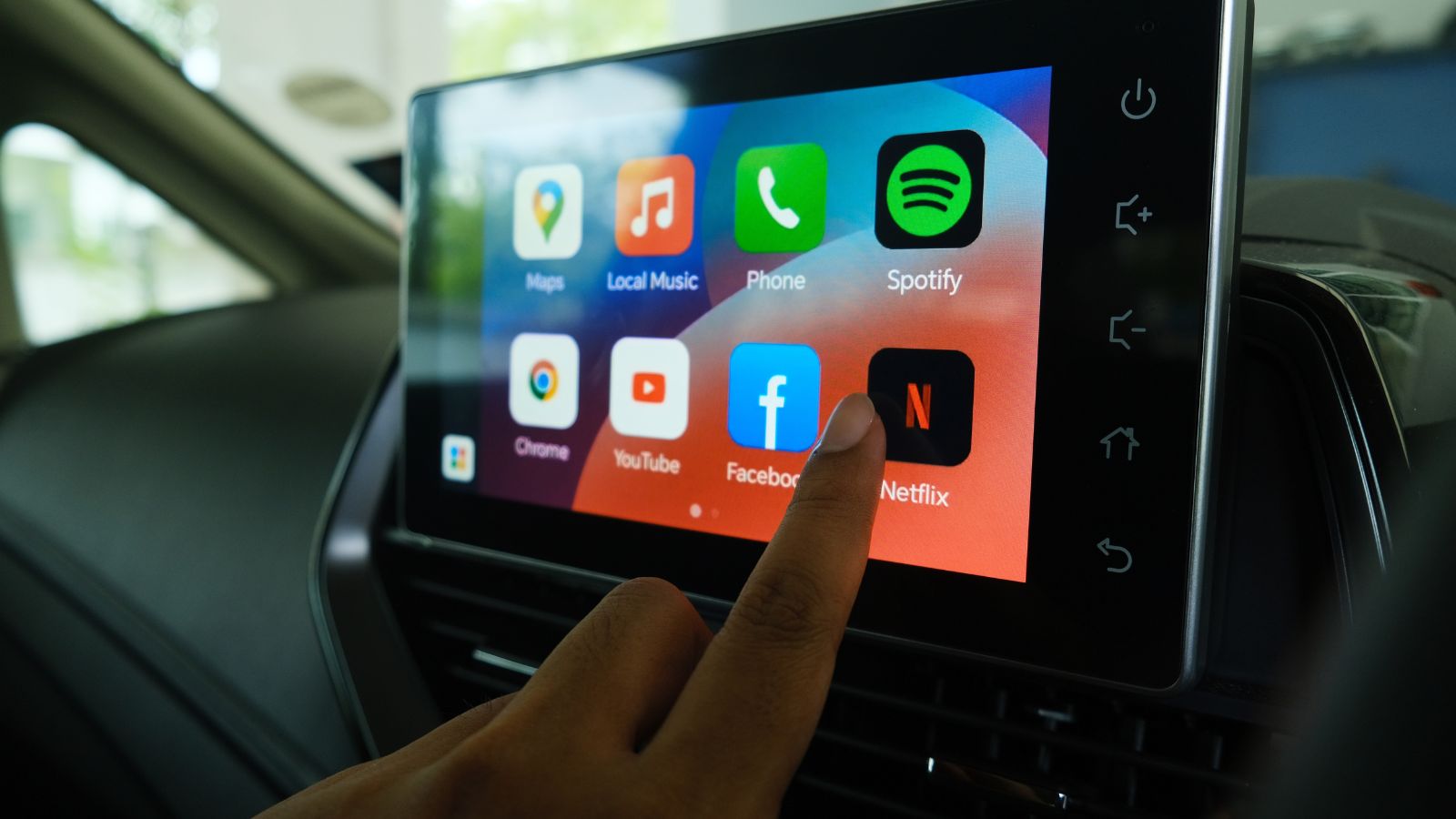
The appeal of a clean dashboard is easy to understand. A large central screen can make a cabin look modern, organized, and premium. The trouble starts when ordinary tasks move into menus. Adjusting fan speed, changing mirror settings, turning on seat heat, or finding defroster controls can require more visual attention than a physical knob ever did. That matters because driving is already a task built around timing, scanning, and quick reactions.
Safety experts have increasingly questioned the industry’s move away from buttons. European safety assessors have pushed automakers toward retaining physical controls for essential functions, arguing that drivers should not need to dig through screens for basic operations. A driver trying to lower the temperature on a rainy highway may only look away for a moment, but even a moment can be enough to miss brake lights, a pedestrian, or a lane shift.
Repair Bills Can Jump After Small Damage

A bumper used to be mostly a bumper. On many newer vehicles, it may also hide radar sensors, parking sensors, cameras, brackets, wiring, and calibration points. A minor parking-lot tap can become a technology repair rather than a simple cosmetic fix. The same issue appears with windshields, mirrors, and grilles, where cameras and sensors may need replacement or recalibration after damage.
This is one of the least obvious costs at purchase time. A buyer may compare fuel economy, monthly payments, and warranty coverage without realizing that a mirror, windshield, or bumper has become part of the car’s safety electronics. Calibration must be accurate because driver-assistance systems depend on precise sensor alignment. A small misalignment can turn a helpful feature into one that reacts poorly, warns late, or stops working altogether.
Driver-Assistance Features Can Create False Confidence

Lane centering, adaptive cruise control, blind-spot monitoring, and automatic emergency braking can be genuinely useful. The hidden risk is that some drivers begin treating assistance as automation. The names, animations, steering corrections, and smooth highway behavior can make a system feel more capable than it is. That gap between perception and reality is where complacency can grow.
Most driver-assistance systems still require an alert human driver. They can struggle with faded lane markings, unusual road layouts, construction zones, bad weather, glare, and unpredictable human behavior. A driver who relaxes too much may be slower to intervene when the system reaches its limits. The danger is not that assistance technology exists; it is that it can quietly train people to pay less attention while still leaving them fully responsible.
Software Updates Do Not Always Improve the Car
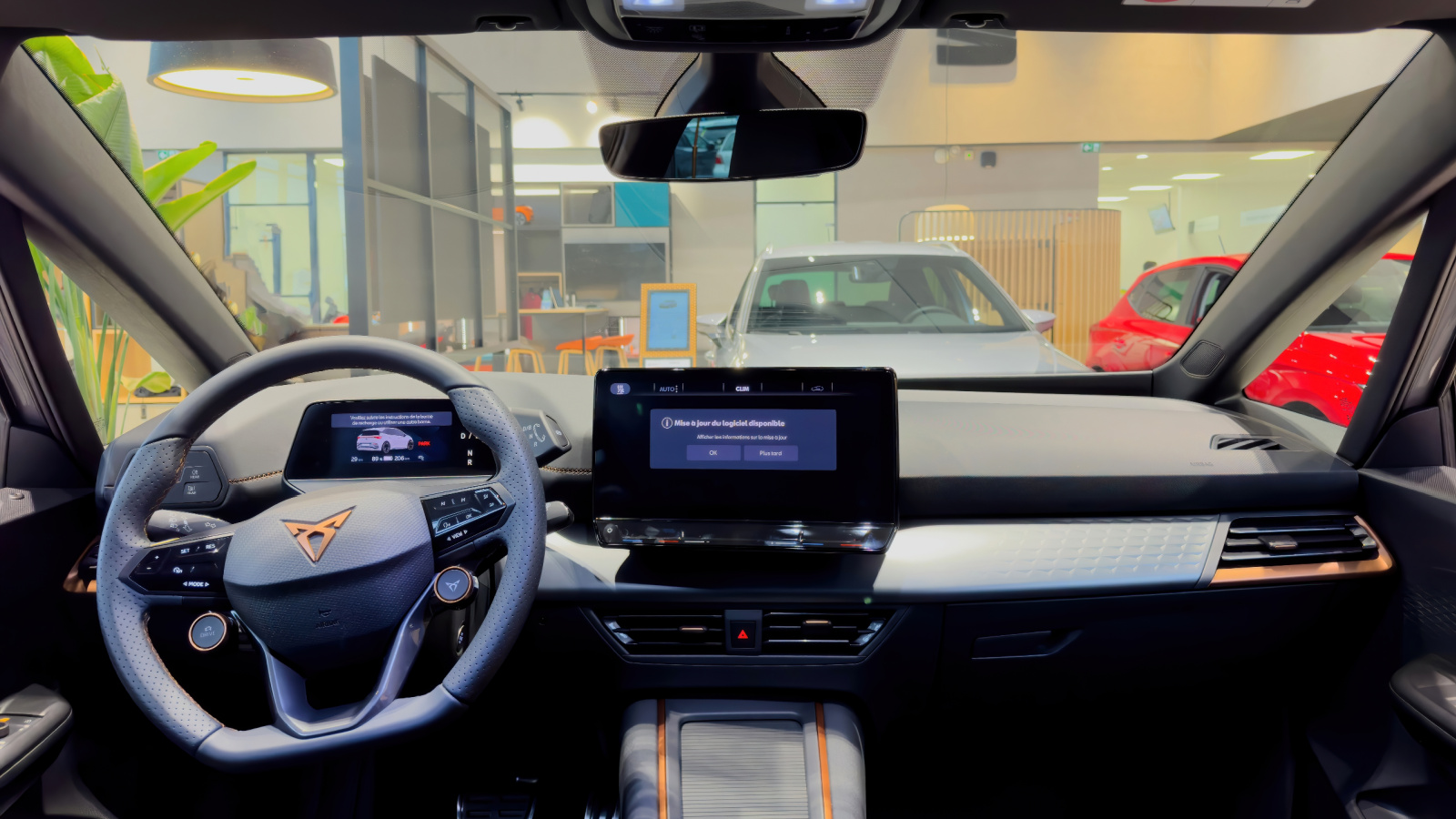
Over-the-air updates sound convenient, and they often are. They can fix bugs, improve functions, or reduce the need for dealership visits. But car owners increasingly face a reality familiar from phones and laptops: updates can also change familiar menus, introduce new glitches, reset preferences, or add little noticeable benefit. A vehicle that felt stable at delivery may behave differently months later.
This creates an unusual ownership problem. A traditional car aged mostly through mechanical wear; a software-defined car can change through decisions made after purchase. Some updates may improve safety or reliability, but others may feel like experiments happening inside a product that people depend on every day. When a car’s interface, alerts, or driving-assistance behavior changes, owners may need to relearn parts of a machine they already bought.
Infotainment Problems Can Hurt Long-Term Satisfaction
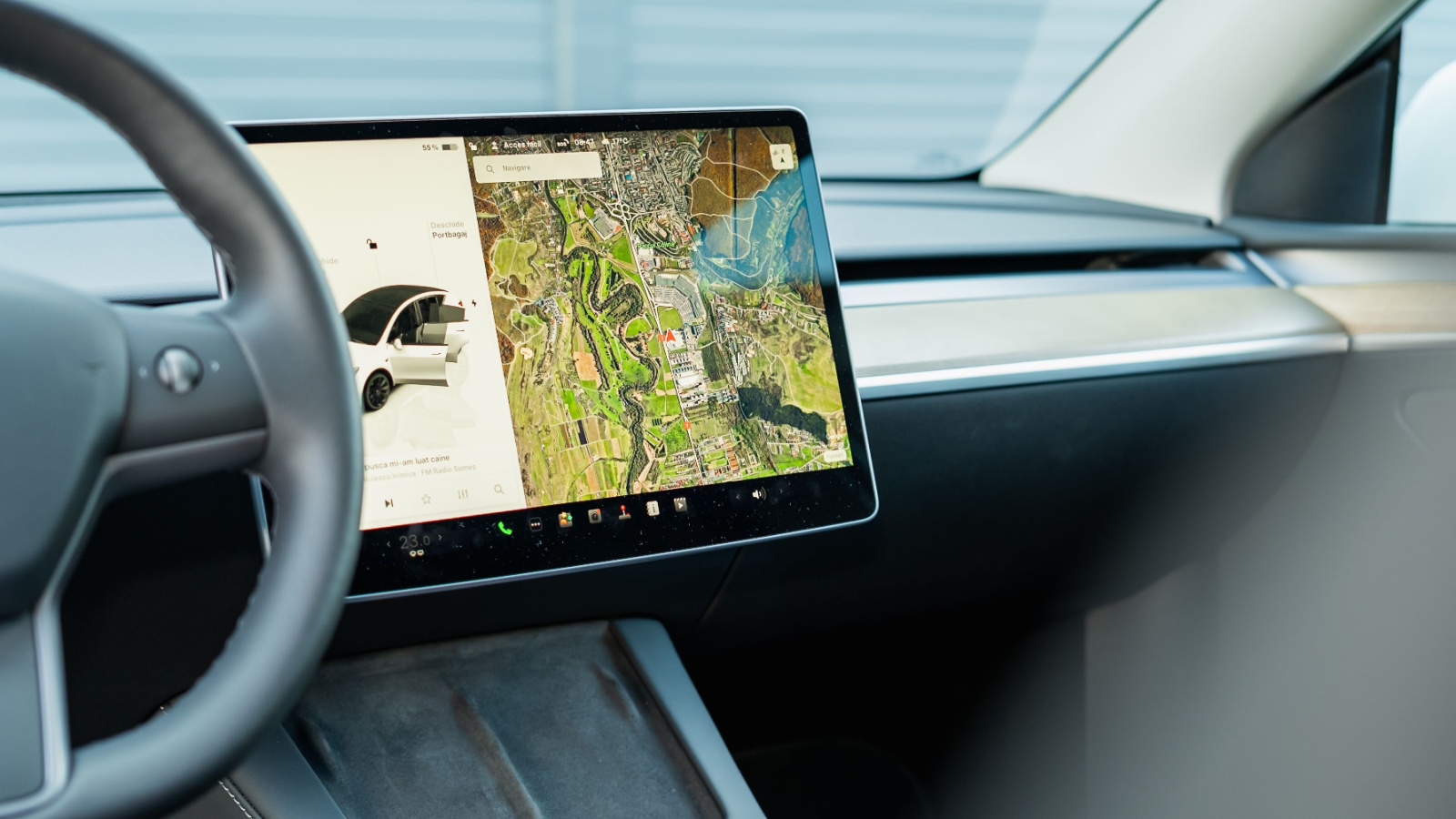
Many buyers judge technology in a short test drive. A screen looks sharp, maps load quickly, and the sales demonstration seems smooth. Real life is less controlled. Phones fail to connect, voice assistants misunderstand commands, wireless charging overheats devices, menus lag, and software bugs appear after months of use. These issues may not strand a vehicle, but they can make daily driving feel irritating.
Reliability studies have repeatedly shown that technology and infotainment complaints weigh heavily on owner satisfaction. This is partly because small annoyances happen often. A drivetrain problem may be rare, but a glitchy screen can irritate a driver every morning. A family that chose a higher trim for its technology package may later discover that the feature most advertised at purchase is also the one most likely to frustrate them.
Subscriptions Can Make Ownership Feel Less Complete
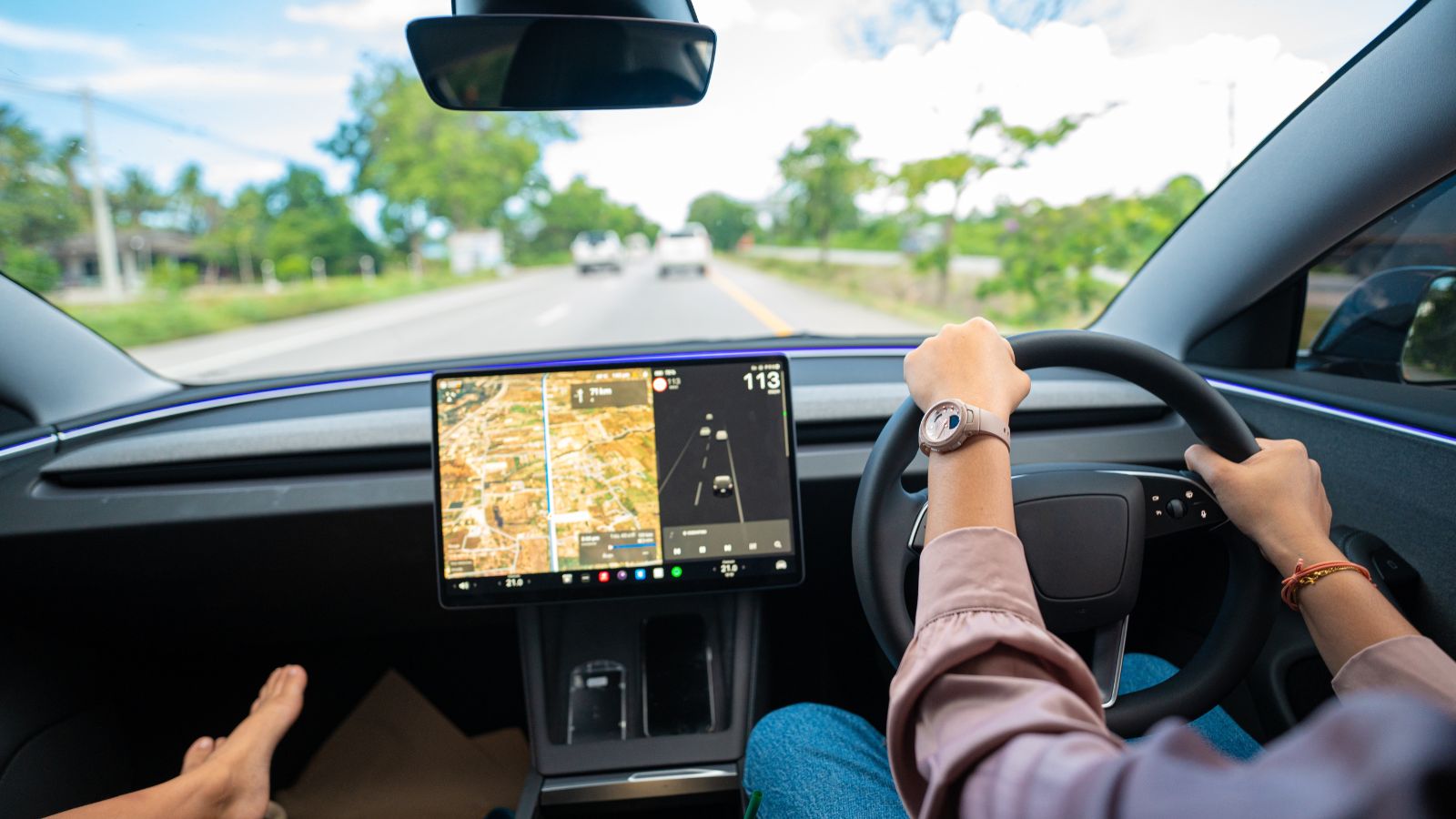
A car used to be mostly defined by the equipment installed at purchase. Now, some features can be tied to apps, connected services, trial periods, or paid unlocks. Remote start, navigation data, advanced driver-assistance functions, enhanced connectivity, and convenience features may work beautifully at first, then become monthly decisions after the free period ends.
This can make a vehicle feel less fully owned. The hardware may be sitting in the driveway, but some of its convenience depends on ongoing payments or active servers. A buyer focused on the sticker price may not notice how many features depend on a connected-service plan. Over several years, small subscriptions can change the real cost of ownership, especially when multiple services renew separately and quietly.
Privacy Risks Are Bigger Than Many Buyers Expect
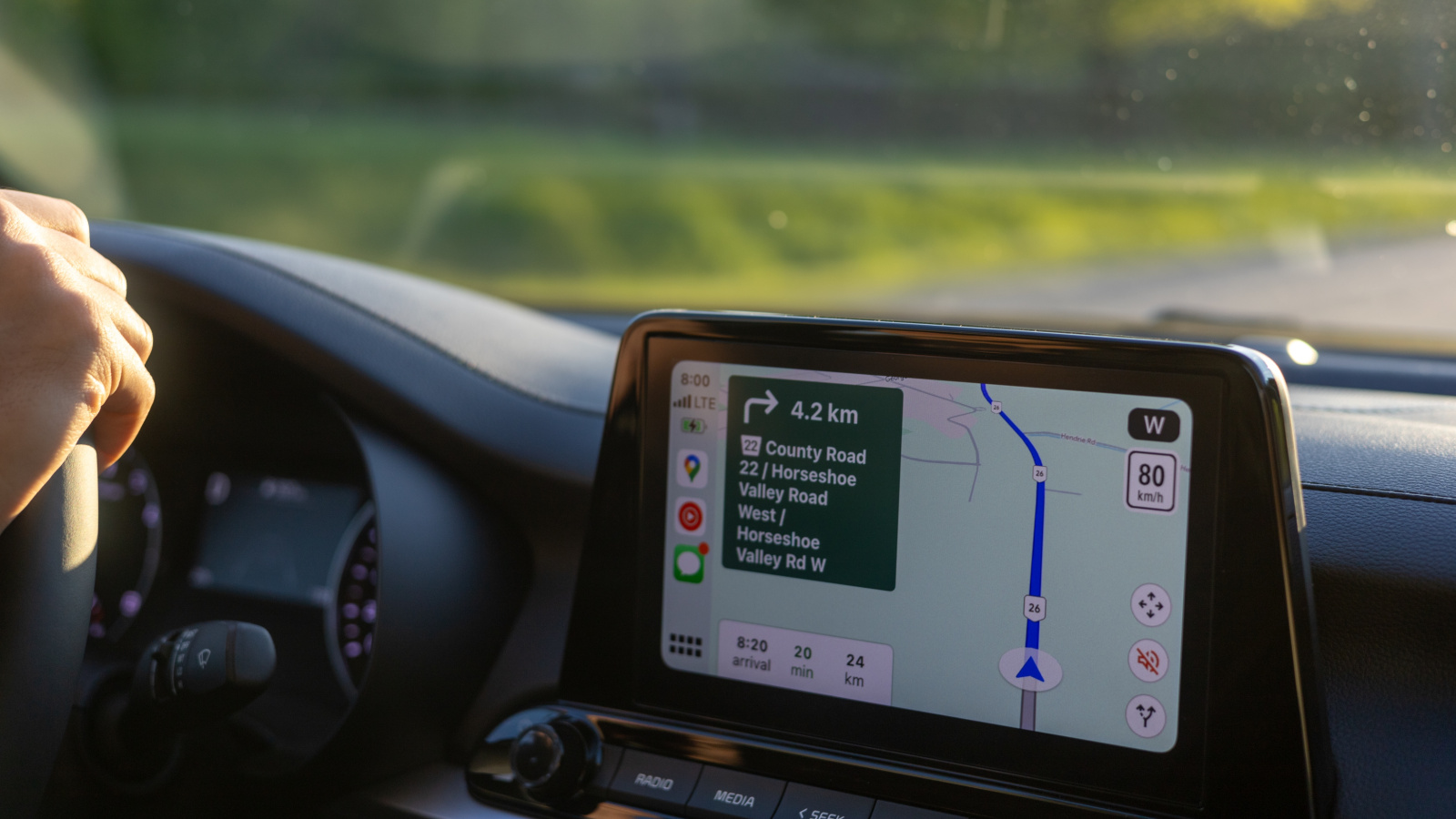
A tech-heavy car can collect far more than mileage and fuel economy. Connected vehicles may record location history, driving behavior, app usage, voice interactions, vehicle diagnostics, and in some cases information from paired phones. That data can support useful services, but it also creates privacy questions that are easy to overlook during a purchase.
The issue is not simply that data exists. The concern is how clearly owners understand what is collected, who receives it, and whether it can affect things such as insurance, marketing, law enforcement requests, or resale. A buyer may think of privacy as a smartphone problem, not a car problem. Yet modern vehicles can know where they were parked overnight, how fast they were driven, and how sharply they braked on the way home.
Cybersecurity Becomes Part of Vehicle Safety
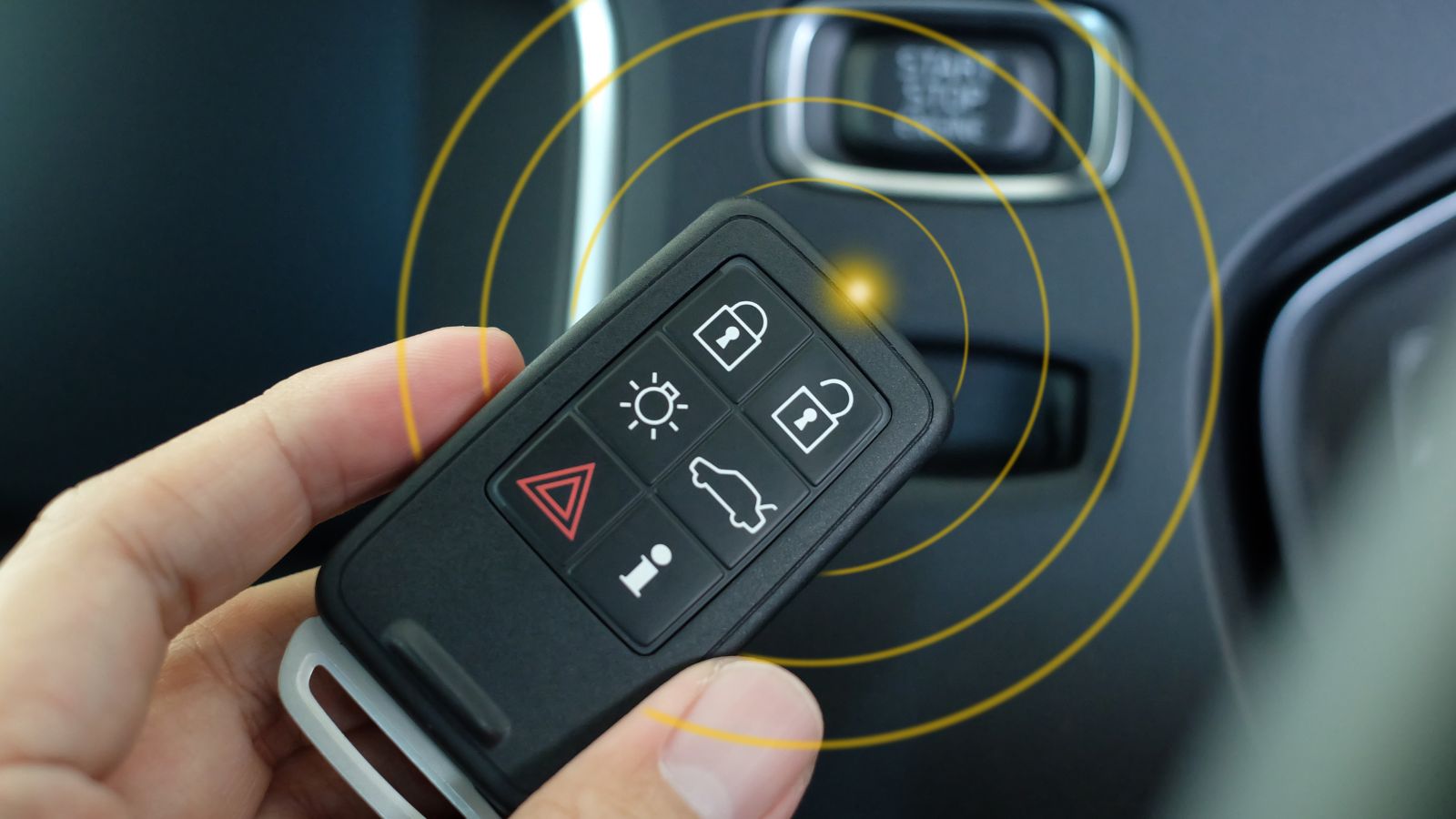
Older cars had security problems too, but highly connected vehicles add new digital doors. Apps, wireless keys, telematics systems, cloud links, Bluetooth, Wi-Fi, over-the-air updates, and connected modules all expand the number of places where security matters. A vulnerability does not need to be dramatic to be serious; even access to location, account controls, or vehicle functions can create risk.
Automakers and regulators now treat cybersecurity as part of vehicle safety because software increasingly influences steering support, braking assistance, diagnostics, charging, access, and updates. This does not mean every connected car is unsafe. It means a tech-heavy vehicle depends not only on mechanical quality, but also on long-term software maintenance, secure update systems, supplier discipline, and fast responses when vulnerabilities are discovered.
Used Buyers May Inherit Expired or Unsupported Tech
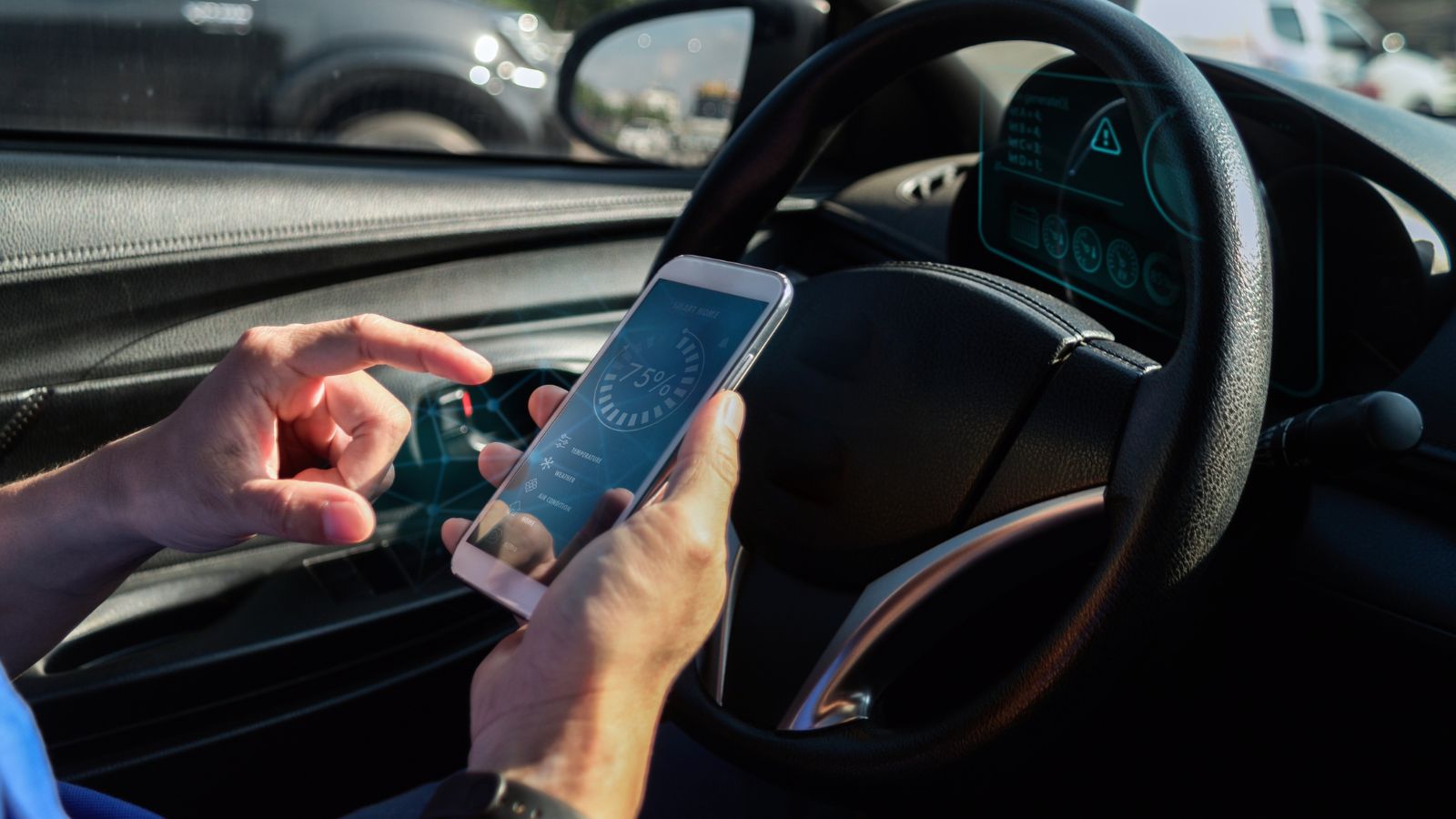
A used car with a premium technology package can look like a bargain. The original buyer paid for the big screen, driver assists, app connectivity, premium audio, and navigation. The second owner may discover that some services require a new account, a paid subscription, outdated maps, missing phone compatibility, or dealer activation. In some cases, a feature that looked impressive in the listing may no longer work as advertised.
This is especially important because cars often remain on the road much longer than consumer electronics. A ten-year-old vehicle can still be mechanically useful, but its built-in navigation, app system, cellular modem, or voice control may feel ancient. A used buyer may end up relying on a phone anyway, making the factory tech less valuable than it appeared in photos.
More Sensors Can Mean More Warning Lights
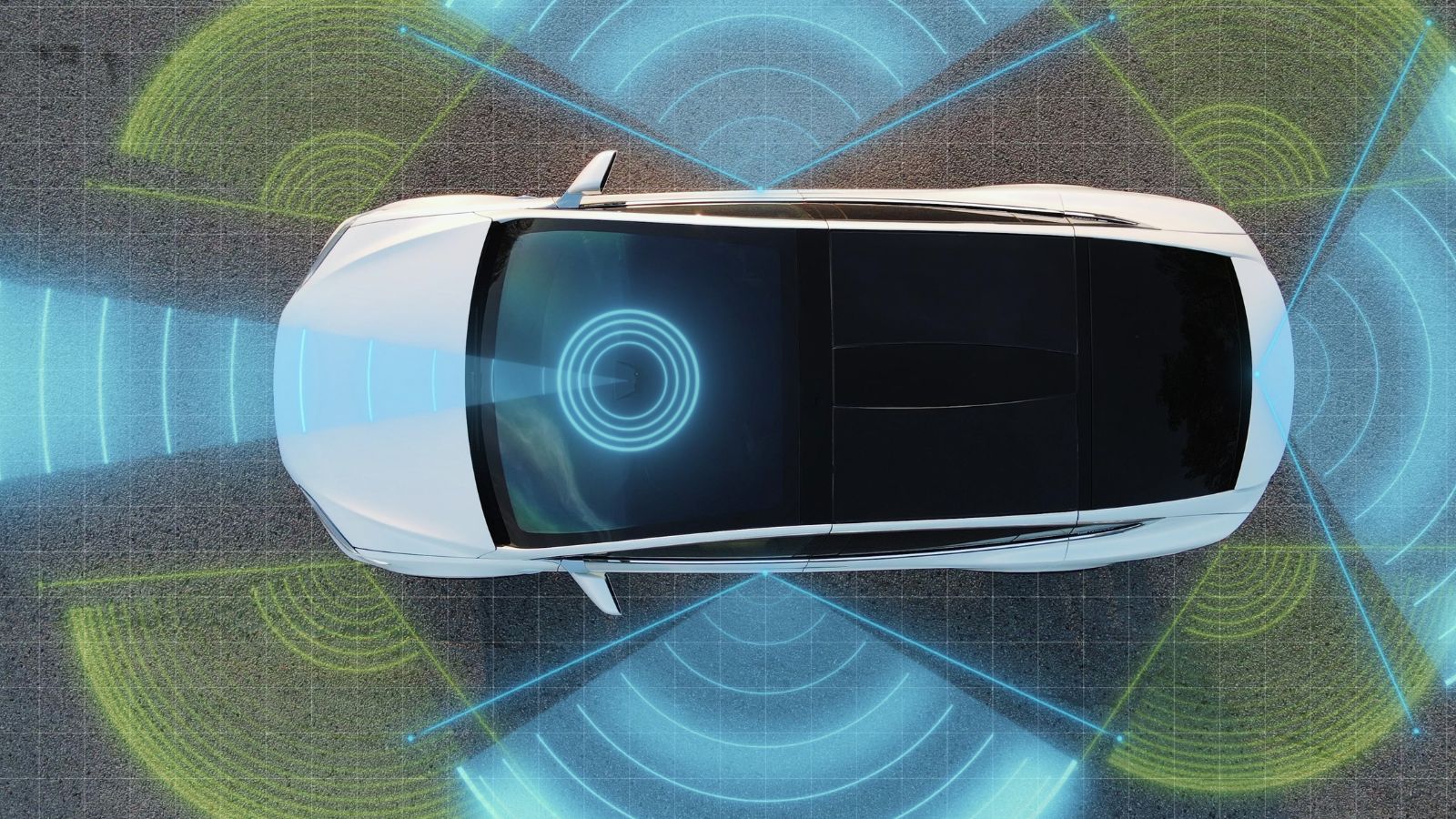
Advanced sensors are designed to prevent problems, but they can also generate more warnings. Cameras may be blocked by snow, fog, dirt, glare, road salt, condensation, or a cracked windshield. Radar sensors can be affected by bumper damage or misalignment. Parking sensors may complain in heavy rain or after debris builds up. The car may still be drivable, but the dashboard can become a rotating list of alerts.
For some owners, that constant messaging creates alarm fatigue. When a vehicle warns too often, drivers may begin dismissing messages automatically. That is risky because one alert may be minor while another may be important. The more technology a vehicle carries, the more important it becomes for owners to understand which warnings need immediate attention and which are temporary sensor limitations.
Tech Features Can Date Faster Than the Vehicle
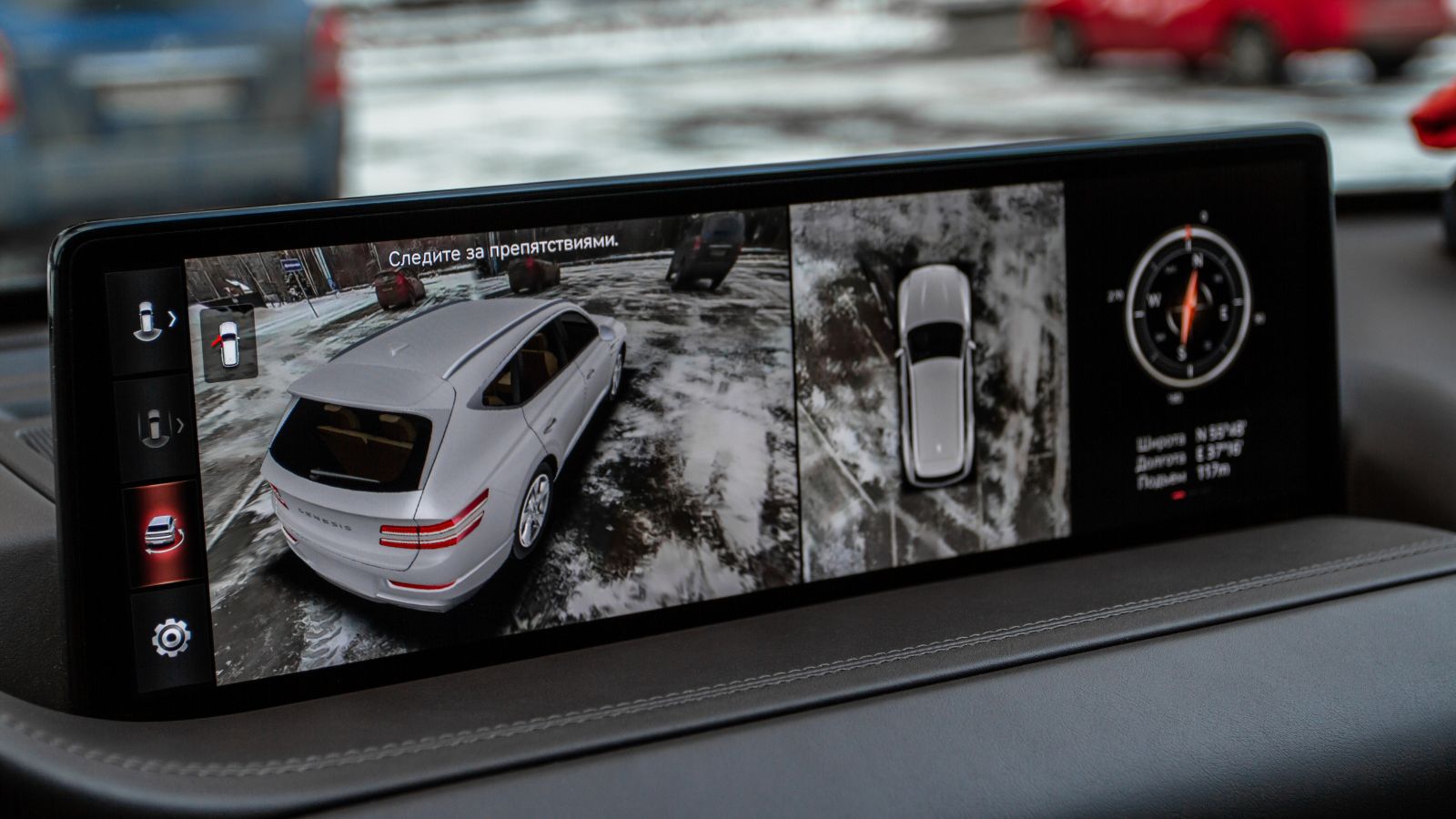
A strong engine, comfortable seats, and good visibility can age gracefully. Built-in technology often does not. Screen resolution, menu design, wireless standards, app support, charging ports, processor speed, and voice recognition can feel outdated long before the rest of the car wears out. A cabin that looked futuristic in the showroom can feel behind the times after only a few years.
This affects resale value and satisfaction. Buyers may hesitate over a used vehicle with an old infotainment system, discontinued connected services, or poor smartphone compatibility. Unlike tires or brakes, outdated software is not always easy to replace. Some owners discover that the simplest solution is to ignore the built-in system and mount a phone, which undercuts the value of paying extra for factory technology in the first place.
Complexity Can Make Test Drives Misleading

A short test drive rarely reveals how a tech-heavy car behaves over months. The route is familiar to the salesperson, the screen is freshly reset, the weather may be clear, and every feature is demonstrated at its best. The real test comes later: night driving, rain, family phones paired at once, construction zones, winter grime, parking garages, weak cell coverage, and a tired driver trying to change a setting quickly.
This is why buyers should treat technology as something to test, not just admire. A car with fewer headline features may be easier to live with if its controls are clear, its safety systems behave predictably, and its essential functions are not buried. The hidden problem with too much tech is not that technology is bad. It is that every added system should earn its place in daily life.
22 Things Canadians Do to Their Cars in Spring That Mechanics Hate

Spring brings relief to many Canadian drivers after months of snow, freezing temperatures, and icy roads that put serious strain on vehicles. As temperatures rise across the country, drivers begin washing cars, switching tires, and preparing vehicles for warmer weather and upcoming road trips. However, mechanics across Canada notice the same mistakes every spring when drivers attempt to recover from winter damage. Road salt, potholes, and harsh winter driving conditions often leave vehicles with hidden problems that drivers ignore. Some spring habits even create new mechanical issues that could have been avoided with proper maintenance. Here are 22 things Canadians do to their cars in spring that mechanics hate.