


























Canadian car payments have become harder to rationalize, even as some sticker prices and used-vehicle values begin to cool. The real pressure comes from the full monthly equation: financing, insurance, fuel, maintenance, winter tires, depreciation, and the uneasy feeling that a payment can outlast the excitement of the purchase.
Across Canada, average vehicle payments remain elevated, with new-vehicle payments still near the high-$900 range and used-vehicle payments above $600. These 15 cars stand out because their strengths are real, but their monthly cost can feel less convincing once everyday Canadian driving, fuel prices, interest rates, and ownership realities enter the picture.
Honda Accord
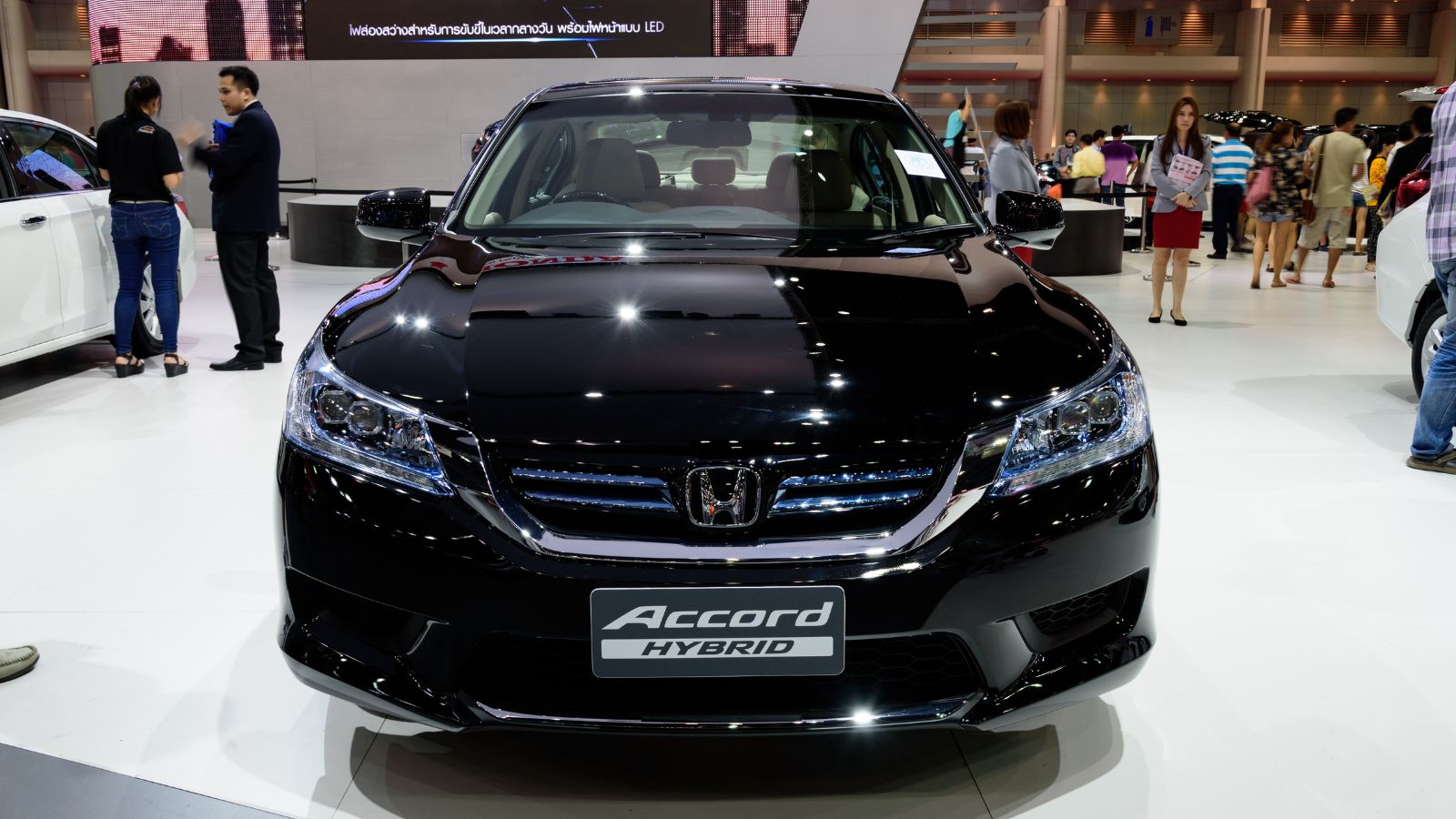
The Honda Accord remains one of the most respected midsize sedans on Canadian roads, but that reputation no longer guarantees an easy payment decision. The 2026 Accord starts well above the price point that once defined practical family sedans, and hybrid trims climb higher still. For a household already balancing rent, groceries, insurance, and winter expenses, the Accord can start to feel less like a sensible upgrade and more like a near-premium commitment.
The difficult part is that the Accord still does many things well. Hybrid fuel economy is strong, the cabin is roomy, and Honda’s resale reputation carries weight. But the market around it has changed. Compact cars, smaller hybrids, and used crossovers now compete for the same payment. A commuter who once stretched for an Accord because it felt like the safest long-term bet may now wonder whether the payment gap over a Civic, Corolla Hybrid, or used Camry is truly justified.
Toyota Camry
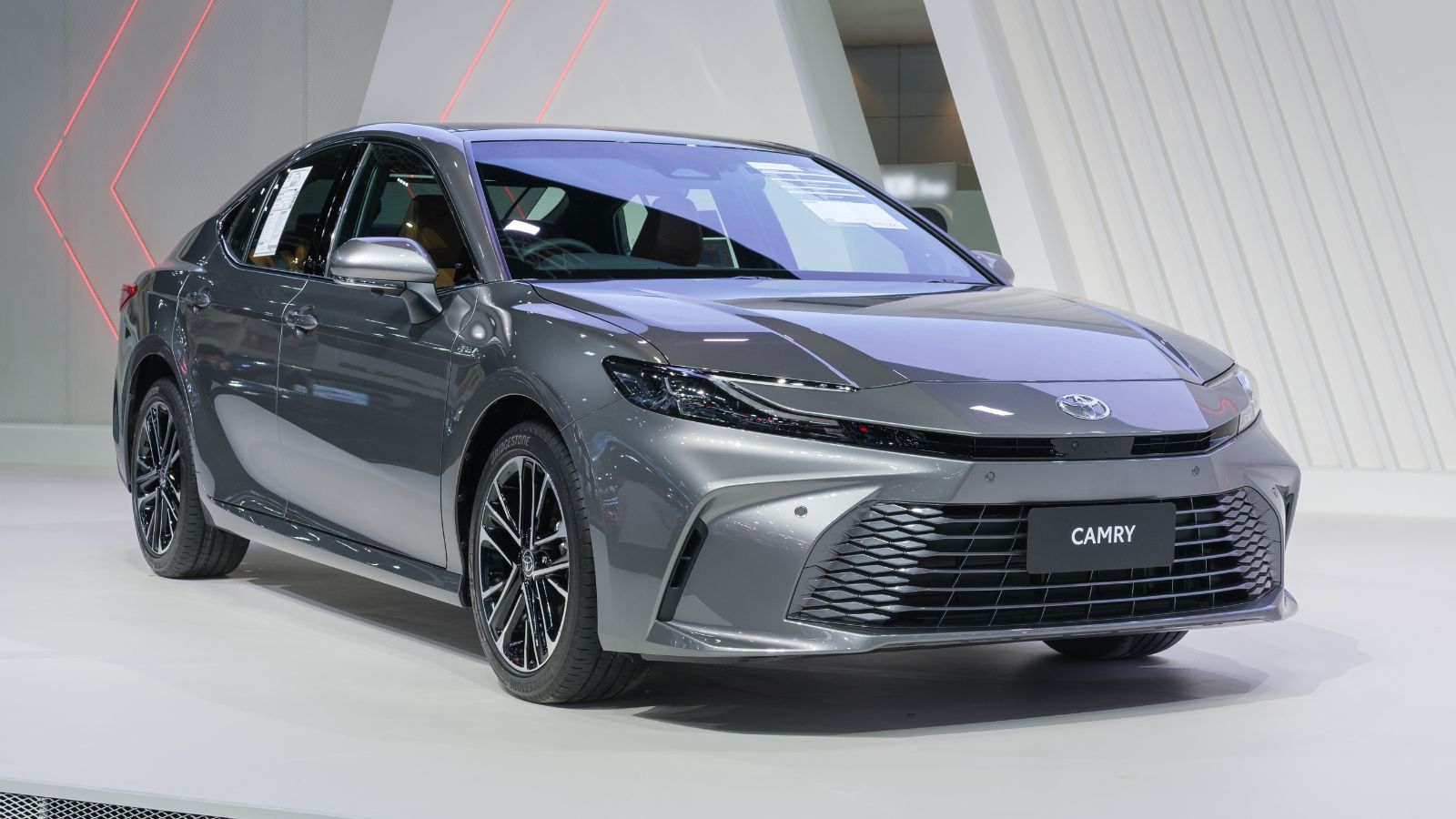
The Toyota Camry’s move to an all-hybrid Canadian lineup gives it a clear efficiency advantage, especially with fuel prices still capable of surprising drivers. That said, the Camry is no longer the plain, low-drama bargain sedan many buyers remember. Higher trims with all-wheel drive, upgraded interiors, and extra technology can push the monthly payment into territory that overlaps with entry luxury cars or compact SUVs.
The Camry’s value problem is psychological as much as financial. It is dependable, efficient, and practical, yet some buyers still see it as a conservative family sedan. Paying a premium monthly amount for a sensible car can feel odd when the emotional reward is modest. For drivers who keep cars for a decade, the Camry still makes sense. For those financing over longer terms and trading frequently, the payment may feel heavier than the ownership experience suggests.
Nissan Sentra
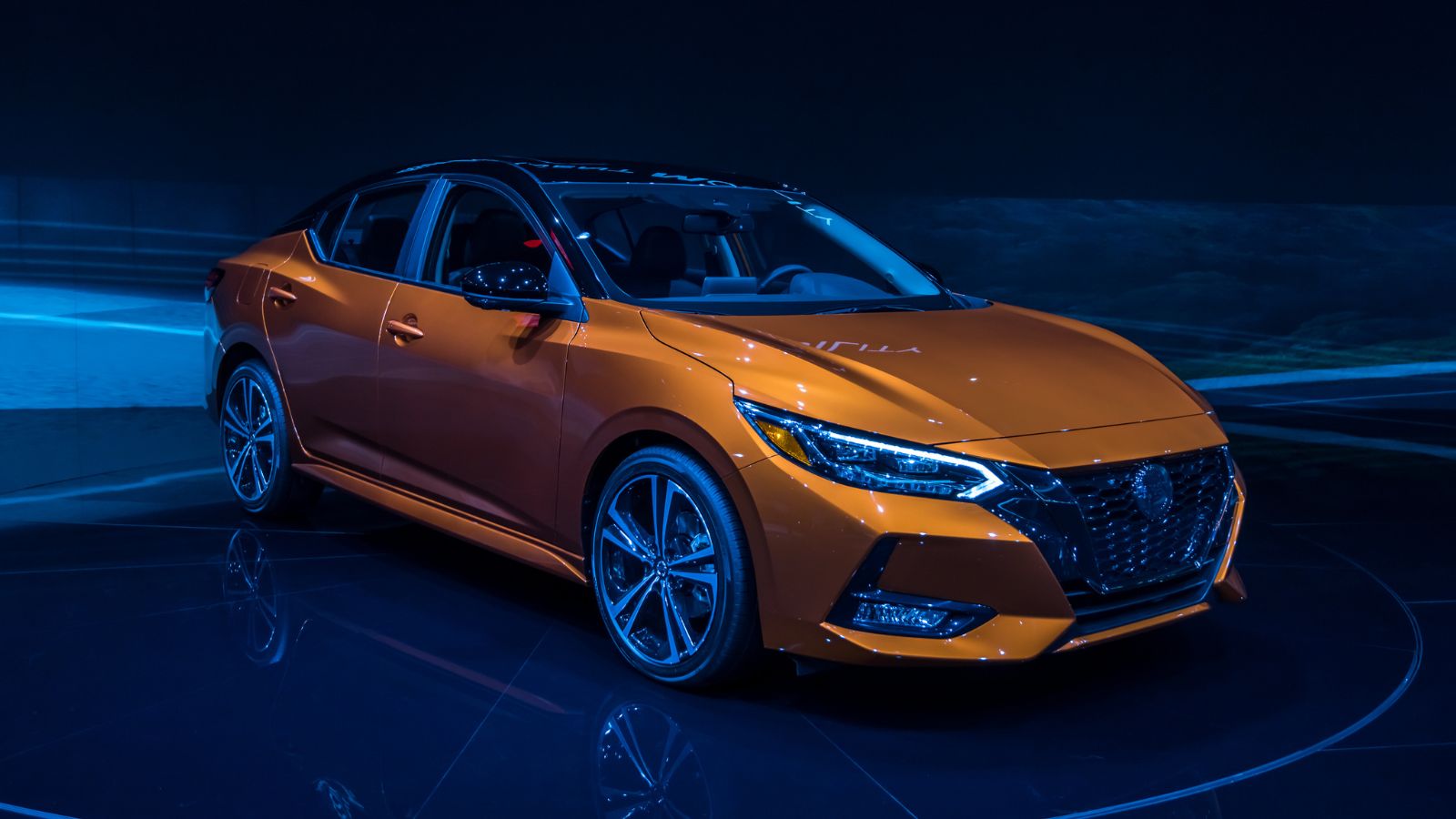
The Nissan Sentra is one of the more affordable compact sedans left in Canada, which makes its inclusion seem unusual at first. Its fuel economy is respectable, and the redesigned 2026 model gives buyers more modern styling and technology. But the issue is not the base car; it is the way compact sedans become less compelling once higher trims, taxes, dealer fees, and financing costs are added.
A Sentra payment can look reasonable beside a midsize sedan, but the comparison changes against used compacts, older certified vehicles, or even a smaller hybrid with better fuel savings. The Sentra’s strongest argument is basic transportation value. Once buyers move into sportier or more loaded trims, the monthly payment can drift away from that purpose. For someone mainly commuting through Toronto, Calgary, Halifax, or Winnipeg traffic, paying extra for the dressed-up version may not feel as satisfying after the first few months.
Mazda3 Turbo AWD
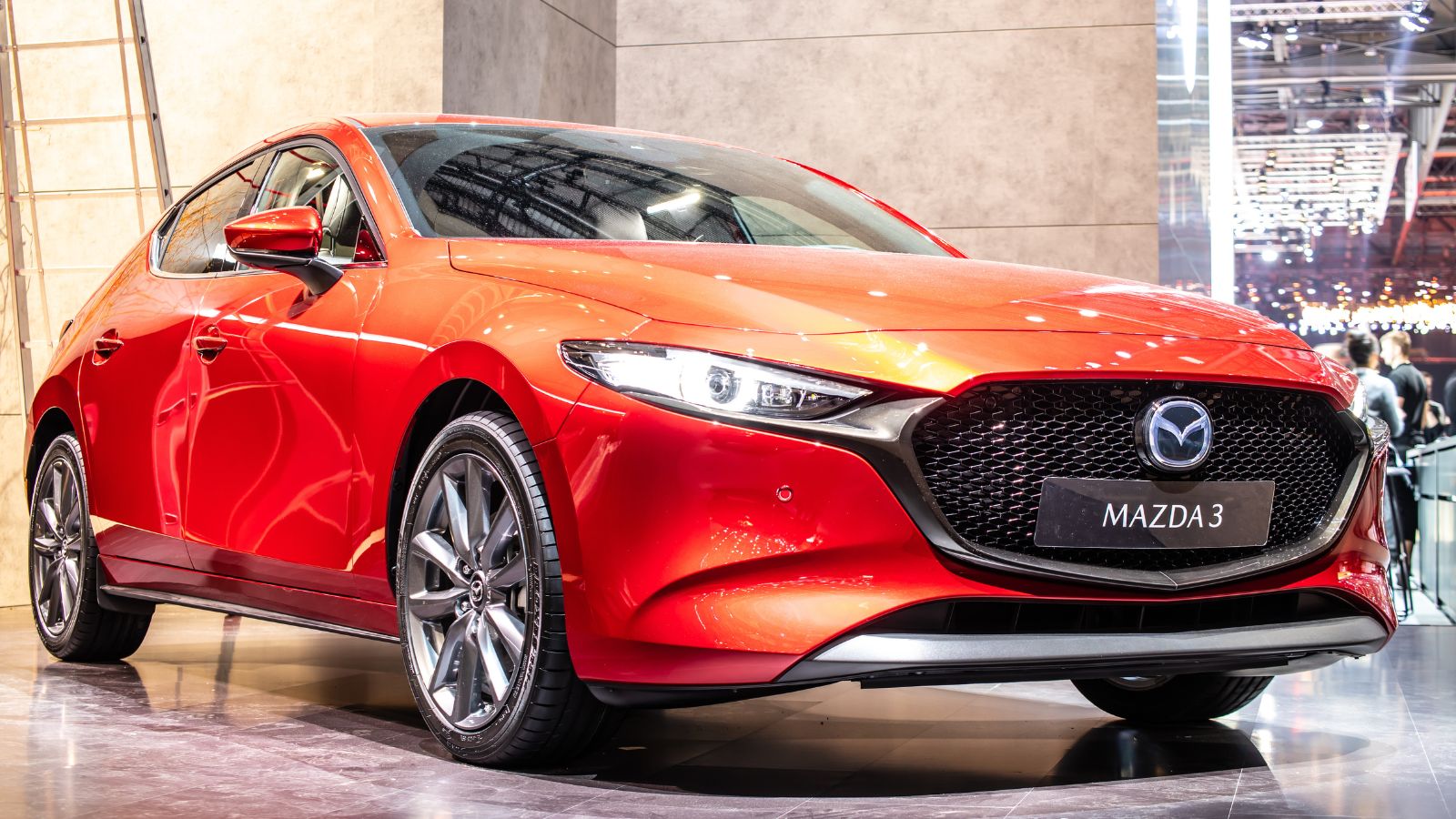
The Mazda3 Turbo AWD has a near-premium feel that makes it stand out among compact cars. The cabin is mature, the design is elegant, and the available turbocharged engine gives it stronger performance than many shoppers expect. In Canada, all-wheel drive also adds obvious appeal for winter driving. Yet that same upscale positioning is where the monthly-payment problem begins.
A loaded Mazda3 Turbo can move close to entry-luxury territory while still carrying compact-car space limitations. Rear-seat room and cargo practicality are not its strongest assets, especially for families or drivers hauling gear through all four seasons. Fuel consumption also rises compared with simpler compact sedans. The Mazda3 makes a strong emotional case for buyers who want something refined without a luxury badge. But for those watching payment size closely, it can feel like paying premium money for a compact car that still requires a few compromises.
Subaru WRX
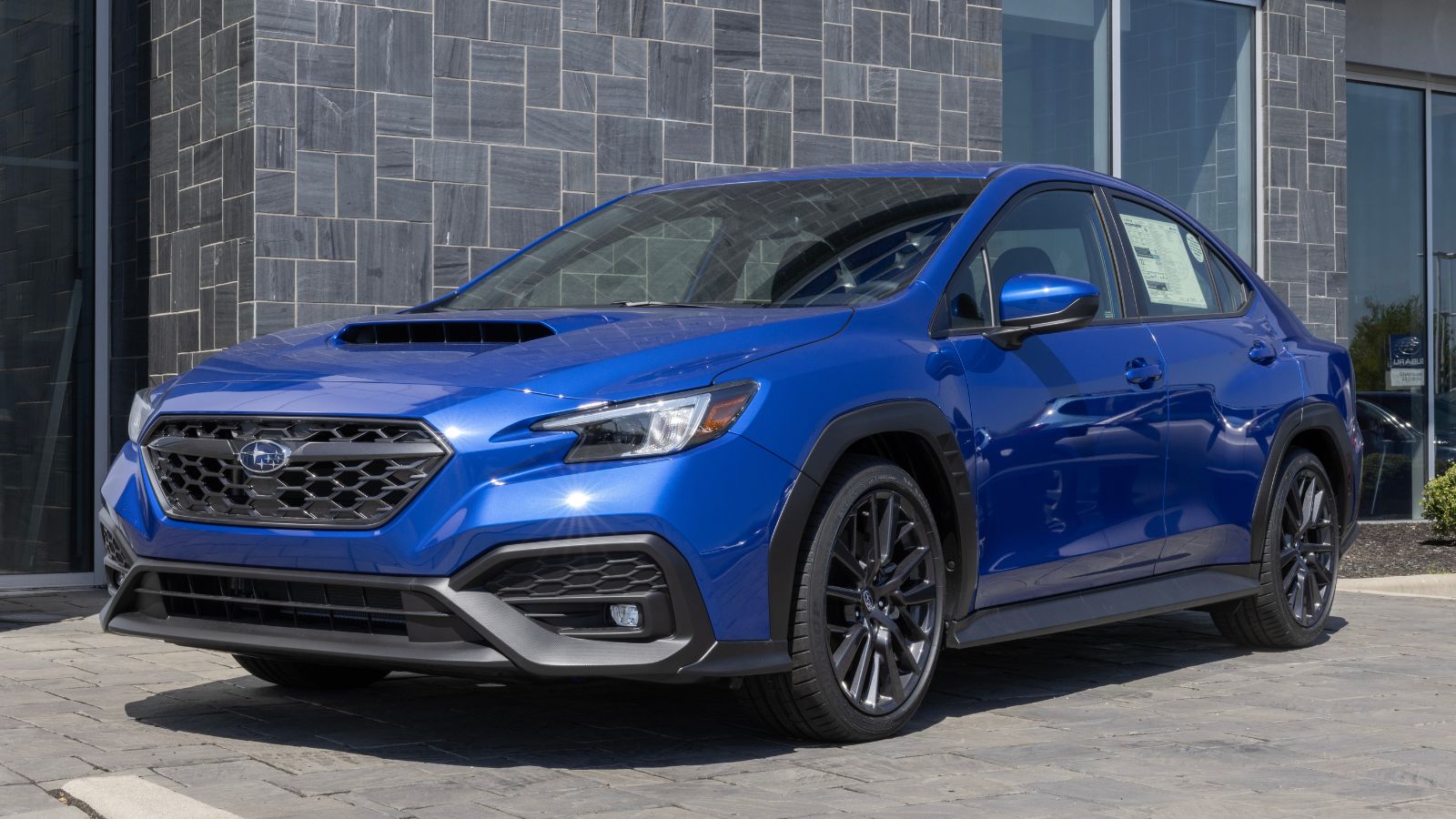
The Subaru WRX has long appealed to Canadian drivers who want turbocharged performance, manual shifting, and standard all-wheel drive. It sounds almost tailor-made for winter provinces and enthusiast commutes. However, the WRX can be expensive to live with once financing, premium-leaning fuel needs, insurance, winter tires, and maintenance are considered. Even when pricing adjustments make the entry point more attractive, the ongoing cost picture remains demanding.
The WRX also faces a changed market. Many buyers now want quieter cabins, better fuel economy, and more polished infotainment for the money. The WRX prioritizes grip and personality, which is exactly why fans love it. But a monthly payment can feel harder to justify when the car spends most of its time crawling through traffic or sitting in a workplace parking lot. It remains special, but not every Canadian commute lets that specialness shine.
Volkswagen Golf R
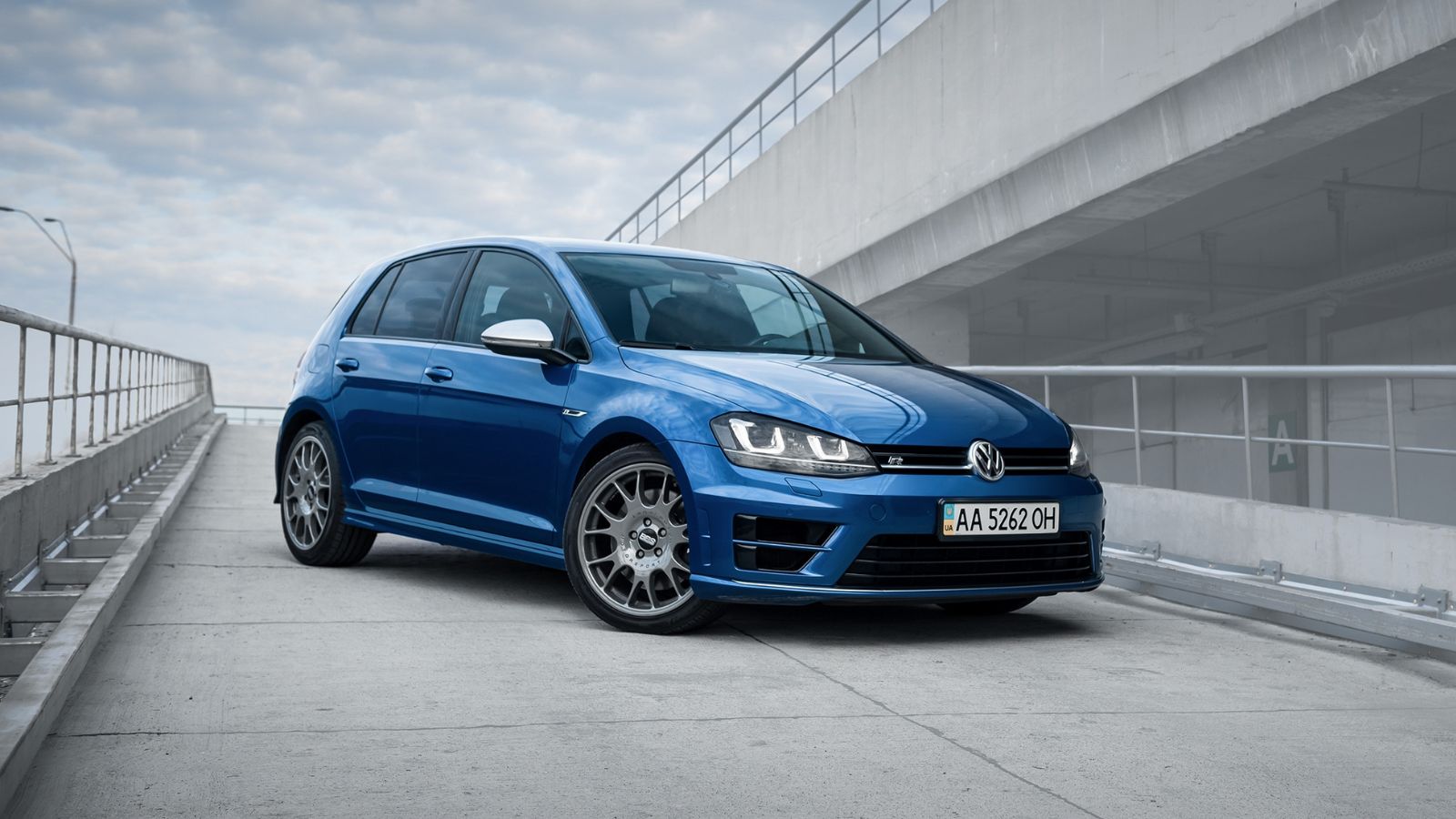
The Volkswagen Golf R is fast, discreet, practical, and capable in bad weather, which makes it one of the most complete performance cars sold in Canada. Its all-wheel-drive system, hatchback layout, and strong turbocharged engine give it year-round usability that many sports cars cannot match. The issue is that completeness now comes with a serious monthly cost.
At Golf R prices, buyers may cross-shop luxury sedans, used performance SUVs, and electric vehicles with lower operating costs. Fuel consumption is reasonable for the performance, but it is still not economy-car cheap, and servicing a sophisticated German performance hatch can be more expensive than maintaining a regular compact. The Golf R is brilliant for buyers who use its speed, grip, and practicality fully. For those who mainly want a nice hatchback with winter confidence, the payment may feel like paying for performance that rarely gets used.
Honda Civic Type R
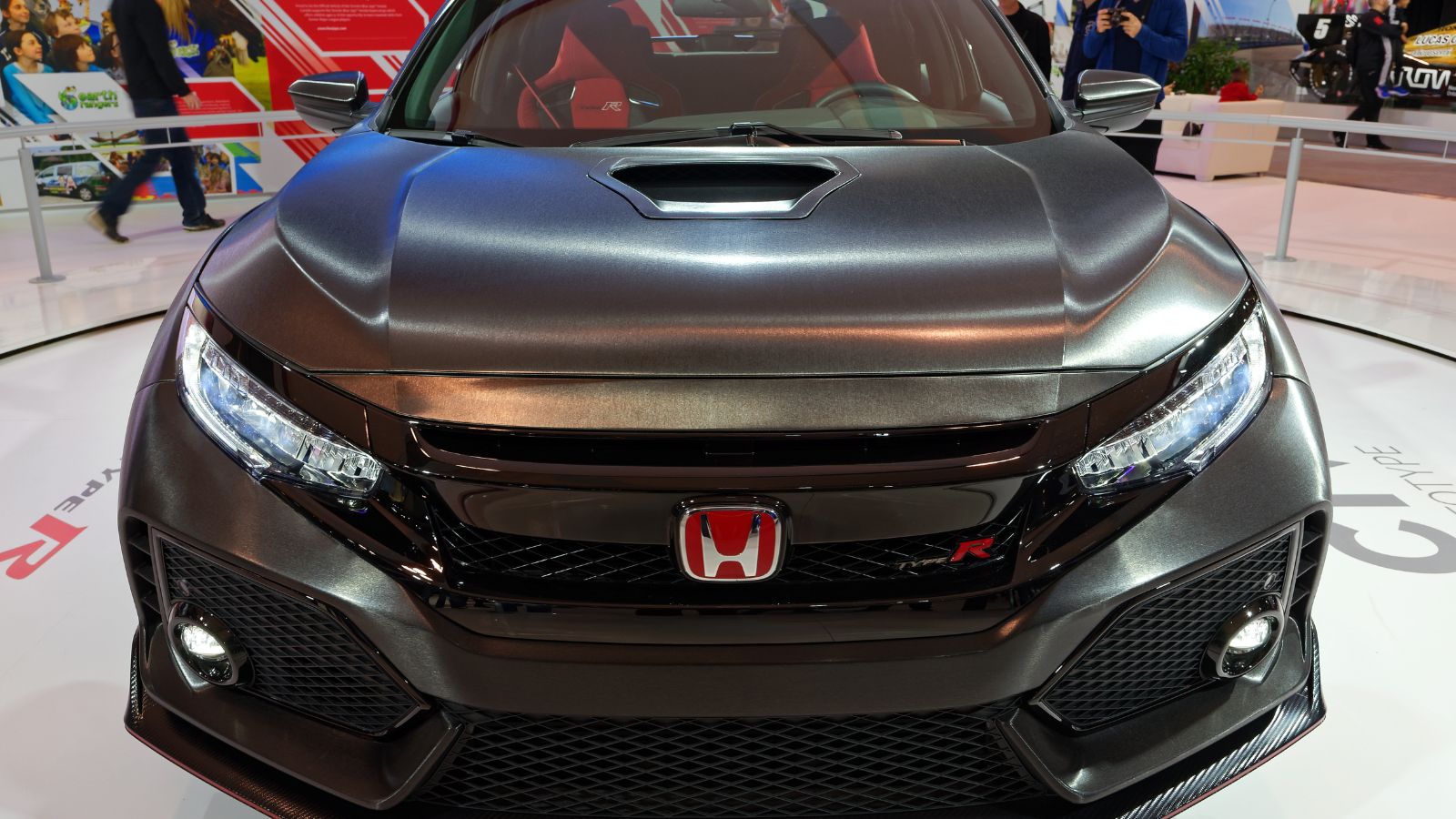
The Honda Civic Type R is one of the most admired front-wheel-drive performance cars in the world, and its reputation is earned. It offers sharp steering, track-ready hardware, a manual transmission, and a sense of engineering seriousness that few hot hatches can match. But in Canada, its pricing and ownership costs can make it feel less like an attainable dream and more like a serious financial indulgence.
The challenge is that the Civic name still carries an affordable-car image. Paying a large monthly amount for a Civic, even an exceptional one, can feel jarring. Add performance tires, winter-wheel considerations, insurance, and the reality of rough urban pavement, and the ownership case becomes narrower. Enthusiasts may consider it worth every dollar. Daily drivers who rarely visit a track may eventually question whether a regular Civic Hybrid or Si would have delivered enough enjoyment for far less.
BMW 3 Series
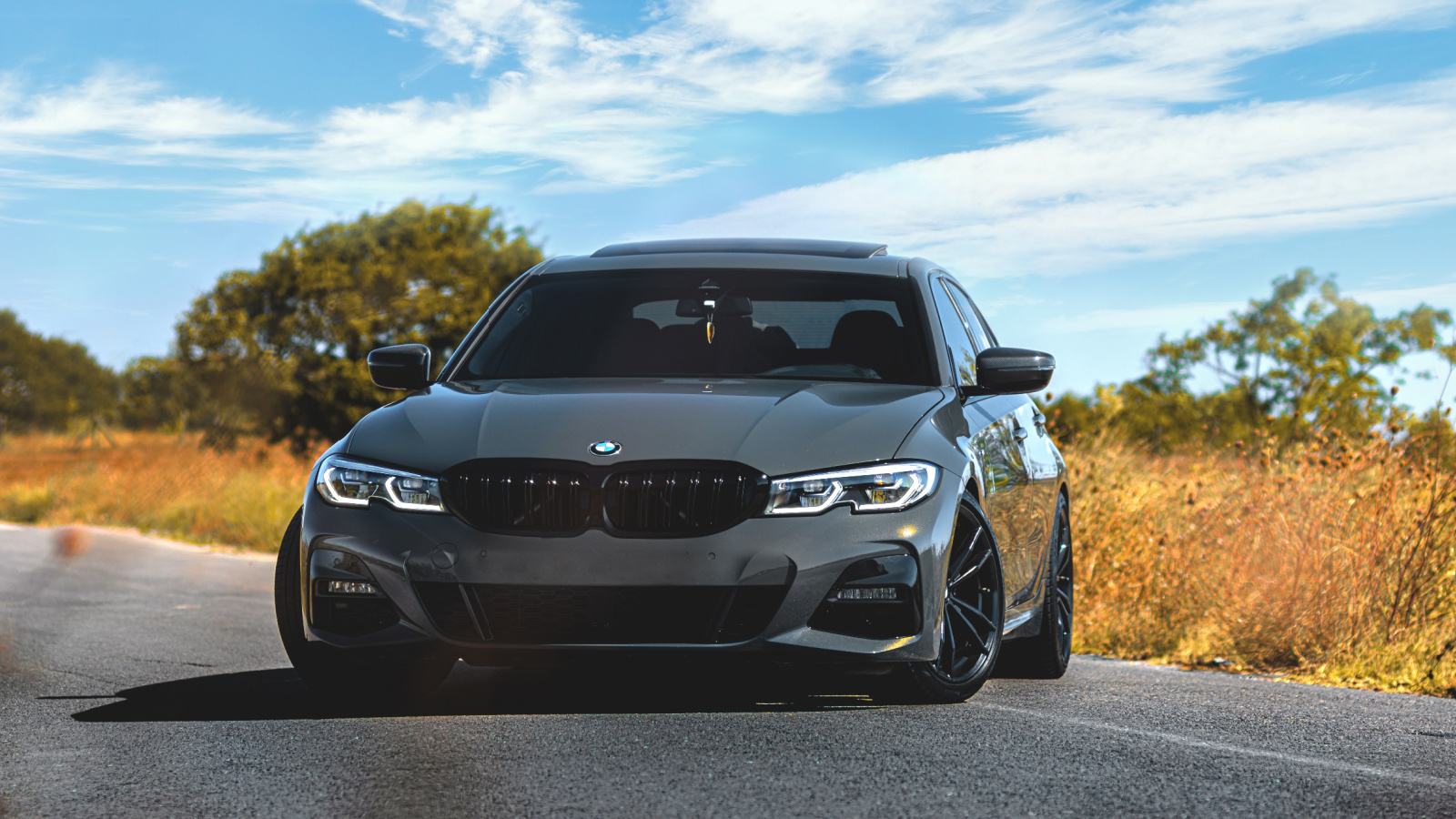
The BMW 3 Series still carries enormous badge appeal, especially for buyers who grew up seeing it as the benchmark sport sedan. In Canada, the 330i xDrive offers strong performance, all-wheel-drive confidence, and a polished interior. But the monthly payment can rise quickly once options, freight, taxes, finance charges, insurance, and maintenance planning are included.
The 3 Series is most rewarding when its driver values handling, power delivery, and premium feel. The problem is that modern mainstream cars have improved dramatically. A well-equipped Accord Hybrid, Camry, Mazda3 Turbo, or used luxury sedan can make the BMW’s payment feel less automatic than it once did. A 3 Series still feels special, but not every owner uses enough of its dynamic advantage to justify the extra cost. For many Canadian commuters, the badge may be doing more work than the car itself.
Mercedes-Benz C-Class
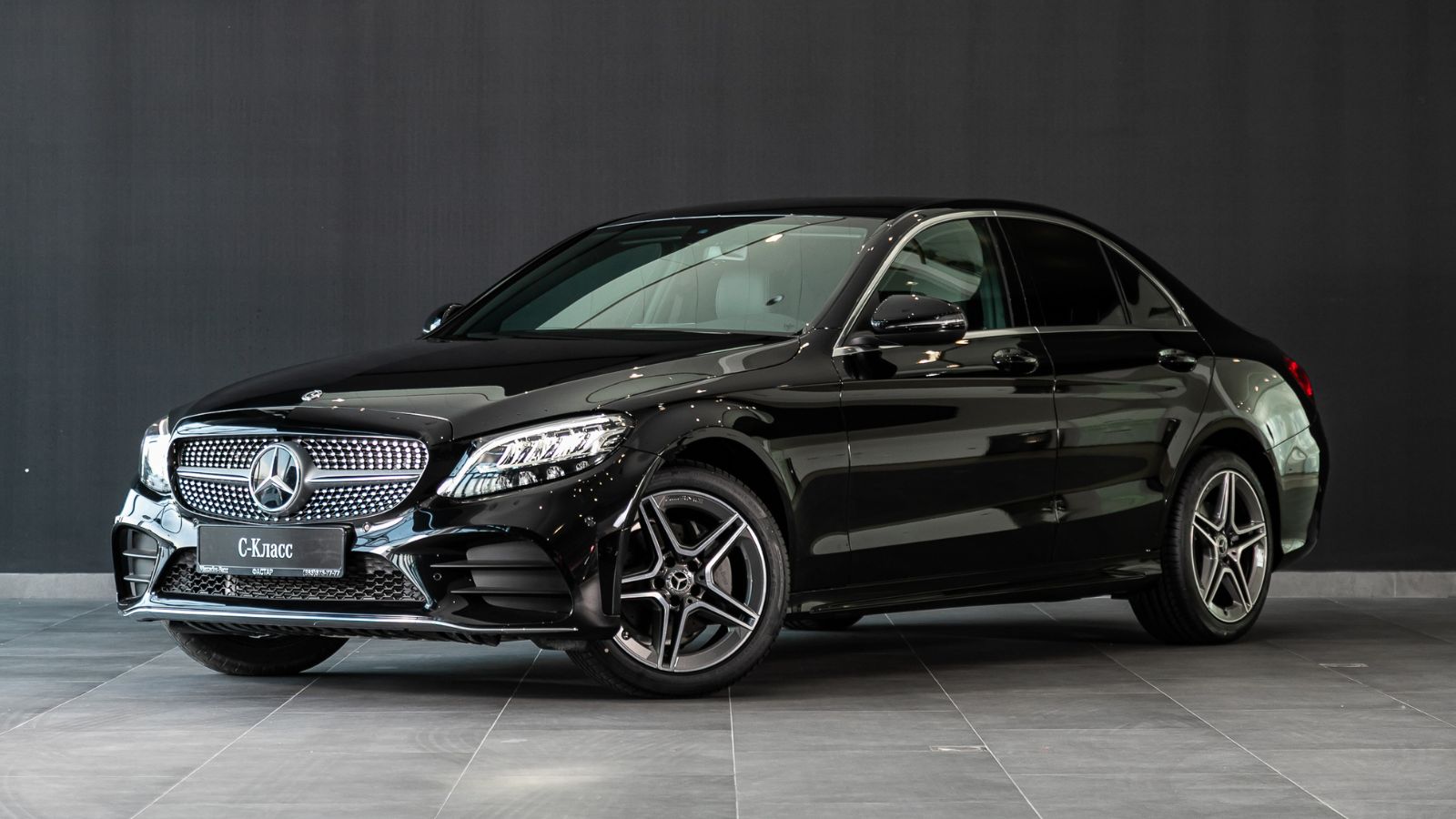
The Mercedes-Benz C-Class offers the kind of cabin ambience that can make a test drive feel instantly persuasive. The C 300 4MATIC combines mild-hybrid assistance, all-wheel drive, premium materials, and a familiar luxury badge. In Canadian weather, the all-wheel-drive layout is a meaningful advantage. Still, the payment can feel heavy once the full ownership picture appears.
Luxury-car costs rarely stop at the finance contract. Insurance, tires, scheduled service, and depreciation can all shift the value equation. The C-Class also competes in a market where mainstream brands now offer large screens, heated features, driver assists, and quiet cabins at lower prices. For buyers who truly value the Mercedes experience, it remains appealing. For those mainly seeking a comfortable sedan for errands, commuting, and weekend trips, the monthly payment may feel increasingly difficult to defend.
Audi A5
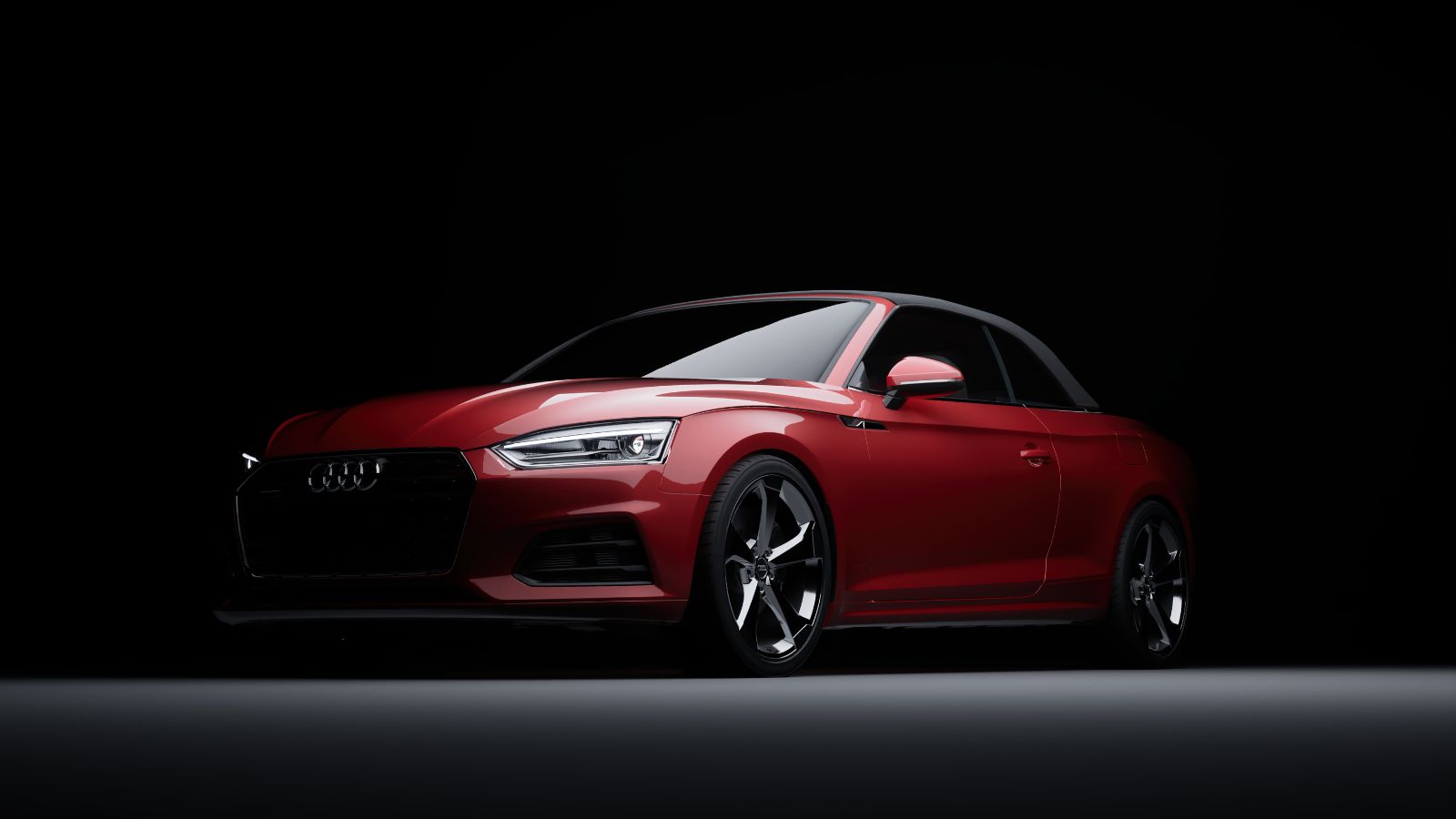
The Audi A5 has a sleek shape, standard quattro all-wheel drive in many Canadian configurations, and a sophisticated interior that gives it strong showroom appeal. It feels more distinctive than a conventional sedan, especially for drivers who want luxury without choosing an SUV. However, that style premium can become harder to justify when the payment is compared with more practical or more efficient alternatives.
The A5’s ownership equation includes premium fuel, luxury-service expectations, and the usual cost of larger wheels and winter tires. It offers a refined driving experience, but not necessarily enough rear-seat or cargo practicality to satisfy every household. In a country where one vehicle often has to handle commuting, weather, family duties, and road trips, the A5’s elegance may not always translate into everyday value. The car is desirable, but the monthly payment can feel like a charge for style as much as substance.
Tesla Model 3
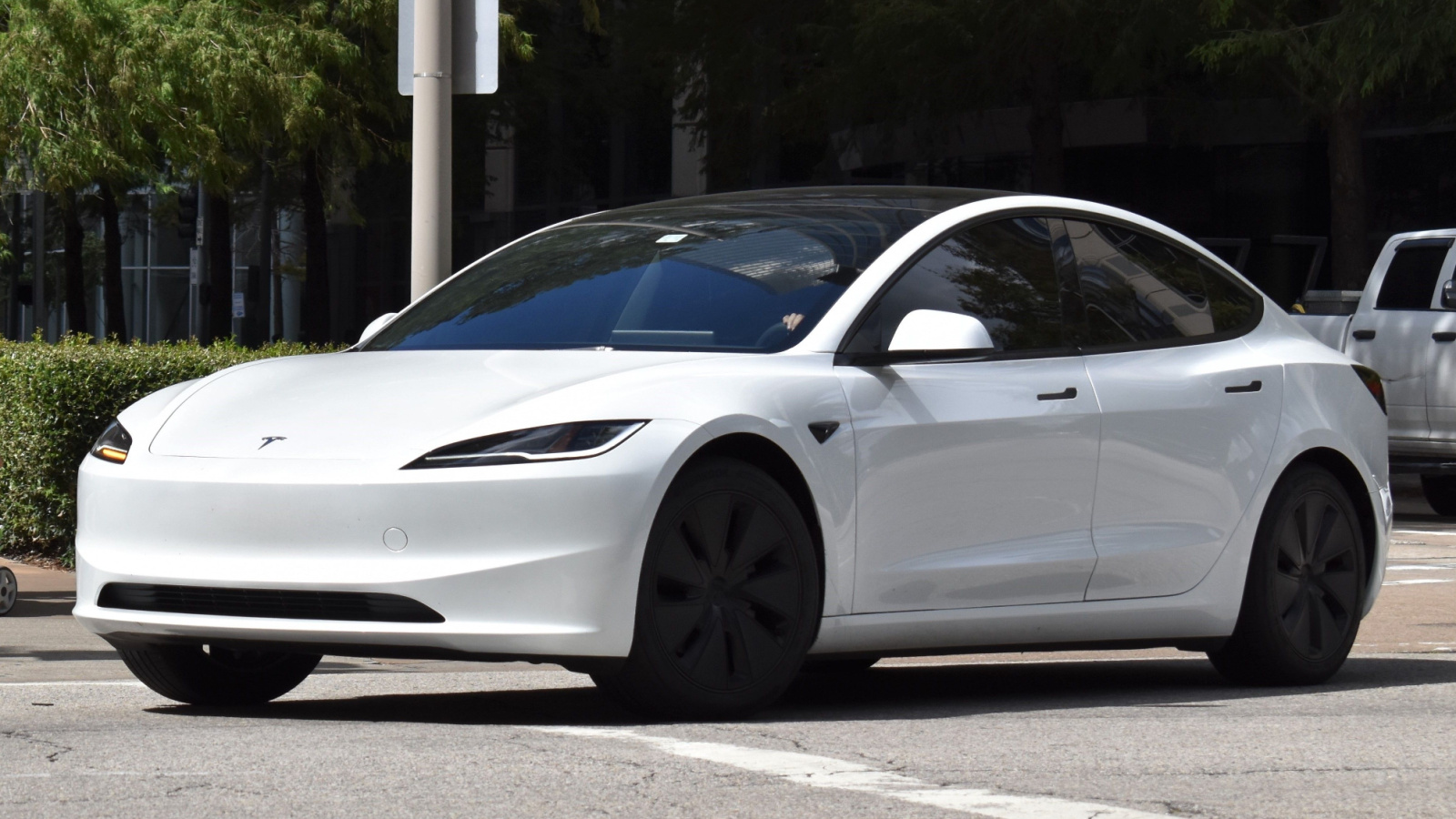
The Tesla Model 3 remains one of Canada’s best-known electric cars, with strong range, fast charging access, and low day-to-day energy costs compared with gasoline vehicles. At the right price and with home charging, it can still make strong financial sense. The problem is uncertainty. Tesla pricing has shifted repeatedly, EV incentives have changed, and resale values have become harder for some buyers to predict.
A Model 3 payment may look appealing when fuel savings are included, but the calculation depends heavily on charging access, insurance, winter range expectations, and financing terms. Apartment dwellers or condo owners without reliable charging may not see the same savings as homeowners with overnight charging. The Model 3 is still compelling technology, but the old assumption that any Tesla automatically feels like a smart monthly-payment decision has weakened in Canada’s more crowded EV market.
Ford Mustang GT
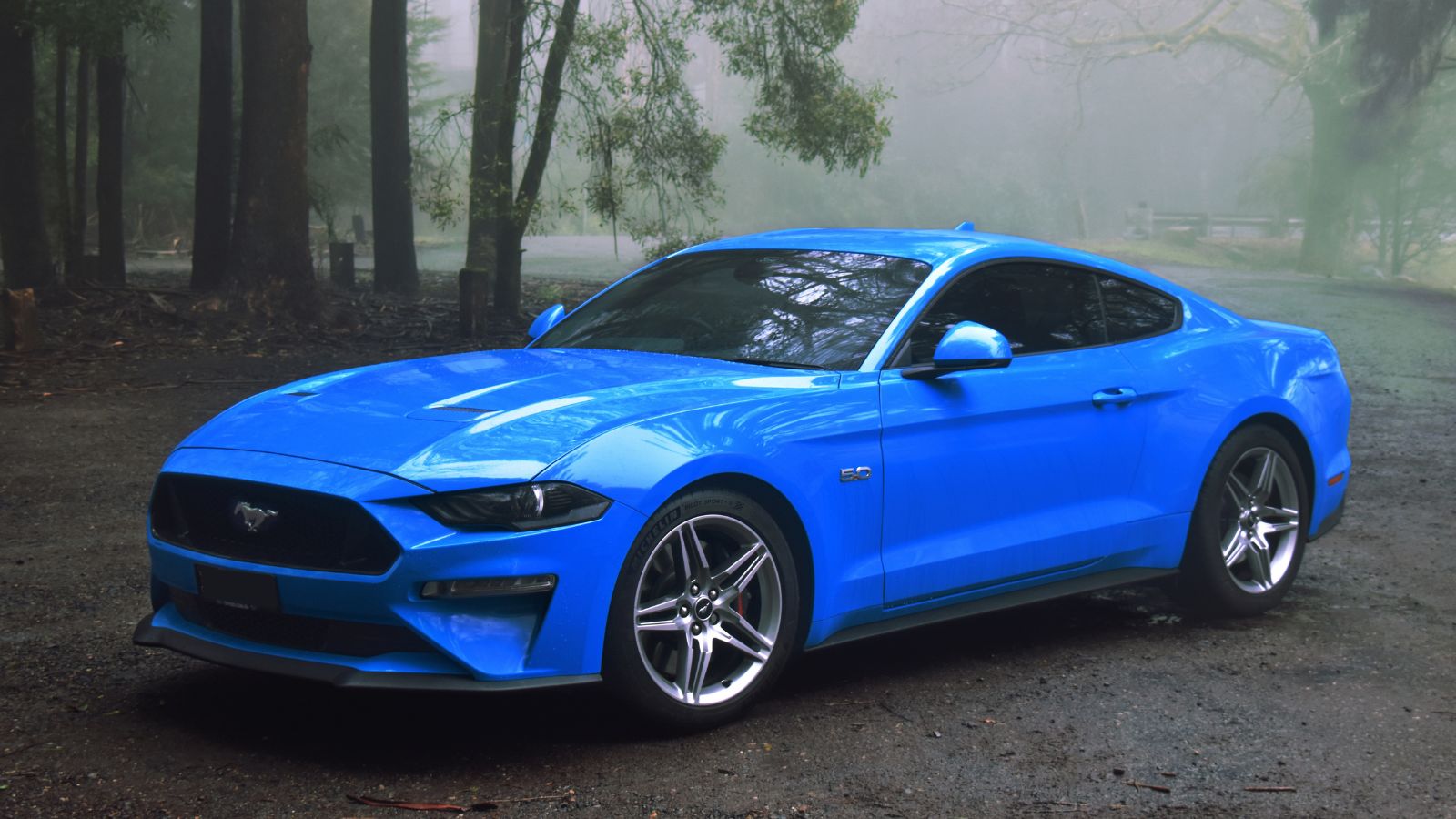
The Ford Mustang GT delivers something increasingly rare: a V8-powered, rear-wheel-drive performance car with unmistakable character. For many buyers, the sound alone is part of the value. In Canada, though, the monthly payment has to coexist with fuel consumption, insurance, winter storage decisions, tire costs, and limited practicality. That makes the GT a car that can feel wonderful on the right road and expensive everywhere else.
The Mustang GT’s fuel ratings are far from commuter-friendly, especially in city driving. Drivers who use it as a weekend car may accept that. Those financing it as a daily driver may eventually feel the strain when fuel prices rise or winter conditions make its performance harder to enjoy. The Mustang still offers emotional value, but emotional value is hardest to measure when the payment arrives every month.
Dodge Charger
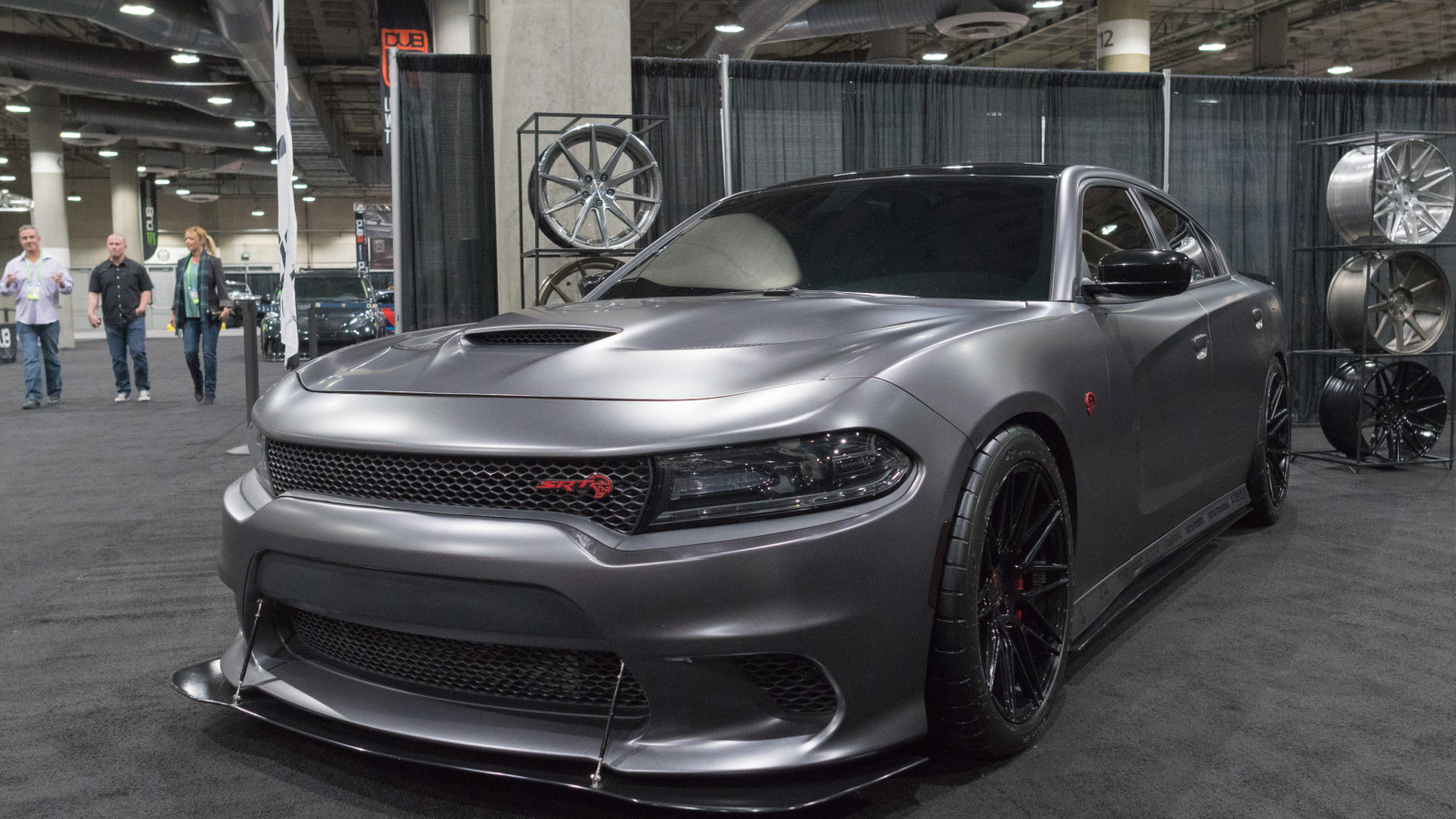
The new Dodge Charger is one of the most interesting performance-car stories in Canada because it is being reshaped around electrification and new powertrains. Dodge has promoted financing offers and high-output versions, while the Daytona models bring a very different kind of muscle-car identity. The issue is that the Charger’s payment can become substantial, particularly on higher trims or long terms.
Long finance terms can make the monthly amount look manageable, but the total obligation can become sobering. A performance car that stretches across seven or eight years of payments has to remain exciting for a very long time. Buyers also have to weigh uncertainty around EV demand, future resale values, and how much they value the new Charger’s character compared with older V8 models. It is bold and distinctive, but bold does not always mean easy to justify financially.
Toyota GR Supra
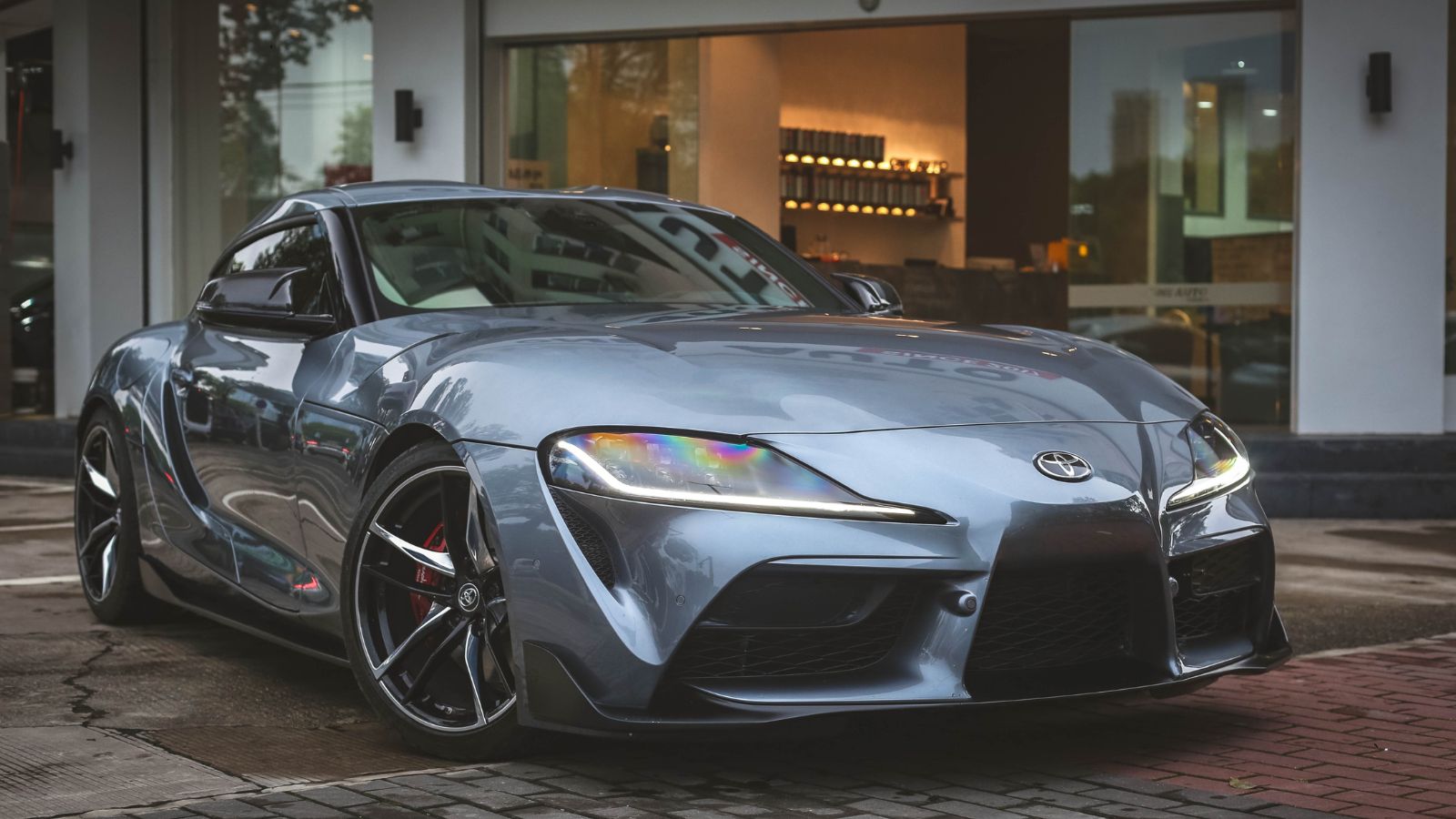
The Toyota GR Supra is a focused two-seat sports car with serious performance credentials, including a turbocharged inline-six and sharp handling. It is also one of the least practical vehicles on this list, which makes the payment question more personal. In Canada, a Supra often functions as a second car, fair-weather car, or enthusiast purchase rather than a true all-season daily driver.
That narrow use case is what makes the monthly payment harder to defend. A buyer may love every drive, but winter storage, limited cargo space, two-seat packaging, premium tires, and insurance can make the car feel expensive relative to the number of days it is actually used. The Supra is not pretending to be practical, and that honesty is part of its charm. Still, for Canadians trying to maximize value from a monthly payment, charm alone may not be enough.
22 Things Canadians Do to Their Cars in Spring That Mechanics Hate

Spring brings relief to many Canadian drivers after months of snow, freezing temperatures, and icy roads that put serious strain on vehicles. As temperatures rise across the country, drivers begin washing cars, switching tires, and preparing vehicles for warmer weather and upcoming road trips. However, mechanics across Canada notice the same mistakes every spring when drivers attempt to recover from winter damage. Road salt, potholes, and harsh winter driving conditions often leave vehicles with hidden problems that drivers ignore. Some spring habits even create new mechanical issues that could have been avoided with proper maintenance. Here are 22 things Canadians do to their cars in spring that mechanics hate.