


























Canada’s insurance market has become far less forgiving for vehicles that combine theft risk, costly repairs, expensive parts, and high claim severity. A model that once felt practical or prestigious can quickly become harder to justify when premiums climb, deductibles tighten, or insurers ask for extra anti-theft measures.
These 15 vehicles are starting to stand out for reasons that matter to insurers: frequent theft targeting, complex electronics, luxury repair bills, EV battery exposure, or broad claims pressure in Canadian cities. None are automatically bad vehicles, but each can carry an insurance story that deserves a closer look before the monthly payment feels like only part of the cost.
Honda CR-V
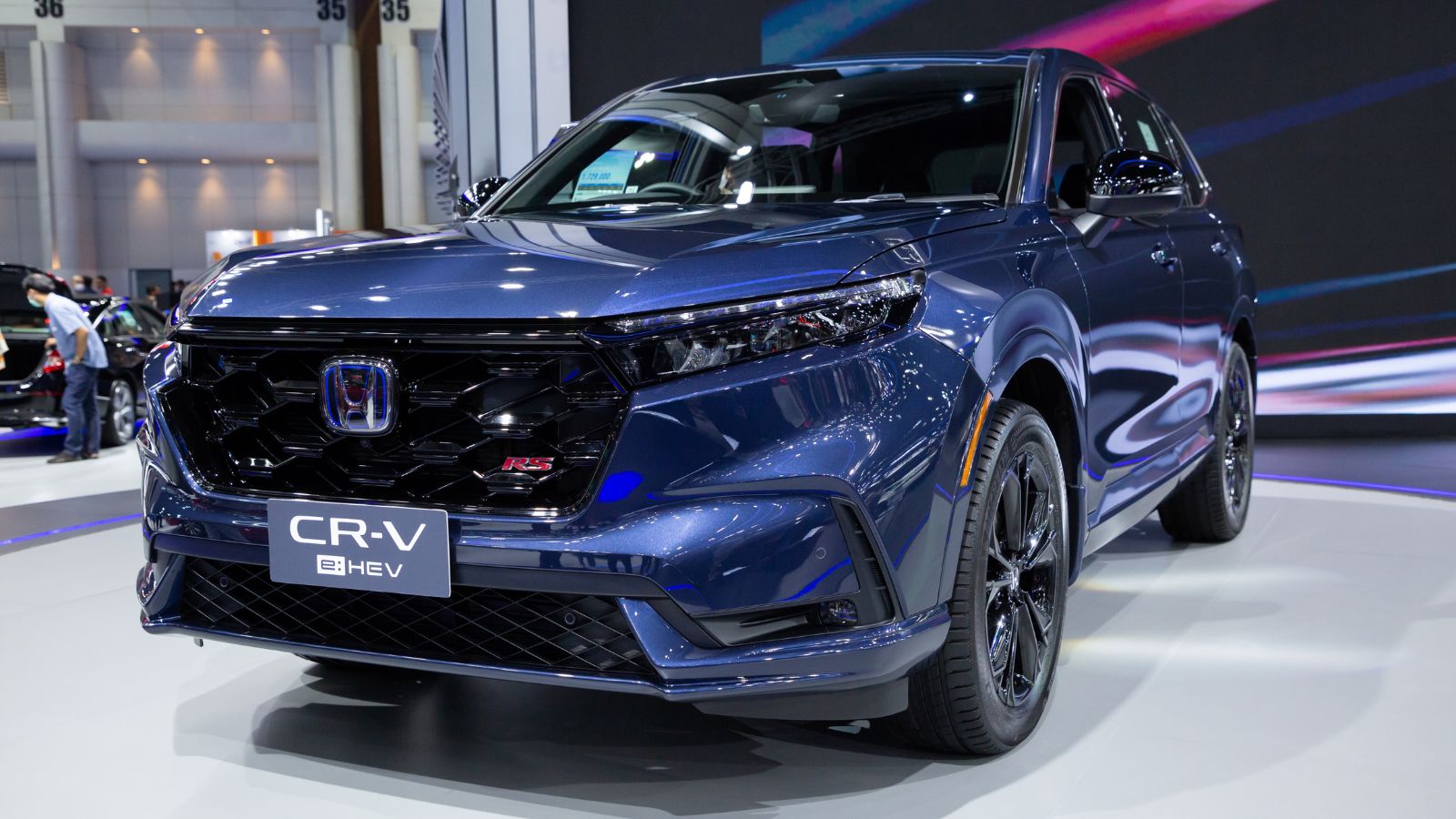
The Honda CR-V has become one of the clearest examples of a practical family SUV turning into an insurance headache. Its popularity helps make it easy to sell, easy to service, and familiar to Canadian drivers, but that same popularity also makes it attractive in the stolen-vehicle pipeline. Recent Canadian theft data has repeatedly placed the CR-V near the very top of national and provincial theft rankings, especially newer and late-model examples.
For owners, the problem is not just the possibility of losing the vehicle. It is the way theft patterns ripple into premiums, surcharges, and anti-theft requirements. In higher-risk regions, a CR-V can draw more insurer scrutiny than its ordinary image suggests. A compact SUV bought for reliability and resale strength can start feeling expensive when theft prevention becomes part of the ownership routine.
Lexus RX
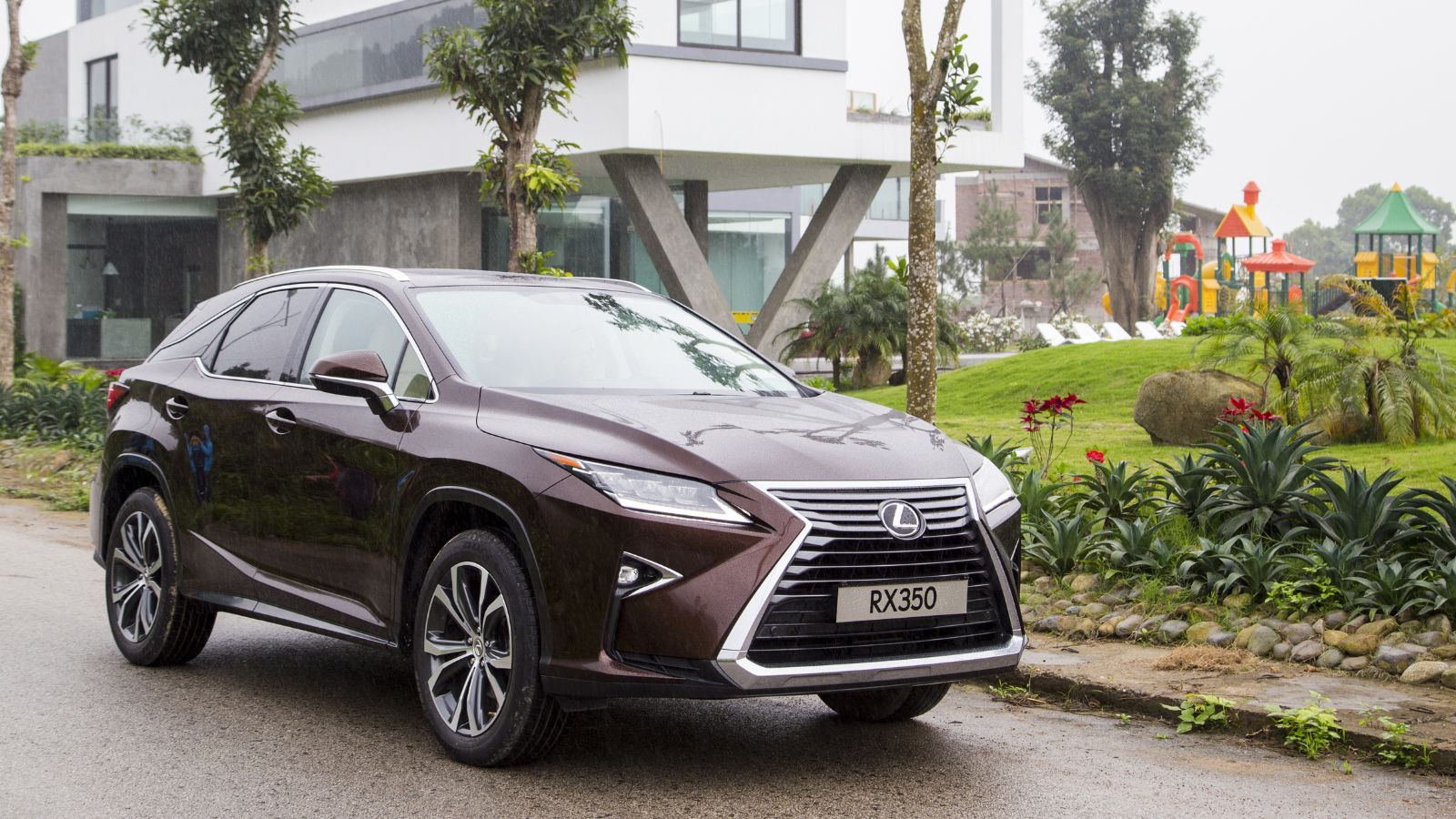
The Lexus RX carries the kind of upscale comfort that makes it desirable to families, professionals, and used-luxury shoppers. Unfortunately, it has also become one of the most visible luxury SUVs in Canadian auto theft discussions. Its strong resale demand, premium parts, and export appeal can make it a particularly painful vehicle for insurers when theft claims rise.
Insurance discomfort around the RX is easy to understand. It is not a cheap vehicle to replace, and its theft rate has stood out sharply compared with many mainstream models. Even a careful owner with a clean driving record may face higher comprehensive coverage costs if the postal code and model combination look risky. The RX still feels polished on the road, but its insurance profile has become harder to ignore.
Toyota Highlander
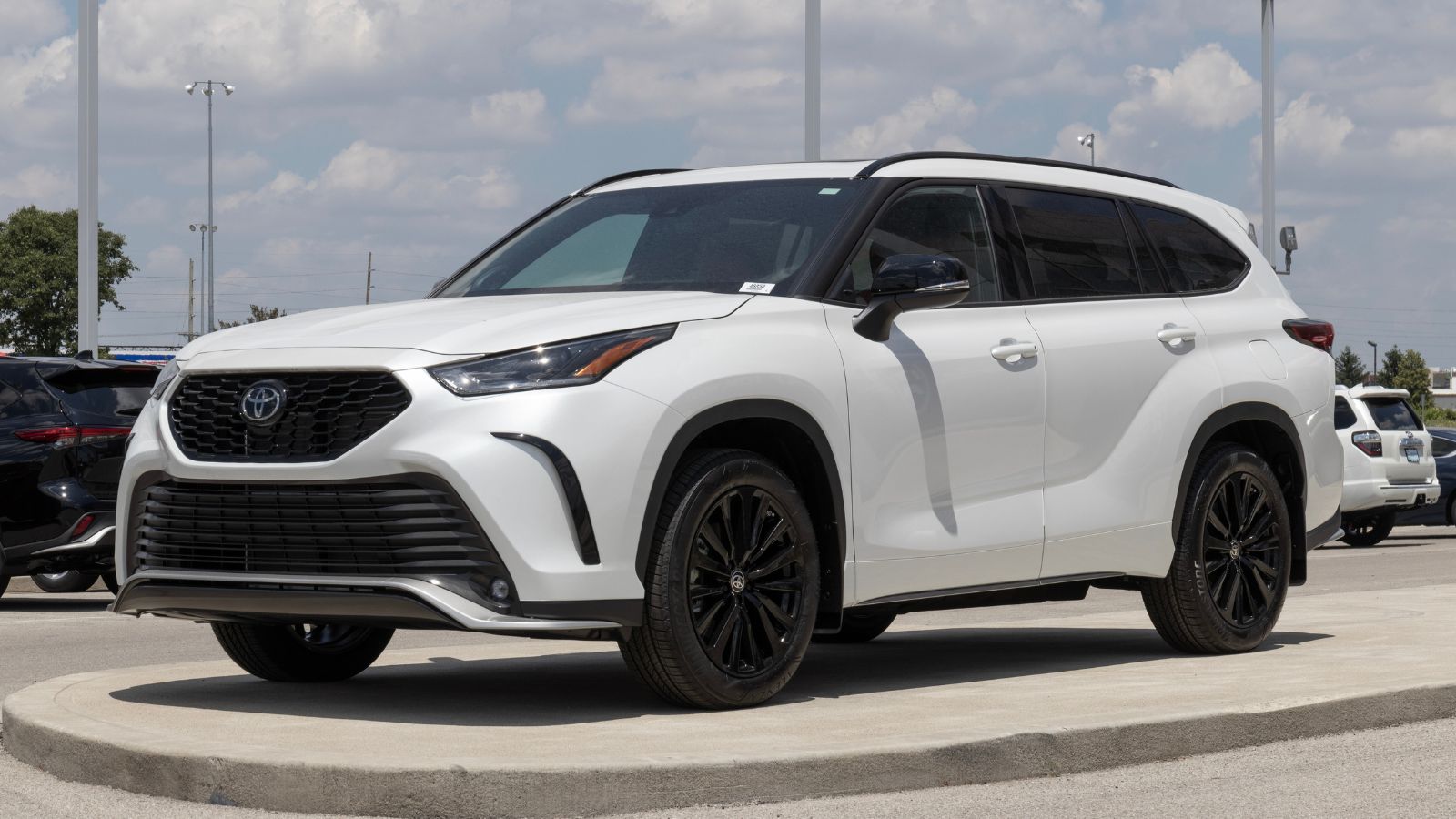
The Toyota Highlander is often chosen because it feels sensible: three-row practicality, strong reliability reputation, and a family-friendly image. That ordinary usefulness is exactly why its insurance story has become more complicated. Canadian theft rankings have placed the Highlander among the country’s heavily targeted SUVs, particularly older late-model ranges that are common enough to be easy to move.
For insurers, the Highlander represents a difficult mix. It is valuable, widely owned, and frequently parked in suburban driveways where organized theft rings have been active. Repairs can also be expensive when sensors, cameras, bumpers, and advanced safety systems are damaged. A Highlander may still be a rational family purchase, but in some Canadian markets, the insurance quote can feel less family-friendly than expected.
Toyota RAV4
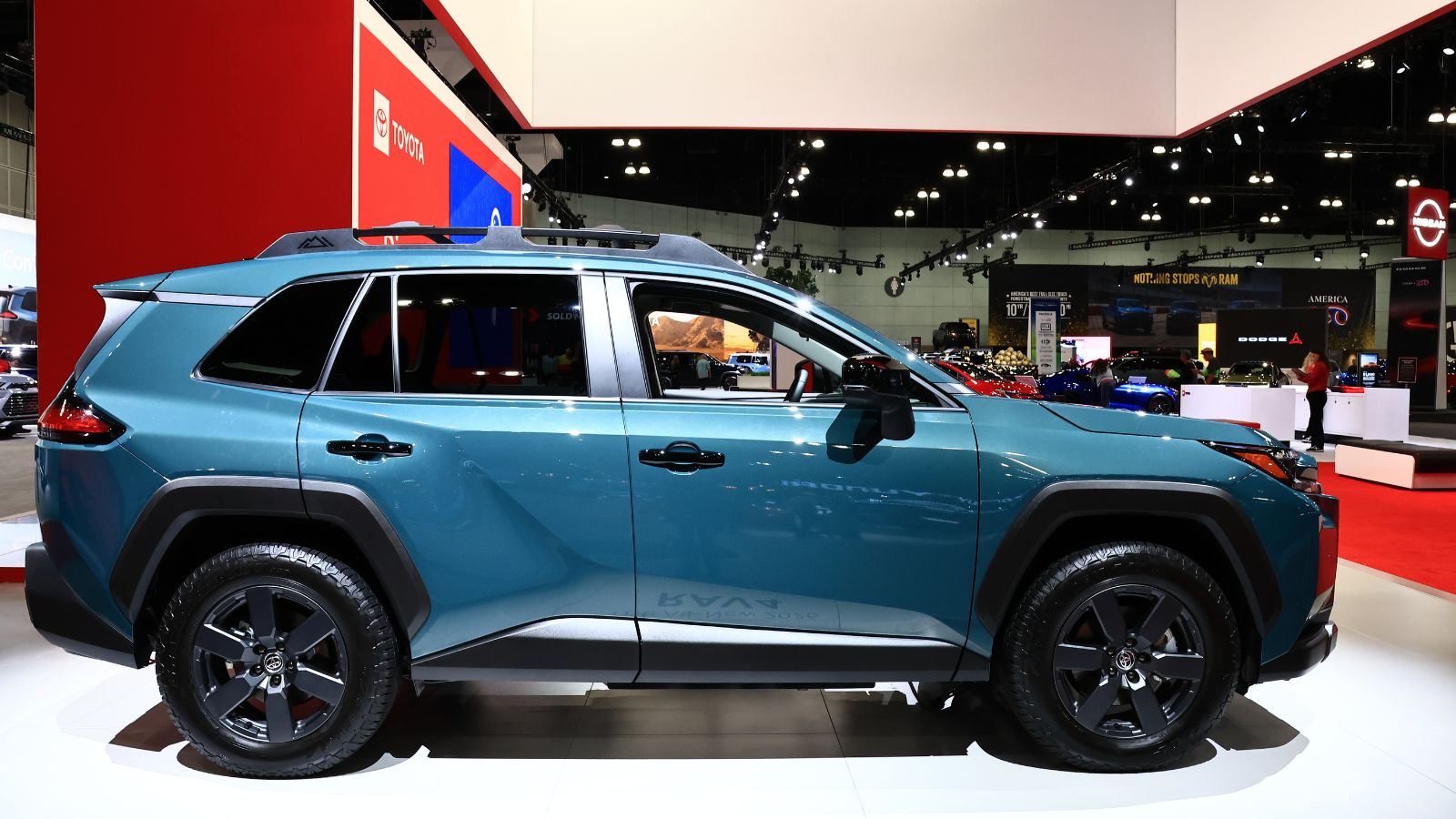
The Toyota RAV4 is one of Canada’s most familiar SUVs, which makes its insurance risk feel especially frustrating. It is not a flashy performance model, and many buyers choose it for fuel economy, reliability, and manageable ownership costs. Yet theft data and insurer attention have increasingly pulled the RAV4 into the same conversation as larger and more expensive SUVs.
The RAV4’s issue is scale. When a vehicle is everywhere, even a moderate theft rate can create a large number of claims. Add strong used demand and a healthy parts market, and insurers have reason to watch it closely. Owners may find that the vehicle’s reputation for thrift does not fully protect them from higher comprehensive costs, especially in regions where Toyota SUVs are frequent theft targets.
Ram 1500
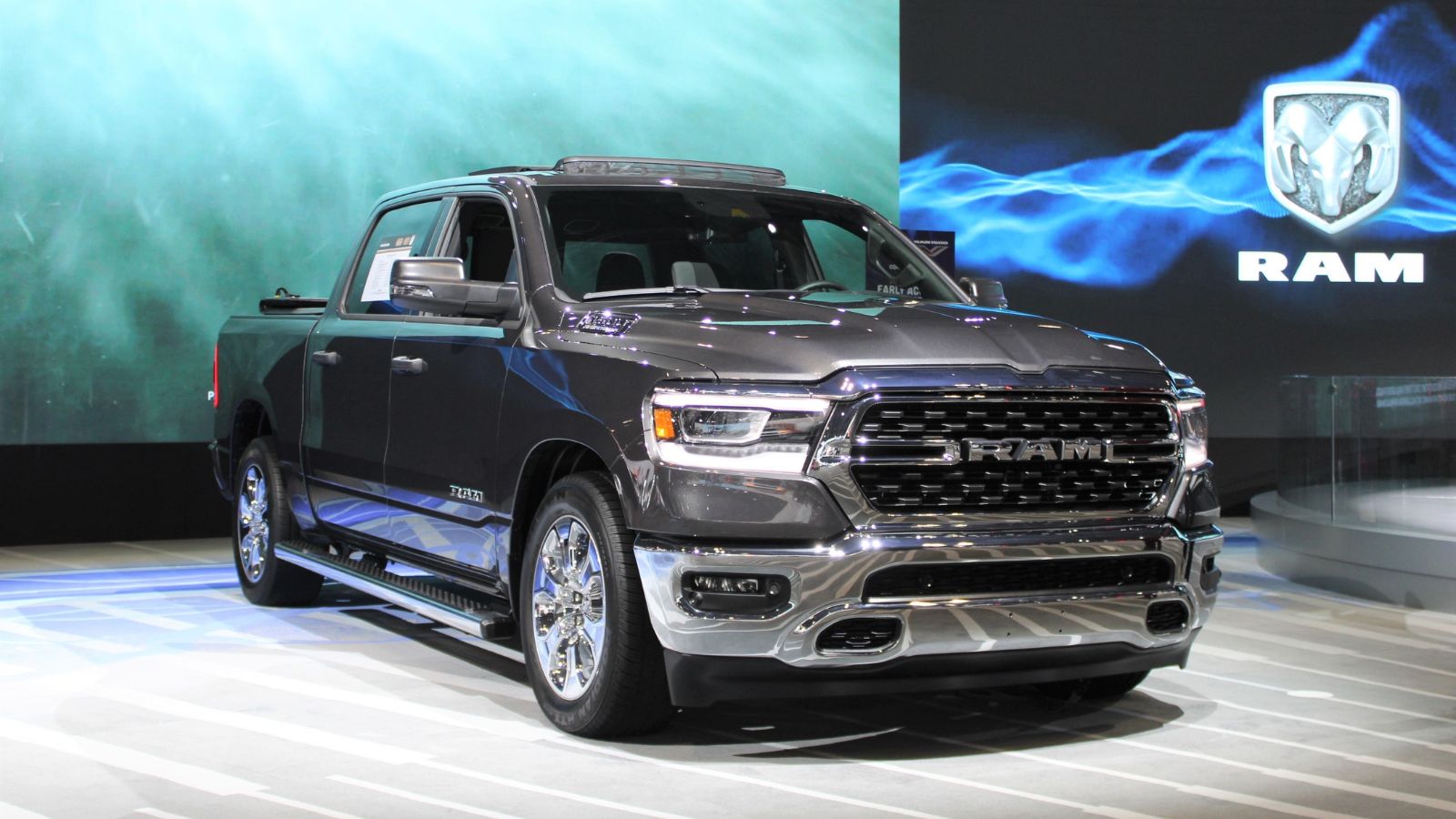
The Ram 1500 has long appealed to Canadian drivers who want truck capability without giving up comfort. Modern trims can feel nearly luxurious, with large screens, powerful engines, and high-value equipment. That combination makes the truck useful to owners and attractive to thieves, particularly in provinces where pickups are common and easy to resell or dismantle.
Insurance concerns around the Ram 1500 go beyond theft alone. Trucks can be expensive to repair after collisions, especially when aluminum panels, sensors, cameras, towing equipment, and high-end trim pieces are involved. A loaded Ram can carry replacement costs that look much closer to a luxury vehicle than a basic work truck. For some owners, the insurance bill may be the first reminder that capability comes with a risk premium.
Ford F-150
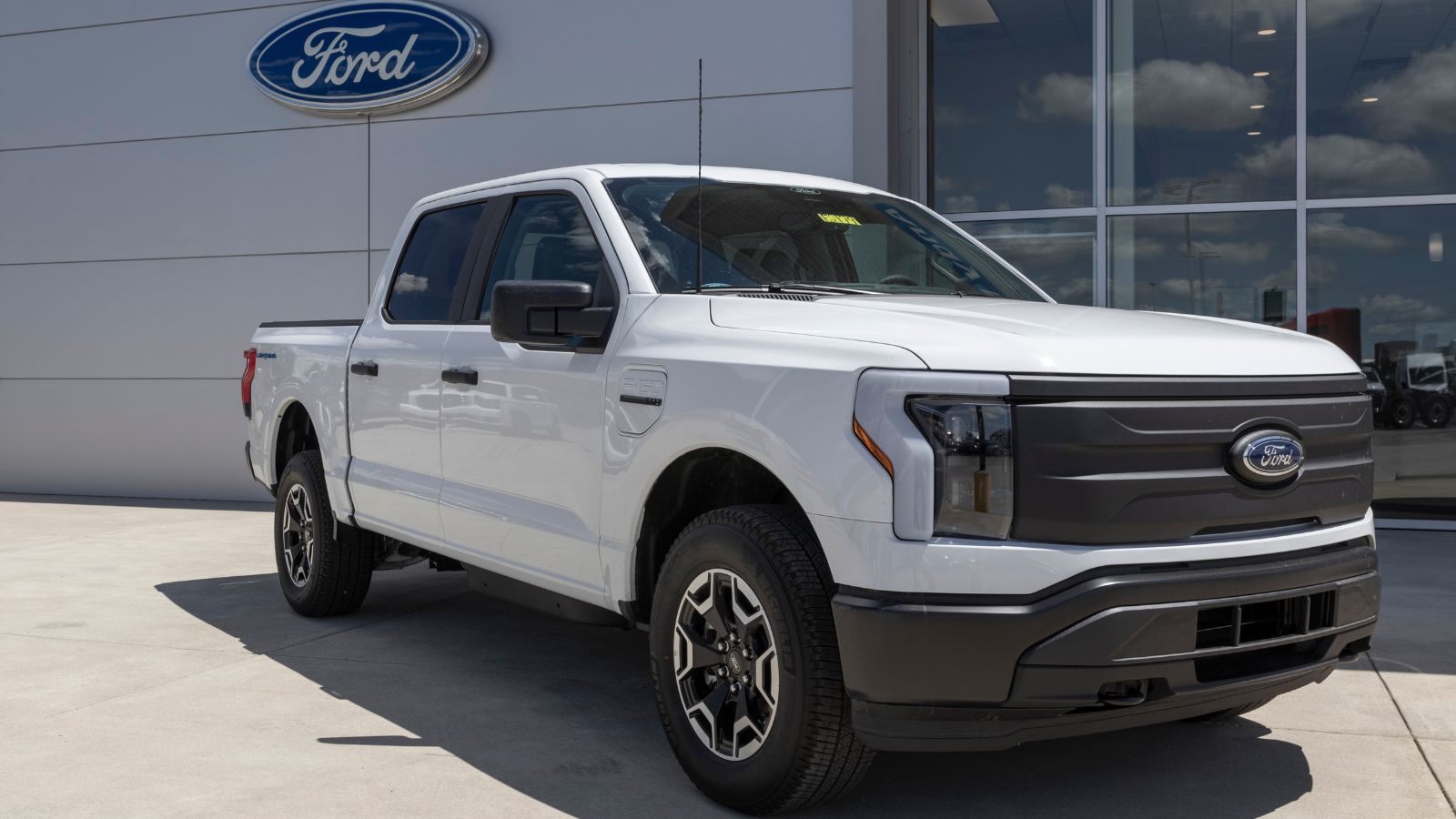
The Ford F-150 is practically part of Canadian road culture, from job sites to cottage highways. Its huge sales volume means insurers have plenty of claims history to study, and theft rankings have frequently included F-Series trucks among Canada’s most targeted vehicles. Popularity helps with resale value, but it also gives thieves a large pool of similar trucks to exploit.
The F-150’s insurance challenge depends heavily on trim, region, and use. A basic work truck may price very differently from a high-trim model with advanced driver-assistance systems, panoramic glass, leather, and expensive lighting assemblies. Even a minor front-end collision can involve sensors and calibration. For owners who assumed a familiar domestic pickup would be simple to insure, the modern F-150 can deliver an unwelcome surprise.
Chevrolet Silverado and GMC Sierra 1500
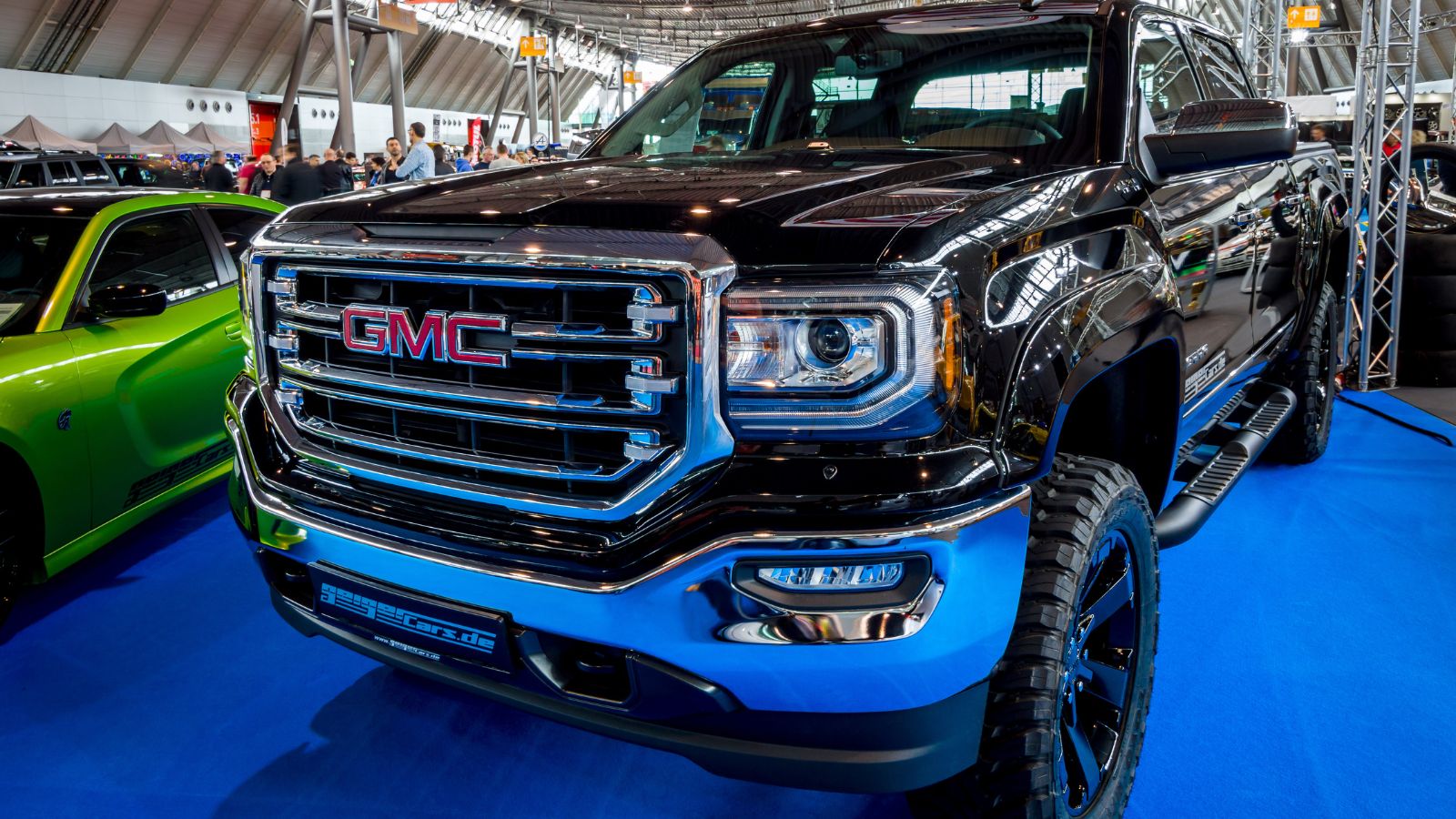
The Chevrolet Silverado and GMC Sierra 1500 share many of the same insurance pressures as other full-size pickups. They are valuable, common, useful, and widely supported by parts networks, which makes them appealing both to legitimate buyers and criminals. Older model years have appeared in Canadian theft rankings, showing that insurance concern is not limited to brand-new trucks.
These pickups can also produce expensive claims because modern versions are packed with technology. Cameras, parking sensors, LED lighting, trailer-assist systems, and high-strength body structures all add cost when damage occurs. A truck bought for durability can still be costly when insurer-approved repairs are required. For Canadians using one as both work vehicle and family transport, the premium can reflect more risk than expected.
Honda Civic
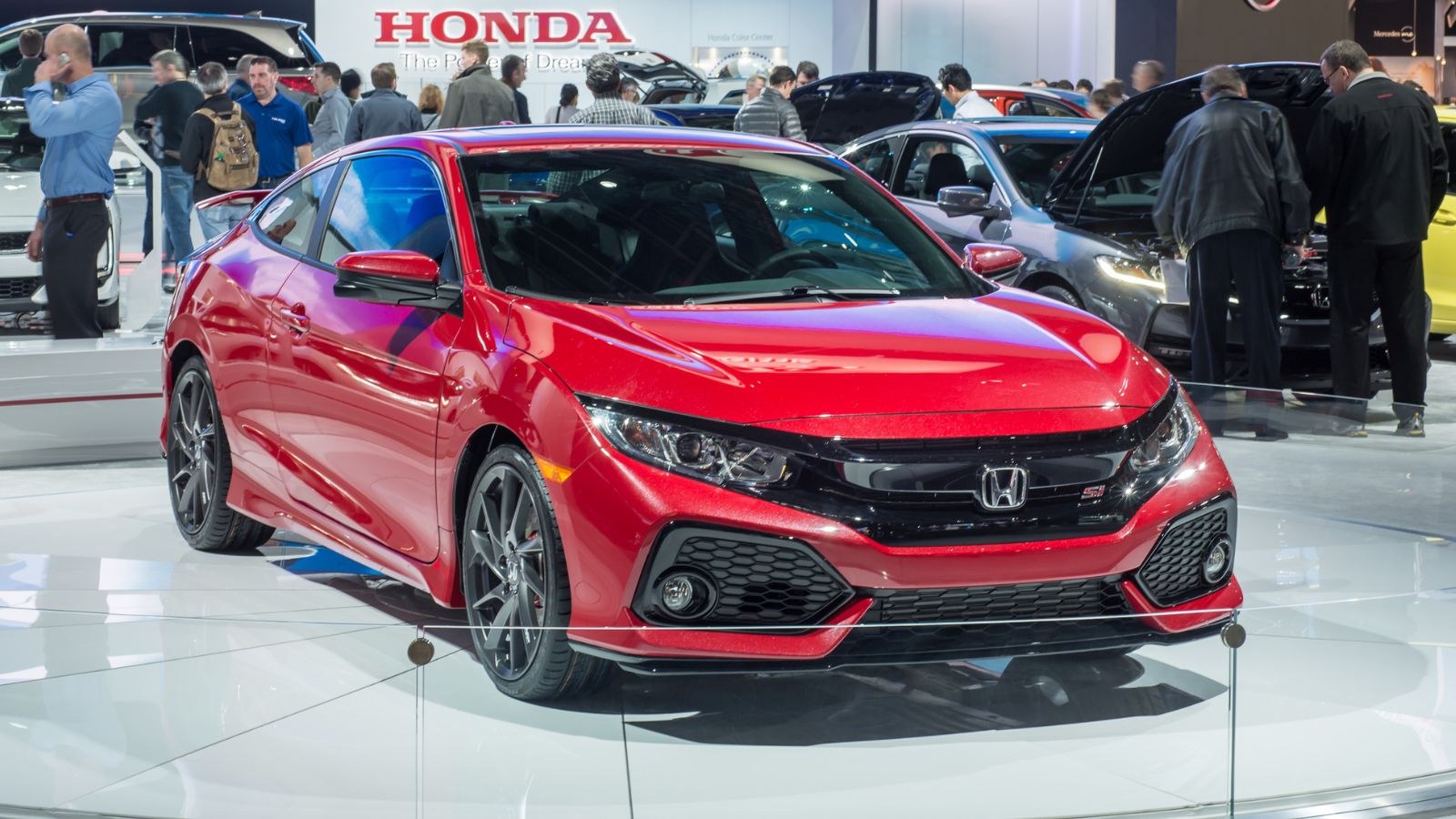
The Honda Civic is not a luxury SUV or a full-size truck, but it remains a vehicle insurers cannot ignore. It has a long history of theft attention in Canada because it is common, easy to resell, and supported by a large parts ecosystem. Newer Civics are safer and more advanced than older ones, but the nameplate still appears prominently in theft-related data.
The Civic’s insurance headache can feel unfair because many buyers choose it as an affordable, fuel-efficient commuter. However, insurers price vehicles based on claims patterns, not just sticker price. A stolen Civic costs less to replace than a Lexus RX, but theft volume can still influence premiums. Add younger-driver ownership patterns in some markets, and the Civic can cost more to insure than its practical image suggests.
Honda Accord
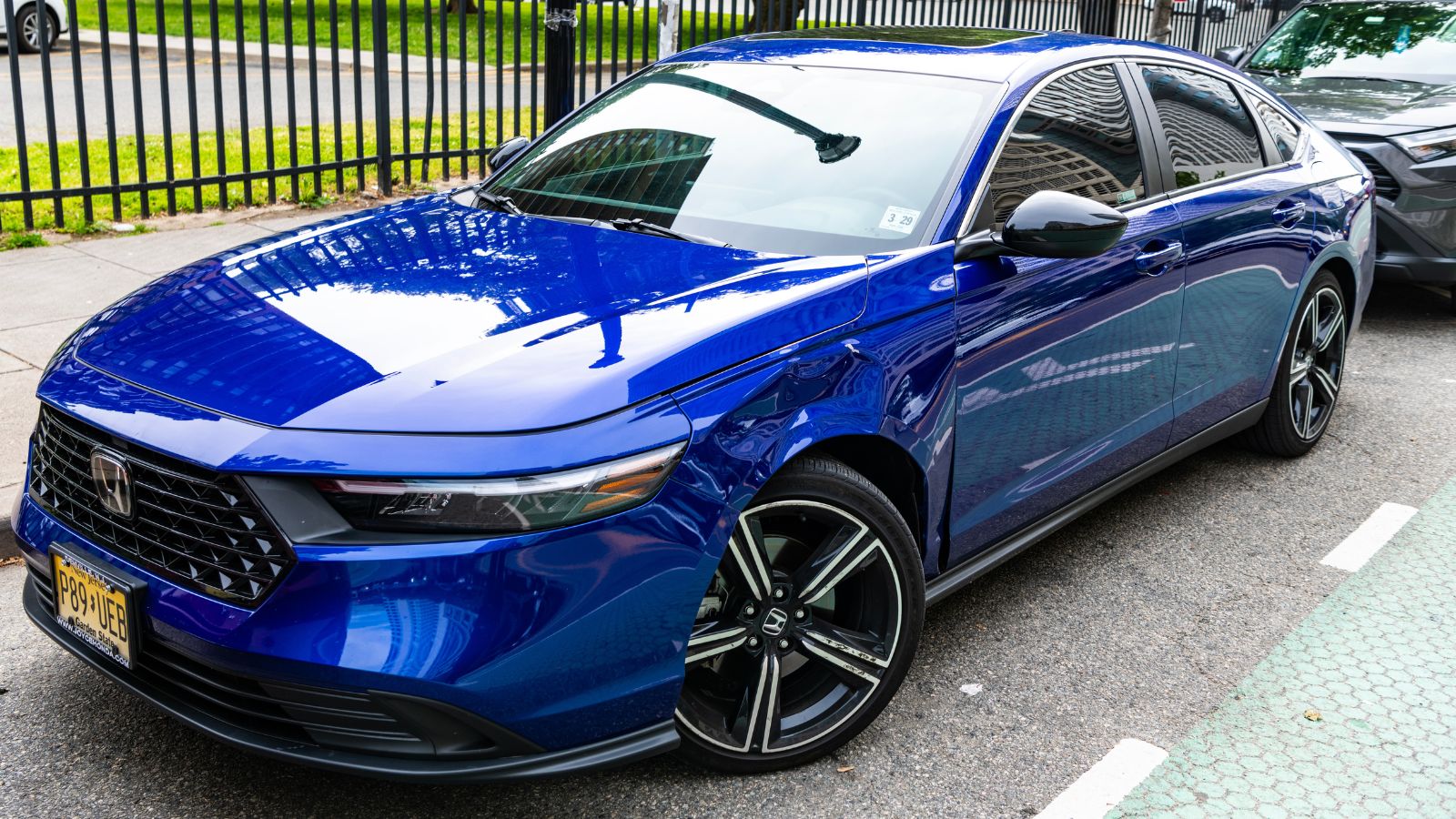
The Honda Accord has the same quiet problem as the Civic: it looks sensible, but insurers know the model well from years of claims history. As a used sedan, it often attracts buyers who want reliability without SUV pricing. That makes it widely circulated, easy to part out, and still relevant in theft rankings even as the Canadian market shifts toward crossovers.
For insurance purposes, the Accord’s age and condition matter a great deal. Older models may be inexpensive to buy, but theft or collision coverage can still be surprisingly meaningful if claims data is unfavourable. Newer Accords add costly electronics, cameras, and driver-assistance equipment. The result is a sedan that may feel financially conservative at purchase, yet not always as gentle on premiums as expected.
Lexus TX
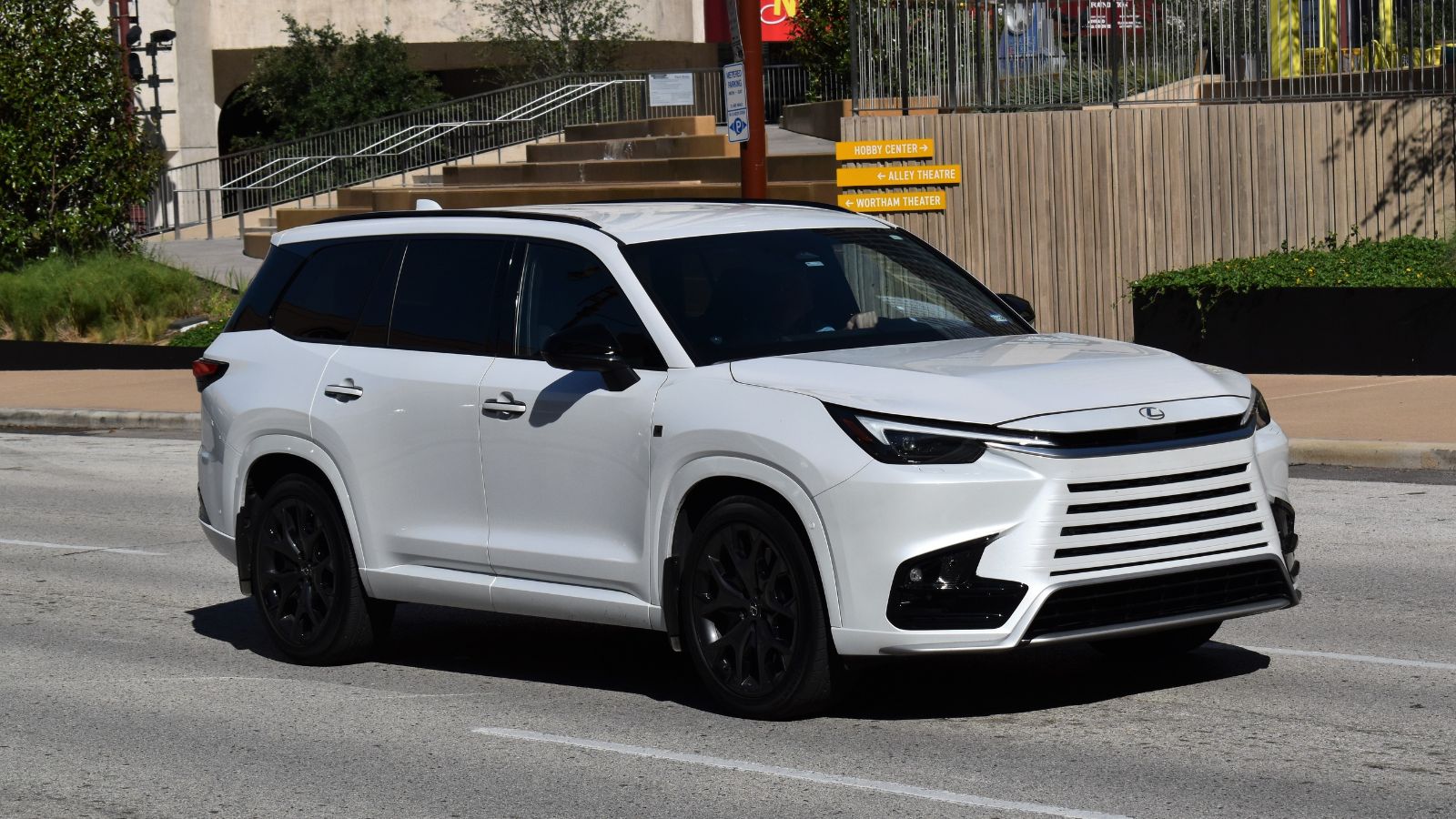
The Lexus TX is newer than many theft-list regulars, but it has already attracted attention because of its luxury badge, family-size utility, and high replacement value. In Ontario-focused reporting, the TX has been highlighted for an unusually high theft frequency among newer vehicles. That is the type of detail insurers notice quickly because a stolen luxury SUV can produce a large claim.
The TX also illustrates how quickly a vehicle’s insurance reputation can form. A new model does not need decades of claims history to become expensive if early theft patterns look severe. Owners who bought it for three-row comfort may find themselves discussing tracking systems, garage parking, and insurer requirements sooner than expected. It is still a refined luxury SUV, but its risk profile is developing fast.
Tesla Model 3
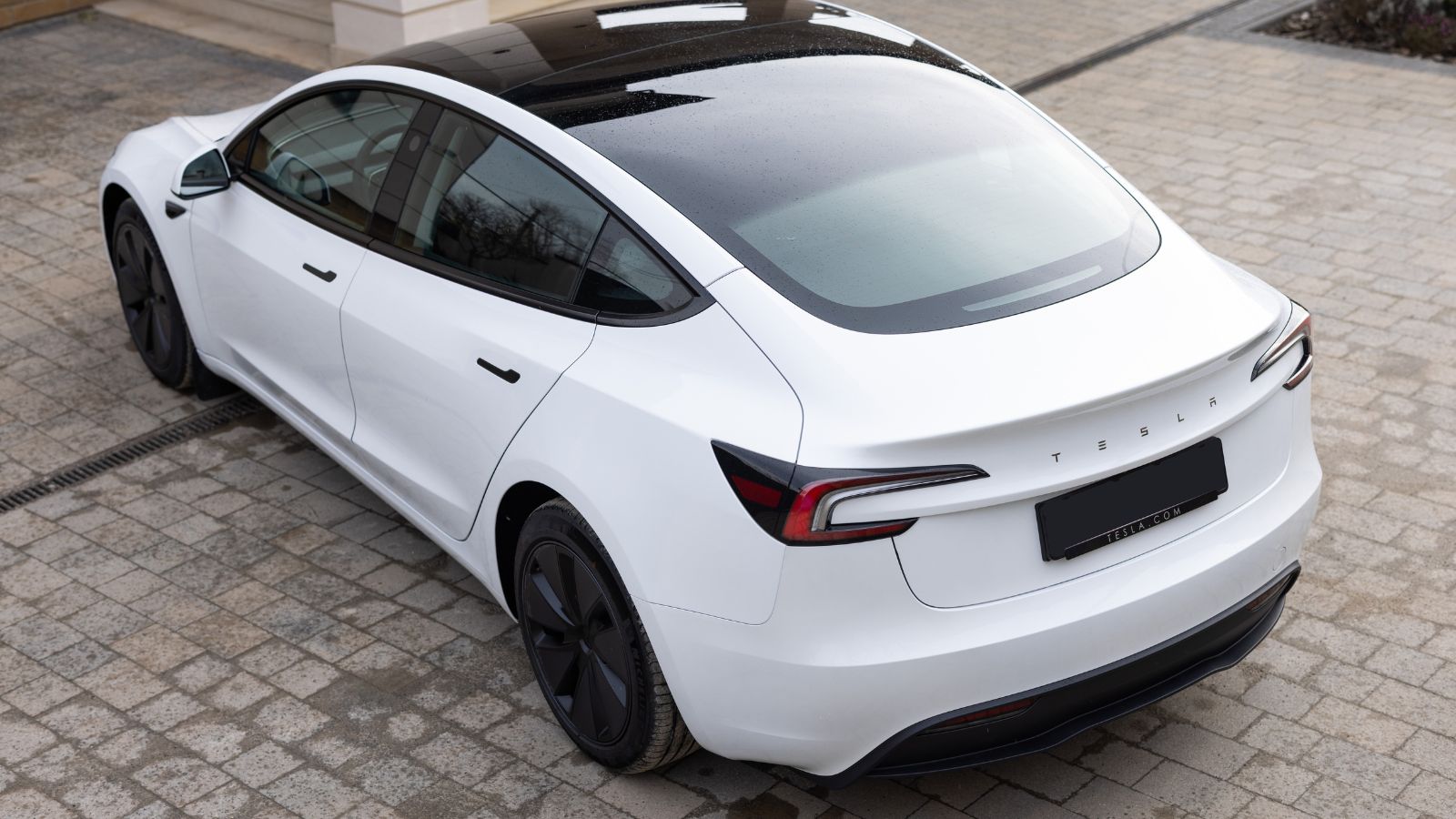
The Tesla Model 3 has helped normalize electric driving in Canada, but insurance pricing has not always followed the same friendly curve as EV adoption. Electric vehicles can be expensive to repair after collisions because batteries, structural components, sensors, and software-linked systems require specialized handling. That matters even when the vehicle is efficient and inexpensive to charge.
The Model 3’s insurance issue is less about traditional theft and more about repair severity. A modest-looking collision can become costly if battery inspection, calibration, or certified repair procedures are required. Insurers also consider replacement cost, parts availability, and repair-network limits. For drivers focused only on fuel savings, the premium can feel like a reminder that EV economics are broader than electricity versus gasoline.
Tesla Model Y
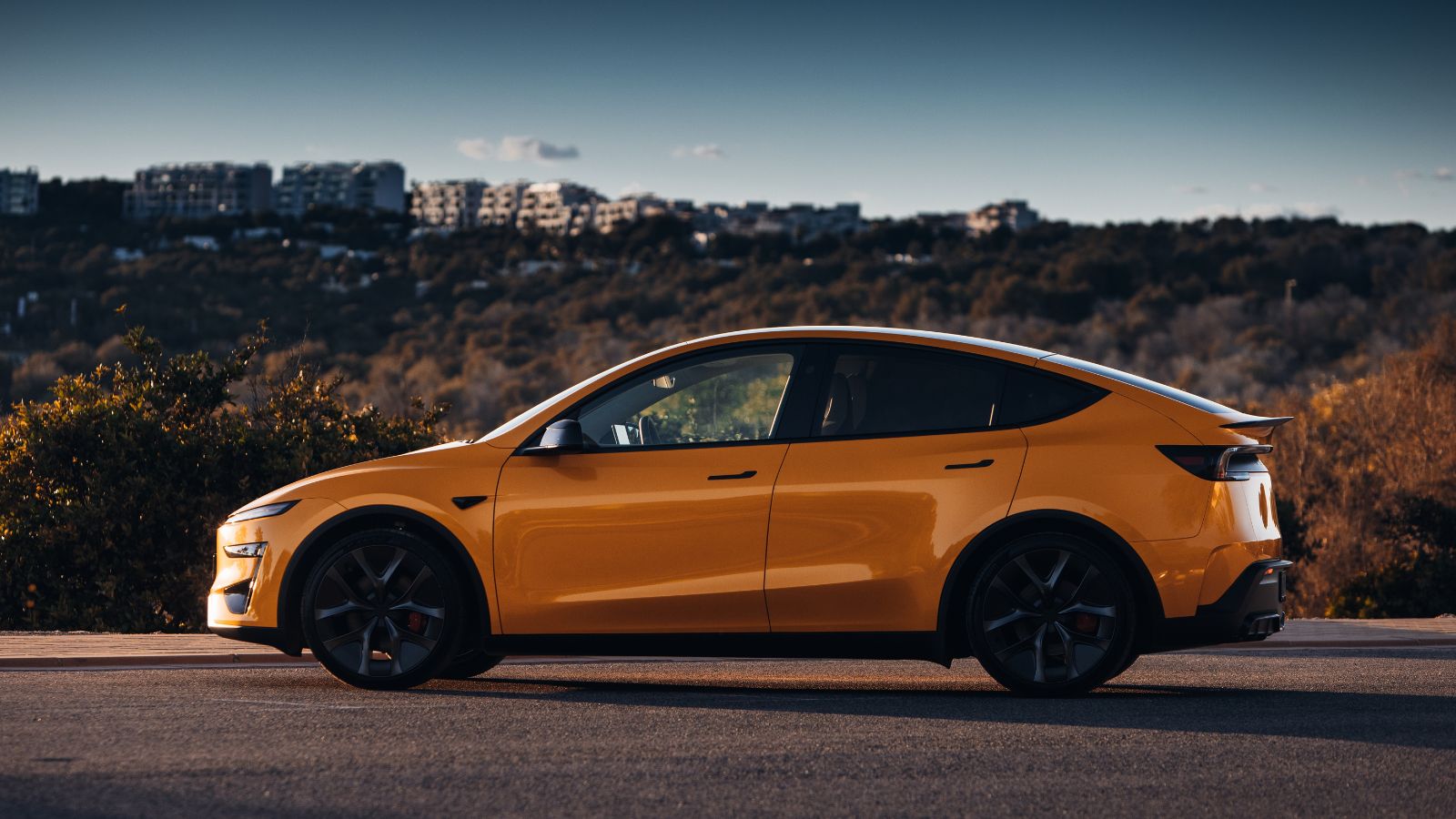
The Tesla Model Y adds SUV practicality to the EV insurance equation, which makes it popular but not always cheap to cover. Its strong sales mean more claims data, while its technology-heavy construction keeps repairs specialized. A cracked glass roof, damaged sensors, or battery-related inspection can turn a routine claim into something more expensive than many gasoline-SUV owners expect.
Canadian EV insurance commentary has pointed to higher average premiums for electric vehicles compared with gas models, with repair costs and battery exposure among the reasons. The Model Y sits directly in that conversation because it is common enough to shape insurer experience. It may remain appealing for operating costs, space, and performance, but insurance can reduce the gap between EV savings and real-world ownership expense.
BMW X5
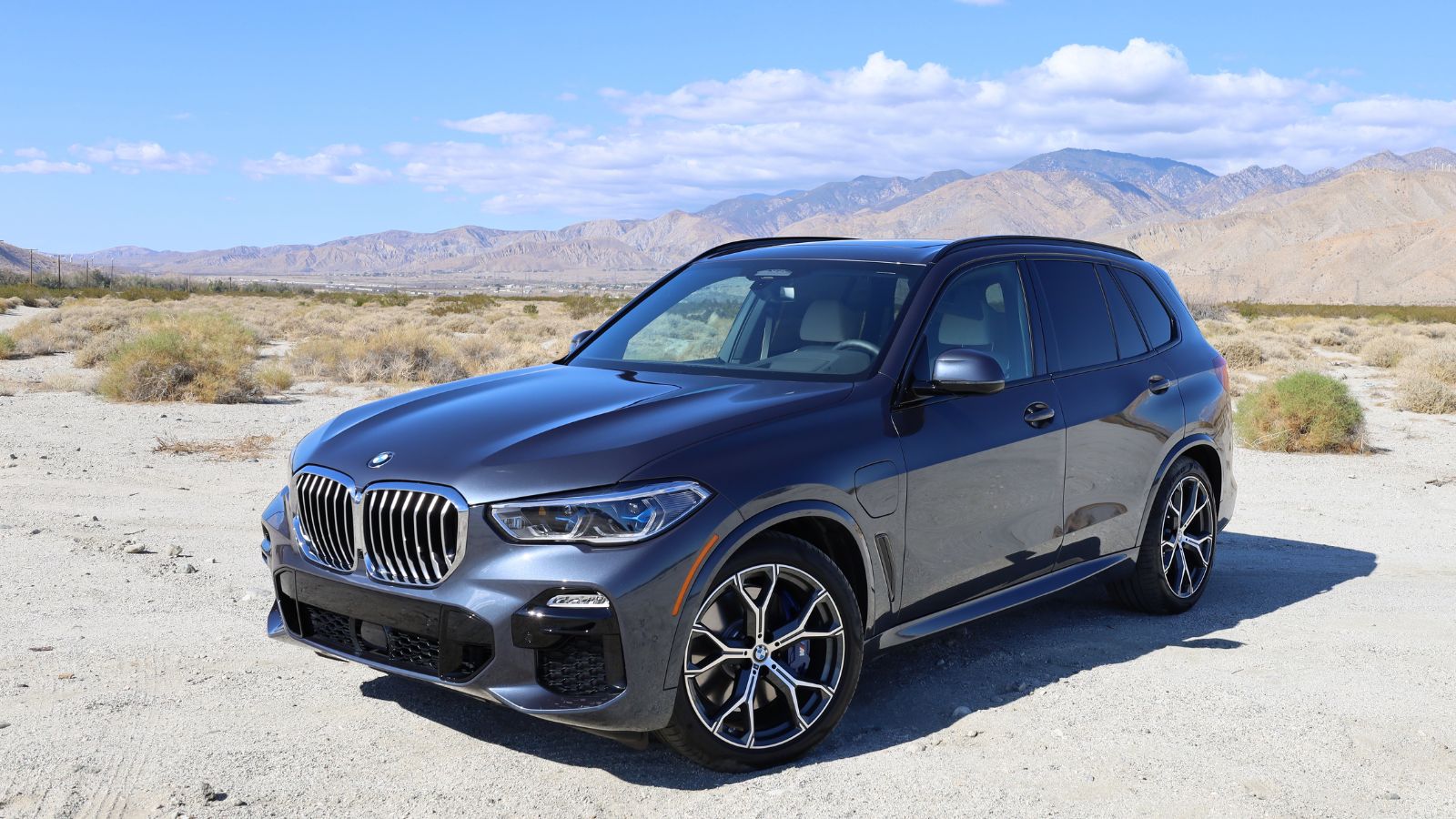
The BMW X5 has the classic luxury-SUV insurance problem: high value, expensive parts, complex technology, and premium repair standards. Even when theft is not the main concern, claim severity can push premiums upward. A headlight, bumper, wheel, sensor, or suspension repair on a luxury SUV can cost far more than the same category of damage on a mainstream crossover.
The X5 also attracts drivers who expect performance and comfort, which insurers may price differently from a basic family SUV. Advanced driver-assistance systems, large wheels, turbocharged engines, and specialized body repairs all contribute to the risk calculation. For used buyers, the monthly payment may look manageable after depreciation, but insurance can still behave like the vehicle is a high-end BMW.
Mercedes-Benz C-Class
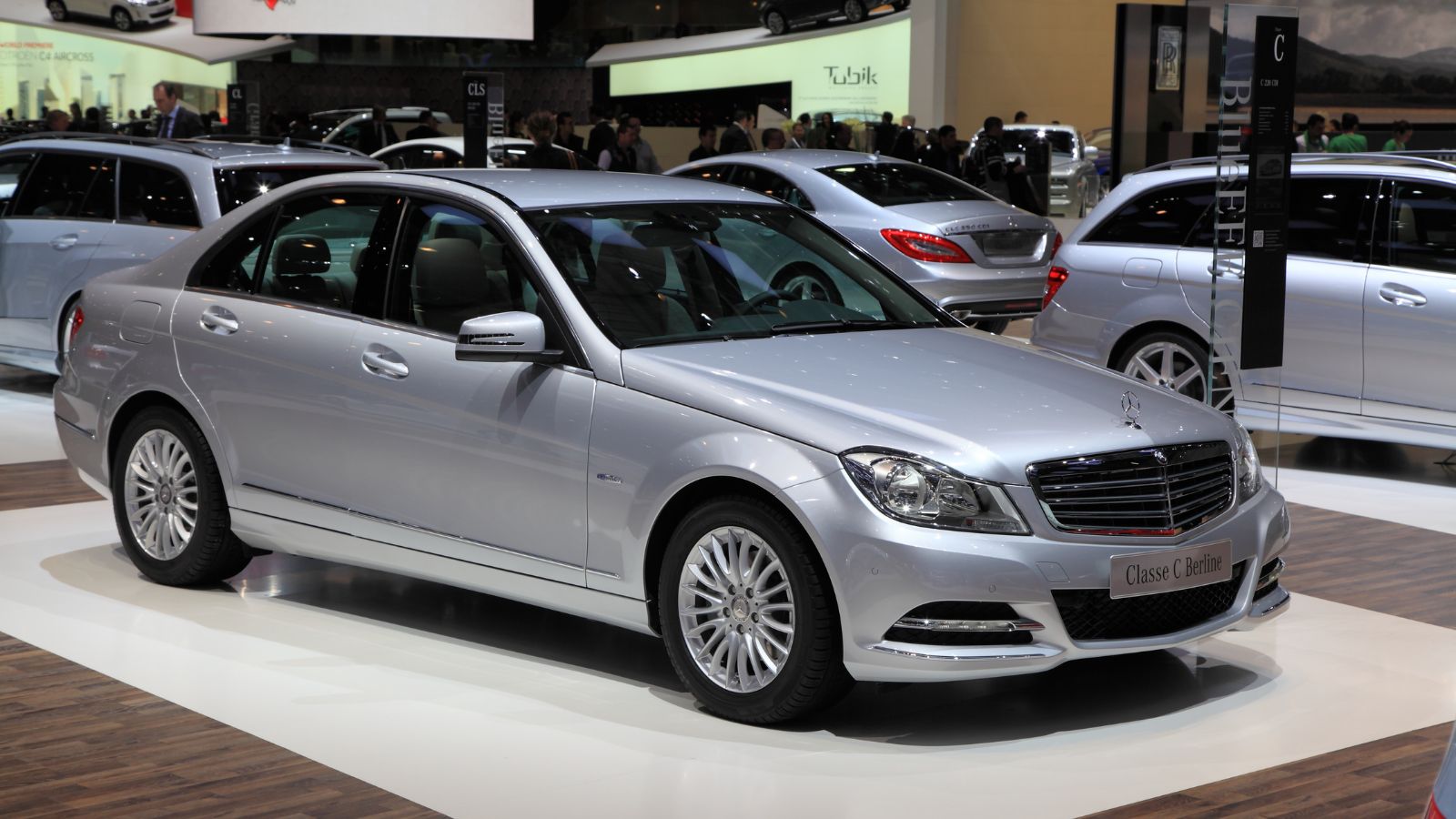
The Mercedes-Benz C-Class can feel like an attainable entry into luxury ownership, especially on the used market. Insurance, however, often sees the badge, repair cost, parts pricing, and claim severity before it sees the bargain purchase price. A used C-Class may sell for less than a new mainstream SUV, but a collision repair can still involve premium parts and specialized labour.
That gap between purchase price and repair cost creates the nightmare potential. Owners may expect compact-sedan costs and receive luxury-sedan insurance logic instead. Even small claims can involve cameras, parking sensors, adaptive lighting, and bodywork standards that raise repair bills. The C-Class remains stylish and comfortable, but anyone judging it only by used-market price may underestimate what insurers are actually pricing.
Dodge Charger
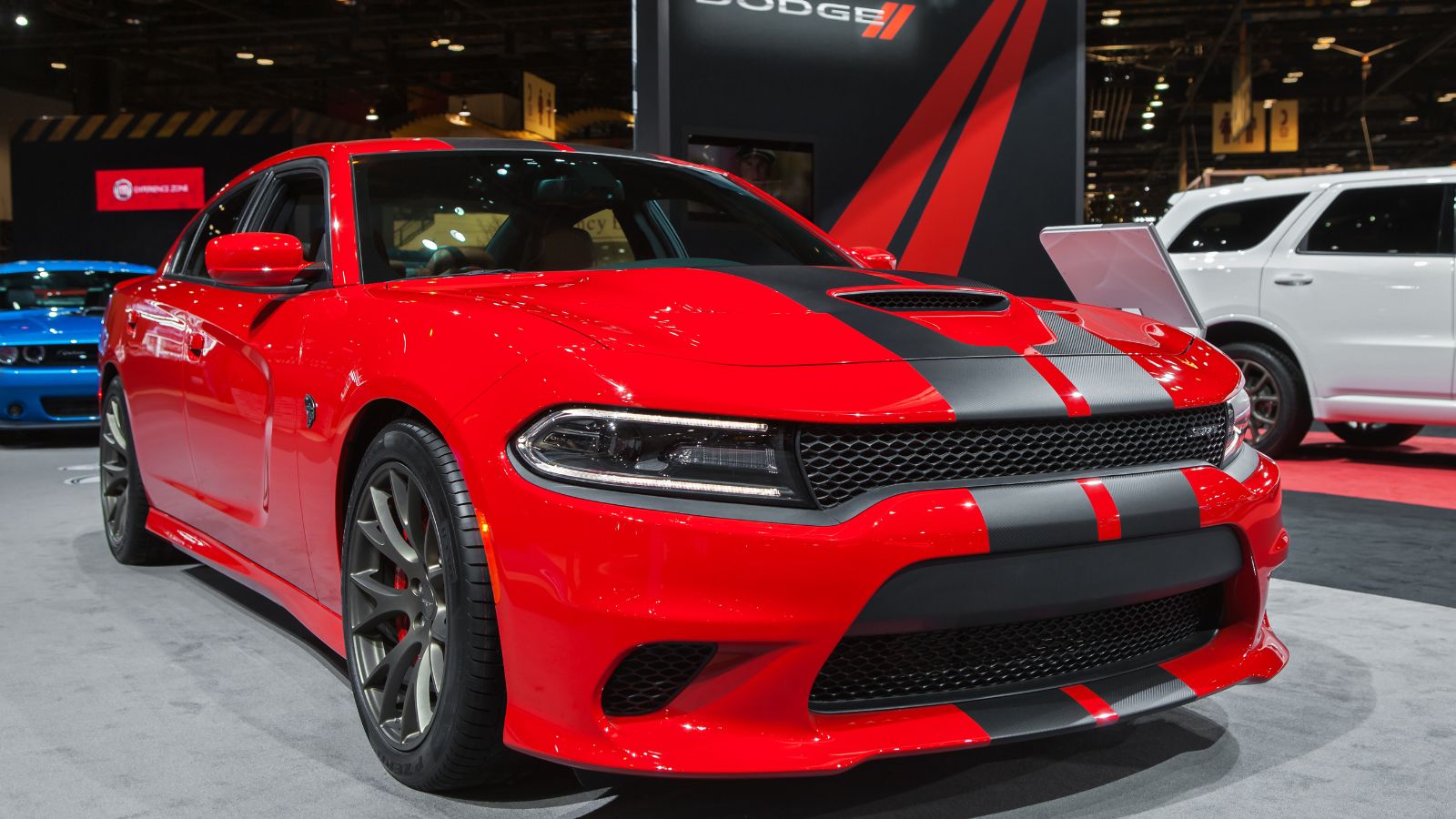
The Dodge Charger brings performance-car energy to a practical four-door shape, which is part of its appeal. It can serve as a family sedan, highway cruiser, or V8-powered weekend machine, depending on the trim. That wide identity also makes it a more complicated insurance proposition than a typical sedan, especially when powerful versions are involved.
Insurers tend to treat performance potential seriously because speed, repair cost, driver behaviour patterns, and theft risk can all influence claims. Chargers with larger engines, special trims, or modified parts may draw more expensive quotes than buyers expect from an aging domestic sedan. The Charger’s personality is exactly what fans love, but that personality can show up in premiums. For some Canadians, the insurance quote may cool the excitement quickly.
22 Things Canadians Do to Their Cars in Spring That Mechanics Hate

Spring brings relief to many Canadian drivers after months of snow, freezing temperatures, and icy roads that put serious strain on vehicles. As temperatures rise across the country, drivers begin washing cars, switching tires, and preparing vehicles for warmer weather and upcoming road trips. However, mechanics across Canada notice the same mistakes every spring when drivers attempt to recover from winter damage. Road salt, potholes, and harsh winter driving conditions often leave vehicles with hidden problems that drivers ignore. Some spring habits even create new mechanical issues that could have been avoided with proper maintenance. Here are 22 things Canadians do to their cars in spring that mechanics hate.