


























Trading in a car can feel like the cleanest way to move on from an older vehicle, especially when a dealership folds the paperwork into one appointment. The costly mistake many Canadians make is treating the trade-in offer as a convenience number instead of a negotiable financial decision. That single shortcut can hide lost resale value, rolled-over debt, tax confusion, and a larger loan than expected.
These 12 points break down where trade-ins most often become expensive, why the numbers can look harmless at first, and how Canadian drivers can approach the process with a clearer view of the real cost.
Accepting the First Trade-In Offer

The first trade-in number often feels official because it comes from a dealership desk, but it is still an opening offer. Dealers need room to recondition the vehicle, absorb market risk, and resell it profitably, so the offer may sit well below what a private buyer or competing dealer might pay. A driver trading in a five-year-old SUV might hear, “This is what the market says,” when the real market includes wholesale auctions, retail listings, condition differences, and local demand.
The costly mistake is assuming convenience and fair value are the same thing. Used vehicle prices in Canada have remained high enough that even a small percentage difference can mean thousands of dollars on a newer truck, hybrid, or family crossover. Getting multiple appraisals before visiting the selling dealer changes the conversation. It gives the owner a benchmark, and it makes it harder for the trade-in to be quietly used as a discount lever on the next vehicle.
Not Separating the Trade-In From the New-Car Deal

A trade-in can make the purchase feel simpler, but combining everything into one monthly payment can blur the math. The dealership may adjust the new vehicle price, trade-in allowance, financing rate, warranty products, and fees in the same negotiation. That makes it easy to focus on the payment instead of the total transaction. A buyer might feel they “got more” for the trade, while the new vehicle price or add-ons quietly offset the difference.
A cleaner approach is to negotiate in stages. First, establish the out-the-door price of the next vehicle. Then discuss the trade-in value. Then review financing. This matters because a strong trade-in allowance does not automatically mean a strong deal overall. In real life, a customer could receive an extra $1,500 on the trade but lose the same amount through a higher selling price, a longer term, or products that were not part of the original budget.
Rolling Negative Equity Into the Next Loan

Negative equity happens when the loan balance is higher than the vehicle’s value. It is one of the most expensive trade-in traps because it allows an old car’s debt to follow the buyer into a new vehicle. The paperwork can make this look painless: the old loan disappears, the new car arrives, and the payment seems manageable. In reality, the buyer is financing a vehicle they no longer own.
This can become especially risky when loan terms stretch over many years. Cars depreciate quickly, and long repayment schedules can keep borrowers behind the value curve for longer. A Canadian who trades a car worth $18,000 while owing $23,000 has a $5,000 shortfall. If that amount is rolled into the next loan, interest may be charged on both the new vehicle and the old debt. The next trade-in then starts from an even weaker position.
Forgetting That Tax Savings Do Not Always Beat a Better Sale Price

In many Canadian trade-in transactions, the trade-in allowance can reduce the taxable amount on the replacement vehicle. That creates a real benefit, especially in provinces with HST or combined sales taxes. For example, a $15,000 trade-in may reduce tax on the next purchase, which can make the dealership offer look more attractive than a private sale at first glance.
The mistake is stopping the comparison there. A private buyer may offer enough more to outweigh the tax advantage. If the dealer offers $15,000 and a private buyer offers $18,000, the tax saving has to be measured against the full $3,000 gap. The answer depends on the province, tax rate, vehicle price, and the buyer’s comfort with private selling. A trade-in can still be the right choice, but the tax benefit should be calculated, not assumed to make the dealer offer best.
Skipping Independent Valuation Tools

Many Canadians check the price of the vehicle they want to buy more carefully than the value of the one they already own. That creates an information gap at the exact moment negotiation begins. Independent valuation tools, local classifieds, online dealer listings, and recent asking prices can show whether a trade-in offer is reasonable. Canadian Black Book, for instance, is widely used in the market to estimate values and compare trade-in expectations.
The important detail is that no single guide is perfect. Mileage, accident history, trim level, tires, province, season, colour, and local inventory can all affect value. A pickup in Alberta, a compact SUV in suburban Ontario, and a used EV in Quebec may face different demand patterns. The strongest position comes from using several sources and documenting comparable vehicles. A printed or saved set of examples can turn a vague negotiation into a numbers-based discussion.
Underestimating the Power of Vehicle Condition

Trade-in value is not only about year, make, model, and kilometres. Condition can shift the number sharply. Worn tires, cracked windshields, dashboard warning lights, missing keys, stale odours, accident repairs, and overdue maintenance can all reduce the appraisal. Some owners assume dealerships overlook small issues because they have service departments. In reality, reconditioning costs are often built directly into the trade-in offer.
The smart move is not necessarily to fix everything before trading in. Some repairs cost more than they add in value. A $1,200 cosmetic repair may only improve the offer by $500. But low-cost preparation can help: cleaning the interior, removing personal items, gathering service records, replacing a missing key if economical, and making the vehicle easy to inspect. A well-presented car signals care. That can matter when two similar vehicles compete for the same resale buyer.
Trading In at the Wrong Time
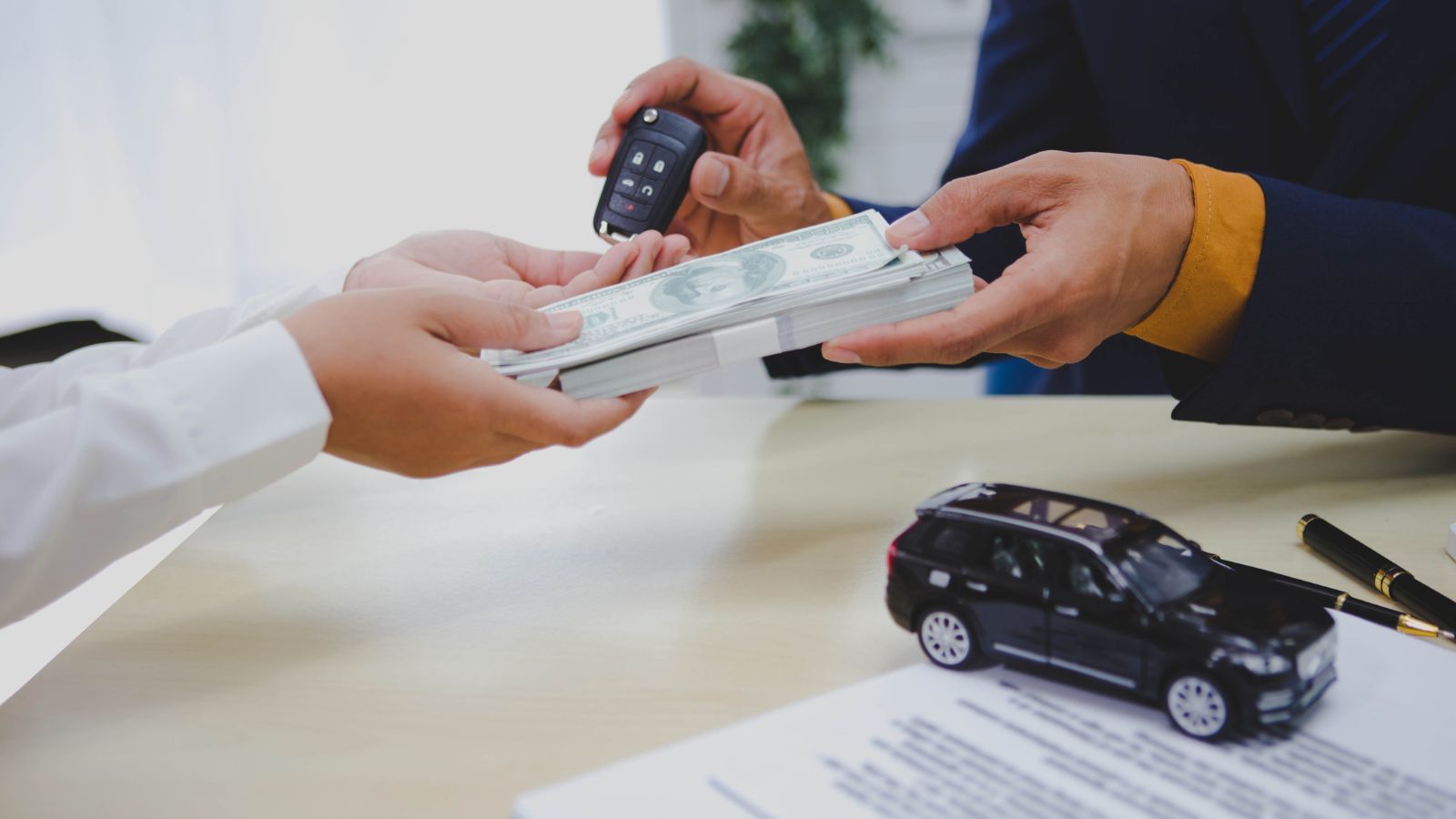
Vehicle values move with the market, and timing can affect trade-in offers. A convertible may draw more interest in spring than late autumn. A truck may hold stronger demand in regions where work use is steady. Used-vehicle prices in Canada also shifted during and after the pandemic years, with supply, interest rates, tariffs, and inventory patterns affecting values. When prices rise or fall quickly, an old estimate can become stale within weeks.
This is where many owners lose money without noticing. They check a value in January, shop casually for two months, and accept a March offer based on outdated expectations. Dealers adjust to market conditions constantly because they watch inventory and wholesale movement. Consumers should do the same on a smaller scale. Before signing, recheck current listings and appraisal tools. If the trade-in is a popular model with low kilometres, waiting or shopping it around could materially change the final deal.
Ignoring the Loan Payoff Amount
A trade-in with an outstanding loan requires more than knowing the approximate balance. The payoff amount can differ from the number shown on a banking app because of interest timing, fees, or payment processing dates. If the dealership uses an estimate, the final paperwork may leave a shortage that has to be handled later. In a rushed purchase, that detail can become an expensive surprise.
Before negotiating, the owner should request a current payoff quote directly from the lender and note how long it remains valid. This is especially important if payments are due soon or the trade-in appointment is near the end of a billing cycle. The dealership may handle the payoff, but the borrower remains responsible for understanding what is owed. A clean trade-in should show the vehicle value, loan payoff, equity or shortfall, and how each amount is treated in the new deal.
Overlooking Liens and Documentation

A lien means a lender or another party has a legal interest in the vehicle. For trade-ins, dealerships usually check liens as part of the process, but the owner should still understand what appears on the vehicle record. A lien that is not cleared properly can complicate ownership transfer, delay the transaction, or create confusion over who is responsible for payment.
Documentation also matters because trade-ins are legal transactions, not just handshake exchanges. Service records, registration, loan details, spare keys, owner’s manuals, and accident or repair documents can support the vehicle’s value and reduce friction. A driver who arrives with a clean folder looks different from one who cannot confirm maintenance or payoff details. The difference may not always add thousands, but it can keep the appraisal from being discounted for uncertainty.
Focusing Only on the Monthly Payment
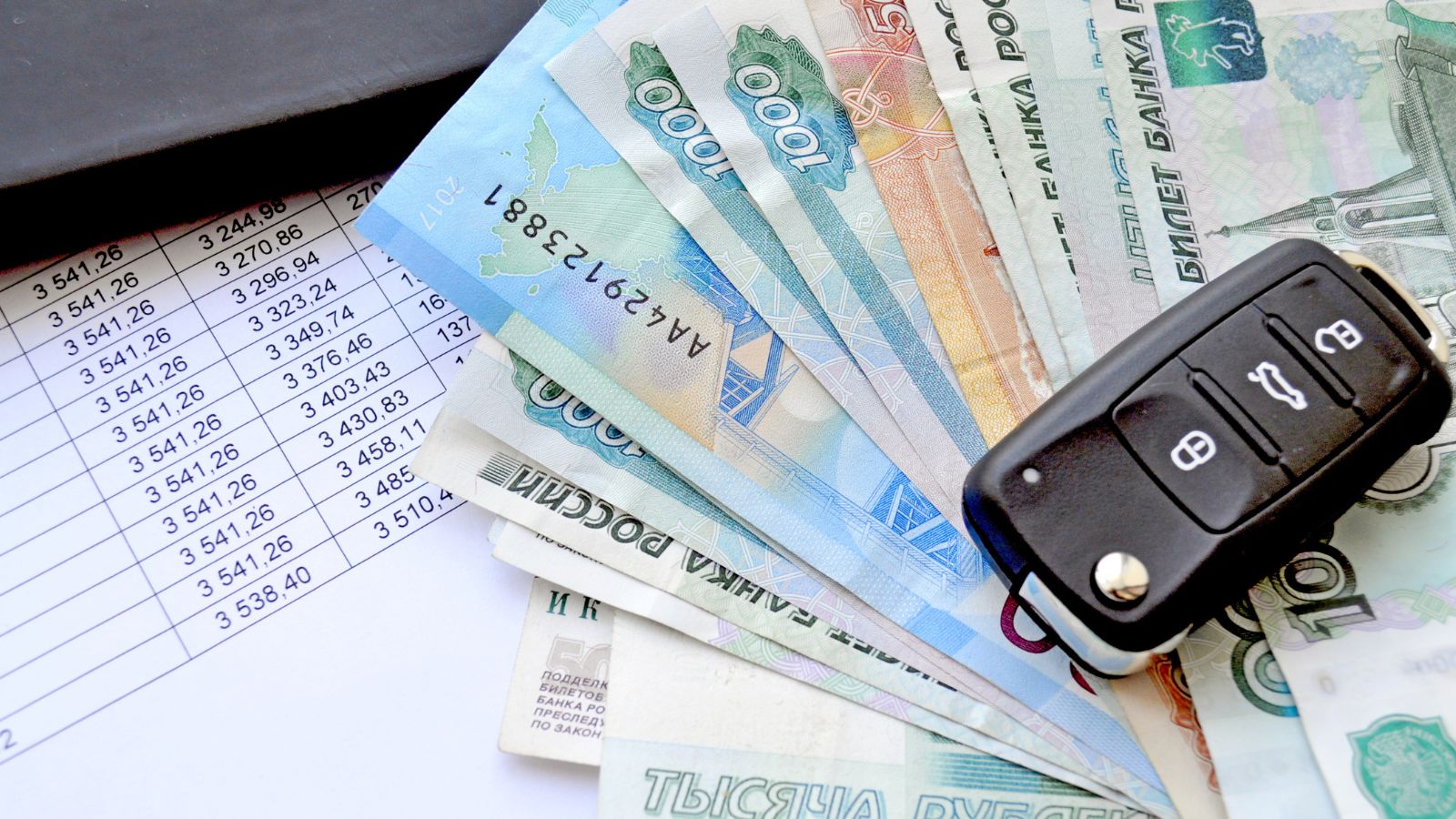
Monthly payments can hide almost every expensive part of a trade-in deal. A lower payment may come from a longer term rather than a better price. A higher trade-in value may be offset by a higher interest rate. Add-ons can be folded into the loan so quietly that the buyer notices only after reading the full contract at home. This is why payment-first shopping is so risky.
The better question is the total cost of borrowing and the final amount financed. Canadian consumer finance guidance emphasizes reading disclosure documents because they show borrowing costs and key terms. A buyer should compare the vehicle price, trade-in allowance, loan payoff, interest rate, term, fees, optional products, and total repayment. A payment that fits today’s budget can still be a weak deal if it keeps the borrower in debt longer than the vehicle remains practical.
Assuming a Dealer Trade-In Is the Only Safe Option

Trading in is convenient, and for many people it is worth accepting a lower amount to avoid private-sale work. The mistake is assuming it is the only practical route. Private sale, instant-cash offers, online retailers, manufacturer loyalty programs, and competing dealerships can all create alternatives. Even if the owner ultimately trades in, outside offers can pressure the dealer to improve the number.
Private selling does require caution. Buyers may ask for test drives, financing arrangements can be more complicated, and lien checks or secure payment methods matter. But the price difference can be meaningful, especially for clean, in-demand vehicles. A family with a well-maintained minivan or compact SUV may find that private buyers value its service history more than a dealer’s wholesale-minded appraisal. The safest approach is not automatically the highest-paying one, but knowing the alternatives prevents a rushed decision.
Signing Before Reading the Trade-In Line Items

The final mistake happens at the end, when fatigue sets in. After test drives, negotiations, insurance calls, financing approvals, and delivery scheduling, the paperwork can feel like a formality. That is exactly when costly details can slip through. The trade-in allowance, lien payoff, negative equity, tax treatment, fees, optional products, and final amount financed should all be visible and understandable before signing.
A careful buyer should ask for a copy of the purchase agreement and finance disclosure before committing. If the numbers do not match the verbal conversation, the written contract controls. A trade-in should never rely on “we talked about that” or “it is included somewhere.” The expensive mistake Canadians make is not trading in a car; it is trading it in without forcing the deal to show its full math. Clarity is what turns convenience into a financially defensible choice.
22 Things Canadians Do to Their Cars in Spring That Mechanics Hate

Spring brings relief to many Canadian drivers after months of snow, freezing temperatures, and icy roads that put serious strain on vehicles. As temperatures rise across the country, drivers begin washing cars, switching tires, and preparing vehicles for warmer weather and upcoming road trips. However, mechanics across Canada notice the same mistakes every spring when drivers attempt to recover from winter damage. Road salt, potholes, and harsh winter driving conditions often leave vehicles with hidden problems that drivers ignore. Some spring habits even create new mechanical issues that could have been avoided with proper maintenance. Here are 22 things Canadians do to their cars in spring that mechanics hate.