


























A great used-car deal can disappear quickly, but so can a deposit sent to the wrong person. Across Canada, car buyers are navigating a market where online listings, private sellers, delivery promises, fake documentation, and rushed payment requests can make a vehicle seem real before anything has been properly verified. Fraud losses in Canada remain significant, and vehicle-related scams often work because they blend urgency with believable details. These 17 car scams show how deposits can become risky when the seller, paperwork, vehicle history, or payment method has not been checked carefully.
Fake Online Listings With Prices That Look Too Good

A suspiciously low price is one of the oldest tricks in car fraud, but it still works because it preys on timing. A buyer scrolling through Facebook Marketplace, Kijiji, AutoTrader, or Craigslist may see a late-model SUV listed thousands below similar vehicles. The photos look clean, the description sounds reasonable, and the seller replies quickly. The catch often appears when the seller asks for a deposit to “hold” the car before anyone else gets it.
Fraudsters know that used-car shoppers often feel pressure when inventory is tight or prices are high. A deposit request may be framed as harmless, especially if it is only a few hundred dollars. In reality, the vehicle may not exist, the photos may be copied from another listing, or the seller may vanish once the transfer clears. A real bargain should still allow time for identity checks, VIN verification, and an in-person inspection before money changes hands.
The “Vehicle Is in Storage” Story
One common warning sign is a seller who says the car is in storage, parked at a shipping yard, or located somewhere buyers cannot easily visit. The explanation may sound sympathetic: a military move, divorce, estate sale, sudden relocation, or job transfer. The seller may claim the vehicle is ready to ship once a deposit is received. That story creates distance, which is exactly what the scam needs.
Legitimate sellers can usually arrange a viewing, inspection, or trusted third-party confirmation. Scammers use storage stories to prevent buyers from seeing the vehicle, checking ownership papers, or confirming the VIN. A Canadian buyer might be told that the car is in another province or already packed for transport. Once the deposit is sent, the delivery never happens. Any seller asking for money before the vehicle can be independently inspected should be treated as a serious risk.
Fake Dealership Impersonation

Some scams borrow the credibility of real dealerships. A fraudster may use the name of an established dealer, copy photos from its website, or pose as a salesperson using a convincing email signature. The buyer is told the dealership requires a deposit to reserve a car, often through an e-transfer, wire, or payment link. The scam feels safer because the business name appears familiar.
This tactic is dangerous because a quick online search may show that the dealership really exists. The missing step is confirming that the person requesting money actually works there and that the vehicle is part of the dealer’s inventory. Buyers should contact the dealership through the phone number on its official website, not through the number in the listing or email. A real dealer should be able to confirm the vehicle, salesperson, deposit policy, and receipt process before any payment is sent.
Curbsiders Posing as Private Sellers

Curbsiders are unlicensed sellers who pose as ordinary private owners. They may flip vehicles for profit while avoiding dealer rules, taxes, disclosures, and accountability. A curbsider might say the car belongs to a cousin, spouse, neighbour, or friend, which gives them room to dodge questions about ownership history. They may also pressure buyers for a fast deposit before the paperwork is fully reviewed.
The risk is not only losing a deposit. Curbsiders may hide collision damage, mechanical problems, odometer issues, unpaid liens, or even stolen status. Because the sale appears private, buyers may have fewer protections than they would with a licensed dealer. A simple example is a seller who has several vehicles listed under different names or phone numbers. That pattern should raise concern. Before sending money, buyers should confirm that the seller’s name matches the registration and that the vehicle’s history supports the story being told.
Stolen Vehicles With Altered VINs

A vehicle can look legitimate and still be stolen. In more sophisticated scams, criminals alter or clone a Vehicle Identification Number so that the number visible on the dashboard, door label, or paperwork appears to match a real vehicle. This can fool casual buyers, especially when the seller provides documents that look official. A deposit request may come before the buyer has time to do deeper checks.
VIN tampering is especially concerning in Canada because auto theft has been tied to organized crime and export networks. A stolen vehicle may later be seized, leaving the buyer without the car and without the money. The safest approach is to compare the VIN in multiple locations, check it against provincial records where available, review a trusted vehicle history report, and avoid relying only on photos. If the seller refuses a professional inspection or rushes payment, the deal should not move forward.
Fake Vehicle History Report Links

Vehicle history reports are useful, but scammers also exploit them. A buyer may ask for proof of accident history, liens, or mileage, and the seller sends a link to a fake report site. In other cases, a scammer pretending to be a buyer tells a seller to buy a report from a specific unfamiliar website. The site may collect credit card details, personal information, or login credentials.
Before sending a deposit, buyers should obtain reports through recognized providers or official provincial channels rather than a link supplied by the other party. A polished website is not proof of legitimacy. Some fake report sites imitate the language of real vehicle-history services and create urgency with phrases such as “required before viewing.” A legitimate seller should not object to a buyer independently checking the VIN. When the report source is controlled by the other side of the deal, the information may be incomplete, false, or designed to harvest payment data.
Unpaid Lien Surprise

A lien means someone else has a financial claim on the vehicle, often because a loan has not been paid off. A private seller may still be driving the vehicle and acting like the sale is simple, but the lender’s interest can follow the car. If a buyer sends a deposit before checking for liens, that money may be tied up in a deal that cannot be safely completed.
This scam can be subtle because the seller may not always admit there is financing outstanding. Some may promise that the deposit will help pay off the loan, but that leaves the buyer exposed if the seller does not follow through. In Ontario, buyers can use a Used Vehicle Information Package, and vehicle history services may also show lien data. A deposit should not be sent until the lien status is checked and the payoff process is documented clearly. Otherwise, the “deal” can become a costly legal and financial mess.
Odometer Rollback Claims
Lower mileage increases a vehicle’s value, which makes odometer manipulation attractive to dishonest sellers. A car advertised as having 78,000 kilometres may actually have travelled far more. The seller may ask for a deposit quickly, claiming there are several interested buyers, before service records or registration history can be compared. The deposit locks the buyer emotionally into the purchase before the numbers are tested.
Odometer concerns are often spotted through inconsistencies rather than one obvious clue. Wear on pedals, seats, steering wheels, tires, and suspension can tell a different story from the dashboard. Service invoices, inspection records, emissions reports where applicable, and vehicle history documents may also reveal mileage jumps or gaps. A real example is a vehicle with “low kilometres” but a driver’s seat that looks heavily worn and no maintenance records. A deposit should wait until the mileage story makes sense from several sources.
Deposit Requests Through Irreversible Payment Methods
Fraudsters often prefer payment methods that are fast, difficult to reverse, or hard to trace. E-transfers, wire transfers, cryptocurrency, prepaid cards, and gift cards can all be used to separate a buyer from money before the vehicle is verified. The seller may say the deposit is refundable, but that promise means little if the person disappears or used a false identity.
A safer payment process creates a record and connects the money to a verified business or person. Even then, buyers should understand that some transfers may not offer meaningful protection once accepted. A scammer might also send a fake confirmation, fake receipt, or fake escrow instruction to make the process look formal. Deposits should be small, documented in writing, tied to a specific VIN, and paid only after the seller’s identity and ownership are confirmed. Any request for gift cards or cryptocurrency should end the conversation immediately.
Fake Escrow or Shipping Company Guarantees
Escrow sounds reassuring because it suggests that money will be held safely until delivery. Scammers use that trust by creating fake escrow pages, fake transport invoices, or fake marketplace protection programs. The buyer is told to send a deposit to a third party, then the car will be shipped. The website may include logos, tracking numbers, and customer service contacts that appear professional.
The problem is that the “third party” is often controlled by the scammer. Real escrow services and vehicle transport companies do not usually appear out of nowhere through a seller’s private link. A Canadian buyer might be told that the vehicle is in another province and protected by a shipping guarantee, but the car never arrives. Before trusting any escrow arrangement, buyers should independently verify the company, call published numbers, check business registration where possible, and confirm that the service actually handles consumer vehicle transactions.
Pressure to Pay Before a Test Drive

A seller who demands a deposit before a test drive may be trying to control the process. They might claim the vehicle is in high demand, that too many people have wasted their time, or that insurance requires a deposit before anyone can drive it. While sellers have a right to protect themselves, a non-refundable payment before basic verification is a red flag.
A legitimate seller can set reasonable boundaries without forcing money first. For example, meeting at a public place, checking a driver’s licence, riding along during the test drive, or meeting at a mechanic are normal precautions. A scammer may avoid all of that because there is no vehicle to test or because the vehicle has problems that would be obvious on the road. Buyers should not send a deposit just to earn the right to inspect what is being sold. Seeing, driving, and verifying the car comes first.
“Refundable Deposit” With No Written Terms

The word “refundable” can make a deposit feel low-risk. The danger is that many deposit disputes begin with vague promises. A seller may say the money will be returned if financing falls through, if an inspection fails, or if the buyer changes their mind. Later, the seller may claim the deposit was non-refundable, used to hold the vehicle, or meant to compensate them for other missed buyers.
A proper deposit agreement should identify the buyer, seller, vehicle, VIN, amount paid, refund conditions, deadline, payment method, and what happens if the inspection finds problems. Without those details, the buyer may have little more than a text message and hope. At licensed dealerships, deposit rules and consumer protections vary by province, and there may be complaint processes. With private sellers, recovery can be far harder. No deposit should be sent unless the refund terms are written clearly and the seller’s identity has been confirmed.
Hidden Dealer Fees After the Deposit

Not every deposit problem comes from a fake seller. Some buyers run into a different trap: the advertised price looks attractive, the deposit is paid, and then mandatory fees appear later. The buyer may see administration fees, certification fees, protection packages, etching fees, or other charges that were not included upfront. At that point, walking away may mean arguing about the deposit.
Canadian competition rules treat unattainable advertised prices and hidden mandatory charges seriously. The principle is simple: the price shown should not be artificially low because required fees are revealed only later, except for genuine government-imposed charges such as tax. Buyers should ask for an all-in written price before paying anything. If the seller cannot provide a full breakdown or says the deposit must come first, that is a warning sign. A clear deposit receipt should state whether it applies to the total price already disclosed.
Fake Safety Certification Promises

A seller may promise that the vehicle “will pass safety” or that certification is included after the deposit is paid. The buyer sends money believing the car is nearly road-ready. Later, the inspection reveals brake, tire, suspension, rust, lighting, or structural problems. The seller then refuses to fix them or says the deposit is not refundable because the buyer backed out.
This scam works because safety standards sound simple, but inspection rules and documentation vary by province. A verbal promise is not enough. Buyers should know exactly what certification means in the province where the vehicle will be registered, who will perform the inspection, and whether the certificate is already issued or only promised. A vehicle advertised “as is” deserves special caution. If the car cannot be independently inspected before a deposit, the buyer may end up paying to discover problems that should have been disclosed earlier.
Title Washing and Rebuilt Status Confusion

A vehicle with serious damage history may be worth far less than a clean-title vehicle. Dishonest sellers sometimes rely on confusion around rebuilt, salvage, out-of-province, or branded status. They may advertise a vehicle as “clean” while paperwork tells a more complicated story. The deposit request often arrives before the buyer has reviewed registration documents, insurance history, or provincial branding records.
The danger is not only resale value. A badly repaired vehicle can have hidden structural, electrical, or safety issues. Buyers should be cautious with vehicles recently imported from another province or country, especially when the seller cannot explain gaps in records. A rebuilt vehicle is not automatically a bad purchase, but it should be priced, inspected, and disclosed honestly. Before sending a deposit, buyers should check the registration status, compare it with a vehicle history report, and have the vehicle inspected by someone not connected to the seller.
Phishing Disguised as Payment Confirmation
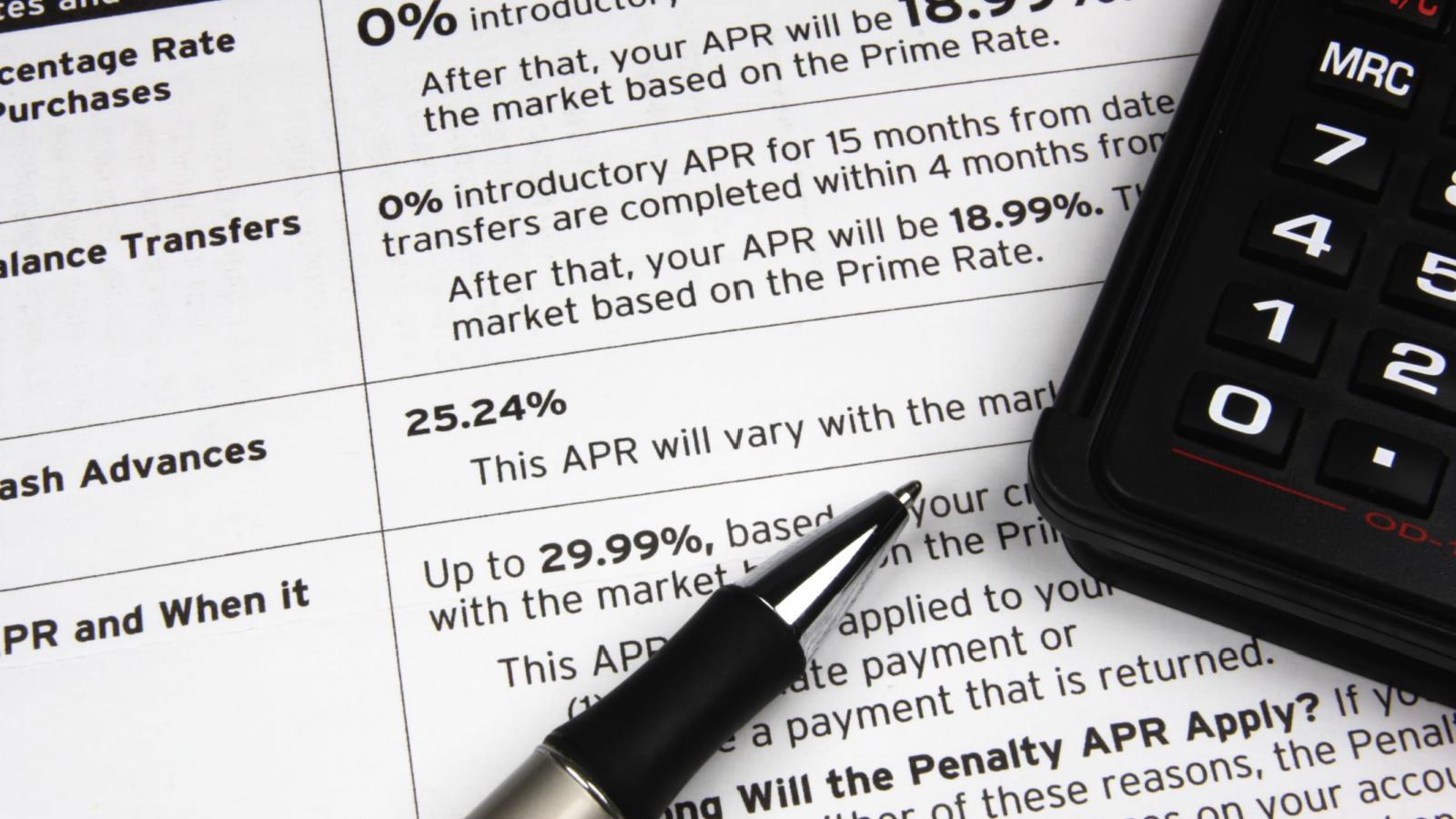
Some scams do not start with the vehicle itself but with the payment process. A buyer may receive a fake e-transfer notice, payment portal, bank login page, or verification request. The message may look like it comes from a known bank or payment provider and ask the buyer to sign in, accept terms, or enter a security code. Instead of securing the deposit, the buyer may be handing over banking credentials.
This is especially risky when the seller sends links by text or email and insists they must be used immediately. Fraudsters can spoof names, logos, and message formats well enough to fool people in a hurry. A safer habit is to open banking apps or websites directly, not through links in a seller’s message. Multi-factor authentication codes should never be shared. If the payment process feels more complicated than a normal transaction, buyers should pause and verify through their financial institution before clicking.
Fake Identity and Stolen ID Sellers
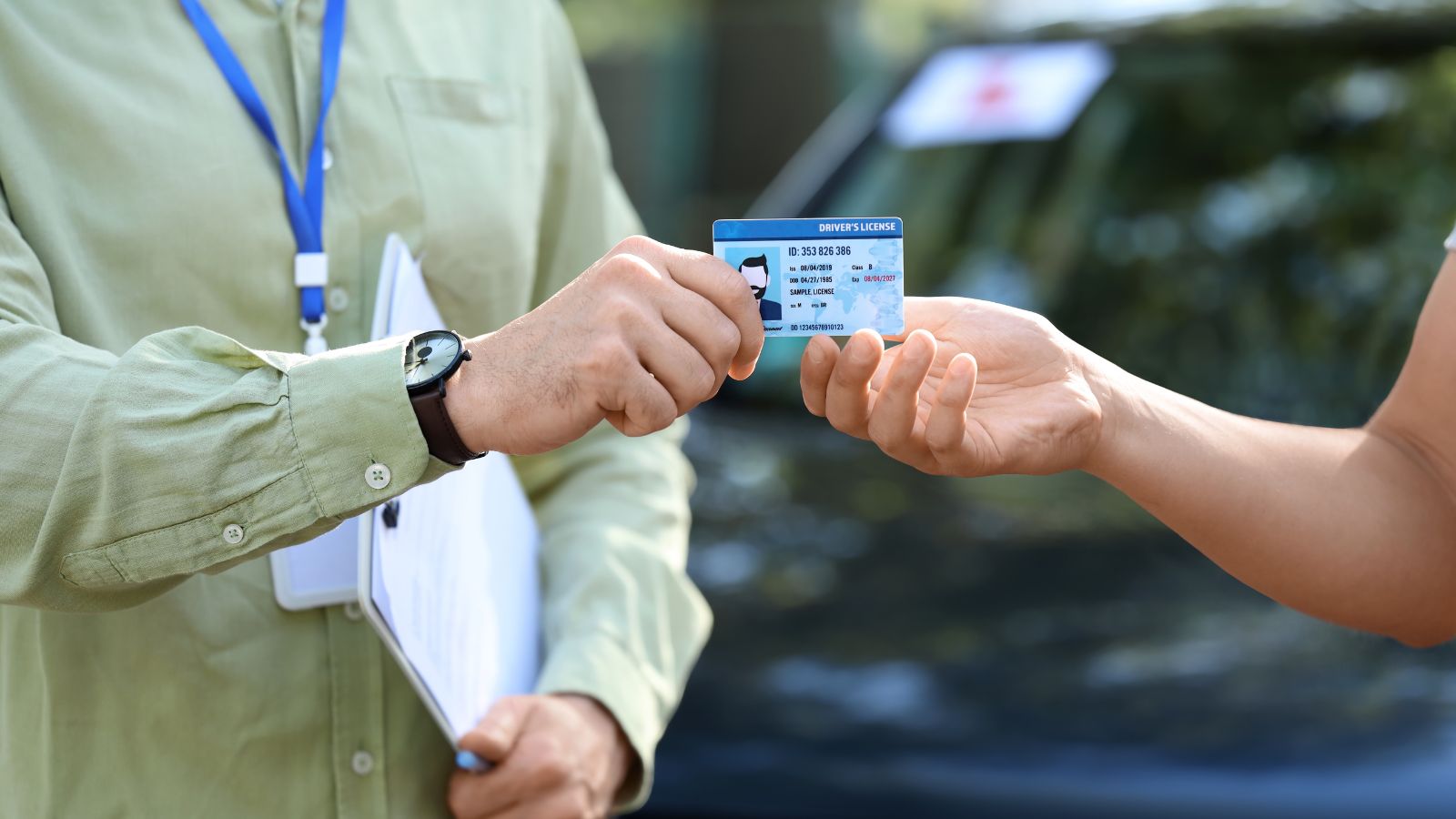
A scammer may provide a driver’s licence photo, ownership document, or business card to appear legitimate. That does not always prove identity. Stolen or altered identification can be used to convince buyers that a seller is real, especially when deposits are requested remotely. A fraudster may even match the name on the paperwork by using someone else’s documents.
Identity checks should be practical and respectful, but they should not be skipped. The seller’s name should match the vehicle registration, and the person accepting the deposit should be the person legally able to sell the car. Meeting at a licensing office, dealership, bank, mechanic, or police-recommended safe exchange zone can reduce risk. Buyers should be especially cautious when a seller says they are handling the sale for someone else but cannot produce clear authorization. A copied ID is not the same as a verified seller.
22 Things Canadians Do to Their Cars in Spring That Mechanics Hate
Spring brings relief to many Canadian drivers after months of snow, freezing temperatures, and icy roads that put serious strain on vehicles. As temperatures rise across the country, drivers begin washing cars, switching tires, and preparing vehicles for warmer weather and upcoming road trips. However, mechanics across Canada notice the same mistakes every spring when drivers attempt to recover from winter damage. Road salt, potholes, and harsh winter driving conditions often leave vehicles with hidden problems that drivers ignore. Some spring habits even create new mechanical issues that could have been avoided with proper maintenance. Here are 22 things Canadians do to their cars in spring that mechanics hate.