






















Pickup trucks once carried a simple promise: rugged usefulness at a price that made sense for workers, families, rural households, and weekend haulers. That promise has become harder to recognize as full-size trucks move deeper into luxury-vehicle territory, with bigger screens, premium cabins, complex drivetrains, and monthly payments that resemble mortgages in some households.
The pressure is not coming from one place. It is the combined effect of higher sticker prices, expensive financing, richer trims, fuel costs, insurance, repairs, taxes, and the growing gap between what trucks can do and what many daily drivers actually need. These 12 forces explain why pickup ownership is becoming a tougher financial stretch for ordinary drivers.
Trucks Have Moved Into Luxury Price Territory
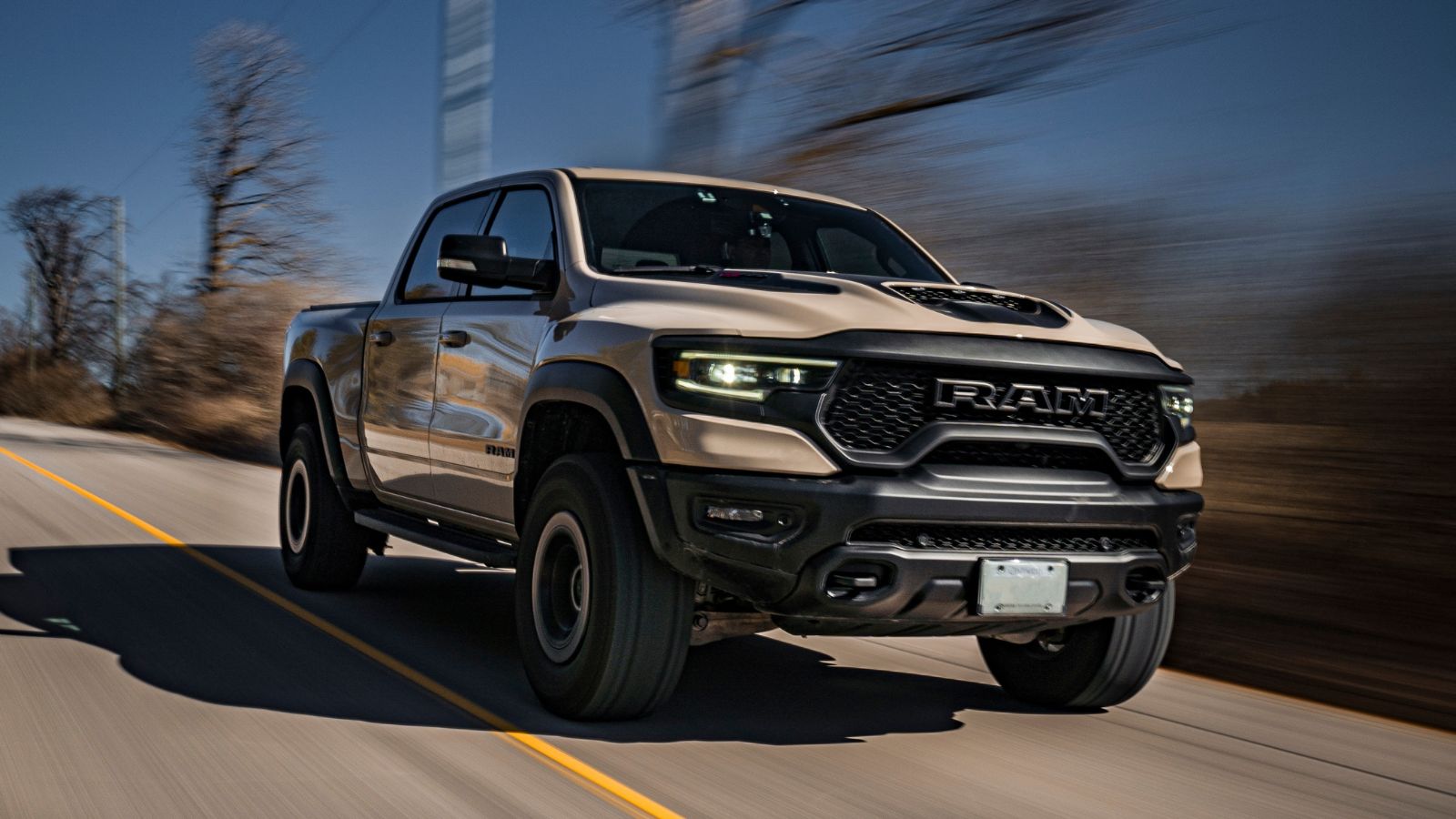
The modern full-size pickup is no longer just a steel-bed workhorse with vinyl seats and crank windows. Many models now offer leather interiors, massive touchscreens, hands-free driving systems, premium audio, panoramic roofs, and suspension setups designed as much for comfort as capability. Those features make trucks more pleasant to live with, but they also move prices far beyond what many buyers used to associate with practical transportation.
This shift has changed the psychology of truck shopping. A buyer who arrives expecting a basic hauler may find that the most visible models on dealer lots are crew-cab, four-wheel-drive versions with expensive appearance packages. The truck still looks familiar from the outside, but the price tag can resemble a luxury SUV. For households that need a pickup only occasionally, that difference can turn a useful tool into a long-term financial burden.
Base Models Are Harder to Find in Real Life
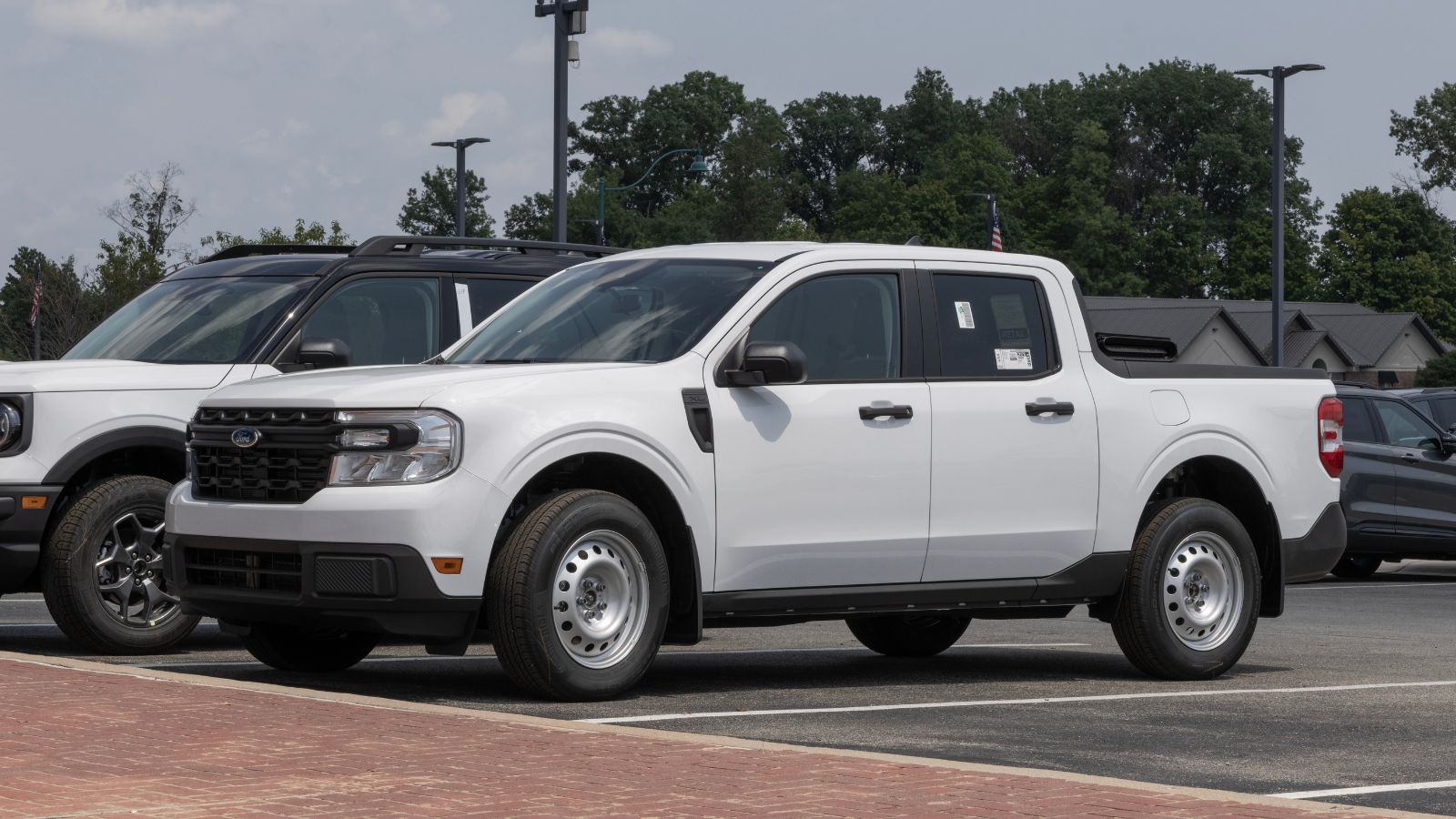
Automakers still advertise lower starting prices, and basic work-oriented trims technically remain available. The problem is that many shoppers rarely encounter those versions in the exact configuration they want. Dealers often stock higher-margin trims because those models appeal to a broader mix of retail buyers and generate more revenue per sale. A stripped-down regular-cab truck may exist on paper, but a crew-cab model with popular equipment is what many families actually see.
This matters because advertised starting prices can create a misleading impression. A buyer may compare trucks by the lowest published MSRP, then discover that adding four-wheel drive, a larger cab, towing equipment, safety technology, or comfort features quickly changes the math. The result is a market where “starting at” prices feel disconnected from the trucks ordinary drivers are most likely to buy.
Monthly Payments Are Stretching Household Budgets

The purchase price is only one part of the affordability problem. Financing has become a major reason pickups feel out of reach. When a truck costs well above the average new vehicle, even a reasonable down payment may leave a large amount to finance. Higher interest rates make that balance more expensive, and longer loan terms can hide the true cost by spreading payments across six, seven, or even eight years.
For many buyers, the danger is not simply a high payment; it is reduced flexibility. A truck payment that once seemed manageable can become stressful when insurance, groceries, rent, repairs, or childcare rise at the same time. Long loans also increase the risk of owing more than the vehicle is worth if life changes and the truck has to be sold early.
Luxury Trims Have Redefined What a Pickup Is Supposed to Be
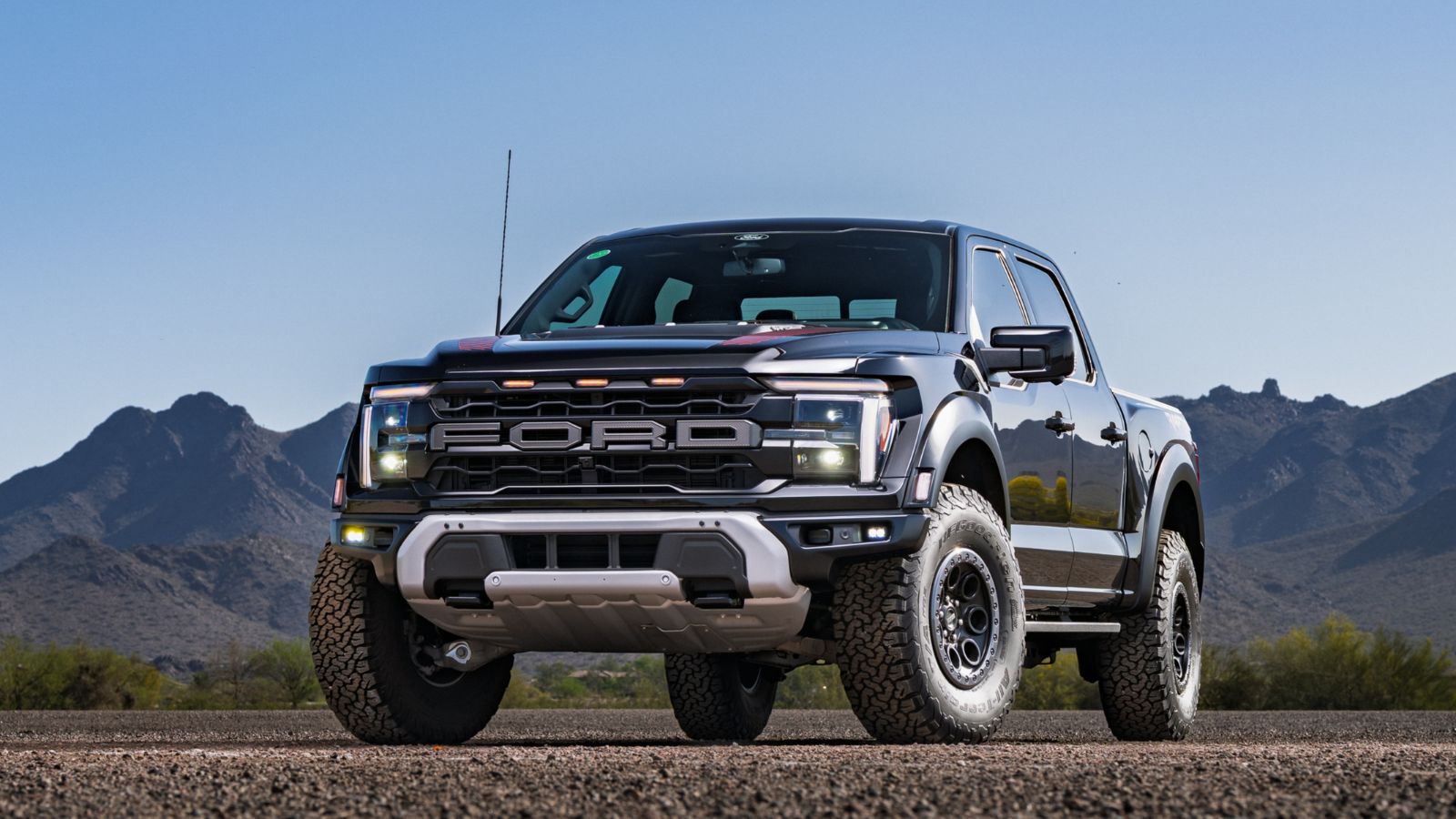
The pickup market has been reshaped by trims that compete on comfort, design, and status. Names such as Denali, King Ranch, High Country, Platinum, Capstone, and Tungsten signal that trucks are not only being sold as tools. They are also being marketed as premium lifestyle vehicles. That repositioning has raised expectations across the entire segment, even for buyers who do not need quilted leather or high-end sound systems.
The trickle-down effect is powerful. Once luxury cabins, giant displays, advanced cameras, and upscale materials become common in top trims, midlevel trims start to feel plain by comparison. Buyers may stretch to a higher trim because it feels like the “normal” version, not the extravagant one. In that way, the top end pulls the middle upward, making ordinary truck ownership more expensive even for people trying to stay practical.
Bigger Trucks Bring Bigger Fuel Bills
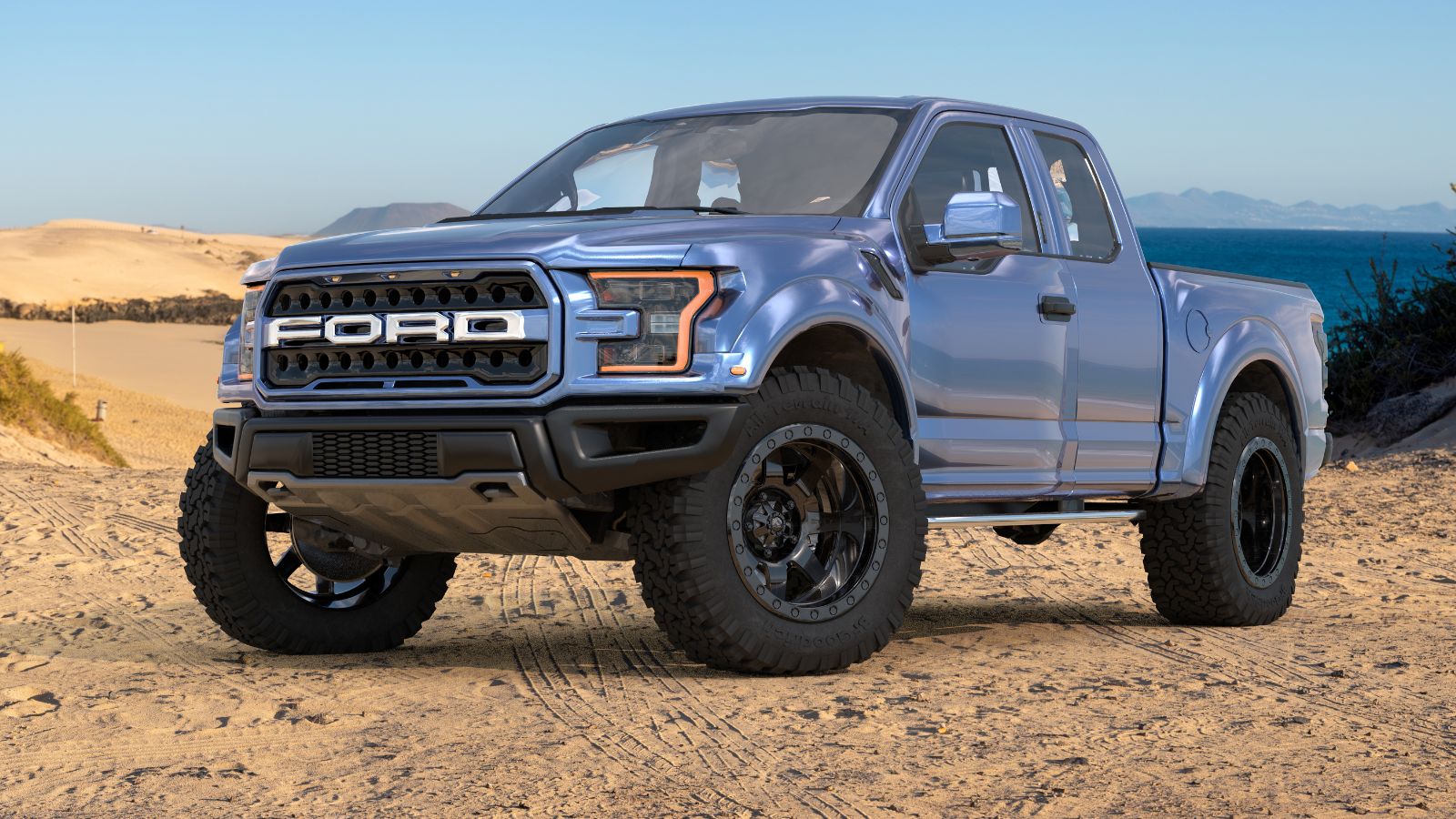
Pickup fuel economy has improved over decades, but size, weight, aerodynamics, towing capability, and four-wheel-drive systems still make many trucks costly to fuel. A commuter who drives mostly empty miles may pay for capability that is rarely used. The cost becomes more noticeable when a truck replaces a sedan, compact SUV, or older paid-off vehicle with lower fuel needs.
Fuel costs also vary in a way monthly payments do not. A household can plan around a fixed loan payment, but gasoline prices move with seasons, regional markets, and global supply pressures. A large tank can make each fill-up feel especially painful, even when the per-gallon price is not at a record high. For drivers covering long distances, the fuel penalty becomes one of the most persistent ownership costs.
Insurance Premiums Are Climbing With Repair Costs

Insurance has become another pressure point for truck owners. Modern pickups are packed with sensors, cameras, radar units, LED lighting, aluminum panels, advanced bumpers, and electronic driver-assistance systems. These features can improve convenience and safety, but they also make crash repairs more expensive. A minor front-end hit that once involved a bumper and grille may now involve calibration, wiring, cameras, and specialized labor.
The insurance bill also reflects vehicle value. A more expensive truck costs more to replace after a total loss, and insurers price that risk into premiums. Drivers may focus on the monthly loan payment at the dealership, then feel surprised when the insurance quote arrives. For younger drivers, urban households, or anyone with a recent claim, the added premium can be enough to change the affordability calculation entirely.
Repair and Maintenance Costs Are Less Basic Than They Used to Be
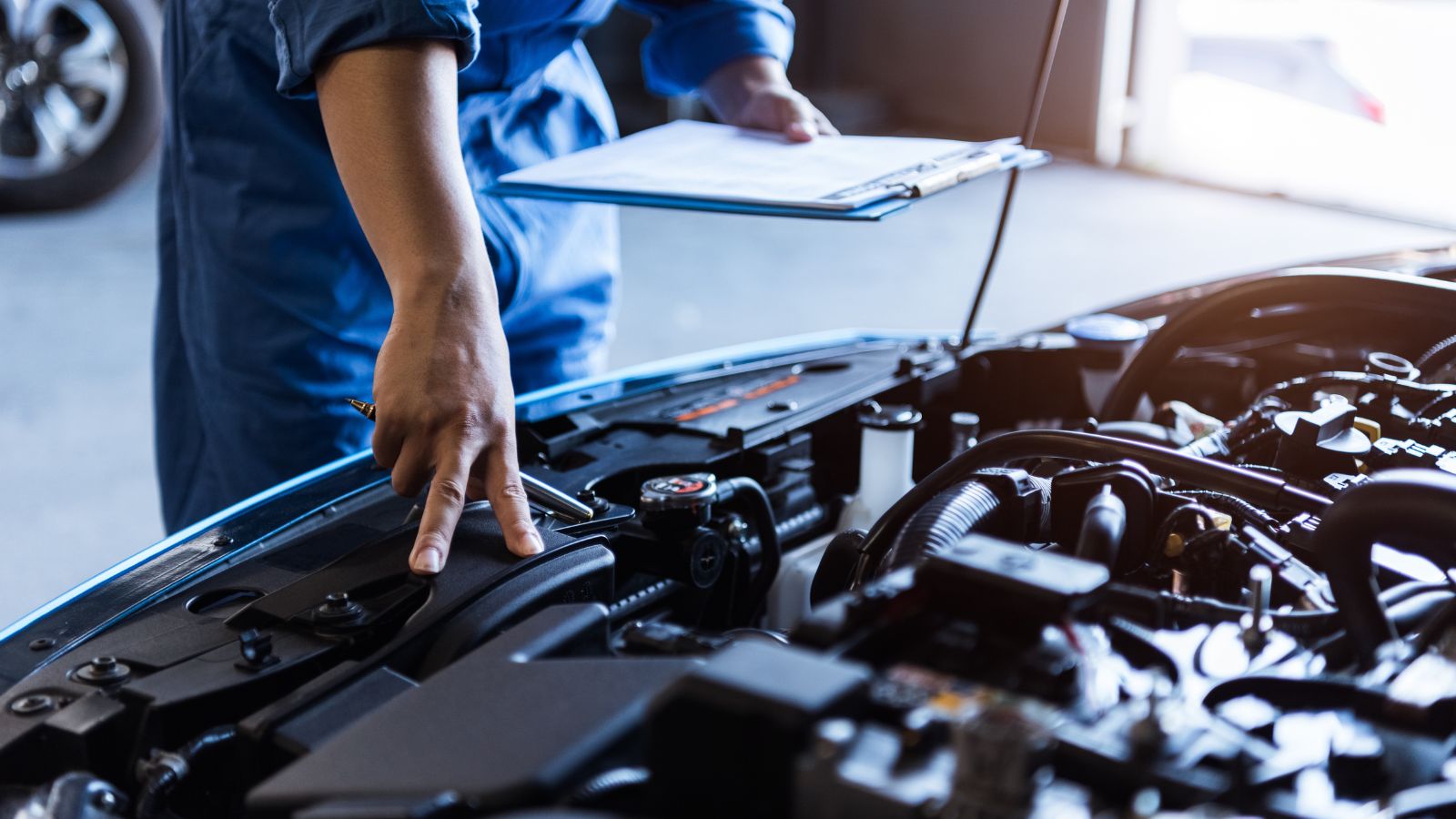
Older pickups had a reputation for straightforward durability. Many were simple enough that owners could handle basic maintenance themselves or use independent repair shops without much trouble. Newer trucks are different. Turbocharged engines, hybrid systems, diesel emissions equipment, adaptive suspensions, electronic tailgates, digital dashboards, and complex towing technology all add layers of cost when something goes wrong.
Even routine maintenance can feel heavier. Larger tires cost more to replace, heavy-duty brakes can be pricier, and specialized fluids or service procedures may raise shop bills. A contractor using the truck daily may justify those expenses as part of doing business. An ordinary driver who mainly commutes, shops, and takes occasional road trips may find the ownership costs harder to defend.
Capability Has Outpaced Everyday Need
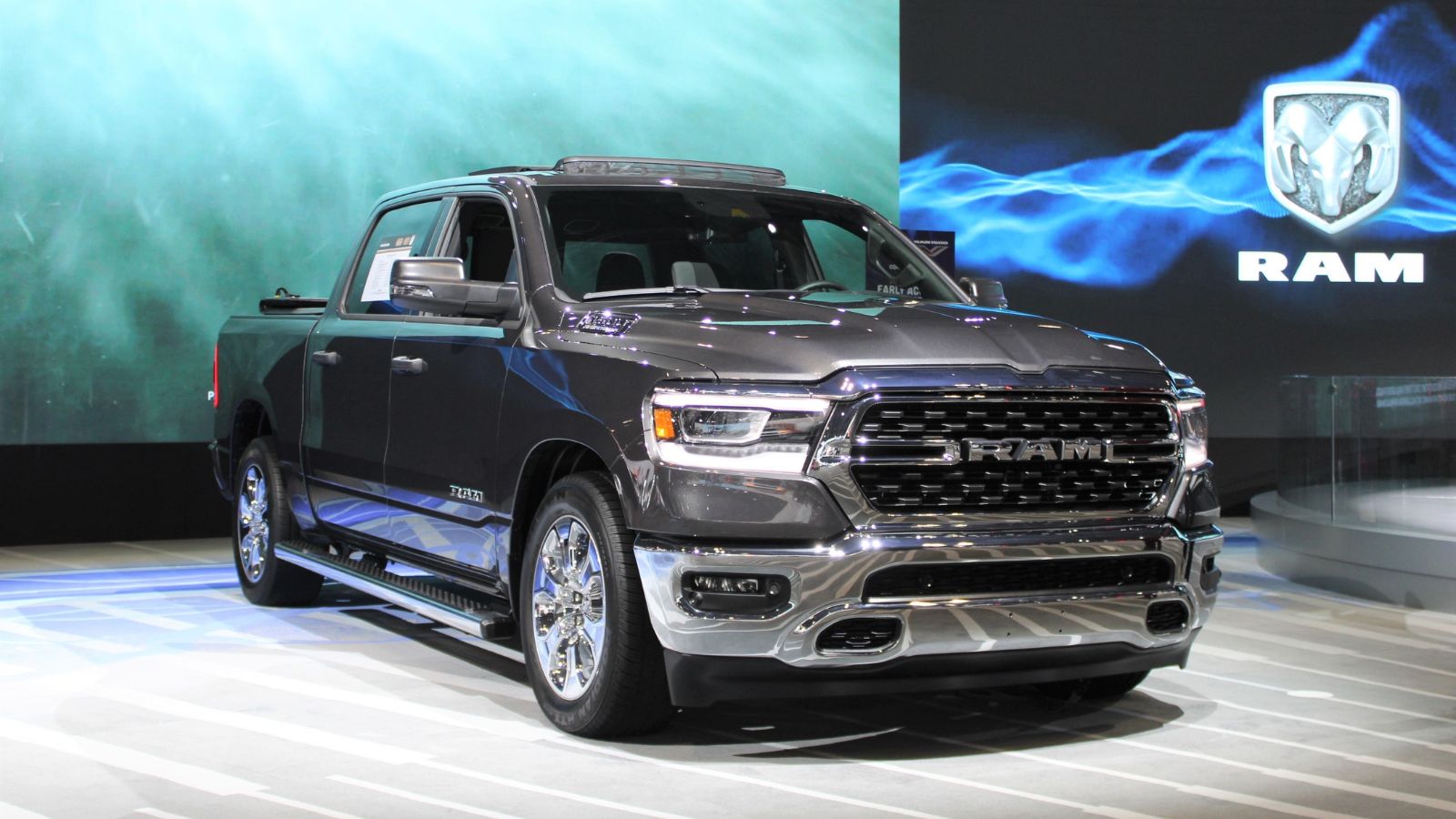
Today’s pickups can tow impressive loads, haul heavy payloads, power tools, crawl off-road, and serve as mobile offices. Those abilities are valuable for people who genuinely use them. The issue is that many retail buyers purchase far more capability than their daily lives require. A truck that can tow a large trailer may spend most of its time carrying one person, a backpack, and groceries.
Overbuying capability is easy because truck marketing emphasizes maximum figures. Towing numbers, payload ratings, off-road packages, and engine outputs create a sense that more is always better. But every extra layer of capability can bring added purchase cost, fuel use, tire wear, maintenance, and insurance exposure. For ordinary drivers, the expensive question is not whether a truck can do more. It is whether that extra ability gets used often enough to justify the bill.
Used Pickups Are No Longer the Cheap Escape
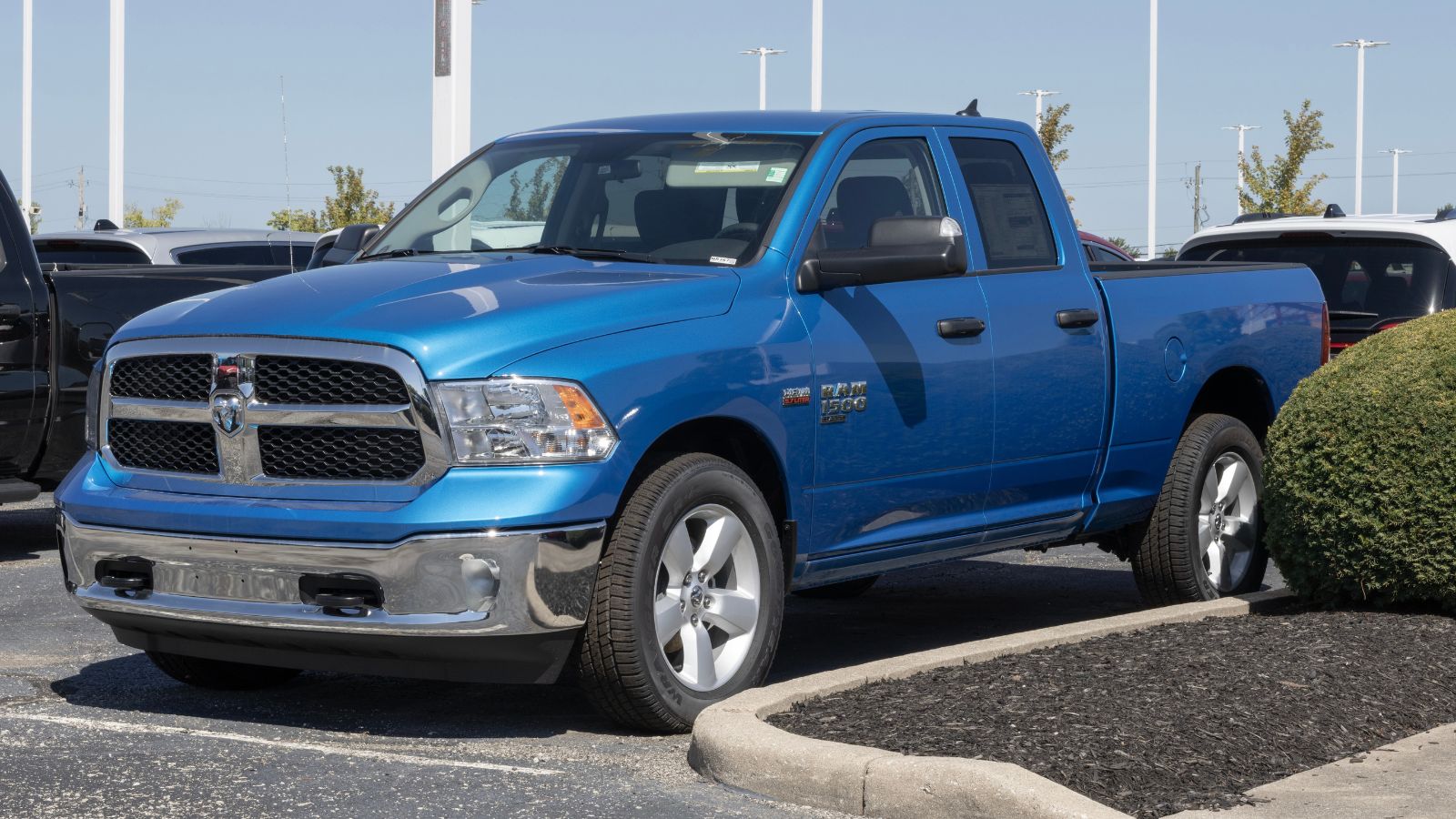
Buying used once offered a clear path around high new-truck prices. That path has narrowed. Late-model used pickups often remain expensive because new-truck prices are high, demand is strong, and many buyers still want trucks even when budgets tighten. A three- or four-year-old model can carry enough value that the monthly payment does not fall as much as expected, especially when used-vehicle loan rates are higher than new-vehicle rates.
There is also a risk tradeoff. A used truck may save money upfront but arrive closer to major maintenance milestones, especially if it has been used for towing, hauling, plowing, or jobsite work. Shoppers have to examine service records, accident history, tire condition, suspension wear, and signs of heavy use. The cheaper truck may not stay cheap if repairs arrive soon after purchase.
Electric and Hybrid Trucks Add New Affordability Questions
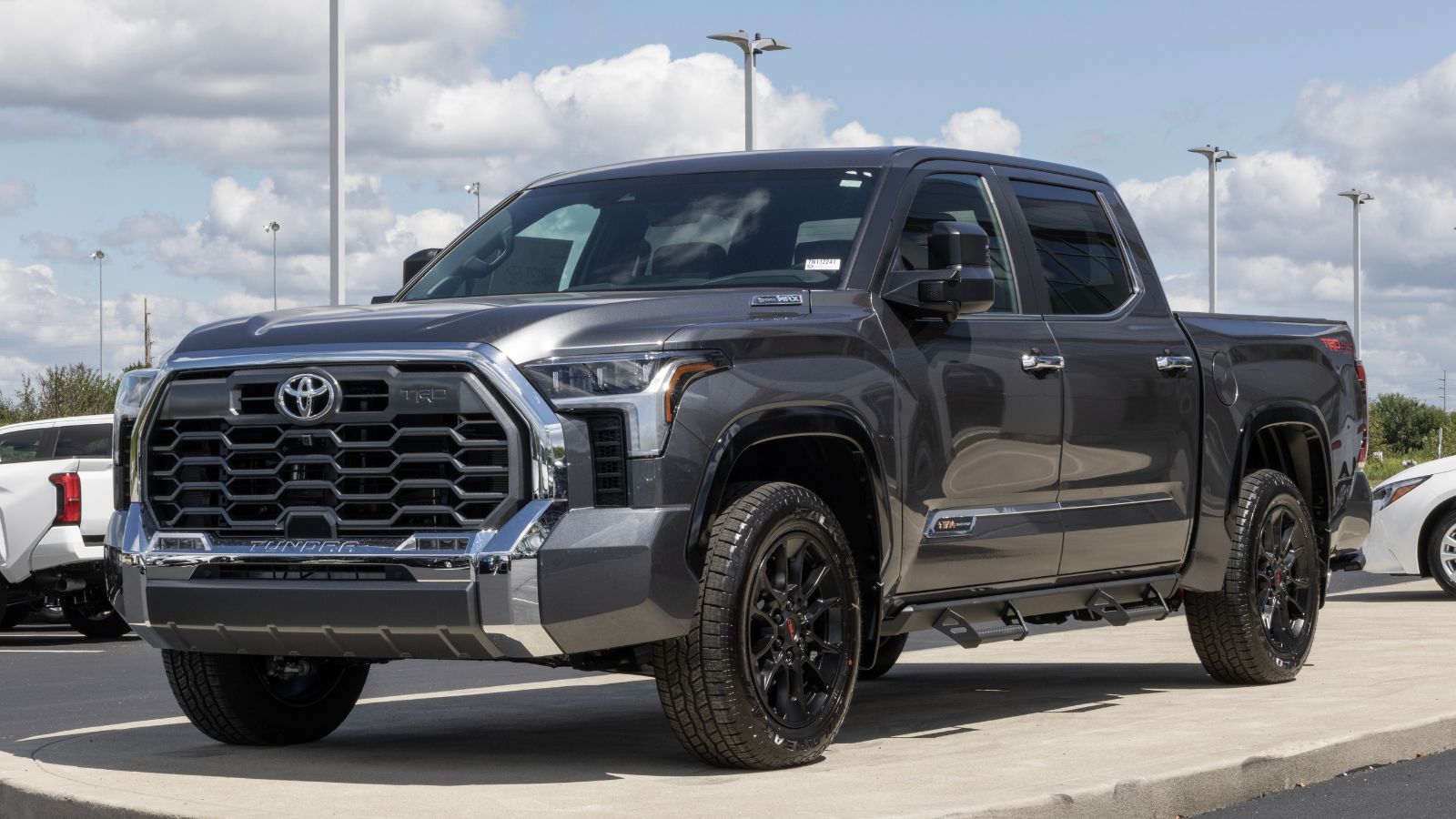
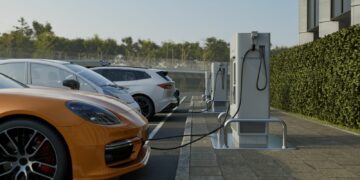
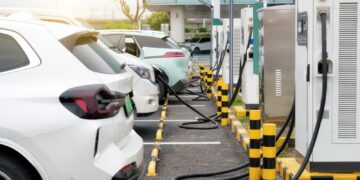
Electrified pickups promise lower fuel costs, strong torque, and impressive technology, but they have not automatically solved affordability. Battery-electric trucks often carry high sticker prices, and real-world range can fall sharply when towing, driving in cold weather, or traveling at highway speeds. For drivers without convenient home charging, the ownership experience can be more complicated than the marketing suggests.
Hybrid trucks may be a more practical middle ground for some buyers, but they still add complexity and can cost more than comparable gasoline models. The value depends heavily on driving habits, fuel prices, available incentives, and how long the owner keeps the vehicle. For ordinary drivers, the challenge is separating genuine savings from expensive technology that may not pay back quickly.
Fees, Taxes, and Add-Ons Inflate the Final Price

The number on the windshield is rarely the final number. Sales tax, registration, documentation fees, destination charges, dealer-installed accessories, extended warranties, protection packages, bed liners, tonneau covers, running boards, and upgraded tires can add thousands of dollars before financing even begins. Because pickups invite customization, the add-on culture around them is especially strong.
Some accessories are useful, particularly for drivers who tow, haul, or work in harsh weather. Others are more about appearance or dealer profit. The problem is that add-ons often get folded into the loan, where they feel smaller than they really are. A few thousand dollars in extras may appear as only a modest bump in the monthly payment, but interest turns those extras into a more expensive decision over time.
Automakers Have Strong Incentives to Keep Trucks Expensive
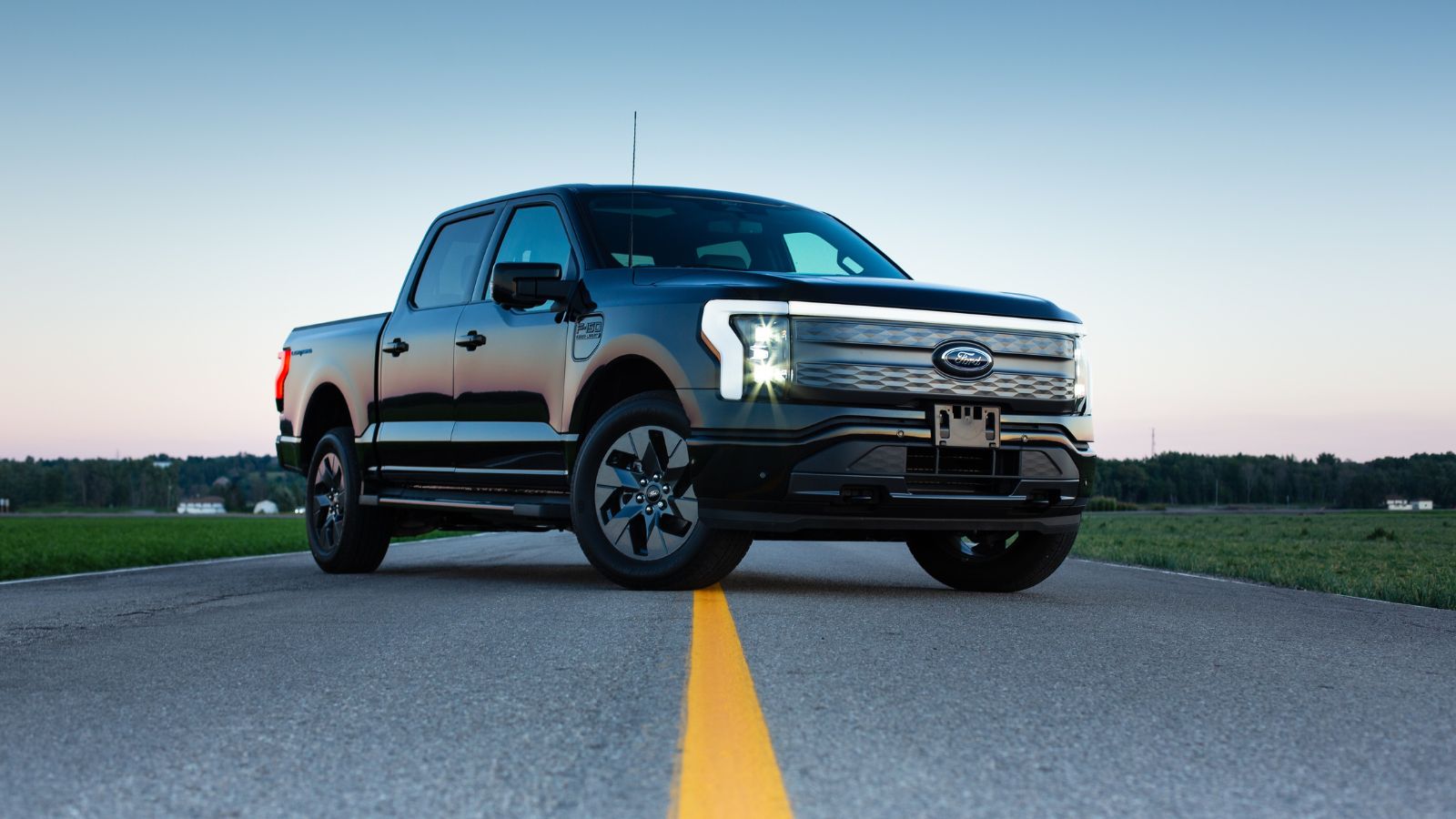
Pickup trucks are central to the business model of several major automakers, especially in North America. Full-size trucks sell in large volumes and often carry higher margins than smaller cars. That gives manufacturers a powerful reason to keep improving, upselling, and expanding the segment rather than returning it to a bare-bones affordability race.
This does not mean companies are ignoring budget buyers entirely. Work trims still exist, incentives appear, and competition remains intense. But the market’s center of gravity has shifted. Automakers can make more money selling loaded trucks to affluent households, businesses, and loyal truck buyers than by chasing the lowest possible price. Ordinary drivers are left navigating a market built increasingly around buyers with stronger incomes, business deductions, or a willingness to finance for longer.
22 Things Canadians Do to Their Cars in Spring That Mechanics Hate
Spring brings relief to many Canadian drivers after months of snow, freezing temperatures, and icy roads that put serious strain on vehicles. As temperatures rise across the country, drivers begin washing cars, switching tires, and preparing vehicles for warmer weather and upcoming road trips. However, mechanics across Canada notice the same mistakes every spring when drivers attempt to recover from winter damage. Road salt, potholes, and harsh winter driving conditions often leave vehicles with hidden problems that drivers ignore. Some spring habits even create new mechanical issues that could have been avoided with proper maintenance. Here are 22 things Canadians do to their cars in spring that mechanics hate.