






















Canadians often shop for vehicles with one hopeful calculation in mind: lower payments, lower fuel bills, and fewer surprises. Yet a vehicle that looks cheap on the lot or promises impressive efficiency can still become expensive once depreciation, insurance, repairs, winter driving, financing, and resale value enter the picture. Across Canada, where long commutes, harsh weather, high parts costs, and regional insurance differences can reshape a budget quickly, “saving money” is rarely as simple as choosing the smallest price tag or the lowest fuel rating. These 18 vehicles and vehicle types often attracted cost-conscious buyers, but many owners discovered that the real math was more complicated.
Mitsubishi Mirage
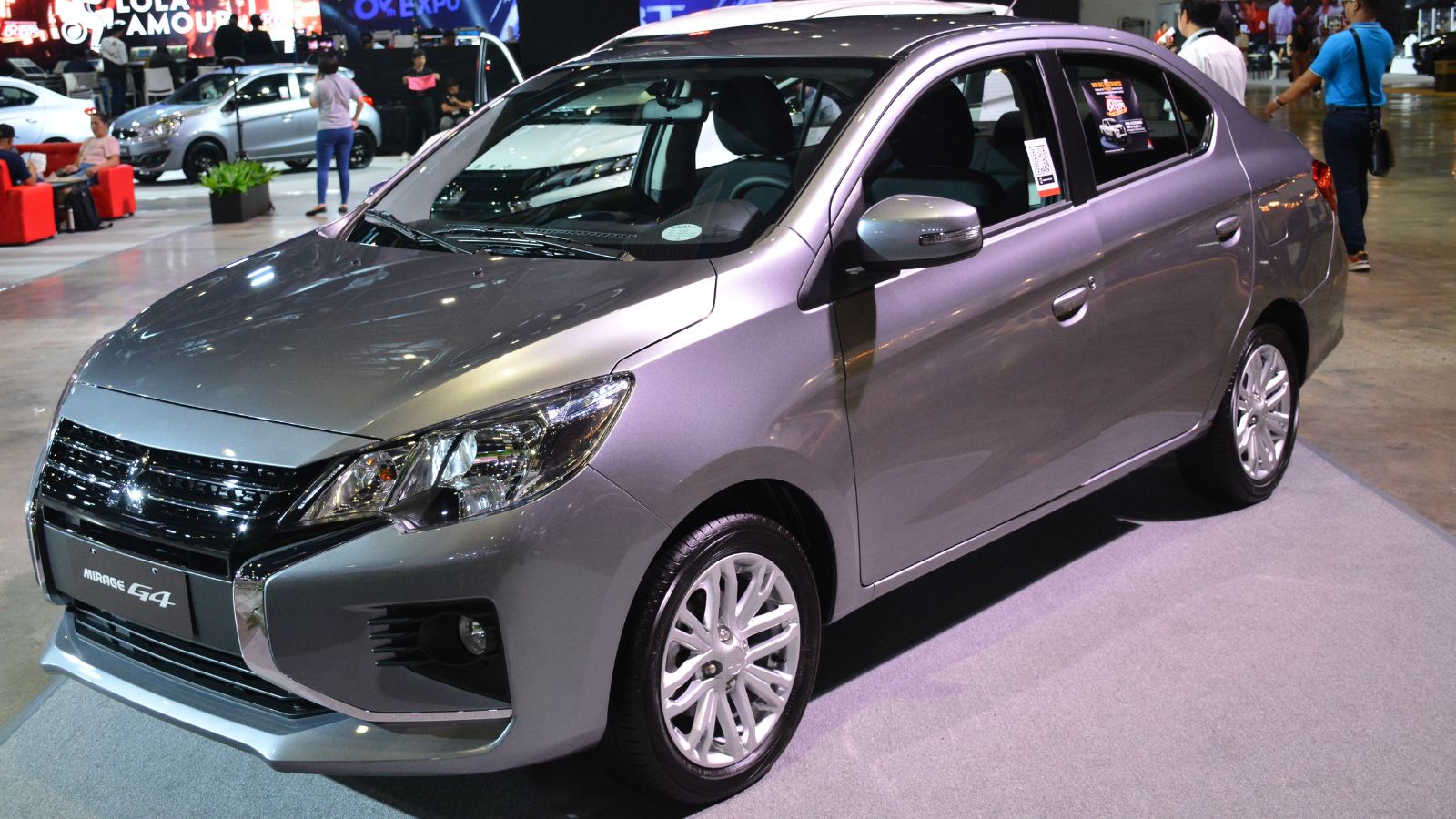
The Mitsubishi Mirage built much of its reputation on being one of Canada’s cheapest new cars and one of the most fuel-efficient gas-only models. Its small three-cylinder engine, low purchase price, and long warranty made it look like a tidy solution for drivers who wanted to avoid both SUV prices and hybrid complexity. For commuters doing mostly city driving, the promise was easy to understand: spend less up front, visit the gas station less often, and keep payments manageable.
The problem was that savings did not always survive the full ownership cycle. The Mirage’s modest power, basic cabin, and small size made it less appealing on the used market, which could hurt resale value. Highway-heavy drivers also found that a low-output engine working hard in winter, wind, or loaded conditions did not always feel as frugal as the brochure suggested. A cheap car can still feel costly when depreciation, noise, comfort compromises, and trade-in value are added to the calculation.
Nissan Versa
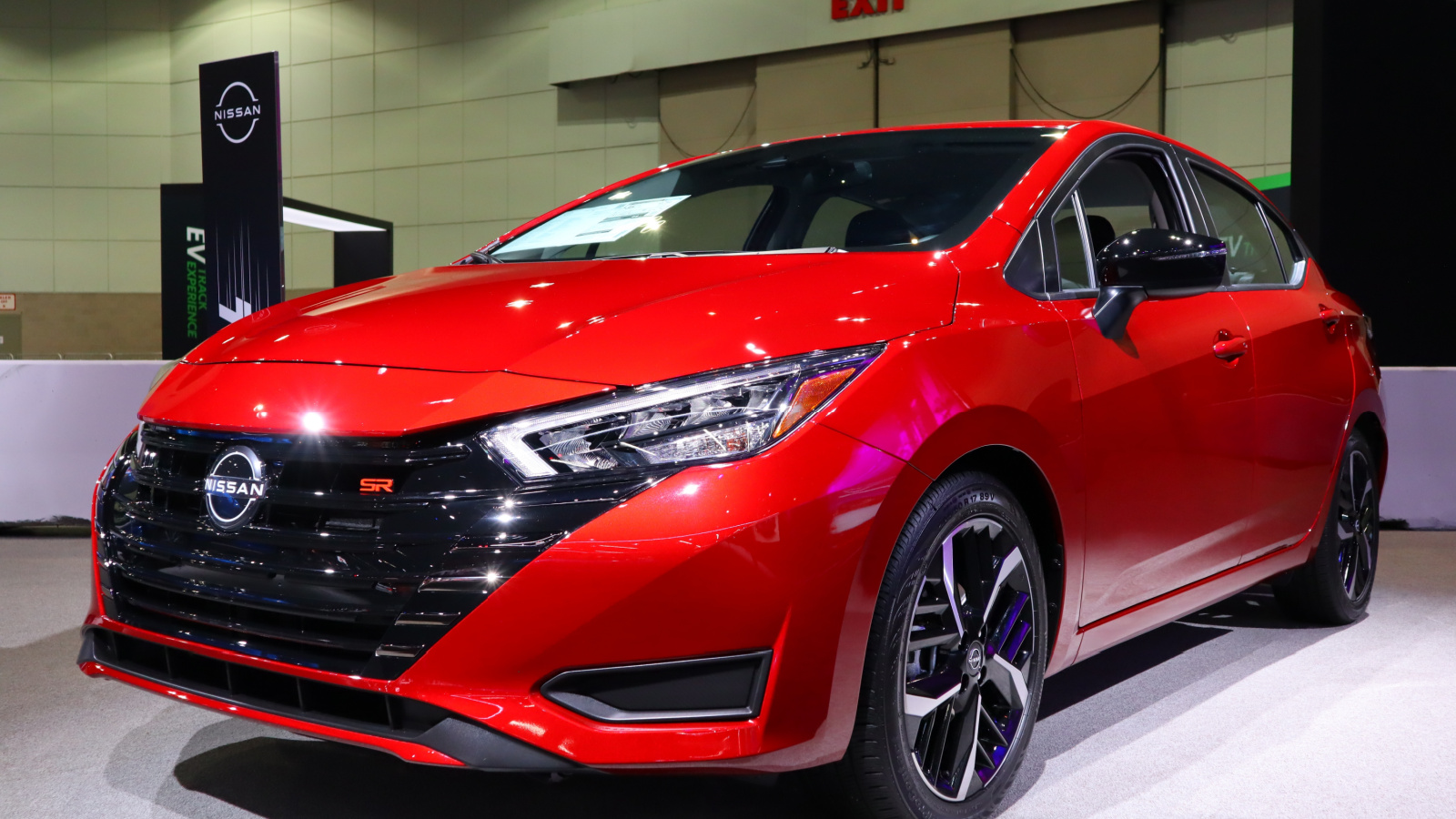
The Nissan Versa has long appealed to Canadians who wanted a simple, affordable sedan without moving into used-car uncertainty. It offered the kind of practical promise that sounds sensible: a low sticker price, reasonable fuel consumption, and a familiar dealer network. For first-time buyers, students, and commuters, the Versa often looked like a safer money-saving move than stretching into a compact SUV or financing a more expensive hybrid.
Yet the Versa’s value equation could become less convincing over time. Entry-level trims often meant fewer comfort and safety features, while higher trims narrowed the price gap with larger, more desirable vehicles. Depreciation also matters more when a buyer expects to trade in after a few years, because a budget sedan can lose appeal quickly in a market dominated by crossovers. For drivers who financed over longer terms, the low monthly payment sometimes disguised a vehicle that was not necessarily cheap to exit.
Kia Rio
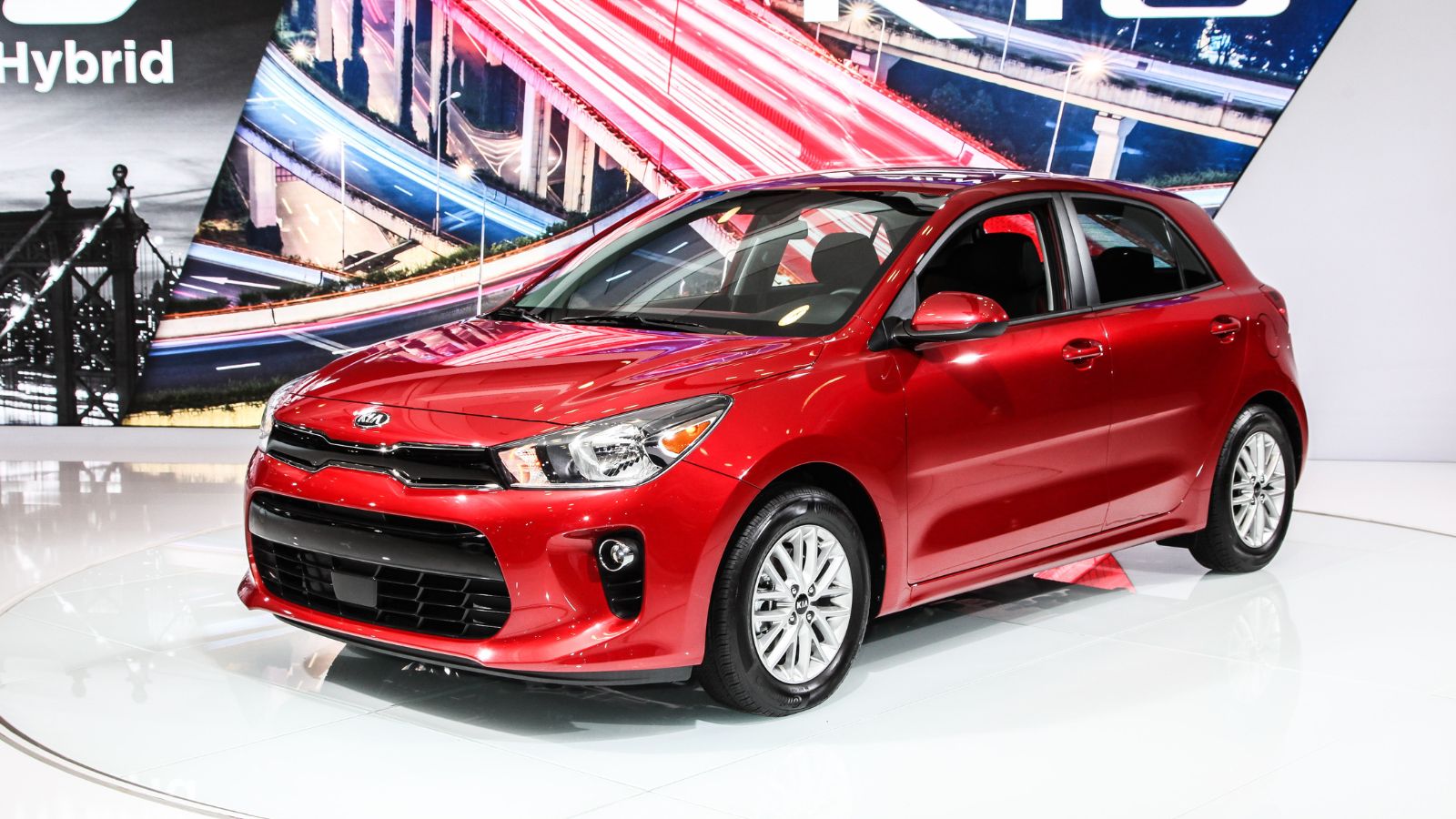
The Kia Rio offered a similar value pitch: low entry price, respectable efficiency, and a warranty that reassured buyers nervous about used vehicles. It was the kind of car that looked financially disciplined beside a compact SUV. For Canadians facing rising housing, grocery, and borrowing costs, choosing a Rio instead of a larger vehicle could seem like the responsible move.
The catch was that the Rio lived in a shrinking subcompact category. When a model category fades, parts support usually remains, but resale demand can become more uneven. Buyers also had to compare the Rio with slightly larger used compacts that offered more cargo space, stronger engines, and broader appeal for not much more money. The Rio could save money for careful long-term owners, but short-term ownership, high financing costs, and trade-in weakness could erase much of the advantage that made the car attractive in the first place.
Chevrolet Spark
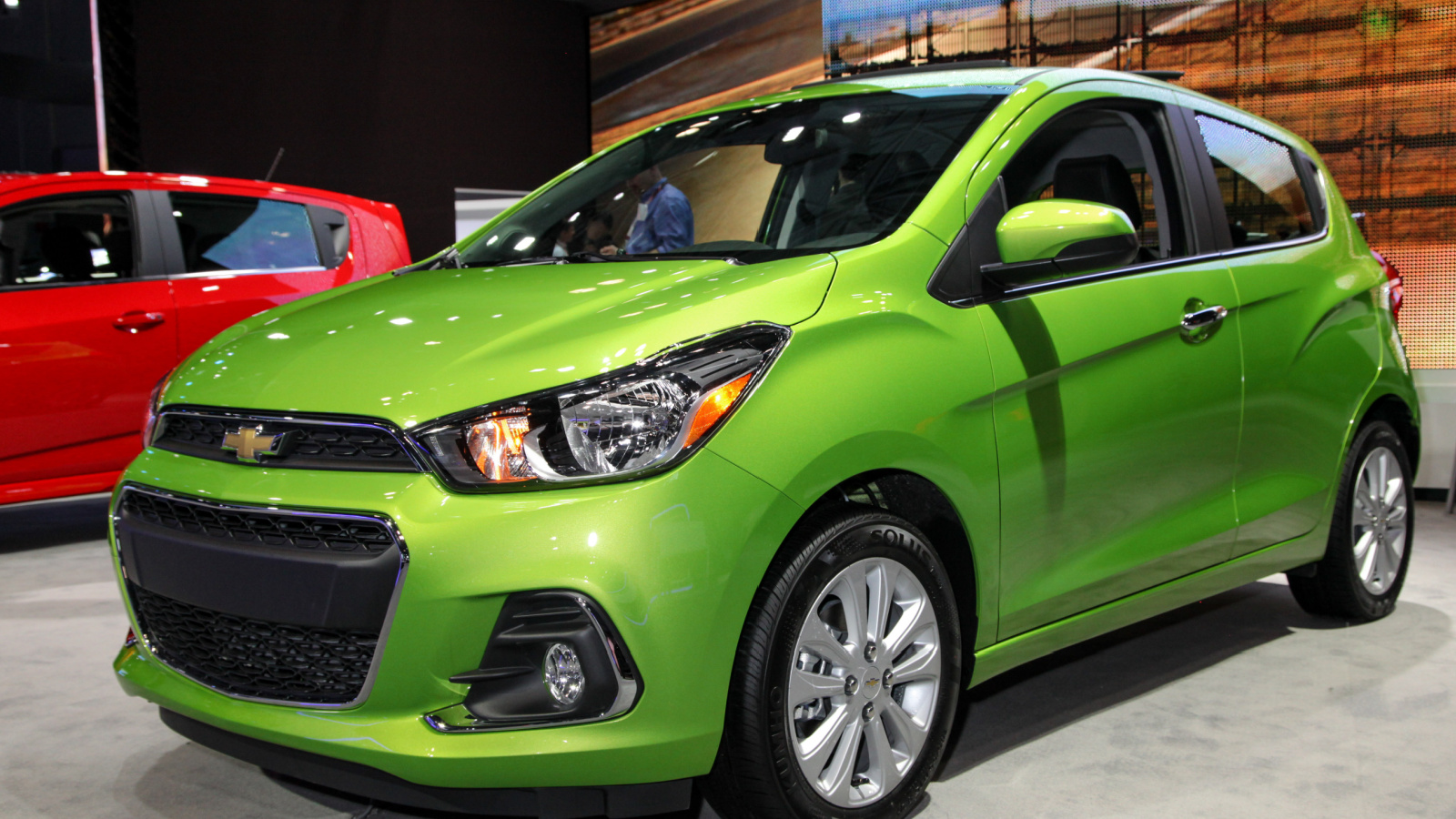
The Chevrolet Spark drew attention because it was tiny, inexpensive, and easy to imagine as a low-cost city runabout. In places such as Toronto, Montreal, Vancouver, and Halifax, a car that could squeeze into tight parking and sip fuel looked like a smart urban answer. For drivers who mostly needed groceries, work commutes, and occasional errands, the Spark seemed to avoid the excess of bigger vehicles.
In practice, the savings depended heavily on lifestyle. The Spark’s small cabin and limited cargo room pushed some owners to upgrade sooner than planned, especially after family needs changed. Highway driving, winter road noise, and limited power could also make longer trips feel tiring. A vehicle bought to save money can become costly if it is replaced early, because depreciation and transaction costs hit before the owner has extracted years of cheap service. The Spark worked best for narrow use cases, not every budget-conscious household.
Smart Fortwo
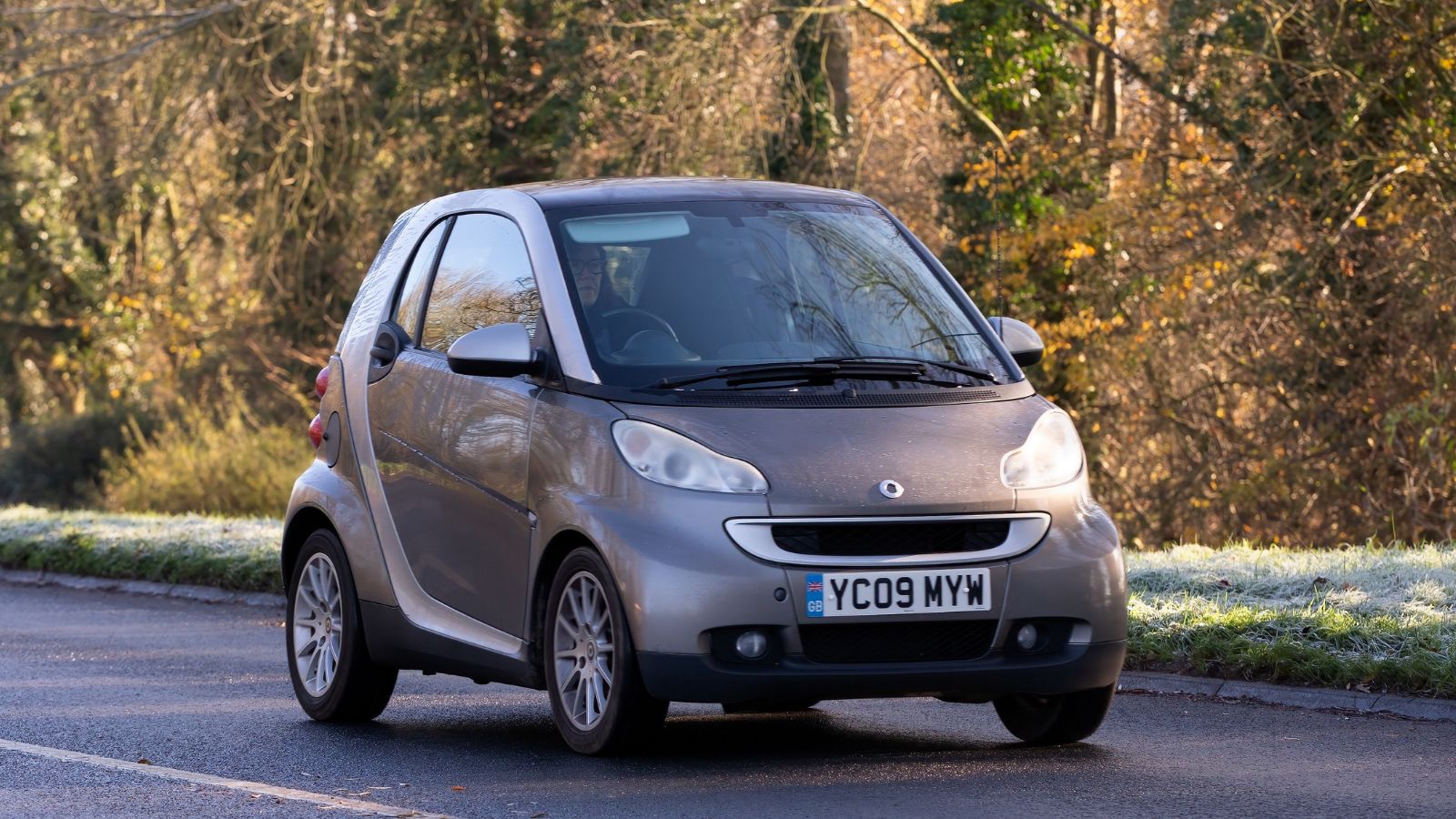
The Smart Fortwo looked like the ultimate fuel-saving city car: tiny, distinctive, and engineered for urban parking. Earlier diesel versions gained a reputation for thrift, and the car’s footprint made it appealing in crowded neighbourhoods where parking scarcity can feel like a hidden tax. On paper, it was the opposite of wasteful Canadian vehicle culture.
The ownership experience could be more complicated. Two seats limited usefulness immediately, and winter practicality depended on expectations, tires, and road conditions. Parts and service could also be less convenient than for mainstream small cars, especially outside major urban centres. The Fortwo’s unusual layout made it memorable, but unusual vehicles often attract a narrower used-buyer pool. For Canadians who expected a tiny car to deliver tiny overall costs, the surprise was that specialization can be expensive when repairs, resale, and real-world practicality are considered.
Fiat 500
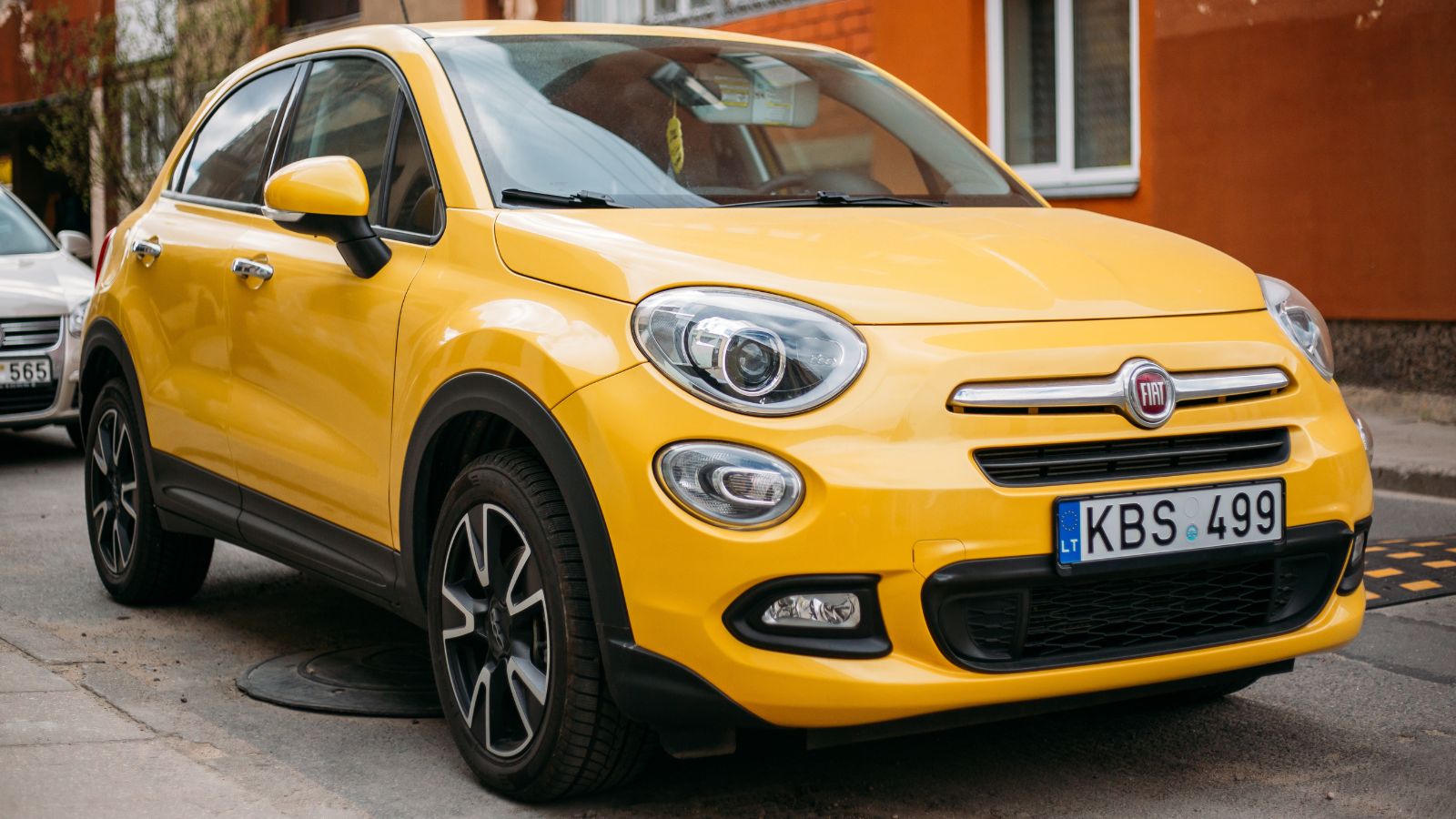
The Fiat 500 sold style as much as savings. Its small size, charming design, and modest fuel use made it seem like an economical alternative to larger hatchbacks. For urban drivers, it offered personality without the price of a premium Mini or the fuel thirst of a crossover. It was easy to see why a shopper might assume that a little car with a small engine would keep costs low.
However, affordability is not only about fuel economy. The Fiat 500’s limited space, mixed reliability reputation, and smaller Canadian dealer footprint could make ownership less convenient than expected. Some buyers were drawn in by low used prices, only to discover that a cheap purchase can signal weaker resale demand. When a vehicle is bought mainly because it is inexpensive upfront, any repair inconvenience, early resale loss, or practicality mismatch can make the savings feel thin.
Ford Fiesta With PowerShift Automatic
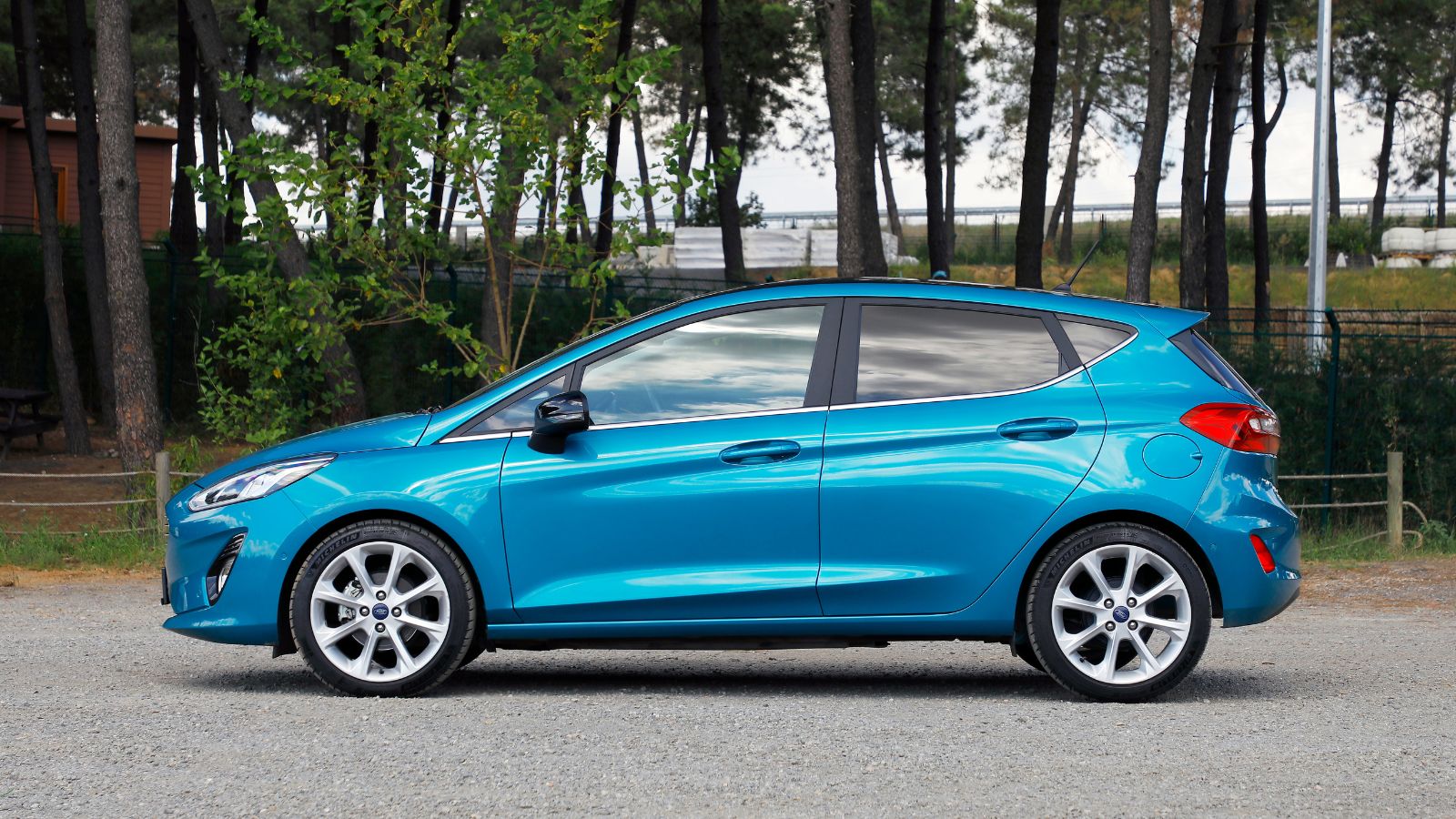
The Ford Fiesta looked like a sharp money-saving choice when paired with good fuel economy and a mainstream brand. It offered more driving character than many budget cars and was widely available on the used market. A used Fiesta could appear especially tempting for Canadians who wanted a low monthly payment and did not want to pay hybrid or EV prices.
The issue for many buyers was the PowerShift dual-clutch automatic transmission used in certain model years. Reports of shuddering, hesitation, and transmission-related complaints turned what looked like a frugal used buy into a stressful ownership experience for some drivers. Even when warranty extensions or settlements applied, owners still faced inconvenience, uncertainty, and weaker buyer confidence. A car can be cheap to fuel and still expensive to trust if the drivetrain becomes the central ownership story.
Ford Focus With PowerShift Automatic
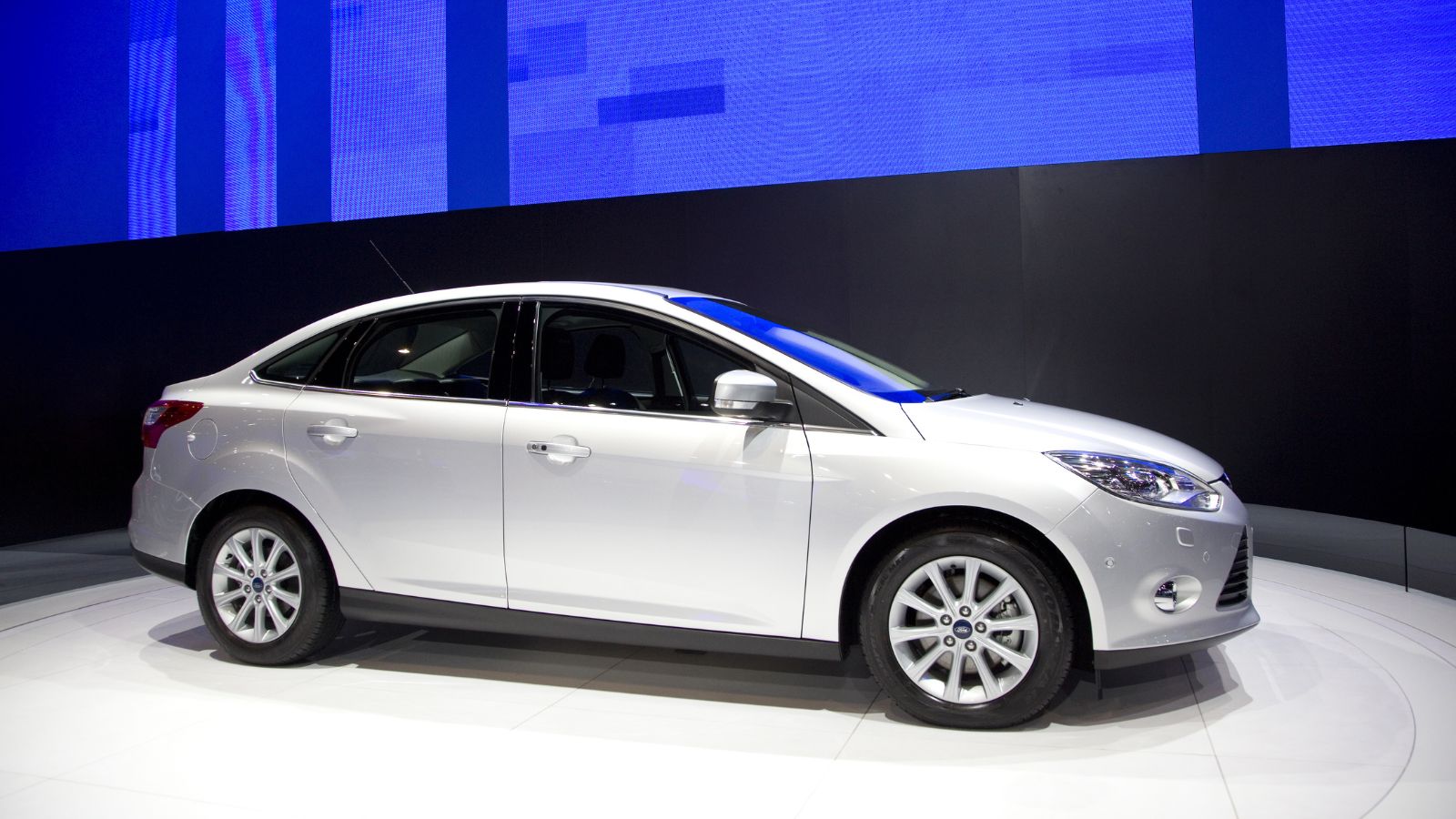
The Ford Focus had more room and refinement than many subcompacts, which made it look like a smarter bargain than the smallest economy cars. Used examples often appeared attractively priced, and the Focus name carried mainstream familiarity. For commuters, it seemed to offer compact practicality without the inflated prices attached to some Japanese rivals.
But certain Focus models shared the same PowerShift transmission controversy that affected the Fiesta. That changed the financial equation. A lower used price was not always a bargain if it reflected known buyer hesitation. Owners who experienced repeated transmission symptoms could lose time, confidence, and resale leverage. The Focus illustrates one of the hardest lessons in budget shopping: a discount attached to a known mechanical concern may simply be the market pricing in the risk before the buyer does.
Nissan Leaf
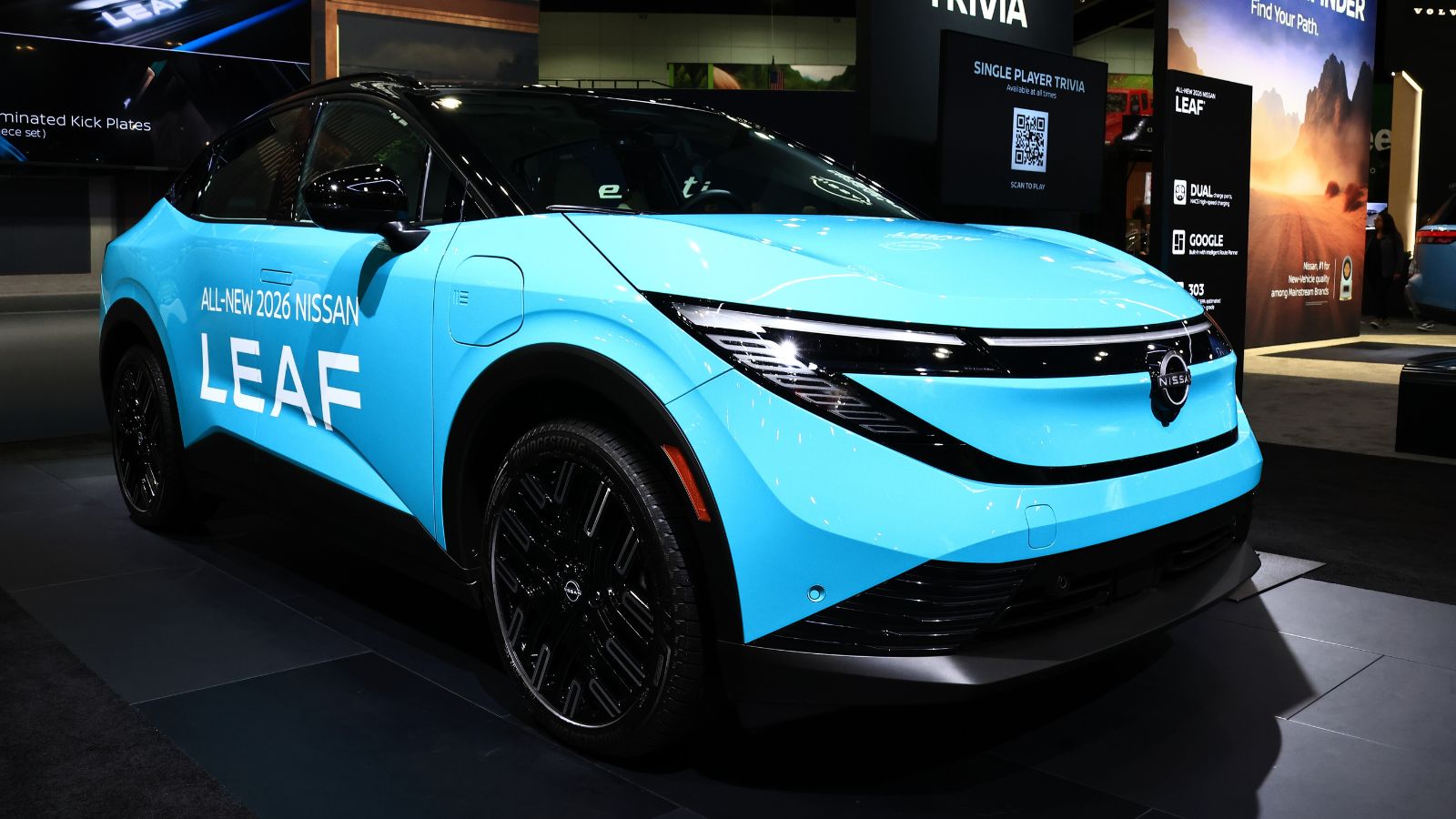
The Nissan Leaf attracted Canadians who wanted to escape gasoline costs entirely. It was one of the earliest widely available electric cars, and used prices eventually became low enough to tempt budget-minded shoppers. For drivers with home charging and predictable short commutes, the Leaf’s low energy cost made it seem like an obvious way to save.
The catch was range, battery health, and resale value. Earlier Leafs had more limited range than newer EVs, and cold Canadian winters could reduce usable driving distance. Buyers also had to understand battery degradation, charging needs, and whether the vehicle fit daily routines without anxiety. Even when electricity was cheaper than gasoline, steep EV depreciation and range limitations could make the overall ownership cost less attractive. The Leaf could be economical in the right household, but punishing in the wrong one.
Chevrolet Bolt EV
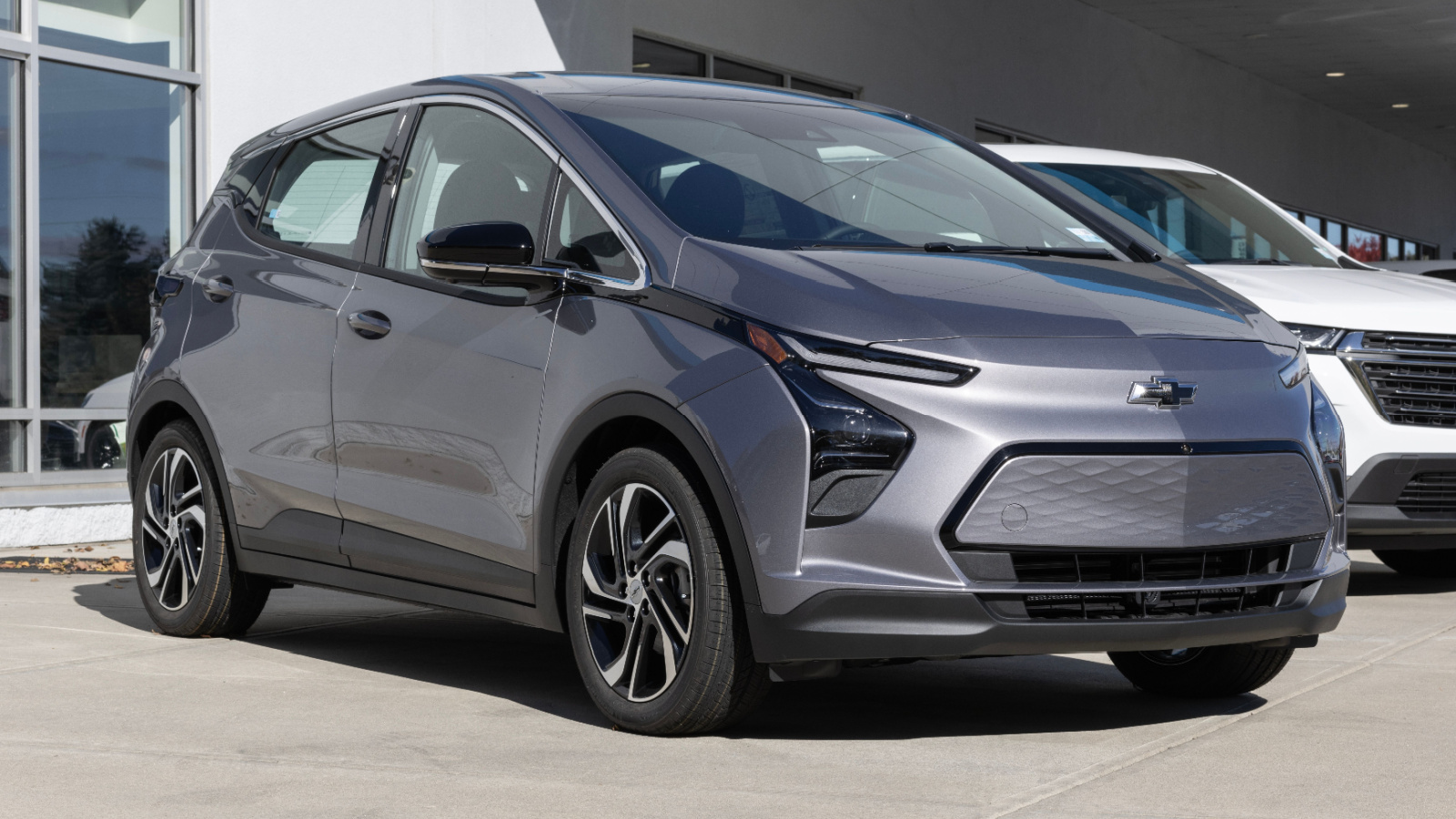
The Chevrolet Bolt EV looked like a breakthrough for practical electric affordability. It offered more range than many early EVs and later became attractive on the used market, especially for Canadians wanting electric driving without Tesla pricing. For commuters with access to reliable charging, the Bolt could genuinely reduce fuel spending.
Still, the Bolt’s ownership story became complicated by major battery-related recalls and fire-risk concerns. Even when repairs were covered, recalls can affect convenience, confidence, parking habits, and resale perception. Some owners had to follow charging restrictions or wait through repair campaigns, which is not what buyers expect when trying to simplify transportation costs. The Bolt remained efficient, but its example shows that saving on gasoline does not eliminate the financial and emotional cost of uncertainty around high-voltage components.
Tesla Model 3
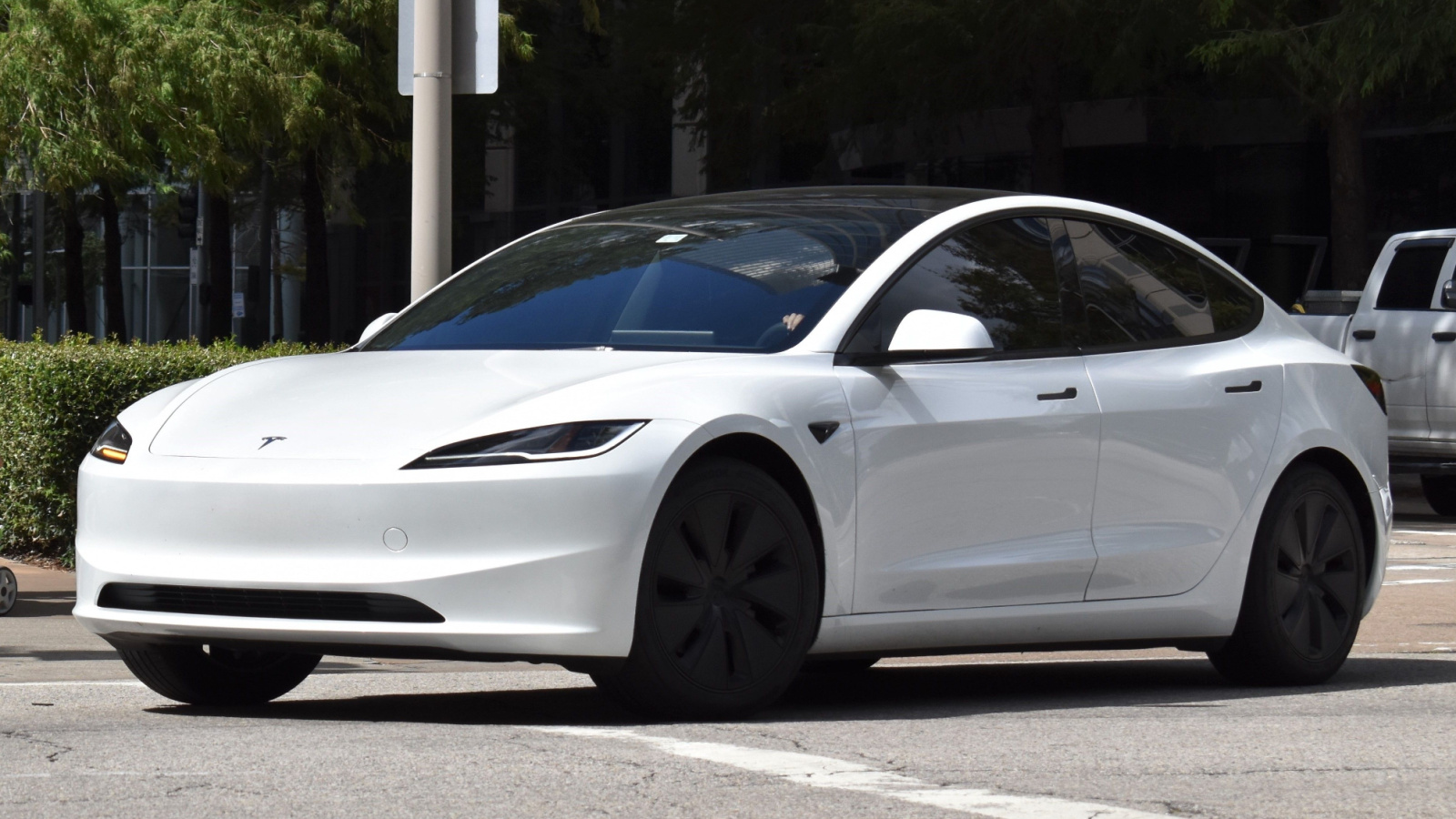
The Tesla Model 3 became a symbol of long-term savings for many Canadians: no gasoline, fewer routine service items, fast acceleration, and access to a broad charging network. For buyers comparing it with luxury sedans or high-mileage gas commuters, the math could look persuasive. A Model 3 promised lower energy costs while still feeling modern and desirable.
But the purchase price, insurance rates, repair costs, winter range loss, and depreciation volatility could surprise owners. EV values have shifted quickly as incentives, new-car price cuts, and battery technology changed. A buyer who stretched financially for a new Model 3 expecting strong resale could be disappointed if the used market moved against them. The car may save on fuel, but the total cost depends heavily on purchase timing, insurance quotes, home charging, and how long it is kept.
Toyota Prius
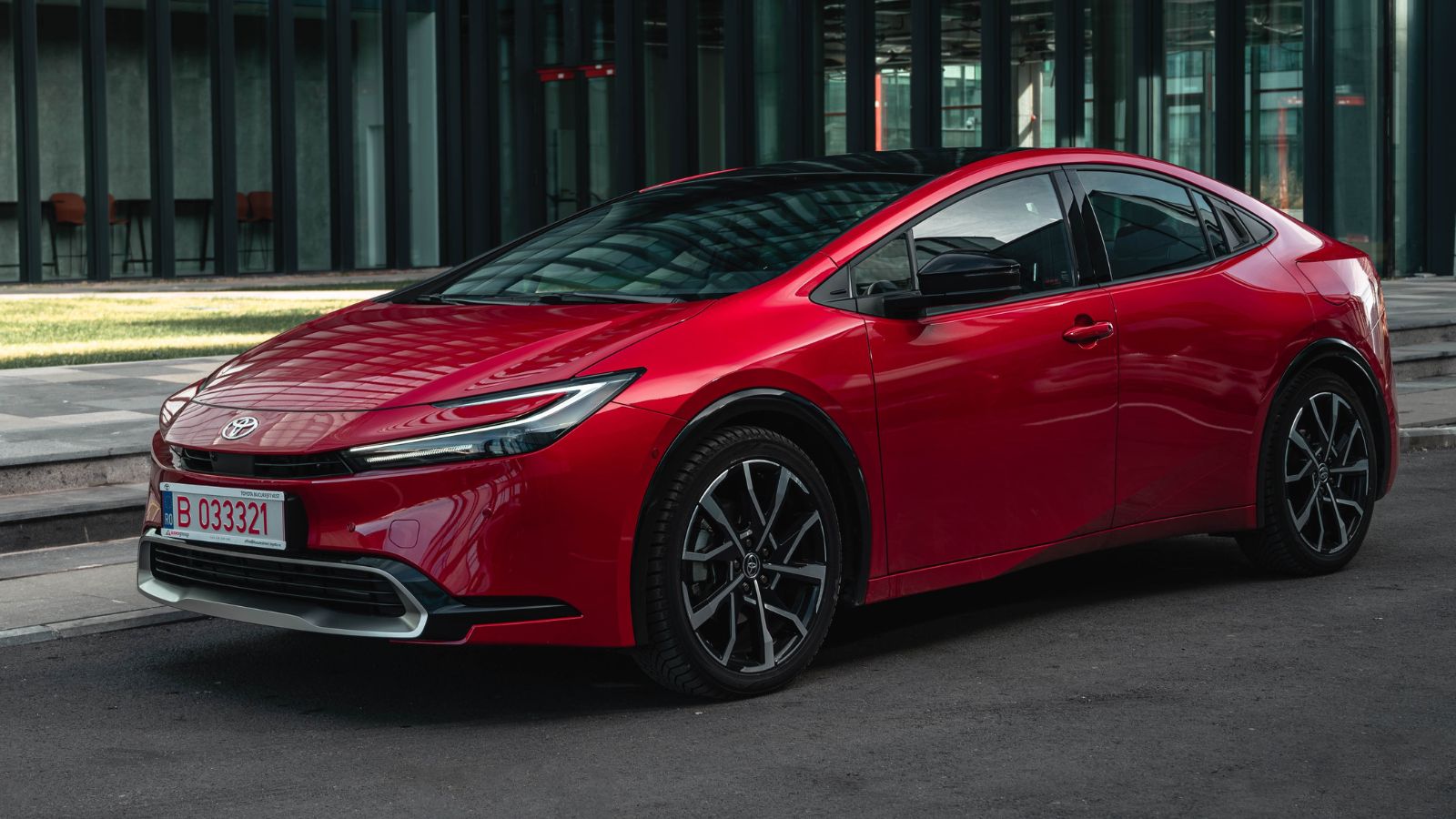
The Toyota Prius earned its reputation honestly: excellent fuel economy, proven hybrid technology, and strong real-world efficiency. For years, it was the default answer for Canadians wanting to spend less on gasoline without relying on public charging. Taxi fleets and high-mileage commuters helped reinforce its image as a durable money-saver.
Yet even a sensible car can create cost surprises. Used Prius buyers sometimes faced hybrid battery concerns, brake system repairs, or catalytic converter theft risk, especially as precious-metal prices made hybrids attractive targets in some markets. The Prius also commanded strong used prices, which meant the fuel savings had to offset a higher purchase cost. For drivers with low annual mileage, the premium paid for hybrid efficiency could take longer to recover than expected. The Prius usually made sense, but not automatically at any price.
Toyota RAV4 Hybrid
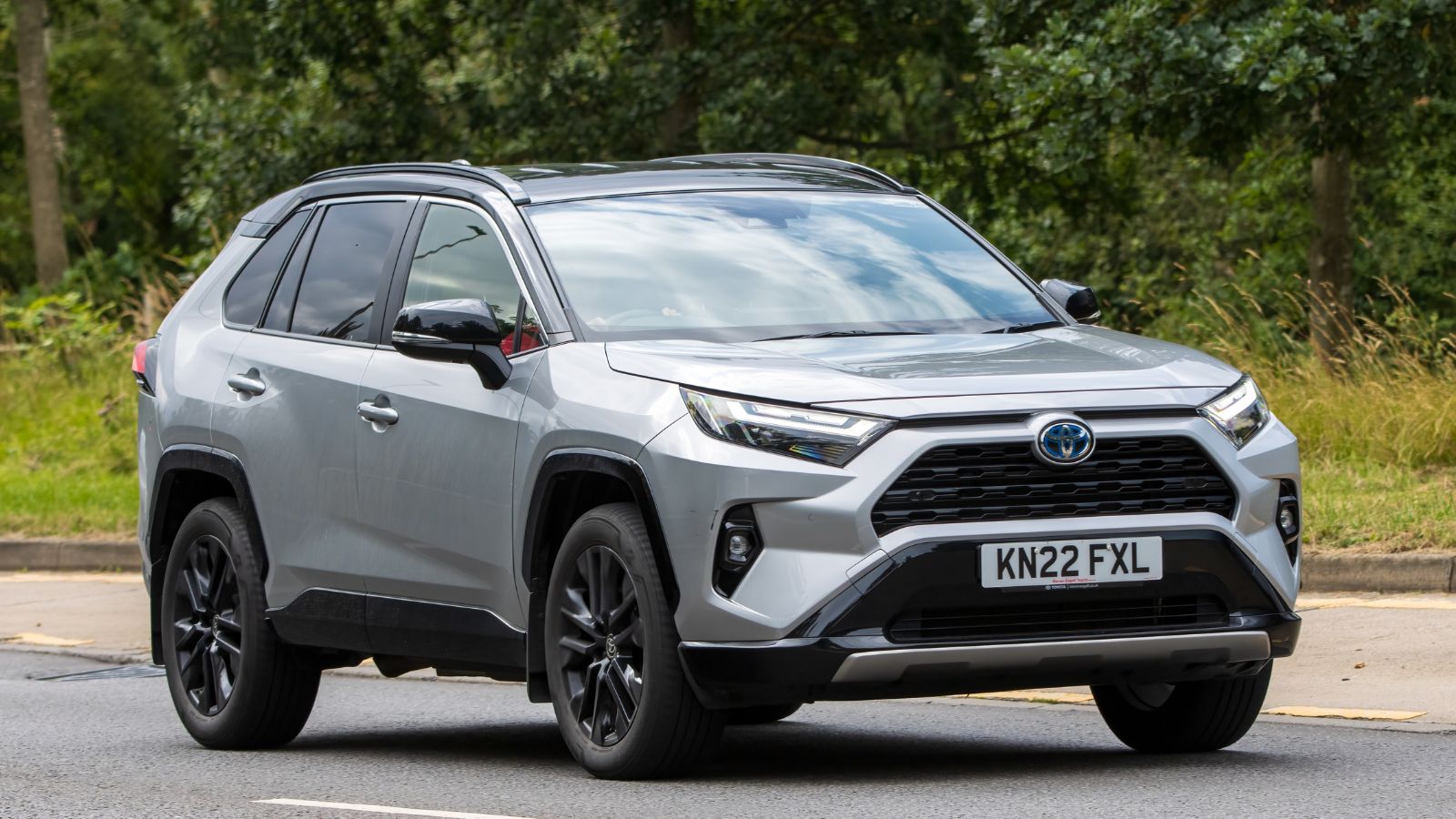
The Toyota RAV4 Hybrid looked like the perfect Canadian compromise: SUV space, available all-wheel drive, strong fuel economy, and Toyota’s reliability reputation. It appealed to families who wanted to reduce fuel bills without giving up cargo room or winter confidence. Compared with thirstier compact SUVs, it seemed like a practical way to save money over years of ownership.
The complication was demand. Popularity can push purchase prices higher, reduce discounts, and keep used values elevated. In parts of Canada, theft risk and insurance concerns around popular SUVs also became part of the ownership equation. A RAV4 Hybrid might still cost less to fuel, but buyers paying a premium upfront or facing higher insurance could find that savings arrive slowly. It is a strong vehicle, but strong demand can make a money-saving choice expensive to buy.
Honda CR-V
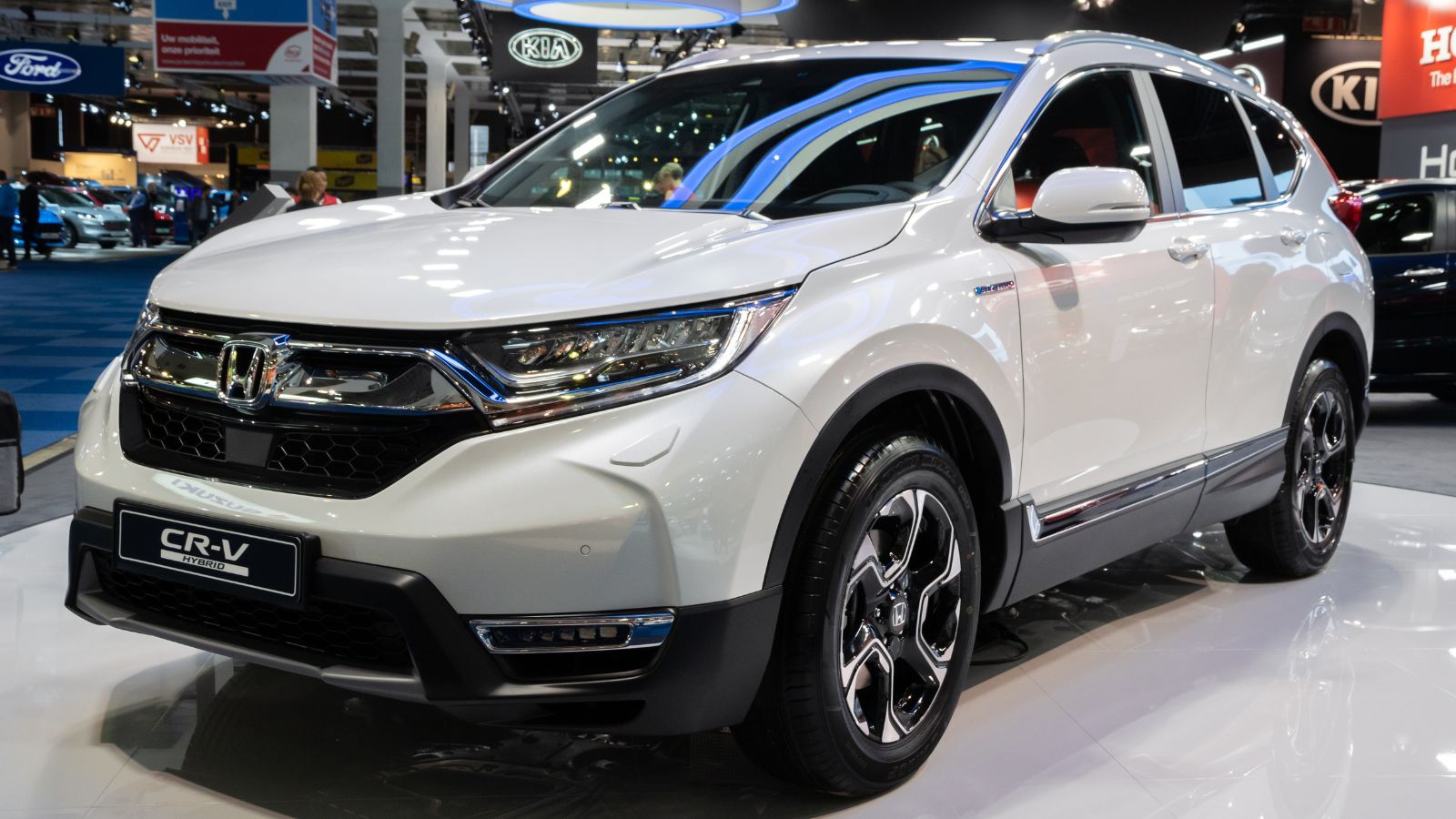
The Honda CR-V has long been treated as a safe Canadian buy because it combines space, efficiency, reliability, and resale strength. Families often choose it believing that a dependable compact SUV will cost less over time than a cheaper but less trusted rival. Its popularity makes sense: it fits commuting, school runs, cottage weekends, and winter errands better than many sedans.
However, popularity has a downside. The CR-V has repeatedly appeared among Canada’s most stolen vehicles, and theft risk can influence insurance costs, security expenses, and owner stress in certain regions. Strong resale value also means used buyers may pay high prices for older examples with significant mileage. When a vehicle is expensive to buy used and expensive to insure in some markets, its reputation for thrift can weaken. The CR-V may be sensible, but it is not always the cheapest sensible choice.
Honda Civic
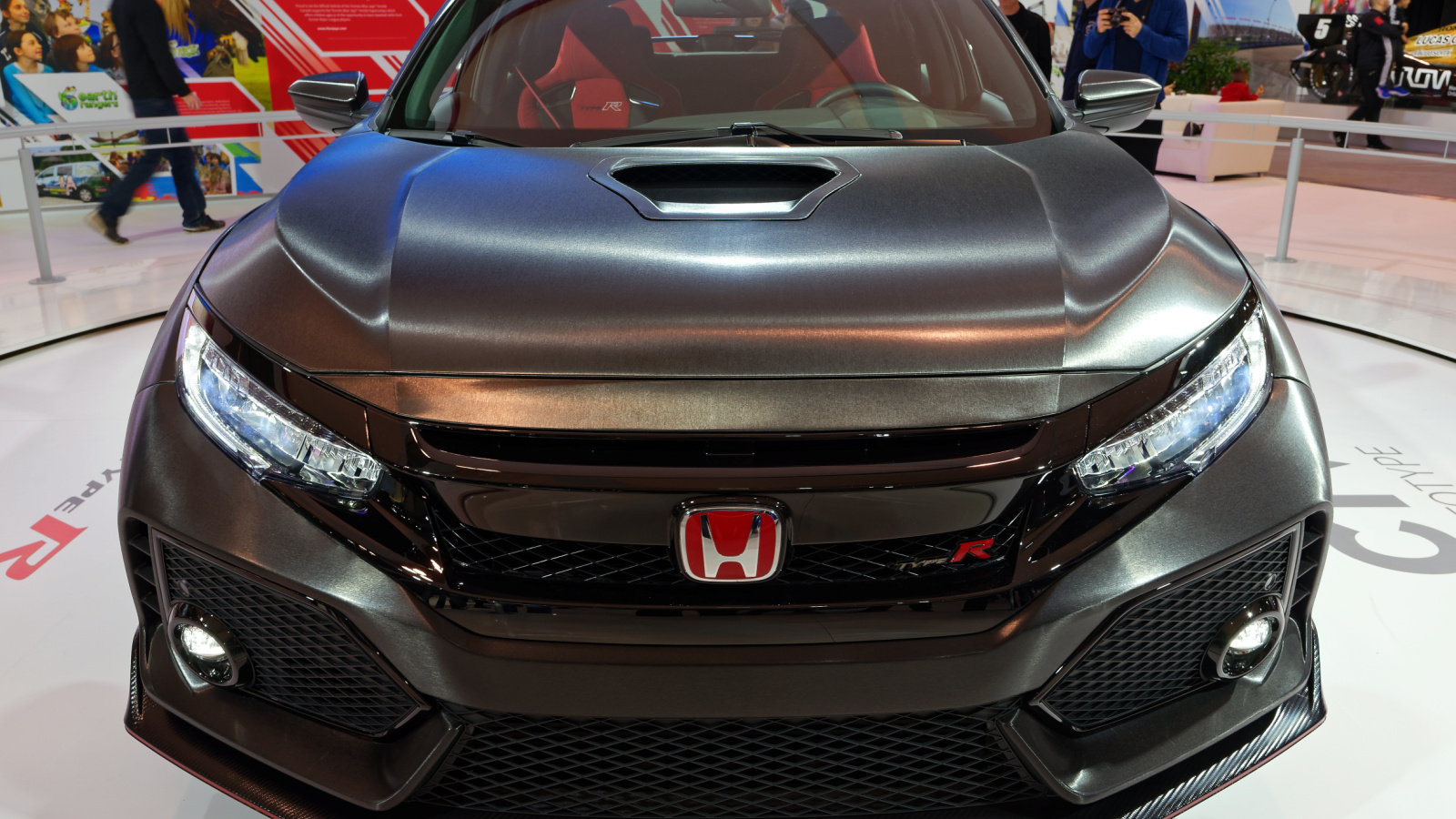
The Honda Civic seemed like a nearly perfect budget decision for decades: efficient, reliable, fun enough to drive, and easy to resell. In Canada, it became one of the default compact cars for students, commuters, and small families. A Civic often looked like the smart middle ground between bare-bones subcompacts and costlier SUVs.
The issue was that the Civic’s popularity kept prices high and made some examples theft targets. Used Civics with clean histories, low mileage, and desirable trims could command surprisingly strong prices. Insurance could also be higher for some drivers because of claim patterns, theft exposure, or youthful-driver association. A Civic can absolutely be economical over a long ownership period, but buyers who overpay for the badge or choose sportier trims may discover that reputation itself carries a premium.
Jeep Wrangler
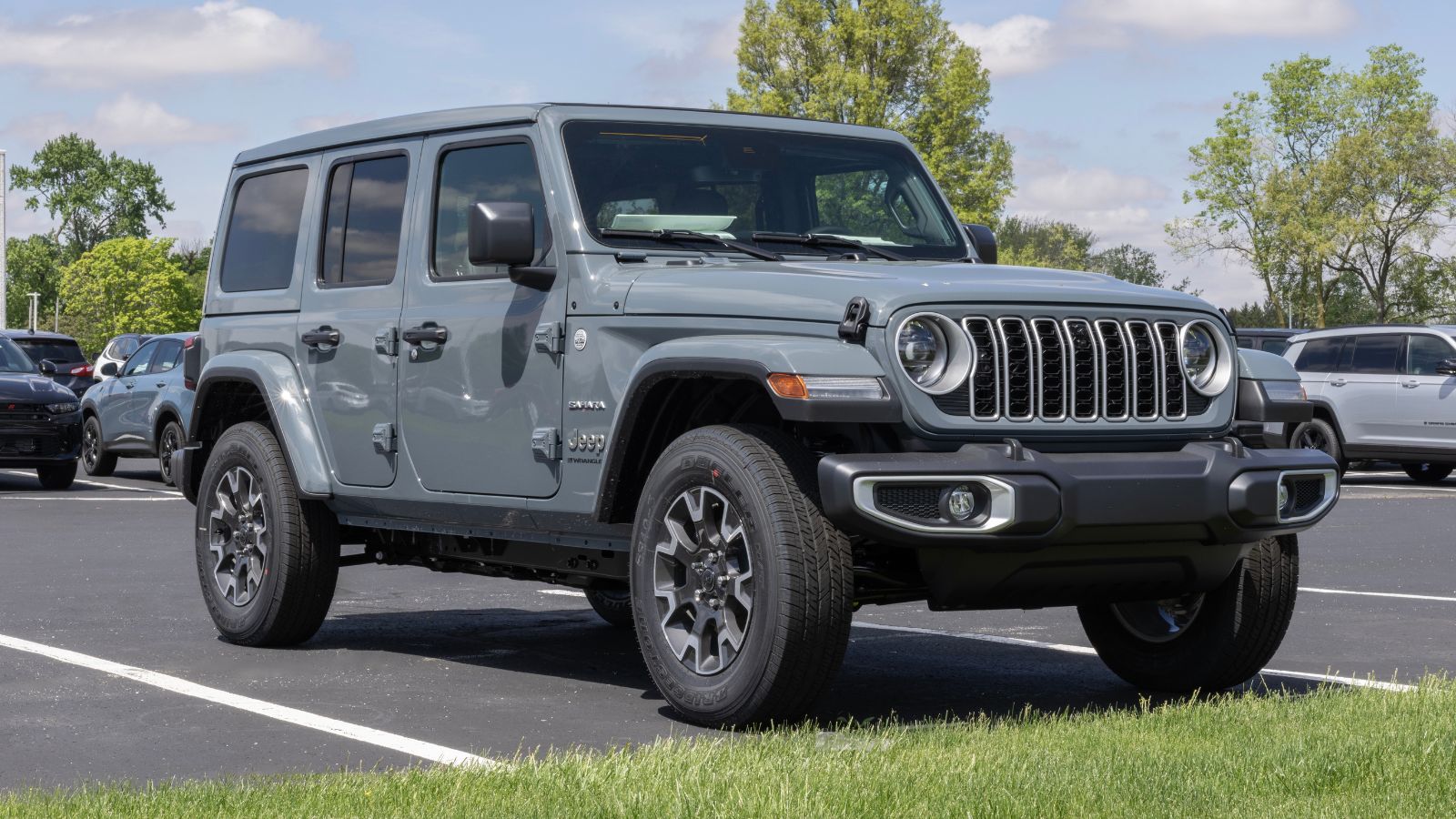
The Jeep Wrangler often sold itself as a value play because of strong resale value. Buyers could justify the higher price by saying it would hold its worth better than ordinary SUVs. For outdoorsy Canadians, the Wrangler also promised lifestyle utility: winter traction, trail ability, removable roof panels, and a rugged image that made it feel less disposable.
But fuel economy, tires, insurance, accessories, and ride compromises can make the Wrangler costly to live with. Many owners spend heavily on lifts, wheels, lights, racks, and winter-ready upgrades, turning a resale argument into an expensive hobby. It also may not suit long highway commutes as comfortably as crossovers with better fuel ratings. The Wrangler can hold value well, but holding value does not mean cheap ownership if running costs and modifications eat the savings along the way.
Ram 1500
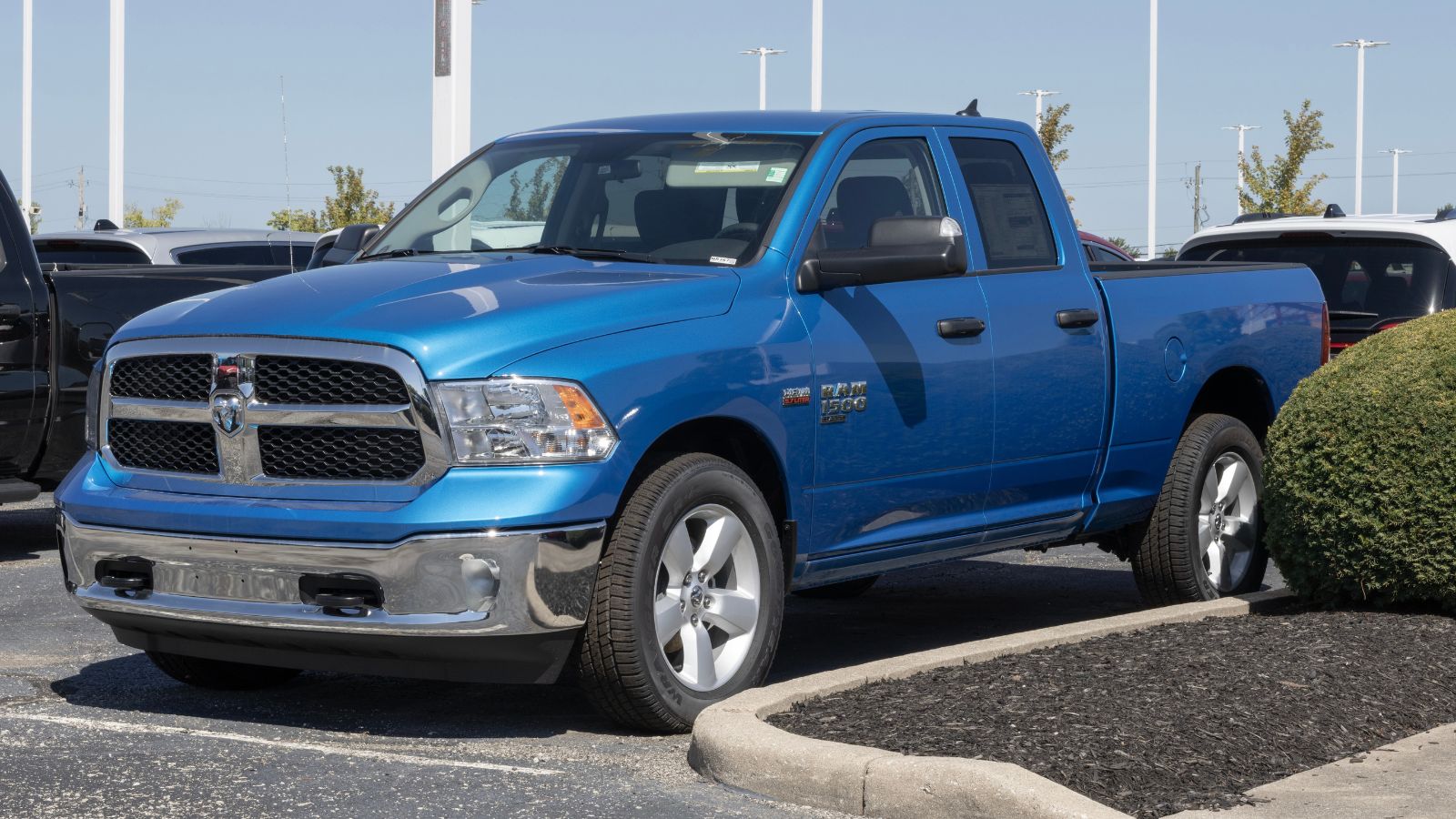
The Ram 1500 often tempted Canadian buyers with discounts, comfort, towing ability, and the feeling of getting “more vehicle” for the money. For households that occasionally tow, haul, or travel long distances, a half-ton truck can appear financially smarter than renting or borrowing capability. Promotional financing and dealer incentives have sometimes made the monthly payment look surprisingly manageable.
The problem arrives after the sale. Fuel consumption, tires, brakes, insurance, parking, and maintenance all scale with size and weight. Many owners do not tow often enough to financially justify the truck’s everyday costs. Theft exposure in some regions adds another concern, especially for popular pickups. A Ram 1500 can be a good tool when used as a tool, but as a commuter vehicle bought for perceived value, it can quietly cost far more than expected.
Ford F-150
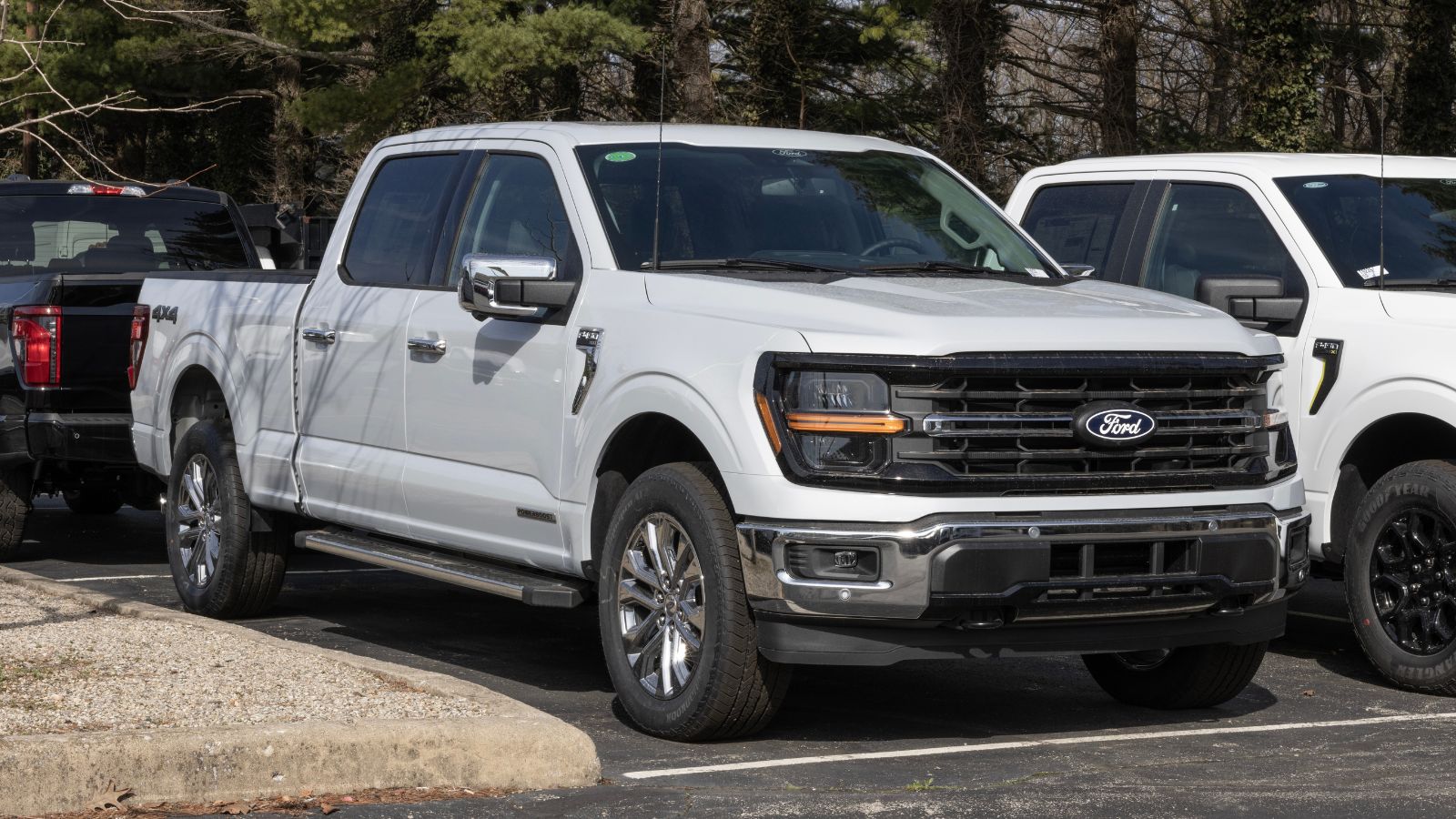
The Ford F-150 is Canada’s familiar workhorse, and many buyers see it as a practical investment rather than a splurge. It can tow, haul, handle rough weather, and serve as both family vehicle and jobsite support. Strong demand and broad parts availability make it feel like a safe long-term purchase.
Even so, a full-size pickup rarely saves money for drivers who do not need full-size capability. Fuel, insurance, winter tires, larger replacement parts, and higher purchase prices can overwhelm any resale advantage. The F-150 has also appeared on Canadian theft lists, which can affect insurance and security decisions. For contractors and rural owners, the cost may be justified by utility. For urban commuters using the bed a few times a year, the “smart buy” can become an expensive habit disguised as practicality.
Mitsubishi Outlander PHEV
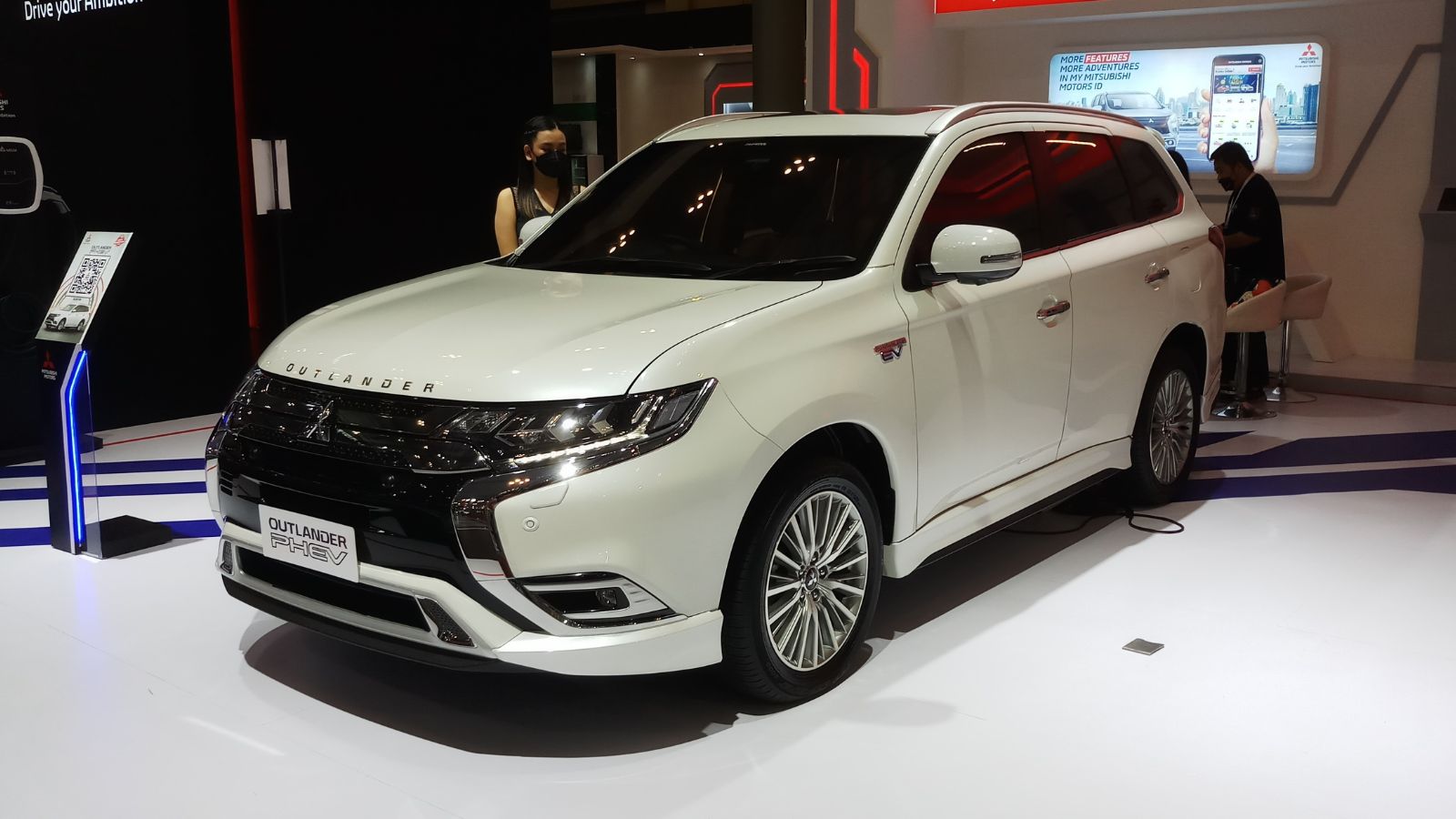
The Mitsubishi Outlander PHEV attracted Canadians because it promised SUV practicality with electric commuting. For drivers able to charge at home and travel mostly short distances, it could reduce gasoline use dramatically. It also gave buyers all-wheel-drive confidence without fully committing to a battery-electric vehicle, which made it especially appealing in colder regions.
The savings depended on charging discipline. A plug-in hybrid that is rarely plugged in becomes a heavier gasoline vehicle carrying battery hardware around town. Purchase price, charger installation, tire wear, and maintenance for both electric and gasoline systems also had to be considered. Some owners benefited greatly, but others bought the promise rather than the routine required to unlock it. The Outlander PHEV could save money, but only when the household’s driving pattern matched the technology.
22 Things Canadians Do to Their Cars in Spring That Mechanics Hate

Spring brings relief to many Canadian drivers after months of snow, freezing temperatures, and icy roads that put serious strain on vehicles. As temperatures rise across the country, drivers begin washing cars, switching tires, and preparing vehicles for warmer weather and upcoming road trips. However, mechanics across Canada notice the same mistakes every spring when drivers attempt to recover from winter damage. Road salt, potholes, and harsh winter driving conditions often leave vehicles with hidden problems that drivers ignore. Some spring habits even create new mechanical issues that could have been avoided with proper maintenance. Here are 22 things Canadians do to their cars in spring that mechanics hate.