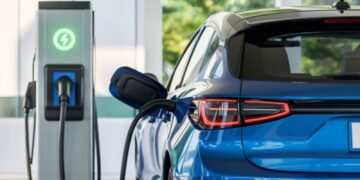
























A vehicle can look like a smart buy on delivery day and still feel old before the payments or warranty are finished. In Canada, that happens for a few predictable reasons: harsh winters expose weak charging or range performance, road salt punishes anything already fragile, theft pressure changes the ownership experience, and rapid product updates can make yesterday’s technology feel outdated surprisingly fast.
That is the lens behind these 16 picks. Some are still appealing today. A few are even very good in the right situation. The concern is not whether they can work now, but whether they are likely to feel less satisfying, less convenient, or more expensive to live with after a few Canadian winters, a few insurance renewals, or a few years of battery aging and software drift.
1. Nissan Leaf (older-generation models)
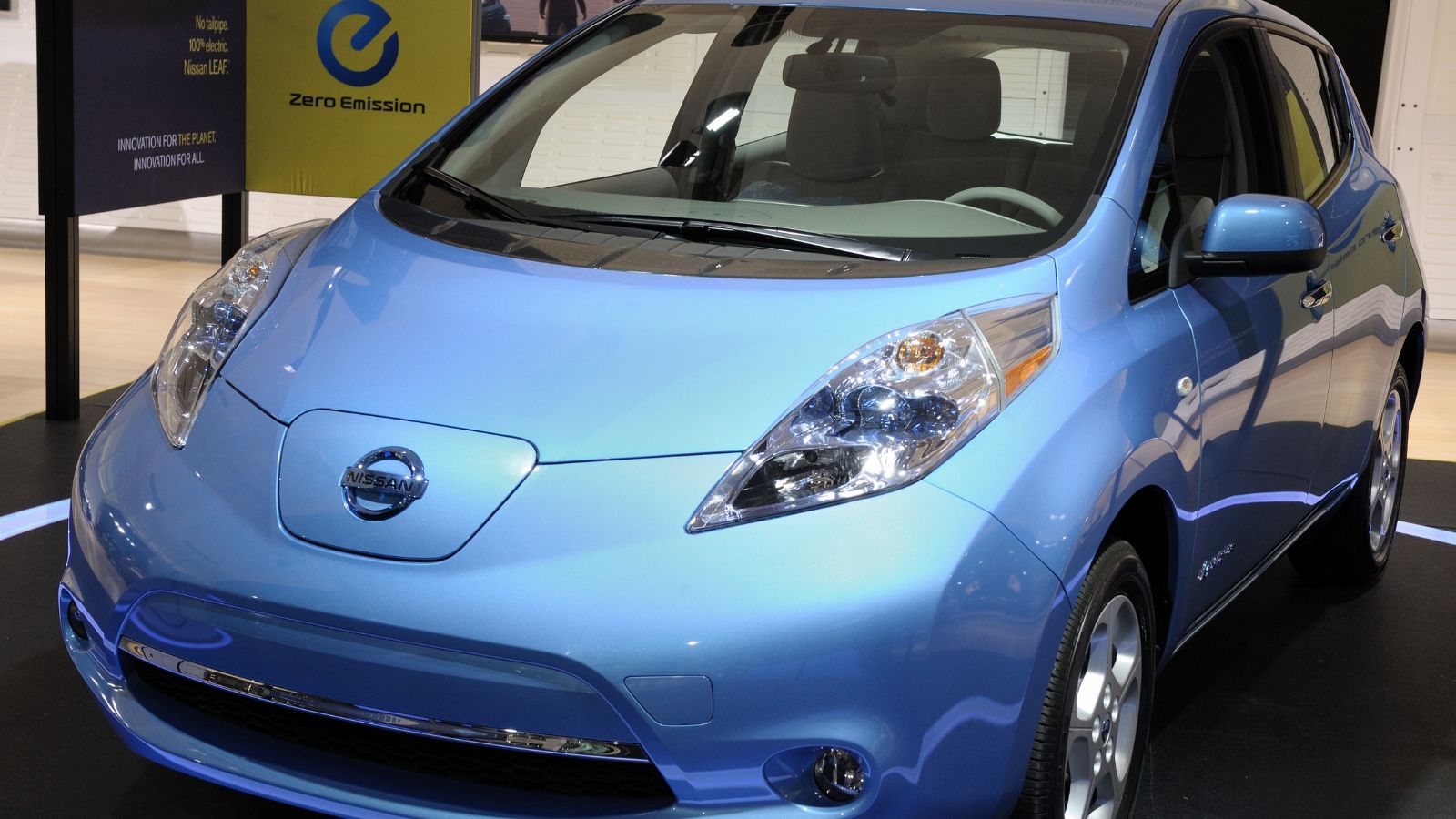
The Nissan Leaf deserves credit for helping normalize the EV in North America, but older examples now risk feeling like artifacts from the first draft of the electric-car era. That matters more in Canada than in milder markets. Cold weather squeezes range, cabin heat asks more from the battery, and battery age only makes that equation tougher. What really sharpens the issue is that Nissan’s new Leaf finally adopts liquid-cooled battery thermal management and is marketed around better cold-weather performance, which is a quiet admission that the old formula was due for a rethink.
That does not make an older Leaf unusable. For school runs, short commutes, and local errands, it can still be a reasonable second car. The problem is how quickly the ownership case narrows. Once winter road trips, repeated fast charging, and battery degradation enter the picture, the Leaf can shift from “affordable EV” to “strictly urban appliance.” In a Canadian market where even mainstream EVs are getting more road-trip capable, that kind of limitation tends to age loudly.
2. Mazda MX-30 EV
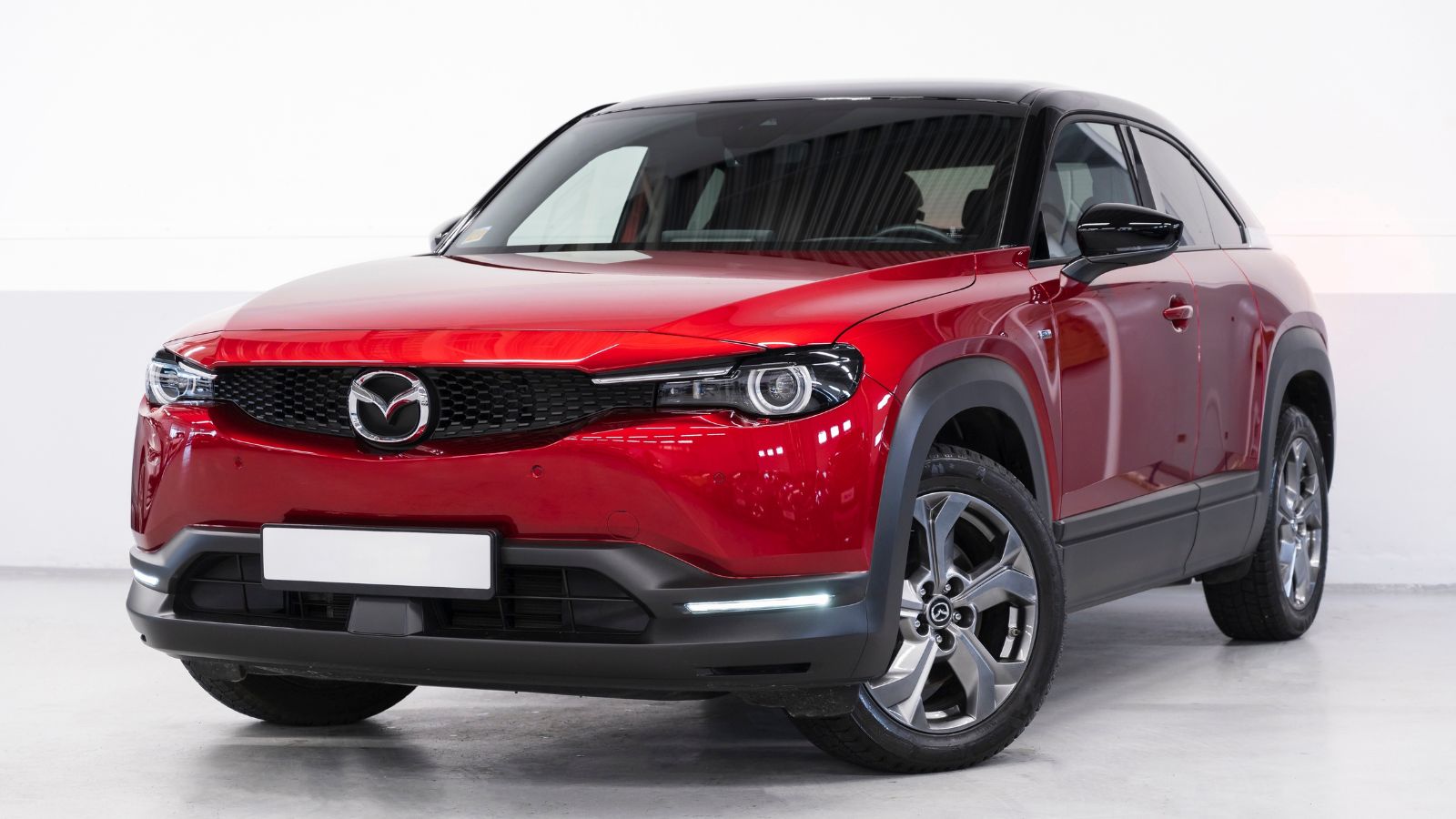
The MX-30 always felt like a design statement first and a practical EV second. Its cabin materials were thoughtful, the proportions were distinctive, and Mazda gave it a premium, almost boutique character. But Canada is not a forgiving place for a short-range electric crossover, and the official range figure of 161 kilometres left very little room for cold-weather losses, highway driving, or the kind of spontaneous detour that Canadians routinely make. The result was a vehicle that felt smaller in real life than it did on paper.
Mazda Canada’s decision to end MX-30 sales after the 2024 model year only reinforces the sense that it was a stopgap, not a long-haul product. That matters because discontinued EVs can age poorly even when parts and service remain available. Buyers start to worry about resale, long-term software support, and whether the vehicle represents a path forward or a dead end. The MX-30 still has charm, especially in dense urban use, but charm does not always survive a February cold snap or a weekend beyond the city.
3. Jaguar I-PACE
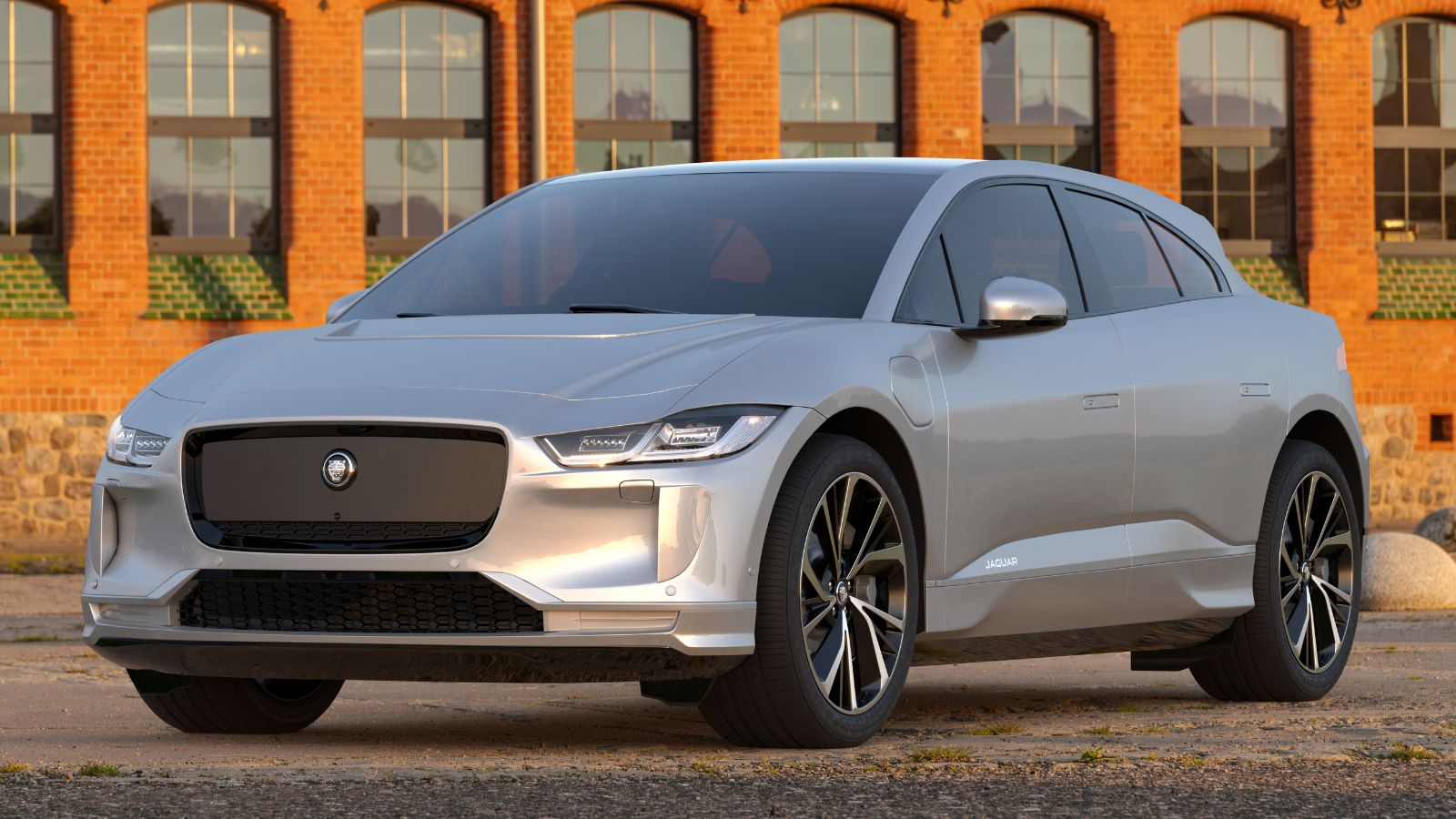
The I-PACE was once the stylish answer to every complaint that early EVs were dull. It looked expensive, drove like something special, and carried genuine credibility as one of the first premium EVs that was not trying to be a science project. The problem is that aging well requires more than an elegant launch. Jaguar confirmed that the I-PACE would not continue into its new electric era, which means the vehicle now sits in that awkward space between “pioneer” and “orphan.” That is never ideal in a used luxury vehicle.
Recent recall action only makes the picture harder. When owners are told not to charge above 90 percent because of fire risk, the damage is not just technical. It is psychological. Luxury ownership depends heavily on trust, and once that trust gets chipped away, the rest of the ownership equation changes. A used I-PACE can still look like a bargain beside newer premium EVs, but bargain luxury often comes with hidden emotional cost. In Canada, where winter range, public charging, and confidence already matter more, that can make the I-PACE feel old in a hurry.
4. Ford F-150 Lightning
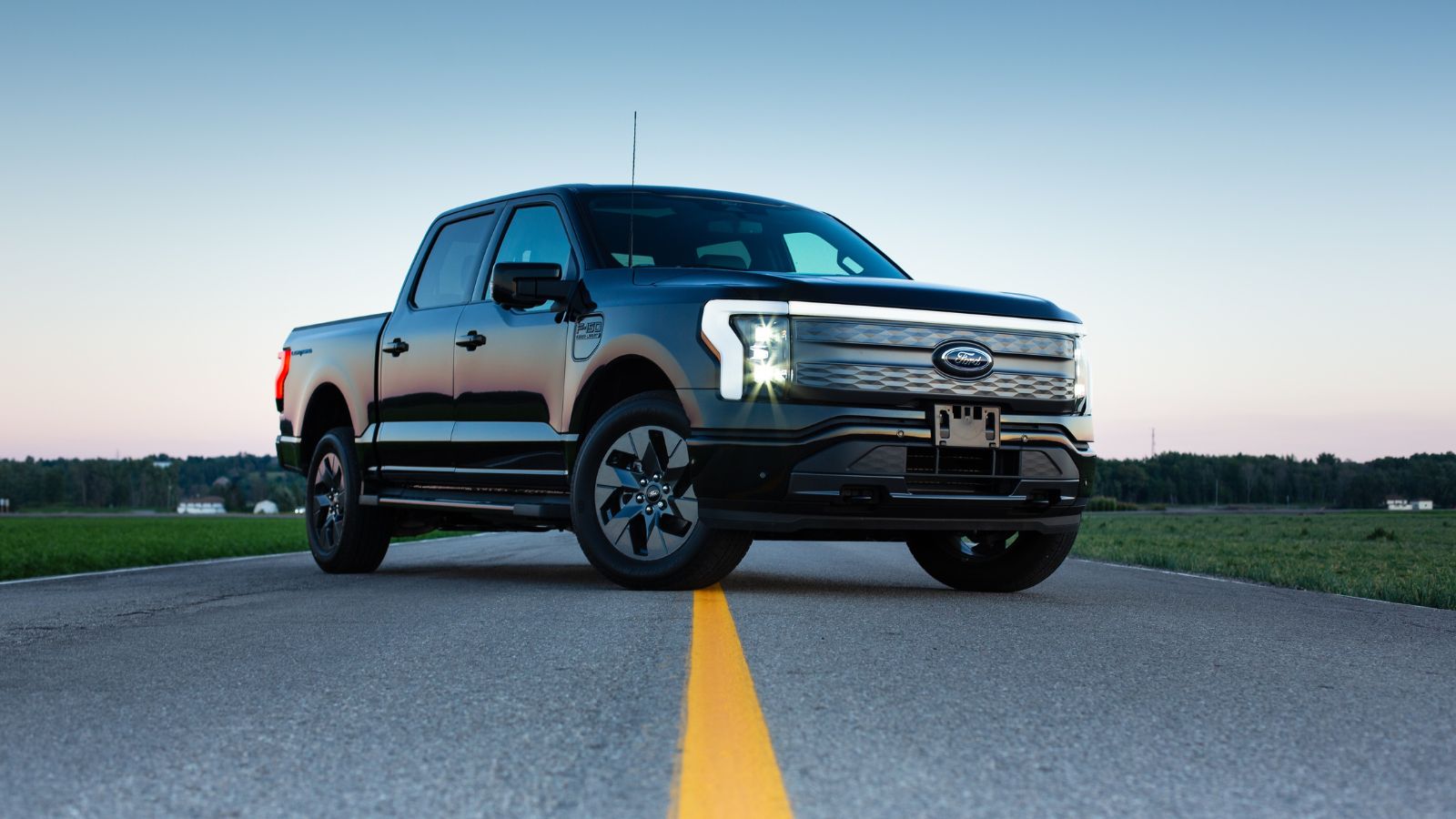
The F-150 Lightning is easy to like at first contact. It is quick, quiet, cleverly packaged, and far more refined than many buyers expect from an electric pickup. But Canada is a particularly demanding place to own an EV truck because the use case is harsher. Winter temperatures pull down range, heavy accessories increase energy use, and truck buyers are more likely to tow, haul, or drive long rural stretches. Real-world data already shows the Lightning giving up a meaningful chunk of range in freezing conditions, and towing can cut displayed range dramatically enough to reset how the truck is planned around.
That would be easier to absorb if pricing were rock solid, but the market has also been moving under it. When a vehicle’s real-world usefulness swings a lot by season and its pricing softens quickly, first-generation examples can start to feel like beta products rather than mature tools. For local fleets or predictable suburban driving, the Lightning can still make sense. For the traditional Canadian pickup life of trailers, cottages, contractors, and weather surprises, it may age less like a dependable half-ton and more like an experiment that needed another generation.
5. Toyota bZ4X
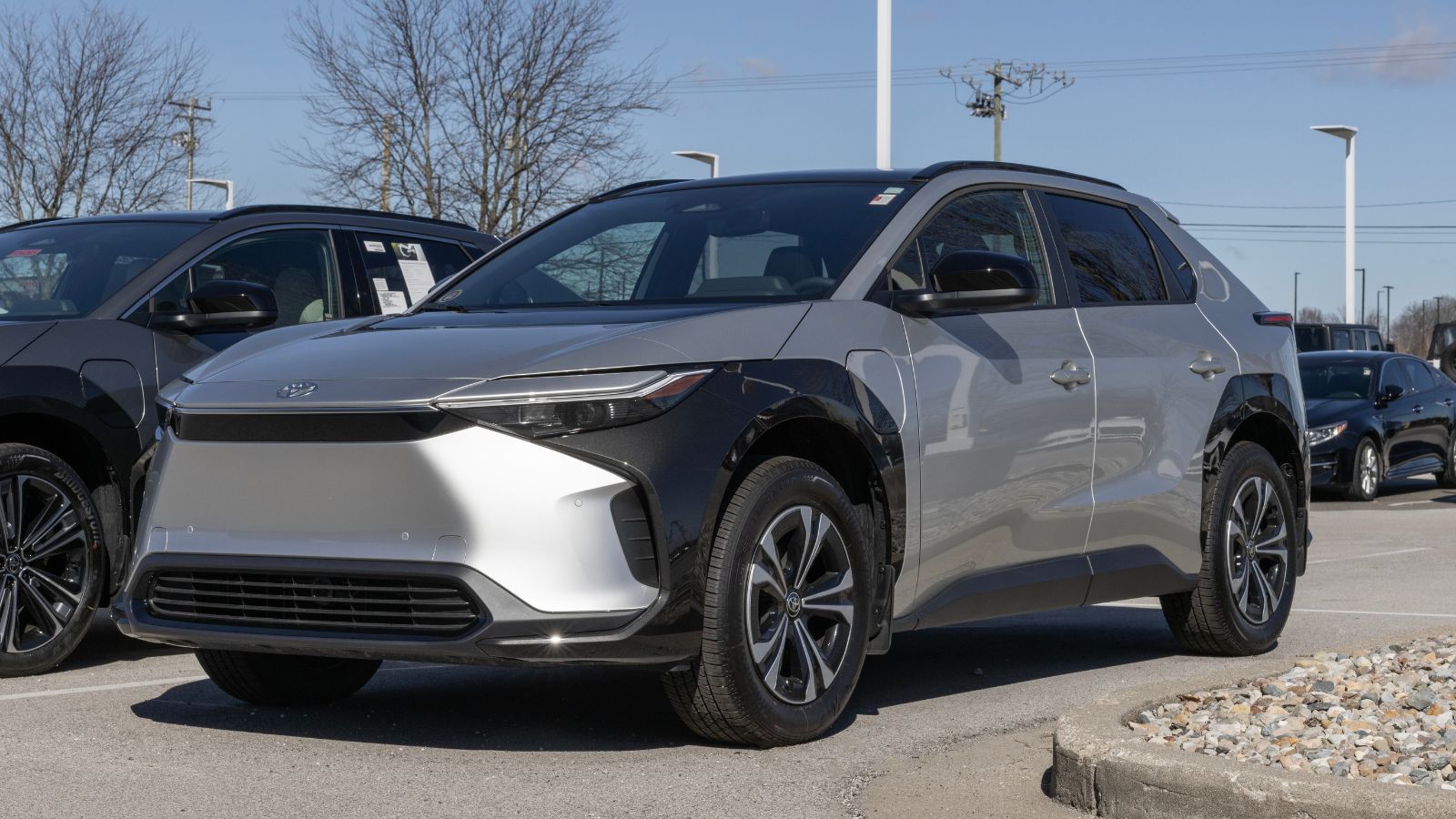
Toyota’s reputation buys a lot of patience, and that has helped the bZ4X more than most vehicles would have enjoyed. But patience is not the same thing as enthusiasm. Toyota’s own Canadian charging information has long hinted at the core issue: DC fast charging can slow significantly near and below freezing, and AWD models are subject to limits that make repeated fast-charge sessions less effective. In a warm coastal city, that might sound like a minor inconvenience. In a country where winter road trips regularly happen below zero, it becomes a very real ownership variable.
What makes the current bZ4X look vulnerable over time is how clearly Toyota has already improved the formula. The 2026 version adds battery preconditioning, a higher-capacity onboard AC charger, and cold-weather charging upgrades that directly address earlier complaints. That is usually a sign the first version reached the market a little too early. The bZ4X is not a bad commuter, and some owners will be perfectly happy with it. But the moment the improved version appears beside it on the used market, the older one risks looking less like a Toyota keeper and more like a transitional draft.
6. Subaru Solterra
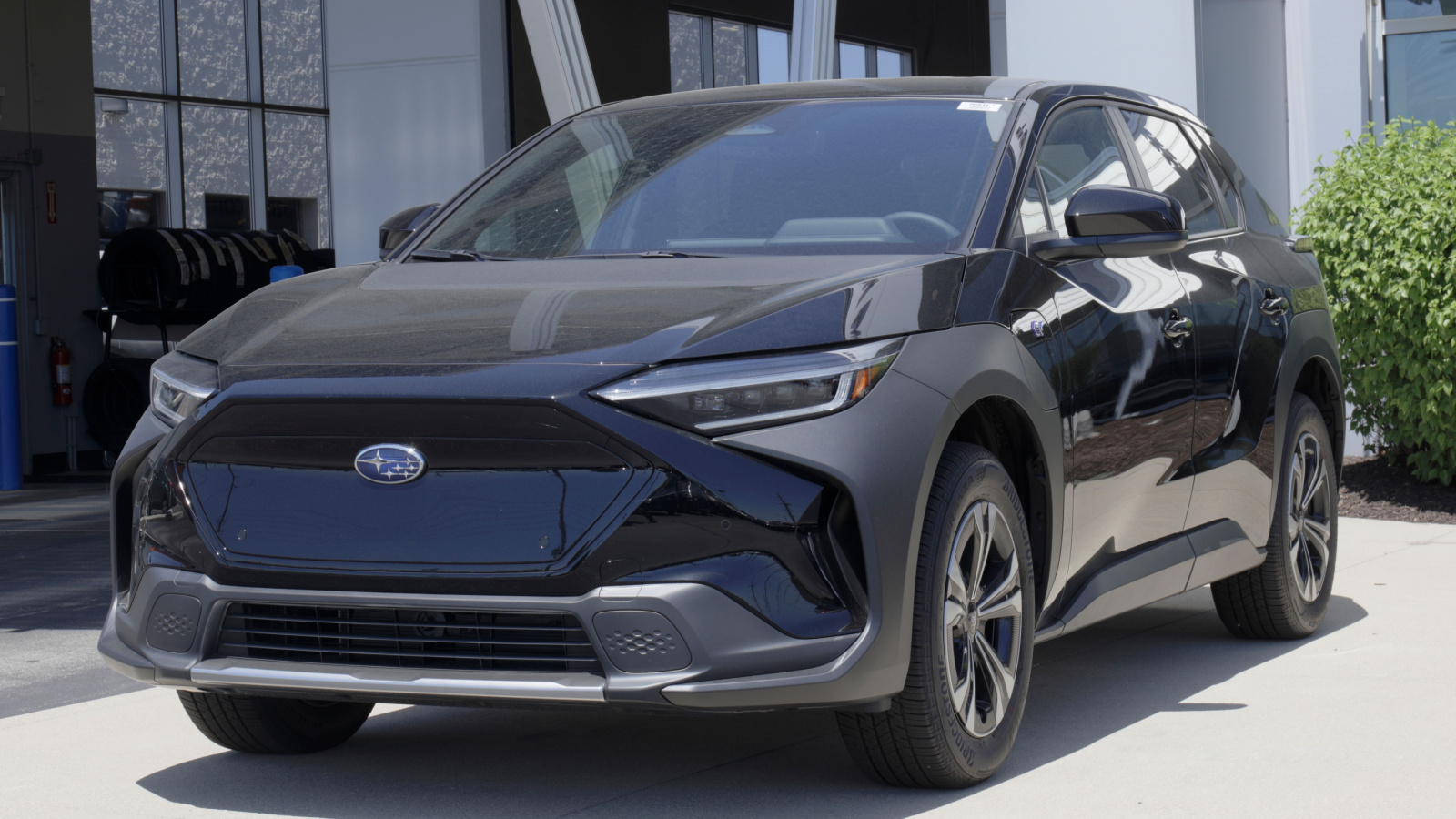
The Solterra has many of the qualities Canadians say they want: all-wheel drive, crossover shape, usable ground clearance, and a badge associated with all-weather confidence. That is why its shortcomings stand out so sharply. Subaru itself notes that cold weather increases charging time, reduces charging capacity, and can leave charging impossible when the battery is overly cold. Those are exactly the kinds of caveats Canadian buyers notice, because they turn what should be a simple ski-weekend or cottage run into a planning exercise with temperature as the hidden boss battle.
The bigger problem for long-term perception is how quickly Subaru improved it. The 2026 Solterra jumps to a far more competitive quoted range and much better charging capability, which instantly changes how earlier examples look. A vehicle does not have to break to age badly. Sometimes it just has to be passed over by its own replacement in a very obvious way. That is the risk here. The original Solterra can still be a calm, local, winter-friendly EV for the right household. It just may not feel nearly as future-proof in Canada as buyers hoped when it first arrived.
7. Chrysler Pacifica Hybrid
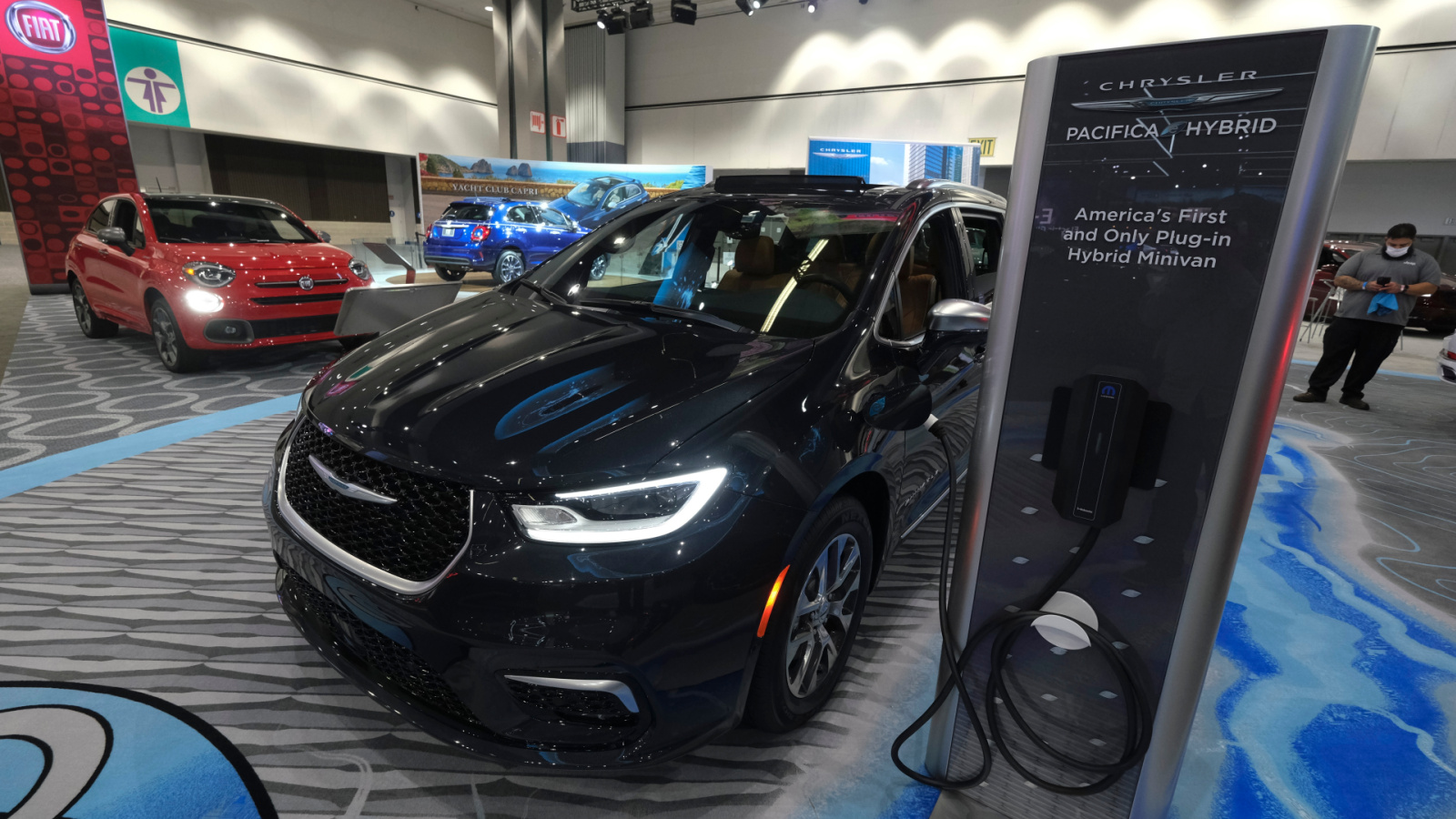
On paper, the Pacifica Hybrid is one of the smartest family vehicles sold in recent years. It offers electric commuting for the school run, gasoline backup for longer trips, and genuine minivan practicality. For many households, that formula still looks close to ideal. The concern is that minivans are bought for stability and routine, not for complexity. A 2024 Transport Canada recall warned that certain Pacifica Hybrid models faced a battery short-circuit risk that could lead to a fire even while parked and turned off, which is about as far from reassuring family transport as a vehicle can get.
That would already be enough to complicate its aging story, but more recent Pacifica and Voyager recall activity adds to the sense of recurring quality friction. Families tend to keep vans for years, often well beyond the initial excitement phase, and that is where reputations harden. A used Pacifica Hybrid can still be attractive because it solves so many daily-life problems elegantly. But once a family vehicle becomes associated with repeated recall notices, parking guidance, and service uncertainty, the emotional math changes. That is when a clever van starts aging like a high-maintenance appliance.
8. Jeep Grand Cherokee 4xe
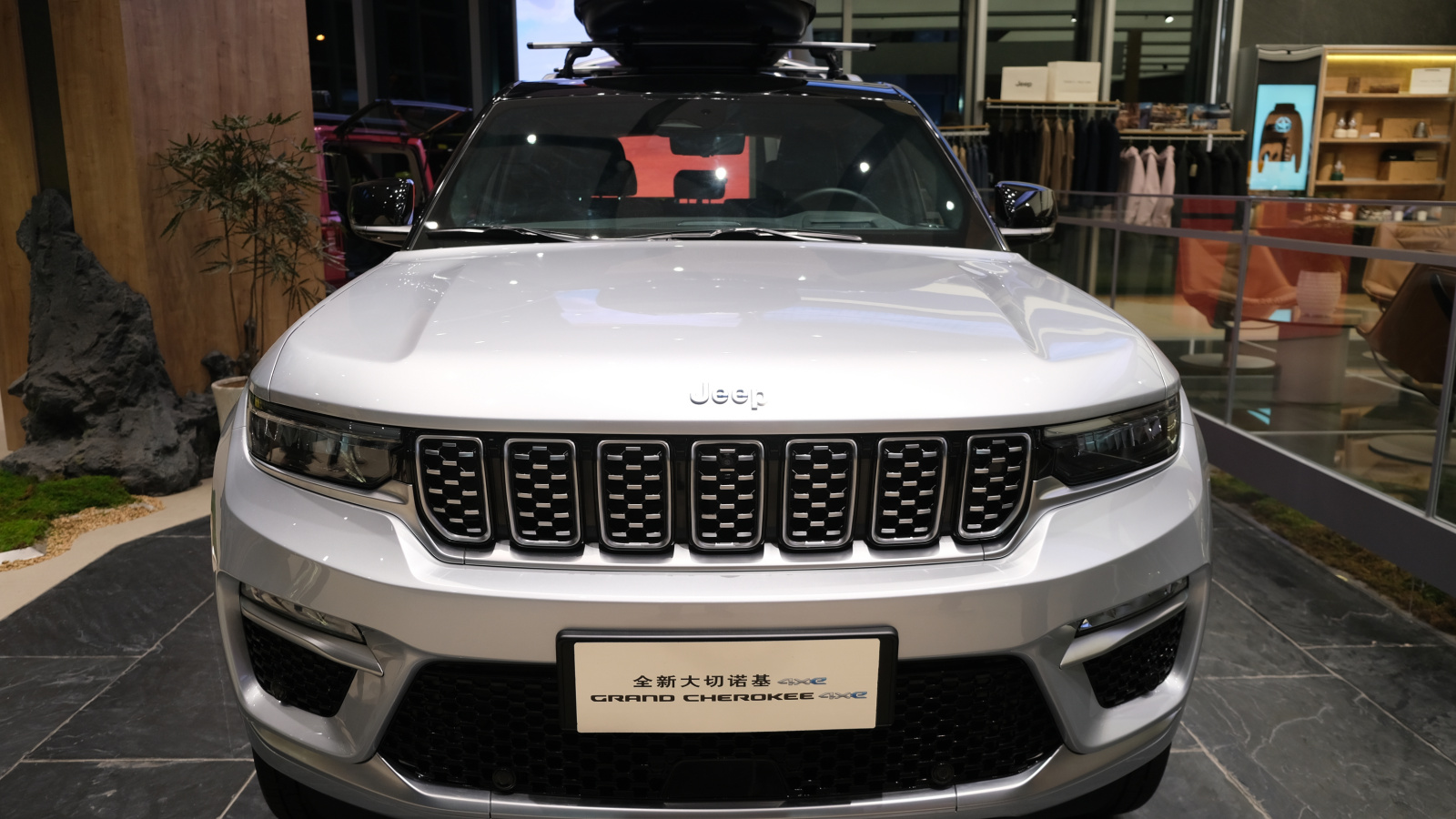
The Grand Cherokee 4xe is the kind of vehicle that sells an idealized version of modern Canadian driving: electric for short weekday miles, upscale enough for family duty, and still rugged enough to wear a Jeep badge without irony. That is a strong pitch. The issue is that plug-in SUVs with complicated powertrains need calm, confidence-building ownership records to age well. Instead, Transport Canada issued recall actions covering both potential loss of power and high-voltage battery fire risk in Grand Cherokee 4xe models, including instructions tied to charging and where the vehicle should be parked.
That matters because the 4xe is not priced or positioned like an experiment. It is meant to feel premium-adjacent and durable. Once buyers start associating a premium SUV with software resets, battery warnings, or outdoor-parking guidance, it ages faster than a plain gas model would. The cabin may still feel rich, and the badge may still turn heads in the driveway, but long-term value is built on predictability. In Canada, where winter temperatures already stress every system and where many owners expect to keep an SUV for years, unpredictability is exactly what makes a vehicle start feeling old.
9. Jeep Wrangler 4xe
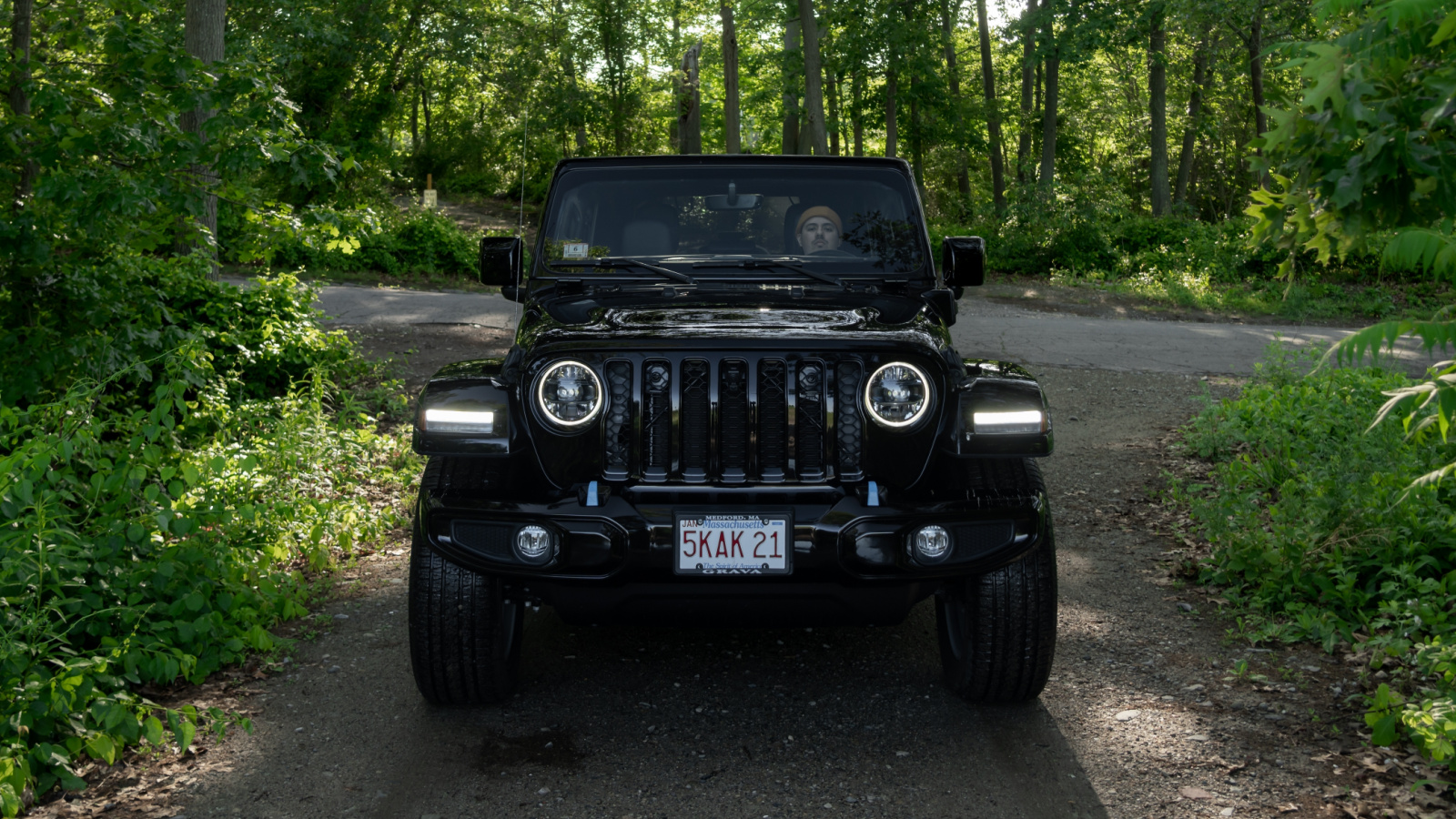
The Wrangler 4xe should have been one of the most natural plug-in winners in Canada. Instant torque fits off-road driving beautifully, electric commuting suits city owners, and the Wrangler’s icon status usually gives it an almost unfair amount of resale resilience. Yet even beloved vehicles can age poorly when ownership becomes too eventful. The same major 4xe battery-fire recall that touched the Grand Cherokee also covered Wrangler models, and additional reporting in Canada tied later Wranglers to another recall involving potential engine failure and loss of propulsion. That is a lot of baggage for a vehicle sold on freedom and simplicity.
Normally, the Wrangler gets away with things other vehicles cannot. Owners forgive wind noise, wandering steering, and rougher manners because the character is part of the deal. Recall fatigue is different. That is not character; that is friction. If a used Wrangler 4xe becomes the one that needs frequent recall lookups, outdoor parking caution, and extra patience at the dealer, its legendary badge stops being enough. It may still hold value better than many rivals, but “holds value” and “ages gracefully” are not always the same sentence.
10. Toyota Tundra
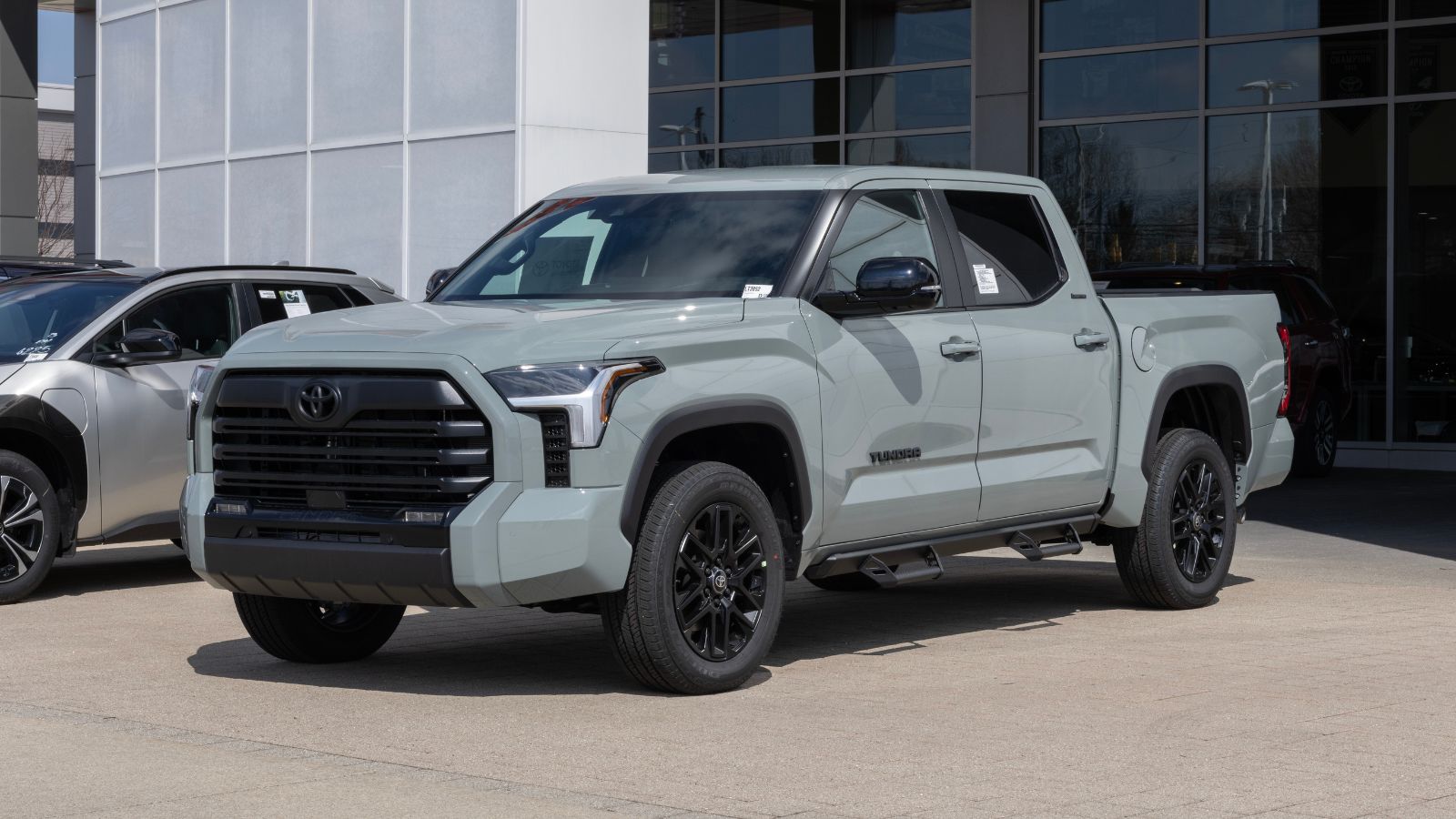
The Tundra has long traded on a very specific promise: maybe not the flashiest half-ton, but a truck buyers can trust deep into ownership. That is why its recent engine-related issues land so hard. Toyota Canada announced a recall involving 2023-2024 Tundras over machining debris that may not have been cleared from the engine, while Transport Canada later described the risk in more direct terms, including bearing failure and loss of motive power. Trucks do not get to shrug off that kind of language easily, especially in a country where pickups are expected to work in all seasons without drama.
The issue here is not that every Tundra is suddenly suspect. It is that the narrative changed. Canadian truck buyers are unusually sensitive to durability stories because these vehicles often double as family transport, tow rigs, work tools, and long-distance haulers. Once a truck’s reputation shifts from “buy it and forget it” to “check which recall expansion applies,” it starts aging differently in the public mind. Even perfectly fine examples can get caught in that perception drag. And in the truck world, perception is a large part of resale, loyalty, and long-term satisfaction.
11. Mitsubishi Mirage
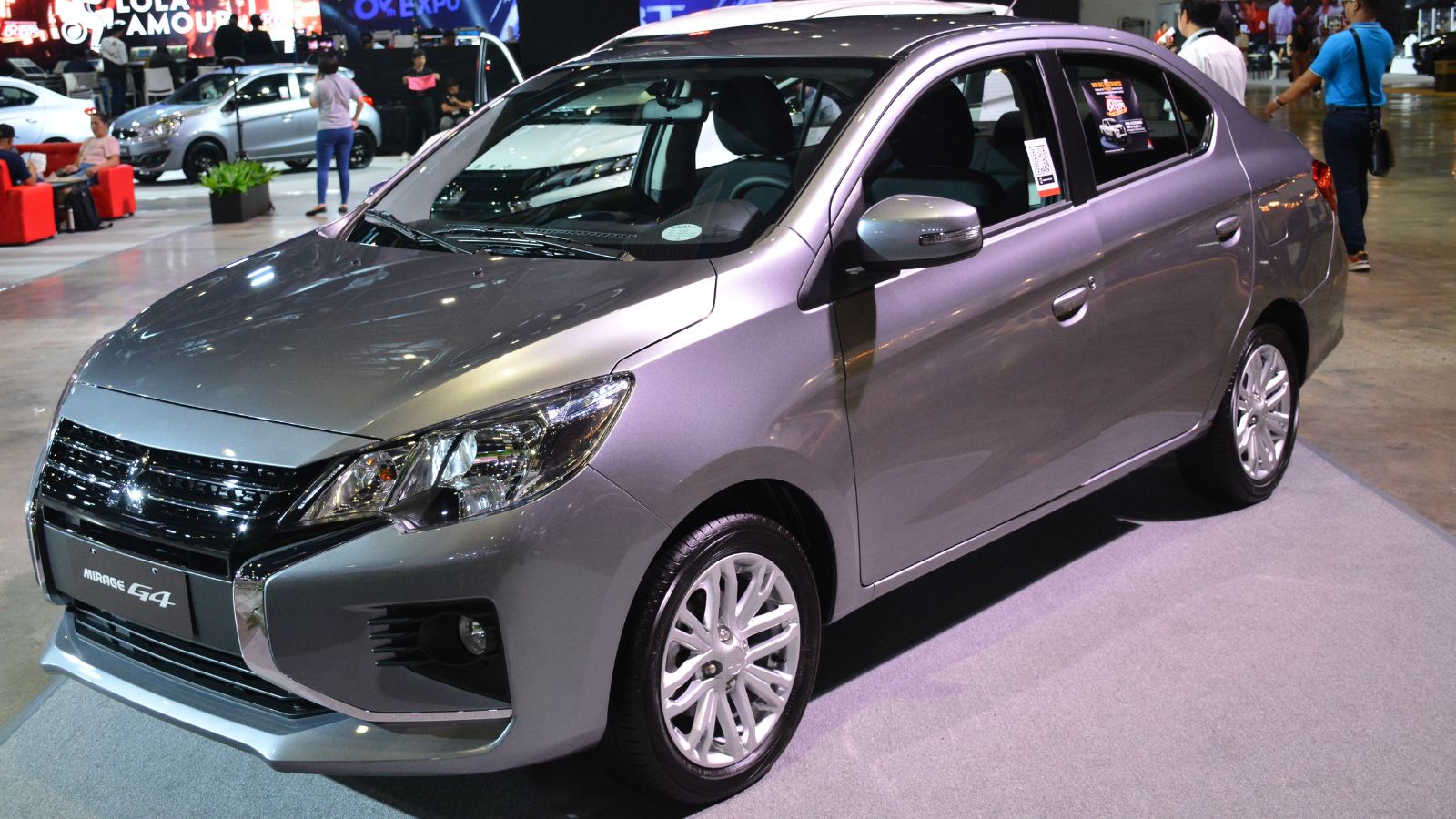
The Mirage was never sold as a deeply polished car. It was sold as a cheap way into new-car ownership, and for some buyers that alone made it defensible. But vehicles that age well usually gain something with time: affection, nostalgia, proven toughness, or a reputation for hidden value. The Mirage struggles on that front. Mitsubishi has effectively waved goodbye to the model, and the vehicle’s safety story has never sounded particularly modern. IIHS still applies a Marginal overall driver-side small-overlap rating to later models, which keeps the Mirage anchored to an older-era feel even when examples are still comparatively new.
In Canada, that is a harder problem than it might be elsewhere. Small, inexpensive cars need to feel extra competent in winter, on highways, and in mixed urban-rural use because their buyers are often trying to make one vehicle do everything. The Mirage can handle basic transportation, and that still counts for something. But its low-cost virtues do not necessarily become more attractive with age. Once the initial “new car for cheap money” appeal fades, what remains can feel thin. That is why the Mirage often looks sensible on paper and slightly regrettable a few winters later.
12. Honda CR-V
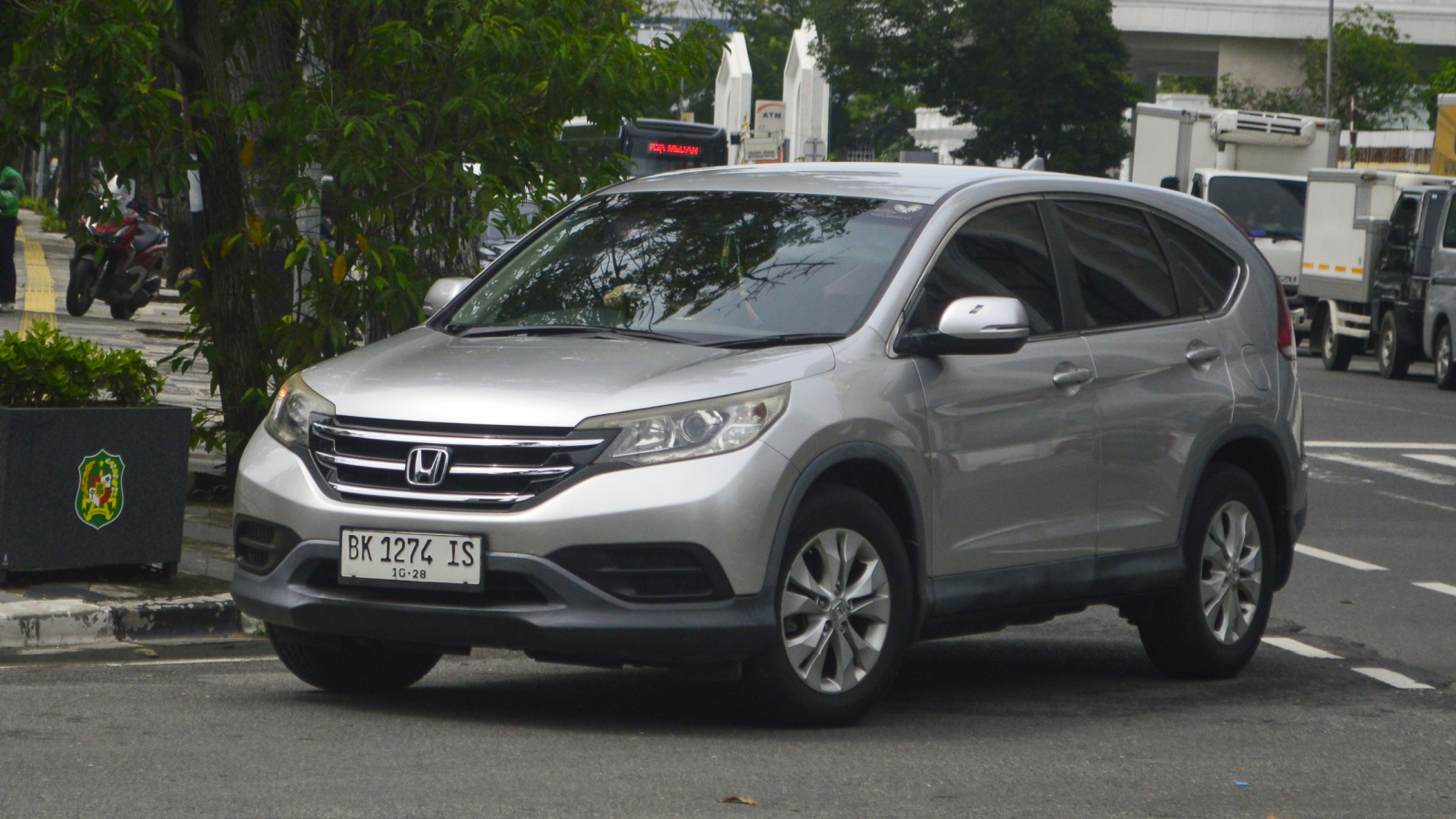
The CR-V is almost the perfect example of how a good vehicle can still age poorly in Canada for reasons that have little to do with reliability. It remains one of the most practical compact SUVs on the road, and that broad appeal is exactly what made it such a huge theft target. Équité Association recorded thousands of thefts involving recent CR-V generations in Canada, with a theft rate high enough to keep the model squarely in conversations about driveway risk, keyless-entry vulnerabilities, and organized export theft. That is not a design flaw in the usual sense, but it absolutely affects ownership.
Over time, that changes what aging looks like. A CR-V that still runs beautifully can feel worse to own because it needs a Faraday pouch, a steering-wheel lock, extra driveway cameras, or recurring conversations with insurers. Insurance Bureau of Canada has warned that theft costs continue to pressure premiums nationally, so the pain is not only emotional. It can show up financially, too. That is why the CR-V belongs here. Not because it suddenly becomes a bad SUV, but because in parts of Canada, the ownership environment around it can deteriorate faster than the vehicle itself.
13. Lexus RX
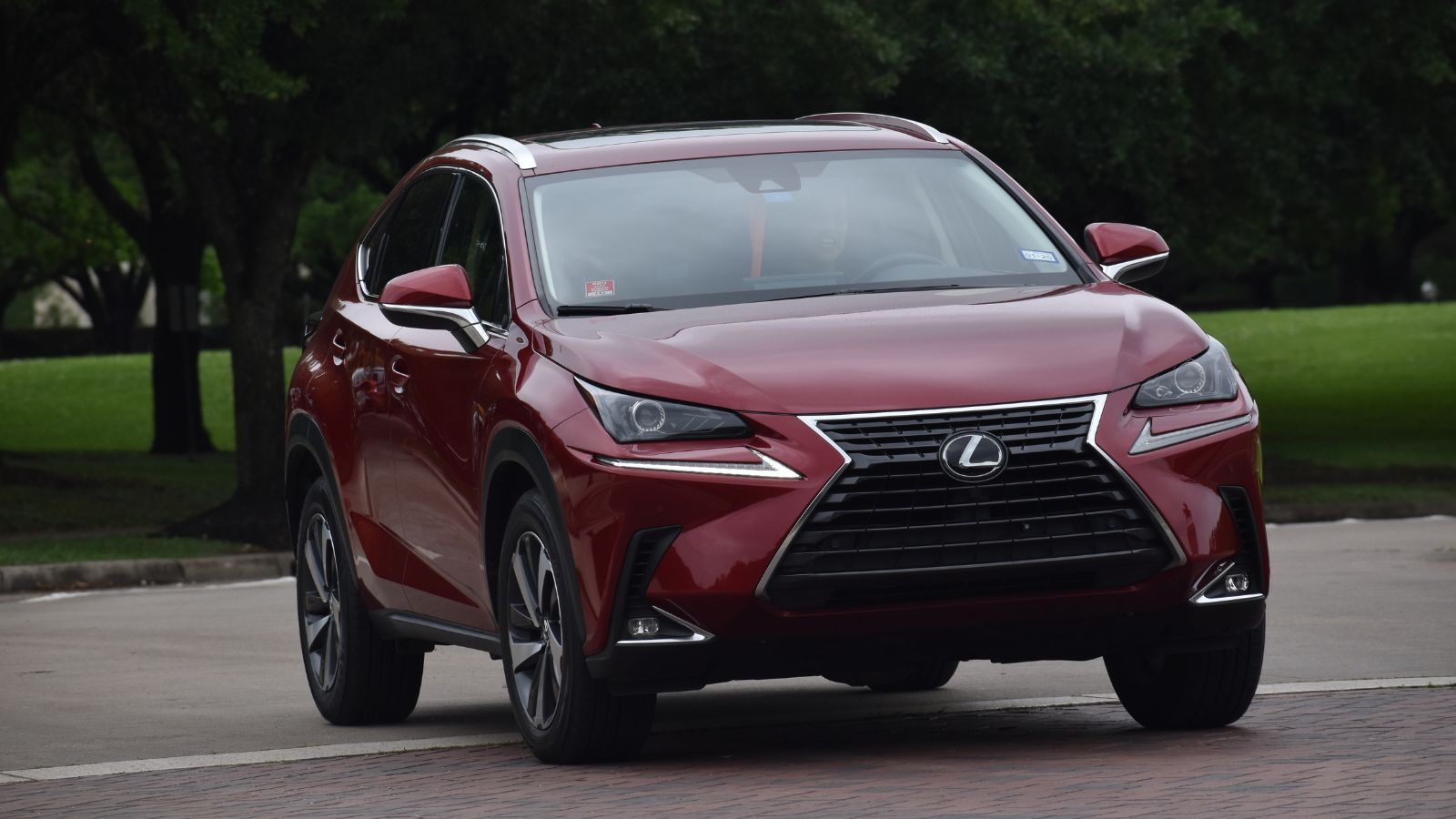
Mechanically and structurally, the RX has a strong claim to aging well. Lexus built its reputation on exactly that sort of long-term competence. But Canadian ownership is now shaped by more than engineering quality, and theft risk has become impossible to ignore. Équité’s figures on the RX are especially striking because the theft frequency is high relative to how many are on the road. That means the problem is not just popularity. It is desirability, portability, and the kind of criminal attention that can turn a relaxing luxury SUV into something owners watch over more closely than they expected.
That shift is especially damaging in a premium vehicle because peace of mind is part of what buyers are paying for. The RX is supposed to be the polished, quiet, low-stress choice. If aging means it becomes the SUV that owners hesitate to leave overnight at the airport or park on the street in a big city, that premium aura weakens. It may still be a strong machine. It may still outlast many competitors. But a luxury vehicle that creates regular low-grade anxiety is not really aging gracefully, even if the odometer says otherwise.
14. Toyota Highlander
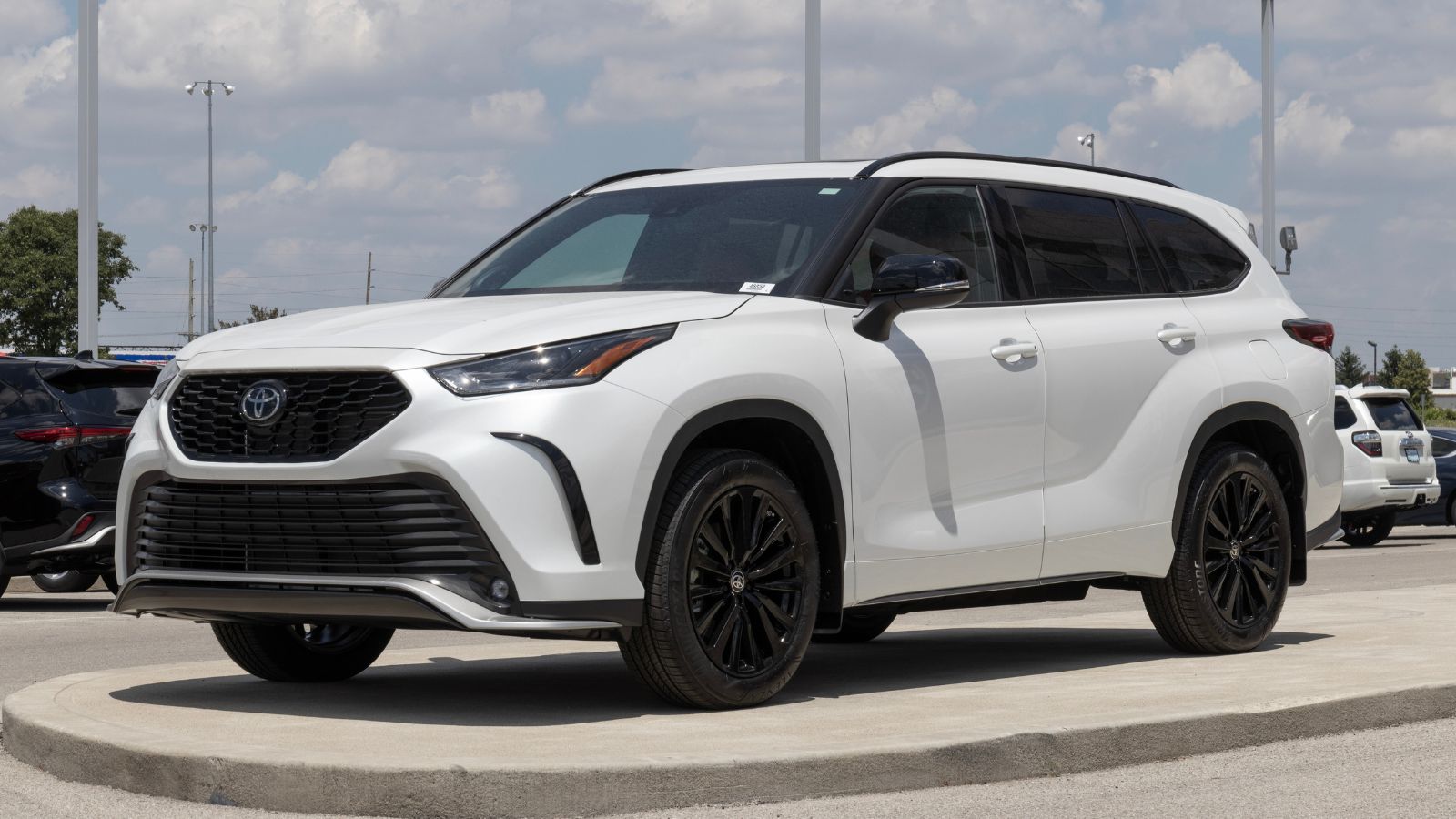
The Highlander usually projects exactly the sort of competence that helps a vehicle grow old gracefully. It is sensible, well packaged, broadly trusted, and rarely the most controversial choice in any family driveway. That is why its theft exposure in Canada feels so disruptive. When a family SUV shows up on national stolen-vehicle rankings, the issue stops being abstract. It becomes part of how owners think about where they park, whether they add tracking devices, and how relaxed they feel leaving it overnight. For a family-oriented vehicle, that kind of mental overhead matters more than many people admit.
Family buyers also tend to think in long ownership arcs. They imagine school years, sports gear, weekend trips, maybe a cottage run, and eventually handing the vehicle down or trading it after a long, uneventful stint. Theft pressure interferes with that whole script. Even if the Highlander continues to deliver typical Toyota durability, the vehicle can still feel like it is aging poorly because the ownership experience gets heavier. More precautions, more questions, more attention. It is a reminder that in Canada, a vehicle’s long-term appeal increasingly depends on what happens around it, not just inside it.
15. Ram 1500
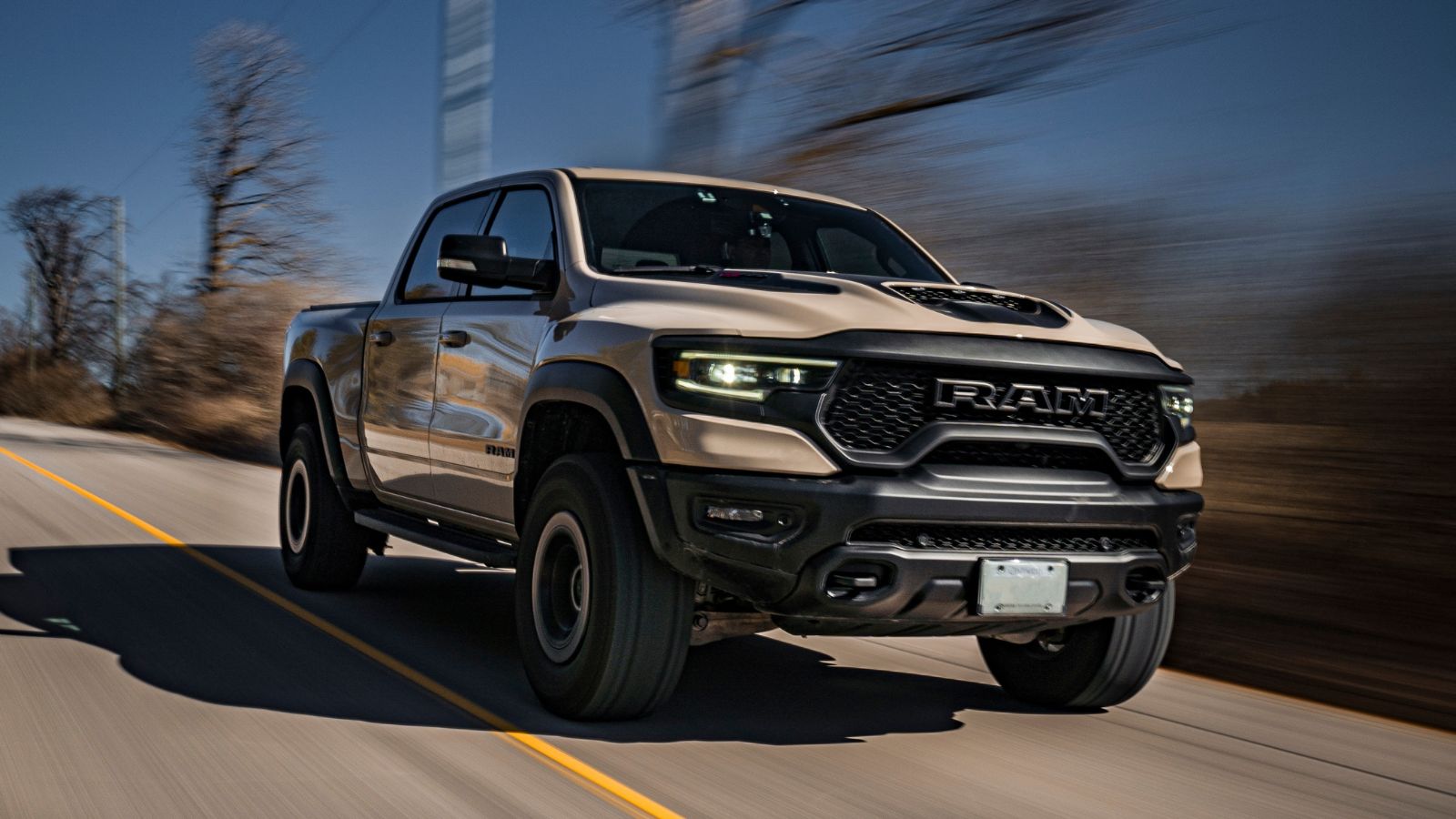
The Ram 1500 often wins buyers over with comfort before anything else. It rides better than many rivals, looks upscale in the right trim, and can feel more like a large touring vehicle than a blunt work truck. That is exactly why its theft exposure is so frustrating. Pickups live in vulnerable conditions: open driveways, job sites, hotel lots, works yards, rural properties. Once a truck develops a reputation as something thieves actively want, those real-world settings start to work against it. Ram’s presence on Canada’s stolen-vehicle lists shows that this is not merely theoretical.
As trucks age, buyers usually hope they become more useful, more trusted, and less emotionally expensive to own. Theft pressure pushes the other way. The older Ram that once felt like a smart used buy can begin to feel like a truck that needs constant awareness, extra hardware, and maybe a tougher insurance conversation. That does not erase its strengths. It simply changes their weight. Comfortable seats and a strong Hemi soundtrack matter a little less when the truck is the one owners keep checking on through a front-window camera after midnight.
16. Ford F-150
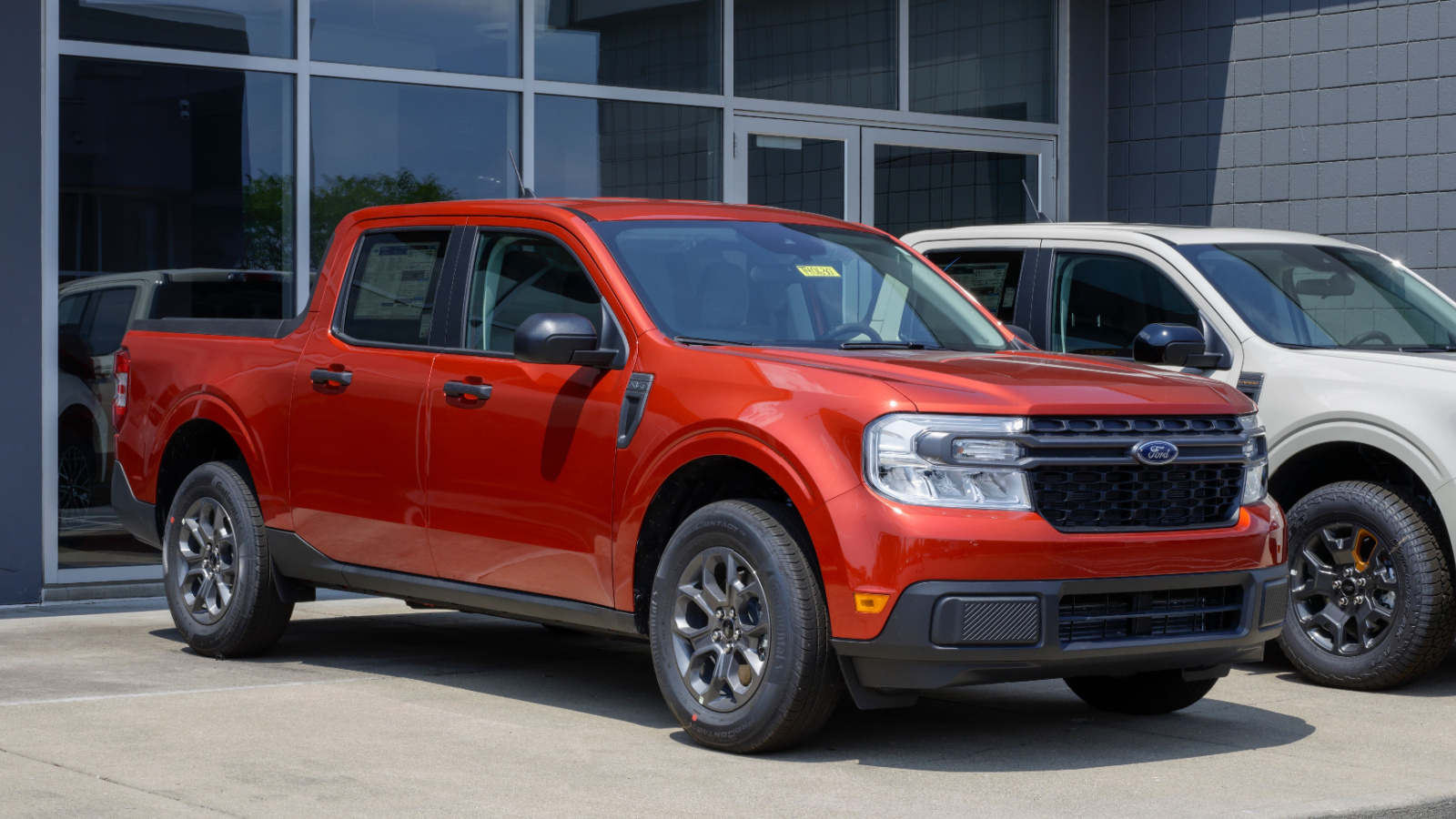
No vehicle is more woven into everyday Canadian life than the F-150. That ubiquity is part of its strength, but it can also become a liability over time. When a model is this common, thieves understand its routines, parts demand, export value, and how often examples are left in predictable places. Équité has tracked high theft counts for F-150 generations in Canada, which turns a familiar, trusted pickup into something more complicated to own than many buyers expect. A vehicle this mainstream should feel easy. That is part of the brand’s whole appeal.
The problem is that aging well is not only about durability. It is also about remaining low-drama. If an older F-150 still drives beautifully but now lives behind extra locks, aftermarket tracking, and driveway strategy, some of its everyday appeal has already been spent. That matters even more for contractors, tradespeople, and families who use the truck as a normal part of life rather than a weekend toy. The F-150 is still one of Canada’s defining vehicles. But in a theft-stressed environment, even a great pickup can start to feel older and heavier than it should.
22 Things Canadians Do to Their Cars in Spring That Mechanics Hate

Spring brings relief to many Canadian drivers after months of snow, freezing temperatures, and icy roads that put serious strain on vehicles. As temperatures rise across the country, drivers begin washing cars, switching tires, and preparing vehicles for warmer weather and upcoming road trips. However, mechanics across Canada notice the same mistakes every spring when drivers attempt to recover from winter damage. Road salt, potholes, and harsh winter driving conditions often leave vehicles with hidden problems that drivers ignore. Some spring habits even create new mechanical issues that could have been avoided with proper maintenance. Here are 22 things Canadians do to their cars in spring that mechanics hate.