


























A glance around Canadian roads right now tells a clear story: the vehicles showing up most often are not random. They reflect what the market has been rewarding lately—compact SUVs that handle winter without drama, pickups that still anchor work and recreation, hybrids that ease fuel costs, and EVs that are finally becoming more mainstream in the right price bands. The shift is especially visible in models that combine practicality, recognizable nameplates, and strong resale confidence.
This snapshot covers 20 vehicles that stand out in Canada for a mix of sales momentum, strong category positioning, redesign buzz, electrified demand, or plain everyday usefulness. Some are longtime leaders that refuse to fade. Others have surged because they landed at exactly the right moment for Canadian buyers.
Ford F-Series
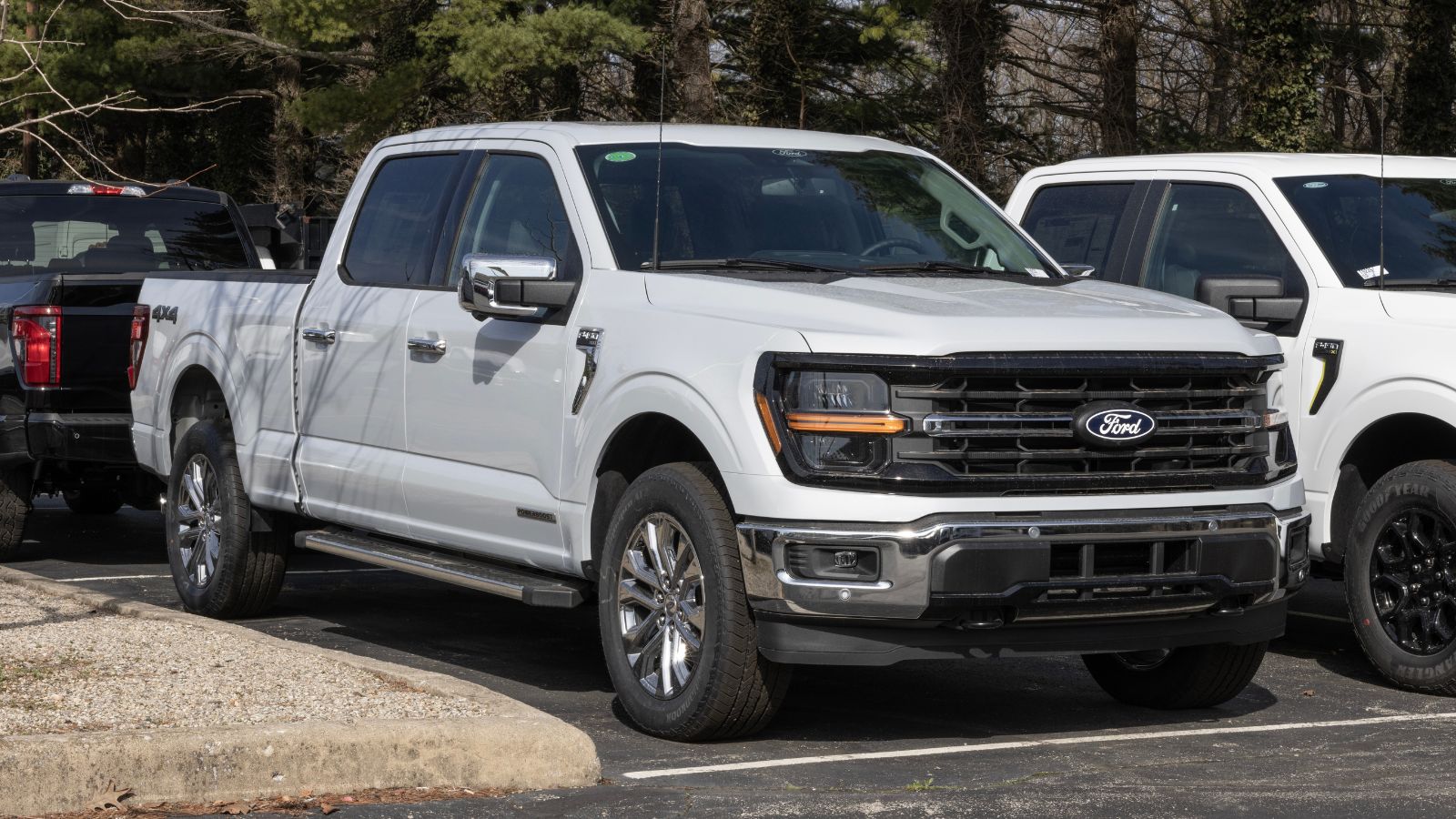
The Ford F-Series is still the easiest answer to the question of what vehicle feels most unavoidable in Canada. It remains the country’s pickup benchmark, and that matters in a market where trucks are not just work tools but family haulers, tow vehicles, and winter commuters. In 2025, Ford’s F-Series kept its pickup crown for the 60th consecutive year in Canada, with 138,470 units sold. That kind of volume creates visibility on every type of road, from downtown job sites to cottage highways.
What keeps it everywhere is not just loyalty. Ford has managed to keep the lineup broad enough to serve very different buyers. Some shoppers want a practical XLT or Super Duty for real work. Others want a premium trim that feels closer to a luxury SUV. When one vehicle line can cover construction, farming, recreation, and suburban family duty at once, it stops being a niche and starts becoming part of the national backdrop.
Toyota RAV4
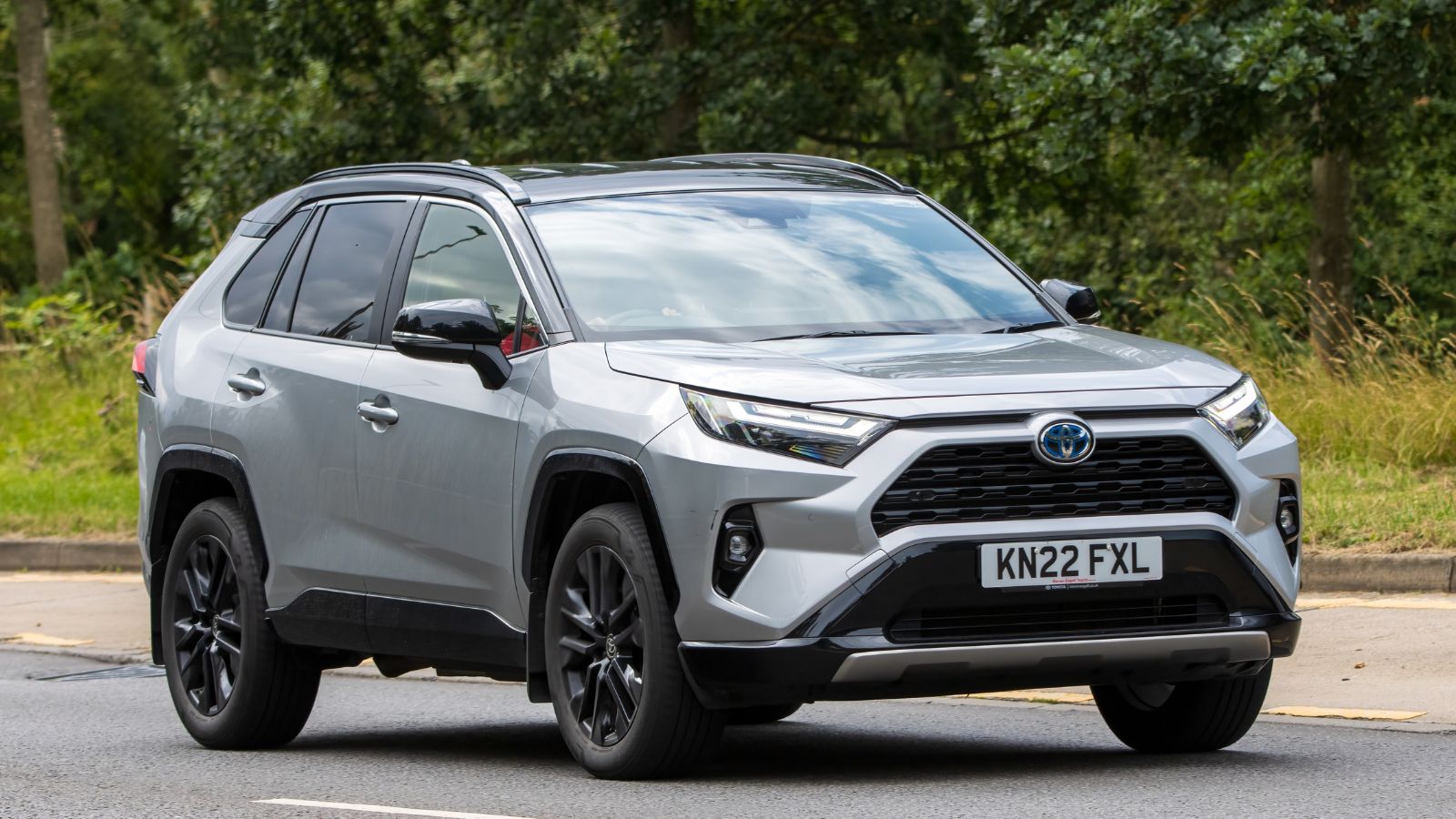
The Toyota RAV4 has become the template for what many Canadians want from a daily driver. It is roomy without feeling oversized, easy to park, widely trusted, and available in gas, hybrid, and plug-in hybrid forms. Toyota sold 75,573 RAV4s in Canada in 2025, keeping it the country’s best-selling non-pickup passenger vehicle. It also helps that the RAV4 is built in Canada, which gives the model a local identity that resonates more than many people realize.
The reason it seems to be everywhere goes beyond reputation. The RAV4 hits a sweet spot between cost, fuel efficiency, safety tech, and all-weather usefulness. In many neighborhoods, it has become the modern replacement for the midsize family sedan. The updated 2026 generation and Toyota’s continued push into electrified sales only add more momentum. When a vehicle already dominates school pickup lines and highway traffic, even a modest refresh makes it feel even more omnipresent.
Honda CR-V
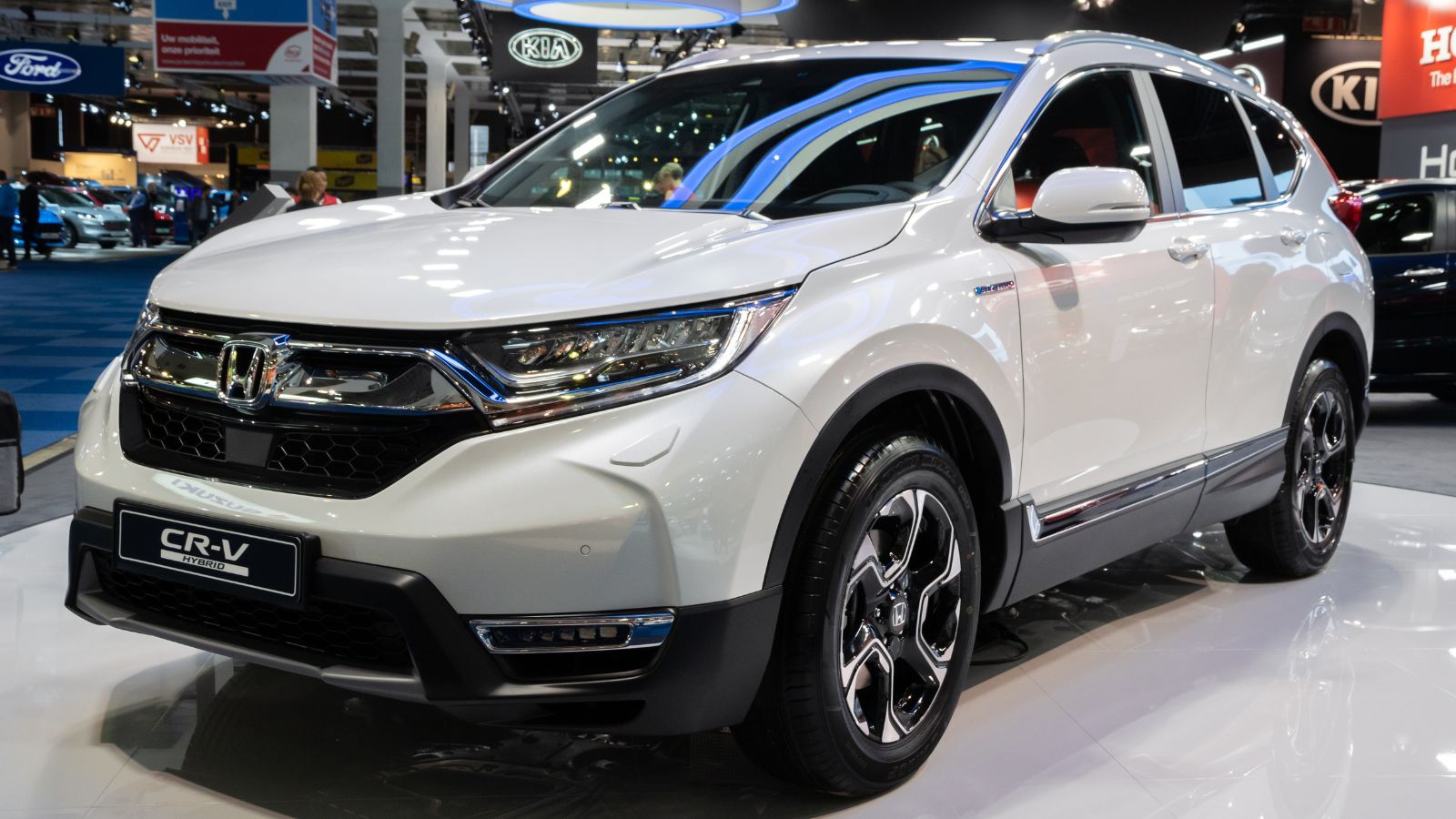
The Honda CR-V keeps showing up because it solves real-life problems with very little fuss. It is the kind of compact SUV that fits a stroller, grocery run, hockey bag, or weekend luggage without pushing buyers into a bigger and more expensive class. Honda reported 55,987 CR-V sales in Canada for 2025, and 35,325 of those were hybrids, making the CR-V Hybrid the country’s most popular hybrid vehicle. That is a strong sign that the model is not just selling well, but selling in the exact configuration buyers want most.
There is also a strong Canadian manufacturing angle behind its visibility. The CR-V and CR-V Hybrid are built in Alliston, Ontario, and the model has kept gaining relevance as more buyers want fuel savings without going fully electric. In practical terms, it works for young families, empty nesters, and commuters alike. That broad appeal is why it feels less like a trend vehicle and more like one of the default choices in Canada right now.
GMC Sierra
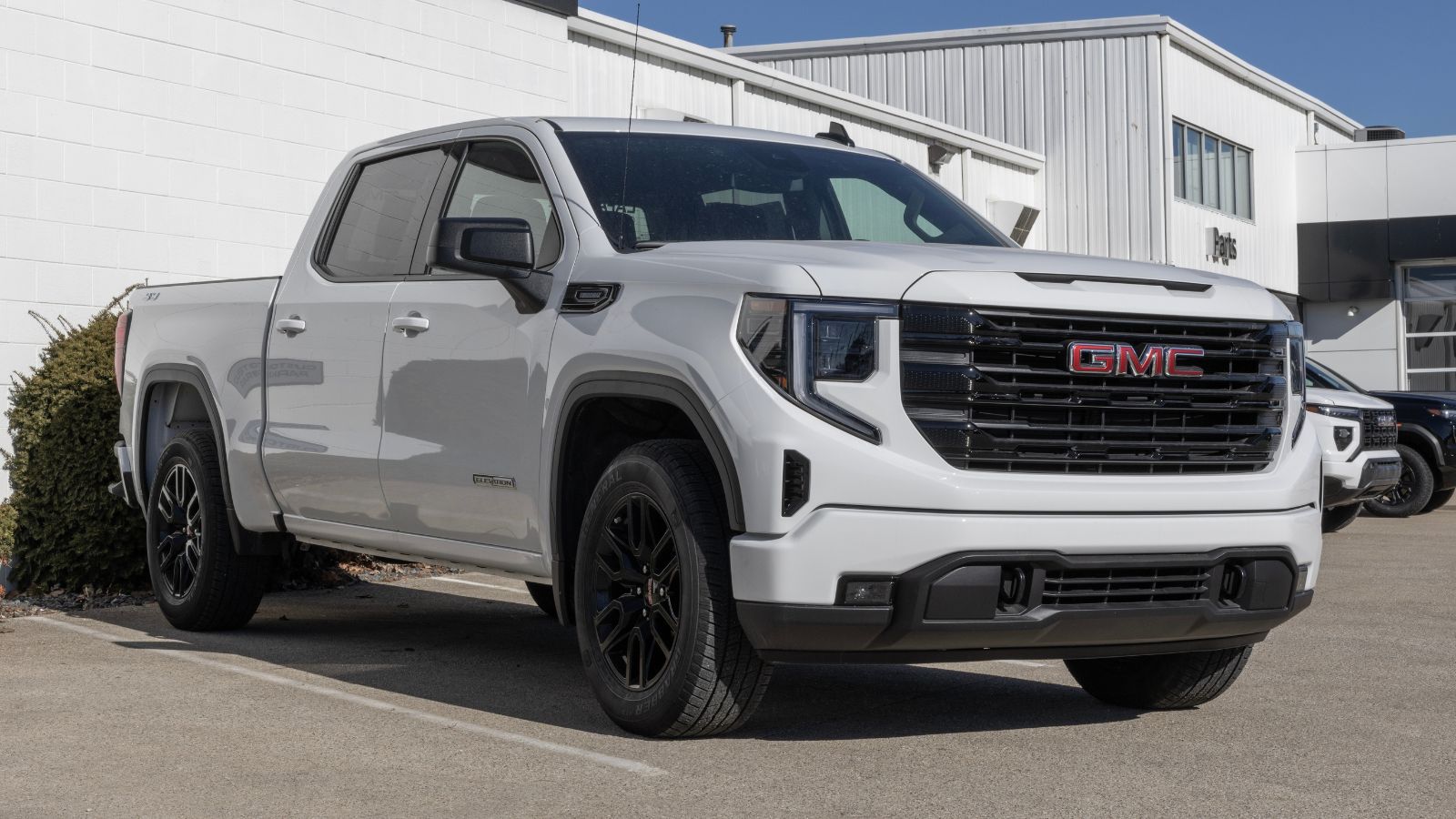
The GMC Sierra has benefited from a familiar Canadian pattern: when buyers still want full-size truck capability but also want more polish, the Sierra lands in a very comfortable spot. It ranked third in Canada’s 2025 model sales standings, and GM said the Sierra remained its best-selling model in Canada in the first quarter of 2026. That combination of high full-year volume and current momentum makes it one of the easiest trucks to spot almost anywhere.
Part of the Sierra’s rise comes from how neatly it bridges work and lifestyle. It can still do contractor duty, tow serious weight, and handle winter with confidence, but the upper trims lean hard into comfort and premium design. That matters because more truck buyers now want one vehicle to cover the jobsite and the family driveway. In places where the F-Series dominates by force of habit, the Sierra has carved out real space by feeling slightly more upscale without giving up the toughness that made full-size pickups so central to Canadian life.
Chevrolet Silverado
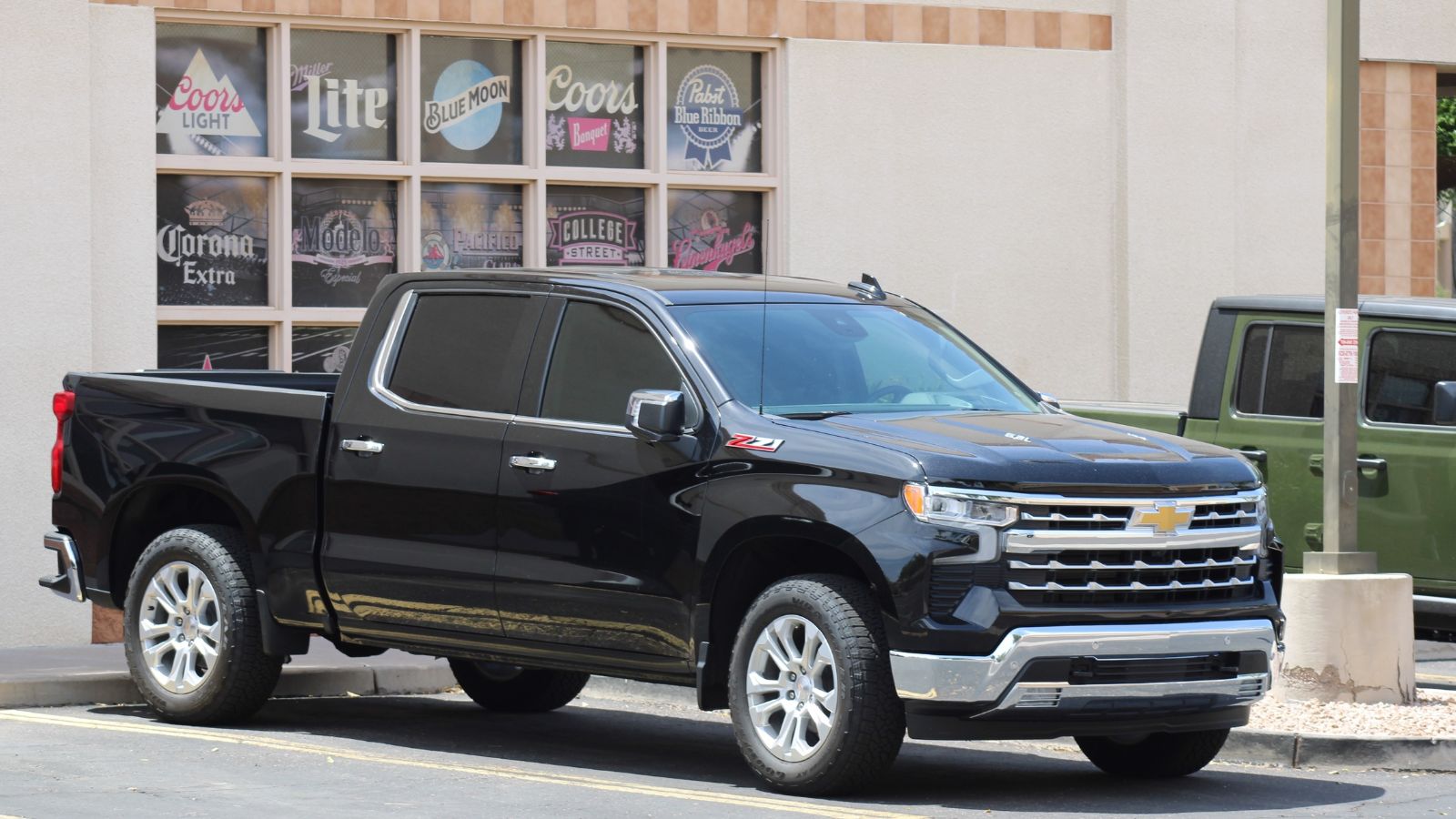
The Chevrolet Silverado remains one of those vehicles that blends into the Canadian landscape because it has been there for so long and still sells at scale. It climbed to fourth in Canada’s 2025 rankings, up two spots from the year before. GM’s combined strength in full-size pickups also stayed obvious in early 2026, with Sierra and Silverado together continuing to lead the market’s full-size truck battle. That means the Silverado is not just common in theory—it is common in the exact places where Canadians rely on trucks most.
Its visibility also comes from its breadth. The Silverado spans fleet trims, work-focused configurations, off-road versions, and higher-end models that compete with upscale rivals. In many rural areas and outer suburbs, it is not unusual to see several in a single block. What keeps it relevant is that it has not drifted too far from its core mission. Canadians still want trucks that feel straightforward, durable, and versatile. The Silverado continues to deliver that in a package that feels familiar, which is often a bigger advantage than flashy novelty.
Hyundai Tucson
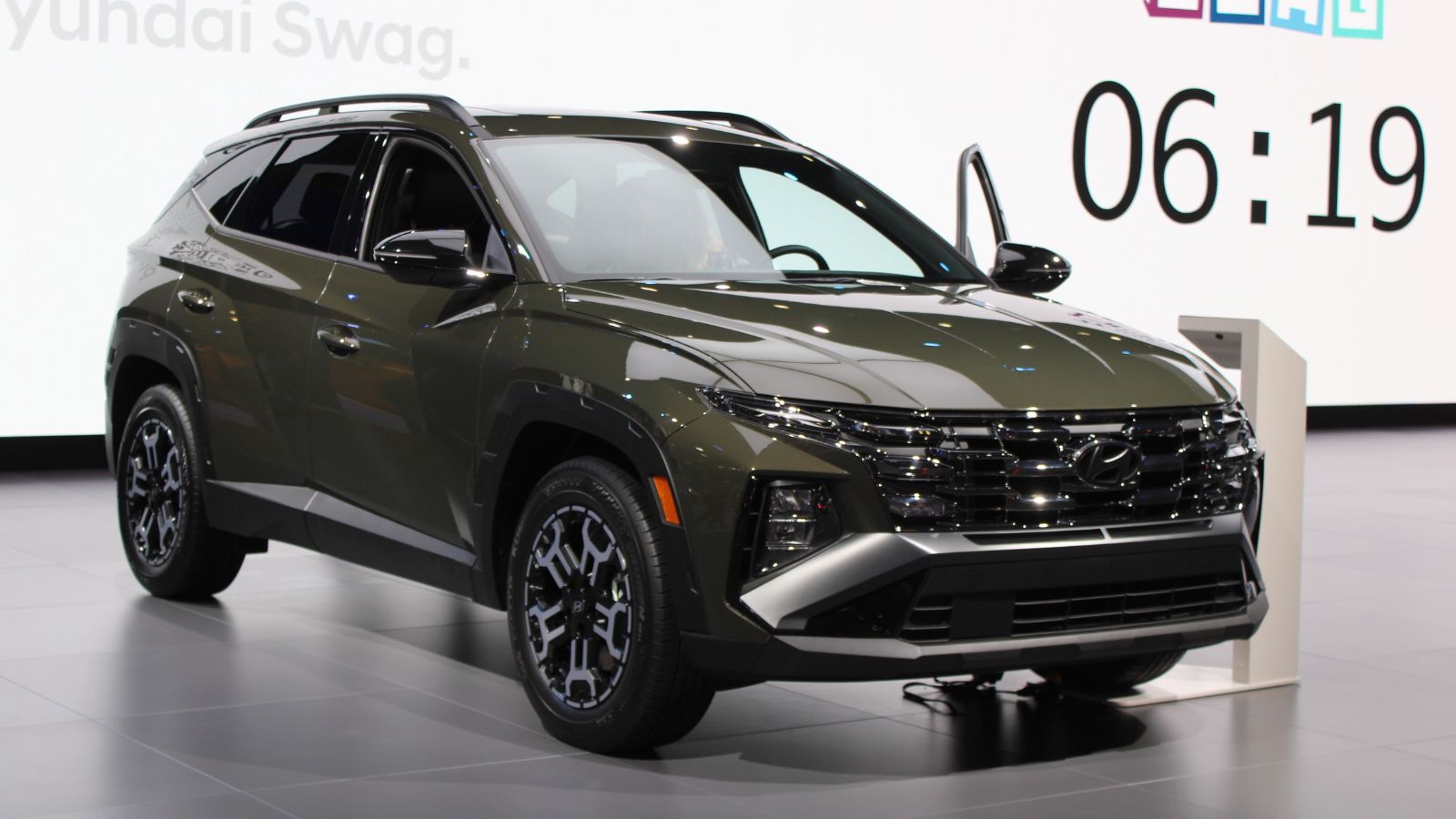
The Hyundai Tucson has gone from being a solid option to being one of the clearest momentum stories in Canada. It jumped three spots in Canada’s 2025 rankings and posted a 40.2 percent year-over-year gain. Hyundai also said the Tucson remained its best-selling model and set a new all-time monthly sales record in March 2026 with 4,830 units. When one model leads a fast-growing brand and keeps setting records, it starts popping up everywhere almost by default.
The bigger reason is that the Tucson now feels very well calibrated for the Canadian middle ground. It offers more visual presence than some compact rivals, a comfortable cabin, hybrid and plug-in hybrid availability, and the kind of features buyers once had to move upscale to get. It also carries Hyundai’s strong warranty reputation, which still matters in a market where people hold onto vehicles for years. In suburban driveways especially, the Tucson has become one of the most visible signs of Hyundai’s move from “value alternative” to mainstream first-choice brand.
Nissan Kicks
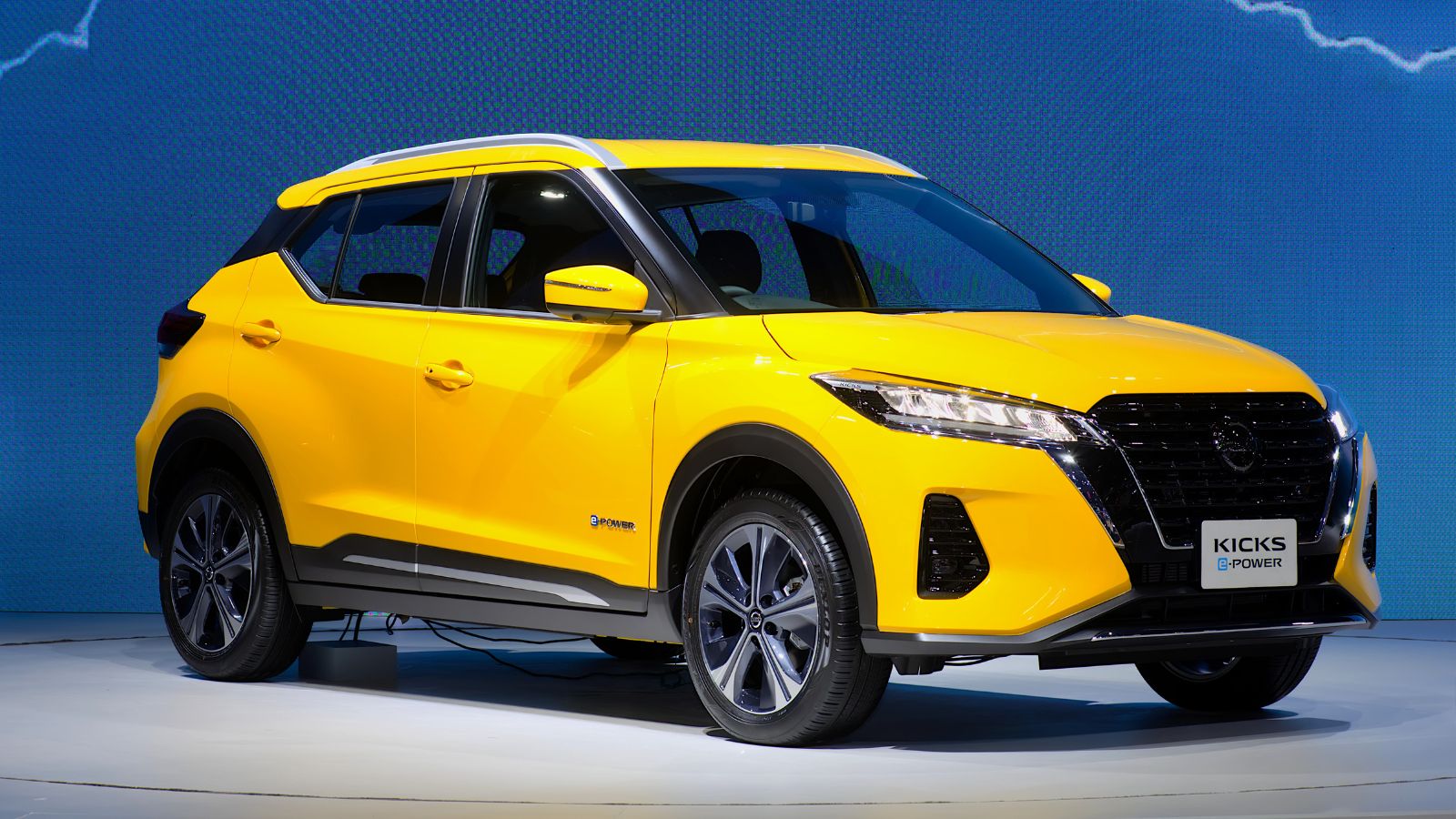
Few vehicles better fit the “suddenly everywhere” label than the Nissan Kicks. In Canada’s 2025 rankings, it jumped seven spots and posted a 70.1 percent gain. Nissan then reported that Kicks sales reached 7,775 units in the first quarter of 2026, up another 71 percent year over year. That is not the profile of a vehicle quietly doing well. That is the profile of a model rapidly becoming a common sight in condo parking lots, city streets, and first-time buyer conversations.
The reason is easy to understand. The redesigned Kicks arrived with a stronger look, more interior usefulness, and, crucially for Canada, available all-wheel drive. That helps it feel less like a bare-bones budget crossover and more like a legitimate all-season choice. For younger buyers and smaller households, it lands in a sweet spot where the size feels manageable and the price feels realistic. In a market where affordability has become a central issue, a well-priced small SUV that finally looks and feels more substantial can spread very quickly.
Nissan Rogue
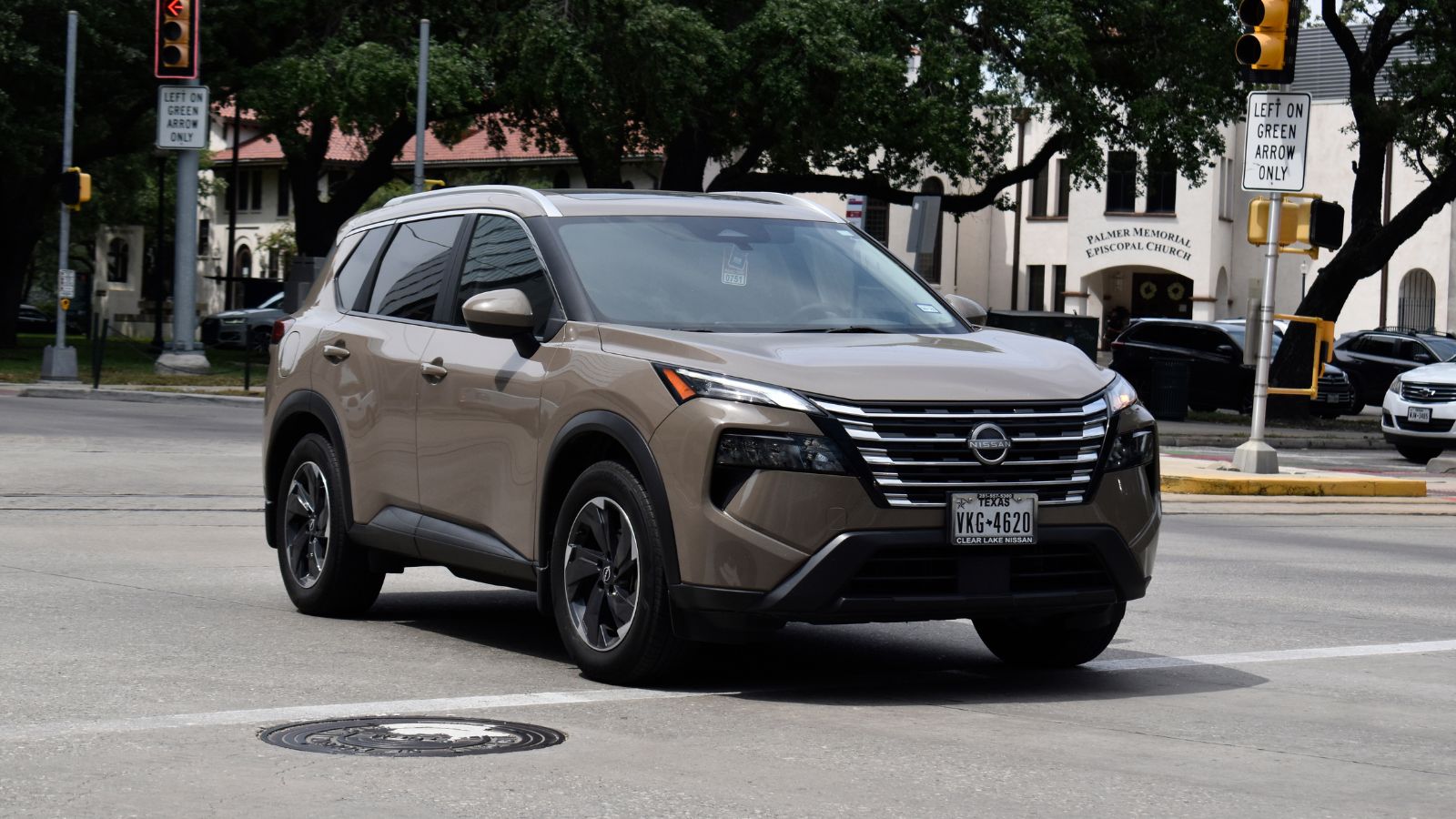
The Nissan Rogue keeps showing up because it sits in one of the hottest parts of the market and does a lot of things well without demanding much compromise. It finished ninth in Canada’s 2025 rankings after a 10.1 percent gain, which is a meaningful result in such a crowded segment. The Rogue also stays current with a roomy cargo area, strong efficiency, advanced driver-assistance features, and an expanding electrified story that now includes a plug-in hybrid version for 2026.
That combination matters because many buyers are no longer shopping for a vehicle that excels in only one category. They want a compact SUV that can handle commuting, road trips, family tasks, and winter weather while still feeling efficient. The Rogue is very strong in that all-rounder role. It may not always dominate headlines, but it repeatedly shows up on real shopping lists because it feels sensible, modern, and easy to live with. Vehicles with that kind of quiet competence often become the ones Canadians end up seeing the most.
Subaru Crosstrek
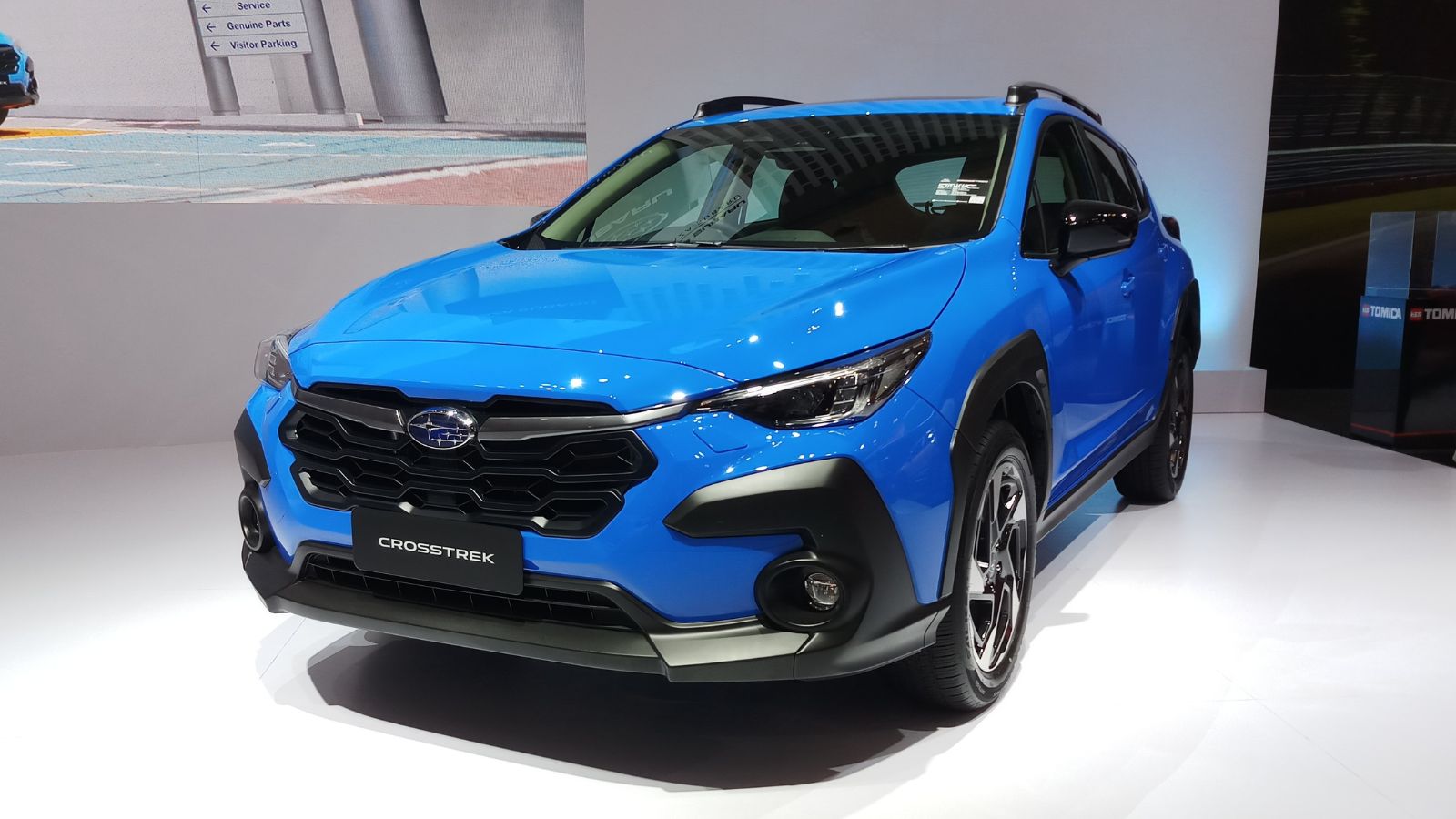
The Subaru Crosstrek has become almost a cultural object in parts of Canada. It appeals to drivers who want something smaller than a RAV4 or CR-V but still capable enough for snow, gravel, ski trips, and rougher roads. In Canada’s 2025 rankings, the Crosstrek closed out the top 10 with a 14.9 percent gain. Subaru also capped a record-breaking 2025 in Canada, with Crosstrek contributing to the brand’s strongest year ever and posting standout monthly results.
Its visibility comes from more than sales alone. The Crosstrek has a very distinct identity: standard Subaru all-wheel drive, useful ground clearance, and a design that leans active without feeling overdone. It attracts urban drivers who want confidence in winter and outdoorsy buyers who do not want the size of a larger SUV. That is a wide audience in Canada. When a vehicle fits both downtown Toronto errands and a Blue Mountain weekend, it becomes the kind of model that starts showing up in every type of parking lot.
Honda Civic
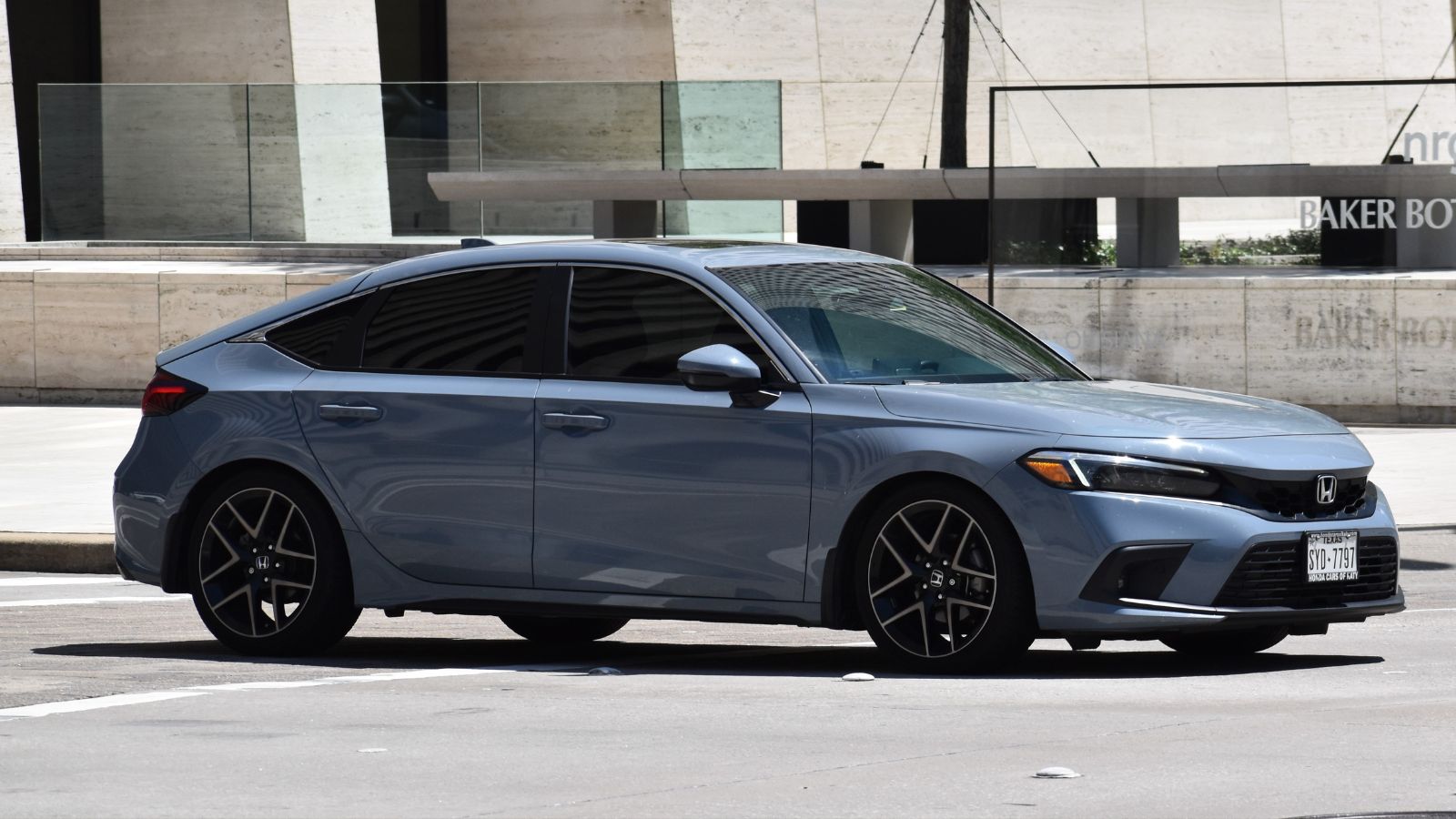
The Honda Civic remains one of the few passenger cars that still feels deeply woven into Canadian driving culture. Honda said the Civic retained the title of Canada’s best-selling car for 2025, continuing a run that has seen it finish first among passenger cars in 26 of the last 28 years. The Civic Hybrid also took home AJAC’s 2025 Canadian Car of the Year award, which gave the model fresh relevance at a time when many compact cars struggle to stay top-of-mind.
Part of the Civic’s staying power is that it never stopped adapting. It is still affordable compared with many larger vehicles, but it now also offers a more polished interior, better technology, and an electrified version that speaks directly to rising fuel-cost sensitivity. It is also built in Canada, which adds another layer of familiarity and loyalty. Even in an SUV-heavy market, the Civic keeps proving that a well-executed compact car can still feel like the right answer for commuters, students, young families, and long-time loyalists alike.
Toyota Corolla
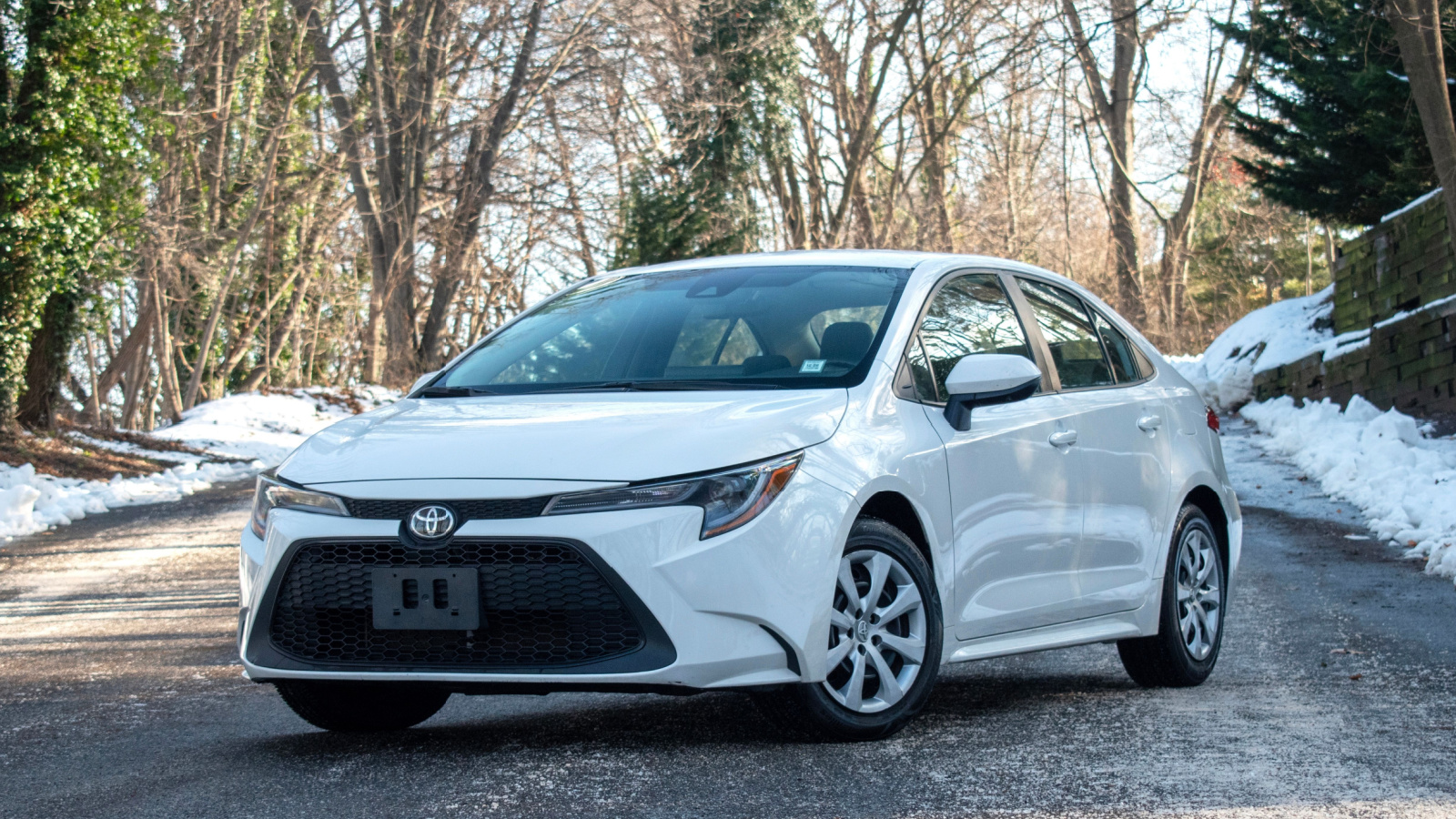
The Toyota Corolla has a quieter reputation than the Civic, but it remains one of the most durable success stories in the Canadian market. The Corolla stayed near the top of the passenger-car rankings in 2025, and Toyota reported that Corolla Hybrid sales rose 27.3 percent year over year, setting an annual record. That helps explain why the model family feels more visible again. It is not just surviving the SUV era; it is finding renewed energy through affordable electrification.
What makes the Corolla easy to spot is how broadly it fits. It works as a first car, commuter car, downsizer car, and cost-conscious household second vehicle. Toyota has also kept the lineup flexible, with gas, hybrid, and available all-wheel-drive hybrid versions. That is a very Canadian formula. In a market where many shoppers are watching both purchase price and fuel costs closely, the Corolla’s appeal has become sharper, not weaker. It is one of the clearest examples of a familiar nameplate staying relevant by evolving just enough.
Hyundai Elantra
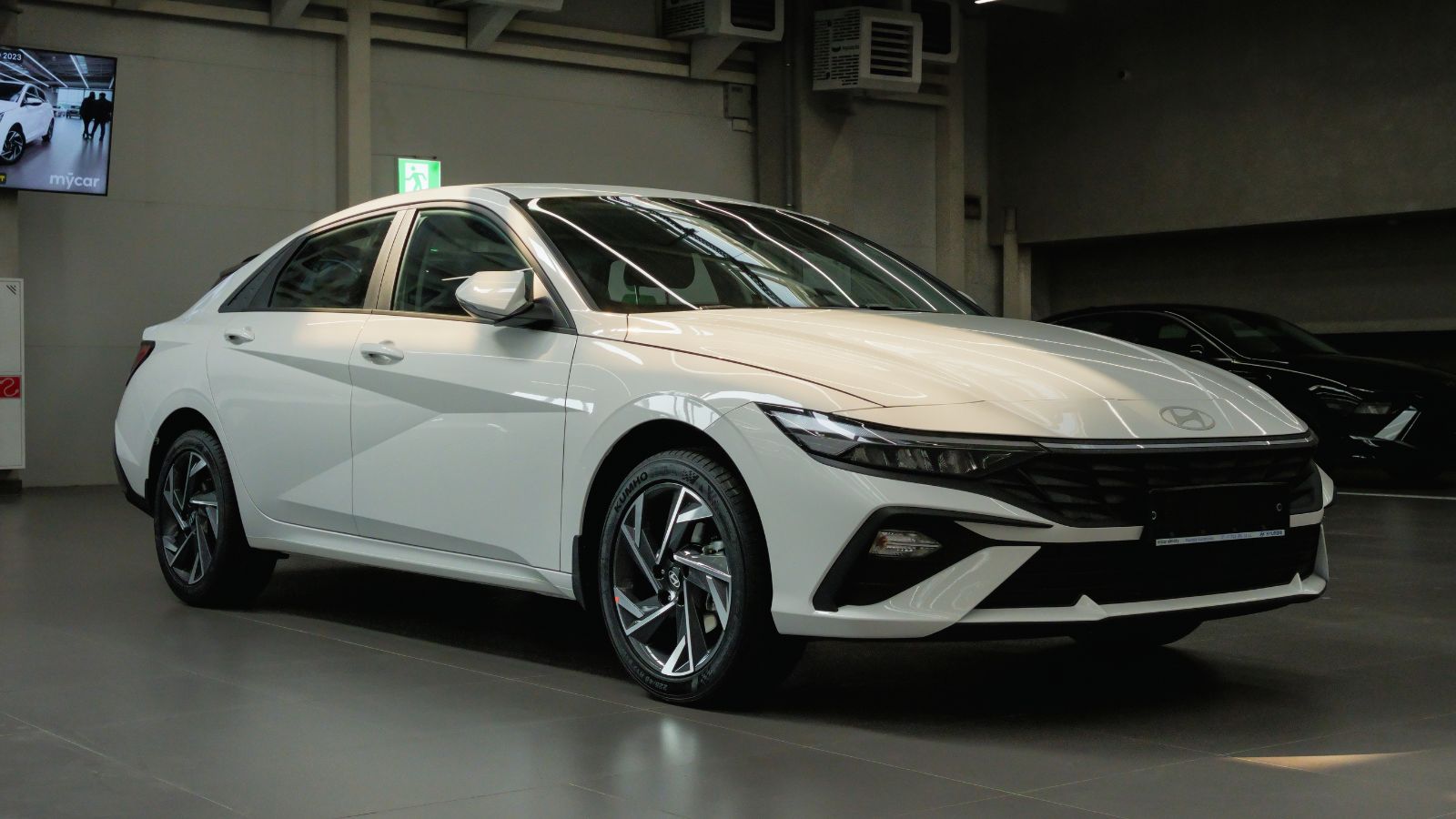
The Hyundai Elantra has quietly become one of the stronger compact-car value plays in Canada. In Hyundai’s record March 2026, the Elantra sold 1,905 units, trailing only the Tucson within the brand’s lineup. Hyundai also highlights the Elantra Hybrid’s best-in-class fuel efficiency in its segment based on Natural Resources Canada ratings cited on the Canadian site. That gives the Elantra a stronger argument than many people assume when they first think of the compact-car market.
Its growing street presence comes from how much design and perceived value Hyundai has packed into it. The Elantra no longer feels like a basic fallback choice. It looks sharper, offers plenty of technology, and in hybrid form directly addresses fuel-cost anxiety. For buyers who still want a sedan but do not want to feel like they are settling, that matters. In many Canadian cities, the Elantra is becoming the alternative to both a used SUV and a pricier compact car, which is exactly the kind of positioning that increases visibility fast.
Hyundai Kona
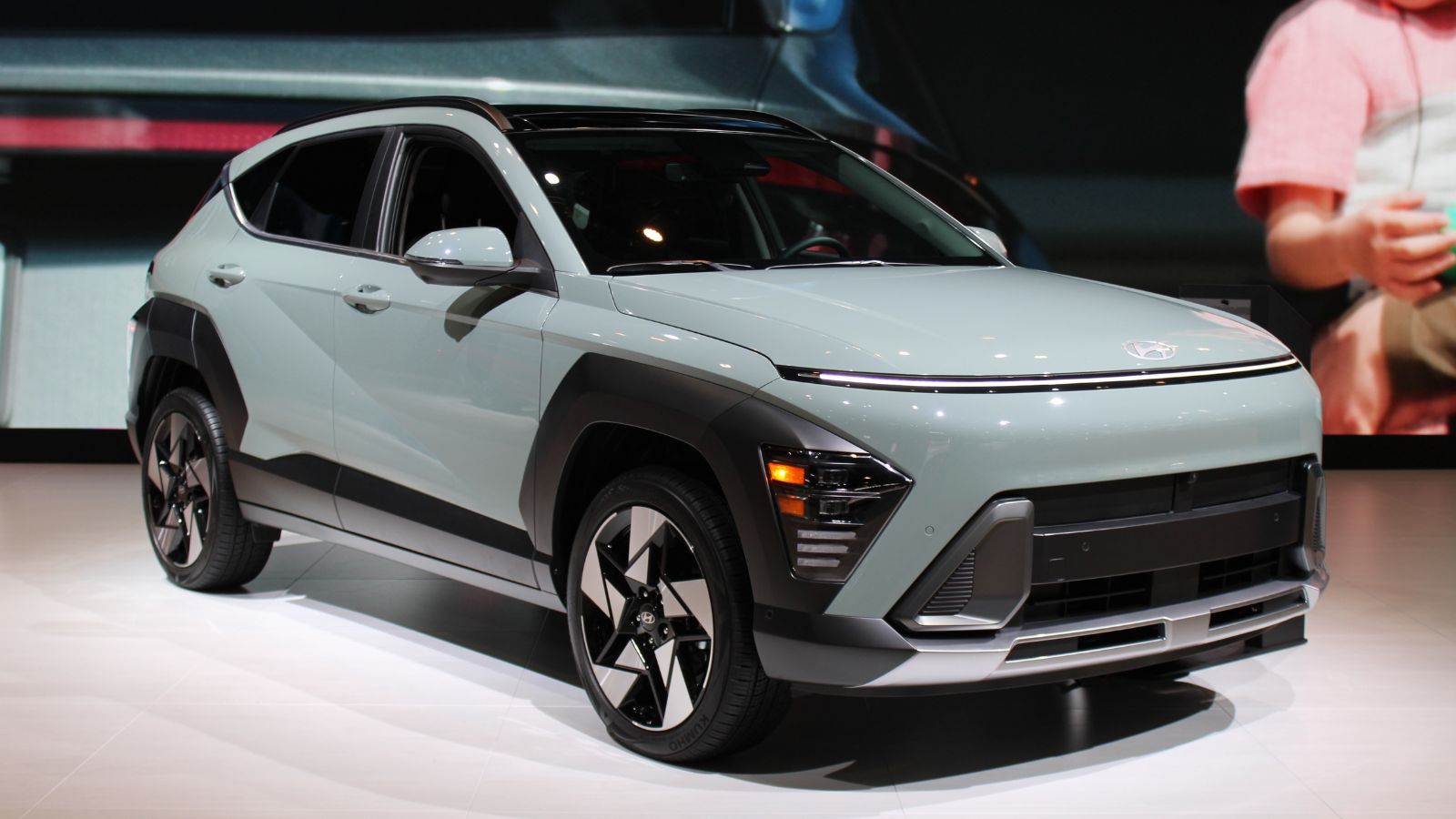
The Hyundai Kona family is showing up more because it now covers several buyer types at once. In Hyundai’s record March 2026, the Kona posted 1,772 sales, making it one of the brand’s strongest performers. The electric version added even more momentum, with 589 Kona Electric sales in March, up 343 percent from a year earlier. That makes the Kona one of the clearer examples of a nameplate growing from both mainstream gas demand and electrified interest at the same time.
Its appeal in Canada is pretty obvious once it is on the road. The size feels urban-friendly, but it still offers the higher seating position and hatchback practicality buyers want from a small crossover. The styling is distinctive enough to stand out without becoming polarizing. For budget-conscious shoppers, it also lands below larger compact SUVs while still feeling current. That is why it keeps appearing in city condos, suburban plazas, and younger households. It is one of the easiest vehicles to recommend when space, price, and everyday convenience all matter at once.
Toyota Corolla Cross
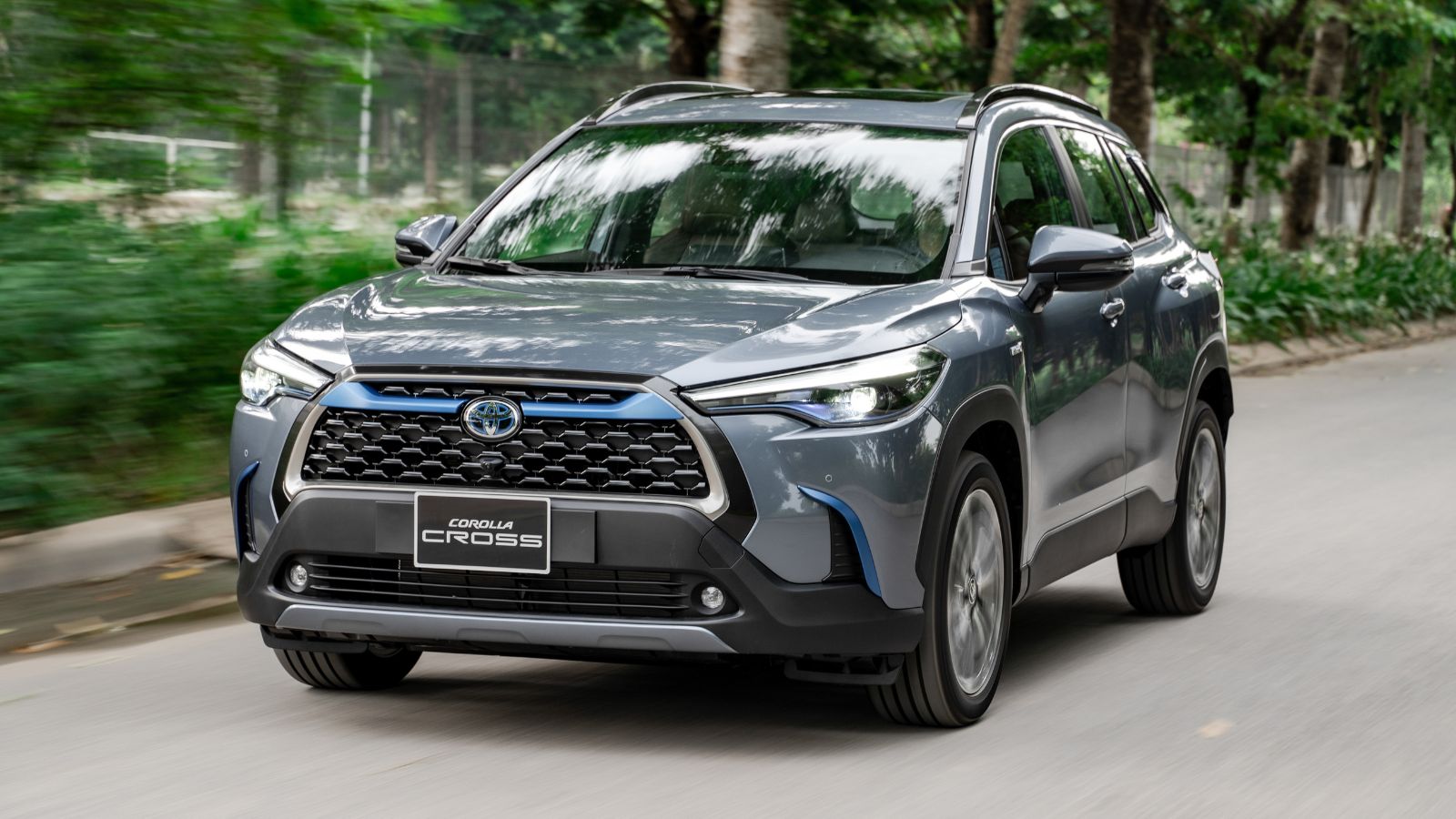
The Toyota Corolla Cross has benefited from perfect timing. Toyota reported that the model posted a 15.5 percent increase in 2025 and set an annual record, then followed that with its best first quarter on record in early 2026. That kind of sales trajectory usually means a model has found its lane, and in Canada that lane is clear: buyers who want Toyota familiarity and SUV practicality without moving all the way up to RAV4 size or pricing.
It also helps that Toyota has kept the formula broad. The Corolla Cross comes in gas and hybrid forms, with the hybrid sold in Canada with standard electronic all-wheel drive. That makes it feel more substantial than some entry crossovers while still staying easy to own and easy to drive. In a market where many buyers want something slightly taller and more flexible than a sedan, but not something bulky, the Corolla Cross is becoming one of the most logical answers. Logical vehicles tend to spread fast in Canada.
Toyota Tacoma
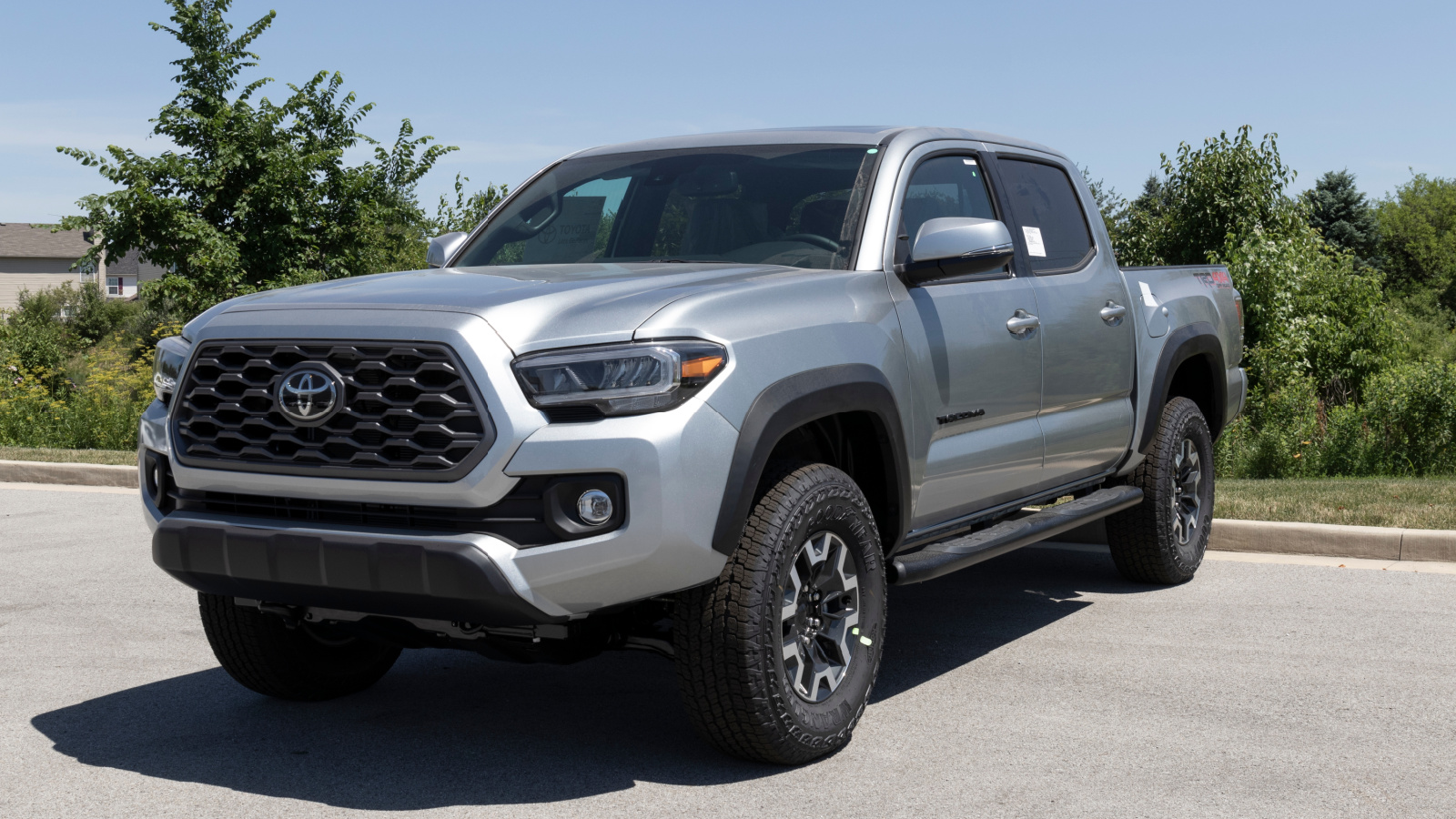
The Toyota Tacoma is one of the strongest “suddenly more common” truck stories in Canada right now. Toyota said the Tacoma family set a record first quarter and a record March in 2026, including record results for the Tacoma Hybrid. That is a notable shift because midsize trucks often depend heavily on lifestyle appeal. When record sales arrive, it usually means the vehicle has moved beyond enthusiasts and become more of a mainstream choice.
The Tacoma’s momentum makes sense in Canada. Some buyers still want pickup capability, but they do not want the size, fuel bill, or parking hassle of a full-size truck. The redesigned Tacoma gives them more technology, broader trim choice, and a hybrid option with real towing muscle. Toyota says the Tacoma i-FORCE MAX hybrid can tow up to 5,950 pounds. That makes it useful enough for boats, trailers, and weekend gear while still feeling more manageable in normal daily life. That balance is exactly why it is becoming easier to spot.
Chevrolet Equinox EV
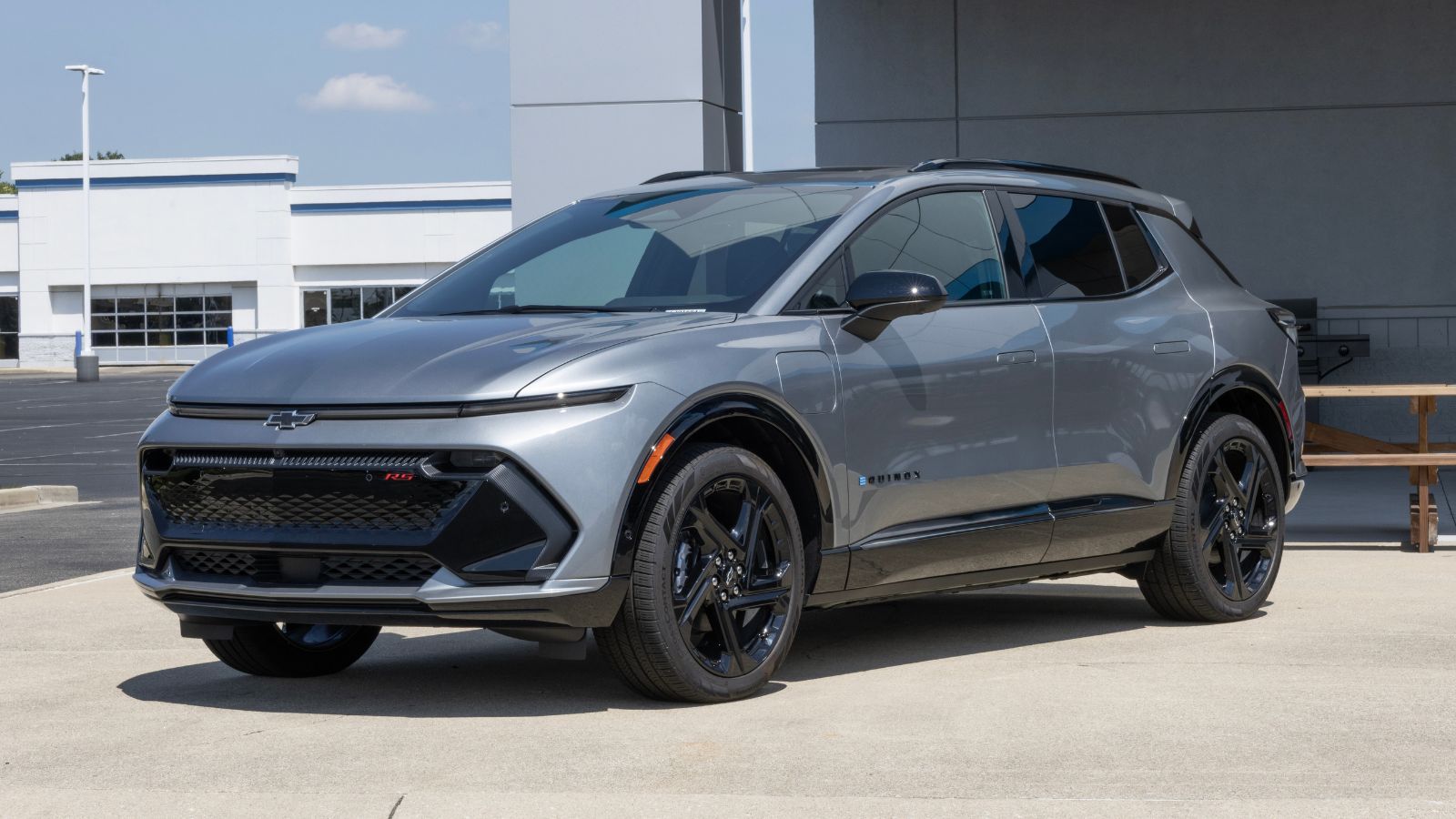
The Chevrolet Equinox EV has become one of the most important EVs in Canada because it feels less like a niche experiment and more like a normal compact SUV that happens to be electric. GM said Equinox EV sales in Canada rose 29.6 percent in the first quarter of 2026. Chevrolet also lists an estimated range of up to 513 kilometres for the 2026 model, and select trims qualify for federal EVAP incentives. Those are the kind of facts that turn curiosity into real volume.
What makes the Equinox EV feel suddenly more visible is that it addresses the two biggest barriers many Canadians still mention: price and range. It looks familiar, fits into a popular vehicle class, and benefits from the growing normalization of EV ownership in metro areas and parts of Quebec and B.C. A few years ago, electric crossovers could still feel unusual in everyday traffic. The Equinox EV feels like one of the clearest signs that the EV market is moving into a more regular, mainstream phase.
Hyundai Santa Fe
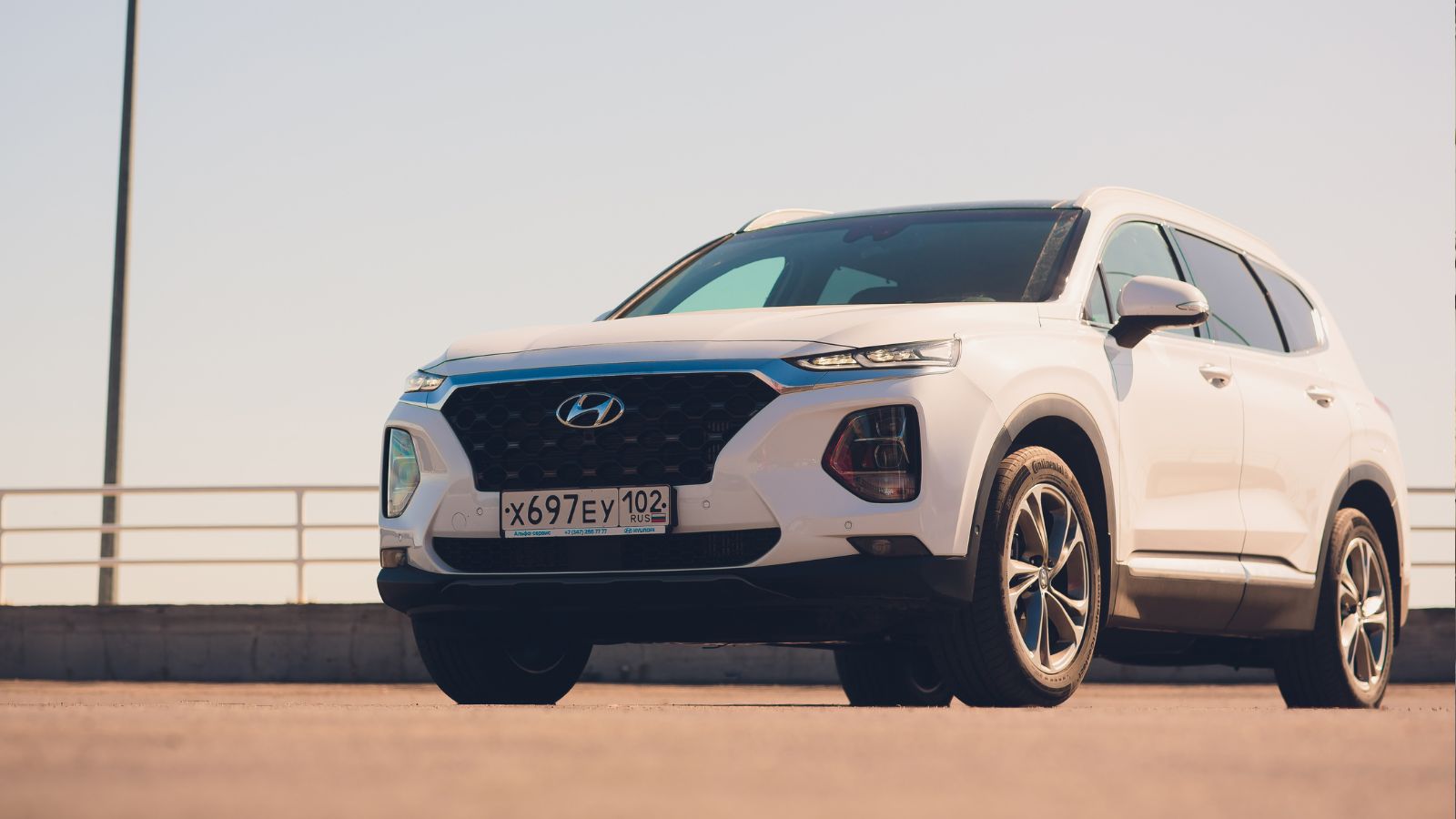
The Hyundai Santa Fe is not just showing up more because of sales chatter. It is showing up because the redesign gave it a much stronger identity. The current Santa Fe leans into a boxier, more rugged look, and Hyundai’s Canadian site emphasizes three-row practicality, available hybrid power, and family-oriented usability. It also carries fresh credibility from winning AJAC’s 2025 Canadian Utility Vehicle of the Year award. That kind of recognition matters when buyers are trying to sort through a crowded midsize-SUV field.
Its increased visibility reflects a shift in what families want. Many shoppers now want something that feels adventurous and premium without jumping into full-size SUV territory. The Santa Fe offers available six- or seven-passenger seating, a much more distinctive shape than before, and the option to go hybrid. In other words, it no longer blends into the background the way older generations sometimes did. When a familiar nameplate suddenly looks different and also wins major Canadian praise, it tends to start appearing in a lot more driveways.
Toyota Prius
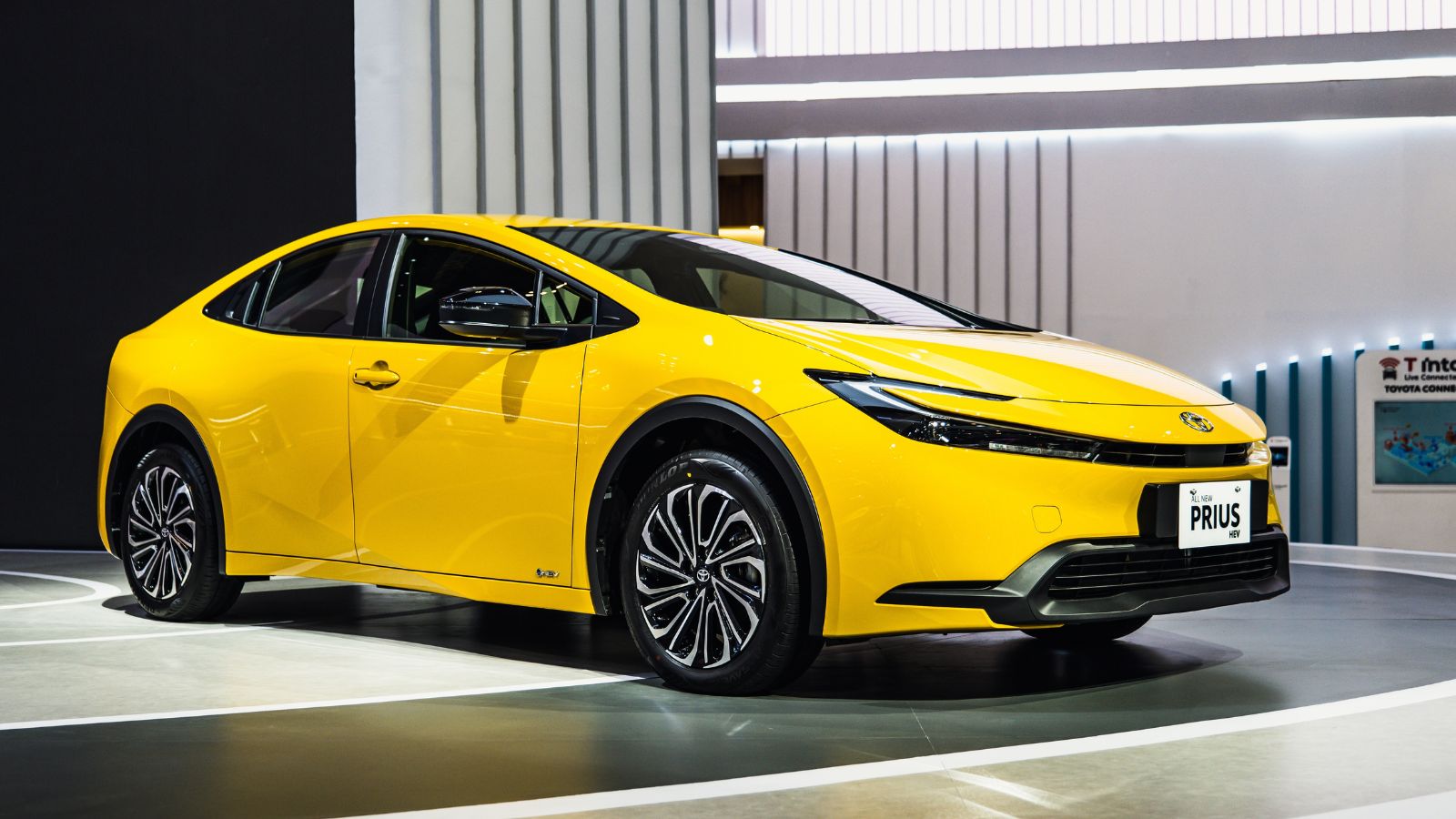
The Prius has staged one of the more interesting comebacks in the market. Toyota said the Prius family was up 51.9 percent in Canada in 2025, making it the second-best year ever for the nameplate. It also continued setting records in early 2026. That is a meaningful turnaround for a vehicle once treated as more of a dedicated efficiency niche. The newer Prius looks better, feels more modern, and has arrived at exactly the right moment for buyers who want maximum fuel savings without stepping into a full EV.
There is also a Canadian practicality angle that helps explain its visibility. The Prius Plug-in Hybrid offers up to 72 kilometres of all-electric range, which can cover many daily commutes while keeping gas backup for longer drives. That flexibility is very appealing in places where charging access is uneven or winter habits make some buyers cautious about going fully electric. The Prius is now benefitting from both its old strength—efficiency—and a new one: it finally looks like a car people actively want to be seen driving.
Nissan LEAF
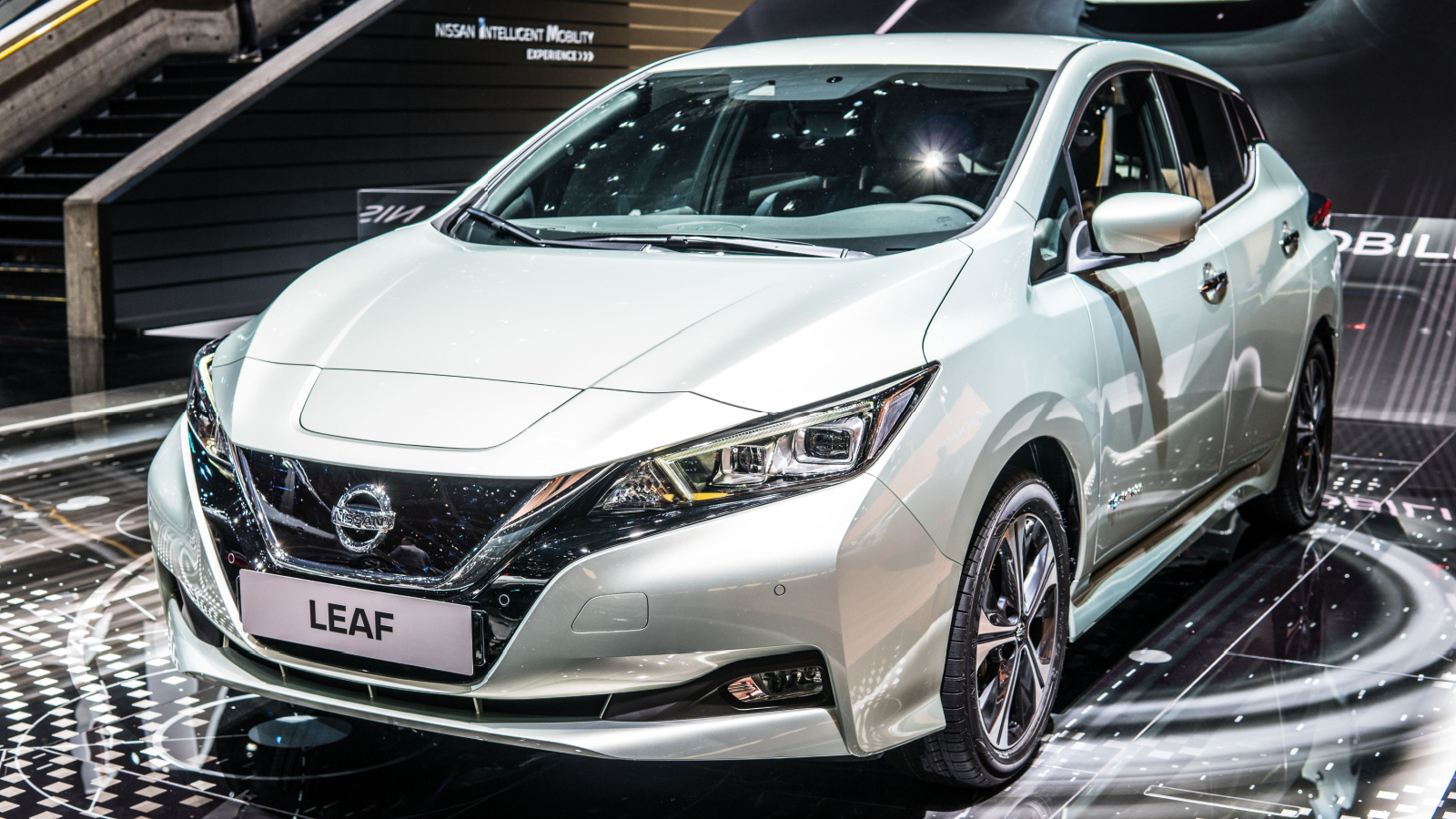
The all-new Nissan LEAF has become more relevant in Canada because it stopped trying to be the same old LEAF. Nissan transformed it into a small electric crossover, and that shift immediately made it a better fit for current buyer tastes. Nissan said the new LEAF sold 1,330 units in Canada in the first quarter of 2026, up 4,190 percent from the prior year. That sounds dramatic because it is. Relaunches do not always translate into early traction, but this one clearly did.
The redesign also answered one of the old model’s biggest limitations: perceived usefulness. The new Canadian LEAF offers up to 488 kilometres of range, faster charging, and a body style that feels far more natural for today’s market. It now speaks to families, commuters, and EV-curious drivers who would never have considered the earlier hatchback. In Canadian cities especially, that is a huge difference. When an older EV nameplate comes back wearing the shape buyers already prefer, visibility can increase very quickly.
Toyota Grand Highlander
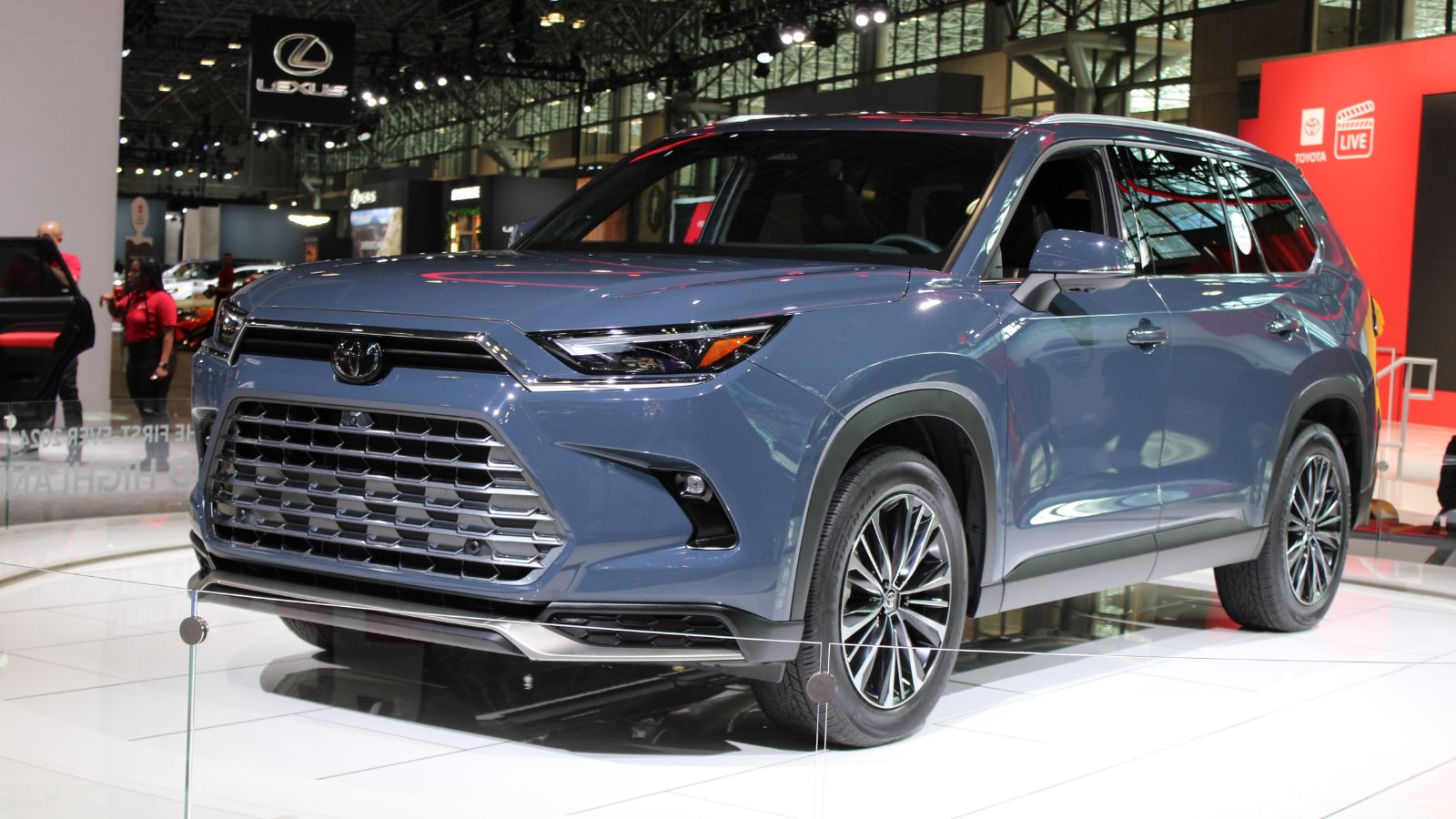
The Toyota Grand Highlander keeps becoming easier to spot because it gives large families something they have been asking for: real space without forcing them into a minivan or truck-based SUV. Toyota said the Grand Highlander set a record first quarter and record March in 2026, with the hybrid also posting a record first quarter. That tells a simple story. Canadians are not just noticing it—they are buying it in growing numbers.
Its appeal is practical and immediate. Toyota describes the third row as adult-sized, which is a major difference in a segment where many “three-row” SUVs really mean occasional-use seating. Standard all-wheel drive, available hybrid power, and strong cargo flexibility make it especially well suited to long family drives, cottage weekends, and winter travel. It occupies a useful middle ground between mainstream family utility and a more upscale feel. In a market where larger households still want efficiency and comfort, the Grand Highlander looks increasingly like a natural fit.
22 Things Canadians Do to Their Cars in Spring That Mechanics Hate

Spring brings relief to many Canadian drivers after months of snow, freezing temperatures, and icy roads that put serious strain on vehicles. As temperatures rise across the country, drivers begin washing cars, switching tires, and preparing vehicles for warmer weather and upcoming road trips. However, mechanics across Canada notice the same mistakes every spring when drivers attempt to recover from winter damage. Road salt, potholes, and harsh winter driving conditions often leave vehicles with hidden problems that drivers ignore. Some spring habits even create new mechanical issues that could have been avoided with proper maintenance. Here are 22 things Canadians do to their cars in spring that mechanics hate.