




















Cold weather exposes weaknesses that stay hidden in mild conditions. Batteries lose power faster when temperatures drop. Engine oil thickens, making starts harder. Electrical systems work overtime, especially with heated features running. Some cars handle this stress better than others. Others struggle, even when new. Owners often notice slow cranking, warning lights, or sudden no-start mornings. These problems can feel random, but often follow patterns tied to design choices. Knowing which vehicles face these issues helps avoid frustration and unexpected costs. Here are 19 cars with batteries that fail early in cold climates.
Jeep Grand Cherokee
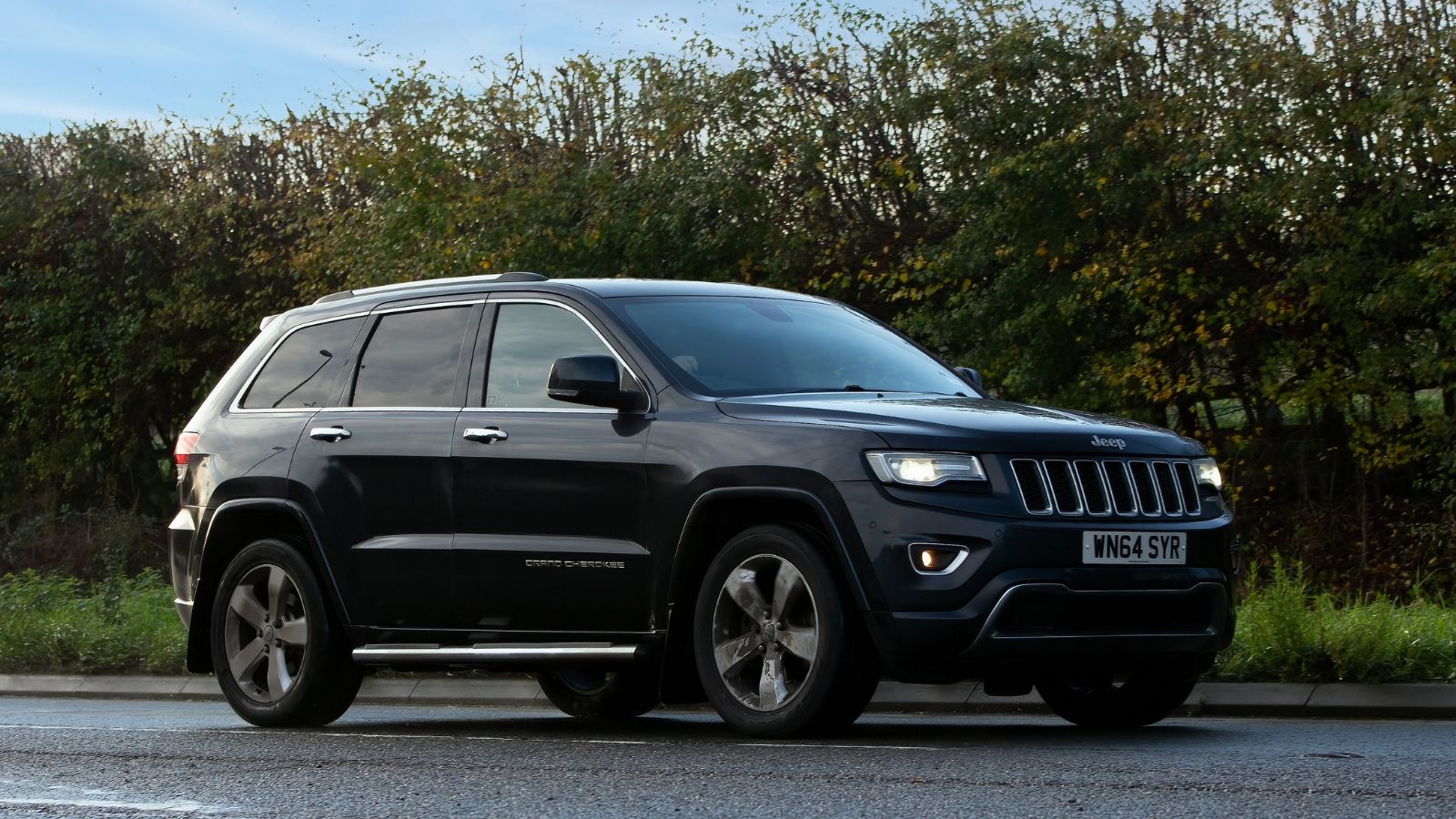
The Jeep Grand Cherokee often struggles with battery life in colder regions. Its electrical system draws steady power even when parked. Features like air suspension and electronics stay active longer than expected. Cold temperatures reduce battery output further. Owners report weak starts after short parking periods. The battery also sits in areas exposed to temperature swings. This adds stress over time. Many drivers replace batteries earlier than expected. Short trips worsen the problem since the battery never fully recharges. In freezing conditions, even newer units can feel tired quickly. It becomes a cycle of frequent charging and replacement.
Ford Escape
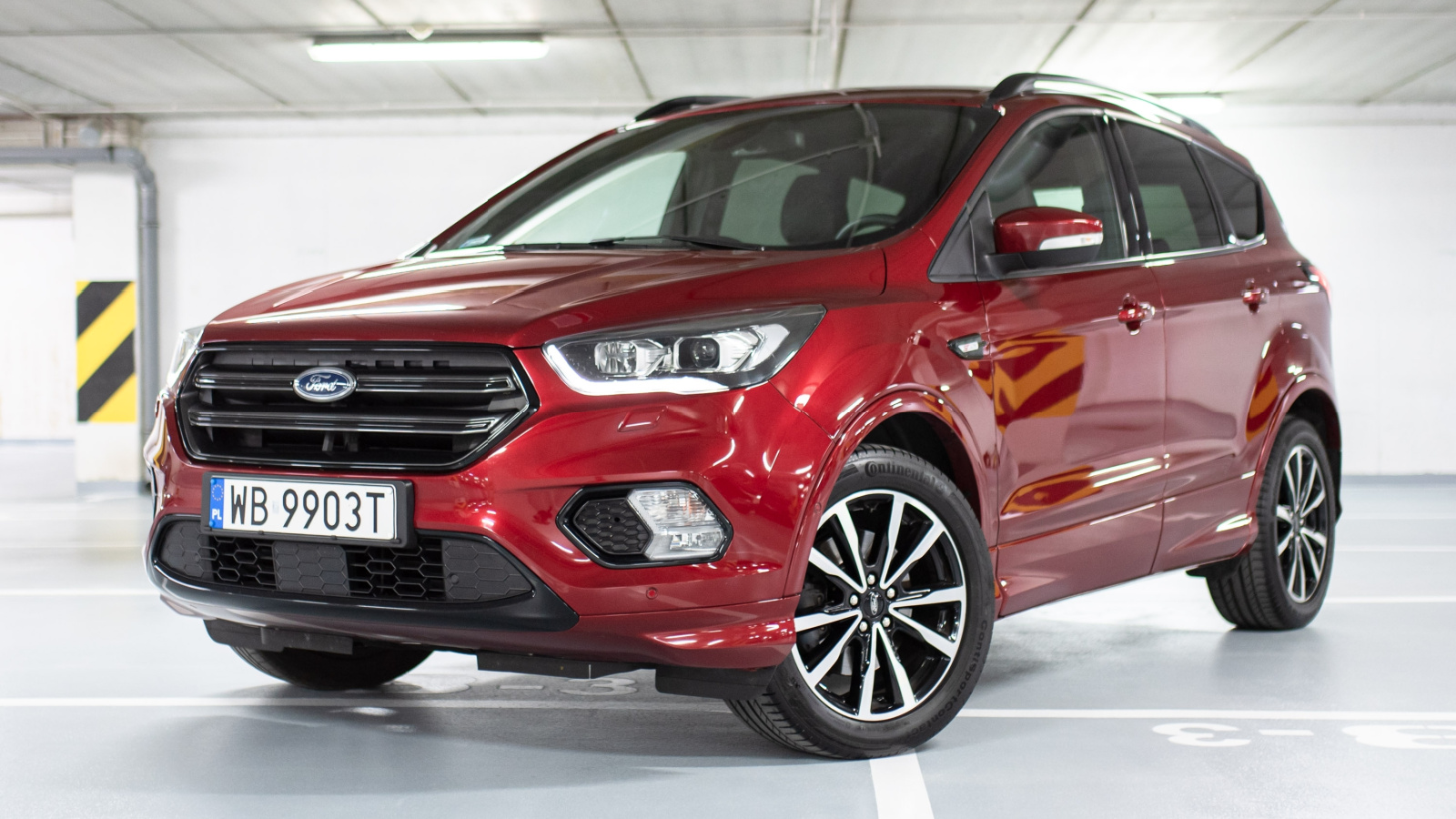
The Ford Escape shows early battery wear in colder climates. Its compact battery works harder than expected during winter starts. Cold weather thickens fluids, increasing engine resistance. This raises demand for the battery immediately. Many owners notice dim lights and slow cranking. Frequent short drives prevent proper charging cycles. Heated seats and defrost systems add extra load. Over time, this drains capacity faster than normal. Battery placement also exposes it to temperature changes. These factors combine to shorten lifespan. Drivers often replace batteries within a few winters. It becomes noticeable once temperatures drop below freezing regularly.
Chevrolet Equinox
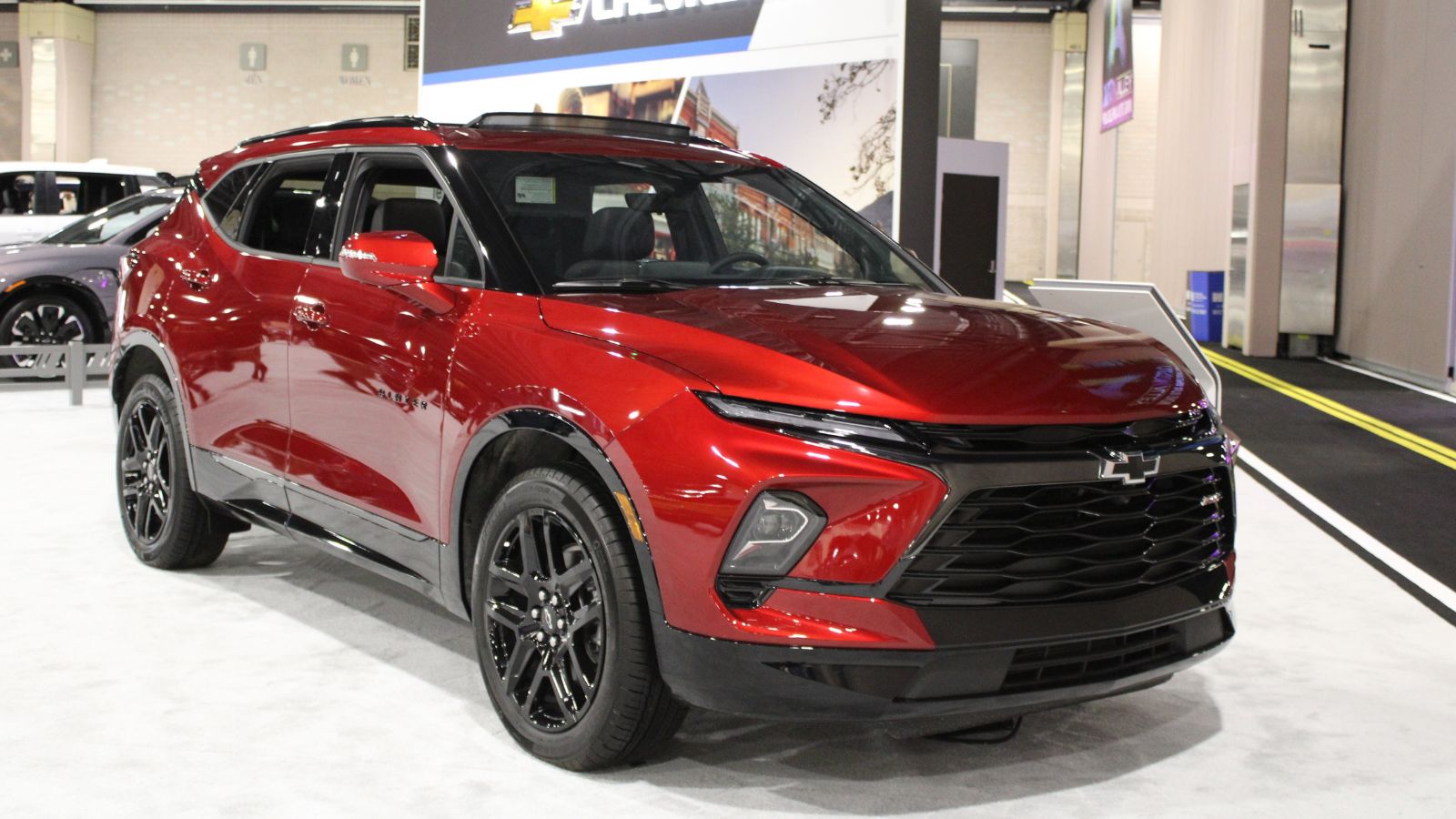
The Chevrolet Equinox can show battery issues sooner in colder regions. Its electrical system runs several background functions. These draw small but constant power. In winter, that drain becomes more noticeable. Cold conditions reduce available battery capacity sharply. Owners report warning messages and weak starts. Short commutes prevent full recharge cycles. This adds stress over time. Heated features increase demand further. The battery often sits near the engine bay edge. This location faces temperature swings. These factors lead to earlier replacement compared to similar vehicles. Many drivers experience issues after only a few cold seasons.
Nissan Rogue
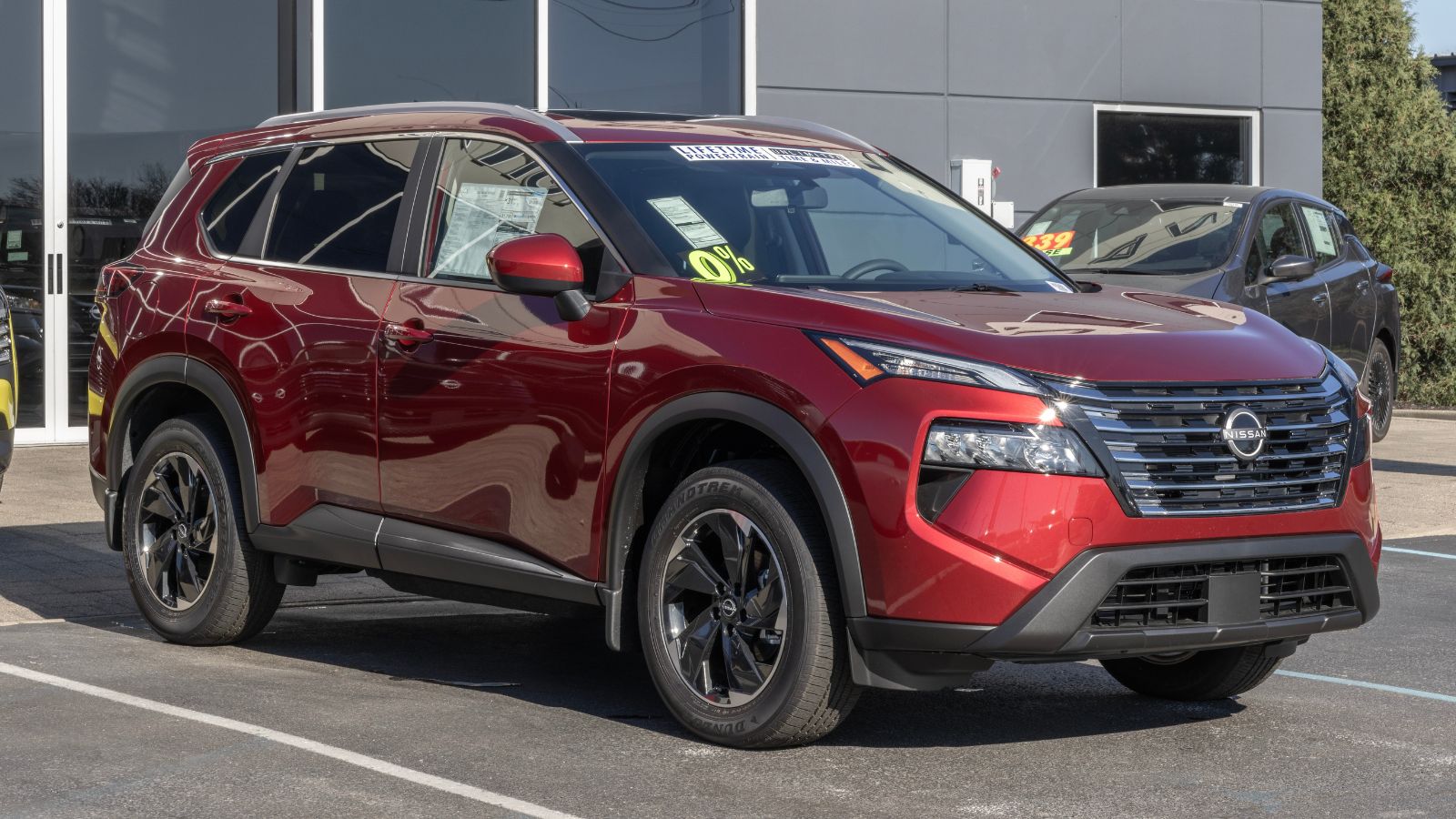
The Nissan Rogue tends to struggle with battery longevity in colder climates. Its charging system prioritizes efficiency over aggressive recharging. This can leave the battery undercharged after short trips. Cold weather reduces available power quickly. Owners often notice hesitation during startup. Electronics like safety systems remain active even when parked. This creates a steady drain. Winter conditions amplify the effect. Battery placement near exposed areas adds more stress. Drivers often report needing replacements sooner than expected. The issue becomes more obvious during extended cold spells. Regular charging becomes necessary to maintain reliability.
BMW 3 Series
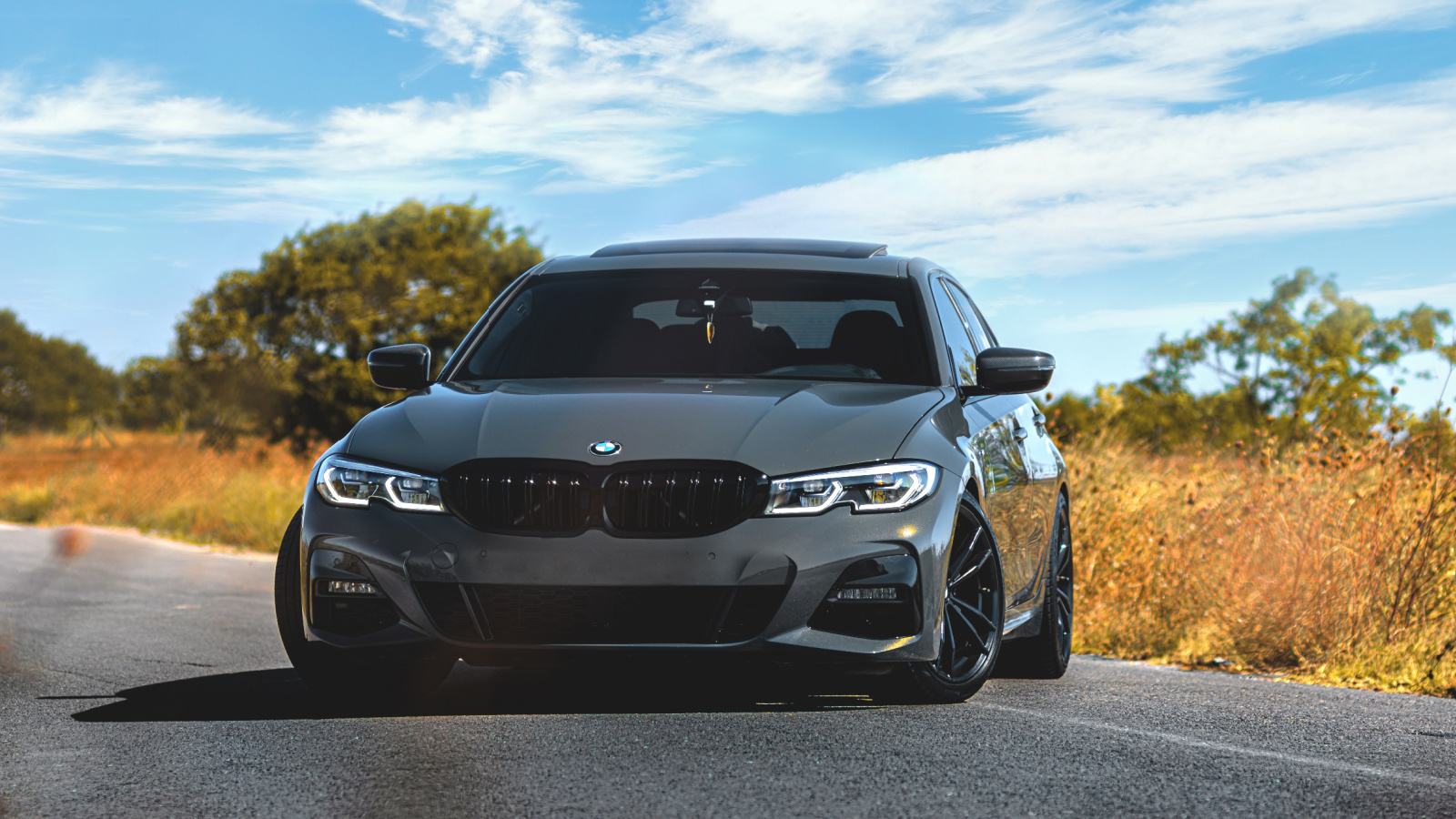
The BMW 3 Series uses advanced electronics that increase battery demand. These systems stay active even after the engine shuts off. In cold climates, this becomes a problem quickly. Batteries lose efficiency as temperatures fall. Owners often see warning messages related to voltage levels. Heated seats, steering wheels, and displays add extra load. Short drives do not allow a full recharge. The car’s energy management system tries to balance usage but struggles in winter. Many drivers replace batteries earlier than expected. Cold mornings highlight these weaknesses clearly. Premium features come at the cost of higher electrical demand.
Volkswagen Tiguan
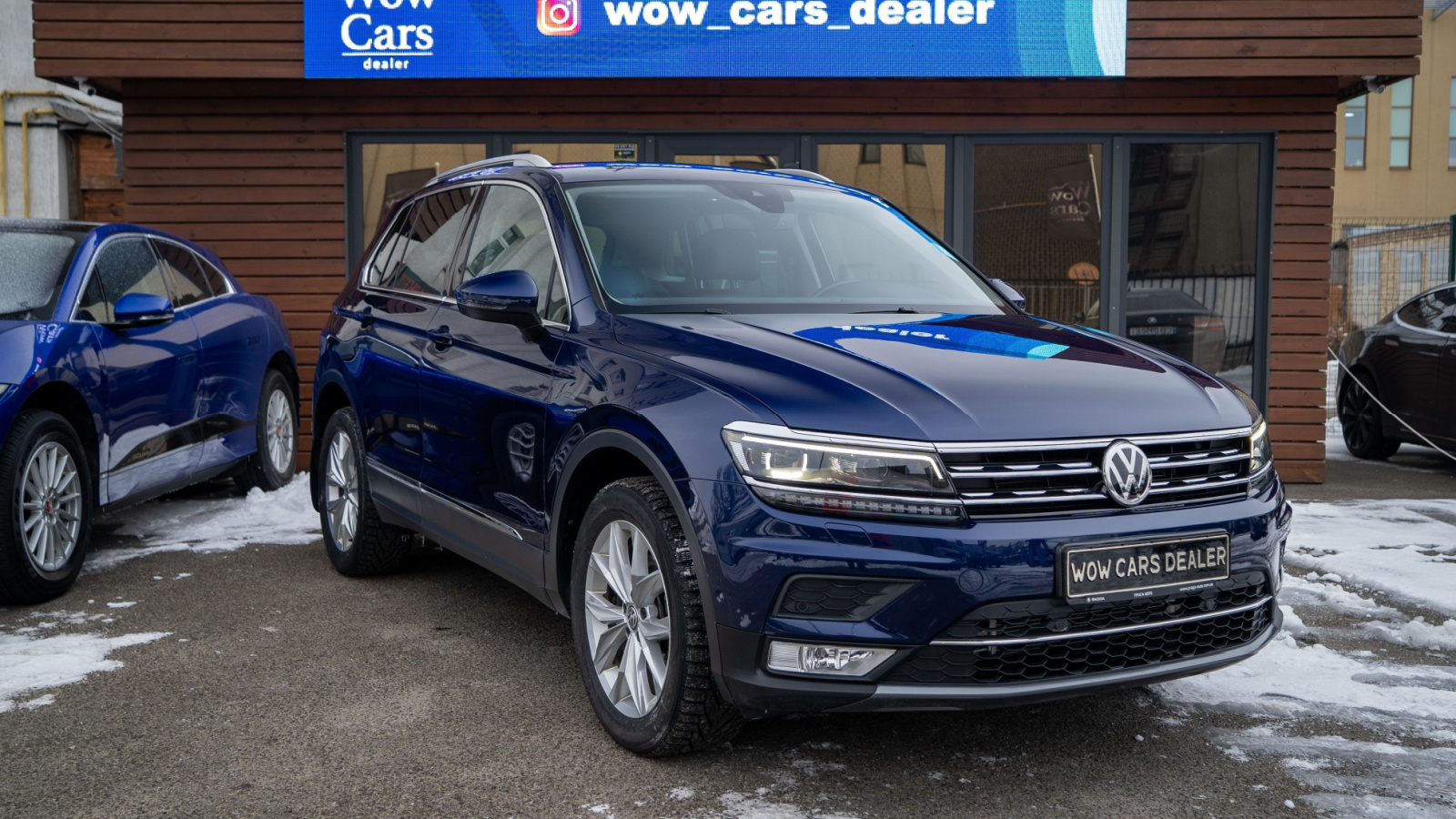
The Volkswagen Tiguan shows early battery fatigue in colder regions. Its electrical systems draw power even when idle. This includes infotainment and safety features. In winter, reduced battery capacity becomes noticeable. Owners often report slow starts and warning alerts. The charging system favors fuel efficiency over rapid recharge. This leaves the battery slightly undercharged after short trips. Cold temperatures worsen the situation. The battery’s location exposes it to outside conditions. Over time, these factors shorten lifespan. Many drivers replace batteries within a few years. Winter driving makes the issue more apparent.
Kia Sportage
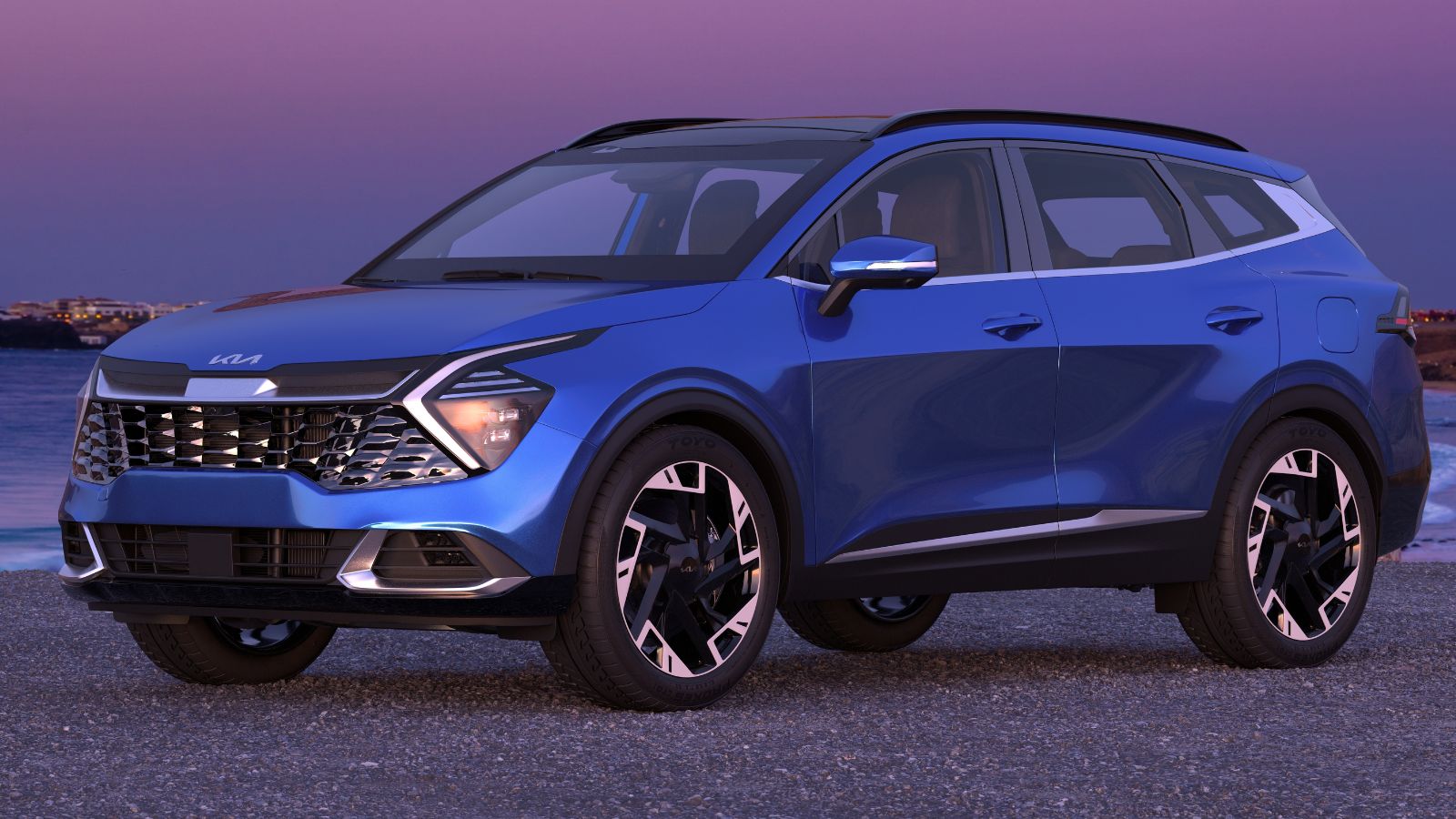
The Kia Sportage shares similar battery concerns in colder climates. Its electrical systems draw steady power even when parked. This becomes noticeable during the winter months. Cold temperatures reduce battery performance significantly. Owners often experience weak starts and warning lights. Heated seats and defrosters increase demand further. Short trips limit proper charging. This leads to gradual battery decline. Placement near exposed areas adds to the stress. Many drivers replace batteries earlier than expected. The issue becomes consistent in regions with long winters. Regular maintenance helps, but does not fully prevent it.
Subaru Outback
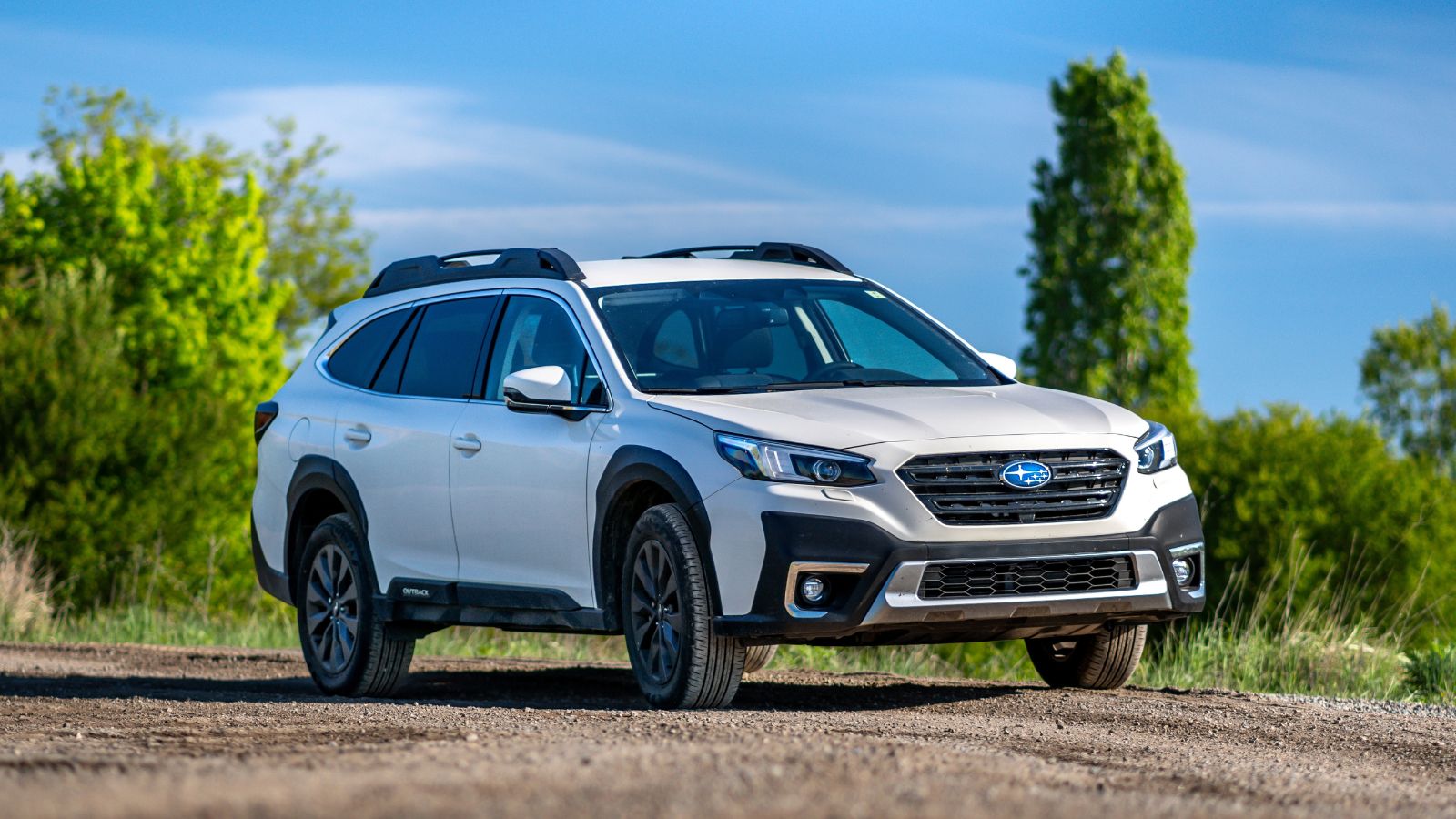
The Subaru Outback has a reputation for battery drain issues in cold weather. Its electrical system remains active even after shutdown. This creates a steady drain over time. Cold temperatures reduce battery capacity quickly. Owners often report dead batteries after short periods. The charging system does not fully compensate for frequent short drives. Heated features increase demand further. Battery placement near the front exposes it to cold air. These factors shorten lifespan noticeably. Many drivers replace batteries within a few years. Winter conditions make the issue more consistent and visible.
Toyota RAV4
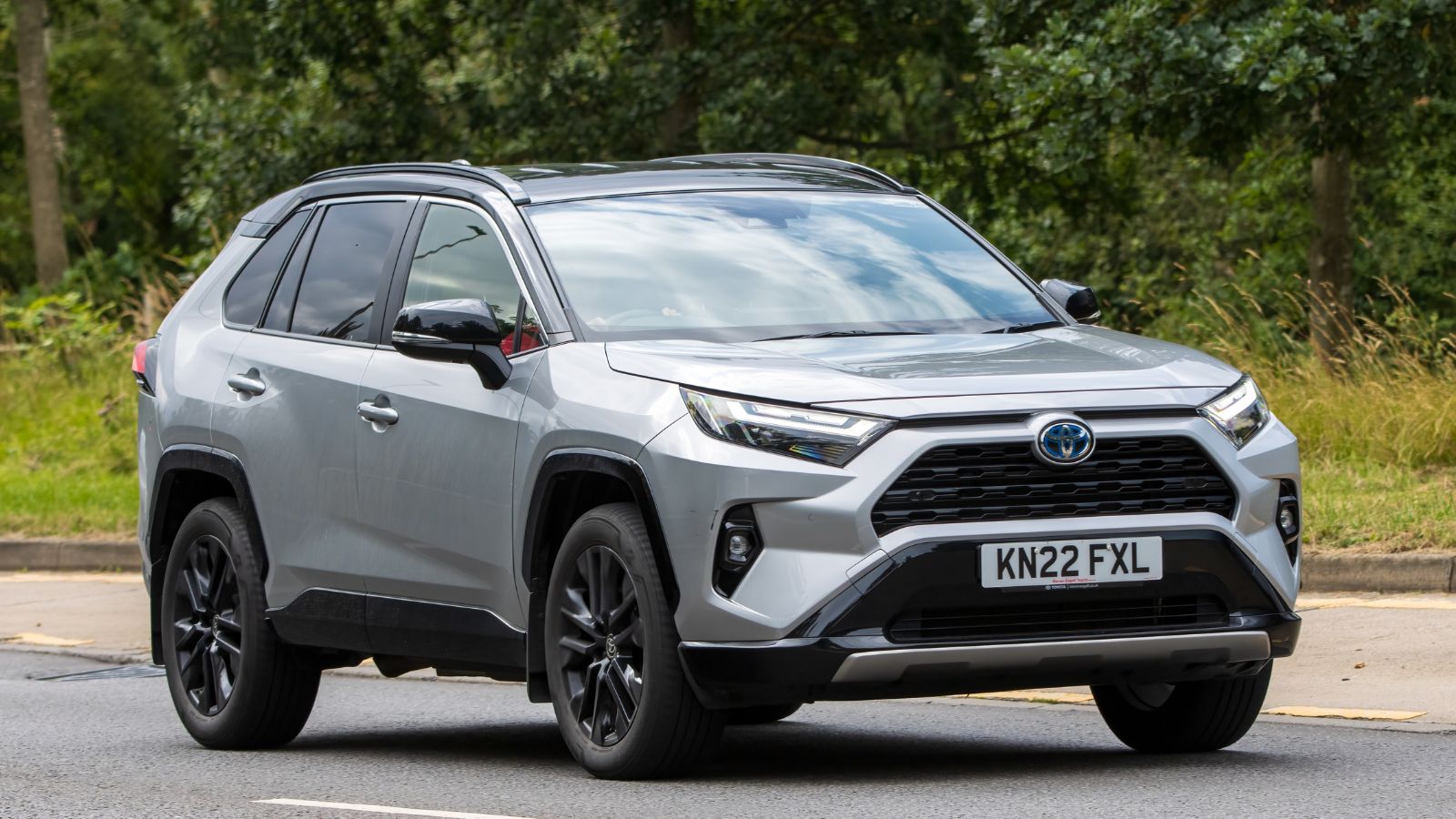
The Toyota RAV4 is reliable but not immune to cold-weather battery issues. Its smaller battery struggles under heavy winter loads. Cold temperatures reduce output immediately. Owners report slow starts during freezing mornings. Short trips prevent proper recharge cycles. Heated systems add extra demand. The charging system focuses on efficiency rather than aggressive charging. This leaves the battery slightly undercharged. Over time, this reduces lifespan. Many drivers notice earlier replacements in colder regions. The issue is less noticeable in warmer climates. Winter driving highlights these weaknesses clearly.
Honda CR-V
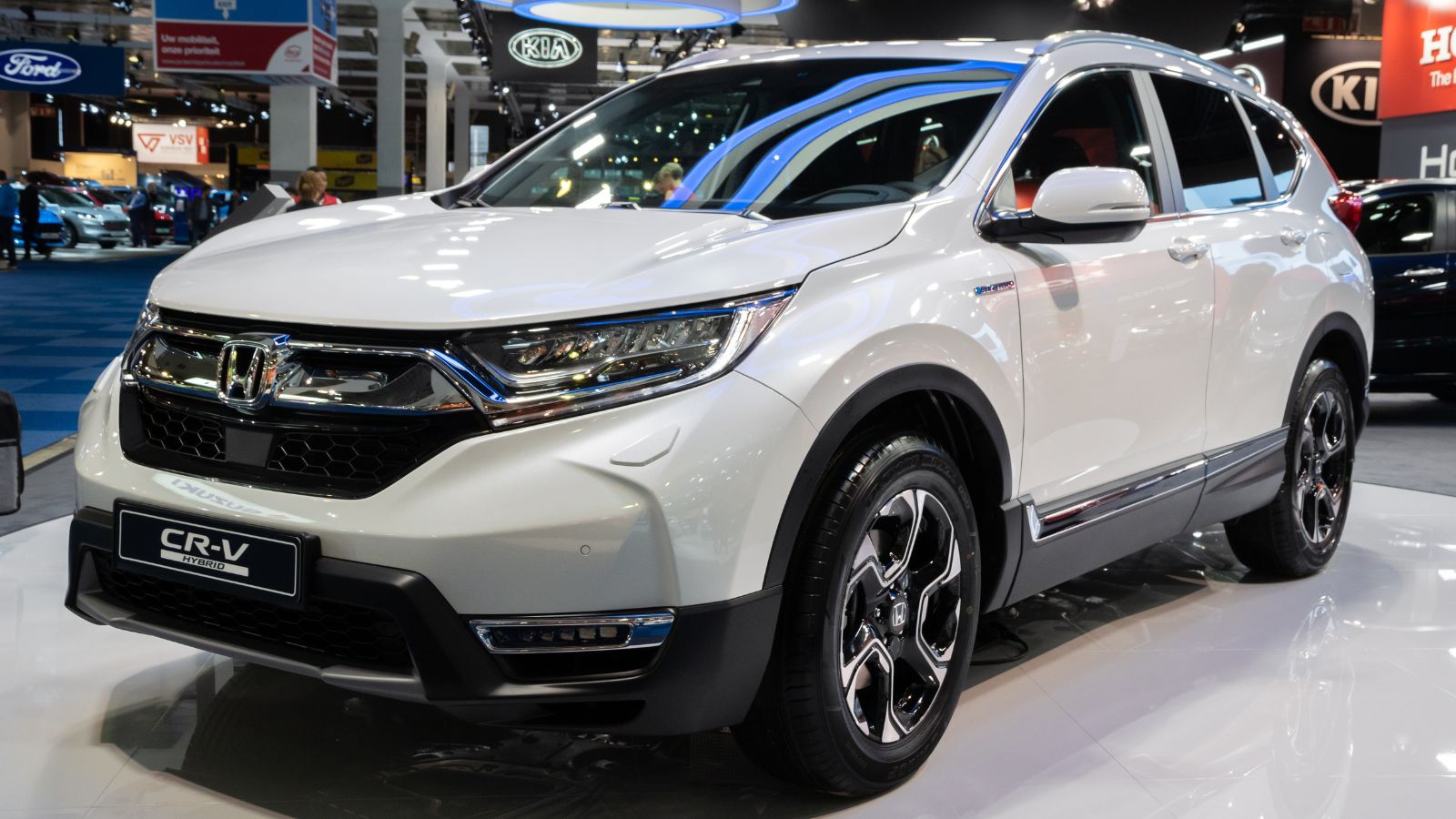
The Honda CR-V shows early battery fatigue in colder climates. Its electrical system draws consistent power even when parked. Cold weather reduces battery capacity quickly. Owners often report slow cranking and warning lights. Short trips limit proper charging cycles. Heated features increase demand further. The battery struggles to recover fully. Placement near exposed areas adds to temperature stress. Over time, this shortens lifespan noticeably. Many drivers replace batteries sooner than expected. The issue becomes more common in regions with long winters. Regular charging can help, but it does not eliminate the problem.
Dodge Durango
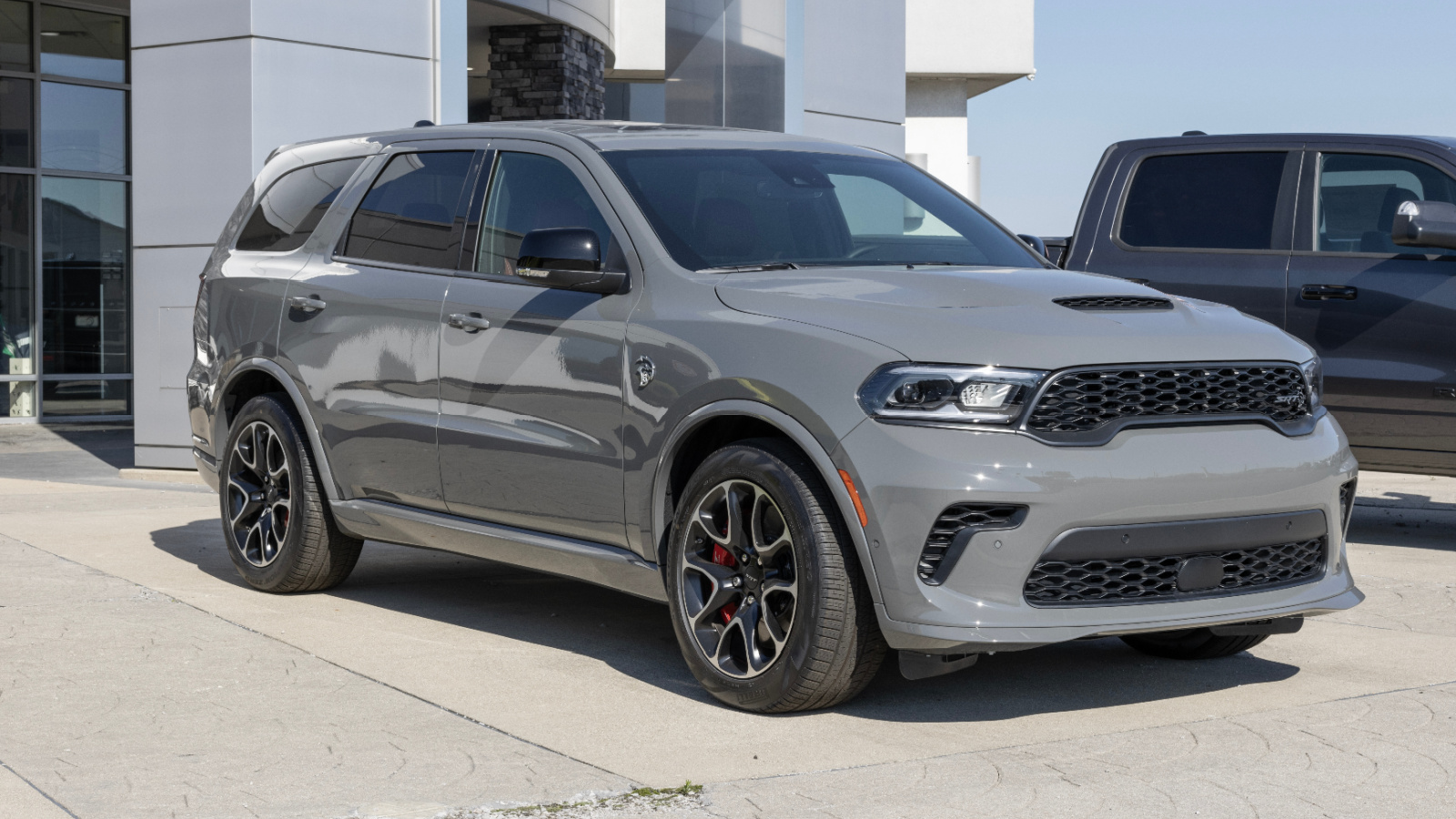
The Dodge Durango places heavy demand on its battery in cold conditions. Its large engine requires more power to start. Cold oil increases resistance during startup. This adds extra strain on the battery. Owners often notice slow cranking during winter mornings. Heated features and electronics increase demand further. Short trips prevent full recharge. Battery placement exposes it to temperature swings. Over time, this reduces lifespan significantly. Many drivers replace batteries earlier than expected. The issue becomes more noticeable in colder regions. Larger engines amplify the effect.
Chevrolet Malibu
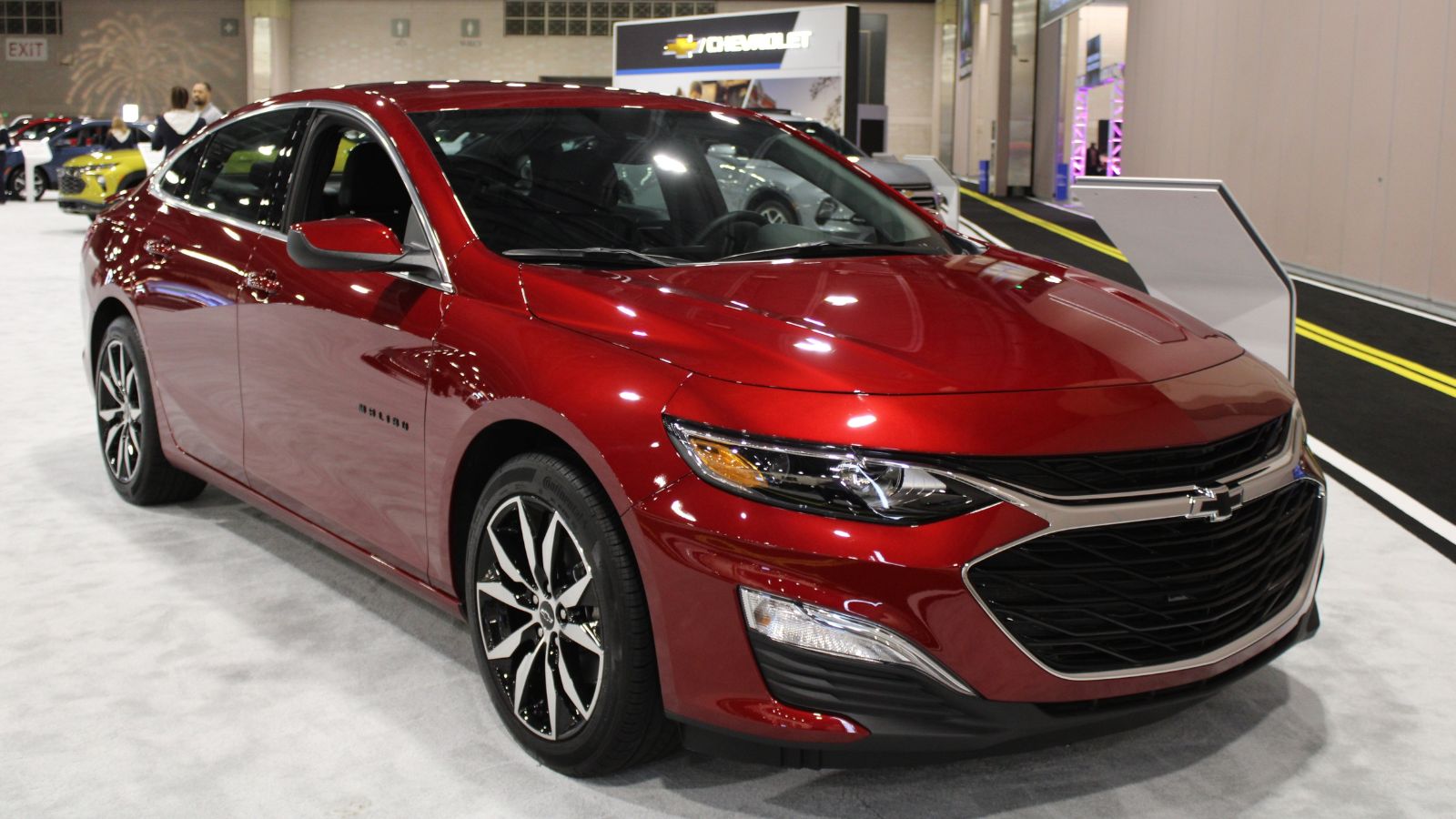
The Chevrolet Malibu can show battery issues in colder climates. Its electrical systems draw steady power even when idle. Cold temperatures reduce battery efficiency quickly. Owners often report weak starts and warning messages. Short drives prevent proper recharge cycles. Heated features add extra demand. The charging system does not fully compensate for this. Over time, the battery weakens faster than expected. Placement near exposed areas adds stress. Many drivers replace batteries within a few winters. The issue becomes more noticeable during prolonged cold periods. Regular maintenance helps, but does not prevent early wear.
Ford Explorer
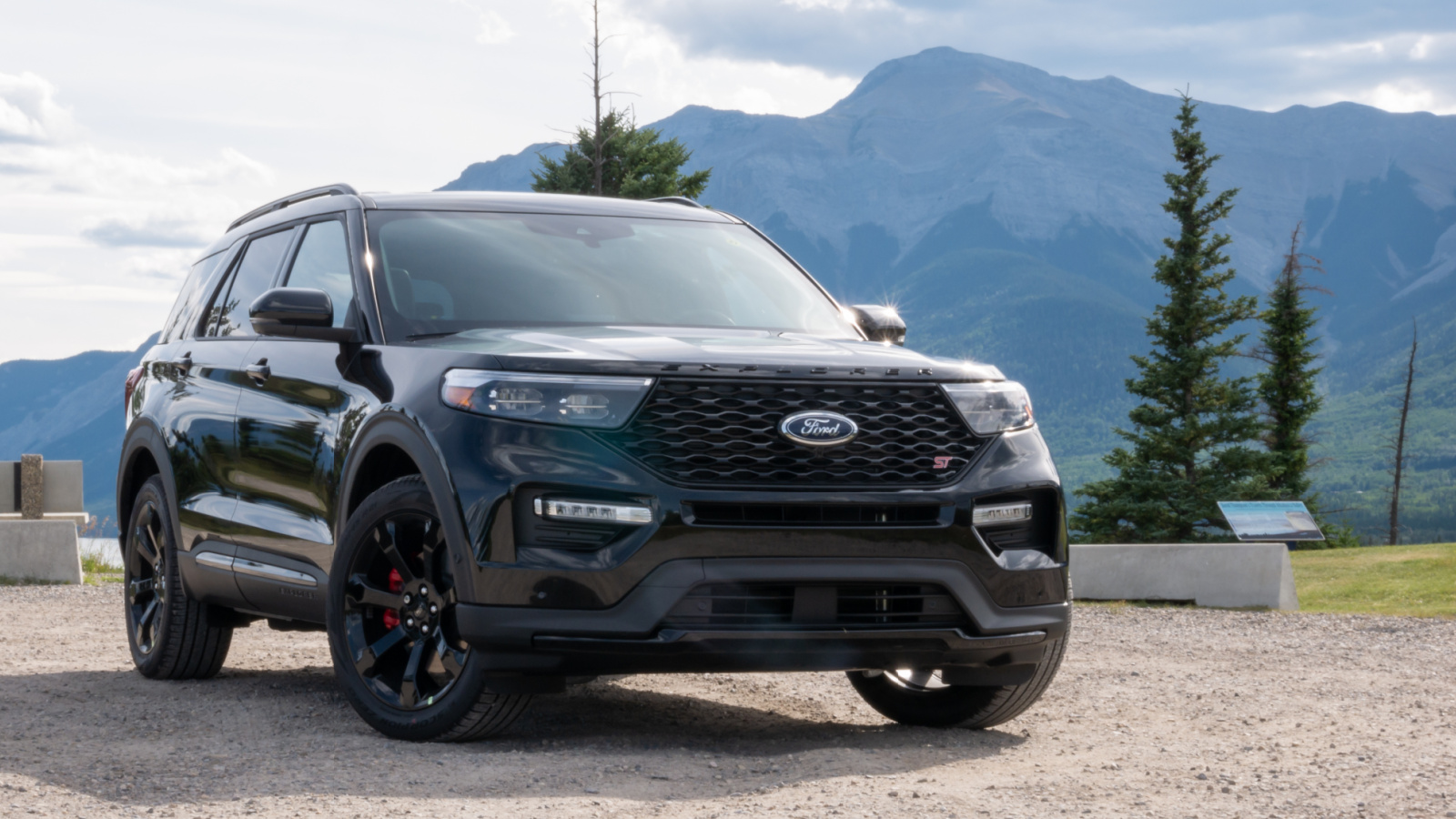
The Ford Explorer has a higher electrical demand due to its size and features. Cold weather reduces battery output significantly. Owners often notice slow starts during winter mornings. Heated systems and electronics increase demand further. Short trips limit recharge efficiency. The battery struggles to recover fully. Placement near the engine bay exposes it to temperature swings. Over time, this shortens lifespan. Many drivers replace batteries earlier than expected. The issue becomes more common in colder climates. Larger vehicles often face this challenge more than smaller ones.
Audi Q5
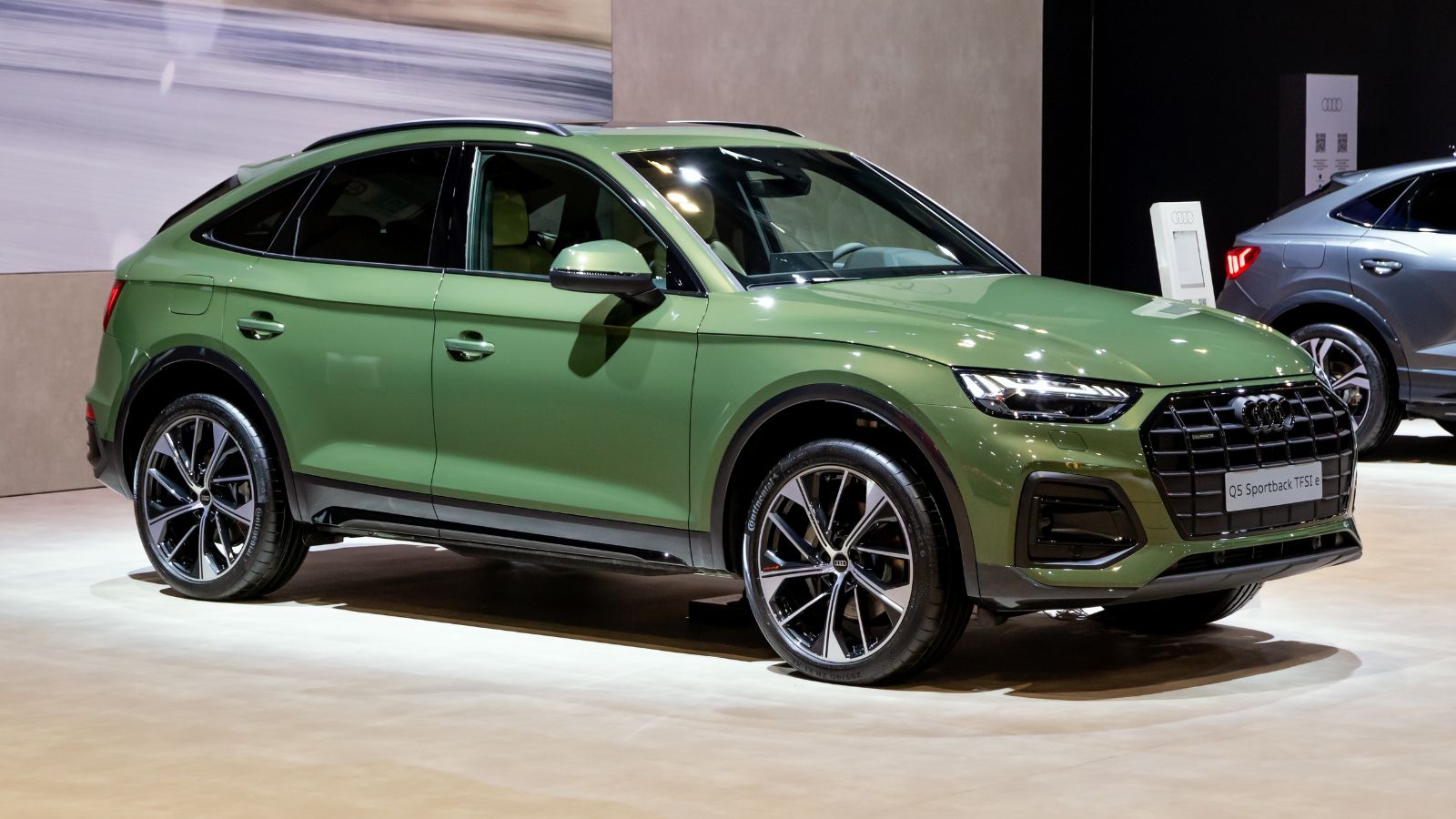
The Audi Q5 uses advanced electronics that increase battery demand. These systems remain active even after shutdown. Cold weather reduces available power quickly. Owners often see warning messages related to voltage levels. Heated features add extra load during winter. Short drives prevent full recharge cycles. The energy management system tries to balance usage but struggles in cold conditions. Battery placement exposes it to temperature changes. Over time, this reduces lifespan noticeably. Many drivers replace batteries sooner than expected. Cold climates make the issue more apparent.
Mercedes-Benz C-Class
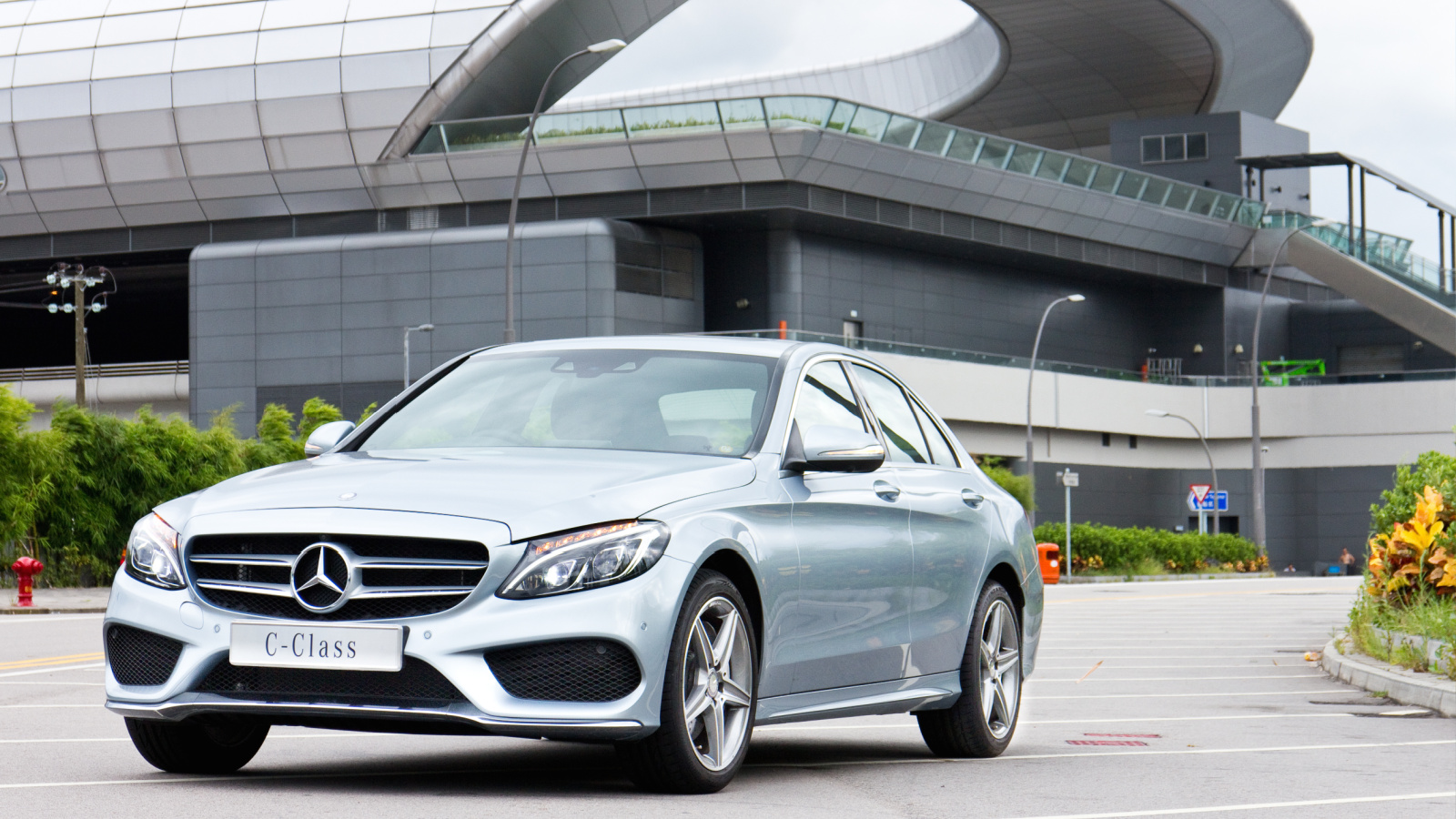
The Mercedes-Benz C-Class relies heavily on electronic systems. These systems draw power even when the car is off. Cold temperatures reduce battery efficiency significantly. Owners often report warning messages and slow starts. Heated features increase demand during winter. Short trips prevent proper recharge cycles. The battery struggles to maintain charge levels. Placement near exposed areas adds stress. Over time, this shortens lifespan. Many drivers replace batteries earlier than expected. Luxury features increase electrical demand. Cold climates highlight this weakness clearly.
Mazda CX-5
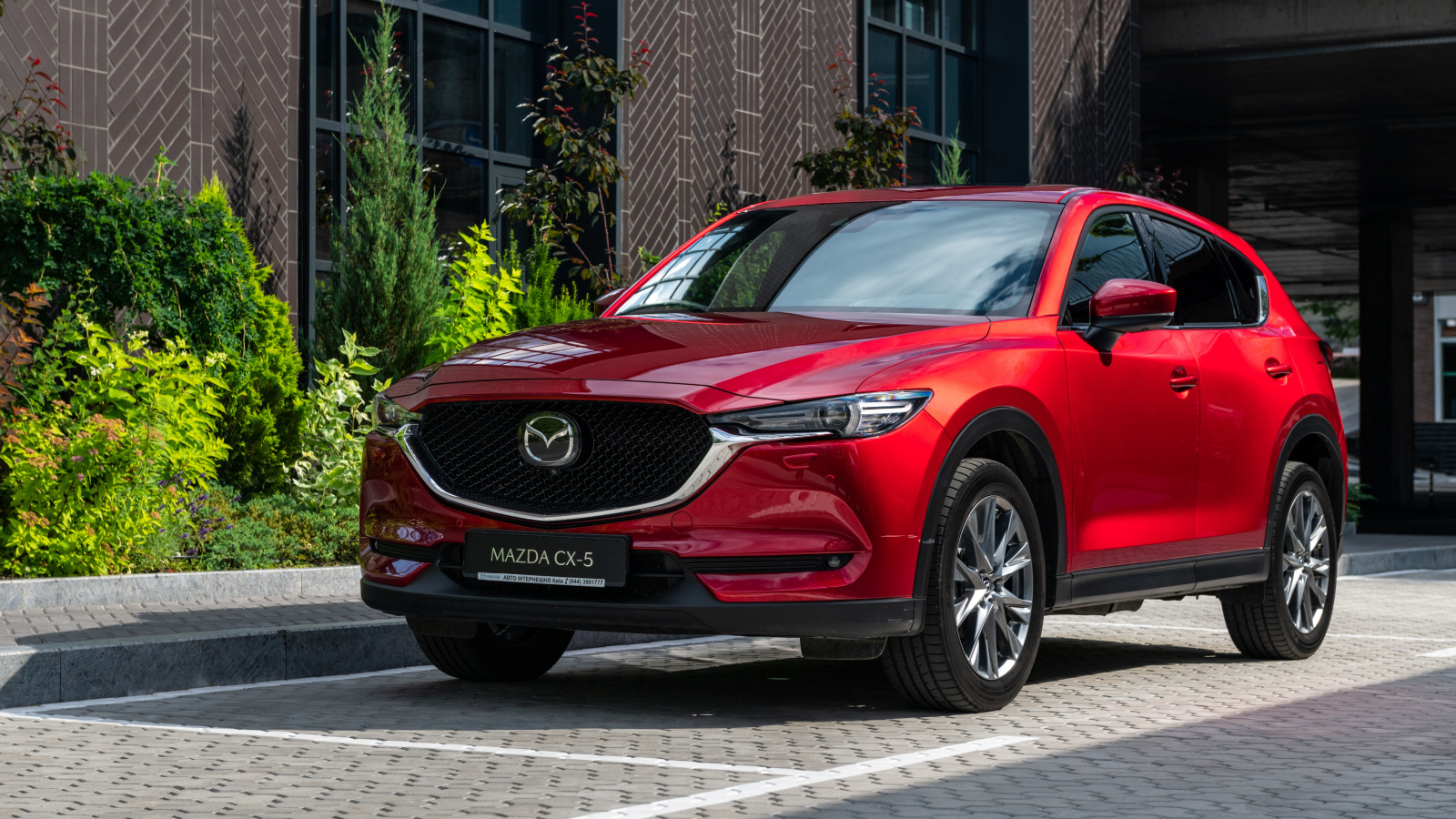
The Mazda CX-5 performs well but shows battery wear in colder climates. Its electrical system draws steady power even when parked. Cold weather reduces battery capacity quickly. Owners often report weak starts during winter mornings. Short drives limit proper recharge cycles. Heated features add extra demand. The charging system does not fully compensate for this. Over time, the battery weakens faster than expected. Placement near exposed areas adds stress. Many drivers replace batteries sooner than planned. Cold regions make the issue more noticeable.
GMC Terrain
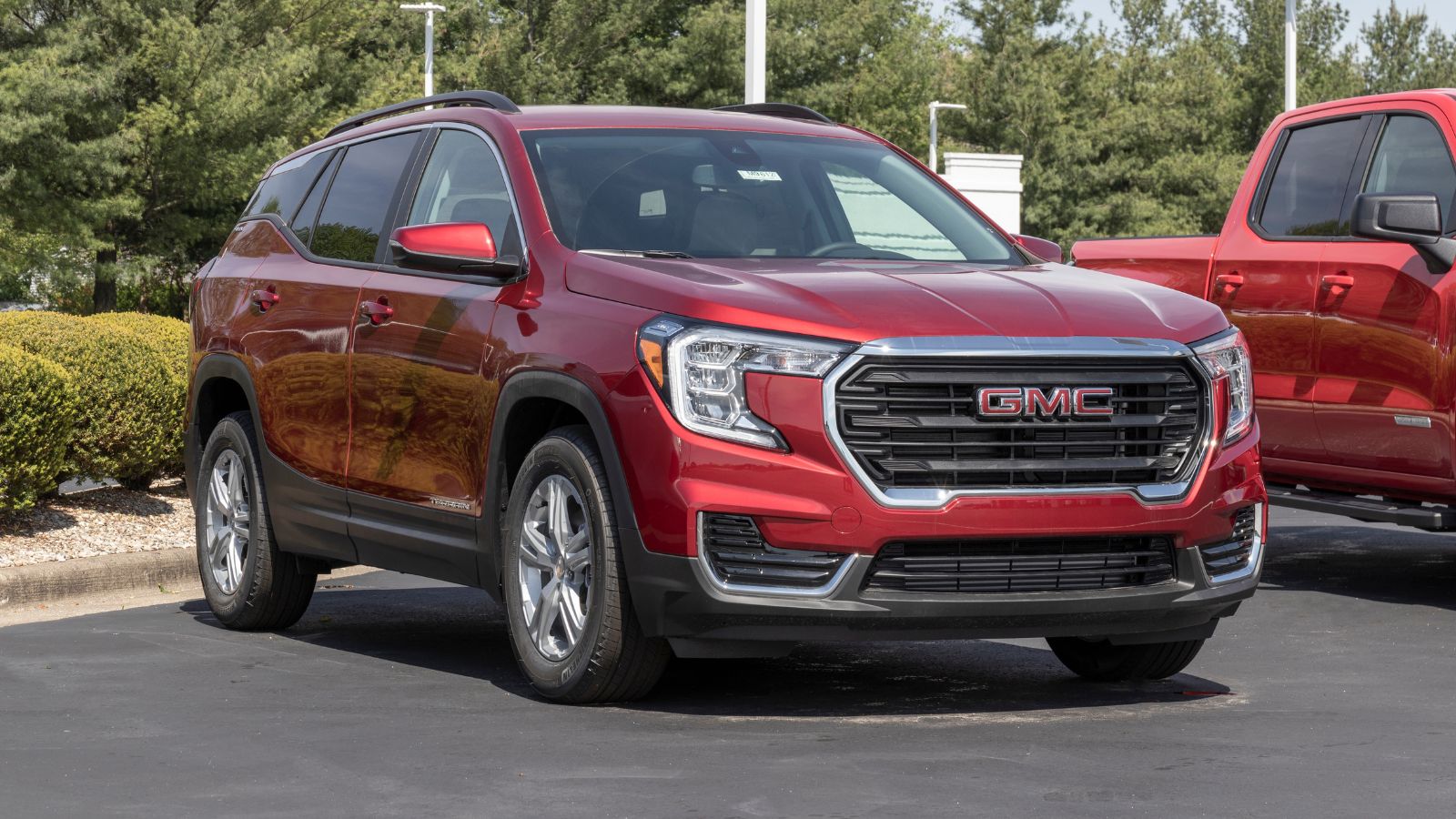
The GMC Terrain shares similar battery concerns in cold climates. Its electrical systems draw power even when idle. Cold temperatures reduce battery efficiency quickly. Owners often report slow cranking and warning lights. Short trips prevent proper recharge cycles. Heated features increase demand further. The battery struggles to recover fully. Placement near exposed areas adds stress. Over time, this shortens lifespan. Many drivers replace batteries earlier than expected. The issue becomes more noticeable in colder regions. Winter driving highlights these weaknesses clearly.
Tesla Model 3
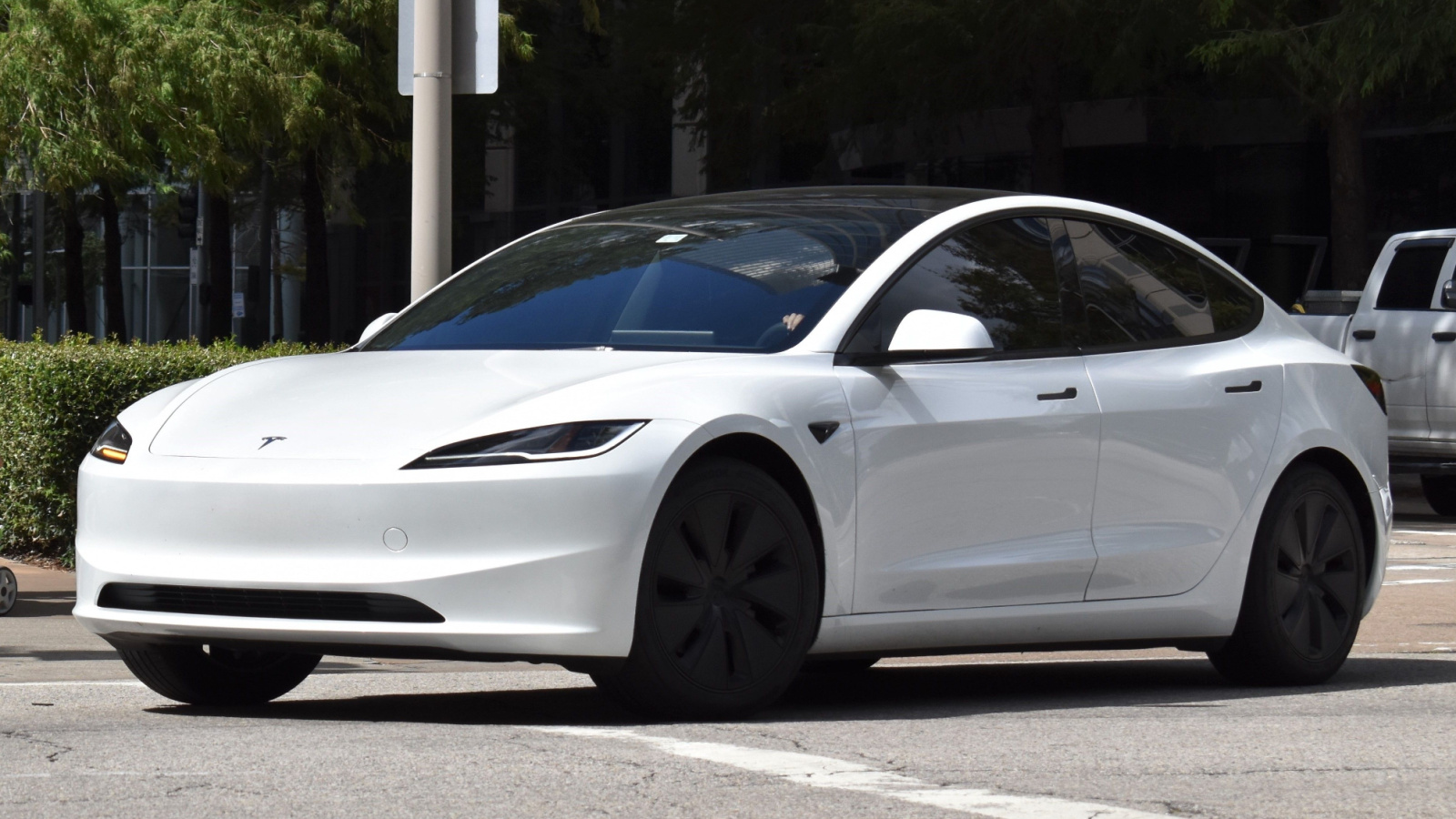
The Tesla Model 3 uses a 12V battery alongside its main battery pack. This smaller battery handles many essential functions. Cold weather reduces its performance significantly. Owners often report sudden failures during winter. The system relies heavily on electronics even when parked. This creates a steady drain. Short trips do not fully recharge the smaller battery. Over time, this leads to early failure. Replacement intervals can be shorter in colder climates. Many drivers notice issues after a few winters. Cold conditions make this weakness more noticeable.
22 Things Canadians Do to Their Cars in Spring That Mechanics Hate

Spring brings relief to many Canadian drivers after months of snow, freezing temperatures, and icy roads that put serious strain on vehicles. As temperatures rise across the country, drivers begin washing cars, switching tires, and preparing vehicles for warmer weather and upcoming road trips. However, mechanics across Canada notice the same mistakes every spring when drivers attempt to recover from winter damage. Road salt, potholes, and harsh winter driving conditions often leave vehicles with hidden problems that drivers ignore. Some spring habits even create new mechanical issues that could have been avoided with proper maintenance. Here are 22 things Canadians do to their cars in spring that mechanics hate.