

























Long road trips test more than fuel economy and storage space. Seat comfort quickly becomes the deciding factor between a relaxed drive and a sore back. Many drivers across Canada notice that some cars feel fine for short trips but become tiring after a few hours. Poor lumbar support, flat cushions, and awkward driving positions often cause the problem. Even newer models are not always better. Comfort depends on design choices that are easy to overlook during a quick test drive. Here are 21 cars with seats Canadians say are the most uncomfortable on road trips.
Nissan Kicks
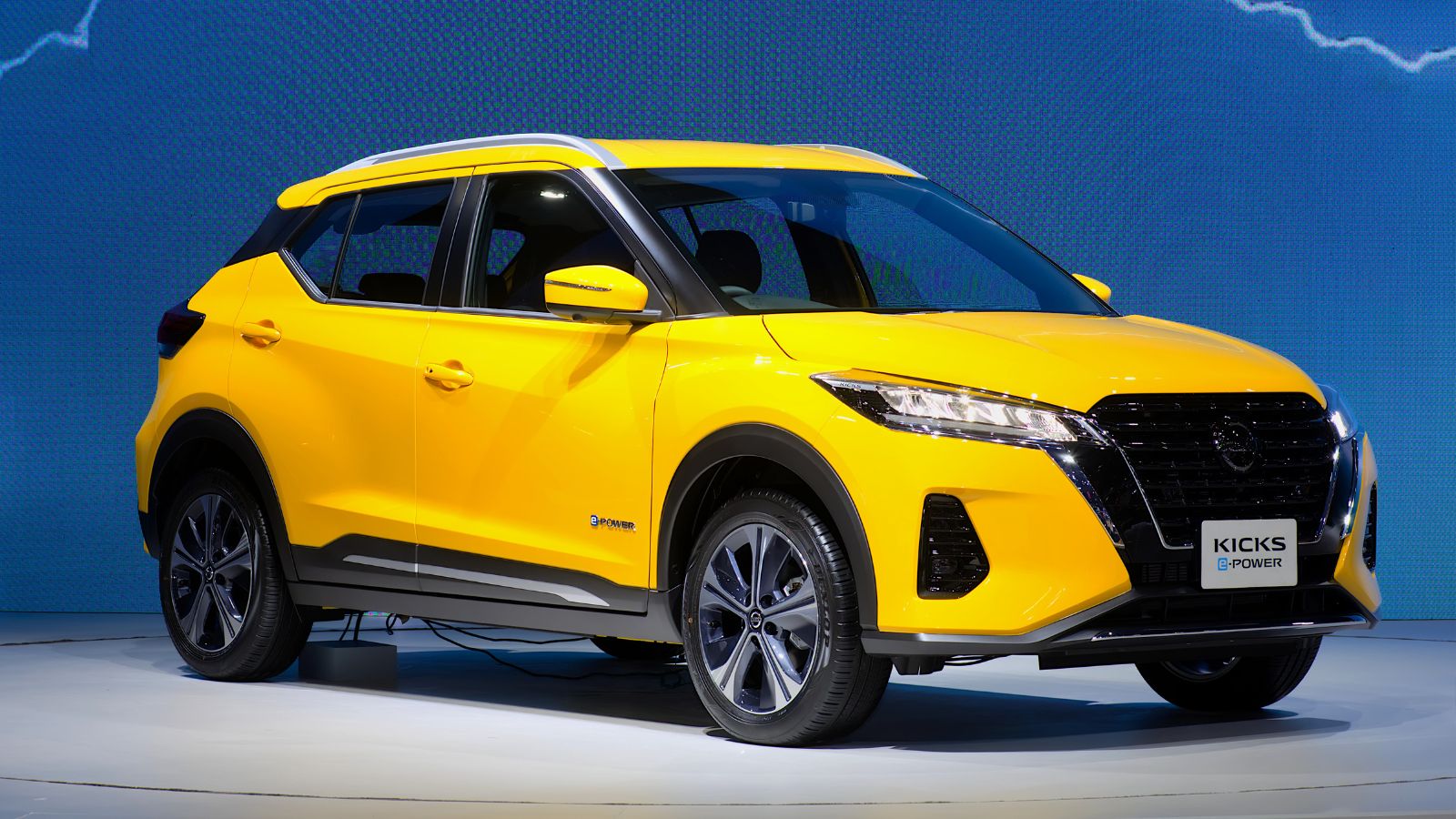
The Nissan Kicks looks practical for city driving but struggles on long trips. The seats feel thin and lack proper cushioning for extended hours. Drivers often report pressure points forming after a short time. The upright position also feels awkward on highways. There is limited lumbar support, which adds to lower back fatigue. Taller drivers feel cramped, especially on longer journeys. Rear seats do not offer much relief either. The design works for short commutes but not for long drives. Over time, discomfort builds steadily. Many owners suggest frequent breaks when traveling long distances in this vehicle.
Jeep Wrangler
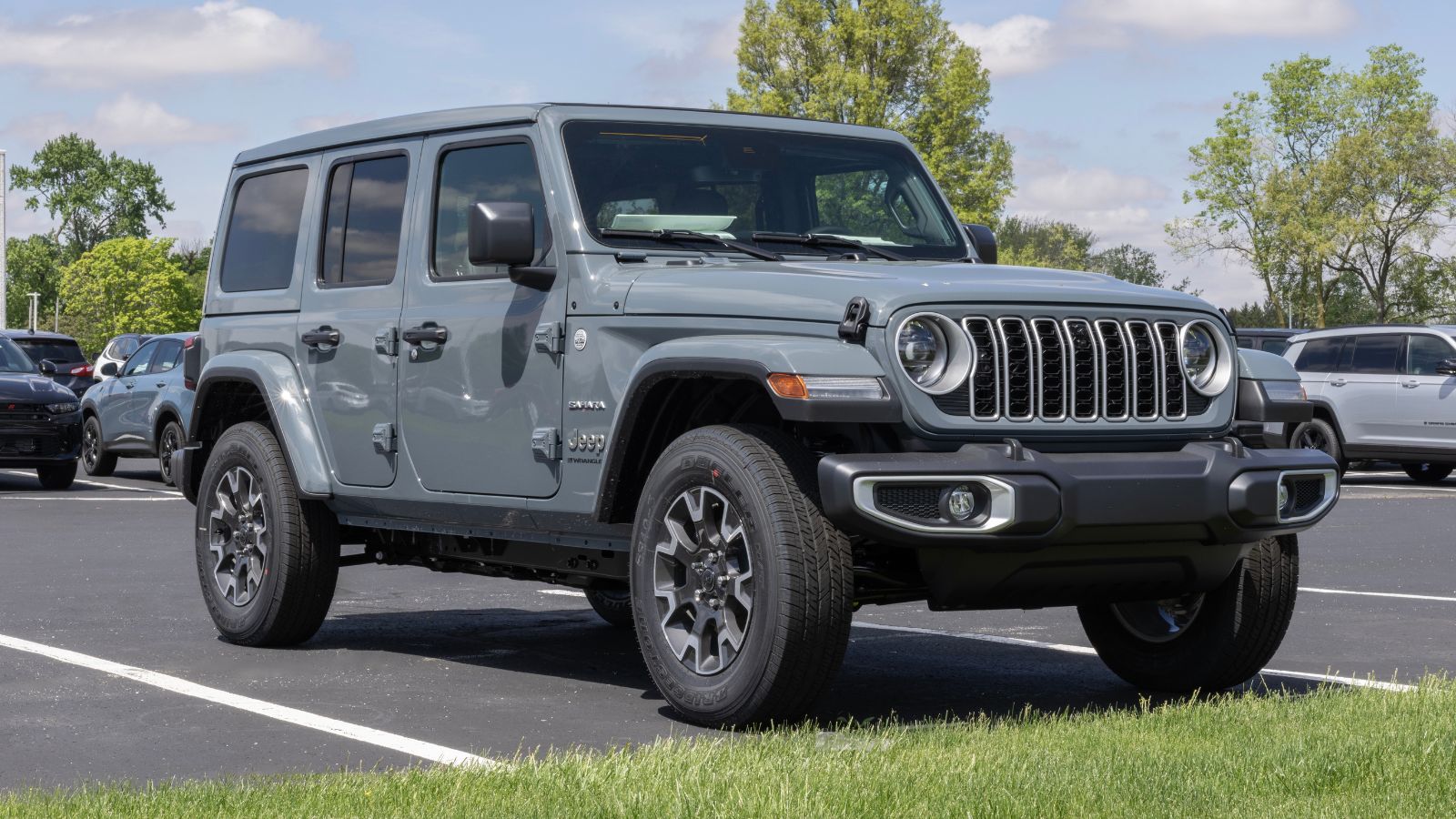
The Jeep Wrangler is built for off-road fun, not comfort. Its seats feel stiff and flat during highway drives. The upright seating position lacks proper back support. Many drivers complain about fatigue after just a few hours. The ride itself is rough, which adds to discomfort. Cushioning does not absorb vibrations well. Long trips become tiring quickly. Rear passengers face even more discomfort due to limited padding. While the Wrangler excels off-road, highway comfort takes a hit. It suits adventure trips better than long, smooth drives across provinces.
Toyota C-HR
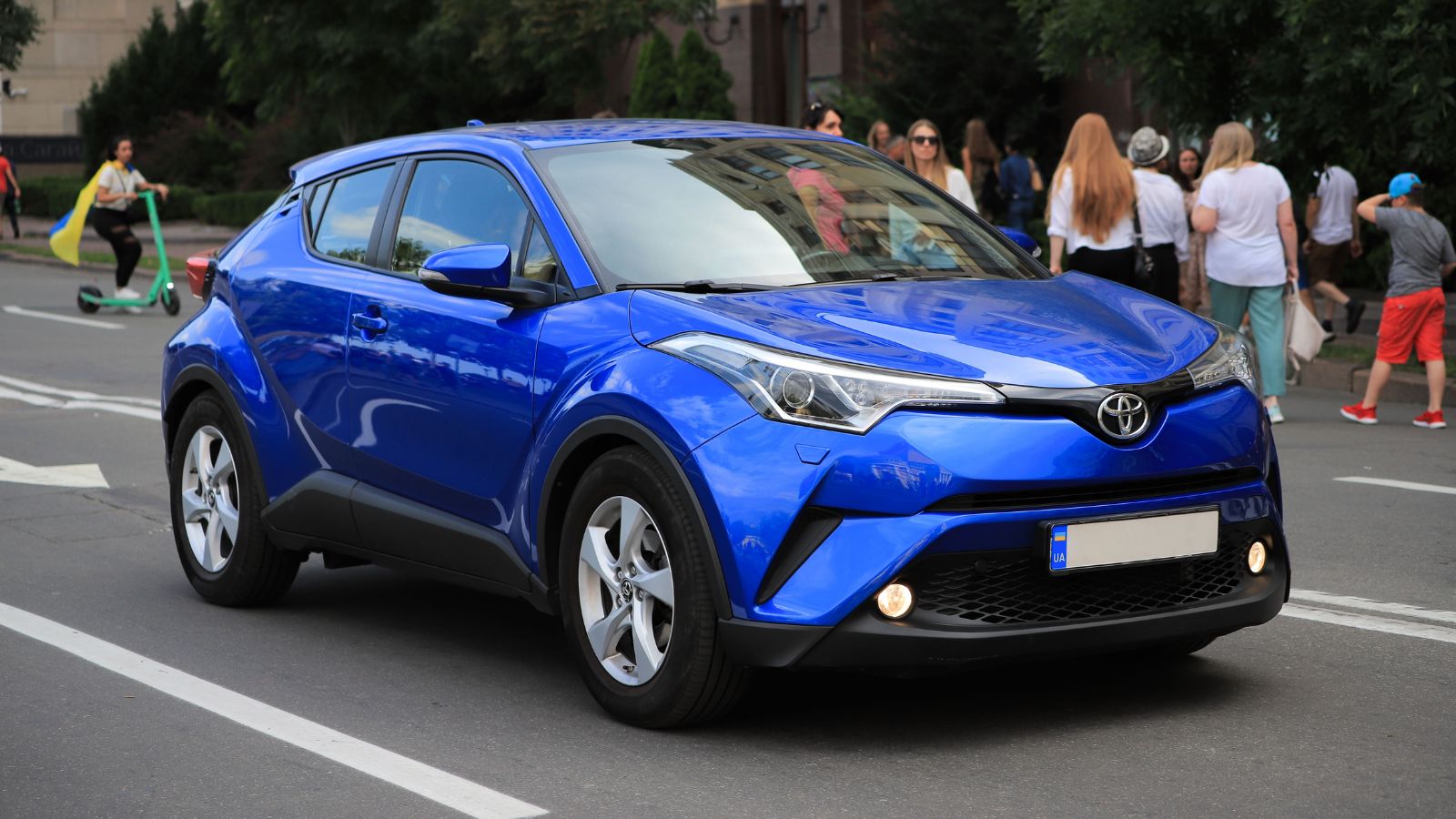
The Toyota C-HR has bold styling but less impressive seating comfort. The front seats feel firm and narrow for many drivers. Longer trips reveal poor thigh support. The seat shape can feel restrictive over time. Rear seats feel even more cramped and less padded. Visibility issues add to the overall fatigue. Drivers often shift positions frequently to stay comfortable. The sporty design seems to compromise comfort. It may work for short urban drives. On long road trips, the discomfort becomes noticeable and persistent.
Mazda CX-3
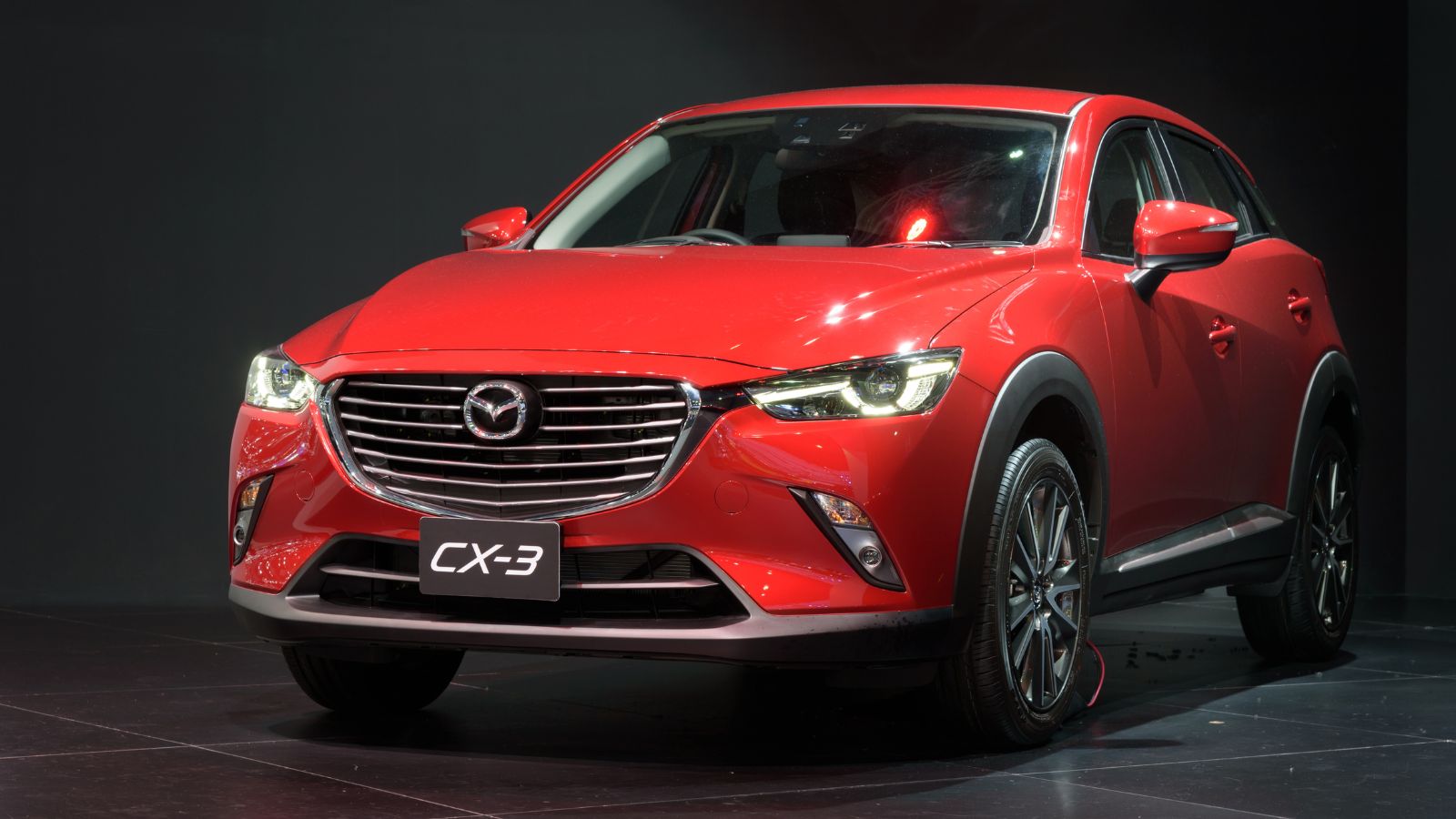
The Mazda CX-3 offers sharp handling but lacks comfort for long journeys. The seats are firm and do not soften over time. Drivers often feel pressure on their lower back. The seating position can feel tight for taller individuals. Rear seating space is limited and less supportive. The cabin feels small, which adds to fatigue. Even with adjustments, comfort remains average. Long drives highlight the lack of cushioning. It feels better suited for short trips. Extended highway travel becomes tiring sooner than expected.
Chevrolet Spark
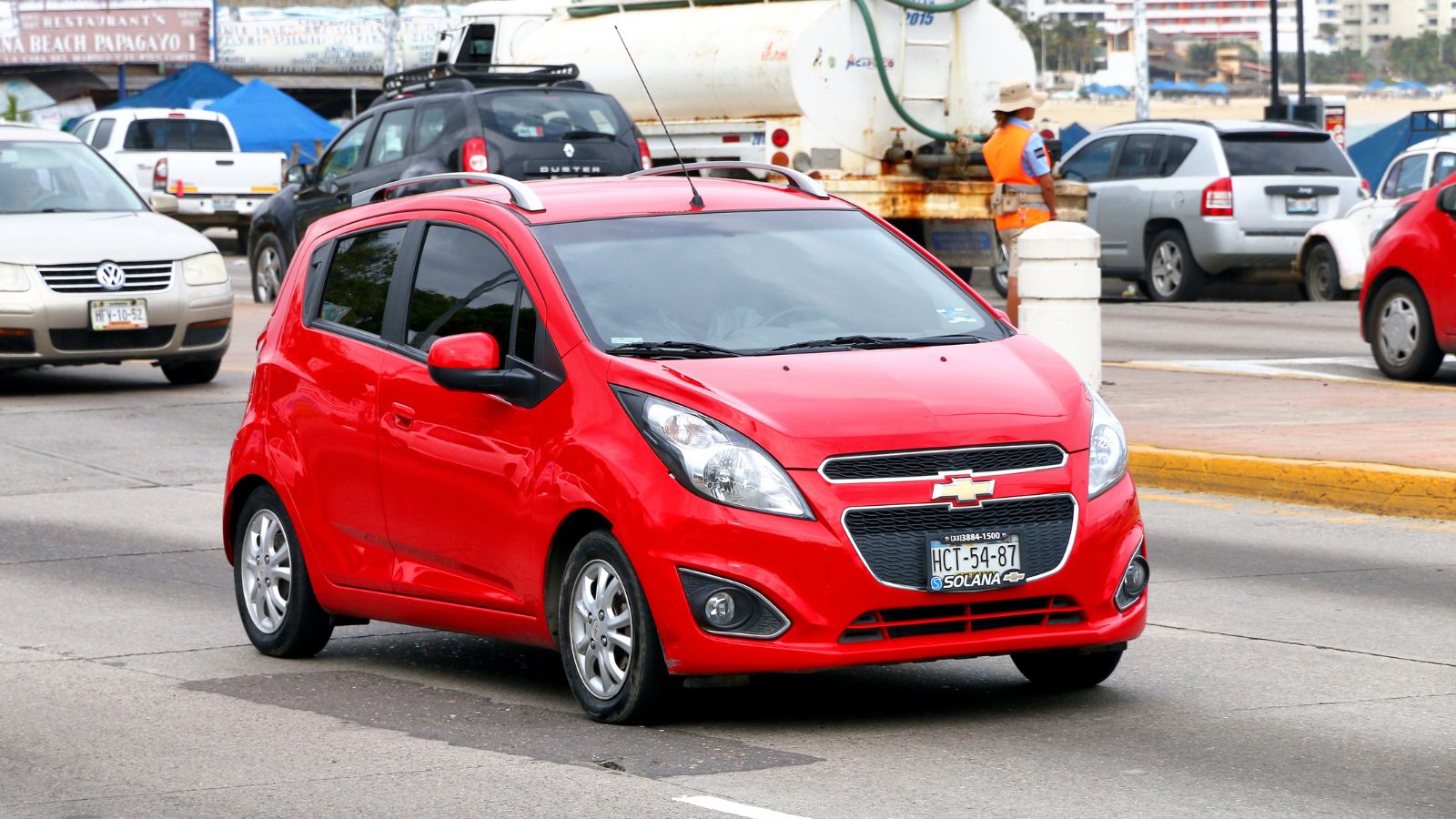
The Chevrolet Spark is affordable but compromises on seating comfort. The seats feel basic and lightly padded. Long drives make the lack of support obvious. Drivers often report soreness in the lower back. The upright seating position adds to discomfort. Rear passengers experience even less cushioning. The small size limits seating ergonomics. It works well for city use. On highways, comfort drops quickly. Many owners say frequent stops are necessary. The Spark handles short trips fine but struggles with longer distances.
Mitsubishi Mirage
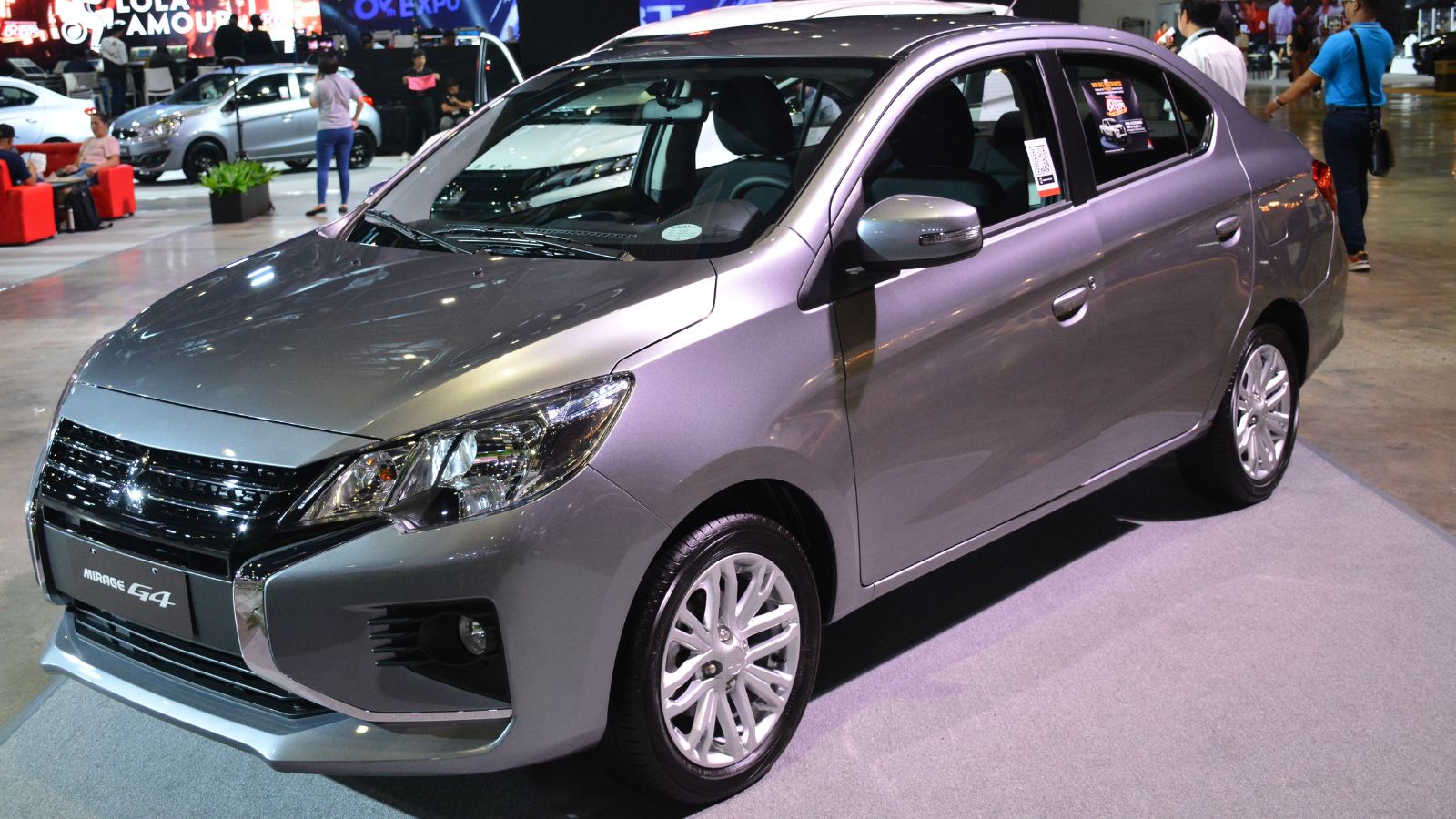
The Mitsubishi Mirage focuses on efficiency over comfort. The seats feel thin and lack proper structure. Drivers often notice discomfort within a short time. The padding compresses quickly during long drives. There is minimal lumbar support. The driving position feels basic and less adjustable. Rear seats also feel flat and unsupportive. Road vibrations transfer through the seats easily. This adds to fatigue over distance. It is practical for short commutes. Long road trips highlight its limitations in comfort.
Ford EcoSport
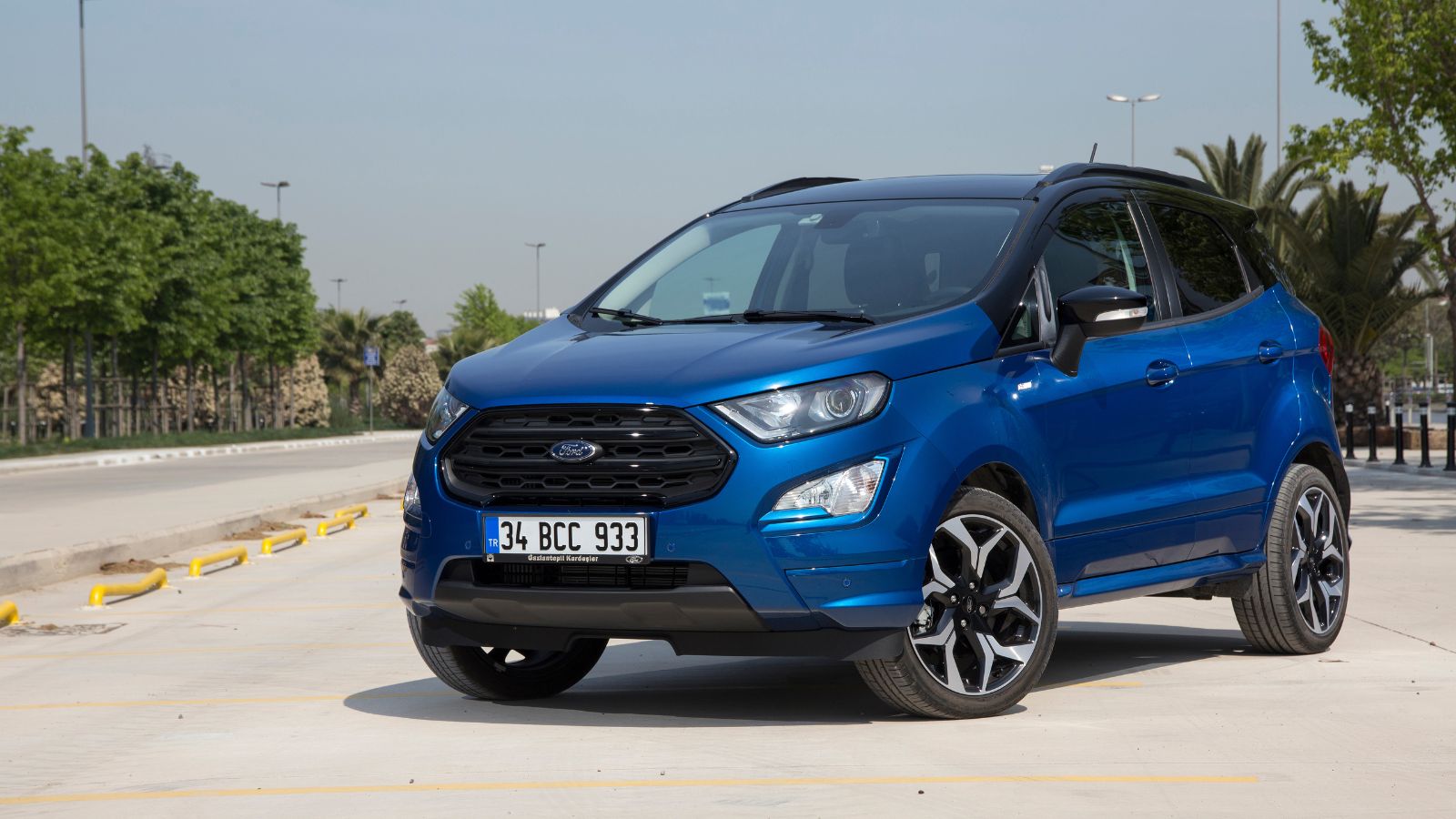
The Ford EcoSport has a tall stance but average seat comfort. The seats feel firm and narrow. Drivers often complain about limited thigh support. The seating position can feel awkward over time. Longer trips reveal pressure buildup in key areas. Rear seats are not much better. The ride quality also affects comfort. Bumps and vibrations pass through easily. It performs better in city conditions. On highways, discomfort grows steadily. Many drivers find themselves adjusting frequently to stay comfortable.
Honda HR-V
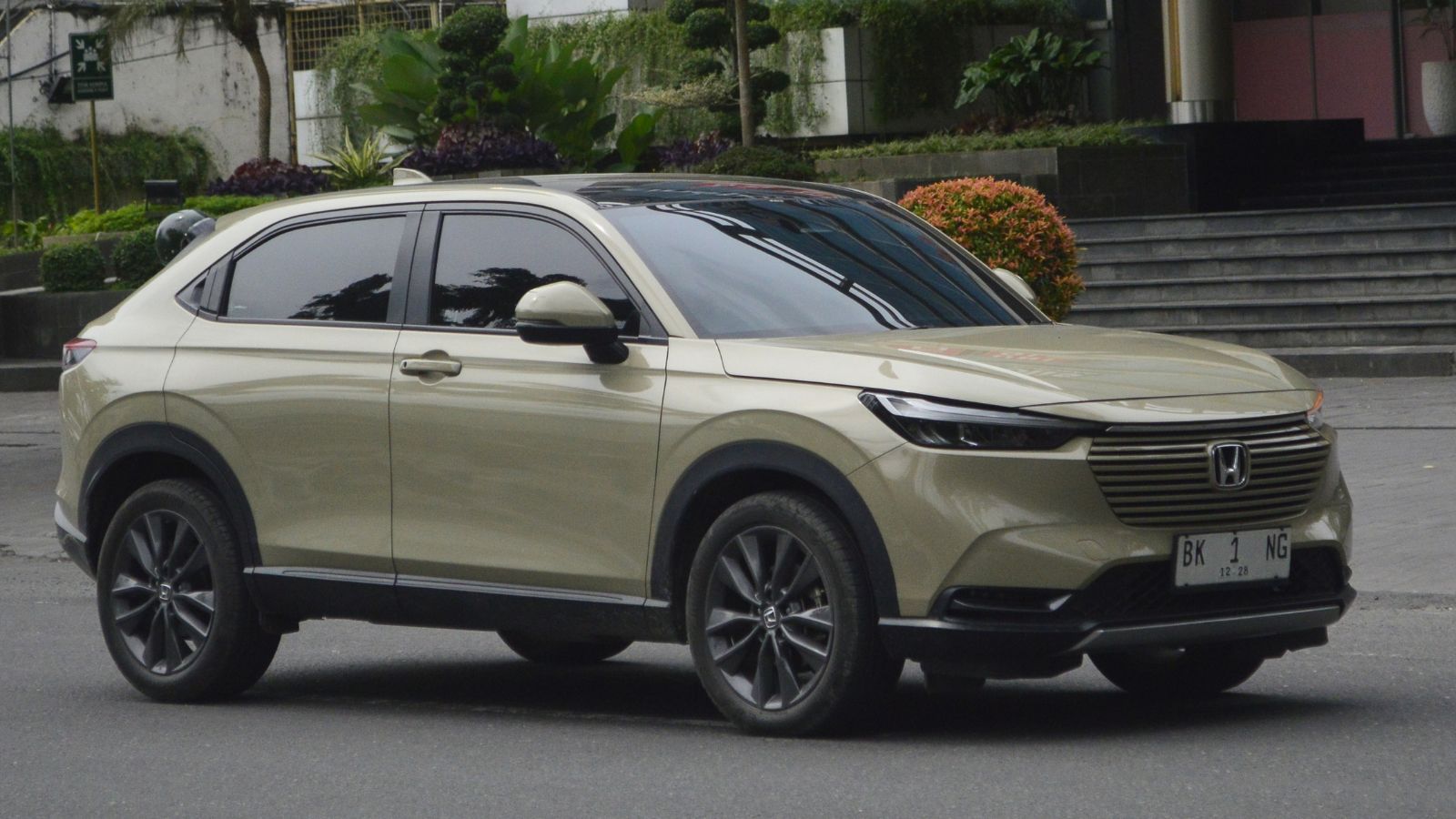
The Honda HR-V is practical but not ideal for long drives. The seats feel flat and lack contouring. Drivers often report lower back discomfort. The cushion does not provide enough support over time. Rear seats feel similar in design. Long trips make the lack of padding more noticeable. The driving position is decent but not perfect. Extended hours behind the wheel can feel tiring. It suits daily driving well. For road trips, comfort becomes a concern after a few hours.
Toyota Corolla
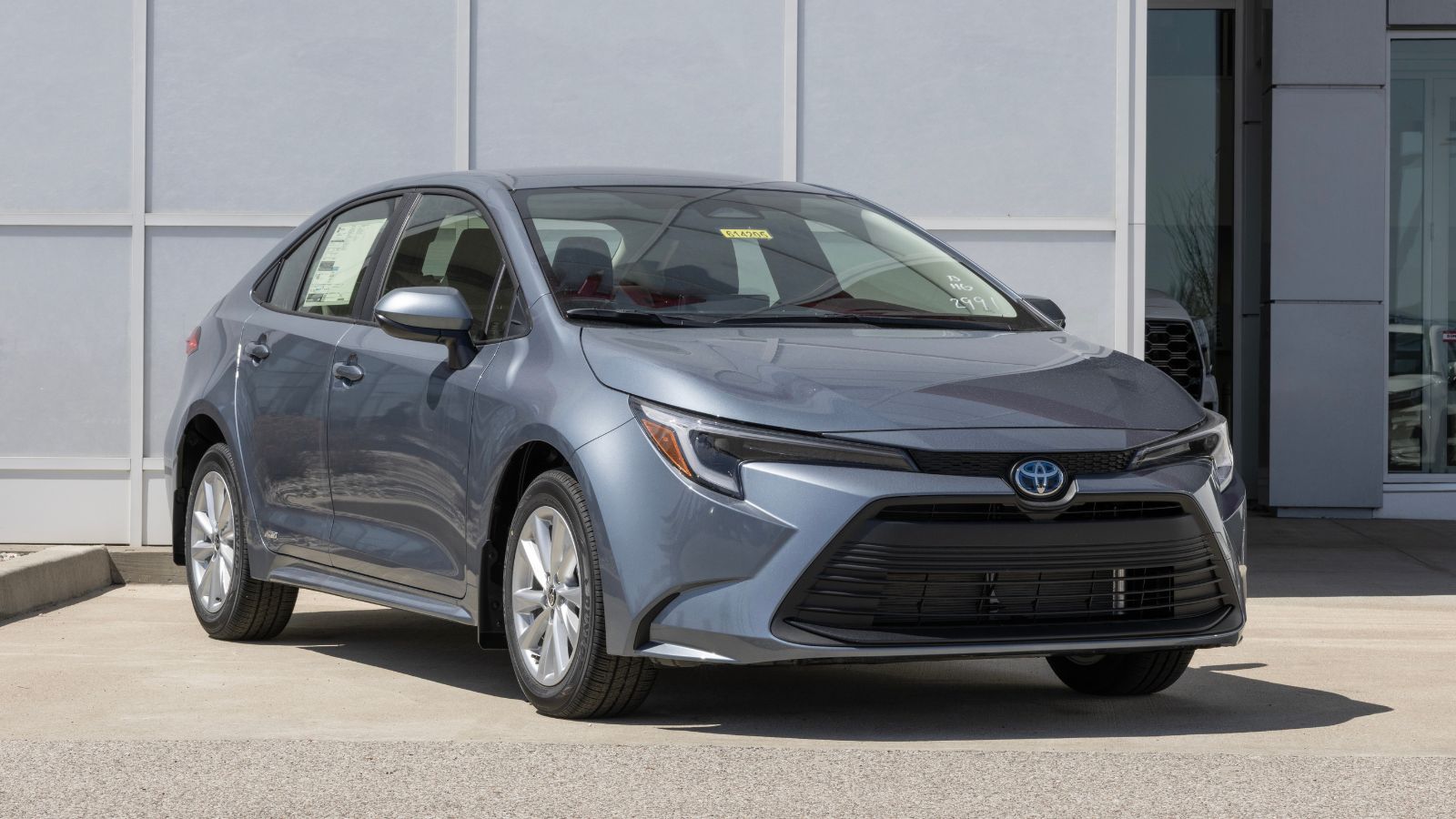
The Toyota Corolla is reliable but not known for plush seating. The seats feel firm, especially on longer drives. Drivers often mention lower back fatigue. The cushion design lacks depth for proper support. Rear passengers also feel limited comfort. The overall setup feels basic rather than supportive. It performs well for daily commuting. On highways, discomfort slowly builds. Many drivers shift positions often. The Corolla remains dependable, but comfort is not its strongest point on long trips.
Hyundai Venue
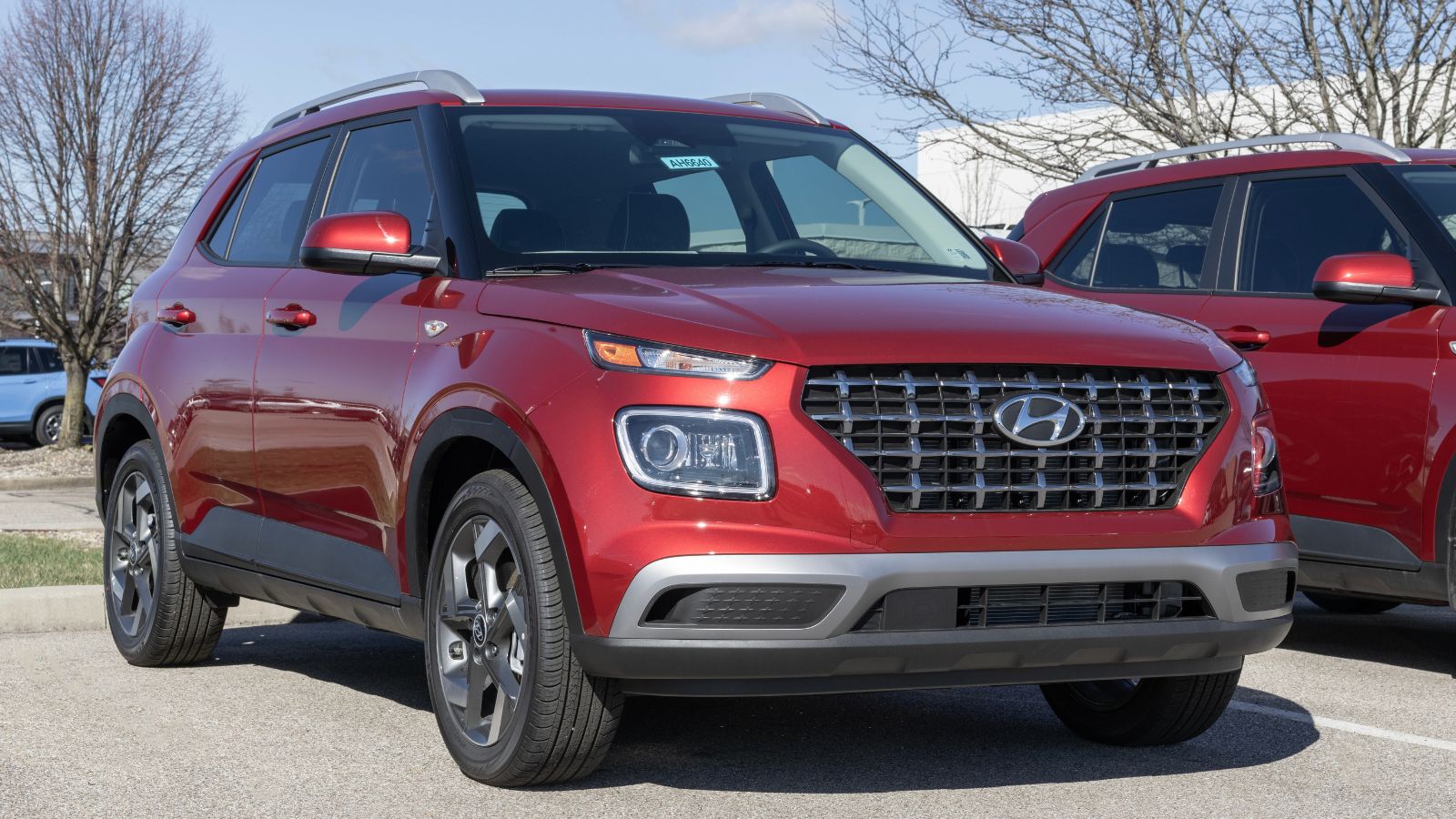
The Hyundai Venue offers value but limited seating comfort. The seats feel upright and lightly padded. Drivers often report stiffness after a few hours. The cushion lacks softness for long drives. Rear seating also feels basic. The compact design limits support options. Long trips highlight these issues clearly. Frequent adjustments become necessary. It works well in urban environments. On highways, comfort becomes a noticeable drawback. The Venue is better suited for shorter journeys.
Kia Rio
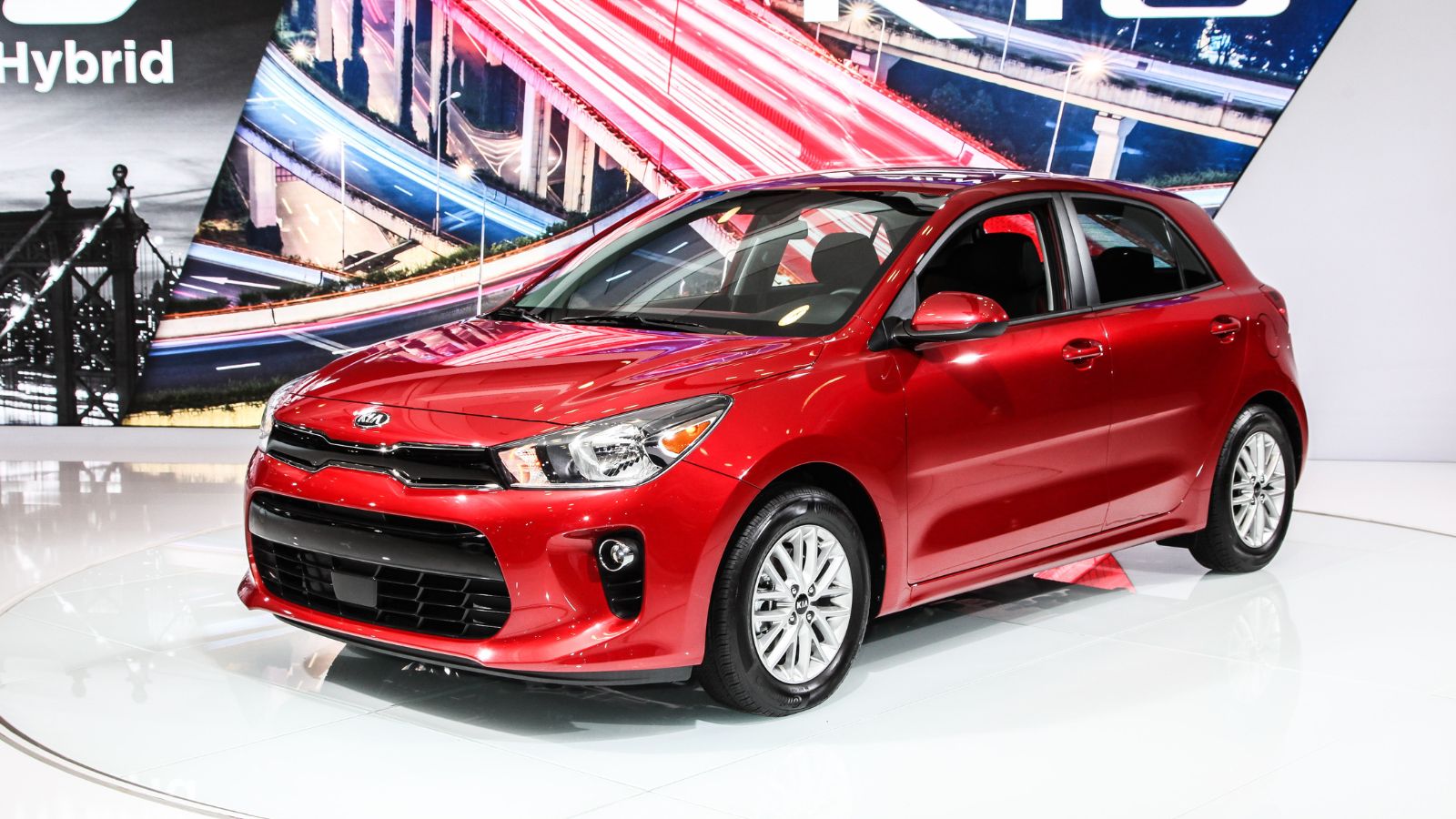
The Kia Rio is efficient but lacks long-distance comfort. The seats feel firm and narrow. Drivers often notice pressure points during extended drives. The cushioning does not hold up well over time. Rear seats offer minimal support and feel basic. Long highway trips become tiring sooner than expected. The driving position is simple but not very adjustable. It handles daily commuting well. Comfort starts to drop as distances increase. Many owners mention needing more breaks. The Rio focuses on value and fuel savings rather than long-haul comfort.
Subaru Crosstrek
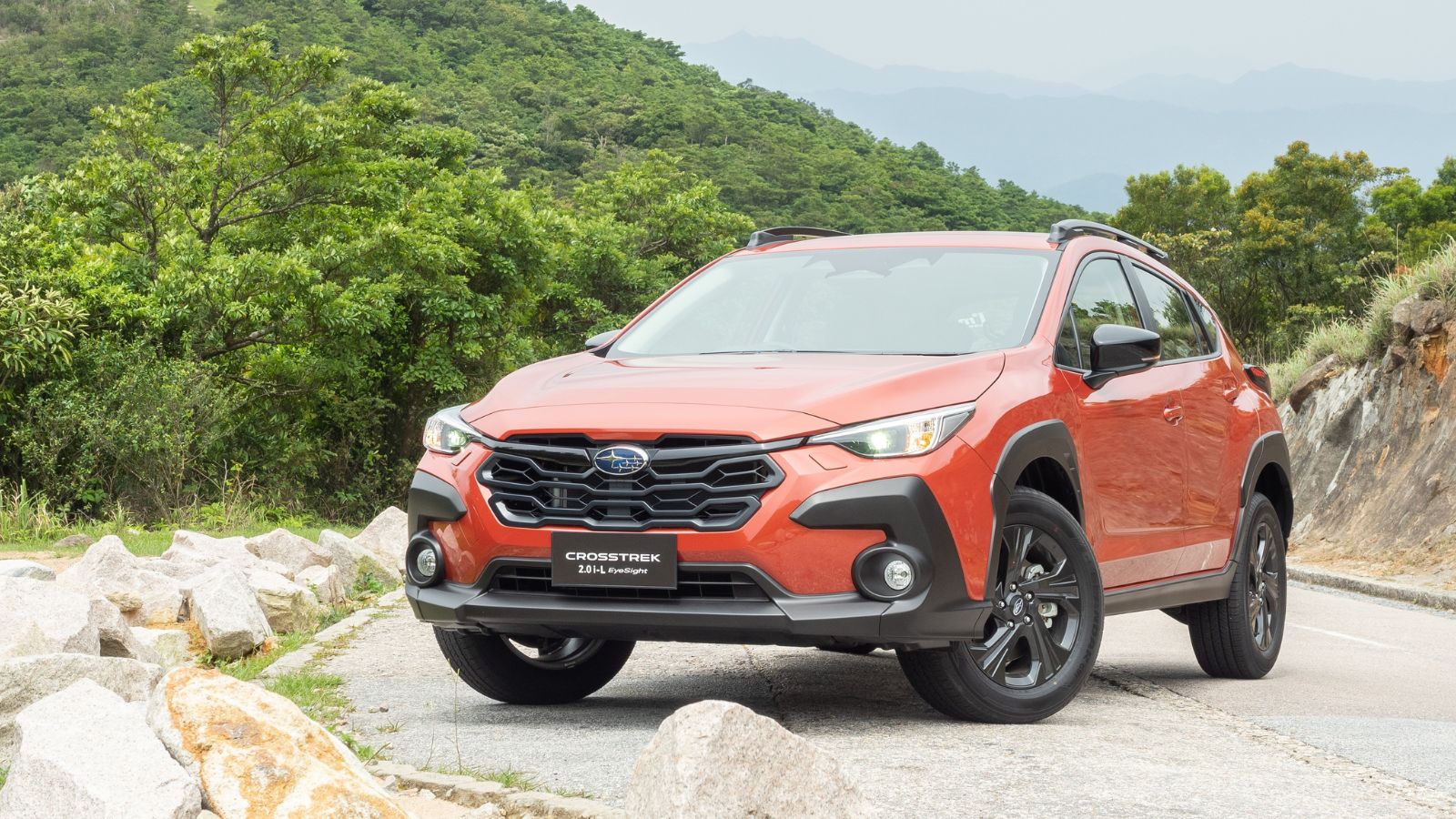
The Subaru Crosstrek is capable but not the most comfortable. The seats feel firm and somewhat flat. Drivers often report lower back discomfort after long hours. The cushion lacks softness for extended travel. Rear seating also feels average in support. Road noise and vibrations add to overall fatigue. The driving position is decent but not relaxing. Longer trips reveal these limits clearly. It performs well on rough terrain. On highways, comfort is less impressive. Many drivers feel tired sooner than expected.
Dodge Journey
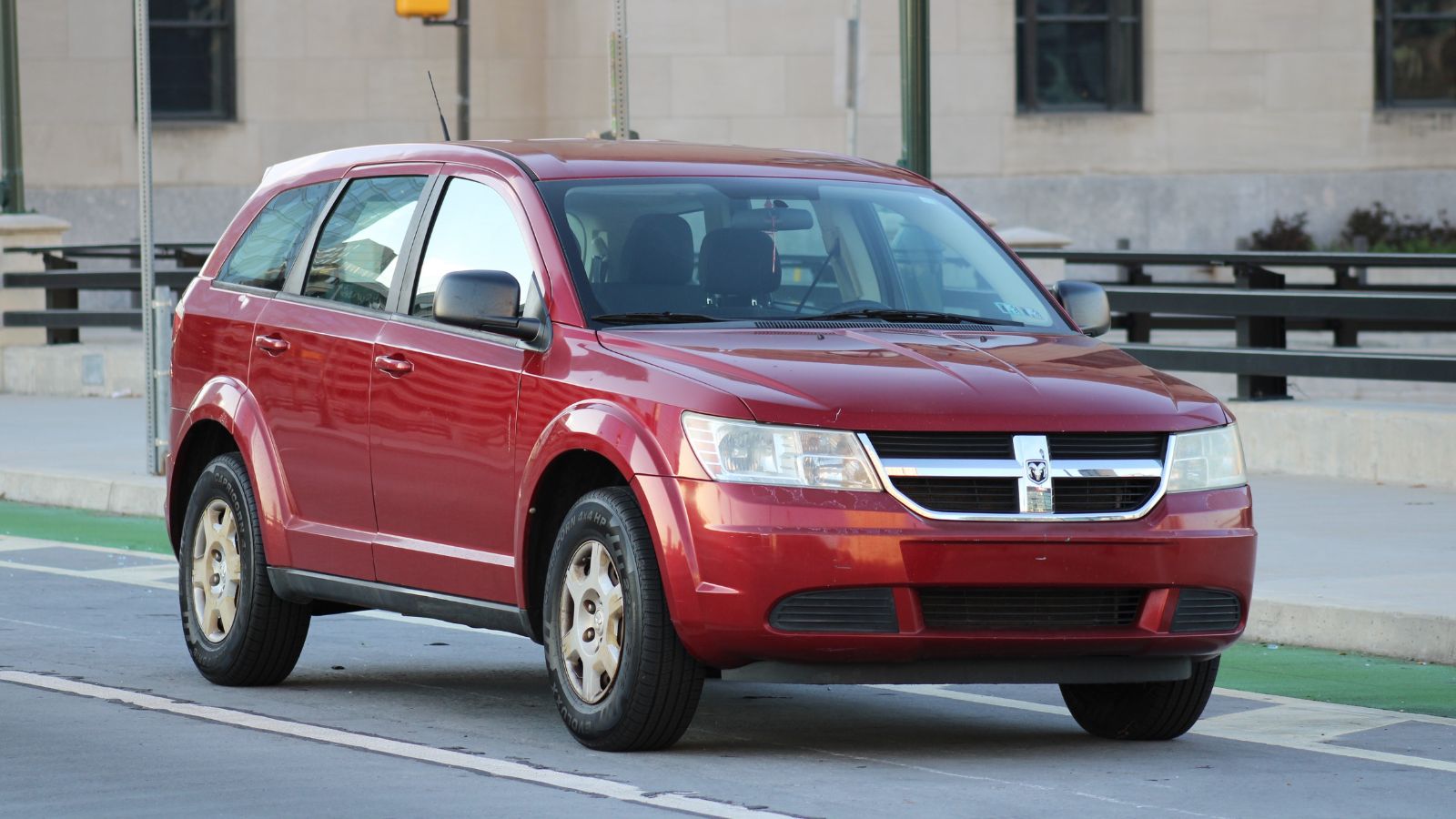
The Dodge Journey offers space but lacks seat comfort over distance. The seats feel soft at first, but lose support quickly. Drivers often experience back pain on longer drives. The cushioning compresses too easily with time. Rear seats do not provide much improvement. The overall design feels dated and basic. Long trips make these issues more obvious. It works fine for short errands. Extended travel becomes uncomfortable. Many drivers report fatigue building steadily during highway drives.
Nissan Versa
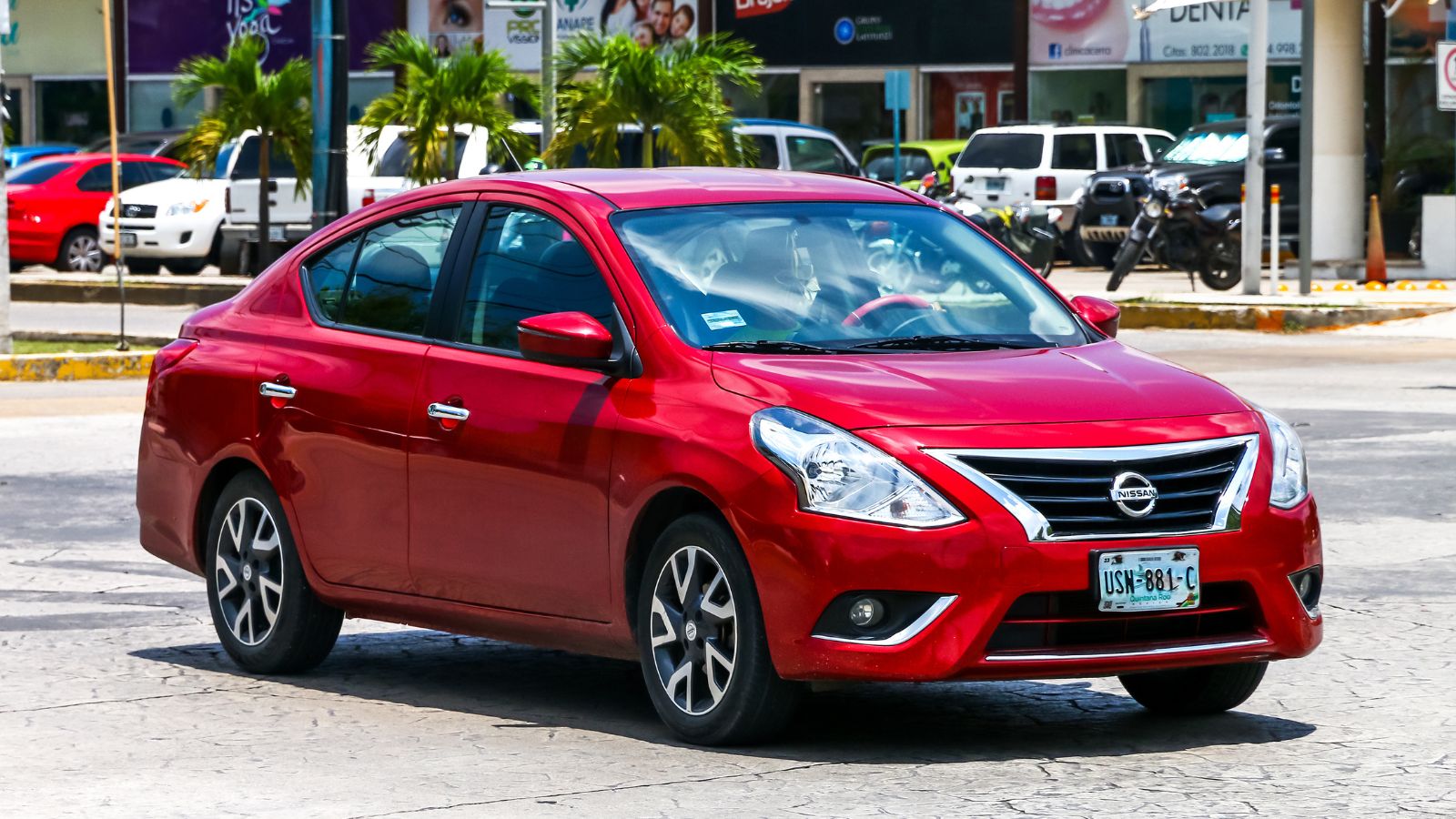
The Nissan Versa is budget-friendly but not very comfortable for long drives. The seats feel basic and lightly padded. Drivers often report discomfort during extended highway use. The cushion lacks depth and proper support. Rear seats follow the same simple design. Long trips highlight the lack of ergonomics clearly. The driving position is straightforward but limited in adjustment. It handles city driving well. On highways, comfort becomes an issue. Many drivers shift positions often to stay at ease.
Chevrolet Trax
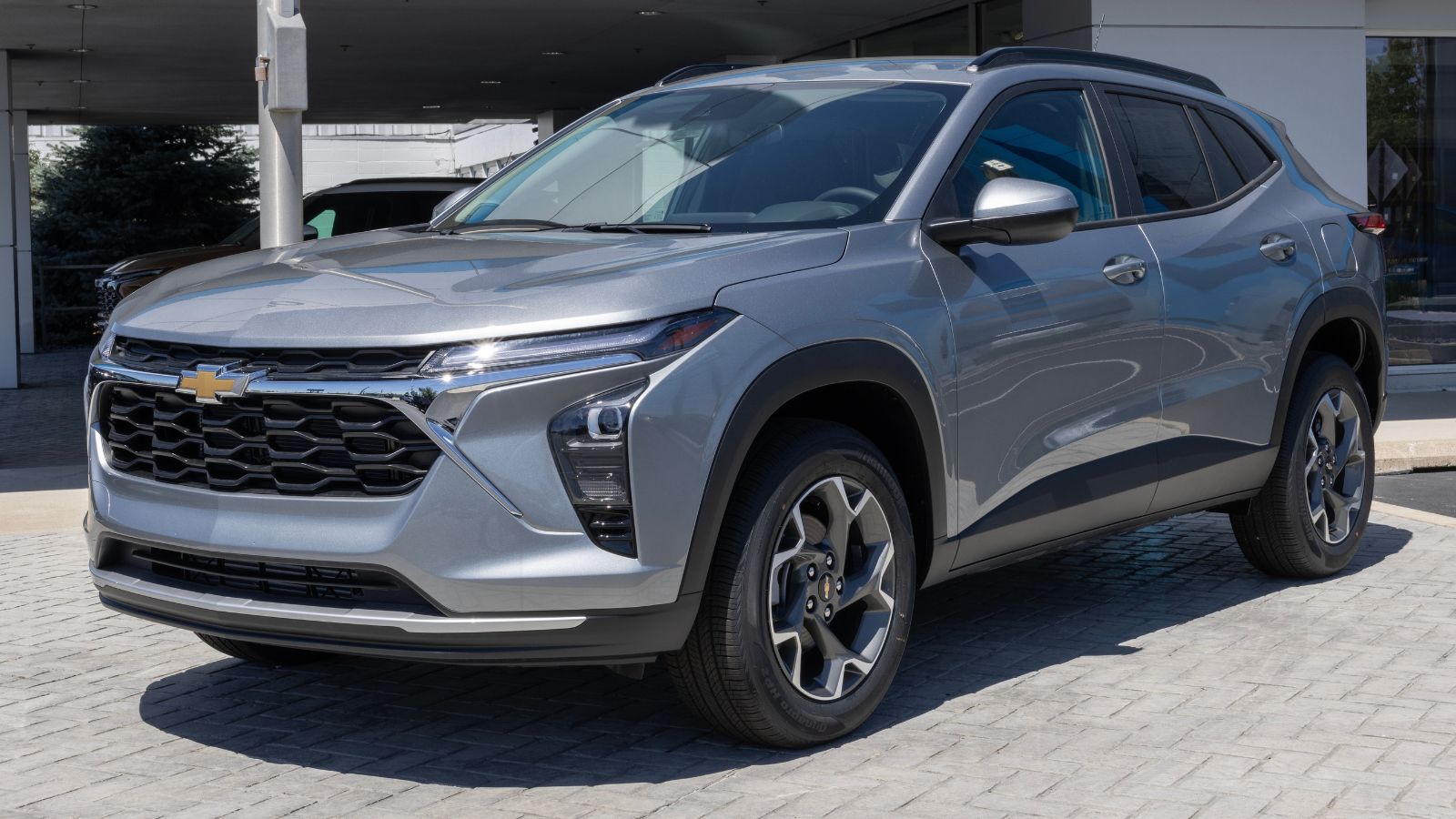
The Chevrolet Trax has decent space but average seat comfort. The seats feel firm and lack contouring for long drives. Drivers often mention discomfort after a few hours behind the wheel. The cushion does not provide enough support. Rear seating also feels basic and flat. Long trips reveal pressure buildup quickly. The ride quality adds to overall fatigue. It works well for short drives and errands. On highways, comfort drops noticeably. Many drivers prefer taking regular breaks during longer trips.
Fiat 500
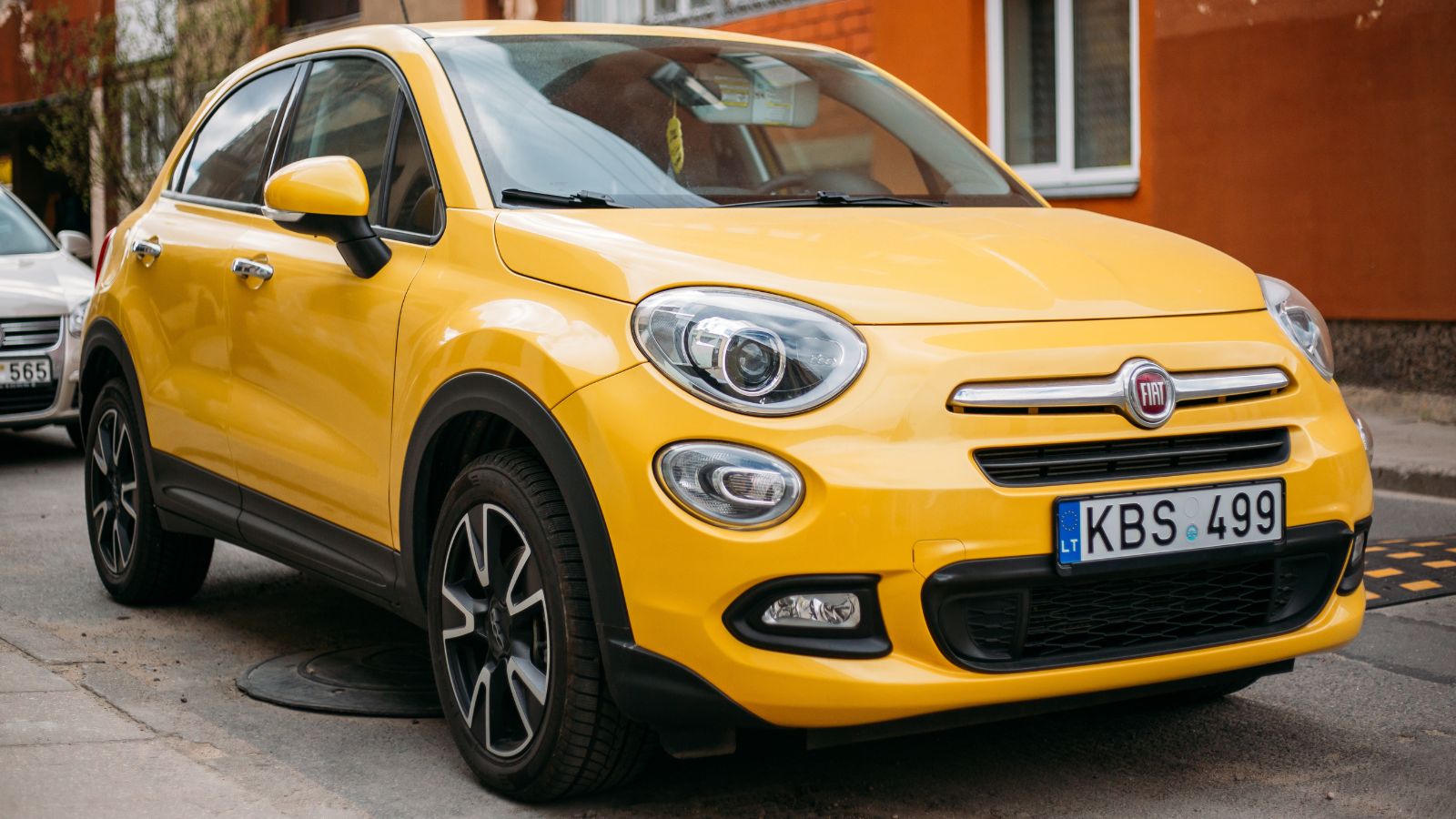
The Fiat 500 is compact and stylish, but not comfortable for long trips. The seats feel small and firm for most drivers. Many feel cramped after spending time on highways. The cushioning is minimal and lacks proper support. Rear seats offer very limited space and comfort. Long drives highlight these issues quickly. The driving position feels tight and restrictive. It works well for short city use. On highways, discomfort becomes clear. Many drivers avoid long journeys in this car when possible.
Jeep Renegade
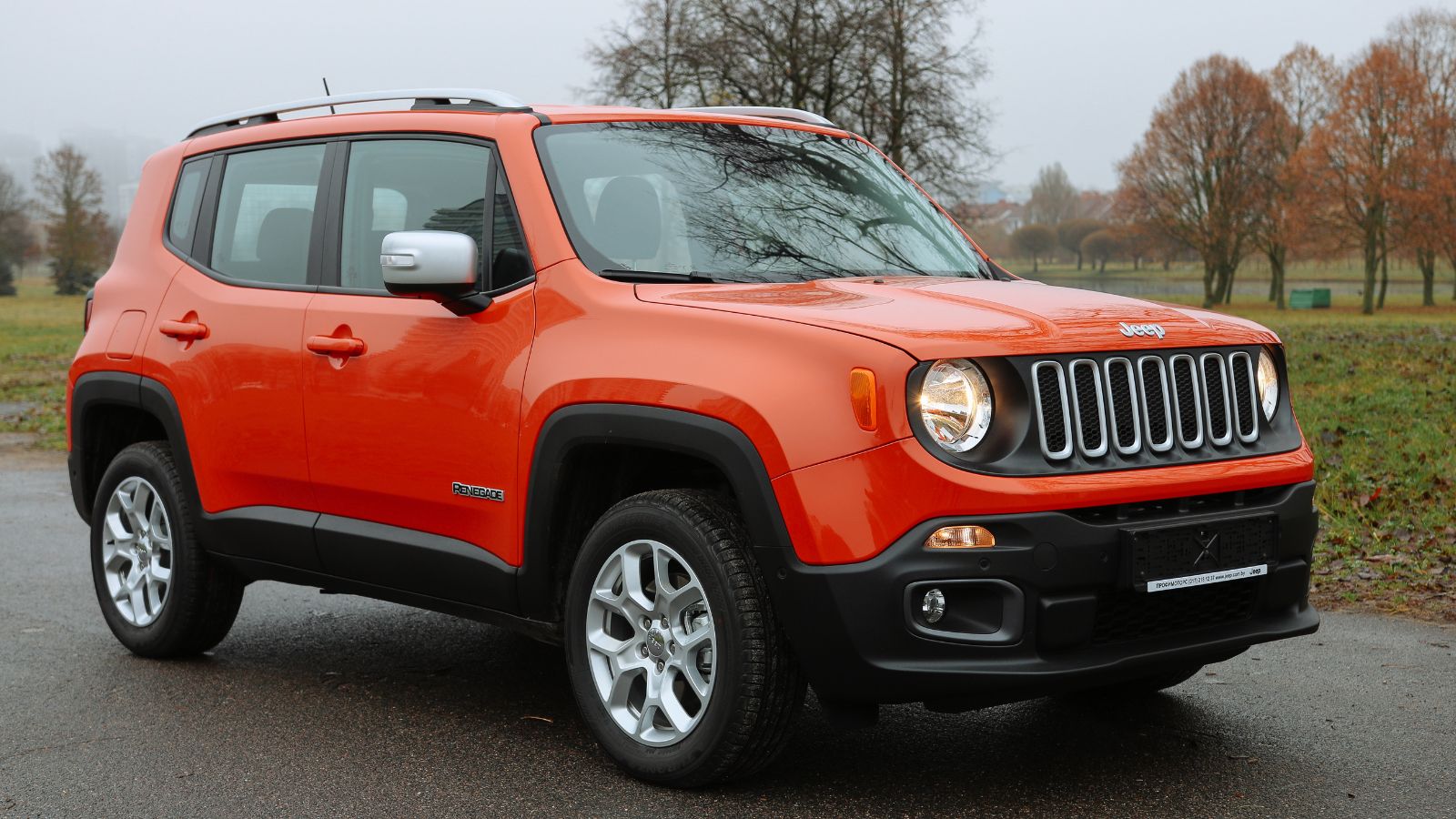
The Jeep Renegade offers rugged styling but average seat comfort overall. The seats feel firm and somewhat flat during long drives. Drivers often report lower back strain after extended hours. The cushion lacks softness and depth. Rear seats do not improve the experience much. Long trips make these issues more noticeable. The driving position can feel slightly awkward. It performs well off-road and in rough conditions. On highways, comfort is not its strength. Many drivers feel tired sooner than expected.
Ford Fiesta
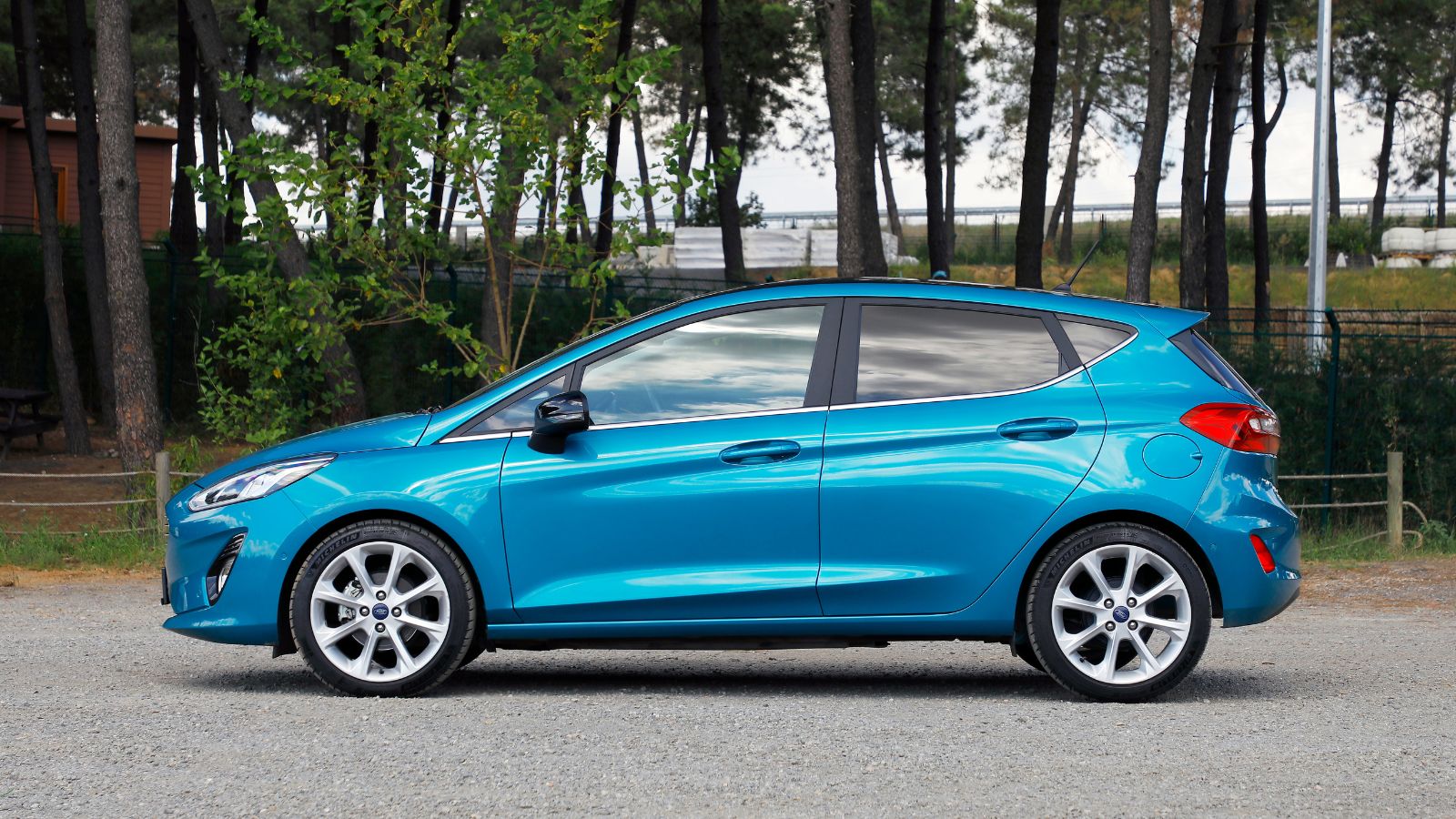
The Ford Fiesta is fun to drive, but not ideal for comfort. The seats feel narrow and firm during long trips. Drivers often notice pressure points after some time. The cushion lacks proper support for extended driving. Rear seating also feels tight and less comfortable. Long journeys highlight these drawbacks clearly. The driving position works for short distances. Extended travel becomes tiring faster. Many drivers adjust their seating often. It suits city driving better than long highway runs.
Volkswagen Jetta
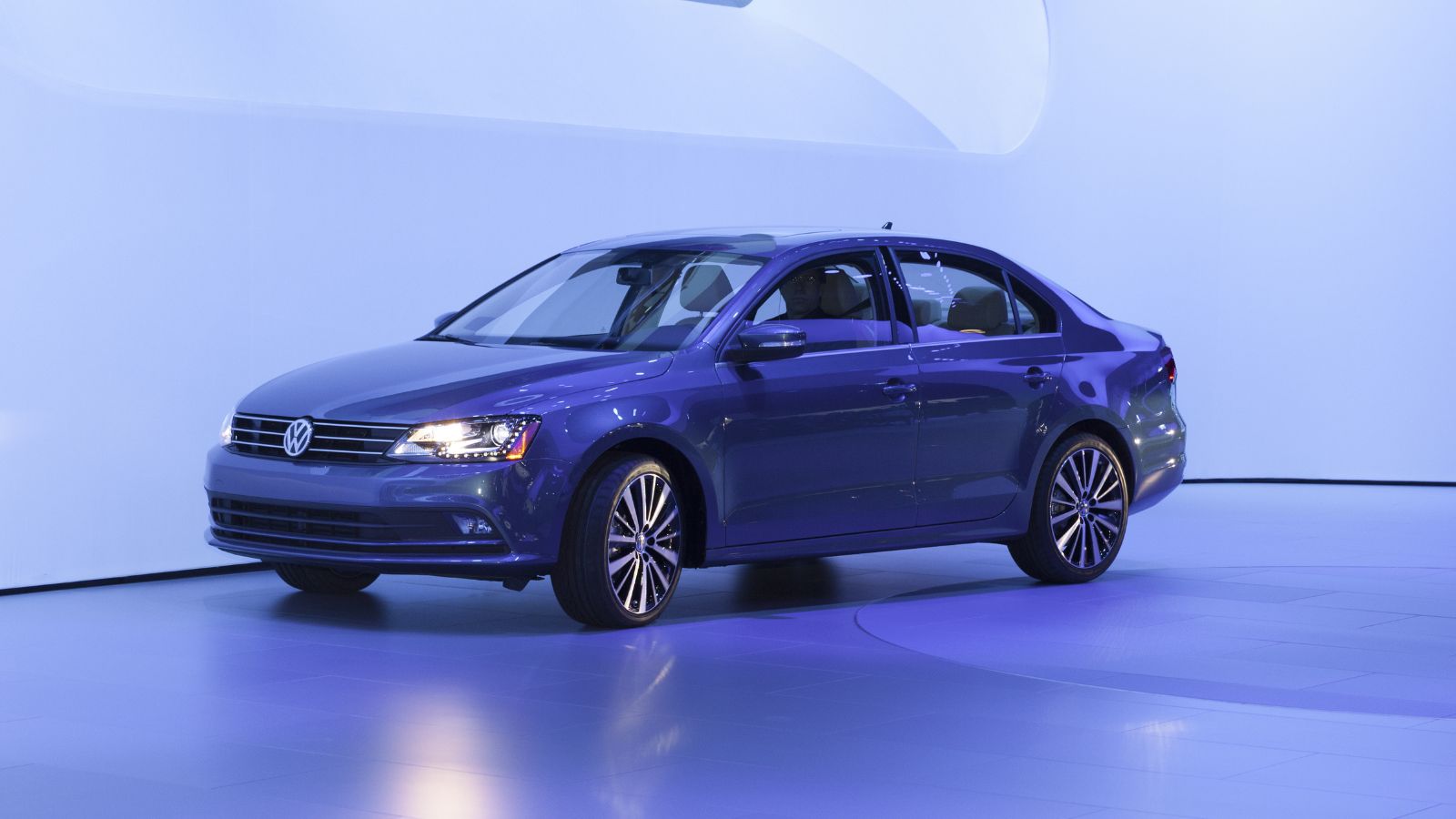
The Volkswagen Jetta offers a smooth ride but mixed seat comfort. The seats feel firm for many drivers over time. Long drives can lead to lower back fatigue. The cushion lacks softness during extended use. Rear seats are slightly better but still average. Extended trips reveal discomfort gradually. The driving position is adjustable but not always ideal. It works well for daily commuting. On long trips, comfort becomes less impressive. Many drivers notice soreness after several hours on highways.
Toyota Tacoma
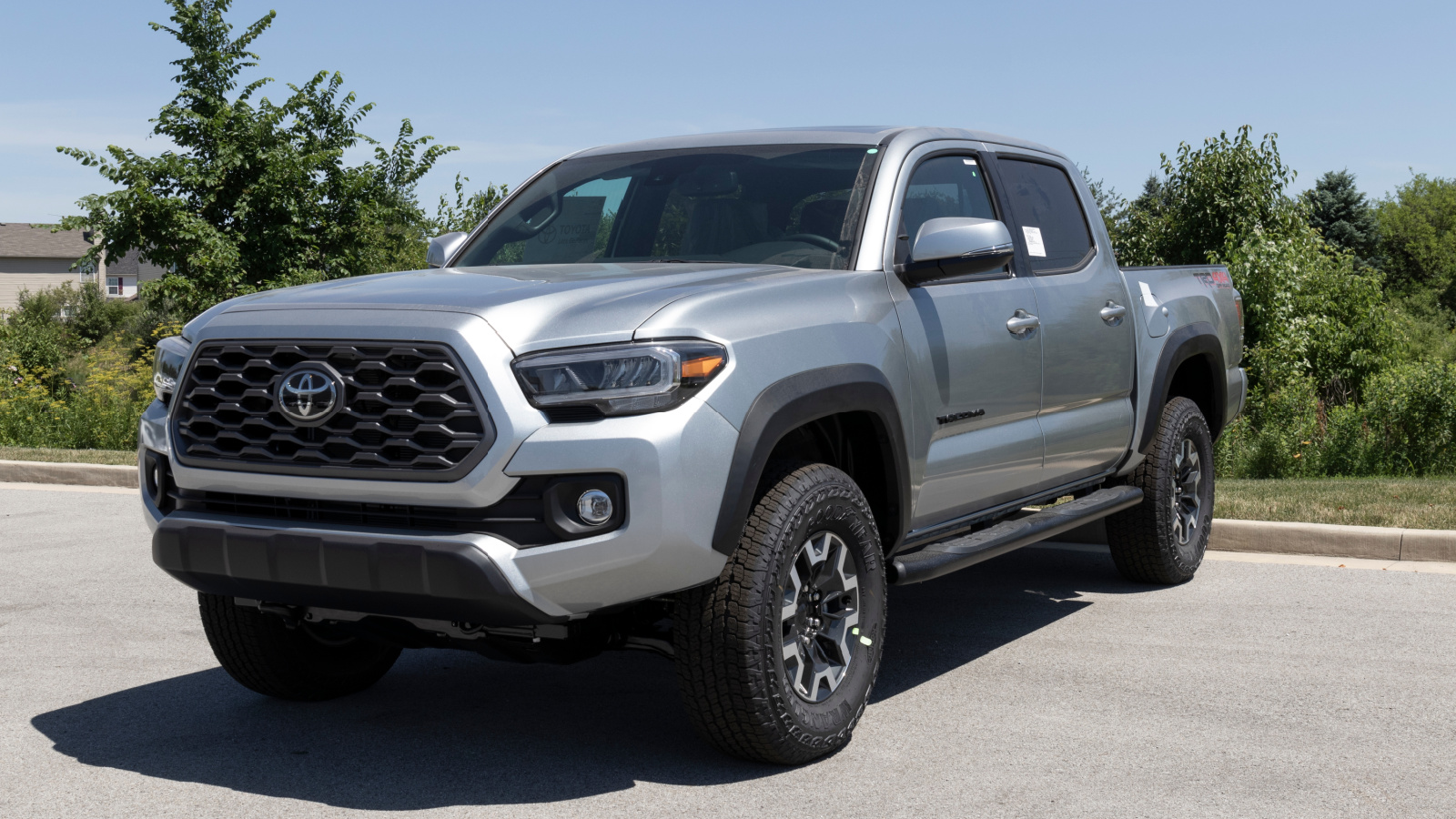
The Toyota Tacoma is reliable but not very comfortable for long drives. The seating position feels upright and slightly awkward. Drivers often report knee and back discomfort. The seats lack proper cushioning for extended hours. Long trips highlight these issues quickly. Rear seating is even less comfortable. The design suits off-road use more than highways. Many drivers feel fatigued after a few hours. It remains durable and capable. Comfort is not its strong point on long highway journeys.
Mazda3
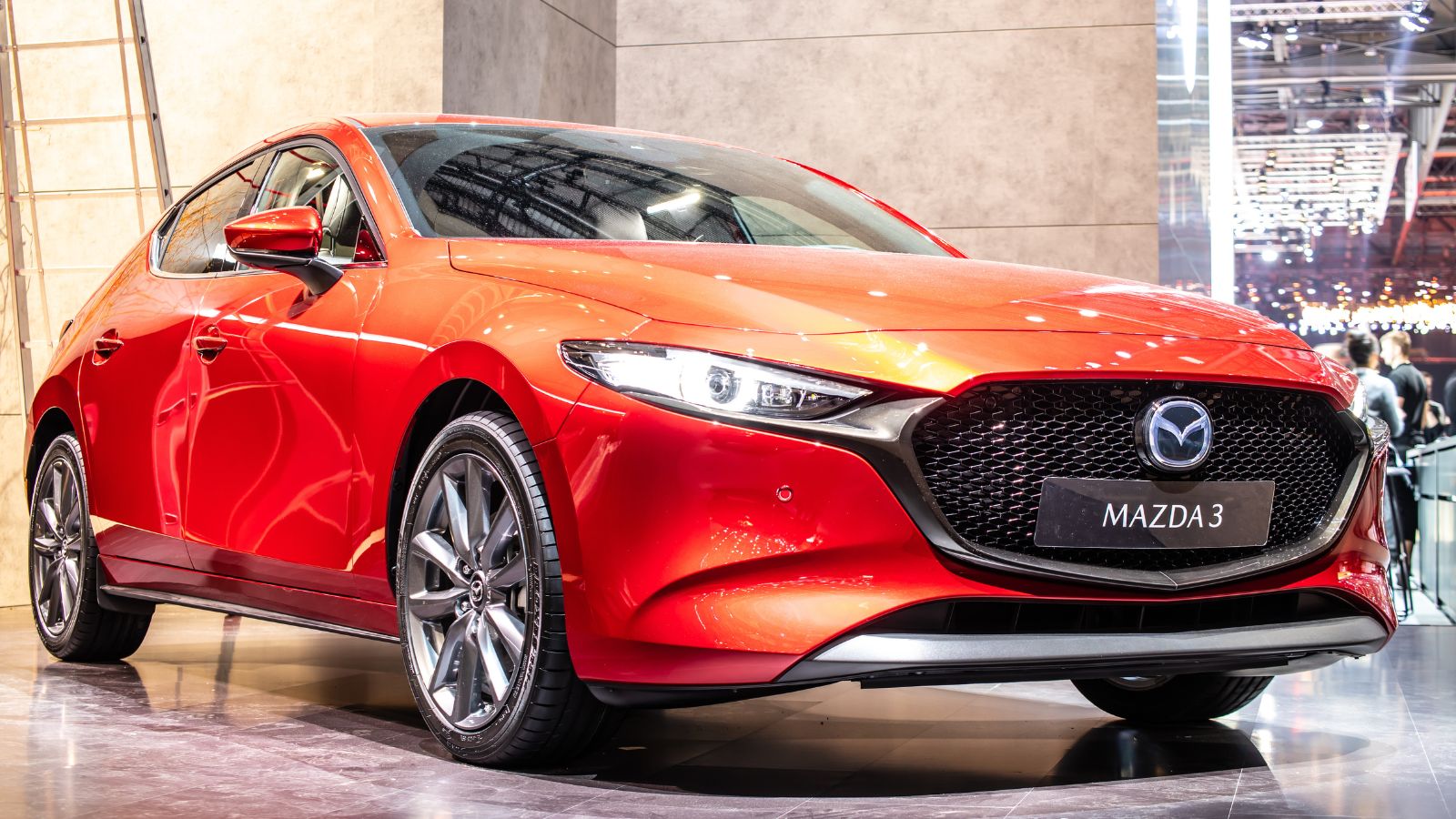
The Mazda3 offers a sporty feel but mixed comfort on long drives. The seats feel firm and supportive at first. Over time, drivers notice pressure points forming. The cushion lacks softness for extended travel. Rear seats feel tighter and less comfortable. Long trips reveal these limits clearly. The driving position is engaging but not very relaxing. It performs well in daily use. On highways, comfort fades gradually. Many drivers feel the need to adjust often during longer journeys.
22 Things Canadians Do to Their Cars in Spring That Mechanics Hate

Spring brings relief to many Canadian drivers after months of snow, freezing temperatures, and icy roads that put serious strain on vehicles. As temperatures rise across the country, drivers begin washing cars, switching tires, and preparing vehicles for warmer weather and upcoming road trips. However, mechanics across Canada notice the same mistakes every spring when drivers attempt to recover from winter damage. Road salt, potholes, and harsh winter driving conditions often leave vehicles with hidden problems that drivers ignore. Some spring habits even create new mechanical issues that could have been avoided with proper maintenance. Here are 22 things Canadians do to their cars in spring that mechanics hate.