


























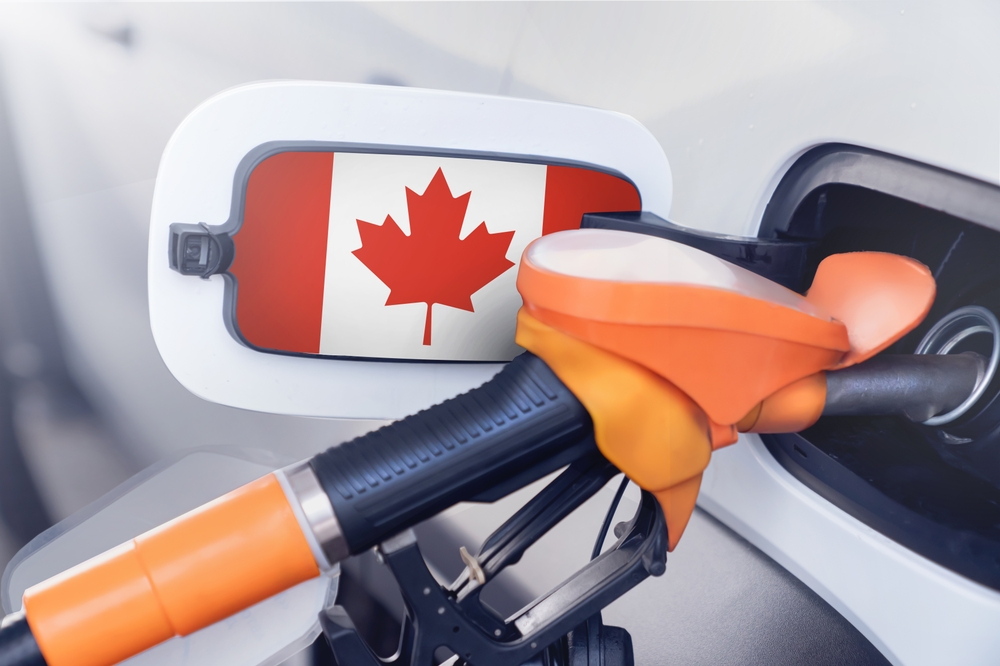
Fuel economy numbers on window stickers rarely tell the full story. Canadian drivers deal with freezing mornings, long highway drives, winter tires, and heavy stop-and-go traffic. All those factors can turn decent official ratings into disappointing real-world fuel use. Large trucks, powerful SUVs, and performance cars often look appealing at dealerships. Yet many of them burn far more fuel once they face cold starts, snow, and long commutes. Before buying, it helps to know which vehicles struggle the most with real-world efficiency. Here are 21 vehicles with the worst real-world fuel economy (Canadian driving conditions).
Ford F-150 Raptor
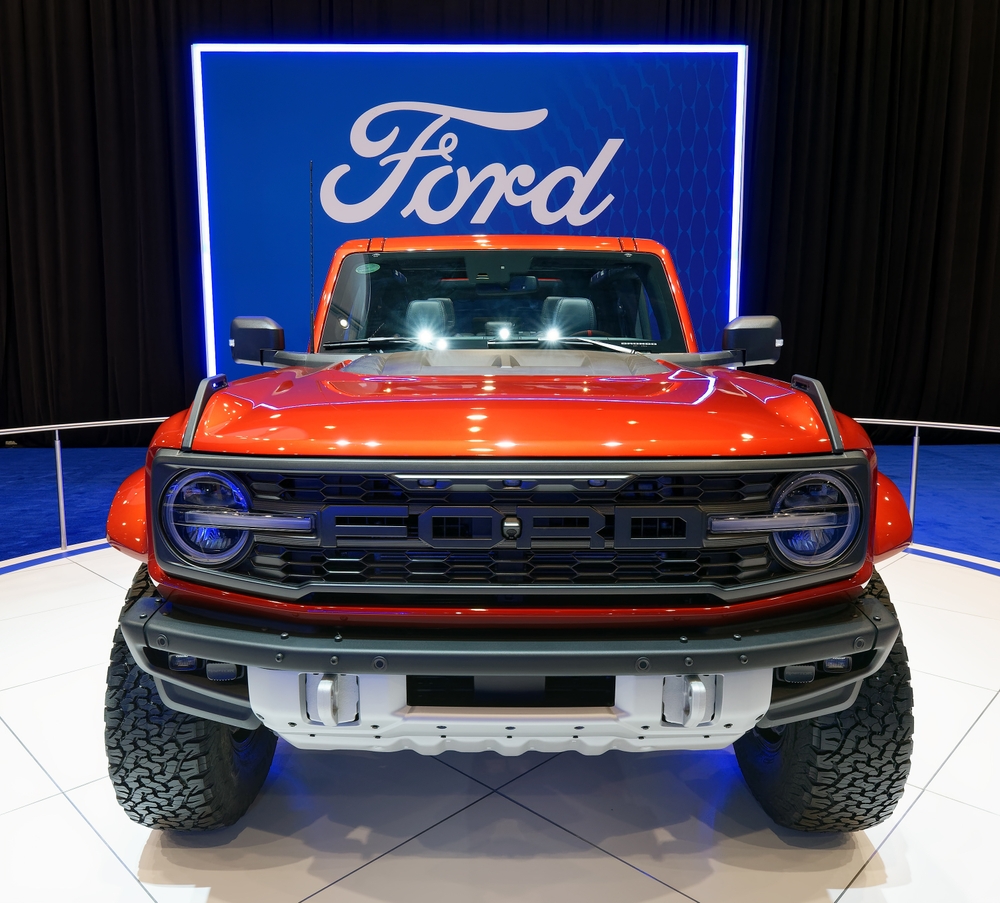
The Ford F-150 Raptor delivers serious off-road ability and huge power. That power comes with a steep fuel bill. The twin-turbo V6 engine produces strong acceleration but drinks fuel quickly. Many Canadian drivers report real-world consumption of 16-18 L/100 km. Cold winters make things worse. Remote starts, heavy snow tires, and long idling increase fuel use further. The truck’s wide tires also create higher rolling resistance. Highway mileage rarely improves much either. The Raptor remains popular with truck fans. Yet drivers who commute daily often notice the fuel gauge dropping faster than expected after only a few days of typical Canadian driving.
Ram 1500 TRX
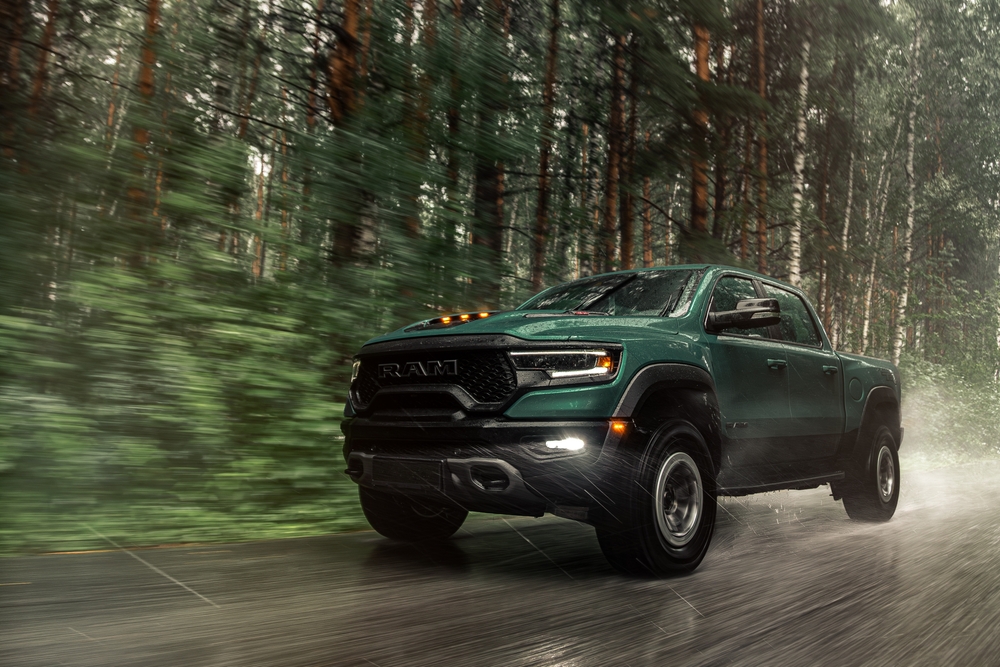
The Ram 1500 TRX is built around one thing. Raw power. Its supercharged V8 engine produces over 700 horsepower. That excitement comes with very heavy fuel use. Owners often report real numbers around 20 L/100 km or worse. Winter conditions amplify the problem. Thick engine oil and cold starts reduce efficiency further. The truck’s massive weight also plays a role. Aggressive tires and lifted suspension increase drag and rolling resistance. Even highway cruising struggles to stay efficient. The TRX attracts drivers who want performance above everything else. Still, anyone commuting long distances in Canada quickly notices the frequent fuel stops required.
Toyota Sequoia (Previous Generation V8)
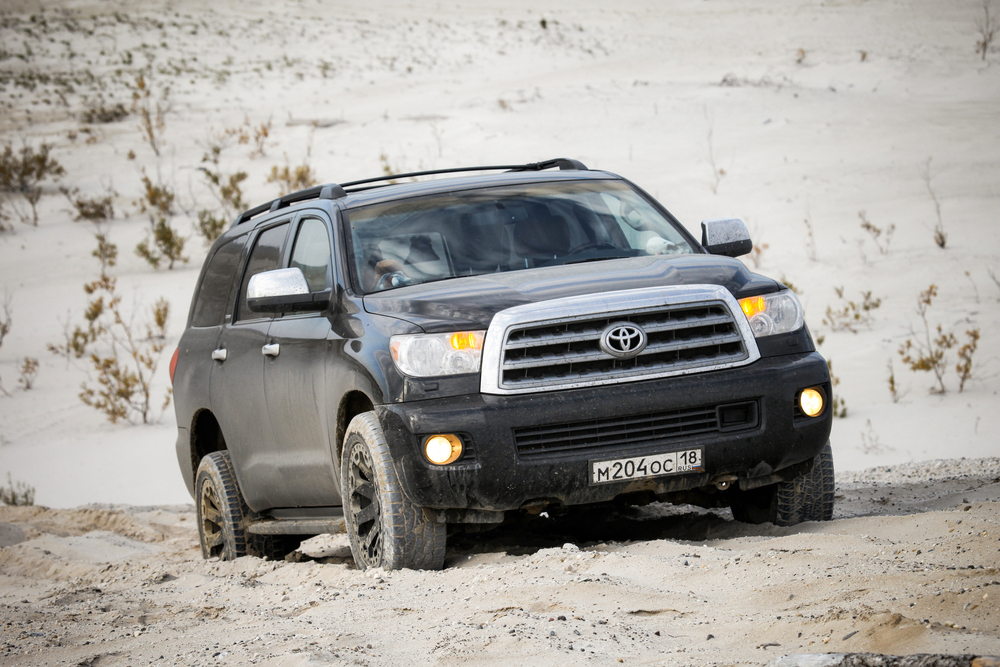
Older Toyota Sequoia models with the V8 engine remain common in Canada. They are durable but rarely efficient. Real-world fuel economy often lands between 16 and 19 L/100 km. Cold climates worsen the situation. The large engine takes longer to warm up during winter mornings. Many owners also install winter tires and roof racks. Both reduce efficiency further. The Sequoia’s heavy frame and large body increase fuel consumption during city driving. Stoplights and short trips drain fuel quickly. Families like its space and reliability. However, daily driving costs can surprise buyers expecting better mileage from a well-known brand.
Jeep Wrangler Rubicon
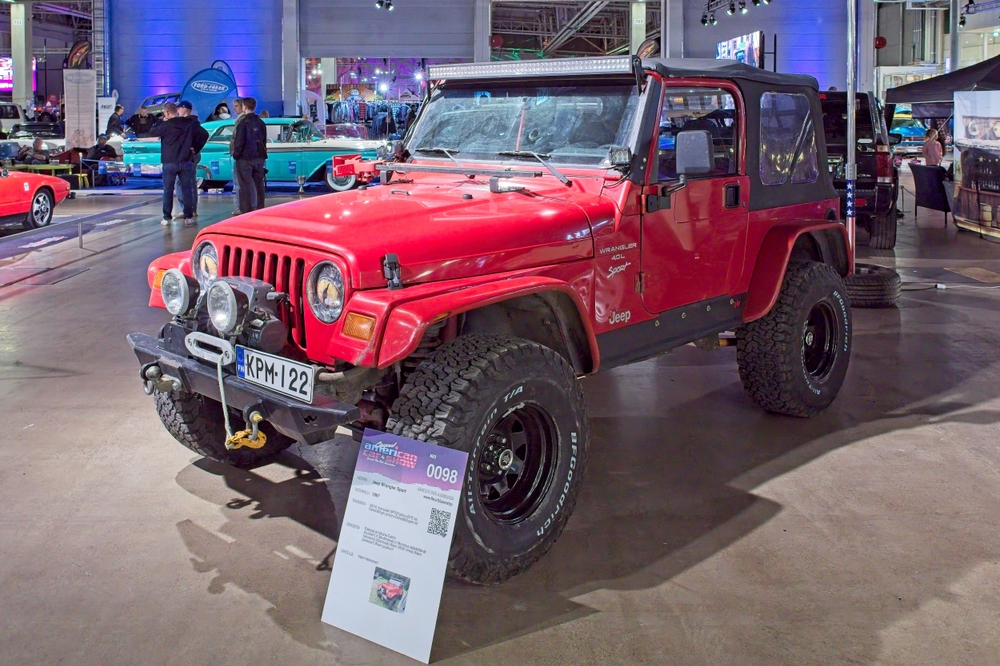
The Jeep Wrangler Rubicon is built for trails, rocks, and mud. Efficiency was never its focus. Canadian drivers often see fuel economy around 14 to 16 L/100 km. The boxy shape creates strong wind resistance. That hurts highway mileage badly. Short gearing also increases engine revs at cruising speeds. Winter driving adds more strain. Four Wheel Drive systems run more often in snowy conditions. Large off-road tires increase rolling resistance, too. The Wrangler remains an icon among adventure fans. Yet many owners admit fuel stops become a regular part of weekly driving, especially during long winter commutes across Canadian cities.
Chevrolet Silverado 2500HD
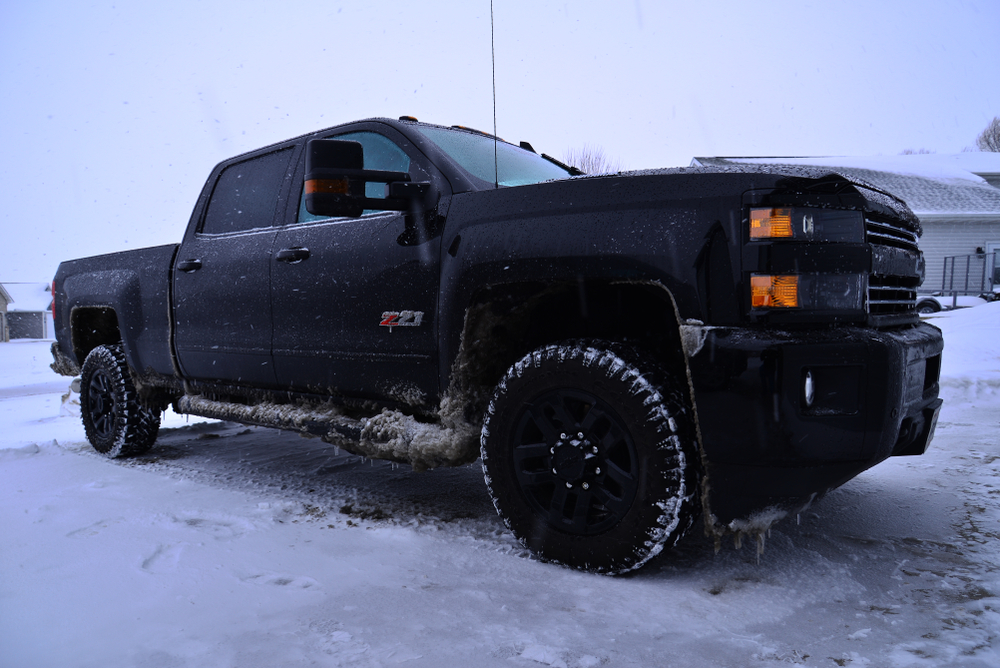
Heavy-duty trucks like the Chevrolet Silverado 2500HD are built for towing and hauling. Efficiency is rarely their strong suit. Gas versions often average about 18 L/100 km in mixed driving. Even diesel versions struggle in short city trips. Canadian winters worsen the numbers. Diesel engines idle longer to warm up in cold weather. The truck’s weight also increases fuel use during acceleration. Large mirrors and tall body panels add aerodynamic drag. Drivers who tow trailers regularly expect this cost. Yet many daily commuters buy heavy-duty trucks. They quickly discover fuel economy is far worse than lighter pickup alternatives.
GMC Yukon XL
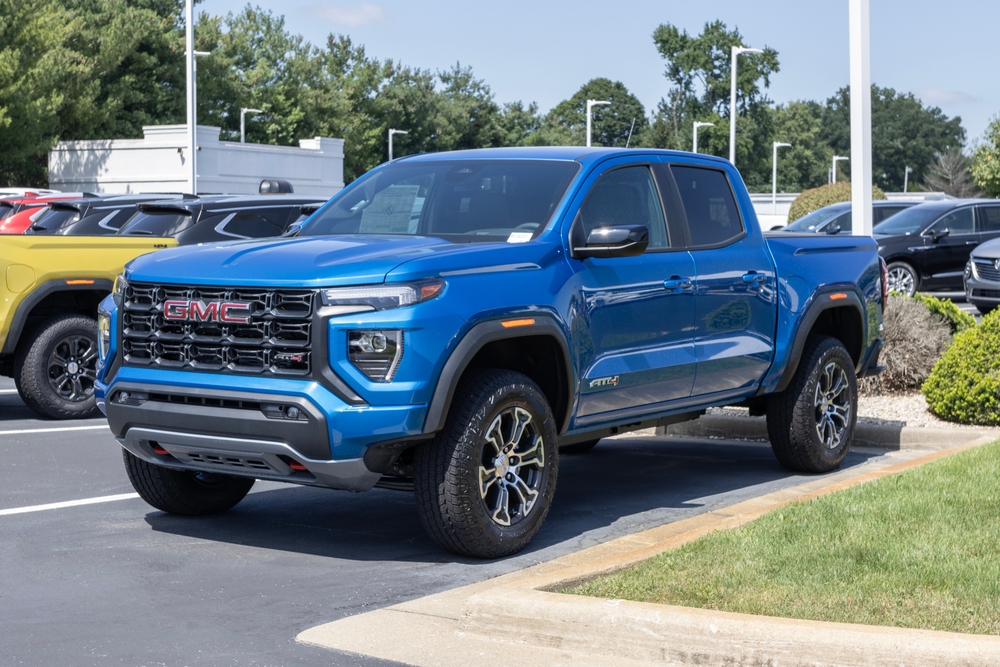
The GMC Yukon XL offers massive interior space and towing capacity. Those benefits come with high fuel consumption. Real-world figures often sit between 15 and 18 L/100 km. The vehicle weighs well over 2,700 kilograms. Moving that mass requires plenty of fuel. Canadian winter driving increases the challenge. Snow-covered roads create more resistance. Remote starts and long warmups burn fuel before driving even begins. Large SUVs also struggle during stop-and-go traffic. Highway trips help slightly. Yet the Yukon XL remains one of the thirstiest family vehicles commonly seen on Canadian roads today.
Dodge Durango SRT
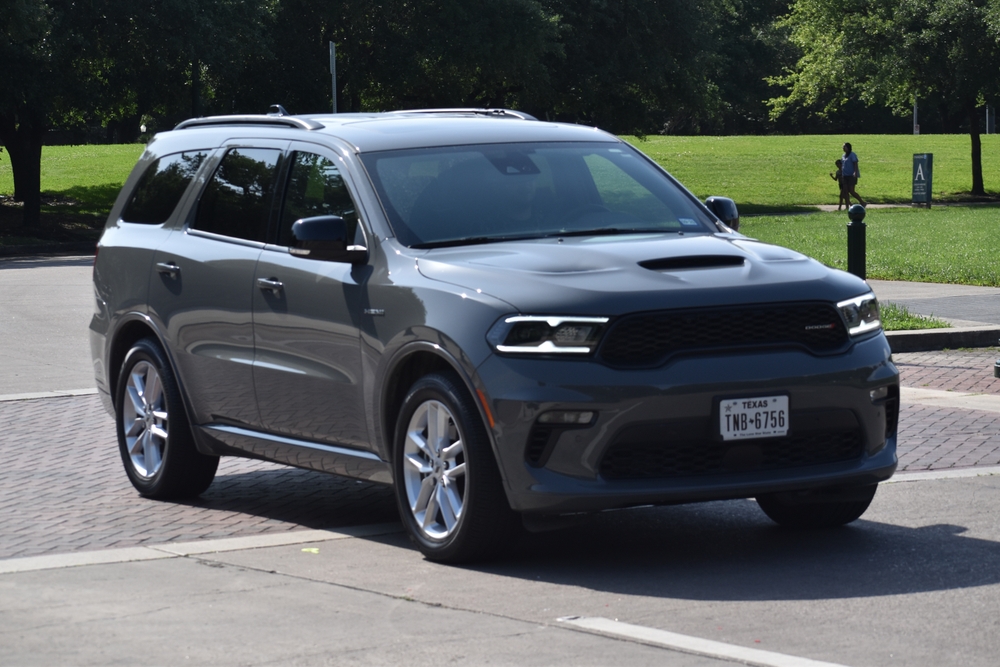
The Dodge Durango SRT combines SUV practicality with muscle car performance. Its large V8 engine produces thrilling acceleration. That excitement quickly drains the fuel tank. Owners often report real consumption around 17 L/100 km. City driving pushes numbers even higher. Cold Canadian winters worsen efficiency further. Thick fluids and longer warmups affect engine performance. The vehicle’s weight also increases fuel demand during acceleration. Many drivers enjoy the strong exhaust sound and quick launches. However, daily commuting reveals a clear tradeoff. Performance remains impressive, but frequent fuel stops become a normal part of ownership.
Nissan Armada

The Nissan Armada is a large body-on-frame SUV with a powerful V8 engine. Real-world fuel economy rarely impresses drivers. Many Canadian owners report numbers near 17 L/100 km. The SUV’s heavy weight plays a major role. Stop-and-go traffic pushes consumption even higher. Winter conditions also affect efficiency. Cold engines burn more fuel during the first kilometers of driving. Large All Wheel Drive systems add extra drag. The Armada offers strong towing capability and comfortable highway cruising. Yet drivers who use it mainly for daily commuting often find fuel costs climbing quickly throughout the year.
Ford Expedition

The Ford Expedition remains one of the largest SUVs available in Canada. Its twin-turbo engine provides strong power. Real fuel economy often falls around 15 to 17 L/100 km. Cold winter starts increase consumption even further. Many Canadian families rely on remote start systems. Those extra minutes of idling add noticeable fuel use each morning. The SUV’s large size also creates aerodynamic drag on highways. Urban driving worsens the problem with constant acceleration and braking. The Expedition remains practical for large families. Still, owners often admit the fuel gauge moves faster than expected during daily school runs and errands.
Toyota Land Cruiser

The Toyota Land Cruiser has built a reputation for reliability and durability. Fuel efficiency has never been its strongest quality. Real-world Canadian driving often produces numbers around 15 to 17 L/100 km. The vehicle’s heavy construction contributes to the problem. Full time four wheel drive systems also increase fuel use. Cold winter temperatures slow engine warmup times. Many owners use roof racks and winter tires as well. Those additions further reduce efficiency. The Land Cruiser performs well in harsh conditions and rough terrain. However, drivers expecting reasonable fuel economy usually feel disappointed after several months of ownership.
Chevrolet Tahoe

The Chevrolet Tahoe offers a comfortable interior and strong towing ability. Fuel economy rarely matches those strengths. Real numbers often sit between 14 and 17 L/100 km. Canadian winters reduce efficiency further. Short trips in freezing weather keep the engine cold longer. Cold engines burn extra fuel during warmup. The Tahoe’s large size also affects aerodynamics. Wind resistance increases during highway driving. City traffic makes matters worse with frequent stops. Families appreciate the interior space and smooth ride. Yet drivers who track fuel costs often notice the Tahoe consumes more fuel than many competing SUVs.
Lexus LX
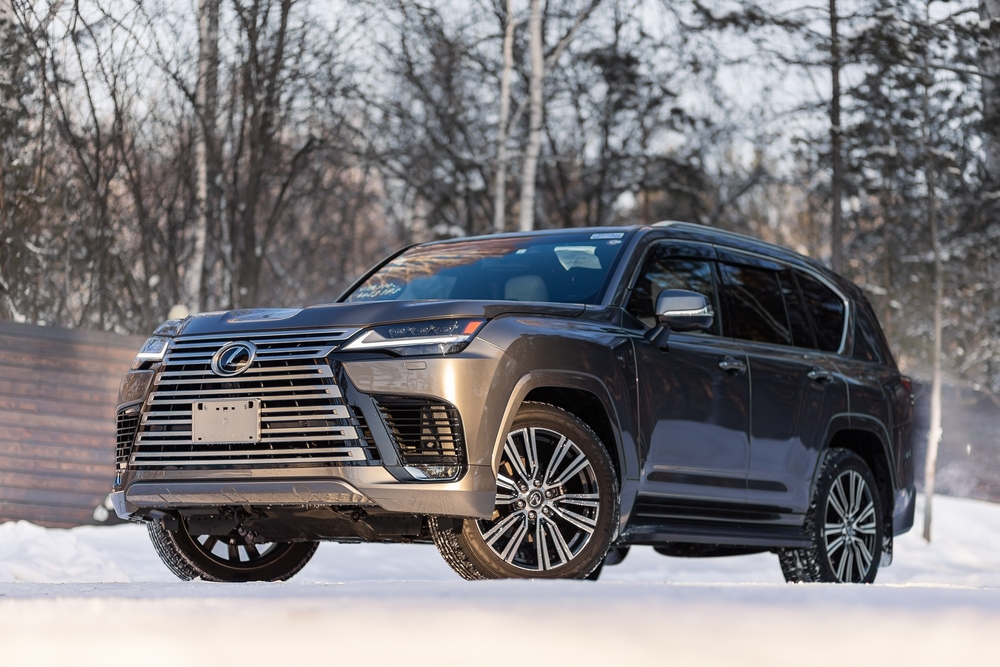
The Lexus LX combines luxury with serious off-road capability. Under the polished exterior sits a heavy SUV platform. Real-world fuel economy usually ranges from 15 to 18 L/100 km. Canadian winters increase consumption noticeably. Heated seats, steering wheels, and defrosters place extra demand on the engine. The full time four wheel drive system also adds mechanical drag. Short trips around town keep efficiency low. The LX delivers impressive comfort and reliability. Many owners value those qualities highly. Yet fuel expenses remain a common complaint among drivers who use the vehicle daily in Canadian cities.
Jeep Grand Cherokee Trackhawk
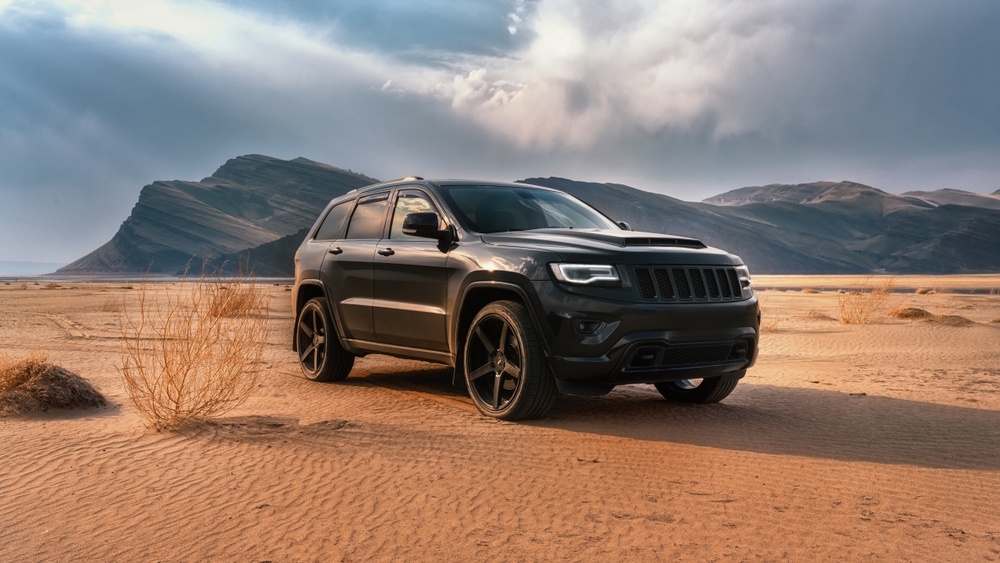
The Jeep Grand Cherokee Trackhawk blends SUV practicality with extreme performance. Its supercharged V8 engine produces incredible acceleration. That power comes with massive fuel consumption. Real-world driving often reaches 20 L/100 km. Winter conditions push numbers even higher. Cold starts and slippery roads reduce efficiency further. The heavy SUV also requires large tires. Those tires increase rolling resistance. Stop-and-go traffic quickly drains the tank. Drivers love the thrilling speed and sound. However, fuel costs quickly become noticeable during regular commuting across Canadian cities and highways.
Cadillac Escalade
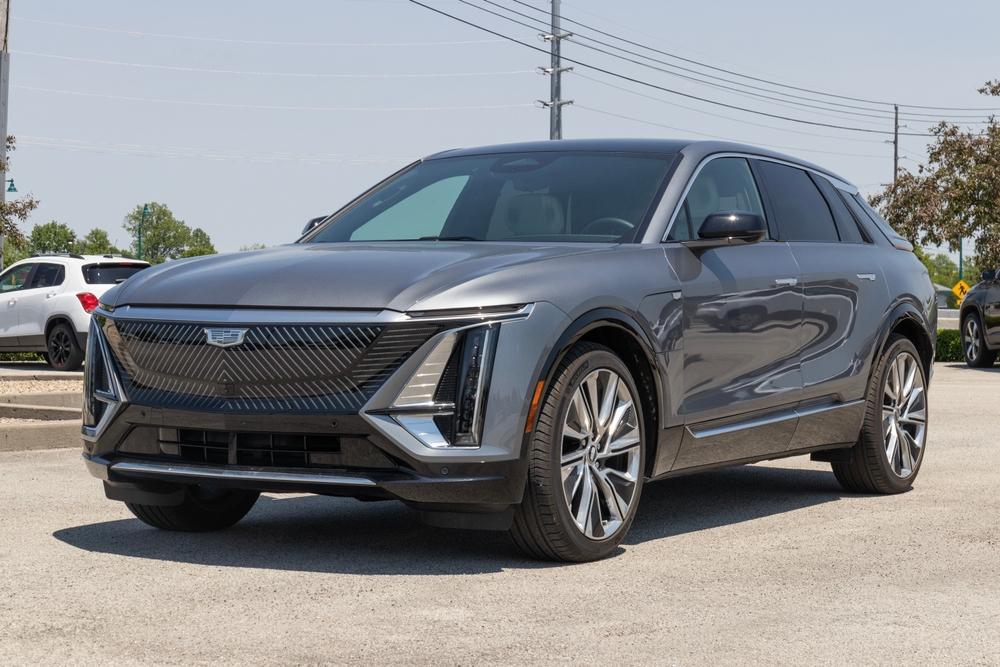
The Cadillac Escalade stands as one of the most recognizable luxury SUVs. Its large V8 engine provides smooth power. Real fuel economy often sits between 15 and 18 L/100 km. Canadian winters create additional fuel demand. Remote starts and heated features increase engine workload. The Escalade also weighs nearly three tonnes. That mass affects city driving efficiency significantly. Large wheels and tires add extra rolling resistance. The vehicle delivers strong comfort and advanced technology. Still, owners frequently mention fuel expenses as a major part of long-term ownership costs across Canada.
Toyota Tundra (V8 Generation)
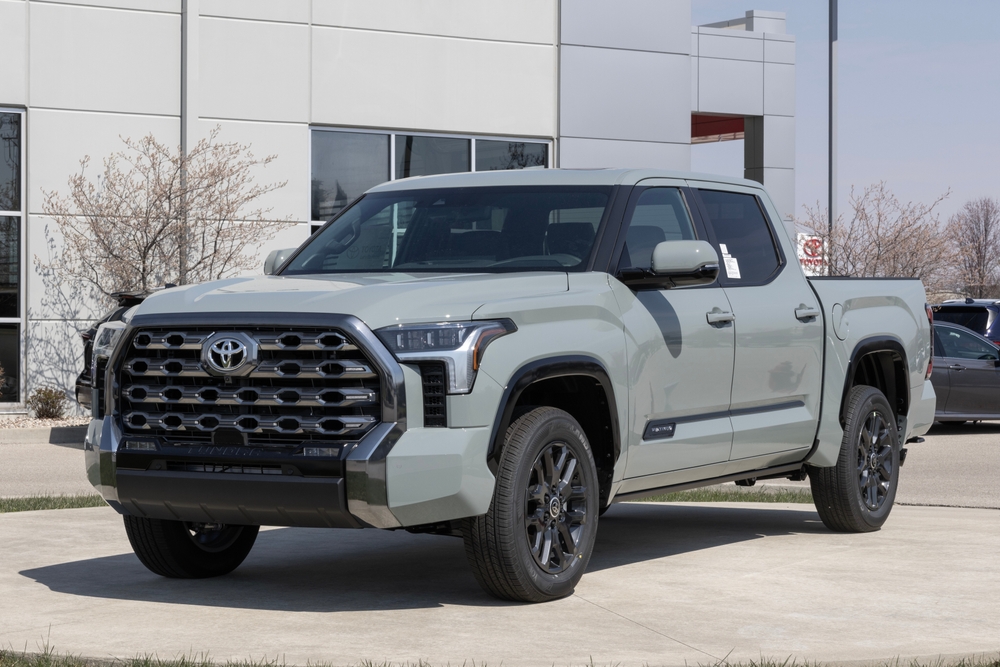
The previous-generation Toyota Tundra relied on a large naturally aspirated V8 engine. Reliability remained strong, but fuel efficiency lagged behind competitors. Many Canadian drivers report about 16 L/100 km in mixed driving. Cold weather increases consumption further. Heavy trucks require more fuel to warm engines and drivetrains. Winter tires also reduce efficiency slightly. The Tundra’s large body increases aerodynamic drag at highway speeds. Frequent city stops worsen the numbers. Owners appreciate the truck’s durability and towing ability. However, the fuel bill often surprises buyers who expected better mileage from a modern pickup.
Mercedes-Benz G-Class

The Mercedes-Benz G-Class combines luxury with rugged off-road capability. Its shape has barely changed in decades. That boxy design hurts fuel efficiency badly. Canadian drivers often see around 16 to 18 L/100 km. The tall body creates strong wind resistance on highways. Cold weather worsens efficiency further. Large engines require more fuel during warmup periods. The heavy All Wheel Drive system adds mechanical drag. Owners enjoy the prestige and capability. Yet daily commuting reveals a reality many overlook. The G-Class remains one of the least efficient luxury SUVs on Canadian roads today.
Nissan Titan
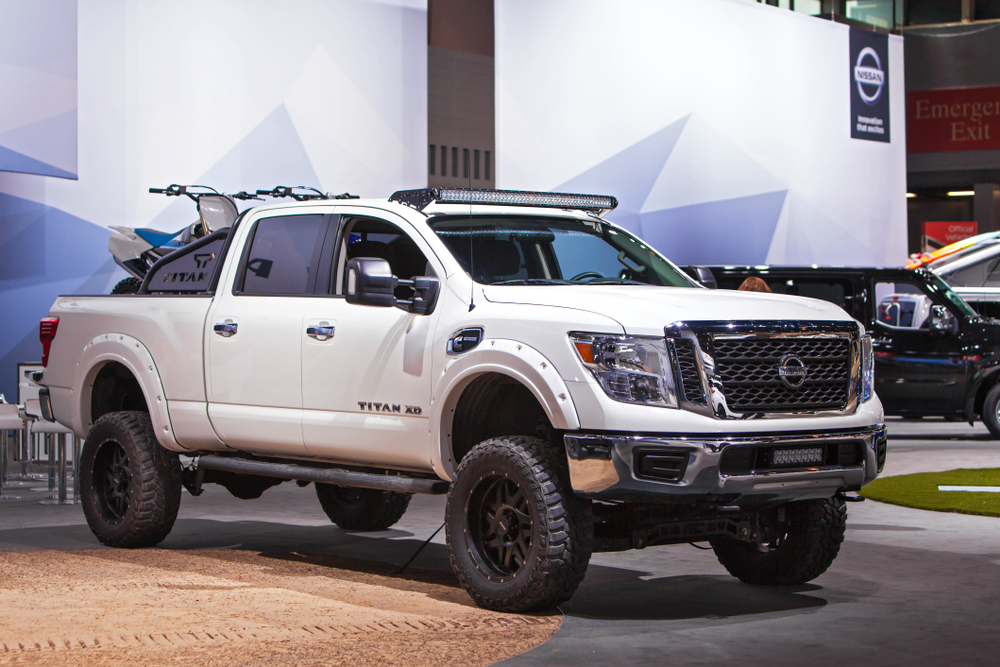
The Nissan Titan offers strong power and a smooth ride for a full-size pickup. Fuel economy often disappoints drivers. Real-world figures frequently reach 15 to 17 L/100 km. Canadian winters reduce efficiency further. Cold engines burn extra fuel during the early minutes of driving. Heavy truck weight increases fuel use during acceleration. Large tires also increase rolling resistance. City traffic makes the problem worse with frequent braking. The Titan provides solid towing capacity and interior comfort. Still, drivers who track fuel expenses often realize the truck costs more to run than many rivals.
Chevrolet Camaro ZL1
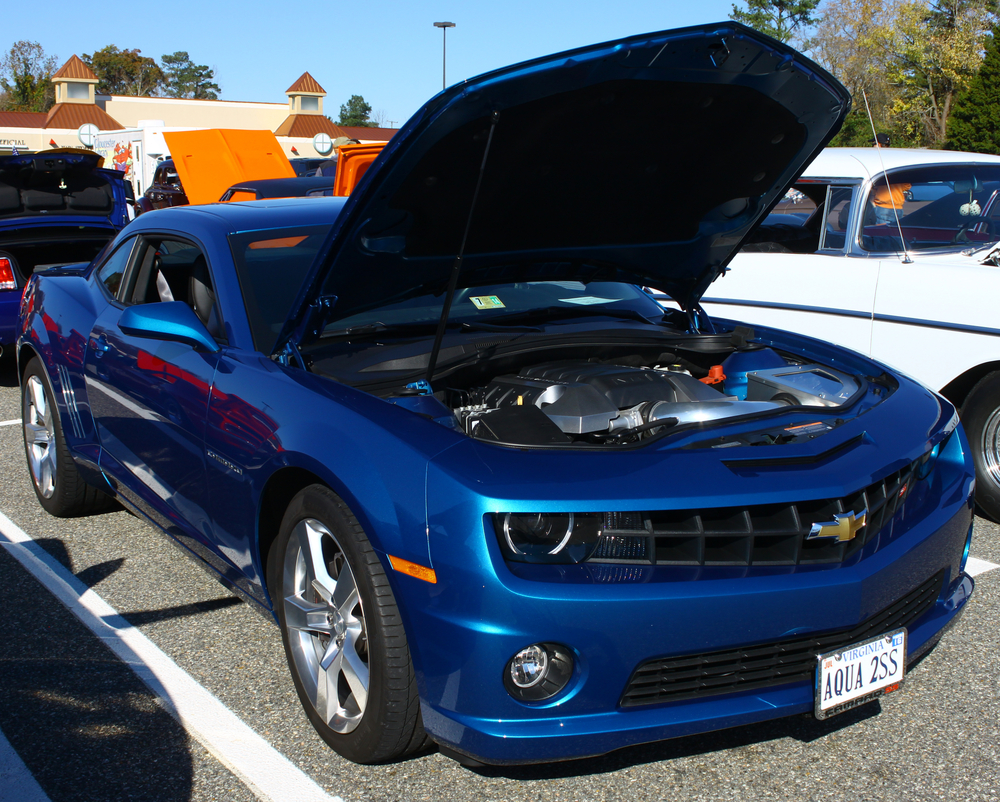
The Chevrolet Camaro ZL1 delivers serious performance from its supercharged V8 engine. That performance comes at a cost. Real-world fuel economy often falls below 15 L/100 km. Canadian winters make matters worse. Cold weather reduces engine efficiency during warmup. Drivers also rely on remote starts during freezing mornings. Aggressive tires increase rolling resistance. Stop-and-go city traffic drains fuel quickly. Many owners drive gently during the winter months. Even then, fuel consumption remains high compared with typical commuter vehicles across Canadian cities.
Dodge Charger Hellcat
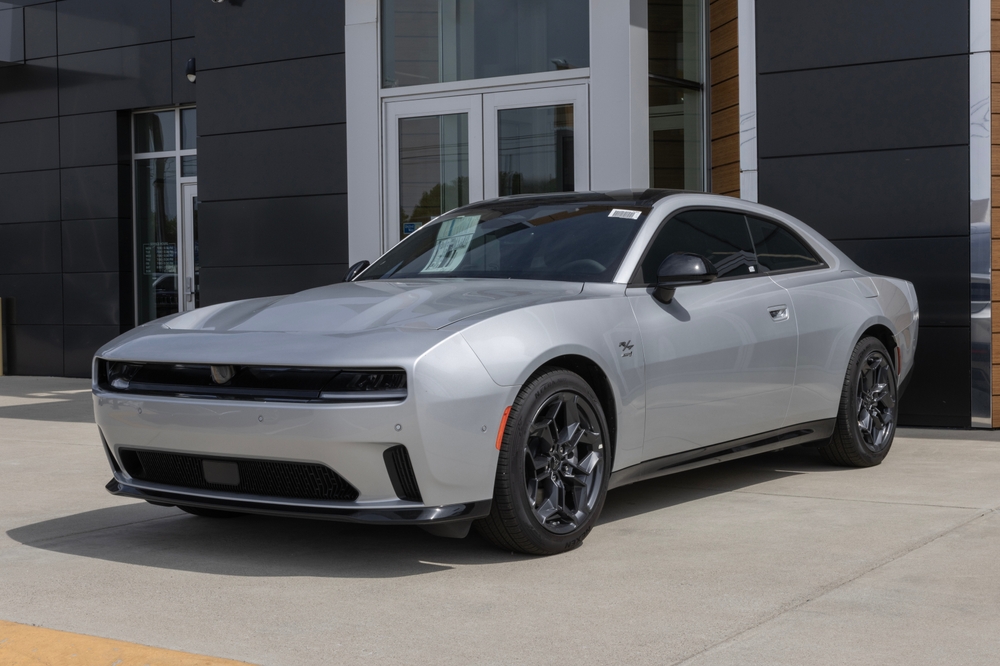
The Dodge Charger Hellcat is famous for raw horsepower and dramatic acceleration. Its supercharged V8 produces over 700 horsepower. Real-world fuel economy usually falls near 17 L/100 km. Enthusiastic driving pushes numbers much higher. Canadian winter conditions worsen efficiency further. Cold engines burn extra fuel during warmup. Heavy cars also require more energy during acceleration. Wide performance tires increase rolling resistance. Owners enjoy the thrilling driving experience. However, the Charger Hellcat ranks among the thirstiest performance sedans regularly driven on Canadian roads.
Toyota 4Runner

The Toyota 4Runner remains popular with drivers who value durability and off-road capability. Its aging V6 engine struggles with efficiency. Real-world fuel economy often sits around 14 to 16 L/100 km. Canadian winters worsen those numbers further. Heavy Four Wheel Drive systems increase mechanical drag. Cold starts also affect efficiency during short trips. The SUV’s tall shape creates aerodynamic resistance at highway speeds. Many owners accept the tradeoff. They value reliability and rugged design. Still, drivers who focus on fuel costs often look elsewhere after seeing actual consumption figures.
Ford Bronco (Sasquatch Package)

The Ford Bronco with the Sasquatch package offers impressive off-road capability. Large tires and lifted suspension define its appearance. Those features reduce fuel efficiency significantly. Canadian drivers often see real consumption near 15 L/100 km. The tall body creates wind resistance during highway driving. Winter conditions worsen the problem. Four Wheel Drive systems operate frequently on snowy roads. Large tires also increase rolling resistance. Many buyers choose the Bronco for adventure and style. Yet daily commuting often reveals fuel costs that exceed expectations in typical Canadian driving conditions.