
























A traffic stop often begins as a minor moment and turns serious because of what happens in the first few minutes. In Canada, police generally have broad authority under provincial traffic laws and federal impaired-driving rules to stop vehicles, check documents, assess sobriety, and give safety instructions at the roadside. That makes calm, predictable behaviour more important than many drivers realize.
These 9 mistakes cover the most common ways a routine stop gets longer, more tense, or more legally risky. Some are simple safety errors, others involve misunderstanding what police can lawfully require, and a few come from nerves taking over. Together, they explain why the wrong response at the wrong time can make a bad situation worse fast.
Taking Too Long to Pull Over
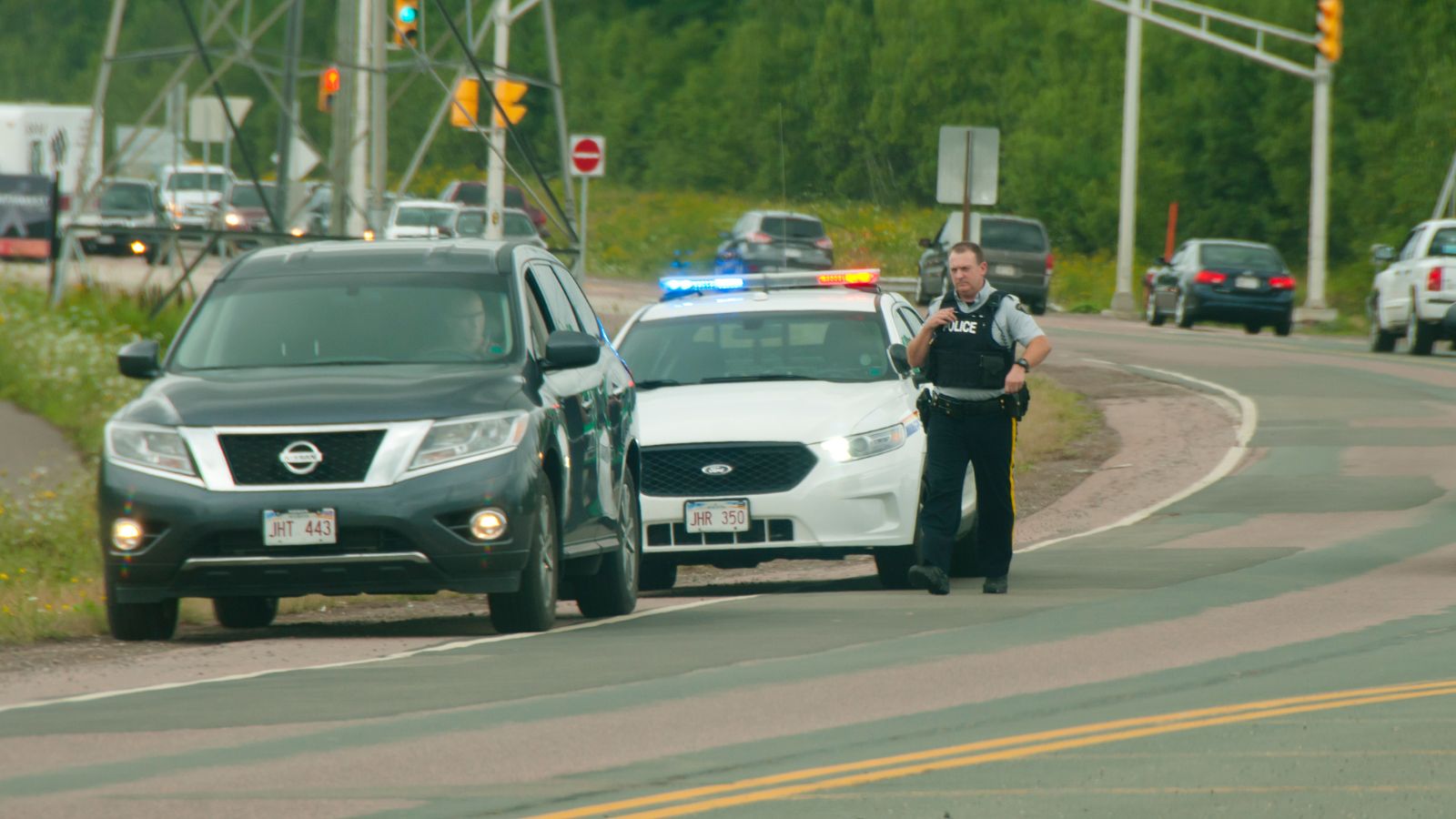
One of the fastest ways to raise suspicion is to react late when police lights come on. A driver who keeps going for too long, changes lanes unpredictably, or seems to be searching for a “better” place to stop can look evasive even when the real reason is panic. Canadian police guidance is consistent on the basics: slow down, signal, and pull over to the right as soon as it is safe. That does not mean slamming on the brakes in a dangerous spot, but it does mean showing clearly that the stop has been noticed and is being taken seriously.
The safest-looking stop is usually the most predictable one. On a dark road, a driver who signals, reduces speed, and takes the nearest safe shoulder often creates less tension than someone who continues for another kilometre toward a gas station or parking lot without any clear signal of intent. Officers are assessing behaviour in real time. A delayed stop can make them wonder whether the driver is impaired, hiding something, or preparing to run. Even when none of that is true, the first impression can change the tone of everything that follows.
Digging for Documents Before the Officer Reaches the Window
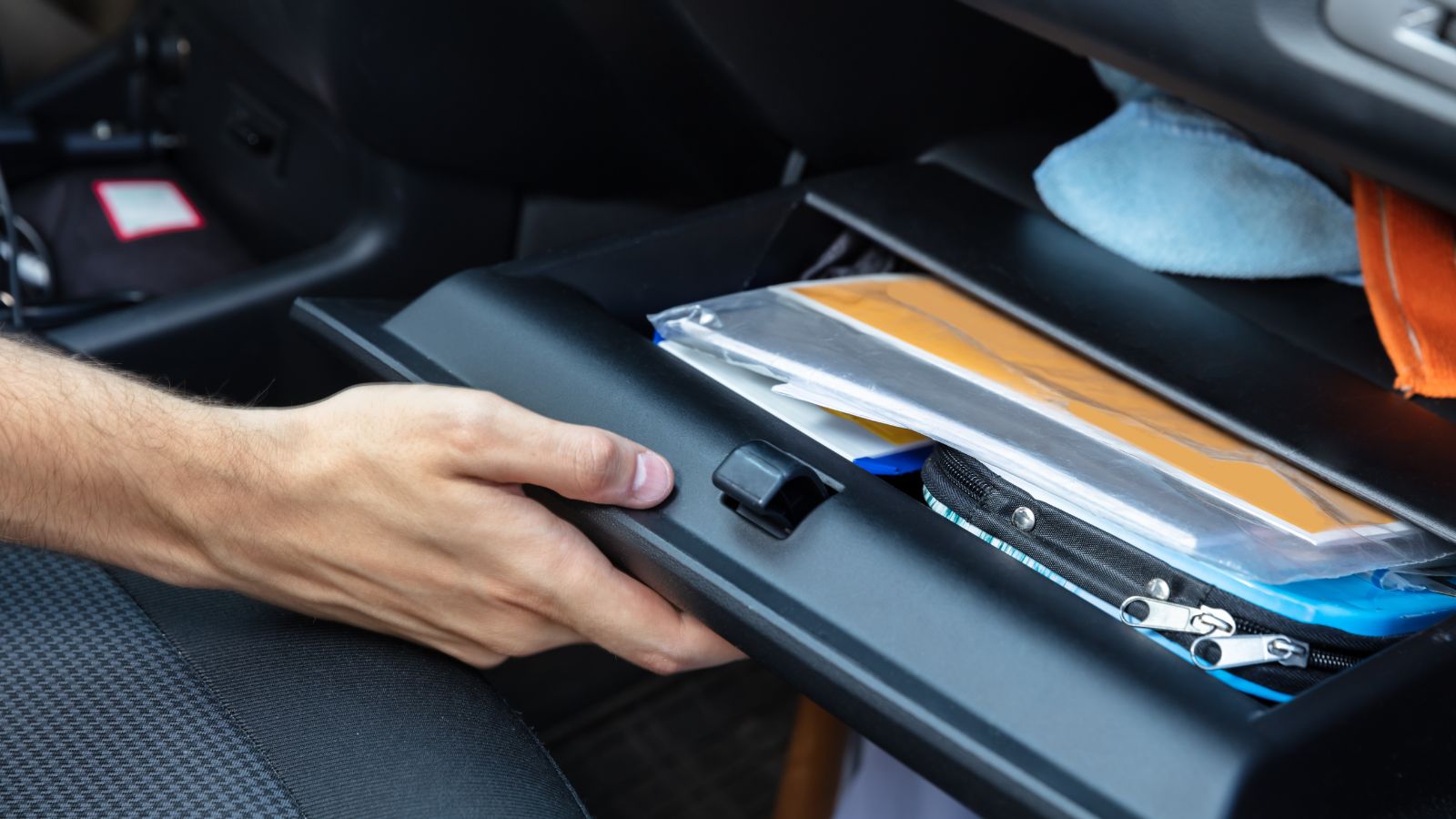
Many drivers make this mistake because they are trying to be helpful. The moment they see flashing lights, they start reaching into the glove box, under the visor, between the seats, or into a bag on the passenger floor. From inside the stopped vehicle, that can feel efficient. From outside it, those movements can look uncertain, secretive, or dangerous. Canadian police guidance repeatedly tells drivers to keep their hands visible, stay still, and explain where documents are before reaching for them.
Toronto Police goes even further by telling drivers to wait until the officer reaches the side of the vehicle before reaching for documents or belongings, then say what they are doing first. That small pause matters. It reduces misunderstanding and lowers the chance that a routine document request turns into a tense safety encounter. If the insurance slip is in the glove compartment, saying, “My proof of insurance is in the glove box; I’m going to open it now,” is far safer than silently lunging for it. At night, turning on the interior light can help too. The goal is not speed. It is clarity.
Getting Out of the Vehicle Without Being Told
Some drivers still believe stepping out of the car shows respect, honesty, or cooperation. In reality, it often does the opposite. Police agencies in Canada commonly instruct drivers to remain seated in the vehicle unless the officer tells them otherwise. An unexpected exit forces the officer to react to movement first and intentions second. That can make a routine stop feel less controlled and more unpredictable in an instant.
This mistake becomes even more risky when passengers join in. A driver opens the door, a passenger turns around to ask what is happening, someone reaches for a phone, and suddenly a simple stop becomes a scene with too many moving parts. Peel Regional Police and the RCMP both stress staying in the vehicle unless directed otherwise, and Peel specifically tells drivers to encourage passengers to stay seated and cooperate with instructions. What feels natural in a nervous moment can read very differently to an officer approaching a stopped vehicle. Remaining still is not passive. It is often the most reassuring signal a driver can send.
Refusing to Hand Over the Required Documents

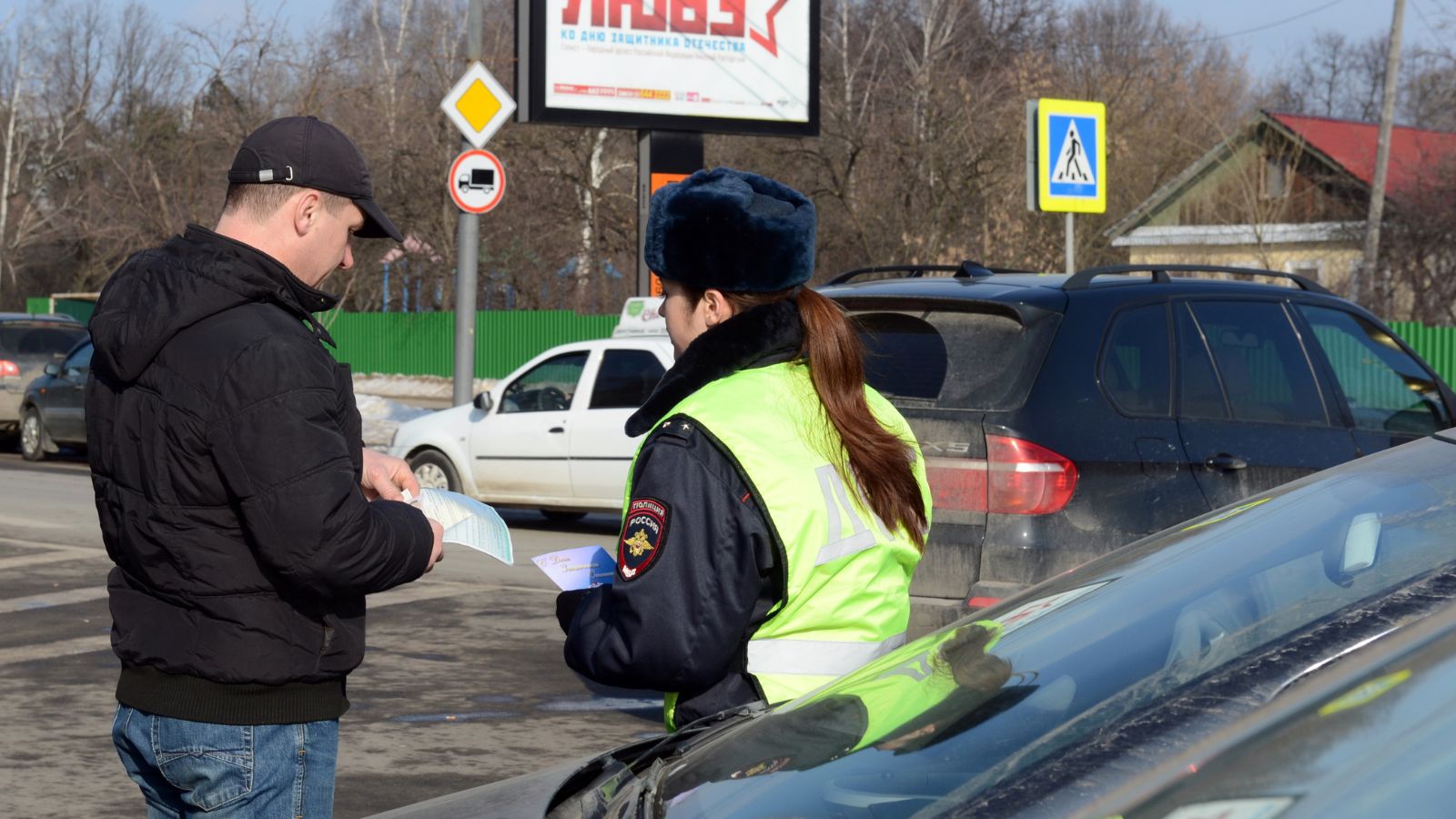
A surprising number of stops get worse because drivers confuse mandatory identification requirements with optional conversation. In Canada, if you are the driver, police can generally require your driver’s licence, vehicle registration, and proof of insurance during a lawful traffic stop. That is not the moment for “Do I have to?” unless the issue is physical access to the documents. Forgetting a document is one problem. Refusing to produce it is another, and it can quickly shift the stop from a warning or minor ticket into something more complicated.
This is where people often misread internet advice. The right to stay silent does not erase the duty to provide legally required driving documents. Steps to Justice and other Canadian legal information sources make that distinction clearly. They also point out something many drivers do not know: passengers are often in a different position and may not have to identify themselves unless police have lawful grounds related to them specifically. For the driver, though, the roadside basics are straightforward. If the officer asks for the required documents, handing them over calmly is not surrendering rights. It is meeting a legal obligation that keeps the stop from escalating.
Answering Every Question Like It Must Be Answered
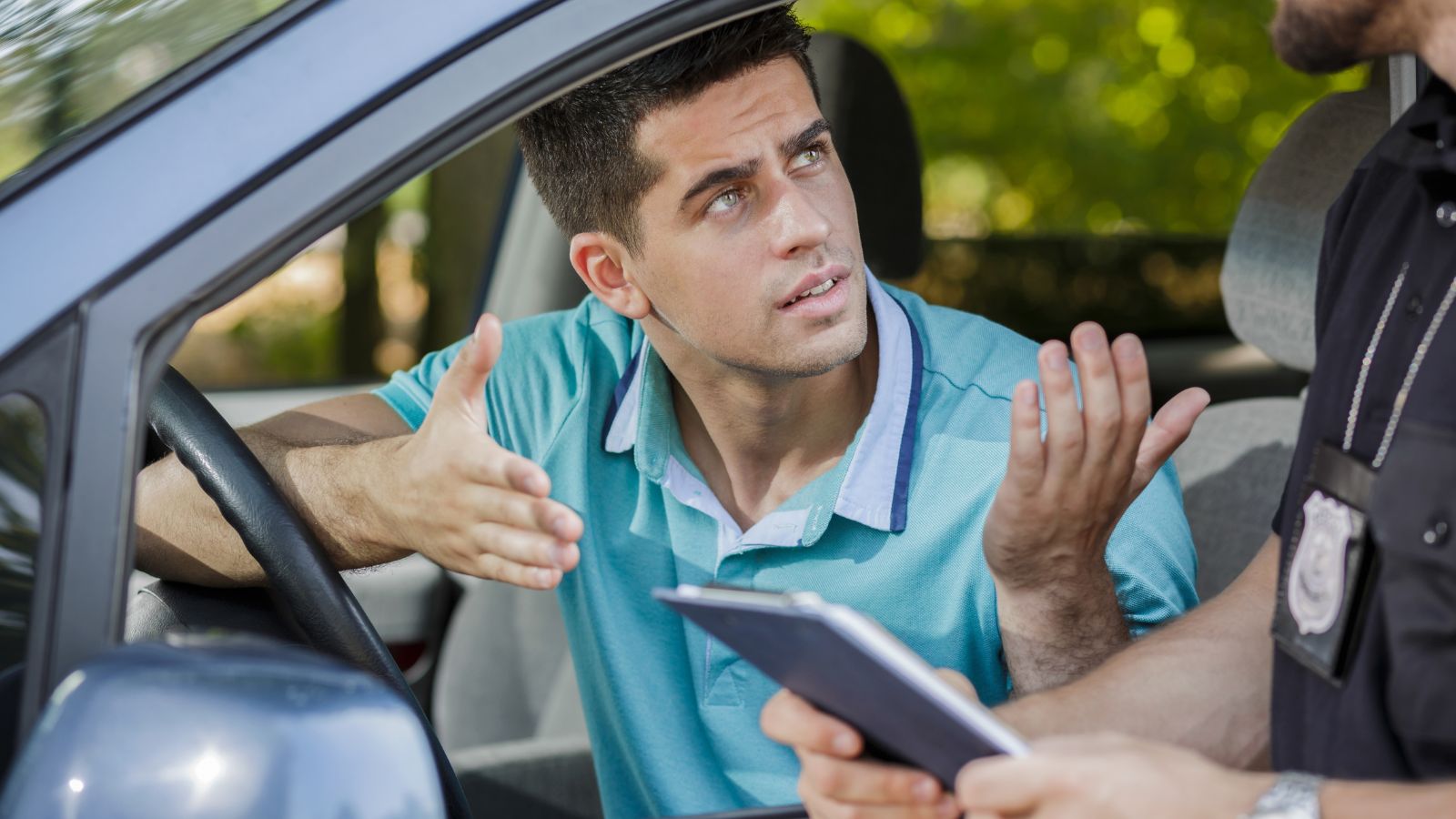
Once the required documents are dealt with, many drivers start filling the silence. They explain where they were coming from, why they were speeding, how tired they are, what medication they took, or whether they had “just one drink with dinner.” Sometimes they are trying to seem honest. Sometimes they think silence will look guilty. But in Canada, drivers do not have to answer every investigative question simply because a police officer asks it. That distinction matters. There is a difference between producing documents that the law requires and volunteering information that can later be used as evidence.
Legal information sources across Canada explain the same general rule: people do not have to answer police questions in most situations, and if they are detained or arrested, they have the right to remain silent. That does not mean being rude or refusing a lawful screening demand. It means recognizing that nervous overexplaining can do real damage. A casual roadside comment can become part of the officer’s grounds for further testing or further investigation. Many people do not get into deeper trouble because of one dramatic mistake. They get there one unnecessary sentence at a time.
Lying, Guessing, or Trying to Talk Around the Facts

Panic makes people improvise. A driver who was at a friend’s house may suddenly say they were coming from work. Someone who knows their licence status is shaky may pretend they forgot their wallet. Another person may give a false name or a wrong address because they think it will buy time. In Canada, that is one of the worst gambles to make. Canadian legal education sources are blunt on this point: if the law requires identification or documents and a person lies instead, that can lead to obstruction problems that are often more serious than the original issue.
The smarter approach is silence, not fiction. Éducaloi warns that lying to police can itself lead to accusations of giving false information, while the Criminal Code makes it an offence to resist or wilfully obstruct a peace officer in the execution of duty. That does not mean every confused answer becomes a criminal charge, but it does mean nervous dishonesty can multiply risk very quickly. A half-true story told at the roadside also tends to age badly if body-camera footage, dashcam video, dispatch timing, or other evidence later contradicts it. A driver may not be required to explain everything, but inventing facts is rarely a harmless shortcut.
Arguing the Case on the Shoulder

Another common mistake is treating the roadside like a courtroom. Drivers start debating the radar reading, demanding proof on the spot, interrupting instructions, or trying to win a legal argument before the officer has even finished the stop. That instinct is understandable. A ticket feels personal, and being stopped can feel accusatory. But roadside stops are structured around safety and immediate compliance, not full evidentiary disclosure. Toronto Police notes, for example, that if a driver is stopped for speeding, there is no legal requirement for the officer to show the speed-measuring readout right there at the roadside.
That matters because the driver who insists on arguing every point usually gains nothing and risks making the encounter longer or sharper. The better strategy is often to stay calm, note the details, and deal with the dispute through the proper process later. A shoulder on a busy road is a poor place to contest evidence, and refusing basic instructions while trying to “win” the interaction can start to look like obstruction rather than disagreement. In many cases, the difference between a manageable traffic matter and a much uglier stop is not the original allegation. It is the decision to escalate it in the wrong place.
Refusing a Lawful Roadside Screening Demand
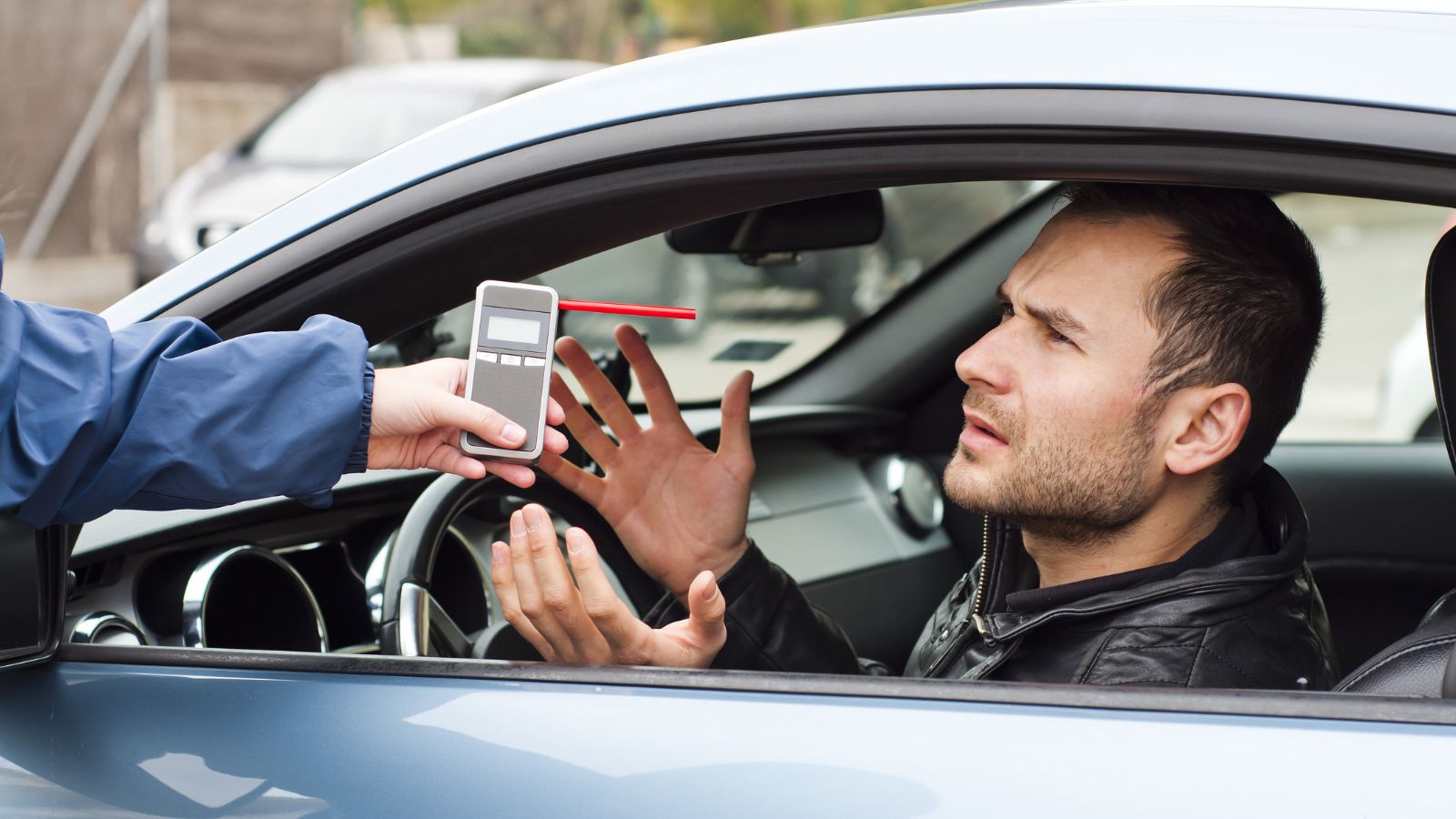
This is where myth collides with modern Canadian law. Many drivers still think they can automatically wait for a lawyer before complying with a roadside breath demand, or that police always need visible proof of impairment before asking for a sample. That is not how the current law works. Under the Criminal Code, police may demand immediate physical coordination tests, roadside breath samples, or approved drug-screening samples in certain circumstances, and mandatory alcohol screening can also apply during a lawful stop when the officer has an approved screening device with them.
The key word in the law is immediate. The Supreme Court of Canada said in R. v. Breault that police must have the approved screening device with them when they make the demand, and that the roadside demand process depends on prompt, brief testing. The Court also reaffirmed the narrow reality many drivers dislike: at that immediate roadside screening stage, the usual right to consult counsel first does not operate in the normal way. Refusing a valid demand without a reasonable excuse can become a separate criminal problem. That is no small risk in a country where impaired-driving enforcement remains active and extensive, with tens of thousands of police-reported incidents and hundreds of daily sanctions still being recorded.
Missing the Moment When the Stop Becomes a Detention
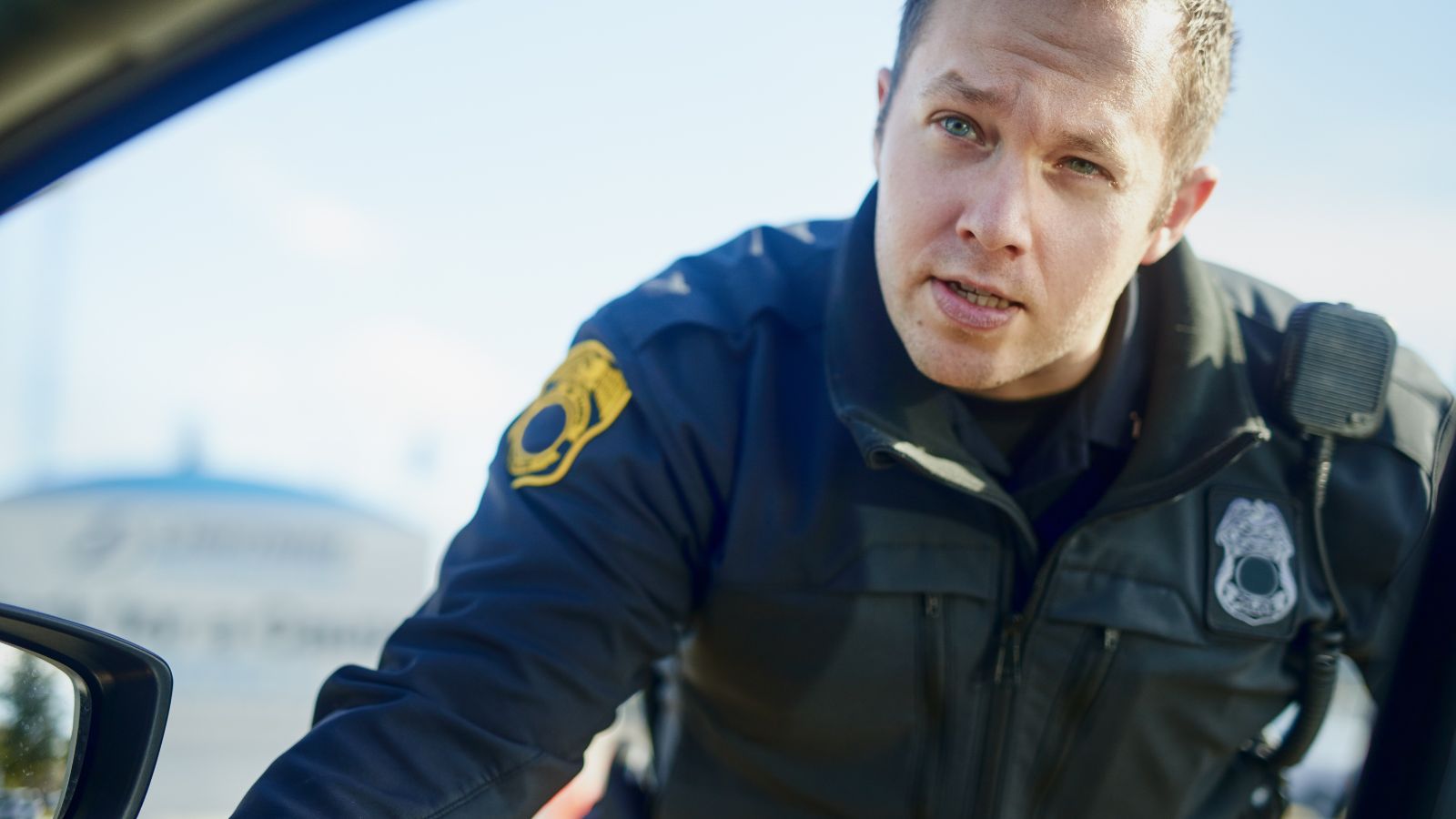
A routine traffic stop can change status quickly. It may begin with documents and a brief question, then shift into detention or arrest once an officer believes a deeper investigation is necessary. Many drivers miss that transition. They keep talking, consenting, explaining, and trying to smooth things over long after their legal situation has changed. In Canada, once a person is detained or arrested, the police must tell them why and tell them they have the right to speak to a lawyer. If the person asks to do so, police must allow access to counsel as soon as possible.
This is also the point where consent starts to matter. Some drivers assume they must agree to a search because refusal will “look bad.” But Canadian legal education sources note that police can search on informed consent, and what is found can later be used. That means a person can unintentionally waive important protections simply because they do not realize the stop has moved into a different legal phase. The nuance matters: immediate roadside screening for impairment is a narrow exception, but beyond that, rights become more active, not less. One of the most costly mistakes in any traffic stop is not noticing when cooperation stops being simple and starts carrying legal consequences.
22 Things Canadians Do to Their Cars in Spring That Mechanics Hate

Spring brings relief to many Canadian drivers after months of snow, freezing temperatures, and icy roads that put serious strain on vehicles. As temperatures rise across the country, drivers begin washing cars, switching tires, and preparing vehicles for warmer weather and upcoming road trips. However, mechanics across Canada notice the same mistakes every spring when drivers attempt to recover from winter damage. Road salt, potholes, and harsh winter driving conditions often leave vehicles with hidden problems that drivers ignore. Some spring habits even create new mechanical issues that could have been avoided with proper maintenance. Here are 22 things Canadians do to their cars in spring that mechanics hate.