


























Canada’s vehicle market is shifting again. With dealer supply looking healthier than it did during the crunch years, and average new-vehicle prices easing from their 2025 levels, “best value” no longer just means the absolute cheapest thing on four wheels. It now means strong fuel savings, solid standard equipment, better-than-expected practicality, and fewer ownership regrets three years down the road.
That is why the next wave of smart buys looks different from the old one. Some are hybrids that quietly make daily commuting far cheaper. Some are compact SUVs that deliver winter-friendly confidence without luxury-brand pricing. A few EVs are finally reaching the point where the range-to-price math starts making real sense. These 16 models stand out as the vehicles most likely to look like especially smart Canadian buys in 2026.
1. Toyota Corolla Hybrid
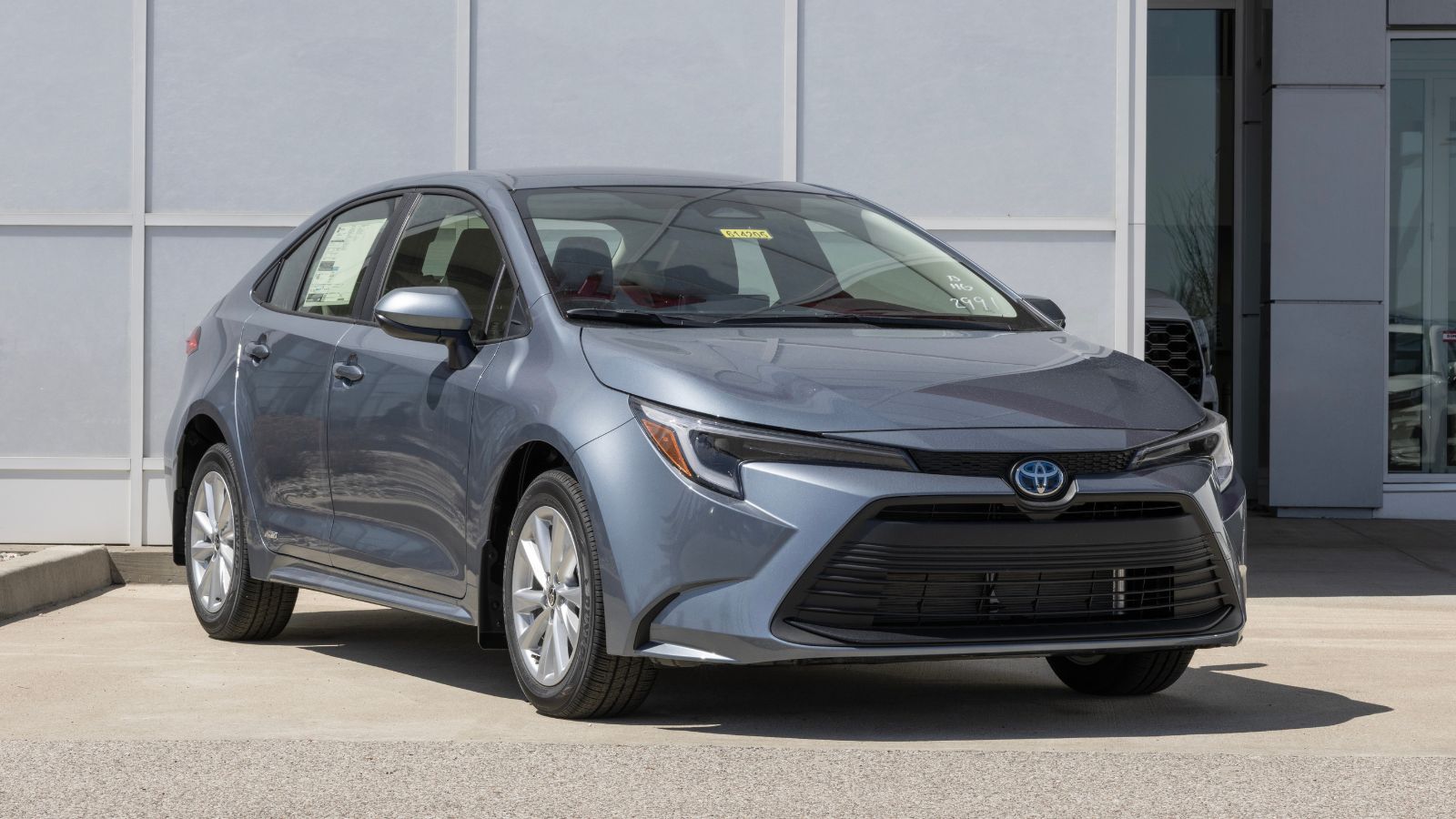
The Corolla Hybrid keeps looking more impressive the longer the market stays expensive. Toyota prices the 2026 Corolla Hybrid LE from $27,740 in Canada, and its official fuel-consumption figure drops as low as 4.4 L/100 km in city driving. That matters because this is the kind of car that can shrink the monthly pain of commuting without asking buyers to change their habits. It is still a normal compact sedan, still easy to park, still easy to insure compared with many larger vehicles, and still familiar enough that it does not feel like a technology experiment.
What makes it a rising value play is that it now sits in a sweet spot between stripped-down budget cars and pricier hybrids. A household that does a lot of GTA stop-and-go driving can save meaningful fuel while still getting the proven Corolla formula. Toyota’s reputation for strong long-term value also helps the equation. In a market where many buyers are trying to keep a vehicle for seven years instead of four, the Corolla Hybrid feels less like a compromise and more like the rational answer that keeps getting harder to beat.
2. Hyundai Elantra Hybrid
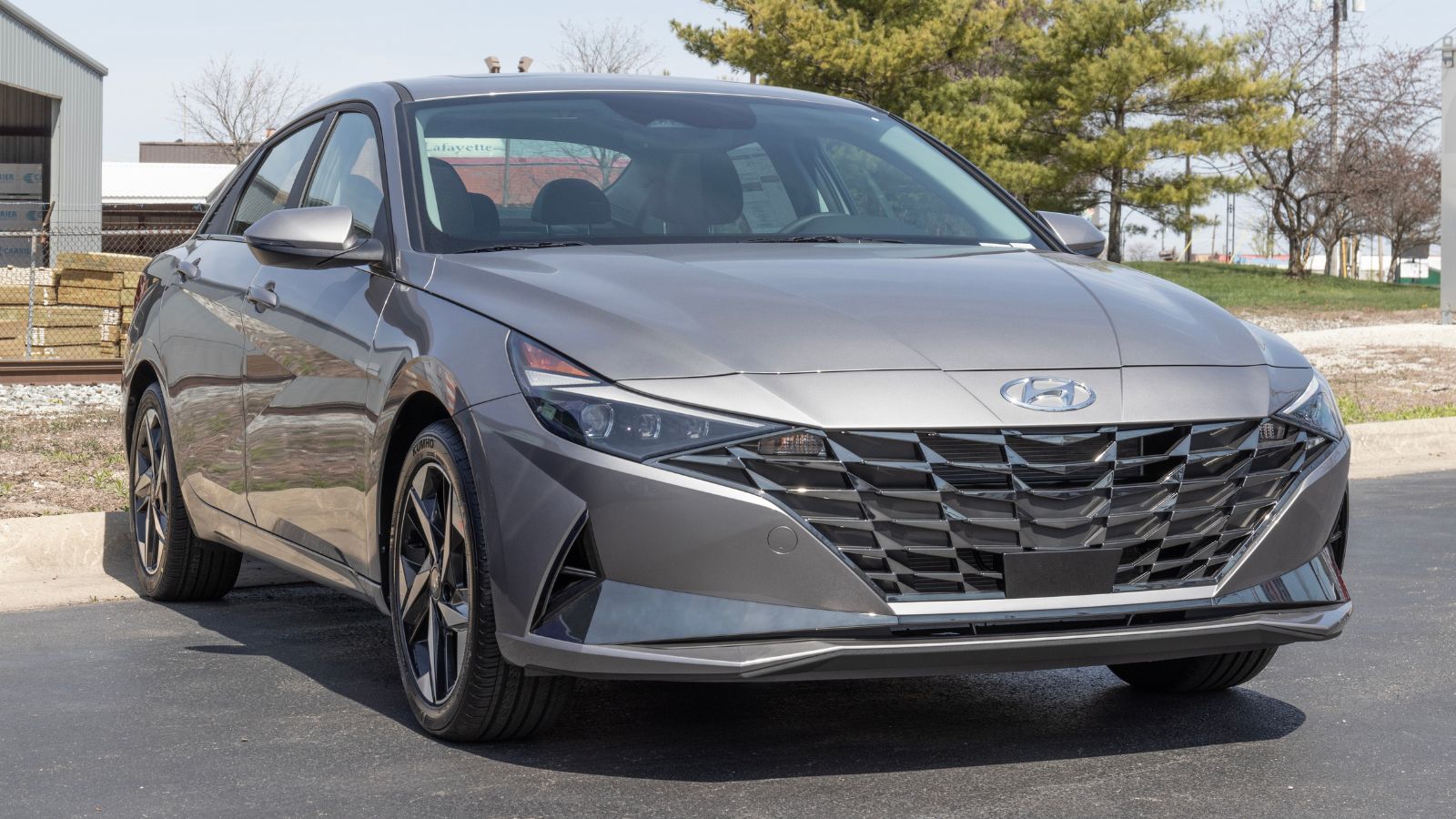
The Elantra Hybrid is the kind of sedan that tends to get more credit after a few months of ownership than it gets on the shopping list. Hyundai’s 2026 Elantra Hybrid posts a combined fuel-consumption rating of 4.7 L/100 km, with the Luxury Hybrid trim listed at $28,999 MSRP before additional fees. Those are the kinds of numbers that turn a compact sedan into a real cost-control tool. A long commuter route from Burlington to Toronto or a week of school runs and errands suddenly stops feeling like a fuel budget problem.
Its value story also feels more complete than it used to. The Elantra no longer reads like a “cheap alternative” so much as a smart, modern compact with unusually low operating costs. Hyundai also leans hard into efficiency across its hybrid lineup, and the Elantra sits at the centre of that pitch. For buyers who want a normal gas-and-go experience but do not want to keep feeding a thirsty crossover, this is one of the clearest answers on the market. It is especially compelling for drivers who care more about monthly ownership math than badge prestige.
3. Honda Civic Hybrid
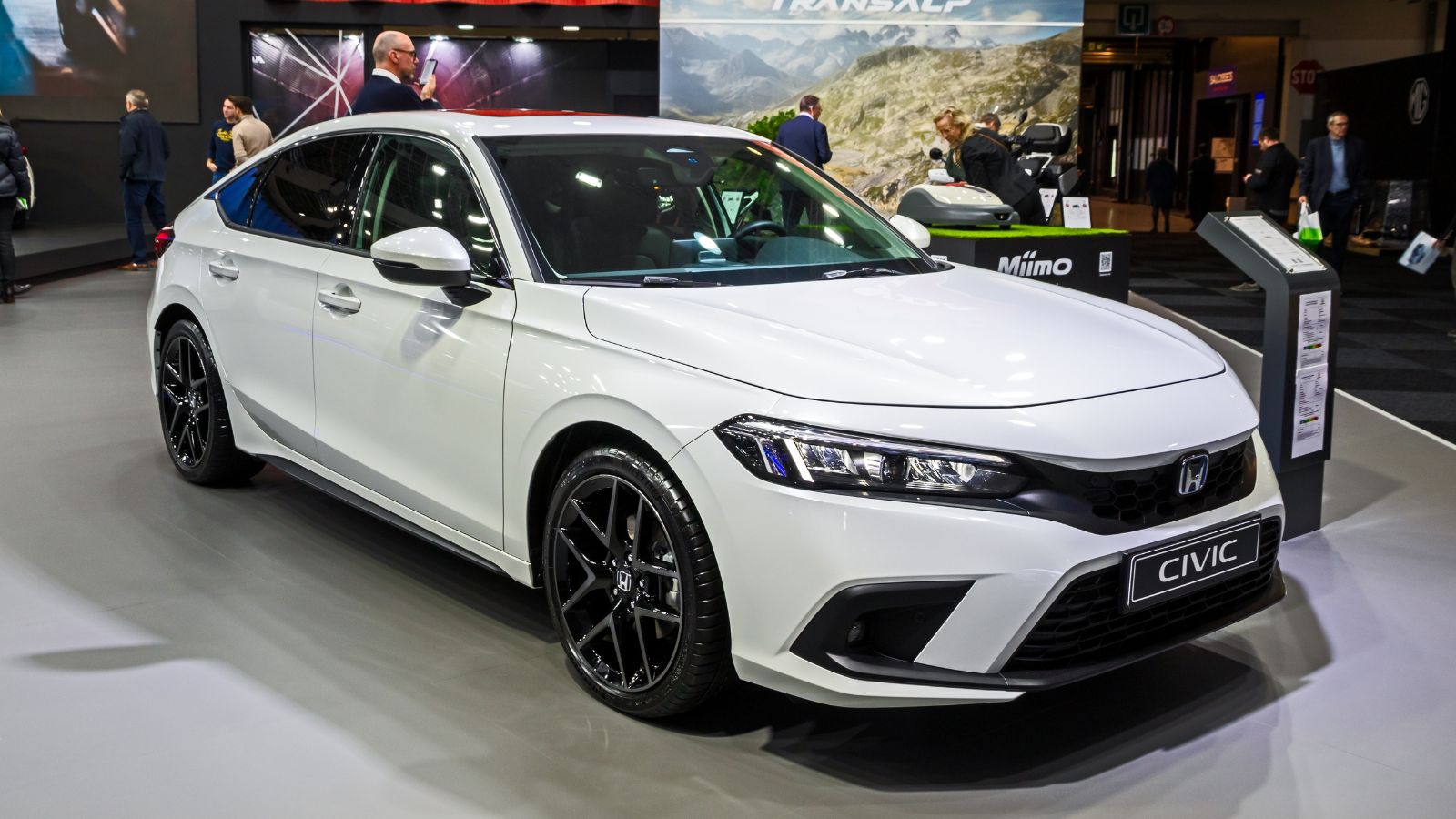
The Civic Hybrid is more expensive than a bargain-basement compact, but that is exactly why it is becoming a stronger value pick instead of a weaker one. Honda’s 2026 Civic Hybrid makes up to 200 combined horsepower, and the Sport Hybrid trim is listed at a $37,071 selling price in Honda Canada’s trim comparison. On paper, that sounds like a lot for a compact. In real life, it starts to look reasonable when stacked against pricier small SUVs, mildly equipped crossovers, and entry luxury sedans that do not actually feel much nicer.
There is also a quality-of-ownership element here. The Civic was recognized on Honda Canada’s site as the 2026 AJAC Canadian Car of the Year and also picked up 2026 AutoTrader Awards for Best Overall Car and Best Small Car. That matters because it reinforces the idea that buyers are not just paying for efficiency, but for an all-around polished package. For Canadians who want one car that can handle commuting, weekend road trips, and daily life without feeling like an appliance, the Civic Hybrid is starting to look like the compact that justifies its higher sticker better than most.
4. Nissan Sentra
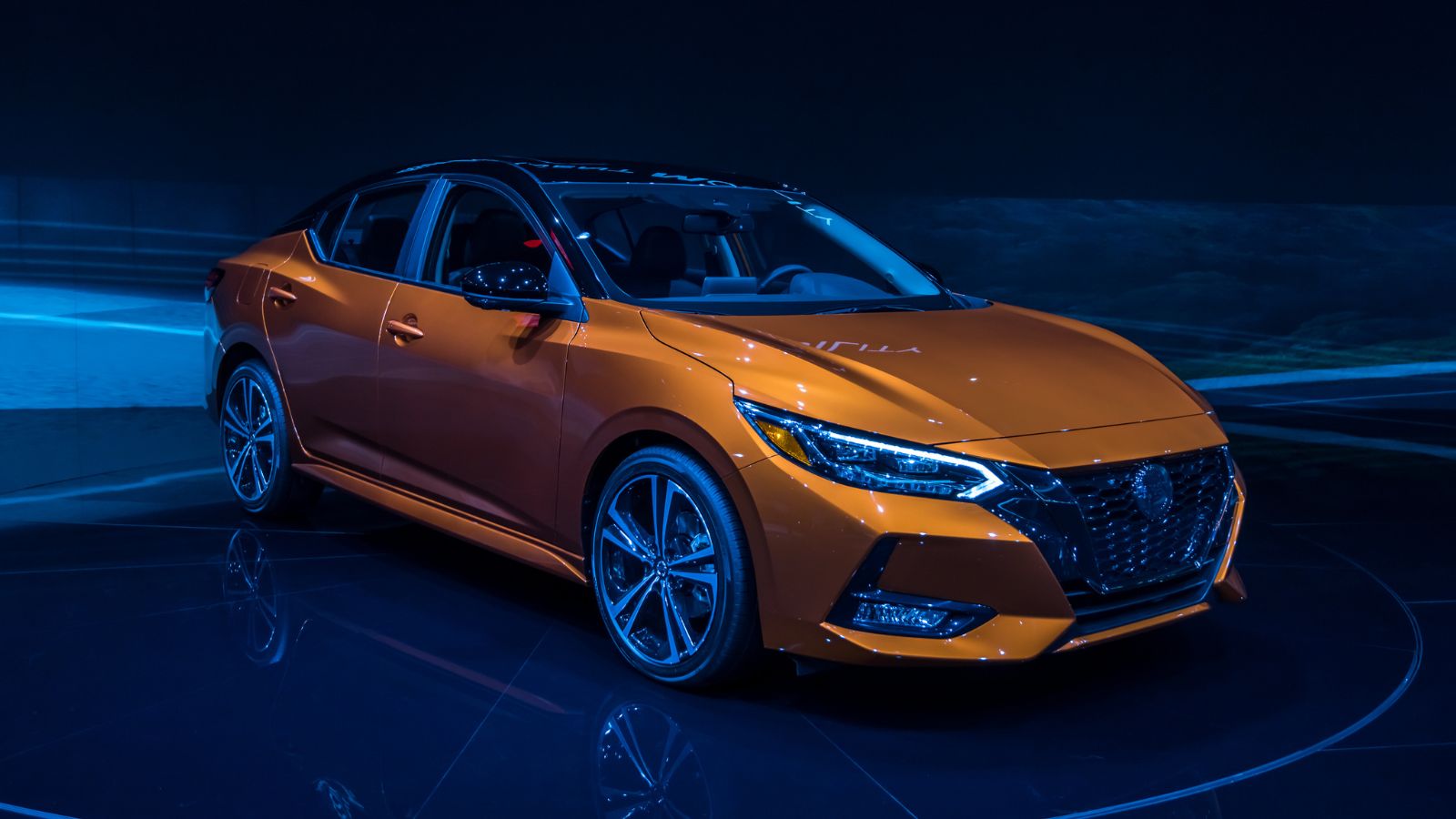
The all-new 2026 Nissan Sentra is exactly the kind of vehicle that can sneak into the “best value” conversation once the market gets tired of oversized payments. Nissan lists the 2026 Sentra at $25,268 in Canada, and its estimated fuel economy reaches 6.1 L/100 km on the highway. That puts it in a useful position: roomy enough for real-world daily use, priced far below many compact SUVs, and efficient enough to avoid feeling like an old-school budget penalty box. It is the kind of car that works best for people who just want sensible transportation without the stripped-down look and feel that often come with entry-level models.
Its value case gets stronger because so many buyers have drifted upward in size and cost. That leaves honest compact sedans like the Sentra looking smarter again. For a young family that does not need AWD, or for someone replacing an aging Civic or Corolla without wanting a huge payment jump, the Sentra makes practical sense. It does not need to be flashy to win this argument. It just needs to stay well-equipped, comfortable, and efficient while keeping the sticker under control, and that is exactly where Nissan seems to have positioned it.
5. Mazda3
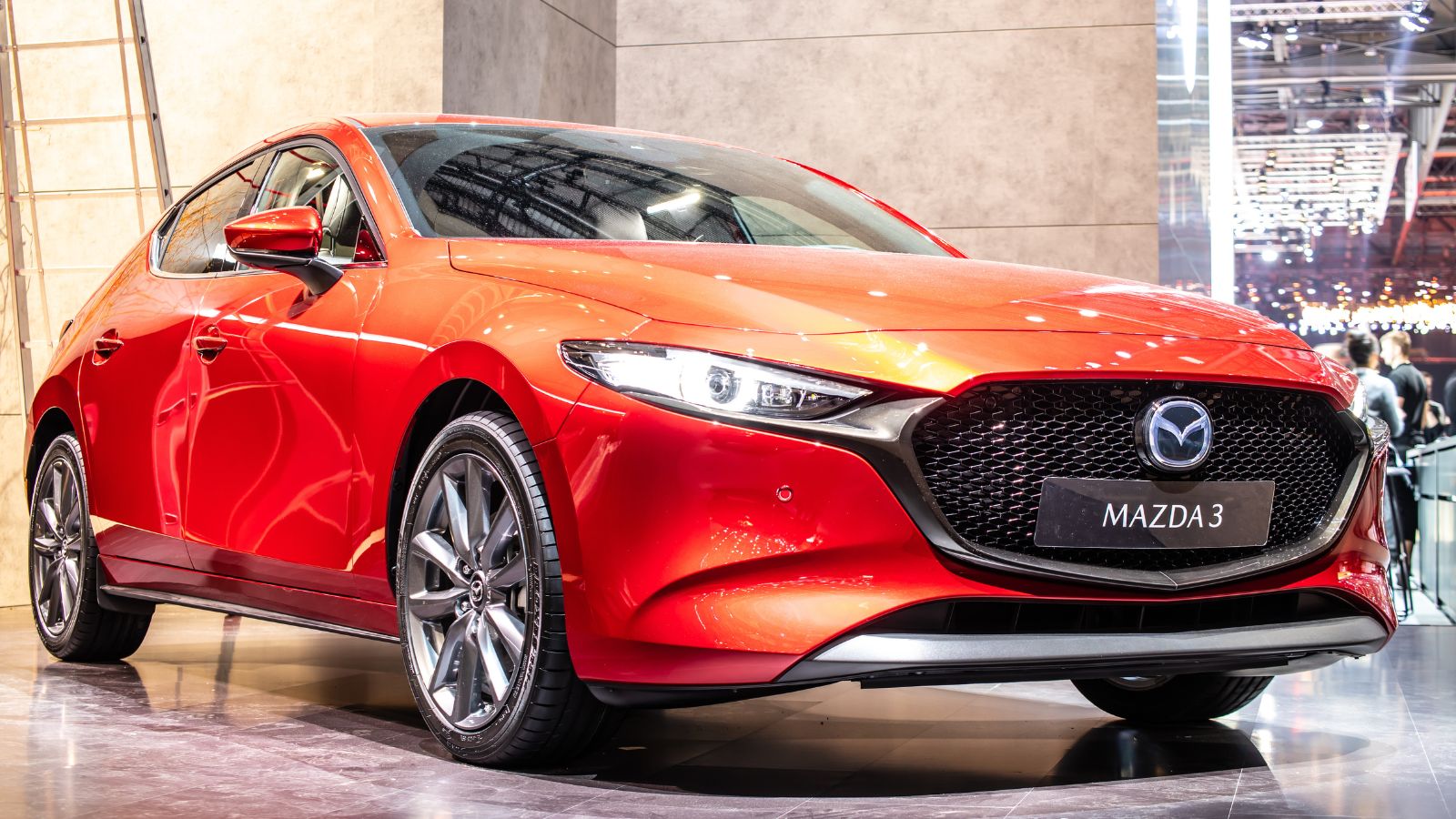
The Mazda3 keeps earning a spot on lists like this because it still offers something rare in the compact class: a near-premium vibe without the near-premium bill. Mazda says the 2026 Mazda3 starts at $25,250, and the model remains one of the few compact sedans in Canada to offer all-wheel drive. That alone changes the value story. In much of Ontario, buyers pay extra for winter confidence, and the Mazda3 lets them do that without moving into crossover territory. It also helps that the cabin presentation and general road manners feel a notch above the usual compact-car baseline.
This is not the value play for someone chasing the absolute lowest fuel bill or the absolute lowest monthly payment. It is the value play for buyers who want to feel like they moved up without actually moving up. A Mazda3 can make a commuter’s weekday drive feel calmer and more refined, and that matters more than many spreadsheets admit. In a market where so many vehicles are expensive but forgettable, the Mazda3 stands out because it is reasonably priced and memorable. That combination tends to age well in the ownership experience, which is a big part of real value.
6. Subaru Impreza
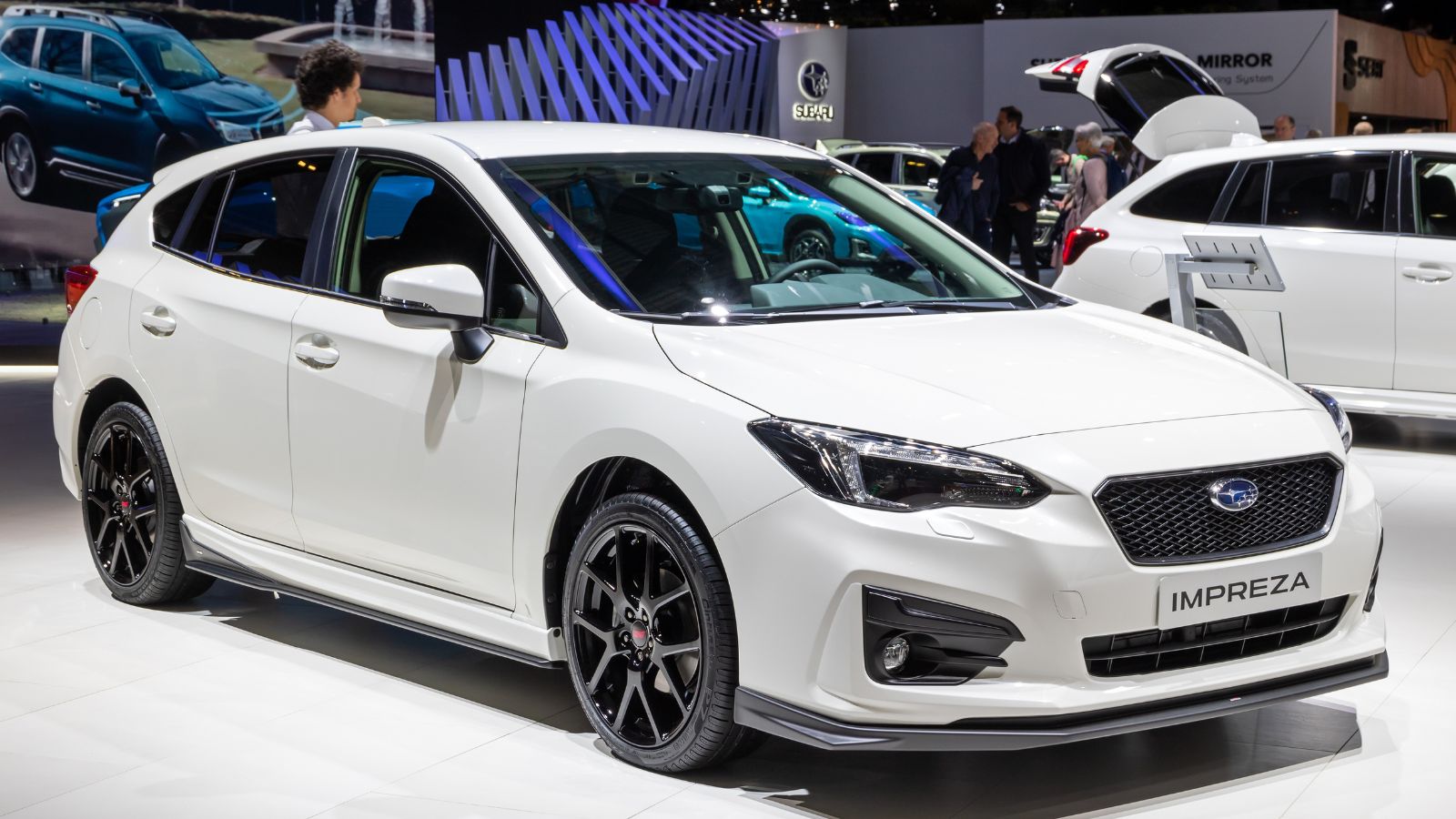
The Impreza’s case is simple, and in Canada, simple is powerful: standard AWD still matters. Subaru lists the 2026 Impreza from $30,885, and the model offers up to 1,586 litres of cargo space with the rear seats folded. Official fuel consumption for the 2.0-litre version is 8.8 L/100 km city and 6.9 highway. On paper, it is not the cheapest compact and not the most efficient. In practice, it hits a distinctly Canadian sweet spot by combining hatchback usefulness with year-round traction in one straightforward package.
That makes it especially easy to defend in places where winter is not theoretical. For buyers in snow-belt regions, or households that spend weekends hauling skates, grocery bins, and gear, the Impreza can replace the need to stretch into a pricier small SUV. It is also one of those cars that feels honest about what it is. There is no attempt to be rugged, premium, or trendy. It just delivers the practical benefits many Canadians actually use. As insurance, fuel, and monthly payments stay top-of-mind, that kind of quiet competence is becoming more valuable again.
7. Hyundai Kona
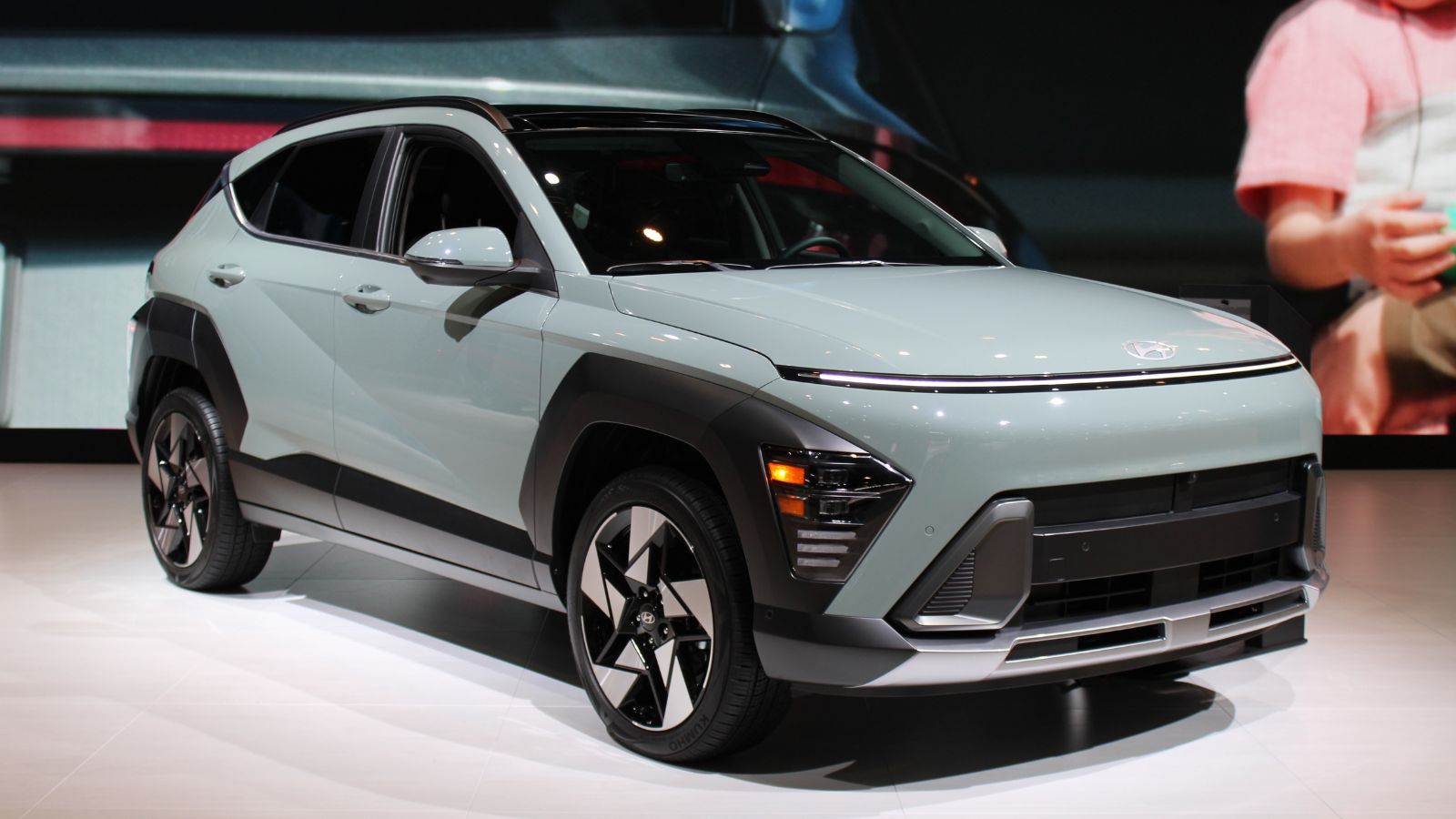
The gas-powered Kona may end up being one of the most underrated value plays in the country simply because it starts where many compact SUVs no longer do. Hyundai lists the 2026 Kona from $26,749 in Canada, and the 2.0-litre FWD version is rated at 8.1 L/100 km city, 6.8 highway, and 7.5 combined. In a world where even small SUVs can drift into the high-$30,000 range once fees and trims pile up, that pricing matters. The Kona gives buyers the ride height, hatch access, and urban maneuverability they want without automatically dragging them into a much heavier financial commitment.
There is another reason it feels well-positioned: it still comes with Hyundai’s strong warranty coverage, including a 5-year/100,000 km comprehensive limited warranty. That helps reduce the psychological cost of ownership, especially for younger buyers or households trying to keep repair risk low. The Kona is not trying to out-luxury anyone. Its value comes from looking modern, feeling current, and still landing at a number that does not seem detached from reality. For a lot of Canadians, that combination is more important than another 15 horsepower or another inch of rear legroom.
8. Subaru Crosstrek
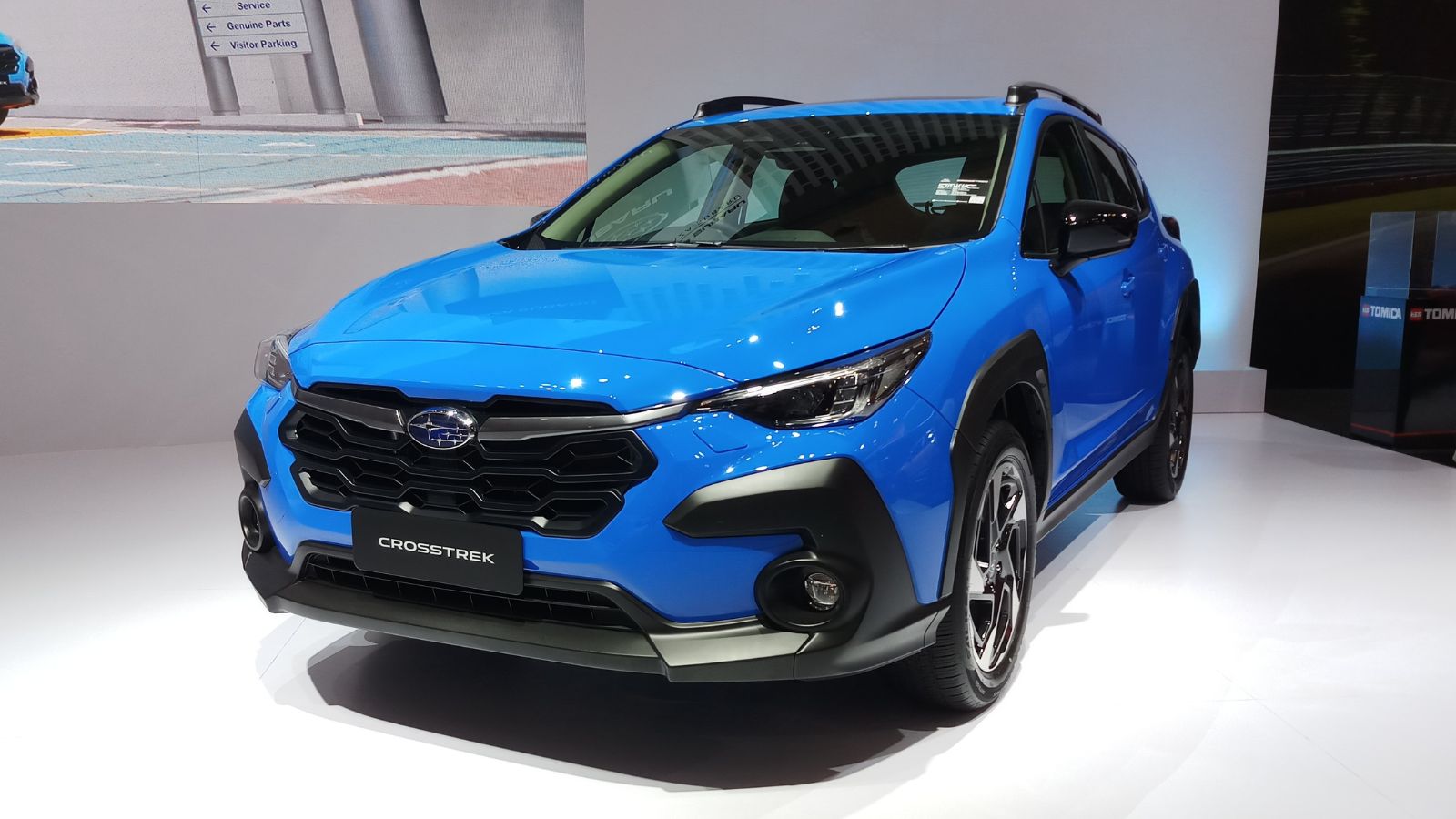
The Crosstrek has become so common on Canadian roads that it is easy to forget why it got there in the first place: it solves a lot of real-world problems in one shot. Subaru prices the 2026 Crosstrek from $33,385, with 180 horsepower standard on the Convenience trim and up to 1,549 litres of cargo capacity. That matters because this is not a tiny crossover pretending to be adventurous. It has the height, hatch access, AWD confidence, and practicality that people genuinely use for cottage weekends, ski trips, muddy spring weather, and the ordinary mess of Canadian life.
Its value story is also about avoiding regret. Many buyers who move into larger SUVs end up paying more for space they rarely use. The Crosstrek feels like a smarter midpoint. It is still compact enough for tight urban parking, but capable enough that owners rarely feel limited by it. That balance is why it keeps holding interest even as pricing rises around it. In 2026, it looks more like a best-value pick because it still does the crossover job honestly, without demanding the kind of monthly payment that makes every errand feel like a financial decision.
9. Mazda CX-5
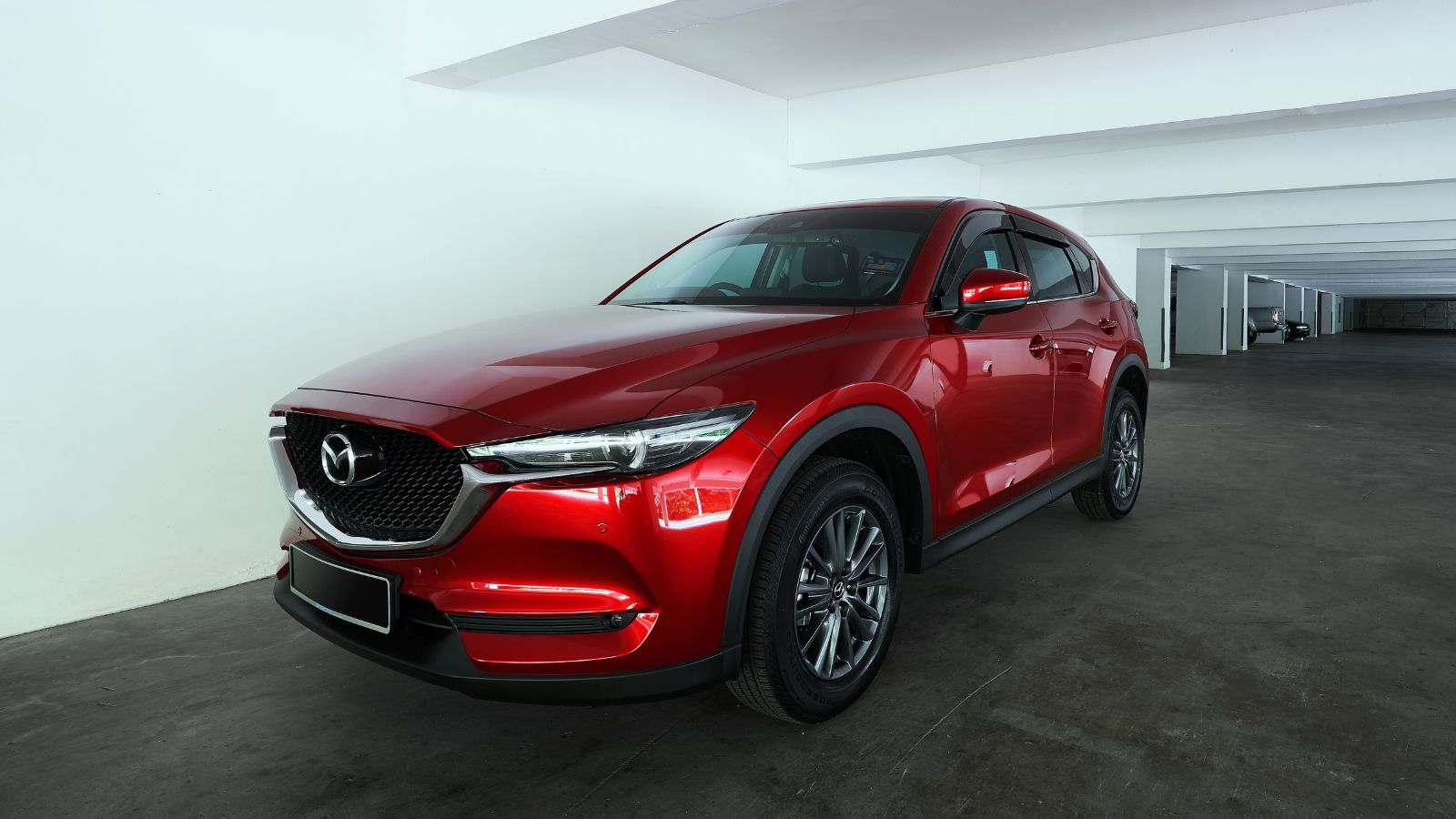
The 2026 CX-5 strengthens Mazda’s reputation for making mainstream vehicles feel more expensive than they are. Mazda lists the all-new 2026 CX-5 GX from $36,300, and standard AWD remains part of the formula. The official spec sheet also shows highway consumption as low as 7.7 L/100 km. Those are attractive numbers for buyers who want a compact SUV but are tired of choosing between bland affordability and premium-brand overreach. The CX-5’s appeal is that it brings real style, a calmer cabin, and more polished design without crossing into luxury-nameplate pricing.
Its best-value status comes from how broadly it fits Canadian household life. It is practical enough for family use, polished enough not to feel utilitarian, and efficient enough not to punish someone moving out of a sedan. Mazda also gave the new generation more rear-seat room and better everyday access, which makes the vehicle easier to live with over time. That is important, because value is not just what happens on signing day. It is also whether a driver still feels good about the purchase 18 months later. The CX-5 has a strong chance of being one of those vehicles that ages into an even smarter buy.
10. Ford Maverick Hybrid
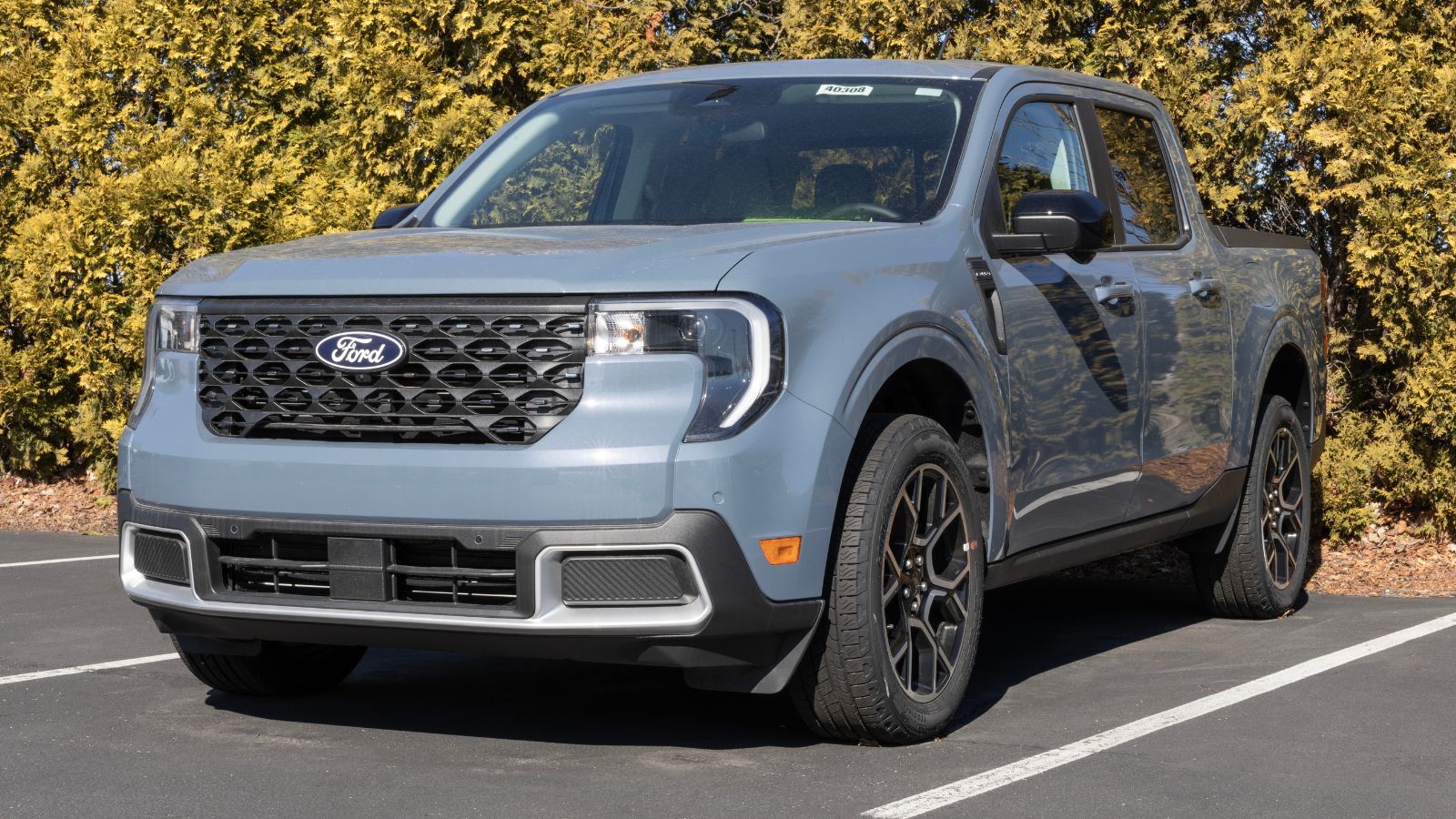
The Maverick Hybrid is one of the clearest examples of how value can come from format, not just from price. Ford’s Canadian showroom lists the 2026 Maverick starting at $37,595, and the hybrid powertrain is rated at 5.4 L/100 km city, 6.3 highway, and 5.8 combined. That is remarkable for something with a pickup bed. For buyers who need to haul renovation supplies, bikes, hockey bags, or garden materials but do not actually need a full-size truck, the Maverick solves a problem most modern trucks no longer solve affordably.
That is why its value profile keeps getting stronger. A lot of Canadians want utility, but they do not want $60,000-plus truck pricing, truck fuel bills, or truck-sized parking drama. The Maverick Hybrid offers a different path. It behaves more like a normal daily driver while still giving owners the flexibility of an open bed. In practical household terms, that is huge. Someone doing weekend dump runs in Kitchener or carrying landscaping supplies in Guelph does not need three tons of chrome and a giant payment. The Maverick Hybrid increasingly looks like the smartest answer for buyers whose needs are real but not exaggerated.
11. Toyota Prius
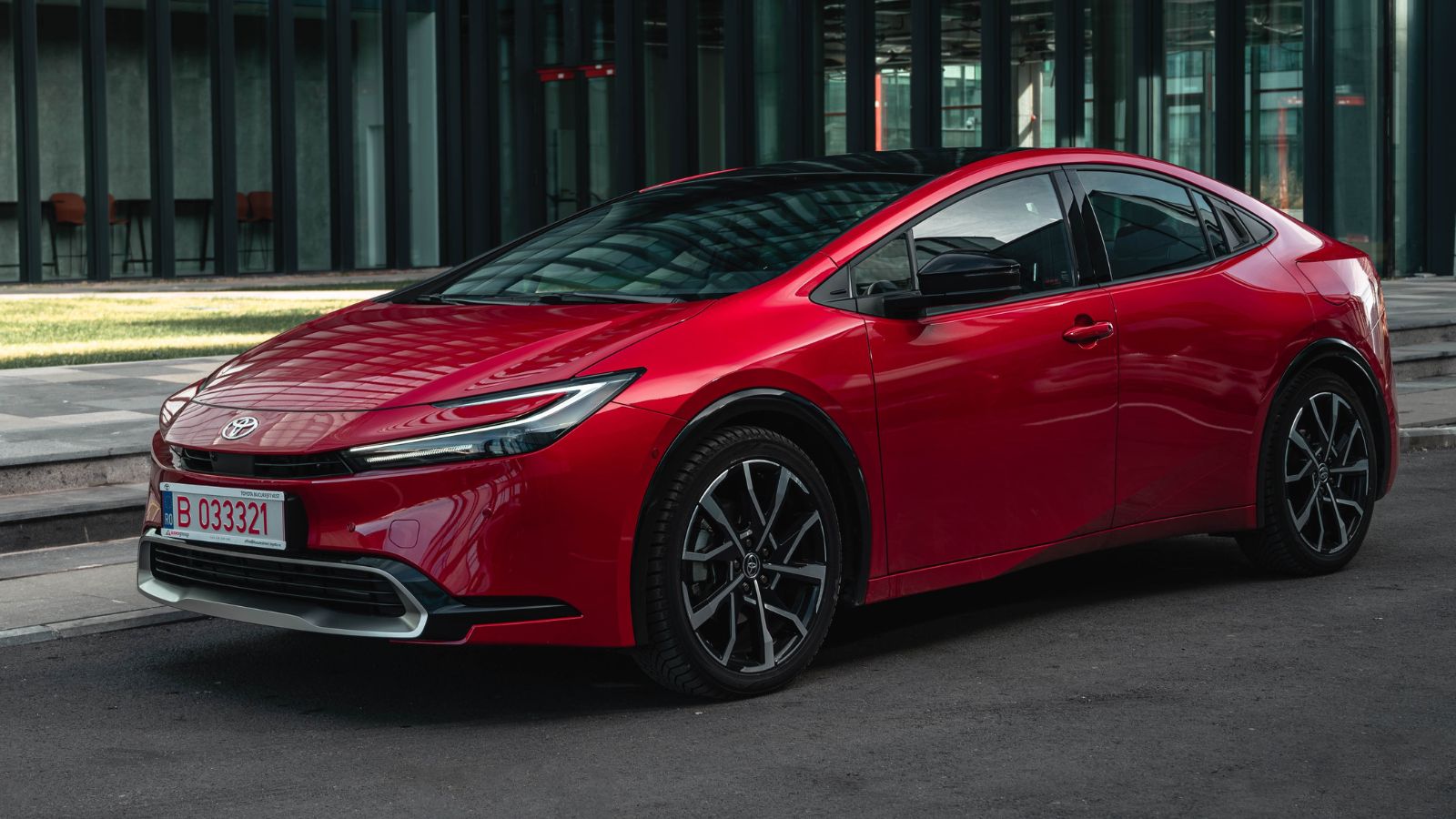
The Prius has moved into an unusual place in the market: it is no longer the bare-bones efficiency icon, but it may now be the stylish hybrid that justifies its price better than people expect. Toyota lists the 2026 Prius from $38,365 in Canada, with 196 horsepower and standard electric AWD. It is also rated at 4.8 L/100 km city and 4.7 highway. Those are strong numbers, but the bigger story is that the Prius no longer asks buyers to sacrifice design or driving confidence just to save fuel. It looks modern, it has real shove, and it still does the low-consumption thing better than most of the market.
That shift matters because a lot of Canadian buyers want to go greener without jumping fully into EV life. Condo charging, long-distance winter driving, and uncertain resale still make some people hesitate on full electric. The Prius is the bridge vehicle that feels grown-up and future-facing without requiring a lifestyle reset. Its best-value case is strongest for drivers who rack up kilometres and want to shrink fuel costs while still ending up in something that feels aspirational. It is not cheap, but it is increasingly one of the rare cars where the efficiency, capability, and design all line up.
12. Toyota Camry Hybrid
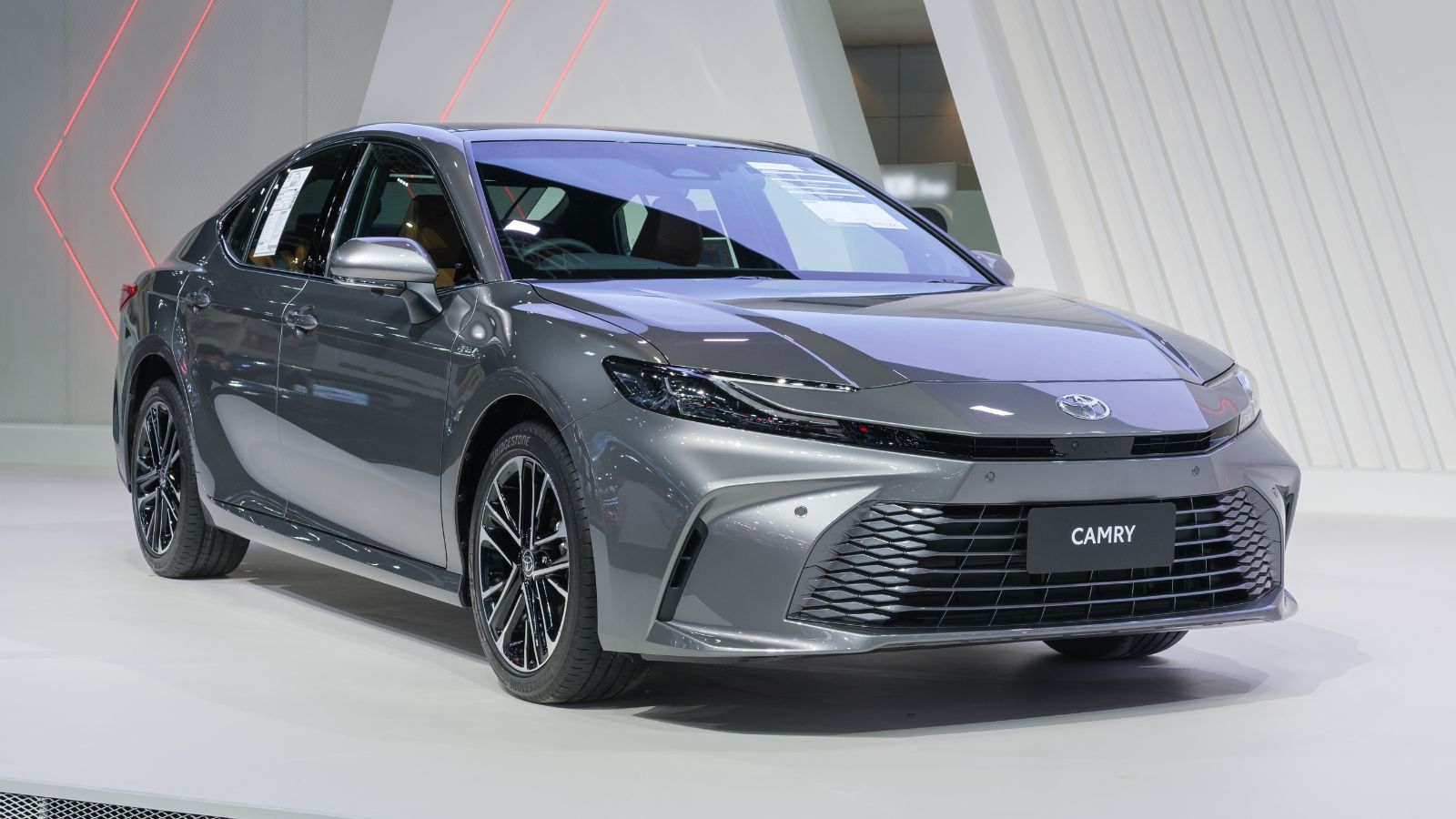
The all-hybrid Camry is one of the most quietly compelling value stories in Canada right now. Toyota prices the 2026 Camry SE FWD from $34,575, and the front-wheel-drive version delivers 225 net-combined horsepower with fuel efficiency rated at 4.9 L/100 km combined. That is a strong combination for a midsize sedan. Buyers are not getting a penalty-box commuter or an old-fashioned family car here. They are getting a roomy, refined, long-distance-friendly sedan with power that feels more than adequate and fuel economy that would have seemed unrealistic for this size of vehicle not long ago.
What makes the Camry especially interesting is how much vehicle it gives back to people who are tired of crossover inflation. For households that do not need extra ride height, the Camry can feel like a smarter, calmer alternative to a compact SUV at a similar price. It also fits the Canadian ownership mindset well: durable, efficient, and easy to justify to both the practical half and the emotional half of the brain. In a market full of compromises, the Camry Hybrid increasingly looks like one of the few vehicles that does not really ask for one.
13. Hyundai Tucson Hybrid
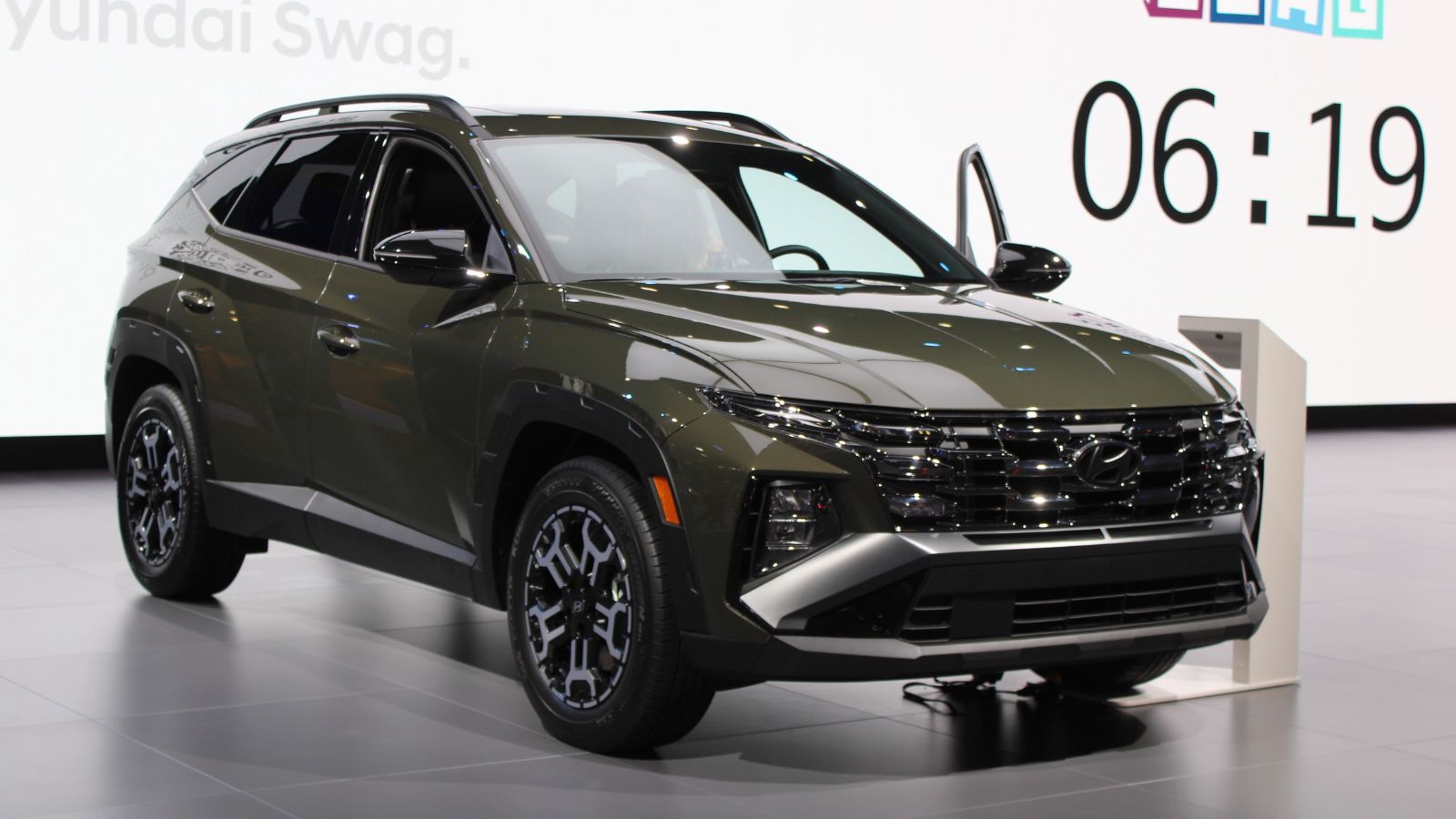
The Tucson Hybrid is the kind of family-friendly value play that becomes more attractive as fuel prices, insurance, and long-term ownership costs stay under pressure. Hyundai’s Canadian online shopping tools show a 2026 Tucson Hybrid N Line in the mid-$40,000 range, and Hyundai says the hybrid Tucson returns 6.7 L/100 km. For a compact SUV with meaningful passenger space, hatchback practicality, and real all-weather family usefulness, that starts to look like a better deal than many shoppers initially assume. It is not entry-level cheap, but it is efficient enough to offset some of its higher starting point.
Its appeal is especially easy to understand in suburban Canadian life. A Tucson Hybrid can handle school pickup, road trips, winter weather, and Costco duty without feeling oversized or clumsy. Hyundai also positions it as the most fuel-efficient hybrid SUV in its own lineup, which supports the idea that this is the version to look at if efficiency matters more than maxing out trim bragging rights. As Canadians keep hunting for vehicles that do everything reasonably well, the Tucson Hybrid stands out as one of the more balanced answers in the compact-SUV class.
14. Nissan LEAF
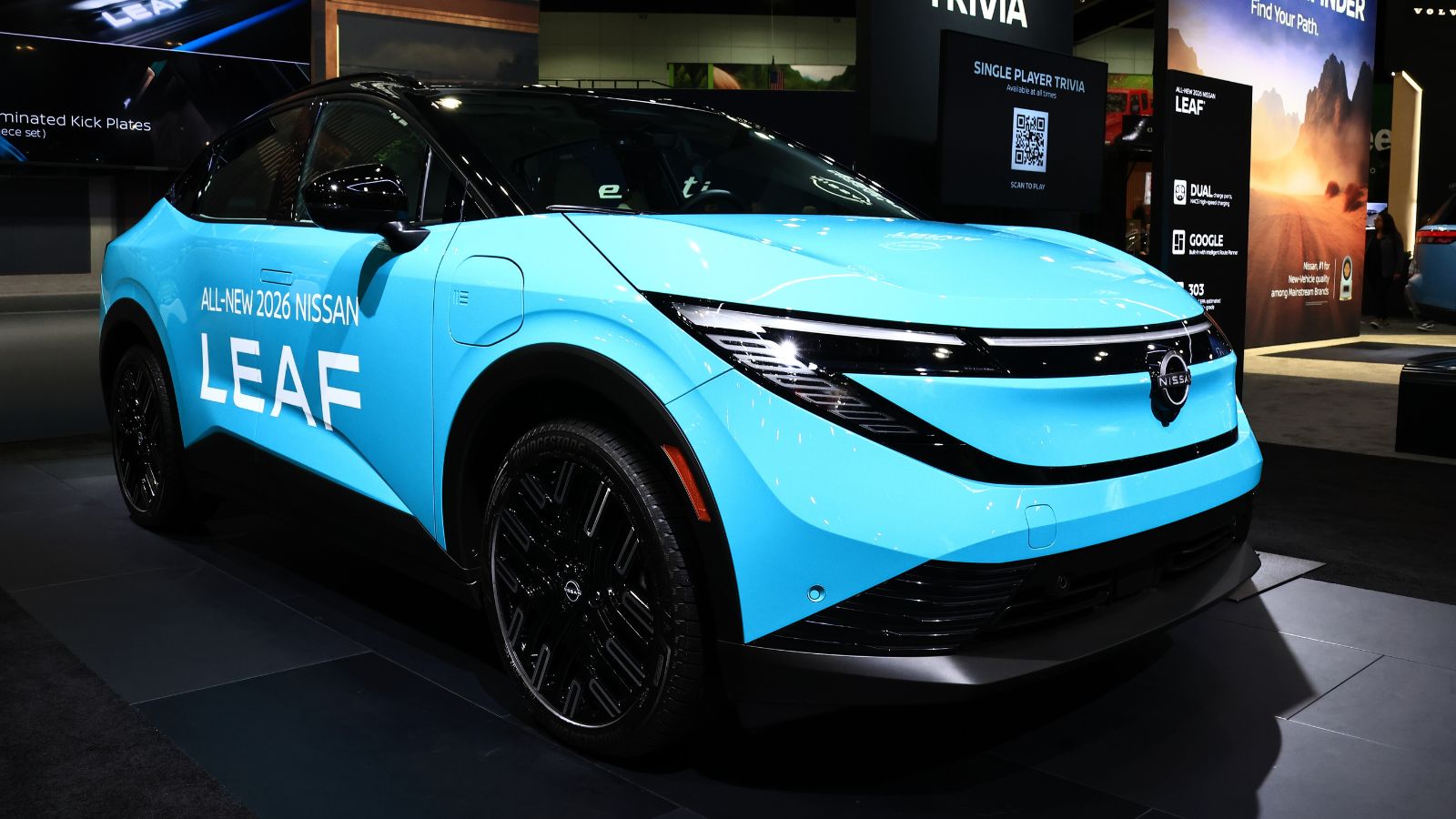
The all-new 2026 Nissan LEAF changes the conversation around a familiar name. Nissan now positions it as a small electric SUV rather than the older hatchback formula, and the 2026 LEAF offers up to 488 kilometres of range. Nissan’s build-and-price page lists the LEAF S PLUS from $44,998. Those two figures are enough to put it back on the radar in a serious way. For a long time, the LEAF was mainly the budget EV people remembered from an earlier phase of electrification. This version sounds far more relevant to current Canadian buyers.
Its value potential comes from being easier to imagine as a primary vehicle. Range nearing 500 kilometres shifts the mental math, especially for commuters who occasionally do longer weekend drives but still want a manageable, non-luxury EV. The new crossover body style should also help with the practical side of daily life. That matters because value is partly psychological: buyers need to feel that a vehicle fits normal life without constant compromise. If the old LEAF was an affordable specialist, the new one is shaping up as something closer to a mainstream electric family choice, and that could make it a real surprise hit on the value front.
15. Chevrolet Equinox EV
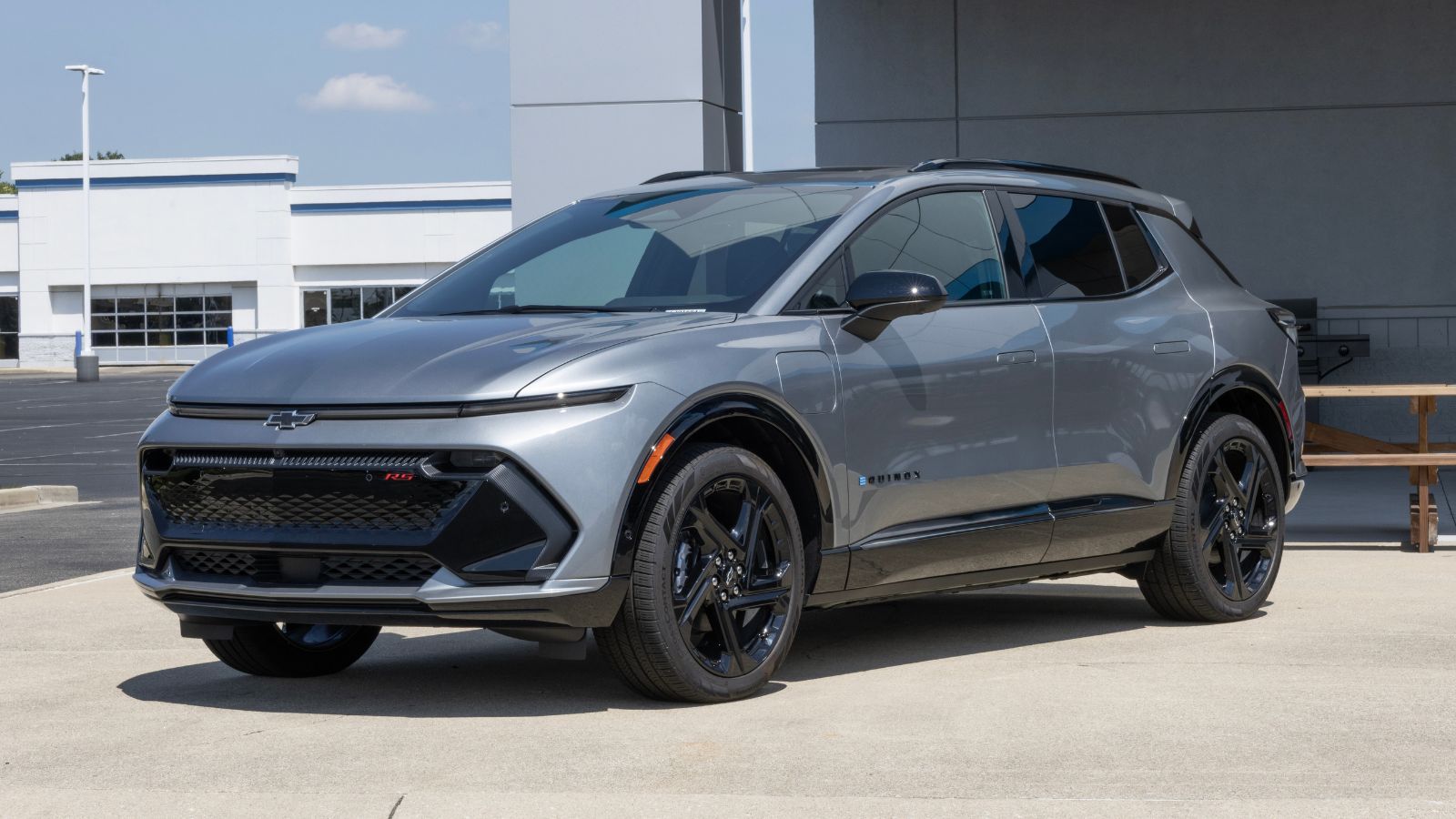
The Equinox EV may be one of the clearest range-for-money arguments in the whole Canadian market. Chevrolet’s build-and-price tool shows a standard vehicle price of $46,199 for the 2026 Equinox EV LT FWD, and Chevrolet quotes up to 513 kilometres of estimated range for front-wheel-drive versions. That is a headline-worthy pairing. Once an EV starts offering more than 500 kilometres of range at a price that is not far removed from nicely equipped gas crossovers, it stops feeling like an early-adopter indulgence and starts feeling like a genuinely practical mainstream option.
That is why the Equinox EV looks poised to become a best-value pick rather than just a “good EV for the money.” It gives Canadians the familiar shape of a compact SUV, a massive 17.7-inch centre screen, and real road-trip credibility. For someone replacing a RAV4-sized gas vehicle and wanting to test EV ownership without moving into premium-badge territory, this is exactly the kind of product that makes the switch easier to rationalize. If electricity and home charging make sense for the household, the Equinox EV could end up being remembered as one of the models that pulled EV value into the mainstream.
16. Hyundai Kona Electric
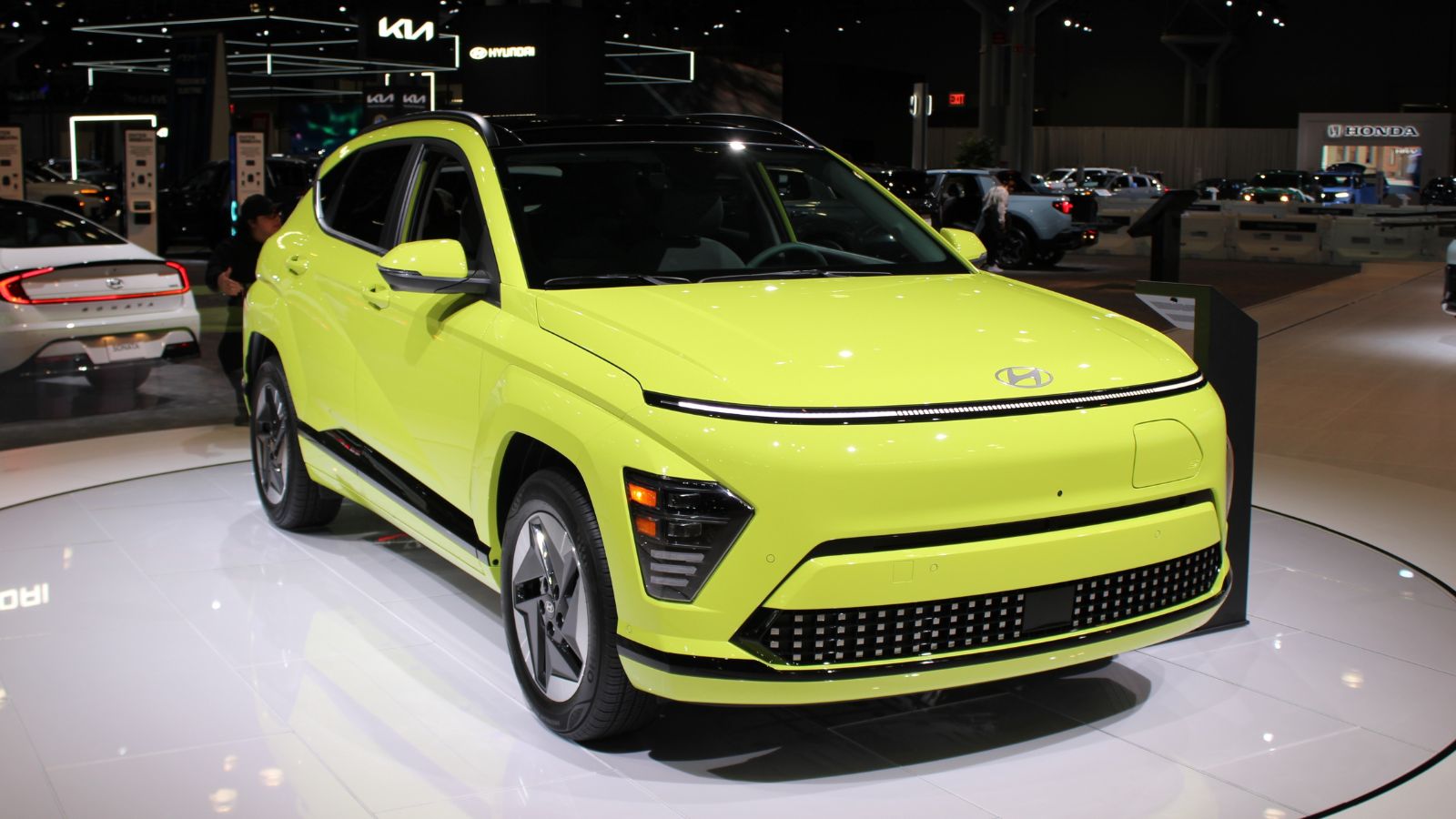
The Kona Electric continues to make a strong case for the idea that not every worthwhile EV needs to be large or luxurious. Hyundai lists the 2026 Kona Electric from $43,999 in Canada, and the model offers up to 420 kilometres of range. That is a sensible, believable spec sheet for the kind of buyer who wants electric ownership without needing three rows, gigantic wheels, or six-figure design drama. It is compact enough for condo garages and urban errands, yet its range is long enough that it does not feel trapped in city-only duty.
That is what makes it such an interesting value candidate. Plenty of Canadians do not need the biggest battery they can buy; they need an EV that feels easy to live with every day. The Kona Electric fits that brief well. It offers instant torque, quiet driving, and enough range to handle a normal week comfortably. It also keeps the entry point lower than many headline-grabbing EVs. For buyers who want to move electric but still think like practical shoppers, the Kona Electric looks increasingly like the kind of vehicle that will make more sense with every passing month.
22 Things Canadians Do to Their Cars in Spring That Mechanics Hate

Spring brings relief to many Canadian drivers after months of snow, freezing temperatures, and icy roads that put serious strain on vehicles. As temperatures rise across the country, drivers begin washing cars, switching tires, and preparing vehicles for warmer weather and upcoming road trips. However, mechanics across Canada notice the same mistakes every spring when drivers attempt to recover from winter damage. Road salt, potholes, and harsh winter driving conditions often leave vehicles with hidden problems that drivers ignore. Some spring habits even create new mechanical issues that could have been avoided with proper maintenance. Here are 22 things Canadians do to their cars in spring that mechanics hate.