






















Auto insurance in Canada keeps shifting. Repair costs are climbing. Vehicle theft remains a problem in several provinces. Advanced driver systems raise replacement bills after minor crashes. Insurers track claims data closely, even when drivers do not. Some vehicles attract higher premiums due to higher theft rates, expensive parts, or frequent accident claims. Others face scrutiny due to performance or popularity among younger drivers. The result is a quiet “high risk” label that shows up in your quote. If you are shopping in 2026, this matters. Here are 21 vehicles insurance companies are quietly flagging as “High Risk” in Canada (2026 update).
Ford F-150
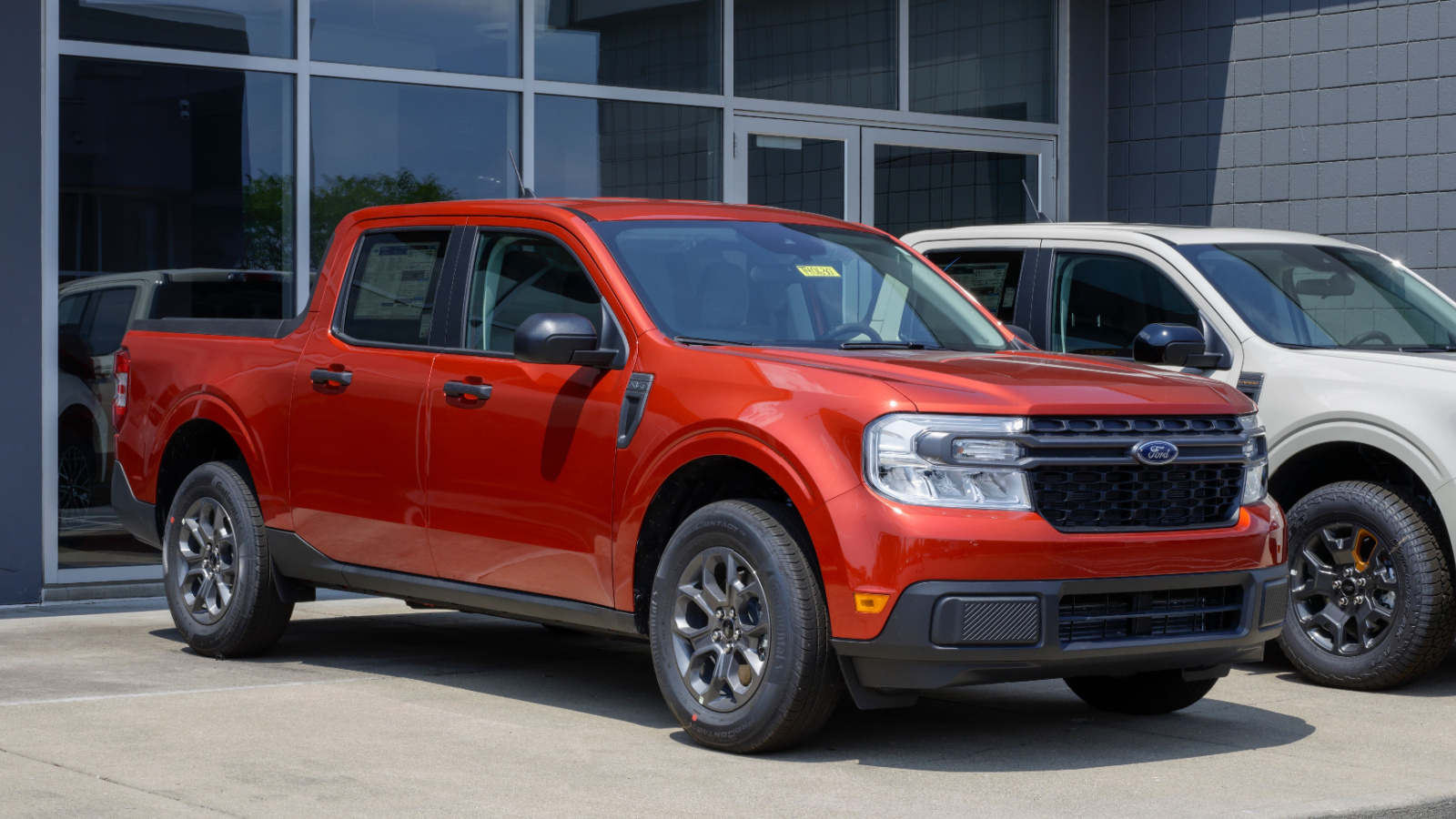
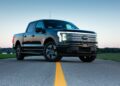
The Ford F-150 remains Canada’s best-selling vehicle. Popularity brings attention from thieves and insurers alike. High claim frequency raises premiums in many postal codes. Parts prices have climbed, especially for newer trims. Aluminum body panels cost more to repair than older steel designs. Advanced sensors in bumpers add to repair bills. Hybrid versions include battery components that increase replacement costs. Many are used for work, which increases annual mileage. More time on the road means more exposure to accidents. Insurers price that risk accordingly in 2026.
Honda CR-V
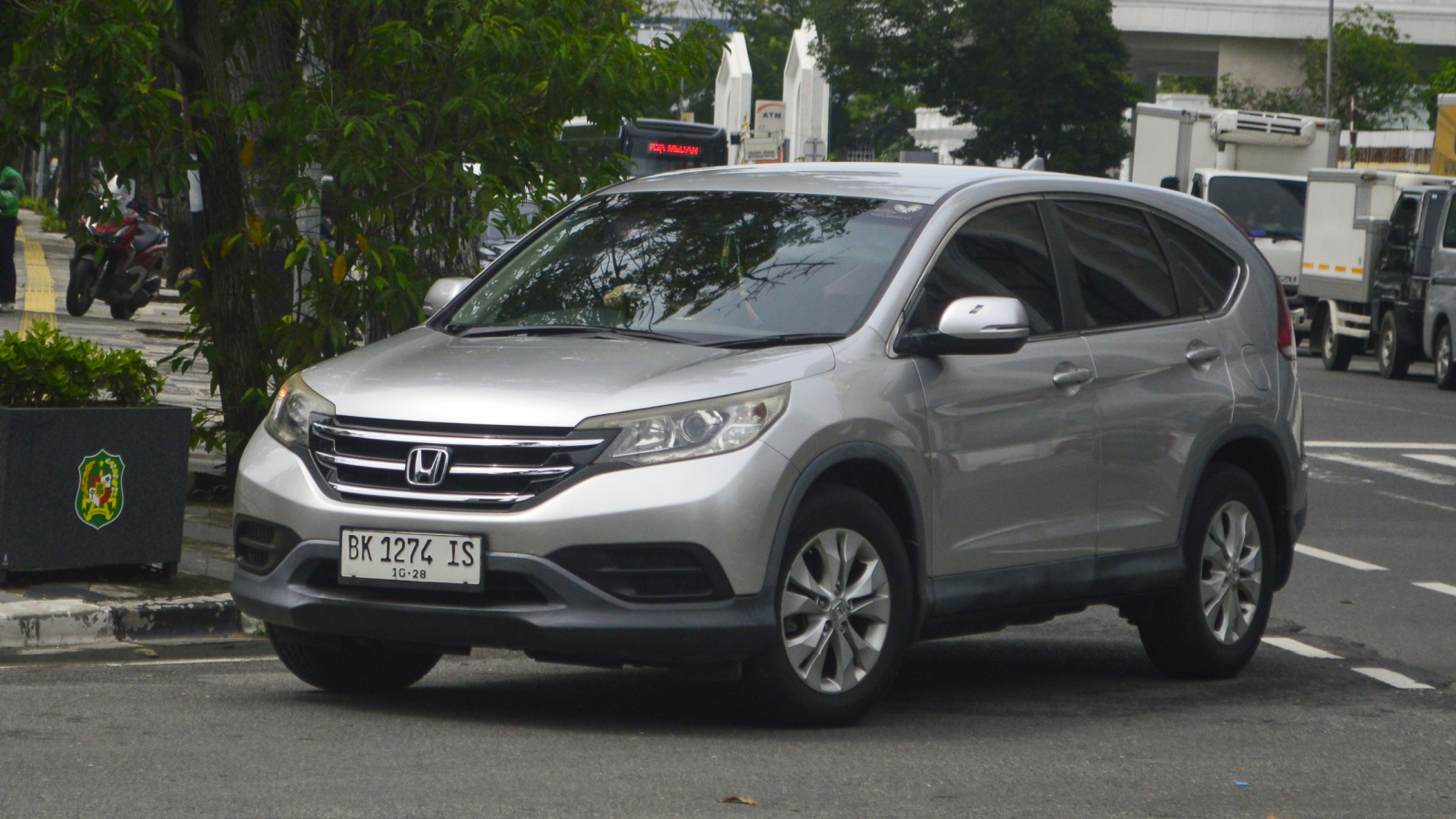
The Honda CR-V has long been a family favorite. It also appears frequently on theft recovery lists. Organized theft rings target compact SUVs for export. Replacement parts are widely available, yet still expensive. Newer models include complex safety systems in the grille. A minor front-end collision can trigger costly recalibration. High sales volume leads to more claims overall. That statistical weight affects rates nationwide. Urban drivers often park CR-Vs outside, increasing theft exposure. Insurers respond by flagging certain model years as higher risk.
Toyota RAV4
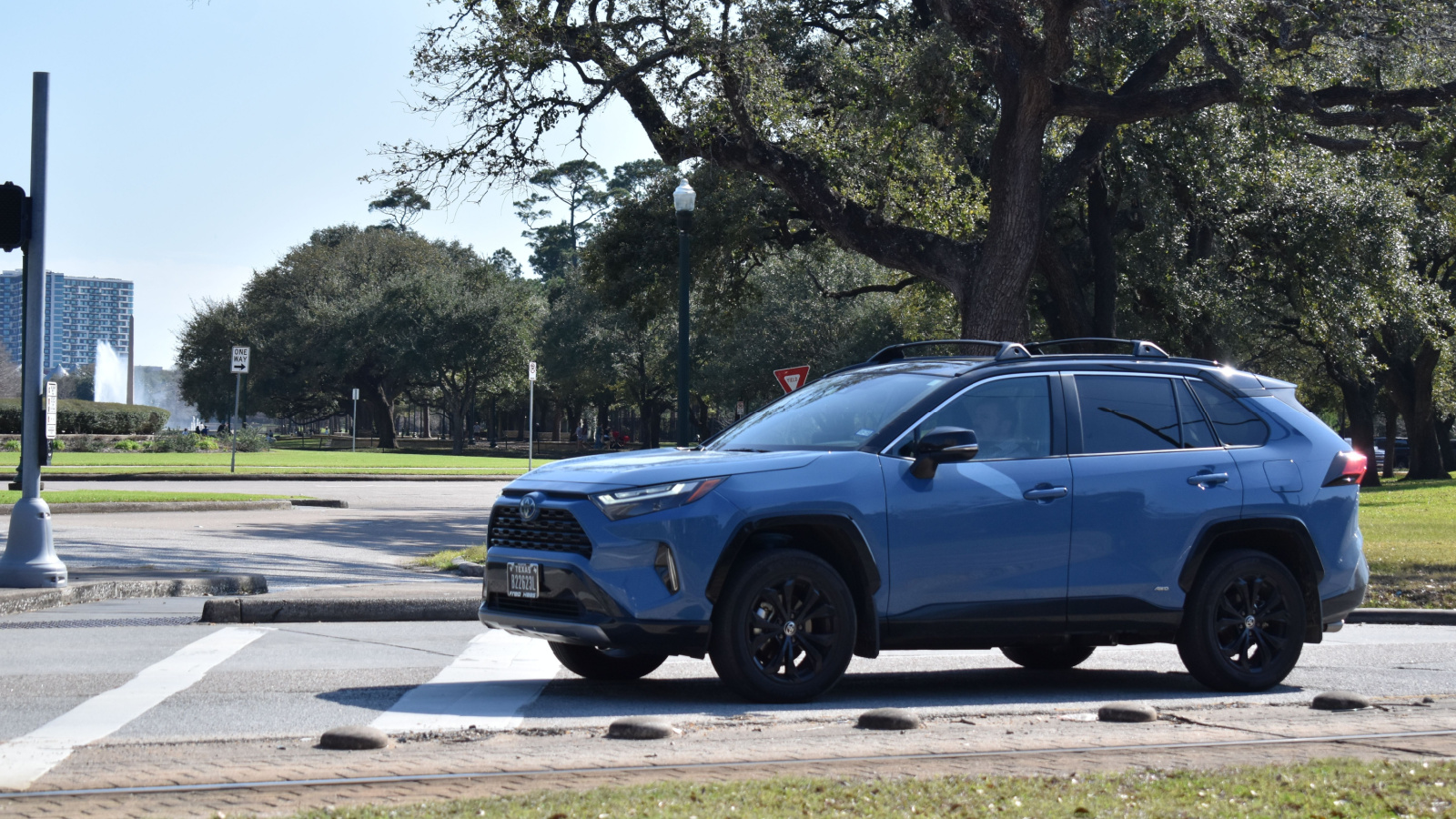
The Toyota RAV4 sells in huge numbers across Canada. That popularity increases total claims filed each year. Hybrid trims add battery and electronic repair costs. Catalytic converter theft has affected some model years. Replacement converters are expensive and often backordered. Front-end damage can involve radar modules and cameras. Even small impacts can lead to large invoices. Repair times stretch longer due to parts demand. Longer rentals raise insurer payouts. All those factors combine to push RAV4 premiums upward in many regions.
Dodge Ram 1500
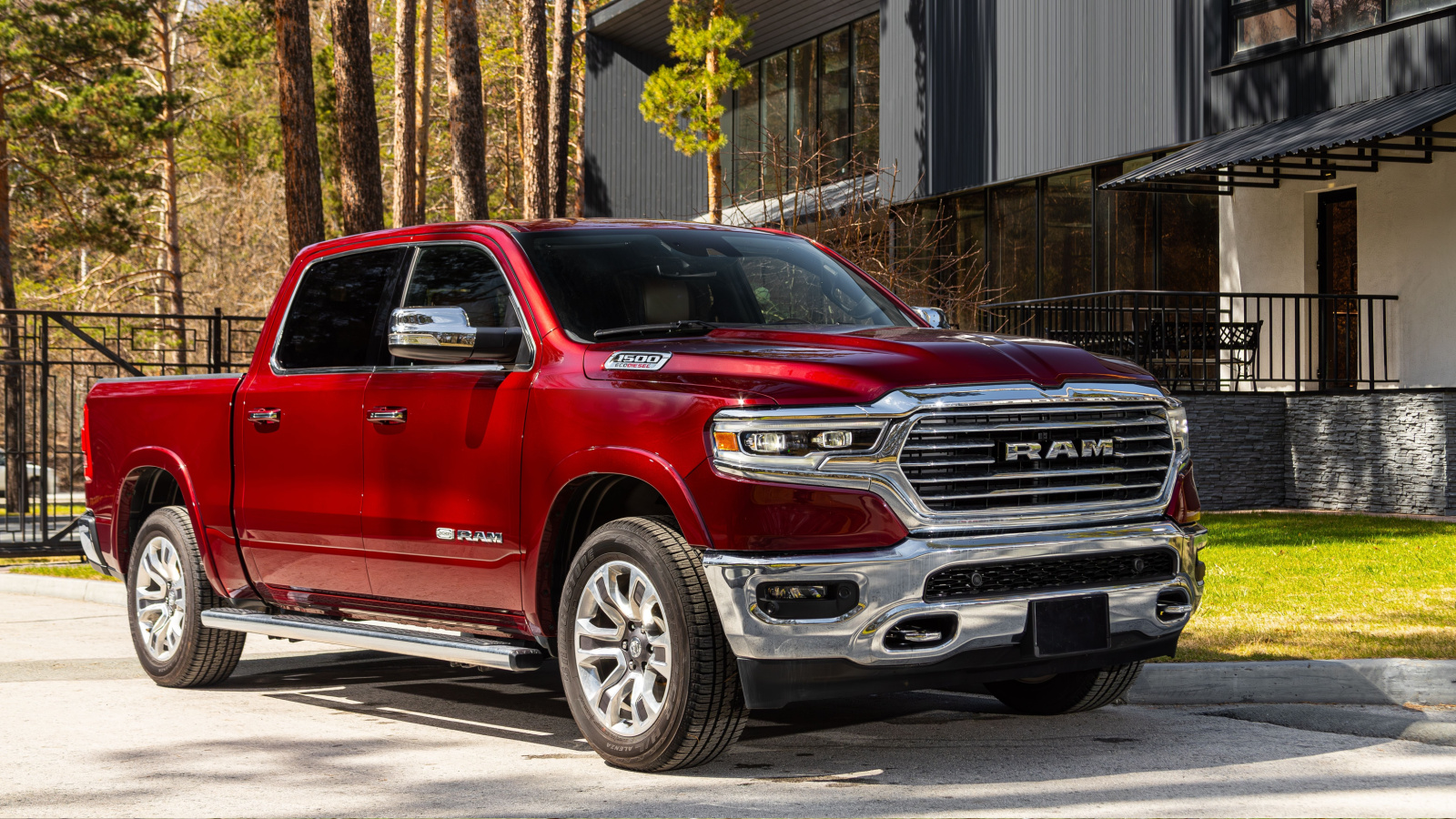
The Ram 1500 continues to face high theft rates in Ontario and Quebec. Full-size pickups remain attractive to organized crime groups. Larger engines often correlate with higher accident severity. Repairing chrome-heavy trims adds expense. Replacement headlights on premium trims cost thousands. Many Rams are financed at higher values. Higher vehicle value increases comprehensive coverage payouts. Young drivers are sometimes drawn to performance-oriented trims. That affects collision statistics. Insurers quietly adjust pricing for specific years and configurations.
Jeep Grand Cherokee
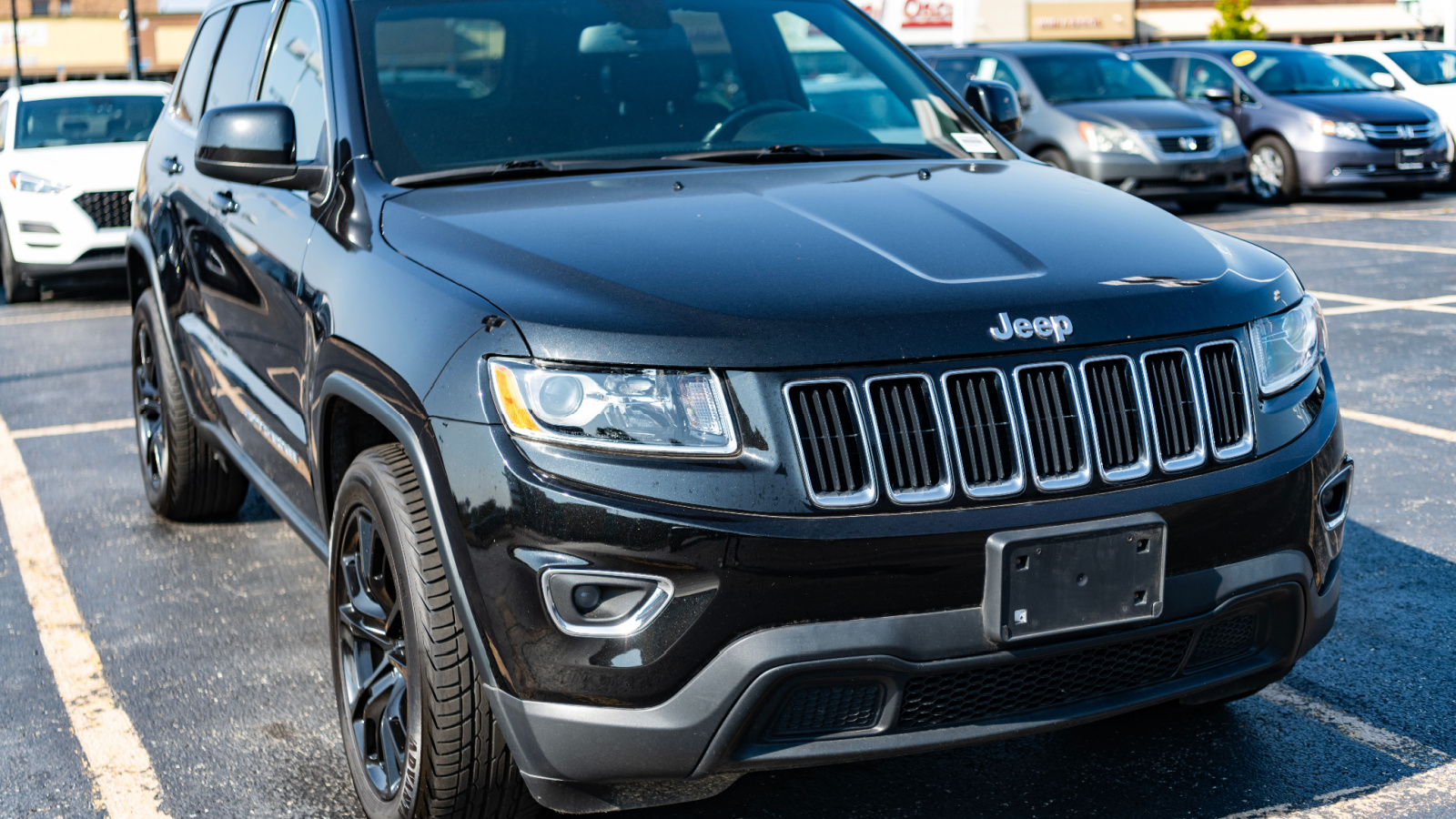
The Jeep Grand Cherokee blends luxury and off-road capability. Theft frequency has been elevated in major cities. Some insurers require additional anti-theft devices. Repair costs rise on air suspension models. Electronics packed into modern dashboards increase claim totals. Hail damage claims also appear frequently in Prairie provinces. High trim levels carry high replacement values. Towing usage can increase wear and accident exposure. Claims data feeds into actuarial models every year. Premiums often reflect that accumulated history.
Chevrolet Silverado 1500
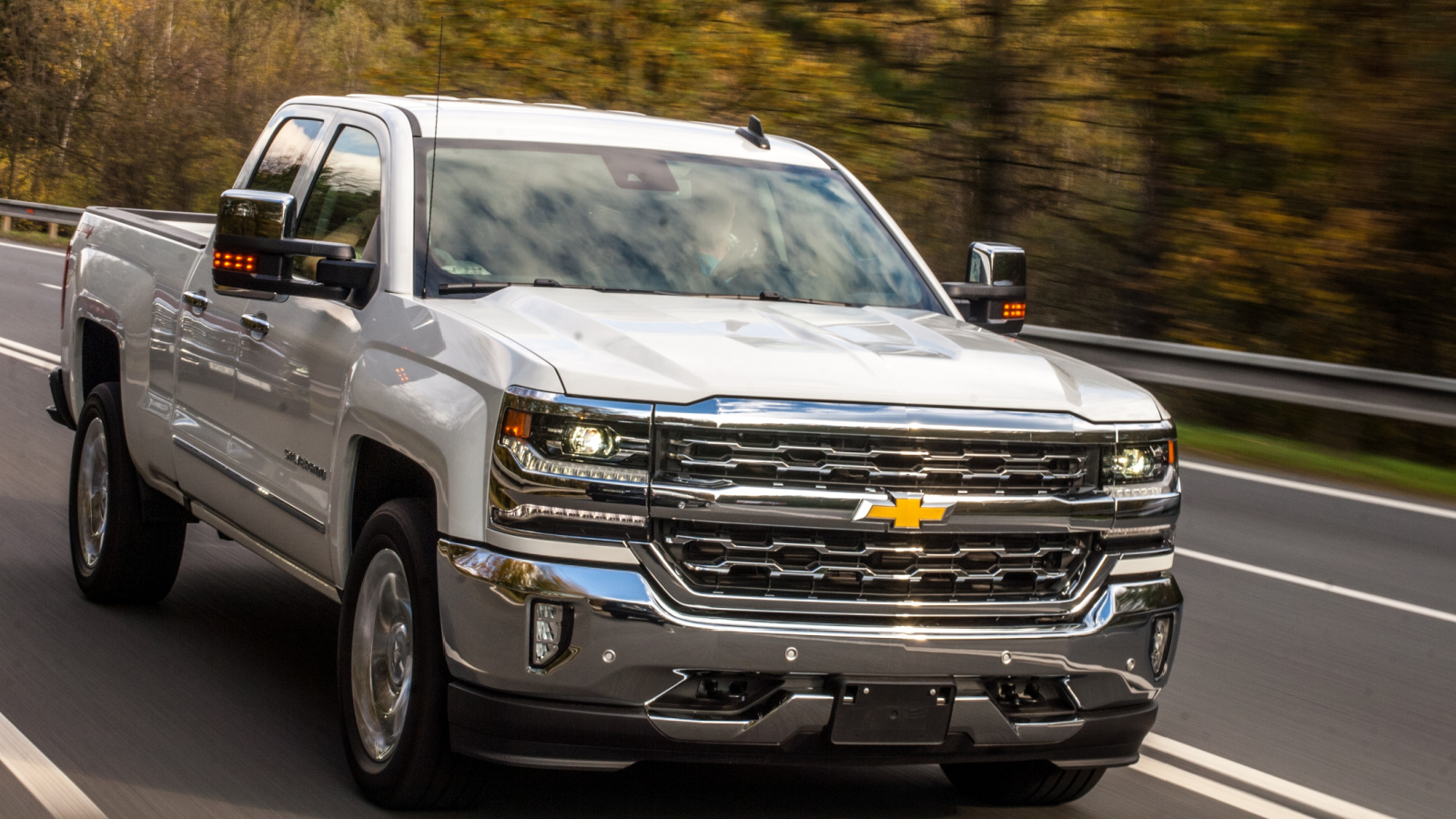
The Chevrolet Silverado 1500 shares many risk factors with rival pickups. Theft remains a persistent issue in urban centres. Expensive LED lighting systems raise repair invoices. Tailgate theft has also driven comprehensive claims. Work use often means higher annual mileage. Higher mileage correlates with more collision claims. Advanced trailering cameras add replacement costs. Supply chain delays can extend repair timelines. Extended repairs increase rental coverage expenses. Insurers factor all of this into 2026 pricing structures.
Toyota Highlander
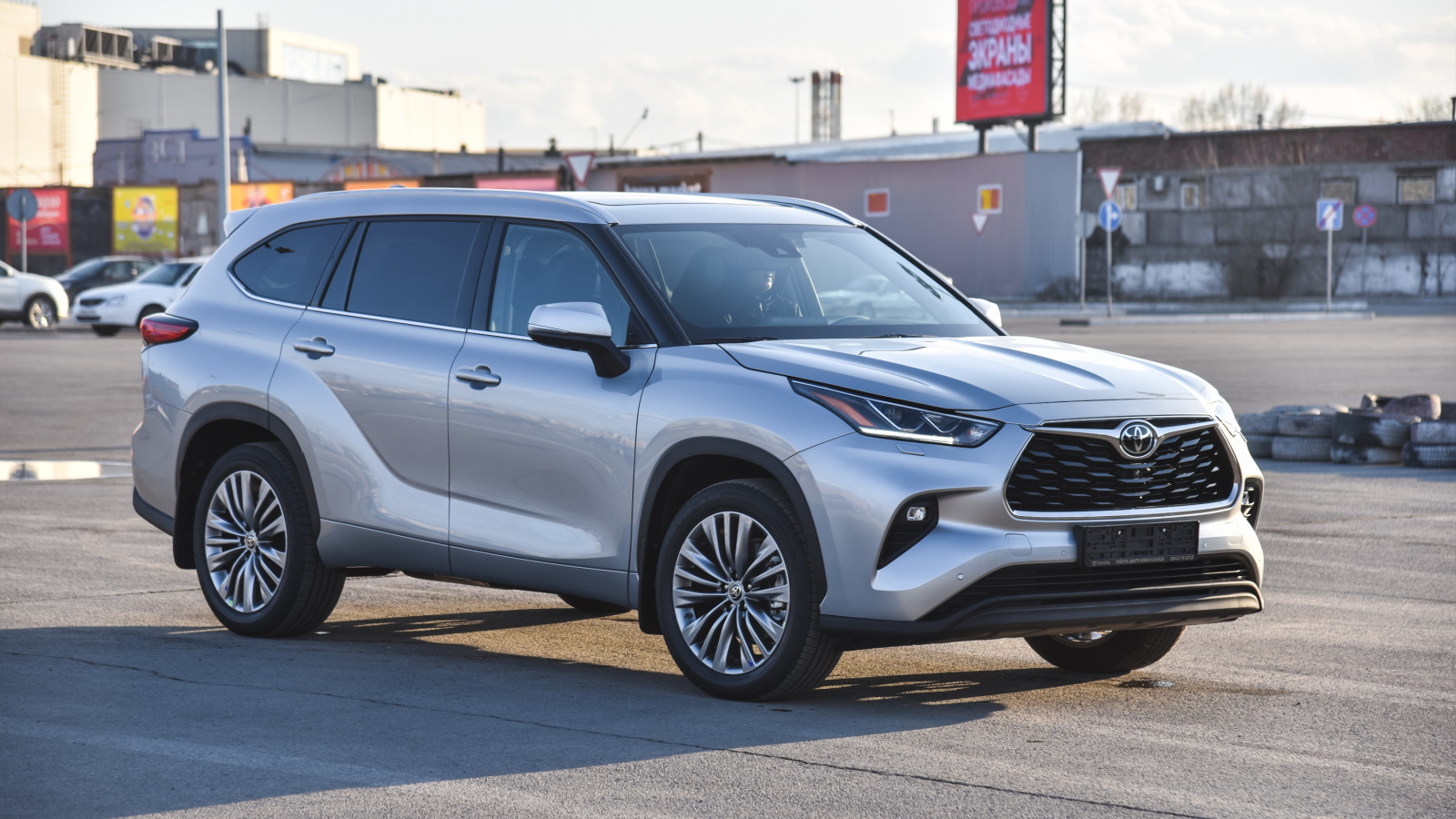
The Toyota Highlander appeals to growing families. Three-row SUVs often carry higher insured values. Hybrid versions add costly battery components. Front grille sensors complicate even minor bumper repairs. High demand has also attracted theft activity. Replacement parts pricing has climbed in recent years. Many Highlanders are financed with small down payments. That leaves lenders requiring full coverage. Full coverage means higher premiums for owners. Insurers analyze these combined pressures when setting rates.
Honda Civic
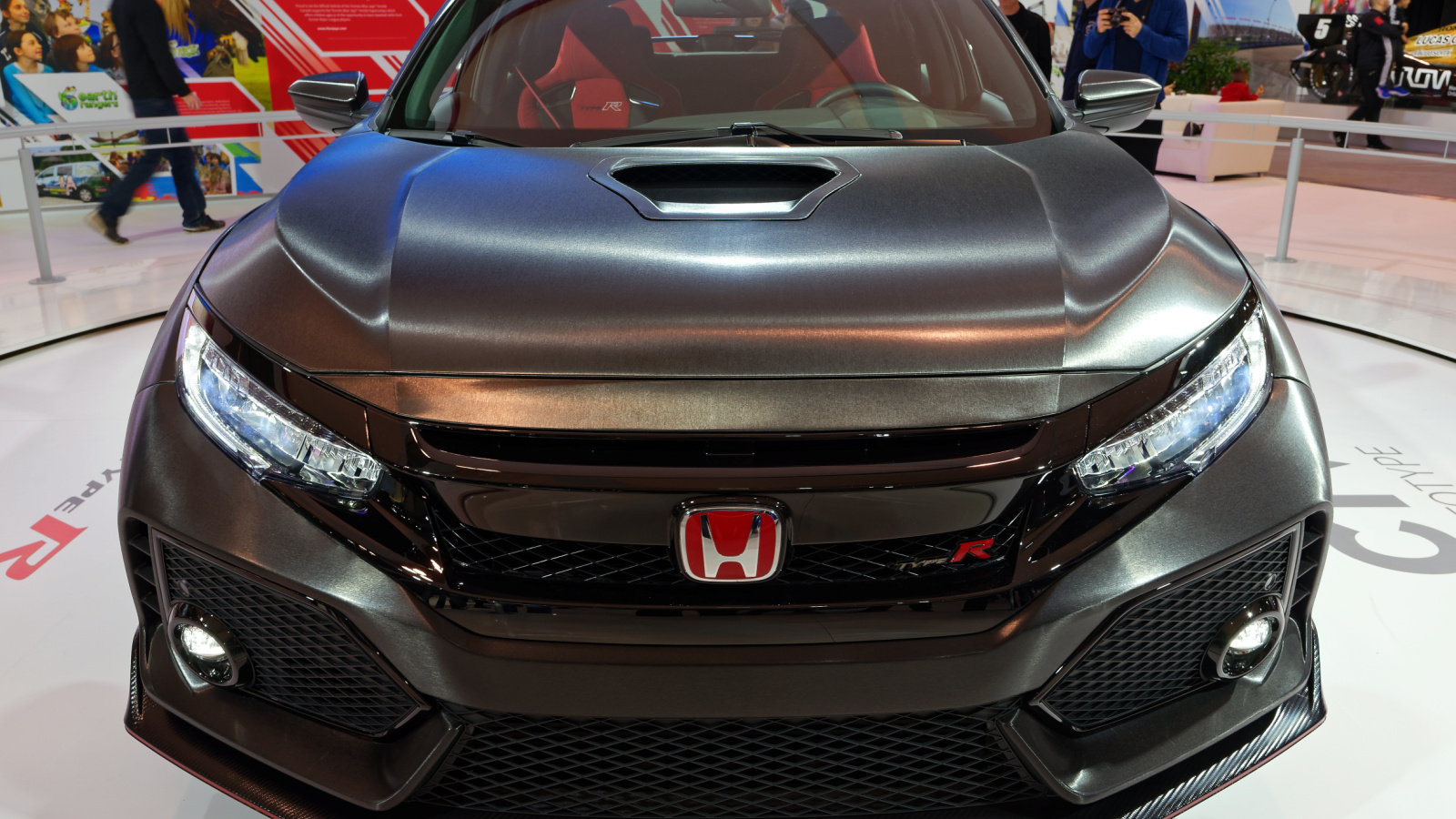
The Honda Civic has been a theft target for decades. Older models remain easy to resell for parts. Newer versions include turbo engines and sport trims. Young drivers frequently choose Civics as their first cars. That demographic carries higher accident rates. Modified Civics can increase claim severity. Body parts are common but no longer cheap. High claim frequency affects actuarial averages. Insurers sometimes surcharge specific model years. The Civic nameplate still appears on many high-risk lists.
Hyundai Tucson
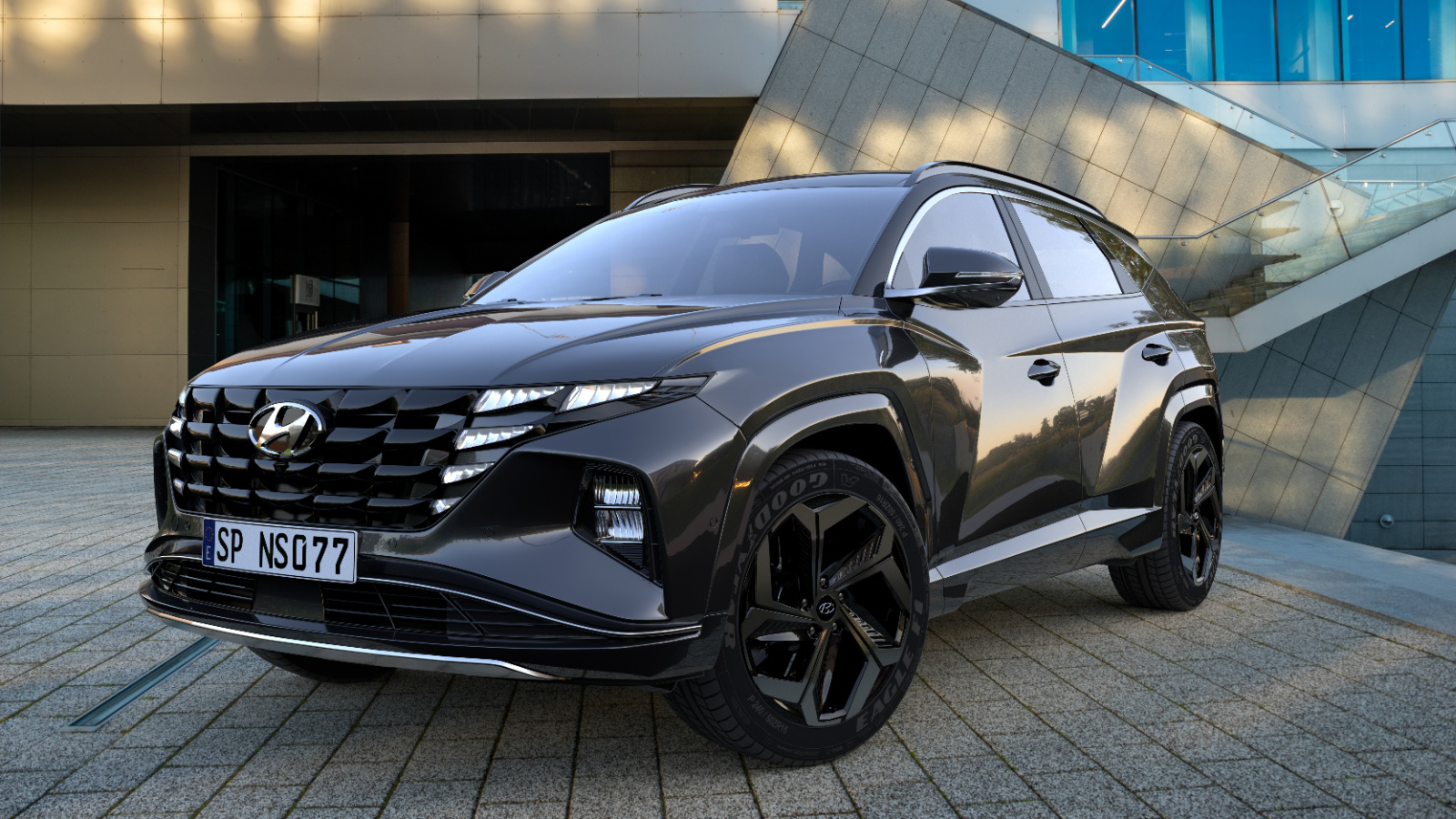
The Hyundai Tucson has grown in popularity. Rising sales increase total claims filed. Some insurers have flagged certain years as more vulnerable to theft. Replacement bumpers house radar equipment in newer trims. Calibration after a collision adds labor costs. Part prices have increased as demand rises. Compact SUVs also face frequent claims of parking lot damage. Those small claims add up statistically. Actuaries look at frequency as much as severity. Premiums often reflect that broader pattern.
Kia Sportage
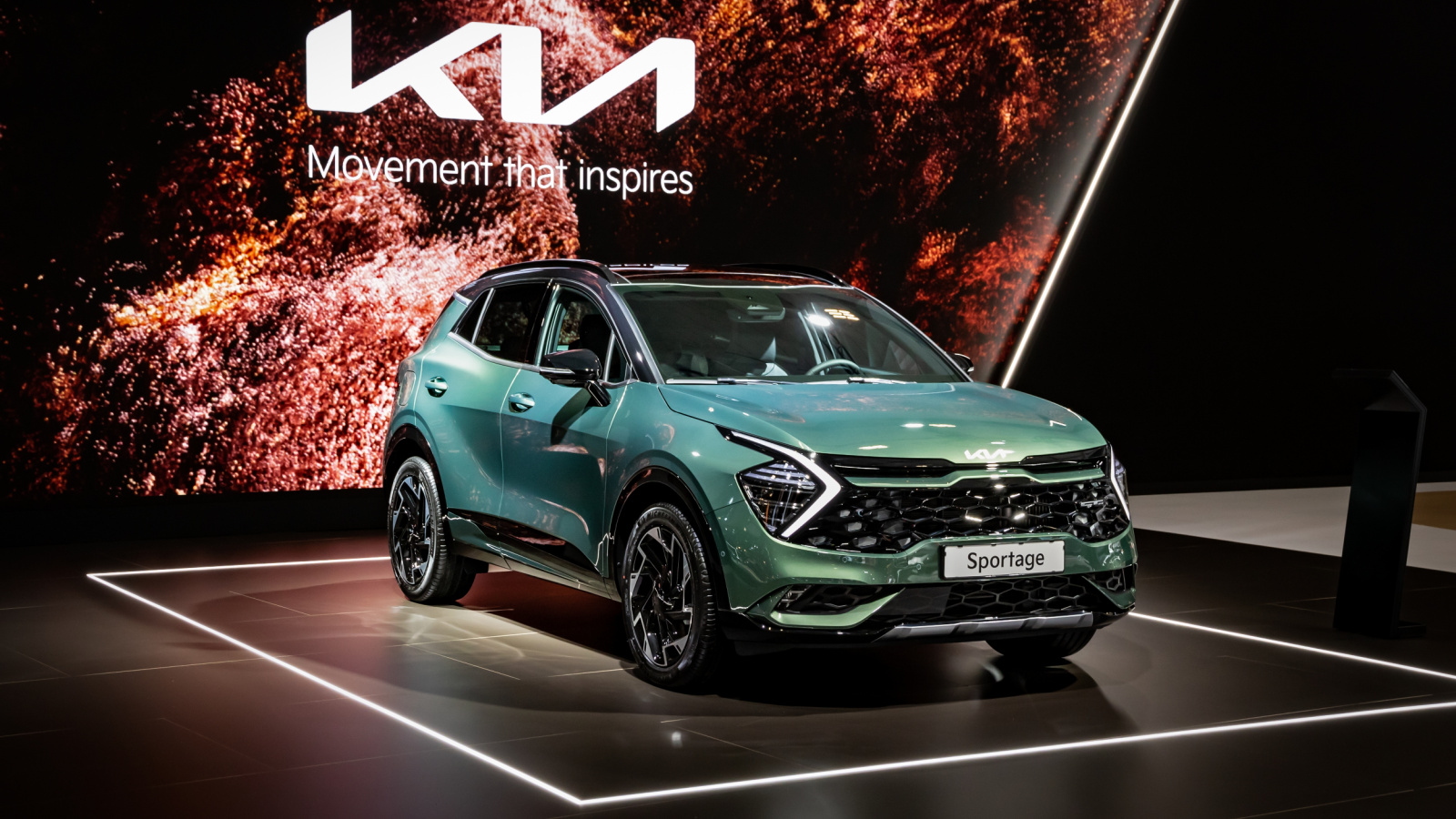
The Kia Sportage competes directly with other compact SUVs. Theft concerns in North America have affected brand perception. Even if Canadian models differ, insurers watch trends closely. New safety technology raises repair bills. Replacement headlights and infotainment screens are costly. High trim levels push insured values higher. Urban usage increases exposure to minor collisions. Rental coverage during repairs increases total claim costs. Those costs feed into annual pricing reviews. Some drivers notice higher quotes as a result.
Subaru WRX
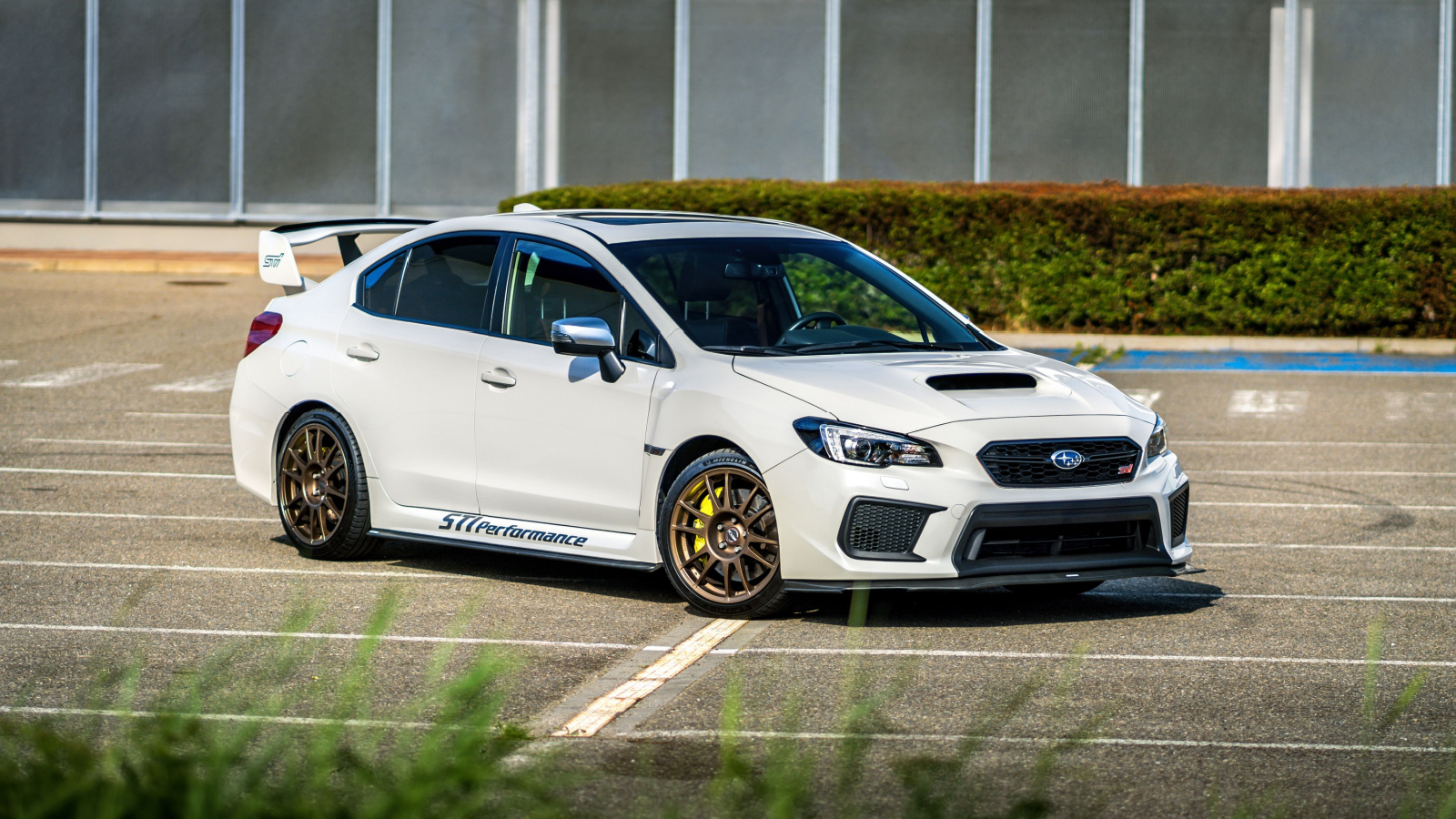
The Subaru WRX carries a performance image. Turbocharged engines attract driving enthusiasts. Performance vehicles often show higher collision severity. Younger drivers frequently insure these models. Modified exhausts and tuning can complicate claims. Replacement parts for specialty trims cost more. All Wheel Drive systems add mechanical complexity. Higher average speeds increase potential damage. Insurers price based on historical loss ratios. WRX owners may see higher-than-expected premiums.
BMW 3 Series
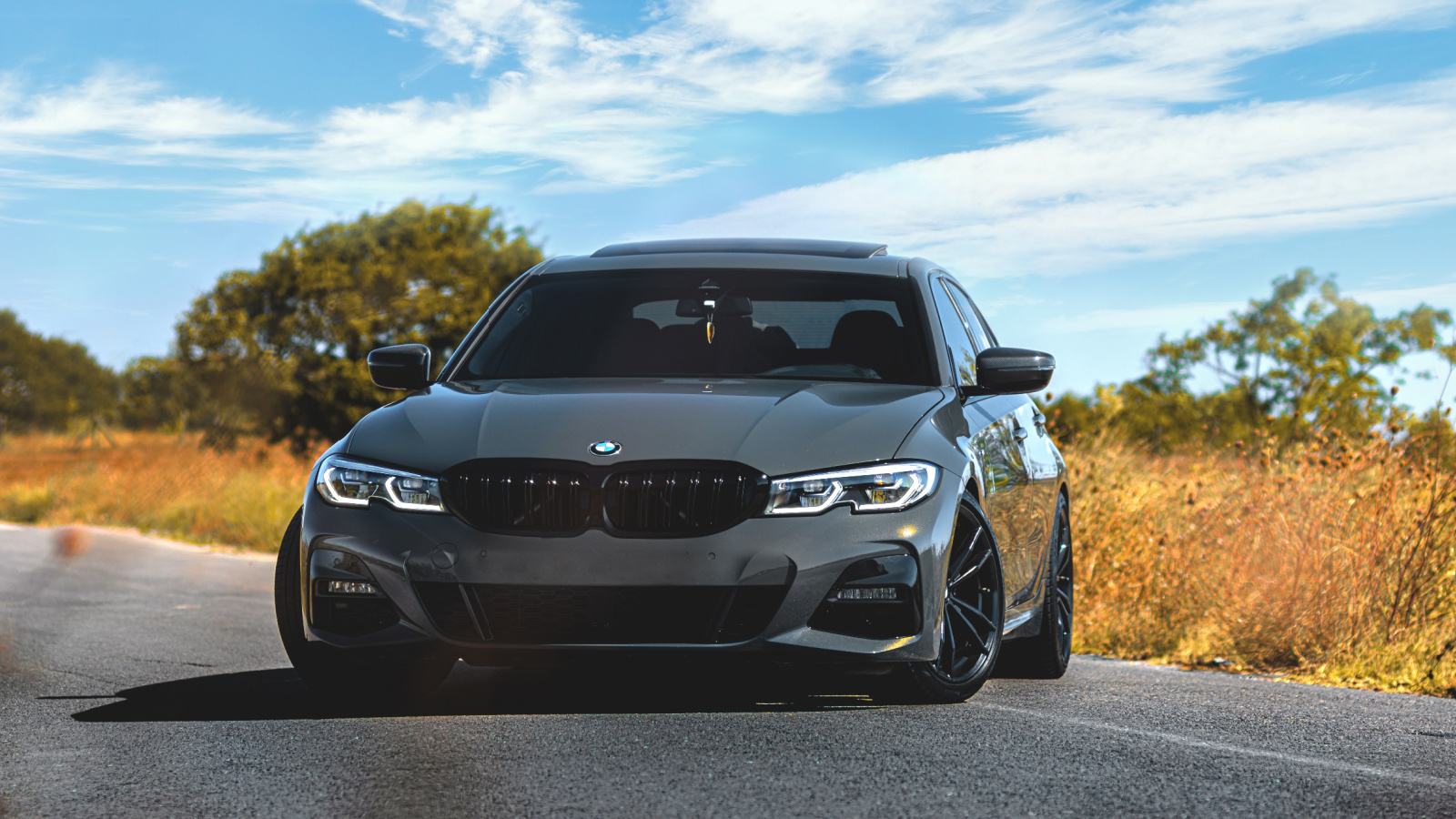
The BMW 3 Series blends luxury with sporty handling. Luxury brands carry higher repair and parts costs. Even minor fender damage can be expensive. Sensors embedded in body panels raise recalibration costs. Theft for export remains a concern. Higher insured values increase payout exposure. Premium fuel and maintenance do not affect insurance directly. Claim severity, however, does. Insurers analyze long-term loss experience carefully. Rates often reflect that accumulated data.
Mercedes-Benz C-Class
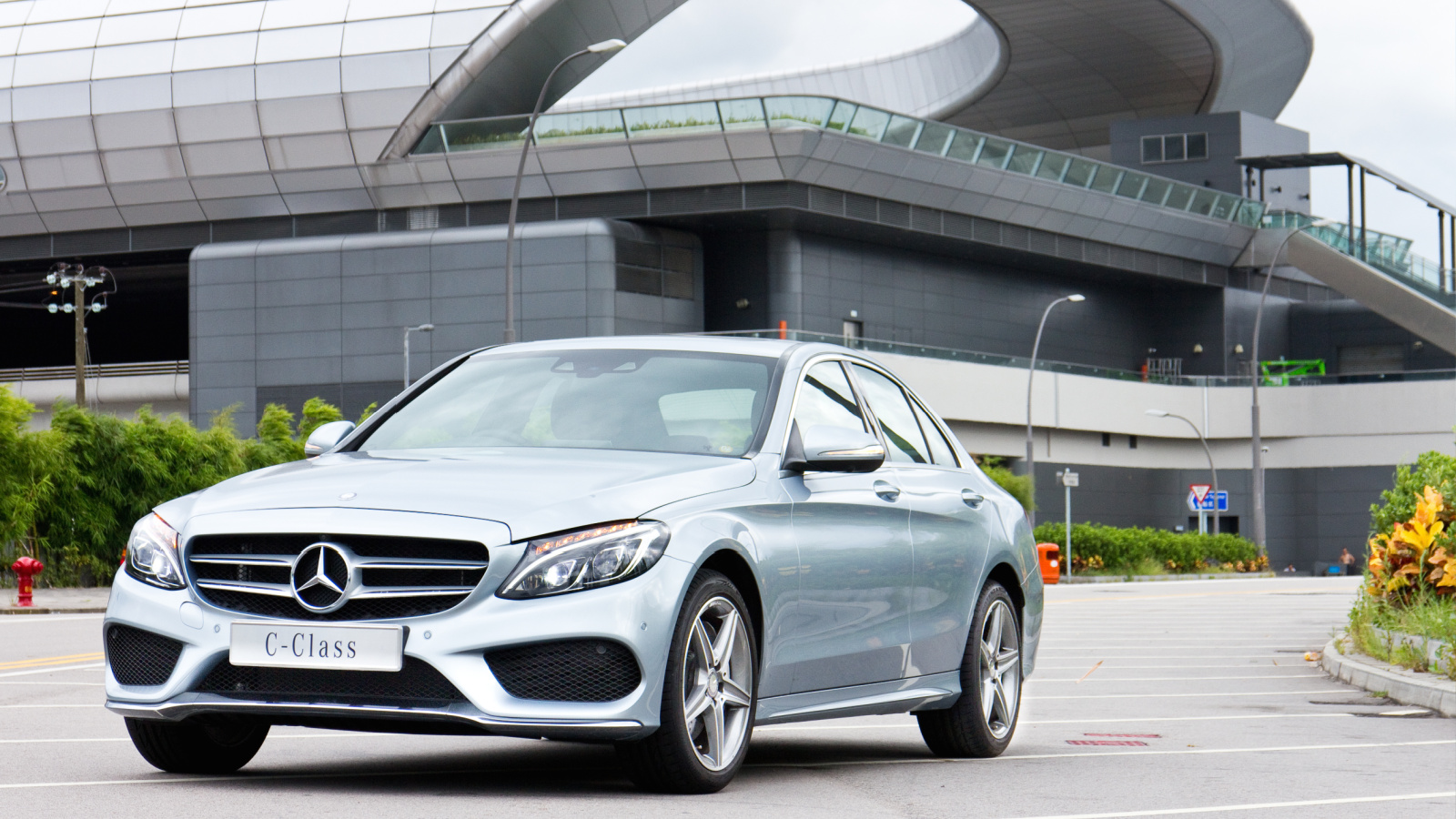
The Mercedes-Benz C-Class attracts drivers seeking entry-level luxury. Luxury branding often means expensive replacement parts. Advanced driver assistance systems increase repair bills. Body panels and lighting units cost more than average. Theft rates in some regions remain elevated. Higher insured values increase comprehensive claims. Repair shops may require specialized equipment. That can extend repair timelines. Longer rentals increase insurer expenses. Premium quotes frequently reflect those realities.
Tesla Model 3
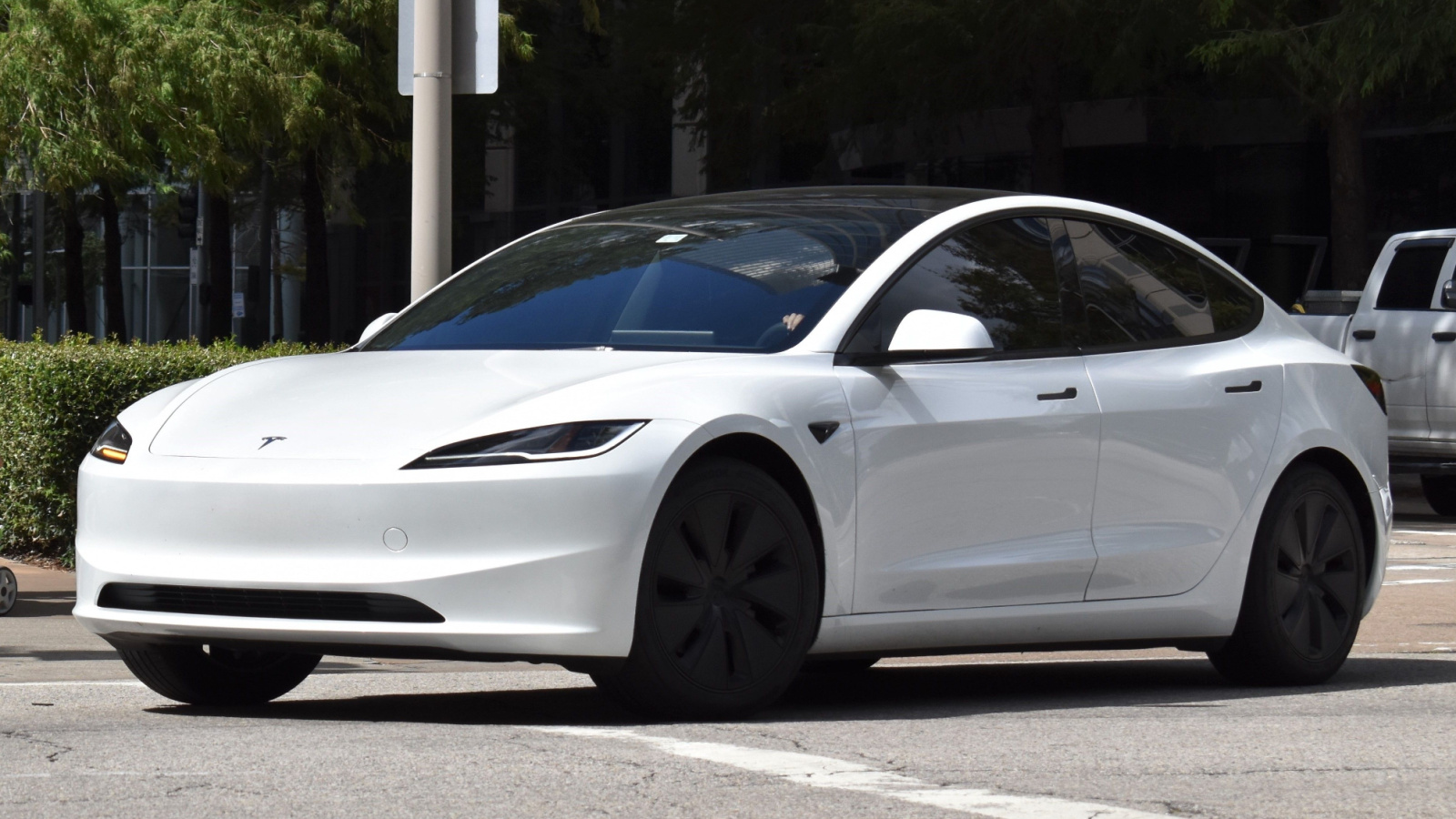
The Tesla Model 3 has become common in urban centres. Electric vehicles present unique repair challenges. Battery packs are costly to replace. Even minor structural damage may require a battery inspection. Certified repair facilities are limited in some areas. Parts availability can delay repairs. Longer repair times raise rental costs. High torque can increase collision severity. Insurers review EV loss data annually. Premiums for some drivers remain higher than average.
Toyota Tacoma
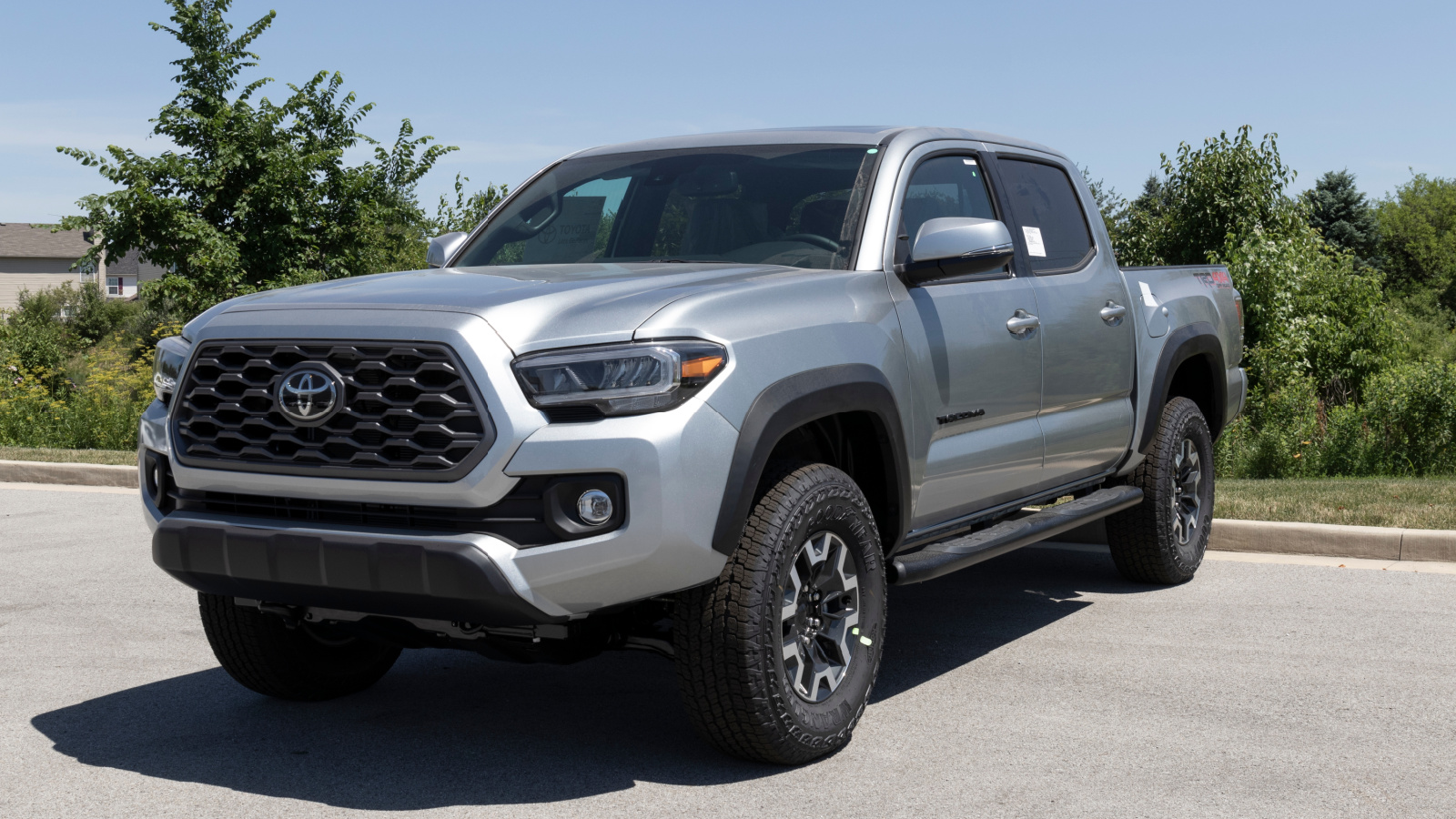
The Toyota Tacoma holds strong resale value. High resale value attracts theft interest. Pickup trucks often face organized theft rings. Off-road use can increase accident exposure. Larger tires and modifications complicate claims. Replacement parts for newer trims are not cheap. Many Tacomas are financed at high values. Comprehensive coverage payouts can be significant. Claim frequency influences actuarial tables. Insurers sometimes classify certain years as higher risk.
Lexus RX
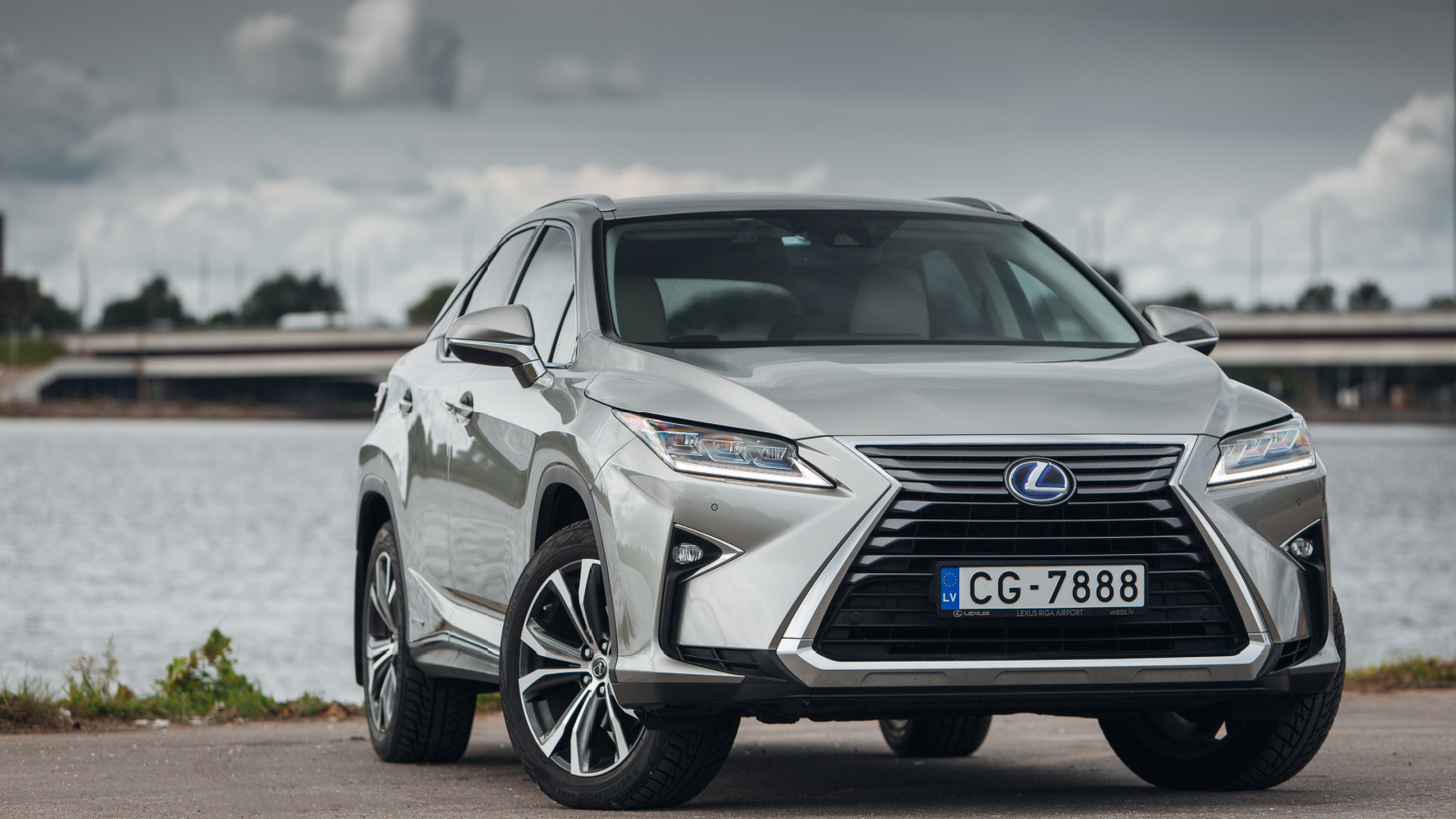
The Lexus RX sits in the luxury SUV segment. Luxury SUVs carry high replacement values. Hybrid versions add battery-related repair costs. Theft targeting luxury crossovers has increased. Advanced safety systems raise repair complexity. Even parking lot incidents can be expensive. Parts and labor rates for luxury brands are higher. Insurers look closely at loss ratios by trim. Higher trims often cost more to insure. Owners may see steady premium increases.
Chevrolet Camaro
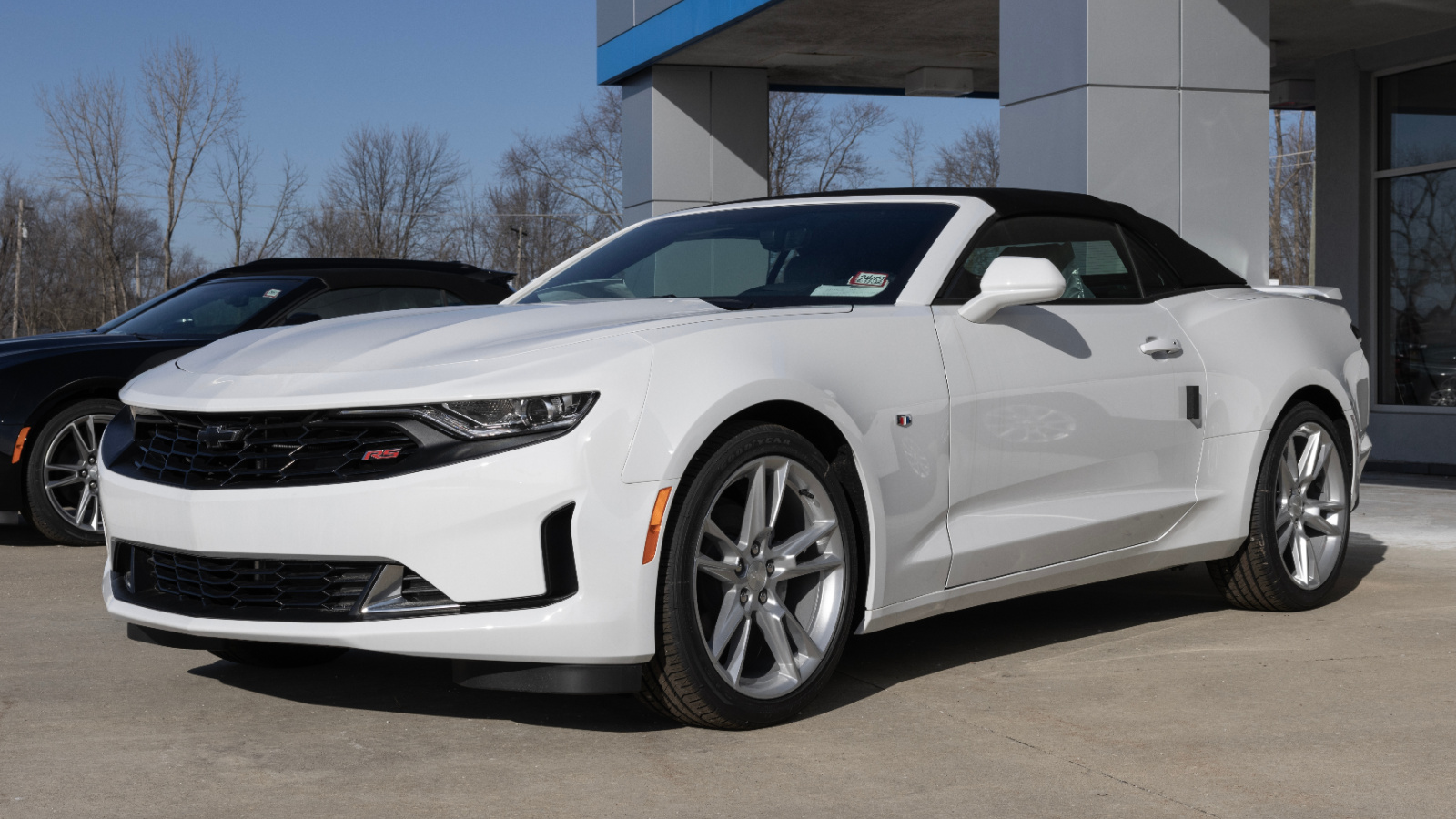
The Chevrolet Camaro remains a performance icon. Sports cars often show higher accident severity. Powerful engines correlate with higher speed crashes. Younger drivers may gravitate toward entry trims. Two-door designs sometimes increase injury claims. Replacement body panels can be costly. Seasonal driving patterns do not eliminate risk. Theft also affects some urban areas. Insurers evaluate claims history carefully. Camaro premiums often reflect that data.
Nissan Rogue
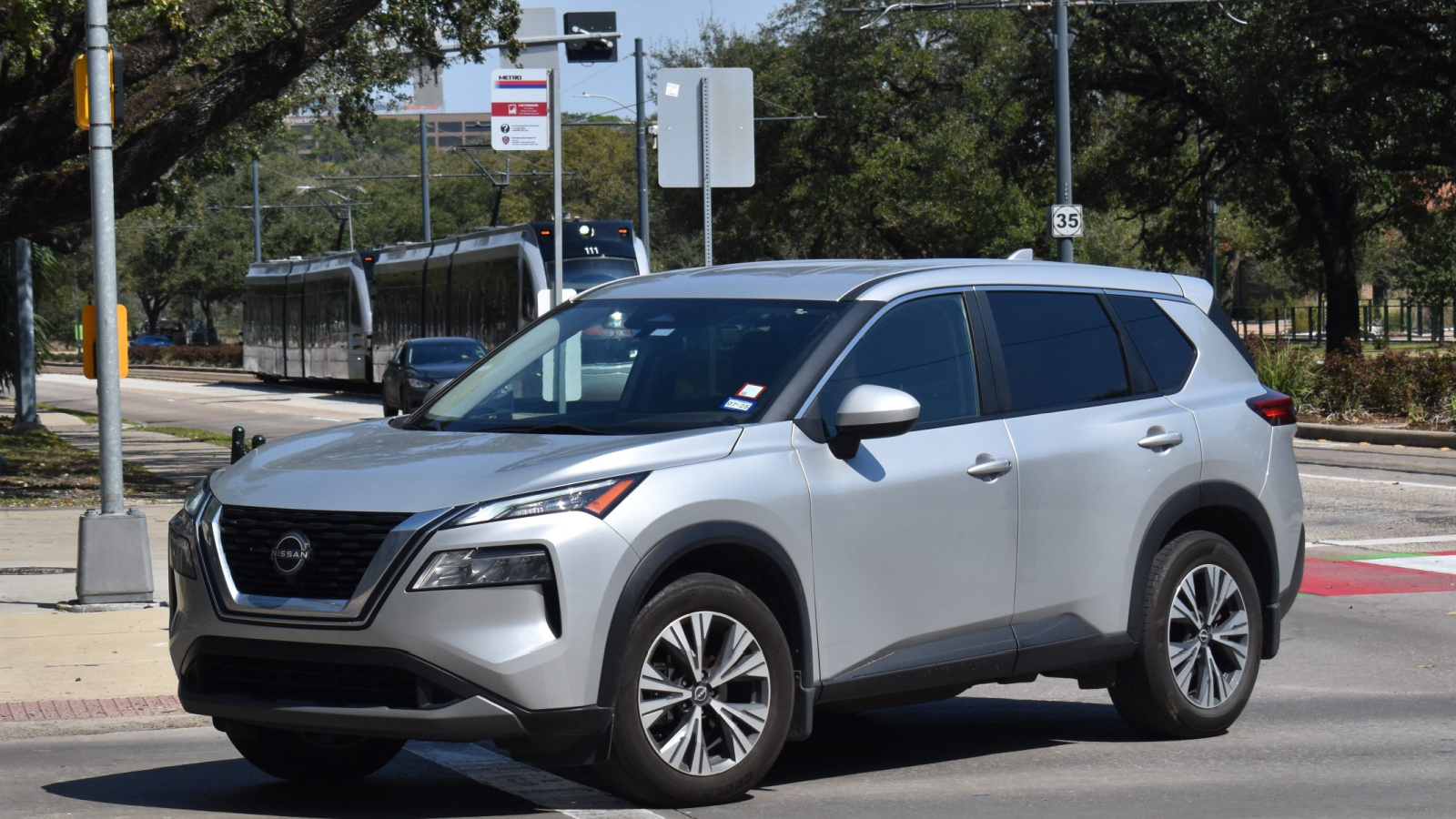
The Nissan Rogue sells well across Canada. High sales volume increases total claims frequency. Newer models include extensive driver assistance features. Radar and camera replacements raise repair invoices. Compact SUVs often face rear-end collisions. Urban commuting increases daily exposure. Parts costs have climbed in recent years. Rental coverage during repairs adds expense. Actuarial models weigh these patterns heavily. Some Rogues carry higher rates as a result.
Jeep Wrangler
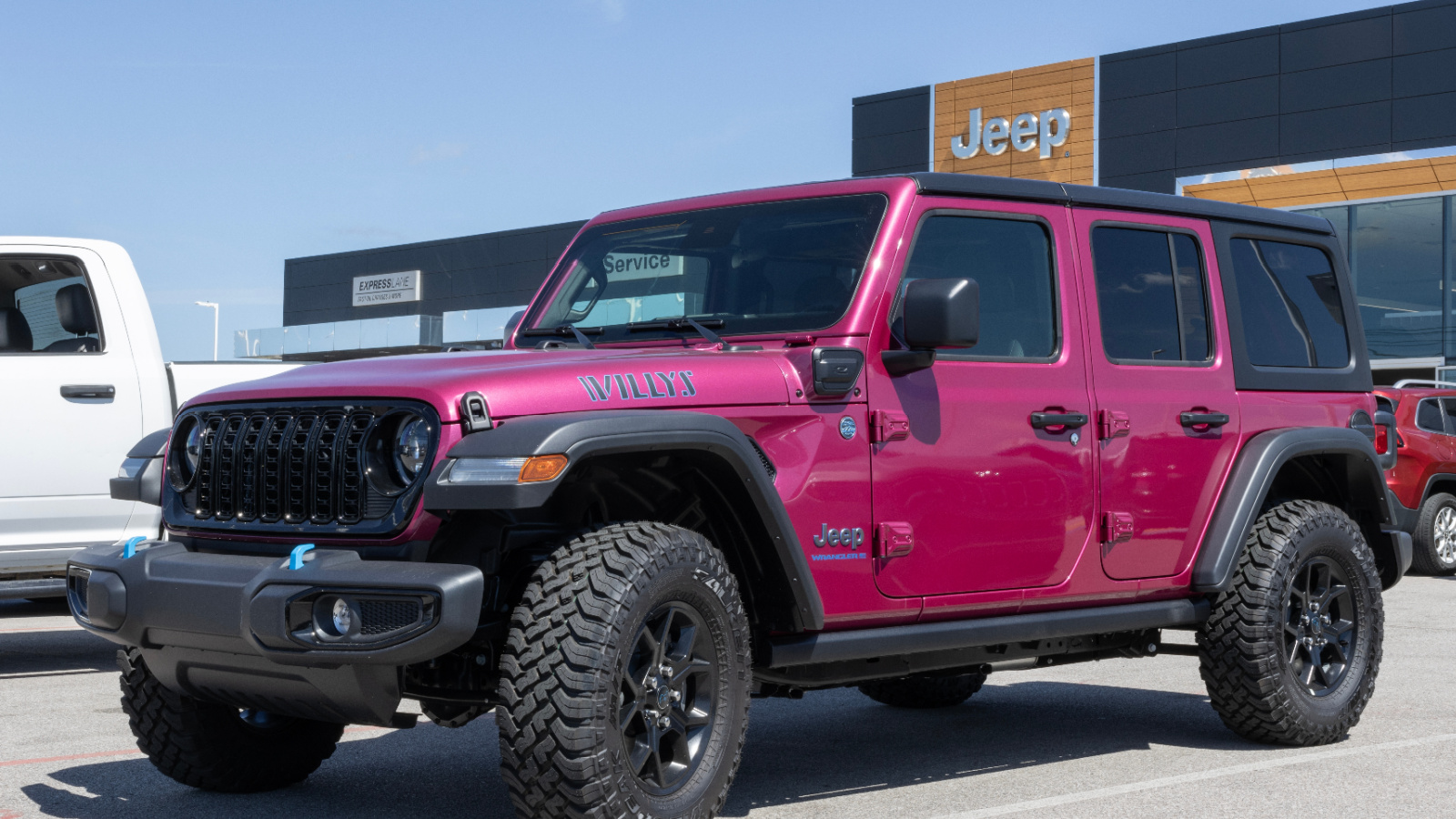
The Jeep Wrangler encourages off-road adventures. Off-road use can increase accident risk. Removable doors and roofs increase exposure to theft. Modified suspensions complicate claim assessments. Replacement parts for specialty trims are costly. Higher trims carry strong resale value. That resale value attracts thieves. Collision severity can be high in rollovers. Insurers study long-term loss trends. Wrangler premiums often reflect that experience.
Hyundai Elantra
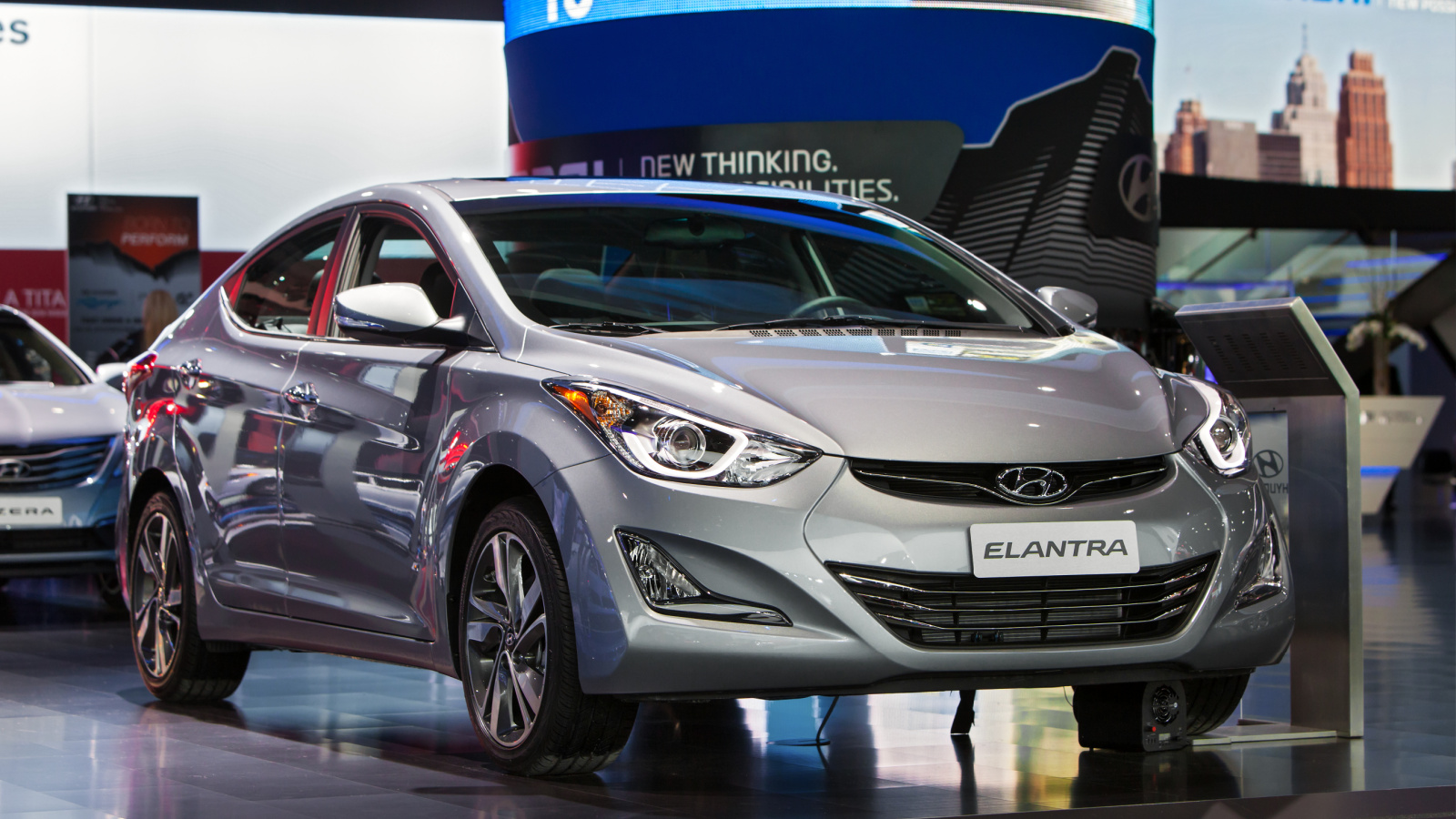
The Hyundai Elantra remains affordable and widely owned. High volume increases claim frequency statistics. Some model years have faced theft concerns. Younger drivers often choose compact sedans. That demographic affects accident averages. Newer trims include digital displays and sensors. Replacement of those components adds cost. Urban driving increases exposure to minor collisions. Small claims still influence overall loss ratios. Insurers adjust pricing based on that data.
Ford Mustang
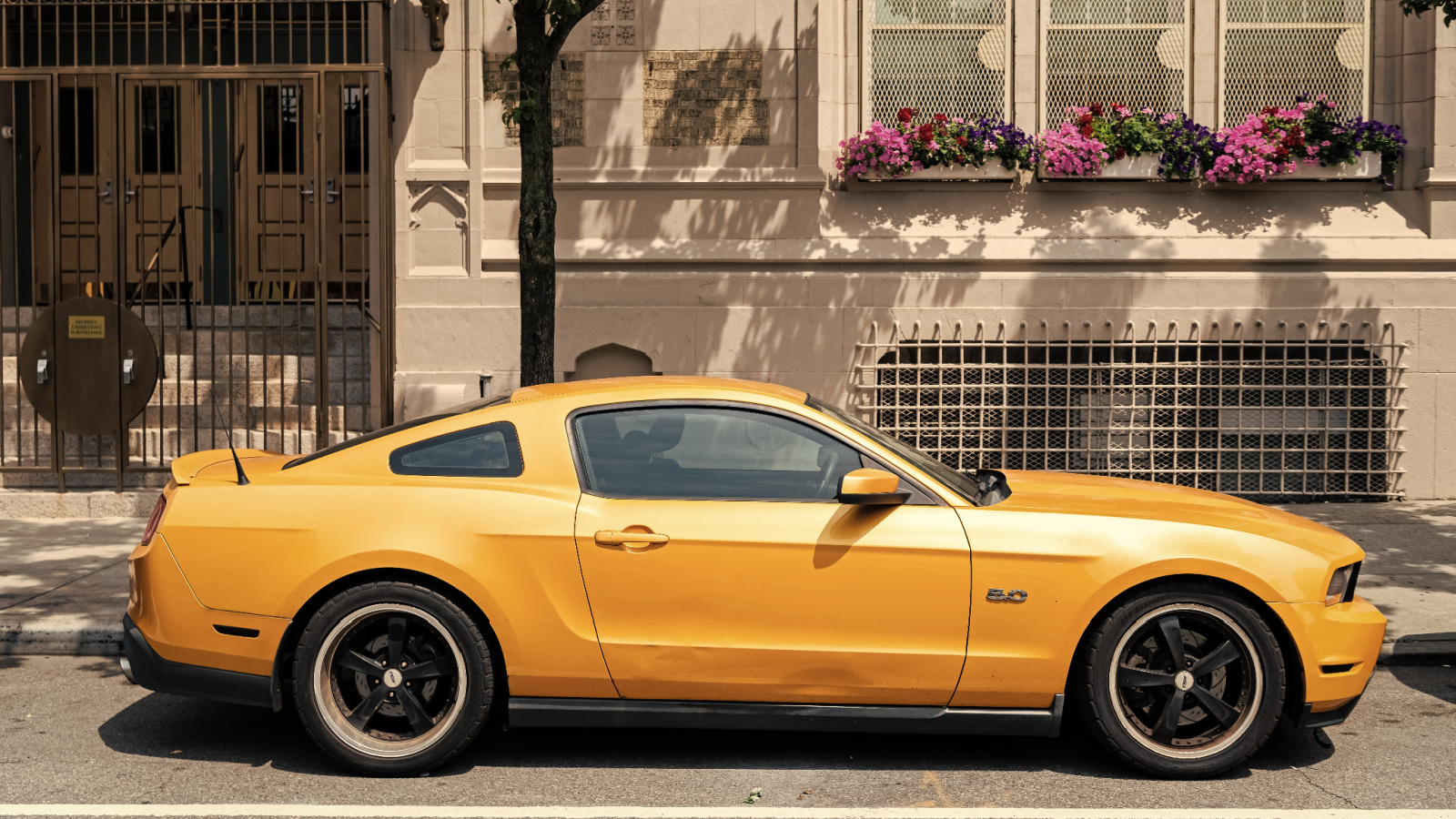
The Ford Mustang continues to symbolize performance driving. Powerful engines can lead to severe collisions. Sports coupes often attract enthusiastic drivers. Insurance data reflects higher loss ratios for some trims. Replacement body panels and lights are expensive. Theft also appears in certain metropolitan areas. Higher insured values increase comprehensive payouts. Modified vehicles complicate underwriting decisions. Insurers rely on claims history year after year. Mustang owners often face elevated premiums.