





















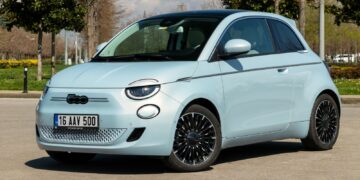




Buying a new vehicle in Canada feels exciting at first, but the resale reality hits quickly. Some models lose value far faster than expected, even within the first few years. Factors like reliability concerns, high repair costs, and shifting buyer demand all play a role. Electric vehicles, luxury sedans, and niche performance models often take the biggest hits. Canadian weather and long distances also affect ownership costs and resale interest. If you plan to sell or trade later, depreciation matters more than most buyers expect. Here are 21 vehicles with the worst depreciation in Canada (2026 reality check).
BMW 7 Series
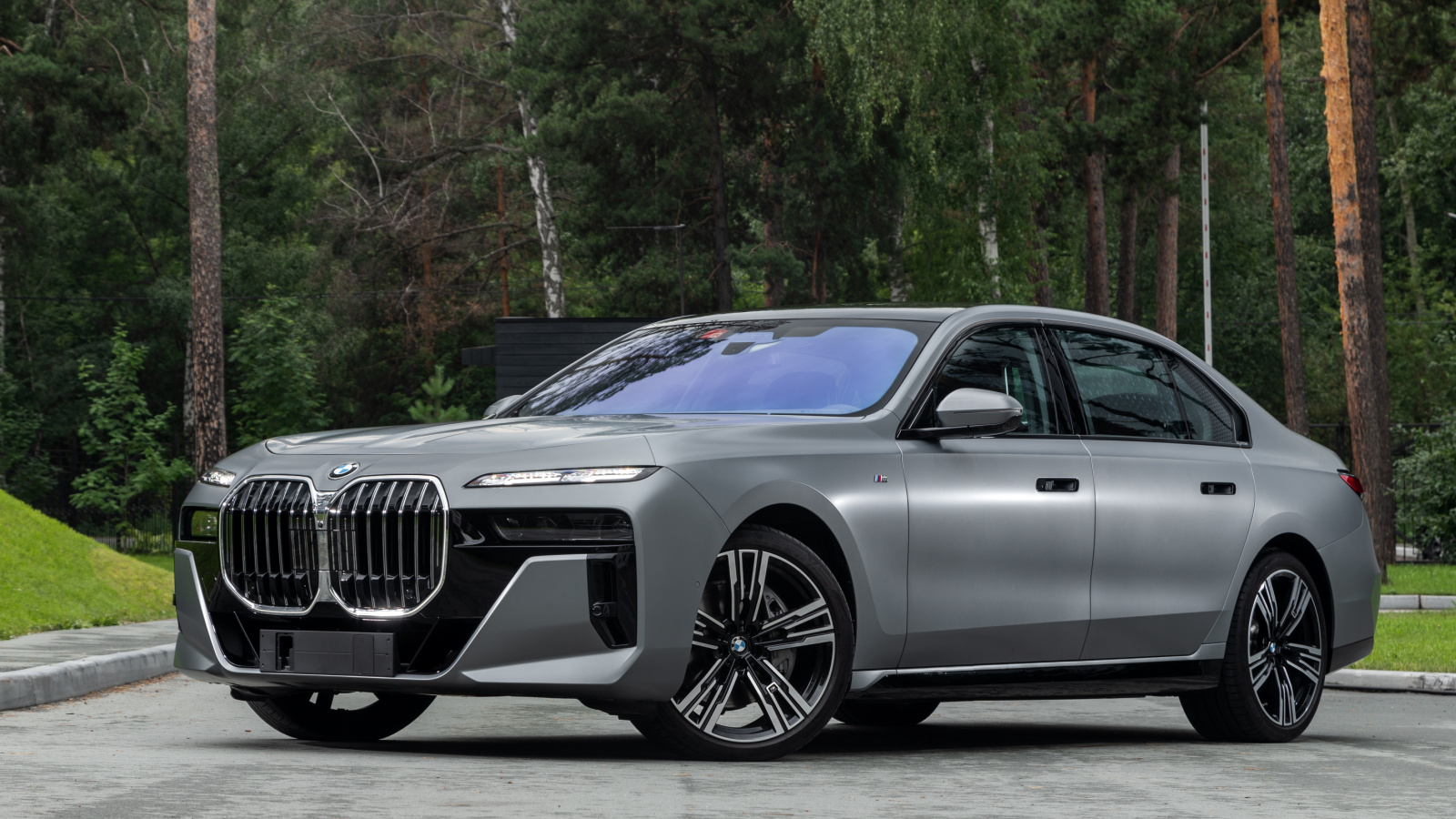
The BMW 7 Series drops value quickly after leaving the showroom. High repair costs scare second owners. Many buyers avoid older luxury sedans because of their expensive parts. Warranty expiration makes resale even harder. Technology inside becomes outdated fast. Buyers prefer newer models with updated features. Leasing trends also flood the used market. That increases supply and lowers resale value. Fuel consumption does not help either. Insurance premiums remain high across Canada. Winter driving concerns also limit demand. Even well-maintained units lose value quickly. The initial price is high, which amplifies depreciation losses over time.
Nissan Leaf
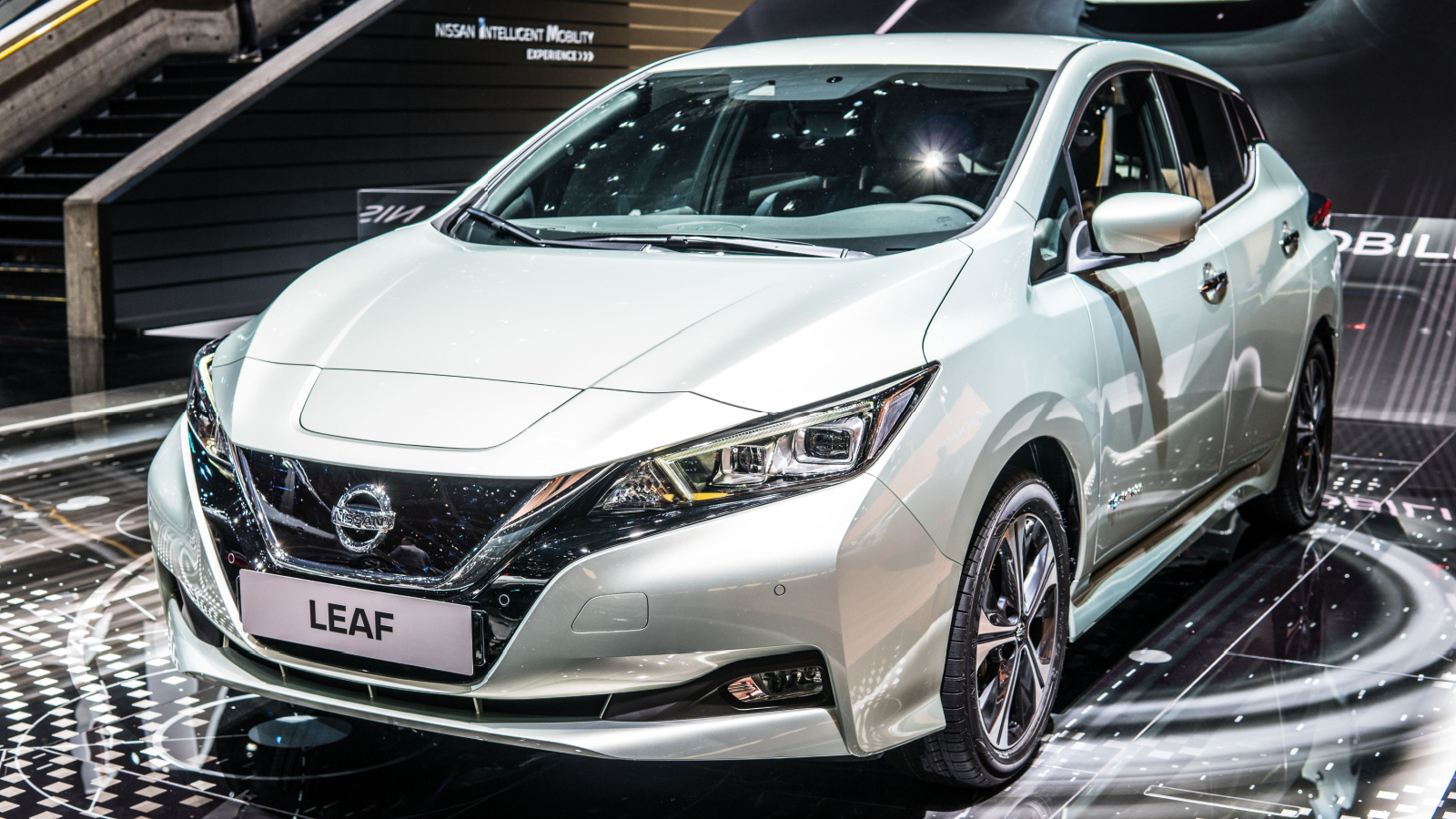
The Nissan Leaf struggles with resale due to battery concerns. Older models show noticeable range loss. Canadian winters reduce the range even further. Buyers hesitate to invest in used EVs with uncertain battery health. Charging infrastructure gaps still exist in some regions. Newer EVs offer better range for similar prices. That pushes older Leafs down in value. Government incentives only apply to new purchases. That weakens the demand. Replacement battery costs remain high. Many owners keep them longer instead of selling. When listed, prices often drop fast to attract interest.
Chrysler 300
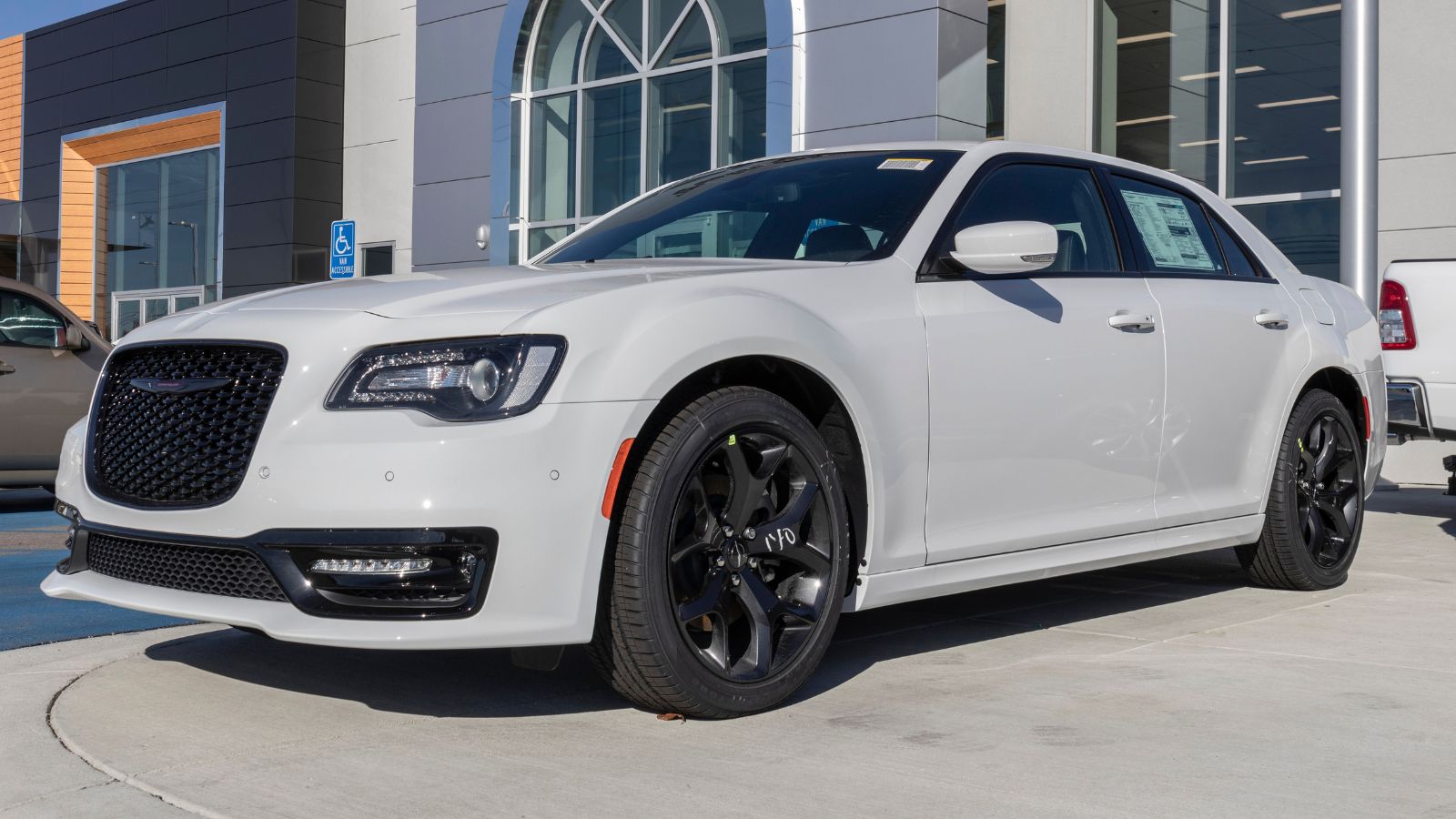
The Chrysler 300 has lost popularity in recent years. Sedans in general face declining demand in Canada. Buyers now prefer SUVs and crossovers. The 300 also carries an outdated image. Interior design feels old compared to rivals. Fuel efficiency is not competitive anymore. Fleet sales add more used units to the market. That increases supply significantly. Maintenance costs rise as the car ages. Resale buyers worry about long-term reliability. Even low-mileage examples struggle to hold value. Discounts on new models also hurt used pricing.
Tesla Model S
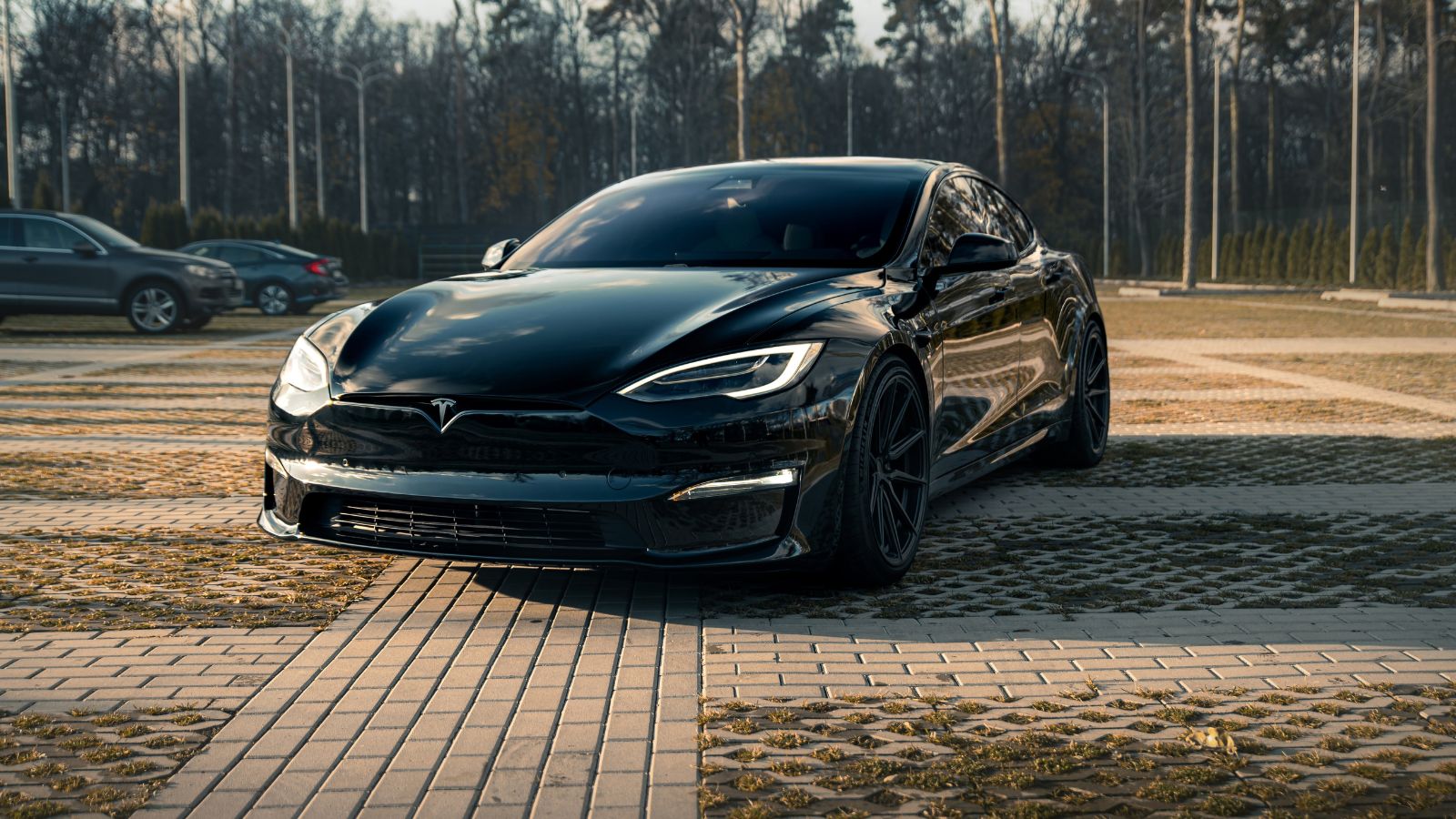
The Tesla Model S faces steep depreciation despite its reputation. Frequent price cuts on new models affect resale values. Software updates help, but hardware still ages. Newer EVs offer better efficiency and range. Battery degradation concerns remain for used buyers. Repair costs can be unpredictable. Insurance rates are often high in Canada. Technology inside evolves quickly, making older units feel dated. Charging improvements benefit newer models more. Market competition has increased sharply. Luxury EV buyers now have more options. All these factors push resale values down faster than expected.
Ford Expedition
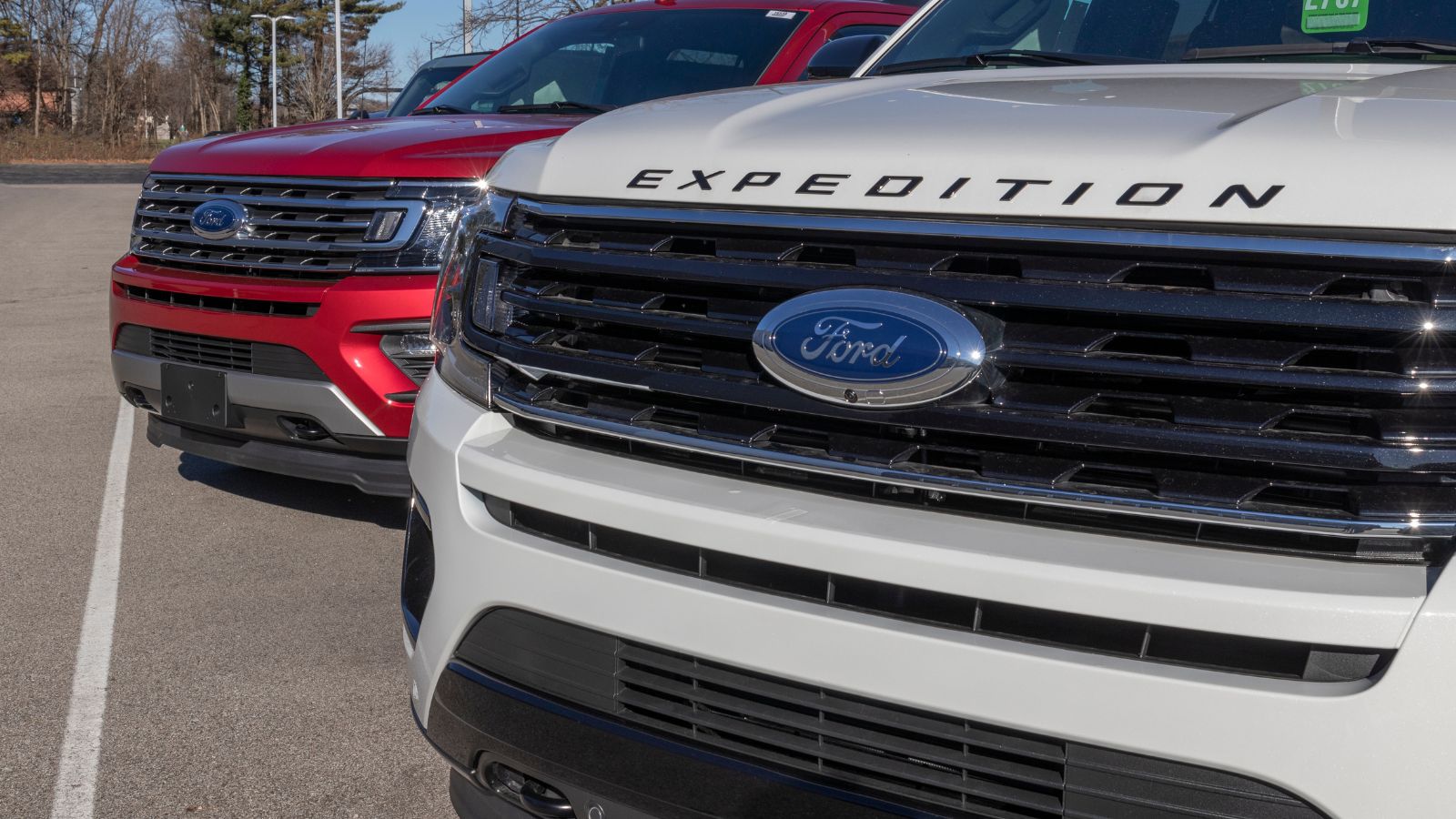
The Ford Expedition loses value due to its size and fuel costs. Large SUVs face lower demand in urban Canadian markets. Rising fuel prices make ownership expensive. Maintenance costs are also higher than average. Parking and maneuvering challenges limit appeal. Buyers often prefer smaller SUVs. Fleet usage increases the number of units available. That drives prices downward. Depreciation accelerates after warranty coverage ends. Insurance costs also remain high. Families may choose more efficient alternatives. Resale interest drops quickly after a few years.
Jaguar XF
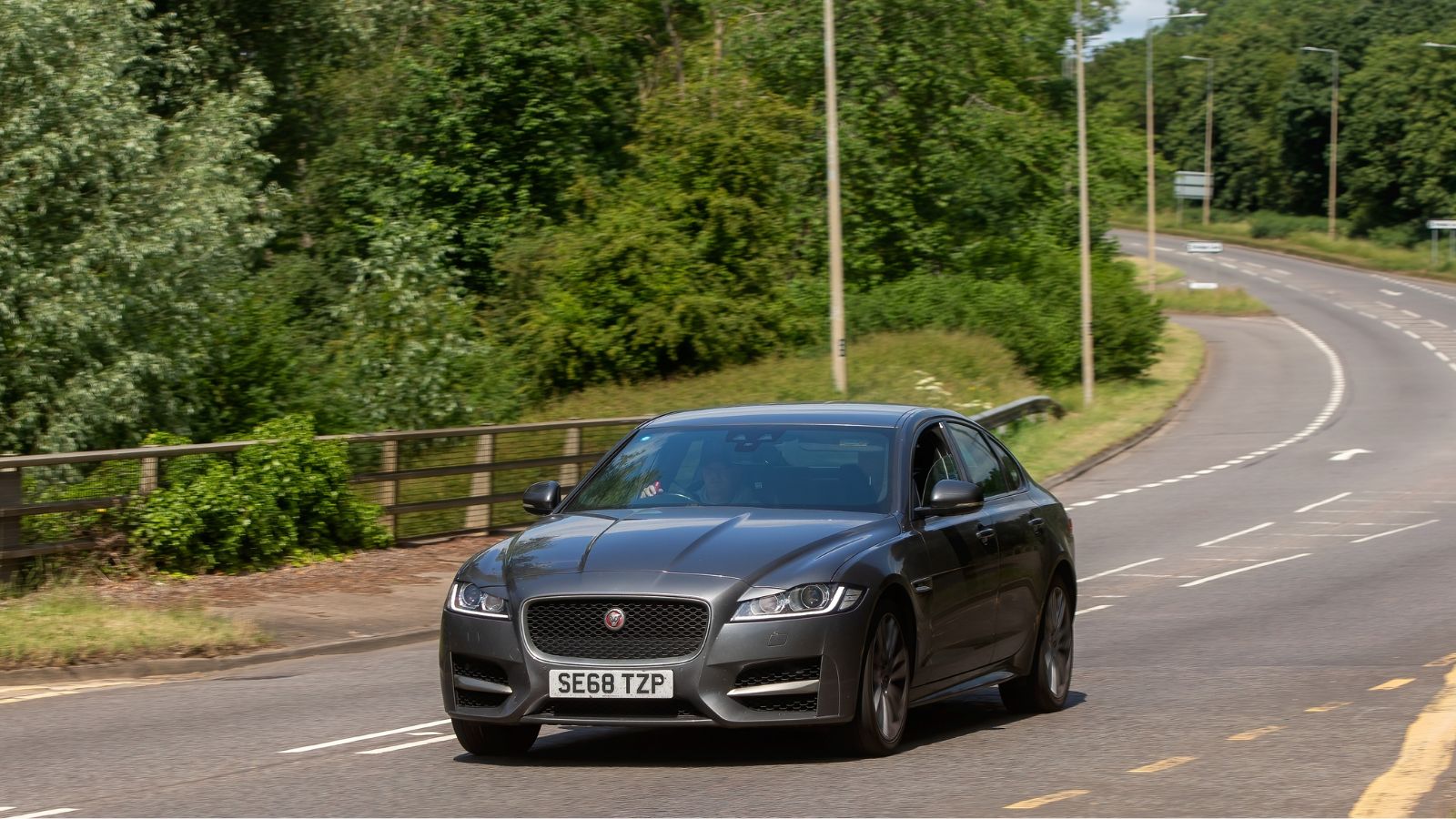
The Jaguar XF struggles with brand perception and reliability concerns. Luxury buyers often choose German rivals instead. Maintenance and parts costs are expensive. Limited dealership networks in Canada add inconvenience. That affects buyer confidence in used models. Technology inside ages quickly compared to competitors. Resale demand stays low across most provinces. Even attractive pricing does not always help. Depreciation becomes steep within the first three years. Owners often take large losses when selling. The brand’s reputation plays a major role here.
Chevrolet Bolt EV
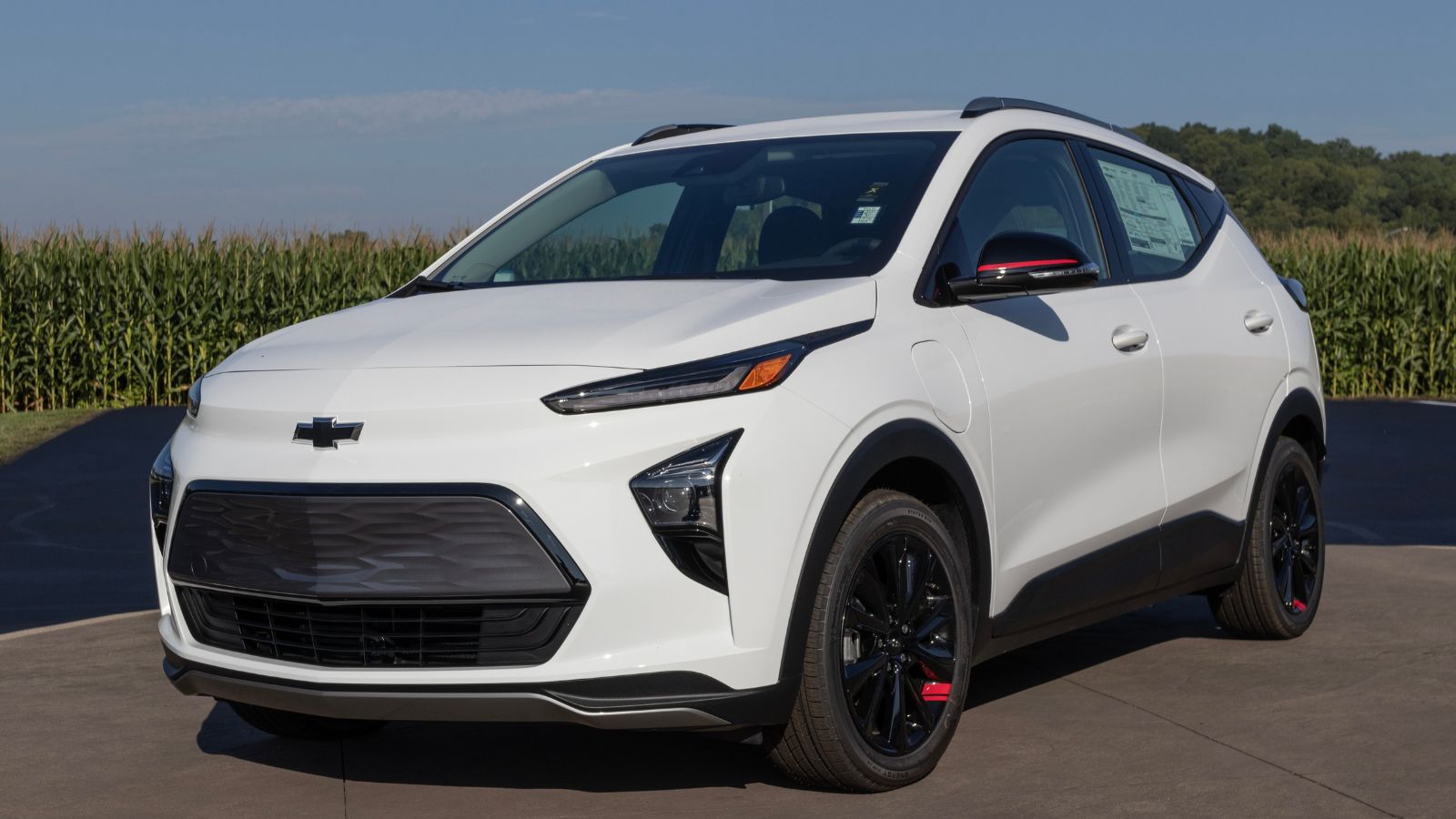
The Chevrolet Bolt EV has faced resale challenges after recall issues. Battery concerns reduced buyer trust for a period. Even after fixes, perception takes time to recover. New EV models offer a longer range. That shifts demand away from older Bolts. Incentives also favor new purchases again. Interior quality feels basic compared to rivals. That affects resale desirability. Charging speed limitations also matter. Canadian buyers want more flexibility for long trips. Prices drop quickly to remain competitive in listings. Depreciation continues faster than average EVs.
Maserati Ghibli
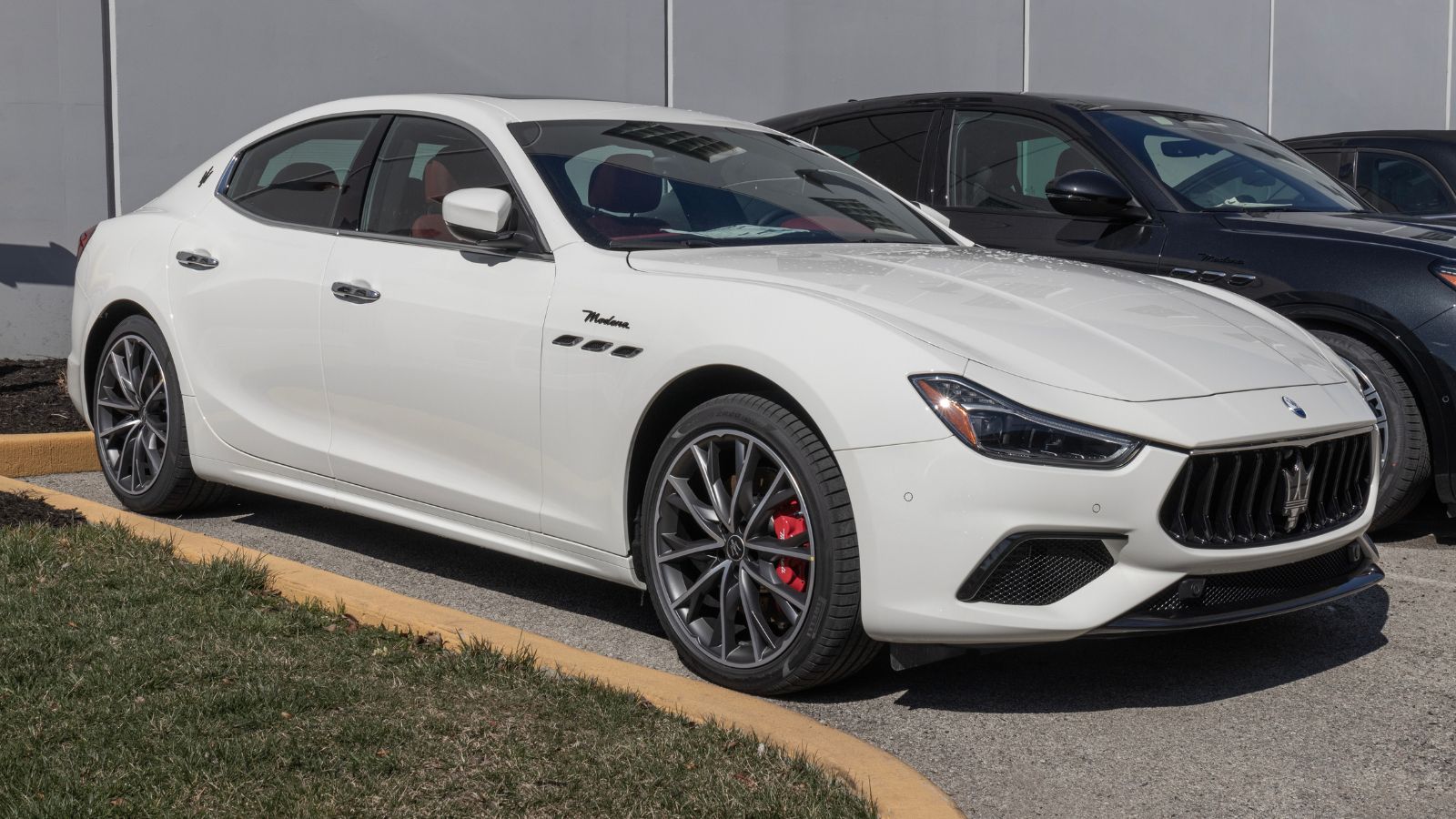
The Maserati Ghibli looks premium but depreciates heavily. Maintenance costs are extremely high. Parts availability can be limited in Canada. Buyers worry about long-term ownership expenses. Brand prestige does not translate into strong resale demand. Reliability concerns also hurt confidence. Insurance premiums are among the highest in its segment. Many buyers prefer German luxury options instead. The used market remains small. Sellers often reduce prices significantly to find buyers. Depreciation hits hard within the first few years.
Dodge Charger
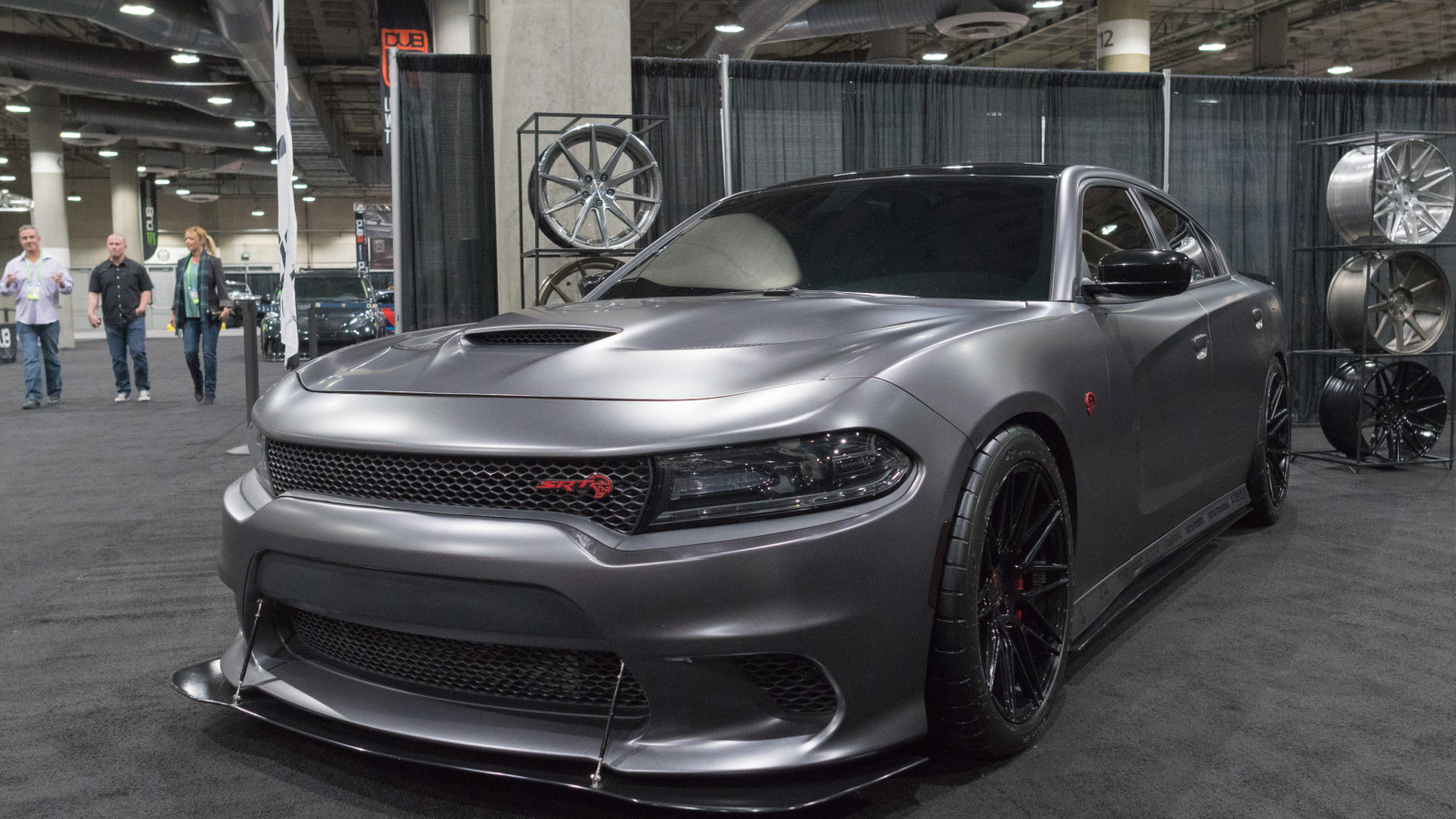
The Dodge Charger faces declining demand as the market shifts. Fuel economy remains a concern for many buyers. Performance trims appeal to a niche audience only. Insurance costs are high, especially for younger drivers. Fleet and rental usage increase supply. That lowers resale prices over time. Interior quality feels dated compared to newer rivals. Buyers now prefer SUVs or electric options. Depreciation accelerates once newer models arrive. Even strong engines cannot offset market trends. Used listings often sit longer before selling.
Infiniti QX80
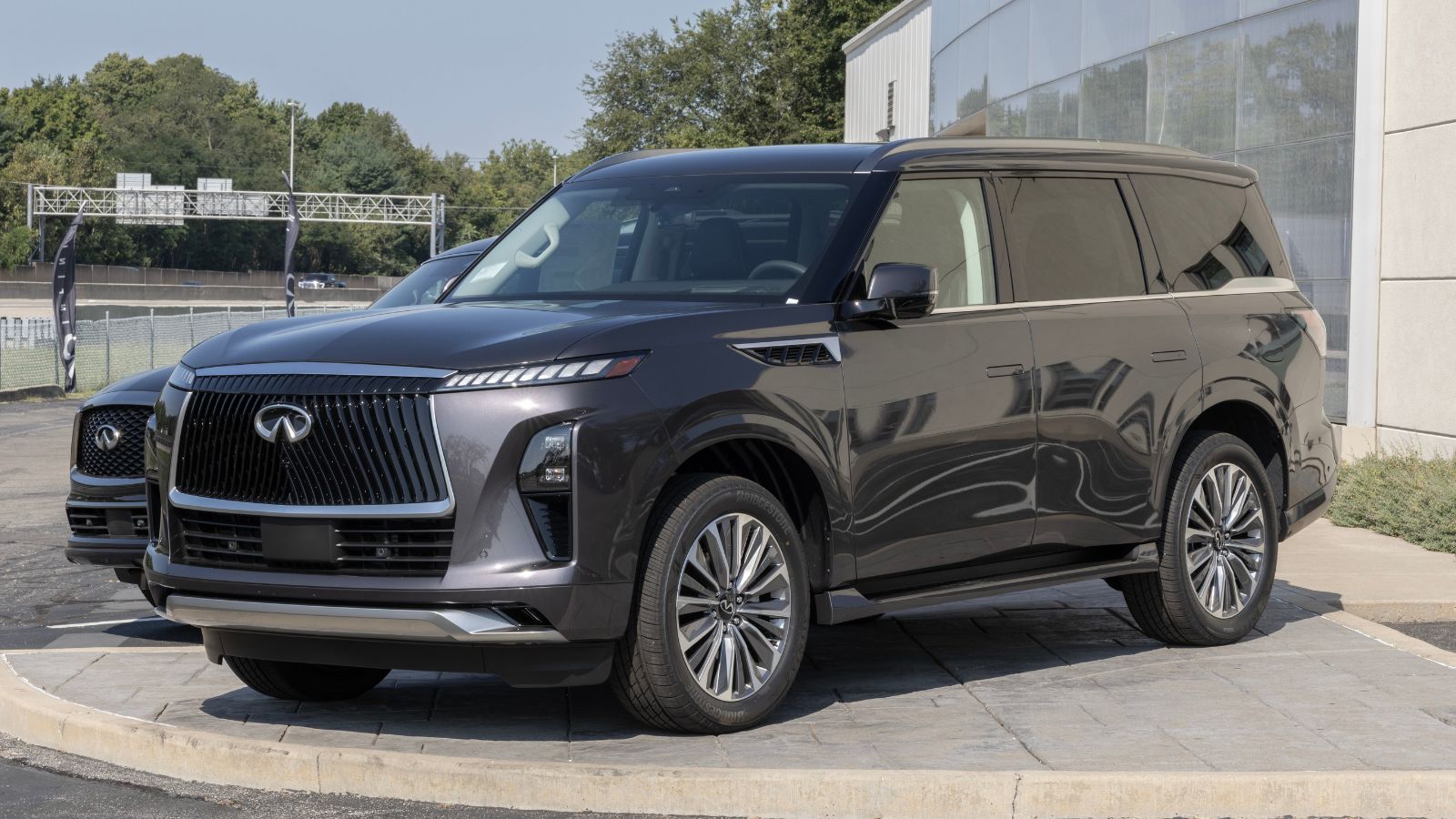
The Infiniti QX80 loses value due to its outdated design. Fuel consumption is very high for Canadian standards. Buyers now want efficiency and modern features. The interior feels behind competitors. Maintenance costs rise as the vehicle ages. Luxury SUV buyers have more appealing choices today. Resale demand stays limited across regions. Insurance costs also add to ownership expenses. Large size reduces appeal in cities. Depreciation becomes noticeable within a few years. Sellers often lower prices to stay competitive.
Volkswagen Arteon
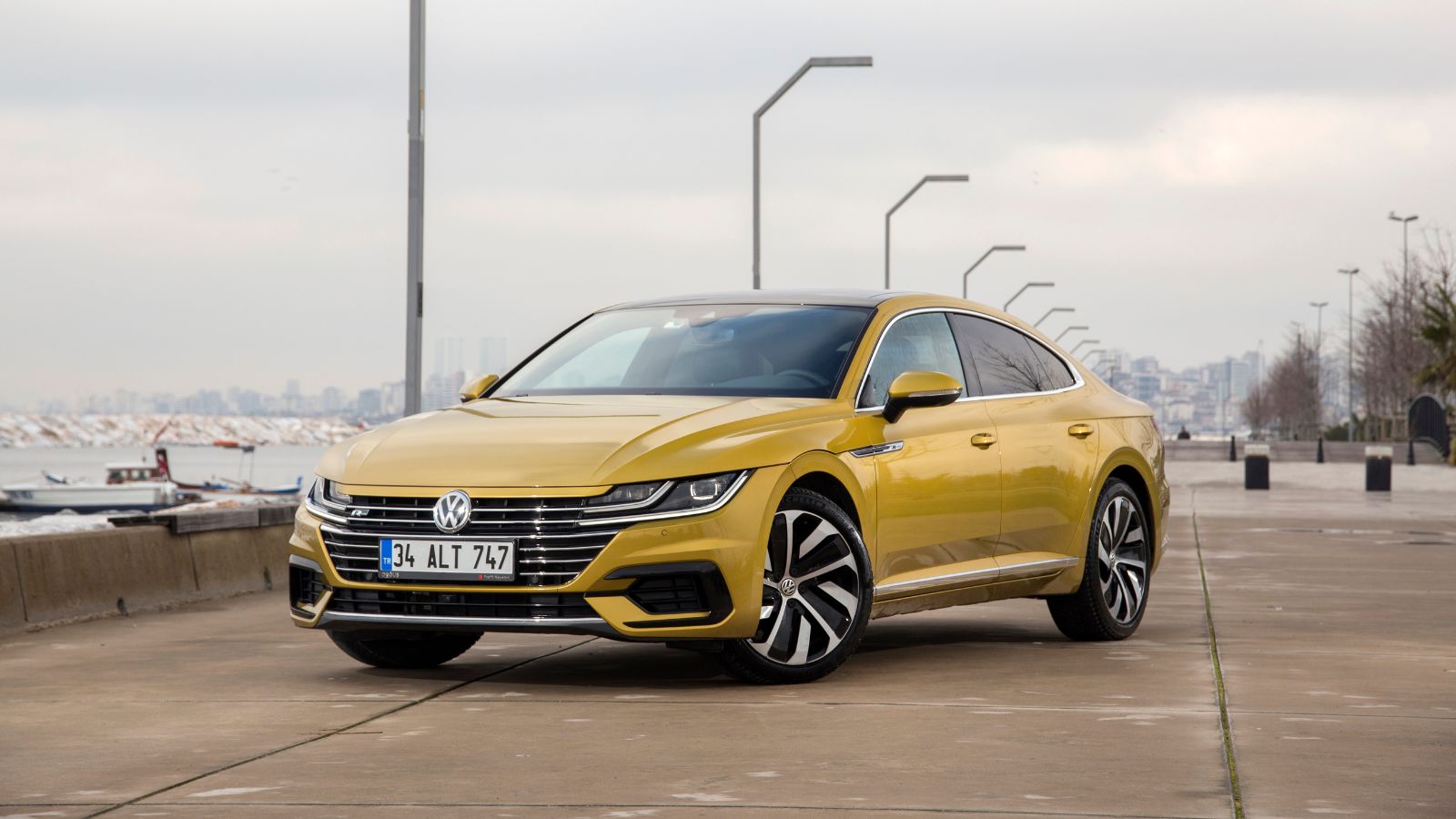
The Volkswagen Arteon struggles with brand positioning. It sits between mainstream and luxury segments. That confuses buyers in the used market. Demand for sedans continues to decline. Pricing overlaps with more established competitors. Maintenance costs are moderate but still a concern. Resale buyers often choose SUVs instead. Limited awareness also affects demand. Even well-equipped models lose value quickly. Discounts on new units hurt used pricing further. Depreciation remains higher than expected for its class.
Cadillac CT6
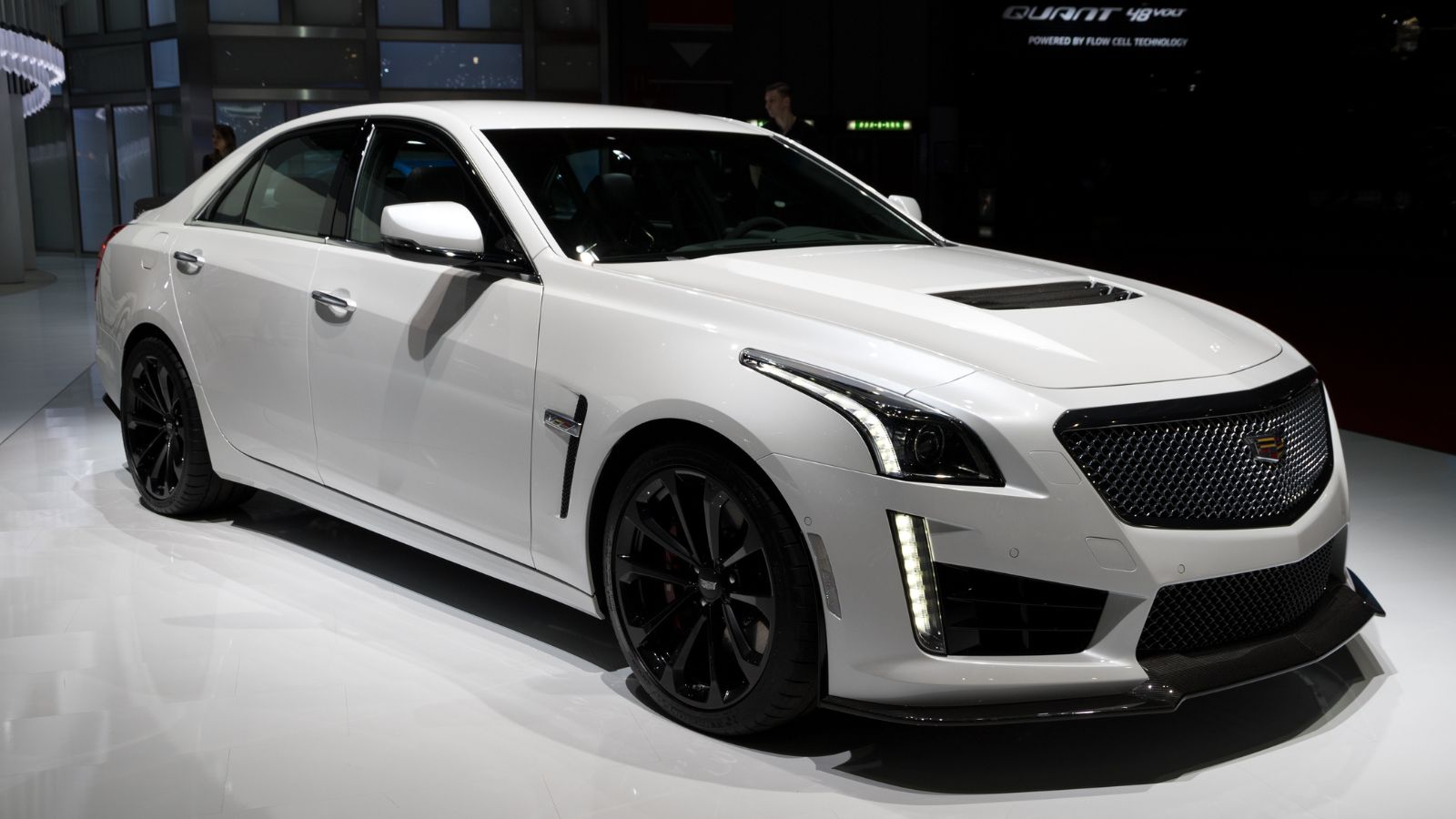
The Cadillac CT6 suffers from low recognition in Canada. It was discontinued, which impacts resale confidence. Parts availability becomes a concern over time. Buyers hesitate to invest in discontinued models. Luxury competition remains strong in this segment. Interior quality does not stand out anymore. Depreciation accelerates quickly after purchase. Fleet usage also increased the supply earlier. That still affects the used market. Prices drop significantly within a few years. Sellers often face limited buyer interest.
Hyundai Kona Electric
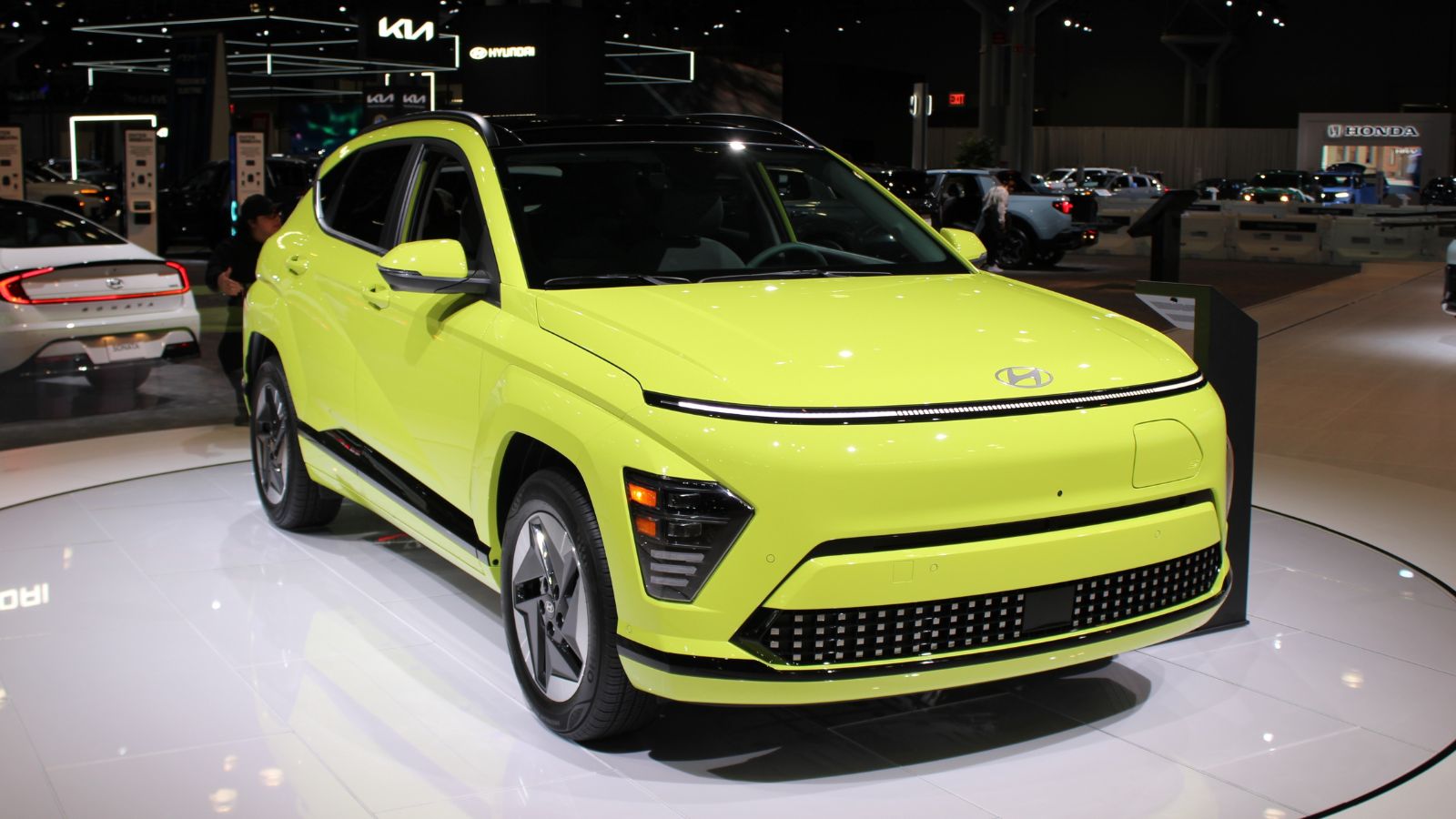
The Hyundai Kona Electric faces depreciation due to rapid EV improvements. Newer models offer better range and charging speed. Older units feel less competitive quickly. Battery concerns still influence buyer decisions. Incentives for new EVs reduce used demand. Canadian winters impact range performance noticeably. Buyers consider newer alternatives instead. Resale values drop to stay competitive. Maintenance costs are low, but that alone does not help. Market shifts in EV technology play a big role here.
Lincoln Navigator
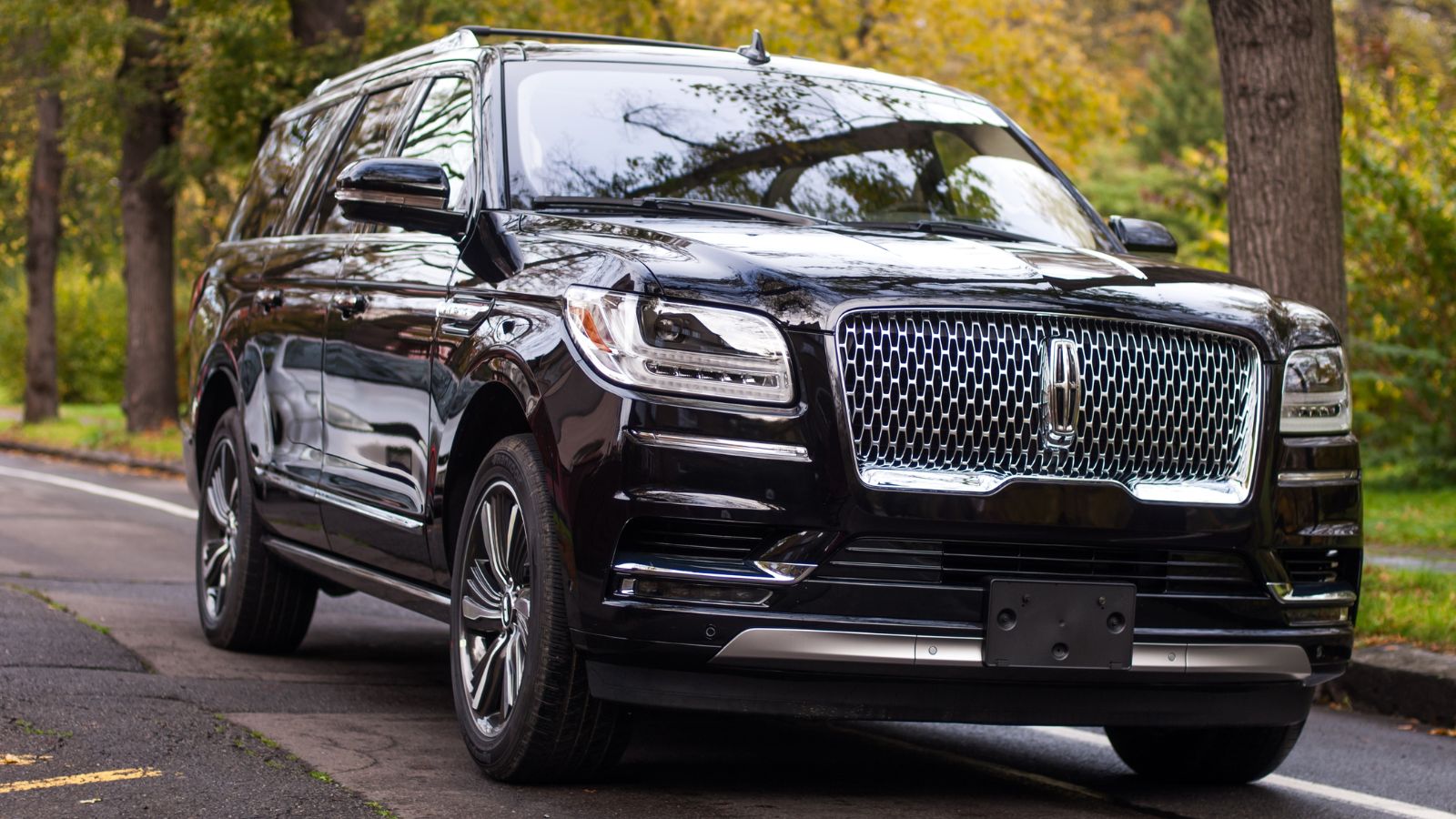
The Lincoln Navigator depreciates due to its high initial price. Large luxury SUVs face limited resale demand. Fuel costs remain a major concern. Maintenance and insurance costs are also high. Buyers often switch to more efficient options. Technology ages quickly in this segment. Newer models introduce better features each year. That reduces appeal for older units. Parking challenges also affect urban buyers. Depreciation becomes steep after a few years. Sellers often accept lower offers to move inventory.
Kia Stinger
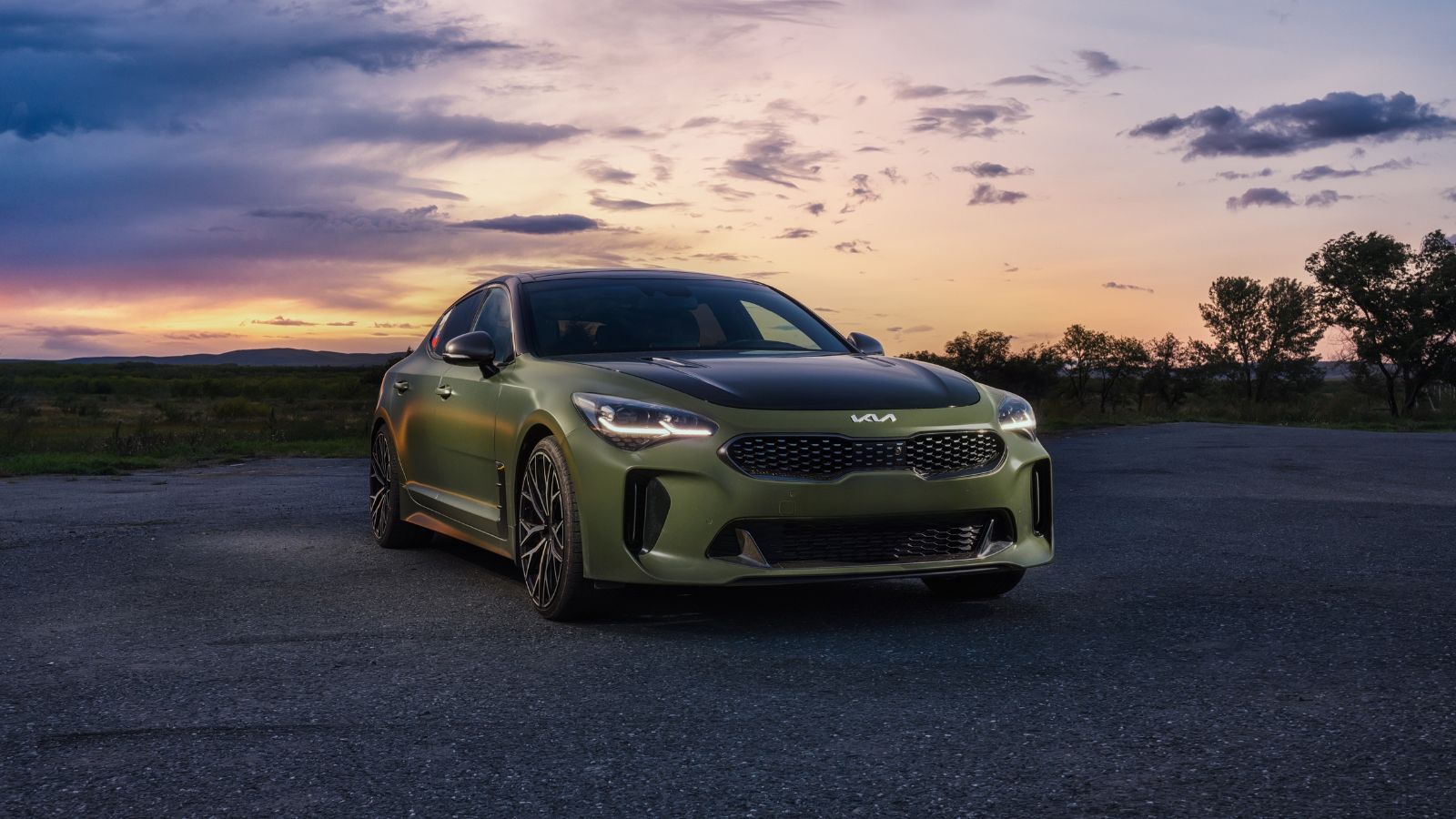
The Kia Stinger has strong performance but weak resale value. The segment itself has limited demand. Buyers prefer SUVs or electric vehicles. Discontinuation rumors have affected confidence. Insurance costs are higher for performance models. Fuel economy is not a strong point. Resale buyers hesitate due to niche appeal. Even well-maintained units lose value quickly. Market interest remains limited across Canada. Depreciation hits harder than expected for its price range.
Audi A8
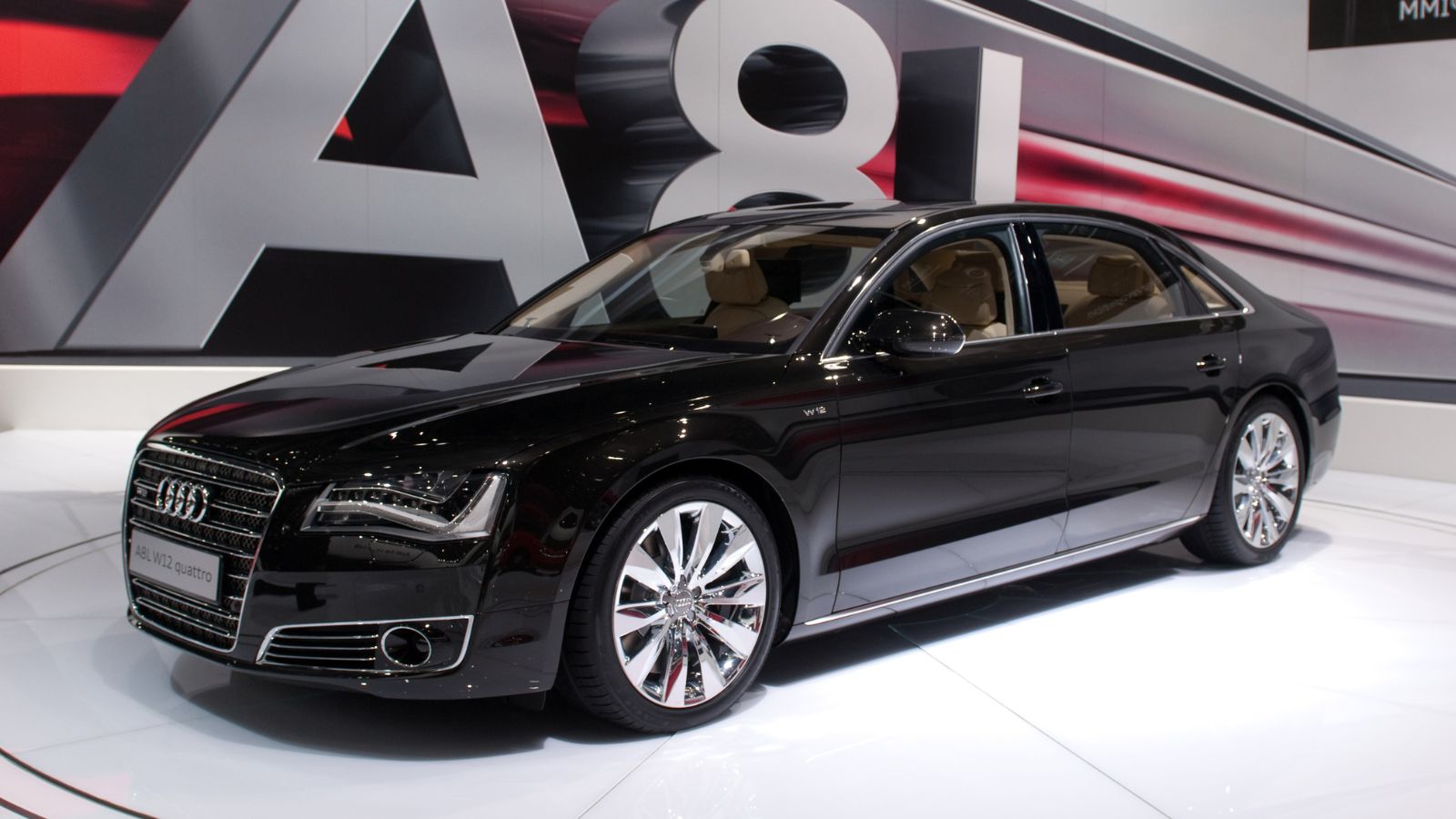
The Audi A8 faces steep depreciation like most luxury sedans. Maintenance costs are high after the warranty ends. Buyers worry about long-term reliability. Technology inside becomes outdated quickly. Competition in the luxury segment is intense. Many buyers prefer leasing instead of purchasing. That increases the used inventory later. Resale demand remains limited across regions. Fuel costs and insurance also add to ownership concerns. Prices drop sharply within a few years.
Jeep Grand Wagoneer
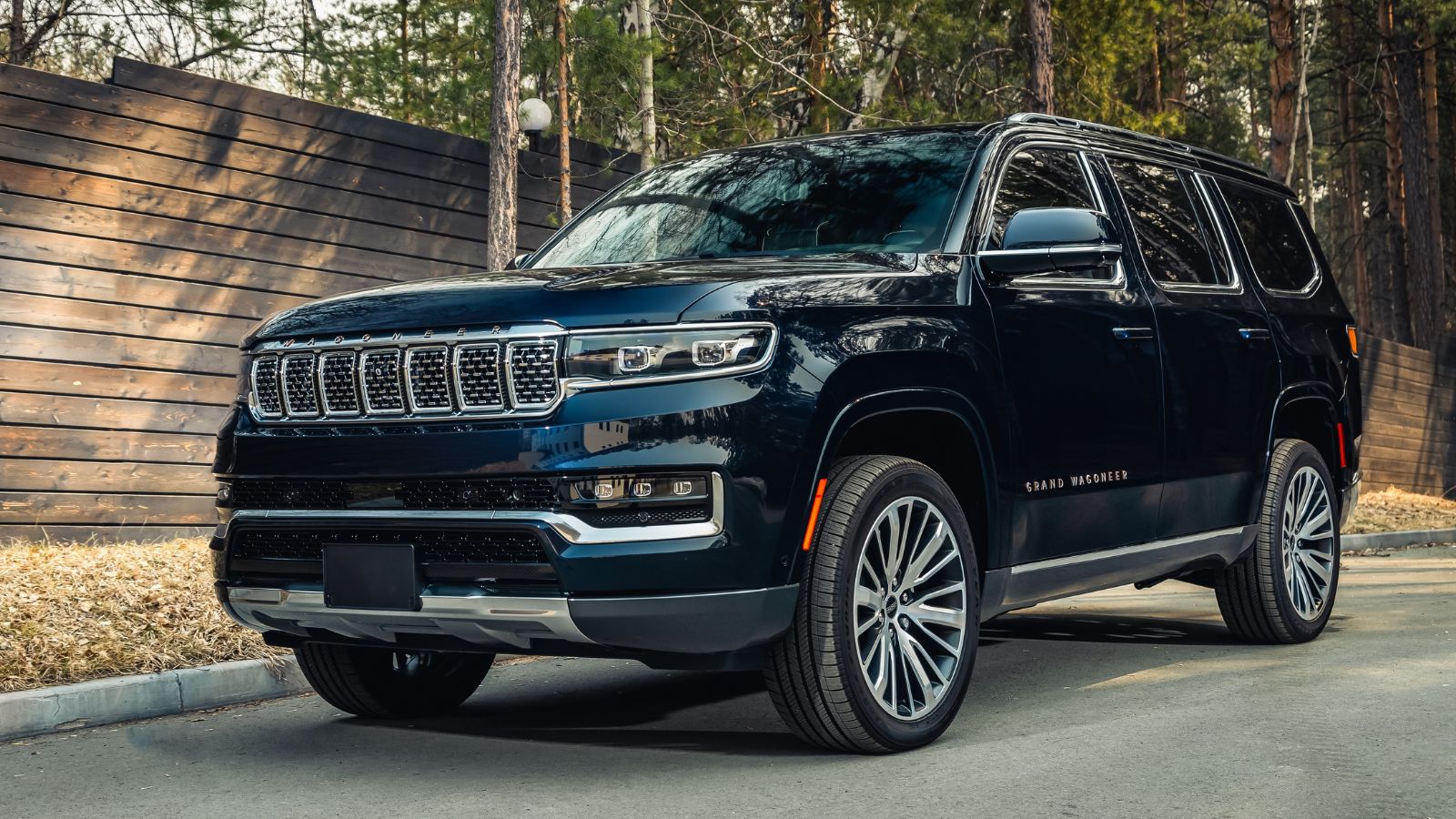
The Jeep Grand Wagoneer has a high starting price. That leads to bigger depreciation losses. Fuel consumption is very high. Buyers look for more efficient alternatives. Interior quality is good, but not enough to retain value. Maintenance costs rise over time. Large size limits urban appeal. Competition from established luxury brands remains strong. Resale demand is still developing. Prices drop quickly after purchase. Depreciation continues faster than expected.
Subaru Ascent
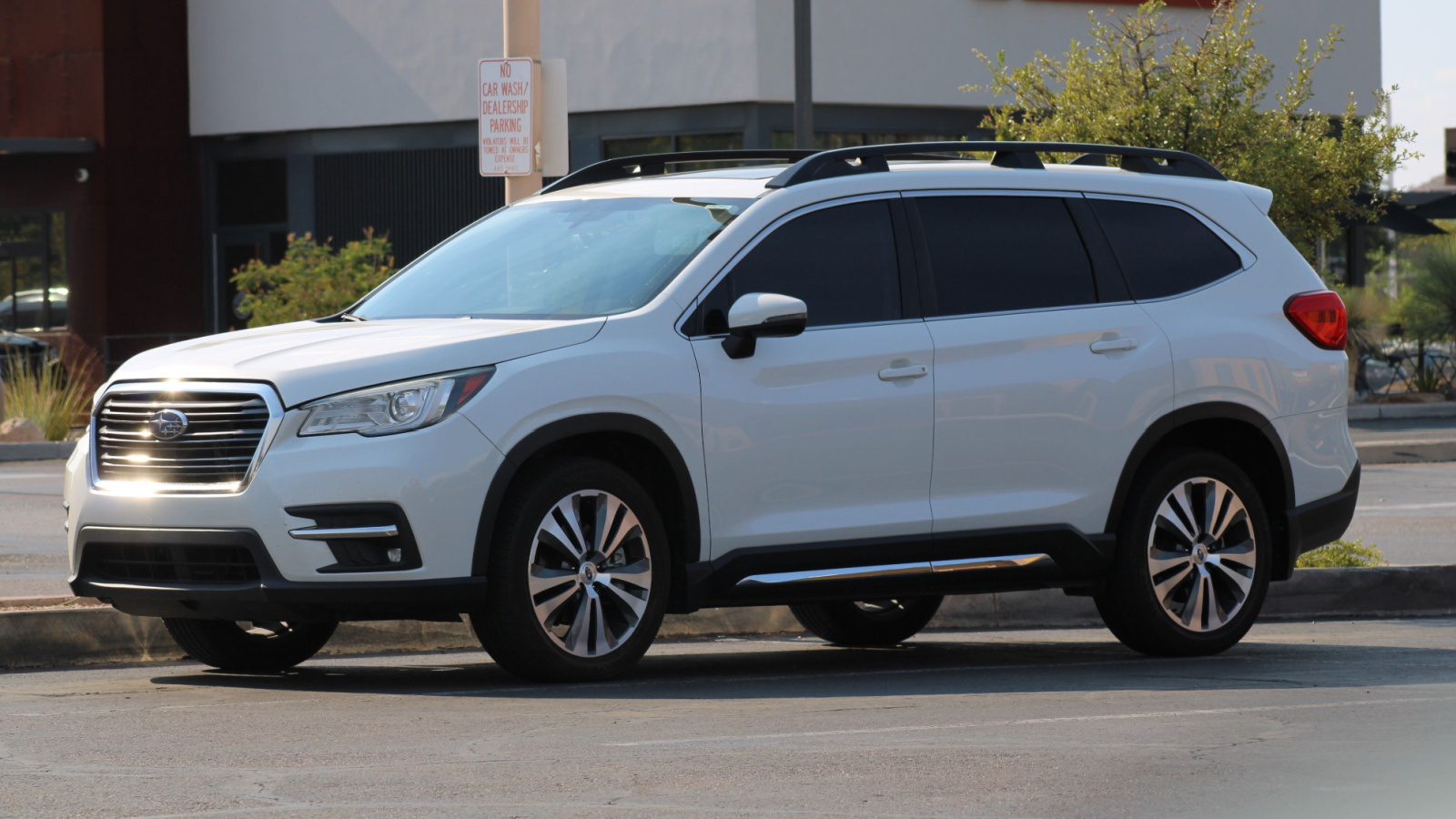
The Subaru Ascent sees depreciation due to mixed reliability feedback. Early models had issues that affected their reputation. Buyers remain cautious in the used market. Competition in the three-row SUV segment is intense. Fuel efficiency is average at best. Interior quality does not stand out strongly. Resale demand stays moderate. Price reductions help attract buyers. Still, depreciation remains noticeable. Owners often accept lower resale values compared to rivals.
Mercedes-Benz S-Class
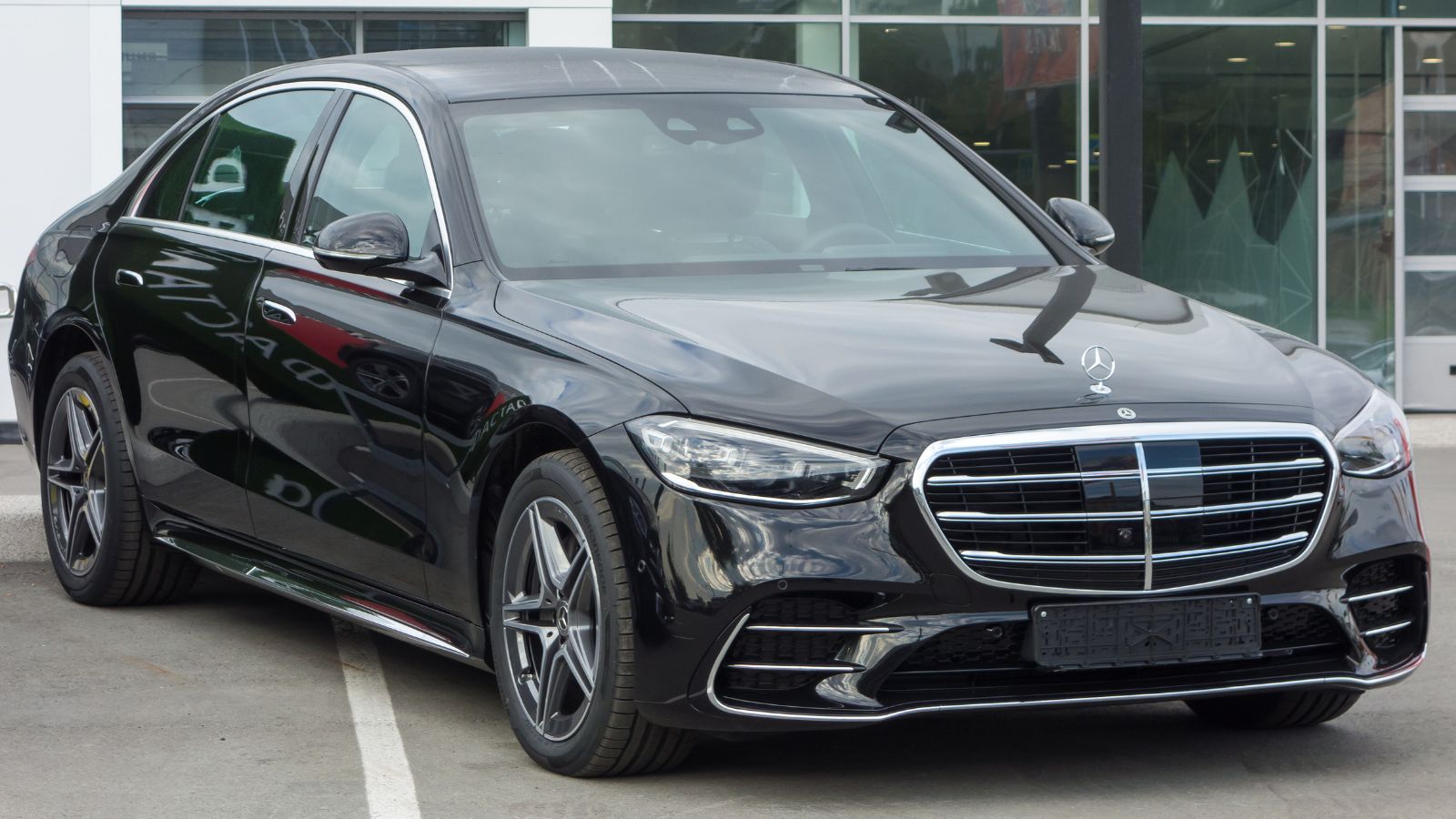
The Mercedes-Benz S-Class loses value rapidly despite its status. High maintenance costs deter second buyers. Repairs can be expensive without warranty coverage. Technology evolves quickly in this segment. Older models feel outdated sooner. Insurance premiums are also very high. Many buyers choose leasing instead. That increases the supply later. Resale demand remains limited. Prices drop sharply within a few years. Depreciation is among the highest in luxury vehicles.
Ford Mustang Mach-E
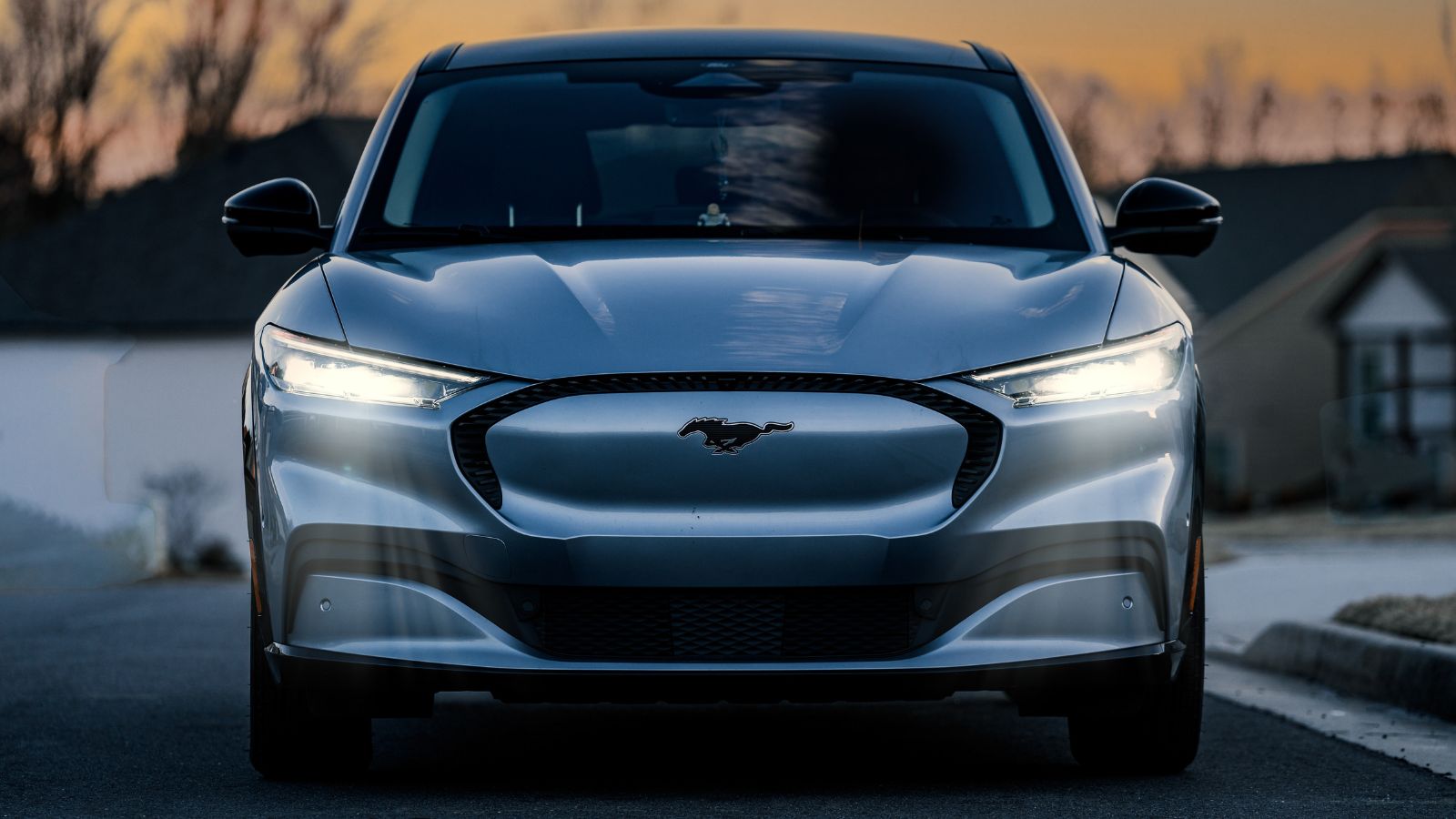
The Ford Mustang Mach-E is subject to depreciation due to pricing changes. New model discounts directly affect resale values. EV competition continues to grow quickly. Range and charging expectations are improving fast. Older models feel less competitive. Incentives favor new purchases again. Buyers hesitate on used EV pricing. Battery concerns still exist for some. Resale listings often adjust downward. Depreciation remains higher than expected for newer EVs.
Toyota Mirai
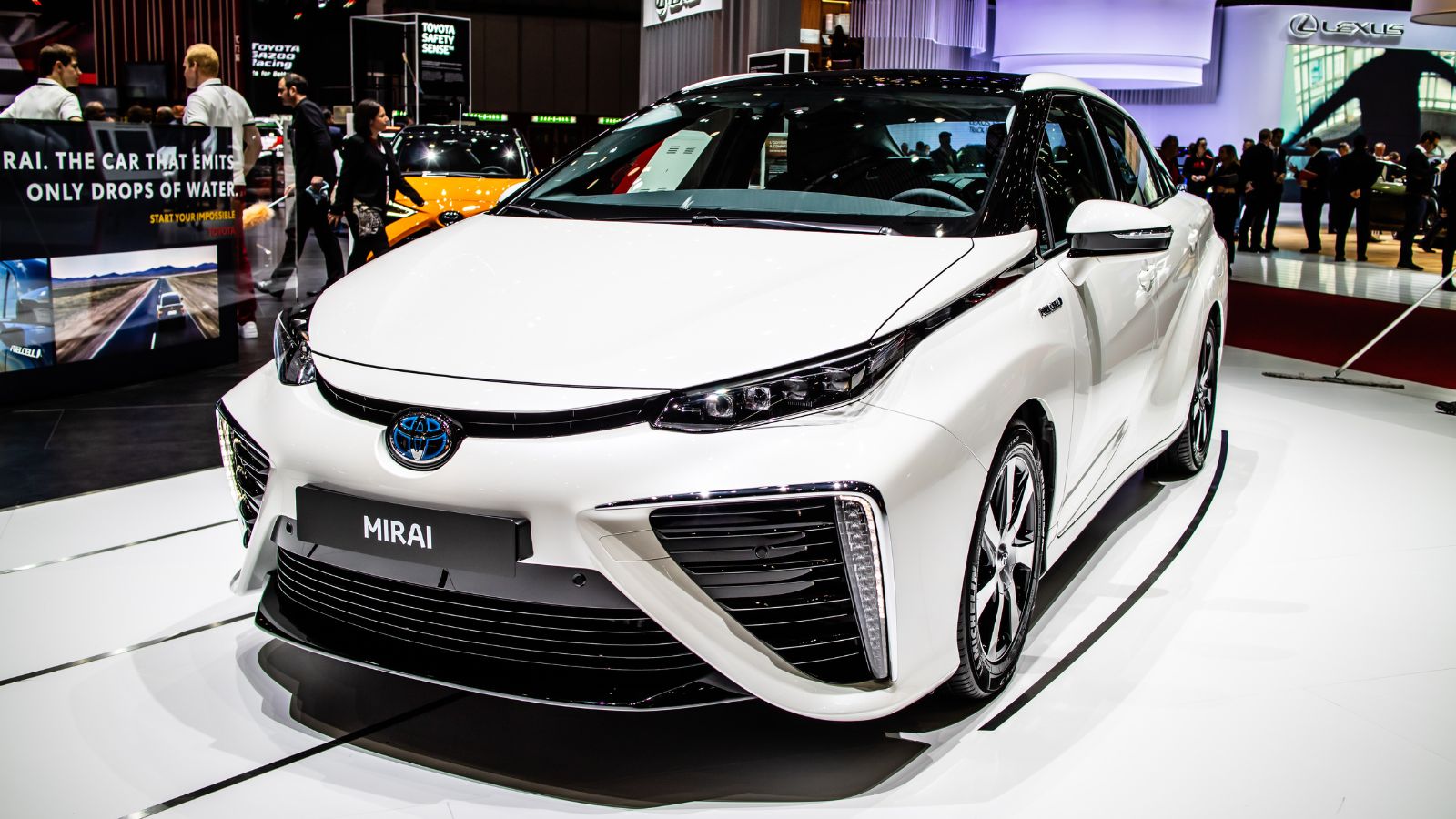
The Toyota Mirai struggles due to limited hydrogen infrastructure. Canada has very few fueling stations. That restricts ownership to specific regions. Buyers avoid vehicles with limited usability. Resale demand is extremely low. Even low prices do not attract many buyers. Maintenance and fuel access remain concerns. The technology is still niche. Depreciation becomes severe quickly. Owners often find it difficult to sell. Market limitations drive value down sharply.
22 Things Canadians Do to Their Cars in Spring That Mechanics Hate

Spring brings relief to many Canadian drivers after months of snow, freezing temperatures, and icy roads that put serious strain on vehicles. As temperatures rise across the country, drivers begin washing cars, switching tires, and preparing vehicles for warmer weather and upcoming road trips. However, mechanics across Canada notice the same mistakes every spring when drivers attempt to recover from winter damage. Road salt, potholes, and harsh winter driving conditions often leave vehicles with hidden problems that drivers ignore. Some spring habits even create new mechanical issues that could have been avoided with proper maintenance. Here are 22 things Canadians do to their cars in spring that mechanics hate.