


























The first warm stretch after a Canadian winter can make a vehicle feel road-trip ready long before the expenses are. Salt, potholes, temperature swings, and months of stop-and-go driving tend to leave behind small issues that only become obvious when summer plans begin taking shape. What looks like a simple tank of gas and a quick wash often turns into a longer list.
These 18 overlooked costs tend to show up right before that first summer drive. Some are seasonal maintenance jobs, some are trip-day extras, and some are the kind of small preventive expenses that are easy to postpone until they become much more expensive.
Seasonal Tire Changeovers and Storage
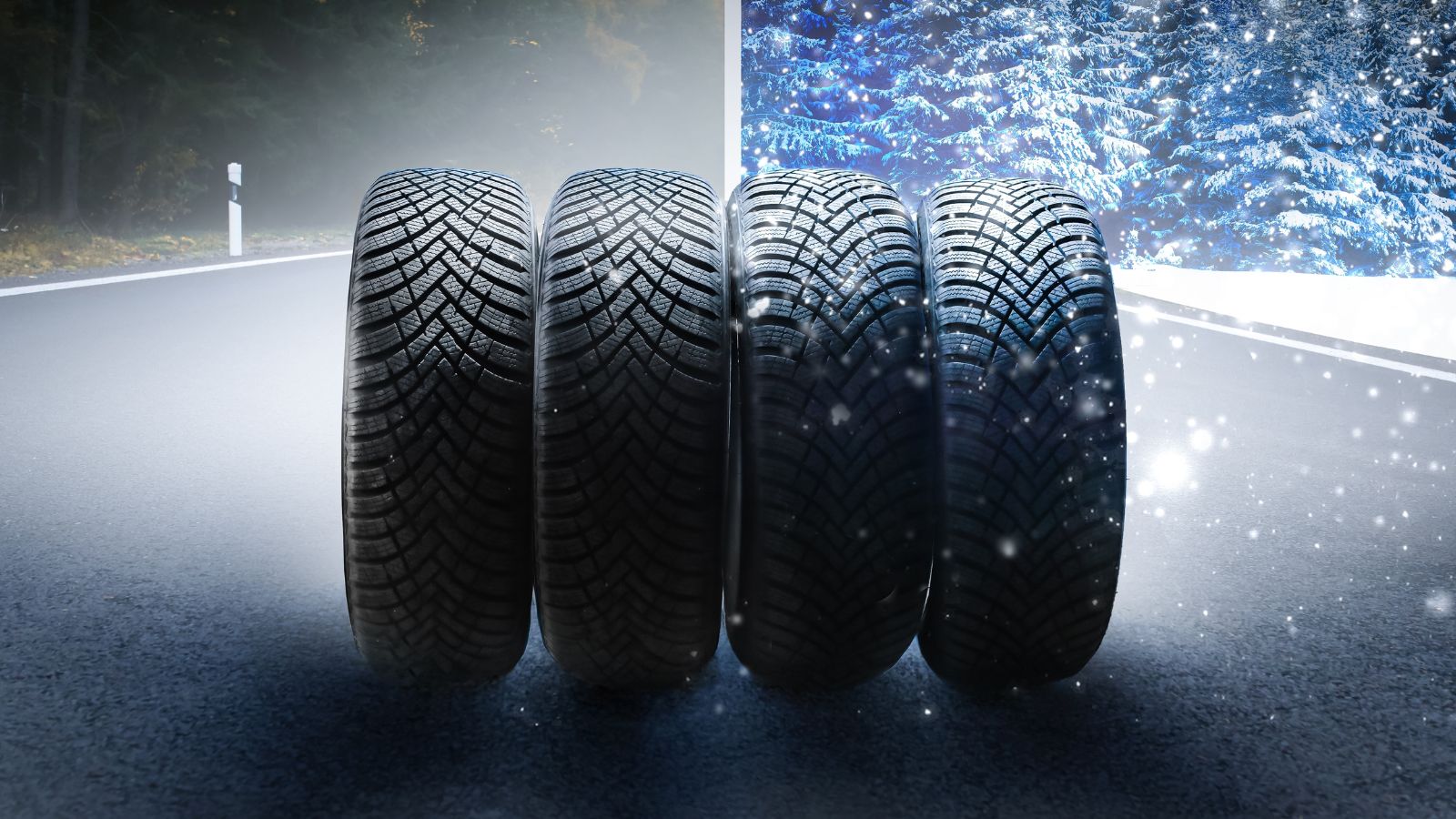
For many Canadians, the first summer drive starts with a tire appointment, not a highway on-ramp. Winter tires need to come off once temperatures stay mild, and that routine change is rarely as simple as it sounds. Even when the tires themselves are still usable, the seasonal switch can come with mounting, balancing, and storage fees that were never built into the spring budget. It feels like maintenance that should have been handled already, yet it often lands all at once.
That is why this cost catches people off guard. A driver may have already paid for winter tires months earlier and still end up paying again just to transition into warmer weather. In a household with two vehicles, the expense doubles fast. One common spring mistake is treating the changeover like a minor chore, when it is really the first seasonal bill of the driving year and one of the clearest reminders that summer driving starts before the trip itself does.
Replacing Tires That Barely Survived Winter
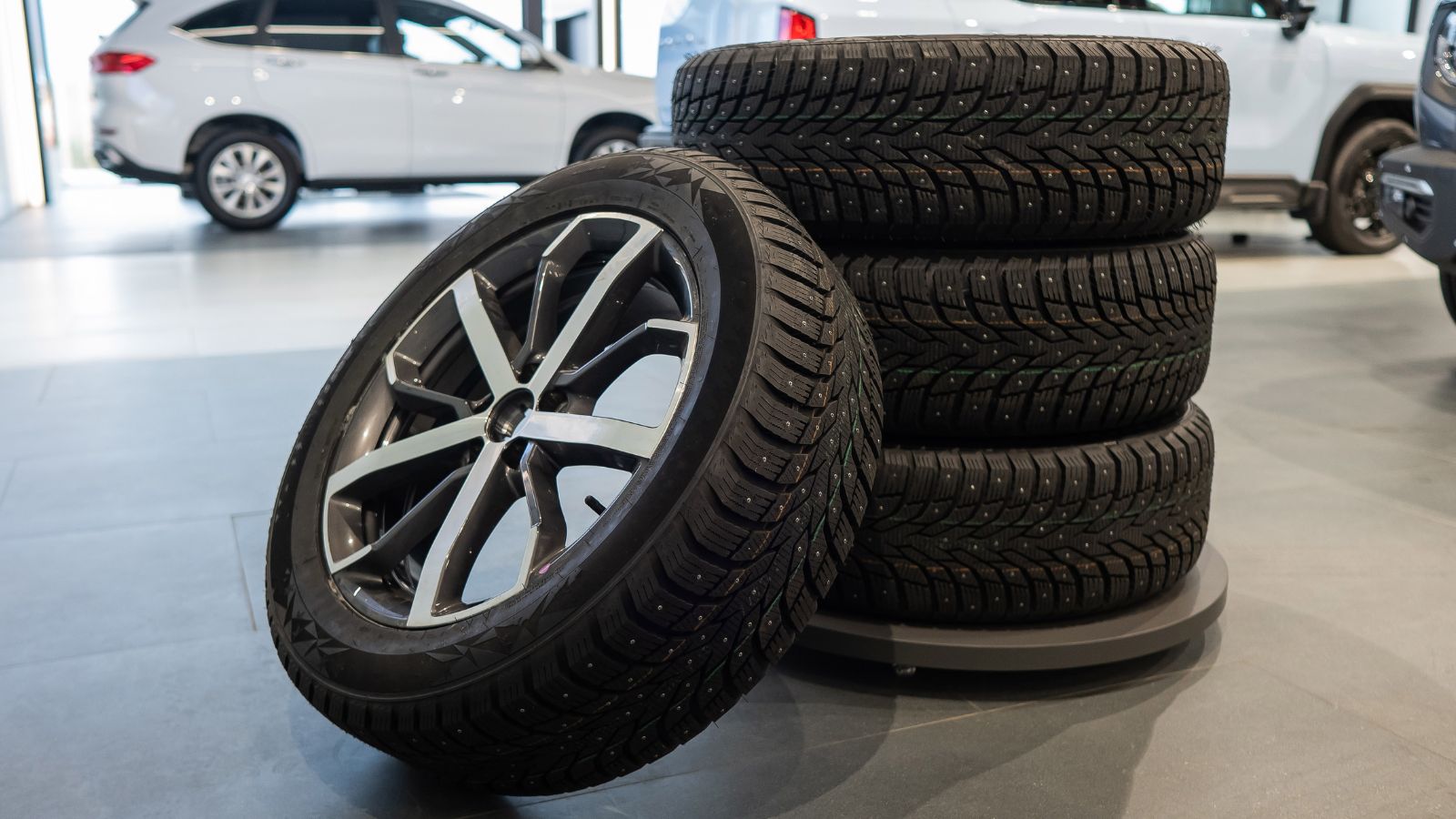
A lot of tires make it through winter in theory but not in a way that inspires confidence for summer rain, highway speeds, and cottage-weekend mileage. Tread that seemed acceptable in March can look much more troubling once road trips, construction zones, and wet pavement enter the picture. That is often when drivers realize they are not paying for a tire swap at all. They are paying for a full replacement they hoped could wait until fall.
This surprise tends to arrive at the worst possible moment, usually right before a planned getaway. A vehicle that passed the visual glance in the driveway can fail the closer look at the shop, and once one tire is clearly done, the conversation often turns to replacing two or four for safety and even wear. The expense is frustrating because it feels sudden, but in reality it is usually the delayed bill for thousands of kilometres of winter wear that finally became impossible to ignore.
Tire Pressure Corrections
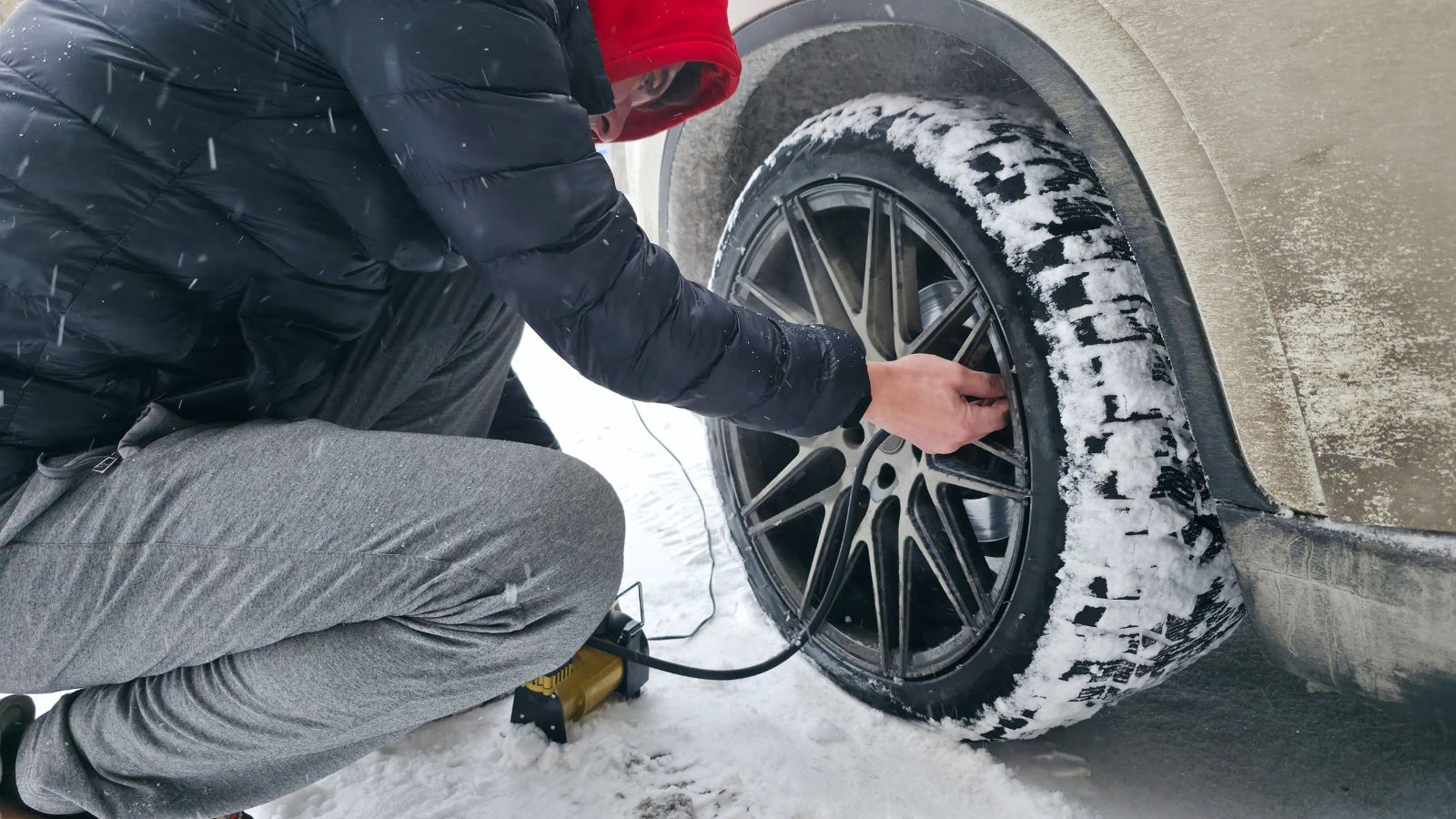
Tire pressure sounds too minor to deserve space in a budget, which is exactly why it keeps slipping through. After a long winter, many vehicles are running on tires that are underinflated, unevenly inflated, or simply overdue for a proper pressure check. The immediate cost may only be an inflation service or a gauge, but the real expense comes from what low pressure does over time: it burns more fuel, shortens tire life, and can make the car feel heavier and less stable than it should.
That hidden cost adds up quietly. A driver might blame poor mileage on city traffic or rising gas prices when the tires are doing part of the damage. The problem gets more expensive on the first long summer drive, when highway speeds magnify every inefficiency. This is the kind of oversight that feels harmless because the vehicle still moves normally, yet it can turn a cheap fix into a larger bill later through added fuel use and earlier tire replacement.
Wheel Alignment and Balancing
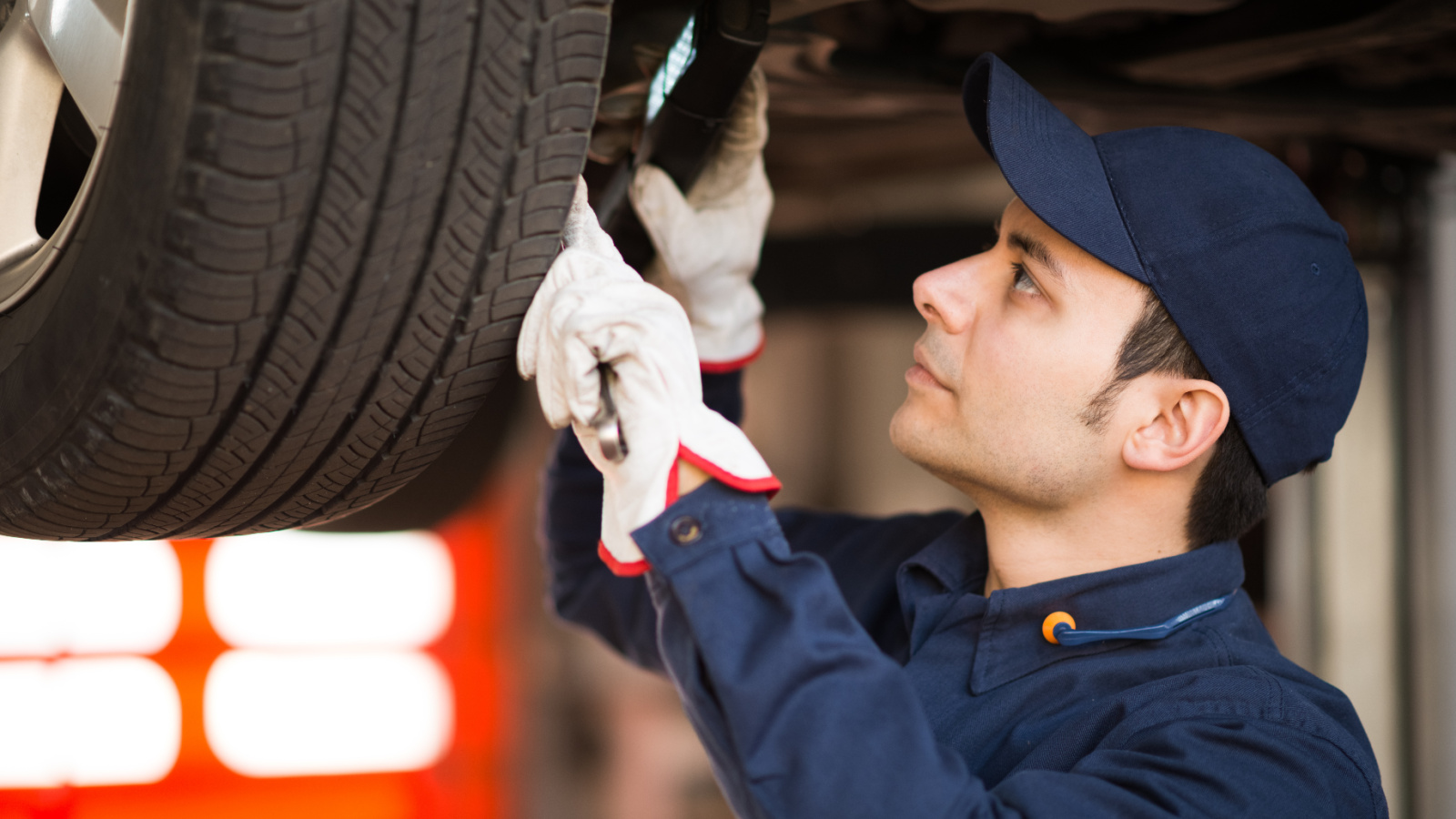
Canadian roads are hard on suspension geometry, and spring often reveals just how much punishment a vehicle absorbed. Potholes, frost heaves, and rough pavement can leave the wheels slightly out of line, which is not always dramatic enough to feel dangerous right away. Sometimes it is just a steering wheel that sits a little crooked, a subtle pull to one side, or a faint vibration that seems easy to ignore. Drivers often do ignore it, mostly because alignment sounds optional until the tire bill arrives.
That is the budgeting mistake. Alignment and balancing are preventive costs, but the money saved by skipping them rarely stays saved for long. Misaligned wheels wear tires unevenly, and out-of-balance wheels can make other components work harder than they should. A family preparing for a summer drive may think the car only needs fuel and snacks, then find out the front tires are wearing down faster than the rear and the steering shake is not going away on its own. The fix feels annoying, but postponing it is usually more expensive.
Brake Service After Salt Season
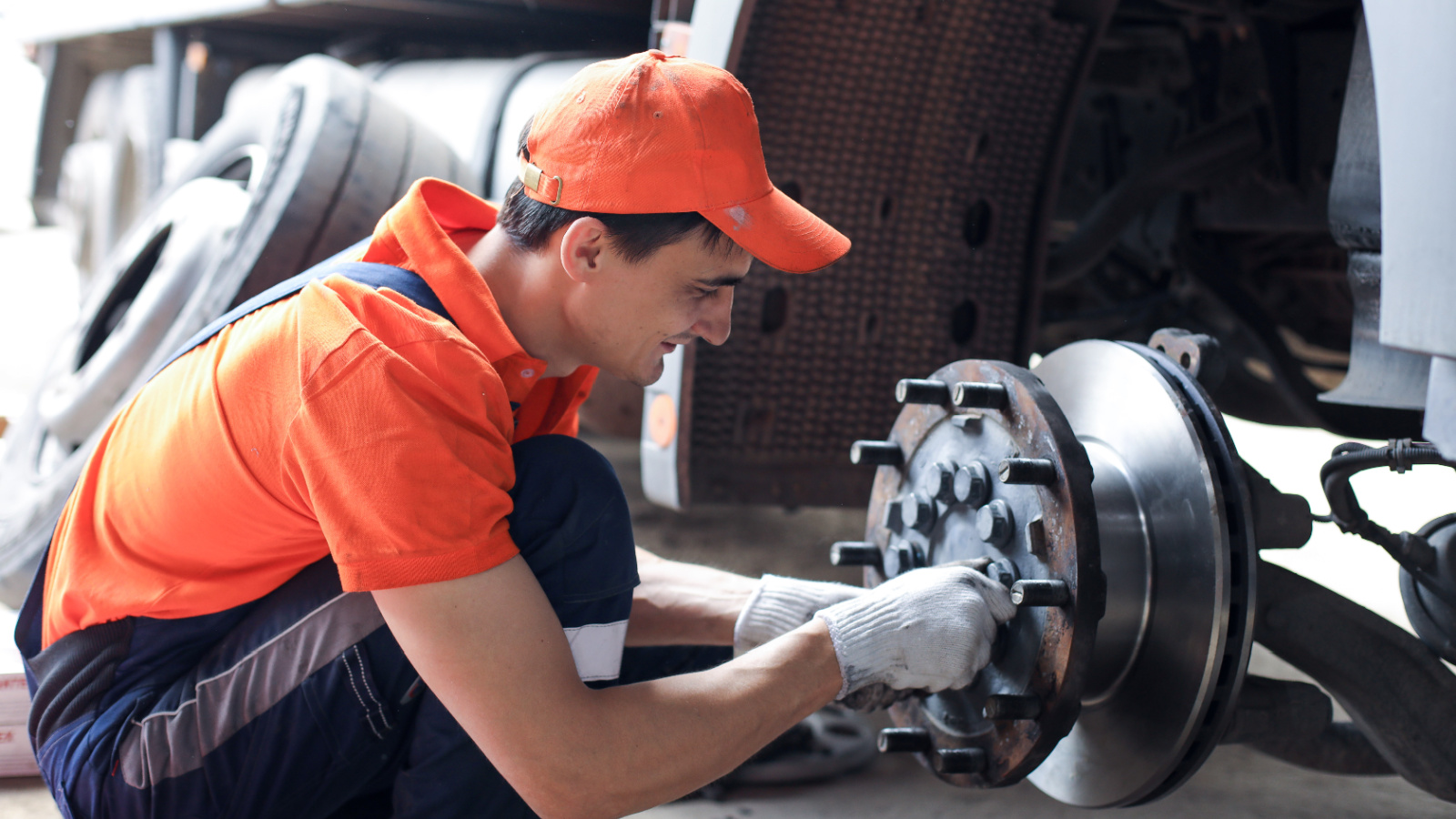
Brakes rarely announce themselves politely. They wait until the first warm weekend, the first road trip, or the first downhill stop in traffic to remind a driver that winter was rough on everything underneath the vehicle. Salt, moisture, and long periods of sitting can leave rotors rusty and hardware sticky, and the first clue is often a squeal, scrape, or pedal feel that no longer inspires confidence. By then, a simple inspection may turn into pads, rotors, or cleaning and lubrication.
This cost is easy to overlook because brakes are not part of the cheerful version of summer planning. People remember sunscreen, coolers, and playlists before they remember corrosion. Yet brake work is one of the least negotiable expenses on the list. A commuter who barely noticed some grinding on short urban trips may suddenly hear it clearly on the way to the lake. That is when the repair stops feeling optional. The first summer drive has a way of exposing brake problems that winter managed to hide.
A Battery Check Before the Heat Hits
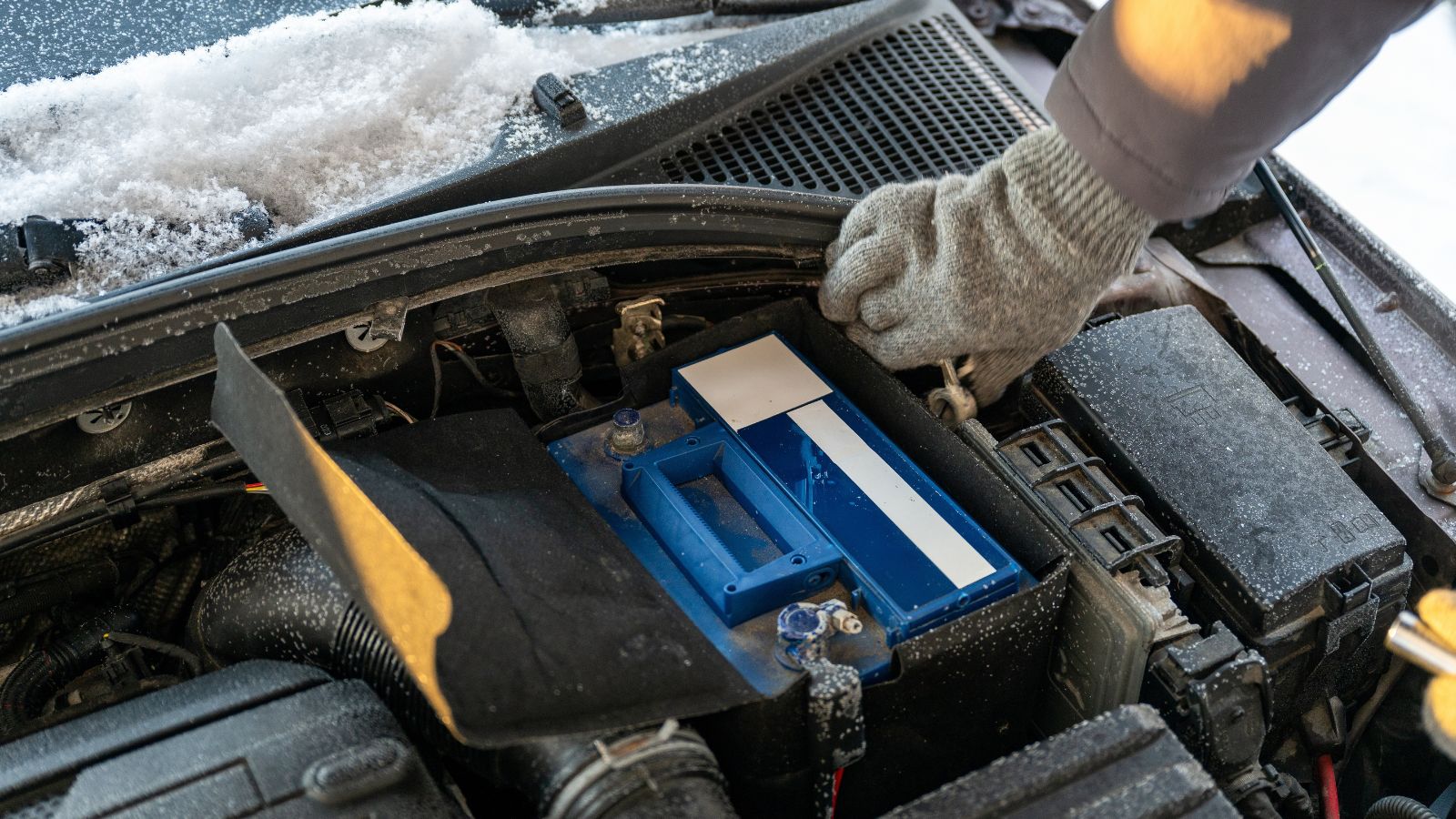
Dead batteries are usually treated like a winter story, but summer can be just as unforgiving in a different way. Heat, humidity, and air-conditioning demand place extra strain on a battery, especially one that is already a few years old. That makes early summer a surprisingly common time for a battery problem to surface. The expense can begin with a simple test, but if the battery is already weak, the bill becomes replacement, installation, and possibly the inconvenience of a roadside call.
What makes this one so frustrating is how ordinary the car can seem right up until the failure. A vehicle may crank a little slower for weeks, then refuse to start on the morning a cabin is booked or a beach trip is planned. Because batteries often die without much warning, many drivers do not budget for them until they have no choice. The cost feels random, but it usually arrives on schedule for batteries that have already spent several seasons being asked to do just a little too much.
Windshield Chip Repair and Recalibration
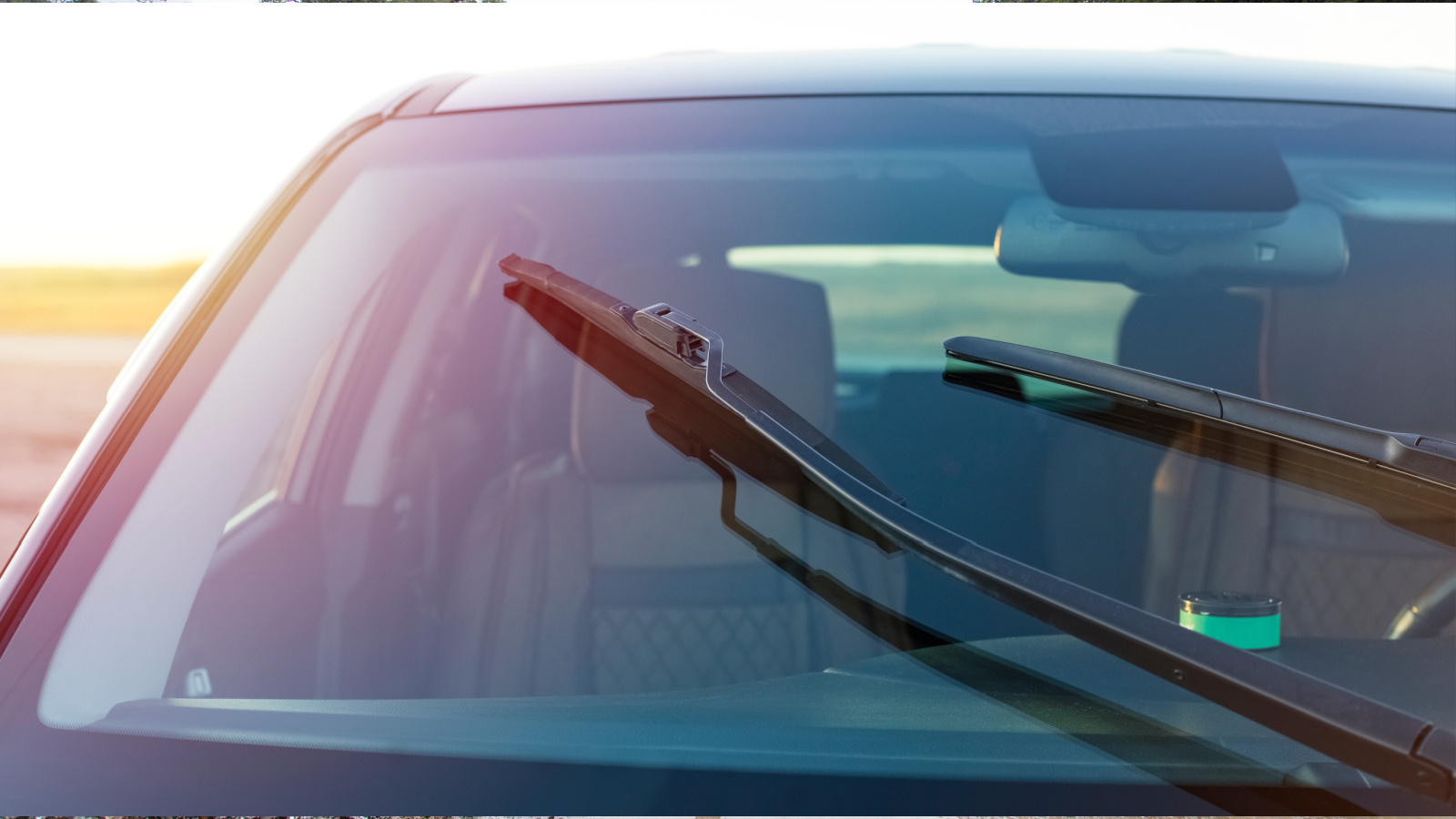
A tiny windshield chip has a remarkable ability to look inexpensive until it becomes expensive. Winter gravel, road salt, and debris leave many Canadian windshields with small impacts that are easy to postpone fixing. Then summer temperature swings, highway vibration, and rough roads help that chip spread. What could have been a modest repair turns into a full windshield replacement, and on newer vehicles that may also mean recalibrating driver-assistance systems attached to the glass.
That second part is where budgets go wrong. The driver who planned for a patch may end up paying for far more than glass because modern vehicles rely on cameras and sensors that must work exactly as designed. This is one of those costs that feels unfair because the original damage often looked cosmetic. It is not just a visibility issue. It can affect structural integrity and safety features too. A chip ignored in spring can become the most annoying bill of early summer before the first real road trip even begins.
Fresh Wiper Blades and Washer Fluid
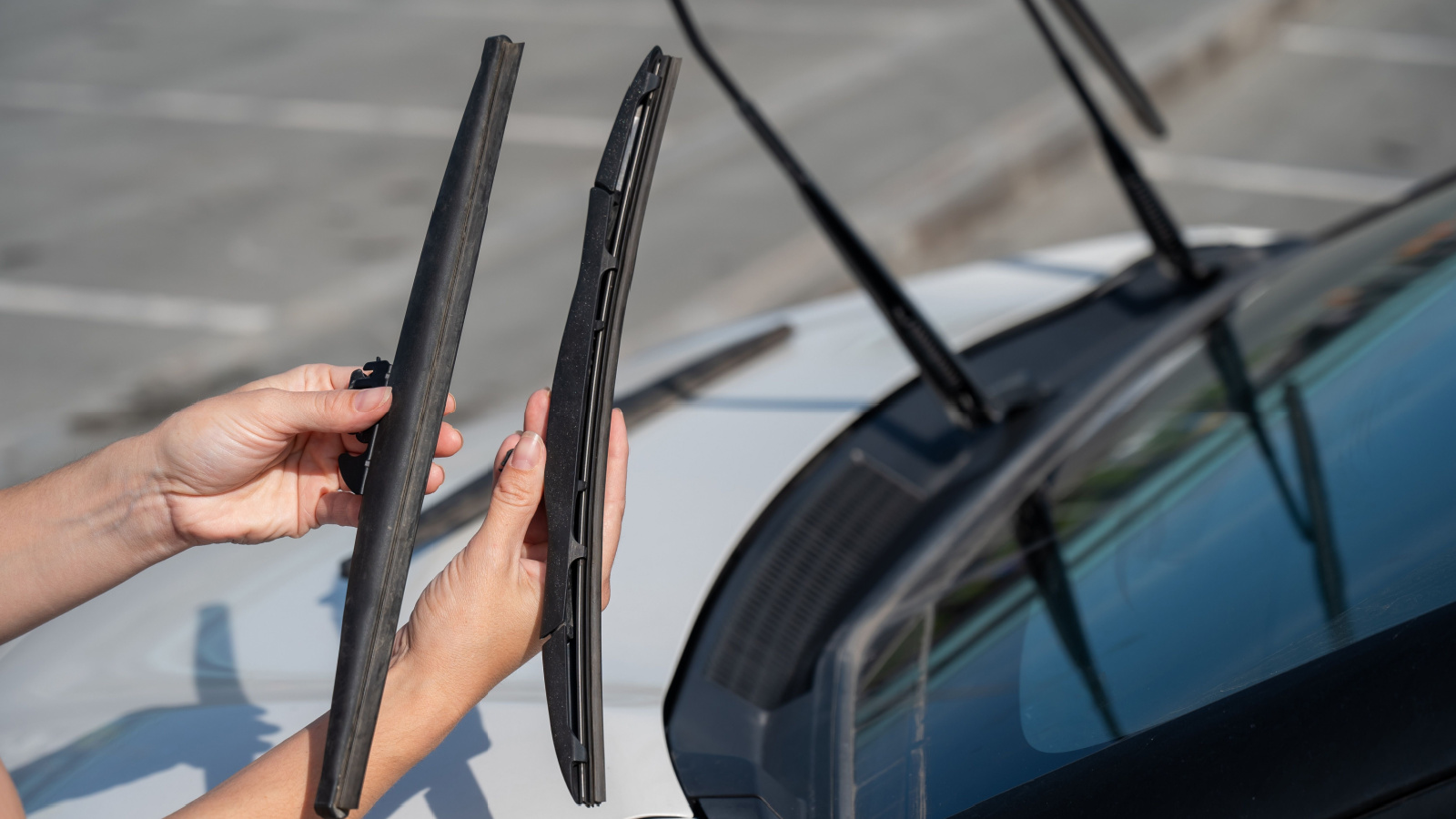
Wiper blades seem trivial until the windshield turns into a blurry mess during a hard June downpour or a long drive through bug-heavy country roads. After winter, rubber blades are often cracked, noisy, or streaky, and washer fluid levels may be lower than expected after months of slush and salt spray. Neither item looks like a real budget category, which is why many Canadians reach for them only when visibility has already become irritating or unsafe.
The expense is usually small, but it is rarely just one thing. New blades, summer washer fluid, maybe a rear blade, maybe a nozzle issue that finally gets noticed, and suddenly the “tiny” spring refresh is not nothing. It is also a revealing example of how summer driving costs tend to behave: modest on their own, annoying in combination. Anyone who has started a weekend trip with a smeared windshield knows how quickly a forgotten maintenance detail can turn into a purchase that feels overdue rather than optional.
Air-Conditioning Service
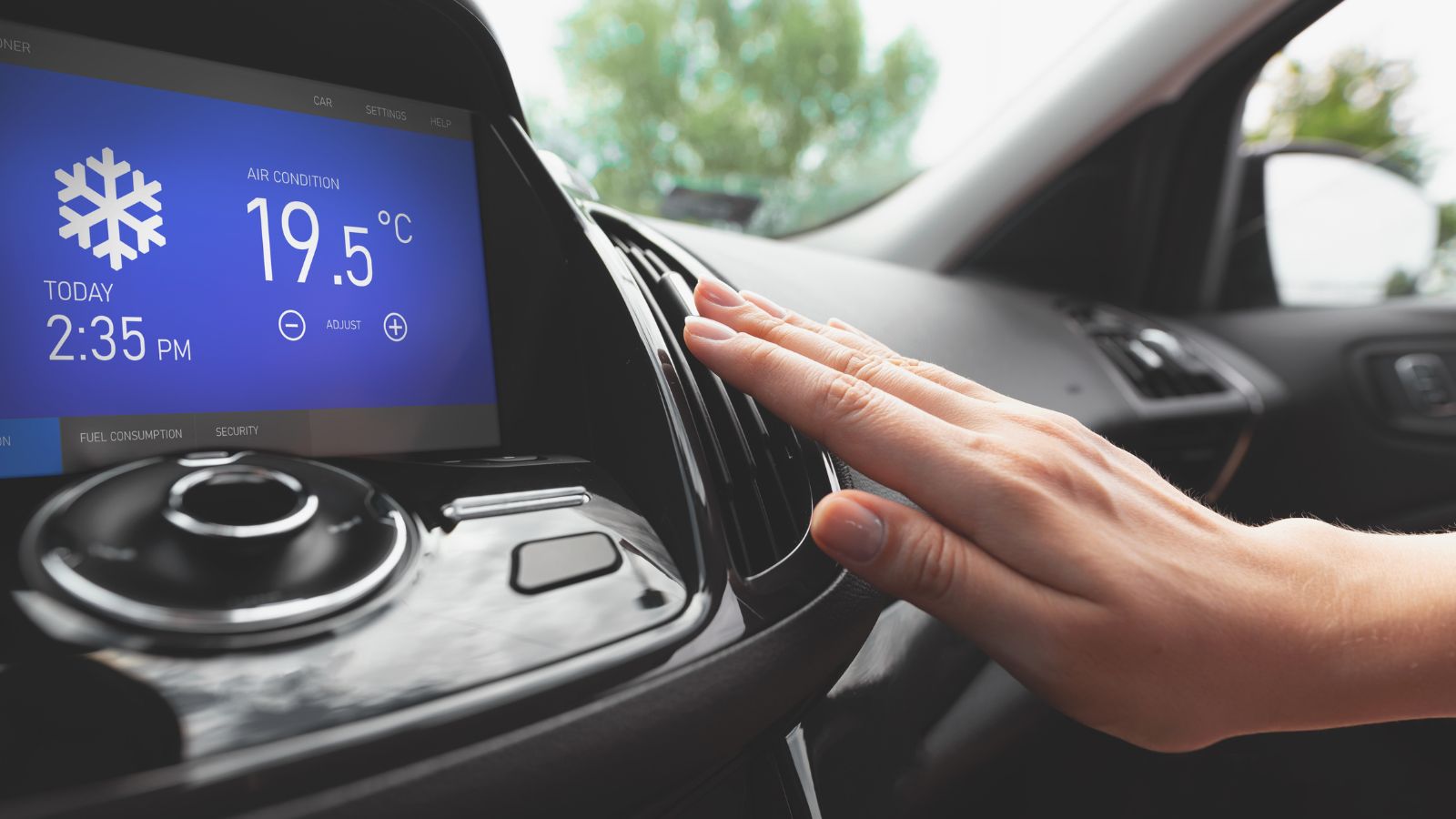
The first truly hot day often doubles as the first diagnostic test for a vehicle’s air-conditioning system. If the air is weak, stale, or not especially cold, the repair cannot really wait. Summer driving in stop-and-go traffic, on long family trips, or with pets and children in the cabin makes functioning A/C feel less like a luxury and more like basic comfort. That is when a driver who never thought to budget for climate control suddenly has to price an inspection, refrigerant work, or more involved repairs.
There is also a fuel angle that makes this expense feel broader than a repair ticket. Air-conditioning places extra demand on the vehicle, so the cost can continue every time the system runs. That means Canadians sometimes underestimate the real summer bill twice: first when the A/C needs service, and again when hot-weather driving uses more fuel than expected. A car that felt perfectly fine in April can become an expensive reminder in June that warm-weather readiness is not just about getting moving. It is also about staying comfortable once the trip starts.
Cooling-System Inspection
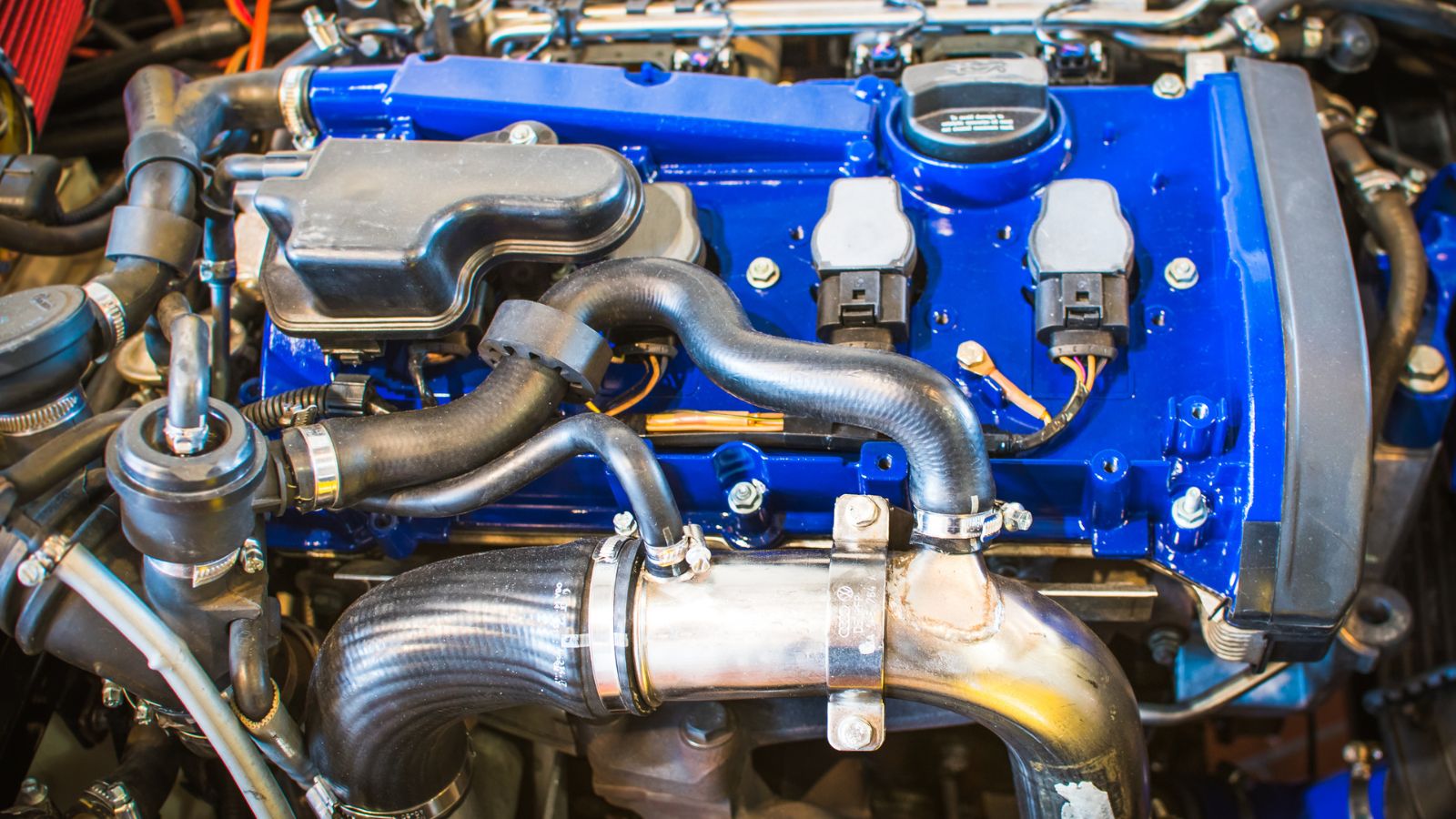
A vehicle can survive a lot of neglect before summer heat and highway traffic expose it. The cooling system is a classic example. Coolant levels, hoses, radiator condition, and signs of leakage are easy to ignore when temperatures are moderate and daily trips are short. But once the season shifts, a minor weakness can turn into overheating, especially in slow traffic, on long climbs, or during loaded-up weekend travel. The result can be a preventive service bill that appears right when people thought the vehicle was already ready.
This category often surprises drivers because it is less visible than tires or brakes. There is no obvious soundtrack for “coolant is overdue” until something runs hot. Shops see this all the time in early summer: someone comes in for a basic check before a trip and discovers the cooling system needs attention first. The expense feels inconvenient because it rarely comes with drama in advance. It just waits until the weather, distance, and load are finally enough to reveal that the vehicle has been one warm day away from trouble.
Oil Changes and Fluid Top-Ups
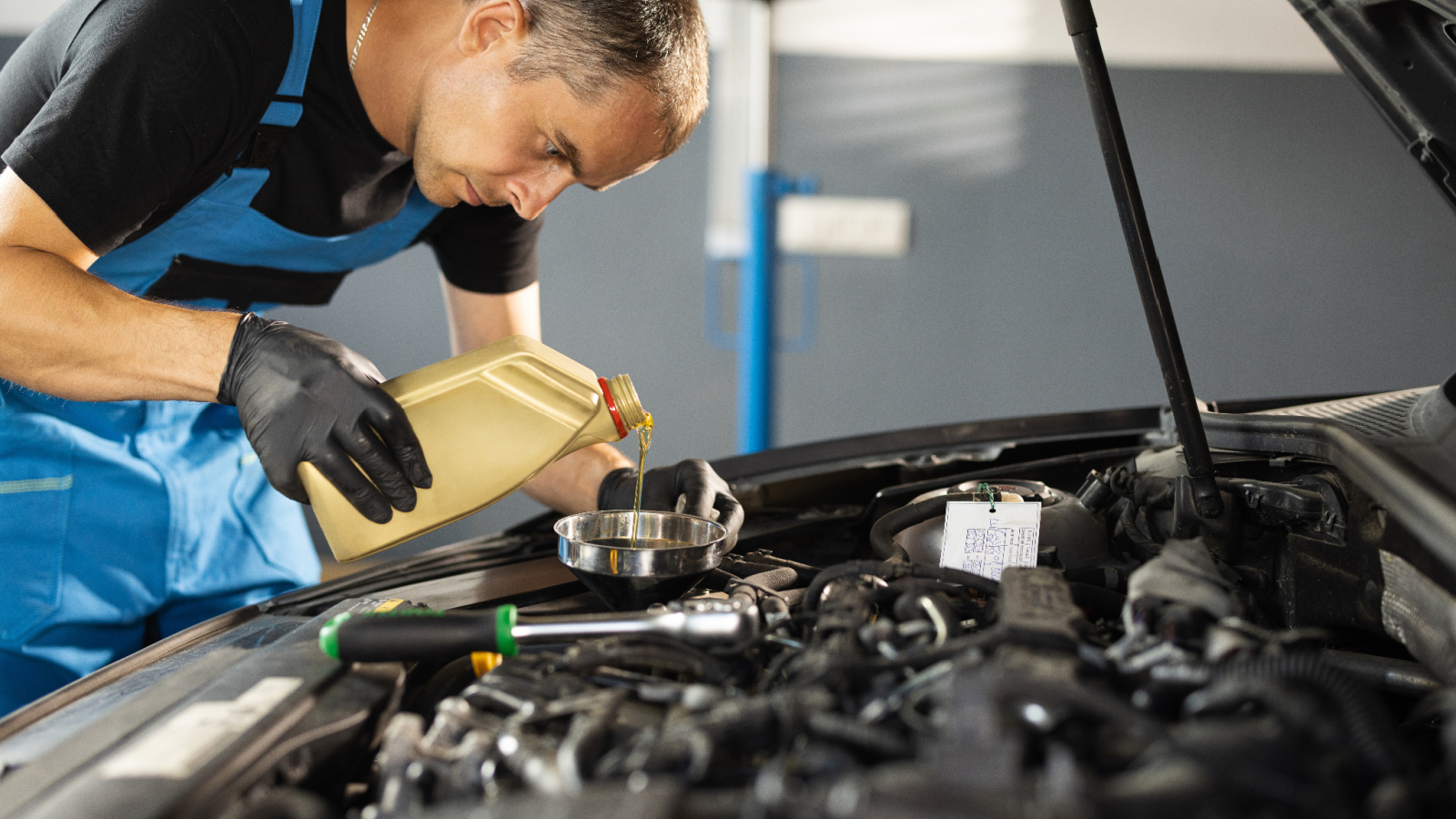
Summer driving has a way of exposing overdue routine maintenance. A vehicle that handled short errands all winter can suddenly be asked to cover hundreds of kilometres in a weekend, carry more passengers, sit in traffic with the A/C on, and run for hours at highway speed. That is often when an old oil-change reminder, low washer fluid, or neglected brake and transmission fluid check stops being a background task and becomes a same-day service appointment.
Drivers forget to budget for this because scheduled maintenance feels ordinary, not seasonal. But the first big warm-weather drive turns ordinary maintenance into a deadline. A shop visit that starts with “just make sure everything looks good” can become oil, fluid top-ups, and a few filters before the keys come back. None of it is especially dramatic, which is what makes the total so sneaky. It is the accumulation of responsible choices that were easy to delay while the car was only handling the short, familiar routines of everyday life.
Engine and Cabin Filters
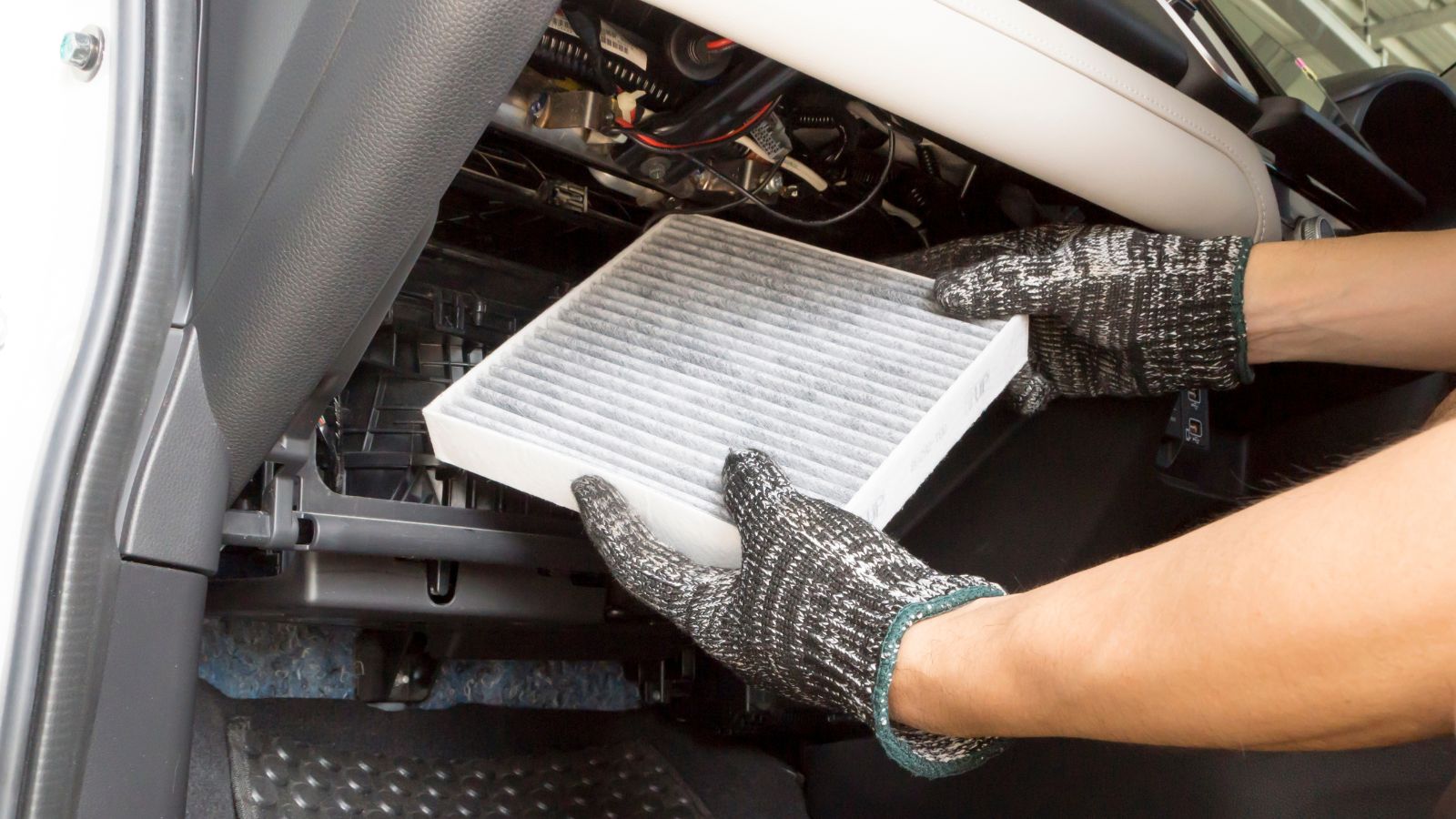
Filters are among the least glamorous expenses in car ownership, which may be why they stay invisible for so long. Yet summer puts both engine and cabin filters under conditions that make neglect more noticeable. Dusty roads, pollen, wildfire smoke in some regions, construction debris, and long-distance travel can all expose a clogged filter faster than ordinary city commuting does. Drivers may only notice weaker airflow, stale smells, or an engine that seems to be working a little harder than usual.
The budget surprise comes from timing. A cabin filter replacement sounds minor until it gets bundled with A/C service, and an engine air filter sounds optional until someone explains that a clogged one can affect efficiency and performance. These are not headline repairs, but they are exactly the kind of maintenance items that appear during a pre-trip inspection and add enough to the invoice to be irritating. Because they are easy to forget and easy to postpone, they routinely become part of the first summer-drive bill anyway.
Suspension Repairs From Potholes
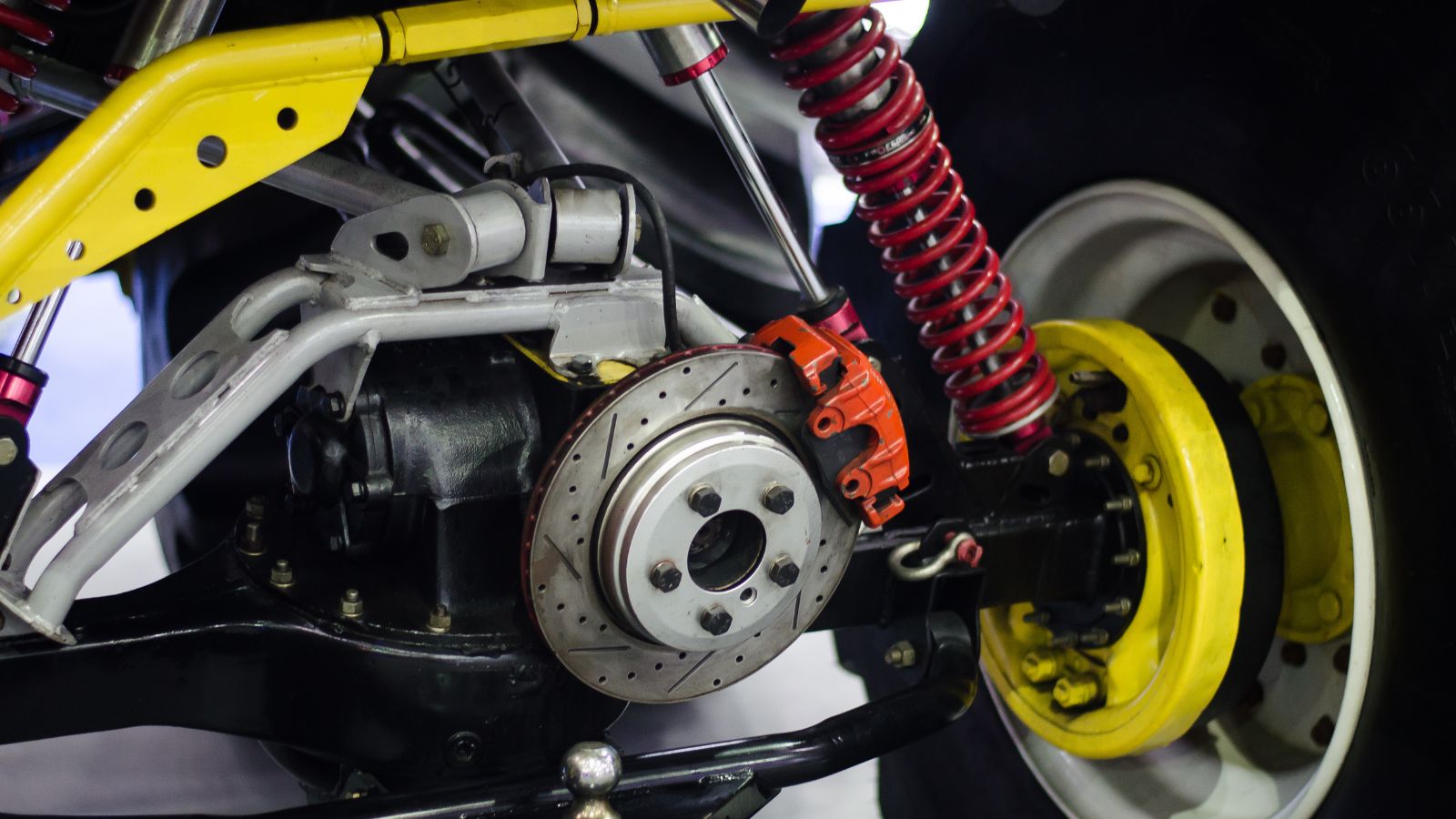
There is a reason pothole season leaves such a long financial shadow. Even when a vehicle escapes a dramatic blowout or bent rim, repeated hits can wear away at suspension components in ways drivers do not immediately notice. The damage often shows up later as clunks, extra bounce, uneven tire wear, sloppy steering feel, or a sense that the car no longer settles properly over rough pavement. By early summer, the road may feel smooth enough again, but the repair consequences have just begun.
This can be one of the most painful surprises on the list because suspension work is rarely cheap and rarely discovered at a convenient time. A driver might only book an inspection because the car feels “off” on the first cottage trip, then learn that struts, control-arm parts, or other components have taken a beating. What makes it worse is that the expense can connect back to other costs. Suspension problems can accelerate tire wear, worsen alignment issues, and make the whole vehicle feel older than it is.
A Proper Post-Winter Wash and Rust Protection
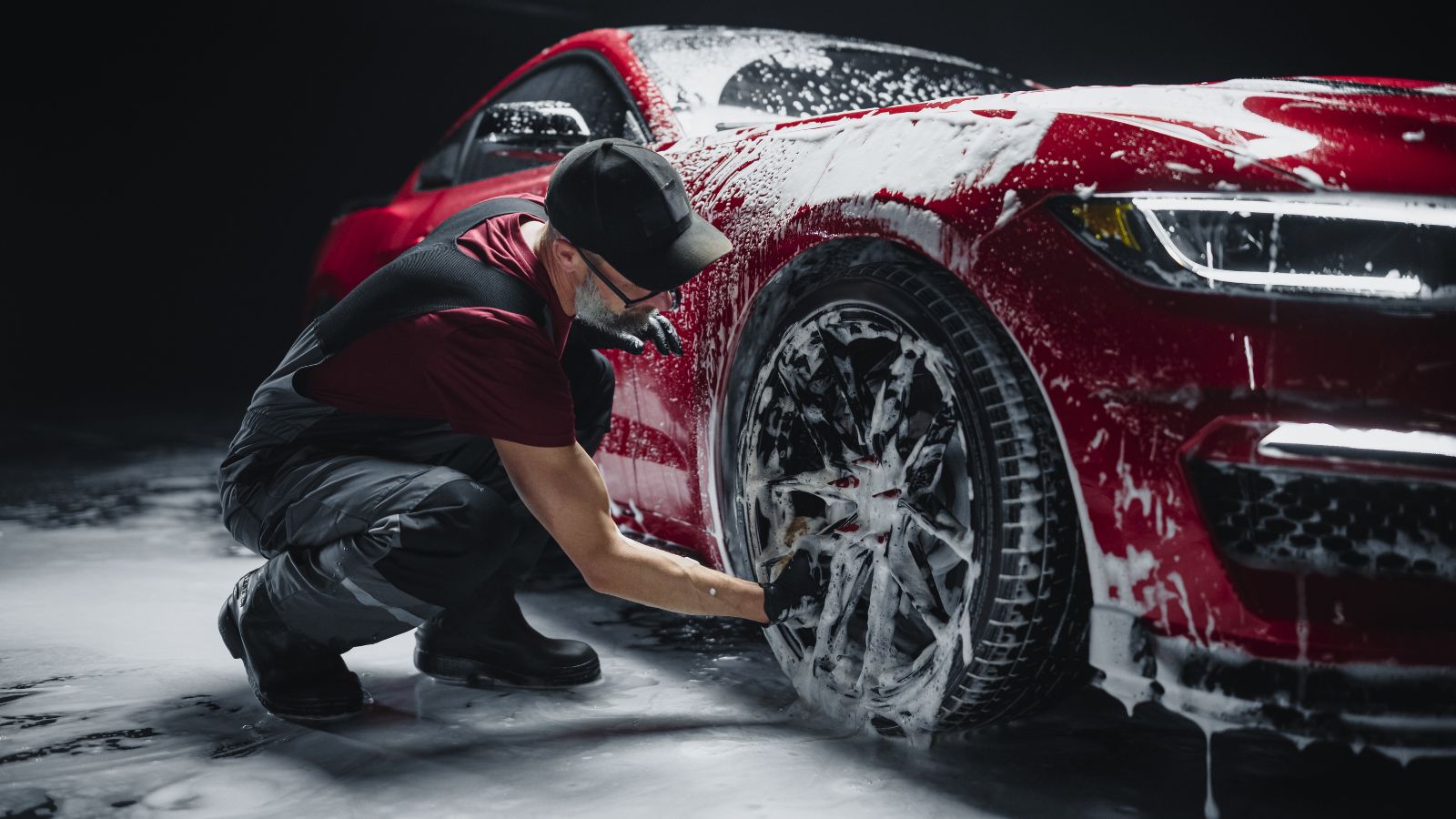
Many drivers think of the first spring wash as cosmetic, but in Canada it is often part of maintenance. Salt, brine, sand, and winter grime settle into wheel wells, underbodies, and hard-to-see corners where they keep doing damage after the snow is gone. A basic rinse is better than nothing, yet the vehicle that really needs attention may also need a deeper underbody clean, touch-up work for chips and scratches, or some form of rust protection. Those costs tend to show up just when people would rather spend money on the trip itself.
This is one of the easier items to dismiss because the car can still look reasonably clean from a distance. But the small marks left by winter are exactly what become bigger and uglier if they are ignored. A spring detail or rust-prevention appointment often feels like discretionary spending until a few seasons pass and the consequences become obvious. Then the overlooked wash-and-protect budget no longer looks optional. It looks like the inexpensive step that would have prevented a more visible and more expensive problem later.
Emergency Supplies and Roadside Coverage
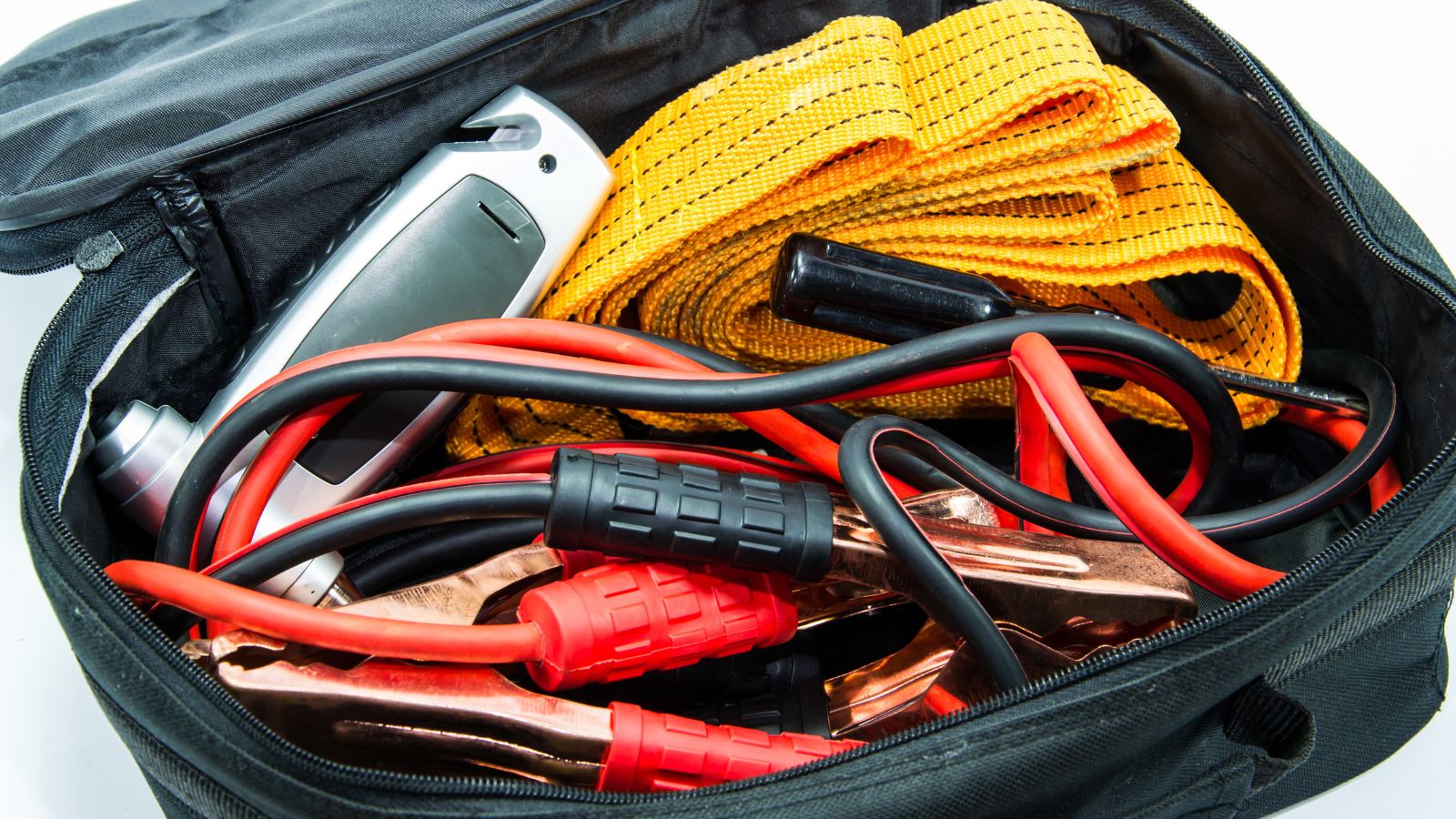
A summer drive usually begins with optimism, which is why emergency planning gets pushed aside. The roads are clear, the weather is better, and the whole point of the trip is to relax. Yet this is exactly when forgotten roadside coverage, an outdated emergency kit, or missing basics like jumper cables, a flashlight, water, or a first-aid kit become expensive oversights. The cost may be a membership renewal, fresh supplies, or a last-minute purchase at inflated roadside prices after something has already gone wrong.
This category rarely feels urgent until the moment it does. A flat tire on a rural highway, a dead battery at a trailhead, or an overheated engine in traffic changes the math immediately. A modest preparedness budget suddenly looks far cheaper than towing, long delays, or scrambling for help in a place with poor reception. Canadians often remember to service the vehicle itself and forget the support system around it. That support system may not be glamorous, but it can easily become one of the smartest pre-summer purchases of the season.
Fuel for Longer, Hotter Drives
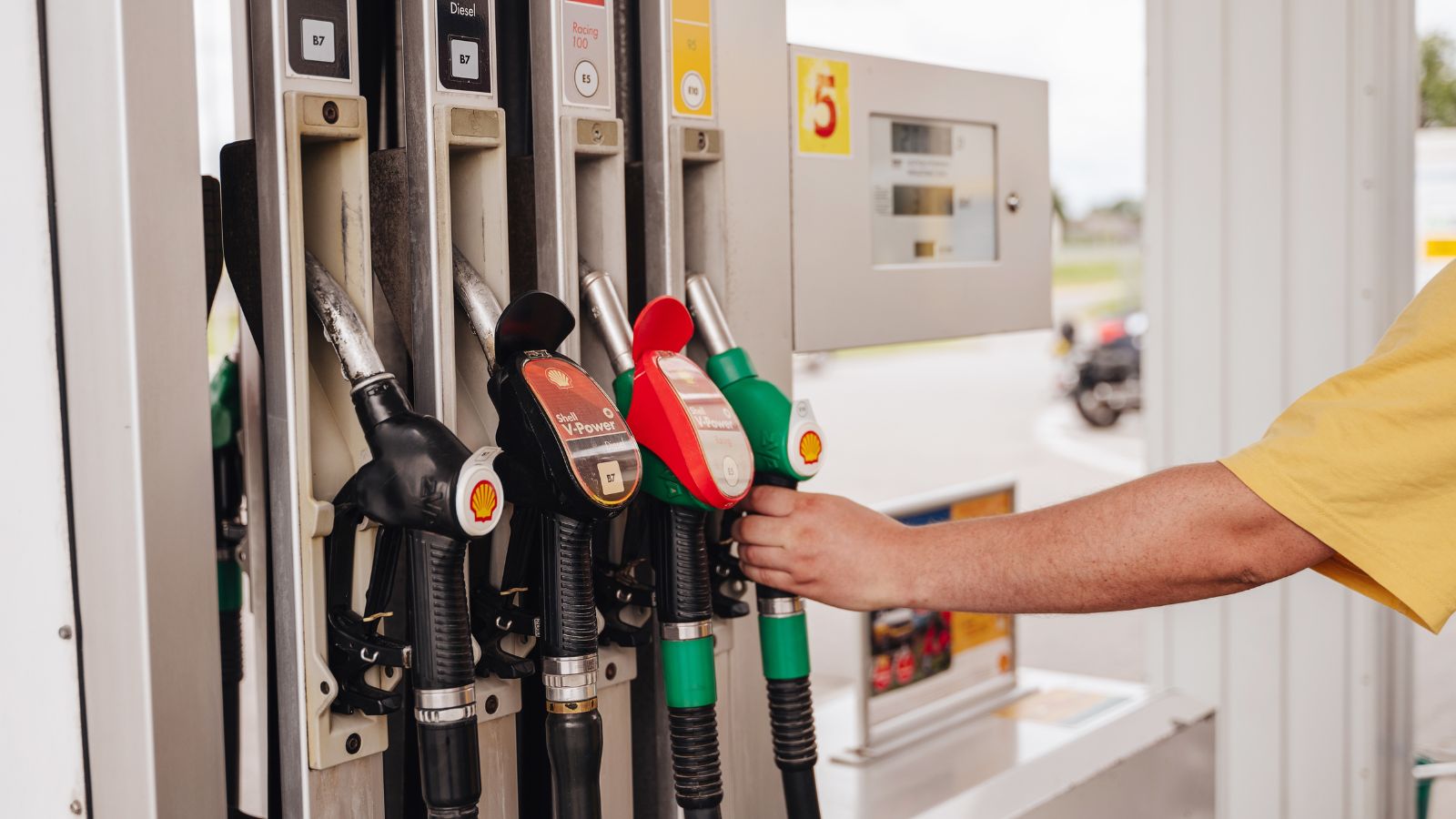
Fuel is the most obvious summer driving expense, but it is still routinely underestimated. The mistake is not forgetting gas entirely. It is assuming the usual weekly fuel spend will somehow stretch to cover warmer weather, longer routes, heavier cargo, and more air-conditioning use. The first summer drive is often not a normal drive at all. It is a higher-mileage, higher-speed, higher-comfort trip, and that changes the budget even before anyone starts calculating detours, idling, or traffic delays.
Small inefficiencies multiply fast once distances grow. A vehicle with low tire pressure, a loaded cargo area, or constant A/C use can quietly spend more than expected over a single weekend. Many drivers only notice the gap after a couple of fill-ups, when the trip budget already feels tighter than planned. Fuel is not just a line item; it is the category that amplifies every other small maintenance choice. By the time summer starts in earnest, it often becomes the running total that exposes how unready the budget really was.
Tolls, Parking, Ferries, and Park Fees

Some of the most annoying summer driving costs are not mechanical at all. They are the access fees wrapped around the drive: toll highways, day-use permits, ferry fares, downtown parking, and park entry charges that are easy to forget when the focus is on gas and lodging. These costs can feel small in isolation, but they stack quickly, especially on multi-stop weekends or family outings where one destination leads to another and each one has its own price of admission.
What makes them easy to miss is that they are often treated as destination costs rather than driving costs, even though they are inseparable from the trip. A driver may budget carefully for fuel and food and still get nickeled and dimed by the route itself. In Canada, that can mean anything from a toll road to a provincial park permit to a ferry charge that was not added into the original estimate. The oversight is common because these fees do not live under the hood. They show up on screens, kiosks, and statements after the drive has already begun.
Roof Racks, Cargo Boxes, and Extra Drag

Summer often means carrying more: bikes, camping gear, coolers, paddleboards, or the awkward cargo that does not fit neatly in the trunk. The equipment itself costs money, but the more easily forgotten expense is what it does to fuel use. A roof rack or large cargo box adds drag, especially at highway speeds, which means the convenience of bringing extra gear can keep generating costs long after the accessory has been installed or borrowed.
That is why this category sneaks past so many budgets. People account for the campsite, the groceries, and maybe even the bike rack, but not the added fuel burned just by slicing a less aerodynamic shape through summer air. For families heading out with a fully loaded vehicle, the difference is not theoretical. It shows up at the pump. A hitch-mounted setup can be gentler on efficiency than a rooftop one, but either way, carrying summer gear has a real price. The trip may feel freer with extra equipment, but it is rarely cheaper.
22 Things Canadians Do to Their Cars in Spring That Mechanics Hate

Spring brings relief to many Canadian drivers after months of snow, freezing temperatures, and icy roads that put serious strain on vehicles. As temperatures rise across the country, drivers begin washing cars, switching tires, and preparing vehicles for warmer weather and upcoming road trips. However, mechanics across Canada notice the same mistakes every spring when drivers attempt to recover from winter damage. Road salt, potholes, and harsh winter driving conditions often leave vehicles with hidden problems that drivers ignore. Some spring habits even create new mechanical issues that could have been avoided with proper maintenance. Here are 22 things Canadians do to their cars in spring that mechanics hate.