


























Canadian winters are tough on vehicles. Salt, slush, and moisture stick around for months. Even reliable models can start showing rust earlier than expected. Many owners notice bubbling paint, corroded frames, or rusted underbodies within a few years. Some vehicles are more prone due to design, coatings, or exposed components. Others struggle because of poor drainage or thin paint protection. These issues often lead to expensive repairs or reduced resale value. If you live in a snowy region, knowing which vehicles are vulnerable can help. Here are 24 vehicles with rust problems Canadians keep complaining about.
Ford Escape

The Ford Escape has been a popular compact SUV in Canada for years. Many owners report rust forming around wheel wells and rear hatch panels. The undercarriage also shows corrosion earlier than expected. Salt buildup tends to collect in hidden seams. Over time, this traps moisture and accelerates rust formation. Older models seem especially vulnerable. Some drivers notice paint bubbling within five years. Repairing these spots can be costly. Regular washing helps, but it does not fully prevent issues. Many buyers now check for rust carefully before purchasing a used Escape.
Chevrolet Equinox

The Chevrolet Equinox often shows rust along door bottoms and rocker panels. Canadian drivers say winter driving worsens the problem quickly. Moisture tends to sit in the lower body sections. Drainage points sometimes clog with debris. Once trapped, salt accelerates corrosion under the paint. Some owners report rust appearing before 100,000 kilometers. The underbody also needs close inspection. Brake lines and suspension parts may show early wear. Frequent washing helps slow the process. Still, complaints remain common among long-term owners. Many consider rust prevention treatments necessary for this SUV.
Mazda3

The Mazda3 is known for its driving feel, but rust complaints are frequent. Earlier generations were especially affected in snowy regions. Rust often forms around wheel arches and rear quarter panels. Thin paint and less protective coating contribute to the issue. Many owners notice bubbling paint within a few winters. The underbody also shows corrosion if not maintained. Regular rustproofing can help extend the lifespan. Without it, damage spreads quickly. Some drivers say resale value drops due to visible rust. Buyers often inspect these areas closely before committing to a purchase.
Toyota Tacoma
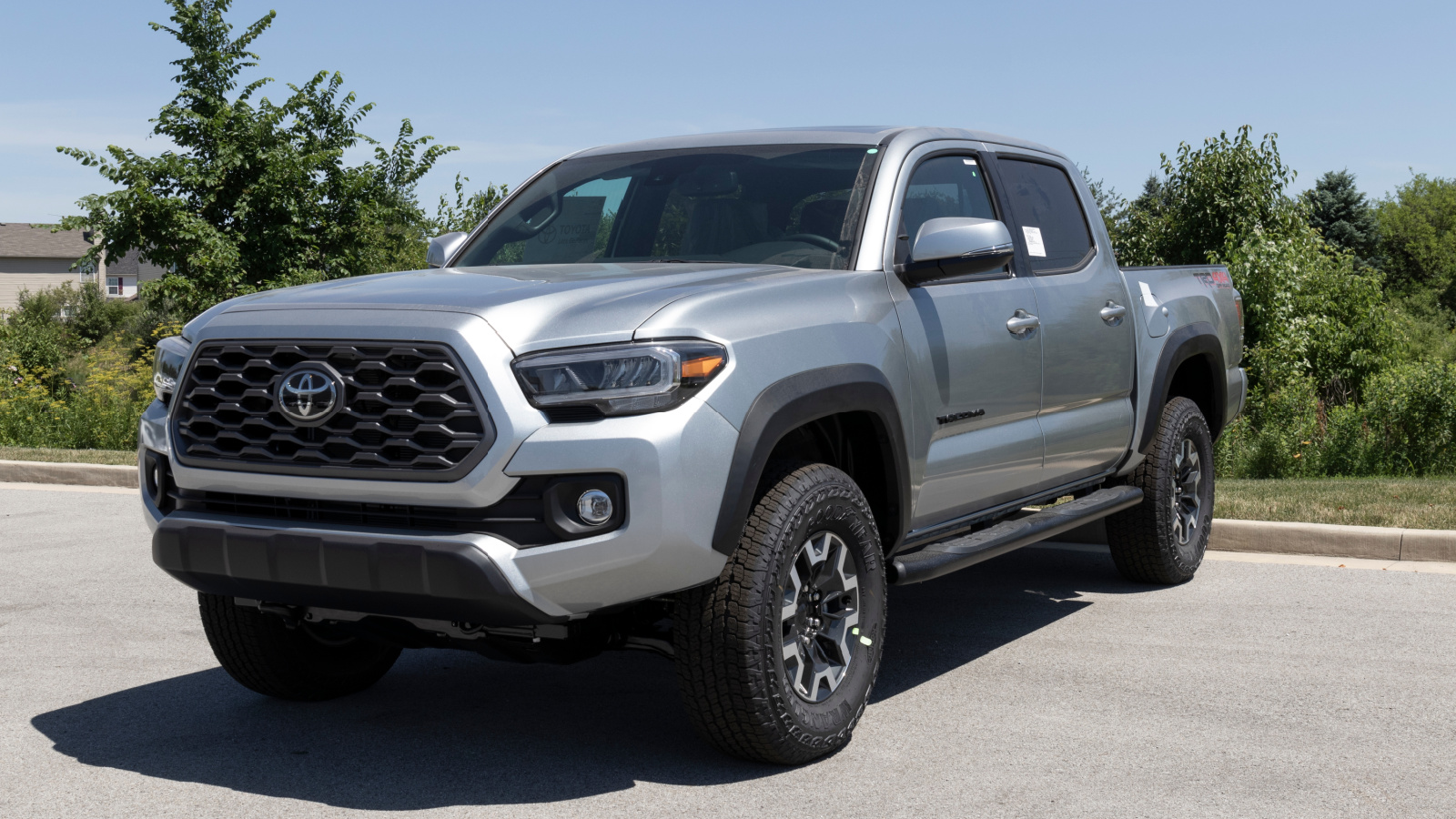
The Toyota Tacoma has faced long-standing rust concerns, especially in older models. Frame rust became a serious issue in Canada and northern regions. Some trucks required full frame replacements. Salt exposure worsens corrosion on untreated metal surfaces. Owners often notice flaking rust underneath after several winters. Even newer models need attention to prevent problems. Regular inspections are important for safety reasons. Rust can weaken structural components over time. Many Tacoma drivers invest in undercoating treatments. Despite reliability, rust remains a common complaint in harsh climates.
Honda CR-V

The Honda CR-V is a trusted SUV, yet rust issues appear over time. Owners often report corrosion near rear wheel arches. The tailgate and underbody can also develop rust spots. Canadian winters make the problem worse. Salt tends to cling to lower panels and seams. Moisture buildup leads to gradual paint damage. Some drivers notice issues within six years. Regular cleaning helps, but hidden areas still suffer. Rustproofing treatments are commonly recommended. Buyers often inspect older CR-V models carefully. Despite strong reliability, rust remains a frequent concern.
Nissan Rogue
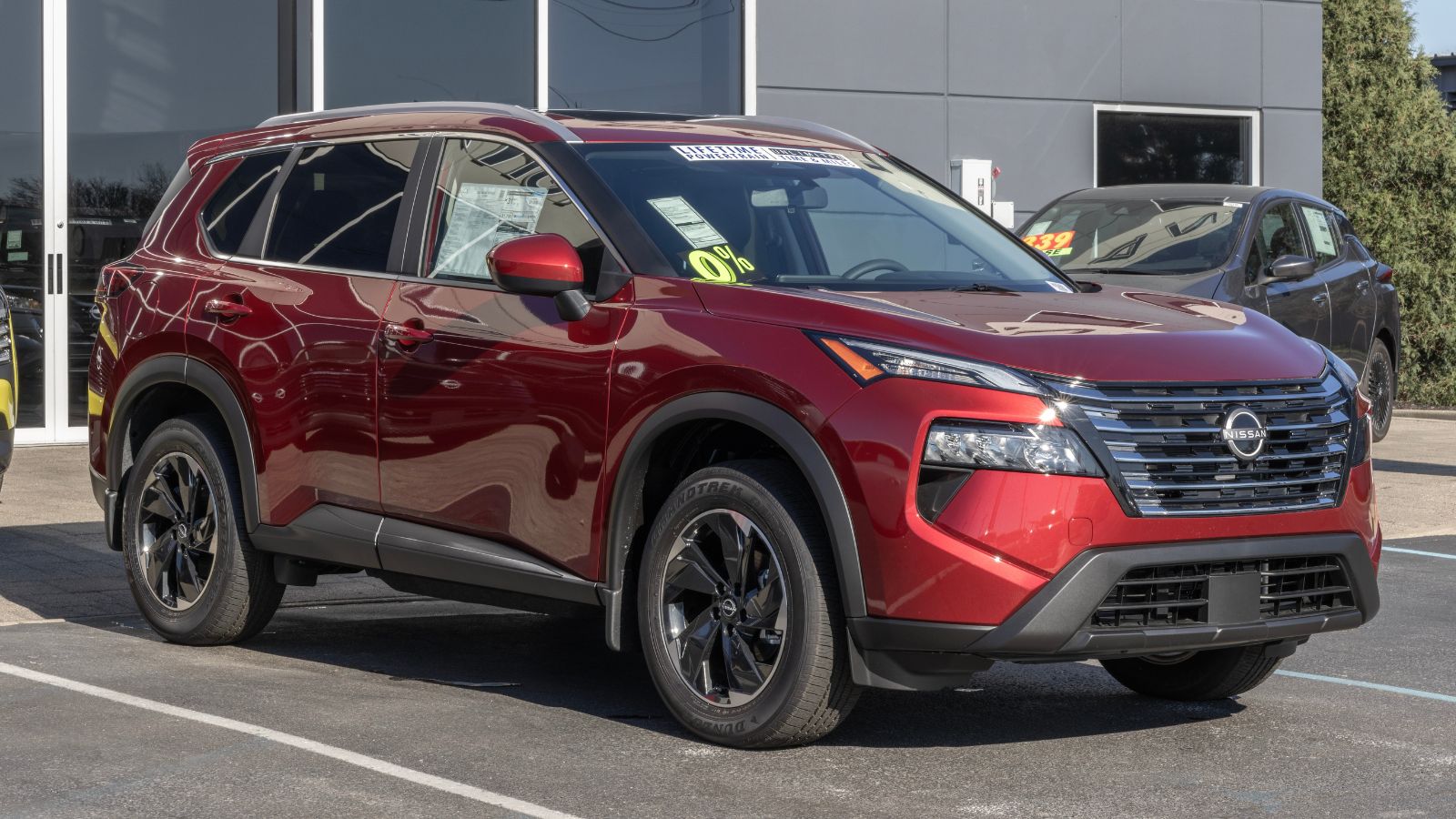
The Nissan Rogue sees consistent rust complaints from Canadian drivers. The rear hatch and door edges are common trouble spots. Paint tends to chip easily, exposing metal underneath. Once exposed, salt accelerates corrosion quickly. The undercarriage also requires regular checks. Some owners report rust forming within a few winters. Drainage design may contribute to moisture buildup. Cleaning helps, but it does not solve everything. Many drivers choose aftermarket rust protection. Long-term ownership often reveals these weaknesses. Buyers should inspect a used Rogue carefully before purchasing.
Jeep Wrangler
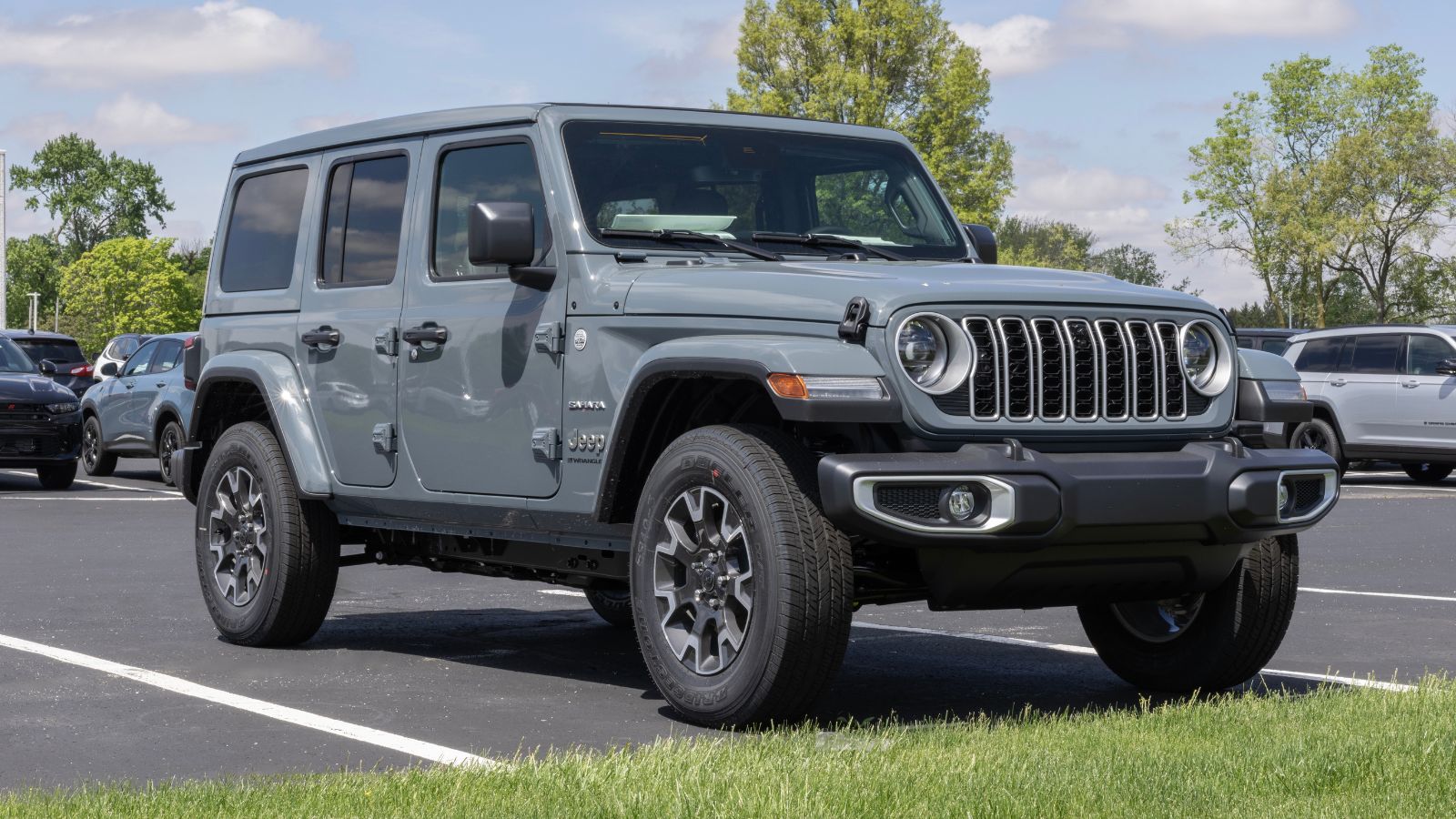
The Jeep Wrangler is built for adventure, but rust can become an issue. Exposed hinges and hardware are especially vulnerable. Canadian winters speed up corrosion on these parts. The frame and underbody also need regular attention. Mud and salt often remain trapped after off-road use. Owners frequently report rust forming within a few years. Even newer models benefit from protective coatings. Without maintenance, corrosion spreads quickly. Many drivers accept this as part of ownership. Still, rust complaints remain common among Canadian Wrangler owners.
Dodge Grand Caravan
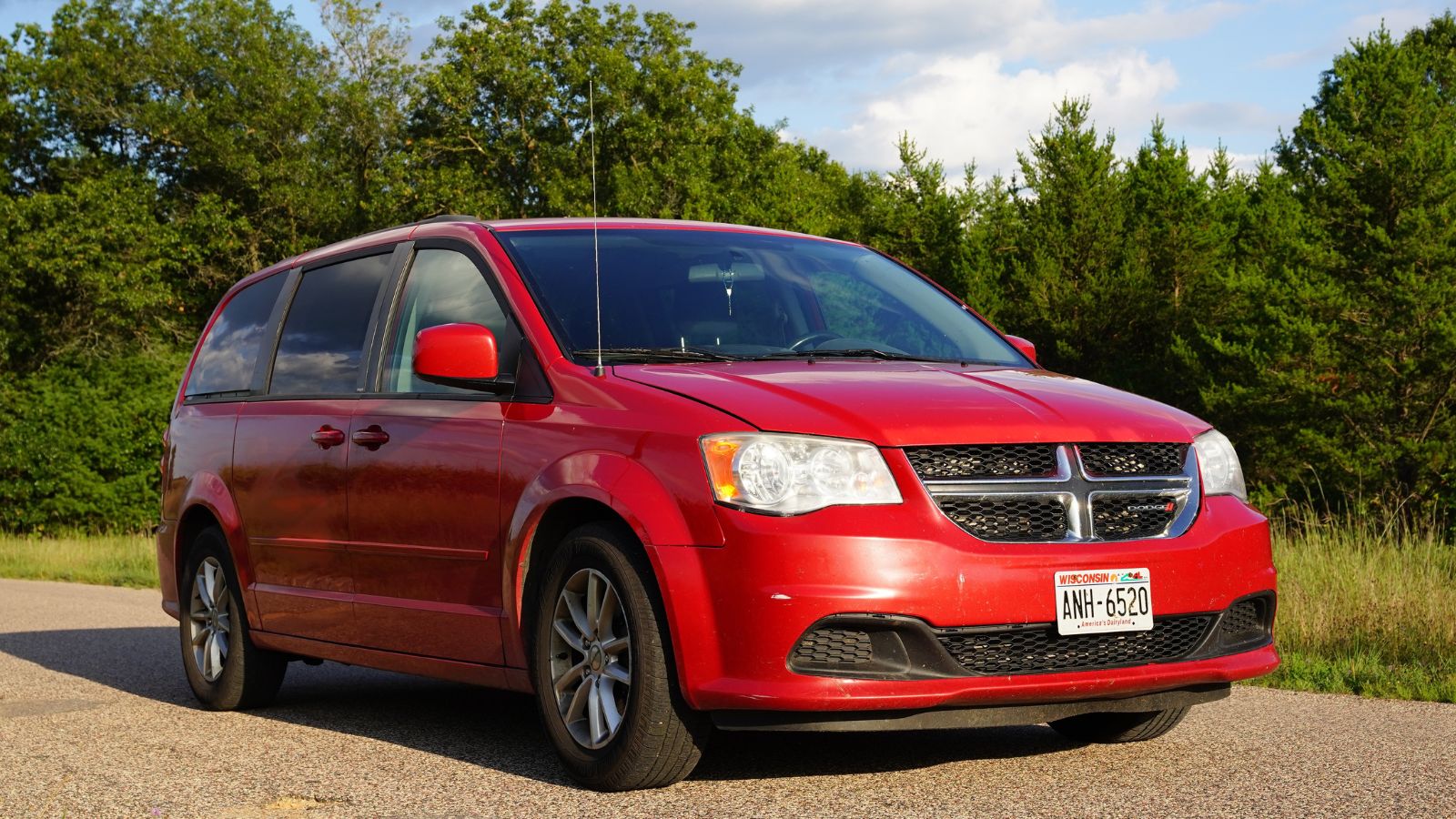
The Dodge Grand Caravan has been widely used across Canada. Rust often appears on sliding door edges and rear panels. The underbody also shows corrosion over time. Salt buildup is a major factor during the winter months. Some owners report rust within five years. Paint quality may contribute to early wear. Regular washing helps reduce damage. Still, hidden seams often trap moisture. Families relying on these vans notice the issue over long ownership periods. Rust can affect resale value significantly. Buyers often check these areas before purchasing.
Hyundai Elantra

The Hyundai Elantra offers value, but rust concerns appear in colder climates. Owners often notice rust on wheel arches and door edges. Paint chips easily, exposing bare metal underneath. Canadian winters worsen the problem quickly. Salt and moisture accelerate corrosion. Some drivers report rust within four years. The underbody also needs regular inspection. Preventive treatments can help extend lifespan. Without them, rust spreads faster than expected. Many buyers now check for early signs before purchasing used models.
Kia Sportage
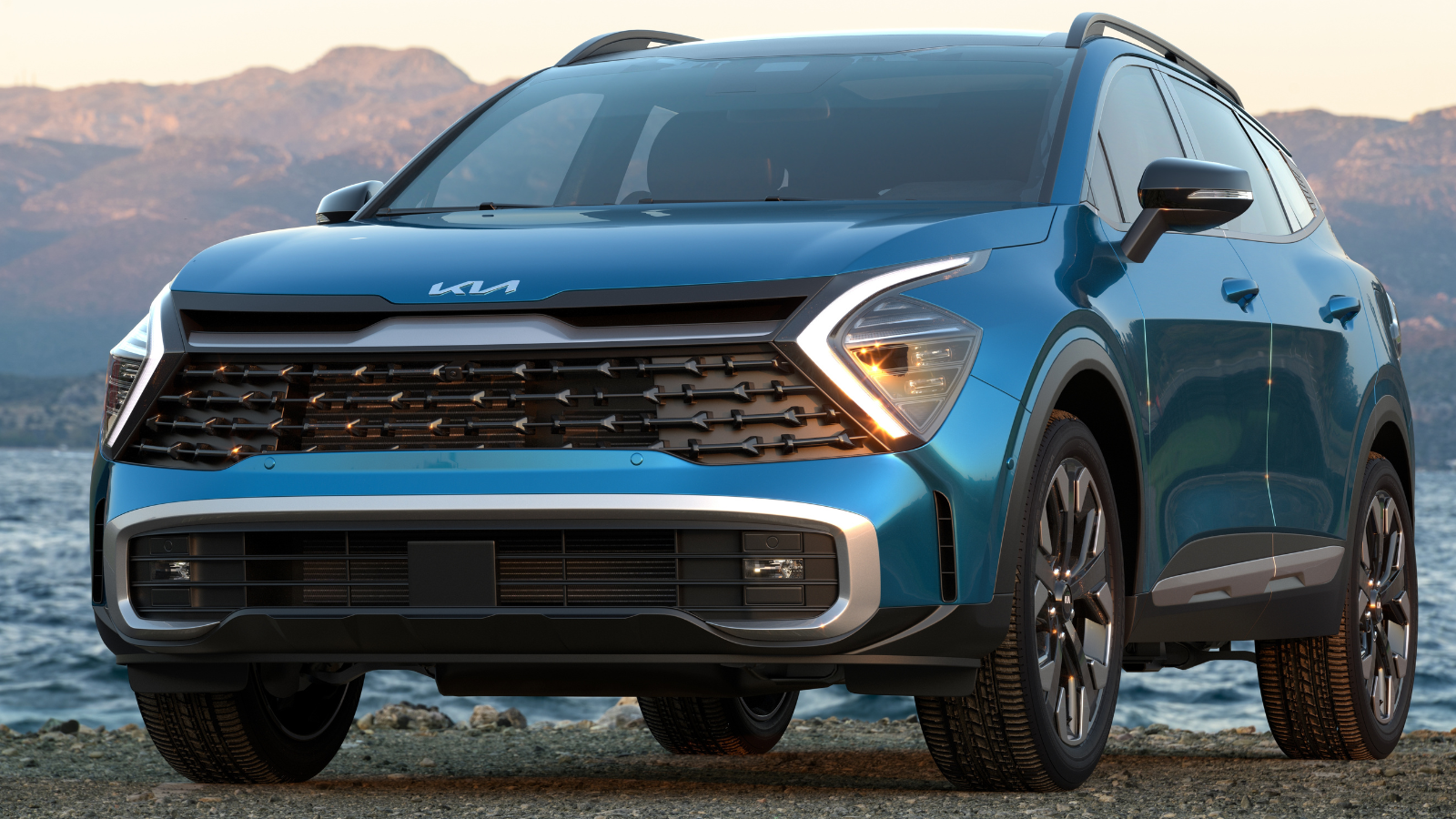
The Kia Sportage has improved over time, but older models show rust issues. Rear wheel wells and tailgates are common problem areas. Canadian winters increase exposure to salt and moisture. Some owners report bubbling paint after several seasons. The underbody also shows signs of corrosion early. Regular maintenance helps slow the process. Still, hidden areas often trap debris and moisture. Rustproofing is a common solution among owners. Long-term durability concerns remain a topic of discussion.
Ford F-150
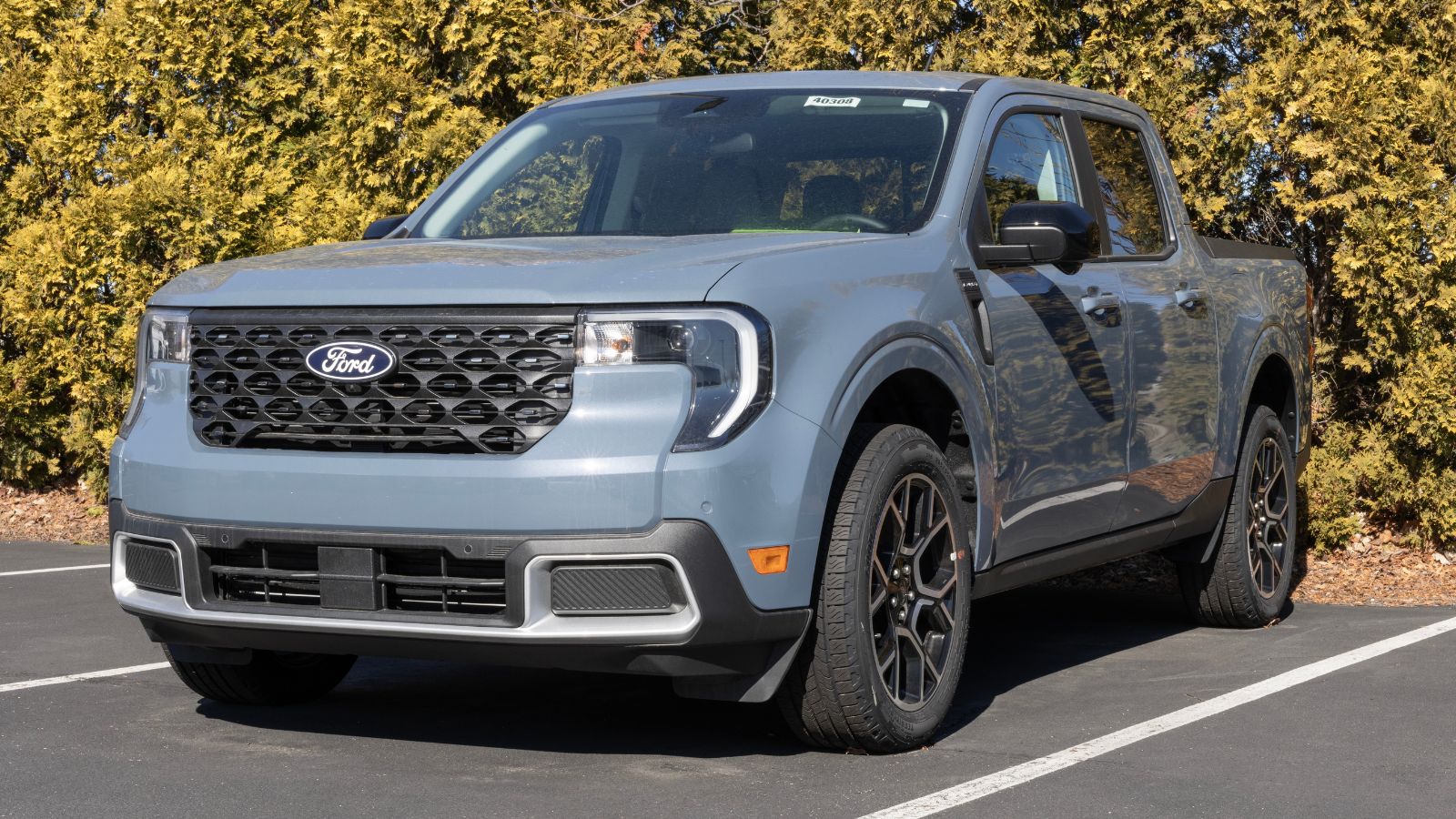
The Ford F-150 is widely used, yet rust concerns appear in certain generations. Older models often show corrosion on frames and body panels. Wheel arches and bed areas are common trouble spots. Canadian winters speed up deterioration. Salt exposure plays a major role. Some owners notice rust within five years. Regular washing helps, but not completely. Protective coatings can extend lifespan. Many drivers inspect used trucks carefully. Rust remains a common complaint despite the truck’s popularity.
Chevrolet Silverado
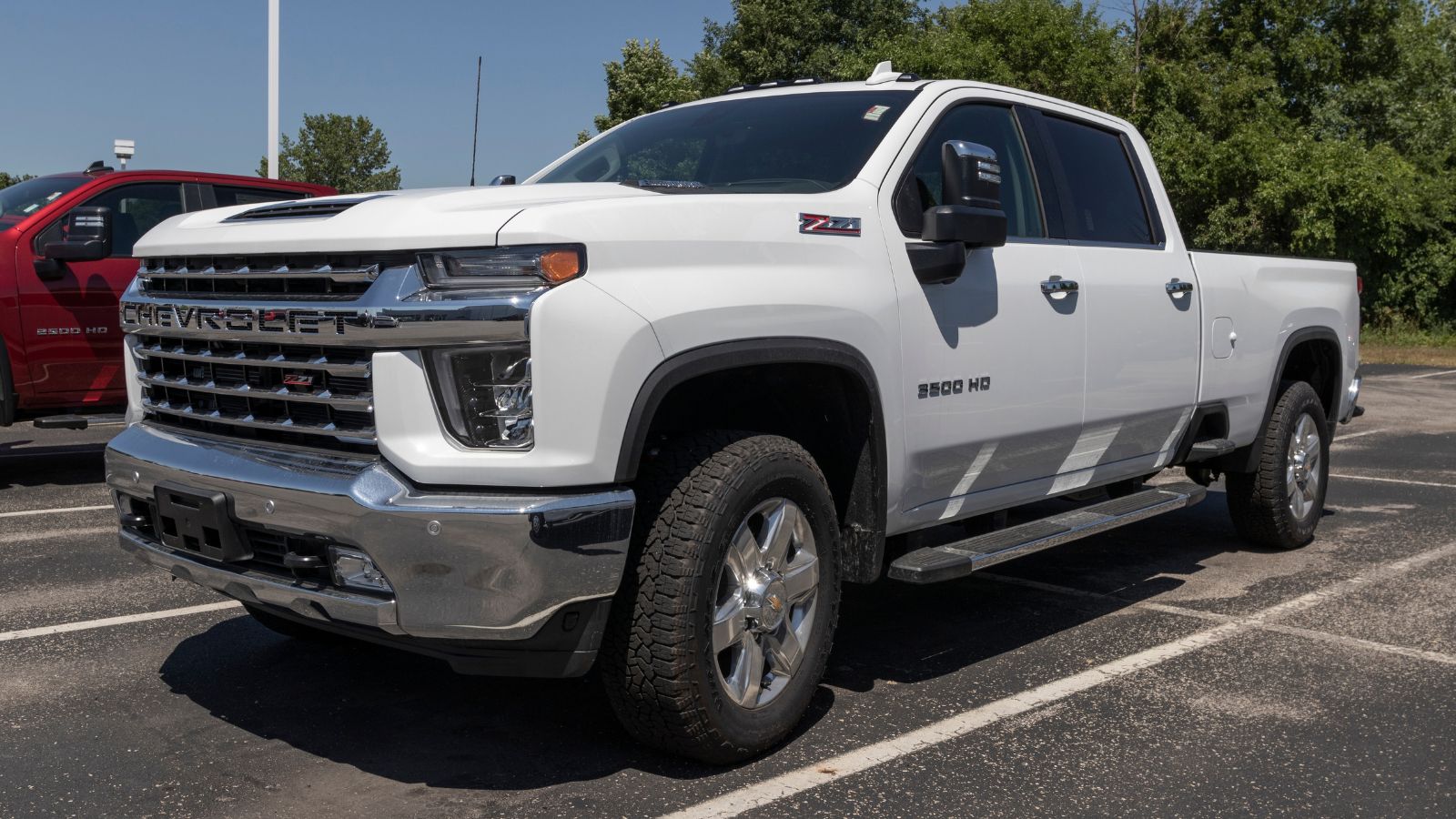
The Chevrolet Silverado also faces rust complaints in Canada. Rocker panels and wheel arches are frequent problem areas. Paint tends to chip easily under harsh conditions. Once exposed, metal corrodes quickly. The underbody also requires regular inspection. Some owners report rust within a few winters. Preventive treatments can help reduce damage. Still, long-term owners often deal with visible corrosion. Buyers now check these areas carefully before purchasing used models.
Subaru Forester
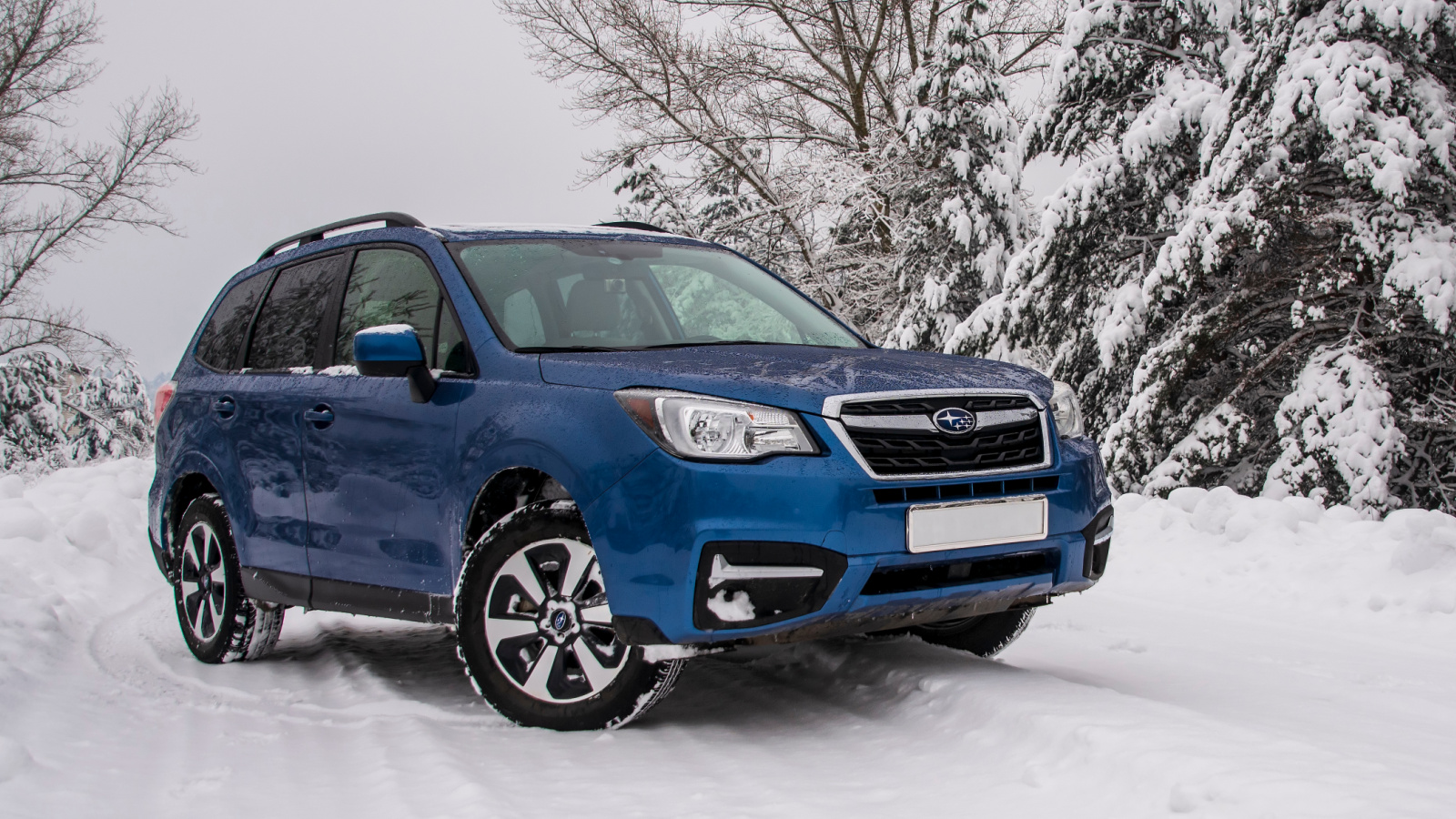
The Subaru Forester is popular for winter driving, but rust can develop over time. Rear wheel wells and undercarriage areas are common spots. Salt buildup accelerates corrosion during cold months. Some owners notice rust within five years. Drainage design may contribute to trapped moisture. Regular washing helps reduce buildup. Rustproofing is often recommended for long-term use. Many drivers inspect these areas before buying used models. Rust remains a concern despite strong all-weather performance.
Volkswagen Jetta
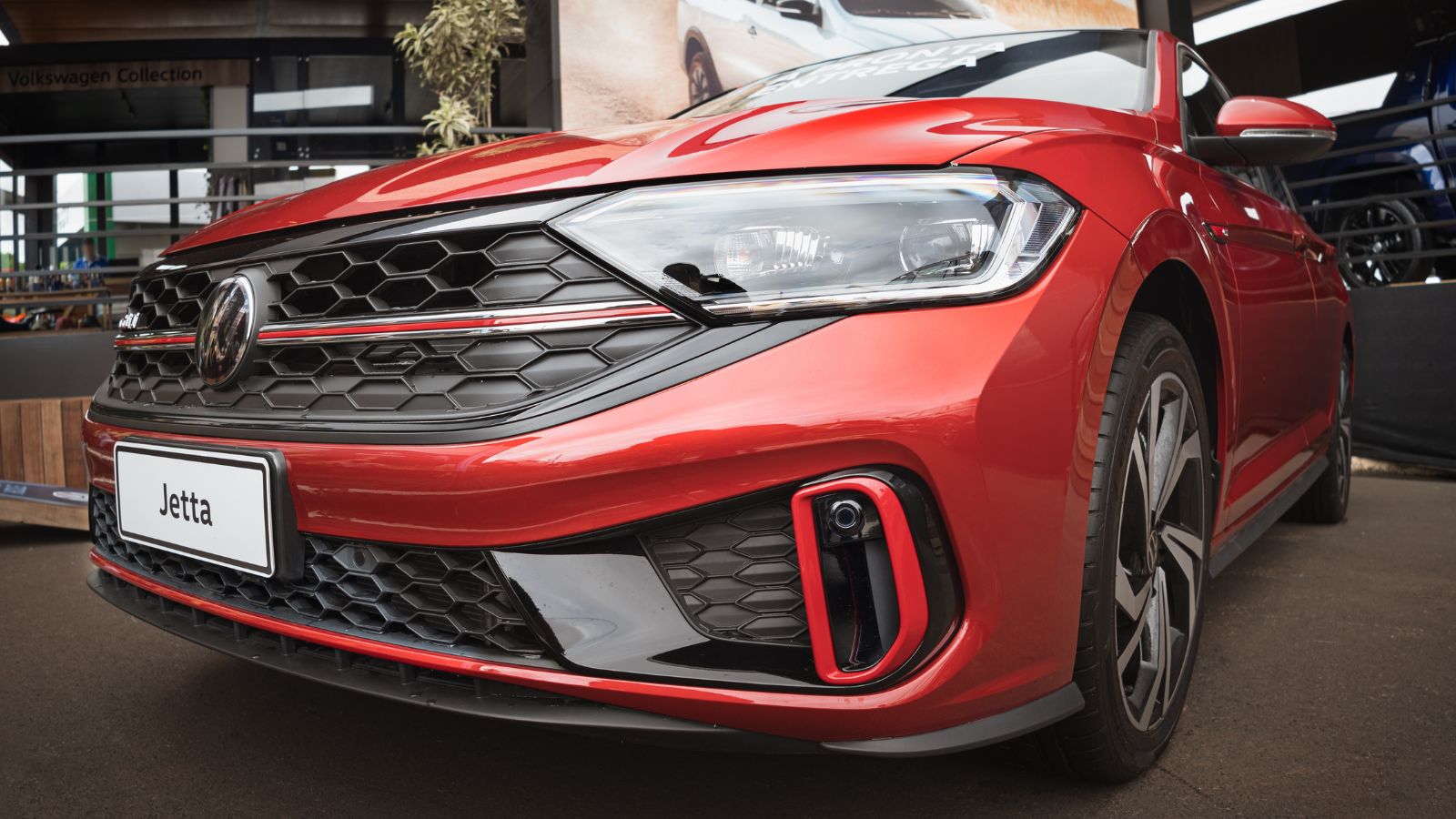
The Volkswagen Jetta offers a refined drive, but rust complaints appear in Canada. Wheel arches and door edges often show early signs. Paint chips expose metal underneath. Salt quickly worsens these areas during winter. Some owners report rust within a few seasons of daily driving. The underbody also needs regular inspection after heavy snow exposure. Drainage points may clog, trapping moisture inside panels. Over time, corrosion spreads under the paint layer. Regular washing helps reduce buildup, especially after storms. Many drivers use rustproofing treatments for protection. Buyers often inspect these areas carefully before purchasing used Jetta models in colder regions.
Ram 1500
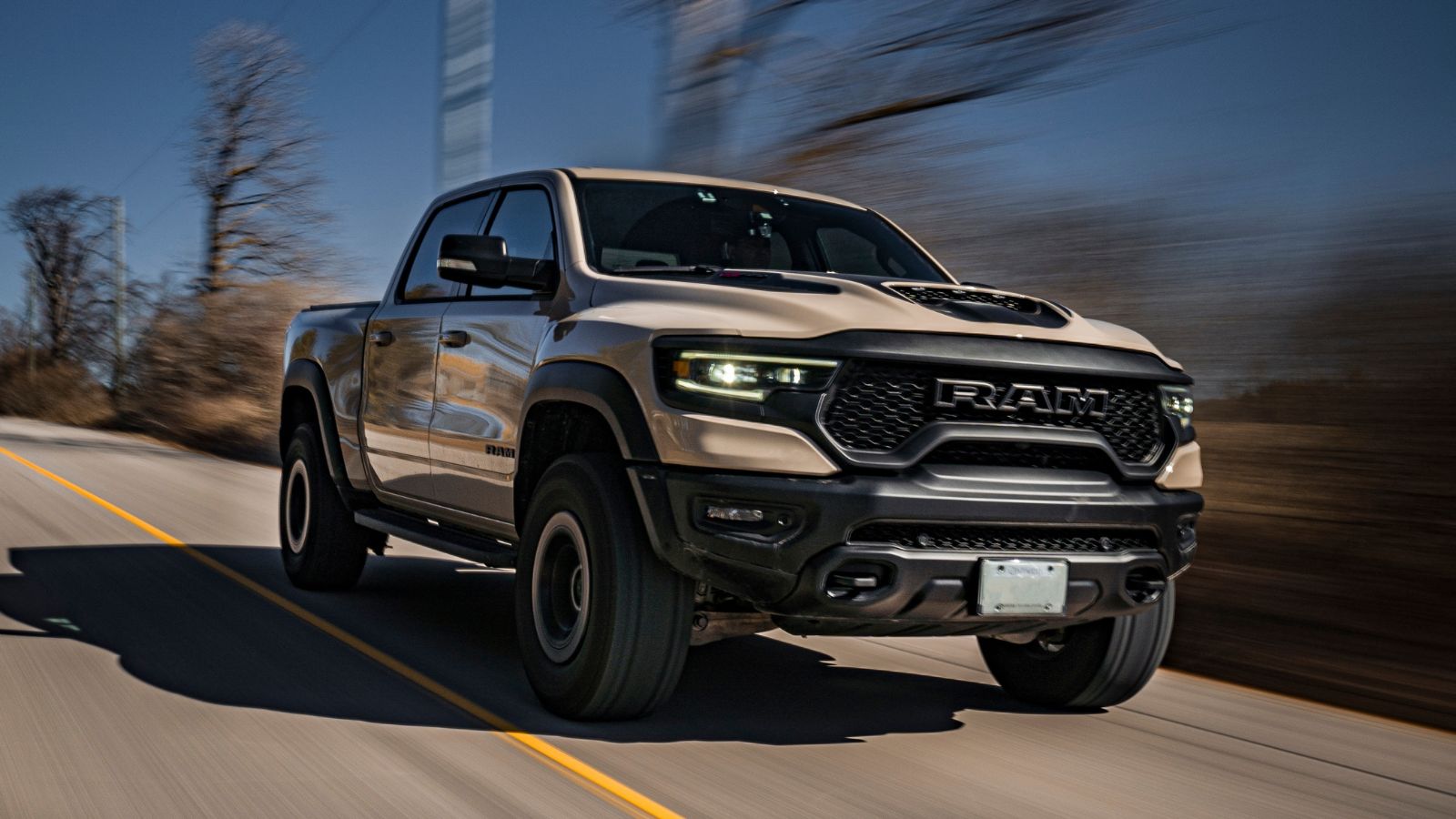
The Ram 1500 is a popular truck, yet rust can become an issue in Canada. Wheel wells and tailgates are common problem areas. Salt collects easily in seams and under trim pieces. Over time, moisture remains trapped, accelerating corrosion. Some owners report rust within five years of regular winter use. The underbody also requires attention, especially around suspension components. Paint durability varies by model year, affecting long-term resistance. Frequent washing helps reduce buildup after snow driving. Many drivers apply protective coatings early in ownership. Buyers often inspect used trucks closely for signs of rust before making a purchase decision.
Honda Civic

The Honda Civic is known for reliability, but rust issues still appear over time. Older models often show corrosion on rear panels and wheel arches. Canadian winters worsen the problem quickly due to road salt. Paint may chip easily, exposing bare metal underneath. Once exposed, rust spreads steadily across affected areas. Some drivers notice bubbling paint after several seasons. The underbody also requires regular checks, especially in high-mileage vehicles. Washing helps reduce salt buildup, but hidden areas still suffer. Many owners choose rustproofing for long-term protection. Buyers often inspect these spots carefully before purchasing a used Civic in colder climates.
Nissan Altima
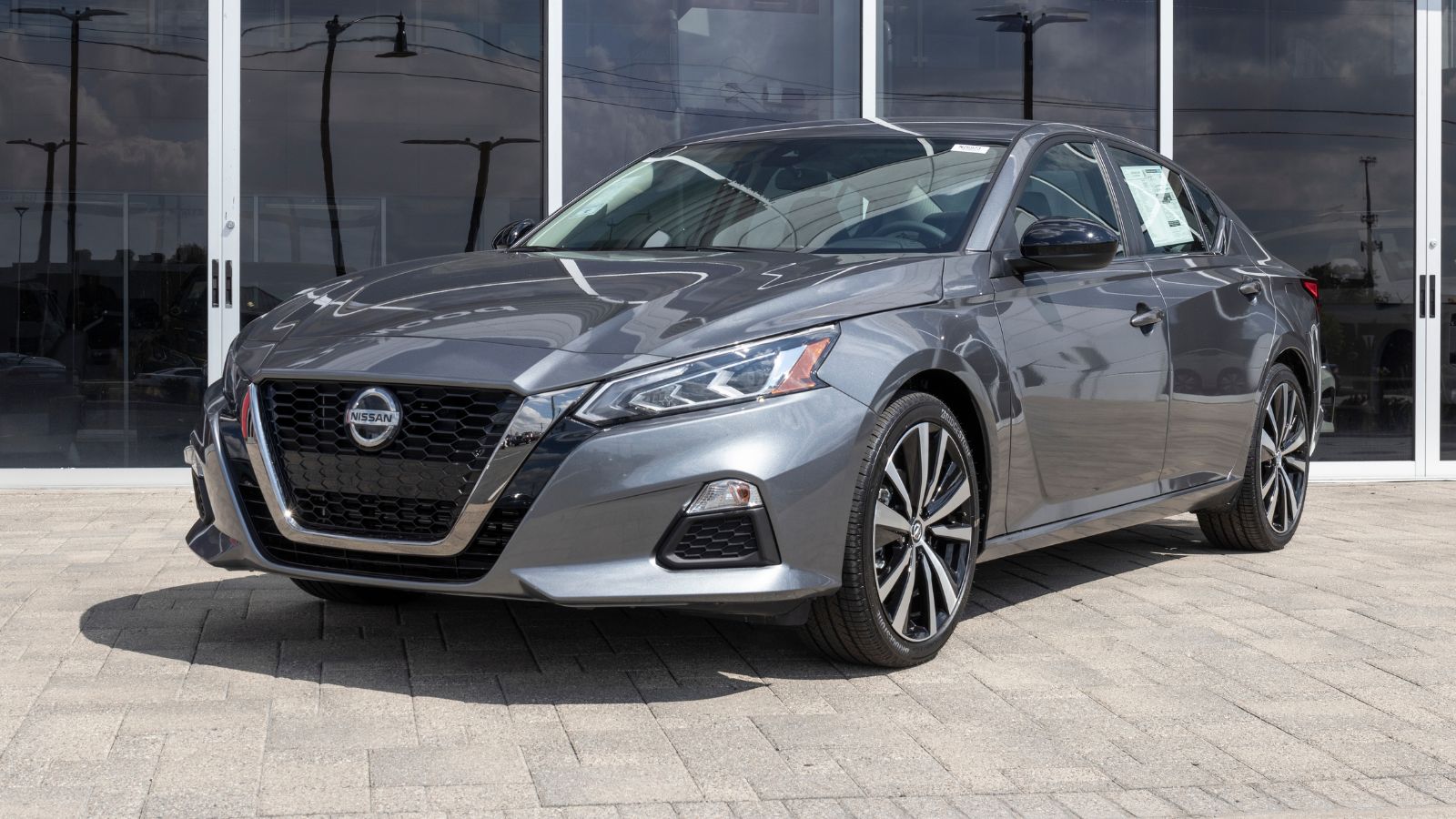
The Nissan Altima sees rust complaints in colder climates across Canada. Door edges and wheel wells are common trouble spots. Paint chips expose the metal beneath, especially in winter. Salt accelerates corrosion quickly once surfaces are unprotected. Some owners report rust within a few winters of ownership. The underbody also requires attention after heavy snow use. Drainage areas may trap moisture if not cleaned regularly. Over time, corrosion spreads beneath the paint layer. Washing helps slow the process but does not stop it completely. Many drivers choose rustproofing treatments. Buyers often inspect used Altima models carefully before purchasing.
GMC Sierra
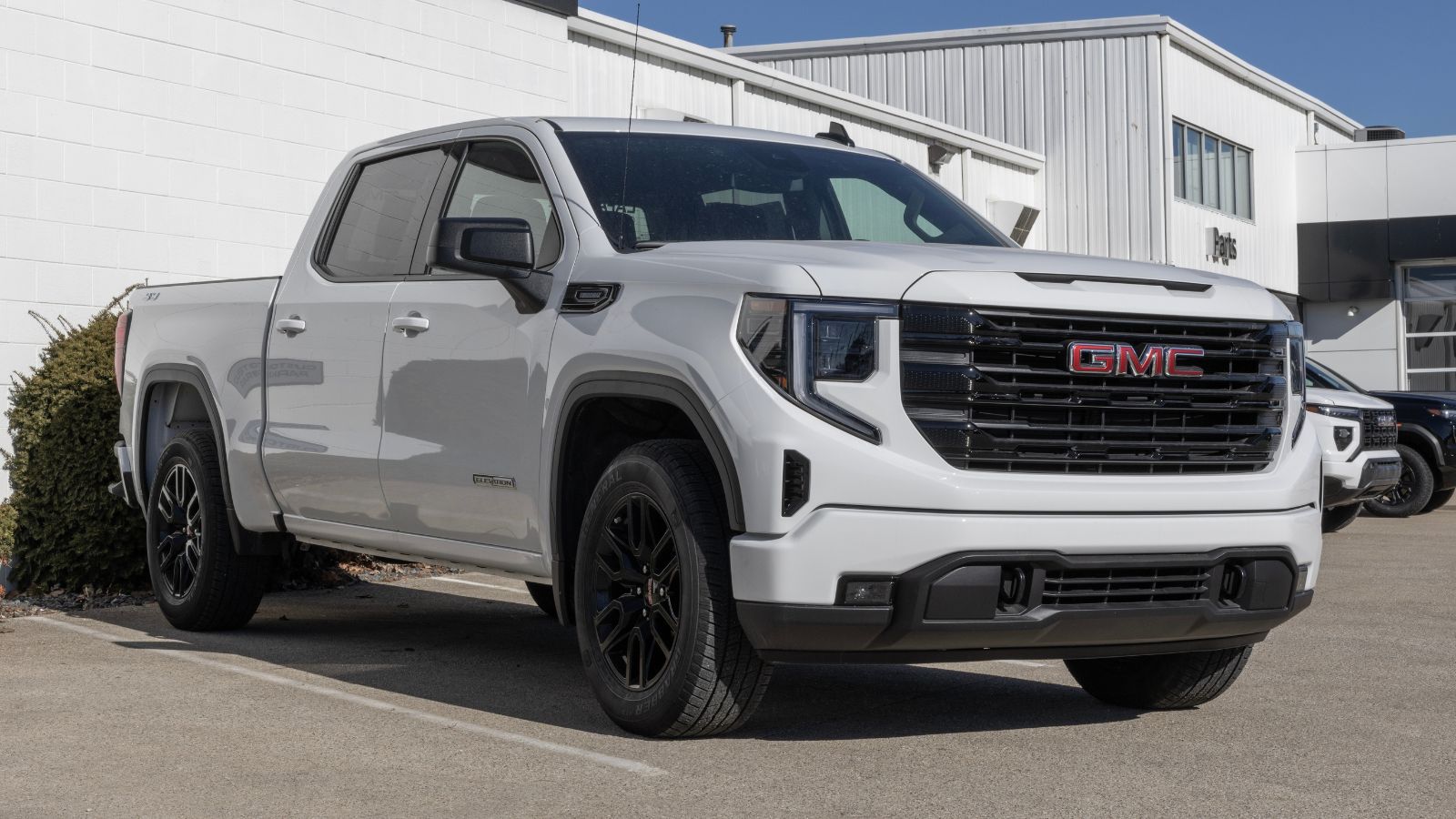
The GMC Sierra shares many rust concerns with similar trucks in Canada. Rocker panels and wheel arches often show early corrosion. Salt collects in the lower body sections during winter driving. Moisture buildup accelerates damage over time. Some owners report rust within five years of regular use. The underbody also needs regular inspection, especially near frame components. Paint protection varies across different model years. Washing helps remove salt buildup after snow exposure. Many drivers invest in undercoating for added protection. Buyers often check these areas carefully before purchasing used Sierra trucks in colder regions.
Toyota RAV4
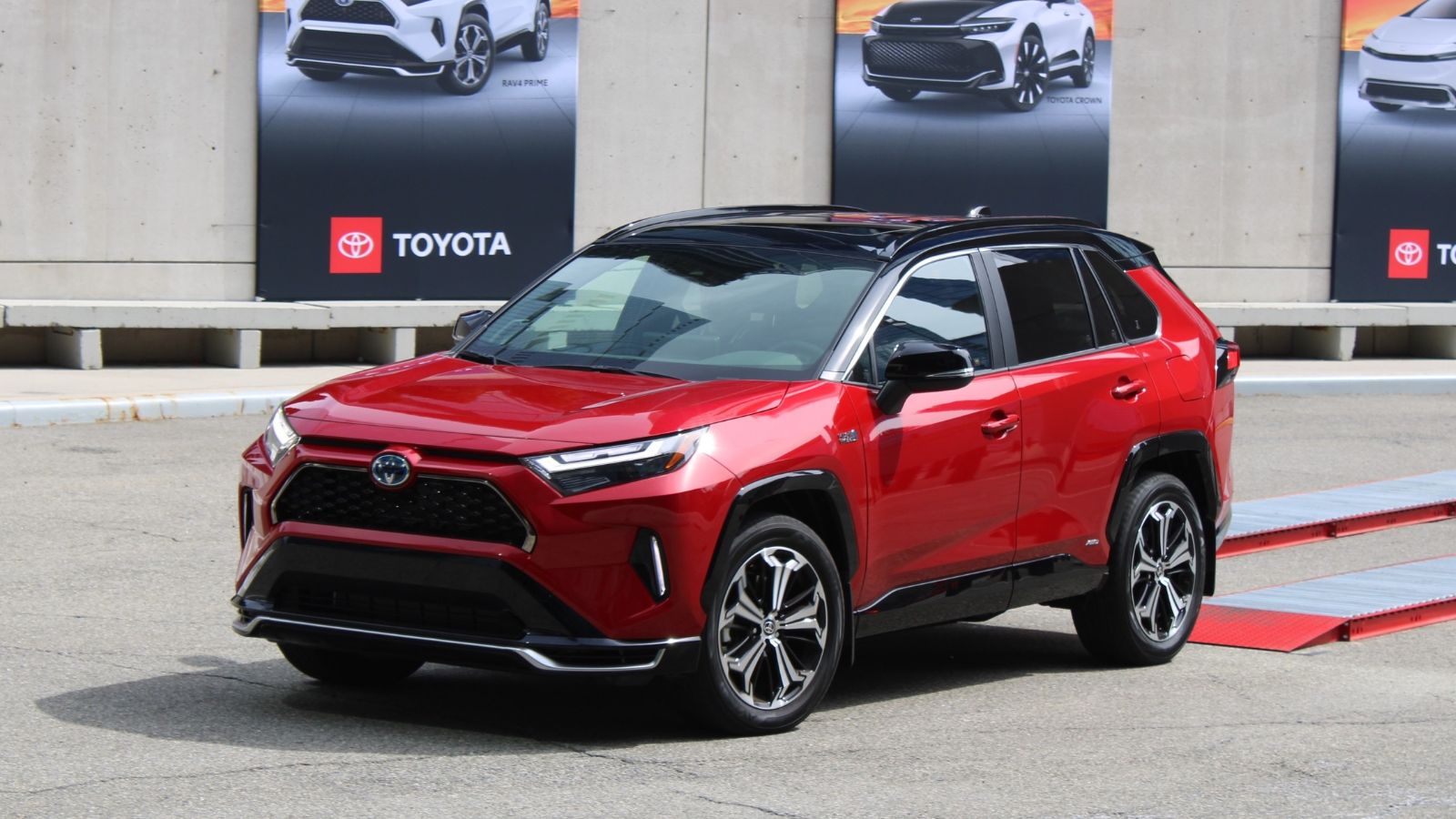
The Toyota RAV4 is reliable, yet rust can develop over time in Canadian climates. Rear wheel wells and undercarriage areas are common spots. Salt buildup accelerates corrosion during winter driving. Some owners notice rust within several seasons of use. Paint chips expose metal underneath, increasing the risk. The underbody also requires regular inspection after snow exposure. Washing helps reduce salt accumulation but does not remove hidden moisture. Rustproofing treatments are common among long-term owners. Many drivers take preventive steps early. Buyers often inspect used RAV4 models carefully in regions with heavy snowfall.
Hyundai Santa Fe

The Hyundai Santa Fe shows rust issues in older models used in Canada. Wheel arches and tailgates are common problem areas. Salt exposure during winter accelerates corrosion quickly. Paint durability may vary by model year. Some owners report rust within five years of ownership. The underbody also needs attention, especially after heavy snow use. Moisture buildup in seams can worsen the problem over time. Washing helps reduce salt accumulation after storms. Many drivers apply rustproofing treatments early. Buyers often inspect these areas closely before purchasing used Santa Fe models in colder regions.
Kia Sorento

The Kia Sorento also faces rust complaints in Canada over long-term use. Door edges and rear panels often show early signs. Paint chips expose the metal beneath, increasing the risk of corrosion. Salt accelerates rust quickly during winter driving. Some owners report issues within a few seasons. The underbody also requires regular inspection after snow exposure. Moisture can remain trapped in seams and joints. Washing helps reduce buildup but does not eliminate hidden moisture. Many drivers use rustproofing for added protection. Buyers often inspect used Sorento models carefully before purchasing in colder climates.
Ford Focus
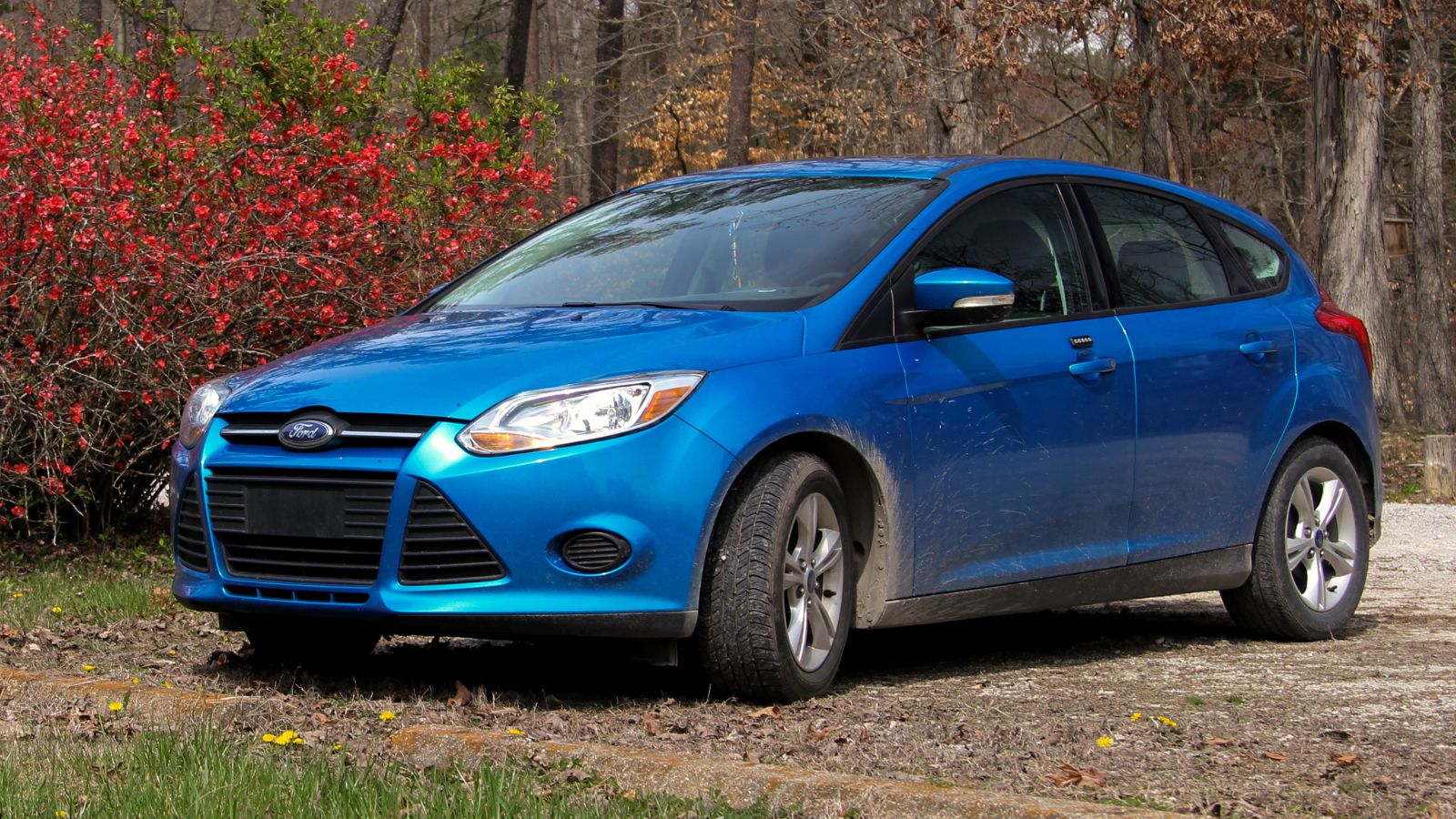
The Ford Focus has seen rust issues in colder climates across Canada. Wheel arches and door bottoms are common spots for corrosion. Salt buildup during winter accelerates damage quickly. Paint may chip easily, exposing bare metal underneath. Some owners report rust within five years of regular use. The underbody also requires attention, especially in older models. Washing helps reduce salt accumulation after driving in snow. Hidden seams may still trap moisture over time. Many drivers apply rustproofing treatments early. Buyers often inspect these areas carefully before purchasing used Focus models in snowy regions.
Chevrolet Cruze
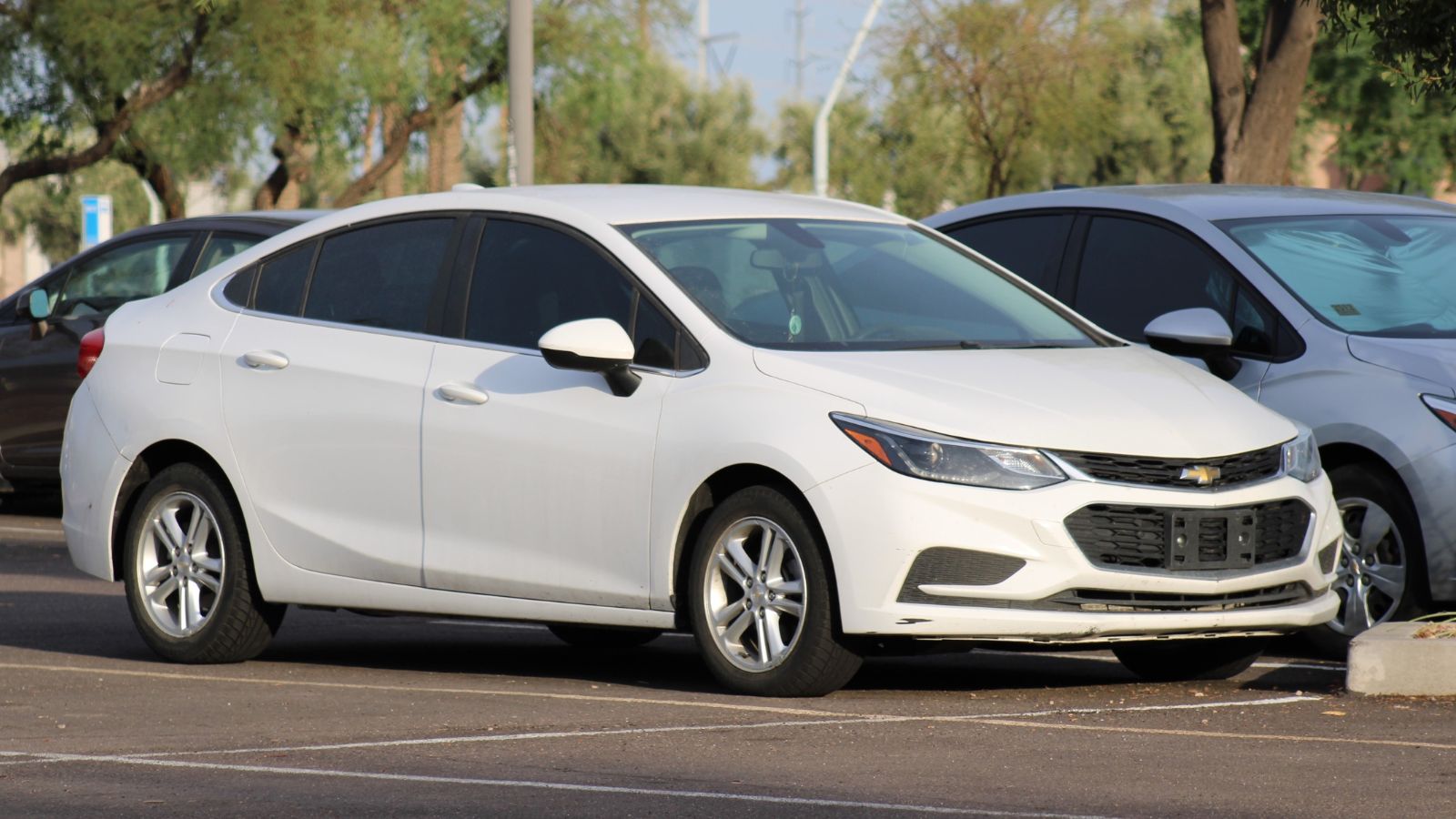
The Chevrolet Cruze shows rust concerns in certain Canadian regions over time. Door edges and wheel wells are common problem areas. Paint chips expose the metal beneath, especially in winter. Salt accelerates corrosion quickly once surfaces are exposed. Some owners report rust within a few seasons of driving. The underbody also needs attention after heavy snow exposure. Moisture buildup in seams can worsen the issue. Washing helps reduce salt accumulation but does not stop corrosion fully. Many drivers choose rustproofing treatments. Buyers often inspect used Cruze models carefully before purchasing in colder climates.
Dodge Journey
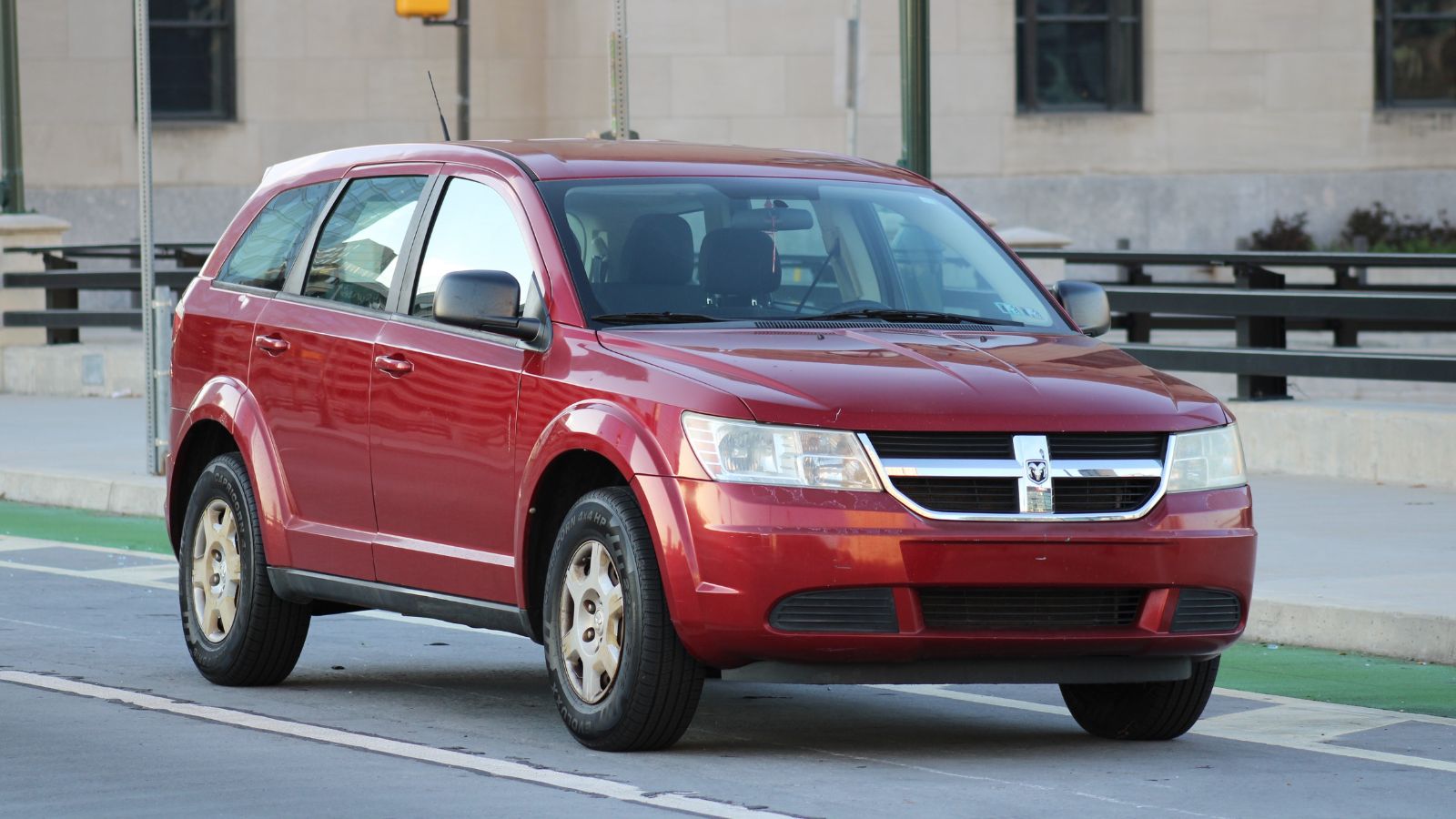
The Dodge Journey often shows rust on rear panels and underbody areas in Canada. Salt buildup plays a major role during the winter months. Moisture collects in seams and hidden sections of the body. Over time, corrosion spreads beneath the paint layer. Some owners report rust within five years of ownership. The underbody also requires regular inspection after snow driving. Washing helps reduce salt accumulation after storms. Still, trapped moisture remains a concern. Many drivers apply rustproofing for added protection. Buyers often inspect these areas carefully before purchasing used Journey models in regions with harsh winters.
22 Things Canadians Do to Their Cars in Spring That Mechanics Hate
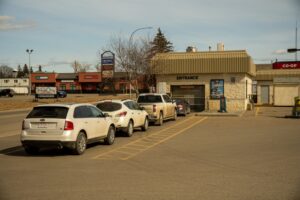
Spring brings relief to many Canadian drivers after months of snow, freezing temperatures, and icy roads that put serious strain on vehicles. As temperatures rise across the country, drivers begin washing cars, switching tires, and preparing vehicles for warmer weather and upcoming road trips. However, mechanics across Canada notice the same mistakes every spring when drivers attempt to recover from winter damage. Road salt, potholes, and harsh winter driving conditions often leave vehicles with hidden problems that drivers ignore. Some spring habits even create new mechanical issues that could have been avoided with proper maintenance. Here are 22 things Canadians do to their cars in spring that mechanics hate.