



















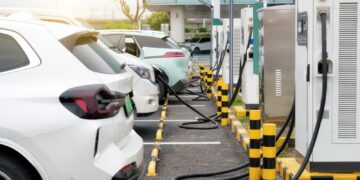


Road trips sound simple until fuel stops become a full strategy game. Some vehicles have an extended range but require premium fuel in remote areas. Others sip energy slowly but recharge even slower. Then there are models with tiny tanks or awkward filler designs that turn quick stops into delays. Electric cars add their own twist with charging gaps and inconsistent speeds. None of this ruins a trip, but it can quietly test patience over long distances. If planning matters to you, these details start to matter more. Here are 17 vehicles that are the most annoying to refuel or recharge on trips.
Jeep Wrangler 4xe
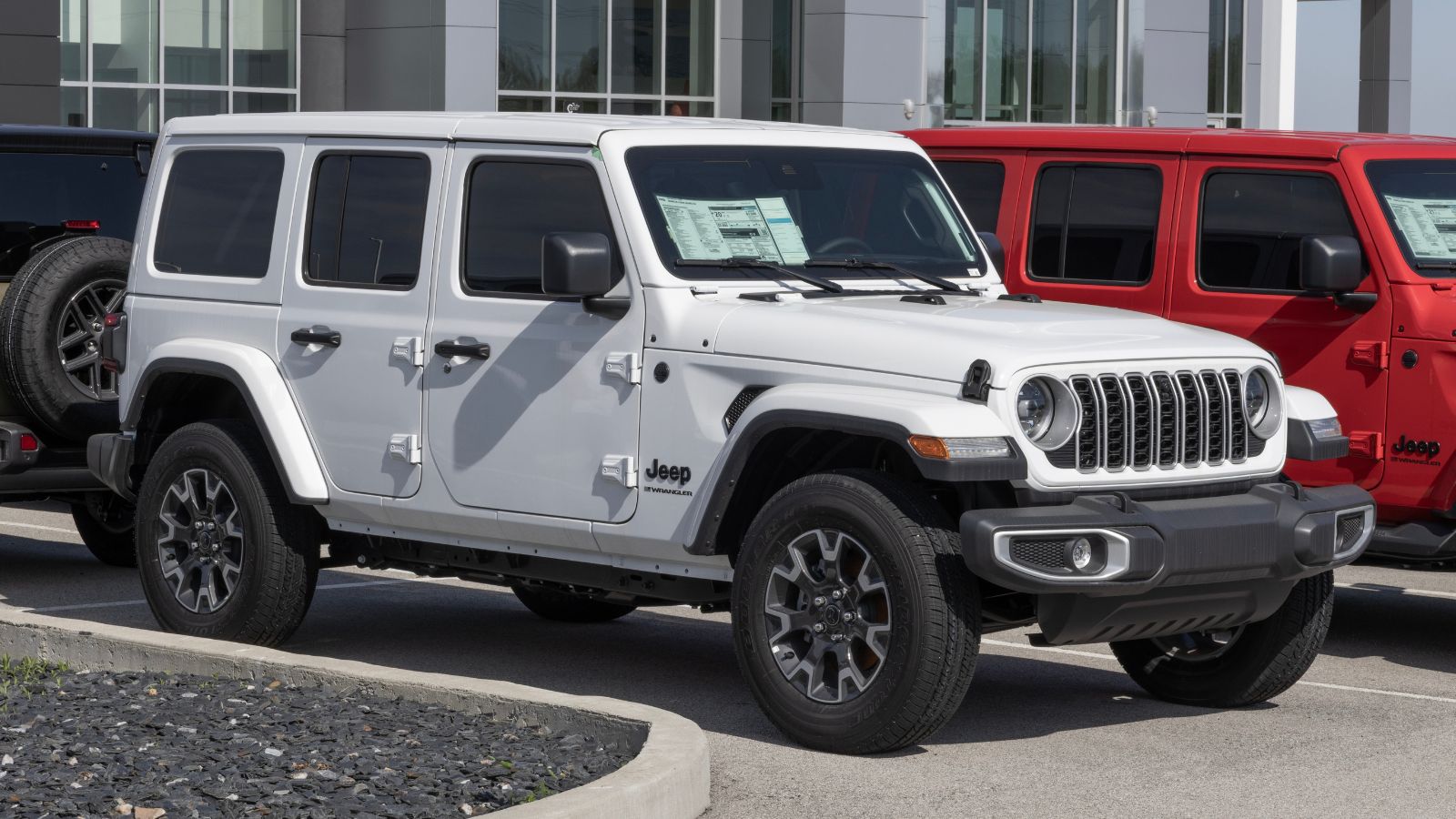
The Wrangler 4xe mixes electric driving with a gasoline engine, but the transition is not always smooth. Its electric range is limited, so you often rely on fuel. Charging helps, but public chargers are not always available off-road. The fuel tank is also smaller than expected for its size. This means more frequent stops than many SUVs. On long trips, the system feels like a compromise. You manage both fuel and battery constantly. It works well in cities, but road trips feel less relaxed. Planning each stop becomes necessary rather than optional.
Toyota Mirai
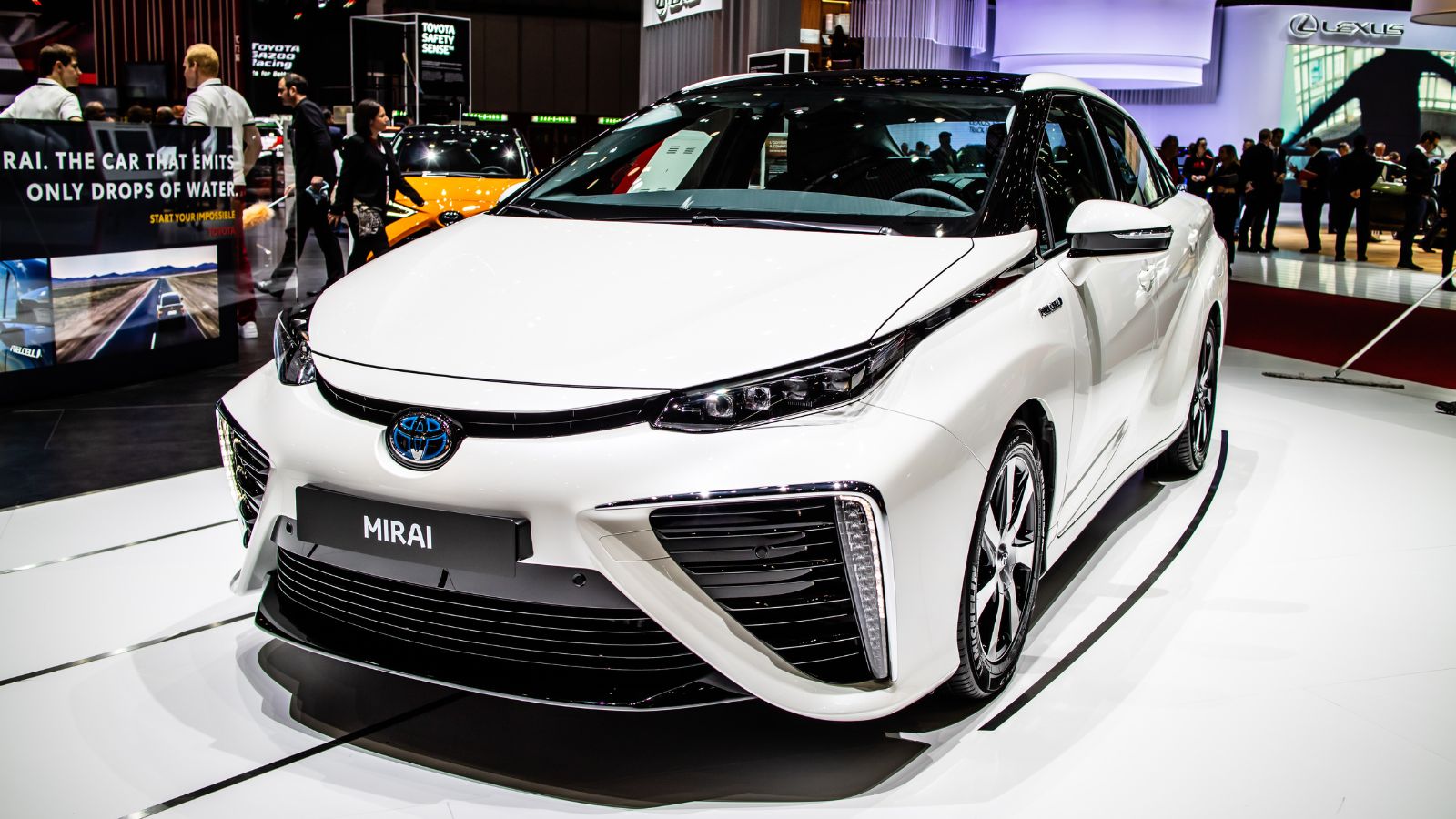
The Mirai runs on hydrogen, which sounds futuristic until you need to refuel. Hydrogen stations are rare in most regions. You cannot simply stop anywhere like a gasoline car. Even in supported areas, stations can be offline. Planning becomes strict and sometimes stressful. The car itself is smooth and quiet, but the infrastructure is not ready. Road trips feel limited to certain routes. A small detour can become a big problem. The refueling process is quick, but finding a station is not. That alone makes trips harder than expected.
Mazda MX-5 Miata
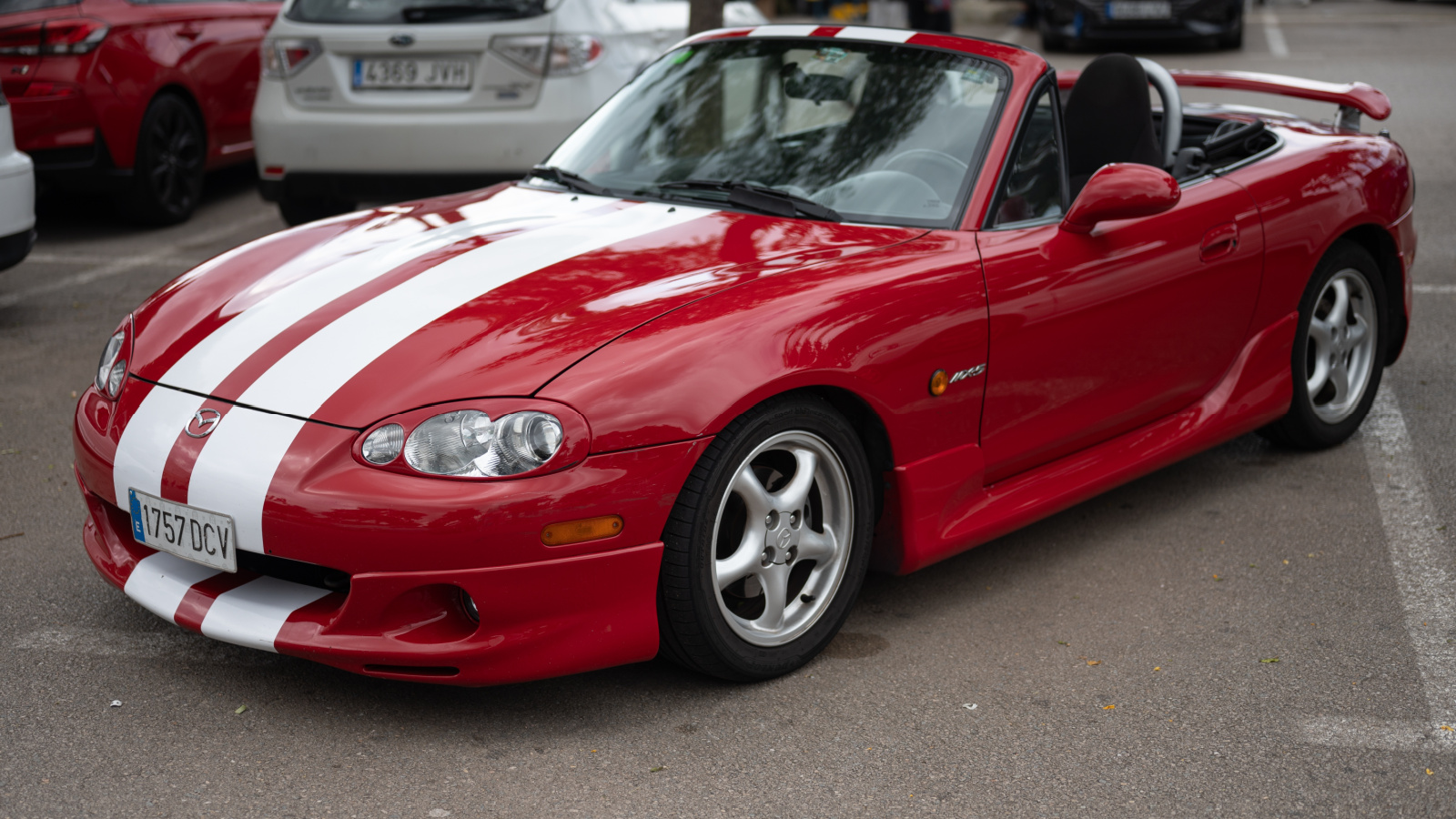
The Miata is fun to drive, but its fuel tank is quite small. Long highway stretches mean frequent fuel stops. You may stop before others in your group even think about fuel. The car encourages spirited driving, which uses more fuel. That shortens the range further. On scenic drives, this can interrupt the flow. The trunk is also tiny, so you cannot carry extra fuel or supplies easily. Refueling itself is simple, but it happens too often. Over time, these extra stops start to feel inconvenient on longer trips.
Tesla Model X
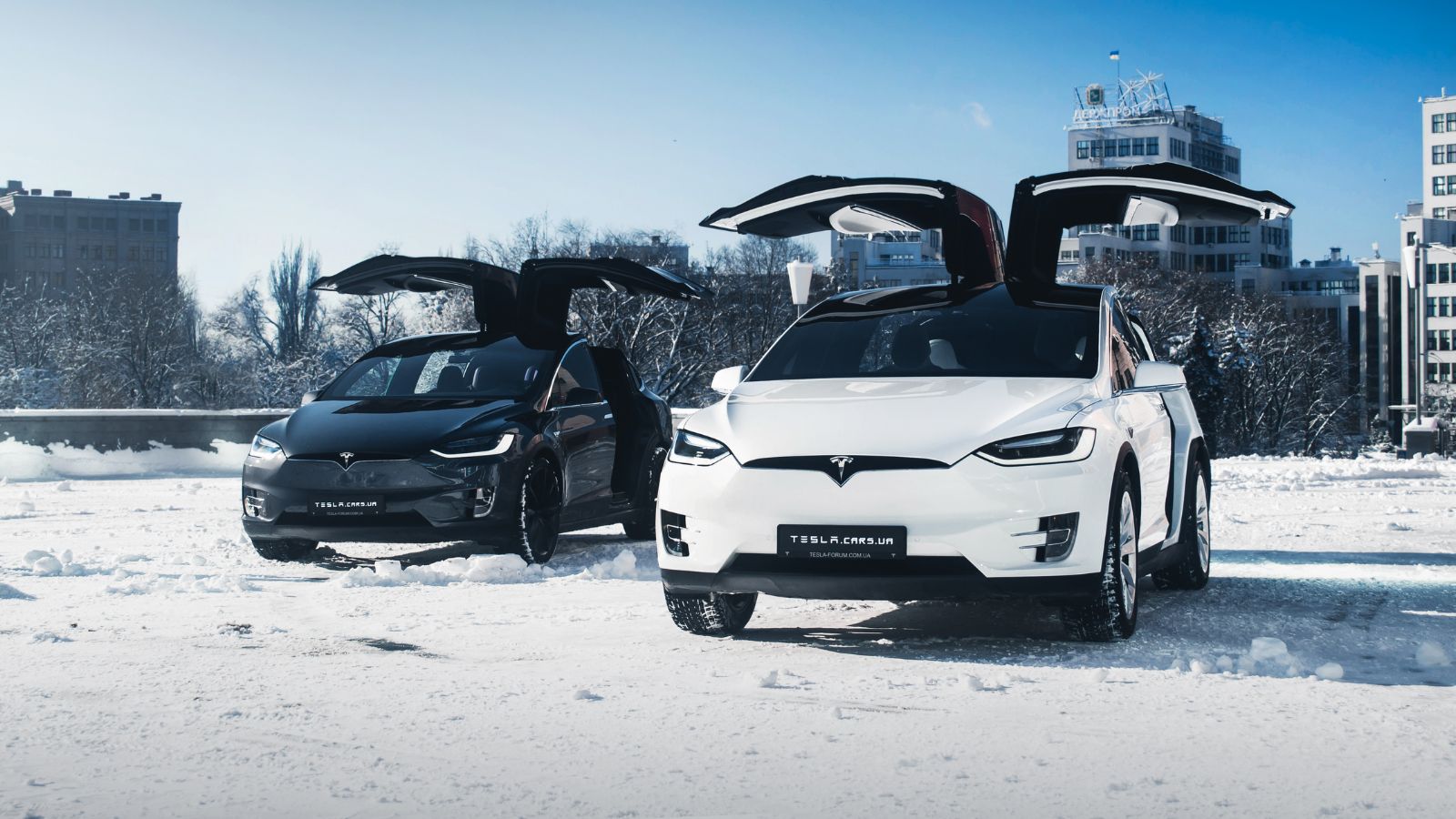
The Model X offers a strong range, but charging times can still slow trips. Superchargers are fast, yet not everywhere. Busy stations can mean waiting in line. Cold weather reduces range, which adds more stops. Charging sessions are longer than fuel stops. Planning routes around chargers becomes routine. The large battery also takes time to fill fully. It is not always practical to wait for 100 percent. Shorter charges mean more frequent stops. The experience is smooth in cities, but long trips require patience and planning.
Ford F-150 Raptor
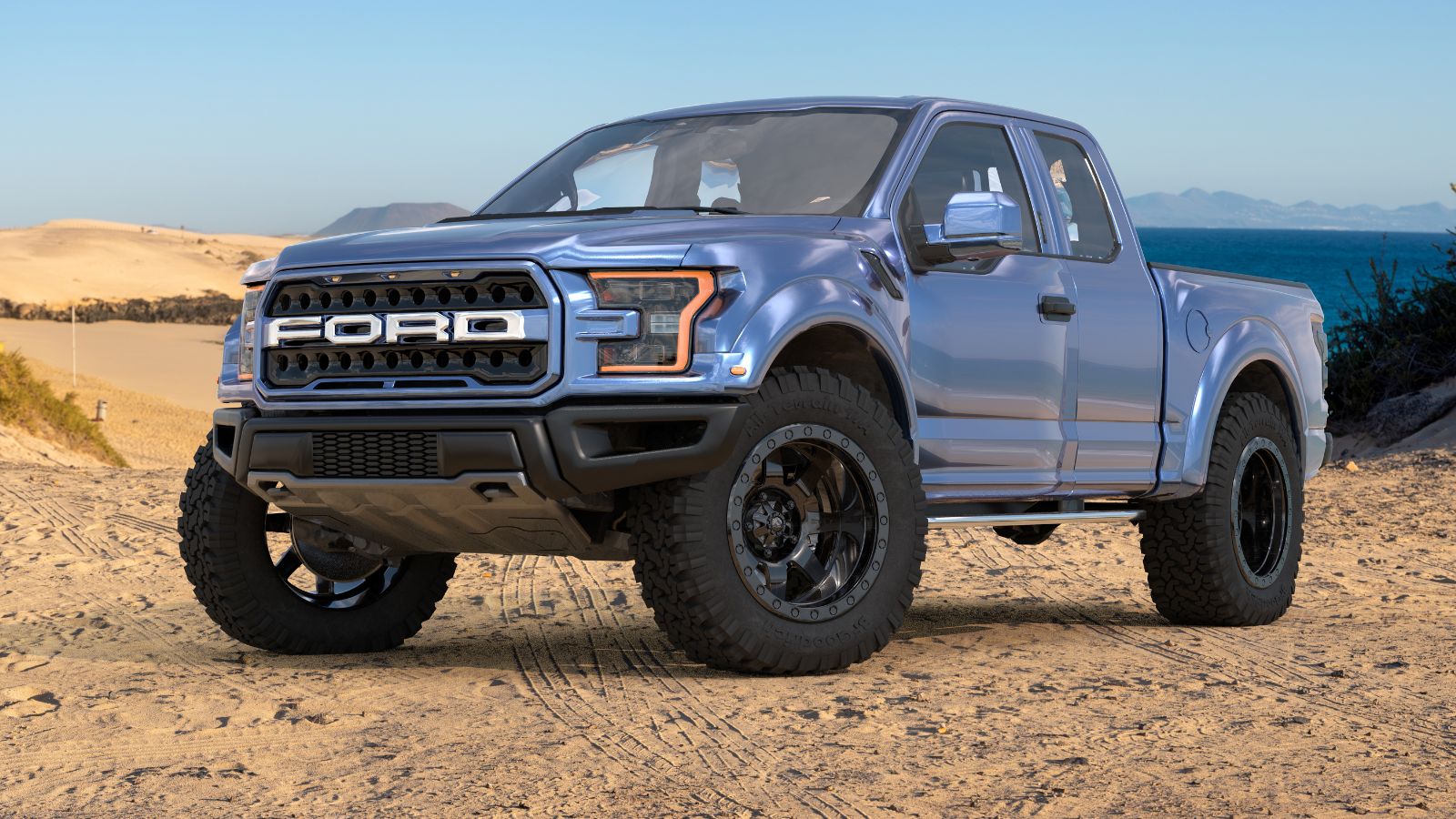
The Raptor delivers power, but fuel economy is not its strength. Its large engine consumes fuel quickly, especially at highway speeds. The tank size helps, but not enough for very long stretches. Remote areas can make premium fuel harder to find. You may need to plan stops carefully. Towing or carrying gear increases consumption further. That reduces the range noticeably. Refueling itself is quick, but happens often. On extended trips, these frequent stops break momentum. It suits adventure, but not efficient travel planning.
Nissan Leaf
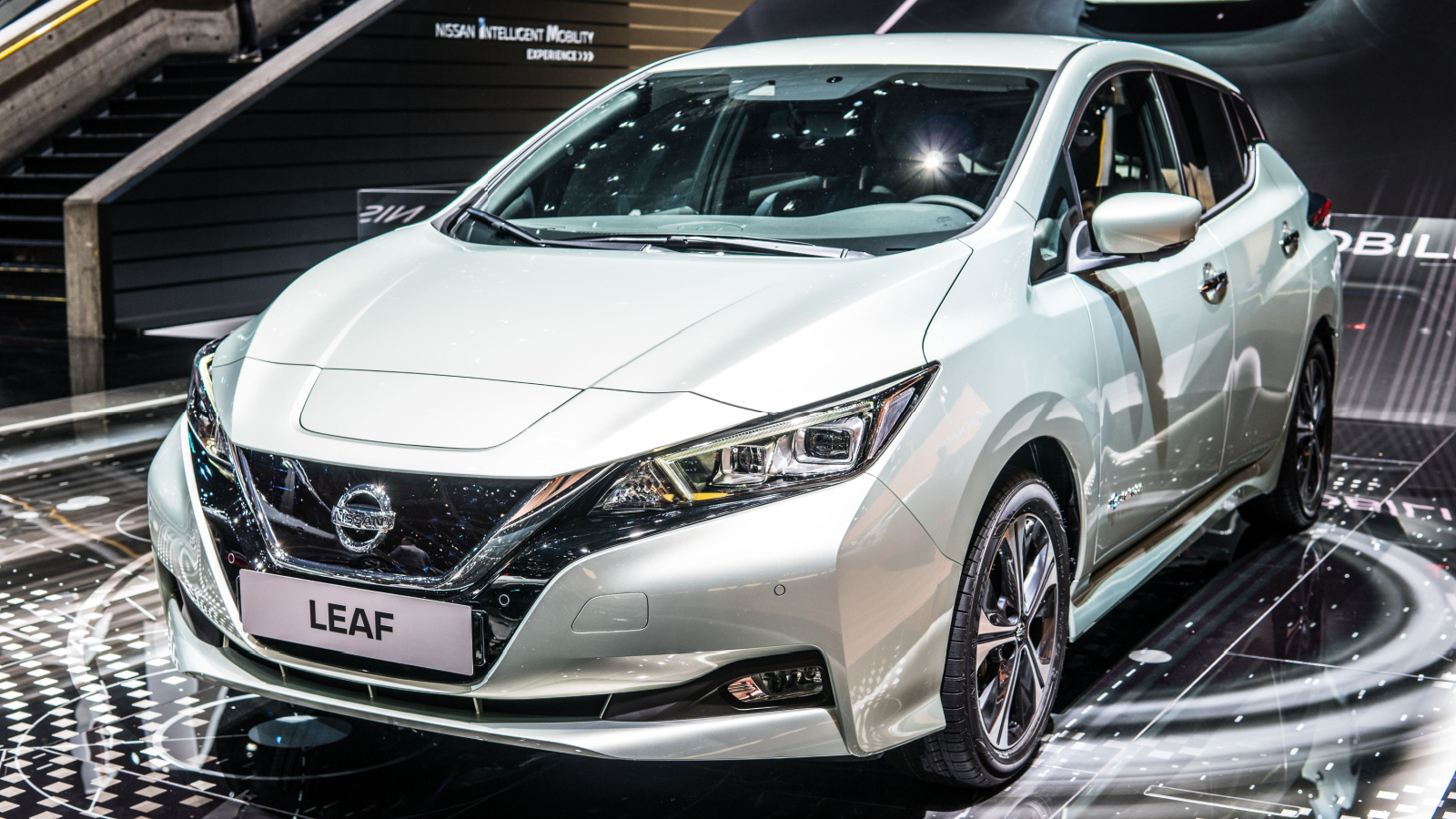
The Leaf struggles with charging speed on longer trips. Its range is modest compared to newer EVs. Fast charging is limited by older technology. After a few charges, speeds drop due to battery heat. This makes each stop longer than expected. Public chargers may not always support their connector type easily. Planning routes becomes more detailed. Short city trips are fine, but highways highlight the limits. You spend more time waiting than driving sometimes. That can turn a simple trip into a slow journey.
Chevrolet Camaro ZL1
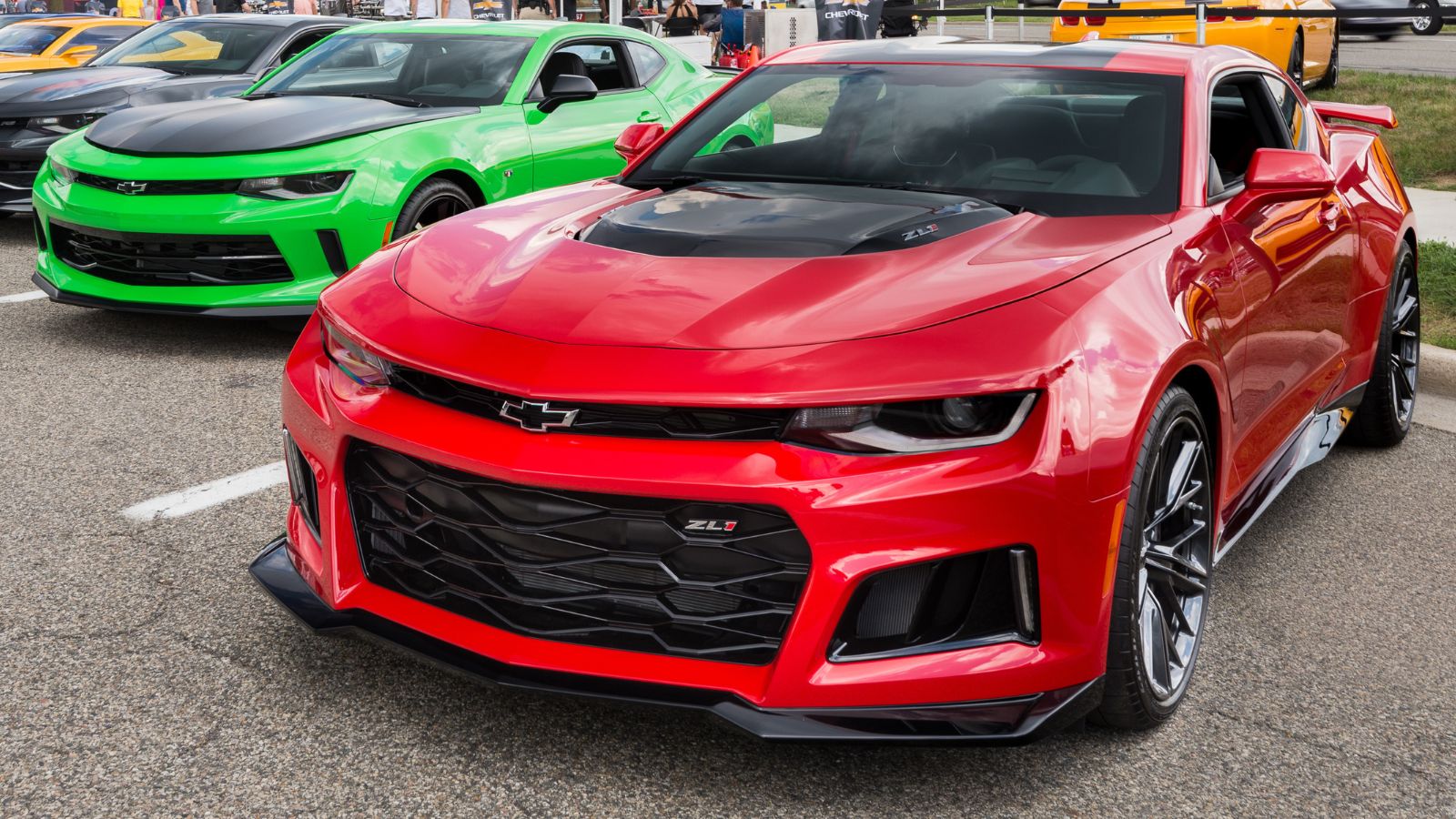
The Camaro ZL1 uses a powerful engine that burns fuel quickly. Aggressive driving makes consumption even higher. Its tank size does not fully match its appetite. You will stop more often than expected. Premium fuel is required, which may not be available everywhere. Long stretches between stations can cause concern. The car encourages speed, but that shortens the range quickly. Refueling is simple, yet frequent. On long trips, it demands constant attention to fuel levels. That takes away from a relaxed driving experience.
Rivian R1T
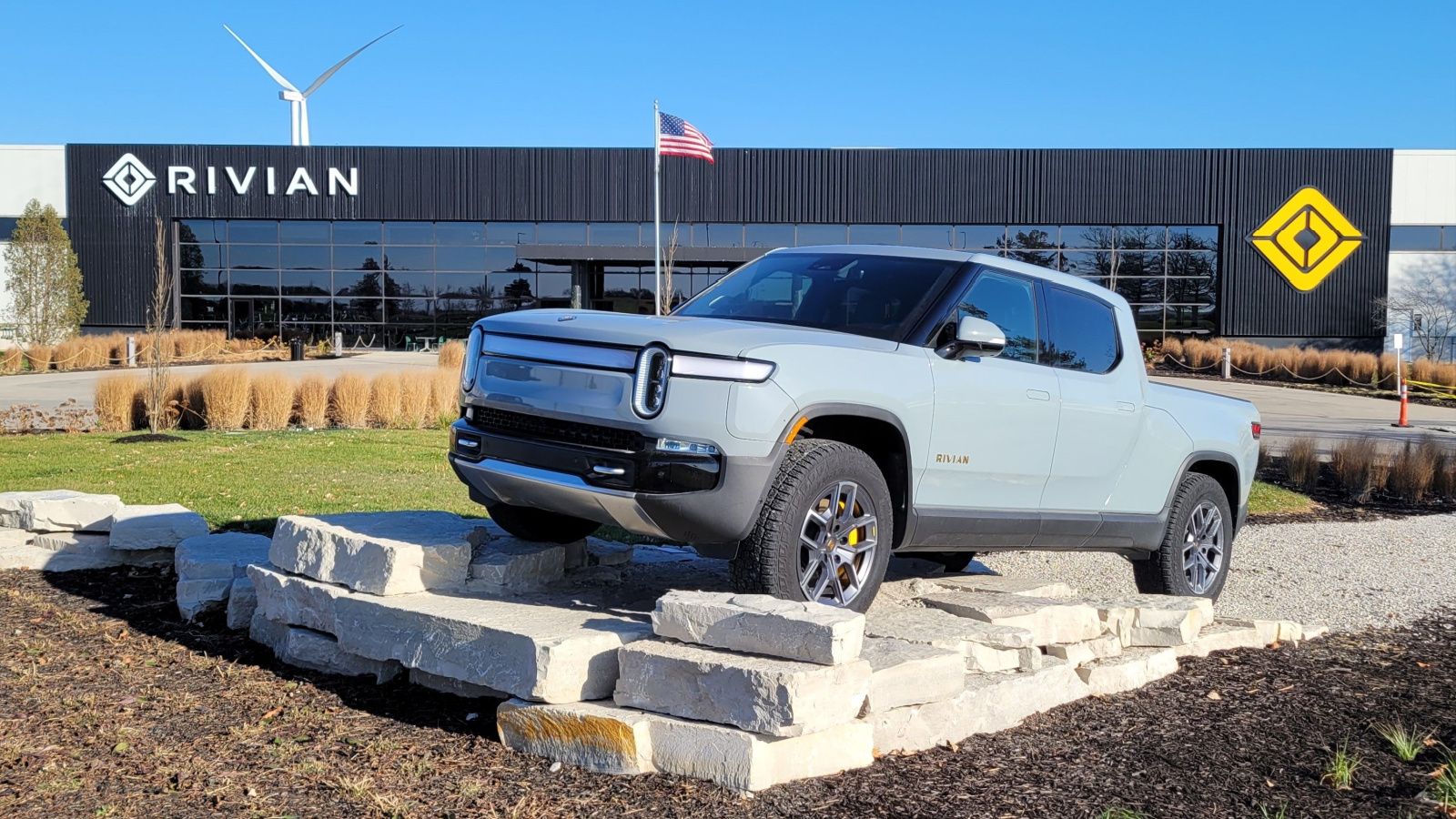
The R1T offers a strong range, but the charging infrastructure is still growing. Fast chargers are not always placed along remote routes. Off-road adventures take you farther from charging points. Heavyweight also affects efficiency. Charging takes time, even at fast stations. Planning becomes essential before every trip. You must map stops carefully. Unexpected detours can create stress. The truck itself is capable, but charging access limits freedom. It works best with preparation, not spontaneous travel.
Mini Cooper S
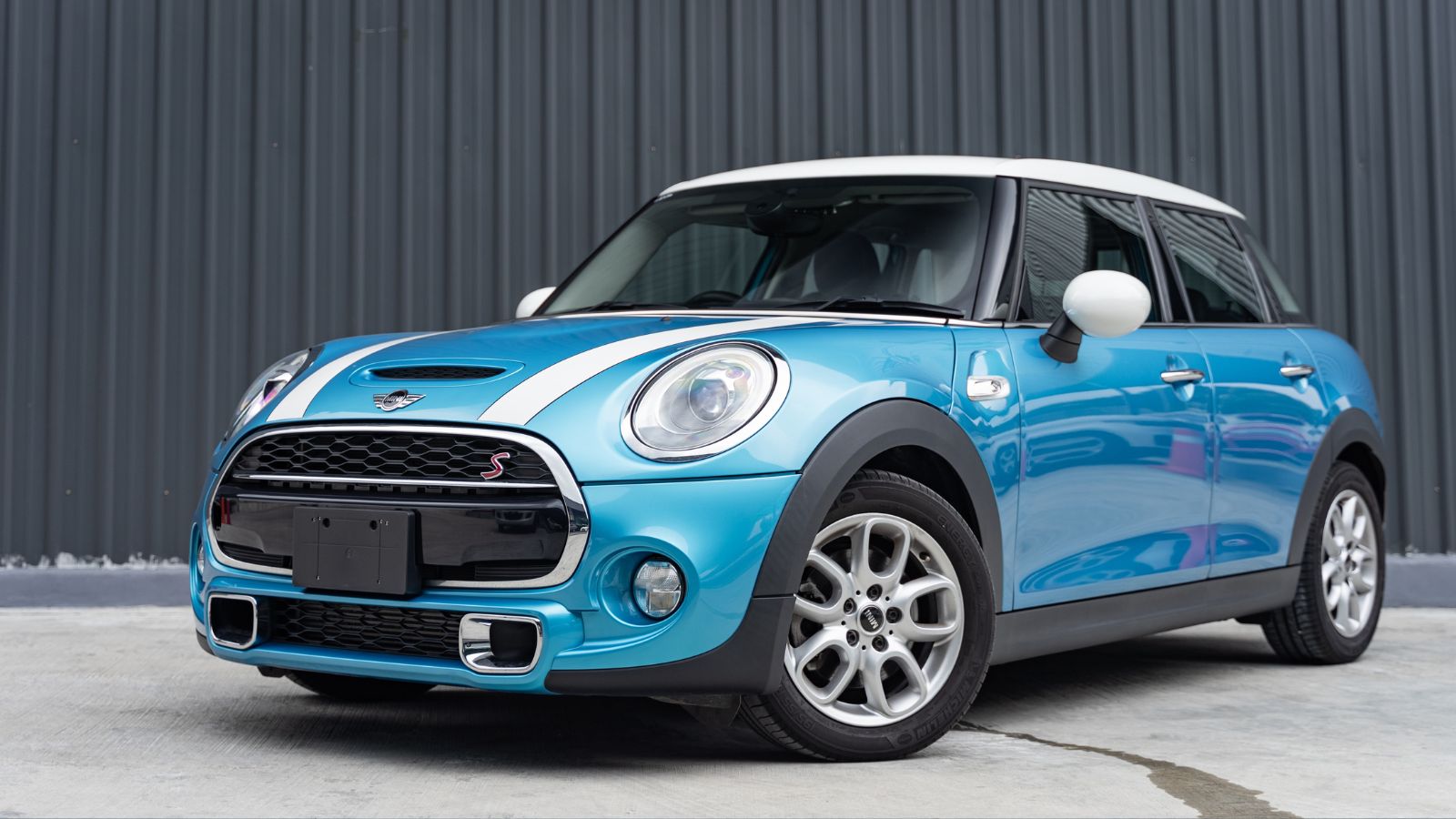
The Mini Cooper S has a small fuel tank. Its sporty nature encourages higher fuel use. This combination leads to frequent stops. Highway driving drains fuel faster than expected. On longer routes, you stop more often than larger cars. The compact size limits carrying extra supplies. Fuel stations may be spaced far apart in rural areas. Planning helps, but does not remove the issue. Refueling itself is quick, yet frequent. Over time, these stops can feel repetitive and slightly frustrating.
Lucid Air
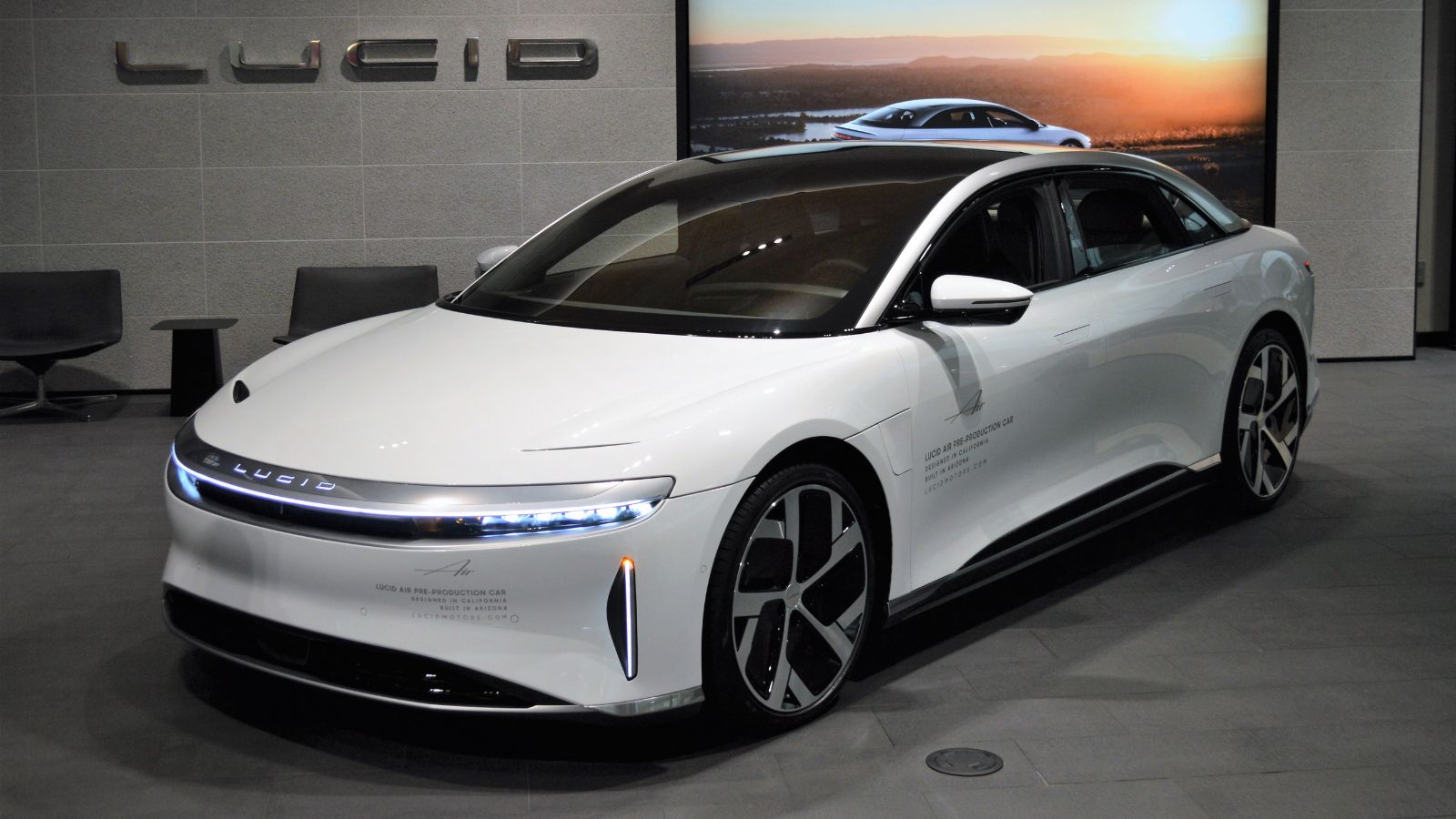
The Lucid Air has impressive range, but charging networks vary widely. Not all chargers deliver its maximum speed. This means longer stops than expected. Some stations may be incompatible or slower. Planning becomes part of every trip. You must choose the right chargers carefully. The car performs well, but the infrastructure does not always match. Cold weather also reduces range. That adds more stops during winter travel. Charging sessions can feel long despite the car’s capability. Trips require patience and careful route selection.
Subaru BRZ
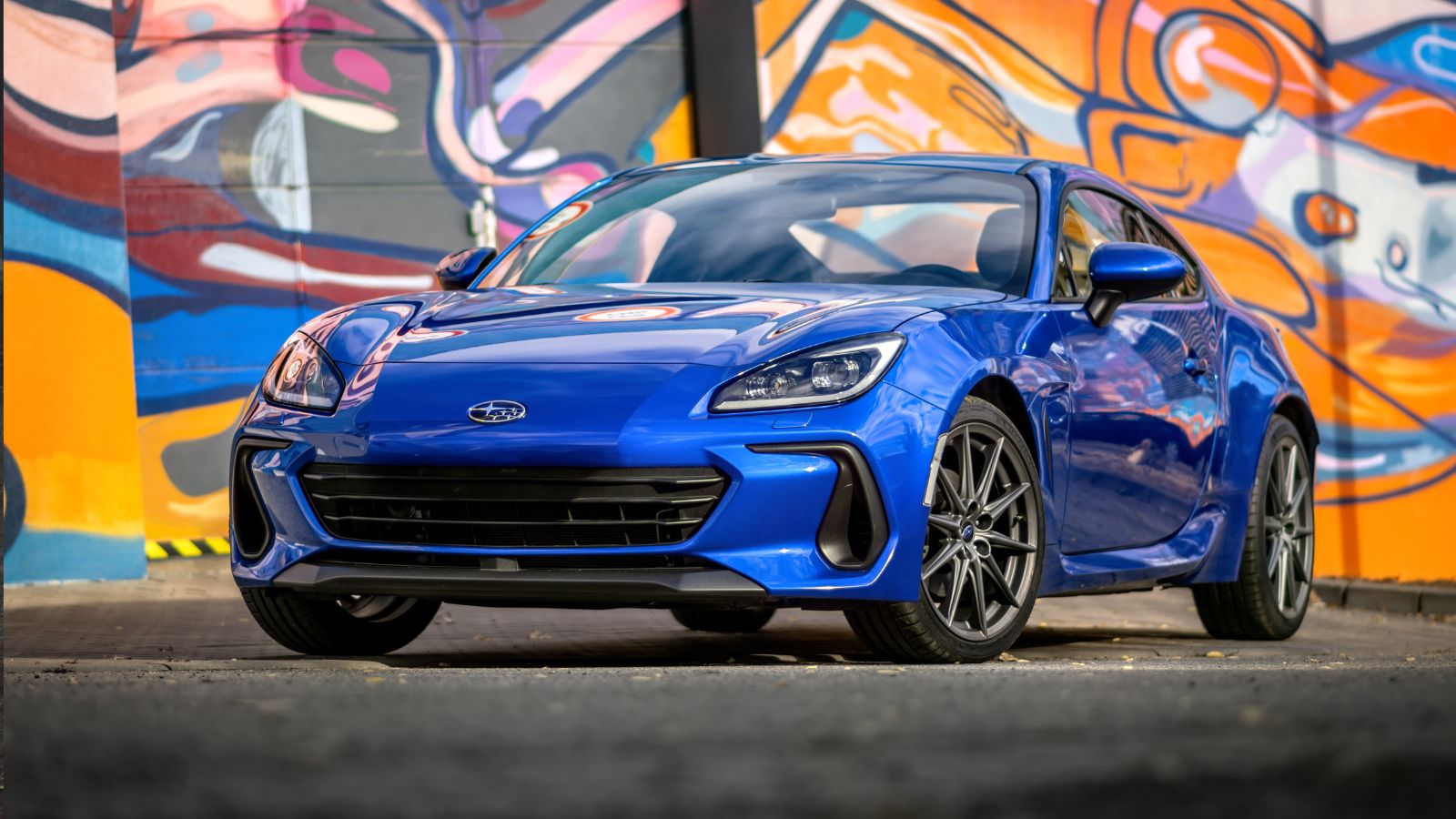
The BRZ is efficient for a sports car, but its tank is small. Long drives mean stopping more often. Spirited driving increases fuel consumption quickly. The car invites that kind of driving naturally. Highway cruising is better, but still limited by tank size. On group trips, you may stop earlier than others. Fuel stations are not always nearby in remote areas. Planning helps reduce stress. Refueling is easy, but happens frequently. That can interrupt the rhythm of a longer journey.
Hyundai Kona Electric
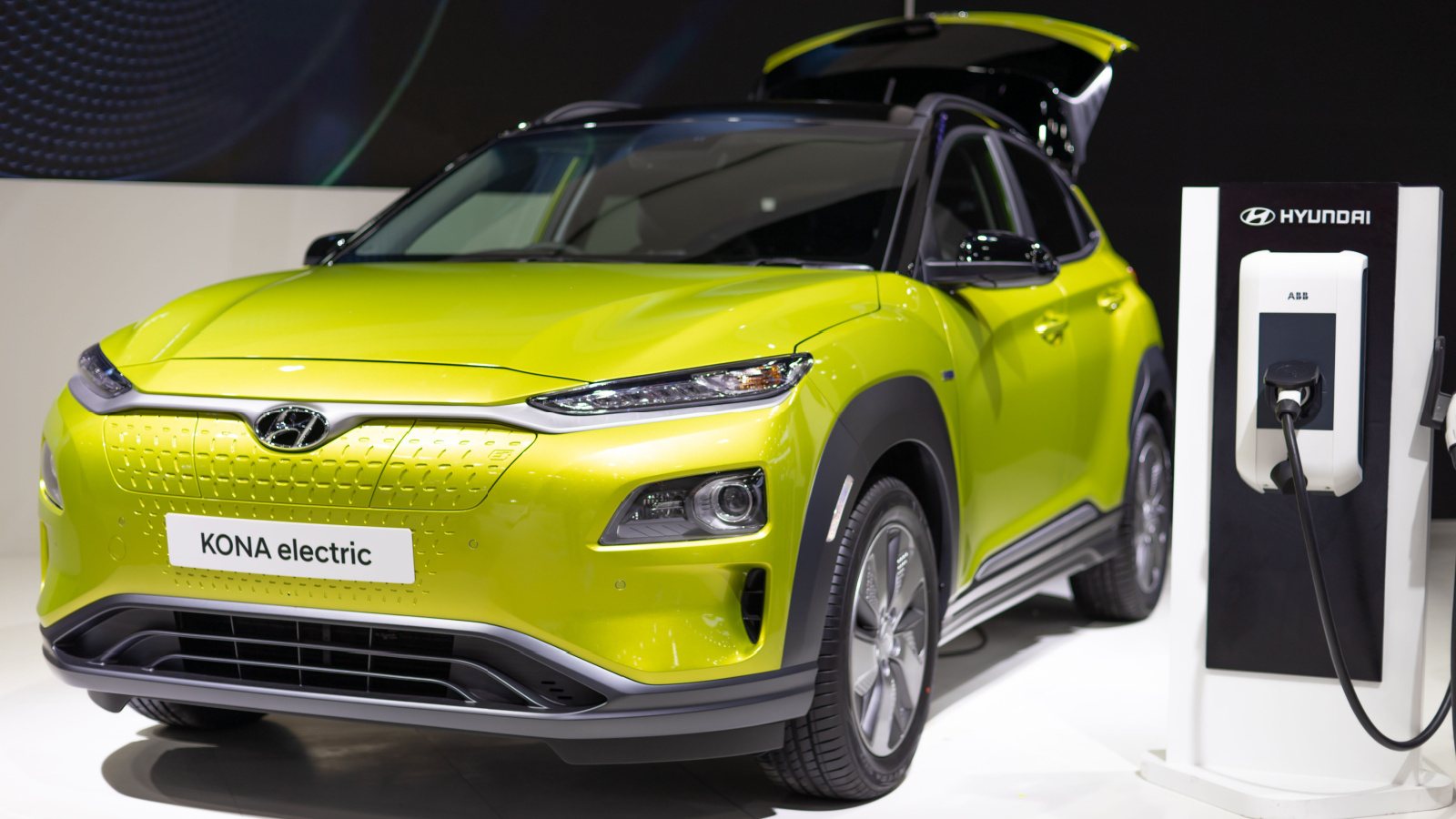
The Kona Electric offers decent range, but charging speeds vary. Fast charging is not always consistent across stations. Some chargers deliver slower speeds than expected. This extends stop times during trips. Planning routes becomes important. You must locate reliable chargers ahead of time. Cold weather affects the range noticeably. That adds more stops during winter drives. The car works well in cities, but highways expose its limits. Charging breaks can feel longer than necessary. This makes long trips less convenient overall.
Dodge Challenger Hellcat
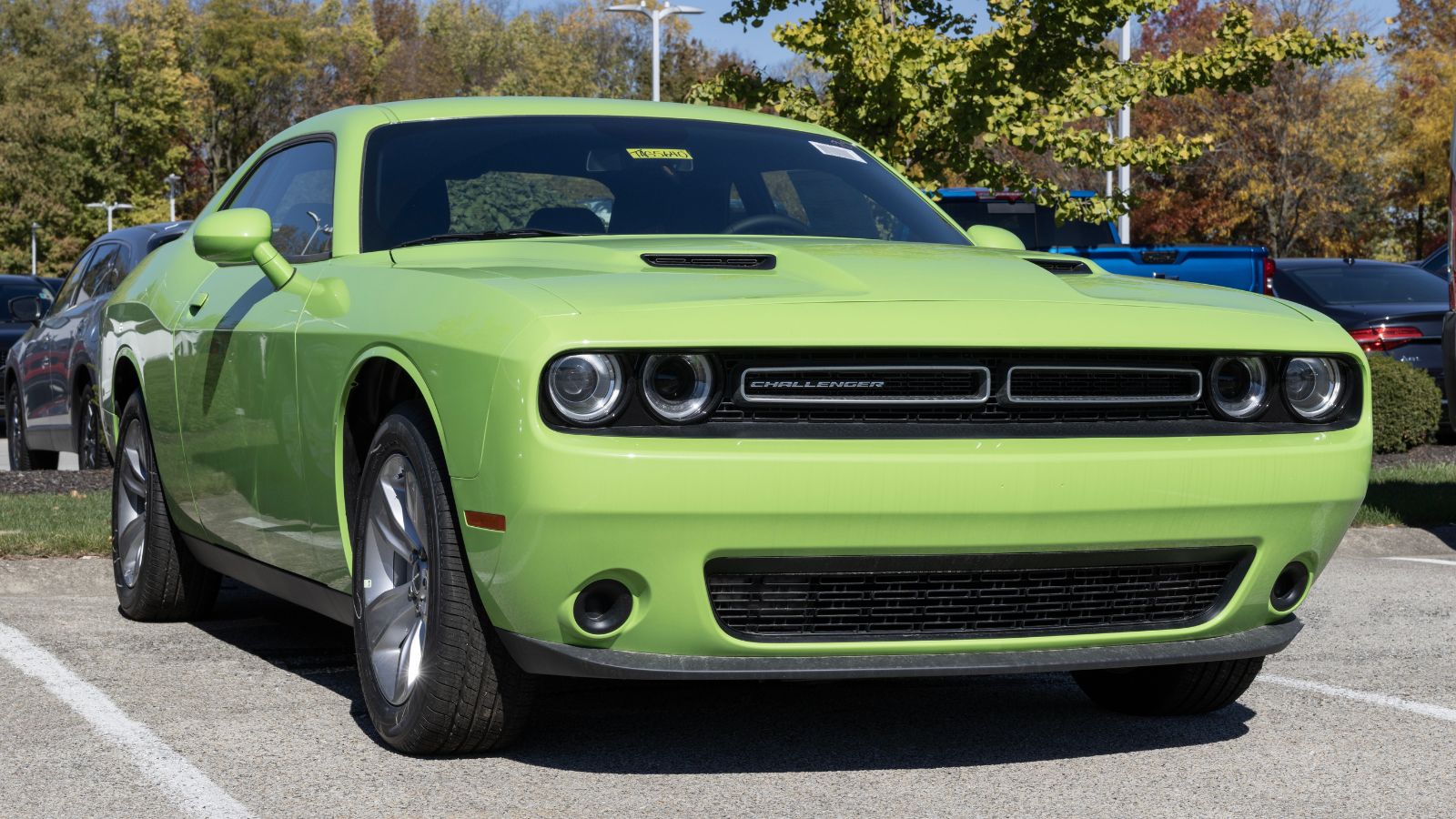
The Hellcat delivers huge power, but fuel consumption is very high. Even gentle driving uses more fuel than average cars. The tank size cannot fully offset this. You will stop often on long trips. Premium fuel is required, which limits options in some areas. The car encourages acceleration, which reduces range quickly. On highways, consumption improves slightly, but not enough. Refueling becomes frequent and predictable. Over time, this pattern can feel tiring. It suits short drives better than long journeys.
Volkswagen ID.4
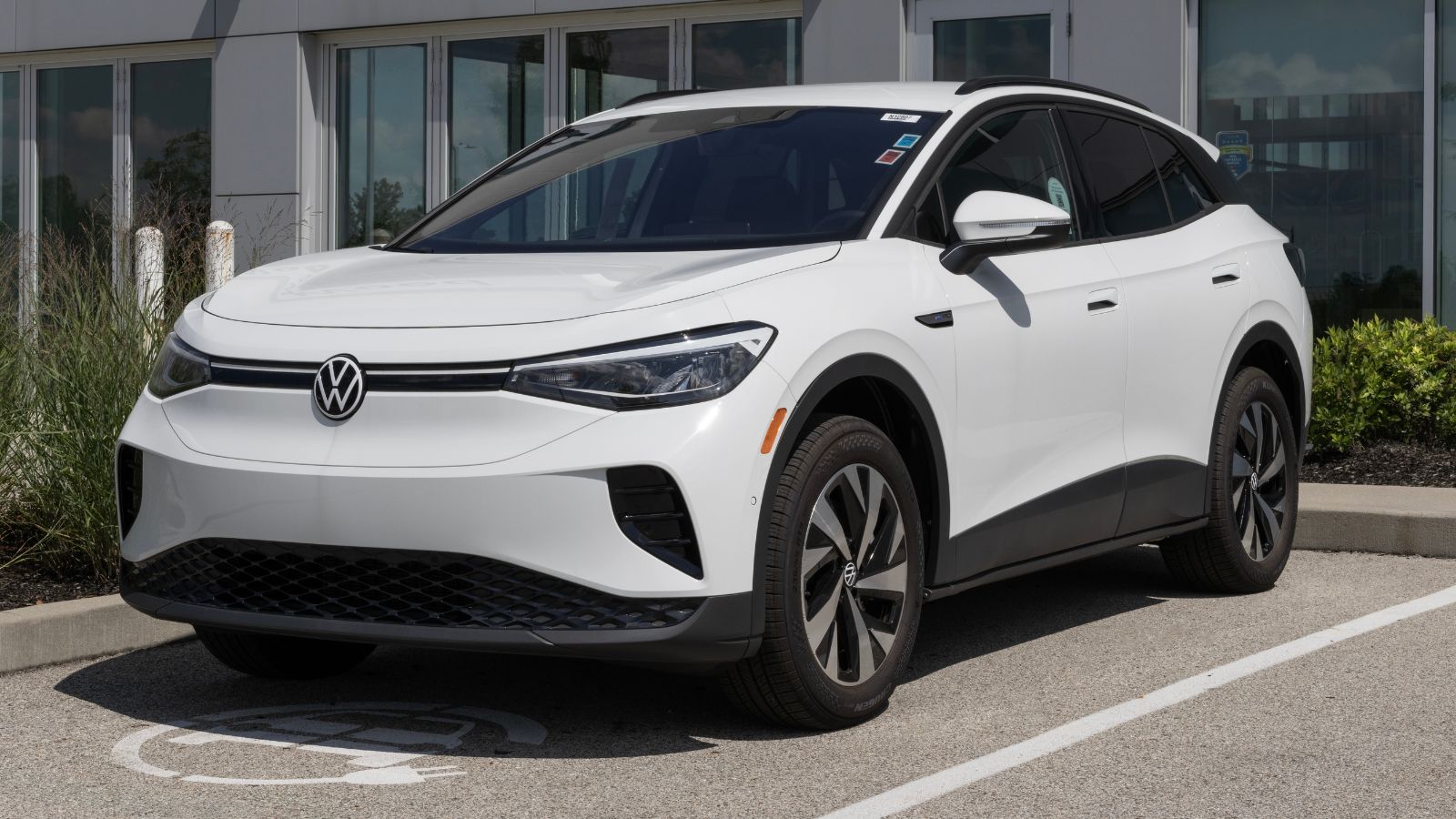
The ID.4 provides a solid range, but charging networks can be inconsistent. Some fast chargers deliver slower speeds than expected. This increases wait times during trips. Planning routes is necessary to avoid delays. Not all stations are reliable. Availability can vary by region. Cold weather reduces efficiency, which adds more stops. Charging sessions are longer than fuel stops. This changes how you plan your travel day. It works well with preparation, but not for spontaneous road trips.
Toyota Land Cruiser
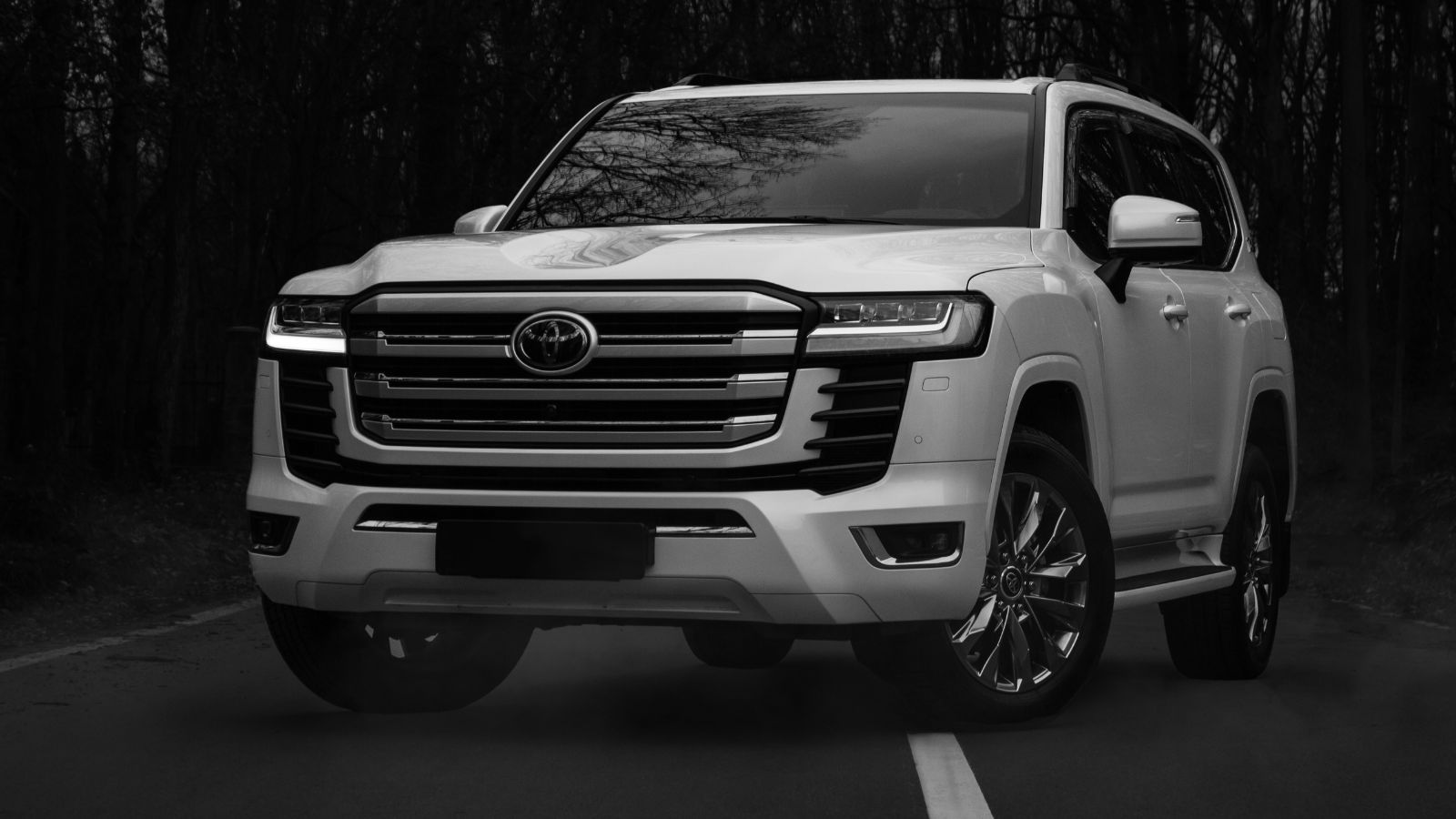
The Land Cruiser is built for durability, not fuel efficiency. Its large engine consumes fuel steadily. Long trips mean frequent stops despite a decent tank. Remote areas may not offer high-quality fuel. This requires planning ahead. Heavy weight and off-road capability reduce efficiency further. Carrying gear increases consumption as well. Refueling is simple, but happens often. On extended drives, this can interrupt progress. It excels in tough conditions, but not in minimizing fuel stops.
Porsche Taycan
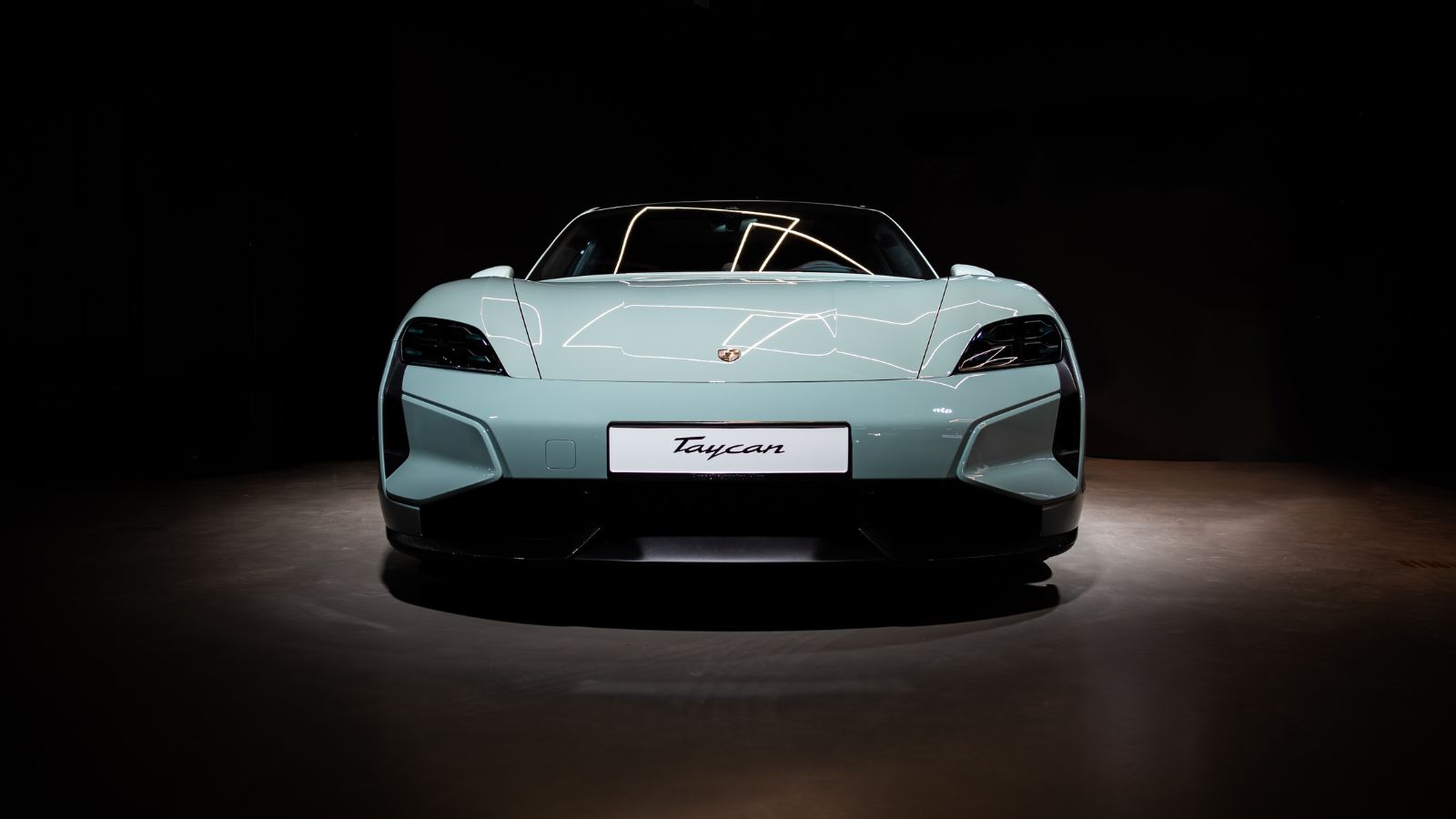
The Taycan charges quickly under ideal conditions, but not everywhere supports it. Many chargers cannot deliver peak speeds. This leads to longer stops than expected. The range is lower than that of some EVs. That adds more charging sessions on long trips. Planning becomes necessary to avoid slow stations. Performance driving also reduces range quickly. You may stop more often than planned. Charging itself is smooth, but availability limits flexibility. This makes long journeys less convenient than expected.
Ram 1500 TRX
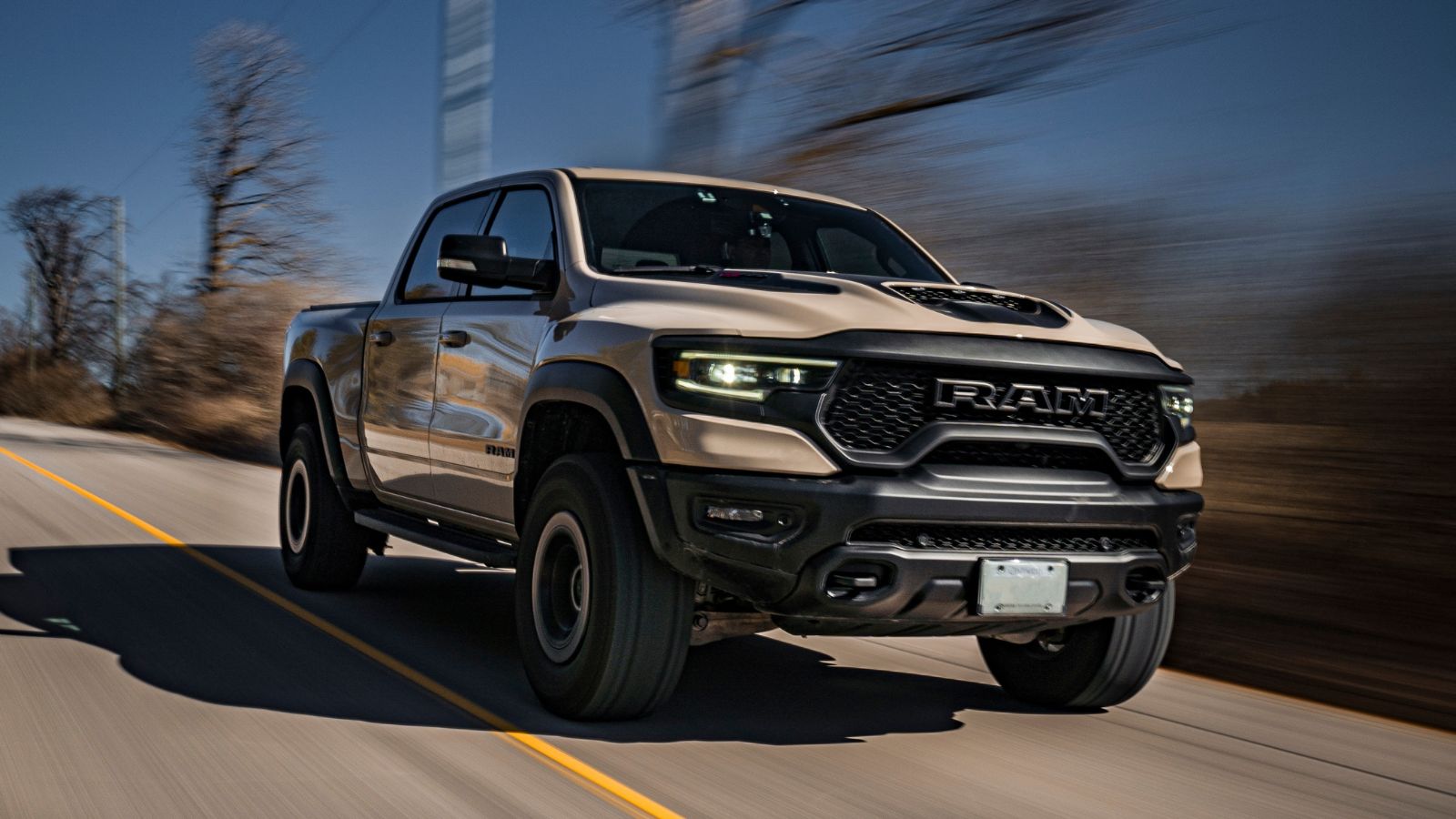
The TRX has extreme power and equally extreme fuel consumption. Its supercharged engine drinks fuel quickly. Even with a large tank, range is limited. Highway driving improves efficiency slightly, but not enough. Frequent stops become part of every trip. Premium fuel is required, which adds another layer of planning. Towing or carrying cargo reduces range further. Refueling is quick, but happens often. On long trips, this becomes tiring. It is built for performance, not efficient travel.
22 Things Canadians Do to Their Cars in Spring That Mechanics Hate

Spring brings relief to many Canadian drivers after months of snow, freezing temperatures, and icy roads that put serious strain on vehicles. As temperatures rise across the country, drivers begin washing cars, switching tires, and preparing vehicles for warmer weather and upcoming road trips. However, mechanics across Canada notice the same mistakes every spring when drivers attempt to recover from winter damage. Road salt, potholes, and harsh winter driving conditions often leave vehicles with hidden problems that drivers ignore. Some spring habits even create new mechanical issues that could have been avoided with proper maintenance. Here are 22 things Canadians do to their cars in spring that mechanics hate.