

























Premium fuel sounds like a small detail until you are standing at the pump, doing mental math. Many vehicles in Canada quietly require higher octane fuel. Owners often forget this after the excitement of purchase fades. The result is either reduced performance or higher long-term costs. Some engines tolerate regular fuel, but they rarely perform as intended. Others truly depend on premium to run properly. This list focuses on vehicles that people love but often underestimate at the gas station. If you are budgeting for ownership, this detail matters more than you might expect. Here are 20 vehicles with “Premium Fuel” requirements Canadians keep forgetting about.
BMW 3 Series

The BMW 3 Series remains a favorite among Canadian drivers who want balance. It offers sharp handling and smooth acceleration in daily driving. Many buyers focus on the driving feel and forget the fuel requirement. Most turbocharged engines in this lineup expect premium fuel. Running regularly may not damage the engine immediately, but performance drops. You may also notice weaker throttle response and reduced efficiency. Over time, that defeats part of the appeal. Owners often realize this after several fill-ups. The cost difference adds up quickly during winter driving months when consumption already increases.
Audi A4
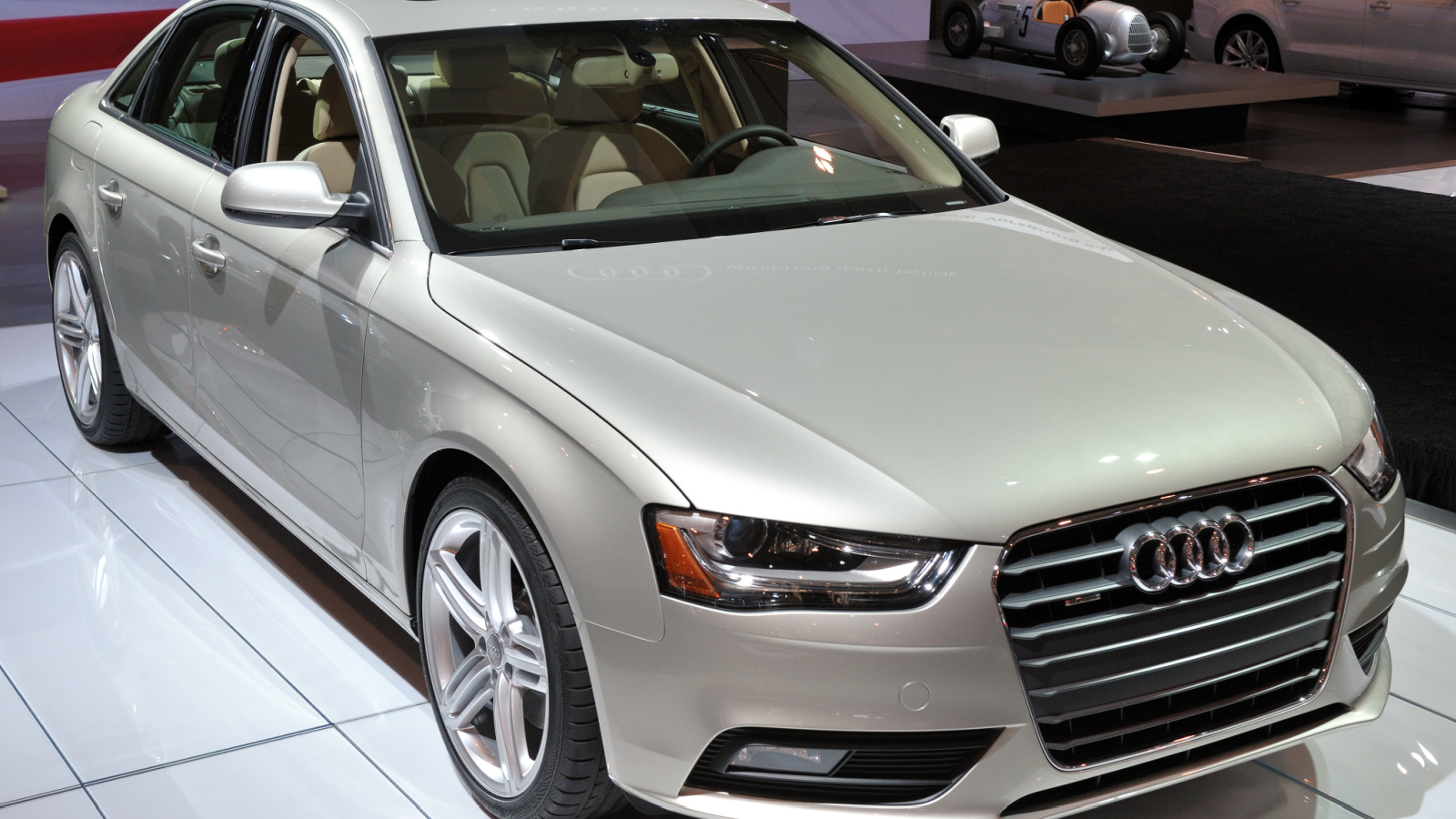
The Audi A4 looks understated, yet it hides a turbocharged engine that prefers premium fuel. Many drivers assume a compact luxury sedan can run on regular gas. That assumption leads to disappointment. The engine control system adjusts timing when lower octane fuel is used. This reduces power and overall smoothness. Cold Canadian mornings already challenge engine performance. Adding lower octane fuel makes the experience less refined. Fuel economy can also dip, which surprises many owners. The A4 still works fine, but it feels slightly off. That subtle difference becomes noticeable over longer drives.
Mercedes-Benz C-Class
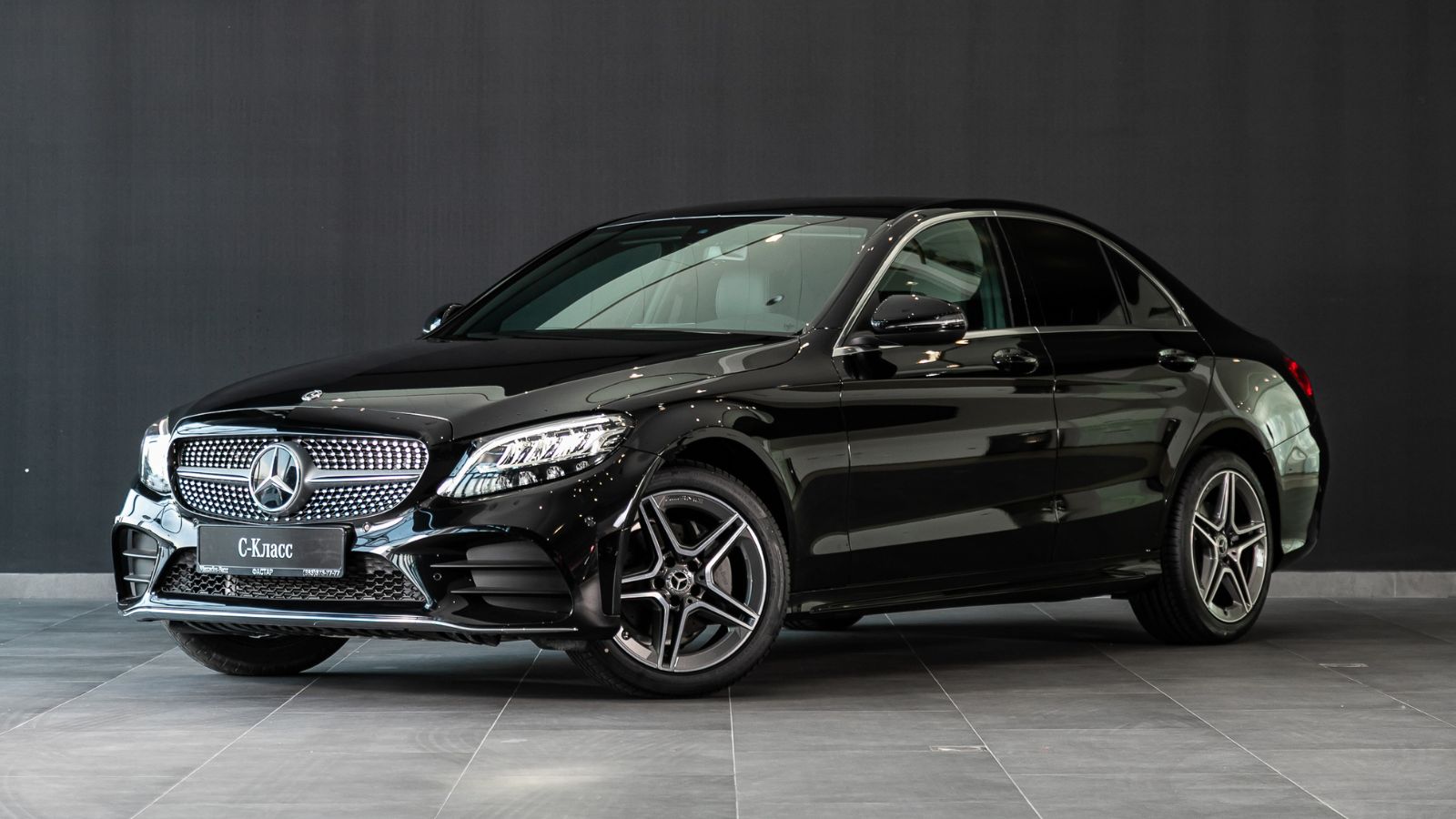
The Mercedes-Benz C-Class sells on comfort and quiet confidence. Buyers often focus on the interior and forget the mechanical details. Under the hood, most engines are turbocharged and tuned for premium fuel. Using regular fuel changes how the car responds. Acceleration feels softer, and gear shifts may seem less precise. Over time, drivers notice a gap between expectation and reality. Canadian winters also demand more from engines. Premium fuel helps maintain consistent performance in colder conditions. Many owners only realize this after switching fuels and feeling the difference firsthand.
Acura TLX
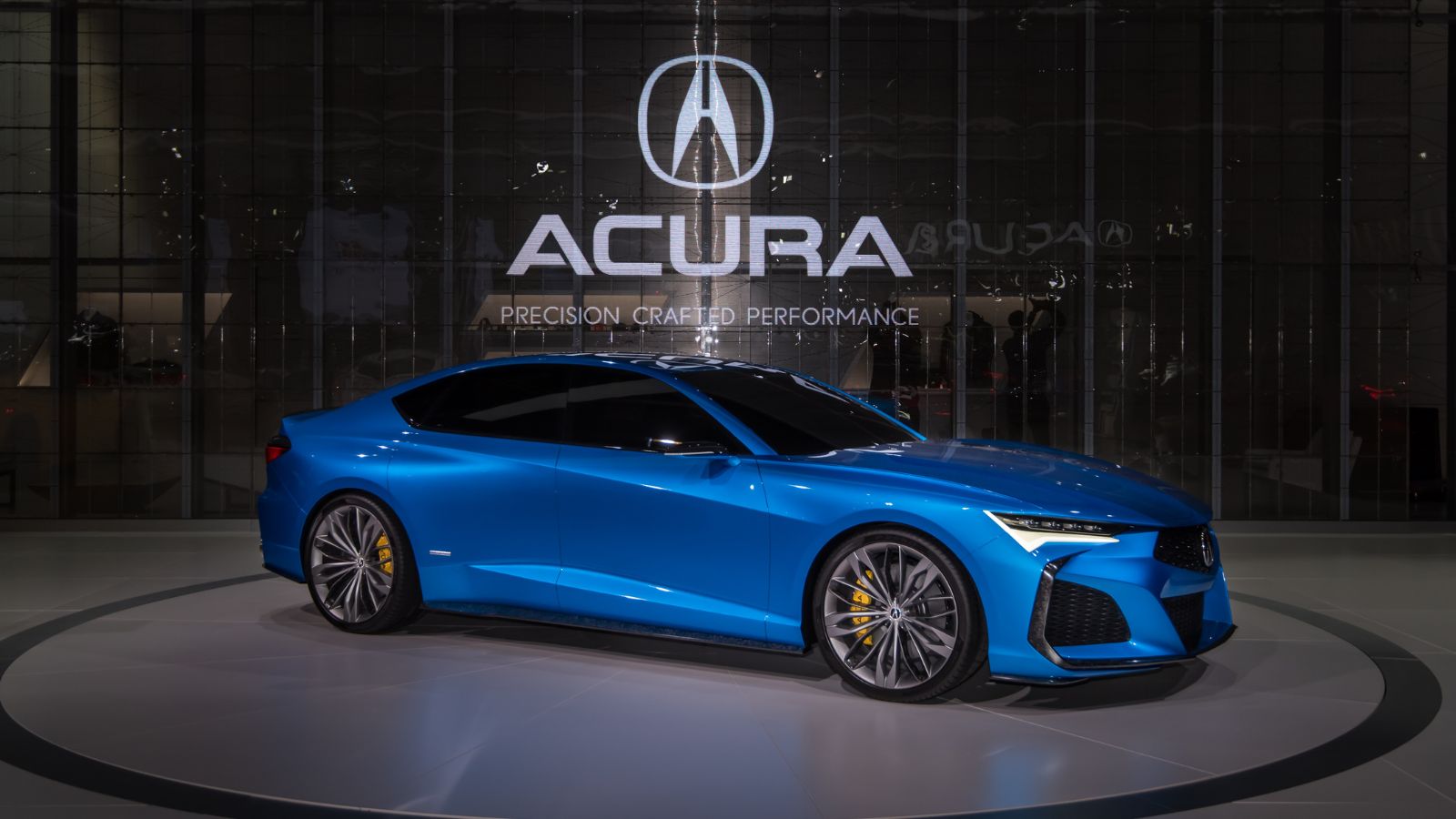
The Acura TLX blends reliability with sporty character. It attracts drivers who want something upscale but practical. Many assume it behaves like a typical Honda product. That assumption leads to confusion at the pump. The turbocharged engines are designed with premium fuel in mind. Running on regular fuel reduces output and responsiveness. The difference is not always dramatic, but it is there. Over time, it affects the overall driving experience. Fuel savings from using regular fuel often disappear due to lower efficiency. Owners who switch back to premium usually notice smoother acceleration immediately.
Lexus IS
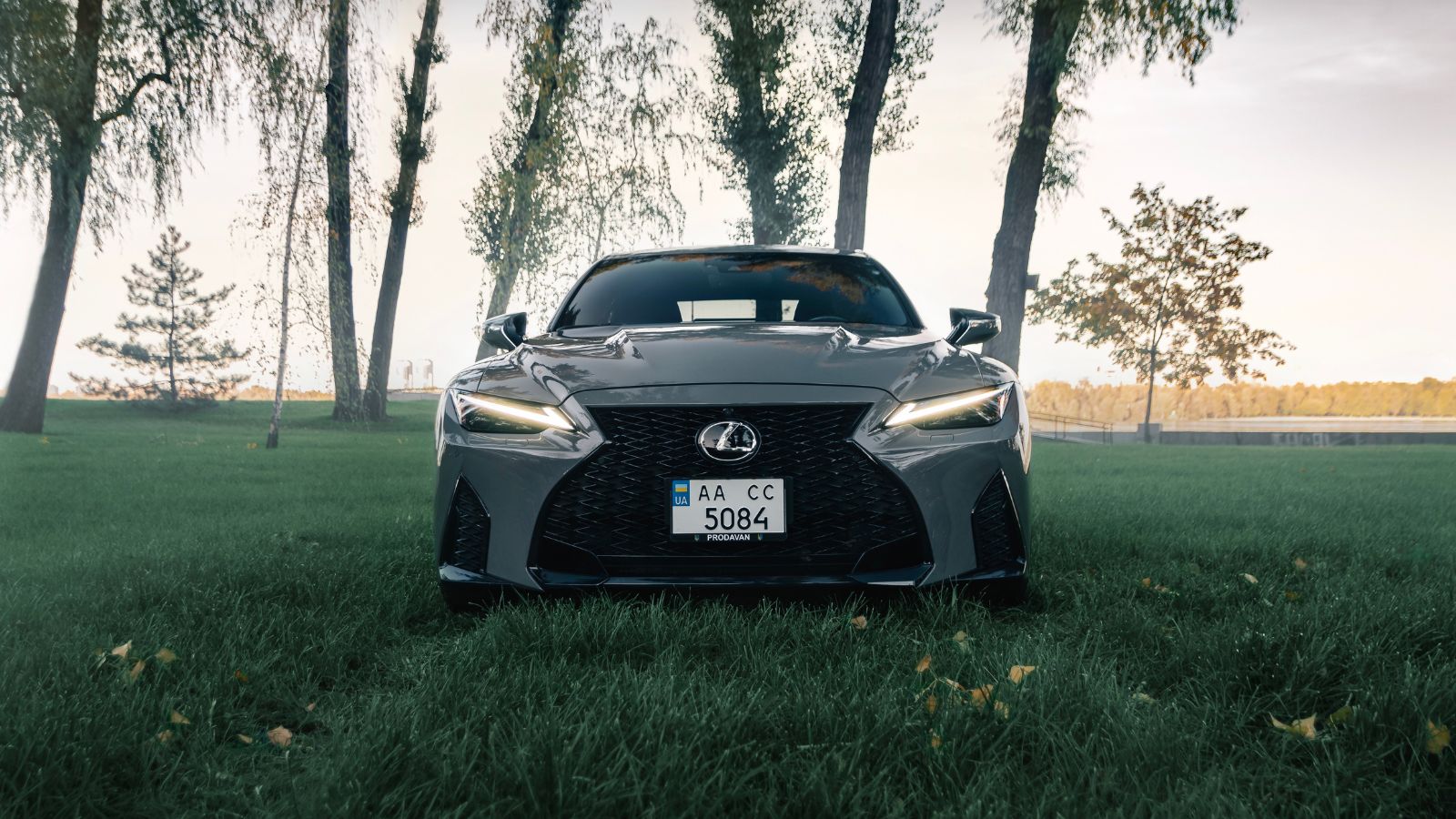
The Lexus IS is known for its reliability and refined ride. Many buyers expect low maintenance and simple ownership. Fuel requirements often get overlooked during purchase decisions. Several engine options in this lineup recommend premium fuel. The car still runs on regular, but performance suffers. Throttle response becomes less sharp, especially during highway merging. Canadian drivers who deal with long commutes feel this difference more. Fuel efficiency can also drop slightly. Over months, that change becomes noticeable. Premium fuel helps maintain the smooth and quiet character that defines the IS.
Infiniti Q50
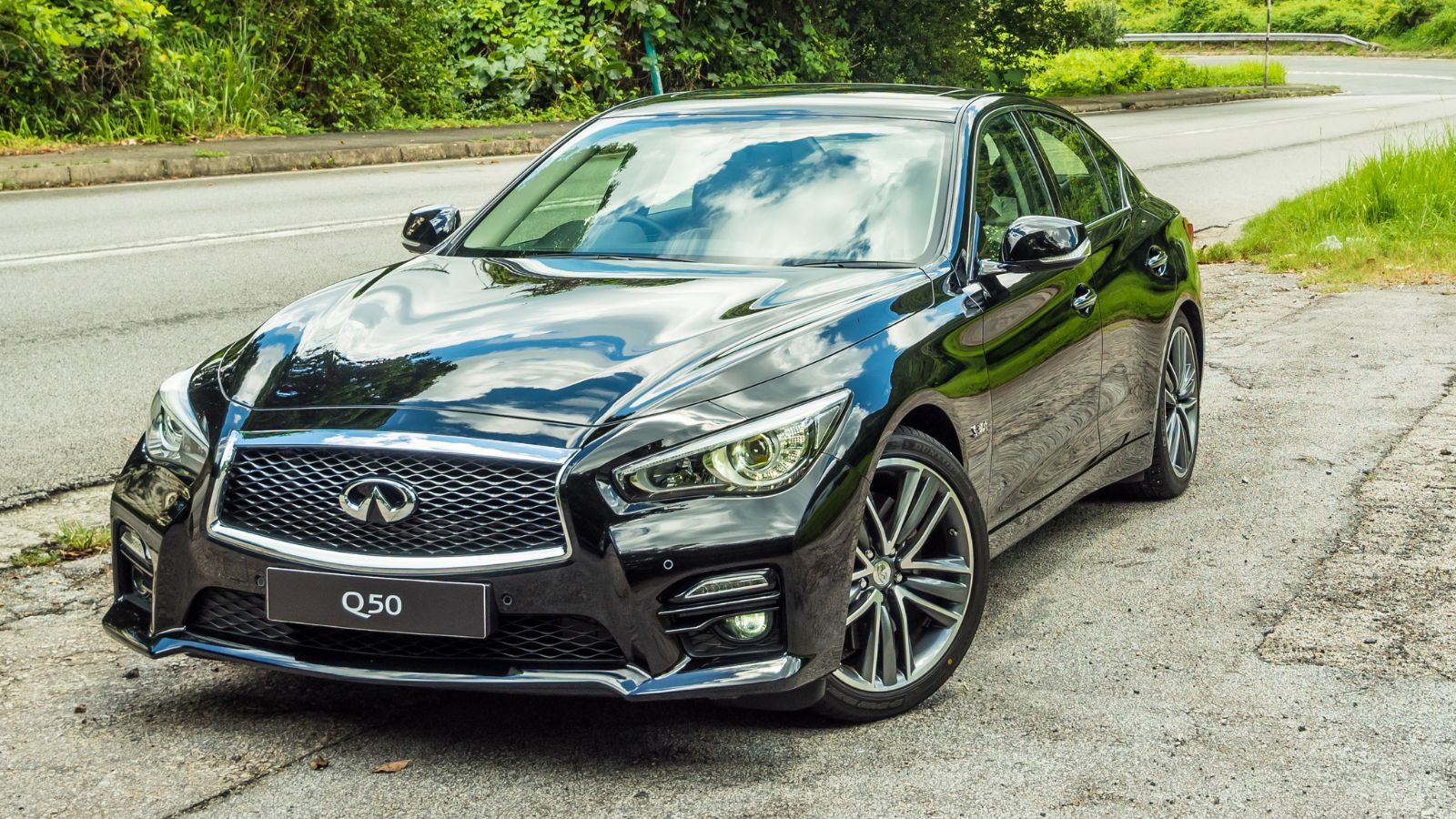
The Infiniti Q50 delivers strong acceleration and a bold design. It appeals to drivers who want something different from European brands. The twin-turbo engine in many models requires premium fuel. This detail is easy to miss during the buying process. Using regular fuel forces the engine to adjust its timing. That reduces power and can make the car feel less responsive. Cold-weather driving already limits performance slightly. Lower octane fuel adds to that effect. Owners often realize the difference after switching fuels. Premium fuel restores the punch that defines this sedan.
Volkswagen Golf GTI
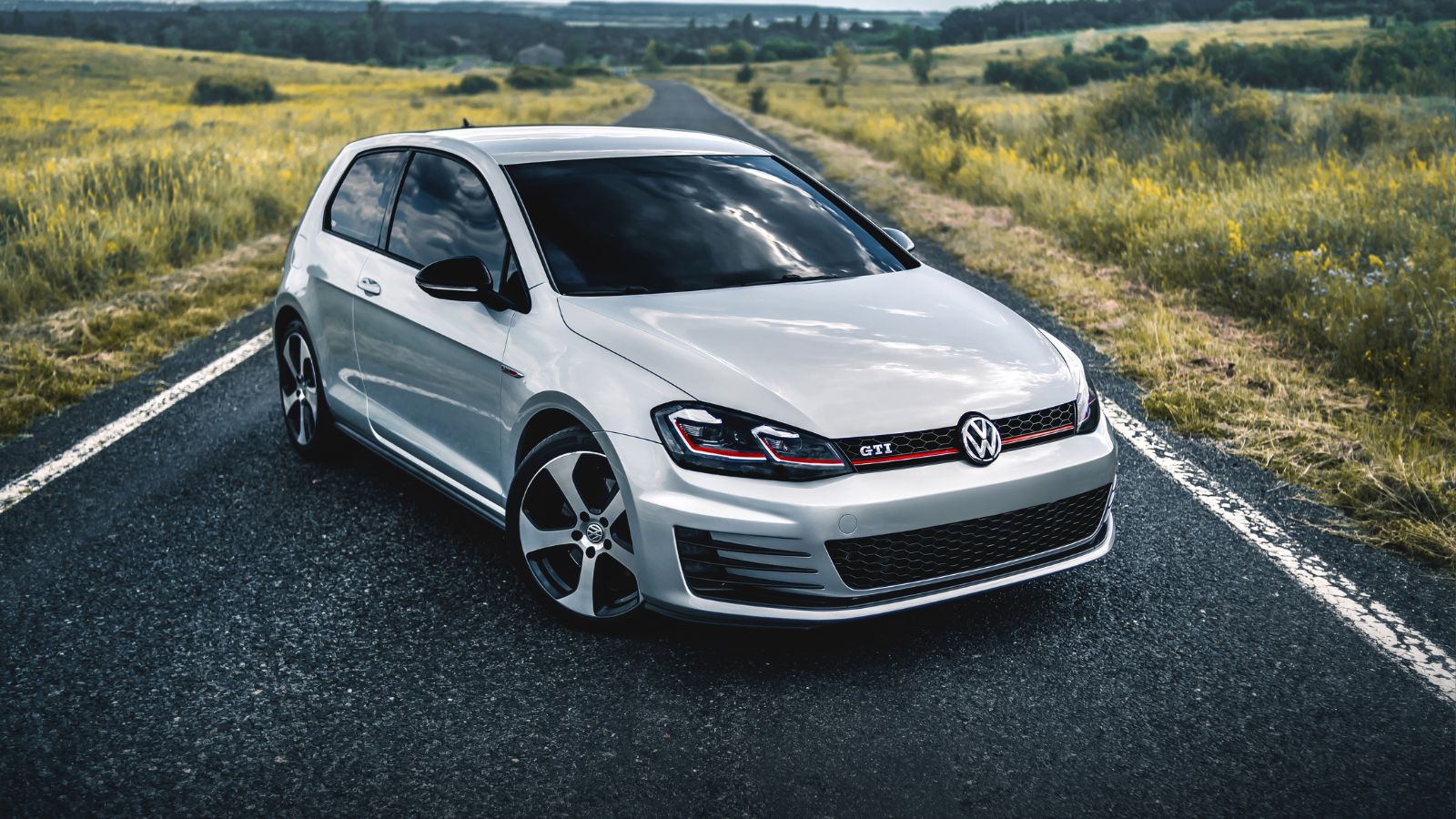
The Volkswagen Golf GTI is a popular hot hatch in Canada. It offers practicality with a fun driving experience. Many buyers treat it like a regular compact car. That mindset leads to fuel-related surprises. The turbocharged engine is tuned for premium fuel. Using regular fuel reduces boost pressure and overall output. The car still drives well, but it feels less lively. Over time, the difference becomes noticeable during spirited driving. Fuel economy may also drop slightly. Owners who switch back to premium often rediscover why they chose the GTI in the first place.
Subaru WRX
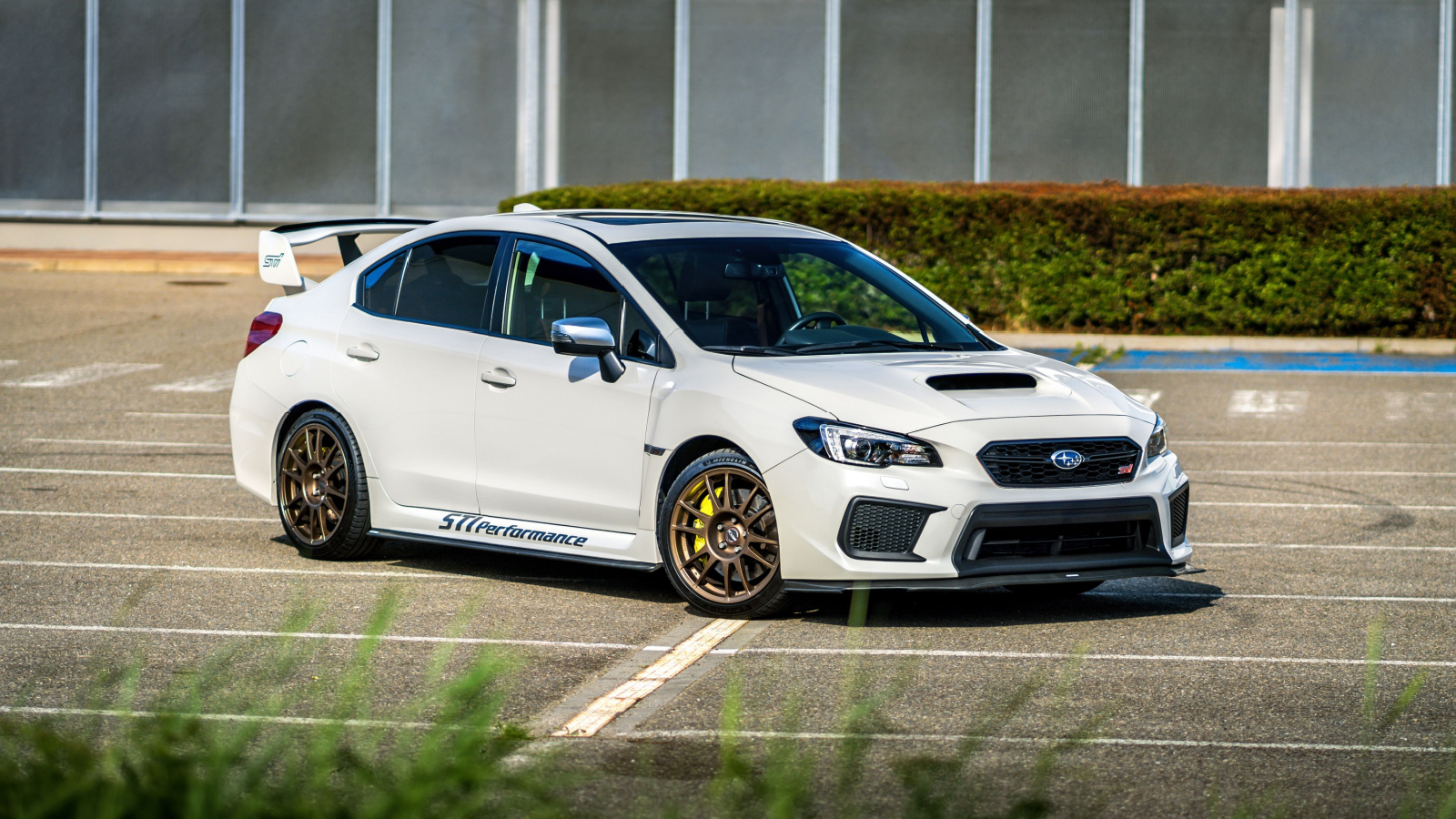
The Subaru WRX is built for performance and all-weather confidence. It attracts drivers who enjoy control on snowy roads. Many assume it shares the same fuel needs as other Subaru models. That assumption is incorrect. The turbocharged engine requires premium fuel for proper performance. Using regular fuel limits power and responsiveness. The difference becomes clear during acceleration and corner exits. Canadian winters already reduce traction. Lower octane fuel adds another layer of compromise. Owners who prioritize performance quickly return to premium fuel. It helps the WRX deliver its intended driving experience.
Ford Mustang EcoBoost
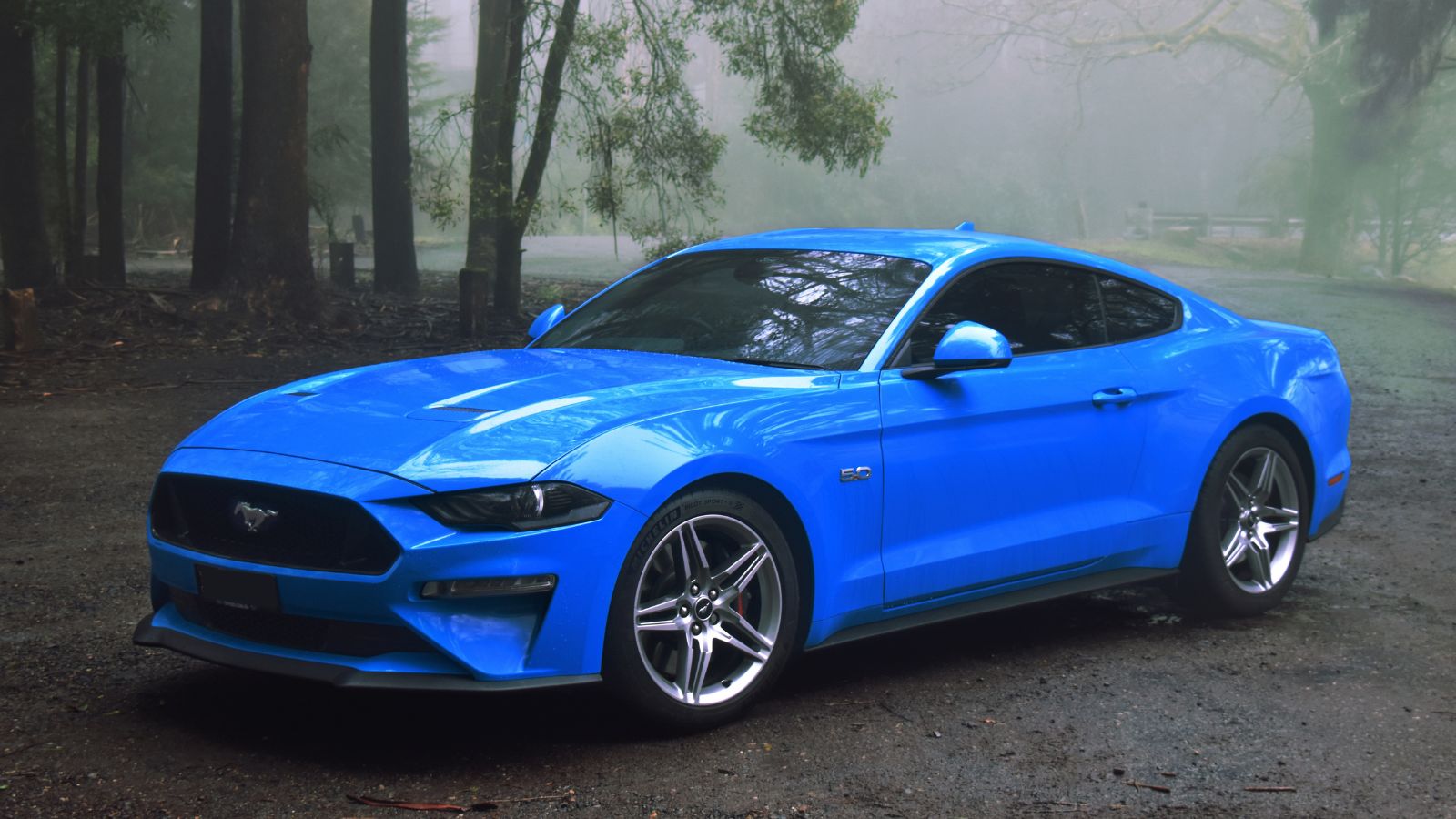
The Ford Mustang EcoBoost offers performance at a lower entry price. Many buyers expect lower running costs compared to V8 models. Fuel requirements often get overlooked during purchase decisions. The turbocharged engine performs best with premium fuel. Running regular fuel reduces horsepower and torque. The car still feels quick, but not as sharp. Over time, the difference becomes noticeable in daily driving. Canadian drivers who enjoy highway acceleration feel this most. Premium fuel helps maintain consistent performance. It also keeps the engine operating closer to its designed output.
Chevrolet Camaro Turbo

The turbocharged Chevrolet Camaro offers a different take on performance. Many buyers focus on its styling and forget fuel details. The engine is tuned to work best with premium fuel. Using regular fuel reduces power and efficiency. The car still delivers decent performance, but it feels slightly restrained. Over time, this affects the overall ownership experience. Canadian winters already challenge rear-wheel-drive cars. Reduced engine output adds to that challenge. Owners who switch to premium often notice smoother acceleration. The difference becomes clear during longer drives and highway use.
Mazda CX-5 Turbo
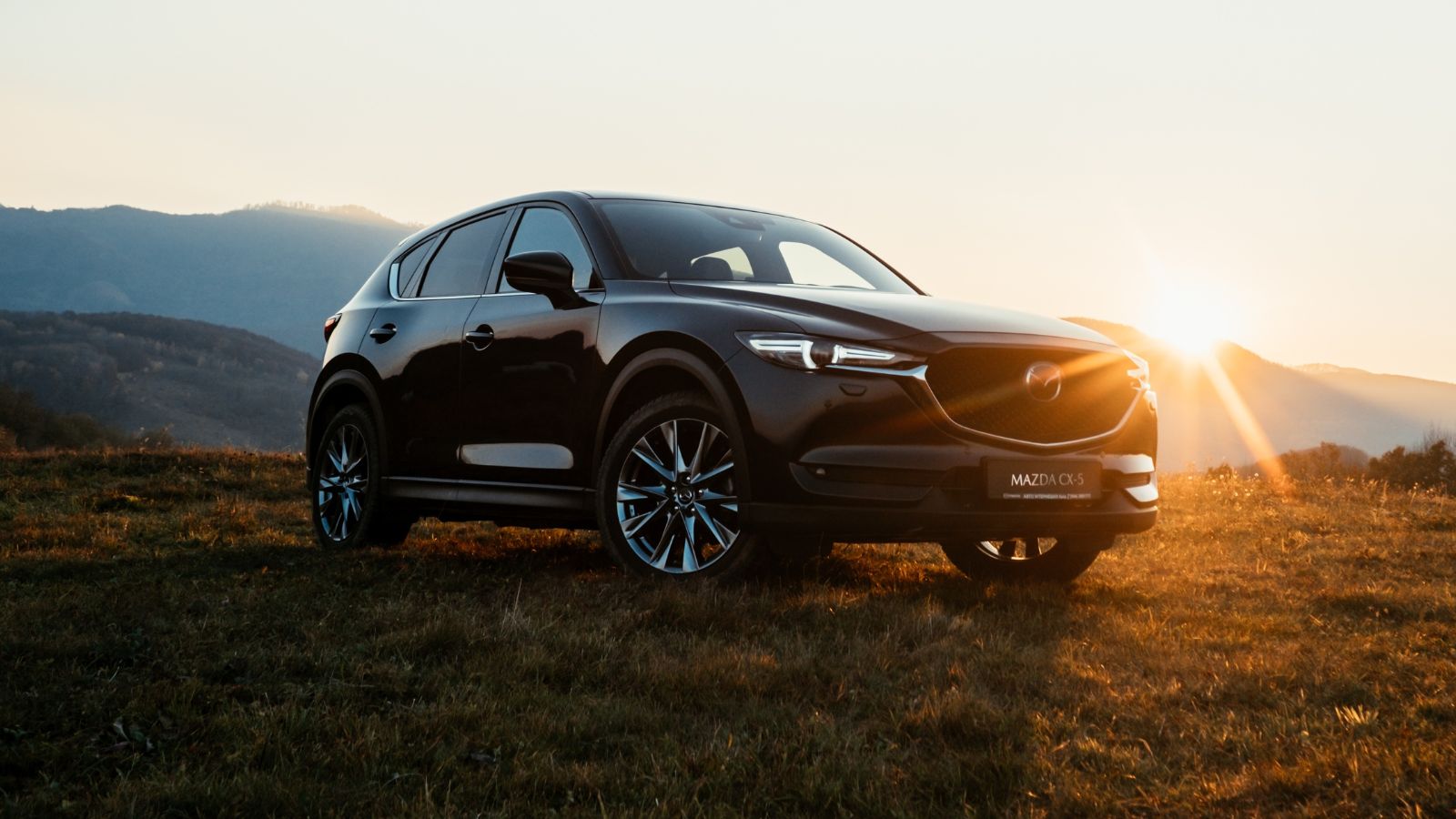
The Mazda CX-5 Turbo blends practicality with surprising performance. Many buyers expect it to behave like a regular compact SUV. Fuel requirements often get overlooked during purchase. The turbocharged engine delivers more power with premium fuel. Using regular fuel reduces output significantly. The car still runs well, but acceleration feels weaker. This becomes noticeable during highway merging or passing. Canadian drivers who travel long distances feel this difference more. Fuel economy can also vary depending on the fuel used. Premium fuel helps the engine deliver its full potential consistently.
Volvo XC60

The Volvo XC60 focuses on comfort and safety. Buyers often prioritize those features over engine details. Many models use turbocharged or supercharged engines. These setups require premium fuel for optimal performance. Using regular fuel reduces power and efficiency. The car still drives smoothly, but it feels less responsive. Cold-weather driving already affects engine behavior. Lower octane fuel adds another layer of compromise. Over time, drivers notice a difference in acceleration. Premium fuel helps maintain the refined feel that defines Volvo vehicles. It keeps the driving experience consistent across conditions.
Porsche Macan

The Porsche Macan delivers sporty handling in an SUV package. Buyers expect strong performance from the brand. Fuel requirements sometimes get overlooked during purchase. Most engines in the Macan lineup require premium fuel. Using regular fuel limits power and responsiveness. The difference becomes clear during acceleration and cornering. Canadian drivers who enjoy spirited driving feel this most. Fuel economy can also drop slightly. Over time, the added cost of premium fuel becomes part of ownership. It helps the Macan deliver the performance that defines the Porsche experience.
Alfa Romeo Giulia
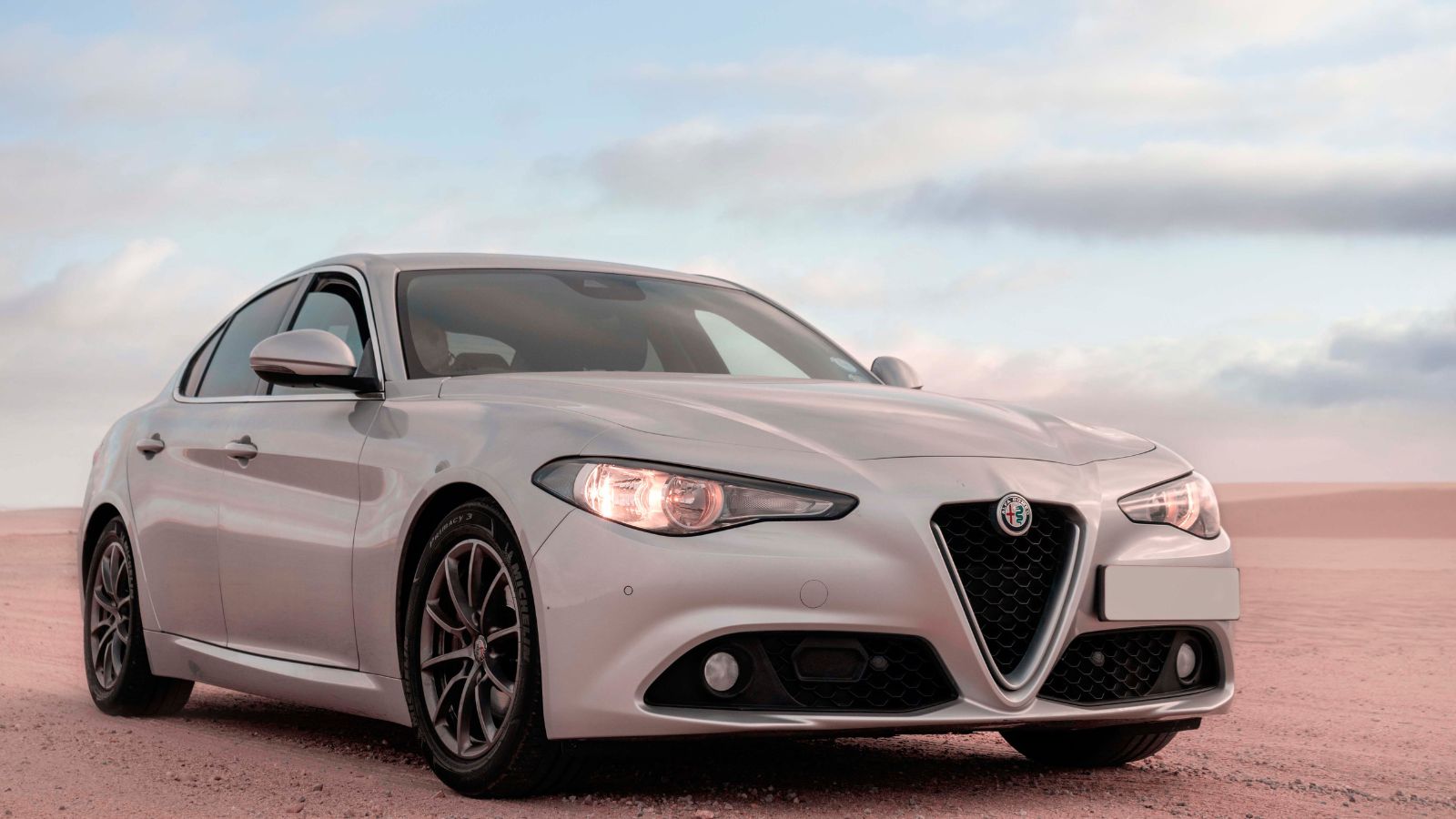
The Alfa Romeo Giulia stands out with its design and driving feel. Many buyers are drawn to its character. Fuel requirements are often not top of mind. The turbocharged engine is designed for premium fuel. Using regular fuel reduces performance and efficiency. The car still drives well, but it loses some sharpness. Over time, this affects the overall experience. Canadian winters already challenge traction and control. Reduced engine output adds to that challenge. Owners who switch to premium fuel notice improved responsiveness. It helps the Giulia feel more engaging on the road.
Genesis G70
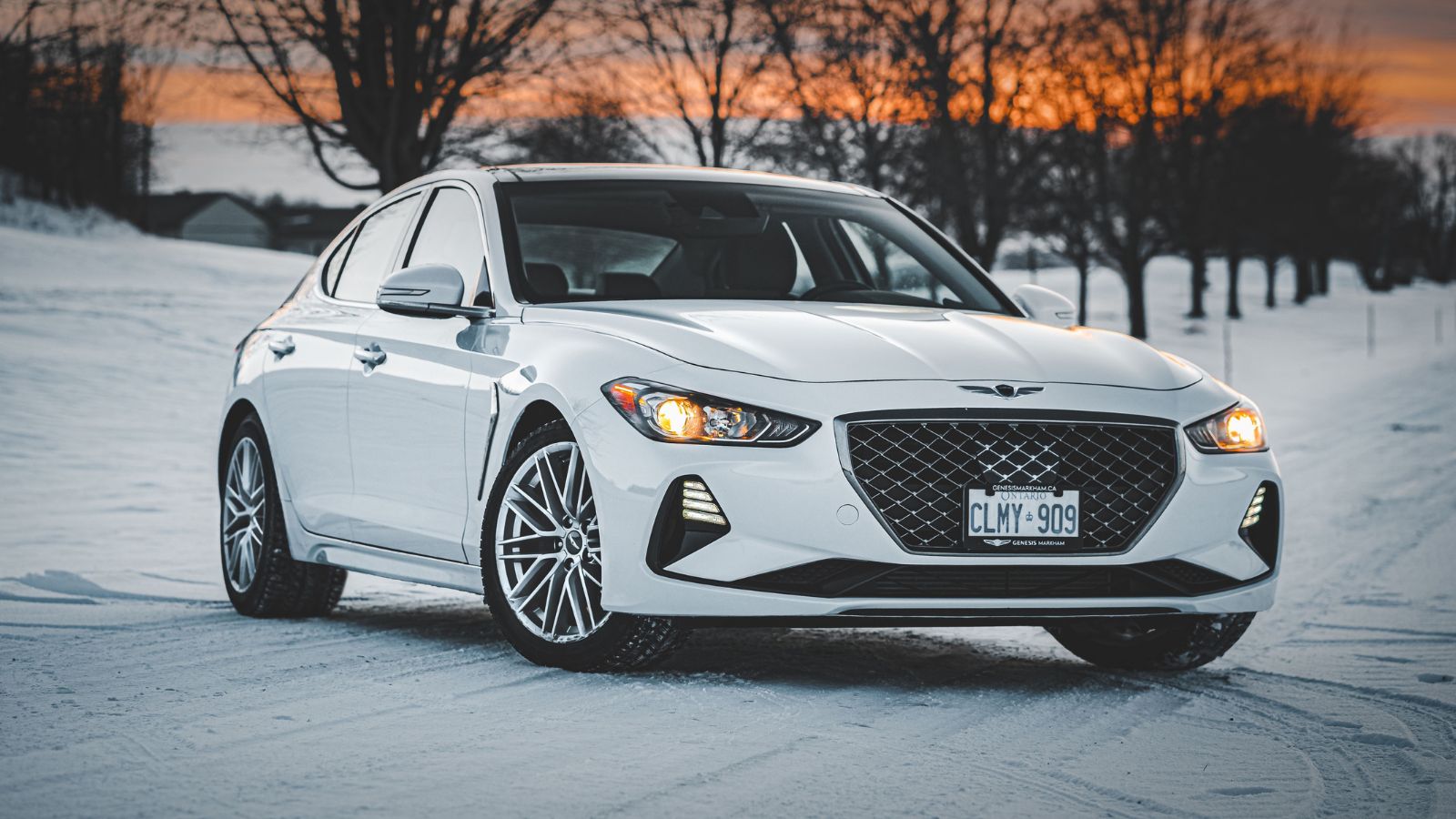
The Genesis G70 offers luxury and performance at a competitive price. Many buyers compare it to German rivals. Fuel requirements can be easy to overlook. The turbocharged engines perform best with premium fuel. Using regular fuel reduces power and efficiency. The car still feels refined, but less responsive. Over time, drivers notice the difference during acceleration. Canadian drivers who deal with long commutes feel this more. Premium fuel helps maintain consistent performance. It also keeps the engine operating closer to its intended design.
Jeep Grand Cherokee V6
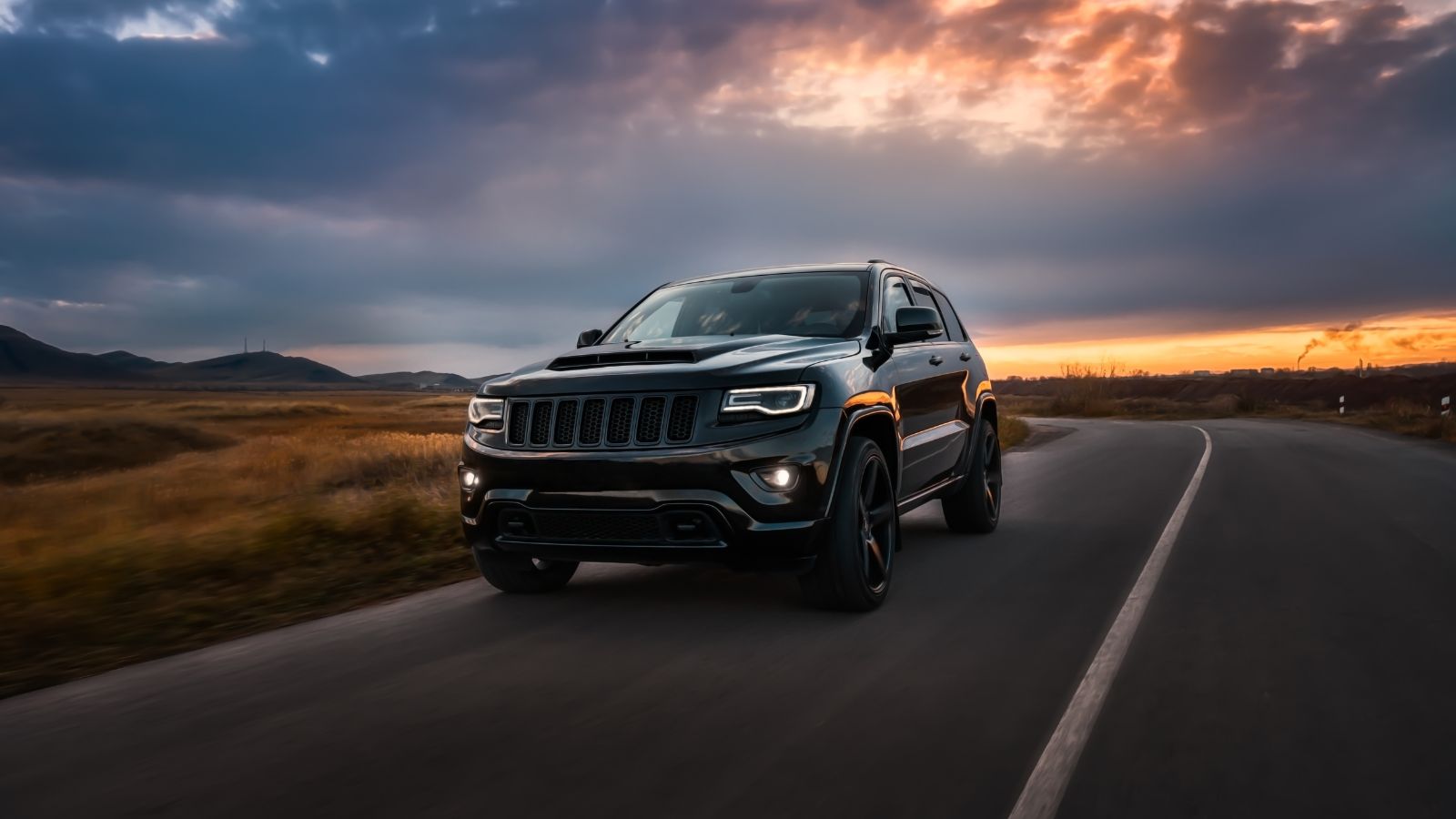
The Jeep Grand Cherokee with a V6 engine is seen as practical and capable. Many buyers assume it runs fine on regular fuel. Some versions benefit from premium fuel for better performance. Using regular fuel can reduce efficiency and responsiveness. The difference is subtle but noticeable over time. Canadian drivers who tow or travel long distances feel this more. Fuel economy may also vary depending on conditions. Premium fuel helps maintain smoother performance. It also supports better engine operation under heavier loads.
Toyota Supra
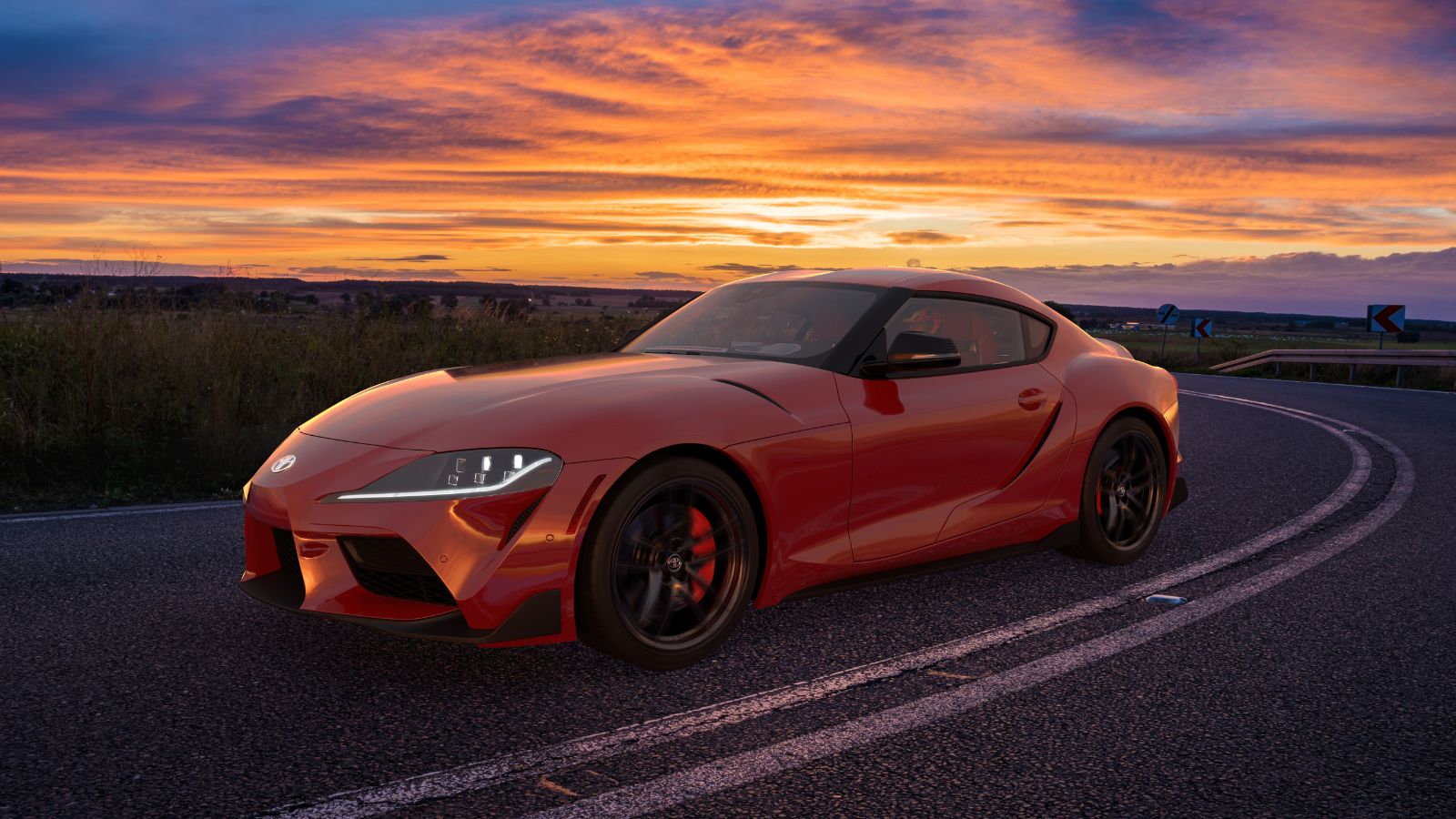
The Toyota Supra focuses on performance and driving enjoyment. Many buyers expect higher running costs. Fuel requirements are part of that equation. The turbocharged engine requires premium fuel for optimal performance. Using regular fuel reduces power and efficiency. The car still drives well, but it feels less sharp. Over time, this affects the driving experience. Canadian drivers who enjoy spirited driving notice the difference quickly. Premium fuel helps maintain the performance that defines the Supra. It keeps acceleration strong and consistent across conditions.
Kia Stinger
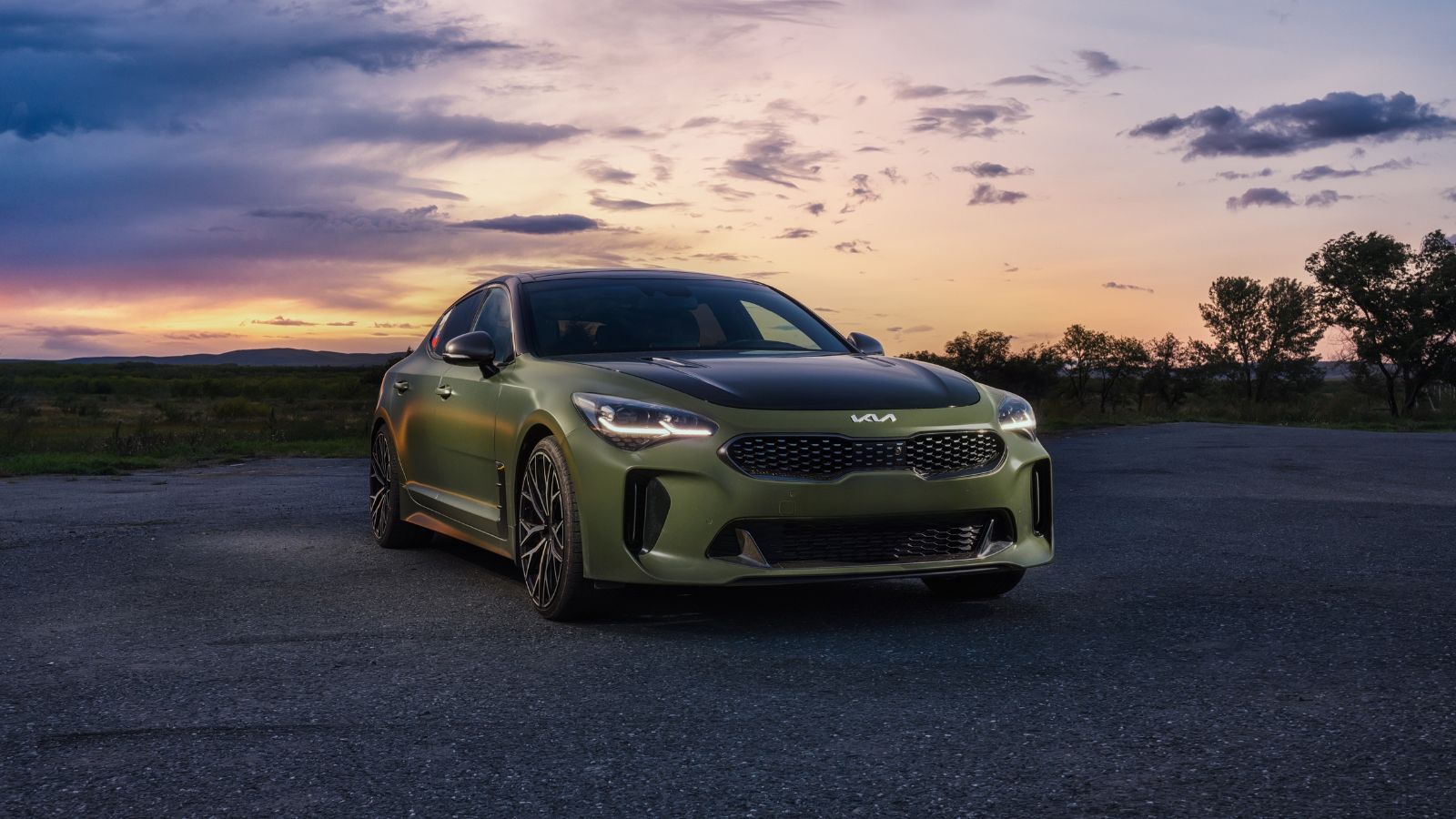
The Kia Stinger offers strong performance and practicality. Many buyers see it as a value option. Fuel requirements can be overlooked during purchase. The turbocharged engines perform best with premium fuel. Using regular fuel reduces power and responsiveness. The car still feels quick, but less engaging. Over time, drivers notice the difference during acceleration. Canadian winters already affect performance. Lower-octane fuel exacerbates that effect. Premium fuel helps maintain consistent output. It also keeps the driving experience closer to what the car was designed to deliver.
Honda Civic Type R
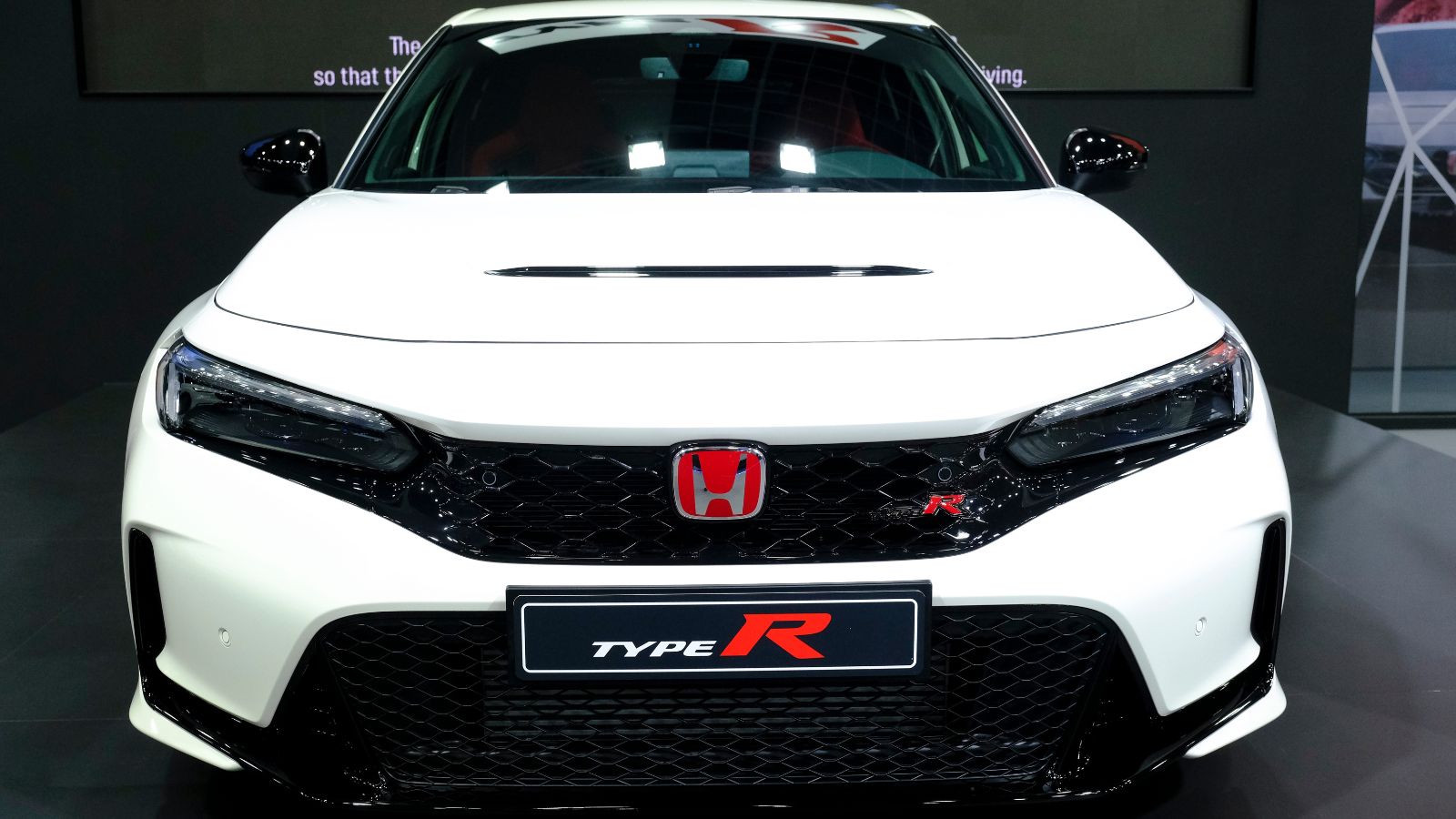
The Honda Civic Type R is built for performance enthusiasts. Many buyers expect higher maintenance costs. Fuel requirements are part of that equation. The turbocharged engine requires premium fuel for proper performance. Using regular fuel reduces power and efficiency. The car still drives well, but it feels less aggressive. Over time, this affects the overall experience. Canadian drivers who enjoy spirited driving notice the difference quickly. Premium fuel helps maintain strong acceleration. It also supports better engine operation during high-performance driving.
Land Rover Range Rover Evoque

The Range Rover Evoque focuses on style and capability. Many buyers prioritize design over mechanical details. Fuel requirements often get overlooked. The turbocharged engine performs best with premium fuel. Using regular fuel reduces power and efficiency. The car still drives smoothly, but is less responsive. Over time, drivers notice the difference during acceleration. Canadian winters already challenge performance. Lower octane fuel adds to that effect. Premium fuel helps maintain consistent output. It also supports better engine operation in demanding conditions.
22 Things Canadians Do to Their Cars in Spring That Mechanics Hate

Spring brings relief to many Canadian drivers after months of snow, freezing temperatures, and icy roads that put serious strain on vehicles. As temperatures rise across the country, drivers begin washing cars, switching tires, and preparing vehicles for warmer weather and upcoming road trips. However, mechanics across Canada notice the same mistakes every spring when drivers attempt to recover from winter damage. Road salt, potholes, and harsh winter driving conditions often leave vehicles with hidden problems that drivers ignore. Some spring habits even create new mechanical issues that could have been avoided with proper maintenance. Here are 22 things Canadians do to their cars in spring that mechanics hate.