
























The Canadian car market shifts fast. What felt like a smart buy last year can suddenly feel like a regret. Rising insurance costs, winter performance concerns, and high repair bills are changing buyer priorities. Some models struggle with reliability. Others lose appeal because their pricing no longer makes sense. EV competition is also reshaping what people expect from everyday cars. Buyers now want value, durability, and fewer surprises. These shifts are quietly pushing certain cars out of favor across the country. Here are 17 cars that are becoming “unpopular” overnight in Canada (and why).
Toyota bZ4X
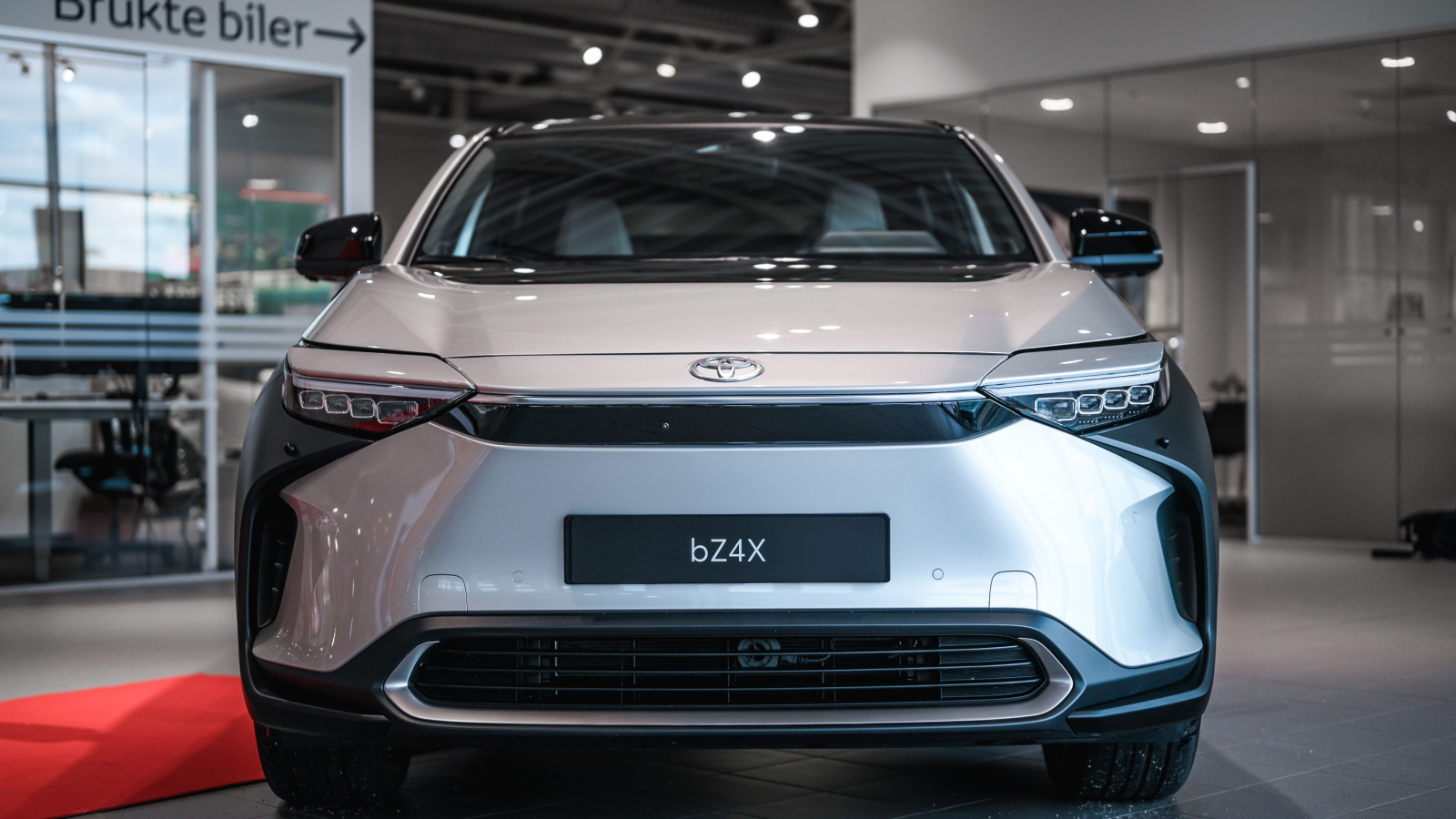
The Toyota bZ4X starts at $46,880 in Canada. It entered a crowded EV space with high expectations. Real-world range drops sharply in winter, which hurts daily usability. Charging speeds also feel slower compared to rivals. Buyers expected Toyota reliability, but early recalls created hesitation. Interior quality does not fully match the price either. Competitors now offer a wider range for the same price. Many shoppers are moving toward better-equipped alternatives. That shift is slowly pushing the bZ4X out of consideration lists across major provinces.
Ford Escape
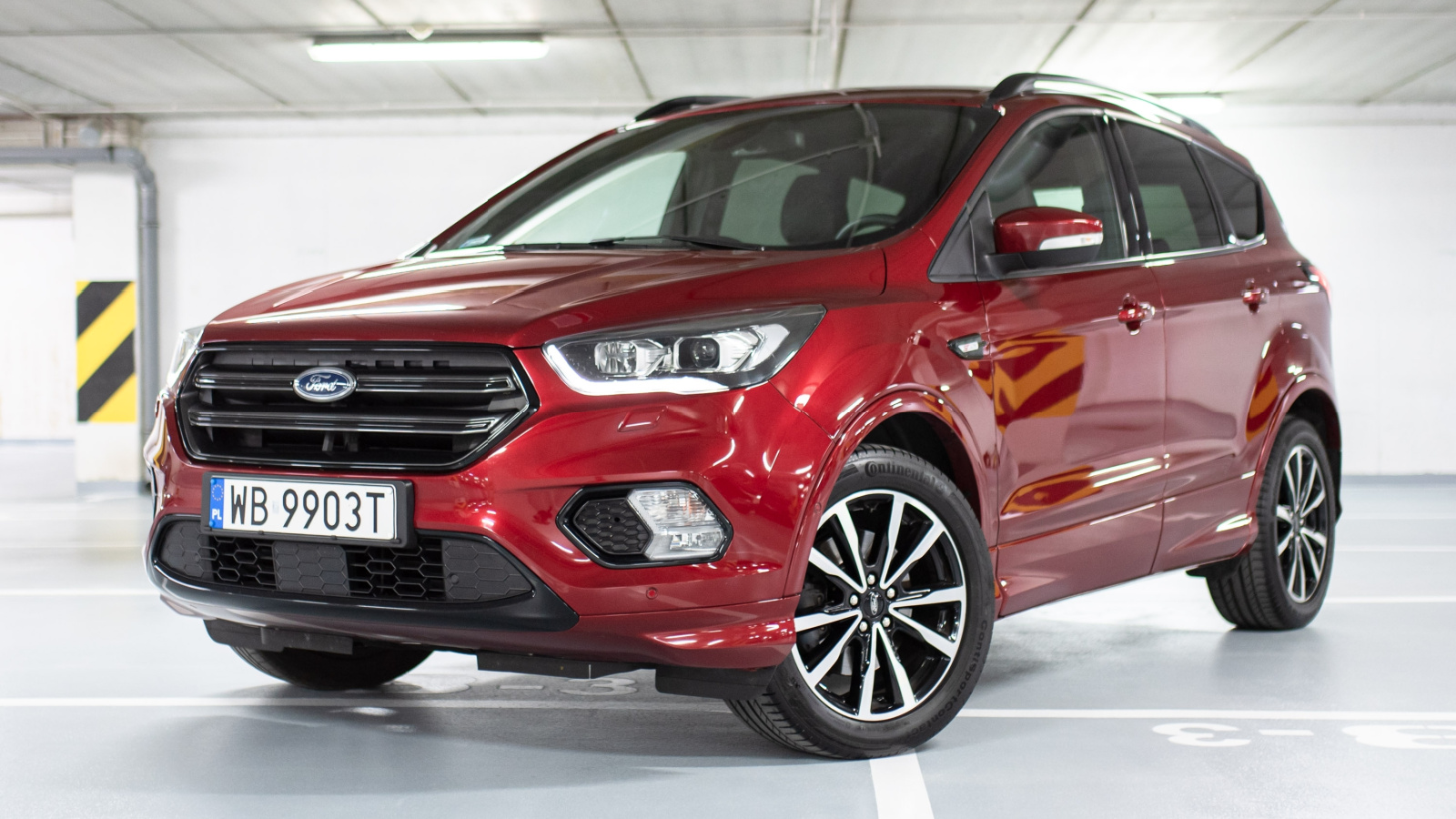
The Ford Escape starts around $33,499. It once dominated Canadian roads. Now, it struggles to stand out in a crowded segment. Interior materials feel basic for the price. Hybrid versions exist, but competitors offer smoother systems. Resale values are not as strong as before. Buyers also report inconsistent reliability in recent years. With so many refined rivals available, the Escape feels average. That is not enough anymore. Shoppers are choosing vehicles that offer stronger value and fewer compromises.
Nissan Altima
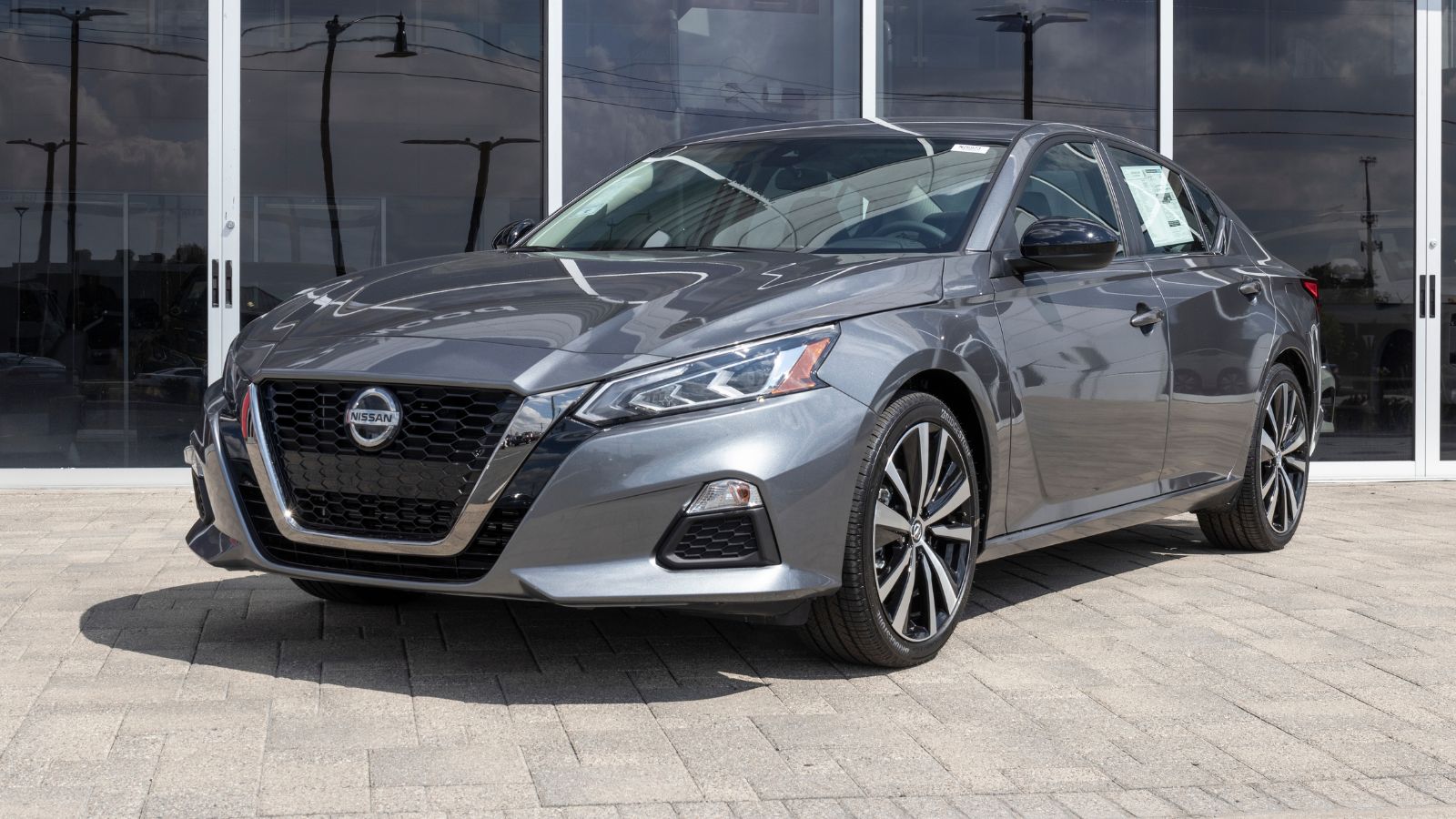
The Nissan Altima begins at $33,598. Sedans already face declining demand in Canada. The Altima struggles further due to its CVT reputation. Many buyers still worry about long-term durability. Fuel efficiency is decent, but not class-leading. Interior design also feels dated next to newer rivals. AWD is a plus, but not enough to change perception. As SUVs dominate sales, the Altima feels overlooked. Buyers who still want sedans often pick more trusted options.
Chevrolet Malibu
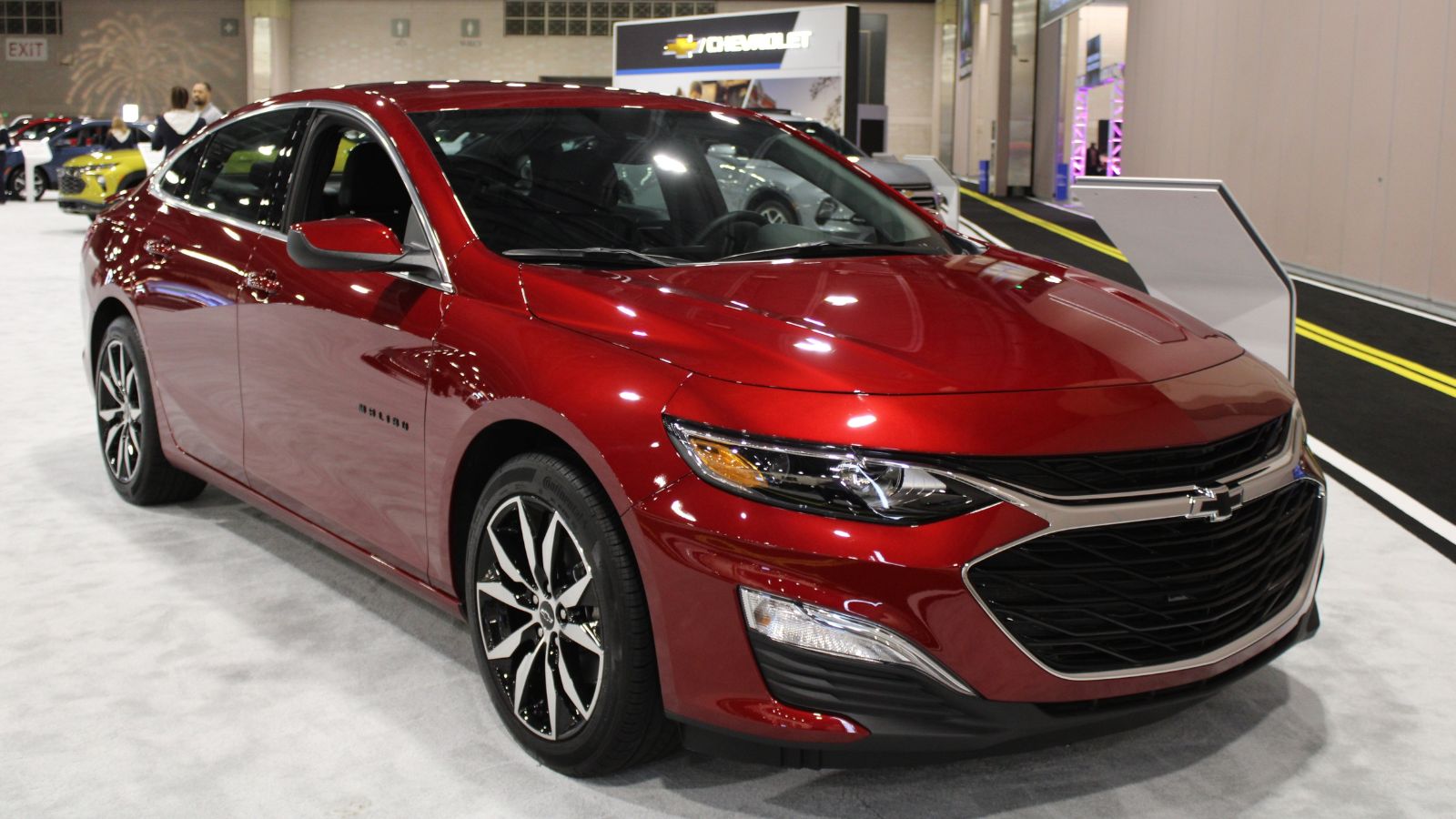
The Chevrolet Malibu starts around $29,798. It remains one of the few affordable sedans left. However, its age is becoming obvious. Technology features feel behind the curve. Cabin design also lacks excitement. Many buyers see it as a fleet vehicle rather than a personal choice. Limited updates over the years have not helped. With rumors of discontinuation, confidence is low. Buyers prefer models with clearer long-term support. That uncertainty is pushing the Malibu out of conversations.
Jeep Cherokee
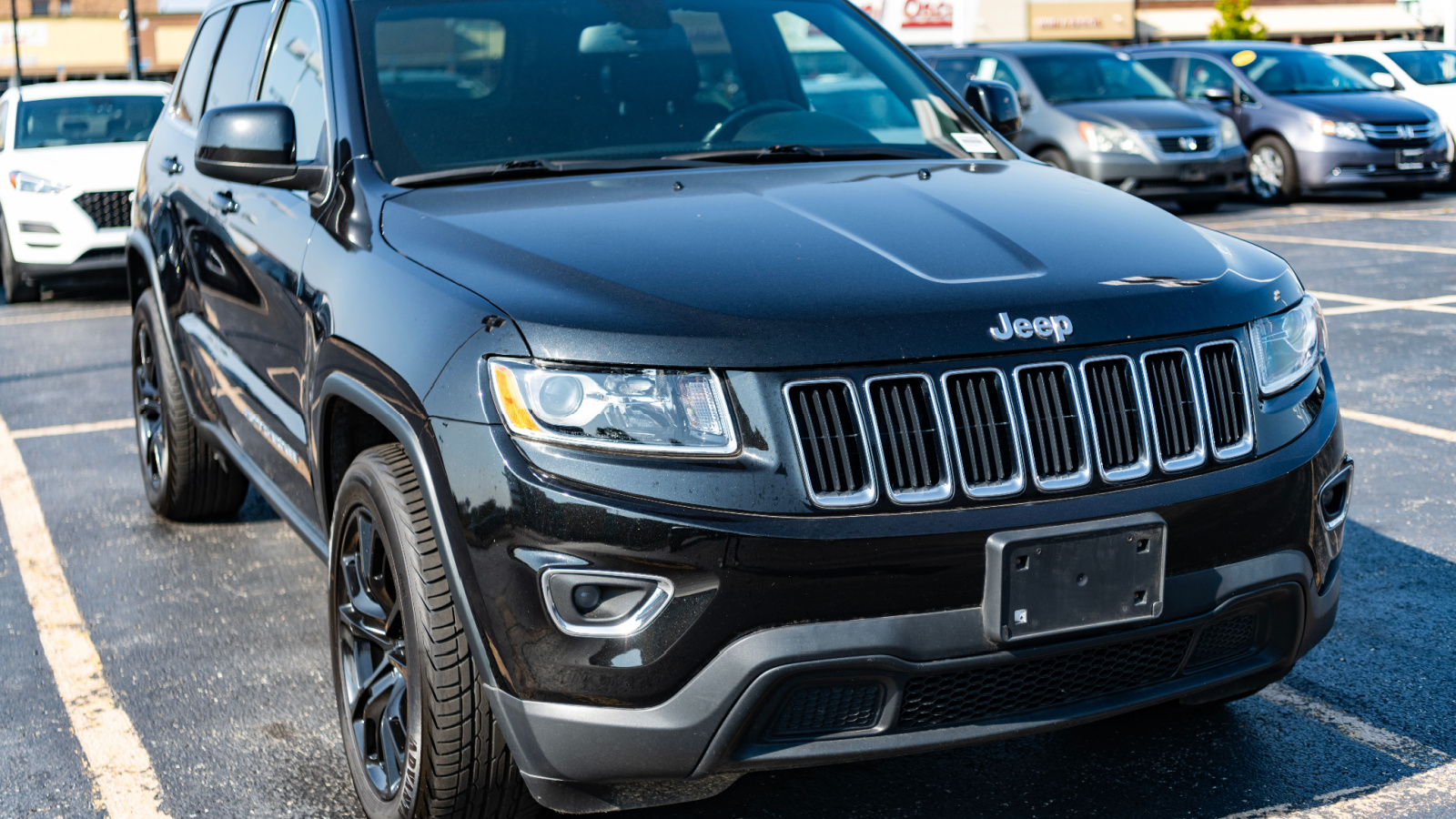
The Jeep Cherokee used to attract buyers with its rugged image. Prices often exceeded $40,000 before discontinuation. Fuel economy was never strong. Reliability concerns also followed the model for years. Many buyers found maintenance costs higher than expected. Newer SUVs now offer similar capability with better efficiency. As Jeep reshapes its lineup, the Cherokee feels like a past chapter. Canadian buyers are moving toward newer designs that balance comfort and cost more effectively.
Volkswagen Tiguan
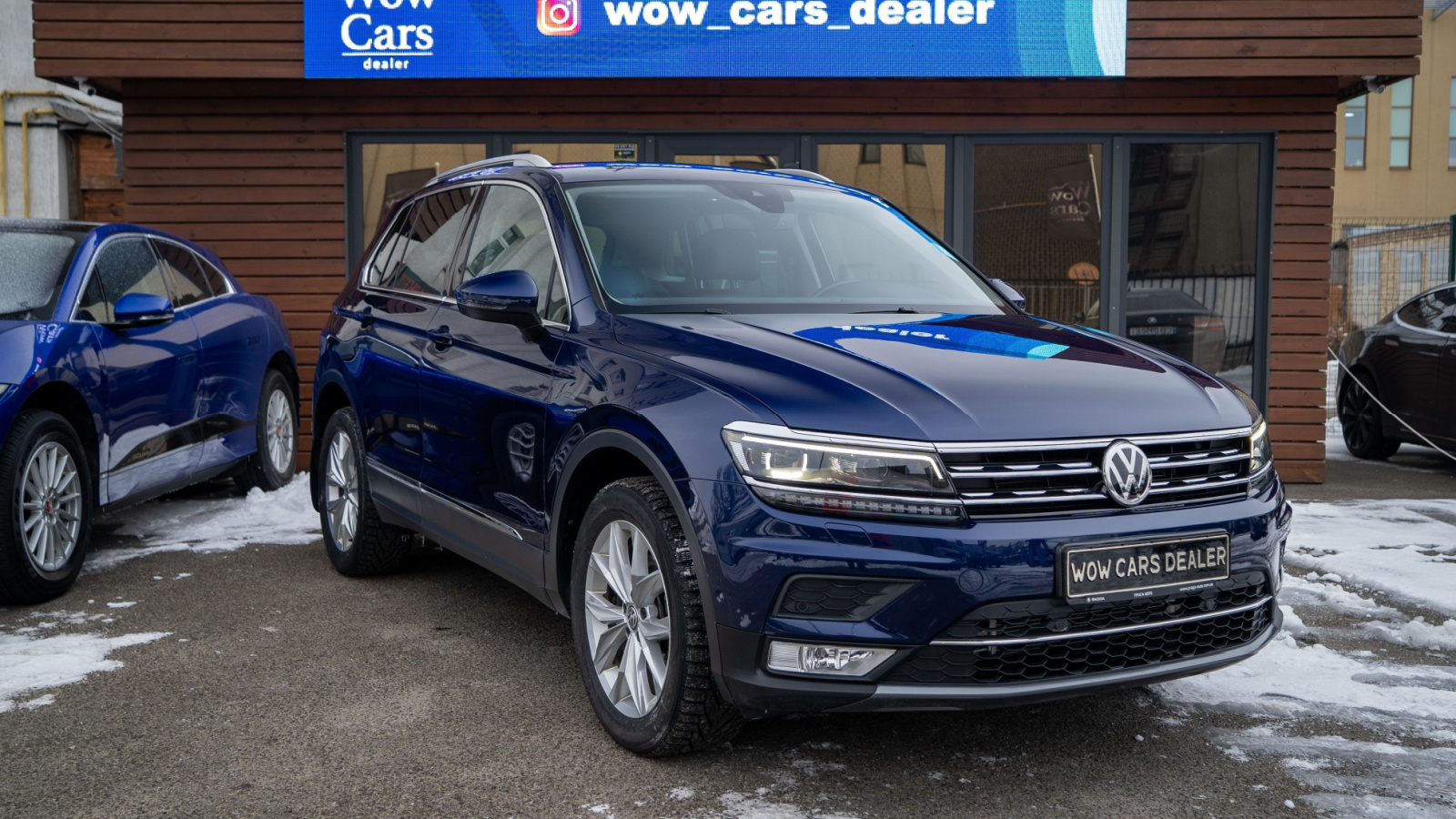
The Volkswagen Tiguan starts at $34,295. It offers space and a refined ride. However, its engine feels underpowered for Canadian highways. Fuel economy also lags behind newer rivals. Maintenance and repair costs tend to be higher over time. Some buyers report electrical issues after a few years. Interior tech feels slightly dated now. With strong competition from Japanese and Korean brands, the Tiguan struggles to justify its price. Buyers are starting to look elsewhere.
Mazda CX-9
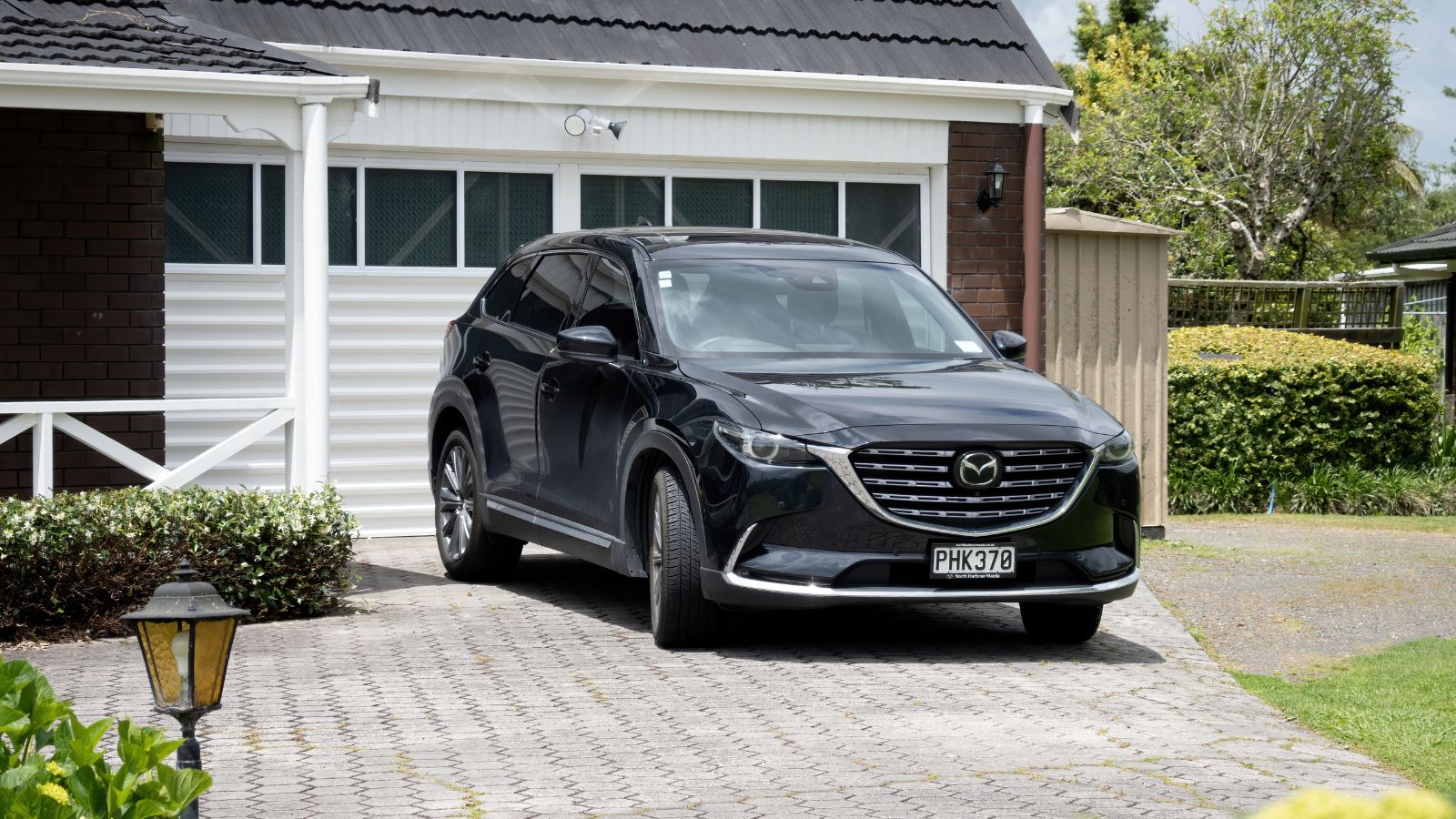
The Mazda CX-9 was priced around $42,200 before its phase-out. It offered a premium feel without luxury pricing. However, Canadian buyers began to notice its limitations. The third row feels tight for growing families. Cargo space also falls short compared to newer rivals. Fuel economy is average for a vehicle this size. The arrival of the CX-90 quickly shifted attention. Buyers now want updated platforms and better efficiency. That makes the CX-9 feel dated almost overnight. Many shoppers now skip it when comparing used three-row SUVs.
Hyundai Kona Electric
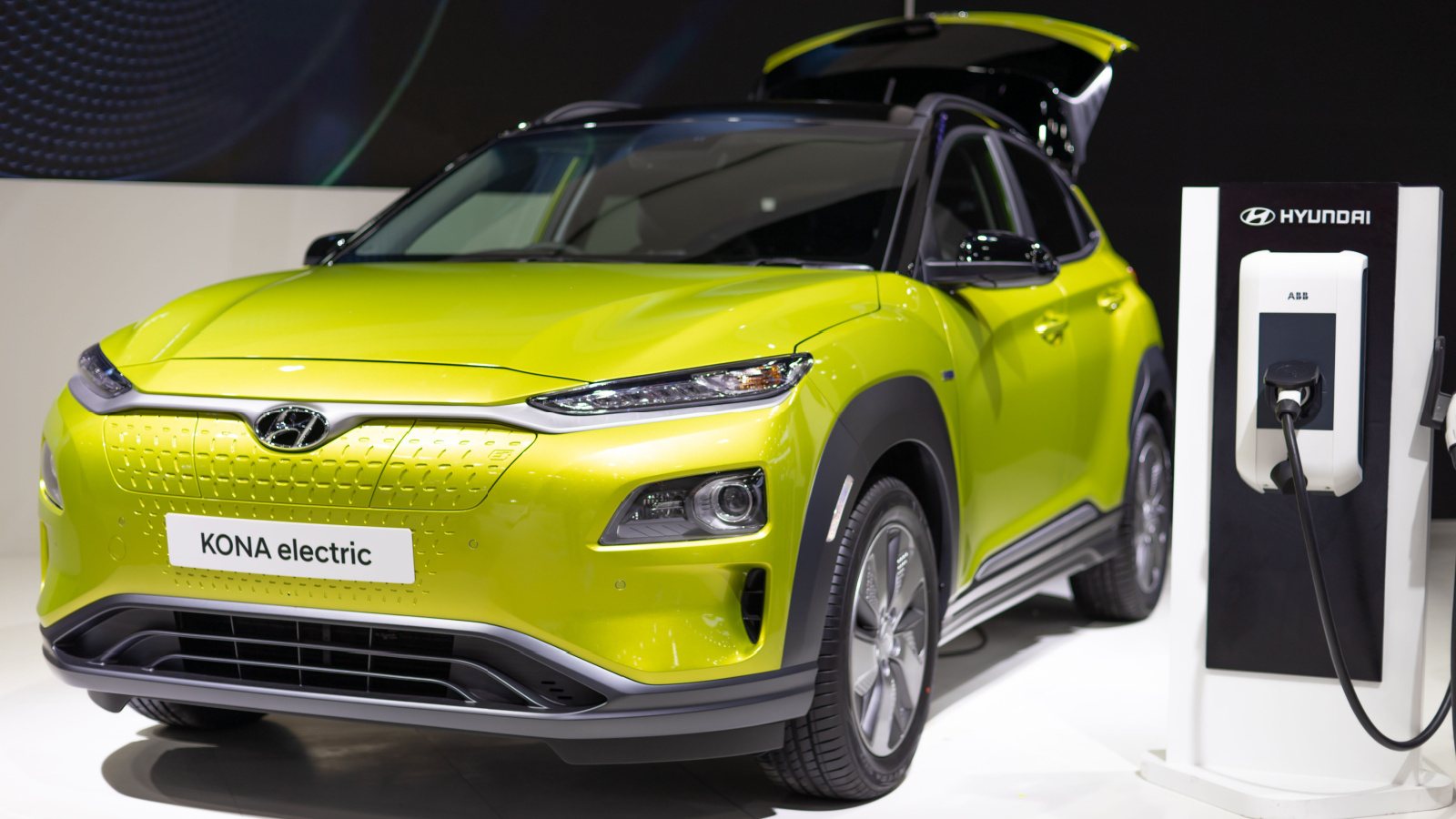
The Hyundai Kona Electric starts at $46,399. It once stood out as an affordable EV option. However, expectations have changed quickly. Canadian winters reduce its real-world range significantly. Charging speeds also feel slow against newer EVs. Interior space remains tight for daily use. Competing EVs now offer more room and better features. Hyundai’s updated lineup is drawing attention away. Buyers want longer range and faster charging for similar money. That shift is pushing the Kona Electric out of top consideration lists.
BMW X3
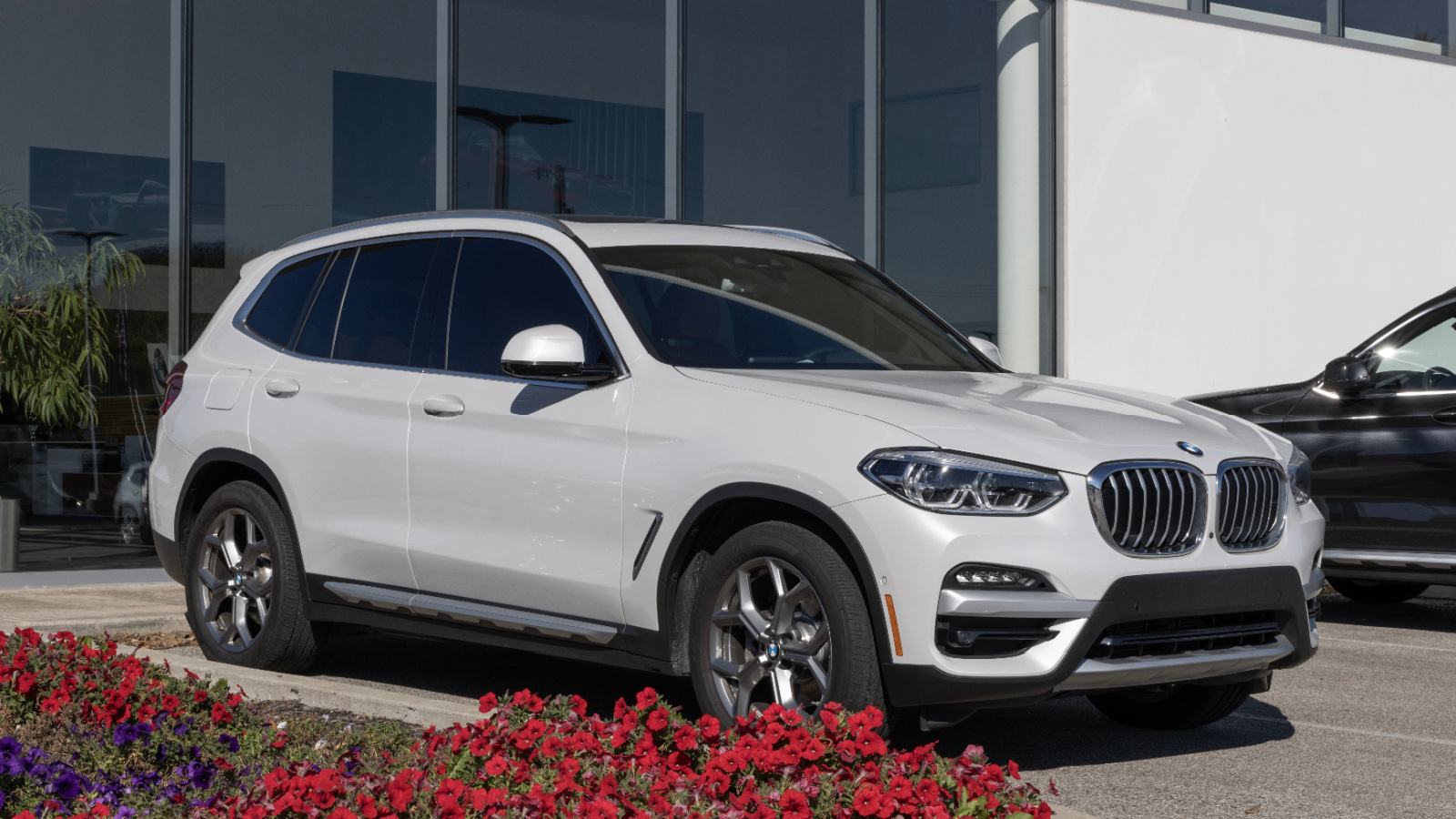
The BMW X3 starts around $55,000 in Canada. It still delivers strong performance and handling. However, ownership costs are becoming harder to ignore. Maintenance bills can rise quickly after the warranty ends. Insurance premiums are also higher than many expect. Some rivals now offer similar comfort at a lower price. Interior updates have been subtle, not dramatic. Buyers are questioning long-term value more than before. That hesitation is affecting demand. Many shoppers are exploring alternatives that balance luxury with lower ownership costs.
Tesla Model 3
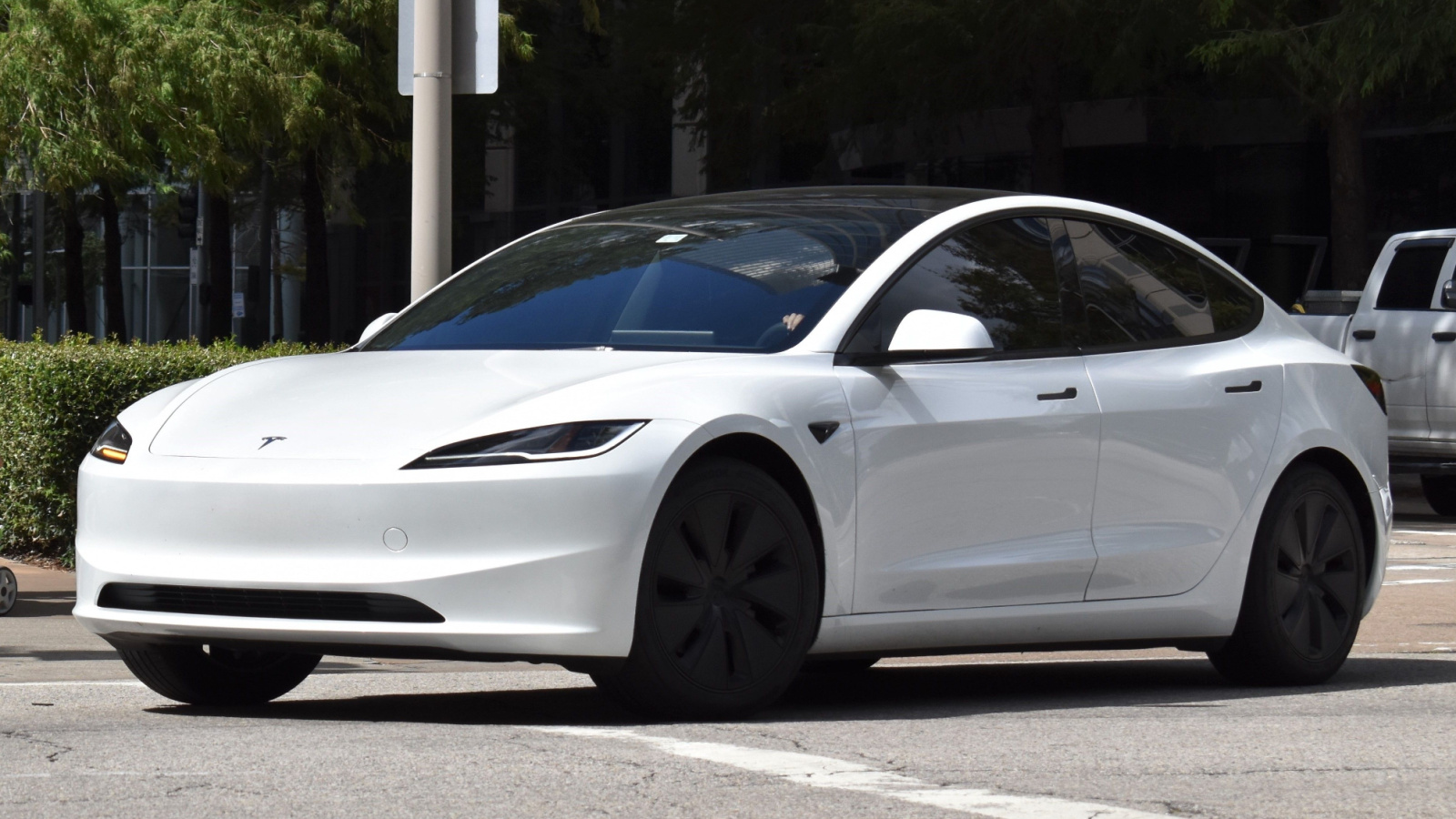
The Tesla Model 3 starts at $53,990. It once dominated EV demand across Canada. However, interest has cooled in recent months. Frequent price changes create uncertainty for buyers. Build quality complaints still appear in owner discussions. Winter range performance also remains a concern. New EV competitors now offer strong alternatives. Many feature better interiors and improved ride comfort. Insurance costs have also increased in some regions. The Model 3 still sells well, but it no longer feels like the obvious choice it once was.
Honda Passport
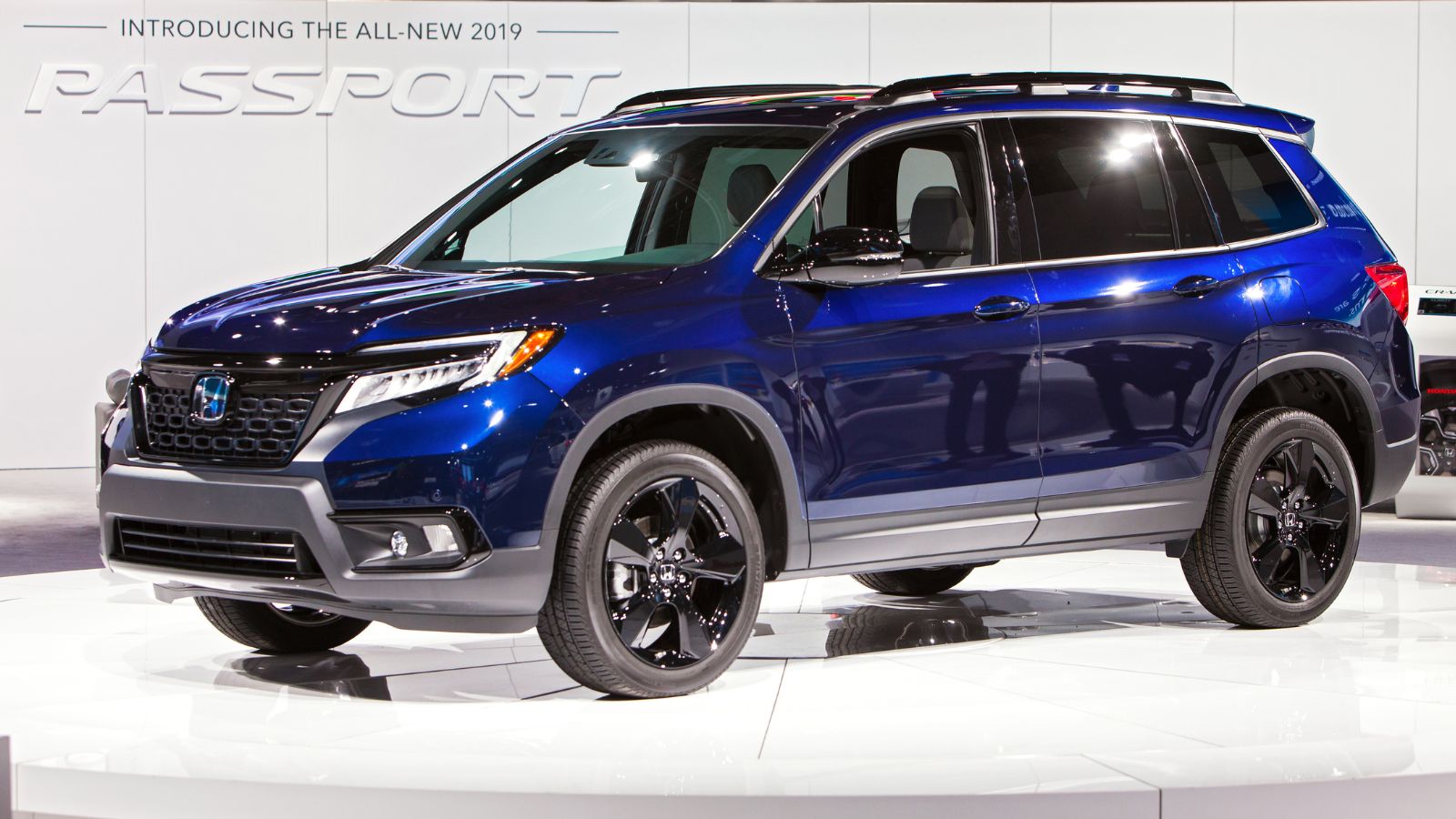
The Honda Passport starts around $49,600. It sits between the CR-V and the Pilot. That positioning creates confusion for many buyers. Fuel economy is not impressive for its size. Interior design feels older than that of newer Honda models. Many shoppers move up to the Pilot for more space. Others choose smaller SUVs for better efficiency. The Passport struggles to define a clear purpose. That lack of identity affects showroom interest. Buyers want clearer value when spending close to fifty thousand dollars.
Dodge Charger
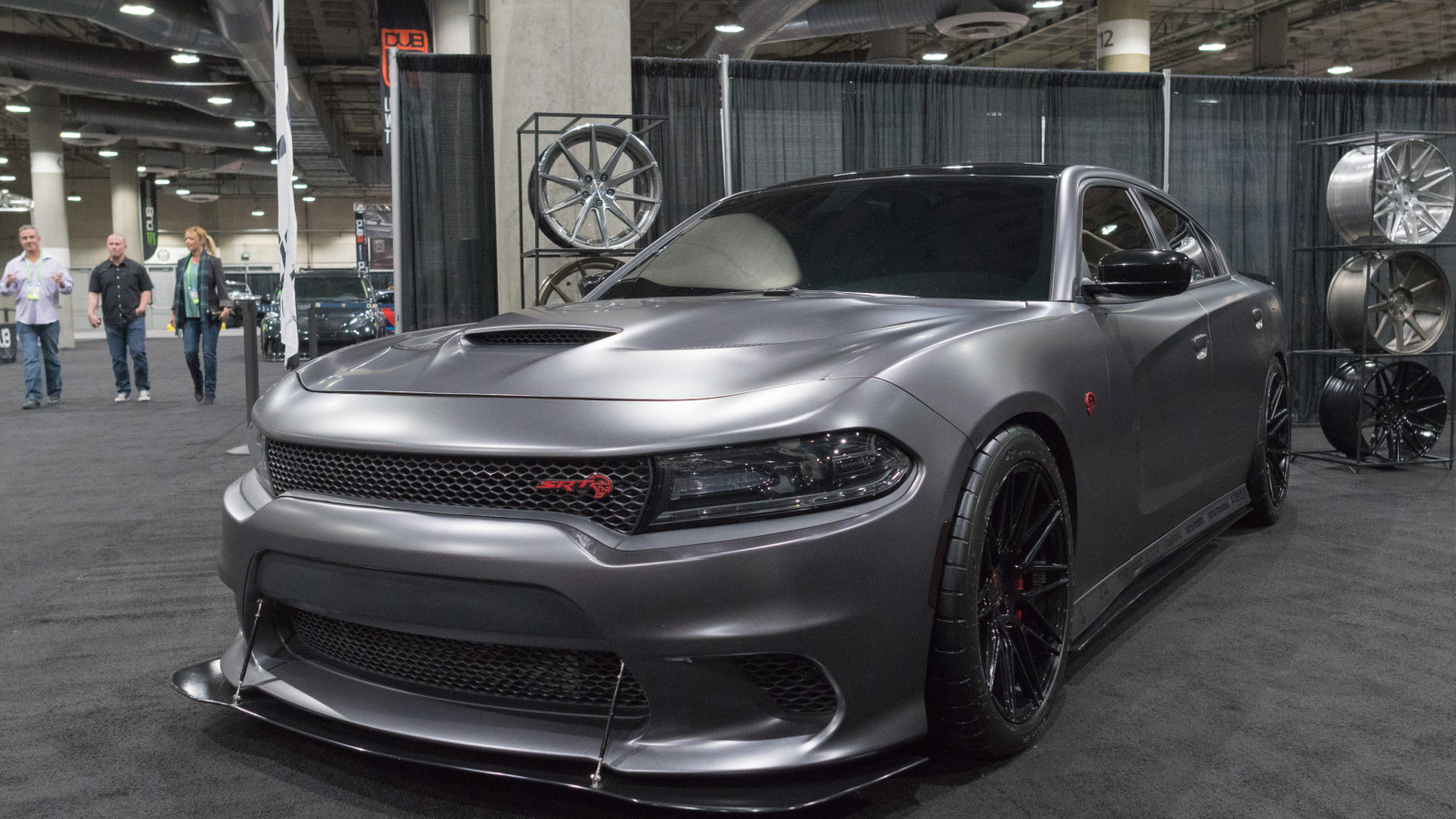
The Dodge Charger starts at $41,000. It delivers strong performance and bold styling. However, Canadian buyers face rising fuel costs. Large engines make daily driving expensive. Insurance rates are also higher than average. The market is shifting toward efficiency and electrification. That leaves the Charger feeling out of step. Production changes add uncertainty for future support. Buyers are becoming more practical with their choices. Interest is shrinking outside of performance enthusiasts. The Charger now appeals to a smaller group than it once did.
Subaru Ascent
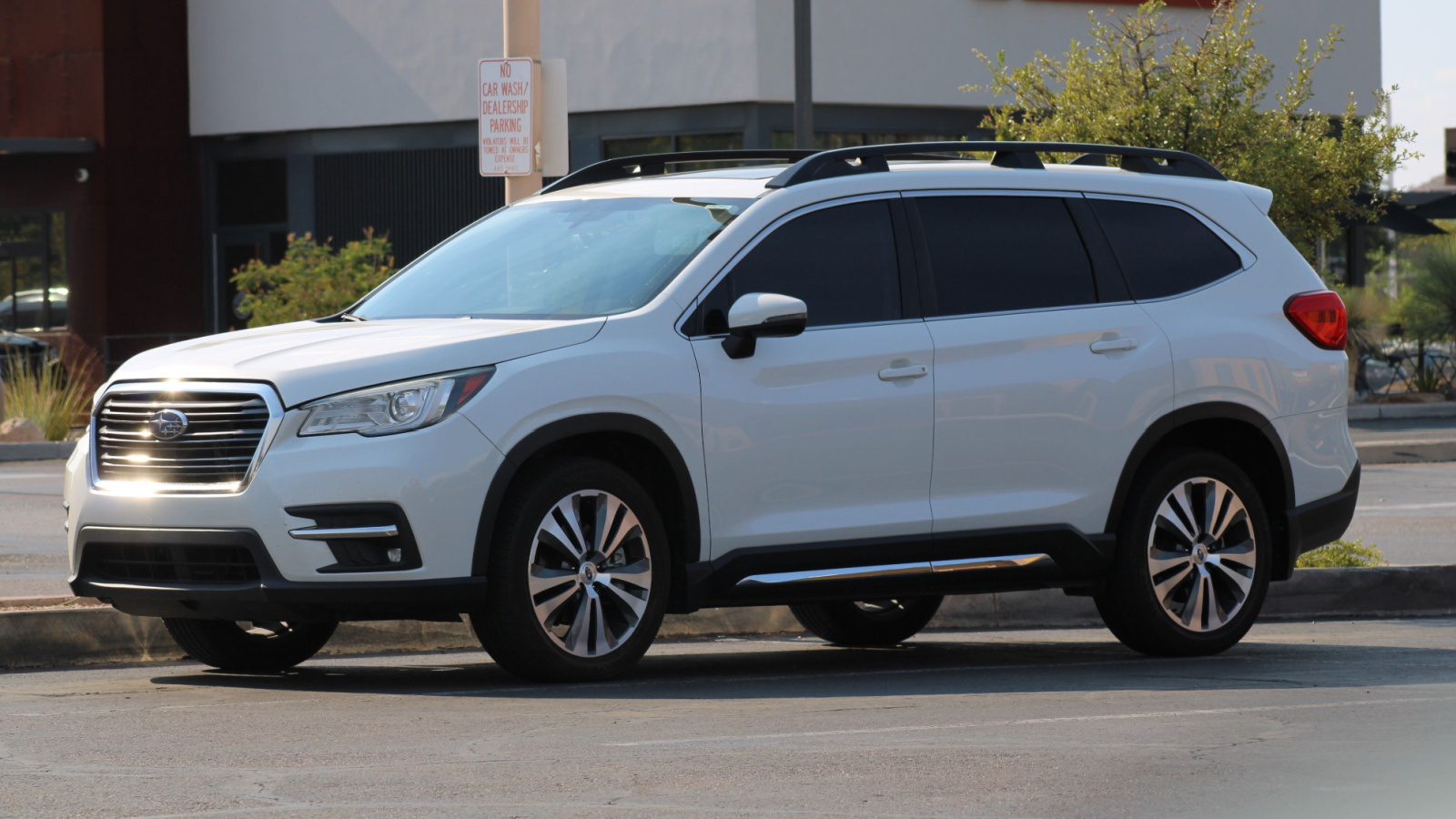
The Subaru Ascent starts around $42,995. It offers standard AWD, which suits Canadian winters. However, early reliability concerns affected its reputation. Fuel economy remains below average for its class. Interior quality feels inconsistent for the price. Competitors now offer smoother driving and better efficiency. Families are exploring alternatives that feel more refined. Subaru still has loyal buyers, but expectations are rising. That makes the Ascent harder to justify. Interest is slowly shifting toward newer, more polished three-row SUVs.
Infiniti QX50
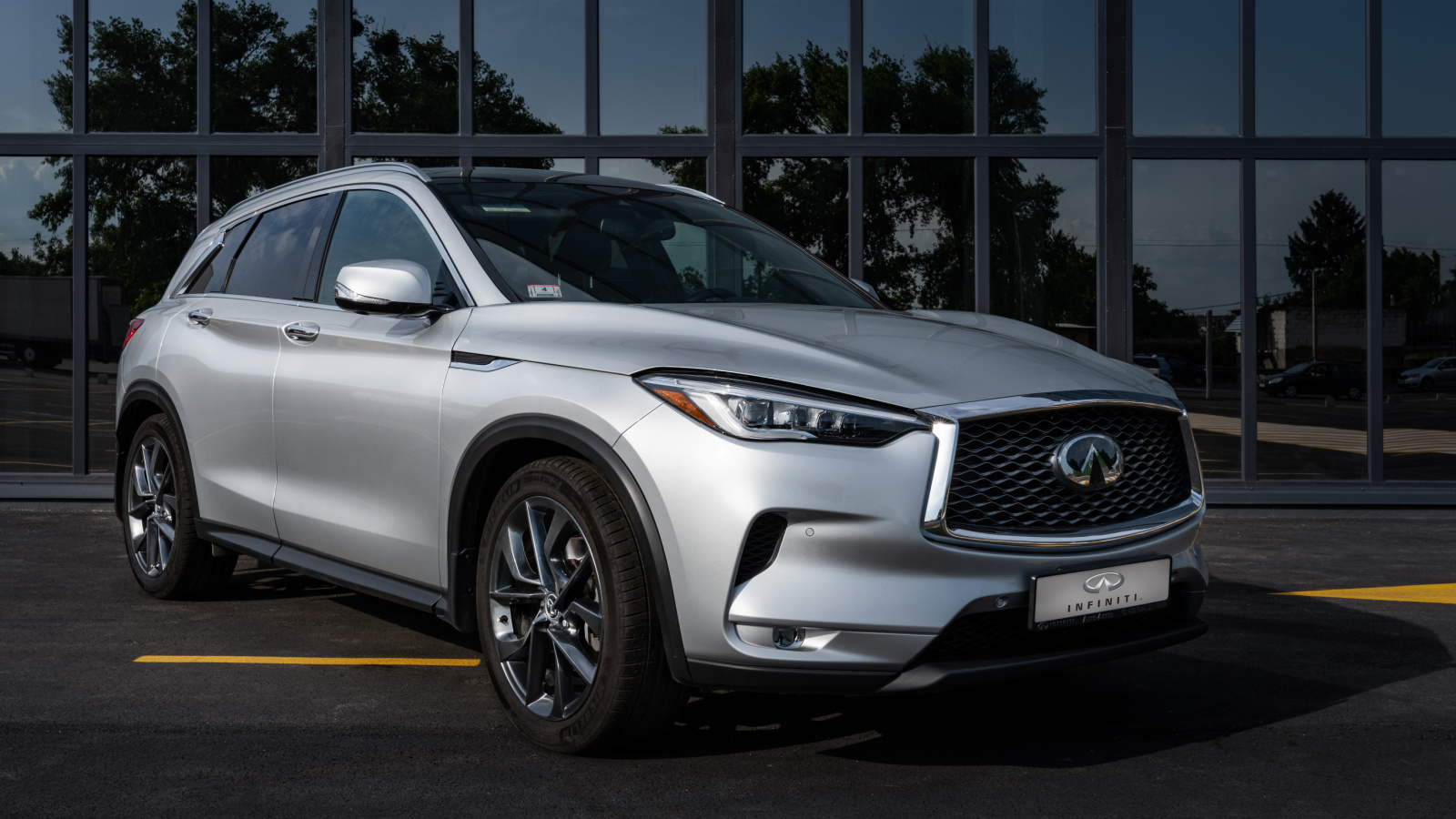
The Infiniti QX50 starts at $50,000. It features a unique variable compression engine. However, real-world fuel savings are limited. Interior technology feels outdated compared to rivals. Resale values are also weaker than expected. Infiniti’s brand appeal has declined in recent years. Many buyers now prefer German luxury options. Others explore newer brands with stronger tech. That combination makes the QX50 less attractive. It struggles to stand out in a crowded segment. Buyers are choosing vehicles that feel more modern overall.
Mitsubishi Eclipse Cross
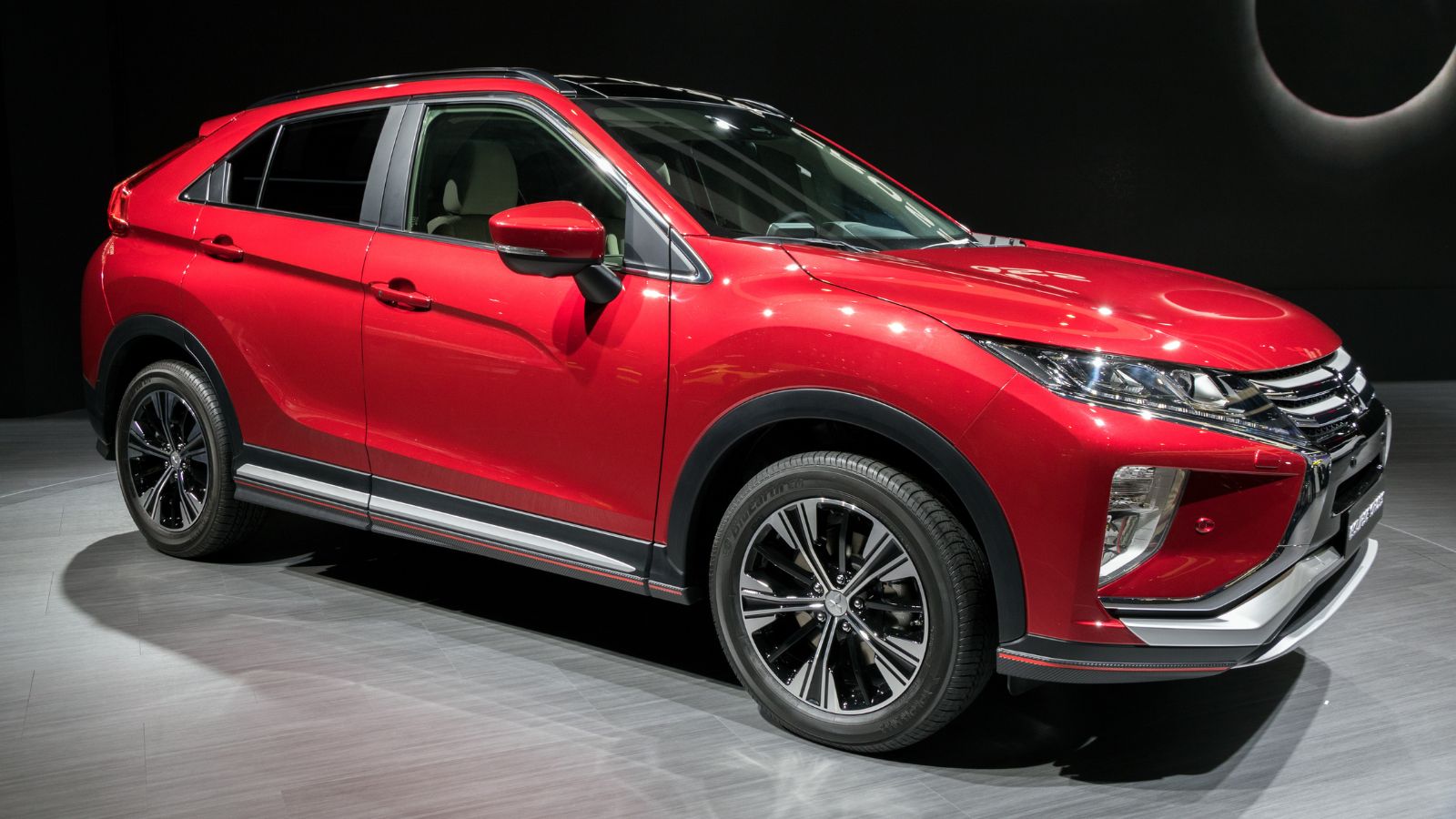
The Mitsubishi Eclipse Cross starts around $28,498. It attracts buyers with a lower price point. However, performance feels underwhelming for daily driving. Interior materials are basic compared to rivals. Fuel economy is not competitive either. Brand perception also affects resale value. Many buyers see it as only a budget option. With stronger alternatives available, interest remains limited. The Eclipse Cross struggles to stand out in showrooms. That makes it easy for buyers to overlook during comparisons.
Chevrolet Bolt EUV
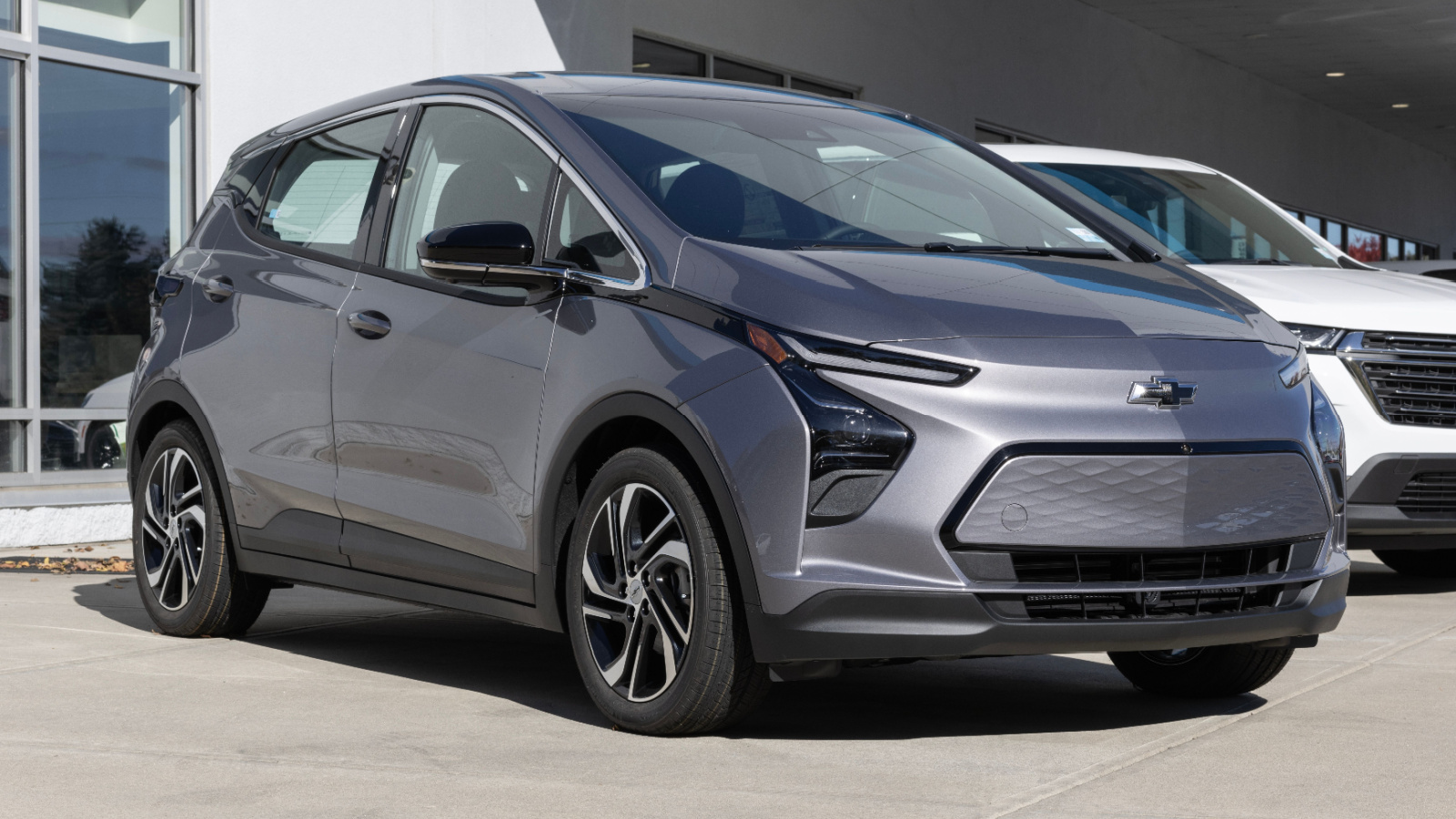
The Chevrolet Bolt EUV was priced near $42,348 before production pauses. It offered strong value in the EV space. However, battery recall issues affected buyer confidence. Charging speeds are slower than newer EV platforms. Interior design also feels dated now. Production uncertainty creates hesitation among shoppers. Many buyers prefer newer EVs with faster charging. Improved range and updated tech also matter. That shift is reducing demand for remaining units. Even used models face increased competition in today’s EV market.
Ford Edge
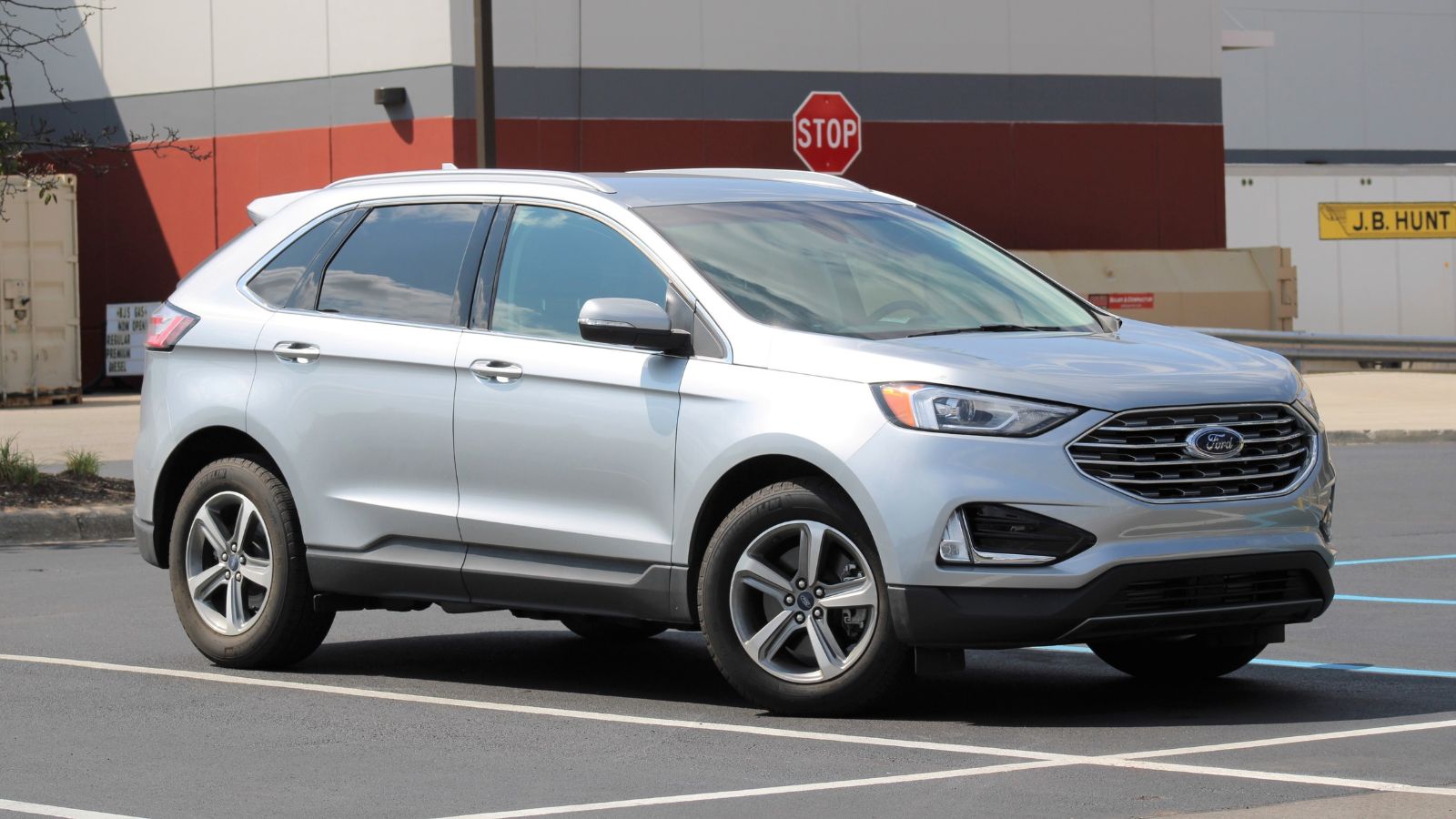
The Ford Edge starts around $45,199. It offers solid space and comfort for families. However, its age is becoming noticeable. Fuel economy is not competitive compared to newer SUVs. Interior technology feels outdated in daily use. Production plans are also changing, creating uncertainty. Buyers prefer models with a clearer future. That hesitation affects purchase decisions. Many shoppers now look at fresher designs. The Edge is slowly losing ground as expectations rise across the midsize SUV segment.
22 Things Canadians Do to Their Cars in Spring That Mechanics Hate

Spring brings relief to many Canadian drivers after months of snow, freezing temperatures, and icy roads that put serious strain on vehicles. As temperatures rise across the country, drivers begin washing cars, switching tires, and preparing vehicles for warmer weather and upcoming road trips. However, mechanics across Canada notice the same mistakes every spring when drivers attempt to recover from winter damage. Road salt, potholes, and harsh winter driving conditions often leave vehicles with hidden problems that drivers ignore. Some spring habits even create new mechanical issues that could have been avoided with proper maintenance. Here are 22 things Canadians do to their cars in spring that mechanics hate.