























Owning a car already comes with enough headaches. Now imagine needing a simple repair and waiting weeks for parts. That reality is hitting many drivers today. Supply chain issues, complex electronics, and limited inventory have made repairs slower and more expensive. Some vehicles are worse than others, especially those with unique components or imported parts. Even routine fixes can turn into long waits. For everyday drivers, that means lost time and rising costs. If you are shopping for a car or already own one, this matters more than ever. Here are 16 cars that are a nightmare to repair because parts are backordered.
Ford Bronco
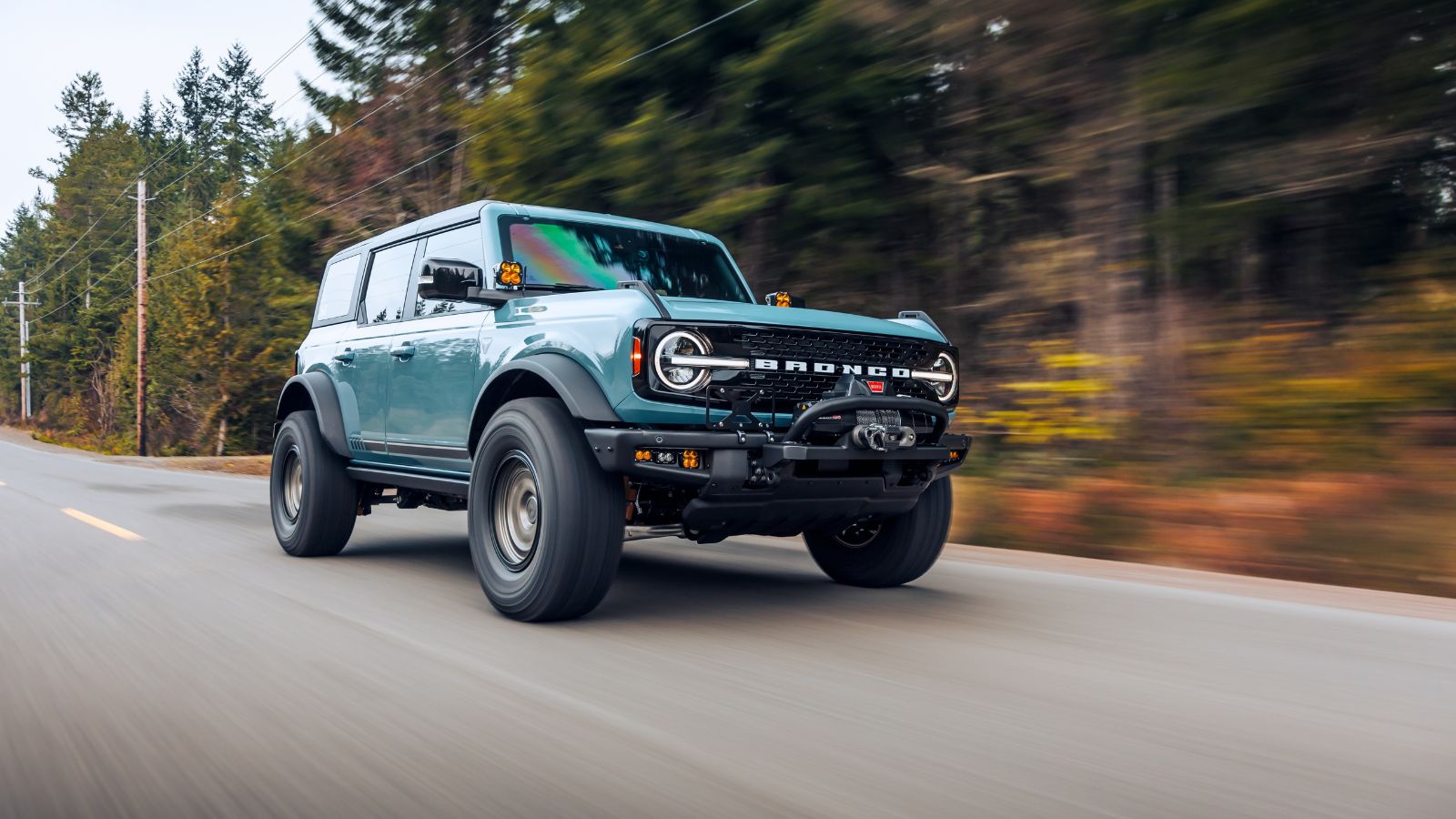
The Ford Bronco looks rugged, but repairs can test your patience. Demand has stayed high since launch, straining parts supply. Many owners report long waits for body panels and trim pieces. Off-road components are also harder to source quickly. Some dealers keep limited stock due to unpredictable demand. Even small accident repairs can stretch into weeks. Electronic modules are another problem area. Shortages have slowed replacements for sensors and control units. That leaves vehicles sitting idle longer than expected. For a daily driver, that delay becomes frustrating fast. The Bronco remains popular, but repair timelines are far from ideal.
Toyota RAV4 Hybrid
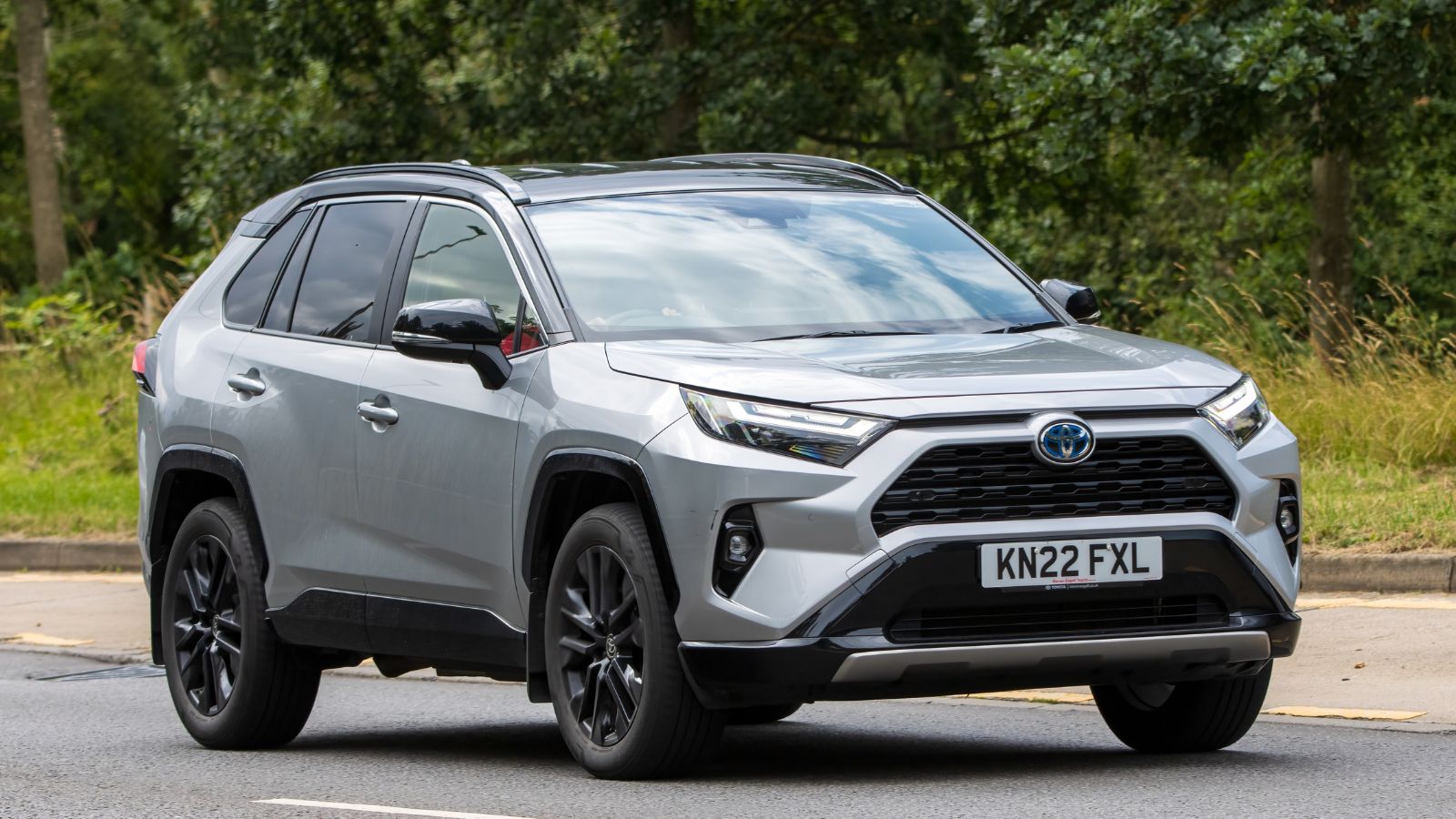
The Toyota RAV4 Hybrid is known for reliability, yet parts delays still occur. Hybrid systems use specialized components not stocked everywhere. Batteries, inverters, and control modules can take time to arrive. High demand adds pressure on supply chains. Many repair shops depend on dealership orders for these parts. That creates longer wait times compared to standard models. Even minor electrical issues can stall repairs. Some owners report waiting weeks for hybrid-specific parts. The popularity of the model makes shortages more common. While it saves fuel, repair delays can offset that convenience when something goes wrong.
Jeep Wrangler
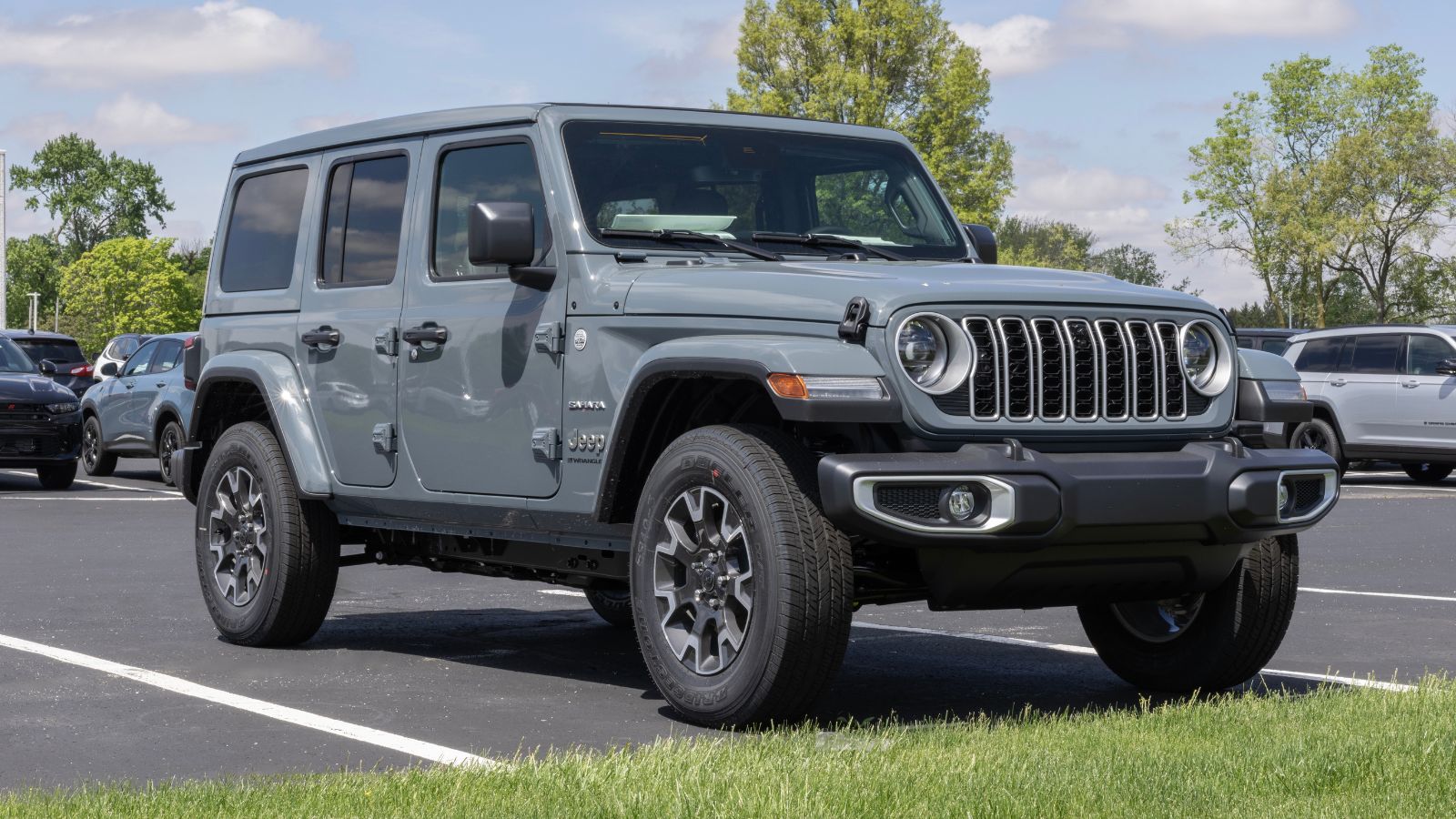
The Jeep Wrangler thrives off-road, but parts availability can lag behind. Unique components make sourcing replacements more difficult. Axles, suspension parts, and body panels are often backordered. Aftermarket options exist, but quality can vary. Factory parts remain the preferred choice for many owners. That leads to longer waiting periods. Damage from off-road use adds to the problem. Repairs are not always simple or quick. Even dealerships may struggle to get certain items fast. Owners often face extended downtime after accidents. The Wrangler’s capability is impressive, yet repair logistics can become a serious inconvenience.
Tesla Model 3
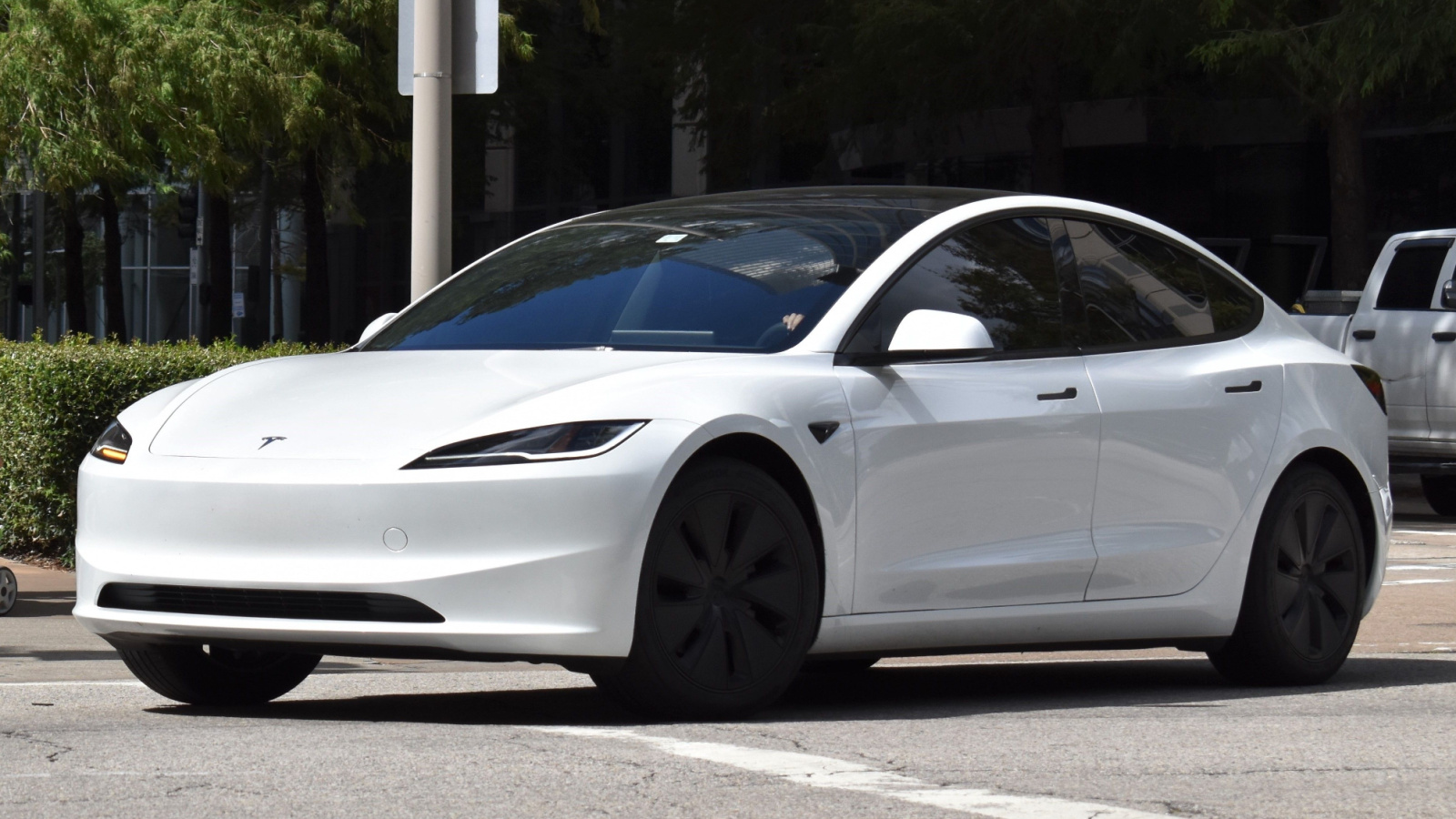
The Tesla Model 3 relies heavily on proprietary parts. That limits where repairs can happen. Many components are only available through Tesla itself. Body panels and sensors often face long delays. Even minor collisions can take weeks to fix. Service centers sometimes have waiting lists for repairs. Independent shops cannot always access the necessary parts. That reduces repair flexibility for owners. Battery-related components are even harder to source quickly. Shipping times can add more delays. While the car is efficient, repair timelines remain a concern. Owners often plan ahead for potential downtime.
Chevrolet Silverado 1500
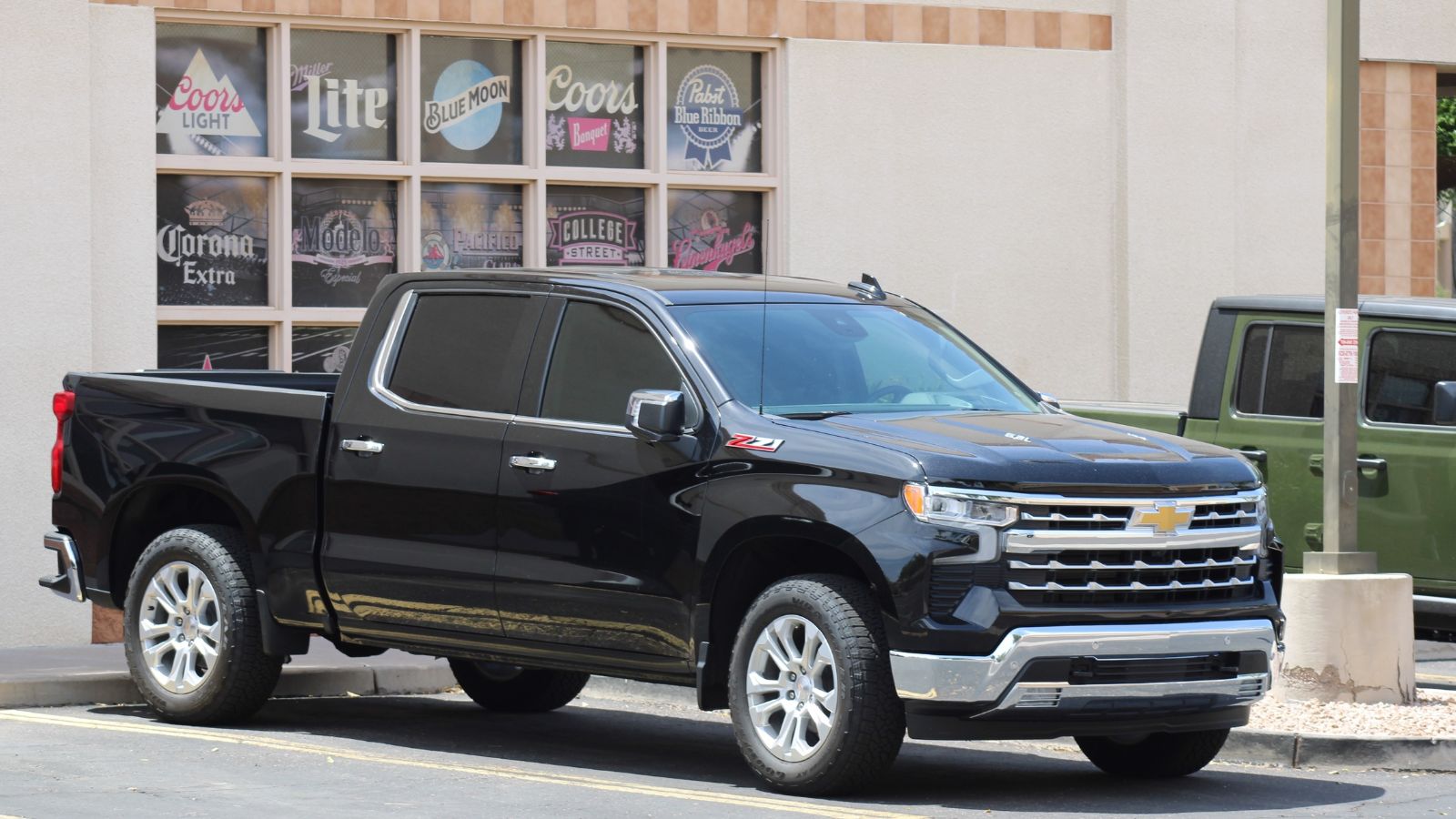
The Chevrolet Silverado 1500 is widely used, yet parts shortages still hit. High production volumes mean high demand for replacement parts. Supply chains struggle to keep up during peak repair seasons. Electronic features add complexity to repairs. Sensors and control units are often delayed. Body parts can also be hard to find after accidents. Fleet usage increases wear and tear, driving more demand. That creates a cycle of shortages. Even routine fixes may take longer than expected. Owners who rely on their trucks daily feel the impact quickly. Repair delays can disrupt work and schedules significantly.
BMW X5

The BMW X5 combines performance and luxury, but repairs can be slow. Many parts are imported, which affects availability. Shipping delays often extend repair timelines. Specialized components require precise matching and calibration. That limits quick fixes at local shops. Even simple repairs may involve waiting for overseas shipments. Electronics and sensors are frequent trouble spots. These parts are rarely stocked in large numbers. Owners may face long waits after minor issues. Maintenance costs are already high, and delays add frustration. The X5 offers comfort and power, but repair logistics can be inconvenient.
Hyundai Palisade
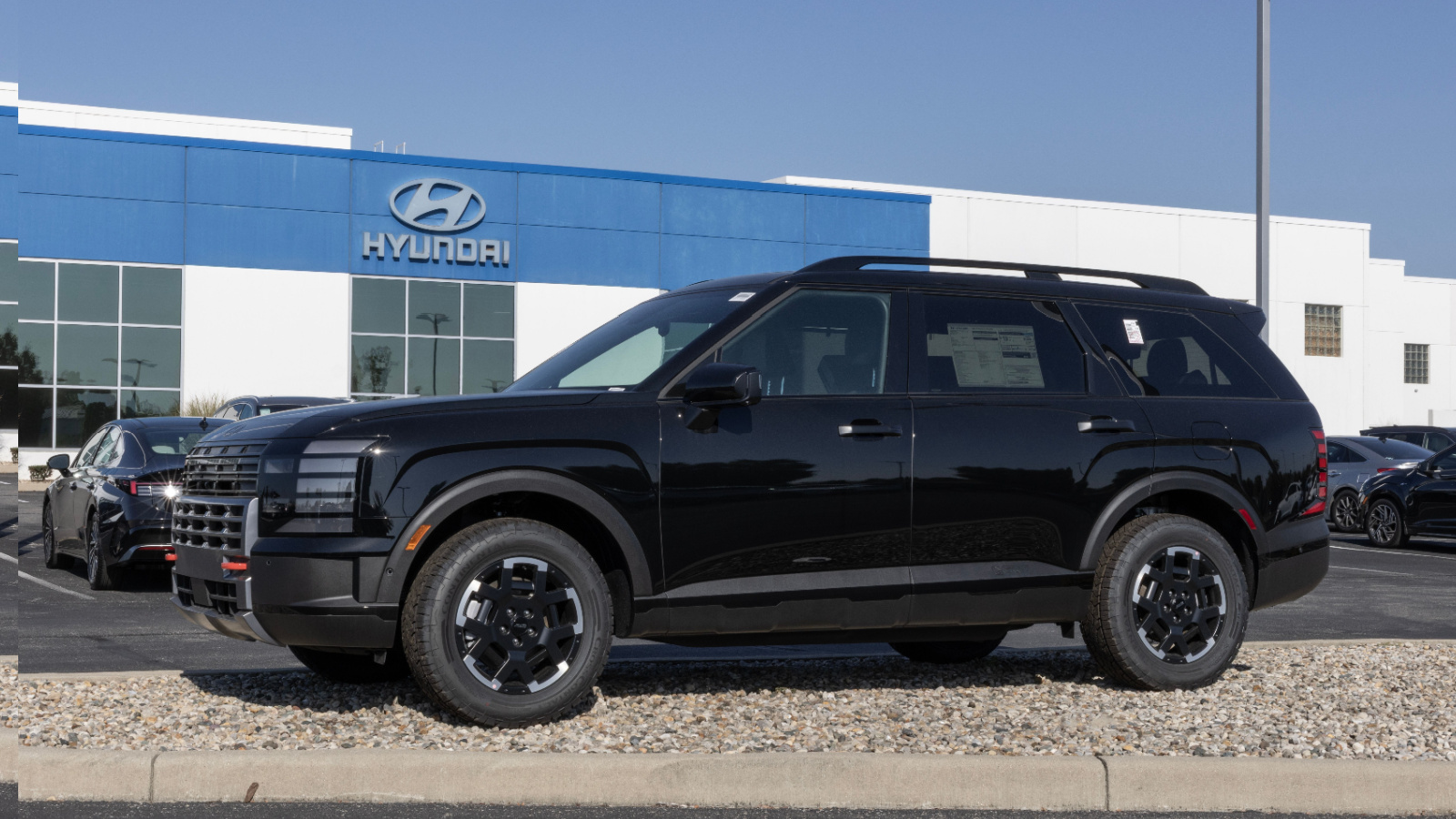
The Hyundai Palisade gained popularity quickly, which impacted parts supply. Demand surged faster than expected, creating shortages. Interior components and trim pieces are often delayed. Electronics used in safety systems also face backorders. Repairs involving sensors can take longer than planned. Dealers sometimes struggle to keep up with requests. Owners report waiting weeks for specific parts. Even cosmetic fixes can be delayed. The Palisade offers strong value, but repair timing is not always smooth. Supply chain gaps continue to affect turnaround times. For families relying on one vehicle, that delay can be frustrating.
Honda CR-V

The Honda CR-V is a common choice, yet parts shortages still occur. High sales numbers increase demand for replacements. That can stretch supply chains thin. Certain components, especially electronics, face delays. Sensors and infotainment parts are not always readily available. Repair shops may need to order directly from suppliers. That adds waiting time. Even minor issues can take longer than expected to fix. The CR-V remains dependable overall. Still, parts availability is not always consistent. Owners who expect quick repairs may be surprised. High popularity comes with its own challenges.
Ram 1500
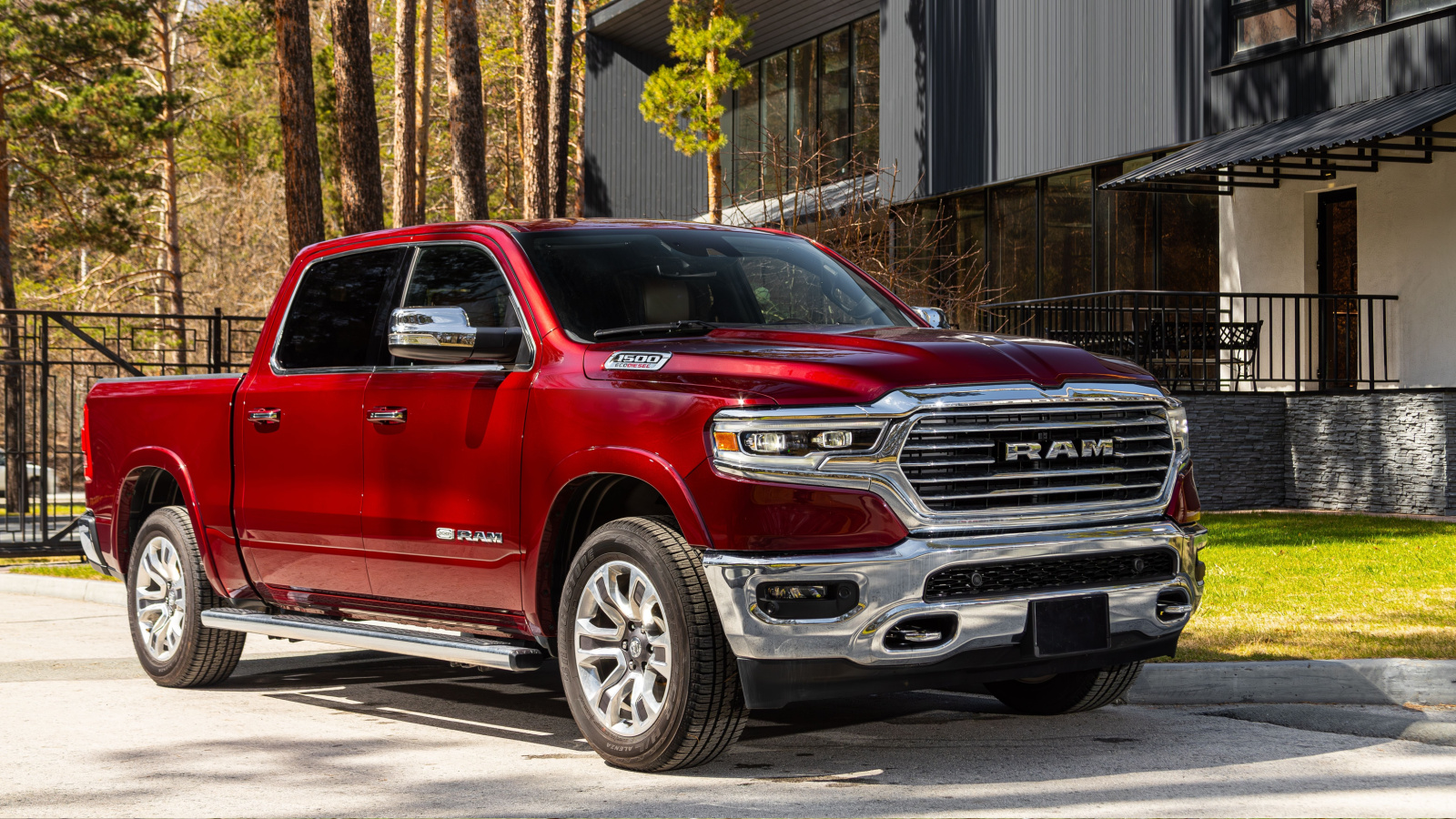
The Ram 1500 is built for heavy use, but parts delays can slow repairs. Demand for truck components remains high across markets. Suspension and drivetrain parts are often backordered. Electronic features add another layer of complexity. Modern trucks rely on many sensors and modules. These parts are not always stocked in large numbers. Repairs can take longer due to limited availability. Fleet use increases wear, creating more demand for replacements. Owners may face extended downtime after breakdowns. For those using trucks daily, delays can be costly. The Ram 1500 delivers performance, but repairs are not always quick.
Subaru Outback

The Subaru Outback is known for practicality, yet parts delays are reported. All-wheel drive systems use specialized components. These parts are not always easy to source quickly. Demand remains steady, adding pressure on supply chains. Body panels and sensors often face delays. Repair shops sometimes wait weeks for certain items. Even routine maintenance can take longer than expected. The Outback remains reliable overall. Still, parts availability is not always consistent. Owners in remote areas may face longer delays. Repair timelines can vary depending on location and demand.
Volkswagen Tiguan
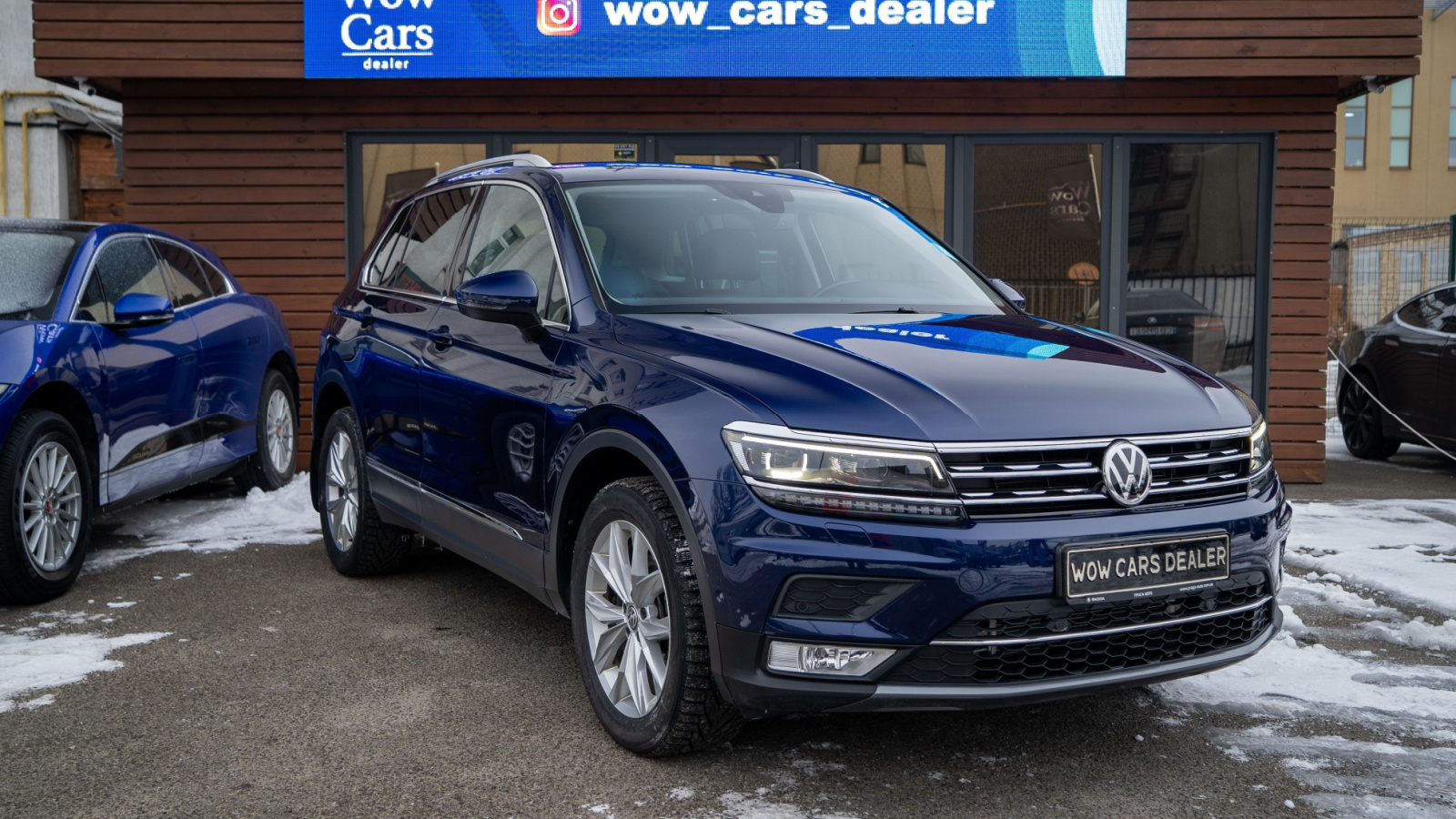
The Volkswagen Tiguan relies on imported parts for many repairs. That affects availability and delivery times. Shipping delays can extend repair timelines significantly. Electronic systems are a common issue area. Replacement modules may take weeks to arrive. Dealers often depend on central warehouses for stock. That creates longer waiting periods. Even minor issues can result in delays. The Tiguan offers comfort and space, but repair speed can lag. Owners may need to plan ahead for service. Parts shortages remain a concern for this model.
Nissan Rogue
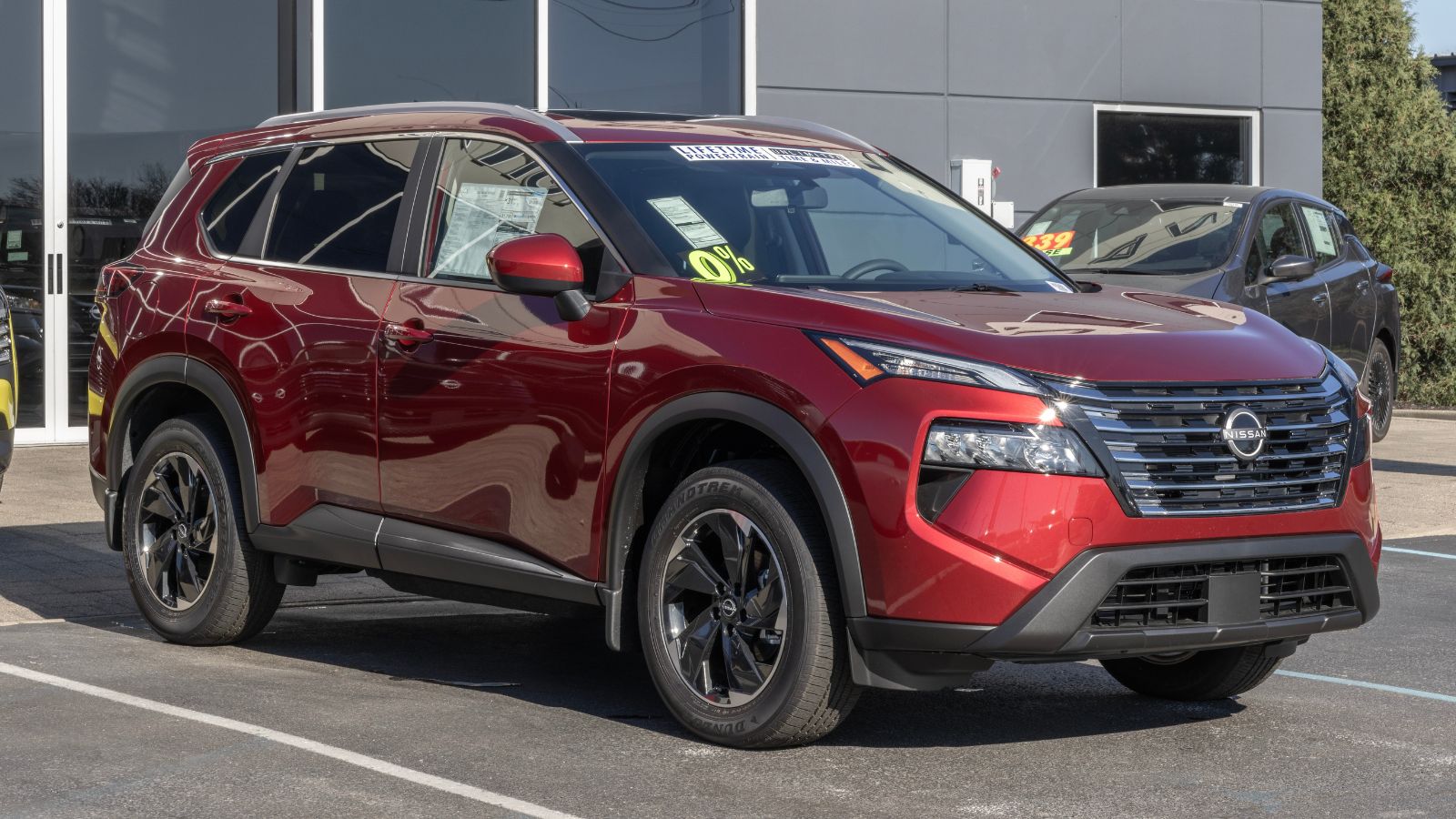
The Nissan Rogue is widely sold, which increases demand for parts. Supply chains sometimes struggle to keep pace. Certain components, especially electronics, face backorders. Sensors and control units are often delayed. Repair shops may need to wait for shipments. That extends repair timelines. Even small issues can take longer than expected. The Rogue remains practical and efficient. Still, parts availability is not always reliable. Owners may experience delays after accidents or breakdowns. High demand plays a major role in these shortages.
Kia Telluride
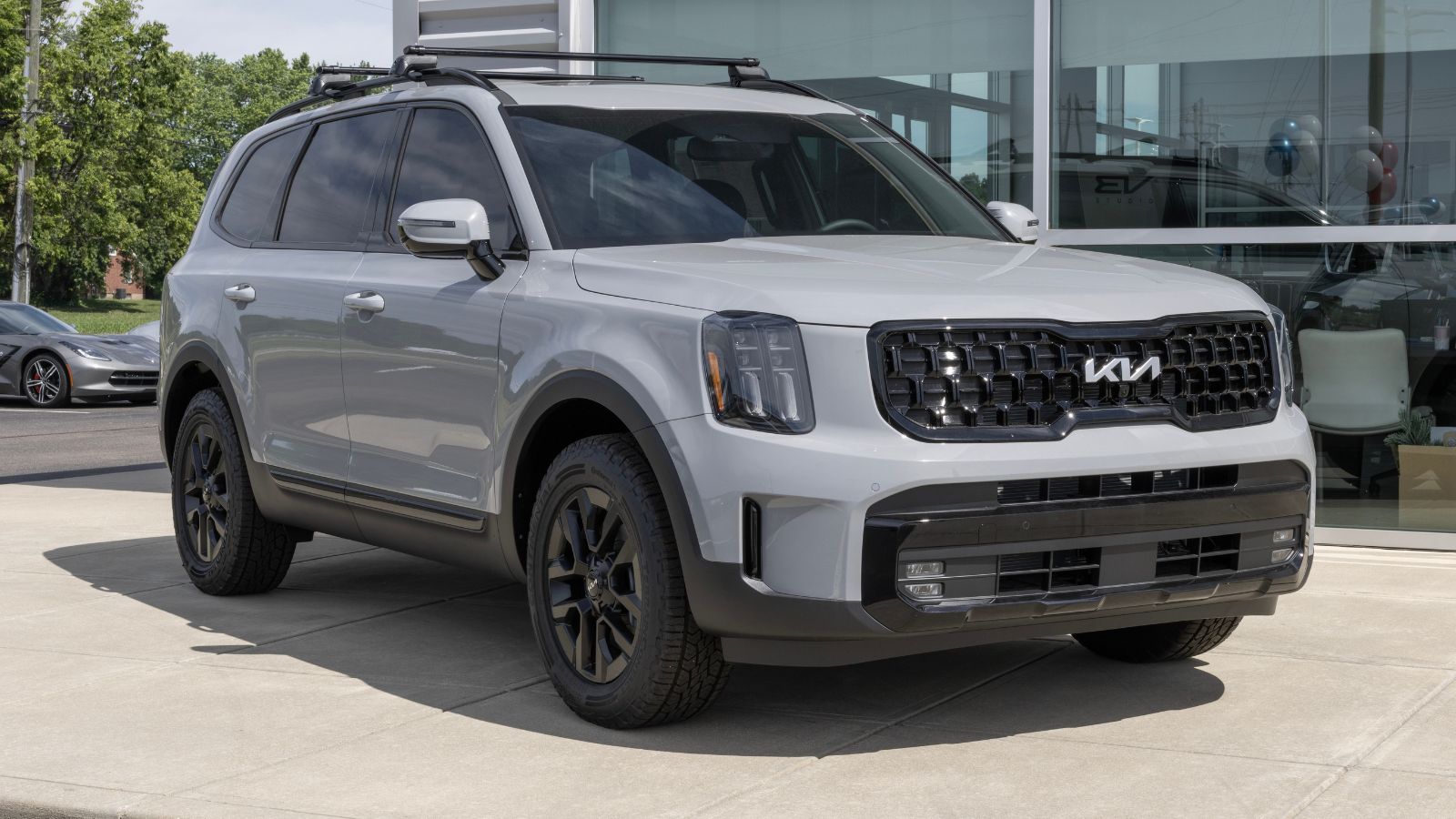
The Kia Telluride became very popular, which impacted parts supply. Demand surged quickly after its release. That created shortages for certain components. Interior parts and electronics are often delayed. Repair shops may wait weeks for replacements. Even cosmetic fixes can take time. The Telluride offers strong value and comfort. Still, repair timelines can be longer than expected. Supply chain gaps continue to affect availability. Owners may face delays after minor damage. High demand remains the main challenge.
Mercedes-Benz GLC

The Mercedes-Benz GLC uses advanced technology, which affects repairs. Many components are specialized and imported. That increases waiting times for parts. Sensors and electronic modules are common problem areas. These parts are not always stocked locally. Repairs may depend on overseas shipments. That can take weeks to complete. Even minor issues may involve long delays. The GLC offers comfort and performance. Still, repair logistics can be slow. Owners should expect longer turnaround times. Luxury often comes with added complexity.
Mazda CX-5
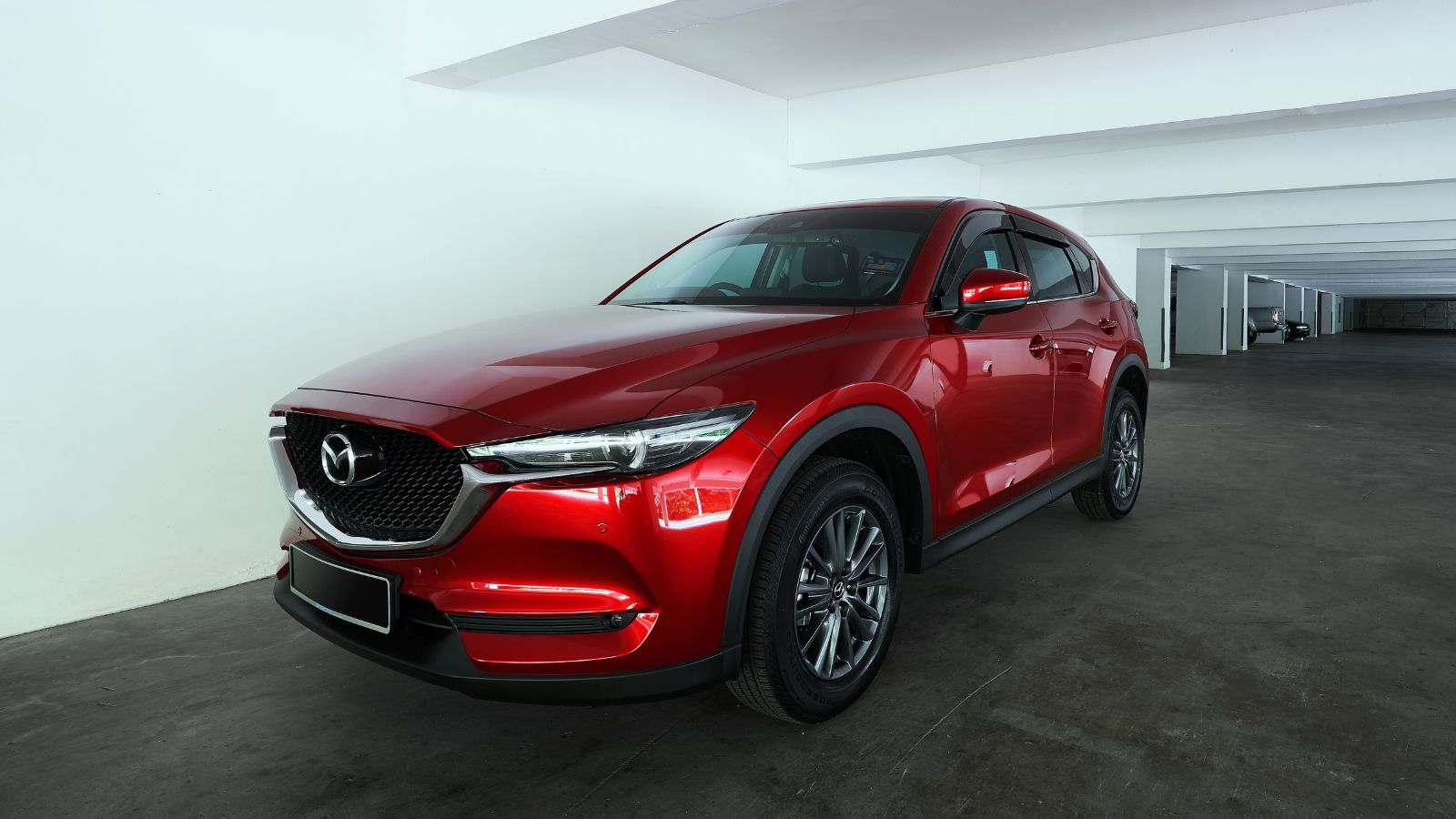
The Mazda CX-5 is known for its driving feel, yet parts delays still occur. Demand remains steady, which affects supply chains. Certain components are harder to source quickly. Body panels and trim pieces may be backordered. Electronics also face occasional delays. Repair shops may need to order parts from suppliers. That adds waiting time. Even routine fixes can take longer than expected. The CX-5 remains a solid choice overall. Still, parts availability is not always smooth. Owners may face unexpected delays.
Audi Q5
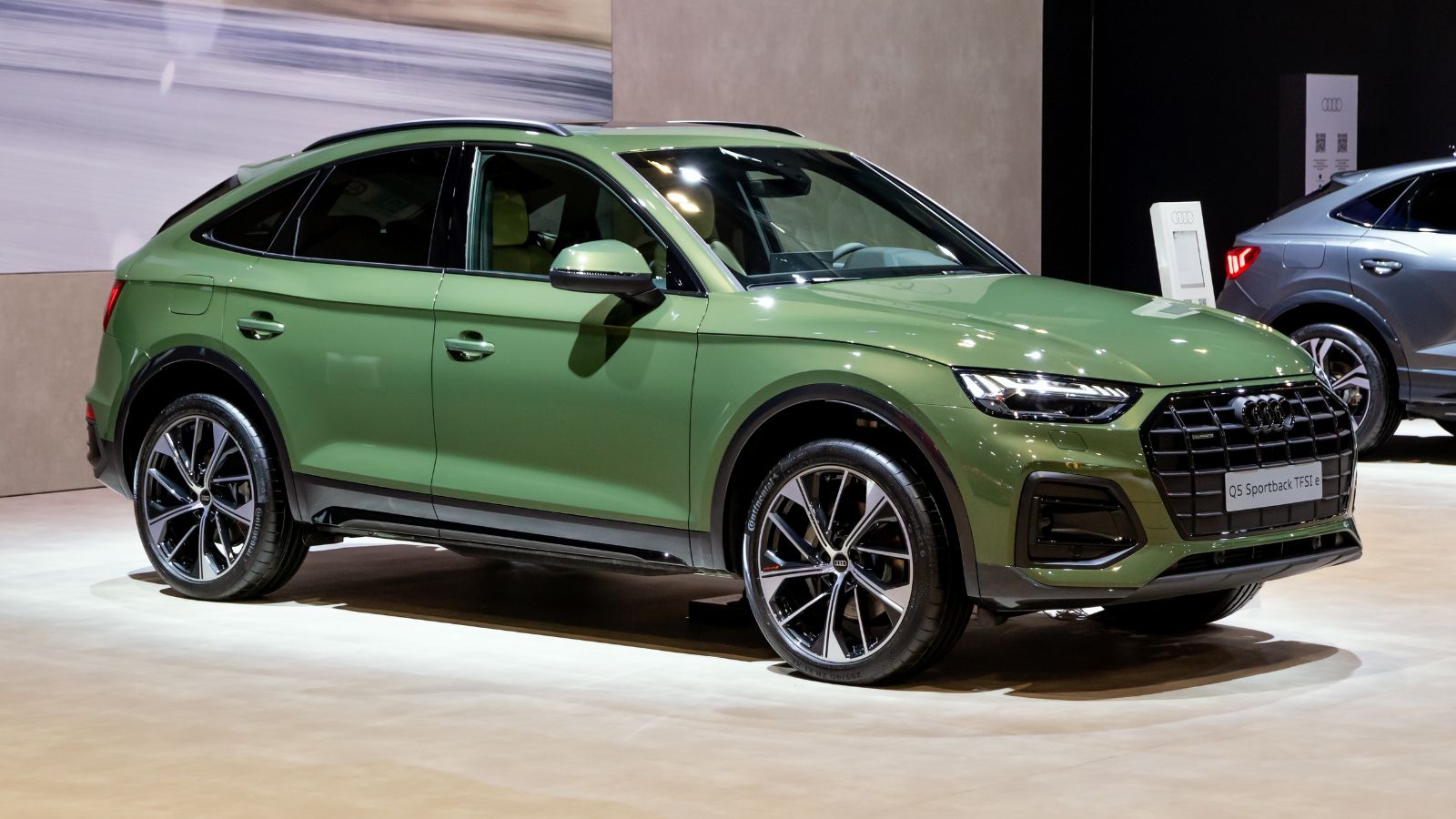
The Audi Q5 relies on imported parts for many repairs. That affects availability and timing. Shipping delays often extend repair timelines. Electronic systems are complex and require precise components. These parts are not always in stock. Dealers may need to order from overseas. That creates longer waits. Even minor issues can take time to fix. The Q5 offers refinement and performance. Still, repair logistics can be frustrating. Owners should be prepared for delays. Luxury vehicles often come with slower repair cycles.
22 Things Canadians Do to Their Cars in Spring That Mechanics Hate

Spring brings relief to many Canadian drivers after months of snow, freezing temperatures, and icy roads that put serious strain on vehicles. As temperatures rise across the country, drivers begin washing cars, switching tires, and preparing vehicles for warmer weather and upcoming road trips. However, mechanics across Canada notice the same mistakes every spring when drivers attempt to recover from winter damage. Road salt, potholes, and harsh winter driving conditions often leave vehicles with hidden problems that drivers ignore. Some spring habits even create new mechanical issues that could have been avoided with proper maintenance. Here are 22 things Canadians do to their cars in spring that mechanics hate.