























Buying a used vehicle in Canada is no longer just about the sticker price or the monthly payment. The real cost picture now stretches into recalls, theft exposure, winter-related wear, insurance pressure, and the kind of repair bills that only show up after the honeymoon period ends. A model can still be comfortable, practical, and even popular while slowly becoming more expensive to own than many buyers expected.
These 18 vehicles stand out because they each carry a version of that risk. In some cases, the problem is a documented pattern tied to specific engines or components. In others, it is the Canadian theft-and-insurance environment turning a once-safe choice into something far costlier to keep on the road. Not every example is a bad buy, but all 18 deserve a much closer look before any money changes hands.
1. Ford Escape
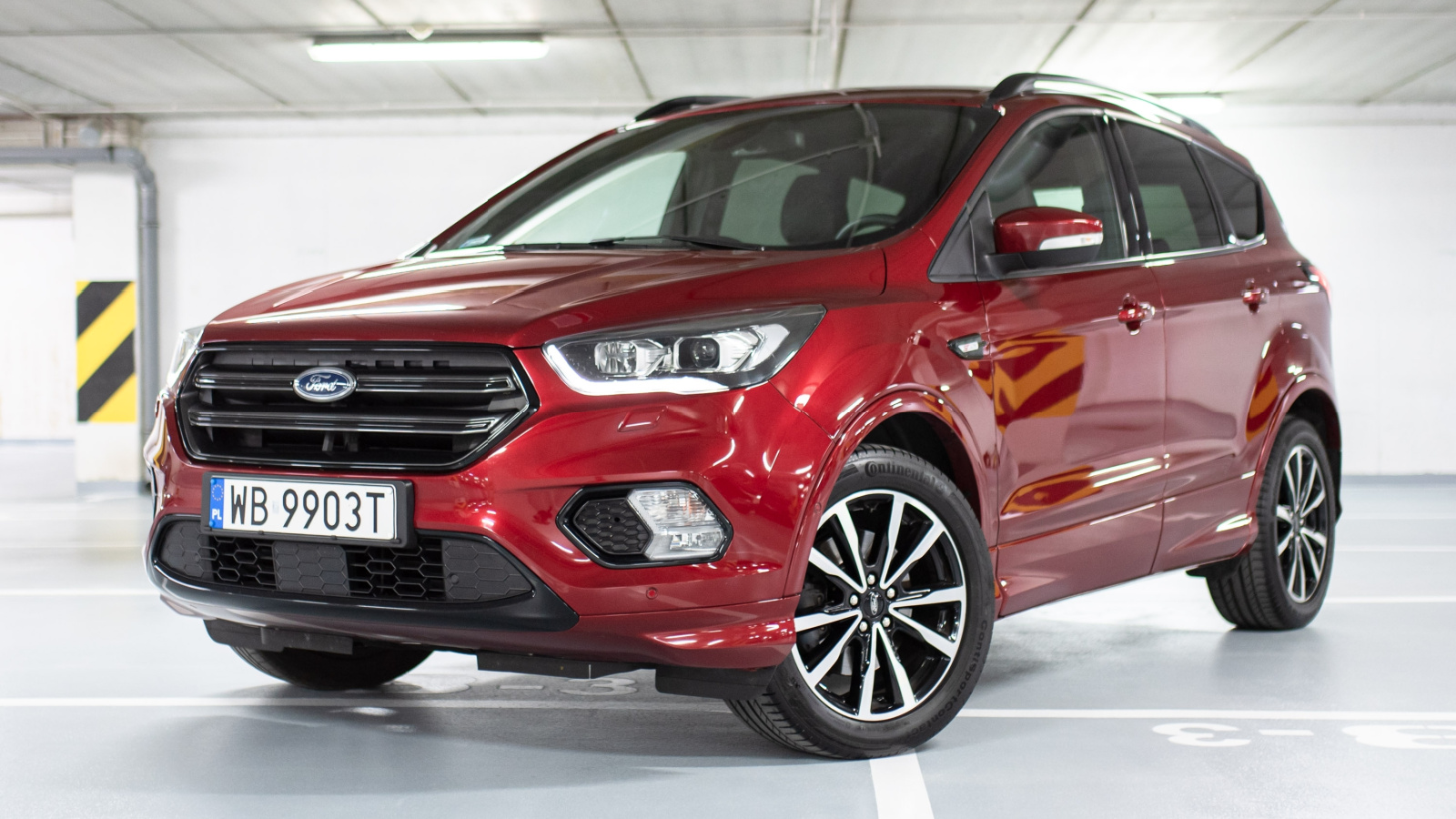
The Ford Escape still makes a strong first impression in Canada. It is easy to park, widely available with all-wheel drive, and common enough that shoppers often assume ownership will be simple. The catch is that certain recent Escapes have carried the sort of powertrain and winter-related recall history that can turn a practical crossover into a nagging expense. Certain 2020-2024 models with the 1.5-litre EcoBoost were pulled into repeated Canadian recalls over cracked fuel injectors, while some 2.0-litre versions were also recalled in 2026 because a leaking block heater could short out. In a country where block-heater use is not unusual, that matters more than it would in warmer markets.
That is how the Escape starts to feel more expensive than it looks. The average annual repair cost is not outrageous on paper, but one unresolved recall, one tow, and one dealership diagnostic session can change the math quickly. A family might buy a used Escape expecting low-stress transportation, only to spend the first winter wondering whether the recall work was done properly and whether a warning light is routine or the start of something bigger. The money-pit version of the Escape is not the one with obvious damage. It is the one that seems normal right up until ownership begins.
2. Jeep Grand Cherokee
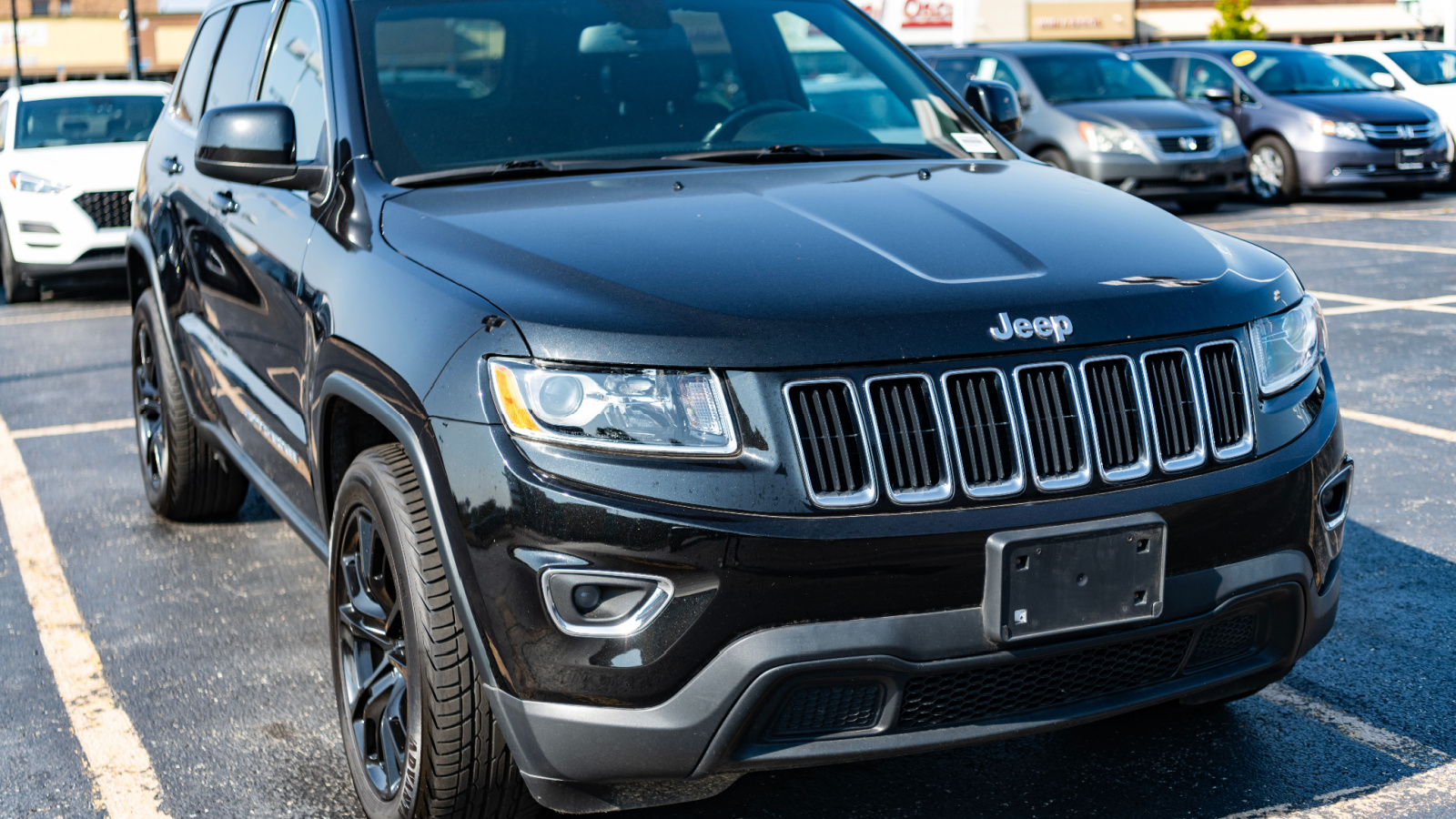
The Jeep Grand Cherokee has long sold on image as much as function. It looks upscale, feels substantial, and in Canadian winters it projects the kind of go-anywhere confidence that still draws buyers into the used market. But the ownership story can get much less romantic once theft risk, recall history, and steady upkeep costs enter the picture. The Grand Cherokee has appeared on Canada’s stolen-vehicle rankings, and newer models were also tied to a 2026 Canadian recall involving improperly installed rear coil springs on certain 2022-2023 Grand Cherokee and 2021-2023 Grand Cherokee L vehicles. That is not the kind of issue a buyer wants to discover after closing the deal.
What makes the Grand Cherokee a quiet money pit is that the pain often arrives in layers, not all at once. Insurance can become a headache when a model is on thieves’ radar, and even routine upkeep is not especially cheap for a midsize SUV in this class. A buyer may find a well-priced used example and think the hardest part is over, then get hit by higher coverage costs, a recall appointment, and the sort of repair decisions that feel bigger once the vehicle is out of warranty. The Grand Cherokee still has appeal. It just has more ways to become expensive than its rugged image suggests.
3. Nissan Rogue
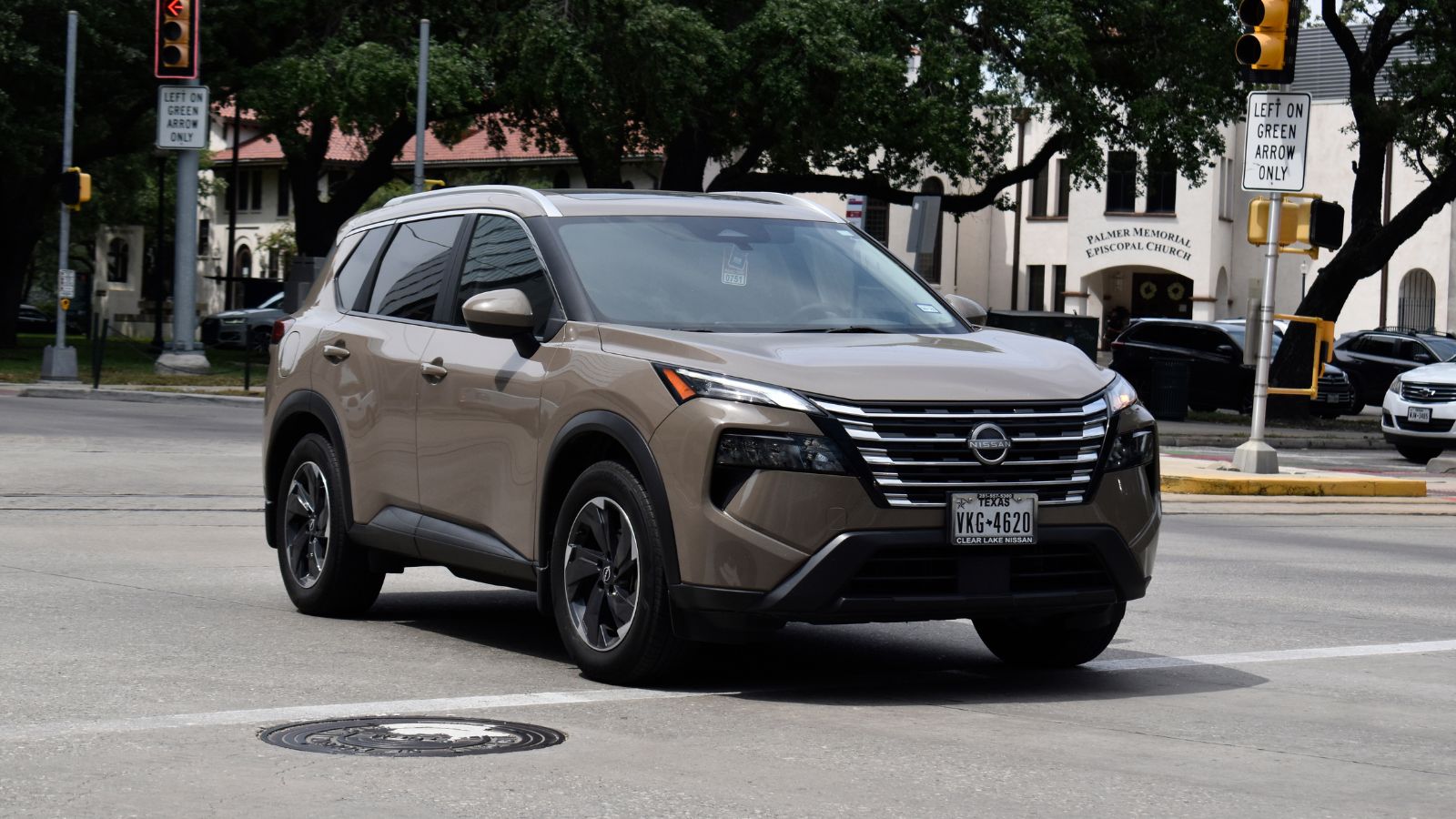
The Nissan Rogue usually plays the role of the sensible choice. It is roomy enough for a small family, easy to find, and often priced to move in the used market. That is exactly why it can catch buyers off guard when newer examples start carrying serious powertrain concerns. In February 2026, Transport Canada posted two separate Rogue-related recalls affecting certain 1.5-litre variable-compression models. One involved an engine manufacturing issue that could lead to failure, and another involved software that could cause the electronic throttle chamber to fail, leading to a loss of power. For a vehicle marketed around everyday dependability, that is a sharp change in tone.
The tricky part is that the Rogue does not always look expensive to own when it is sitting on a classified listing. Its routine repair-cost averages are not alarming, which makes it easy to dismiss risk if the price is right. But when a newer vehicle carries open powertrain-related recall history, the downside is less about normal maintenance and more about disruption. A commuter crossover becomes a scheduling problem, a towing problem, or a resale problem. That is the essence of a modern money pit: not a dramatic breakdown every month, but the constant chance that a “safe” choice becomes a stressful one.
4. Hyundai Santa Fe Sport
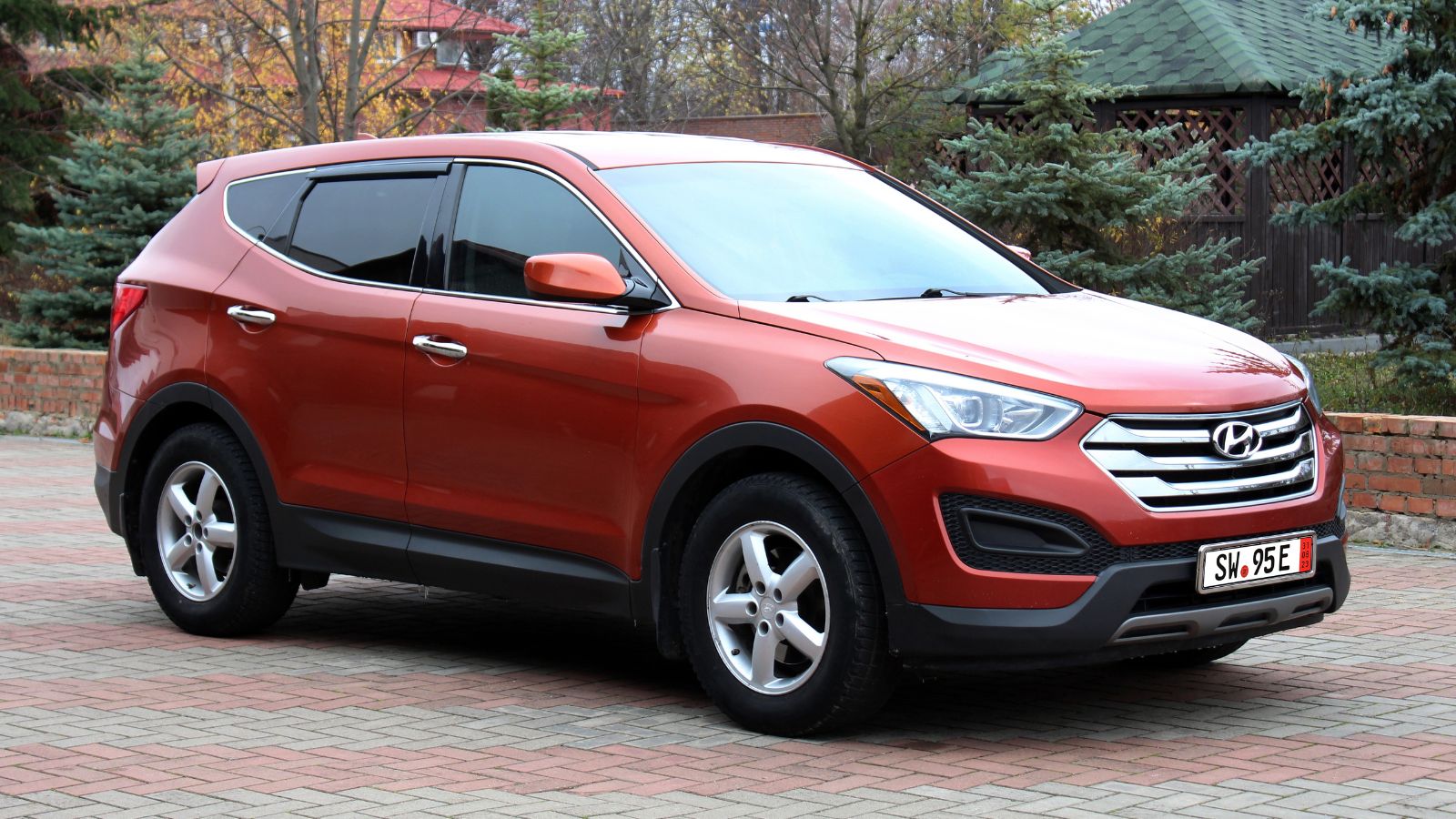
Few vehicles illustrate the gap between outward value and hidden risk as clearly as the Hyundai Santa Fe Sport. On the used market, these SUVs can look like bargains: good space, strong feature content, and usually an asking price that undercuts Japanese rivals. The problem is that specific Santa Fe Sport model years were swept into the Canadian Theta II engine settlement, which covered claims alleging seizure, failure, and even fire-related issues in certain 2.0-litre and 2.4-litre vehicles. Hyundai did not admit liability, but the existence of a national settlement is the kind of ownership signal careful buyers ignore at their own expense.
This is where the Santa Fe Sport turns from “great deal” into “possible trap.” A shopper may see leather, panoramic roof, heated seats, and AWD for less than expected and feel like they beat the market. The real question is whether the engine has a clean history, whether software updates were completed, and whether any replacement or inspection paperwork exists. Even when repairs are covered, downtime and resale stigma still carry a cost. The Santa Fe Sport can absolutely work for the right buyer, but this is one of those SUVs where a cheap purchase price can simply be the opening line in a much more expensive story.
5. Kia Sorento
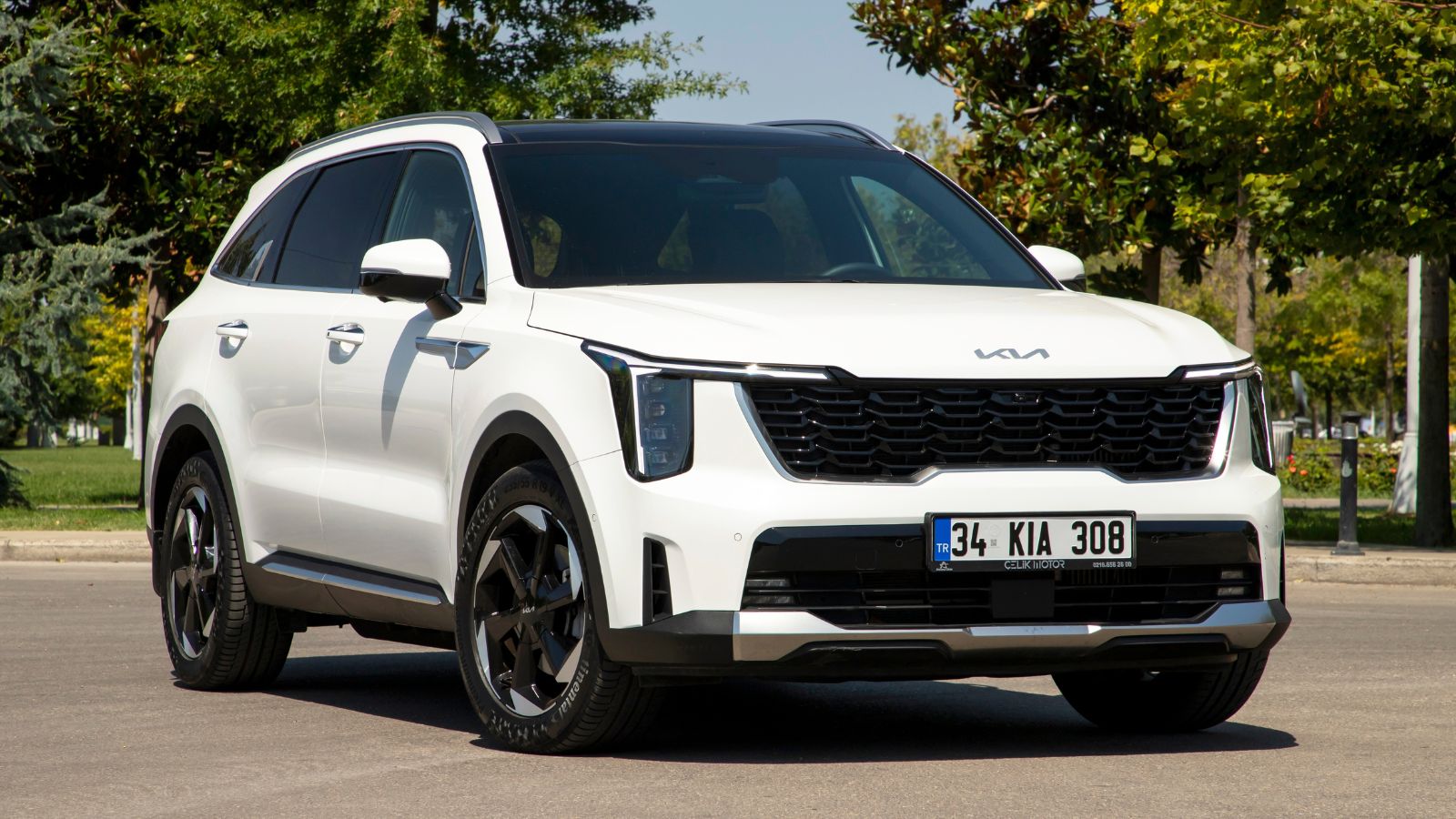
The Kia Sorento sits in that dangerous middle ground where a vehicle looks mainstream enough to feel safe but has just enough documented trouble in certain year ranges to deserve real caution. In Canada, Transport Canada posted a recall affecting some earlier Sorento models with 2.4-litre Theta II engines because an engine-compartment fire could occur while driving, with symptoms that could include knocking, warning lights, fuel smells, smoke, oil leaks, and possible engine failure. Kia also noted that dealers could inspect and, if needed, replace engines. That is not minor background noise. That is the kind of history that changes how a used vehicle should be priced and evaluated.
The Sorento becomes a money pit when a buyer assumes “Kia SUV” means low-risk ownership across the board. Routine maintenance averages do not look outrageous, which is exactly why the big-ticket possibility matters so much. If the vehicle has incomplete documentation, if the prior owner skipped service, or if warning signs were ignored, the low purchase price can lose its charm fast. A three-row crossover that seemed like a smart family move can suddenly demand inspection time, record chasing, and uncomfortable guesswork. The cost here is not just mechanical. It is the uncertainty that comes with owning a vehicle whose value depends heavily on what happened before it arrived.
6. Chevrolet Equinox / GMC Terrain
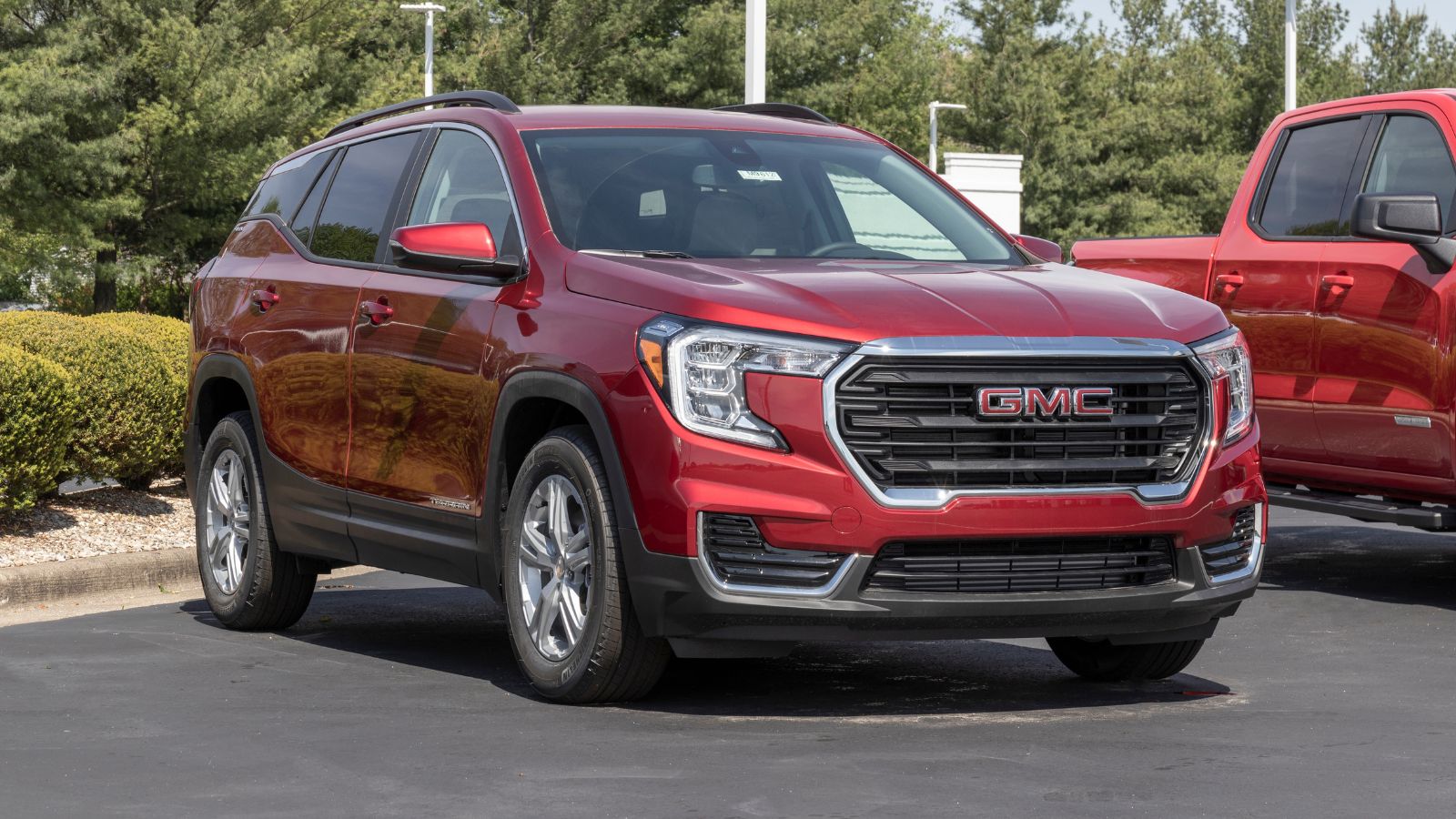
The Chevrolet Equinox and GMC Terrain are easy to rationalize. They are everywhere, they look modern enough, and used examples often land in a price range that feels manageable for Canadian households. But common does not always mean carefree. Transport Canada posted a recall affecting certain 2022 Equinox and Terrain models because a fuel-pump problem could reduce fuel flow, cause hesitation, trigger the check-engine light, and even stall the vehicle while driving. Neither model is ruinous in average annual repair cost, but both also rank closer to the bottom half of their segment in reliability-cost discussions than their popularity might suggest.
That mismatch is what makes them sneaky money pits. Buyers see a familiar compact SUV and assume parts and service will be simple. Often they are, until a stalling issue or repeated diagnostic visit starts adding up in time, rental costs, and lost confidence. These are not vehicles that usually terrify owners with one famous catastrophic flaw. Instead, they wear people down through the sort of medium-sized problems that are too expensive to ignore and too small to justify replacing the vehicle immediately. That slow-drip ownership pattern is exactly how a practical crossover turns into a wallet drain without ever looking dramatic.
7. Honda CR-V
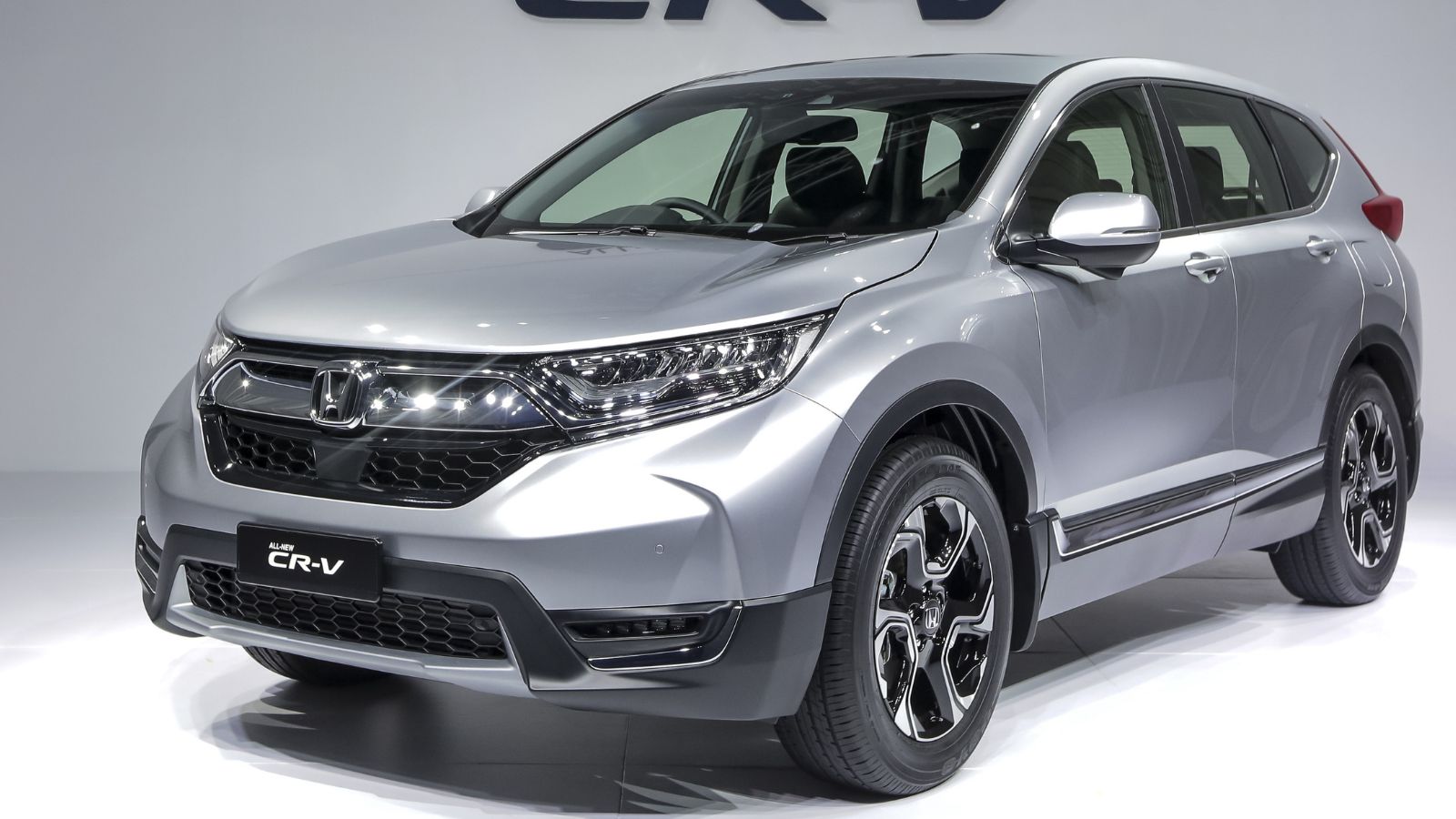
The Honda CR-V still has one of the strongest reputations in Canada, which is exactly why it deserves a warning here. The issue is not that the CR-V suddenly became a bad vehicle. The issue is that it became a very attractive target. Équité and related insurance-industry reporting have repeatedly placed the CR-V near the top of Canada’s stolen-vehicle rankings, and theft pressure has become a real ownership cost in parts of Ontario and Quebec. When a vehicle is desirable to both legitimate buyers and organized theft rings, insurance headaches and security-related decisions become part of the ownership experience whether a shopper planned for them or not.
That is why the CR-V can quietly become expensive despite its reliable image. A buyer may do everything right mechanically and still get hit with a harsher insurance quote, demands for extra anti-theft protection, or long waits and stress if the vehicle disappears from a driveway. In Canada’s current theft environment, “dependable” and “cheap to own” are no longer the same thing. The CR-V still makes sense for many households, but the money-pit version is the one bought on reputation alone, without acknowledging that theft exposure can now change the financial equation almost as much as repairs do.
8. Toyota Highlander
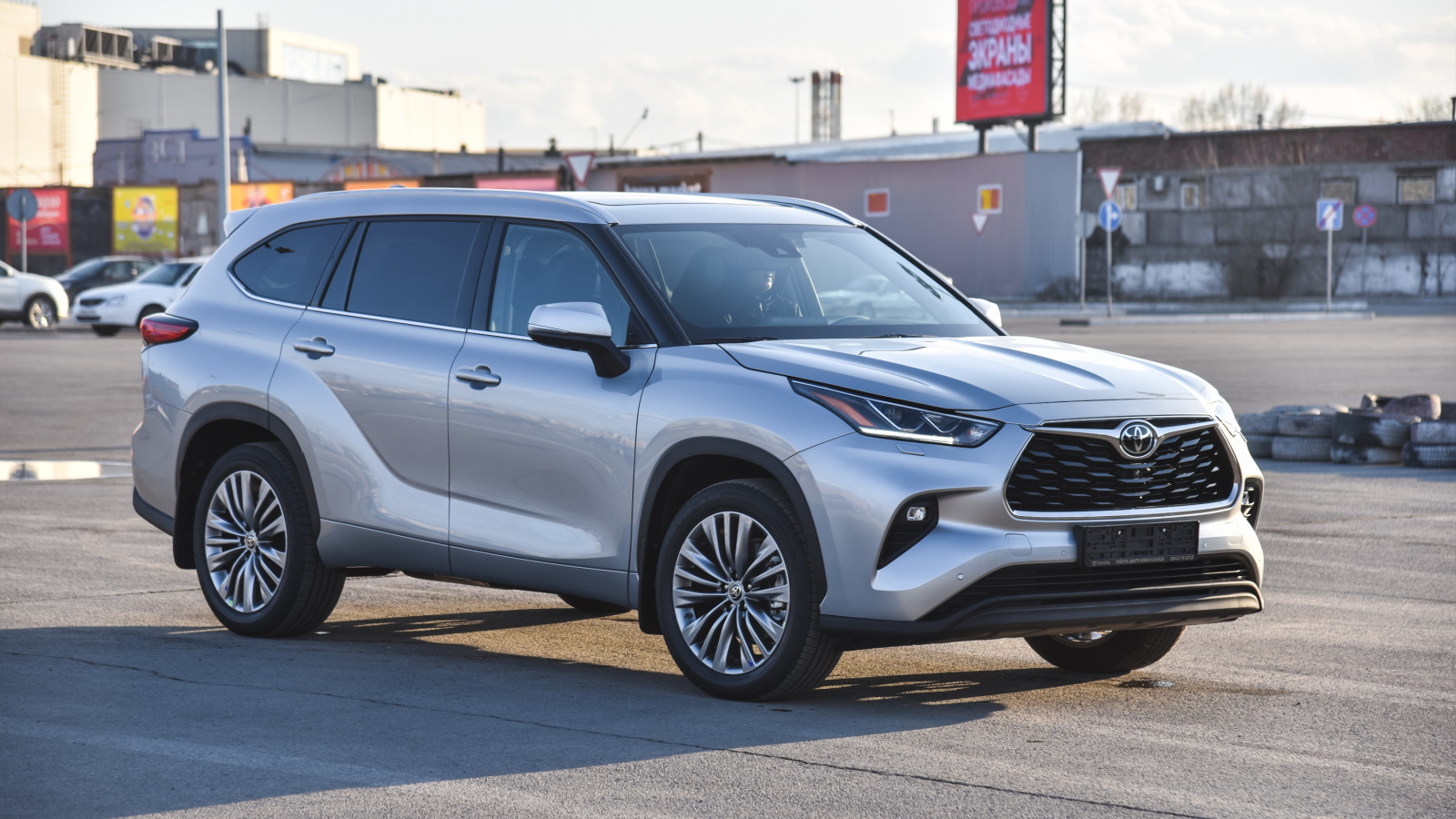
The Toyota Highlander built its reputation on exactly the qualities buyers usually trust most: durability, family usefulness, and strong resale. Ironically, those strengths have helped make it more expensive to own in another way. Équité’s 2023 Canadian theft data put the Highlander at the top of the national stolen-vehicle list, with thousands of thefts and a meaningful theft frequency. In simple terms, criminals like it for many of the same reasons families do. It is valuable, useful, recognizable, and easy to move through illegal channels. That changes the ownership calculation far more than many used-vehicle shoppers realize.
The Highlander’s money-pit risk is therefore less about chronic mechanical weakness and more about the Canadian cost environment around it. Strong resale value is nice until thieves also know it has strong resale value. A family might stretch to buy one because it feels like the safest long-term bet, then discover that insurance pressure, anti-theft precautions, and general stress have become part of the package. That does not cancel the Highlander’s strengths. It simply means the old formula of “Toyota plus SUV equals low-risk ownership” is not as clean as it once was. In 2026 Canada, theft exposure can be just as important as repair history.
9. Lexus RX
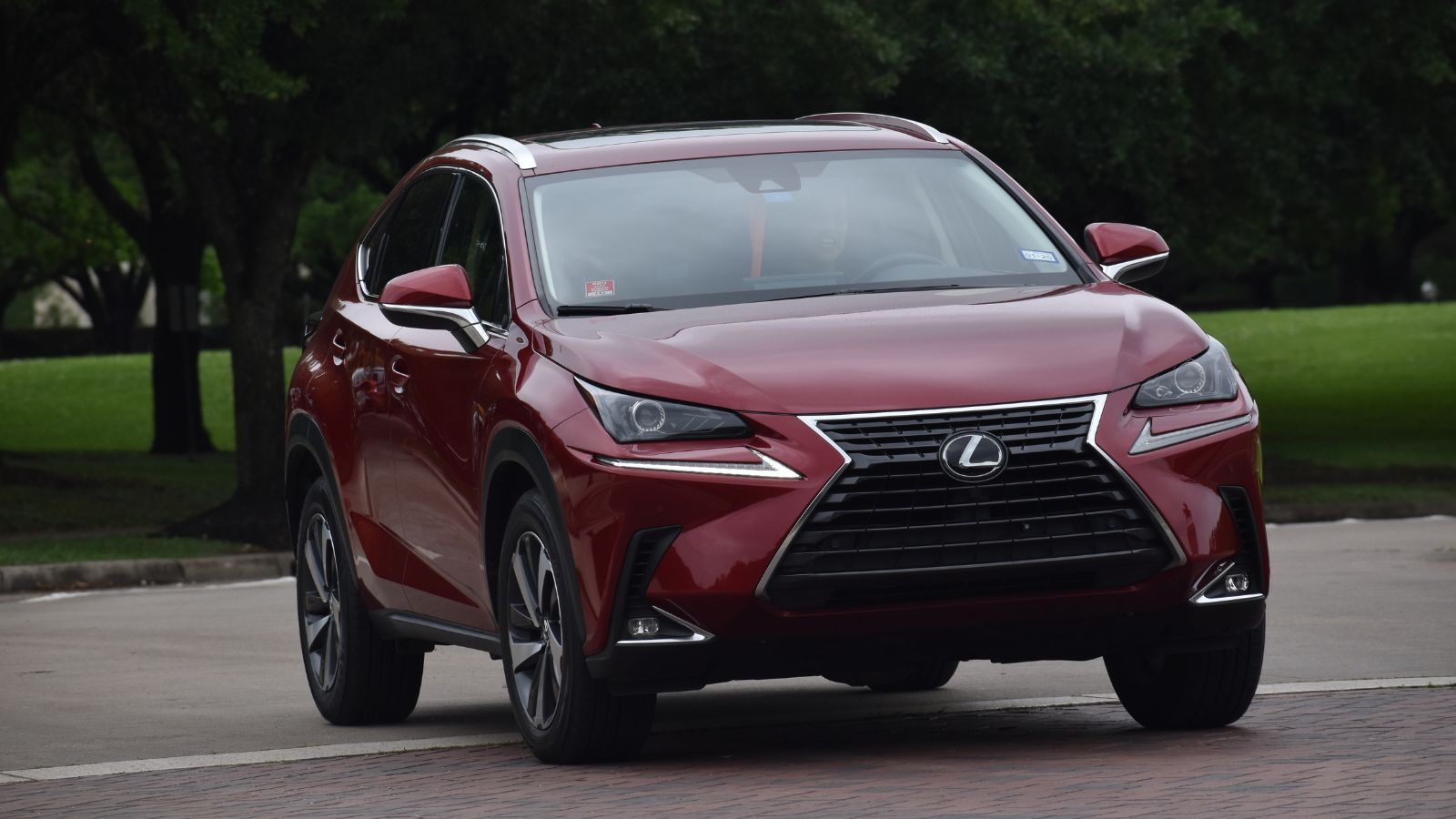
The Lexus RX is one of the clearest examples of a luxury vehicle becoming expensive in ways that have little to do with engine durability. It still offers the quiet, comfortable ownership experience that made it famous, and compared with many European rivals it can remain mechanically calmer over time. But in Canada it has also become a serious theft target. Équité’s national reporting placed the RX near the very top of the country’s stolen-vehicle rankings, with a theft frequency high enough to stand out even in a worsening national theft environment. That instantly changes what “good resale value” really means in practice.
The RX turns into a money pit when buyers focus only on the traditional Lexus story. Yes, it may avoid some of the repair chaos associated with German luxury SUVs. But theft risk can bring its own bill in the form of insurance friction, added security spending, or simply the financial disruption that comes with losing a vehicle that was supposed to be the calm, upscale choice. The irony is sharp: many households buy an RX to reduce ownership stress. In today’s Canadian market, that same choice can create a different kind of stress, one built around exposure rather than unreliability.
10. Ram 1500
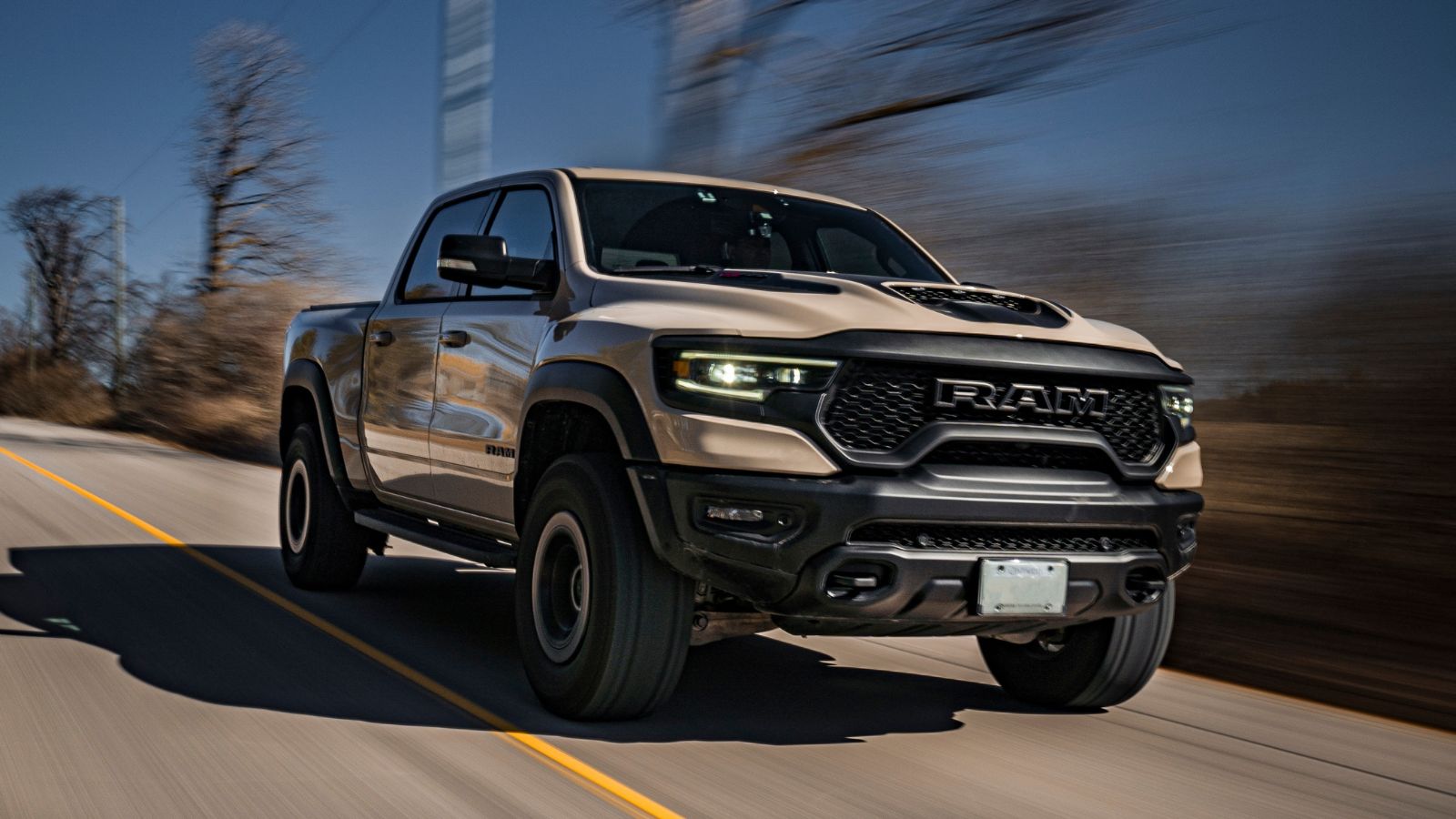
The Ram 1500 sells on comfort, presence, and the idea that a full-size truck can be both useful and almost luxurious. In many ways, that pitch works. The problem is that Canadian ownership costs do not stop at the cabin materials or the monthly payment. The Ram 1500 remains one of the trucks thieves continue to target, and industry lists have kept it high on Canadian and Ontario theft rankings. Even before repairs enter the conversation, theft exposure alone can make a once-straightforward truck purchase feel more complicated and more expensive than buyers expected.
Then the usual full-size-truck costs start stacking on top. Maintenance on a Ram 1500 is not cheap, and the truck’s size means consumables like tires, brakes, and fuel never stay invisible for long. That does not make it a bad vehicle, but it does explain how it becomes a money pit so quietly. A buyer chooses one because it feels like a premium truck for less than some rivals, then discovers that theft risk, insurance pressure, and everyday operating costs all nibble away at that value advantage. The Ram 1500 can still be worth it. It just punishes anyone who mistakes “popular” for “low-cost.”
11. Ford F-150
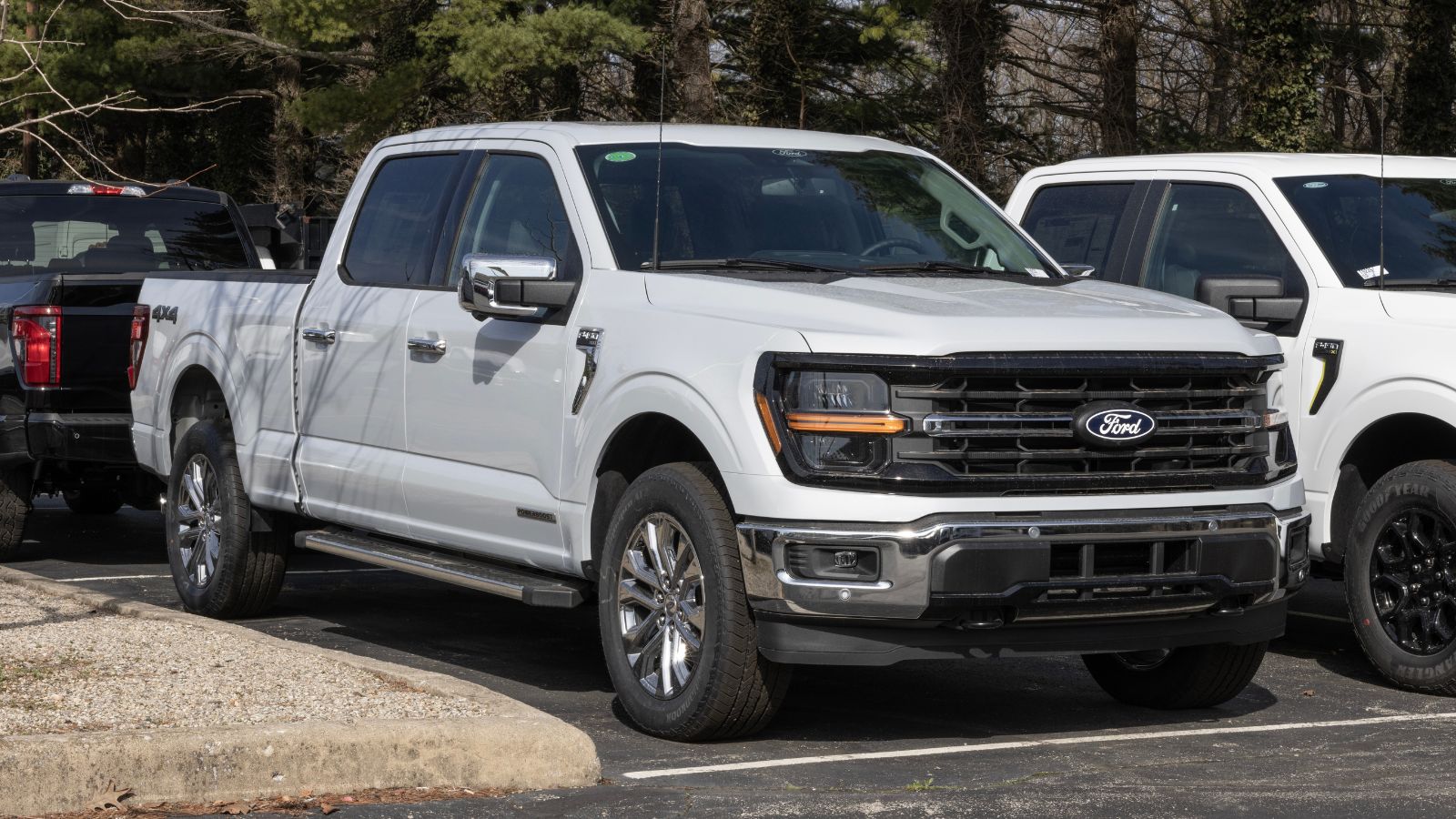
The Ford F-150 is so normal in Canada that many buyers stop evaluating it critically. That is part of the danger. It is not just a truck; it is the default answer for a lot of households, contractors, and fleets. But default does not mean cheap. The F-150 has remained prominent on Canadian theft rankings, and newer examples have also seen Transport Canada action tied to 10-speed transmission issues on certain 2025 models, where a faulty valve body could cause unexpected vehicle movement when reverse or neutral is selected. For a truck that often serves as a household workhorse, even a small percentage of trouble cases carries an outsized impact.
The money-pit angle comes from how easy it is to underestimate total ownership cost. Annual repair averages are already higher than many buyers assume, and once insurance, tires, and modern drivetrain complexity are layered in, the “safe” choice starts looking much less simple. A used F-150 can still be a smart buy, especially with solid records and the right configuration. But this is not a throwaway truck anymore. It is a technologically dense, theft-exposed, expensive-to-feed vehicle that can punish buyers who lean too heavily on brand familiarity instead of examining the exact year, engine, and recall status.
12. Chevrolet Tahoe / Suburban / GMC Yukon
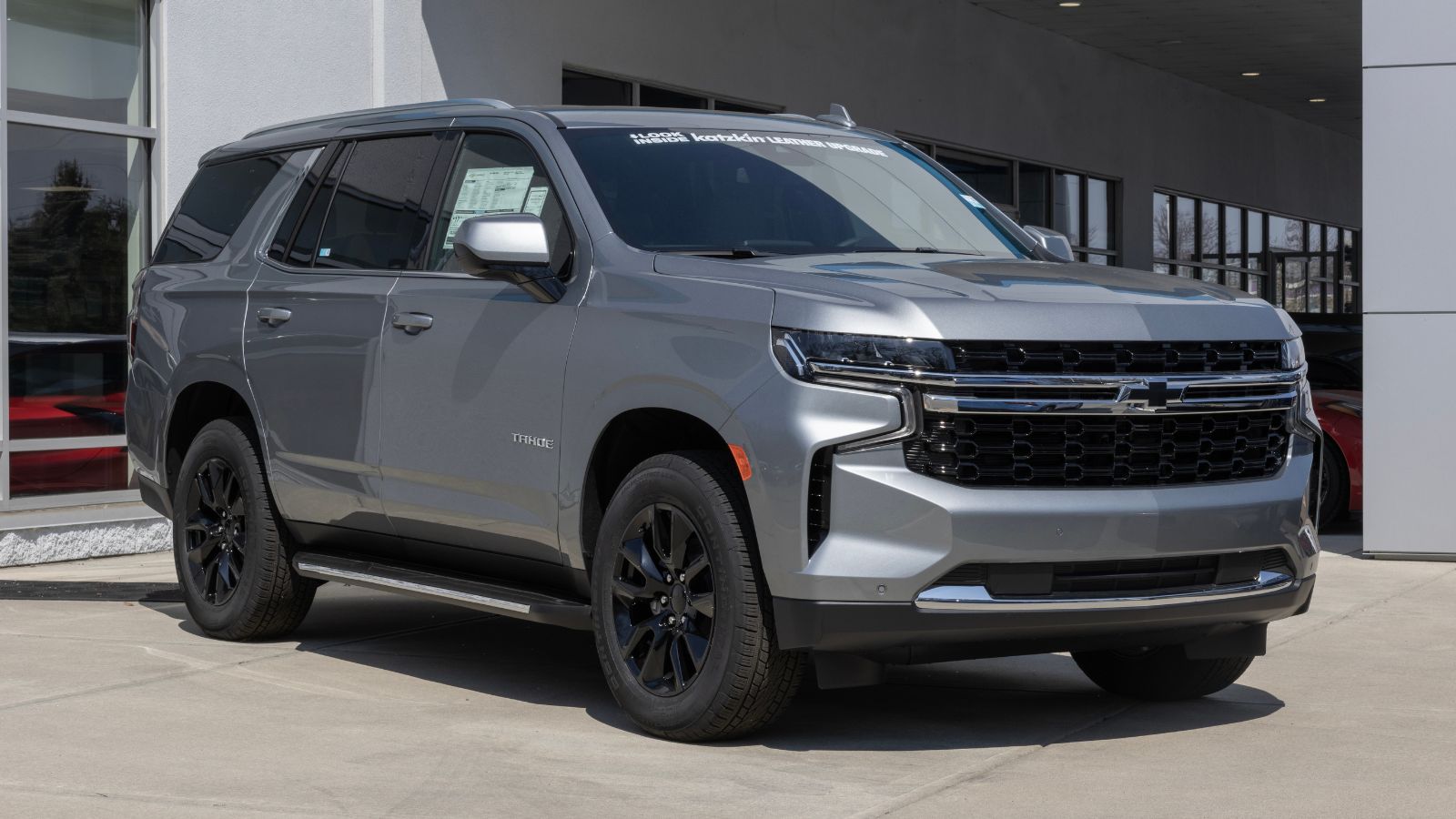
Big GM body-on-frame SUVs have huge appeal in Canada for obvious reasons. They tow, they haul, they survive family life, and in winter they project total confidence. That same popularity, though, creates two expensive problems. First, these full-size SUVs have shown up prominently in Canadian theft reporting. Second, Transport Canada posted a 2026 recall for certain 2022 Chevrolet Tahoe, Suburban, and GMC Yukon models because wear in the transmission control valve body could cause harsh shifting and even sudden wheel lock-up. Those are not abstract ownership concerns. They are exactly the kind of issues that change whether an expensive used SUV still makes sense.
What turns these vehicles into money pits is scale. Everything on them is big: the purchase price, the insurance exposure, the fuel habit, the tire bill, and the pain if something in the drivetrain starts going wrong. A buyer often rationalizes the cost by pointing to versatility, and that part is fair. The problem is that versatility does not soften the blow when a three-row SUV with strong resale becomes a target for thieves and a headache to troubleshoot. These are immensely useful vehicles. They are also some of the easiest vehicles in Canada to underestimate financially.
13. Land Rover Range Rover Sport
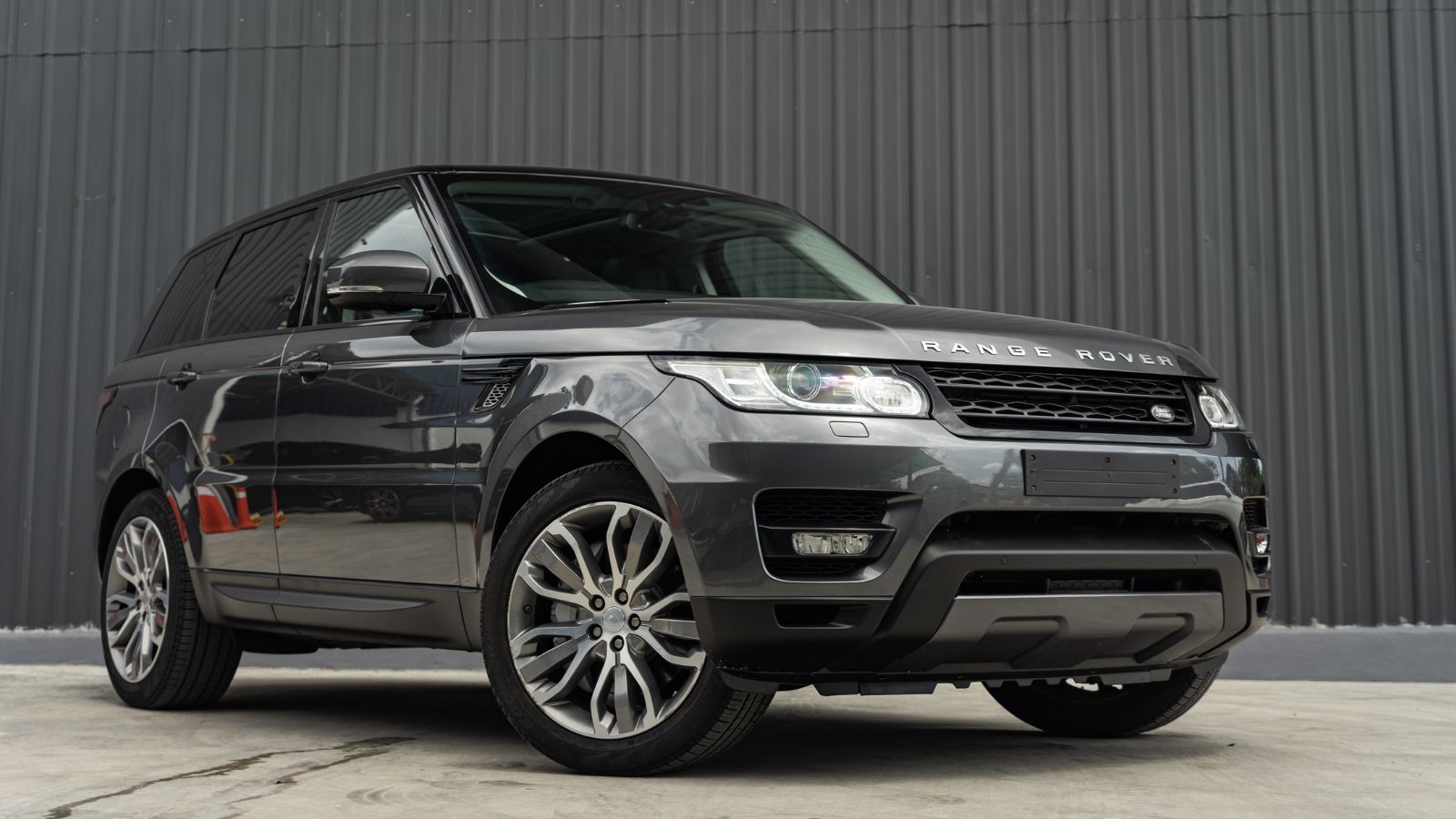
The Range Rover Sport has never pretended to be cheap, but it still catches used buyers with the illusion of value. A few years of depreciation can make one look temptingly attainable, especially compared with what it cost new. In Canada, however, it carries two major ownership warnings. One is theft risk: Land Rover products have appeared near the top of stolen-vehicle data, and older Range Rover Sport generations posted especially high theft frequencies in national reporting. The other is routine upkeep. RepairPal’s cost data puts the Range Rover Sport well above mainstream ownership norms, with annual repair costs that already sit in uncomfortable territory before anything major breaks.
That combination is where the trap closes. The shopper sees a luxury SUV now priced like a premium crossover, but the ownership economics never truly become mainstream. Land Rover Canada even offers a theft-related loyalty program for owners whose vehicles are stolen, which says plenty about how real the issue has become. A used Range Rover Sport can feel like a clever upgrade until insurance, diagnostics, and security concerns start acting like the vehicle still carries a six-figure lifestyle. That is the essence of a money pit: something that becomes affordable to buy long before it becomes affordable to own.
14. BMW X5
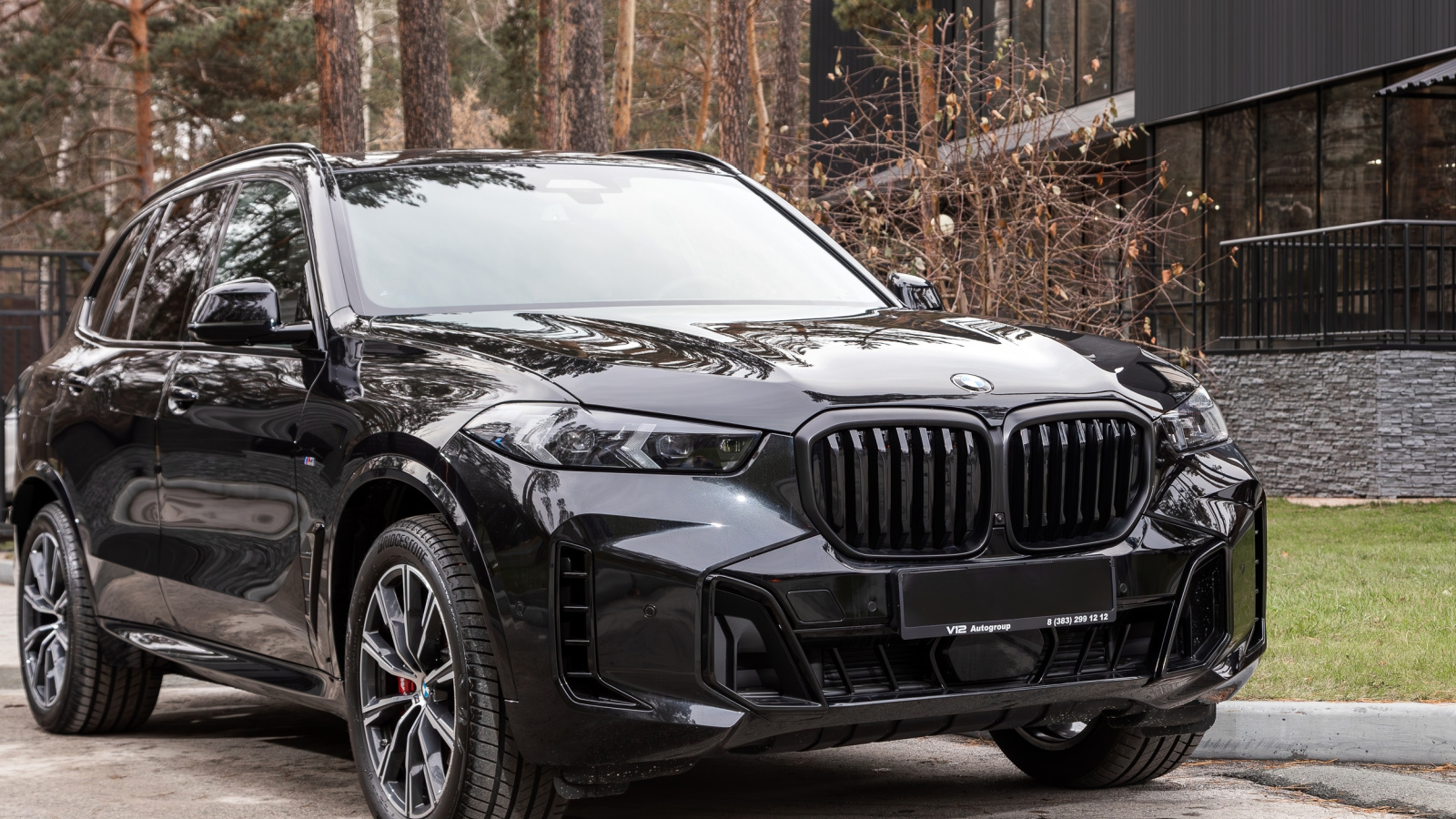
The BMW X5 remains one of the best-driving luxury SUVs on the road, which is exactly why people keep talking themselves into used examples. The trouble is that the X5’s ownership curve is rarely kind once warranties fade. RepairPal places its annual repair cost at roughly $1,166, and cost-tracking services put 10-year maintenance and repair spending around the high-$19,000 range, with a major-repair probability that is worse than the segment average. Add in recent recall history, including Transport Canada notices tied to starter-overheat and water-intrusion risks on certain BMW vehicles, and the picture becomes much less glamorous.
The X5 becomes a quiet money pit because it hides its expense behind competence. It still feels expensive in a good way when the cabin is shut and the road opens up. That sensory quality is what makes owners forgive warning lights they would not tolerate from another brand. A buyer may think they are getting a bargain because the vehicle has already taken its depreciation hit. In reality, depreciation often just hands the next owner the bill for complexity. A used X5 is best approached like a luxury commitment, not a discounted family SUV. People who forget that usually pay to remember it.
15. Audi Q5
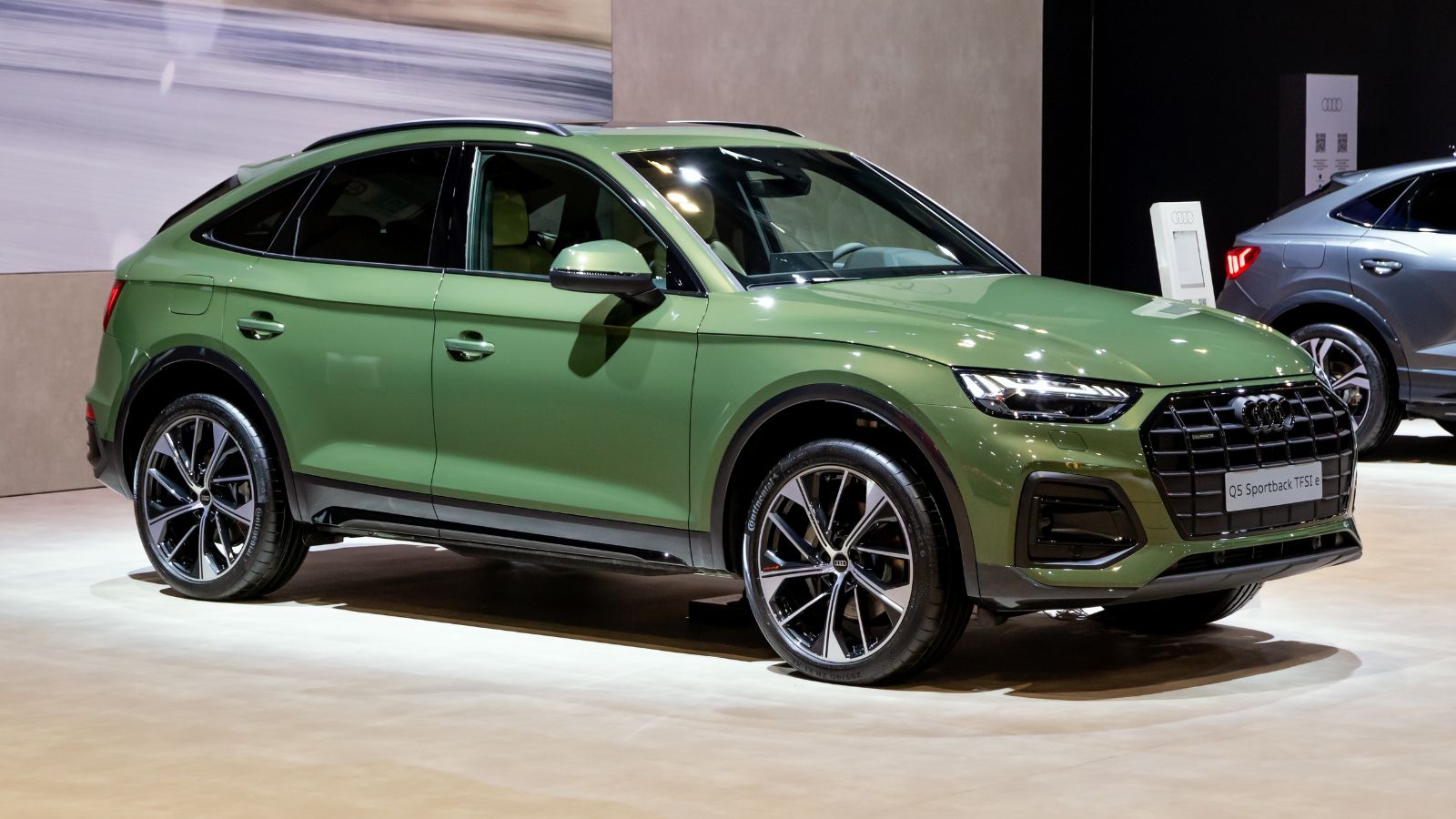
The Audi Q5 is one of those crossovers that ages beautifully in a driveway and dangerously in a spreadsheet. It still looks premium, still feels well-built, and still gives used buyers the impression that they are stepping into understated luxury. The problem is that the Q5 sits squarely inside Canada’s Volkswagen/Audi water-pump settlement for certain 2011-2021 vehicles, and Audi also faces a newer Canadian class action effort over alleged excessive oil-consumption issues. Combine that with average annual repair costs that sit above the luxury-SUV norm, and the Q5 starts to look less like a polished deal and more like a vehicle that demands very careful file-folder ownership.
This is the kind of SUV that punishes vague shopping. A buyer who gets a serviced, documented example may have a very different experience from someone who buys the cheapest Q5 in the postal code. The visual quality can lull people into thinking it was well cared for simply because it still looks expensive. That is often where the trouble begins. Water-pump history, oil-use concerns, and pricey diagnostics do not always show up in the first test drive. They appear later, once the vehicle is emotionally “yours” and the bills feel less theoretical. That is how the Q5 quietly drains wallets: politely, gradually, and with excellent interior trim.
16. Volkswagen Tiguan
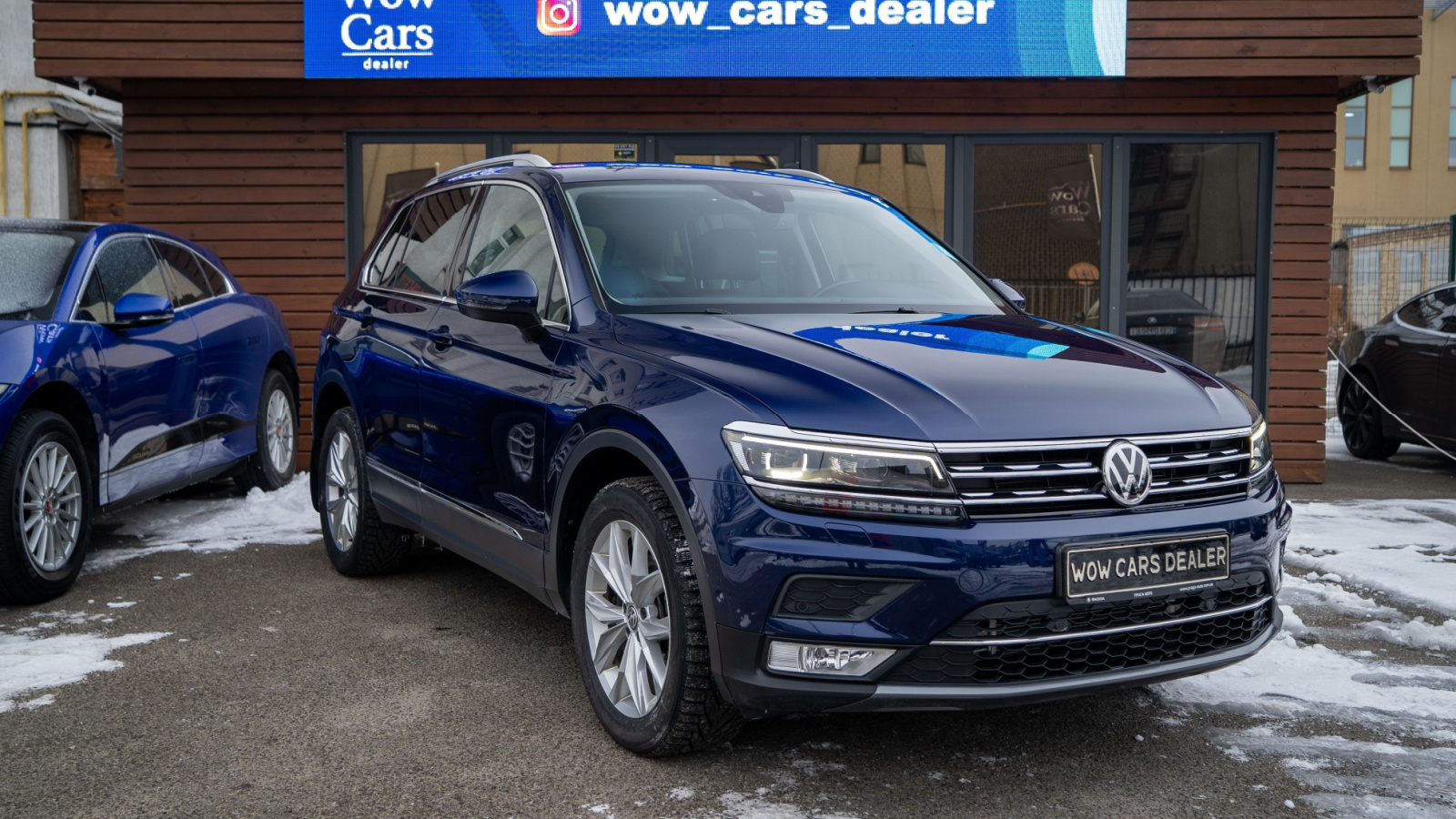
The Volkswagen Tiguan has always offered a slightly more European take on the family crossover formula, and that gives it real appeal in the used market. It looks sharper than many rivals, drives with more discipline than the average appliance SUV, and often feels a class above in design. But the ownership story deserves more skepticism. The Tiguan is included in Canada’s approved Volkswagen/Audi water-pump settlement for certain 2009-2021 vehicles, and RepairPal’s reliability-cost data places it at the bottom of the compact-SUV segment in its ranking, with annual repair costs above the class average. That is not a disaster sentence, but it is a clear warning against buying blindly.
The Tiguan money pit usually appears in the second or third year of ownership, not the first week. A buyer enjoys the more premium feel, accepts slightly pricier service, and then starts running into the reality that “slightly pricier” compounds. Cooling-system worries, more frequent shop visits, and German-brand labour rates can chip away at the value story fast. The Tiguan is not the sort of SUV that announces itself as a risky buy. It blends in too well for that. But among used compact crossovers in Canada, it is one of the easiest to underestimate simply because it remains so easy to like.
17. Mercedes-Benz GLE
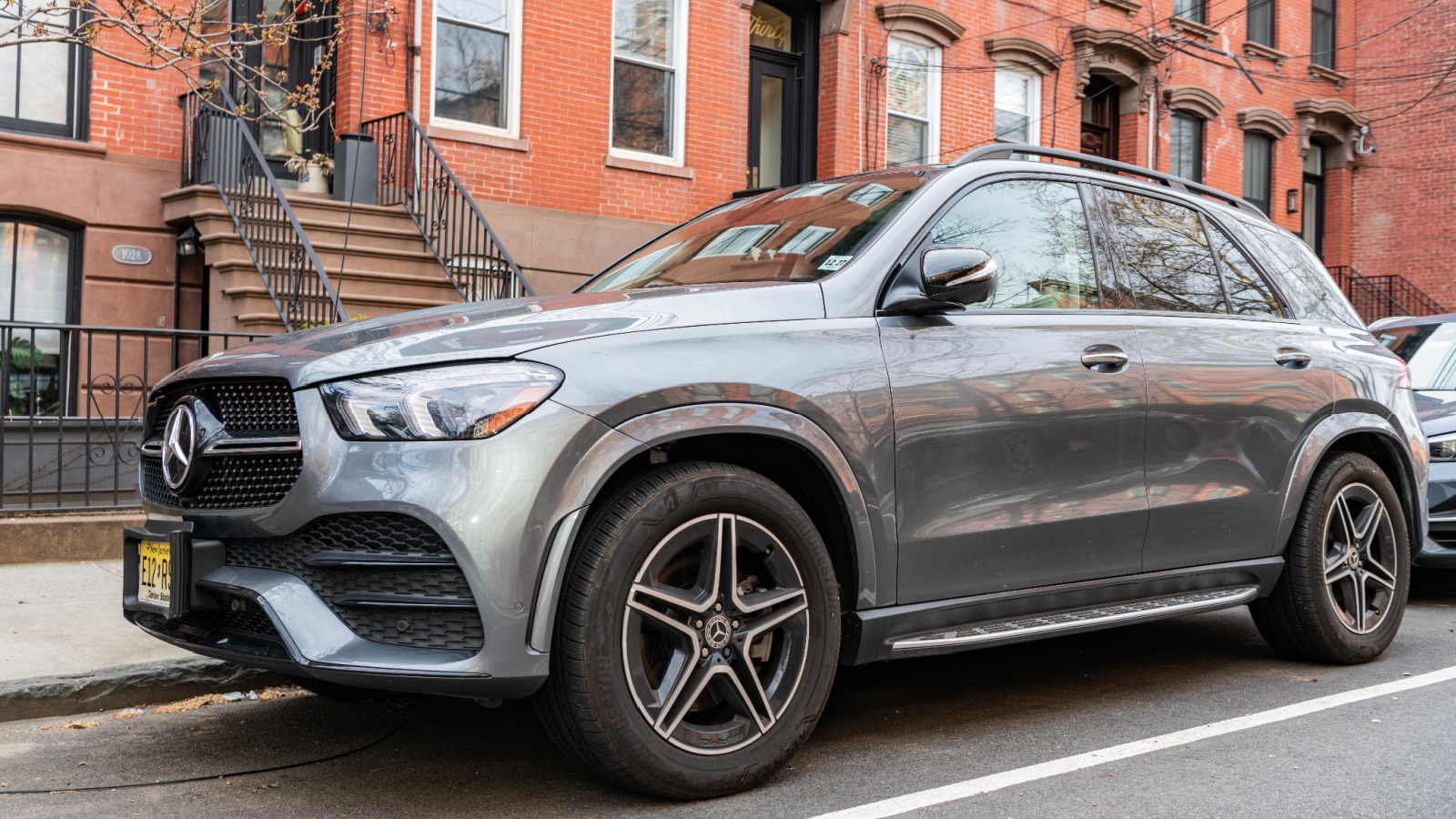
The Mercedes-Benz GLE is often purchased as the grown-up luxury-SUV choice. It is less flashy than some rivals, more comfortable than most, and easy to justify as a family vehicle with prestige attached. That calm image can hide how expensive it really is to own. RepairPal’s cost data puts annual maintenance for GLE variants around the $1,186 to $1,194 range, and recent Transport Canada recalls have included GLE-related concerns such as improperly tightened 48-volt ground connections that could overheat and create a fire risk on certain vehicles. Once a luxury SUV starts combining high routine costs with modern electrical complexity, ownership becomes far less forgiving.
The GLE money pit is rarely about one notorious flaw that everybody knows. It is about the cumulative cost of keeping a high-end vehicle at a high standard after the warranty glow wears off. One owner may love the cabin and barely notice the bills. Another may discover that a single electrical visit can cost what a mainstream SUV owner spends on months of normal maintenance. That is the trap with the GLE. It feels sensible because it is refined. But refined vehicles can still be very expensive vehicles, and the quiet ones often empty a wallet more effectively than the obviously temperamental ones.
18. MINI Cooper Countryman
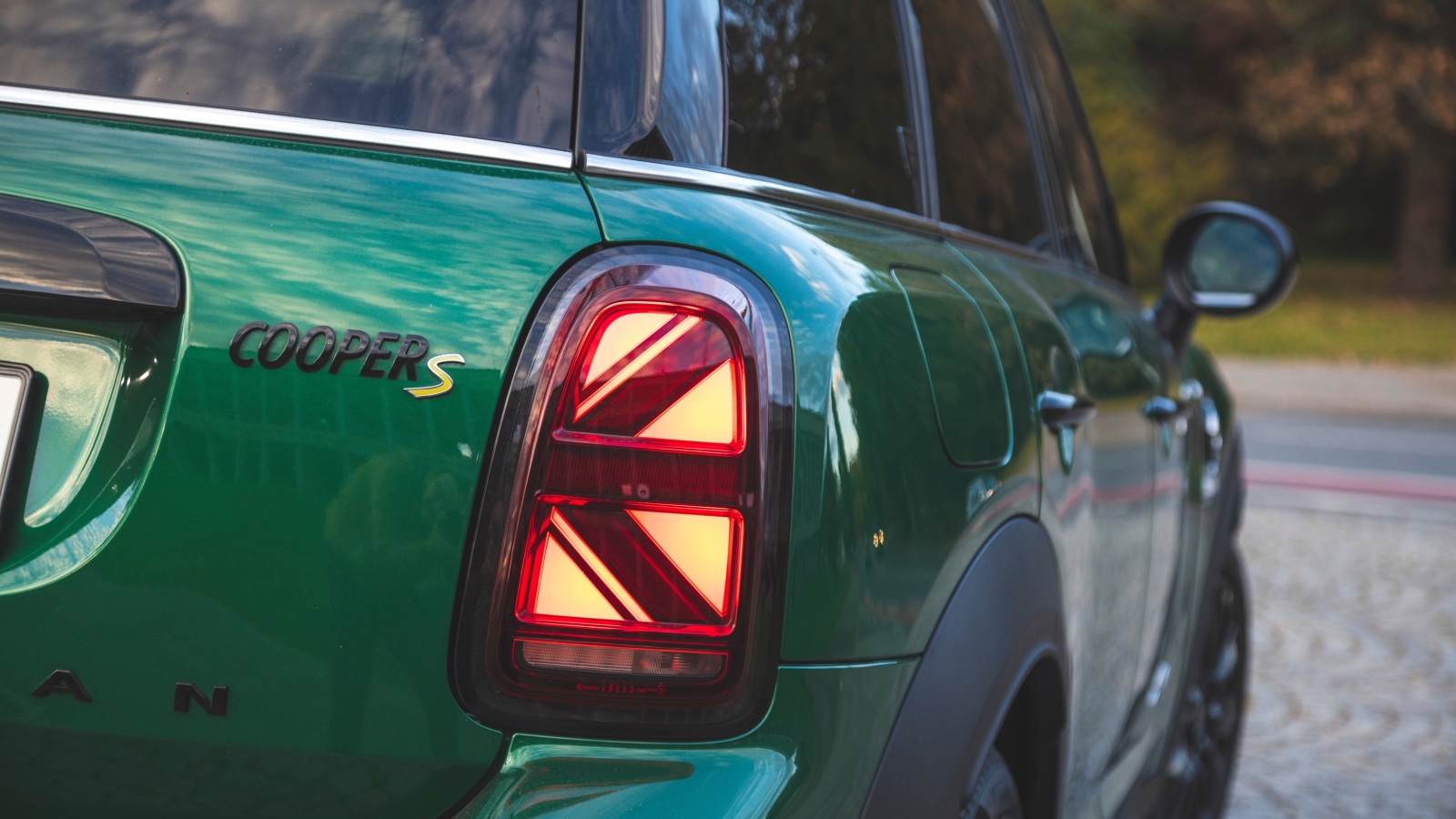
The MINI Countryman often enters the picture as the fun alternative. It promises something more stylish and more characterful than the average small crossover, which is why buyers forgive things they would question elsewhere. But fun does not prevent a vehicle from becoming costly. RepairPal’s reliability-cost data puts the Countryman’s annual maintenance and repair cost around $880, far above the subcompact-car average, and notes that while many repairs are minor, shop visits are more frequent than average. That kind of ownership pattern is especially dangerous because it does not always feel catastrophic enough to trigger a sale. It just keeps quietly skimming money off the top.
This is how the Countryman becomes a lifestyle money pit. A buyer thinks the premium over a mainstream small SUV is mostly aesthetic and maybe a little mechanical. In reality, the ownership rhythm can be much more demanding. Extra diagnosis visits, pricier parts, and the general cost of maintaining a small premium-branded vehicle all stack up faster than expected. None of this means the Countryman is a bad car to live with. It means the price of charm is real. In the used market, people often pay for MINI twice: once when they buy it, and again when they realize personality does not come with economy.
22 Things Canadians Do to Their Cars in Spring That Mechanics Hate

Spring brings relief to many Canadian drivers after months of snow, freezing temperatures, and icy roads that put serious strain on vehicles. As temperatures rise across the country, drivers begin washing cars, switching tires, and preparing vehicles for warmer weather and upcoming road trips. However, mechanics across Canada notice the same mistakes every spring when drivers attempt to recover from winter damage. Road salt, potholes, and harsh winter driving conditions often leave vehicles with hidden problems that drivers ignore. Some spring habits even create new mechanical issues that could have been avoided with proper maintenance. Here are 22 things Canadians do to their cars in spring that mechanics hate.